



NEK2
NEK2 (NIMA-related kinase 2) is a serine/threonine kinase that localizes predominantly to the centrosome and functions as a key regulator of centrosome separation, bipolar spindle assembly, chromosome segregation, and mitotic progression[1][2]. NEK2 expression increases during S and G2 phases of the cell cycle, supporting its role in coordinating accurate cell division and maintenance of genomic stability[1][2]. Mechanistically, NEK2 phosphorylates proteins involved in centrosome disjunction and chromosome segregation, and dysregulated NEK2 activity promotes premature centrosome splitting, chromosomal instability, aneuploidy, and aberrant mitotic progression[1][2][3]. In addition to its canonical centrosomal functions, NEK2 can localize to the nucleus, interact with splicing factors, and regulate alternative splicing programs linked to cell survival and apoptosis[2]. In disease contexts, NEK2 is frequently overexpressed in multiple malignancies, where elevated expression is associated with tumor progression, drug resistance, chromosomal instability, and poor clinical prognosis[3][4]. Compared with other members of the NIMA-related kinase family, NEK2 is distinguished by its prominent role in centrosome dynamics and mitotic regulation, and alternative splicing generates isoforms with distinct C-terminal regions that may differ in subcellular localization and regulatory properties[1][2]. For experimental applications, NEK2 has emerged as a therapeutic target, and small-molecule inhibitors have demonstrated the ability to suppress NEK2 kinase activity in cellular and preclinical cancer models, supporting their utility for investigating mitotic regulation and cancer biology[3][5].
References:
All Product Categories
-
NEK2 Related Products (19)
Related Products (19)

- 1
-
T-1101 tosylate
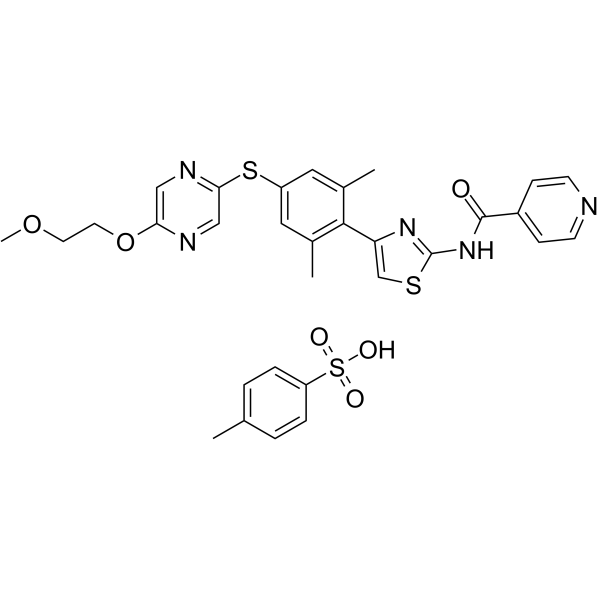 0 ImagesSynonyms: TAI-95 tosylateT-1101 tosylate (TAI-95 tosylate) is the tosylate salt form of T-1101 (HY-120356). T-1101 tosylate is an orally active inhibitor for mitose regulating highly expressed oncoprotein 1 (Hec1). T-1101 tosylate blocks the interaction between Hec1 and NEK2, exhibits cytotoxicity in human liver cancer cells with GI50 of 15-70 nM. T-1101 tosylate induces apoptosis in Huh-7. T-1101 tosylate exhibits antitumor efficacy in mouse models.
-
MBM-55
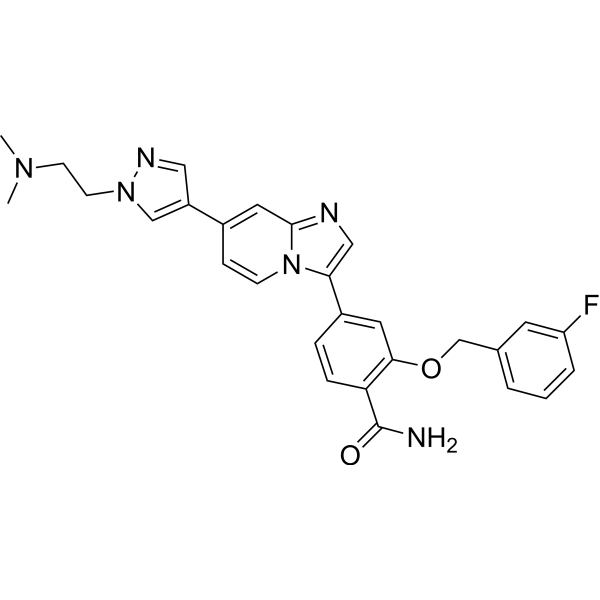 0 ImagesMBM-55 is a potent NIMA-related kinase 2 (Nek2) inhibitor with an IC50 of 1 nM. MBM-55 shows a 20-fold or greater selectivity in most kinases with the exception of RSK1 (IC50=5.4 nM) and DYRK1a (IC50=6.5 nM). MBM-55 effectively inhibits the proliferation of cancer cells by inducing cell cycle arrest and apoptosis. MBM-55 shows antitumor activities, and no obvious toxicity to mice.
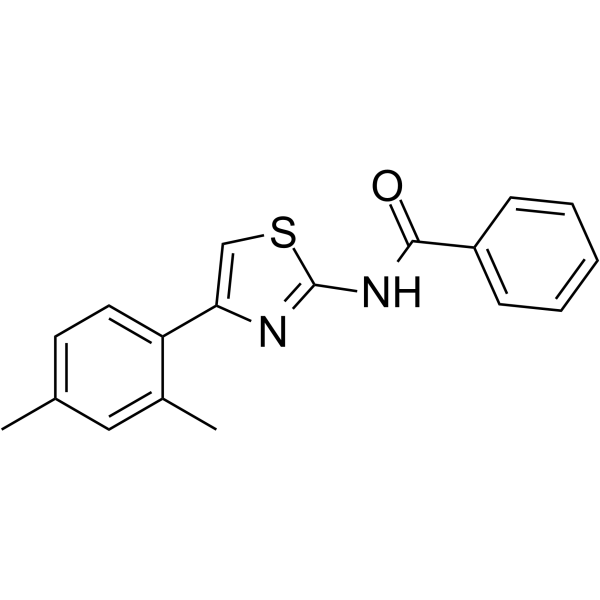
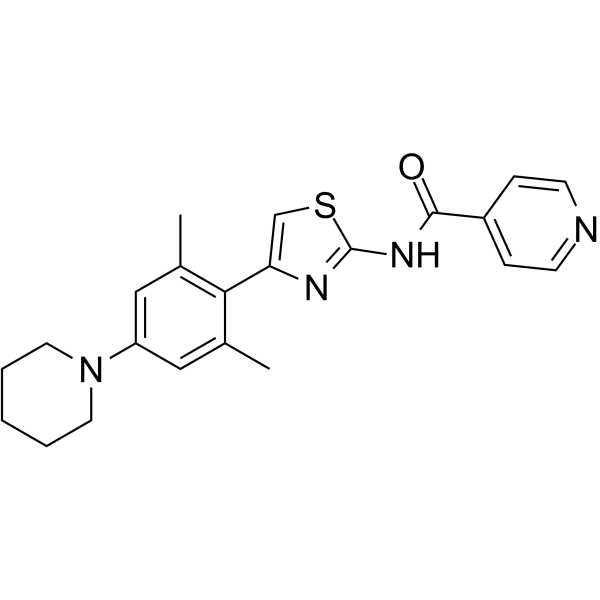
-
NBI-961
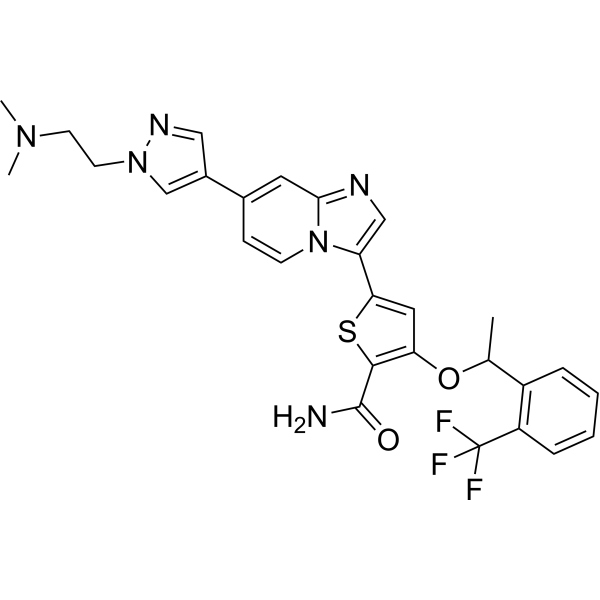 0 ImagesNBI-961 is a NEK2 catalytic inhibitor with human NEK2 IC50 ~12-fold lower than FLT3. NBI-961 induces proteasomal degradation of NEK2. NBI-961 induces G2/mitosis arrest, apoptosis, and compromises viability in DLBCL cells and patient-derived cells. NBI-961 sensitizes DLBCL cells to doxorubicin and vincristine, and suppresses DLBCL tumor growth in mice. NBI-961 can be used for the research of diffuse large b cell lymphoma.
-
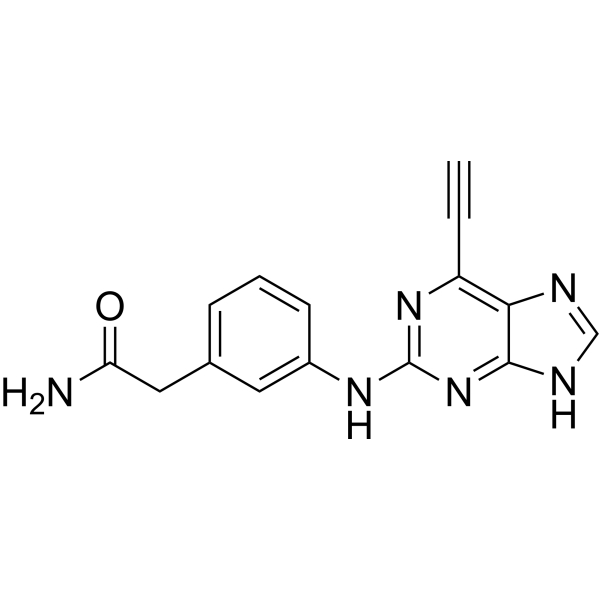
JH295
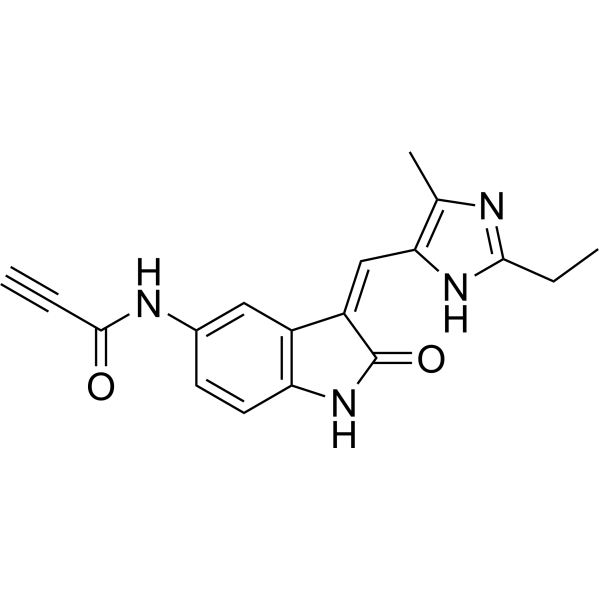 0 ImagesJH295 is a potent, irreversible and selective NIMA-related kinase 2 (Nek2) inhibitor with an IC50 of 770 nM. JH295 inhibits cellular Nek2 via alkylation of Cys22. JH295 is inactive against the mitotic kinases, Cdk1, Aurora B or Plk1, and does not perturb bipolar spindle assembly or the spindle assembly checkpoint. JH295 is a click chemistry reagent, it contains an Alkyne group and can undergo copper-catalyzed azide-alkyne cycloaddition (CuAAc) with molecules containing Azide groups.
-
INH6
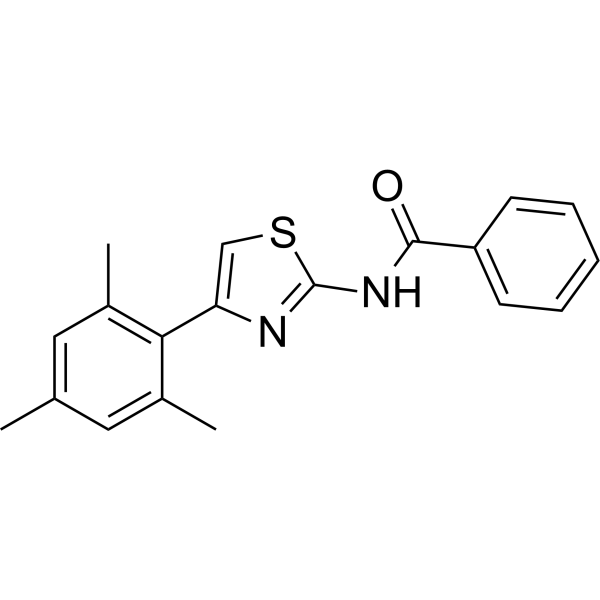 0 ImagesINH6 is a potent Nek2/Hec1 inhibitor; inhibits the growth of HeLa cells with an IC50 of 2.4 μM.
-
TAI-1
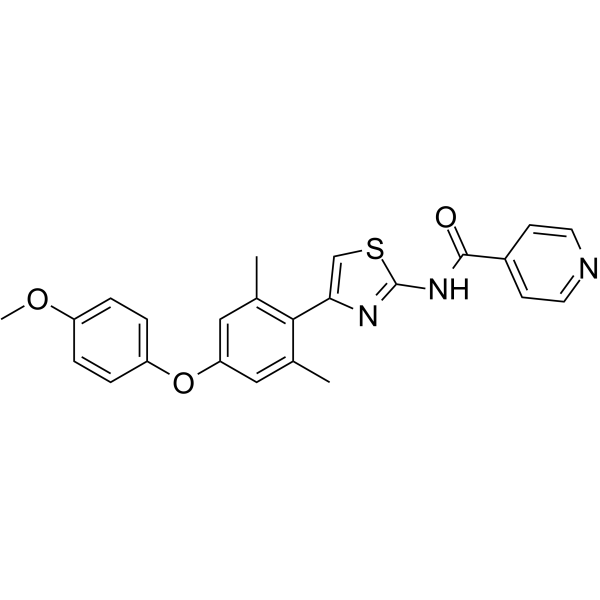 0 ImagesTAI-1, an orally active anticancer agent, is a highly potent first-in-class Hec1 inhibitor, with a GI50 of 13.48 nM in K562 cells.
-
MBM-17S
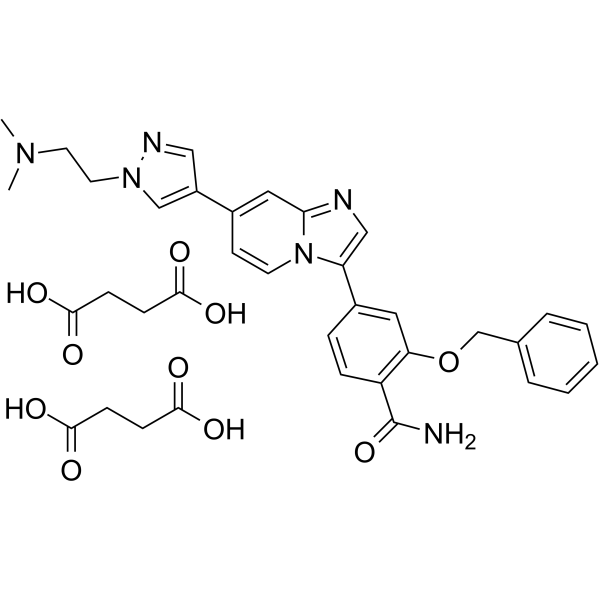 0 ImagesCat. No.: HY-101030ACAS No.: 2083621-91-2
-
JH295 hydrate
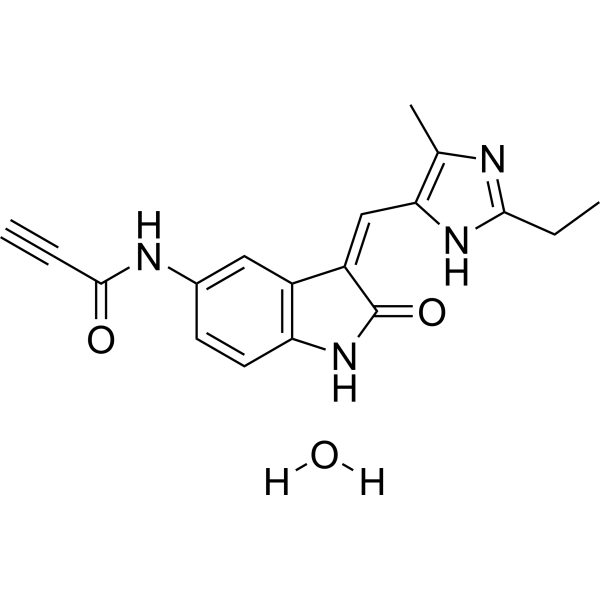 0 ImagesJH295 hydrate is a potent, irreversible and selective NIMA-related kinase 2 (Nek2) inhibitor with an IC50 of 770 nM. JH295 hydrate inhibits cellular Nek2 via alkylation of Cys22. JH295 hydrate is inactive against the mitotic kinases, Cdk1, Aurora B or Plk1, and does not perturb bipolar spindle assembly or the spindle assembly checkpoint. JH295 (hydrate) is a click chemistry reagent, it contains an Alkyne group and can undergo copper-catalyzed azide-alkyne cycloaddition (CuAAc) with molecules containing Azide groups.
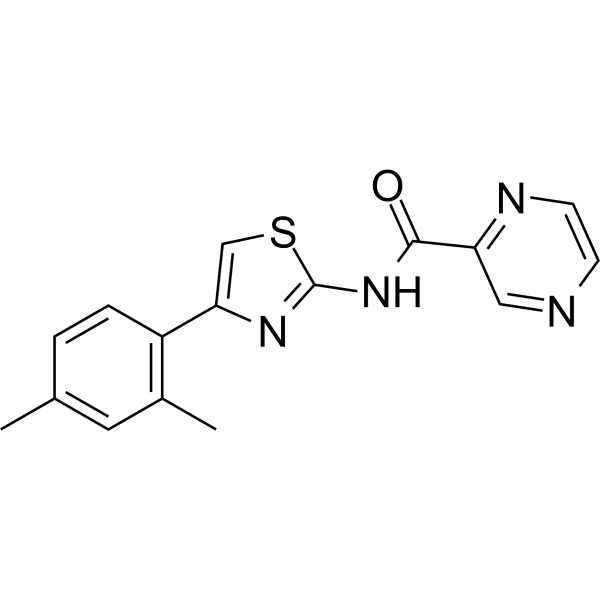
-
Nek2-IN-4
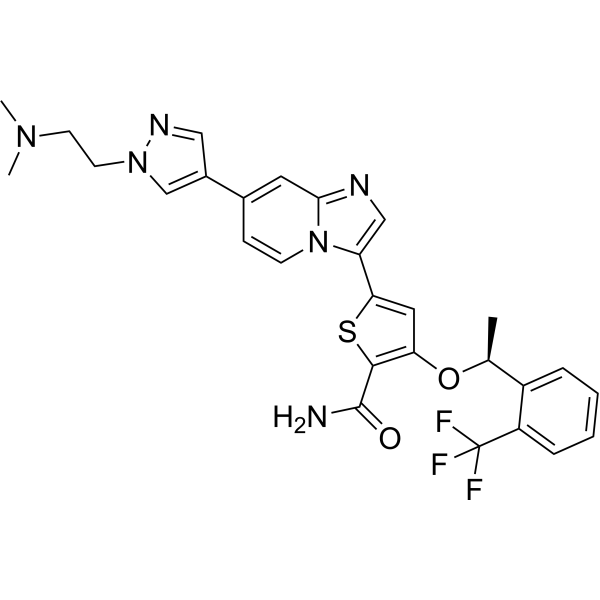 0 ImagesCat. No.: HY-137046CAS No.: 2225902-88-3Nek2-IN-4 is a potent NEK2 inhibitor with an IC50 value of 15 nM. Nek2-IN-4 inhibits cell proliferation. Nek2-IN-4 has the potential for the research of pancreatic cancer.
-
MBM-55S
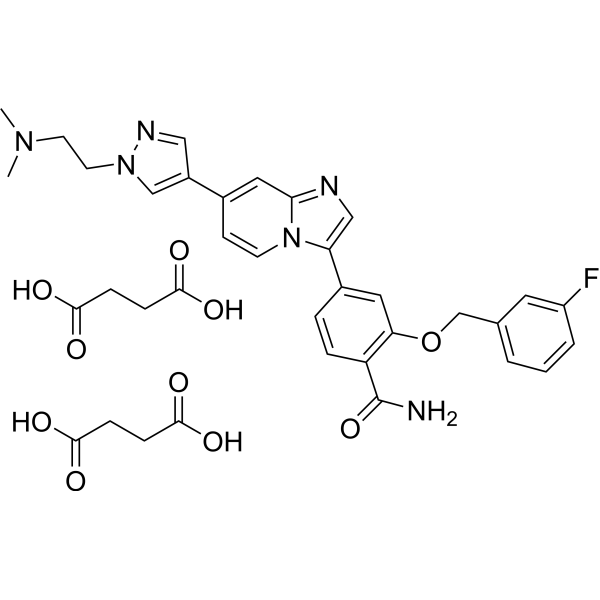 0 ImagesCat. No.: HY-101029ACAS No.: 2083624-07-9MBM-55S is a potent NIMA-related kinase 2 (Nek2) inhibitor with an IC50 of 1 nM. MBM-55S shows a 20-fold or greater selectivity in most kinases with the exception of RSK1 (IC50=5.4 nM) and DYRK1a (IC50=6.5 nM). MBM-55S effectively inhibits the proliferation of cancer cells by inducing cell cycle arrest and apoptosis. MBM-55S shows antitumor activities, and no obvious toxicity to mice.
-
MBM-17
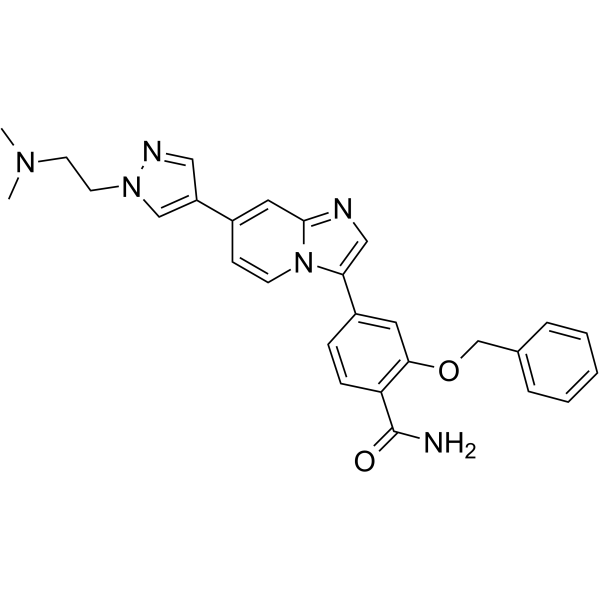 0 ImagesCat. No.: HY-101030CAS No.: 2083621-90-1
-
T-1101
 0 ImagesCat. No.: HY-120356CAS No.: 1438638-83-5Synonyms: TAI-95T-1101 (TAI-95) is an orally active inhibitor for mitose regulating highly expressed oncoprotein 1 (Hec1). T-1101 blocks the interaction between Hec1 and NEK2, exhibits cytotoxicity in human liver cancer cells with GI50 of 15-70 nM. T-1101 induces apoptosis in Huh-7. T-1101 exhibits antitumor efficacy in mouse models.
-
CG-1521
 0 ImagesCat. No.: HY-108919CAS No.: 674767-29-4CG-1521 is a histone deacetylase (HDAC) inhibitor that stabilizes Ac-Lys373 P53, increases P21 levels and HDAC2 degradation. CG-1521 can inhibit proliferation, induce cell cycle arrest and apoptosis. CG-1521 promotes Bax translocation to the mitochondria and cleavage. CG-1521 downregulates KIF4, Aurora B and Nek2 protein expression and DNA synthesis. CG-1521 can be used for the research of prostate cancer and inflammatory breast cancer.
-
Nek2-IN-6
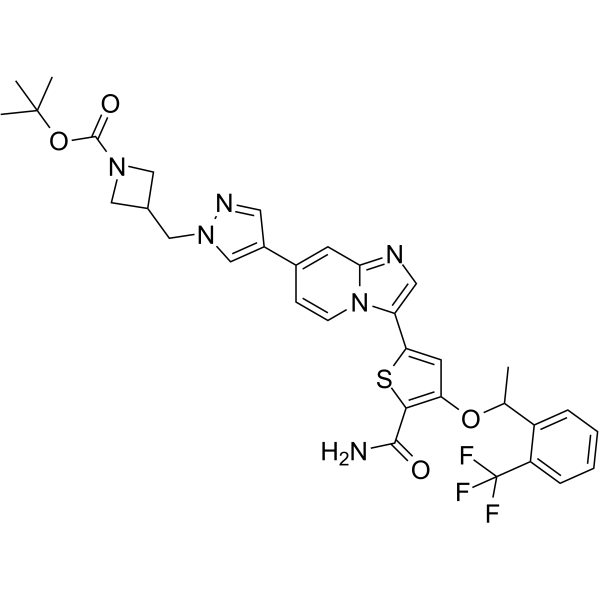 0 ImagesCat. No.: HY-150046CAS No.: 2410376-96-2
-
GSK461364 analogue 1
 0 ImagesCat. No.: HY-111090CAS No.: 929095-23-8GSK461364 analogue 1 is a thiophene-based PLK1 inhibitor with a PLK1 IC50 of 2 nM and a PLK3 IC50 of 630 nM. GSK461364 analogue 1 also acts as an inhibitor of Nek2 kinase (IC50: 21 nM). GSK461364 analogue 1 has a solubility of ≥190 μM in pH 7.4 PBS and a human plasma protein binding rate of 91.5%. GSK461364 analogue 1 can be used in studies related to colon cancer, lung cancer, breast cancer and ovarian cancer.
- 1



