



Apoptosis
Apoptosis
Apoptosis is a distinctive form of cell death exhibiting specific morphological and biochemical characteristics, including cell membrane blebbing, chromatin condensation, genomic DNA fragmentation, and exposure of specific phagocytosis signaling molecules on the cell surface. Cells undergoing apoptosis differ from those dying through necrosis. Necrotic cells are usually recognized by the immune system as a danger signal and, thus, resulting in inflammation; in contrast, apoptotic death is quiet and orderly.
There are two major pathways of apoptotic cell death induction: The intrinsic pathway, also called the Bcl-2-regulated or mitochondrial pathway, is activated by various developmental cues or cytotoxic insults, such as viral infection, DNA damage and growth-factor deprivation, and is strictly controlled by the BCL-2 family of proteins. The extrinsic or death-receptor pathway is triggered by ligation of death receptors (members of the tumor necrosis factor (TNF) receptor family, such as Fas or TNF receptor-1 (TNFR1)) that contain an intracellular death domain, which can recruit and activate caspase-8 through the adaptor protein Fas-associated death domain (FADD; also known as MORT1) at the cell surface. This recruitment causes subsequent activation of downstream (effector) caspases, such as caspase-3, -6 or -7, without any involvement of the BCL-2 family.
Studies suggest that alterations in cell survival contribute to the pathogenesis of a number of human diseases, including cancer, viral infections, autoimmune diseases, neurodegenerative disorders, and AIDS (acquired immunodeficiency syndrome). Treatments designed to specifically alter the apoptotic threshold may have the potential to change the natural progression of some of these diseases.
All Product Categories
-
Apoptosis Inhibitors
(904)
View all products
-
Apoptosis Agonists
(7)
View all products
-
Apoptosis Antagonists
(9)
View all products
-
Apoptosis Activators
(363)
View all products
-
Apoptosis Modulators
(60)
View all products
-
Apoptosis Inducers
(7944)
View all products
-
Apoptosis Degrader
(1)
View all products
-
Apoptosis Controls
(33)
View all products
-
Apoptosis Related Products (9888)
Related Products (9888)

-
Antibodies (120)
-
Oleyl alcohol
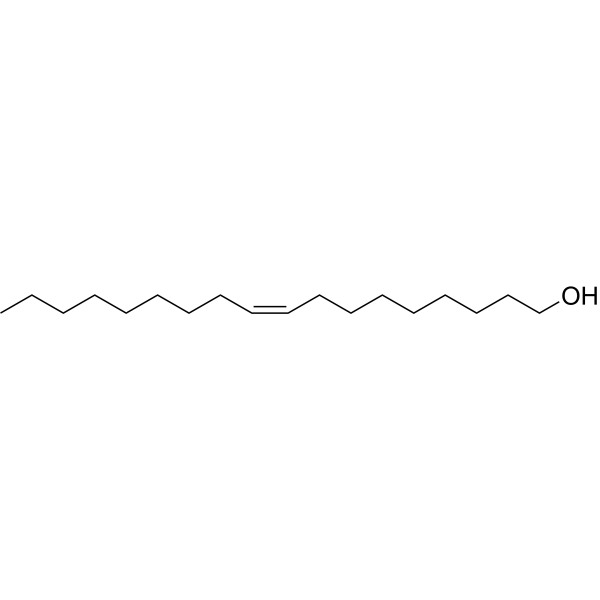 0 ImagesOleyl alcohol is an anti-tumor compound that inhibits tumor growth. Oleyl alcohol induces cytotoxicity, cell death and apoptosis. The intracellular accumulation of Oleyl alcohol correlates with its cytotoxicity against tumor cells. Oleyl alcohol forms enhancer-enriched fluid domains in stratum corneum lipids, increases the retention of diclofenac diethylamine in ex vivo human epidermis and dermis, and enhances the skin permeability of diclofenac diethylamine. Oleyl alcohol can be used in studies related to neuroblastoma.
-
Monobenzone (Standard)
 0 ImagesMonobenzone (Standard) is the analytical standard of Monobenzone. This product is intended for research and analytical applications. Monobenzone is a potent skin depigmenting agent. Monobenzone induces depigmentation and active human vitiligo and exhibits good potential for vitiligo research.
-
Isocannflavin B
 0 ImagesCat. No.: HY-N12677CAS No.: 199167-23-2Synonyms: Caflanone; FBL-03GIsocannflavin B (Caflanone) is a flavonoid compound. Isocannflavin B exhibits anti-tumor and anti-viral activities. Isocannflavin B induces apoptosis, autophagy and cell cycle arrest in tumor cells, and inhibits cell proliferation. Isocannflavin B inhibits HCoV-OC43. Isocannflavin B can be used in research related to cancer and COVID-19.
-
2'-Aminoacetophenone (Standard)
 0 Images2'-Aminoacetophenone (Standard) is the analytical standard of 2'-Aminoacetophenone. This product is intended for research and analytical applications. 2'-Aminoacetophenone is an orally active inducer of apoptosis and respiratory biomarker. 2'-Aminoacetophenone can be used to detect Pseudomonas aeruginosa infections in the lungs of cystic fibrosis patients. 2'-Aminoacetophenone can inhibit the protein levels of LC3BII and p62 in macrophages infected with pqsA or mvfR and regulate autophagy. 2'-Aminoacetophenone can disrupt mitochondrial function by inducing oxidative stress and apoptosis signaling, leading to dysfunction in mouse skeletal muscle.
-
Propylparaben sodium
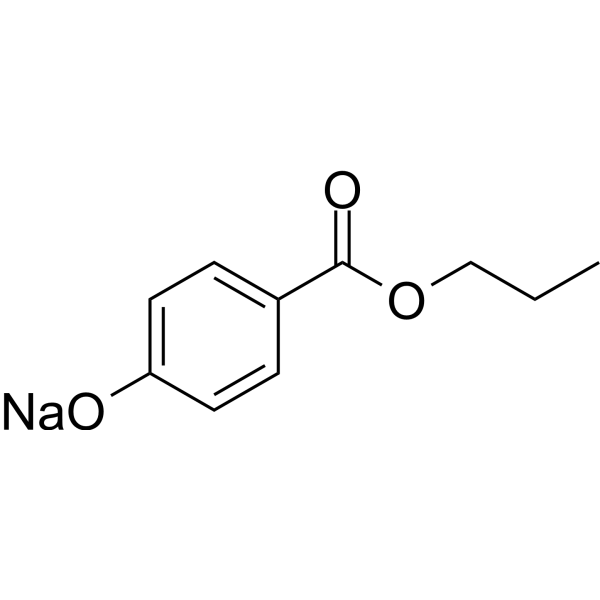 0 ImagesSynonyms: Propyl parahydroxybenzoate sodium; Propyl 4-hydroxybenzoate sodiumPropylparaben (Propyl parahydroxybenzoate) sodium is an antibacterial preservative that can be produced by plants and bacteria. Propylparaben sodium is an orally active weak estrogen receptor agonist. Propylparaben sodium regulates the PI3K-AKT and JNK signaling pathways, and induces oxidative stress. Propylparaben sodium is commonly used in cosmetics, pharmaceuticals and foods, and can be used in studies related to ovarian aging and myocardial ischemia-reperfusion injury.
-
Zoledronic Acid (Standard)
 0 ImagesSynonyms: Zoledronate (Standard); CGP 42446 (Standard); CGP42446A (Standard); ZOL 446 (Standard)Zoledronic Acid (Standard) is the analytical standard of Zoledronic Acid. This product is intended for research and analytical applications. Zoledronic Acid (Zoledronate) is a third-generation bisphosphonate (BP), with potent anti-resorptive activity. Zoledronic Acid inhibits the differentiation and apoptosis of osteoclasts. Zoledronic Acid also has anti-cancer effects.
-
Ocifisertib hydrochloride
 0 ImagesSynonyms: CFI-400945 hydrochlorideOcifisertib hydrochloride (CFI-400945 hydrochloride) is the hydrochloride salt form of Ocifisertib (HY-12300). Ocifisertib hydrochloride is an orally active PLK4 inhibitor with a Ki and an IC50 of 0.26 nM and 2.8 nM. Ocifisertib hydrochloride inhibits growth of various cancer cells, arrests cell cycles at G2/M phase, and induces apoptosis. Ocifisertib hydrochloride exhibits antitumor efficacy in mouse model.
-
Spisulosine-d3
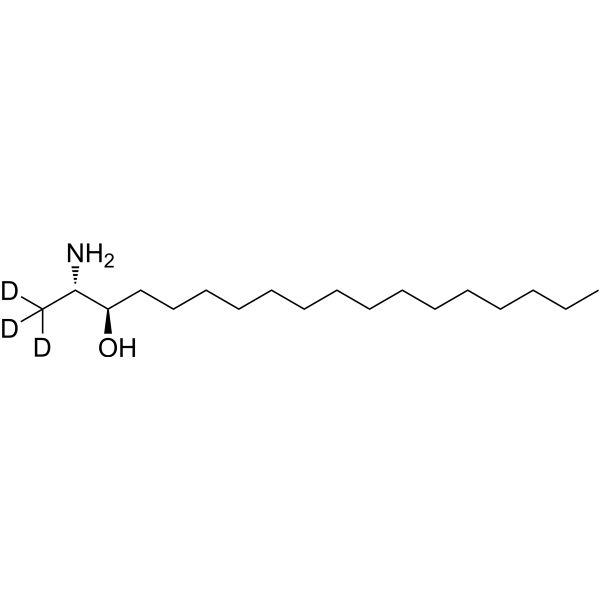 0 ImagesSynonyms: ES-285-d3Spisulosine-d3 (ES-285-d3) is deuterium labeled Spisulosine (HY-13626). Spisulosine is an antiproliferative (antitumoral) compound of marine origin. Spisulosine inhibits the growth of the prostate PC-3 and LNCaP cells through intracellular ceramide accumulation and PKCζ activation. Spisulosine induces apoptosis in PC-3 and LNCaP cells.
-
Lexibulin dihydrochloride
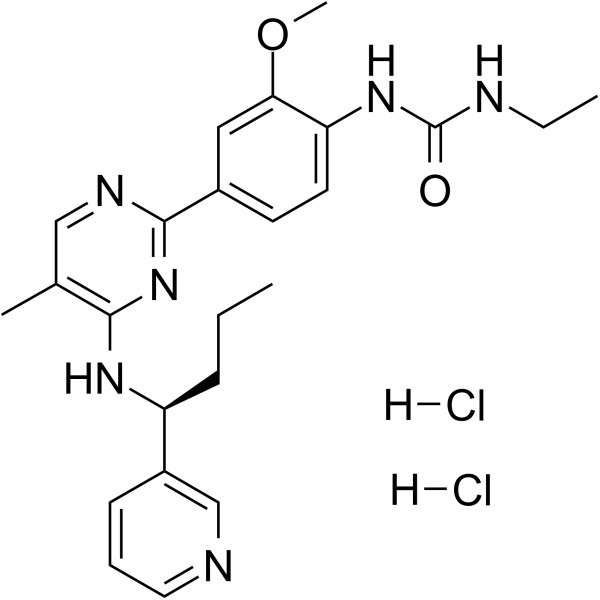 0 ImagesCat. No.: HY-10498ACAS No.: 917111-49-0Synonyms: CYT-997 dihydrochlorideLexibulin dihydrochloride (CYT-997 dihydrochloride) is a potent and orally active tubulin polymerisation inhibitor with IC50s of 10-100 nM in cancer cell lines; with potent cytotoxic and vascular disrupting activity in vitro and in vivo. Lexibulin dihydrochloride induces cell apoptosis and induces mitochondrial ROS generation in GC cells.
-
(+)-Magnoflorine
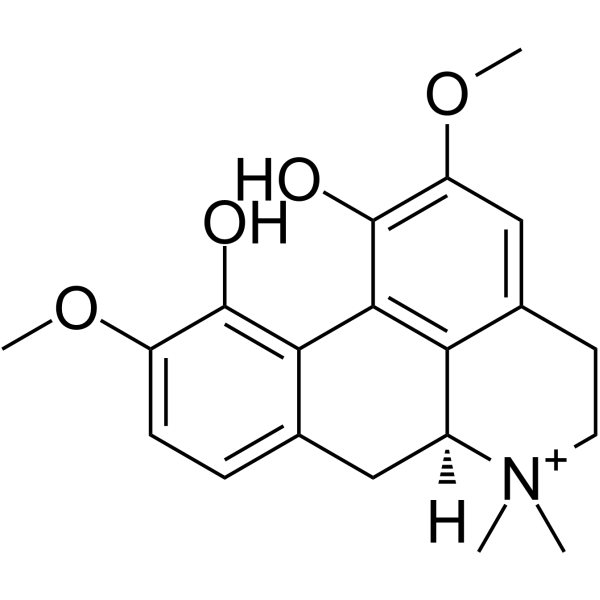 0 Images(+)-Magnoflorine (α-Magnoflorine) is an orally active aporphine alkaloid with multiple biological activities. (+)-Magnoflorine promotes Parkin/PINK1 -mediated mitochondrial autophagy, inhibits the activation of NLRP3/Caspase-1 pathway, regulates the intestinal microbiota, and exhibits significant anti-inflammatory and immunomodulatory activities. (+)-Magnoflorine inhibits JNK and TLR4/NF-κB signaling pathways, activates Sirt1/AMPK pathway, alleviates neuronal oxidative stress and apoptosis. Magnoflorine upregulates miR-410-3p, inhibits HMGB1/NF-κB pathway, and has anti-tumor activity. (+)-Magnoflorine also has significant antifungal activity.
-
Nafamostat mesylate (Standard)
 0 ImagesSynonyms: FUT-175 (Standard)Nafamostat (mesylate) (Standard) is the analytical standard of Nafamostat (mesylate). This product is intended for research and analytical applications. Nafamostat mesylate (FUT-175), an anticoagulant, is a synthetic serine protease inhibitor. Nafamostat mesylate has anticancer and antivirus effect. Nafamostat mesylate induce apoptosis by up-regulating the expression of tumor necrosis factor receptor-1 (TNFR1). Nafamostat mesylate can be used in the development of the pathological thickening of the arterial wall.
-
YH239-EE
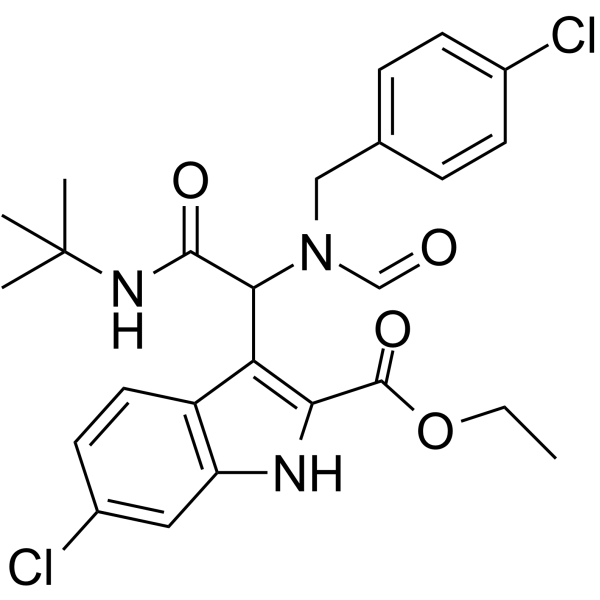 0 ImagesYH239-EE, ethyl ester of the free carboxylic acid compound YH239, is a potent p53-MDM2 antagonizing and apoptosis-inducing agent.
-
(Z)-2-(Oleoyloxy)propane-1,3-diyl dipalmitate
 0 ImagesSynonyms: 1,3-Dipalmitoyl-2-oleoylglycerol; ?1,3-Palmitin-2-Olein; TG(16:0/18:1/16:0)(Z)-2-(Oleoyloxy) propane-1,3-diyl dipalmitate (1,3-Dipalmitoyl-2-oleoylglycerol) is an orally active PTP1B inhibitor with an IC50 of 31.01 μM and a Ki of 16.36 μM. (Z)-2-(Oleoyloxy) propane-1,3-diyl dipalmitate also inhibits α-glucosidase with an IC50 of 163.31 μM. It inhibits phosphorylation of p38 MAPK, activates the PI3K/Akt/CREB pathway, and exhibits antioxidant, anti-apoptosis and anti-inflammatory activities, as well as inhibits peroxynitrite-mediated albumin nitration. (Z)-2-(Oleoyloxy) propane-1,3-diyl dipalmitate can be used in studies related to cerebral ischemia-reperfusion injury and diabetes.
-
Vandetanib hydrochloride
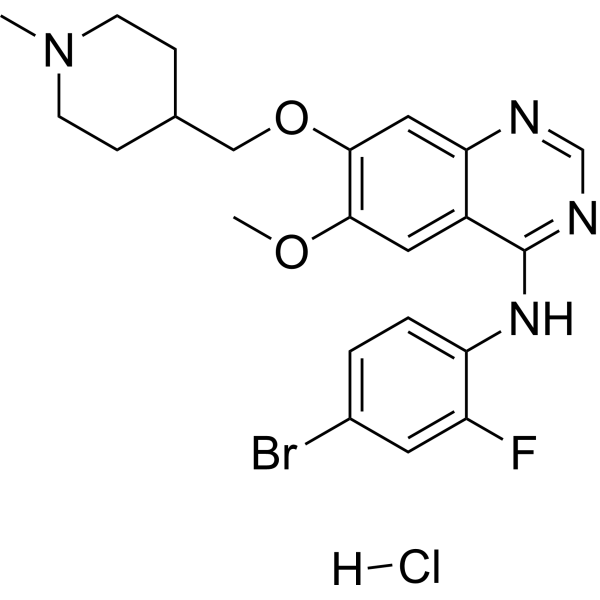 0 ImagesCat. No.: HY-10260BCAS No.: 524722-52-9Synonyms: ZD6474 hydrochlorideVandetanib hydrochloride (D6474 hydrochloride) is a potent, orally active inhibitor of VEGFR2/KDR tyrosine kinase activity (IC50=40 nM). Vandetanib hydrochloride also has activity versus the tyrosine kinase activity of VEGFR3/FLT4 (IC50=110 nM) and EGFR/HER1 (IC50=500 nM).
-
BIHC
 0 ImagesBIHC is a TNF blocker with anti-inflammatory activity. BIHC can significantly inhibit the proliferation of hepatocellular carcinoma (HCC) cells and exhibits potent cytotoxicity against the HepG2 cell line, capable of inducing cell apoptosis , while demonstrating relatively low toxicity towards normal hepatocytes. Additionally, BIHC can be used for research on inflammatory bowel disease (IBD).
-
Anti-CD160 Antibody (MAT 302)
 0 ImagesCat. No.: HY-P992201Synonyms: CL1-R2Anti-CD160 Antibody (MAT 302) (CL1-R2) is a human monoclonal antibody targeting CD160. Anti-CD160 Antibody (MAT 302) blocks the CD160-HVEM protein interaction, inhibits FGF2-mediated renal tubular vascular growth, and induces endothelial cell apoptosis. Anti-CD160 Antibody (MAT 302) targets CD160 on neovascularization to exert anti-angiogenic and vascular normalization effects, trigger the production of IFN-γ, TNF and IL-6 by NK cells, and enhance glucose metabolism of NK cells through the AKT/mTOR/s6k signaling pathway. Anti-CD160 Antibody (MAT 302) reduces vascular density, normalizes remaining tumor blood vessels, and inhibits tumor growth in melanoma-bearing mice. Anti-CD160 Antibody (MAT 302) can be used in research related to neovascularization, proliferative diabetic retinopathy, and melanoma.
-
Suramin sodium salt (Standard)
 0 ImagesSynonyms: Suramin hexasodium salt (Standard)Suramin (sodium salt) (Standard) is the analytical standard of Suramin (sodium salt). This product is intended for research and analytical applications. Suramin sodium salt (Suramin hexasodium salt) is a reversible and competitive protein-tyrosine phosphatases (PTPases) inhibitor. Suramin sodium salt is a potent inhibitor of sirtuins: SirT1 (IC50=297 nM), SirT2 (IC50=1.15 μM), and SirT5 (IC50=22 μM). Suramin sodium salt is a competitive inhibitor of reverse transcriptase (DNA topoisomerase II: IC50=5 μM). Suramin sodium salt is a potent SARS-CoV-2 RNA-dependent RNA polymerase (RdRp) inhibitor. Suramin sodium salt efficiently inhibits IP5K and is an antiparasitic, anti-neoplastic and anti-angiogenic agent.
-
Sodium propionate-d5
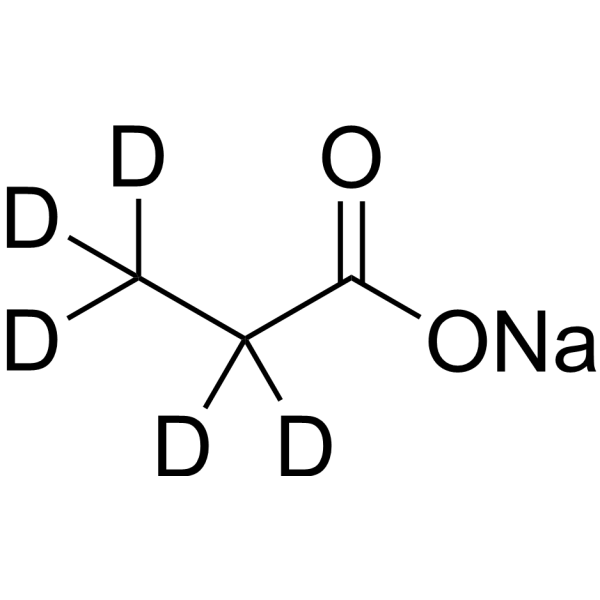 0 ImagesSodium propionate-d5 is the deuterium labeled Propionate sodium (HY-B1773A). Sodium propionate is an orally active short-chain fatty acid. Sodium propionate can be produced by intestinal bacteria from the metabolism of dietary fiber. Sodium propionate increases PPAR-γ, inhibits NF-κB activation, and reduces COX-2 expression and NO production. Sodium propionate also induces Apoptosis and Autophagy. Sodium propionate reduces HSV-1-induced keratitis. Sodium propionate has anticancer effects against glioblastoma. Sodium propionate exhibits neuroprotective, antioxidant, and anti-inflammatory activities. Sodium propionate can be used in the research of spinal cord injury and Alzheimer's disease.
-
Alpha-Naphthoflavone (Standard)
 0 ImagesAlpha-Naphthoflavone (Standard) is the analytical standard of Alpha-Naphthoflavone. This product is intended for research and analytical applications. Alpha-Naphthoflavone is an orally active flavonoid that is a potent, competitive inhibitor of aromatase with the IC50 and Ki values are 0.5 and 0.2 μM. Alpha-Naphthoflavone can inhibit cell proliferation and induce apoptosis.




