



COX
Cyclooxygenase
Cyclooxygenase (COX), officially known as prostaglandin-endoperoxide synthase (PTGS), is an enzyme that is responsible for formation of important biological mediators called prostanoids, including prostaglandins, prostacyclin and thromboxane. Pharmacological inhibition of COX can provide relief from the symptoms of inflammation and pain. Drugs, like Aspirin, that inhibit cyclooxygenase activity have been available to the public for about 100 years. Two cyclooxygenase isoforms have been identified and are referred to as COX-1 and COX-2. Under many circumstances the COX-1 enzyme is produced constitutively (i.e., gastric mucosa) whereas COX-2 is inducible (i.e., sites of inflammation). Non-steroidal anti-inflammatory drugs (NSAID), such as aspirin and ibuprofen, exert their effects through inhibition of COX. The main COX inhibitors are the non-steroidal anti-inflammatory drugs (NSAIDs).
COX Isoform Specific Products
All Product Categories
-
COX Related Products (1308)
Related Products (1308)

-
Antibodies (6)
-
COX Isoform Comparison
-
COX-2-IN-20
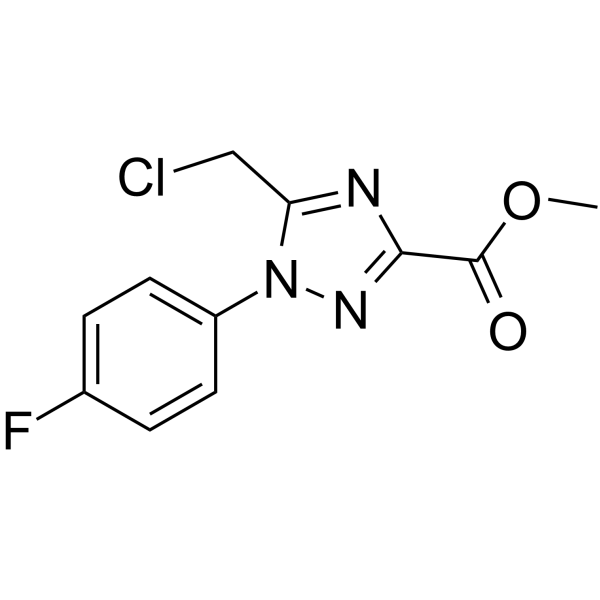 0 ImagesCat. No.: HY-147809CAS No.: 2529451-43-0COX-2-IN-20 (Compound 5d) is a selective and orally active COX-2 inhibitor with an IC50 of 17.9 nM. COX-2-IN-20 shows anti-inflammatory activity.
-
Etofenamate-d4
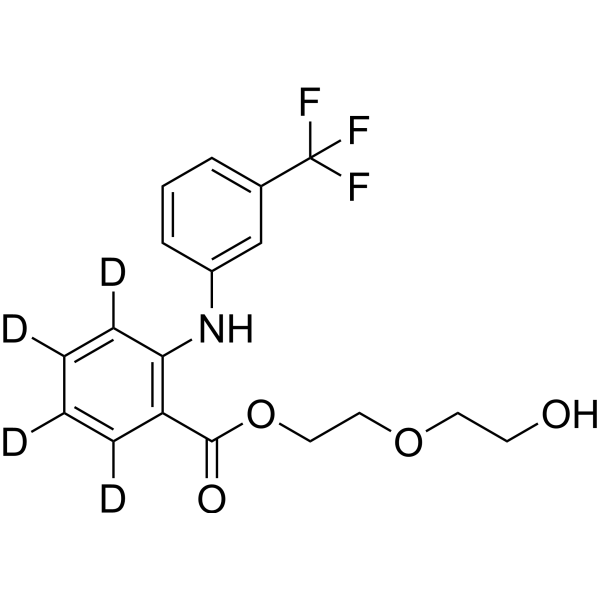 0 ImagesCat. No.: HY-17361SCAS No.: 1329837-73-1Etofenamate-d4 is the deuterium labeled Etofenamate. Etofenamate, a non-steroid anti-inflammatory agent (NSAID) and a non-selective COX inhibitor, possesses analgesic, anti-rheumatic, antipyretic and anti-inflammatory properties. Etofenamate is used in the research for osteoarthritis, arthritis and other inflammatory diseases.
-
KMU-11342
 0 ImagesCat. No.: HY-163750KMU-11342 is a potent inhibitor of multi-protein kinase. KMU-11342 plays an important inhibitor of rheumatoid arthritis (RA) research.
-
Cinmetacin
 0 ImagesCat. No.: HY-123342CAS No.: 20168-99-4
-
α-Amyrin (Standard)
 0 Imagesα-Amyrin (Standard) is a pentacyclic triterpenoid compound with oral activity. α-Amyrin (Standard) activates the ERK and GSK-3β signaling pathways. α-Amyrin (Standard) can inhibit cancer cells proliferation and induce apoptosis. α-Amyrin (Standard) shows anti-bacterial and anti-inflammation activity. α-Amyrin (Standard) can reduce blood glucose level. α-Amyrin (Standard) can be used for the researches of cancer, infection, inflammation, metabolic disease and neurological disease, such as breast cancer, Streptococcus oralis infection, skin inflammation and diabetes.
-
NSC 90469 (Standard)
 0 ImagesCat. No.: HY-114557RCAS No.: 1041-01-6Synonyms: 3,5-Diiodo-L-thyronine (Standard)NSC 90469 (Standard) is the analytical standard of NSC 90469. This product is intended for research and analytical applications. NSC 90469 (3,5-Diiodo-L-thyronine) is an orally active thyroid hormone derivative. NSC 90469 inhibits JNK phosphorylation and NF-κB acetylation, blocks SIRT1 protein expression, induces elevated PGC-1α levels, and stimulates COX activity. NSC 90469 enhances UCP1-mediated thermogenesis, increases hepatic Dio1 activity, inhibits TSH levels and hypothalamic-pituitary-thyroid axis function, enhances lipid metabolism, and regulates energy metabolism via the mitochondrial pathway. NSC 90469 prevents blood glucose reduction, reduces urinary albumin excretion, inhibits renal matrix expansion, decreases TGF-β1 expression, and reduces renal fibronectin and type Ⅳ collagen deposition. NSC 90469 also increases energy expenditure and prevents diet-induced overweight. NSC 90469 can be used in studies related to diabetic nephropathy, hypothyroidism, non-alcoholic fatty liver disease, and diet-induced obesity.
-
Diclofenac potassium (Standard)
 0 ImagesDiclofenac (potassium) (Standard) is the analytical standard of Diclofenac (potassium). This product is intended for research and analytical applications. Diclofenac potassium is a potent and nonselective anti-inflammatory agent, acts as a COX inhibitor, with IC50s of 4 and 1.3 nM for human COX-1 and COX-2 in CHO cells, and 5.1 and 0.84 μM for ovine COX-1 and COX-2, respectively. Diclofenac potassium induces apoptosis of neural stem cells (NSCs) via the activation of the caspase cascade.

-
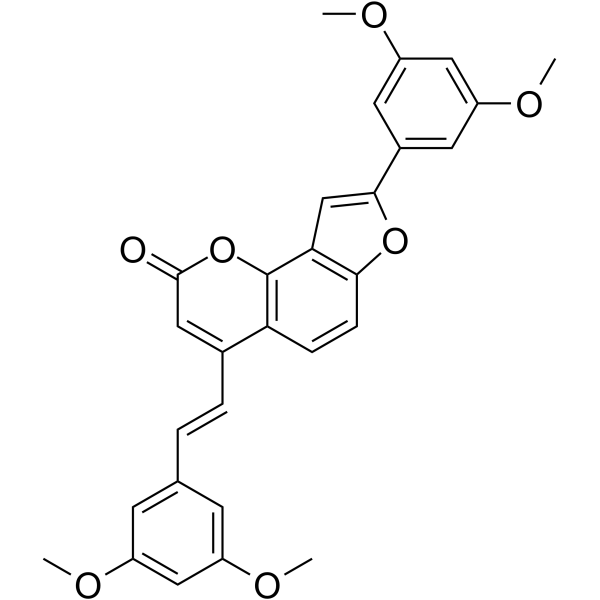
Anti-inflammatory agent 114
 0 ImagesCat. No.: HY-182778Anti-inflammatory agent 114 is an anti-inflammatory agent. Anti-inflammatory agent 114 binds to the allosteric inhibitory pocket in the NLRP3 NACHT domain. Anti-inflammatory agent 114 inhibits the expression of iNOS, COX-2 and NLRP3. Anti-inflammatory agent 114 can be used for the research of inflammatory diseases.
-
(rac)-Poriol
 0 ImagesCat. No.: HY-N9086ACAS No.: 70460-58-1Synonyms: 5,7,4'-Trihydroxy-6-methylflavanone(rac)-Poriol (5,7,4'-Trihydroxy-6-methylflavanone) exhibits antioxidant activity, and scavenges free radical DPPH with an IC50 of 0.18 µg/mL. (rac)-Poriol inhibits the LPS (HY-D1056)-induced NO generation in RAW264.7 (98.35% inhibition rate at 10 μM), and exhibits anti-inflammatory activity. (rac)-Poriol exhibits good binding affinity with iNOS, COX-1, COX-2, TNF-α, and IL-1β.
-
Flufenamic acid-d4
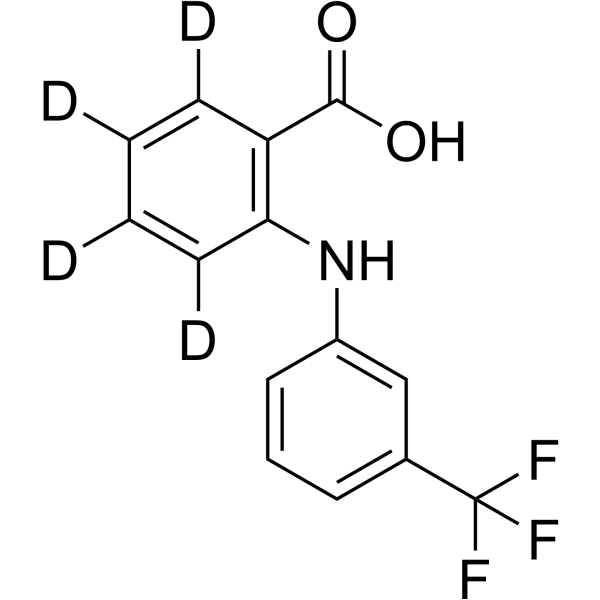 0 ImagesCat. No.: HY-B1221SCAS No.: 1185071-99-1Flufenamic acid-d4 is deuterium labeled Flufenamic acid. Flufenamic acid is a non-steroidal anti-inflammatory agent, inhibits cyclooxygenase (COX), activates AMPK, and also modulates ion channels, blocking chloride channels and L-type Ca2+ channels, modulating non-selective cation channels (NSC), activating K+ channels. Flufenamic acid binds to the central pocket of TEAD2 YBD and inhibits both TEAD function and TEAD-YAP-dependent processes, such as cell migration and proliferation.
-
IDPH-8261
 0 ImagesCat. No.: HY-105121CAS No.: 108912-17-0IDPH-8261 is an orally active nonsteroidal antiinflammatory agent. IDPH-8261 can be used for the research of inflammation, such as arthritis.
-
PPARγ agonist 19
 0 ImagesCat. No.: HY-176214PPARγ agonist 19 (Compound 5e) is a PPARγ agonist. PPARγ agonist 19 has an IC50 of 11.27 μM against COX-1 and an IC50 of 0.05 μM against COX-1. PPARγ agonist 19 increases glucose uptake in rat hemidiaphragm assay and is superior to pioglitazone (HY-13956). PPARγ agonist 19 alleviates hyperglycemia and insulin resistance in an in vivo model of type 2 diabetes in rats and protects against renal and lipidemia damage caused by metabolic dysfunction.
-
Veratric acid-d6
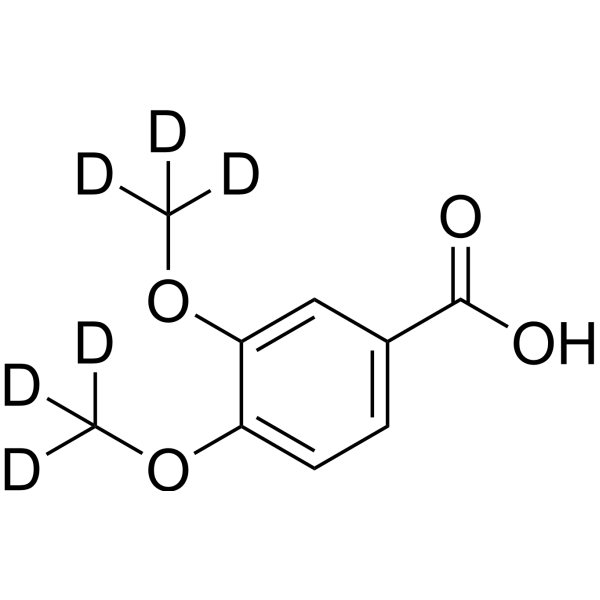 0 ImagesSynonyms: 3,4-Dimethoxybenzoic acid-d6Veratric acid-d6 is deuterium labeled Veratric acid. Veratric acid (3,4-Dimethoxybenzoic acid) is an orally active phenolic compound derived from vegetables and fruits, has antioxidant and anti-inflammatory activities. Veratric acid also acts as a protective agent against hypertension-associated cardiovascular remodelling. Veratric acid reduces upregulated COX-2 expression, and levels of PGE2, IL-6 after UVB irradiation.
-
Buddlejasaponin IV
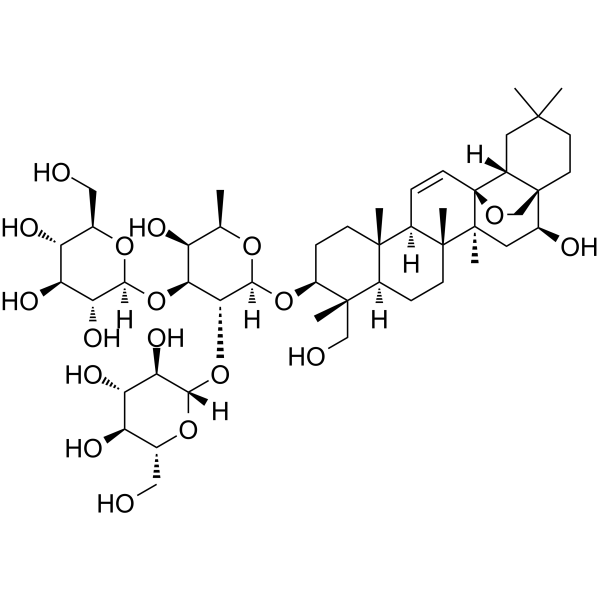 0 ImagesCat. No.: HY-125131CAS No.: 139523-30-1Buddlejasaponin IV (BS‐IV) exerts anti-inflammatory and cytotoxic effects against cancer cells.
-
Etoricoxib hydrochloride
 0 ImagesCat. No.: HY-15321ACAS No.: 202409-40-3Synonyms: MK-0663 hydrochloride; L-791456 hydrochlorideEtoricoxib hydrochloride (MK-0663 hydrochloride) is a synthetic nonsteroidal anti-inflammatory drug with cyclooxygenase-2 inhibitory activity. Etoricoxib hydrochloride can inhibit the conversion of arachidonic acid to prostaglandins, thereby reducing inflammation and pain. Etoricoxib hydrochloride is used to inhibit osteoarthritis and has anti-inflammatory and bone remodeling effects. The formulation of etoricoxib hydrochloride is prepared by emulsion solvent evaporation technology and exhibits good cell compatibility and enhanced alkaline phosphatase activity.
-
Indomethacin heptyl ester
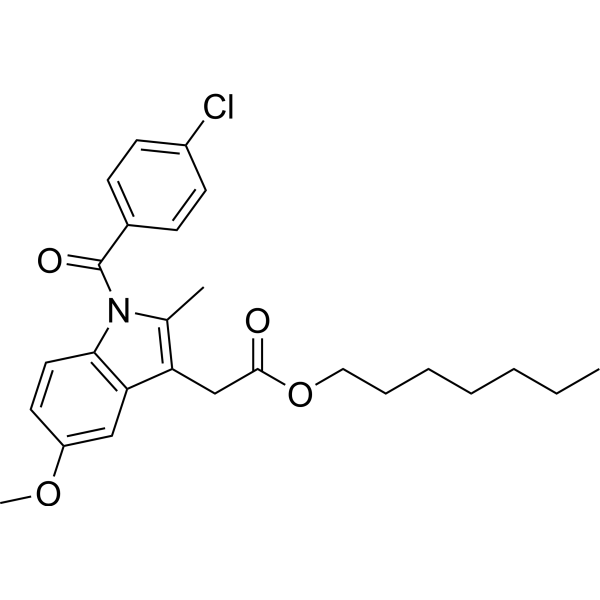 0 ImagesCat. No.: HY-114795CAS No.: 282728-47-6Indomethacin heptyl ester is a selective COX-2 inhibitor with IC50 of 0.04 μM, exhibits anti-inflammatory activity.
-
4-Acetylaminoantipyrine-d3
 0 ImagesCat. No.: HY-W268542S1CAS No.: 342821-66-34-Acetylaminoantipyrine-d3 is the deuterium labeled 4-Acetylaminoantipyrine (HY-W268542). 4-Acetylaminoantipyrine (4-AA) is a derivative of antipyrine (HY-B0171). 4-Acetylaminoantipyrine acts as a PGE2-dependent blocker and inhibitor of cyclooxygenase (COX). 4-Acetylaminoantipyrine can inhibit Cu/ZnSOD. 4-Acetylaminoantipyrine can spontaneously bind with bovine serum albumin (BSA) and alter its conformation.
-
COX-2/15-LOX/mPGES1-IN-1
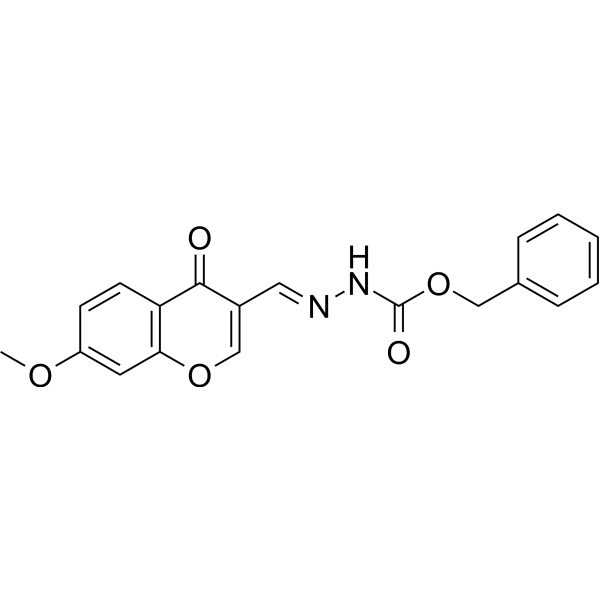 0 ImagesCat. No.: HY-162166CAS No.: 3027770-84-6




