



JAK
Janus kinase
Janus kinase (JAK) is a family of intracellular, nonreceptor tyrosine kinases that transduce cytokine-mediated signals via the JAK-STAT pathway. Since members of the type I and type II cytokine receptor families possess no catalytic kinase activity, they rely on the JAK family of tyrosine kinases to phosphorylate and activate downstream proteins involved in their signal transduction pathways. The receptors exist as paired polypeptides, thus exhibiting two intracellular signal-transducing domains. JAKs associate with a proline-rich region in each intracellular domain, which is adjacent to the cell membrane and called a box1/box2 region. After the receptor associates with its respective cytokine/ligand, it goes through a conformational change, bringing the two JAKs close enough to phosphorylate each other. The JAK autophosphorylation induces a conformational change within itself, enabling it to transduce the intracellular signal by further phosphorylating and activating transcription factors called STATs. The activated STATs dissociate from the receptor and form dimers before translocating to the cell nucleus, where they regulate transcription of selected genes.
JAK Isoform Specific Products
All Product Categories
-
JAK Inhibitors
(541)
View all products
-
JAK Agonists
(2)
View all products
-
JAK Antagonists
(4)
View all products
-
JAK Activators
(24)
View all products
-
JAK Modulators
(8)
View all products
-
JAK Inducer
(1)
View all products
-
JAK Degraders
(13)
View all products
-
JAK Control
(1)
View all products
-
JAK Substrate
(1)
View all products
-
JAK Ligands
(5)
View all products
-
Janus Kinase 1 (JAK1) Proteins
(4)
View all products
-
JAK Related Products (630)
Related Products (630)

-
Recombinant Proteins (4)
-
Antibodies (7)
-
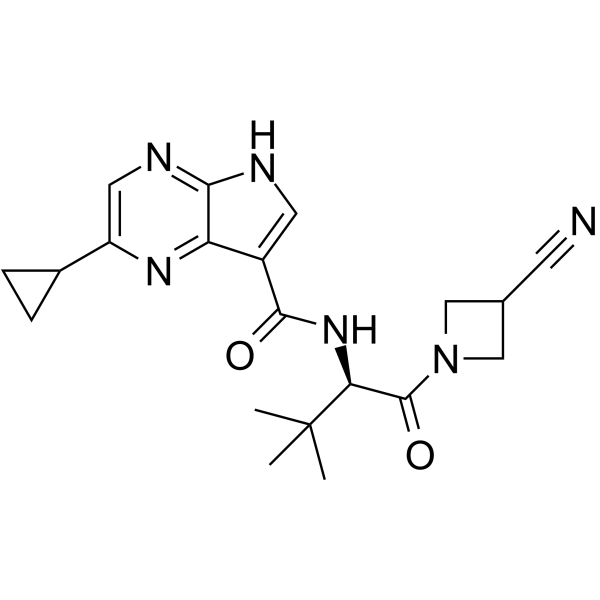
JAK Isoform Comparison
-
Ritlecitinib tosylate
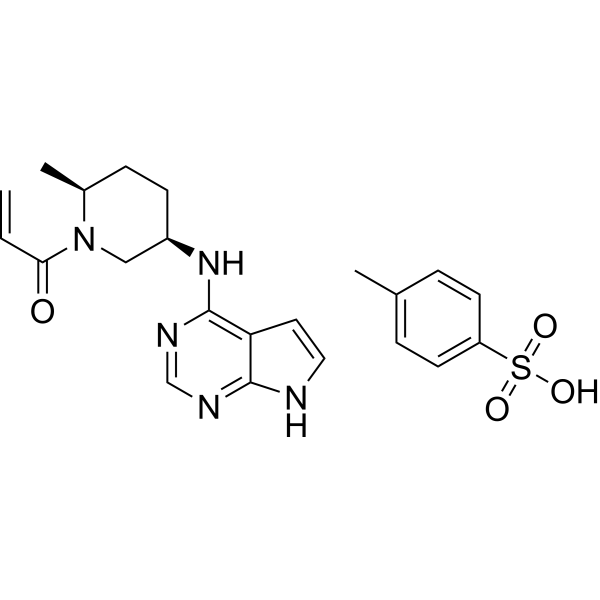 0 ImagesSynonyms: PF-06651600 tosylateRitlecitinib (PF-06651600) tosylate is a highly selective, orally active, irreversible covalent JAK3 inhibitor (IC50=33 nM) without inhibitory activity towards JAK1, JAK2, and TYK2 (IC50 >10 μ M). Ritlecitinib tosylate rapidly inactivates the JAK3 kinase, and blocks signaling and downstream STAT phosphorylation mediated by common gamma chain cytokines such as IL-2 and IL-15. Ritlecitinib tosylate can inhibit Th1/Th17 cell differentiation and function, and effectively suppress preclinical animal models such as alopecia areata, adjuvant-induced arthritis (AIA), and experimental autoimmune encephalomyelitis (EAE).
-
Mulberrofuran G
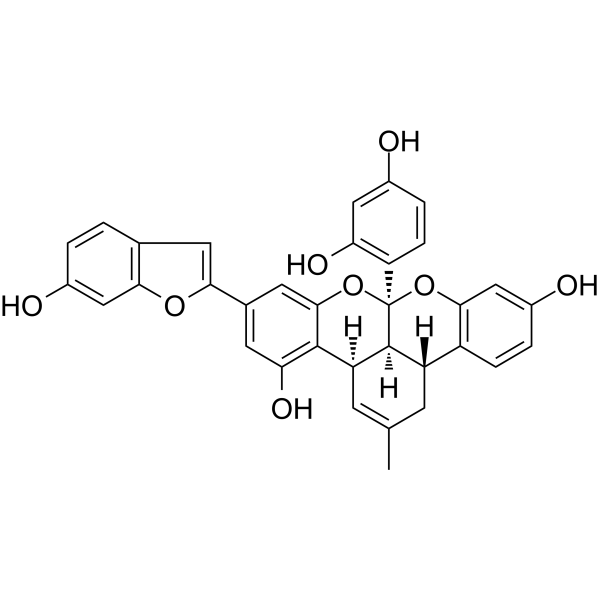 0 ImagesCat. No.: HY-N3239CAS No.: 87085-00-5Mulberrofuran G is a NOX inhibitor (IC50: 6.9 μM) and tyrosinase inhibitor. Mulberrofuran G exhibits anti-inflammatory, antioxidant, antiviral, antitumor, and neuroprotective effects. Mulberrofuran G can be used in the research of tumors, nervous system diseases, and other conditions.
-
WWQ-03-012
 0 ImagesWWQ-03-012 is a selective DESI2 inhibitor with an IC50 of 47.3 nM. WWQ-03-012 binds covalently to DESI2, blocks its enzymatic activity, and inhibits DESI2-mediated deSUMOylation, deubiquitination and stabilization of mutant JAK2, thereby promoting the complete degradation of mutant JAK2 via the intracellular ubiquitin-proteasome system and inducing apoptosis, while exerting no significant effect on wild-type JAK2. WWQ-03-012 can be used for research on myeloproliferative neoplasms (MPN) and secondary acute myeloid leukemia (sAML), especially for hematological malignancies carrying the JAK2-V617F mutation and those resistant to Ruxolitinib (HY-50856).
-
SC99
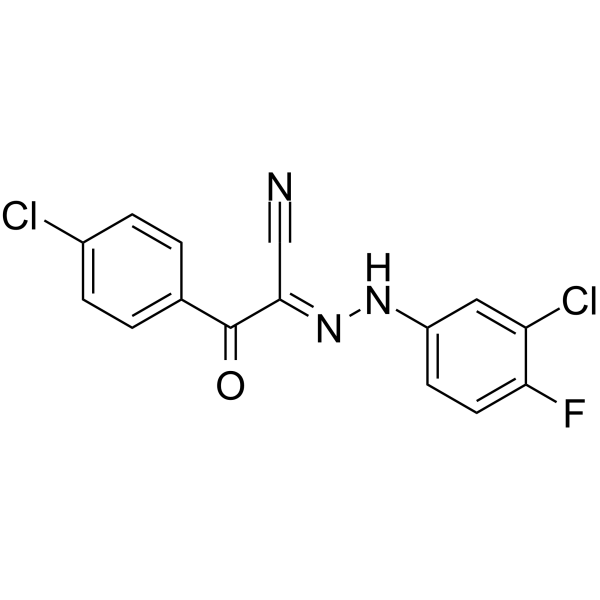 0 ImagesSC99 is an orally active, selective STAT3 inhibitor targeting JAK2-STAT3 pathway. SC99 docks into the ATP-binding pocket of JAK2. SC99 inhibits phosphorylation of JAK2 and STAT3 with no effects on the other kinases associated with STAT3 signaling. SC99 inhibits platelet activation, aggregation and displays potent anti-myeloma, anti-thrombotic activities.
-
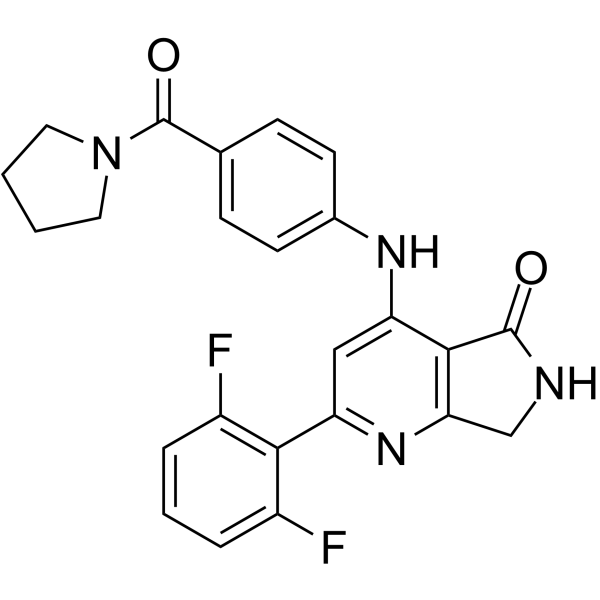
Anumigilimab
 0 ImagesSynonyms: CSL-324
-
Peficitinib (Standard)
 0 ImagesSynonyms: ASP015K (Standard); JNJ-54781532 (Standard)
-
Gamma-glutamylcysteine (Standard)
 0 ImagesSynonyms: γ-Glu-Cys (Standard)Gamma-glutamylcysteine (Standard) is the analytical standard of Gamma-glutamylcysteine. This product is intended for research and analytical applications. Gamma-glutamylcysteine (γ-Glu-Cys) is an orally active, blood-brain barrier permeable dipeptide. Gamma-glutamylcysteine activates AMPK, SIRT1, IL-4/STAT6, AC/cAMP/PI3K, IGF-1R/IRS1/PI3K, and Nrf2 signaling pathways; it inhibits NF-κB, JAK1/STAT1/3, MAPKs, cadmium-induced p38 MAPK, JNK, and PI3K/Akt signaling pathways. Gamma-glutamylcysteine regulates macrophage polarization, modulates the trafficking of CD36 and GLUT4, induces glutathione synthesis, improves metabolic dysfunction, reduces lipid deposition, ameliorates glucose homeostasis, inhibits apoptosis (Apoptosis), stabilizes mitochondria, suppresses lipid peroxidation, iron accumulation and ferroptosis (Ferroptosis), reduces ds-HMGB1 levels, reverses mechanical hyperalgesia, and alleviates hepatic lipid droplet formation. Gamma-glutamylcysteine is applicable to research related to inflammatory bowel disease, type 2 diabetes, cadmium-induced neurotoxicity, Alzheimer's disease, cerebral ischemia/reperfusion injury, neuropathy, and alcoholic liver disease.
-
Ilginatinib hydrochloride
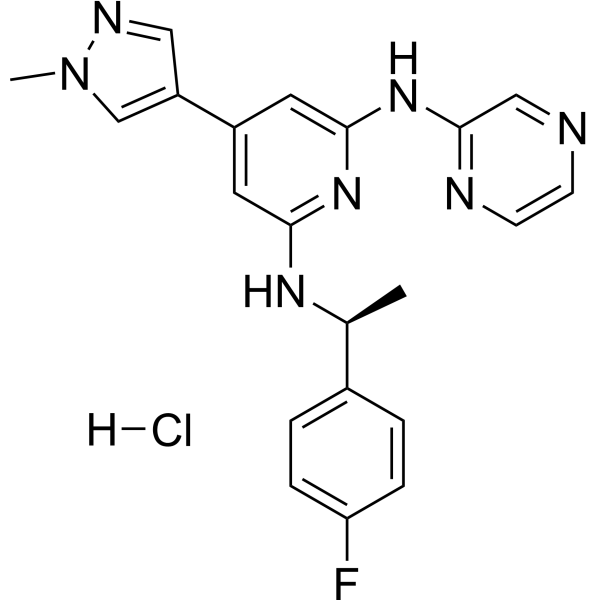 0 ImagesSynonyms: NS-018 hydrochloride
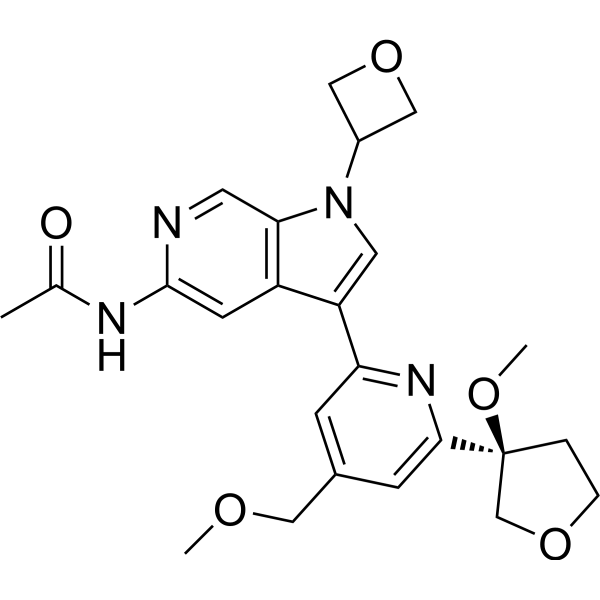
-
BI-1622
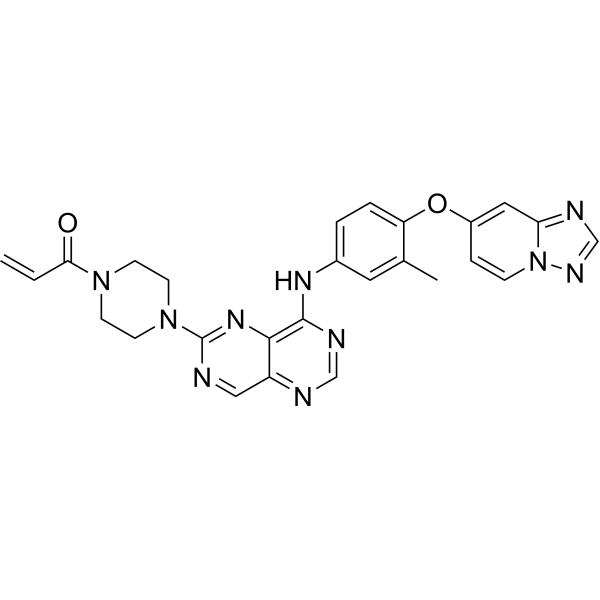 0 ImagesBI-1622 is an orally active, potent and highly selective HER2 (ERBB2) inhibitor, with an IC50 of 7 nM. BI-1622 shows greater than 25-fold selectivity over EGFR. BI-1622 shows high antitumor efficacy in vivo in xenograft mouse tumor models with engineered H2170 and PC9 cells and had a favorable agent metabolism and pharmacokinetics profile.
-
Itacnosertib hydrochloride
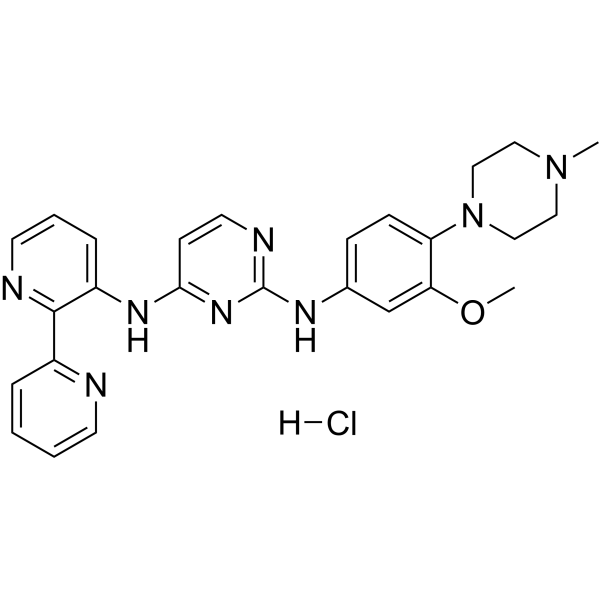 0 ImagesSynonyms: TP-0184 hydrochloride
![Methyl 6-(1-(4-methoxybenzyl)-1H-pyrazol-4-yl)-4-oxo-4,5-dihydropyrazolo[1,5-a]pyrazine-2-carboxylate](https://file.medchemexpress.com/product_pic/hy-153440.gif "Click to View Methyl 6-(1-(4-methoxybenzyl)-1H-pyrazol-4-yl)-4-oxo-4,5-dihydropyrazolo[1,5-a]pyrazine-2-carboxylate Product Detail")
-
Patiromer
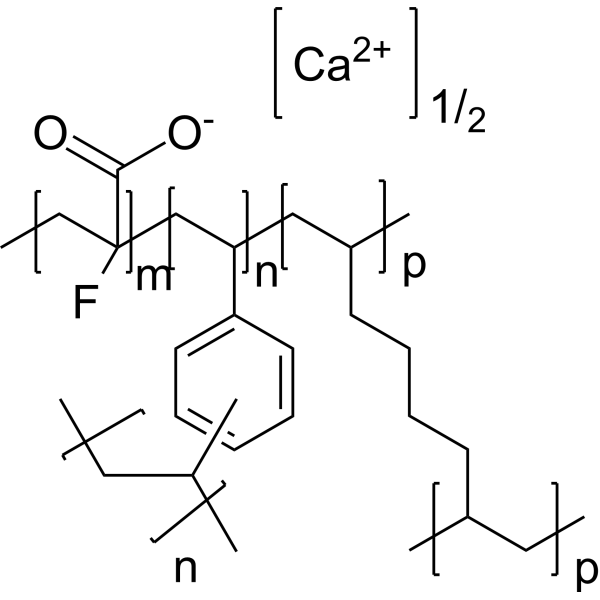 0 ImagesCat. No.: HY-112961CAS No.: 1208912-84-8Patiromer is an orally active, selective and non-absorbable intestinal potassium (K+) polymer binder that reversibly binds potassium ions in exchange for calcium (Ca2+). Patiromer can rapidly and continuously reduce serum potassium levels, maintain a normal blood potassium state, and reduce serum aldosterone levels. Patiromer also increases fecal potassium excretion. Patiromer is mainly used in the study of hyperkalemia associated with diseases such as chronic kidney disease, diabetes, and heart failure, and is particularly suitable for improving renin-angiotensin-aldosterone system inhibitor (RAASi) therapy.

-
Wilforine
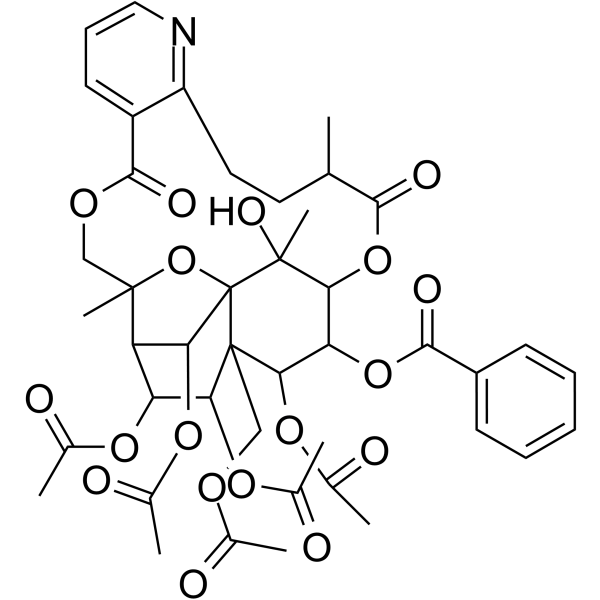 0 ImagesWilforine is an orally active JAK-STAT pathway inhibitor with immunomodulatory effects and the ability to inhibit osteoclast fusion. Wilforine disrupts lipid raft integrity, reprograms cholesterol and glycosphingolipid metabolic pathways, regulates NF-κB and the complement system, and modulates the expression of various interleukins. Wilforine also inhibits the Wnt11/β-catenin signaling pathway and suppresses the proliferation of fibroblast-like synoviocytes. Wilforine can serve as a quality and pharmacokinetic marker for Tripterygium glycoside tablets, and can be applied to research on related diseases such as rheumatoid arthritis, inflammatory osteolysis, and SAPHO syndrome.
-
GS-829845
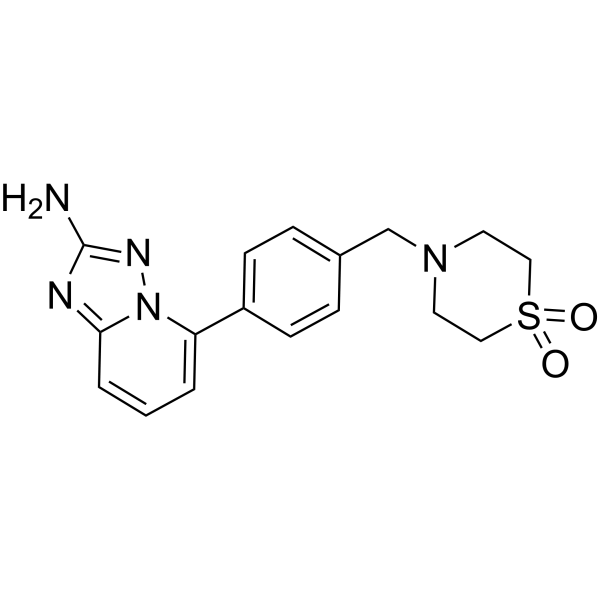 0 ImagesGS-829845 is a is a major, active metabolite of Filgotinib (HY-18300). GS-829845 is a JAK1 preferential inhibitor but is approximately 10-fold less potent than the parent and with a longer half-life.
-
SJ1008030 formic
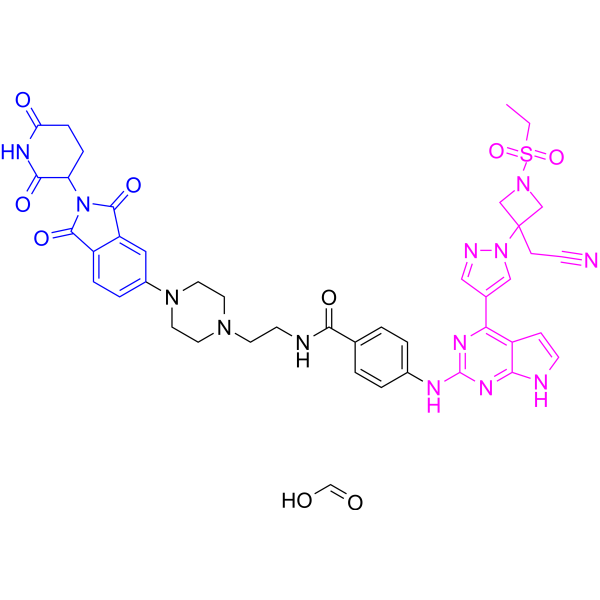 0 ImagesCat. No.: HY-147330BPurity: 98.91%
-
(R,R)-VVD-118313
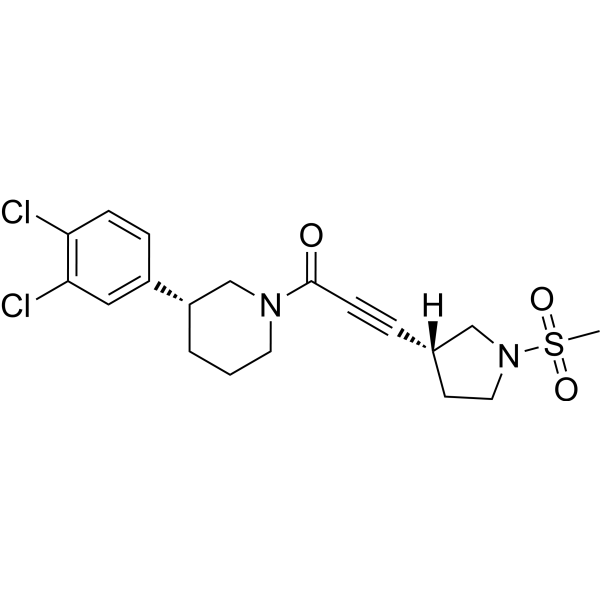 0 Images(R,R)-VVD-118313 is the isomer of VVD-118313 (HY-151385). VVD-118313 is a selective JAK1 inhibitor and blocks JAK1-dependent trans-phosphorylation and cytokine signaling. VVD-118313 can be used for research of cancer. (R,R)-VVD-118313 is a click chemistry reagent, it contains an Alkyne group and can undergo copper-catalyzed azide-alkyne cycloaddition (CuAAc) with molecules containing Azide groups.




