



PI3K
Phosphoinositide 3-kinase
PI3K (Phosphoinositide 3-kinase), via phosphorylation of the inositol lipid phosphatidylinositol 4,5-bisphosphate (PI(4,5)P2), forms the second messenger molecule phosphatidylinositol (3,4,5)-trisphosphate (PI(3,4,5)P3) which recruits and activates pleckstrin homology domain containing proteins, leading to downstream signalling events crucial for proliferation, survival and migration. Class I PI3K enzymes consist of four distinct catalytic isoforms, PI3Kα, PI3Kβ, PI3Kδ and PI3Kγ.
There are three major classes of PI3K enzymes, being class IA widely associated to cancer. Class IA PI3K are heterodimeric lipid kinases composed of a catalytic subunit (p110α, p110β, or p110δ; encoded by PIK3CA, PIK3CB, and PIK3CD genes, respectively) and a regulatory subunit (p85).
The PI3K pathway plays an important role in many biological processes, including cell cycle progression, cell growth, survival, actin rearrangement and migration, and intracellular vesicular transport.
PI3K Isoform Specific Products
-
PI3Kα
(237)
View all products
-
PI3Kβ
(162)
View all products
-
PI3Kγ
(182)
View all products
-
PI3Kδ
(202)
View all products
-
PI3KC2α
(8)
View all products
-
PI3KC2β
(12)
View all products
-
PI3KC2γ
(4)
View all products
-
Vps34
(25)
View all products
-
PI3K
(669)
View all products
-
PI3KC3
(1)
View all products
-
p120γ
(1)
View all products
All Product Categories
-
PI3K Inhibitors
(874)
View all products
-
PI3K Agonists
(9)
View all products
-
PI3K Antagonist
(1)
View all products
-
PI3K Activators
(133)
View all products
-
PI3K Modulators
(23)
View all products
-
PI3K Inducers
(3)
View all products
-
PI3K Degraders
(7)
View all products
-
PI3K Controls
(4)
View all products
-
PI3K Substrate
(1)
View all products
-
PI3K Ligands
(9)
View all products
-
PI3K Related Products (1126)
Related Products (1126)

-
Antibodies (16)
-
PI3K Signaling Pathway
-
PI3K Isoform Comparison
-
Tegafur-gimeracil-oteracil potassium
 0 ImagesSynonyms: S-1; TS-1Tegafur-gimeracil-oteracil potassium (S-1; TS-1) is an orally active anticancer agent composed of Tegafur (HY-17400), Gimeracil (HY-17469), and Oteracil potassium (HY-17511). Tegafur-gimeracil-oteracil potassium inhibits the proliferation, migration and invasion of endometrial cancer cells and induces apoptosis by blocking the PI3K/AKT/mTOR signaling pathway. Tegafur-gimeracil-oteracil potassium can be used in research related to endometrial cancer and gastric cancer with peritoneal metastasis.
-
Dimethoxycurcumin
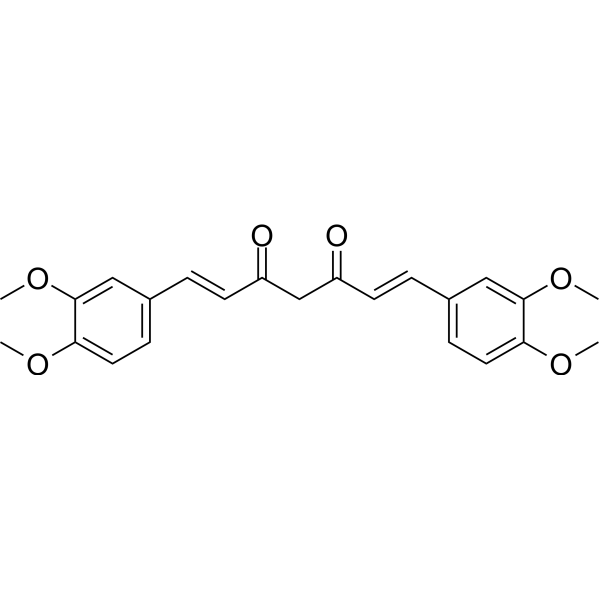 0 ImagesSynonyms: DiMC; CHC 004; Di-O-methylcurcuminDimethoxycurcumin (DiMC) is a curcuminoid compound found in Curcuma longa. Dimethoxycurcumin is also an orally active thioredoxin reductase inhibitor (IC50 = 5.4 μM) and androgen receptor antagonist. Dimethoxycurcumin inhibits thioredoxin reductase, leading to oxidized thioredoxin accumulation, ROS production, DNA damage, glutathione depletion, mitochondrial membrane potential decrease, ATP depletion, S phase arrest, and apoptosis. Dimethoxycurcumin inhibits NF-κB, NADPH oxidase subunits, ATP synthase subunits, CDK4, cyclin-D1, FASN, ACC, and the IRS2-PI3K-Akt pathway, while activating AMPK, ERK, and JNK. Dimethoxycurcumin can be used for research on cancer, arsenic-induced hepatotoxicity, and tuberculosis.
-
Sophocarpine monohydrate
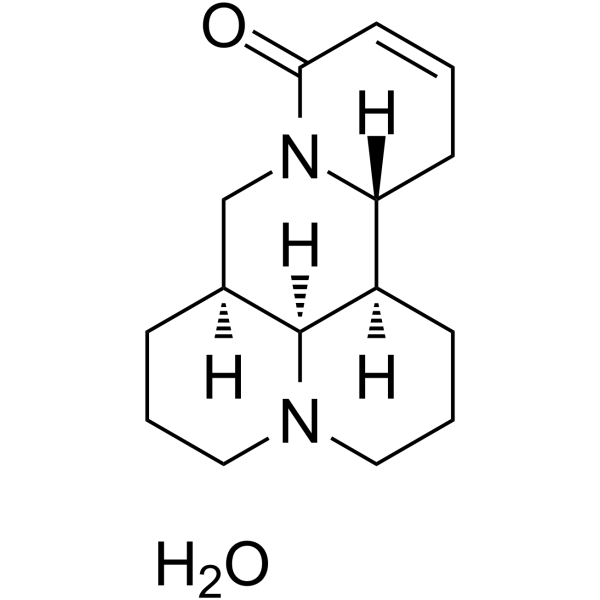 0 ImagesSophocarpine monohydrate is a PTEN activator and an inhibitor of PI3K/Akt, MEK/ERK, and NF-κB signaling pathways. Sophocarpine monohydrate upregulates PTEN expression and inhibits PI3K/Akt phosphorylation, arrests tumor cell cycle and induces apoptosis. Sophocarpine monohydrate inhibits MEK/ERK phosphorylation and VEGF secretion, reducing tumor cell migration. Sophocarpine monohydrate can also inhibit NF-κB activation and p38 and JNK phosphorylation, reduce the expression of inflammatory factors such as iNOS and COX-2, and activate the Nrf2/HO-1 pathway to reduce oxidative stress. Sophocarpine monohydrate has anti-tumor, anti-inflammatory, antioxidant and anti-apoptotic effects, and can be used in the research of cancers such as glioblastoma and colorectal cancer, inflammation-related diseases, and Doxorubicin (HY-15142A)-induced cardiac damage.
-
Rotundic acid
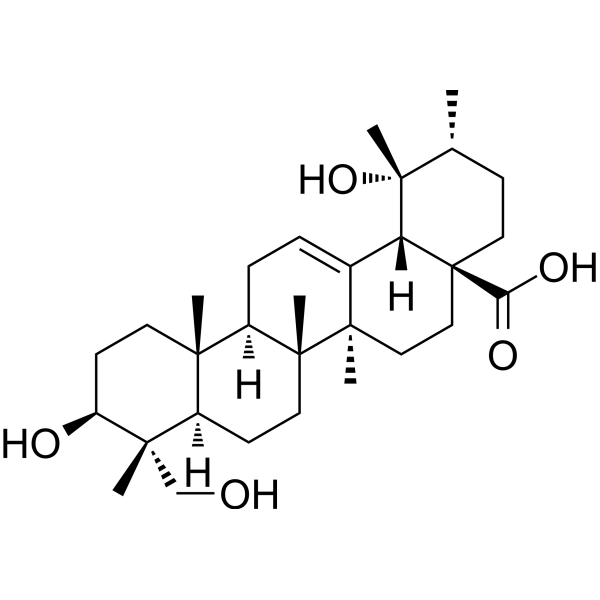 0 ImagesRotundic acid is an orally effective triterpenoid with a Kd value of 51.3 µM for PTP1B. Rotundic acid downregulates the AKT/mTOR pro-survival pathway and modulates the MAPK pathway. Rotundic acid induces cell cycle S-phase arrest, DNA damage and apoptosis; it inhibits migration, invasion, angiogenesis and proliferation of cancer cells. Rotundic acid improves leptin sensitivity, regulates gut microbiota and reduces cellular senescence. Rotundic acid can be used in research related to hepatocellular carcinoma, obesity, aging, acute lung injury and type 2 diabetes.
-
8-Prenylnaringenin
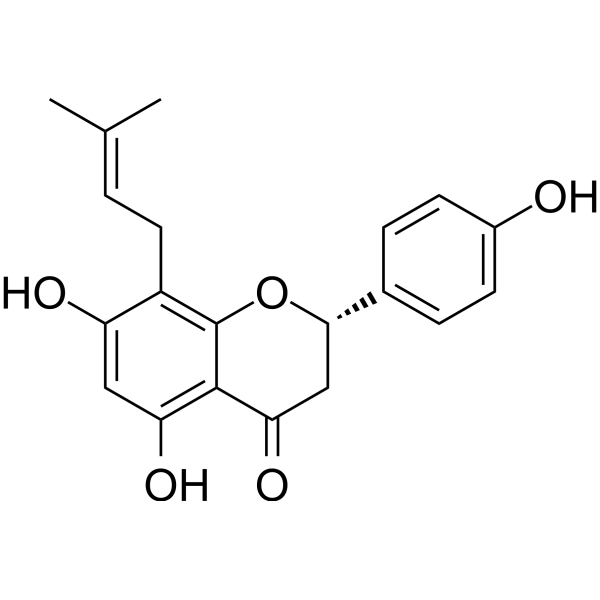 0 Images8-Prenylnaringenin is an orally active prenyl flavonoid. 8-Prenylnaringenin can be isolated from the hop spike Humulus lupulus. 8-Prenylnaringenin activates the PI3K/Akt pathway and the AMPK pathway, upregulates OXPHOS complexes (II, III, and V) and Sirt1, and reduces ROS production and SOD activity. 8-Prenylnaringenin improves muscle atrophy and obesity and inhibits angiogenesis. 8-Prenylnaringenin exhibits anticancer activity against glioblastoma and colon cancer. 8-Prenylnaringenin also has LH/FSH regulatory activity. 8-prenylnaringenin may be used in bone health research.
-
Daphnoretin
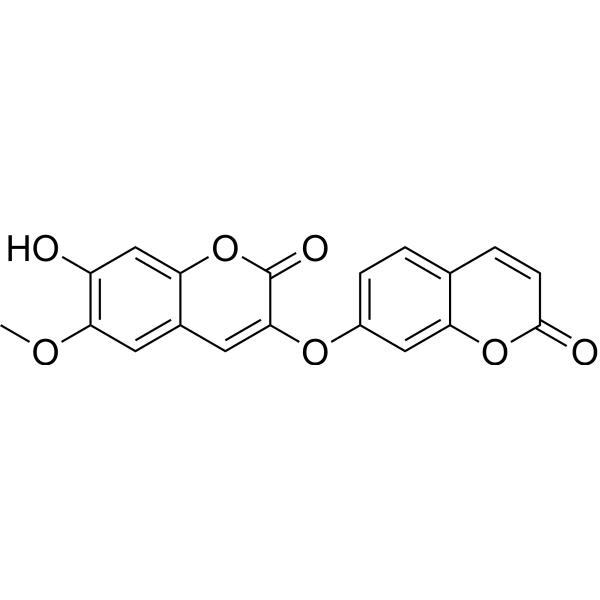 0 ImagesDaphnoretin (Dephnoretin; Thymelol) is a protein kinase C (PKC) activator that inhibits the expression of hepatitis B virus (HBV) surface antigen (HBsAg) and exhibits antiviral activity. Daphnoretin exerts its antitumor effects by inhibiting the activation of the PI3K/AKT signaling pathway and triggers the mitochondrial apoptosis pathway. Daphnoretin alleviates chondrocyte apoptosis and inflammatory responses by inhibiting endoplasmic reticulum stress and activation of the NLRP3 inflammasome. Daphnoretin regulates the differentiation and maturation of dendritic cells, inhibits their immunostimulatory function by downregulating the phosphorylation level of JNK, and thus exerts a protective effect in skin graft rejection.
-
Fenhexamid
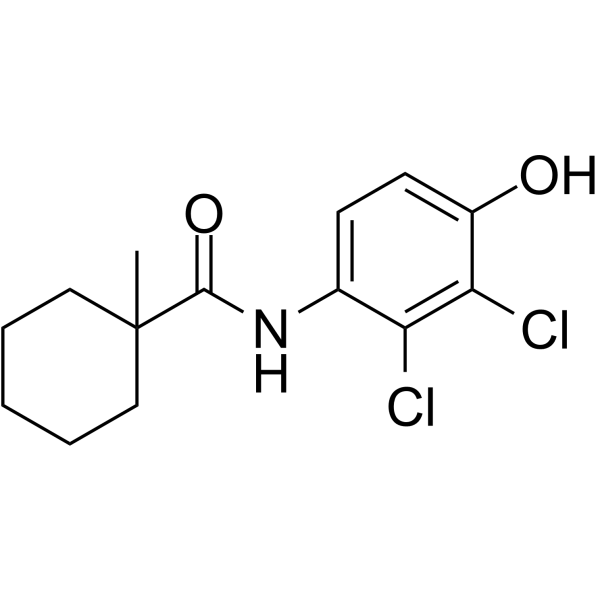 0 ImagesSynonyms: KBR 2738Fenhexamid, a botryticide, is a sterol biosynthesis inhibitor. Fenhexamid shows fungicide efficient against the plant pathogenic fungus Botryotinia fuckeliana (Botrytis cinerea).
-
Sincalide ammonium
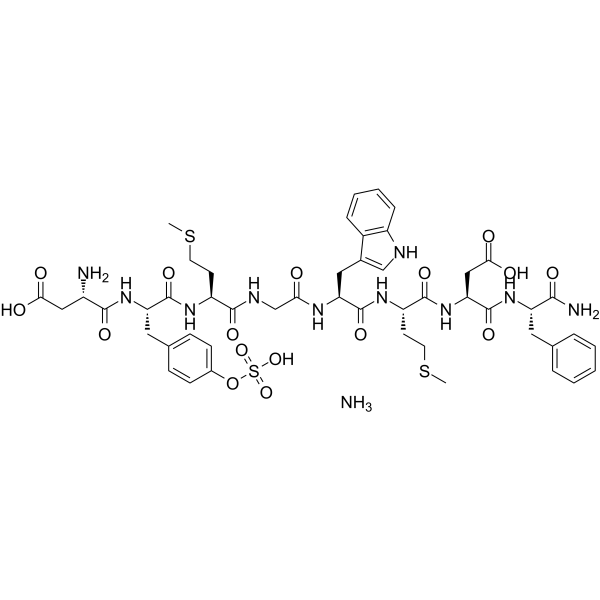 0 ImagesSynonyms: Cholecystokinin octapeptide ammonium; CCK-8 ammonium; SQ19844 ammoniumSincalide ammonium (Cholecystokinin octapeptide ammonium, CCK-8 ammonium) is a rapid-acting amino acid polypeptide hormone analogue of cholecystokinin (CCK) for intravenous use in postevacuation cholecystography. Sincalide ammonium is a major bioactive segment of CCK that retains most of the biological activities of CCK. CCK‐8 can promote gallbladder contraction by injection and helps diagnose gallbladder and pancreas disorders. Sincalide ammonium can increase bile secretion, cause the gallbladder to contract and relax the sphincter of Oddi, resulting in bile drainage into the duodenum. Sincalide ammonium is a major bioactive segment of CCK that retains most of the biological activities of CCK.
-
Peruvoside
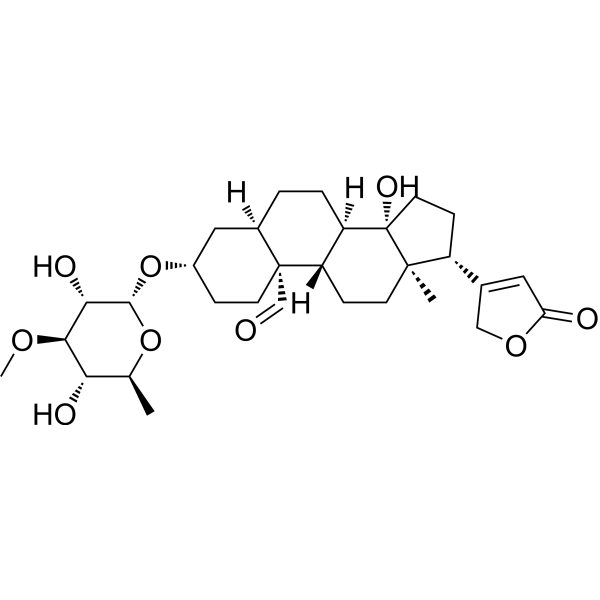 0 ImagesPeruvoside is a potent inhibitor of Src, PI3K, JNK, STAT, and EGFR. Peruvoside induces apoptosis and autophagy and possesses a broad spectrum of anticancer activity in breast, lung, liver cancers and leukemia. Peruvoside is a broad-spectrum and potent antiviral activity against positive-sense RNA viruses. Peruvoside sensitizes Gefitinib (HY-50895)-resistant tumour cells (A549, PC9/gef and H1975) to Gefitinib.
-
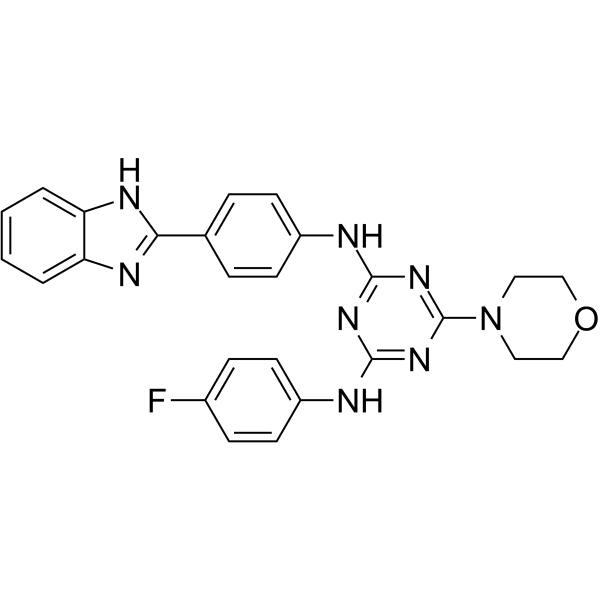
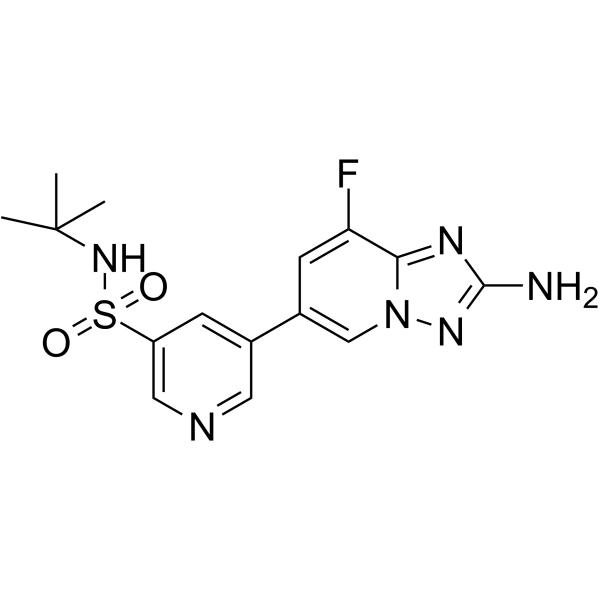
GSK-F1
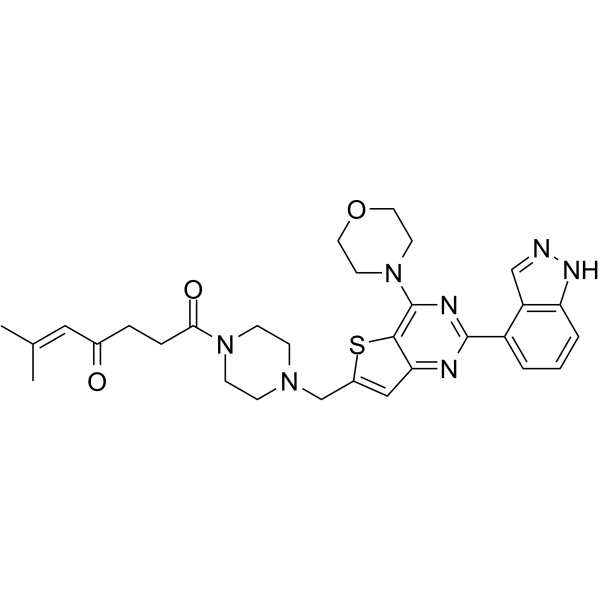
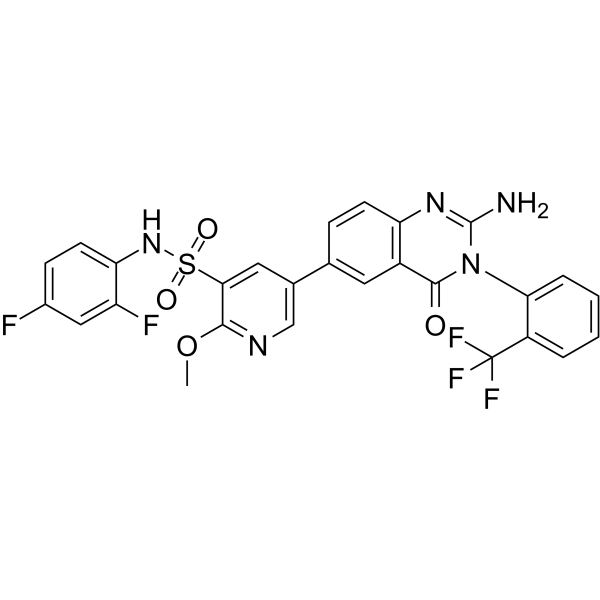 0 ImagesCat. No.: HY-100603CAS No.: 1402345-92-9
-
4-Methylbenzylidene camphor
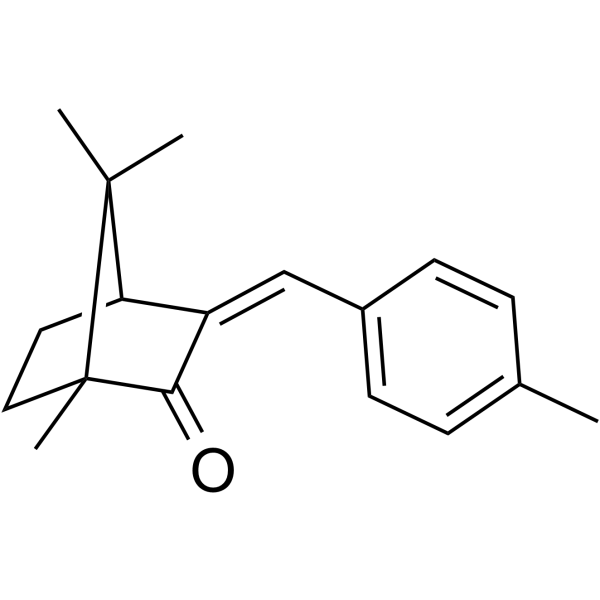 0 ImagesSynonyms: 4-MBC; Enzacamene4-Methylbenzylidene camphor (4-MBC) is an endocrine disrupter that produces estrogen-like effects. 4-Methylbenzylidene camphor decreases the proliferation of human trophoblast cells and induces apoptosis. 4-Methylbenzylidene camphor activates PI3K/AKT and ERK1/2 signaling pathways and elevates intracellular ROS production. 4-Methylbenzylidene camphor is a ultraviolet (UV) filter and may hamper normal placental formation during early pregnancy.
-
Coptisine Sulfate
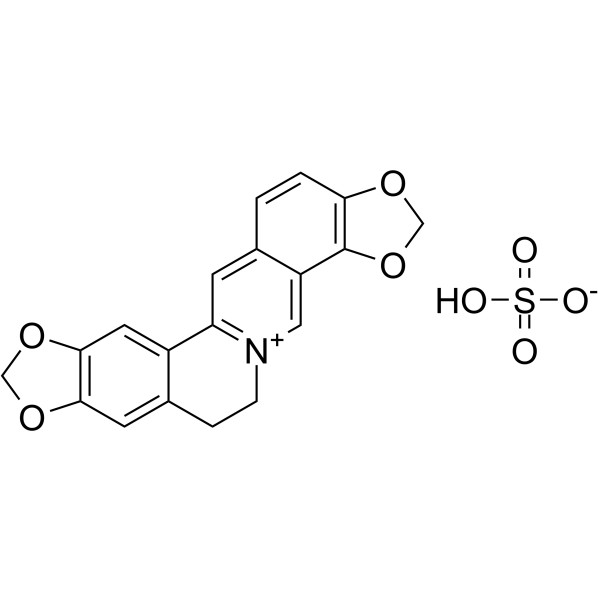 0 ImagesCoptisine Sulfate is an orally active and brain-penetrant alkaloid found in Coptis chinensis. Coptisine Sulfate is a reversible, uncompetitive IDO inhibitor with a Ki of 5.8 μM and an IC50 of 6.3 μM. Coptisine Sulfate suppresses neuroinflammation, reduces Aβ plaque burden and shows neuroprotective activity. Coptisine Sulfate shows anti-inflammation activity by blocking NF-κB, MAPK, and PI3K/Akt activation. Coptisine Sulfate inhibits cancer cells proliferation, induces DNA damage, G2/M phase cell cycle arrest, apoptosis, ROS production and mitochondrial dysfunction. Coptisine Sulfate inhibits Rho/ROCK pathway activation, reduces arrhythmia, limits cardiac injury marker release, reduces infarct size, and preserves cardiac function in rat myocardial ischemia/reperfusion models. Coptisine Sulfate downregulates HMGCR and upregulates LDLR and CYP7A1 to modulate cholesterol metabolism, reduces abnormal serum lipid levels, and promotes fecal bile acid excretion. Coptisine Sulfate be used for the research of cancer, hypercholesterolemia, Alzheimer’s disease, inflammatory disorders and cardiovascular disease.
-
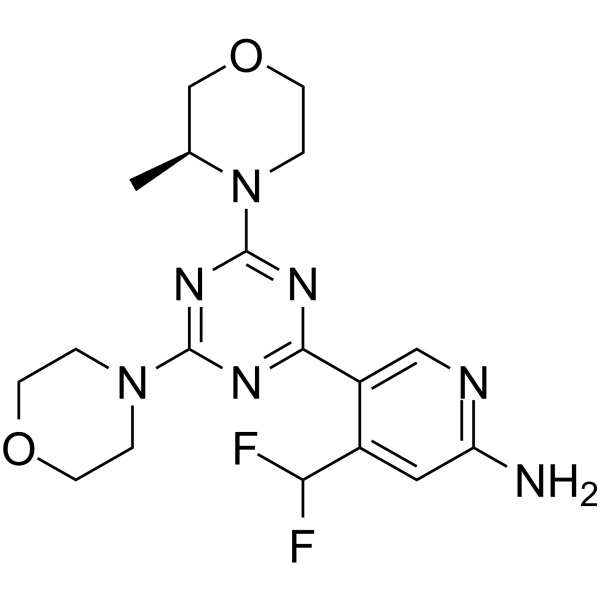
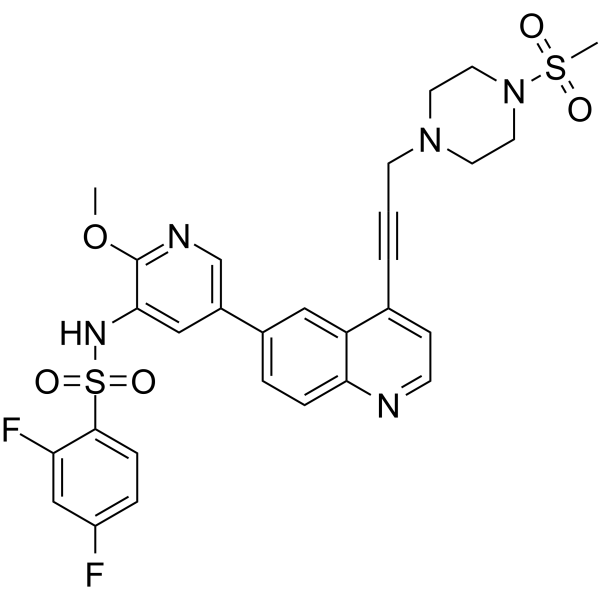
(S)-Tersolisib
 0 ImagesSynonyms: (S)-STX-478; (S)-STX-478-101; (S)-LY4064809
-
DZ2002
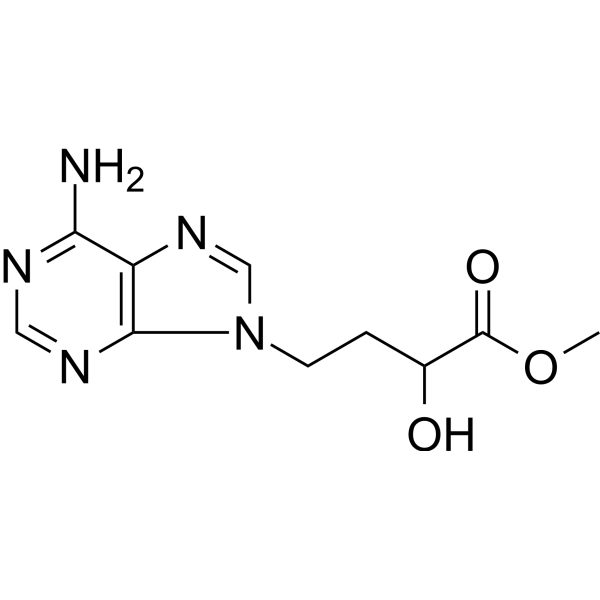 0 ImagesDZ2002 is an orally active, reversible and low-cytotoxic type III SAHH inhibitor (Ki=17.9 nM), with good immunosuppressive activity. DZ2002 prevents the development of experimental dermal fibrosis by reversing the profibrotic phenotype of various cell types. DZ2002 can be used in studies of autoimmune diseases such as lupus syndrome and systemic sclerosis.




