



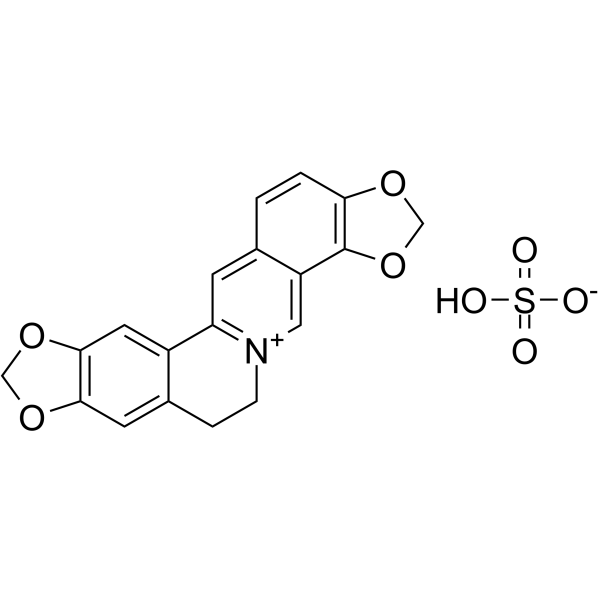
Coptisine Sulfate
Based on 6 publication(s) in Google Scholar
Coptisine Sulfate is an orally active and brain-penetrant alkaloid found in Coptis chinensis. Coptisine Sulfate is a reversible, uncompetitive IDO inhibitor with a Ki of 5.8 μM and an IC50 of 6.3 μM. Coptisine Sulfate suppresses neuroinflammation, reduces Aβ plaque burden and shows neuroprotective activity. Coptisine Sulfate shows anti-inflammation activity by blocking NF-κB, MAPK, and PI3K/Akt activation. Coptisine Sulfate inhibits cancer cells proliferation, induces DNA damage, G2/M phase cell cycle arrest, apoptosis, ROS production and mitochondrial dysfunction. Coptisine Sulfate inhibits Rho/ROCK pathway activation, reduces arrhythmia, limits cardiac injury marker release, reduces infarct size, and preserves cardiac function in rat myocardial ischemia/reperfusion models. Coptisine Sulfate downregulates HMGCR and upregulates LDLR and CYP7A1 to modulate cholesterol metabolism, reduces abnormal serum lipid levels, and promotes fecal bile acid excretion. Coptisine Sulfate be used for the research of cancer, hypercholesterolemia, Alzheimer’s disease, inflammatory disorders and cardiovascular disease.
For research use only. We do not sell to patients.
- Purity : 99.37%
- CAS No.: 1198398-71-8
- Formula: C19H15NO8S
- Molecular Weight:417.39
-
Storage:
4°C, sealed storage, away from moisture and light
* In solvent : -80°C, 6 months; -20°C, 1 month (sealed storage, away from moisture and light)

To place orders, for customer services and technical support, please contact: MedChemExpress USA
Tel: 609-228-6898 E-mail: [email protected] [email protected]


-
 Biological Activity
-
Chemical Information
-
Solvent & Solubility
- Protocols
- Purity & Documentation
- References
-
 Help & FAQs


-
HY-N0736
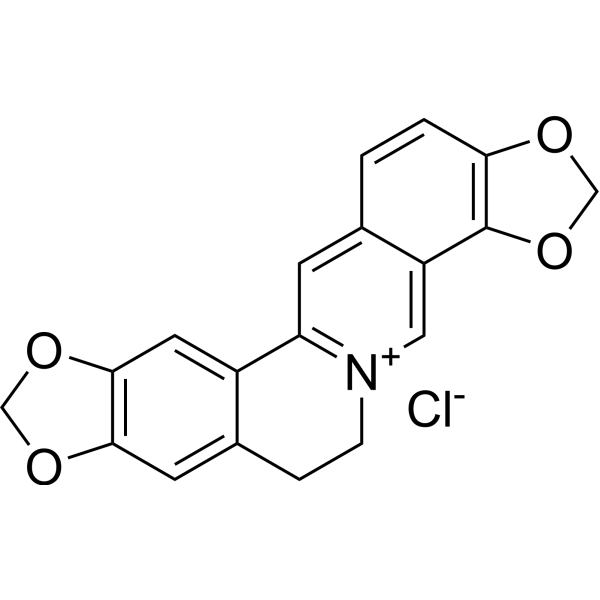
Coptisine chlorideBacterial Inhibitor -
HY-15689
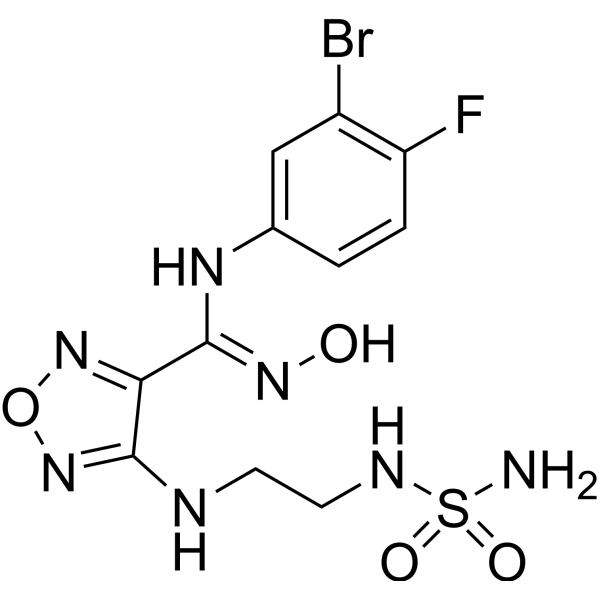
EpacadostatIDO1 Inhibitor -
HY-16724
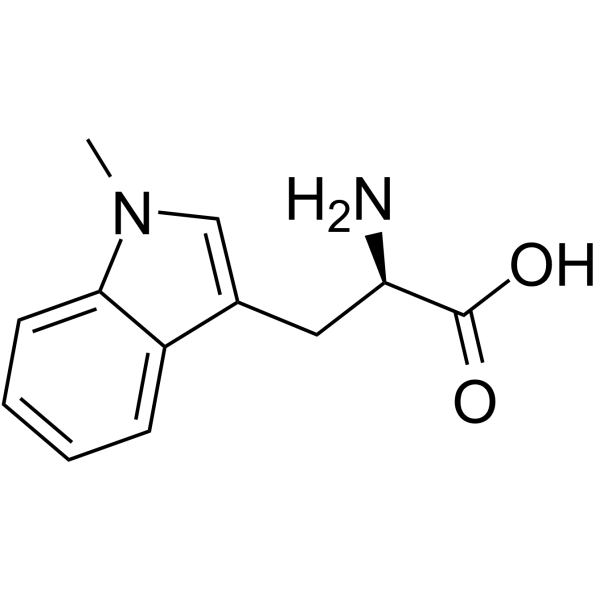
IndoximodIDO Inhibitor -
HY-18085
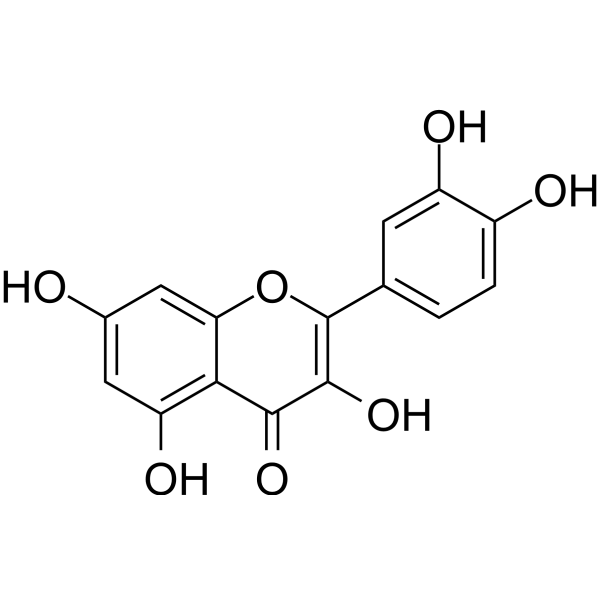
QuercetinFlavonoid Antioxidant -
HY-101111
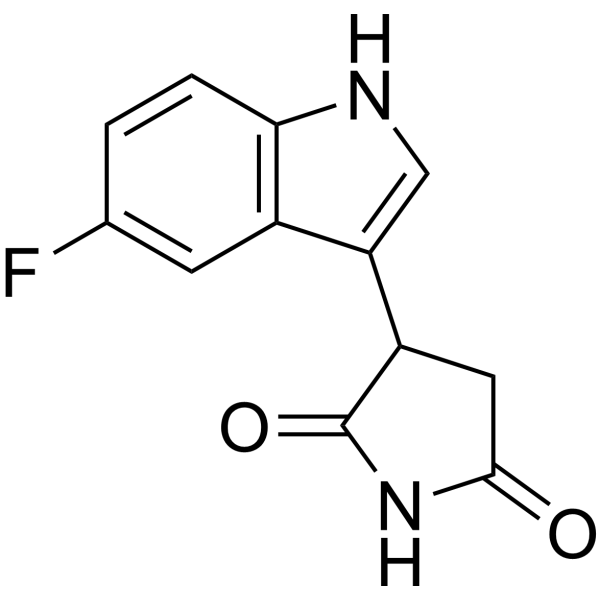
PF-06840003IDO-1 Inhibitor -
HY-101560
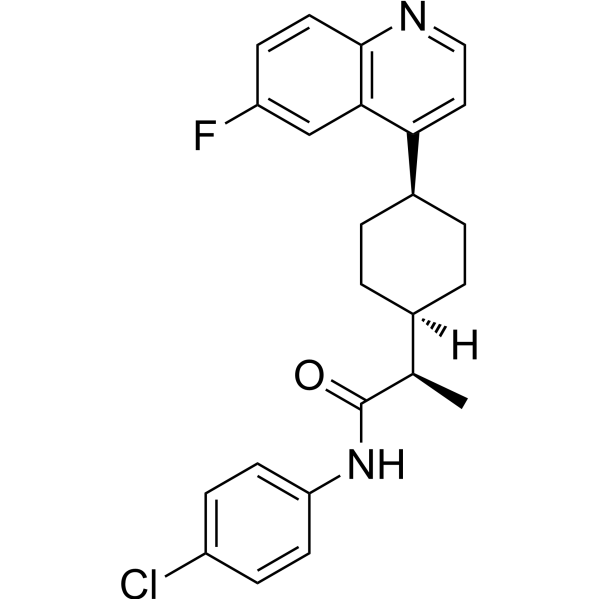
LinrodostatIDO1 Inhibitor -
HY-N0226A
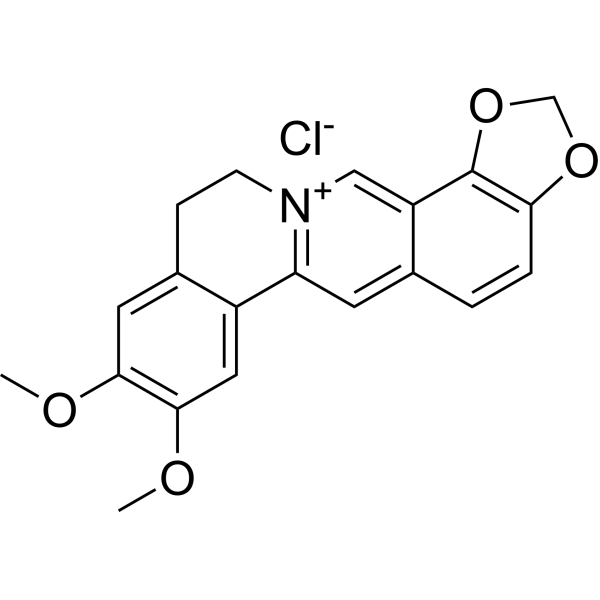
Epiberberine chlorideAChE/BChE Inhibitor -
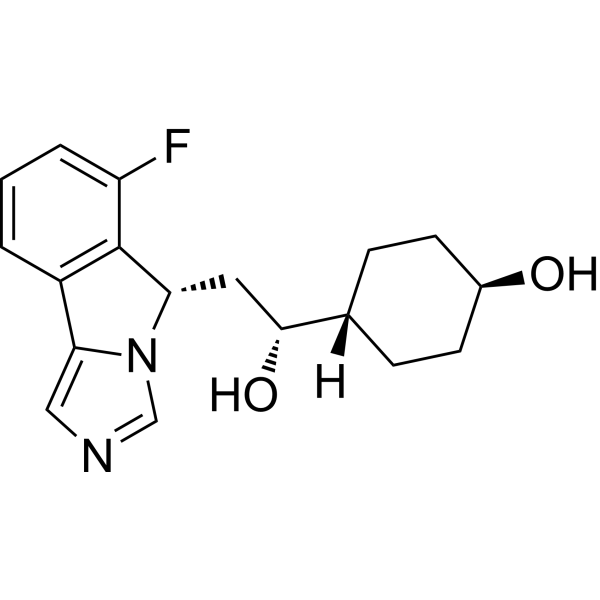
HY-18770B
NavoximodIDO Inhibitor -
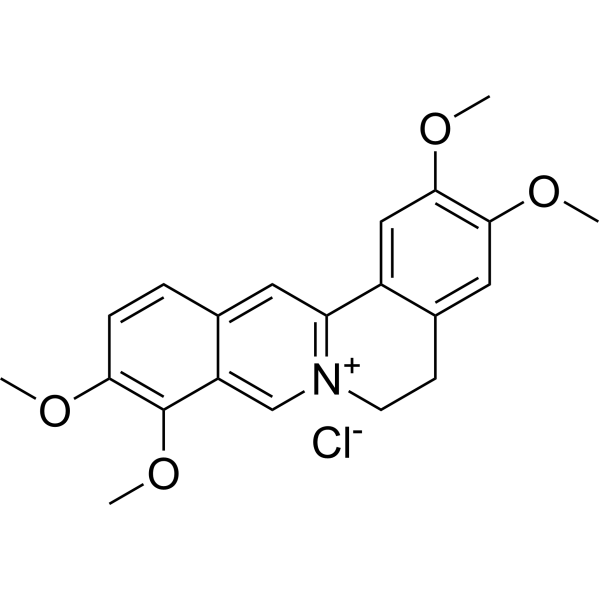
HY-N0110
Palmatine chlorideIDO-1/NS2B-NS3 Inhibitor -
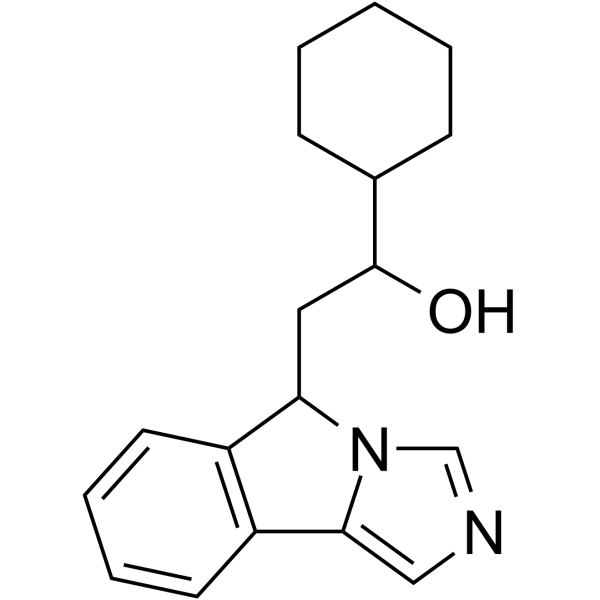
HY-13983
IDO-IN-7 -

HY-15689R
Epacadostat (Standard)IDO1 Inhibitor -
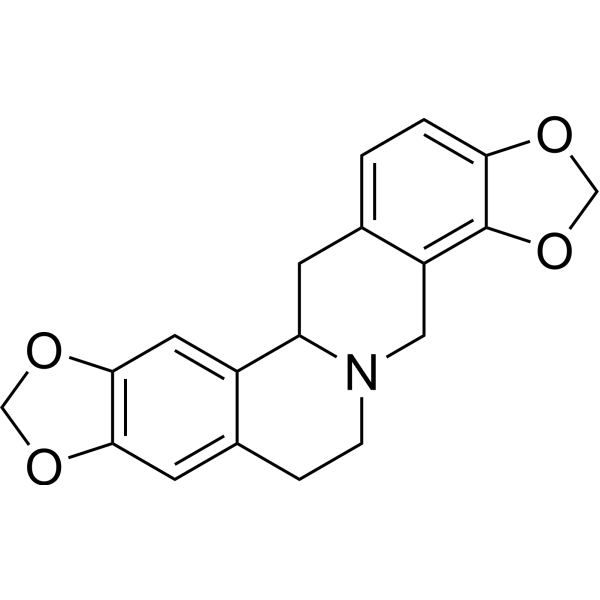
HY-N0924
(±)-StylopineAlkaloid
Publications Citing Use of MedChemExpress (MCE) Coptisine Sulfate
MoreAll DNA/RNA Synthesis Isoforms
More

Biological Activity
Description
IC50 & Target
IC50: 6.3 μM (IDO)[1]
Ki: 5.8 μM (IDO)[1]
In Vitro
Coptisine (0.1-100 μM; 48 h) Sulfate potently inhibits proliferation of human lung adenocarcinoma A5499, H460,
and H2170 cells (IC50 = 18.09, 29.50, and 21.60 μM) Sulfate and other tested human cancer cell lines, with moderate selectivity relative to normal human umbilical vein endothelial cells[1].
Coptisine (12.5-50 μM; 48 h) Sulfate induces concentration-dependent DNA damage in human lung adenocarcinoma A549 cells, as shown by increased γH2AX expression[1].
Coptisine (12.5-50 μM; 48 h) Sulfate induces concentration-dependent G2/M phase cell cycle arrest in human lung adenocarcinoma A549 cells, mediated by downregulated cyclin B1, cdc2, and cdc25C expression and upregulated p21 expression[1].
Coptisine (12.5-50 μM; 48 h) Sulfate induces concentration-dependent apoptosis in human lung adenocarcinoma A549 cells, inducing concentration-dependent activation of caspase 3/7, caspase 8, caspase 9, and cleavage of PARP[1].
Coptisine (12.5-50 μM; 0.5-24 h) Sulfate induces time- and concentration-dependent reactive oxygen species generation in human lung adenocarcinoma A549 cells[1].
Coptisine (12.5-50 μM; 24 h) Sulfate induces concentration-dependent mitochondrial dysfunction in human lung adenocarcinoma A549 cells, including loss of mitochondrial membrane potential and altered Bax, Bcl-2, and cytochrome c expression[1].
Coptisine Sulfate potently inhibits recombinant human IDO as a reversible, uncompetitive inhibitor with a Ki of 5.8 μM and an IC50 of 6.3 μM[4].
Coptisine Sulfate inhibits IDO activity in HEK 293 cells with an IC50 of 7.1 μM[4].
Coptisine (10 μM; 5 h pre-incubation) Sulfate reverses amyloid-β peptide 1-42 and interferon-γ-induced IDO activation and restores cell viability in PC12 cells[4].
Coptisine Sulfate inhibits LPS (HY-D1056)-stimulated inflammation by blocking NF-κB, MAPK, and PI3K/Akt activation in
macrophages[5].
MedChemExpress (MCE) has not independently confirmed the accuracy of these methods. They are for reference only. Further protocols information, click here.
-
Cell Line:human lung adenocarcinoma A549
-
Concentration:12.5, 25, 50 μM
-
Incubation Time:48 h
-
Result:Caused a concentration-dependent upregulation of pH2AX, a marker of DNA double-strand breaks, relative to untreated control cells.
In Vivo
Coptisine (23.35-70.05 mg/kg/day; i.g.; daily; 4 weeks) Sulfate dose-dependently improves hypercholesterolemia in HFHC-fed Syrian golden hamsters[3].
Coptisine (482.5-1728 mg/kg; p.o.; single dose) has low acute toxicity in Kunming mice, with an LD50 of 880.18 mg/kg following a single oral dose[3].
Coptisine (154 mg/kg/day; p.o.; daily; 90 days) Sulfate is well-tolerated in SD rats with no observable toxicity via daily oral administration for 90 days[3].
Coptisine (50 mg/kg; p.o.; once daily; 1 month) normalizes serum IDO activity, suppresses neuroinflammation, reduces Aβ plaque burden, restores neuronal integrity, and completely reverses cognitive impairment in A-PPswe/PS1ΔE9 transgenic Alzheimer's disease mice[4].
Coptisine Sulfate attenuates obesity-related inflammation through LPS/TLR-4-mediated signaling pathway in Syrian golden hamsters[5].
MedChemExpress (MCE) has not independently confirmed the accuracy of these methods. They are for reference only.
-
Animal Model:Sprague-Dawley (male, 280±20 g, left anterior descending coronary artery occlusion for 30 min followed by reperfusion)[2]
-
Dosage:3 mg/kg; 10 mg/kg; 30 mg/kg
-
Administration:p.o.; single dose 10 min before ischemia, plus an additional dose 4 h after reperfusion (24 h reperfusion studies); single dose 10 min before ischemia (3 h reperfusion studies)
-
Result:Significantly decreased I/R-induced arrhythmia score and reduced incidence of premature ventricular complexes and ventricular tachycardia.
Significantly reduced infarct size compared with I/R controls.
Significantly reduced serum levels of aspartate transaminase, lactate dehydrogenase, and creatine kinase-MB compared with I/R controls.
Significantly attenuated I/R-induced reductions in left ventricular ejection fraction and fractional shortening at 24 h post-reperfusion.
Significantly reduced the percentage of TUNEL-positive apoptotic cardiomyocytes, dose-dependently decreased cleaved caspase-3 expression, and upregulated Bcl-2 protein expression compared with I/R controls.
Reduced DNA fragmentation indicative of apoptosis.
Significantly decreased heart tissue levels of proinflammatory cytokines IL-1β, IL-6, and TNF-α, inhibited NF-κB p65 translocation from cytoplasm to nucleus, reduced Rho, ROCK1, and ROCK2 protein expression, and attenuated phosphorylation of myosin phosphatase targeting subunit-1 compared with I/R controls.
-
Animal Model:Syrian golden hamsters (male, 4-week-old, 100±5 g, HFHC diet-induced hypercholesterolemia)[3]
-
Dosage:23.35 mg/kg/day; 46.7 mg/kg/day; 70.05 mg/kg/day
-
Administration:I.g.; daily; 4 weeks
-
Result:Reduced serum total cholesterol (TC) by 10.9% and increased fecal cholesterol by 29% at 23.35 mg/kg.
Reduced serum TC by 24.3% and low-density lipoprotein cholesterol (LDL-c) by 20.0%, increased high-density lipoprotein cholesterol (HDL-c) by 24.8%, increased fecal cholesterol by 44% and fecal total bile acids (TBA) by 31.6% at 46.7 mg/kg.
Reduced serum TC by 26.7%, LDL-c by 22.2%, and triglycerides (TG) by 15.4%, increased HDL-c by 41.7%, increased fecal cholesterol by 51.5% and fecal TBA by 61.4% at 70.05 mg/kg.
Reduced body weight by 9.2% at 70.05 mg/kg/day after 33 days of treatment versus HFHC group.
Suppressed liver Hmgcr mRNA expression, increased liver Ldlr mRNA expression by 8.5-fold, 9.78-fold, and 11-fold, increased liver Cyp7a1 mRNA expression (21% increase at 70.05 mg/kg), and increased liver Srebp-2 mRNA expression across all doses versus HFHC group.
Reduced liver HMGCR protein expression by 16.4%, increased liver SREBP-2, LDLR, and CYP7A1 protein expression by 46.0%, 51.9%, and 107% at 70.05 mg/kg versus HFHC group.
Increased liver LDLR protein expression by 30.7% and CYP7A1 protein expression at 46.7 mg/kg versus HFHC group.
-
Animal Model:B6C3-Tg (APPswe, PSEN1dE9)85Dbo/J (A-PPswe/PS1ΔE9) (8-month-old male)[4]
-
Dosage:50 mg/kg
-
Administration:p.o.; once daily; 1 month
-
Result:Reduced escape latency to levels indistinguishable from wild-type mice.
Showed significantly shorter latency to first target crossing, increased number of target platform crossings, and increased time spent in the target quadrant, with performance matching wild-type mice.
Normalized serum IDO activity (measured by kynurenine/tryptophan ratio) to wild-type levels, without altering IDO mRNA or protein expression in brain tissue.
Reduced brain expression of GFAP (astrocytic activation marker) and CD11b (microglial activation marker) to wild-type levels.
Restored hippocampal MAP2 (neuronal marker) immunoreactivity in the CA1 region, which was reduced in AD control mice.
Significantly reduced hippocampal Aβ1-42 plaque burden to near wild-type levels.


Chemical Information
-
CAS No. 1198398-71-8
-
Appearance Solid
-
Molecular Weight 417.39
-
Formula C19H15NO8S
-
Color Yellow to orange
-
SMILES
O=S(O)([O-])=O.C1(C(CC[N+]2=C1C=C(C=C3)C(C4=C3OCO4)=C2)=C5)=CC6=C5OCO6
-
Structure Classification
-
Initial Source
-
Shipping
Room temperature in continental US; may vary elsewhere.
-
Storage
4°C, sealed storage, away from moisture and light
* In solvent : -80°C, 6 months; -20°C, 1 month (sealed storage, away from moisture and light)


Publications (6)
-
Journal Impact Factor
-
Most Recent
-
-
-
DNA Cell Biol
Coptisine Blocks Secretion of Exosomal circCCT3 from Cancer-Associated Fibroblasts to Reprogram Glucose Metabolism in Hepatocellular Carcinoma. [Abstract]2020 Oct 2. PMID: 33001706 -
Biochem Biophys Res Commun
2026 Mar 26:806:153415. PMID: 41662796 -
-
J Oncol
Pseudogene MSTO2P Interacts with miR-128-3p to Regulate Coptisine Sensitivity of Non-Small-Cell Lung Cancer (NSCLC) through TGF- β Signaling and VEGFC. [Abstract]2022 Jun 26:2022:9864411. PMID: 35794983


Solvent & Solubility
In Vitro:
H2O : 2 mg/mL (4.79 mM; ultrasonic and warming and heat to 60°C)
DMSO : 1 mg/mL (2.40 mM; ultrasonic and warming and heat to 60°C; Hygroscopic DMSO has a significant impact on the solubility of product, please use newly opened DMSO)
Please refer to the solubility information to select the appropriate solvent. Once prepared, please aliquot and store the solution to prevent product inactivation from repeated freeze-thaw cycles.
Storage method and period of stock solution: -80°C, 6 months; -20°C, 1 month (sealed storage, away from moisture and light). When stored at -80°C, please use it within 6 months. When stored at -20°C, please use it within 1 month.
* Note: If you choose water as the stock solution, please dilute it to the working solution, then filter and sterilize it with a 0.22 μm filter before use.
Please refer to the solubility information to select the appropriate solvent. Once prepared, please aliquot and store the solution to prevent product inactivation from repeated freeze-thaw cycles.
Storage method and period of stock solution: -80°C, 6 months; -20°C, 1 month (sealed storage, away from moisture and light). When stored at -80°C, please use it within 6 months. When stored at -20°C, please use it within 1 month.
* Note: If you choose water as the stock solution, please dilute it to the working solution, then filter and sterilize it with a 0.22 μm filter before use.
Concentration (start) × Volume (start) = Concentration (final) × Volume (final)

Protocols
-
Annexin V plus membrane-impermeant dye apoptosis staining
Annexin V-based apoptosis assays rely on the detection of phosphatidylserine (PS) externalization from the inner leaflet of the plasma membrane to the outer leaflet, an early biochemical hallmark of apoptosis. Fluorescently labeled Annexin V binds PS in a calcium-dependent manner, enabling identification of early apoptotic cells by flow cytometry or fluorescence microscopy. When combined with a membrane-impermeant DNA-binding dye (e. g. , propidium iodide), this approach allows discrimination between viable (Annexin V−/dye−), early apoptotic (Annexin V+/dye−), and late apoptotic or necrotic (Annexin V+/dye+) cell populations by assessing membrane integrity and PS exposure.
-
BrdU Incorporation Assay
Bromodeoxyuridine (BrdU) incorporation assay is based on the principle that BrdU, a thymidine analog, is incorporated into newly synthesized DNA during the S phase of the cell cycle, thereby serving as a marker of DNA replication and cellular proliferation. Incorporated BrdU can be detected using anti-BrdU antibodies following DNA denaturation, enabling visualization or quantification of proliferating cells through immunochemical detection methods such as immunofluorescence or immunohistochemistry.
-
ROS/oxidative-stress fluorescent staining
ROS/oxidative-stress fluorescent staining uses cell-permeant fluorogenic probes that become fluorescent after oxidation inside cells or tissues; commonly used examples include DCFH-DA/DCFDA for broad cellular oxidant detection, DHE for superoxide-related signal detection, MitoSOX for mitochondrial superoxide-related signal detection, and CellROX probes for oxidative-stress-associated fluorescence readouts. The assay detects probe oxidation rather than a single ROS species unless the probe and analysis method have been chemically validated for that species. DCFH-DA enters cells, is deacetylated by intracellular esterases to DCFH, and produces fluorescent DCF after oxidation, so the readout is used as an operational measure of total cellular oxidative stress rather than a species-specific ROS measurement. DHE and MitoSOX can report superoxide-related oxidation, but red fluorescence alone can include non-specific ethidium-like oxidation products; HPLC or optimized spectral approaches are
-
Protocol for Cell Cycle
Cell-cycle analysis by flow cytometry measures DNA content in single cells to estimate the fraction of cells in G0/G1, S, and G2/M phases. Propidium iodide intercalates into DNA, and after RNA removal with RNase, fluorescence intensity reflects cellular DNA content: 2N cells are assigned to G0/G1, cells between 2N and 4N to S phase, and 4N cells to G2/M. DNA-content analysis alone cannot reliably separate G0 from G1 or G2 from M. Ki-67 can distinguish quiescent G0 cells from cycling cells, EdU or BrdU incorporation marks active DNA synthesis in S phase, and phospho-histone H3 staining identifies mitotic cells within the 4N population.
-
Research Protocol for Cardiovascular Diseases
Cardiovascular disease can be modeled as maladaptive cardiac remodeling, where ischemic injury or pressure overload activates inflammatory signaling, fibroblast activation, extracellular-matrix deposition, cardiomyocyte hypertrophy, vascular remodeling, and progressive ventricular dysfunction. The TGF-β/SMAD axis is a central profibrotic pathway after myocardial injury and pressure overload, while innate immune and cytokine pathways regulate leukocyte recruitment, scar formation, and adverse remodeling. Key unresolved questions include which inflammatory signals are reparative versus harmful, when fibrosis is protective versus maladaptive, and whether pathway inhibition improves function without weakening necessary infarct healing or compensatory remodeling.
-
Research Protocol for Inflammation-related Diseases
The NLRP3 inflammasome is a cytosolic innate immune signaling platform that integrates priming signals and danger-signal activation to promote caspase-1 activation, maturation of IL-1β and IL-18, and gasdermin D-mediated pyroptotic cell death. The core experimental logic is to determine whether inflammatory disease phenotypes are driven by increased NLRP3 expression, ASC-containing inflammasome assembly, caspase-1 cleavage, GSDMD cleavage, and extracellular release of IL-1β/IL-18 rather than by nonspecific cell injury alone. The pathway is strongly linked to inflammation-related disease phenotypes because monosodium urate crystals activate NALP3/NLRP3 inflammasome signaling in gout-like crystal inflammation, cholesterol crystals activate NLRP3 inflammasomes in atherogenesis models, and DSS-induced intestinal inflammation has been reported to involve NLRP3 inflammasome activity. However, experimental colitis studies also show context-dependent protective effects of NLRP3 inflammasome co
-
Research Protocol for Neurological Diseases
PINK1/Parkin-mediated mitophagy pathway is a mitochondrial quality-control signaling axis in which mitochondrial depolarization stabilizes PINK1 on damaged mitochondria, activates Parkin recruitment and E3 ubiquitin ligase activity, promotes ubiquitination of outer mitochondrial membrane proteins, recruits selective autophagy adaptors, and drives lysosomal degradation of damaged mitochondria. In neurological disease research, this pathway is experimentally important because neurons, especially dopaminergic neurons, are highly dependent on mitochondrial integrity, and defective mitochondrial turnover can lead to mitochondrial dysfunction, oxidative stress, impaired neuronal survival, α-synuclein accumulation, and neuroinflammatory damage-associated signals. The genetic disease link is strongest in Parkinson’s disease because mutations in PRKN/parkin cause autosomal recessive juvenile parkinsonism, mutations in PINK1 cause hereditary early-onset Parkinson’s disease, and Drosophila studie
-
Alzheimer’s Disease Modeling
Alzheimer’s Disease (AD) is a neurodegenerative disorder characterized by a progressive decline in cognitive functions and loss of specific types of neurons and synapses. Alzheimer's symptoms can be simulated in mice by injecting drugs (such as Aβ) or genetically modified.
-
Cell Viability Determination by MTT Colorimetric Assay
The following protocol uses the MTT colorimetric assay as a classic literature-established method for assessing cell viability/metabolic activity in cultured mammalian cells. MTT[3-(4,5-dimethylthiazol-2-yl)-2,5-diphenyltetrazolium bromide] is reduced by metabolically active cells to a colored formazan product; the amount of formazan is quantified spectrophotometrically and provides an indirect measure of metabolically active viable cells. Importantly, MTT reduction reflects cellular oxidoreductase/metabolic activity rather than an absolute direct count of living cells, so changes in cellular metabolism can alter the signal independently of cell number.
-
Detection of Apoptosis
Apoptosis, also called programmed cell death, is generally characterized by distinct morphological characteristics.
-
TUNEL staining for apoptotic DNA fragmentation
TUNEL staining detects DNA strand breaks by using terminal deoxynucleotidyl transferase to add labeled nucleotides to exposed 3′-OH DNA termini, generating either microscopic staining in fixed cells or tissue sections, or fluorescence/cytometric signal in cell suspensions. TUNEL positivity reflects DNA fragmentation but should not be interpreted alone as definitive apoptosis, because TUNEL can also label necrotic, autolytic, mechanically damaged, or DNA-repair-associated DNA breaks.
-
Flow cytometric DNA-content cell-cycle staining
Flow cytometric DNA-content cell-cycle staining measures the fluorescence intensity of DNA-bound fluorochromes in single cells or nuclei to estimate DNA content distributions, allowing assignment of populations to G0/G1, S, and G2/M phases by DNA histogram deconvolution. Propidium iodide (PI) intercalates into DNA, and PI fluorescence is proportional to cellular DNA content when staining is performed under conditions that make DNA accessible and minimize non-DNA signal. Cells with G2/M DNA content are expected to show approximately twice the fluorescence intensity of G0/G1 cells, while S-phase cells occupy intermediate fluorescence values. PI-based DNA-content analysis can also detect cells with fractional DNA content, often reported as sub-G1, when DNA fragmentation and extraction during staining reduce retained DNA signal in apoptotic cells. DAPI is an alternative DNA fluorochrome for univariate DNA-content analysis, while bivariate approaches combining DNA content with proliferation
-
Cardiac voltage-sensitive optical mapping
Cardiac voltage-sensitive optical mapping records changes in transmembrane potential from cardiac tissue by staining the preparation with a voltage-sensitive dye and imaging fluorescence changes during electrical activation; the resulting optical action potentials can be used to map activation time, action potential duration, conduction velocity, wavefront propagation, and arrhythmia dynamics. The optical signal represents a relative fluorescence change from a tissue volume rather than a single-cell intracellular recording, so spatial resolution, sampling rate, voltage resolution, optical magnification, light penetration, and motion control must be considered together when interpreting optical action potentials.
-
Mitochondrial membrane-potential and mitochondrial mass staining
Mitochondrial membrane potential staining measures the electrochemical polarization across the mitochondrial inner membrane in live cells using lipophilic cationic fluorescent probes; early rhodamine-based work showed that selective mitochondrial dye accumulation is lost when the mitochondrial transmembrane potential is dissipated. JC-1 reports mitochondrial polarization by shifting from green monomer fluorescence to red J-aggregate fluorescence as dye concentration increases within energized mitochondria; therefore, the red/green fluorescence ratio is used as a relative readout of mitochondrial membrane potential. TMRE or TMRM staining provides a single-channel relative readout because these cationic rhodamine esters accumulate in polarized mitochondria, and lower fluorescence indicates reduced mitochondrial polarization when acquisition and dye-loading conditions are controlled. Mitochondrial mass staining is commonly performed with MitoTracker Green FM or related MitoTracker dyes as
-
Apoptosis Solutions
Apoptosis is a regulated, generally non-lytic cell-death pathway that removes unwanted, damaged, infected, or abnormal cells through coordinated morphological changes, caspase activation, DNA fragmentation, and membrane remodeling. The intrinsic apoptosis pathway is controlled mainly by mitochondrial outer membrane permeabilization, BCL-2 family proteins, cytochrome c release, apoptosome formation, caspase-9 activation, and downstream executioner caspase-3/7 activation. The extrinsic apoptosis pathway is initiated by death receptors such as Fas, TNFR, and TRAIL receptors, which recruit adaptor proteins and activate caspase-8 before engaging executioner caspases or mitochondrial amplification through BID cleavage. Apoptosis is linked to many phenotypes, including cancer cell killing, tissue homeostasis, immune regulation, neurodegeneration, infection response, and treatment-induced cytotoxicity; unresolved questions include how apoptosis interacts with necroptosis, pyroptosis, ferroptos
-
Genotoxicity/Mutagenicity Study
The bacterial reverse mutation assay detects point mutations that restore amino-acid prototrophy in auxotrophic Salmonella typhimurium or Escherichia coli tester strains; after exposure to a test article, mutagenic activity is read out as an increased number of revertant colonies on minimal agar compared with the vehicle control. The assay uses tester strains with different mutation targets so that base-substitution and frameshift mutagens can be detected, and testing is performed with and without exogenous mammalian metabolic activation because some chemicals require biotransformation to become mutagenic.


Purity & Documentation
-
Data Sheet (288 KB)
-
SDS (252 KB)
- English - EN (252 KB)
- Français - FR (252 KB)
- Deutsch - DE (252 KB)
- Norwegian - NO (252 KB)
- Español - ES (252 KB)
- Swedish - SV (252 KB)
- Italian - IT (252 KB)
- Korean - KR (252 KB)
- Portuguese - PT (252 KB)
-
Handling Instructions (2659 KB)
References
[1]. Rao PC, et al. Coptisine-induced cell cycle arrest at G2/M phase and reactive oxygen species-dependent mitochondria-mediated apoptosis in non-small-cell lung cancer A549 cells. Tumour Biol. 2017;39(3):1010428317694565. [Content Brief]
[2]. Guo J, et al. Coptisine protects rat heart against myocardial ischemia/reperfusion injury by suppressing myocardial apoptosis and inflammation. Atherosclerosis. 2013;231(2):384-391. [Content Brief]
[3]. He K, et al. The safety and anti-hypercholesterolemic effect of coptisine in Syrian golden hamsters. Lipids. 2015;50(2):185-194. [Content Brief]
[4]. Yu D, et al. The IDO inhibitor coptisine ameliorates cognitive impairment in a mouse model of Alzheimer's disease. J Alzheimers Dis. 2015;43(1):291-302. [Content Brief]
[5]. Chen HB, et al. Anti-inflammatory activity of coptisine free base in mice through inhibition of NF-κB and MAPK signaling pathways. Eur J Pharmacol. 2017;811:222-231. [Content Brief]


Complete Stock Solution Preparation Table
Please refer to the solubility information to select the appropriate solvent. Once prepared, please aliquot and store the solution to prevent product inactivation from repeated freeze-thaw cycles.
Storage method and period of stock solution: -80°C, 6 months; -20°C, 1 month (sealed storage, away from moisture and light). When stored at -80°C, please use it within 6 months. When stored at -20°C, please use it within 1 month.
| Optional Solvent | Concentration Solvent Mass | 1 mg | 5 mg | 10 mg | 25 mg |
|---|---|---|---|---|---|
| DMSO / H2O | 1 mM | 2.3958 mL | 11.9792 mL | 23.9584 mL | 59.8960 mL |
* Note: If you choose water as the stock solution, please dilute it to the working solution, then filter and sterilize it with a 0.22 μm filter before use.


Coptisine Sulfate Related Classifications
HY-N0430A Related Classifications
 Powered by Bioz