PPAR
Peroxisome proliferator-activated receptors
PPARs (Peroxisome proliferator-activated receptors) are ligand-activated transcription factors of nuclear hormone receptor superfamily comprising of the following three subtypes: PPARα, PPARγ, and PPARβ/δ. PPARs play essential roles in the regulation of cellular differentiation, development, and metabolism (carbohydrate, lipid, protein), and tumorigenesis of higher organisms. All PPARs heterodimerize with the retinoid X receptor (RXR) and bind to specific regions on the DNA of target genes. Activation of PPAR-α reduces triglyceride level and is involved in regulation of energy homeostasis. Activation of PPAR-γ enhances glucose metabolism, whereas activation of PPAR-β/δ enhances fatty acids metabolism.
PPAR Isoform Specific Products
All Product Categories
-
PPAR Inhibitors
(106)
View all products
-
PPAR Agonists
(343)
View all products
-
PPAR Antagonists
(31)
View all products
-
PPAR Activators
(171)
View all products
-
PPAR Modulators
(44)
View all products
-
PPAR Inducers
(6)
View all products
-
PPAR Controls
(3)
View all products
-
PPAR Ligands
(4)
View all products
-
Peroxisome Proliferator-activated Receptor Proteins
(11)
View all products
-
PPAR alpha Proteins
(2)
View all products
-
PPAR gamma Proteins
(7)
View all products
-
PPAR-delta Proteins
(2)
View all products
-
PPAR Related Products (752)
Related Products (752)

-
Recombinant Proteins (11)
-
Antibodies (4)
-
PPAR Isoform Comparison
-
Balaglitazone
 0 ImagesSynonyms: DRF 2593; NN 2344
-
Saroglitazar magnesium
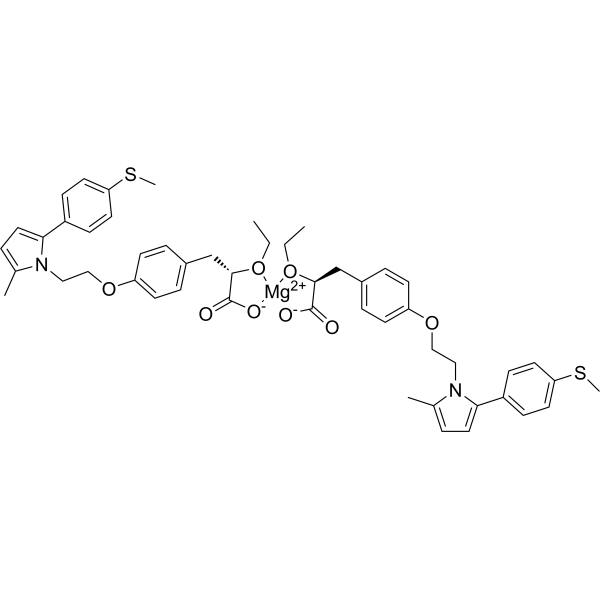 0 ImagesSaroglitazar magnesium is a novel peroxisome proliferator-activated receptor (PPAR) agonist with predominant PPARα and moderate PPARγ activity with EC50 values of 0.65 pM and 3 nM in HepG2 cells, respectively.
-
Leriglitazone hydrochloride
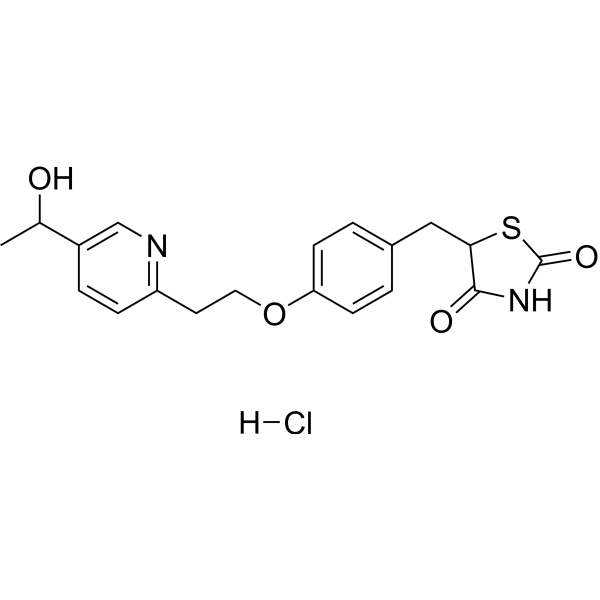 0 ImagesSynonyms: MIN-102 hydrochloride; Hydroxypioglitazone hydrochlorideLeriglitazone (MIN-102; Hydroxypioglitazone) hydrochloride is an orally active and a BBB-penetrable PPARγ agonist with an EC50 of 9 μM. Leriglitazone hydrochloride, as a regulator of mitochondrial function, has neuroprotective, anti-inflammatory and antioxidant effects. Leriglitazone hydrochloride can be used in the study of neuroinflammatory and neurodegenerative diseases.
-
Bocidelpar
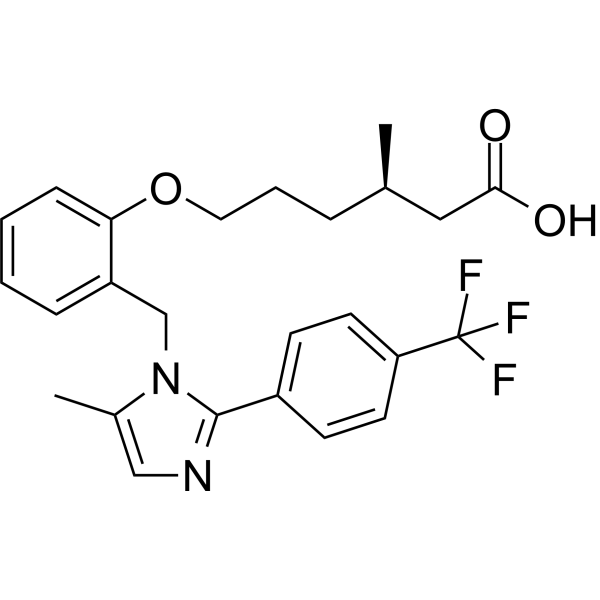 0 ImagesSynonyms: ASP0367; MA-0211Bocidelpar (ASP0367; MA-0211) is a selective, orally active PPARδ modulator. Bocidelpar activates the PPARδ downstream signaling pathway, upregulates the expression of target genes such as ABCA1 and ACAA2. Bocidelpar then promotes fatty acid oxidation (FAO) and mitochondrial biogenesis, and improves mitochondrial dysfunction. Bocidelpar can improve mitochondrial biogenesis and function in muscle cells. Bocidelpar is mainly used in the study of mitochondrial dysfunction diseases such as primary mitochondrial myopathy (PMM) and Duchenne muscular dystrophy (DMD).
-
D-Arabinopyranose
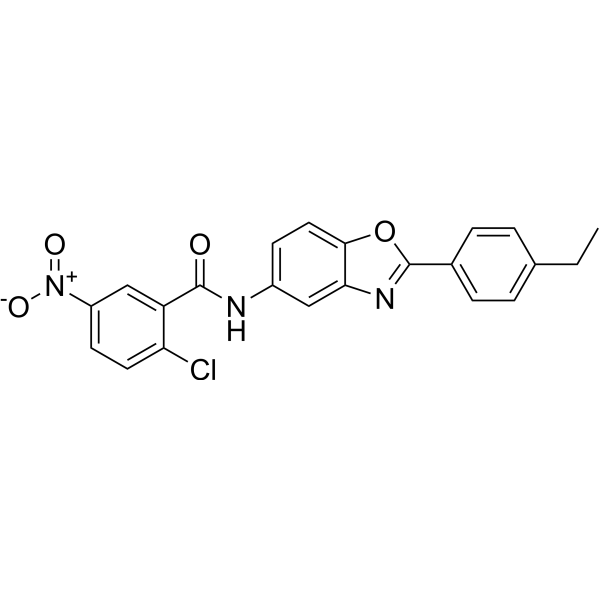
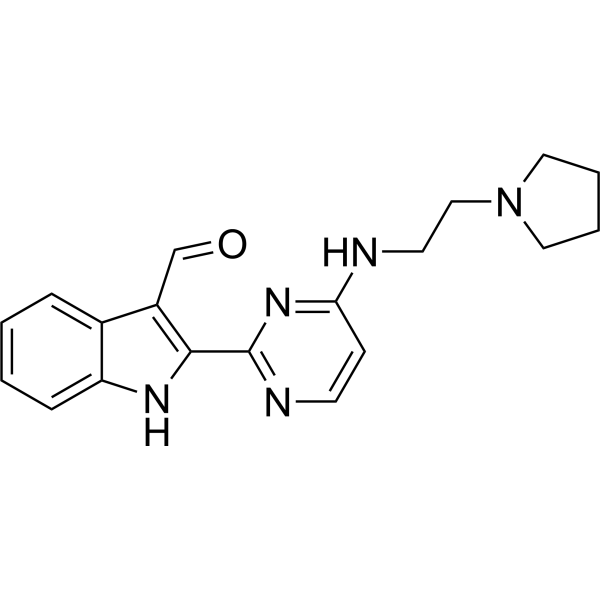
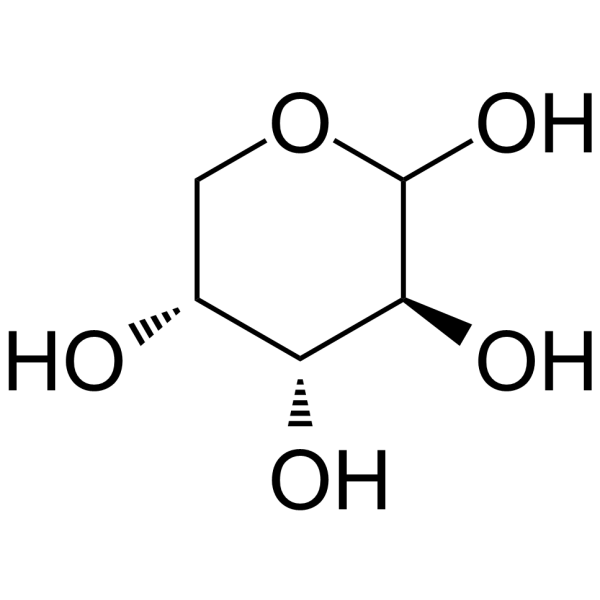 0 ImagesD-Arabinpyranose is is an orally active antidepressant and a growth inhibitor of C. elegans (IC50 is 7.5 mM). D-Arabinpyranose can penetrate the blood-brain barrier, selectively interfere with the metabolism of D-ribose and D-fructose, and inhibit the growth of nematodes. D-Arabinpyranose can also inhibit the synthesis of cell biofilm and exert antibacterial activity. D-Arabinpyranose activates the ACSS2-PPARγ/TFEB-CRTC1 axis through the lysosomal AXIN-LKB1-AMPK pathway, inducing CRTC1 transcription, exerts antidepressant-like activity. D-Arabinpyranose is the ring-opened form of the aldopentose D-Arabinpyranose (HY-N7082).
-
17-HDHA
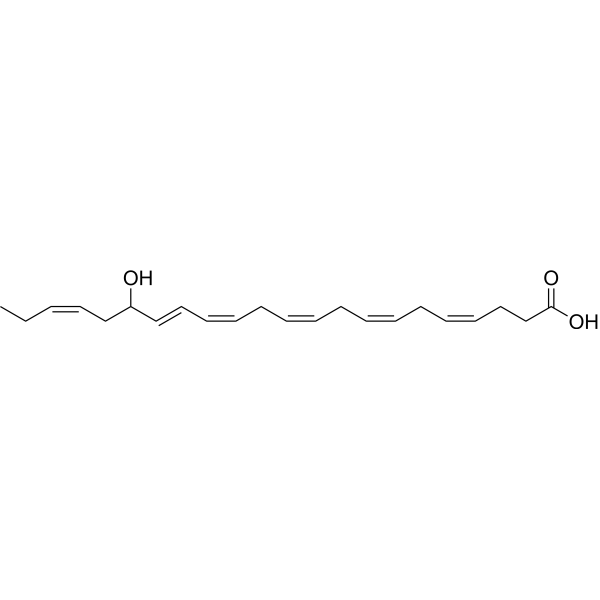 0 Images17-HDHA is a DHA-derived specialized pro-resolving mediator (SPM). 17-HDHA inhibits NF-κB activation by activating PPARγ and upregulating IκBα, targets FPR2 and Bcl-6, and also acts as a precursor of RvD1 and PD1. 17-HDHA inhibits pulmonary artery smooth muscle cell proliferation, regulates the expression of adiponectin, GLUT-4 and inflammatory cytokines, suppresses IgE production by B cells and promotes antibody secretion. 17-HDHA reduces adipose tissue inflammation, improves insulin sensitivity and glucose tolerance, alleviates pathological processes associated with pulmonary hypertension, and enhances antibody responses and virus neutralizing activity against influenza HA. 17-HDHA can be used in research related to obesity-associated inflammation, insulin resistance, glucose intolerance, pulmonary hypertension and influenza virus infection.
-
Falcarindiol
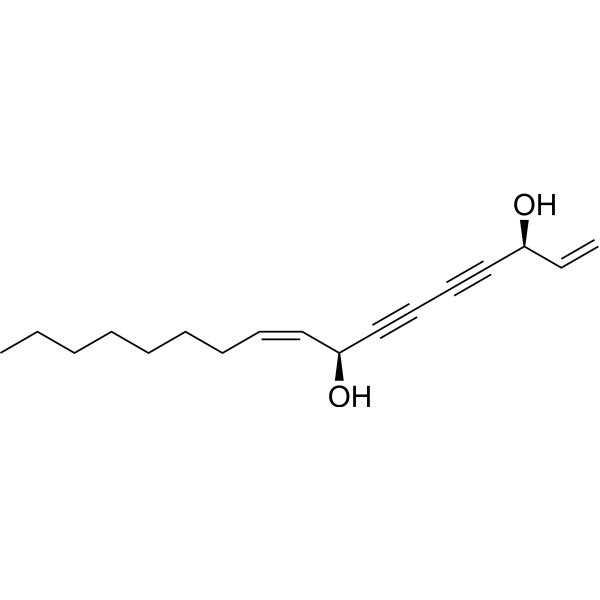 0 ImagesCat. No.: HY-N0364CAS No.: 55297-87-5Falcarindiol, an orally active polyacetylenic oxylipin, activates PPARγ and increases the expression of the cholesterol transporter ABCA1 in cells. Falcarindiol induces apoptosis and autophagy. Falcarindiol has anti-inflammatory, antifungal, anticancer and antidiabetic properties. Falcarindiol is a click chemistry reagent, it contains an Alkyne group and can undergo copper-catalyzed azide-alkyne cycloaddition (CuAAc) with molecules containing Azide groups.
-
(10E,12Z)-Octadeca-10,12-dienoic acid
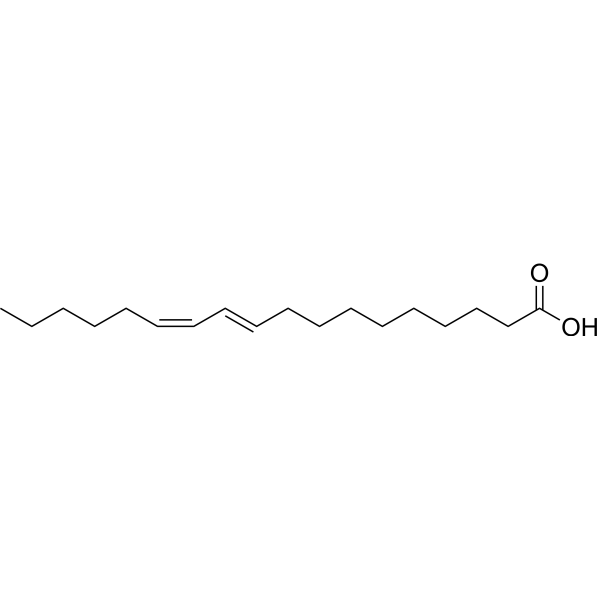 0 Images(10E,12Z)-Octadeca-10,12-dienoic acid (trans-10,cis-12 CLA2) is an orally active PPARα activator and inhibits adipocyte differentiation. (10E,12Z)-Octadeca-10,12-dienoic acid and its downstream metabolites have various antioxidant and antitumor activities. (10E,12Z)-Octadeca-10,12-dienoic acid can induce proinflammatory cytokines and chemokines, which would lead to decreased adipogenesis and insulin resistance in adipose tissue. (10E,12Z)-Octadeca-10,12-dienoic acid can affect many aspects of milk fat synthesis. (10E,12Z)-Octadeca-10,12-dienoic acid reduces expression of lipogenic enzymes and inhibits the desaturation of fatty acids. (10E,12Z)-Octadeca-10,12-dienoic acid can reduce lipoprotein lipase (LPL) activity in cultured 3T3-L1 adipocytes and enhance triacylglycerol release from these cells. (10E,12Z)-Octadeca-10,12-dienoic acid decreases the expression of hepatic stearoyl-CoA desatyrase mRNA in mice. (10E,12Z)-Octadeca-10,12-dienoic acid is associated with changes in mucosal NF-κB and Cyclin D1 protein levels in mice.
-
Magnesium isoglycyrrhizinate hydrate
 0 ImagesSynonyms: 18α-Glycyrrhizic acid Magnesium hydrate; 18α-GA Magnesium hydrate; 18α-Licorice-saponin H2 Magnesium hydrateMagnesium isoglycyrrhizinate hydrate (18α-Glycyrrhizic acid Magnesium hydrate; 18α-GA Magnesium hydrate; 18α-Licorice-saponin H2 Magnesium hydrate) is a derivative of glycyrrhizic acid with oral activity. Magnesium isoglycyrrhizinate hydrate exhibits antioxidant, anti-inflammatory, hepatoprotective and cardioprotective activities. Magnesium isoglycyrrhizinate hydrate protects against ethanol-induced alcoholic liver disease in rats by upregulating the expression levels of SOD, GSH, PPAR-α and CPT-1. Magnesium isoglycyrrhizinate hydrate shows cytotoxicity against T lymphocytes and inhibits HIV-1 replication in these cells. Magnesium isoglycyrrhizinate hydrate alleviates oxidative stress by reducing the levels of ROS, Nrf2, HO-1 and p-P65, and alleviates pyroptosis by downregulating the expression levels of NLRP3, GSDMD-N, P20 and c-IL-1β. Magnesium isoglycyrrhizinate hydrate inhibits autophagy, colonic fibrosis and myocardial fibrosis, and regulates intestinal barrier integrity. Magnesium isoglycyrrhizinate hydrate can be used in research related to alcoholic liver disease, HIV-1 infection, hepatotoxicity, acute liver failure, inflammatory bowel disease and myocardial fibrosis.
-
FTX-6746
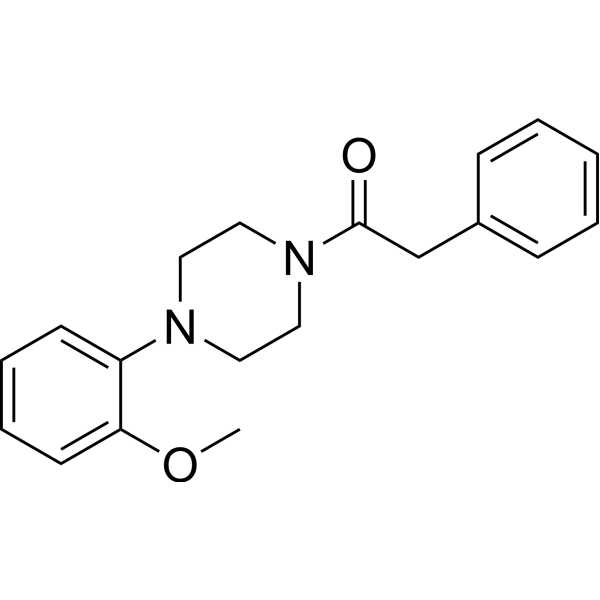
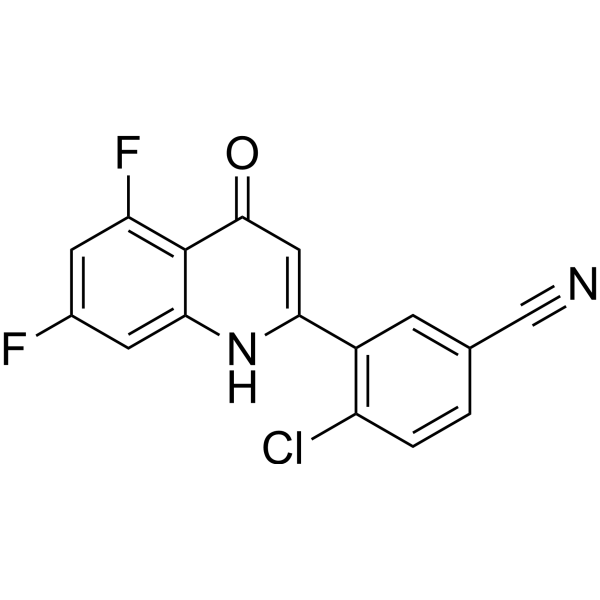 0 ImagesFTX-6746 is an orally active PPARG inhibitor. FTX-6746 shows potent tumor inhibition in mouse xenograft models.

-
Arecaidine
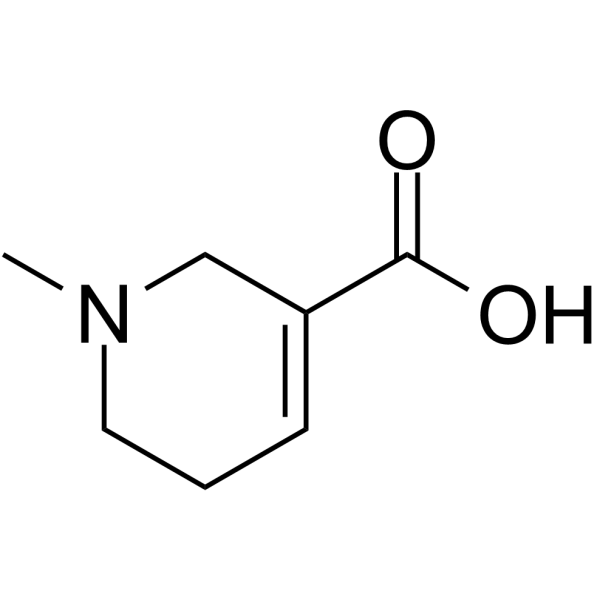 0 ImagesArecaidine is a GABA transport system inhibitor. Arecaidine inhibits the proliferation of oral mucosal fibroblasts, increases the secretion of IL-6, TGF-β and TNF-α in cells, downregulates the expression of PPAR-γ and PCK1 in cells, and upregulates the expression of TGF-β1. Arecaidine inhibits the uptake of γ-aminobutyric acid and β-alanine by the central nervous system of cats. Arecaidine inhibits hPAT1-mediated L-[3H]proline uptake in cells. Arecaidine can be used in research related to neurological diseases.