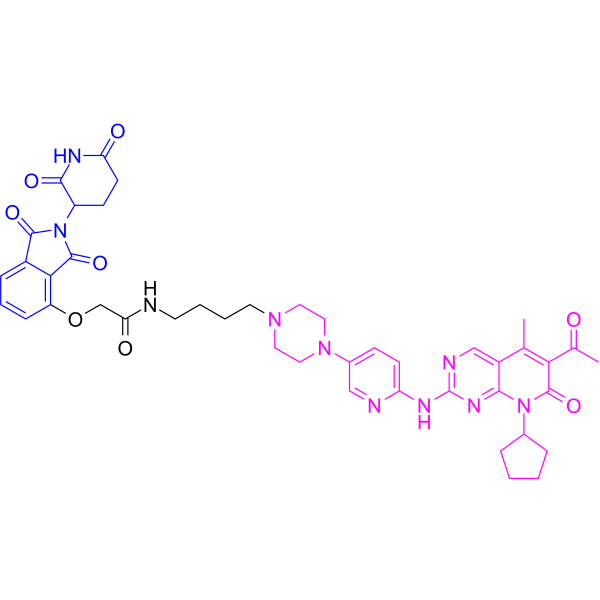
PROTACs
PROTAC (PROteolysis-TArgeting Chimera) is a heterobifunctional nanomolecule containing two different ligands, ligand for ubiquitin E3 and ligand for target protein. The two parts are connected by linker to form a "three-unit" polymer, target protein ligand-linker-E3 ligase ligand. Building blocks of PROTAC molecules include PROTAC Linker, Ligand for Target Protein for PROTAC, Ligand for E3 Ligase, E3 Ligase Ligand-Linker Conjugate, Target Protein Ligand-Linker Conjugate, etc.
PROTACs Isoform Specific Products
All Product Categories
-
PROTACs Related Products (1355)
Related Products (1355)

-
Antibodies (1)
-
PROTACs Isoform Comparison
-
FHD-609
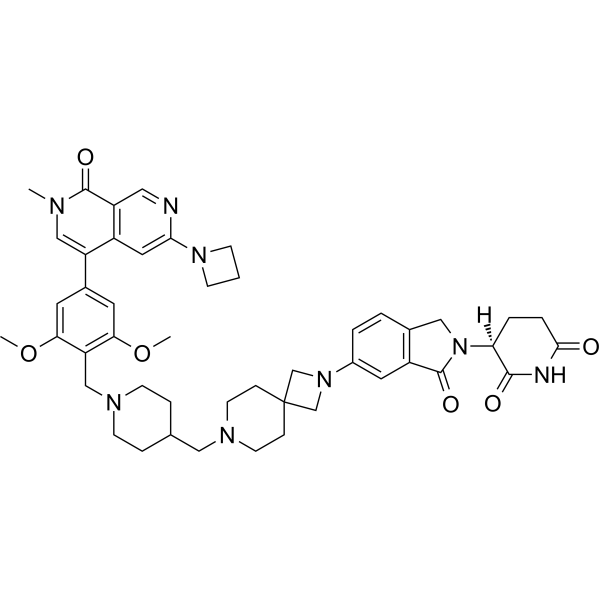 0 ImagesFHD-609 is a BRD9 PROTAC degrader. FHD-609 induces BRD9 degradation, downregulates primary transcripts of HBG/HBD, Myc expression and proliferation gene sets, reduces the levels of synovial sarcoma tumor proliferation markers, and inhibits tumor growth. FHD-609 can be used in research related to advanced synovial sarcoma, SMARCB1-deficient tumors and adrenocortical carcinoma.
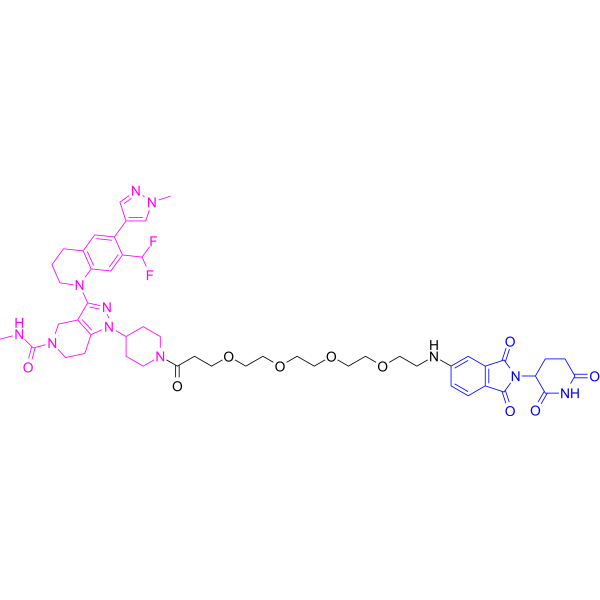
-
Bexobrutideg
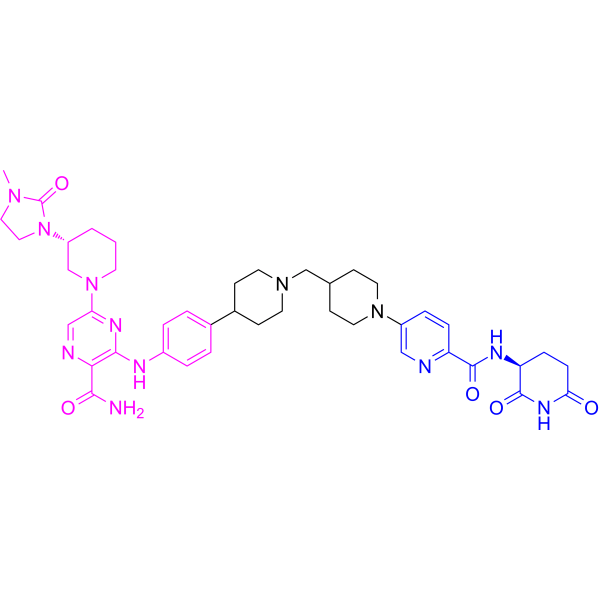 0 ImagesSynonyms: NX-5948; BTK-IN-24Bexobrutideg (NX-5948) is an orally active chimeric targeting molecule (CTM) that induces specific BTK protein degradation by the cereblon E3 ligase (CRBN) complex without degradation of other cereblon neo-substrates. Bexobrutideg mediates potent anti-inflammatory activity via BTK degradation with resultant inhibition of B cell activation. Bexobrutideg exhibits potent tumor growth inhibition in TMD8 xenograft models that contain either wild-type BTK or BTKi-resistant mutations. Bexobrutideg is efficacious in a mouse collageninduced arthritis (CIA) model. Bexobrutideg can cross the blood brain barrier (BBB). Bexobrutideg is a PROTAC composed of the ligand for target protein, a linker, and a cereblon E3 ligase (CRBN) complex (Red: BTK ligand (HY-170324); Blue: CRBN ligand (HY-171893); Black: linker).
-
ARV-393
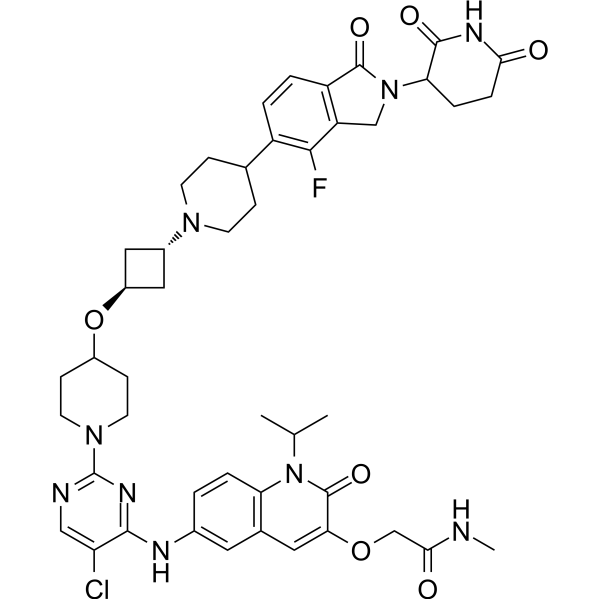 0 ImagesARV-393 is a BCL6 PROTAC degrader. ARV-393 forms a complex with BCL6 and Cereblon, induces BCL6 ubiquitination, and mediates BCL6 degradation via the ubiquitin-proteasome system. ARV-393 enhances CD20 expression, interferon pathway activity and antigen presentation. ARV-393 induces tumor growth inhibition and regression. ARV-393 can be used in research related to non-Hodgkin's lymphoma, high-grade B-cell lymphoma, diffuse large B-cell lymphoma, Burkitt's lymphoma and follicular lymphoma.
-
Setidegrasib
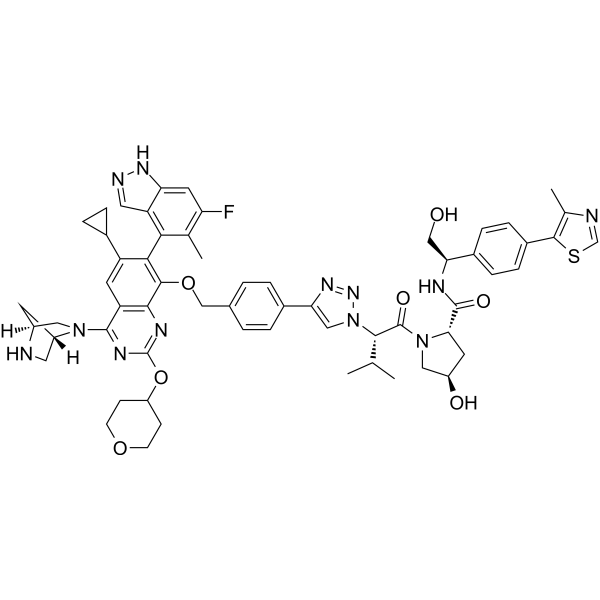 0 ImagesSynonyms: ASP-3082; KRAS G12D inhibitor 17Setidegrasib (ASP-3082) is a PROTAC KRAS degrader (DC50: 37 nM). Setidegrasib induces the degradation of G12D-mutation KRAS protein. Setidegrasib suppresses p-ERK, p-AKT, p-S6 levels in AsPC-1 cells. Setidegrasib exhibits anti-tumor activity in various cancer xenograft models in mice. Setidegrasib can be used in studies involving KRAS(G12D)-mutated solid tumors, such as non-small cell lung cancer.
-
AU-24118
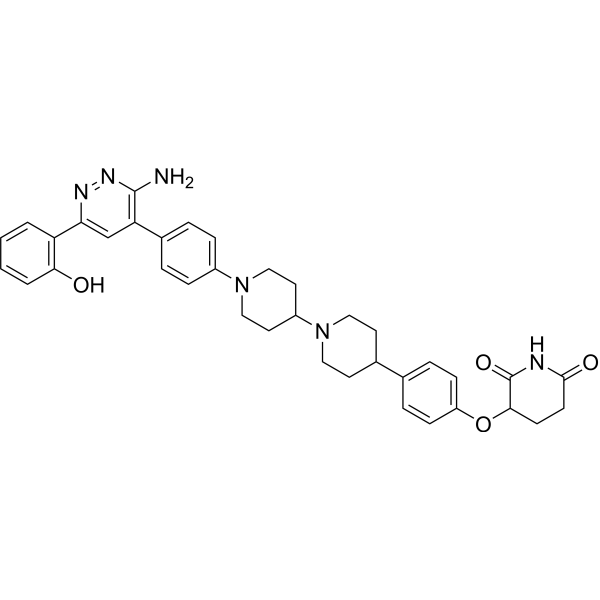 0 ImagesAU-24118 is an orally active PROTAC degrader that recruits cereblon to target the degradation of SMARCA2, SMARCA4 and PBRM1. AU-24118 impairs the chromatin accessibility of oncogenic transcription factors, inhibits colony formation, dislodges chromatin-bound transcription factors, attenuates downstream signal transduction, induces apoptosis, and exerts antiproliferative and cytotoxic effects. AU-24118 can be used in research related to castration-resistant prostate cancer, colorectal cancer, small cell lung cancer and multiple myeloma (including the t (4;14) subtype).
-
HaloPROTAC-E
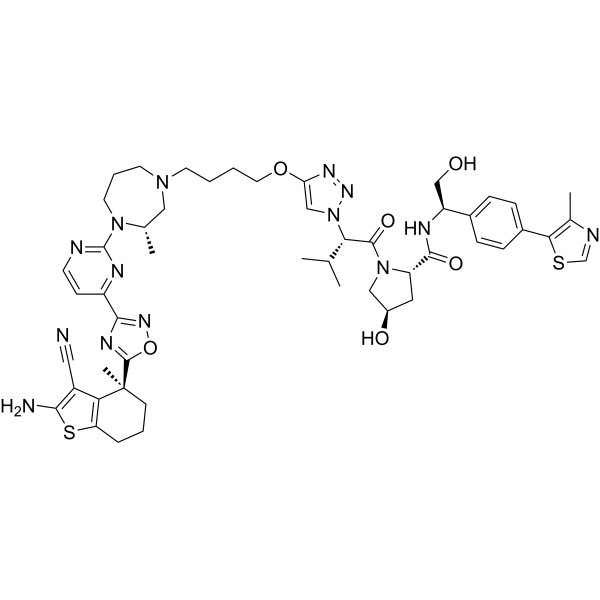
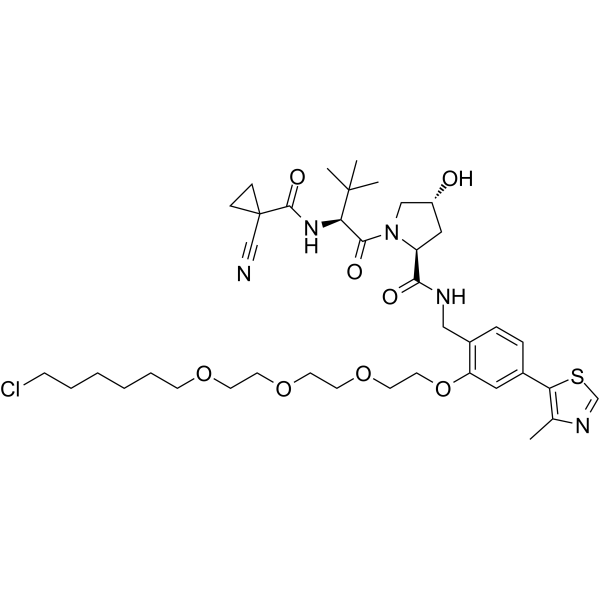 0 ImagesHaloPROTAC-E is a potent Halo PROTAC degrader that reversibly induces degradation of two Halo-tagged endoplasmic reticulum-localized proteins, SGK3 and VPS34, with a DC50 of 3-10 nM. HaloPROTAC-E significantly and selectively induces degradation of endogenous VPS34 complexes (VPS34, VPS15, Beclin1, and ATG14) labeled with Halo and inhibits autophagy.
-
BSJ-4-116
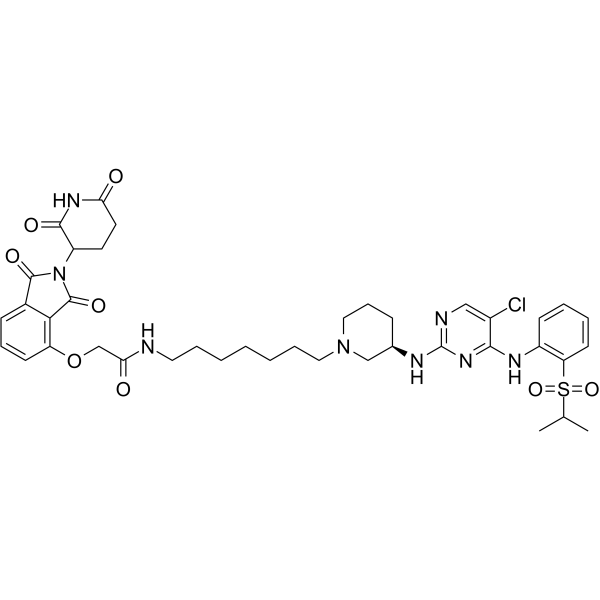 0 ImagesBSJ-4-116 is a PROTAC connected by ligands for Cereblon and CDK. BSJ-4-116 is a highly potent and selective CDK12 degrader (PROTAC) with an IC50 of 6 nM. BSJ-4-116 downregulates DDR genes through a premature termination of transcription, primarily through increasing poly(adenylation). BSJ-4-116 exhibits potent antiproliferative effects, alone and in combination with the poly(ADP-ribose) polymerase inhibitor Olaparib (HY-10162).
-
MS177
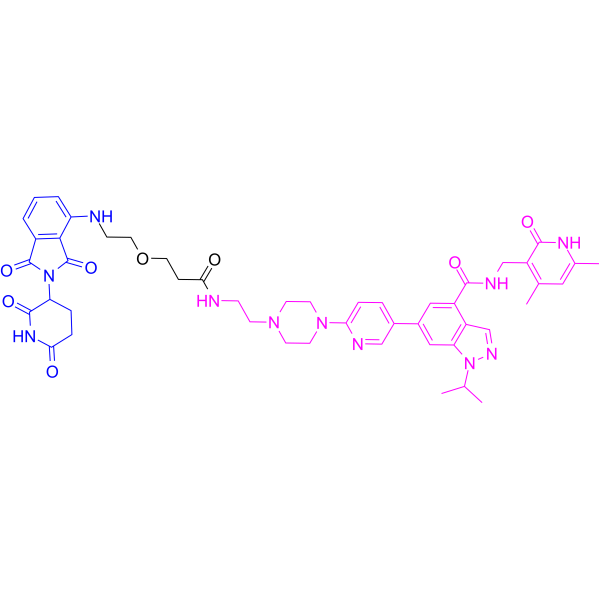 0 ImagesMS177 is an effective and fast-acting EZH2 degrader. MS177 is a PROTAC that consists of a CRBN ligand, linker, and a potent enzymatic EZH2 inhibitor C24 (C24 IC50): 12 nM). MS177 effectively depletes both canonical EZH2-PRC2 and noncanonical EZH2-cMyc complexes. MS177 induces leukaemia cell growth inhibition, apoptosis and cell cycle progression arrest.
-
Zelebrudomide
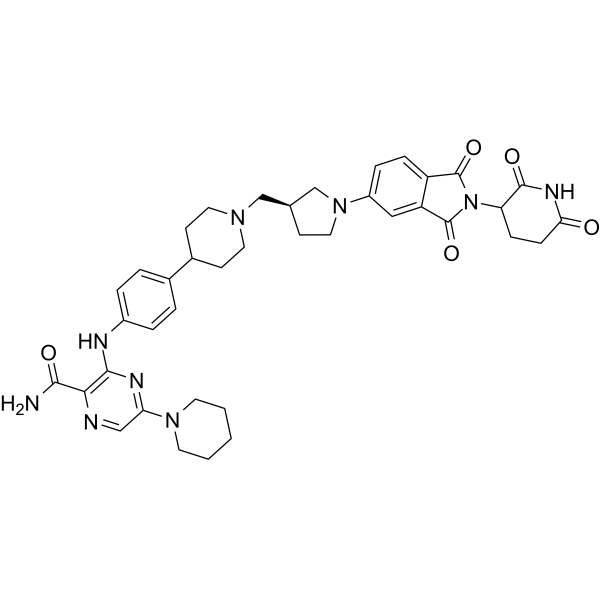 0 ImagesSynonyms: NX-2127Zelebrudomide is an orally active BTK-targeting PROTAC degrader, with DC50 values of 4.5 nM and 31 nM against wild-type BTK and BTKC481S mutant, respectively. Zelebrudomide recruits the cereblon E3 ubiquitin ligase complex to mediate the degradation of BTK. Zelebrudomide also acts as a molecular glue to bind the cereblon E3 ubiquitin ligase complex, mediating the degradation of IKZF1 and IKZF3. Zelebrudomide can be used in the research of B-cell malignancies.
-
UNC6852
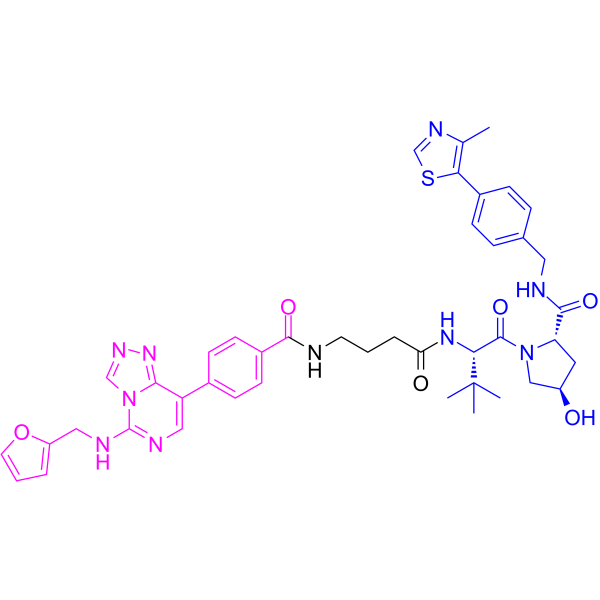 0 ImagesUNC6852 is a PRC2 PROTAC degrader, with a DC50 value of 0.79 μM for EED (HeLa), 0.3 μM for EZH2 (HeLa), and 0.59 μM for SUZ12 (DLBCL). UNC6852 binds to the WD40 aromatic cage of EED and CRL2-VHL, inducing proteasomal degradation of EED, EZH2 and SUZ12. UNC6852 reduces the level of H3K27me3 and exerts antiproliferative effects in cancer cells. UNC6852 can be used in studies related to diffuse large B-cell lymphoma, triple-negative breast cancer and prostate cancer.
-
AK-2292
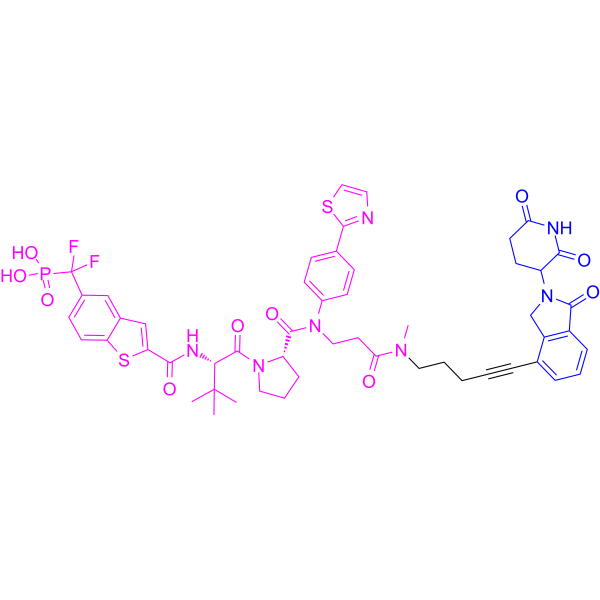 0 ImagesAK-2292 is a potent and selective STAT5 PROTAC degrader, with a DC50 of 0.10 μM. AK-2292 induces degradation of STAT5A/B proteins in vitro and in vivo. AK-2292 can induce tumor regression in acute myeloid leukemia and chronic myeloid leukemia xenograft mouse models. AK-2292 is a click chemistry reagent, it contains an Alkyne group and can undergo copper-catalyzed azide-alkyne cycloaddition (CuAAc) with molecules containing Azide groups.
-
MD-224
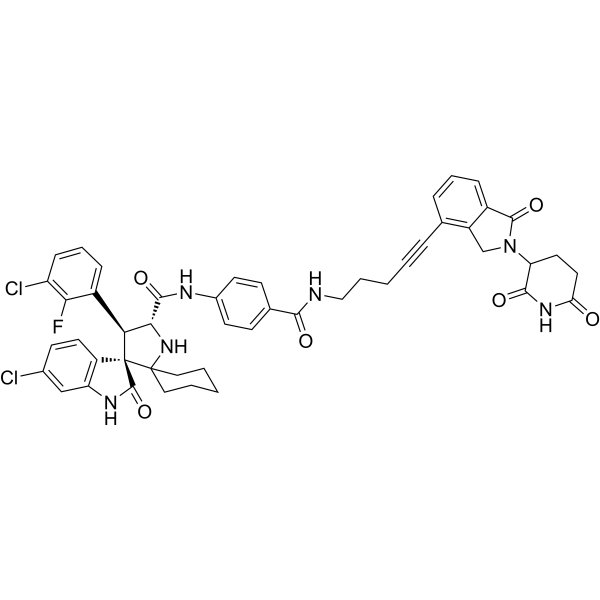 0 ImagesMD-224 is a first-in-class and highly potent small-molecule human murine double minute 2 (MDM2) degrader based on the proteolysistargeting chimera (PROTAC) concept. MD-224 consists of ligands for Cereblon and MDM2. MD-224 induces rapid degradation of MDM2 at concentrations <1 nM in human leukemia cells, and achieves an IC50 value of 1.5 nM in inhibition of growth of RS4;11 cells. MD-224 has the potential to be a new class of anticancer agent. MD-224 is a click chemistry reagent, it contains an Alkyne group and can undergo copper-catalyzed azide-alkyne cycloaddition (CuAAc) with molecules containing Azide groups.
-
dTAG-47
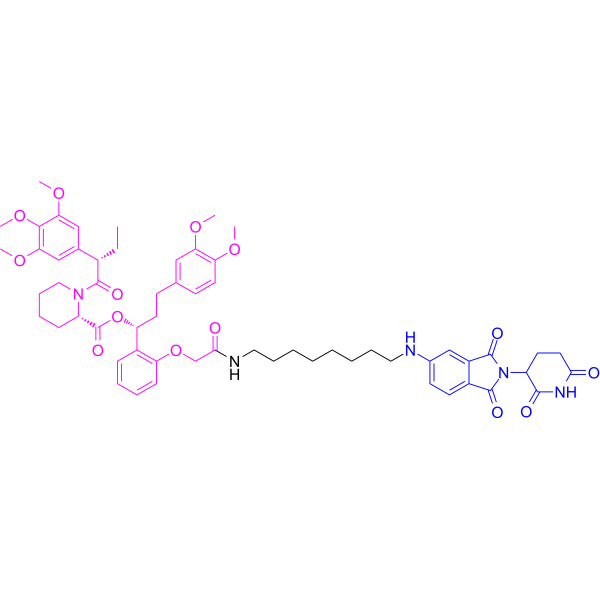 0 ImagesdTAG-47 is a heterobifunctional PROTAC degrader that specifically binds to the FKBP12F36V domain and Cereblon (CRBN). By recruiting the CRBN E3 ubiquitin ligase, dTAG-47 induces ubiquitination and proteasomal degradation of FKBP12F36V-fused Cas9 and tagged KDM5A. dTAG-47 can induce upregulated expression of some endogenous retrovirus (ERV) genes and is suitable for cancer research.
-
GNE-987
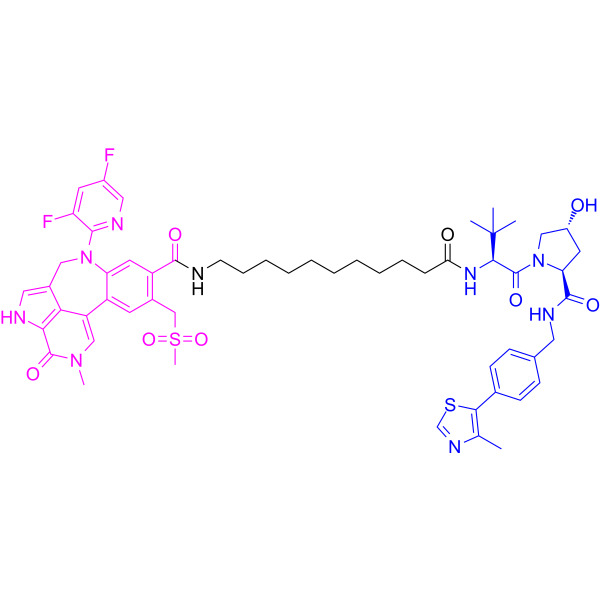 0 ImagesGNE-987 is a VHL-dependent BRD4 PROTAC degrader. GNE-987 exhibits picomolar cell BRD4 degradation activity (DC50=0.03 nM for EOL-1 AML cell line). GNE-987 binds equipotently to the BD1 and BD2 bromodomains of BRD4 with low nanomolar affinities (IC50=4.7 and 4.4 nM, respectively). GNE-987 can be used for the research of cancer.
-
THAL-SNS-032
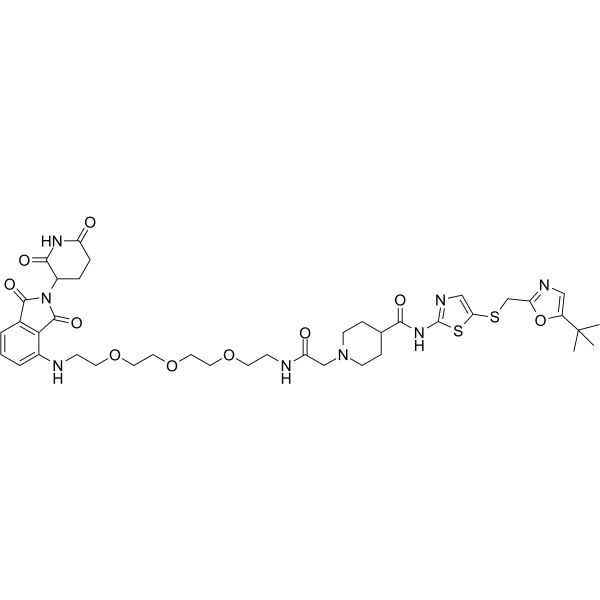 0 ImagesCat. No.: HY-123937CAS No.: 2139287-33-3THAL-SNS-032 is a selective CDK9 PROTAC degrader. THAL-SNS-032 recruits CRBN to form a ternary complex with CDK9, thereby triggering ubiquitination and proteasomal degradation of CDK9. THAL-SNS-032 also induces the degradation of CDK1, CDK2 and CDK7. THAL-SNS-032 elevates pH2AX levels, reduces MCL1s expression, and activates caspase-3. THAL-SNS-032 induces cancer cell apoptosis, regulates transcription, and inhibits the replication of human cytomegalovirus (CMV) and SARS-CoV-2. THAL-SNS-032 can be used in research related to breast cancer, leukemia, cytomegalovirus infection and SARS-CoV-2 infection.