



THAL-SNS-032
Based on 10 publication(s) in Google Scholar
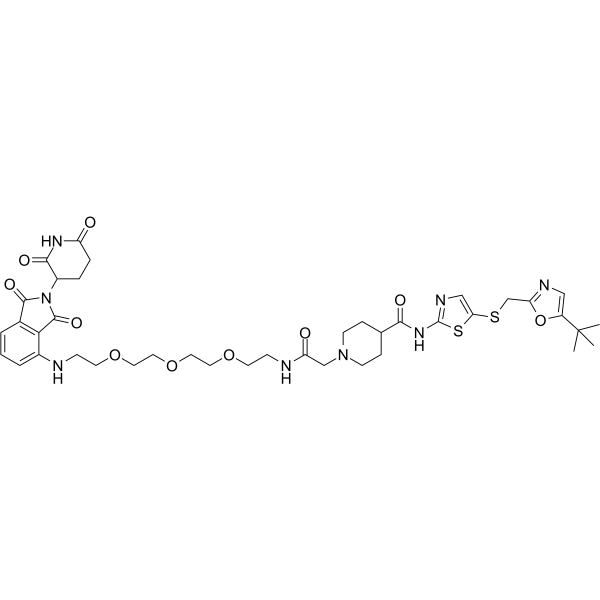
THAL-SNS-032 is a selective CDK9 PROTAC degrader. THAL-SNS-032 recruits CRBN to form a ternary complex with CDK9, thereby triggering ubiquitination and proteasomal degradation of CDK9. THAL-SNS-032 also induces the degradation of CDK1, CDK2 and CDK7. THAL-SNS-032 elevates pH2AX levels, reduces MCL1s expression, and activates caspase-3. THAL-SNS-032 induces cancer cell apoptosis, regulates transcription, and inhibits the replication of human cytomegalovirus (CMV) and SARS-CoV-2. THAL-SNS-032 can be used in research related to breast cancer, leukemia, cytomegalovirus infection and SARS-CoV-2 infection.
(Pink: CDK9 ligand (HY-10008); Blue: Cereblon ligand (HY-14658); Black: linker (HY-W015088)).
For research use only. We do not sell to patients.
- Purity : 97.06%
- CAS No.: 2139287-33-3
- Formula: C40H52N8O10S2
- Molecular Weight:869.02
-
Storage:
-20°C, stored under nitrogen
* In solvent : -80°C, 6 months; -20°C, 1 month (stored under nitrogen)

To place orders, for customer services and technical support, please contact: MedChemExpress USA
Tel: 609-228-6898 E-mail: [email protected] [email protected]


-
 Biological Activity
-
Chemical Information
-
Solvent & Solubility
- Protocols
- Purity & Documentation
- References
-
 Help & FAQs


-
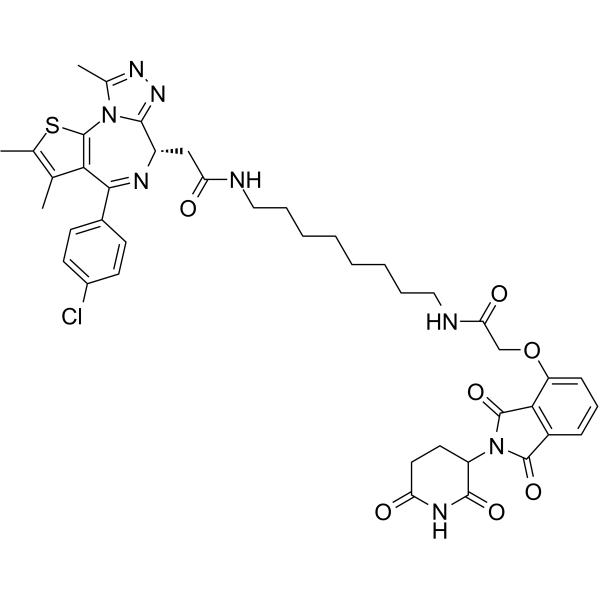
HY-112588
dBET6PROTAC BET Degrader -
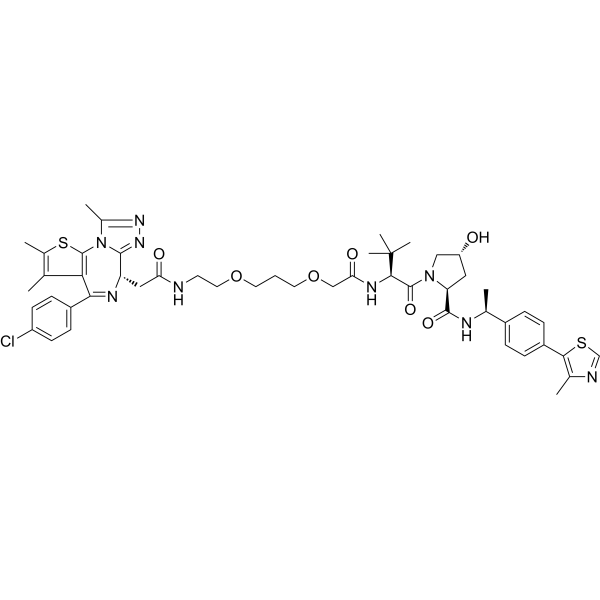
HY-100972
ARV-771BET PROTAC Degrader -
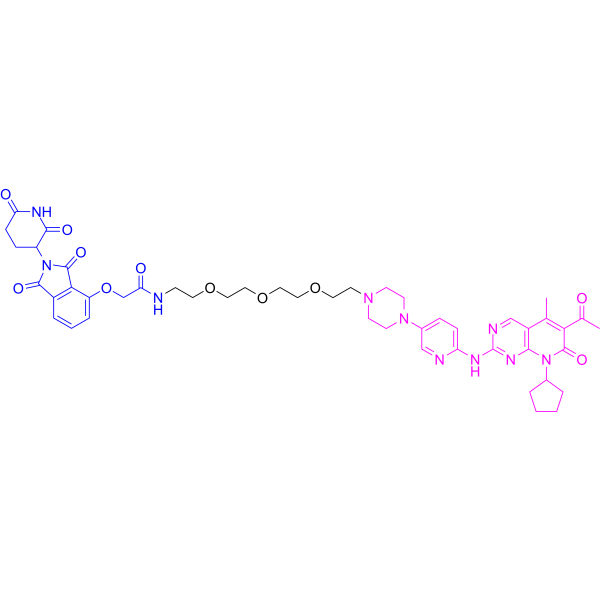
HY-111556
BSJ-03-123CDK6 PROTAC Degrader -
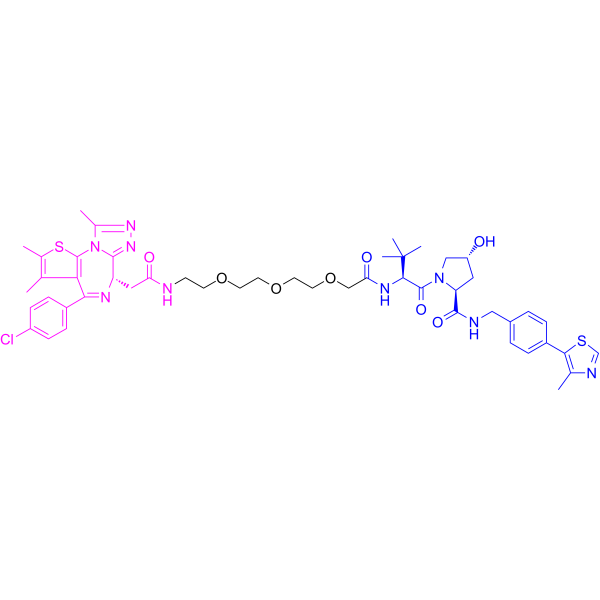
HY-107425
MZ 1PROTAC BRD4 Degrader -
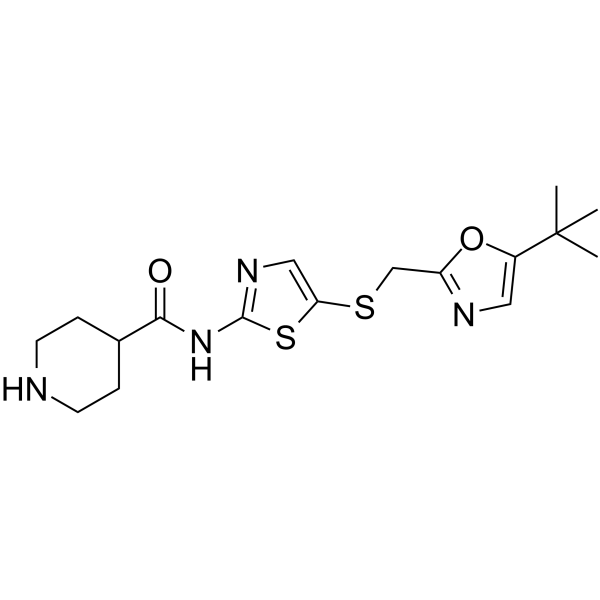
HY-10008
SNS-032CDK Inhibitor -
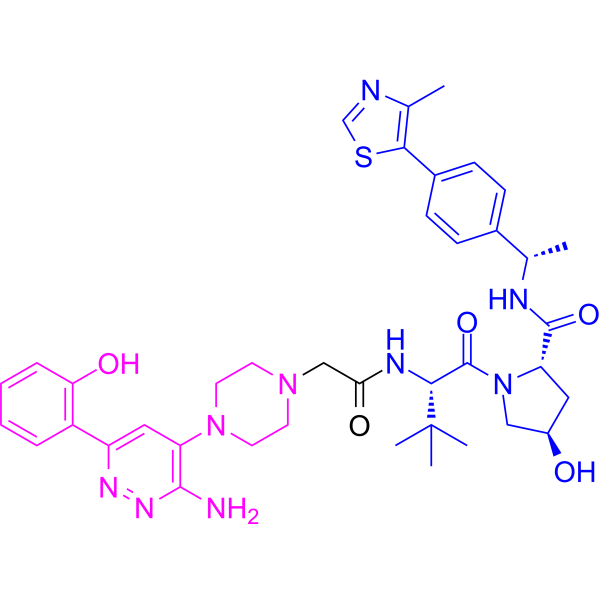
HY-145388
AU-15330Anticancer Reagent -
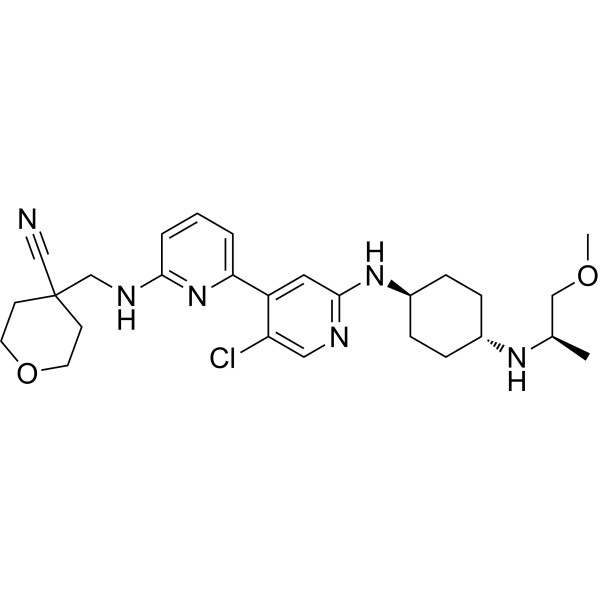
HY-12214A
NVP-2CDK9 Inhibitor -
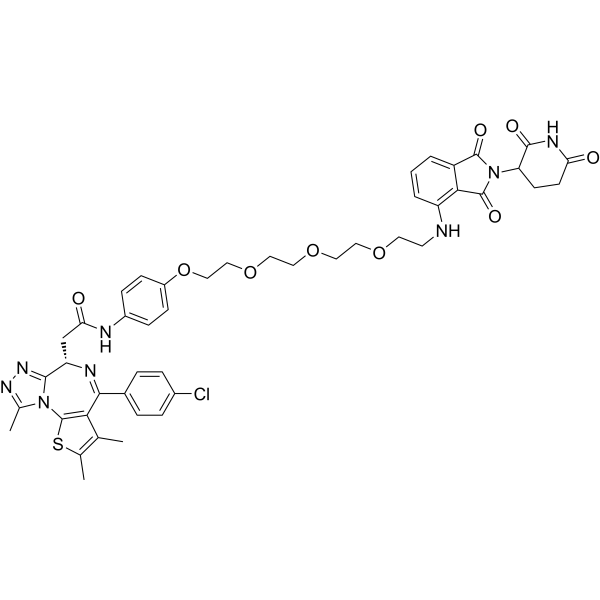
HY-16954
ARV-825PROTAC BRD2/BRD3/BRD4 Degrader -
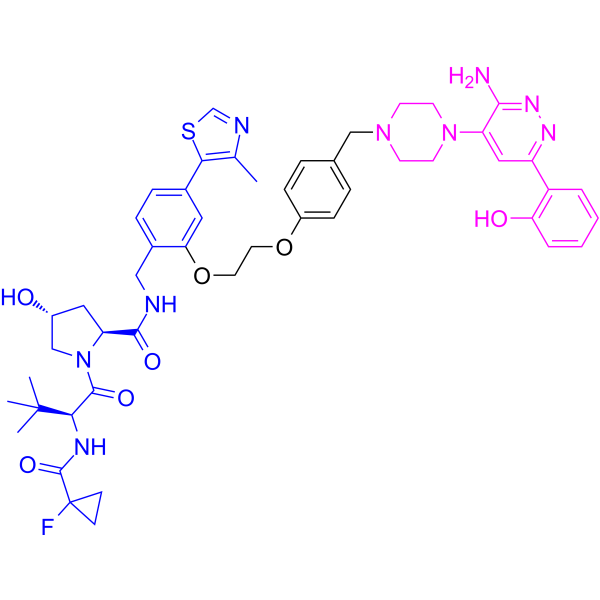
HY-128359
ACBI1SMARCA2/SMARCA4/PBRM1 Degrader -
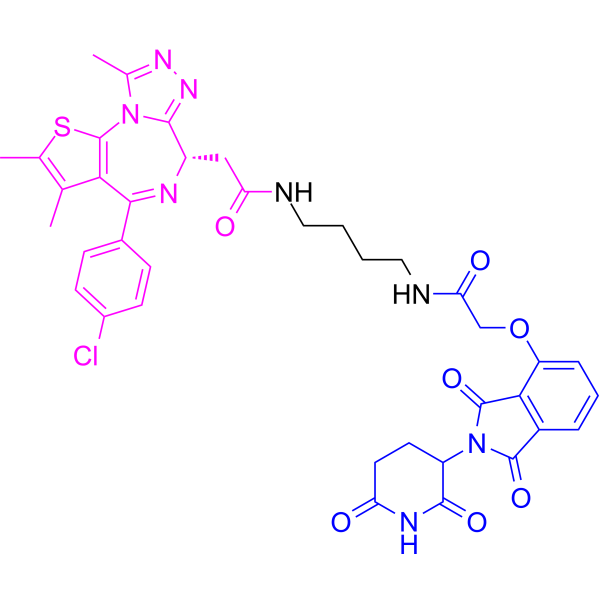
HY-101838
dBET1PROTAC BRD4 Degrader -
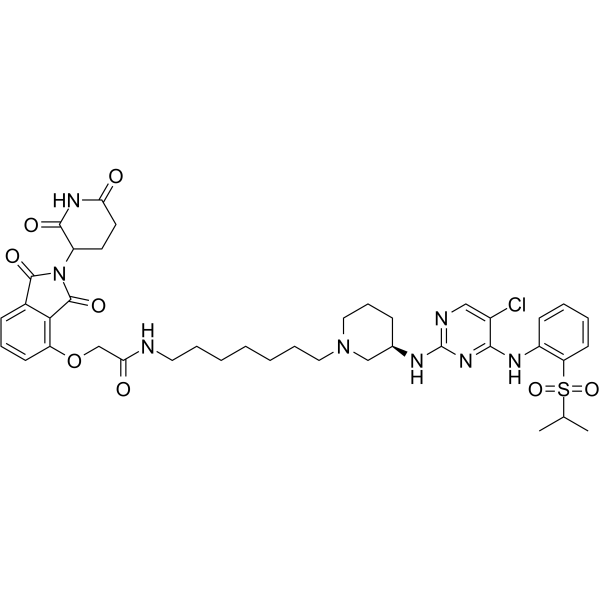
HY-139039
BSJ-4-116PROTAC CDK12 Degrader -
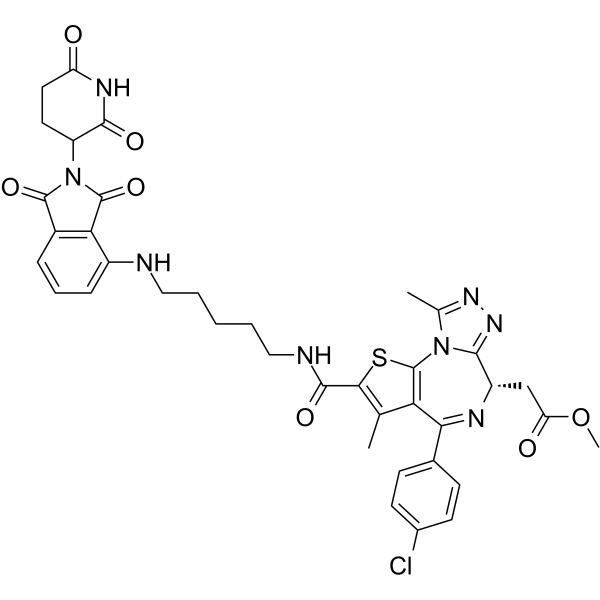
HY-122826
ZXH-3-26BRD4 PROTAC Degrader
Publications Citing Use of MedChemExpress (MCE) THAL-SNS-032
More- Nature. 2026 Jan;649(8098):1032-1041. [Abstract]
- Nature. 2024 Apr;628(8007):408-415. [Abstract]
- Nat Commun. 2024 Dec 5;15(1):10594. [Abstract]
- Mol Cell. 2021 Nov 4;81(21):4413-4424.e5. [Abstract]
- J Med Chem. 2025 Oct 23;68(20):21172-21186. [Abstract]
- Structure. 2024 Dec 5;32(12):2352-2363.e8. [Abstract]
- Res Sq. 2026 Jan 6.
- Biomed Pharmacother. 2025 Aug:189:118352. [Abstract]
- Patent. US20240425555A1.
- Research Square Preprint. 2024 May 2.
 Customer Validation & Images

-
In Vivo Efficacy Study
-
WB
All PROTACs Isoforms
MoreAll Caspase Isoforms
More

Biological Activity
Description
IC50 & Target
[1]|
CDK9 |
CDK9/CycT1 |
Cellular Effect
|
Cell Line

|
Type | Value | Description | References |
|---|---|---|---|---|
| CWR22R | IC50 |
0.049 μM
Compound: THAL-SNS032
|
Antiproliferative activity against human 22Rv1 cells assessed as reduction in cell viability measured after 5 days by CellTiter-Glo assay
Antiproliferative activity against human 22Rv1 cells assessed as reduction in cell viability measured after 5 days by CellTiter-Glo assay
|
[PMID: 35925880] |
| MOLT-4 | IC50 |
50 nM
Compound: 80
|
Antiproliferative activity against human MOLT4 cells incubated for 72 hrs by cell titer glo assay
Antiproliferative activity against human MOLT4 cells incubated for 72 hrs by cell titer glo assay
|
[PMID: 32866383] |
| MOLT-4 | IC50 |
50 nM
Compound: 87; THAL-SNS-032
|
Antiproliferative activity against human MOLT-4 cells assessed as inhibition of cell proliferation
Antiproliferative activity against human MOLT-4 cells assessed as inhibition of cell proliferation
|
[PMID: 32707525] |
| U2932 | IC50 |
306 nM
Compound: THAL-SNS-032
|
Cytotoxicity against human U2932 cells assessed as inhibition of cell growth measured after 72 hrs by CCK-8 assay
Cytotoxicity against human U2932 cells assessed as inhibition of cell growth measured after 72 hrs by CCK-8 assay
|
[PMID: 37671907] |
In Vitro
THAL-SNS-032 (100 nM; 24-72 h) potently inhibits 3D spheroid formation and fibronectin adhesion in BT474, BT474-RH and BT474-TDM1R cells[1].
THAL-SNS-032 exhibits nanomolar biochemical inhibitory activity against multiple CDK complexes, with the strongest inhibitory activity against CDK9/CycT1 (IC50 = 4 nM)[2].
THAL-SNS-032 (250 nM, up to 5 μM; 1-24 h) induces rapid, CRBN-dependent, and proteasome-mediated degradation of CDK9 in wild-type MOLT4 cells. Treatment with 250 nM causes substantial degradation of CDK9 within 1 hour, and this degradation effect persists for at least 24 hours[2].
THAL-SNS-032 (for 4-10 days) inhibits the replication of HCMV Merlin in MRC-5 and TEV-1 cells, with EC50 values ranging from 0.37 µM to 3.07 µM[3].
THAL-SNS-032 (0.001 µM-1 µM; 5 days) inhibits the replication of MCMV Smith-GFP in MEF, with an EC50 of 0.22 µM[3].
THAL-SNS-032 (30 h) potently inhibits the replication of SARS-CoV-2 d6-YFP in Caco-2 cells, with an EC50 of 0.11 µM[3].
MedChemExpress (MCE) has not independently confirmed the accuracy of these methods. They are for reference only.
-
Cell Line:MCF7, T47D, BT474, BT474-RH, BT474-TDM1R, BT474-LAPA-R, SKBR3, HCC1569, HCC1954, MDA-MB-231, HS578T, BT549, SUM149, HCC3153
-
Concentration:5, 20, 25, 50, 75, 100 nM
-
Incubation Time:72 h
-
Result:Displayed potent inhibitory activity in luminal A and luminal B/ER+/HER2+ cell lines with EC50 values ranging between 50-75 nM.
Showed significantly higher EC50 values in HER2+/ER- and triple-negative cell lines, with HER2+/ER- lines showing EC50 values three times higher than ER-positive/dual ER/HER2-positive lines.
Reduced cell viability in BT474, BT474-RH, BT474-TDM1R, and BT474-LAPA-R at tested concentrations.
-
Cell Line:BT474, BT474-RH, BT474-TDM1R
-
Concentration:50 nM
-
Incubation Time:24, 48 h
-
Result:Caused a significant decline in CDK9 protein levels at both 24 h and 48 h, but did not affect the levels of CDK7, CDK1, or CDK2.
In contrast, SNS-032 did not alter the levels of any analyzed kinases.
-
Cell Line:BT474, BT474-RH, BT474-TDM1R
-
Concentration:50 nM
-
Incubation Time:72 h
-
Result:Caused a significant increase in apoptotic populations (early and late apoptosis), with BT474-derived resistant lines showing a greater increase in late apoptotic cells compared to parental BT474 cells.
SNS-032 had no appreciable effect on apoptosis.
-
Cell Line:BT474, BT474-RH, BT474-TDM1R
-
Concentration:50 nM
-
Incubation Time:72 h
-
Result:Increased levels of pH2AX (a marker of DNA damage), while SNS-032 had no effect on pH2AX levels.
Caused a slight reduction in caspase-3, most evident in BT474-TDM1R cells, and activated caspase-3 in these lines.
Reduced the short isoform of MCL1 in BT474-TDM1R cells.
Decreased total PARP levels, with minimal cleaved PARP detected.
-
Cell Line:MCF10A
-
Concentration:25, 50, 100 nM
-
Incubation Time:72 h
-
Result:Did not affect cell viability at 25 or 50 nM, but significantly reduced proliferation at 100 nM, with greater toxicity than SNS-032 at this concentration.
-
Cell Line:Wildtype and CRBN−/− MOLT4 cells
-
Concentration:250 nM; up to 5 μM
-
Incubation Time:1 h, 8 h, 24 h (250 nM); 6 h (up to 5 μM)
-
Result:Induced complete CRBN-dependent degradation of CDK9 at concentrations up to 5 μM after 6 hours, with a "hook effect" reducing degradation at 5 μM and above.
Caused substantial CDK9 degradation within 1 hour of 250 nM treatment that persisted for at least 24 hours.
Induced only modest protein level reductions of CDK1, CDK2, and CDK7 after 8 hours, attributed to downstream transcriptional changes rather than direct degradation.
Induced partial degradation of CDK10 only with longer exposure.
Blocked CDK9 degradation when pre-treated with MG132, excess thalidomide, or excess SNS-032.
-
Cell Line:MOLT4 cells
-
Concentration:250 nM
-
Incubation Time:2 h, 4 h, 24 h; 6 h followed by washout and additional incubation
-
Result:Induced complete CDK9 degradation within 2 hours.
Induced apoptosis (characterized by PARP and Caspase-3 cleavage) by 4 hours.
Caused loss of MCL-1, all of which persisted for 24 hours.
Increased levels of PARP cleavage, Caspase-3 cleavage, and ɣH2A.X activation after compound washout.
-
Cell Line:MOLT4 cells
-
Concentration:250 nM
-
Incubation Time:6 h followed by washout and 24 additional hours of incubation
-
Result:Did not reduce apoptosis induced by THAL-SNS-032, while compound washout significantly reduced apoptosis induced by NVP-2 and SNS-032.
-
Cell Line:HCMV-AD169-infected primary human foreskin fibroblasts (HFFs)
-
Concentration:0.1, 1, 10 nM
-
Incubation Time:3 h, 1 day, 3 days post-infection
-
Result:Depleted CDK9 levels at 3 h post-infection at 10 nM.
Partially reduced CDK9 levels at 3 h post-infection at 1 nM.
Markedly reduced levels of CDK9, CDK2, CDK7, and CDK1 at 1 day post-infection.
Completely lost levels of CDK9, CDK2, CDK7, and CDK1 at 3 days post-infection.
Reduced CDK2 levels, which was unaffected in uninfected HFFs.
In Vivo
MedChemExpress (MCE) has not independently confirmed the accuracy of these methods. They are for reference only.
-
Animal Model:BALB/c nu/nu (female, 4-5 weeks old)[1]
-
Dosage:2.5-10 mg/kg
-
Administration:i.p.; once weekly (10 mg/kg); twice weekly (5 mg/kg); three times weekly (2.5 mg/kg)
-
Result:Showed no signs of tumor regression at any dose tested.
Caused prominent weight loss in mice treated with 10 mg/kg and 5 mg/kg.
Induced gastrointestinal toxicity across all doses.
Partially reduced CDK9 levels in treated tumors.


Chemical Information
-
CAS No. 2139287-33-3
-
Appearance Solid
-
Molecular Weight 869.02
-
Formula C40H52N8O10S2
-
Color Light yellow to yellow
-
SMILES
O=C(NCCOCCOCCOCCNC1=CC=CC(C(N2C(CC3)C(NC3=O)=O)=O)=C1C2=O)CN4CCC(C(NC5=NC=C(SCC6=NC=C(C(C)(C)C)O6)S5)=O)CC4
-
Shipping
Room temperature in continental US; may vary elsewhere.
-
Storage
-20°C, stored under nitrogen
* In solvent : -80°C, 6 months; -20°C, 1 month (stored under nitrogen)


Publications (10)
-
Journal Impact Factor
-
Most Recent
-
Nature
2026 Jan;649(8098):1032-1041. PMID: 41299171 -
Nature
2024 Apr;628(8007):408-415. PMID: 38480883 -
Nat Commun
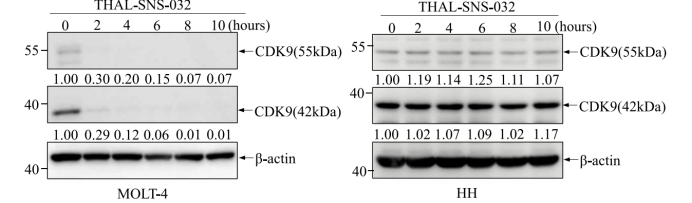
CDK9 recruits HUWE1 to degrade RARα and offers therapeutic opportunities for cutaneous T-cell lymphoma. [Abstract]2024 Dec 5;15(1):10594. PMID: 39632829
THAL-SNS-032 purchased from MedChemExpress. Usage Cited in: Nat Commun. 2024 Dec 5;15(1):10594. [Abstract]
MOLT-4 and HH cells were treated with THAL-SNS-032 ( and western blots were conducted.
-
Mol Cell
2021 Nov 4;81(21):4413-4424.e5. PMID: 34480849 -
J Med Chem
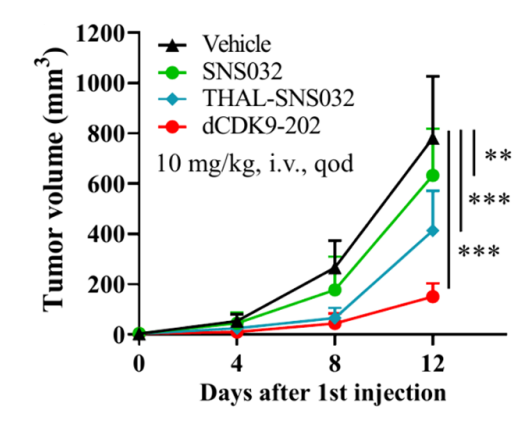
Discovery of dCDK9-202 as a Highly Potent and Selective PROTAC CDK9 Degrader with Strong In Vivo Antitumor Activity. [Abstract]2025 Oct 23;68(20):21172-21186. PMID: 41066447
THAL-SNS-032 purchased from MedChemExpress. Usage Cited in: J Med Chem. 2025 Oct 23;68(20):21172-21186. [Abstract]
Changes in tumor volume during dCDK9-202, (SNS032), or THAL-SNS032) treatments (10 mg/kg, i.v., qod).
-
Structure
PROTAC-mediated activation, rather than degradation, of a nuclear receptor reveals complex ligand-receptor interaction network. [Abstract]2024 Dec 5;32(12):2352-2363.e8. PMID: 39389062 -
-
Biomed Pharmacother
Liposomal formulation of the CDK9 PROTAC THAL-SNS-032 enhances the antitumor activity in breast cancer cell lines. [Abstract]2025 Aug:189:118352. PMID: 40652725 -
-


Solvent & Solubility
In Vitro:
DMSO : 100 mg/mL (115.07 mM; Need ultrasonic; Hygroscopic DMSO has a significant impact on the solubility of product, please use newly opened DMSO)
Please refer to the solubility information to select the appropriate solvent. Once prepared, please aliquot and store the solution to prevent product inactivation from repeated freeze-thaw cycles.
Storage method and period of stock solution: -80°C, 6 months; -20°C, 1 month (stored under nitrogen). When stored at -80°C, please use it within 6 months. When stored at -20°C, please use it within 1 month.
Please refer to the solubility information to select the appropriate solvent. Once prepared, please aliquot and store the solution to prevent product inactivation from repeated freeze-thaw cycles.
Storage method and period of stock solution: -80°C, 6 months; -20°C, 1 month (stored under nitrogen). When stored at -80°C, please use it within 6 months. When stored at -20°C, please use it within 1 month.
Concentration (start) × Volume (start) = Concentration (final) × Volume (final)
In Vivo:
Select the appropriate dissolution method based on your experimental animal and administration route.
- For the following dissolution methods, please ensure to first prepare a clear stock solution using an In Vitro approach and then sequentially add co-solvents:
- To ensure reliable experimental results, the clarified stock solution can be appropriately stored based on storage conditions. As for the working solution for In Vivo experiments, it is recommended to prepare freshly and use it on the same day.
- The percentages shown for the solvents indicate their volumetric ratio in the final prepared solution. If precipitation or phase separation occurs during preparation, heat and/or sonication can be used to aid dissolution.
Add each solvent one by one: 10% DMSO 40% PEG300 5% Tween-80 45% Saline
Solubility: ≥ 2.5 mg/mL (2.88 mM); Clear solution
This protocol yields a clear solution of ≥ 2.5 mg/mL (saturation unknown).
Taking 1 mL working solution as an example, add 100 μL DMSO stock solution (25.0 mg/mL) to 400 μL PEG300, and mix evenly; then add 50 μL Tween-80 and mix evenly; then add 450 μL Saline to adjust the volume to 1 mL.
Preparation of Saline: Dissolve 0.9 g sodium chloride in ddH₂O and dilute to 100 mL to obtain a clear Saline solution.
Add each solvent one by one: 10% DMSO 90% (20% SBE-β-CD in Saline)
Solubility: ≥ 2.5 mg/mL (2.88 mM); Clear solution
This protocol yields a clear solution of ≥ 2.5 mg/mL (saturation unknown).
Taking 1 mL working solution as an example, add 100 μL DMSO stock solution (25.0 mg/mL) to 900 μL 20% SBE-β-CD in Saline, and mix evenly.
Preparation of 20% SBE-β-CD in Saline (4°C, storage for one week): 2 g SBE-β-CD powder is dissolved in 10 mL Saline, completely dissolve until clear.
In Vivo Dissolution Calculator
Please enter the basic information of animal experiments:
-
-
-
-
Recommended: Prepare an additional quantity of animals to account for potential losses during experiments.
Please enter your animal formula composition:
-
%DMSO +
Recommended: Keep the proportion of DMSO in working solution below 2% if your animal is weak.
-
%+
-
+%Tween-80 + +
-
%Saline +
The co-solvents required include: DMSO, . All of co-solvents are available by MedChemExpress (MCE). , Tween 80. All of co-solvents are available by MedChemExpress (MCE).
Working solution concentration: 0.22 mg/mL
Method for preparing stock solution: mg drug dissolved in μL DMSO. Stock solution concentration: mg/mL. * In solvent : -80°C, 6 months; -20°C, 1 month (stored under nitrogen)
1. Take μL DMSO stock solution;
2. Add μL .
μL , mix evenly;
3. Then add μL Tween 80, mix evenly;
4. Then add μL
Please ensure that the stock solution in the first step is dissolved to a clear state, and add co-solvents in sequence. You can use ultrasonic heating (ultrasonic cleaner, recommended frequency 20-40 kHz), vortexing, etc. to assist dissolution.


Purity & Documentation
-
Data Sheet (294 KB)
-
SDS (394 KB)
- English - EN (394 KB)
- Français - FR (394 KB)
- Deutsch - DE (394 KB)
- Norwegian - NO (394 KB)
- Español - ES (394 KB)
- Swedish - SV (394 KB)
- Italian - IT (394 KB)
- Korean - KR (394 KB)
- Portuguese - PT (394 KB)
-
Handling Instructions (2659 KB)
References
[1]. Noblejas-López MDM, et al. Antitumoral Activity of a CDK9 PROTAC Compound in HER2-Positive Breast Cancer. International journal of molecular sciences. 2022 May 13;23(10):5476. [Content Brief]
[2]. Olson CM, et al. Pharmacological perturbation of CDK9 using selective CDK9 inhibition or degradation. Nature chemical biology. 2018 Feb;14(2):163-170. [Content Brief]
[3]. Hahn F, et al. Development of a PROTAC-Based Targeting Strategy Provides a Mechanistically Unique Mode of Anti-Cytomegalovirus Activity. International journal of molecular sciences. 2021 Nov 27;22(23):12858. [Content Brief]


Complete Stock Solution Preparation Table
Please refer to the solubility information to select the appropriate solvent. Once prepared, please aliquot and store the solution to prevent product inactivation from repeated freeze-thaw cycles.
Storage method and period of stock solution: -80°C, 6 months; -20°C, 1 month (stored under nitrogen). When stored at -80°C, please use it within 6 months. When stored at -20°C, please use it within 1 month.
| Optional Solvent | Concentration Solvent Mass | 1 mg | 5 mg | 10 mg | 25 mg |
|---|---|---|---|---|---|
| DMSO | 1 mM | 1.1507 mL | 5.7536 mL | 11.5072 mL | 28.7680 mL |
| 5 mM | 0.2301 mL | 1.1507 mL | 2.3014 mL | 5.7536 mL | |
| 10 mM | 0.1151 mL | 0.5754 mL | 1.1507 mL | 2.8768 mL | |
| 15 mM | 0.0767 mL | 0.3836 mL | 0.7671 mL | 1.9179 mL | |
| 20 mM | 0.0575 mL | 0.2877 mL | 0.5754 mL | 1.4384 mL | |
| 25 mM | 0.0460 mL | 0.2301 mL | 0.4603 mL | 1.1507 mL | |
| 30 mM | 0.0384 mL | 0.1918 mL | 0.3836 mL | 0.9589 mL | |
| 40 mM | 0.0288 mL | 0.1438 mL | 0.2877 mL | 0.7192 mL | |
| 50 mM | 0.0230 mL | 0.1151 mL | 0.2301 mL | 0.5754 mL | |
| 60 mM | 0.0192 mL | 0.0959 mL | 0.1918 mL | 0.4795 mL | |
| 80 mM | 0.0144 mL | 0.0719 mL | 0.1438 mL | 0.3596 mL | |
| 100 mM | 0.0115 mL | 0.0575 mL | 0.1151 mL | 0.2877 mL |


THAL-SNS-032 Related Classifications
HY-123937 Related Classifications
 Powered by Bioz