



Phosphatase
Phosphatases are enzyme that remove a phosphate group from a protein. Protein tyrosine phosphatases (PTPs) comprise a diverse family of transmembrane and cytoplasmic enzymes. PTPs play an important role in regulating the proliferative activity of cells and the integrity of cell-cell and cell-matrix contacts. Protein tyrosine phosphatase 1B (PTP1B) is a non-receptor PTP frequently associated with the endoplasmic reticulum and vesicles subjacent to the plasma membrane. PTP1B as a key negative regulator of leptin receptor pathways has been an attractive therapeutic target for the treatment of type 2 diabetes mellitus and obesity. Four major serine/threonine-specific protein phosphatase catalytic subunits are present in the cytoplasm of animal cells. Three of these enzymes, PP1, PP2A, and PP2B, are members of the same gene family, while PP2C appears to be distinct.The alkaline phosphatases comprise a heterogeneous group of enzymes that are widely distributed in mammalian cells. Acid phosphatase enzymes catalyze the hydrolysis of phosphate monoesters following the general equation.
All Product Categories
-
Phosphatase Inhibitors
(510)
View all products
-
Phosphatase Agonists
(4)
View all products
-
Phosphatase Antagonists
(4)
View all products
-
Phosphatase Activators
(74)
View all products
-
Phosphatase Modulators
(7)
View all products
-
Phosphatase Chemical
(1)
View all products
-
Phosphatase Inducers
(2)
View all products
-
Phosphatase Degraders
(7)
View all products
-
Phosphatase Controls
(3)
View all products
-
Phosphatase Substrates
(7)
View all products
-
Phosphatase Ligands
(11)
View all products
-
Phosphatase Proteins
(66)
View all products
-
Phosphatase Related Products (719)
Related Products (719)

-
Recombinant Proteins (66)
-
Antibodies (40)
-
Related Compound Screening Libraries (1)
-
JTT 551
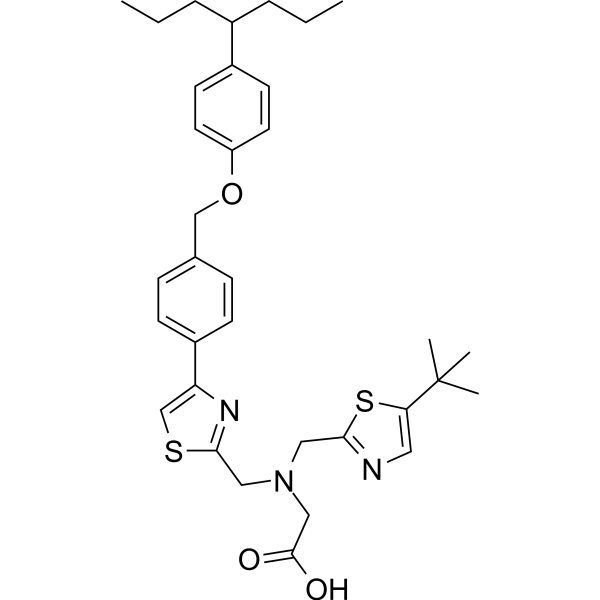 0 ImagesJTT 551 is selective a protein tyrosine phosphatase 1B (PTP1B) inhibitor, with Kis of 0.22 μM and 9.3 μM for PTP1B and TCPTP (T-cell protein tyrosine phosphatase), respectively; JTT 551 can be used in the research of type 2 diabetes mellitus.
-
Orellanine
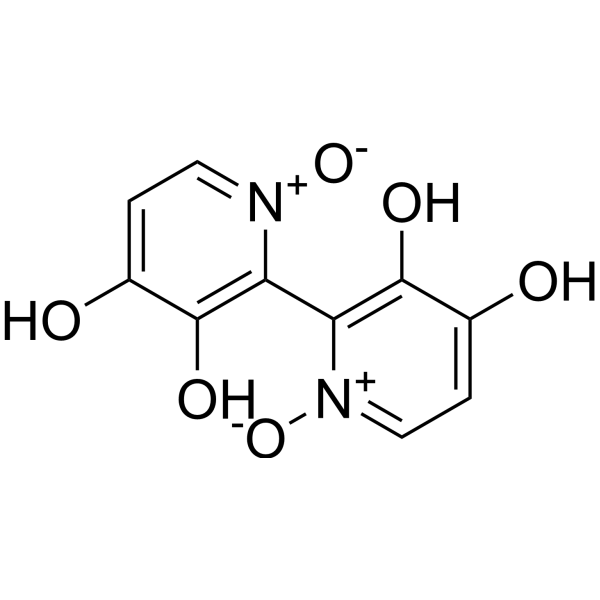 0 ImagesOrellanine, a nephrotoxic alkaloid found in Cortinarius orellanus, is an orally active and selective non-competitive inhibitor of alkaline phosphatase. Orellanine chelates iron, generates reactive oxygen species (ROS), induces DNA scission, forms ortho-semiquinone radicals, downregulates antioxidant defenses, and inhibits mitochondrial function. Orellanine induces caspase 8/9-mediated apoptosis. Orellanine inhibits synthesis of proteins, RNA, DNA, and mitochondrial protein synthesis, with metabolic activation required for cell-free protein synthesis inhibition. Orellanine can be used for the research of metastatic clear cell renal cell carcinoma, acute renal failure, chronic renal insufficiency, and kidney damage.
-
LYP-IN-3
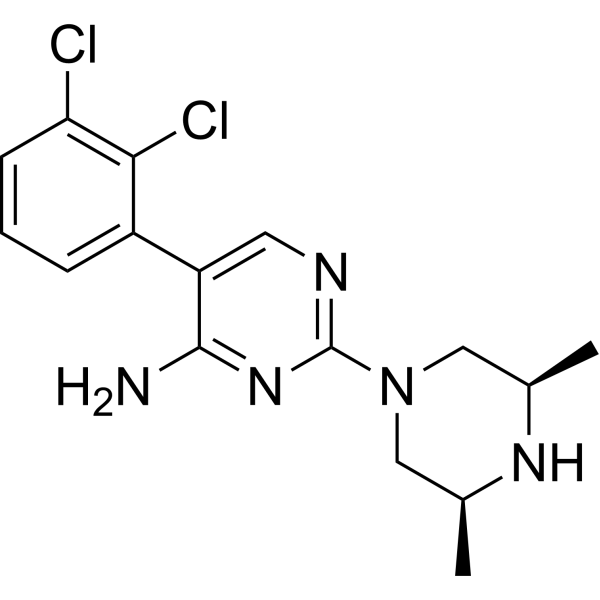
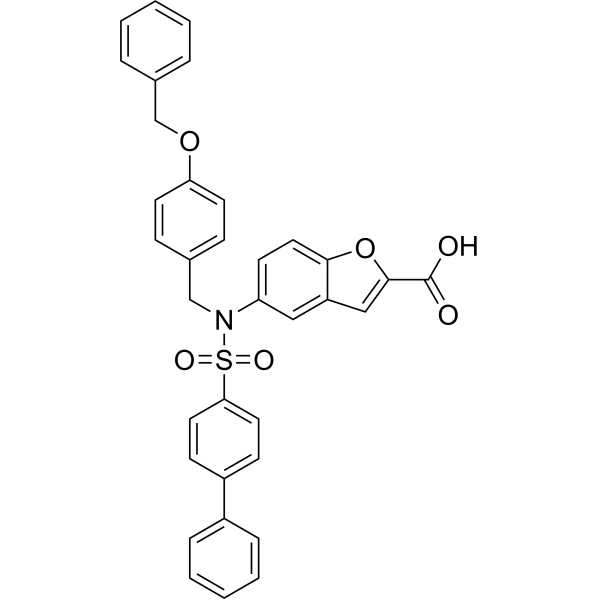 0 ImagesLYP-IN-3 is a selective, orally active and reversible lymphoid-tyrosine phosphatase (LYP) inhibitor (IC50 = 2.55 μM, Ki = 0.93 μM). D34 exhibits high selectivity of PTP1B, PTPN12, PTPN5 and SSH2. LYP-IN-3 regulates the T-cell receptor (TCR) signaling by specifically inhibiting LYP. LYP-IN-3 does not significantly inhibit MC38 cell viability; its anti-tumor effect stems from immune regulation. LYP-IN-3 can significantly upregulate PD-L1 or PD-1 expression in different immune cells. LYP-IN-3 facilitates T-cell infiltration and enhances T-cell functions. LYP-IN-3 synergizes with PD-L1 blockade can significantly improve colorectal tumor regression. LYP-IN-3 can be used for the study of colorectal cancer.
-
SHIP2-IN-1
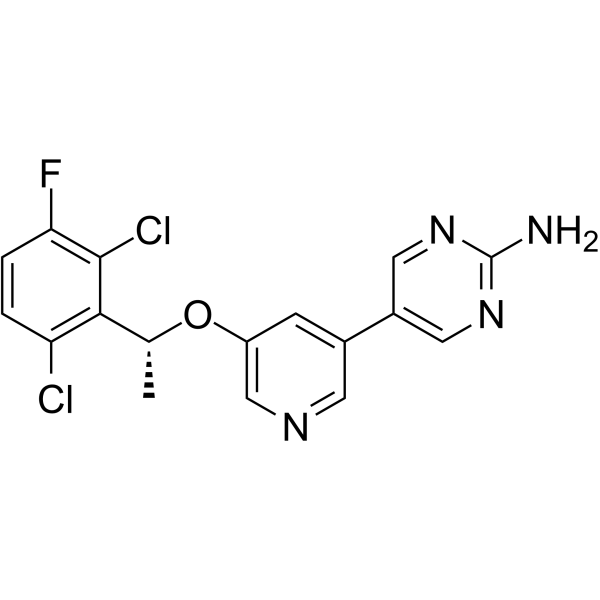 0 ImagesSHIP2-IN-1 is a potent SHIP2 inhibitor, inhibits SHIP2 activity, with an IC50 of 2 μM. SHIP2-IN-1 blocks GSK3β activation by phosphorylation at the Ser9 residue. SHIP2-IN-1 is used in the research of Alzheimer’s disease.

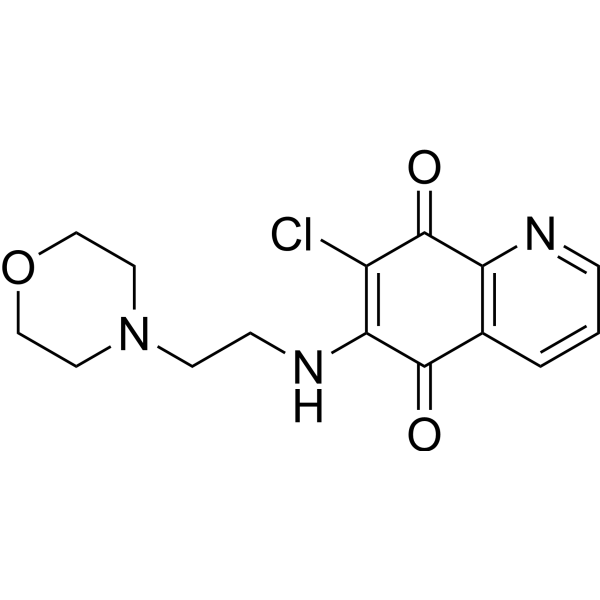
-
Kaempferol-7,4'-dimethyl ether
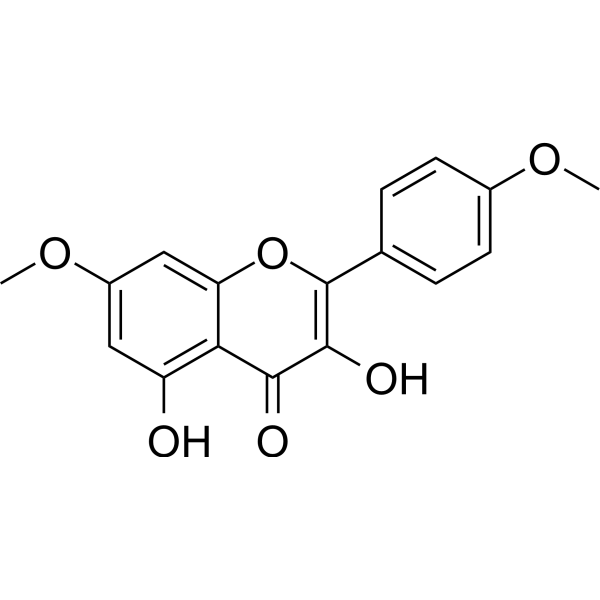 0 ImagesKaempferol-7,4'-dimethyl ether is a PTP1B inhibitor, and also can inhibit the production of NO. Kaempferol-7,4'-dimethyl ether shows the inhibition rate of 46.1% at 100 μM. Kaempferol-7,4'-dimethyl ether inhibits PTP1B activity with IC50 value of 16.92 μM.
-
PVD-06
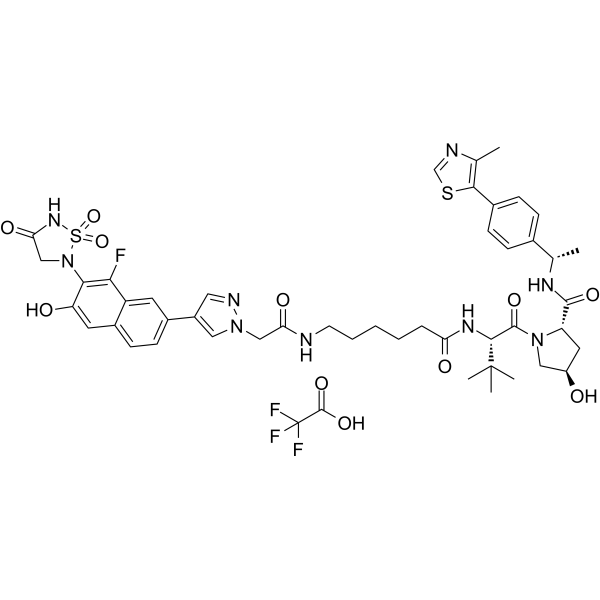 0 ImagesPVD-06 is a selective PROTAC PTPN2 degrader with a DC50 of 217 nM (selectivity index >60-fold over PTP1B). PVD-06 induces PTPN2 degradation via a VHL-, ubiquitin, and proteasome-dependent pathway. PVD-06 can promote T cell activation and amplify IFN-γ-mediated anticancer activity. PVD-06 can be used to further investigate PTPN2 in diseases such as leukemia and melanoma.
-
Pongamol
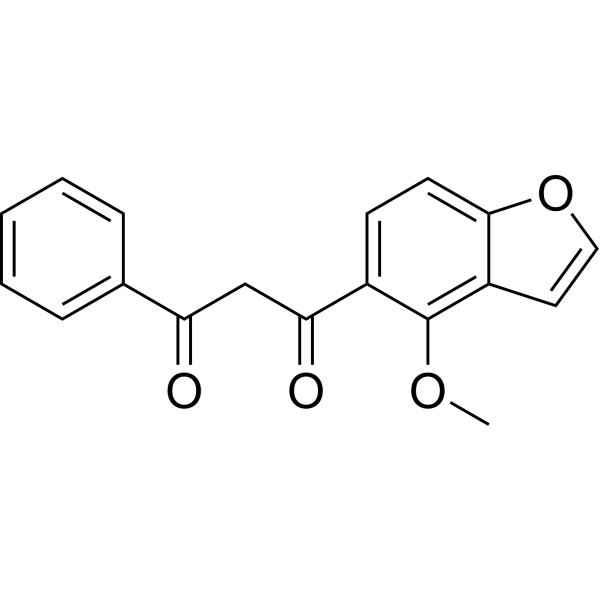 0 ImagesPongamol (Lanceolatin C) is an orally active flavonoid with an IC50 of 75 μM and a Ki of 58 μM against PTPase-1B, and an IC50 of 103.5 μM against intestinal α-Glycosidase. Pongamol reduces the release of IL‑1β, TNF‑α, COX‑2 and iNOS in cells, reverses the nuclear translocation of NF‑κB, and upregulates the levels of Beclin 1 and LC3 Ⅱ/LC3 Ⅰ. Pongamol promotes glucose uptake by increasing the level of GLUT4 on the surface of skeletal muscle cells. Pongamol inhibits epithelial-mesenchymal transition by suppressing the FAK/Akt-mTOR signaling pathway. Pongamol inhibits neuronal cytotoxicity, suppresses cell apoptosis and extends the lifespan of Caenorhabditis elegans by activating the MAPKs/Nrf2 signaling pathway. Pongamol exerts hypoglycemic effects in diabetic mouse models. Pongamol exhibits antibacterial activity. Pongamol alleviates oxidative stress, neuroinflammation, Aβ deposition and excessive phosphorylation of Tau Protein, and restores autophagy function in Alzheimer's disease mouse models by inhibiting the Akt/mTOR signaling pathway. Pongamol is applicable to research related to Alzheimer's disease, type 2 diabetes, non-small cell lung cancer and postprandial hyperglycemia.
-
Monocalcium glycerophosphate
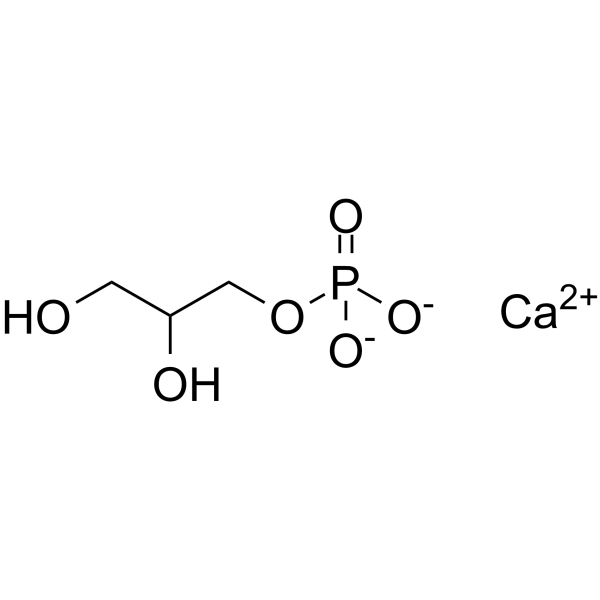 0 ImagesMonocalcium glycerophosphate is an inhibitor of intestinal alkaline phosphatase F3, and it has anti-cavity properties. Monocalcium glycerophosphate is a source of calcium and phosphorus in total parenteral nutrition solutions, helps prevent the mineralization and development of bones from intravenous nutrition, and maintains the integrity of the intestinal epithelium.
-
Alkaline phosphatase, microorganism
 0 ImagesAlkaline Phosphatase (Apase), microorganism is an alkaline phosphatase from microorganism, and is one of the most active alkaline phosphatases. Alkaline phosphatase, microorganism is an orally active membrane-bound glycoprotein that catalyzes the hydrolysis of phosphate monoesters at alkaline pH. Alkaline phosphatase, microorganism reduces myeloperoxidase activity and bacterial translocation. Alkaline phosphatase, microorganism improves survival rate of mice infected with E. coli. Alkaline phosphatase, microorganism improves TNBS-induced colon inflammation.
-
Alkaline phosphatase, Escherichia coli
 0 ImagesAlkaline Phosphatase (Apase), Escherichia coli is an alkaline phosphatase from Escherichia coli, and is one of the most active alkaline phosphatases. Alkaline phosphatase, Escherichia coli is an orally active membrane-bound glycoprotein that catalyzes the hydrolysis of phosphate monoesters at alkaline pH. Alkaline phosphatase, Escherichia coli reduces myeloperoxidase activity and bacterial translocation. Alkaline phosphatase, Escherichia coli improves survival rate of mice infected with E. coli. Alkaline phosphatase, Escherichia coli improves TNBS-induced colon inflammation.
-
Aloe-emodin-8-O-β-D-glucopyranoside
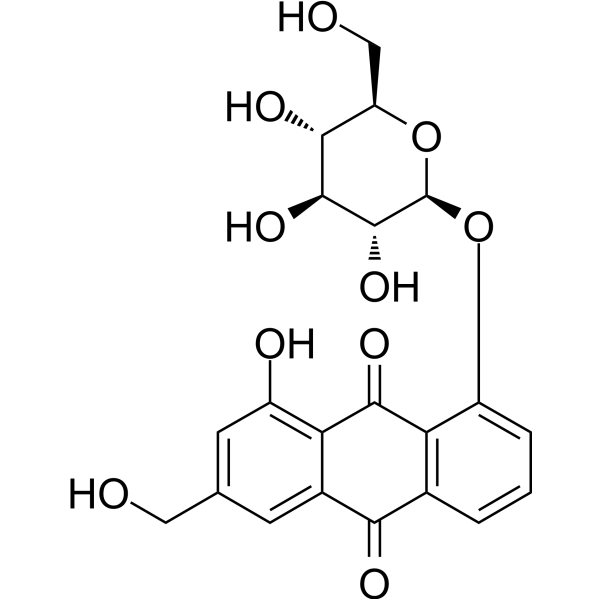 0 ImagesAloe-emodin-8-O-β-D-glucopyranoside, a compound isolated from Saussrurea lappa, is a moderate inhibitor of human protein tyrosine phosphatase 1B (hPTP1B) with an IC50 of 26.6 μM.
-
Nodularin
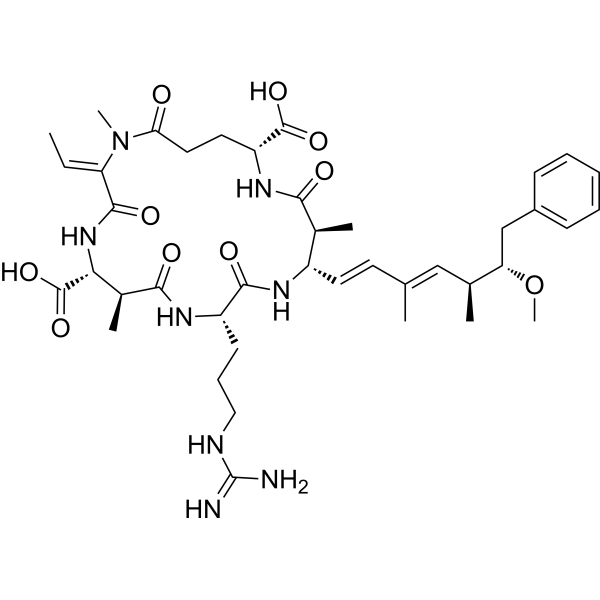 0 ImagesNodularin is a hepatotoxin, tumor promoter, and protein phosphatase inhibitor. Nodularin induces apoptosis (apoptosis) in normal cells (including caspase activation, upregulation of Bcl-XS, and upregulation of BAX/P53), triggers hyperphosphorylation of the MAPK/ERK, mTOR/S6K and p38 MAPK signaling pathways, and induces oxidative stress, endoplasmic reticulum membrane instability, peroxisome proliferation and increased lysosomal enzyme activity. Nodularin promotes DEN (HY-N7434)-initiated hepatocyte proliferation and adenoma formation, and inhibits proliferation, phagocytosis and chemotaxis of normal lymphocytes, oocyte maturation and vitellogenesis, as well as angiogenesis. Nodularin exhibits hepatotoxicity, reproductive and endocrine toxicity, and embryonic developmental toxicity in various animal models. Nodularin can be used in studies related to liver cancer, hepatotoxicity and reproductive endocrine toxicity.
-
LYP-IN-4
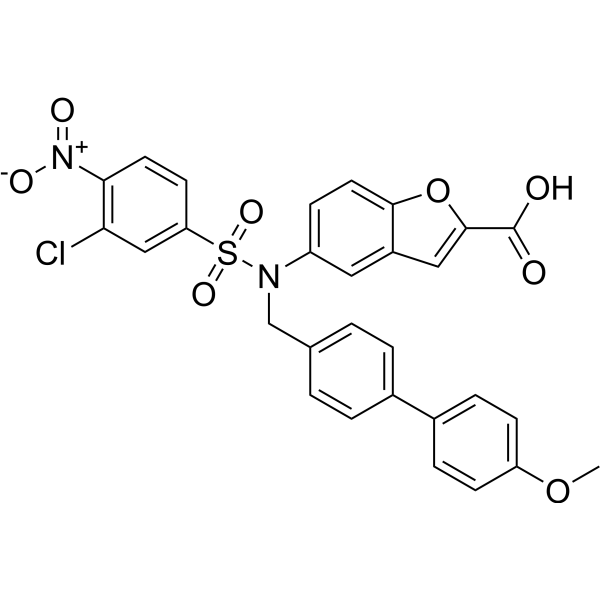 0 ImagesCat. No.: HY-155848Purity: 98.60%LYP-IN-4 (compound D14) is a reversible and selective inhibitor of lymphotyrosine phosphatase (LYP) (Ki=1.34 μM, IC50=3.52μM). LYP-IN-4 inhibits LYP to regulate TCR signaling, up-regulates PD-1/PD-L1 expression, and enhance anti-tumor immunity. LYP-IN-4 activates T cells and inhibits M2 macrophage polarization, inhibits tumor growth in MC38 isogenic mouse models.
-
1E7-03
 0 ImagesCat. No.: HY-124644CAS No.: 1565845-92-21E7-03, a low MW tetrahydroquinoline derivative targeting protein phosphatase-1, can inhibit HIV-1 transcription.
-
(E/Z)-Icerguastat
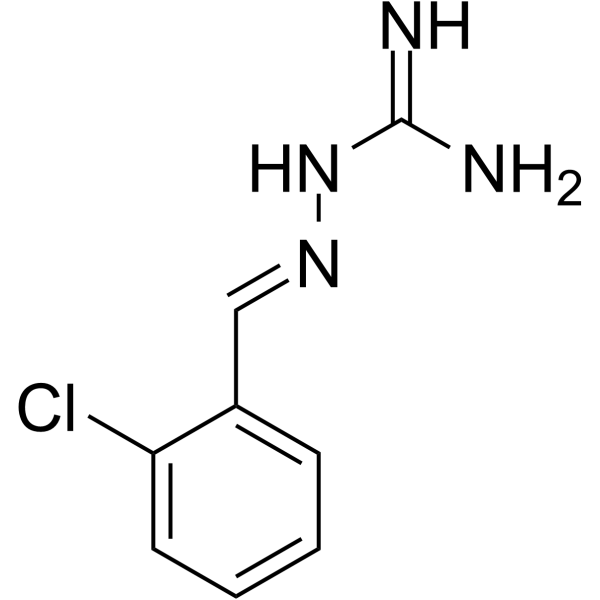 0 ImagesSynonyms: (E/Z)-Sephin1; (E/Z)-IFB-088(E/Z)-Icerguastat ((E/Z)-Sephin1) is a selective inhibitor of the phosphatase regulatory subunit PPP1R15A (R15A). (E/Z)-Icerguastat can be used for protein misfolding diseases research.
-
TD52 dihydrochloride
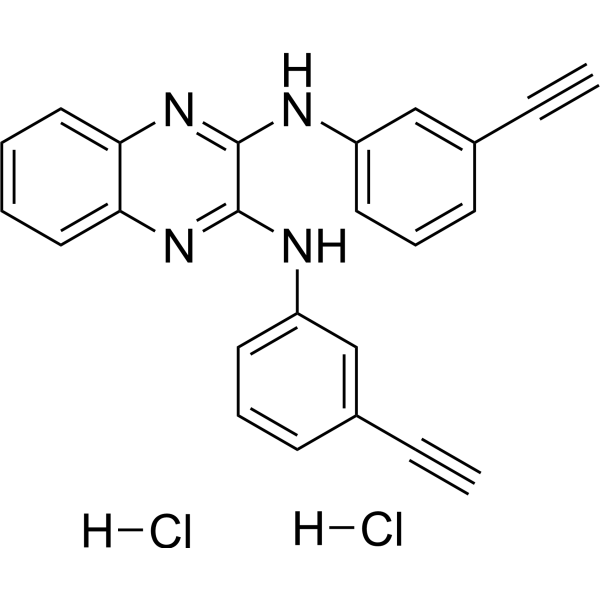 0 ImagesTD52 dihydrochloride, an Erlotinib (HY-50896) derivative, is an orally active, potent cancerous inhibitor of protein phosphatase 2A (CIP2A) inhibitor. TD52 dihydrochloride mediates the apoptotic effect in triple-negative breast cancer (TNBC) cells via regulating the CIP2A/PP2A/p-Akt signalling pathway. TD52 dihydrochloride indirectly reduced CIP2A by disturbing Elk1 binding to the CIP2A promoter. TD52 dihydrochloride has less p-EGFR inhibition and has potent anti-cancer activity. TD52 (dihydrochloride) is a click chemistry reagent, it contains an Alkyne group and can undergo copper-catalyzed azide-alkyne cycloaddition (CuAAc) with molecules containing Azide groups.
-
(R)-Azasetron besylate
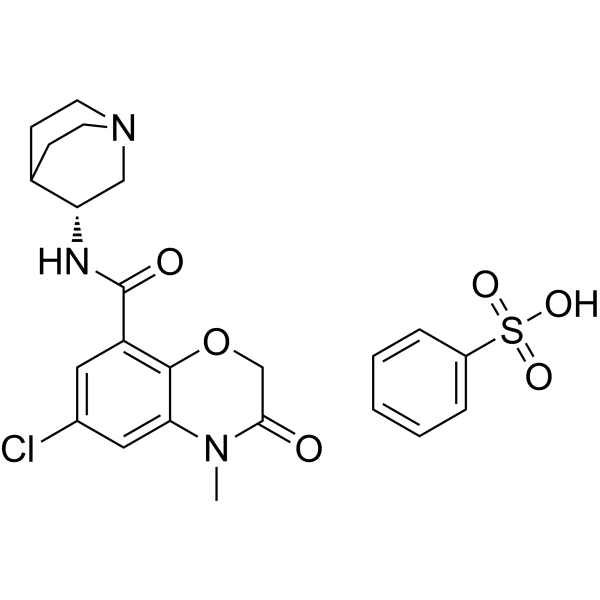 0 ImagesSynonyms: SENS-401(R)-Azasetron besylate (SENS-401) is an orally active calcineurin inhibitor. (R)-Azasetron besylate reduces Cisplatin (HY-17394)-induced hearing loss and cochlear damage.




