



Mycobacterium Tuberculosis Infection
-
Mycobacterium Tuberculosis Infection (260)

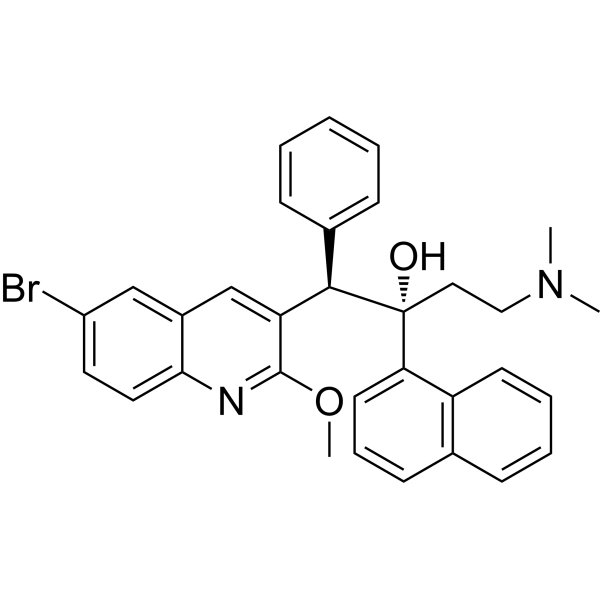
- Formula: C32H31BrN2O2
- Molecular Weight: 555.50
Bedaquiline (TMC207) is a diarylquinoline agent and inhibits Mycobacterium tuberculosis (Mtb) F1FO-ATP synthase through targeting of both the c- and the ε-subunit. Bedaquiline has uncoupler activity. Bedaquiline is used for the multi-agent resistant tuberculosis.
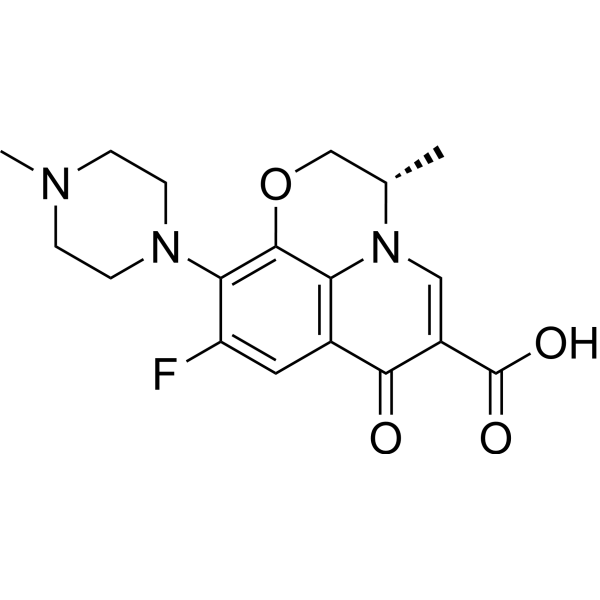
- Formula: C18H20FN3O4
- Molecular Weight: 361.37
Levofloxacin ((-)-Ofloxacin) is an orally active antibiotic and is active against both Gram-positive and Gram-negative bacteria. Levofloxacin inhibits the DNA gyrase and topoisomerase IV. Levofloxacin can be used for chronic periodontitis, airway inflammation and BK Viremia research. Levofloxacin shows anti-orthopoxvirus activity.
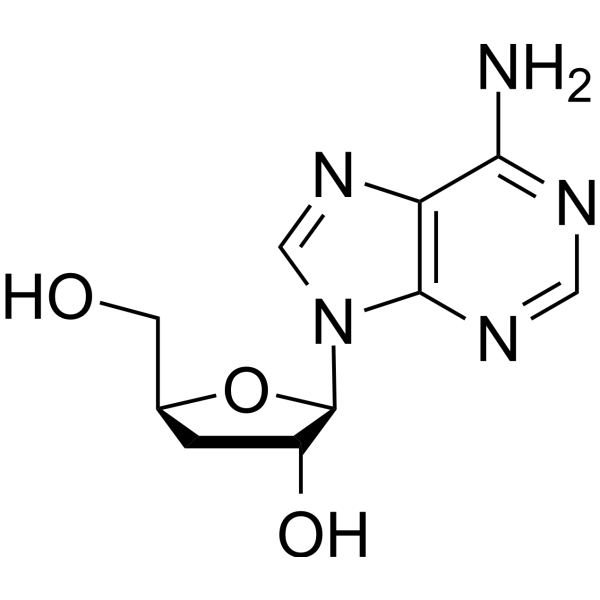
- Formula: C10H13N5O3
- Molecular Weight: 251.24
Cordycepin (3'-Deoxyadenosine) is a nucleoside derivative and inhibits IL-1β-induced MMP-1 and MMP-3 expression in rheumatoid arthritis synovial fibroblasts (RASFs) in a dose-dependent manner. Cordycepin kills Mycobacterium tuberculosis through hijacking the bacterial adenosine kinase.
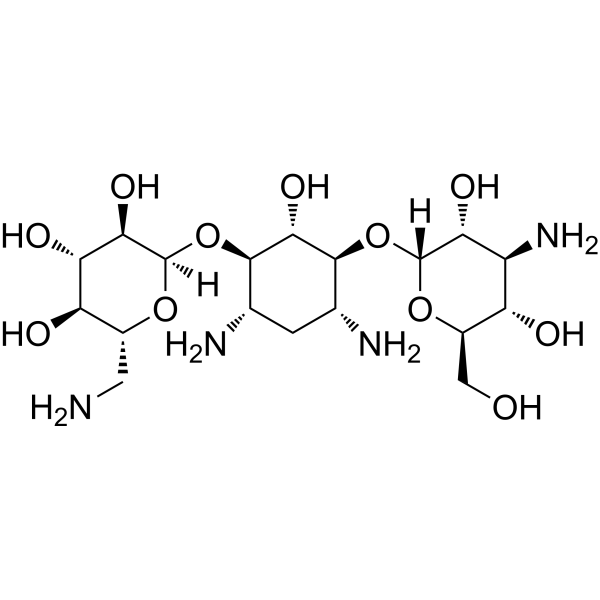
- Formula: C18H36N4O11
- Molecular Weight: 484.50
Kanamycin (Kanamycin A) is an orally active antibacterial (gram-negative/positive bacteria) agent, inhibits translocation and causes misencoding by binding to the 70 S ribosomal subunit. Kanamycin shows good inhibitory activity to both M. tuberculosis (sensitive and drug-resistant ) and K. pneumonia, which can be used in studies of tuberculosis and pneumonia.
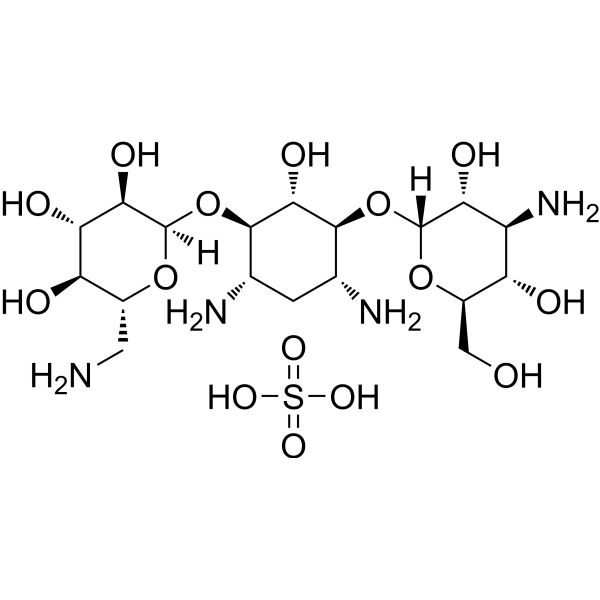
- Formula: C18H38N4O15S
- Molecular Weight: 582.58
Kanamycin (Kanamycin A) sulfate is an orally active antibacterial (gram-negative/positive bacteria) agent, inhibits translocation and causes misencoding by binding to the 70 S ribosomal subunit. Kanamycin sulfate shows good inhibitory activity to both M. tuberculosis (sensitive and drug-resistant ) and K. pneumonia, which can be used in studies of tuberculosis and pneumonia.
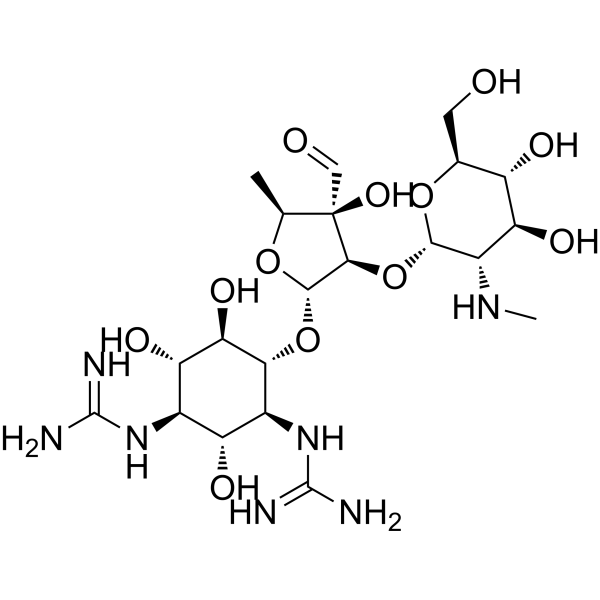
- Formula: C21H39N7O12
- Molecular Weight: 581.57
Streptomycin (Agrept) is an effective antibiotic against M. tuberculosis, is used for the research of tuberculosis (TB). Streptomycin also is a bacteriocidal agent that can be used for the research of a number of bacterial infections. Streptomycin can bind strongly to nucleic acids, interferes and blocks protein synthesis while permitting continued RNA and DNA synthesis. Streptomycin, as a common antibiotic used in culture media, also is a blocker of stretch-activated and mechanosensitive ion channels in neurons and cardiac myocytes .
Cholesterol oxidase, Microorganism (ChOx, Microorganism) (EC 1.1.3.6) is a cholesterol oxidase identified from bacterial sources. Cholesterol oxidase, Microorganism catalyzes the oxidation of cholesterol to 4-cholesten-3-one, while simultaneously reducing oxygen to hydrogen peroxide. Cholesterol oxidase, Microorganism retains its enzymatic activity and exhibits improved catalytic efficiency upon immobilization. Cholesterol oxidase, Microorganism is applicable for cholesterol detection, steroid biotransformation, and research on tuberculosis-related diseases.
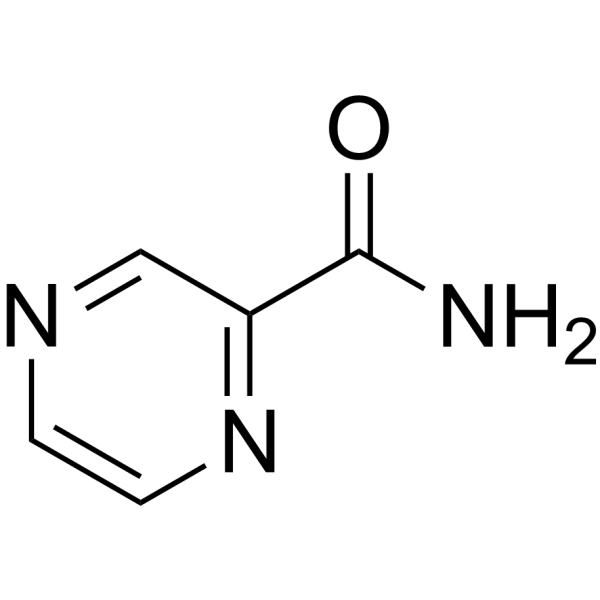
- Formula: C5H5N3O
- Molecular Weight: 123.11
Pyrazinamide (Pyrazinecarboxamide; Pyrazinoic acid amide) is a potent and orally active antitubercular antibiotic. Pyrazinamide is a proagent that is converted to the active form pyrazinoic acid (POA) by PZase/nicotinamidase encoded by the pncA gene in M. tuberculosis.
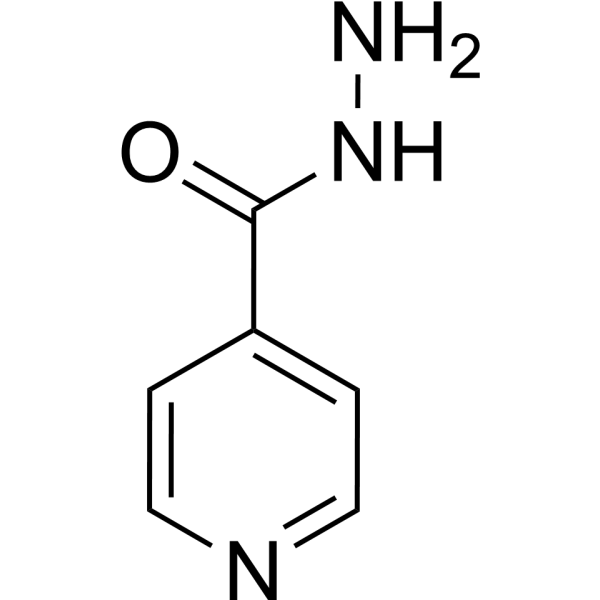
- Formula: C6H7N3O
- Molecular Weight: 137.14
Isoniazid (INH) is a proagent and must be activated by a bacterial catalase-peroxidase enzyme KatG. Isoniazid is bactericidal to rapidly dividing mycobacteria and has anti-tuberculostatic activity.
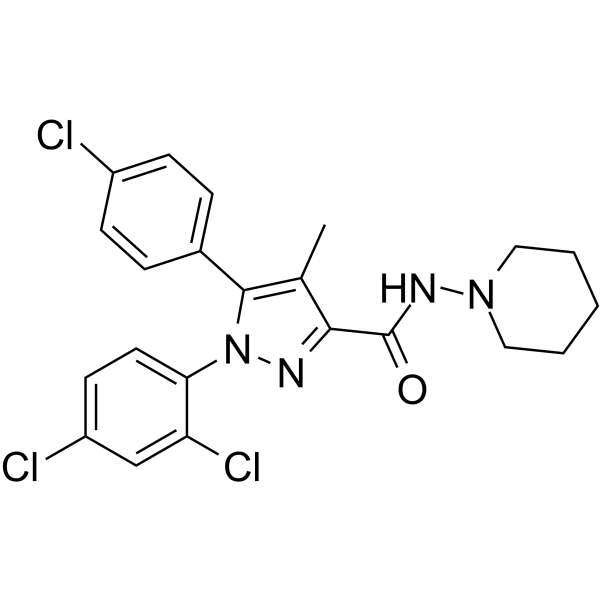
- Formula: C22H21Cl3N4O
- Molecular Weight: 463.79
Rimonabant (SR141716) is a highly potent, brain penetrated and selective central cannabinoid receptor (CB1) antagonist with a Ki of 1.8 nM. Rimonabant (SR141716) also inhibits Mycobacterial membrane protein Large 3 (MMPL3).
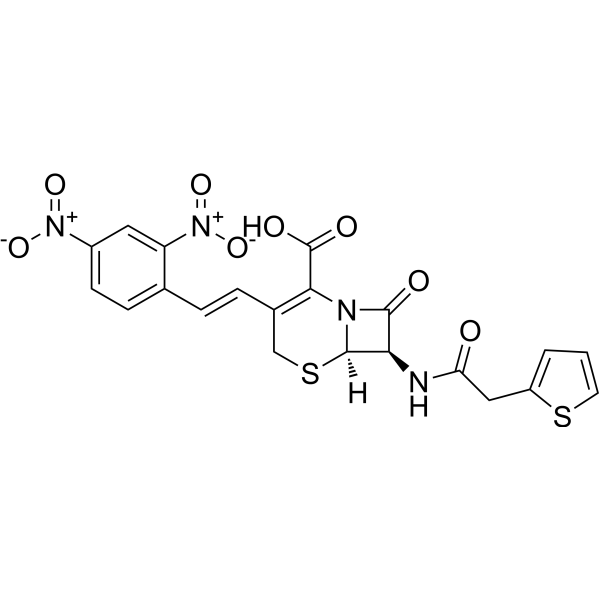
- Formula: C21H16N4O8S2
- Molecular Weight: 516.50
Nitrocefin is a highly activated, chromogenic cephalosporin derivative. Nitrocefin is a chromogenic β-lactamase substrate. Nitrocefin undergoes a distinctive color change from yellow to red as the amide bond in the β-lactam ring is hydrolyzed by β-lactamase. Nitrocefin is used in competitive inhibition studies in developmental work on β-lactamase-resistant antibiotics.
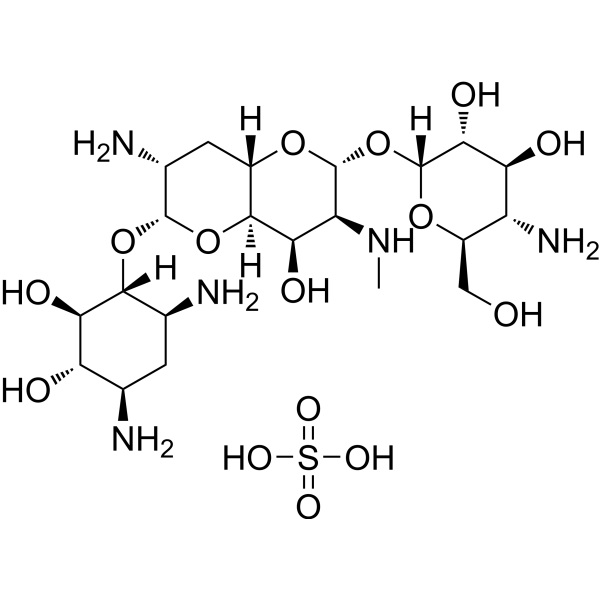
- Formula: C21H43N5O15S
- Molecular Weight: 637.66
Apramycin (EBL 1003) sulfate is an orally active, acidic pH tolerant and aminoglycoside-modifying-enzymes-tolerant aminoglycoside antibiotic which inhibits protein biosynthesis by targeting the bacterial ribosome. Apramycin sulfate is a potential anti-drug-resistance antibiotic.
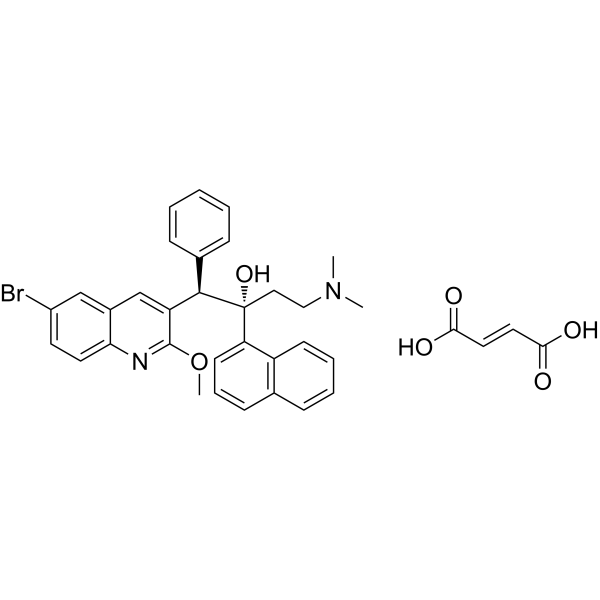
- Formula: C36H35BrN2O6
- Molecular Weight: 671.58
Bedaquiline fumarate, a diarylquinoline antibiotic that targets ATP synthase, is effective for the treatment of Mycobacterium tuberculosis infections.
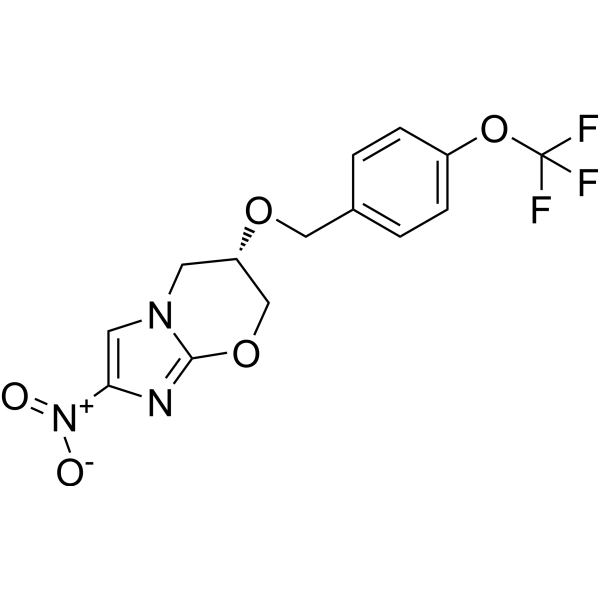
- Formula: C14H12F3N3O5
- Molecular Weight: 359.26
Pretomanid (PA-824) is an antibiotic used for the research of multi-drug-resistant tuberculosis affecting the lungs. Pretomanid exhibits a sub-micromolar MIC against M. tuberculosis (MTB). The MIC values of PA-824 against a panel of MTB pan-sensitive and Rifampin mono-resistant clinical isolates range from 0.015 to 0.25 μg/mL.
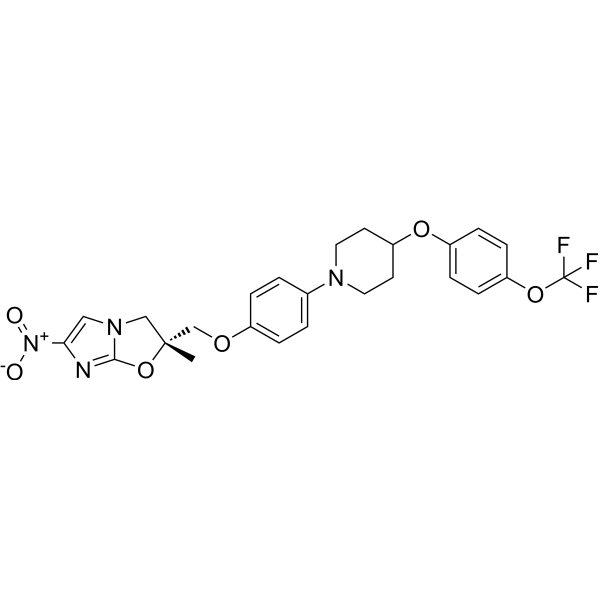
- Formula: C25H25F3N4O6
- Molecular Weight: 534.48
Delamanid, a newer mycobacterial cell wall synthesis inhibitor, inhibits the synthesisi of mucolic acids.
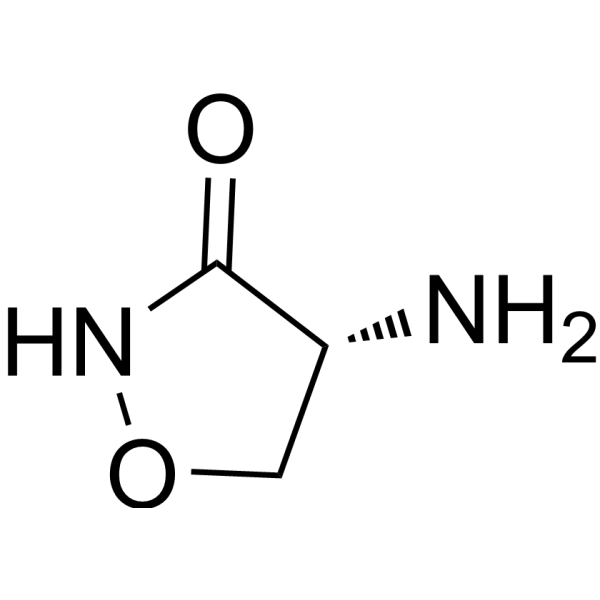
- Formula: C3H6N2O2
- Molecular Weight: 102.09
D-Cycloserine is an antibiotic which targets sequential bacterial cell wall peptidoglycan biosynthesis enzymes, with blood-brain barrier permeability. D-Cycloserine is a partial NMDA agonist that can improve cognitive functions. D-Cycloserine can be used for multidrug-resistant tuberculosis research.
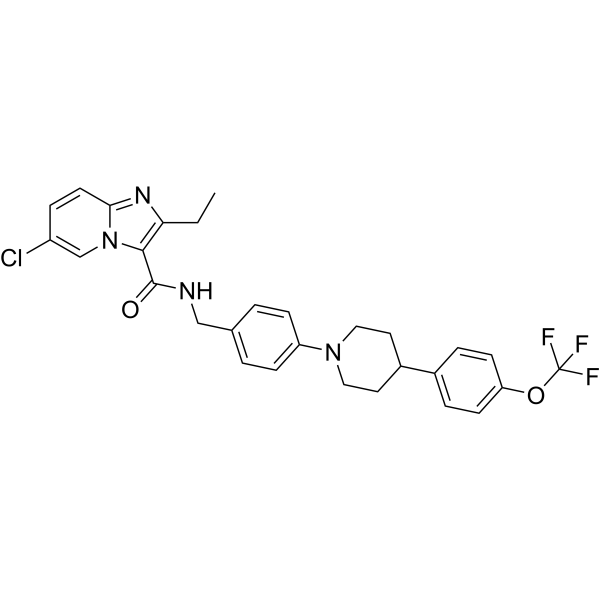
- Formula: C29H28ClF3N4O2
- Molecular Weight: 557.01
Telacebec (Q203) is a midazopyridine amide compound. Telacebec is active against Mycobacterium tuberculosis H37Rv with an MIC50 of 2.7 nM in culture broth medium.
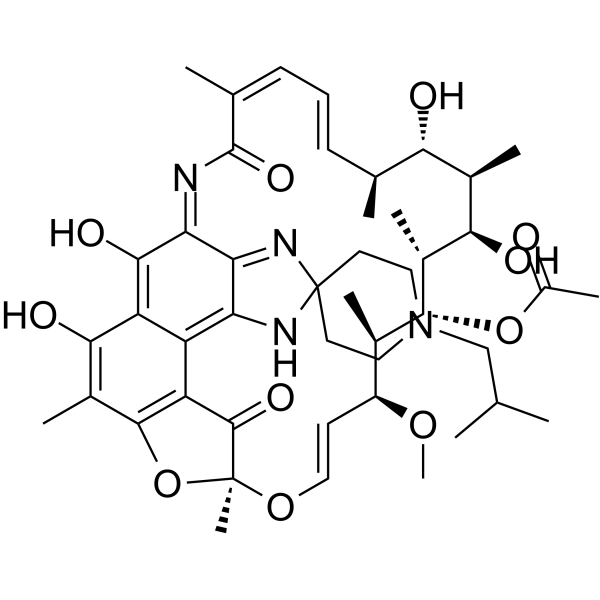
- Formula: C46H62N4O11
- Molecular Weight: 847.00
Rifabutin (Ansamycin) is a semisynthetic ansamycin antibiotic with potent antimycobacterial properties. Rifabutin inhibits DNA-dependent RNA polymerase.
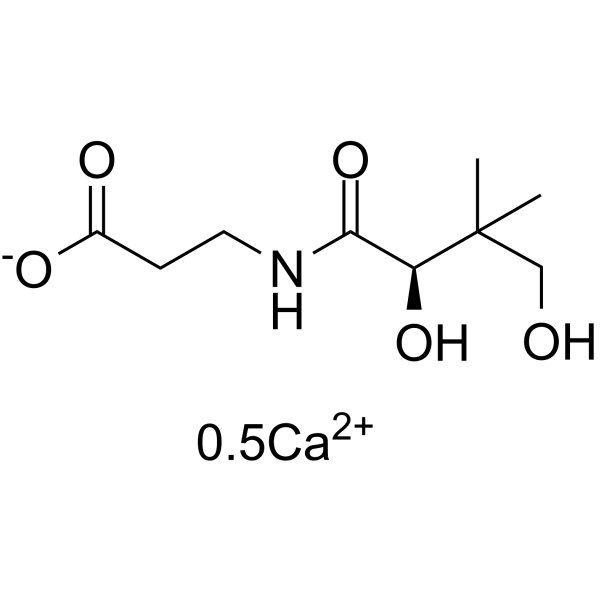
- Formula: C9H16NO5.1/2Ca
- Molecular Weight: 238.27
D-Pantothenic acid hemicalcium salt is an orally active vitamin that reduces patulin in apple juice. D-Pantothenic acid hemicalcium salt removes ROS. D-Pantothenic acid hemicalcium salt has antibacterial and immunomodulatory activities. D-Pantothenic acid hemicalcium salt also has the effect of improving osteoporosis and obesity.
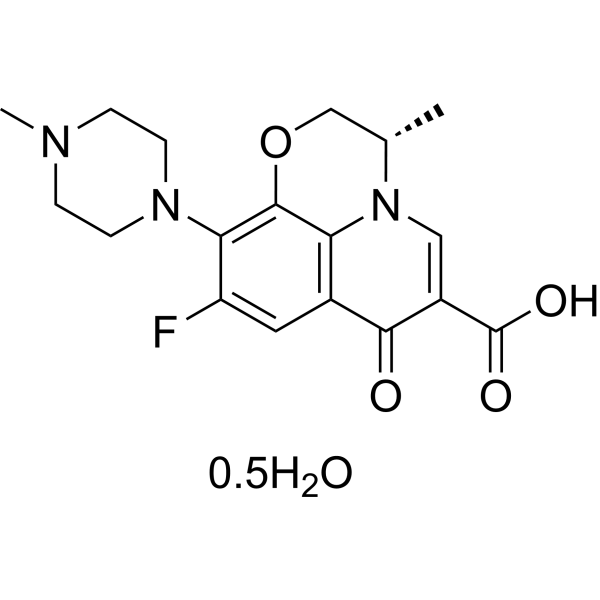
- Formula: C18H21FN3O4.5
- Molecular Weight: 370.38
Levofloxacin hydrate (Levofloxacin hemihydrate) is an orally active antibiotic and is active against both Gram-positive and Gram-negative bacteria. Levofloxacin hydrate inhibits the DNA gyrase and topoisomerase IV. Levofloxacin hydrate can be used for chronic periodontitis, airway inflammation and BK Viremia research. Levofloxacin hydrate shows anti-orthopoxvirus activity.



