1. Search Result
Search Result
Results for "

l-glutamate-

" in MedChemExpress (MCE) Product Catalog:

51

Inhibitors & Agonists

3

Biochemical Assay Reagents

8

Peptides

1

MCE Kits

6

Natural
Products

5

Isotope-Labeled Compounds

1

Antibodies

Cat. No. Product Name Target Research Areas Chemical Structure
  • HY-B1102
    Evans Blue
    25+ Cited Publications

    Direct Blue 53; T-1824; C.I. 23860

    EAAT iGluR Cardiovascular Disease Neurological Disease
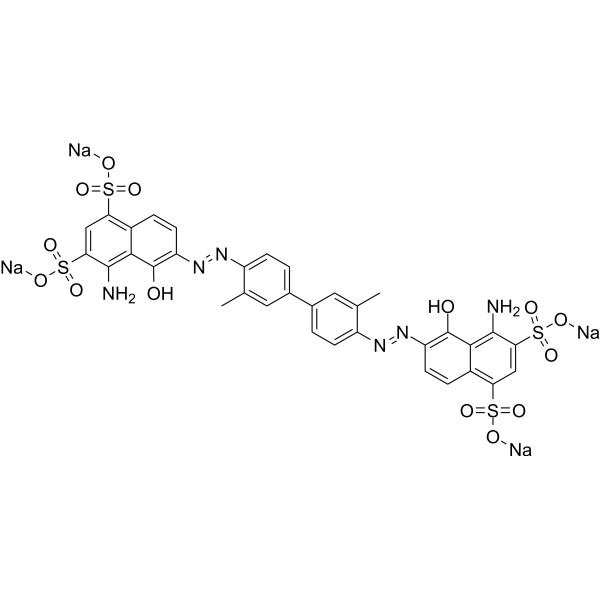
    Evans Blue (Direct Blue 53) is a potent inhibitor of L-glutamate uptake via the membrane bound excitatory amino acid transporter (EAAT). Evans Blue is a L-glutamate and kainate receptor-mediated currents inhibitor. Evans Blue has a strong affinity towards serum albumin, making it a high molecular weight protein tracer. Evans Blue is also used to study BBB (blood-brain barrier) permeability .
    Evans Blue
  • HY-16973
    Fluralaner
    5+ Cited Publications

    A1443; AH252723

    Parasite Infection
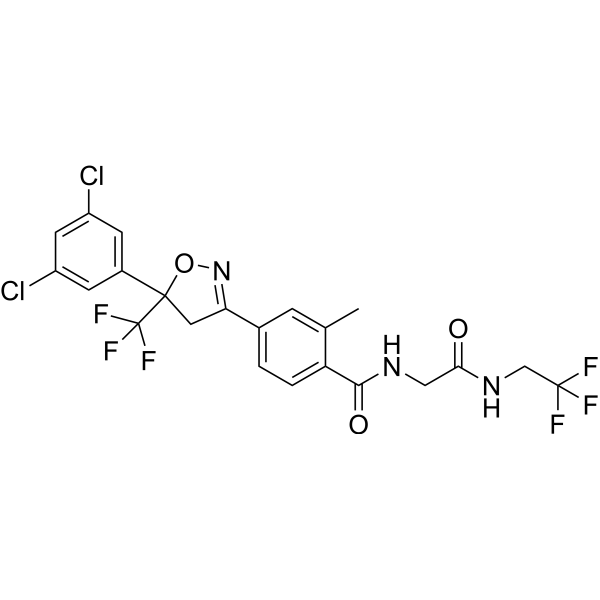
    Fluralaner (INN) is a systemic insecticide and acaricide Fluralaner through potent blockage of GABA and L-glutamate gated chloride channels.
    Fluralaner
  • HY-N0455B
    L-Arginine (L-glutamate)
    20+ Cited Publications

    (S)-(+)-Arginine (L-glutamate)

    Endogenous Metabolite NO Synthase Metabolic Disease
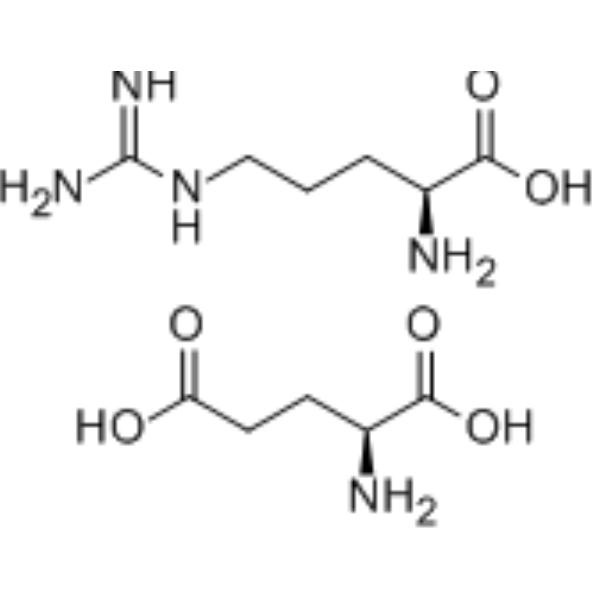
    L-Arginine L-glutamate ((S)-(+)-Arginine L-glutamate) is the nitrogen donor for synthesis of nitric oxide. L-Arginine L-glutamate can be used for upper gastrointestinal hypofunction or dysfunction like functional dyspepsia research .
    L-Arginine (L-glutamate)
  • HY-P2985

    Endogenous Metabolite Metabolic Disease
    Alanine aminotransferase, Porcine heart is a pyridoxal enzyme that catalyzes the reversible interconversion of L-alanine and 2-oxoglutalate to pyruvate and L-glutamate .
    Alanine aminotransferase, Porcine heart
  • HY-W025811

    Amino Acid Derivatives Others
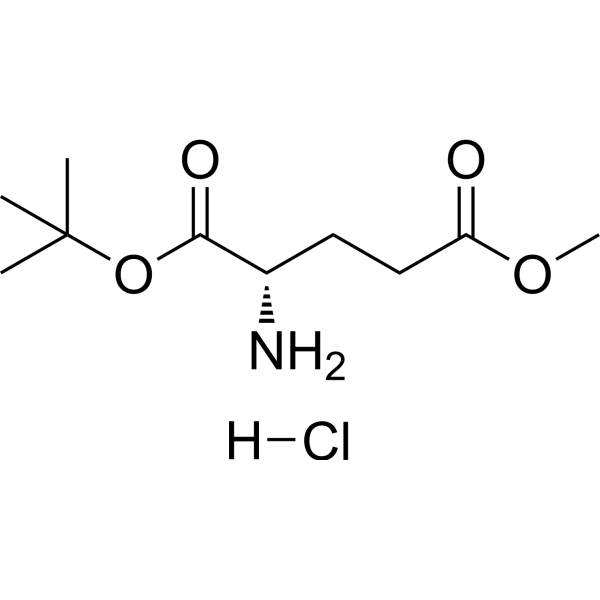
    1-(tert-Butyl) 5-methyl L-glutamate hydrochloride is a glutamic acid derivative .
    1-(tert-Butyl) 5-methyl L-glutamate hydrochloride
  • HY-P3016A

    EC 2.6.1.1, porcine heart; GOT, porcine heart; AST, porcine heart

    Aminotransferases (Transaminases) Cardiovascular Disease
    Aspartate aminotransferase (EC 2.6.1.1), porcine heart is a metabolic regulator with the highest activity in the heart, liver and skeletal muscle. Aspartate aminotransferase, porcine heart comprises two isozymes: the cytoplasmic form (AST1) and the mitochondrial form (AST2). By catalyzing reversible transamination reactions between oxaloacetate, L-glutamate and other substances, it is deeply involved in key physiological processes such as amino acid metabolism, the tricarboxylic acid cycle and neurotransmitter synthesis. Aspartate aminotransferase, porcine heart also provides substrate support for the synthesis of urea and purines/pyrimidines. Aspartate aminotransferase, porcine heart is a serum marker reflecting cardiac and hepatic injury, and its abnormal levels are also closely associated with myocardial infarction, cardiovascular diseases and various cancers .
    Aspartate aminotransferase, porcine heart
  • HY-P3263

    L-glutamate oxidase

    Biochemical Assay Reagents Others
    Glutamate oxidase (L-Glutamate oxidase) is a biochemical reagent that can be used as a biological material or organic compound for life science related research. Glutamate oxidase is expressed in E. Coli. Glutamate oxidase can be used to produce α-ketoglutaric acid from l-glutamic acid .
    Glutamate oxidase
  • HY-W337739

    Monopotassium L-glutamate

    Biochemical Assay Reagents Others
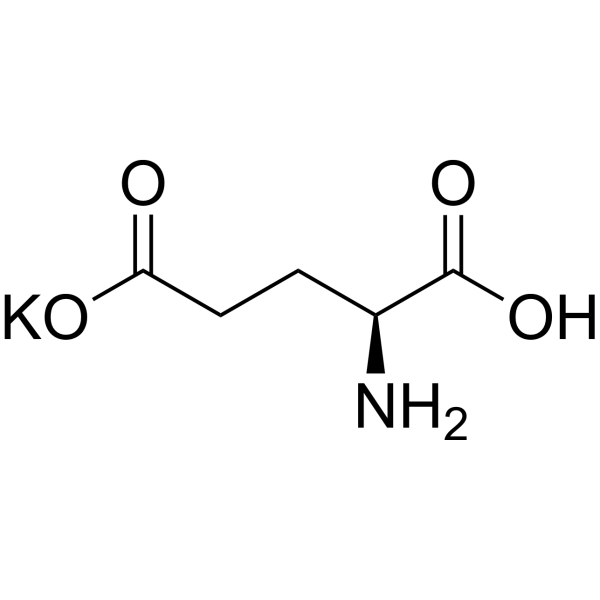
    L-Glutamic acid monopotassium salt is a food additive and flavor enhancer that can reduce the harmful effects of lithium .
    L-Glutamic acid monopotassium salt
  • HY-150220

    Liposome Others
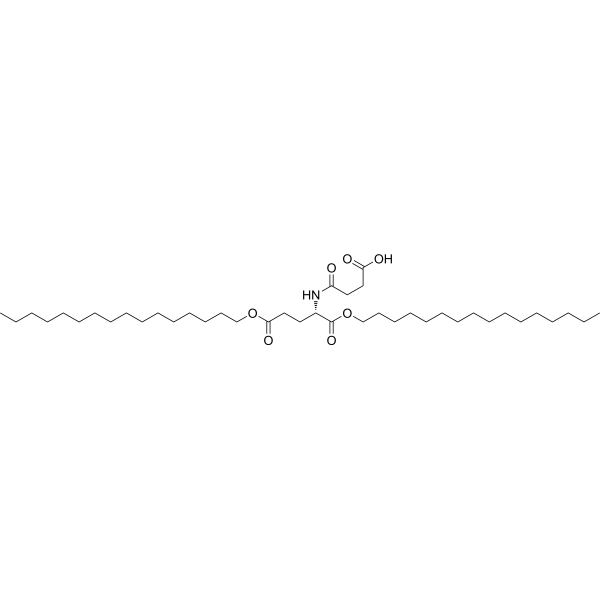
    1,5-Dihexadecyl N-(3-carboxy-1-oxopropyl)-L-glutamate is a lipid used in the synthesis of phospholipid vesicles. 1,5-Dihexadecyl N-(3-carboxy-1-oxopropyl)-L-glutamate works with other lipids to convert polydisperse vesicles into vesicles of uniform size by freeze-thaw and extrusion techniques. 1,5-Dihexadecyl N-(3-carboxy-1-oxopropyl)-L-glutamate can enhance protein encapsulation efficiency for drug delivery and biochemical applications .
    1,5-Dihexadecyl N-(3-carboxy-1-oxopropyl)-L-glutamate
  • HY-E70003

    Biochemical Assay Reagents Endocrinology
    Glutamate dehydrogenase is an enzyme in both prokaryotes and eukaryotic mitochondria. Glutamate dehydrogenase can be used for the enzymatic determination of ammonia, alpha-ketoglutaric acid, L-glutamate and urease .
    Glutamate dehydrogenase
  • HY-120511
    KNT-127
    1 Publications Verification

    Opioid Receptor Neurological Disease
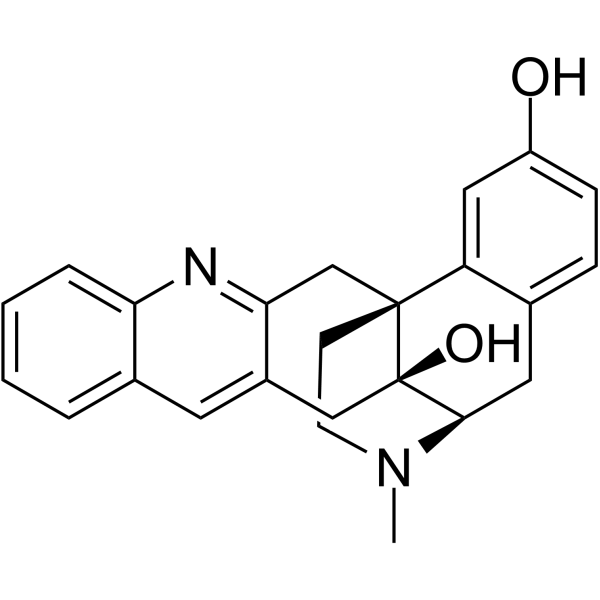
    KNT-127 is a selective and BBB-penetrant δ-opioid receptor (DOR) agonist (Ki = 0.16 nM). KNT-127 is highly selective to the δ receptor, with Ki values of 0.16, 21.3 and 153 nM for δ, μ and κ receptors, respectively. KNT-127 acts as a biased ligand that mainly activates cyclic adenosine monophosphate (cAMP) signaling with lower beta-arrestin signaling activation. KNT-127 increases the release of dopamine and L-glutamate in the striatum, nucleus accumbens, and prefrontal cortex. KNT-127 exhibits antidepressant- and anxiolytic-like effects. KNT-127 can be studied in research on neurological diseases .
    KNT-127
  • HY-P3016

    EC 2.6.1.1; GOT; AST

    Aminotransferases (Transaminases) Cardiovascular Disease
    Aspartate aminotransferase (EC 2.6.1.1), Genetically engineered bacteria is a metabolic regulator with the highest activity in the heart, liver and skeletal muscle. Aspartate aminotransferase, Genetically engineered bacteria comprises two isozymes: the cytoplasmic form (AST1) and the mitochondrial form (AST2). By catalyzing reversible transamination reactions between oxaloacetate, L-glutamate and other substances, it is deeply involved in key physiological processes such as amino acid metabolism, the tricarboxylic acid cycle and neurotransmitter synthesis. Aspartate aminotransferase, Genetically engineered bacteria also provides substrate support for the synthesis of urea and purines/pyrimidines. Aspartate aminotransferase, Genetically engineered bacteria is a serum marker reflecting cardiac and hepatic injury, and its abnormal levels are also closely associated with myocardial infarction, cardiovascular diseases and various cancers .
    Aspartate aminotransferase, Genetically engineered bacteria
  • HY-Y0749

    Dimethyl (S)-2-aminopentanedioate hydrochloride; Dimethyl L-glutamate hydrochloride; Dimethyl glutamate hydrochloride

    Amino Acid Derivatives Others
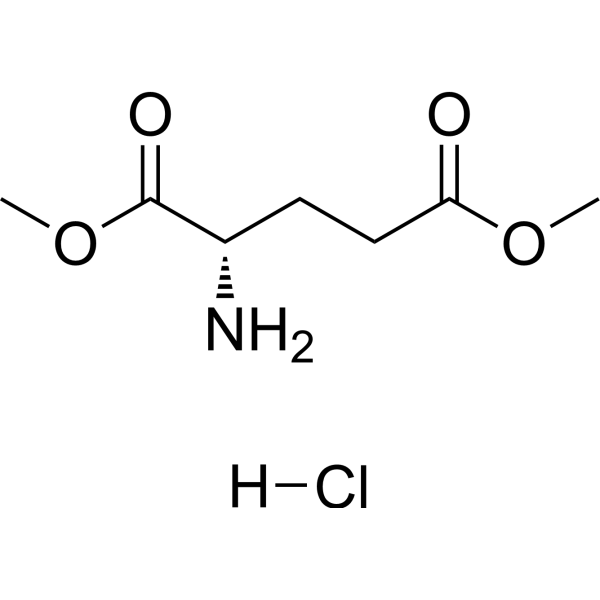
    Glutamic acid dimethyl ester hydrochloride is a glutamic acid derivative .
    Glutamic acid dimethyl ester hydrochloride
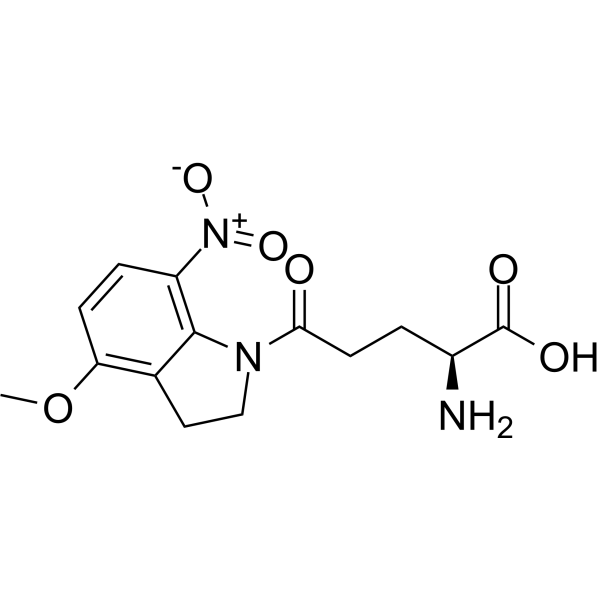
  • HY-107520

    Drug Derivative Neurological Disease
    MNI-caged-L-glutamate is an inert photolabile glutamate precursor. MNI-caged-L-glutamate does not modulate NMDA and AMPA receptor function in cultured neurones. MNI-caged-L-glutamate can be used for research on neurotransmitters .
    MNI-caged-L-glutamate
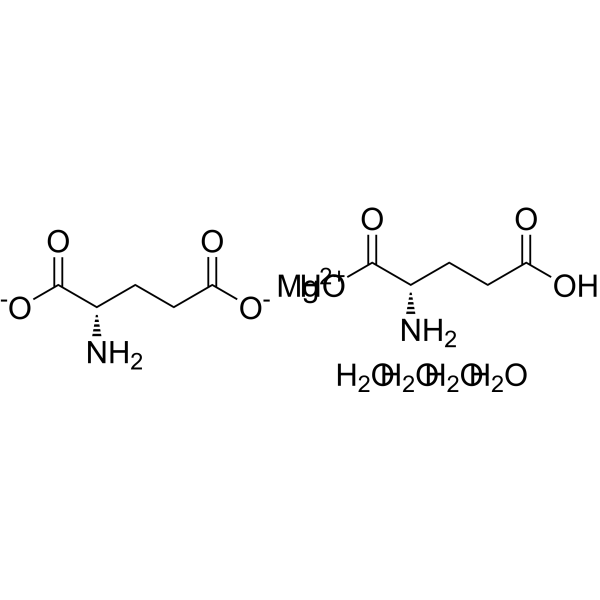
  • HY-W141786

    Amino Acid Derivatives Others
    Magnesium L-glutamate is a cysteine derivative. Magnesium L-glutamate s a flavor enhancer used to reduce the amount of salt needed in meat products .
    Magnesium L-glutamate
  • HY-W141786A

    Amino Acid Derivatives Others
    Magnesium L-glutamate tetrahydrate is a cysteine derivative. Magnesium L-glutamate tetrahydrate is a flavor enhancer used to reduce the amount of salt needed in meat products .
    Magnesium L-glutamate tetrahydrate
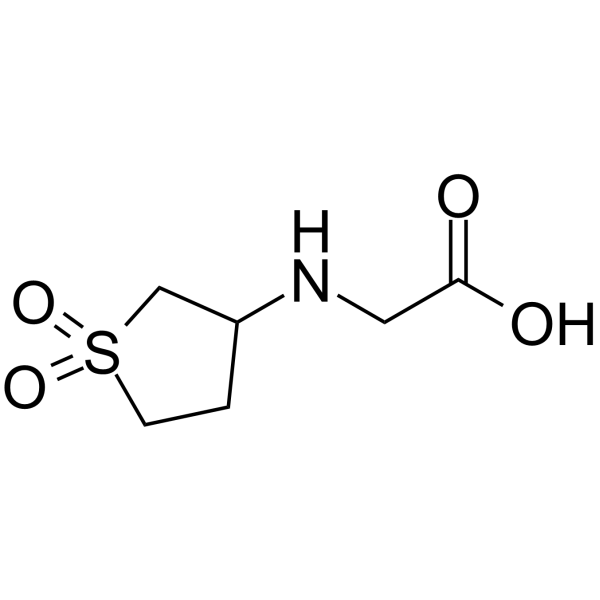
  • HY-W028047

    Bacterial Infection Inflammation/Immunology
    JFD01307SC is a glutamine synthetase inhibitor and anti-tuberculosis agent. JFD01307SC acts as a mimic of L-Glutamate and thus target enzymes involved in glutamine biosynthesis .
    JFD01307SC
  • HY-P2985A

    Endogenous Metabolite Inflammation/Immunology
    Alanine aminotransferase, human liver is an enzyme mainly produced in the liver. It is a pyridoxalase that catalyzes the reversible interconversion of L-alanine and 2-oxoglutamate to pyruvate and L-glutamate. Alanine aminotransferase, human liver is elevated in active anti-HMGCR myopathy. Alanine aminotransferase, human liver can be used in studies related to immune-mediated necrotizing myopathy and non-alcoholic fatty liver disease .
    Alanine aminotransferase, Human liver
  • HY-16973R

    A1443 (Standard); AH252723 (Standard)

    Reference Standards Parasite Infection
    Fluralaner (Standard) is the analytical standard of Fluralaner. This product is intended for research and analytical applications. Fluralaner (INN) is a systemic insecticide and acaricide Fluralaner through potent blockage of GABA and L-glutamate gated chloride channels.
    Fluralaner (Standard)
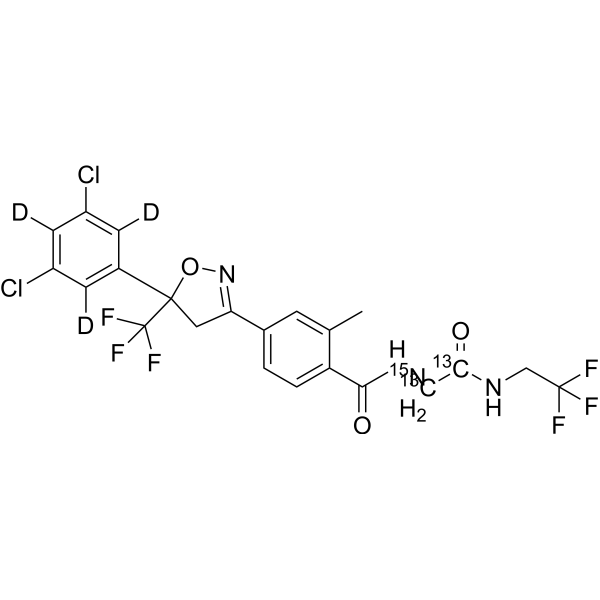
  • HY-16973S

    A1443-13C2,15N,d3; AH252723-13C2,15N,d3

    Isotope-Labeled Compounds Parasite Infection
    Fluralaner- 13C2, 15N,d3 is the deuterium, 13C-, and 15-labeled Fluralaner. Fluralaner (INN) is a systemic insecticide and acaricide Fluralaner through potent blockage of GABA and L-glutamate gated chloride channels.
    Fluralaner-13C2,15N,d3
  • HY-131039

    MDNI-glu

    Amino Acid Derivatives Others
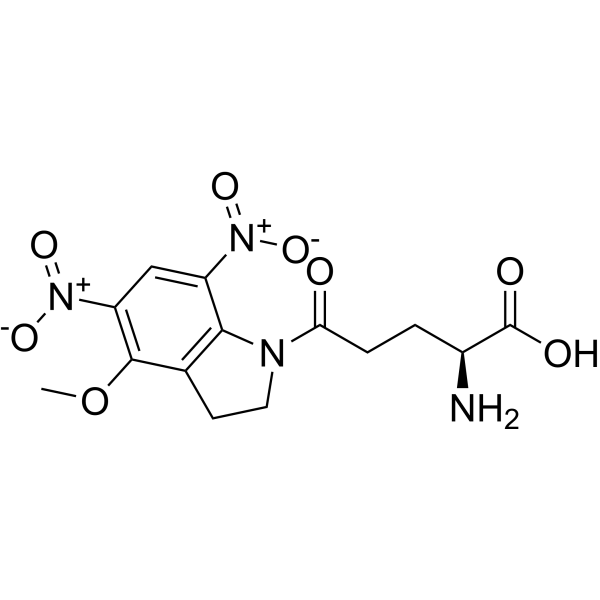
    MDNI-caged-L-glutamate (MDNI-glu) is a biologically inert, photosensitive derivative of the major excitatory amino acid, L-glutamate. MDNI-caged-L-glutamate makes more efficient use of incident light .
    MDNI-caged-L-glutamate
  • HY-W010785

    Amino Acid Derivatives Others
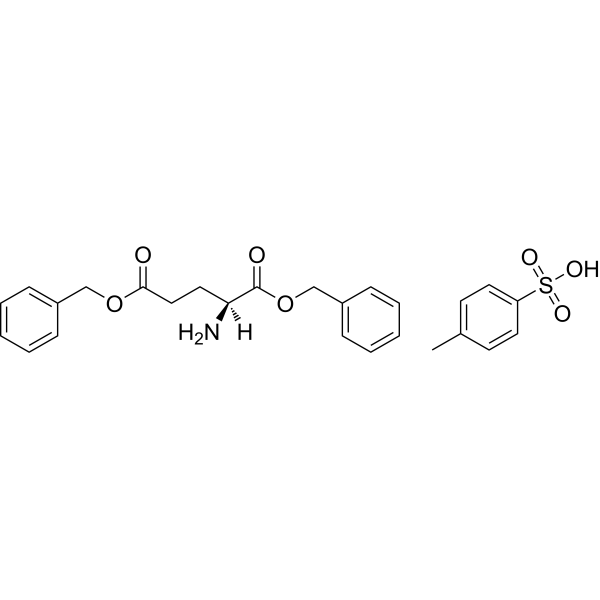
    Dibenzyl L-glutamate tosylate is a glutamic acid derivative .
    Dibenzyl L-glutamate tosylate
  • HY-W037817

    Dimethyl glutamate

    Potassium Channel Bacterial Infection Metabolic Disease
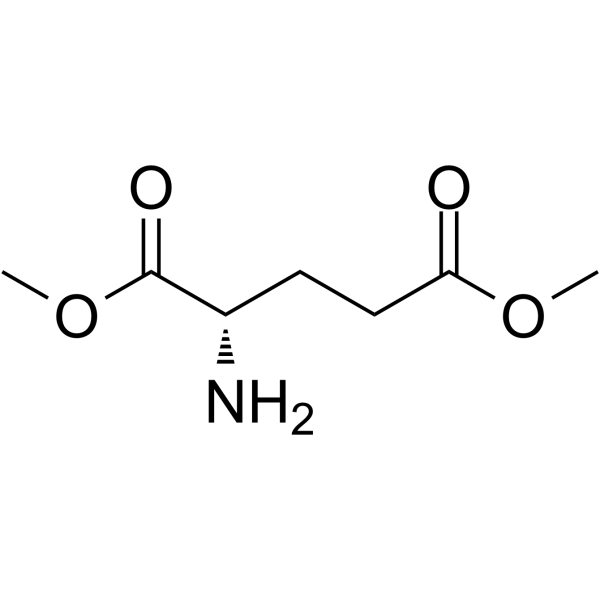
    Dimethyl L-glutamate (Dimethyl glutamate), a membrane-permeable analog of Glutamate, can stimulate insulin release induced by Glucose. Dimethyl L-glutamate suppresses the KATP channel activities. Dimethyl L-glutamate inhibits E. gracilis growth and causes abnormal cell division. Dimethyl L-glutamate can be used in the research of diabetes, glucose transport, phosphorylation, and further metabolism .
    Dimethyl L-glutamate
  • HY-113080S

    Isotope-Labeled Compounds Endogenous Metabolite Others
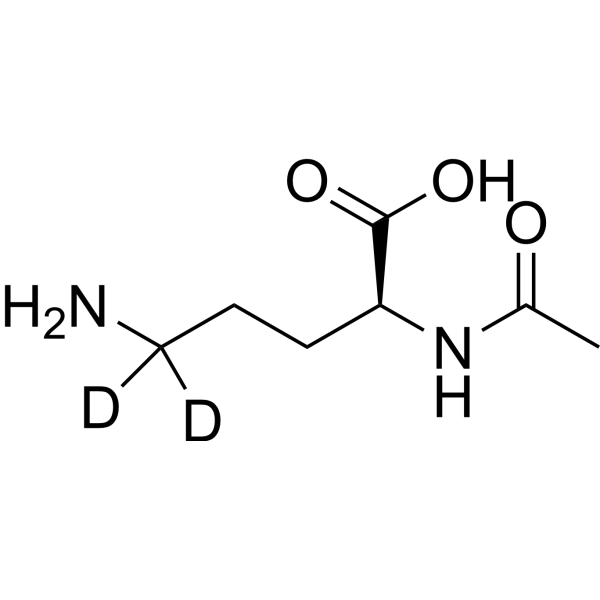
    N-Acetylornithine-d2 is the deuterium labeled N-Acetylornithine (HY-113080). N-Acetylornithine is an intermediate in the enzymatic biosynthesis of the amino acid L-arginine from L-glutamate.
    N-Acetylornithine-d2
  • HY-P3016B

    EC 2.6.1.1, Human liver; GOT, Human liver; AST, Human liver

    Aminotransferases (Transaminases) Cardiovascular Disease
    Aspartate aminotransferase (EC 2.6.1.1), Human liver is a metabolic regulator with the highest activity in the heart, liver and skeletal muscle. Aspartate aminotransferase, Human liver comprises two isozymes: the cytoplasmic form (AST1) and the mitochondrial form (AST2). By catalyzing reversible transamination reactions between oxaloacetate, L-glutamate and other substances, it is deeply involved in key physiological processes such as amino acid metabolism, the tricarboxylic acid cycle and neurotransmitter synthesis. Aspartate aminotransferase, Human liver also provides substrate support for the synthesis of urea and purines/pyrimidines. Aspartate aminotransferase, Human liver is a serum marker reflecting cardiac and hepatic injury, and its abnormal levels are also closely associated with myocardial infarction, cardiovascular diseases and various cancers .
    Aspartate aminotransferase, Human liver
  • HY-134141

    Drug Intermediate Metabolic Disease
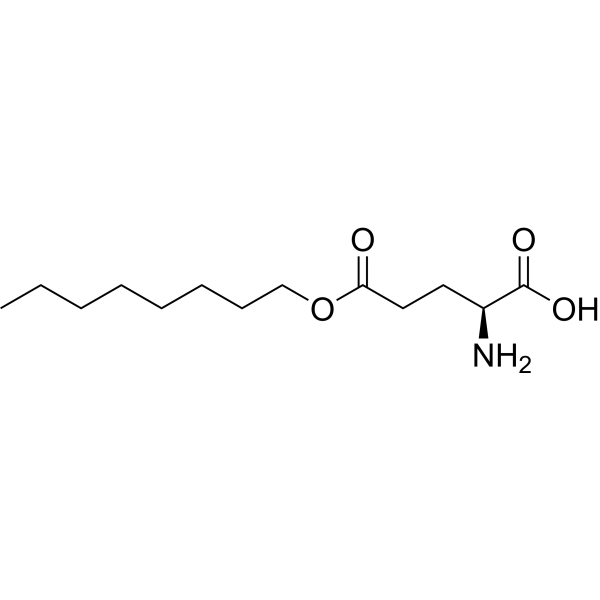
    5-Octyl hydrogen L-glutamate is cell-permeable molecule and can be used for synthesizing 5-octyl ester derivatives (5-octyl α-ketoglutarate) .
    5-Octyl hydrogen L-glutamate
  • HY-30232

    Amino Acid Derivatives Others
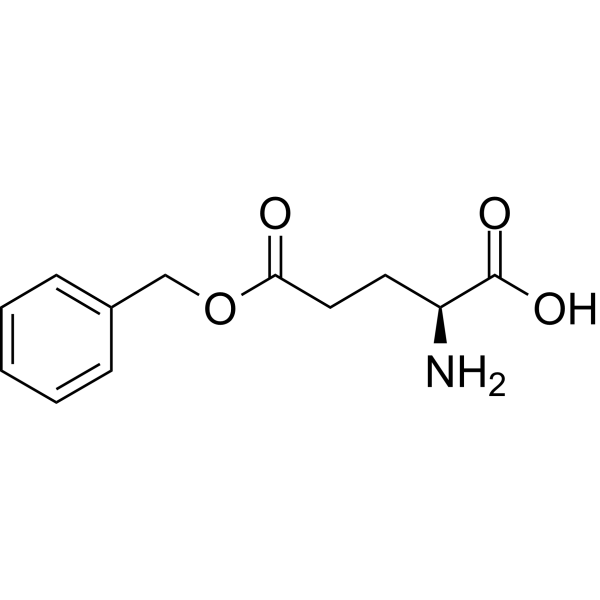
    L-Glutamate-γ-benzyl ester is a glutamic acid derivative .
    L-Glutamate-γ-benzyl ester
  • HY-107520A

    Drug Derivative Neurological Disease
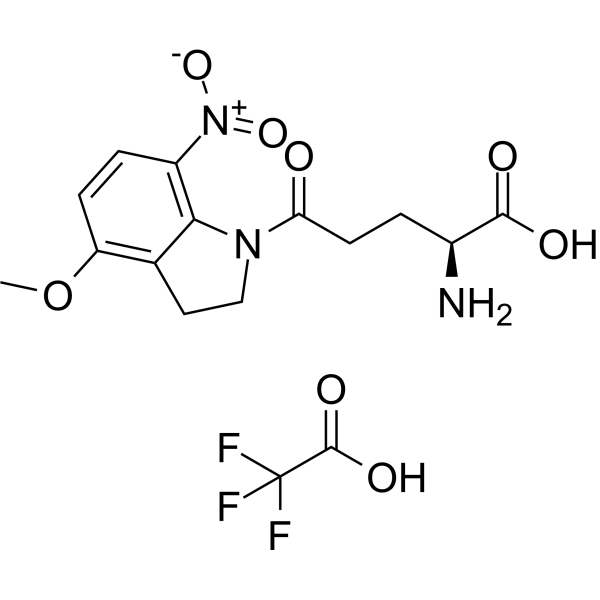
    MNI-caged-L-glutamate TFA is an inert photolabile glutamate precursor. MNI-caged-L-glutamate TFA does not modulate NMDA and AMPA receptor function in cultured neurones. MNI-caged-L-glutamate TFA can be used for research on neurotransmitters .
    MNI-caged-L-glutamate TFA
  • HY-149448

    Amino Acid Derivatives Others
    Poly-γ-benzyl-L-glutamate (MW 150000-350000) is aamino acid polymer.
    Poly-γ-benzyl-L-glutamate (MW 150000-350000)
  • HY-E70399

    5-Formiminotetrahydrofolate:L-glutamate N-formiminotransferase, FIGLU Enzymes; glutamate formimidoyltransferase

    Biochemical Assay Reagents Others
    Formimino-L-glutamic acid Transferase can convert aminomethyleneglutamic acid FIGLU and tetrahydrofolate THF into L-glutamic acid and 5-formimino-THF .
    Formimino-L-glutamic acid Transferase, porcine liver
  • HY-16973S5

    A1443-d2; AH252723-d2

    Isotope-Labeled Compounds Parasite Infection
    Fluralaner-d2 (A1443-d2) is deuterium labeled Fluralaner. Fluralaner (INN) is a systemic insecticide and acaricide Fluralaner through potent blockage of GABA and L-glutamate gated chloride channels.
    Fluralaner-d2
  • HY-16973S3

    A1443-d5; AH252723-d5

    Isotope-Labeled Compounds Parasite Infection
    Fluralaner-d5 (A1443-d5) is deuterium labeled Fluralaner. Fluralaner (INN) is a systemic insecticide and acaricide Fluralaner through potent blockage of GABA and L-glutamate gated chloride channels .
    Fluralaner-d5
  • HY-120524

    iGluR Neurological Disease
    CGP 31358 is an anticonvulsant agent that binds to a site on the NMDA receptor complex that is coupled to both the transmitter recognition site and to the channel domain. CGP 31358 inhibits the binding of L-Glutamate to the NMDA receptor complex with an IC50 of 53 μM .
    CGP 31358
  • HY-120243

    iGluR Neurological Disease
    L-Ibotenic acid is a psychoactive compound found in Amanita muscaria and related mushroom species. L-Ibotenic acid is a conformationally restricted analog of the neurotransmitter glutamate, which may be activated by different conformations of L-glutamate and is a non-selective glutamate receptor agonist .
    L-Ibotenic acid
  • HY-135131

    iGluR Neurological Disease
    Synthalin hydrochloride is a K+ channel blocker with neuronal excitability modulating activity. Synthalin hydrochloride has an effect on NMDA-mediated depolarization, possibly through receptor-mediated modulation of L-glutamate and serotonin (5-HT). The use of Synthalin hydrochloride can enhance the understanding of changes in membrane potential of different neurons and help study the role of polyamines in neuronal excitability .
    Synthalin hydrochloride
  • HY-103467

    Fluorescent Dye Others
    NPE-caged-HPTS sodium is a caged fluorophore that fluoresces upon uncaged fluorophore release, releasing the free highly polar fluorophore HPTS (Exc=470/40 nm, Em=525/50 nm). HPTS releases the fluorophore rapidly and uniformly, allowing for measurement of diffusion within tissues, with a diffusion coefficient of μm 2s -1, similar to that of synaptic L-glutamate .
    NPE-caged-HPTS sodium
  • HY-100838

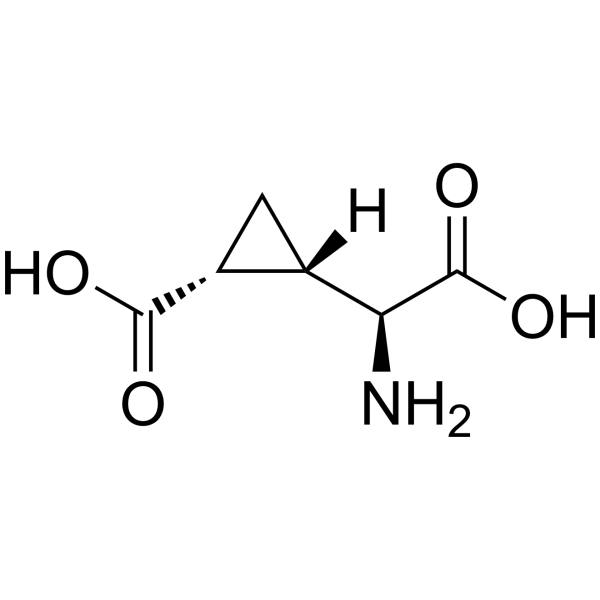
    L-CCG III

    EAAT Neurological Disease
    cis-α-(Carboxycyclopropyl)glycine (L-CCG III) is a potent, competitive glutamate uptake inhibitor. cis-α-(Carboxycyclopropyl)glycine is a substrate of glutamate transporters (GluT) (EC50: 13 μM, 2 μM for EAAT 1 and EAAT 2, respectively). cis-α-(Carboxycyclopropyl)glycine inhibits a Na +-dependent high-affinity L-glutamate uptake in glial plasmalemmal vesicles (GPV) and synaptosomes .
    cis-α-(Carboxycyclopropyl)glycine
  • HY-144382

    Bacterial Infection
    Glutamate-5-kinase-IN-2 (compound 54) is a potent glutamate-5-kinase (G5K) inhibitor with an MIC (minimum inhibitory concentration) of 4.2 μM. Glutamate-5-kinase-IN-2 shows G5K inhibition by promotes conformational changes at the L-glutamate binding site. Glutamate-5-kinase-IN-2 has the potential for the research of anti-TB agents .
    Glutamate-5-kinase-IN-2
  • HY-148611

    iGluR Neurological Disease
    NSC339614 potassium is a selective GluN1/GluN2C and GluN1/GluN2D receptor enhancer with the activity of enhancing neuronal responses to specific NMDA receptors. NSC339614 potassium can selectively enhance the signaling of GluN1/GluN2C and GluN1/GluN2D receptors without affecting other NMDA receptors. The mechanism of action of NSC339614 potassium does not compete with agonists of L-glutamate or glycine, nor does it depend on membrane potential. The activity of NSC339614 potassium depends on the specific structure of the agonist ligand binding domain, showing its potential as a novel pharmacological agent for studying the function of NMDA receptor subtypes and providing new lead compounds for a variety of neurological diseases .
    NSC339614 potassium
  • HY-N18390

    Drug Derivative Others
    5-Methyltetrahydropteroyltri-L-glutamate is a L-glutamate derivative found in Allium sativum (Hisar garlic 17) .
    5-Methyltetrahydropteroyltri-L-glutamate
  • HY-180687

    N-Formyl-L-glutamic acid

    Nucleoside Antimetabolite/Analog Metabolic Disease
    N-Formyl-L-glutamate (N-Formyl-L-glutamic acid) can be obtained from the conversion of L-histidine. N-Formyl-L-glutamate can be degraded into L-glutamate .
    N-Formyl-L-glutamate
  • HY-CE01575

    N-Acetyl-L-glutamate-coenzyme A

    Biochemical Assay Reagents Metabolic Disease
    N-Acetyl-L-glutamate-CoA (N-Acetyl-L-glutamate-coenzyme A) is a coenzyme A derivative .
    N-Acetyl-L-glutamate-CoA
  • HY-180635

    Endogenous Metabolite Metabolic Disease
    N-Succinyl-L-glutamate 5-semialdehyde is a metabolite in the glutamate metabolic pathway .
    N-Succinyl-L-glutamate 5-semialdehyde
  • HY-180637

    N-Acetyl-L-γ-glutamyl phosphate

    Nucleoside Antimetabolite/Analog Infection
    N-Acetyl-L-glutamate 5-phosphate (N-Acetyl-L-γ-glutamyl phosphate) is generated through the phosphorylation pathway of N-acetyl-L-glutamate (NAG) catalyzed by N-acetyl-l-glutamate kinase (NAGK) .
    N-Acetyl-L-glutamate 5-phosphate
  • HY-P2985B

    Endogenous Metabolite Metabolic Disease
    Alanine aminotransferase, Human (E.coli) is a pyridoxal enzyme that catalyzes the reversible interconversion of L-alanine and 2-oxoglutalate to pyruvate and L-glutamate .
    Alanine aminotransferase, Human (E.coli)
  • HY-E71339

    Biochemical Assay Reagents Others
    γ-Glutamylcyclotransferase (EC 2.3.2.4) acts on derivatives of L-glutamate, L-2-aminobutanoate, L-alanine and glycine.
    γ-Glutamylcyclotransferase
  • HY-W569837R

    Reference Standards
    (s)-3-Methyl-1-(2-(piperidin-1-yl)phenyl)butan-1-amine acetyl-l-glutamate (Standard) is the analytical standard of (s)-3-Methyl-1-(2-(piperidin-1-yl)phenyl)butan-1-amine acetyl-l-glutamate. This product is intended for research and analytical applications.
    (s)-3-Methyl-1-(2-(piperidin-1-yl)phenyl)butan-1-amine acetyl-l-glutamate (Standard)
  • HY-N14775

    Others Infection
    Lavanduquinocin is a protective agent of nerve cells and has the effect of reducing L-glutamate on cytotoxicity of neuronal hybridoma N18-RE-105 with an ED50 of 15.5 nM .
    Lavanduquinocin
  • HY-16973S4

    A1443-d3; AH252723-d3

    Isotope-Labeled Compounds Infection
    Fluralaner-d3 (A1443-d3) is deuterium labeled Fluralaner. Fluralaner (INN) is a systemic insecticide and acaricide Fluralaner through potent blockage of GABA and L-glutamate gated chloride channels.
    Fluralaner-d3
  • HY-E71087

    Biochemical Assay Reagents Others
    (R)-2-Hydroxyglutaryl-CoA dehydratase (EC 4.2.1.167) from the bacteria Acidaminococcus fermentans and Clostridium symbiosum are involved in the fermentation of L-glutamate. (R)-2-Hydroxyglutaryl-CoA dehydratase (EC 4.2.1.167) contains [4F-4S] clusters, FMNH2 and riboflavin. It must be activated by an activator protein. Once activated, it can catalyse many turnovers.
    (R)-2-Hydroxyglutaryl-CoA dehydratase

Inquiry Online

Your information is safe with us. * Required Fields.

Salutation


Country or Region *

Applicant Name *


Organization Name *

Department *


Email Address *


Product Name *

Cat. No.


Requested quantity *

Phone Number *


Remarks

Inquiry Online

Inquiry Information

Product Name:
Cat. No.:
Quantity:
MCE Japan Authorized Agent: