Search Result
Results for "
pseudo-
" in MedChemExpress (MCE) Product Catalog:
3
Biochemical Assay Reagents
| Cat. No. |
Product Name |
Target |
Research Areas |
Chemical Structure |
-
- HY-101564
-
Onametostat
Maximum Cited Publications
10 Publications Verification
JNJ-64619178
|
Histone Methyltransferase
|
Cancer
|
|
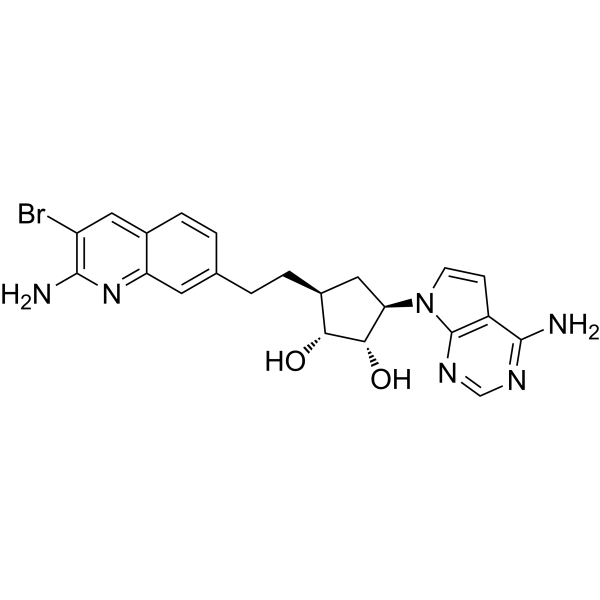
Onametostat (JNJ-64619178) is a selective, orally active and pseudo-irreversible protein arginine methyltransferase 5 (PRMT5) inhibitor with an IC50 of 0.14 nM. Onametostat has potent activity in lung cancer .
|
-
-
- HY-112582C
-
|
1-Methylpseudouridine-5′-triphosphate trisodium; N1-Me-pseudo UTP trisodium; N1-Methyl-pseudo-UTP trisodium
|
Nucleoside Antimetabolite/Analog
DNA/RNA Synthesis
|
Cardiovascular Disease
|
|
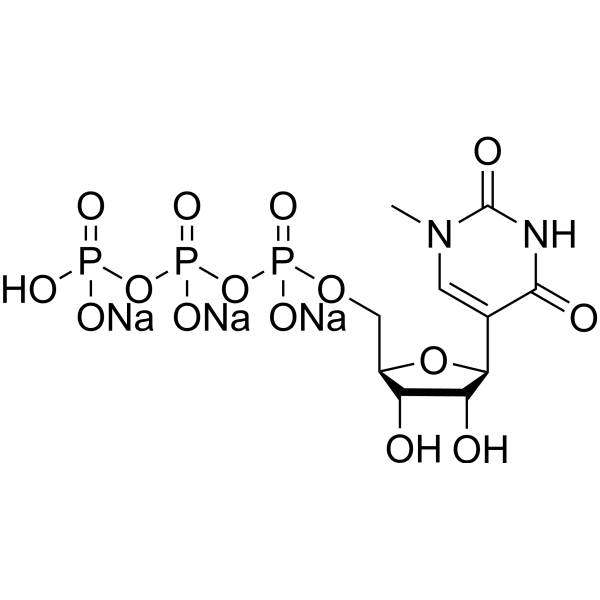
N1-Methylpseudouridine-5′-triphosphate (1-Methylpseudouridine-5′-triphosphate) trisodium solution (100 mM) is a nucleobase-modified nucleotide. N1-Methylpseudouridine-5′-triphosphate (1-Methylpseudouridine-5′-triphosphate) trisodium solution (100 mM) is used for synthesizing mRNA with reduced immunogenicity and improved stability .
|
-
-
- HY-14151
-
|
|
5-HT Receptor
Apoptosis
Autophagy
|
Neurological Disease
Cancer
|
|
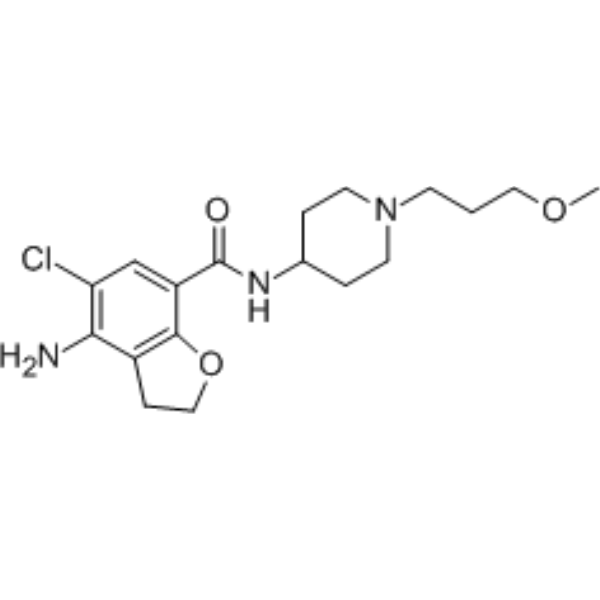
Prucalopride is an orally active, selective and specific 5-HT 4 receptor agonist (high affinity), with pKis of 8.6 and 8.1 for human 5-HT4a/4b receptors, respectively. Prucalopride improves intestinal motility by promoting regeneration of the intestinal nervous system in rats. Prucalopride also shows anticancer activity by blocking of the PI3K/AKT/mTor signaling pathway. Prucalopride can be used in studies of chronic constipation, pseudo-intestinal obstruction and cancer .
|
-
-
- HY-153079
-
|
|
mRNA
|
Others
|
|
eGFP mRNA (N1-Me-Pseudo UTP) will express green fluorescent protein, originally isolated from the jellyfish, Aequorea victoria. The eGFP is a commonly used direct detection reporter in mammalian cell culture, yielding bright green fluorescence. The substitution with N1-Me-Pseudo UTP (m1Ψ) improves protein expression and reduces innate immune response.
|
-
-
- HY-12694
-
|
R-108512
|
5-HT Receptor
Apoptosis
Autophagy
|
Metabolic Disease
Cancer
|
|
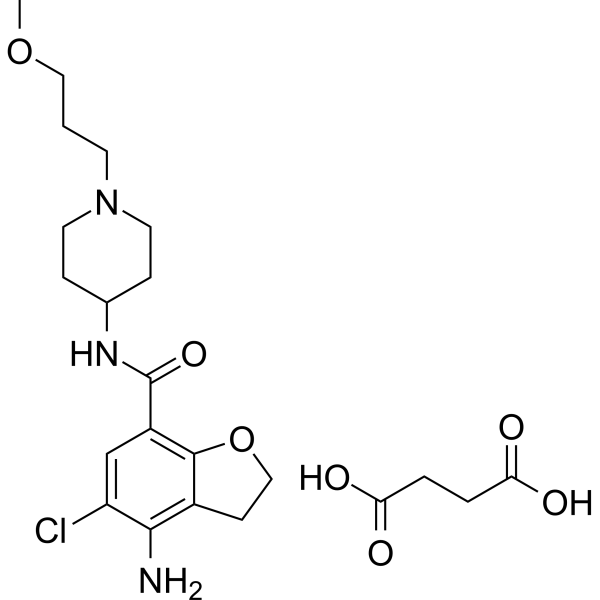
Prucalopride succinate is an orally active, selective and specific 5-HT 4 receptor agonist (high affinity), with pKis of 8.6 and 8.1 for human 5-HT4a/4b receptors, respectively. Prucalopride succinate improves intestinal motility by promoting regeneration of the intestinal nervous system in rats. Prucalopride succinate also shows anticancer activity by blocking of the PI3K/AKT/mTor signaling pathway. Prucalopride succinate can be used in studies of chronic constipation, pseudo-intestinal obstruction and cancer .
|
-
-
- HY-153083
-
|
|
mRNA
SARS-CoV
|
Infection
|
|
COVID-19 Spike Protein mRNA (N1-Me-Pseudo UTP) is an mRNA encoding the SARS-CoV-2 spike protein with enhanced performance via chemical modification. COVID-19 Spike Protein mRNA (N1-Me-Pseudo UTP) replaces natural uridine (UTP) with N1-Me-Pseudo UTP, which effectively reduces immunogenicity and improves stability and translation efficiency. The 3' UTR of COVID-19 Spike Protein mRNA (N1-Me-Pseudo UTP) optimizes AU-rich elements through HuR anchor sites, exhibiting higher translation efficiency. COVID-19 Spike Protein mRNA is widely used in COVID-19-related scientific research and vaccine development .
|
-
-
- HY-153080
-
|
|
Fluorescent Dye
mRNA
|
Others
|
|
Firefly Luciferase mRNA (N1-Me-Pseudo UTP) is a modified form of firefly luciferase mRNA, which is N1-methylated pseudo uridine (N1-Me-Pseudo UTP). Firefly Luciferase mRNA (N1-Me-Pseudo UTP) is a commonly used reporter molecule in biomedical and mRNA research and its core function is to rapidly and quantitatively monitor the expression and delivery efficiency of mRNA through the emission of light signals .
|
-
-
- HY-114298
-
|
|
Endogenous Metabolite
|
Neurological Disease
|
|
7-Dehydro desmosterol is a sterol and an intermediate in cholesterol biosynthesis, which is found in the marine diatom Pseudo-nitzschia multistriata and the nervous system of rodents .
|
-

-
- HY-141567A
-
|
pseudo-UTP trisodium solution (100 mM)
|
DNA/RNA Synthesis
|
Infection
|
|
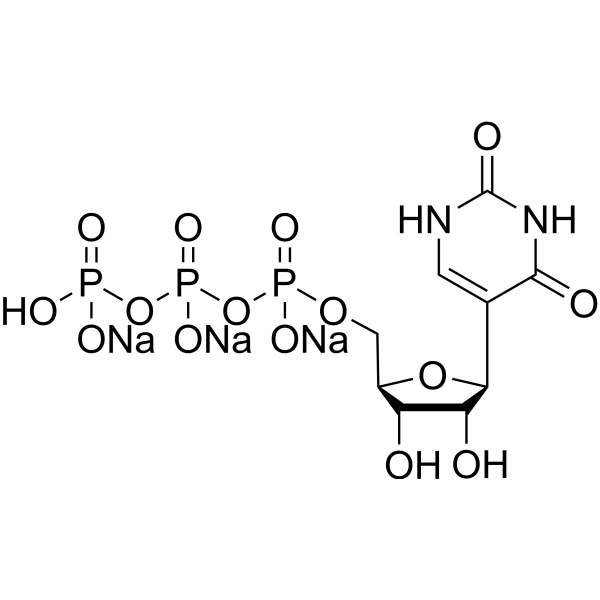
Pseudouridine 5'-triphosphate (Pseudo-UTP) trisodium solution (100 mM) is a modified ribonucleoside triphosphate and uracil base-modified UTP derivative. Pseudouridine 5'-triphosphate trisodium solution (100 mM) enhances translational properties and stability of mRNA, reduces innate immune responses in mammalian cells, and inhibits signal-dependent transcription termination of vaccinia virus early gene transcription while supporting transcription elongation. Pseudouridine 5'-triphosphate trisodium solution (100 mM) can be used for the research of vaccinia virus infection .
|
-
-
- HY-151657
-
|
|
ADC Linker
|
Others
|
|
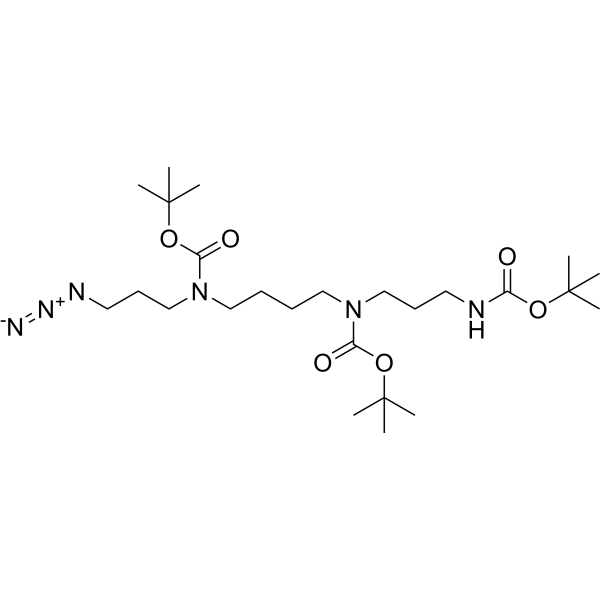
Spermine(N3BBB) is a tri-Boc-protected azido-spermine reagent used for multi-functionalization of pseudo-glycodendrimers via click reaction .
|
-
-
- HY-N2173
-
|
|
Others
|
Cardiovascular Disease
Inflammation/Immunology
|
|
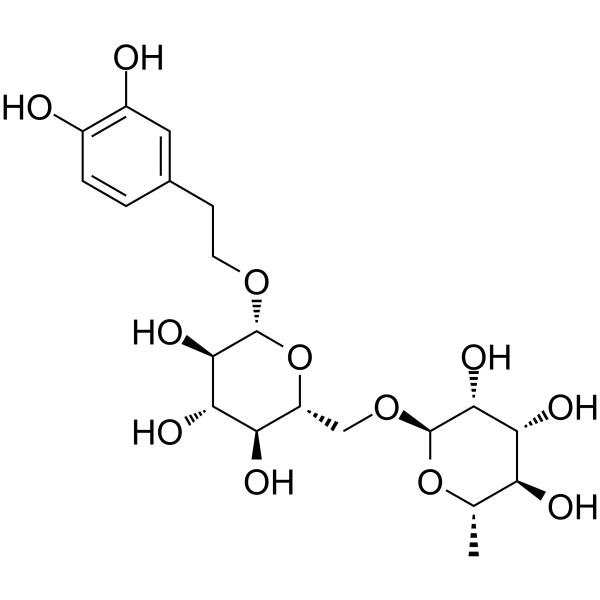
Forsythoside E is a phenylethanoid glycoside compound. Forsythoside E can be isolated from Shuanghuanglian. Forsythoside E does not induce vascular leakage or promote histamine release in mice. Forsythoside E does not cause pseudo-allergic reactions .
|
-
-
- HY-118177
-
|
|
Elastase
Thrombin
Ser/Thr Protease
|
Inflammation/Immunology
|
|
Neutrophil elastase inhibitor 1 is a competitive, pseudo-reversible inhibitor of human neutrophil elastase (HNE) with an IC50 of 7 nM. Neutrophil elastase inhibitor 1 also exhibits inhibitory activity against thrombin, chymotrypsin and urokinase, with IC50 values of 1.9 μM, 66 nM and 6.6 μM, respectively. Neutrophil elastase inhibitor 1 can be used in research related to acute respiratory distress syndrome, chronic obstructive pulmonary disease and other conditions .
|
-

-
- HY-120423
-
|
|
Cannabinoid Receptor
|
Neurological Disease
|
|
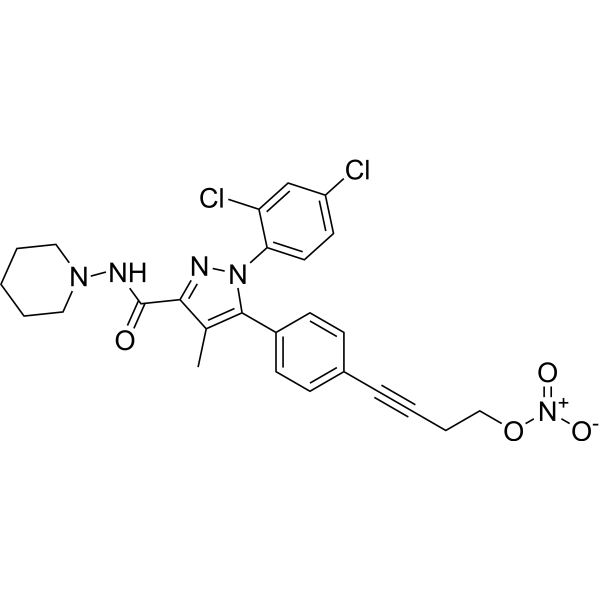
AM6538 is a long-acting, high affinity and pseudo-irreversible cannabinoid (CB) antagonist. AM6538 is a structural analog of rimonabant. AM6538 can be effectively used to evaluate the apparent efficacy of cannabinoid full and partial agonists. AM6538 may be useful in future studies that require temporary reductions in cannabinoid receptor availability . AM-6538 is a click chemistry reagent, it contains an Alkyne group and can undergo copper-catalyzed azide-alkyne cycloaddition (CuAAc) with molecules containing Azide groups.
|
-
-
- HY-171493
-
|
|
Biochemical Assay Reagents
|
Others
|
|
mCherry mRNA(N1-Me-Pseudo UTP) is a reporter mRNA encoding a red fluorescent protein, suitable for gene expression analysis, cell viability assays, and in vivo imaging. mCherry, derived from mushroom coral, is a widely used red fluorescent protein tracer in biotechnology applications.
|
-

-
- HY-W014081
-
|
Ethyl 2-oxo-2H-chromene-3-carboxylate
|
Drug Derivative
|
Others
|
|
Ethyl 3-coumarincarboxylate is a coumarin derivative. Ethyl 3-coumarincarboxylate can be used as a pseudo-template to give a molecularly imprinted polymer (MIP) that has a fairly specific recognition capability for aflatoxins .
|
-

-
- HY-141567
-
|
pseudo-UTP
|
DNA/RNA Synthesis
|
Infection
|
|
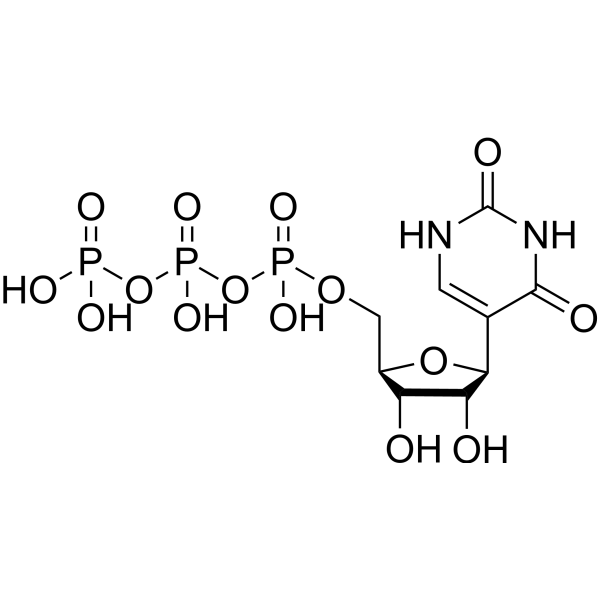
Pseudouridine 5'-triphosphate (Pseudo-UTP) is a modified ribonucleoside triphosphate and uracil base-modified UTP derivative. Pseudouridine 5'-triphosphate enhances translational properties and stability of mRNA, reduces innate immune responses in mammalian cells, and inhibits signal-dependent transcription termination of vaccinia virus early gene transcription while supporting transcription elongation. Pseudouridine 5'-triphosphate can be used for the research of vaccinia virus infection .
|
-
-
- HY-P1746
-
|
PKC (19-31)
|
PKC
|
Inflammation/Immunology
|
|
Protein Kinase C (19-31), a peptide inhibitor of protein kinase C (PKC), derived from the pseudo-substrate regulatory domain of PKCa (residues 19-31), is used as protein kinase C substrate peptide for testing the protein kinase C activity .
|
-

-
- HY-143792
-
|
|
Huntingtin
P-glycoprotein
|
Neurological Disease
|
|
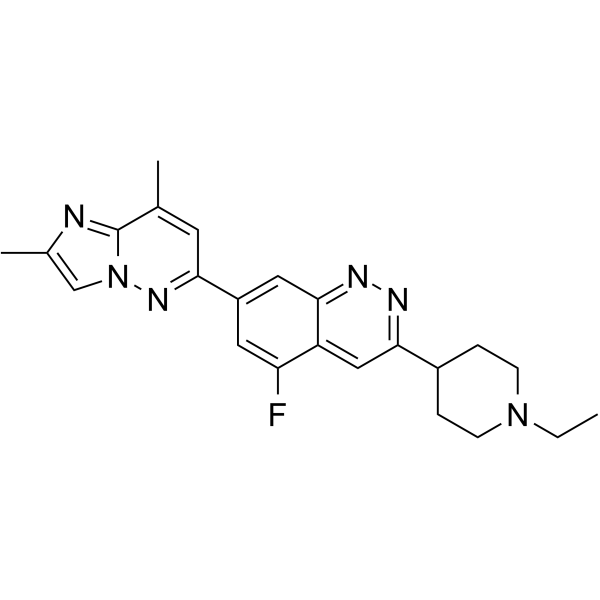
HTT-D3 is an orally active, blood-brain barrier penetrant splicing modulator of huntingtin (HTT). HTT-D3 promotes the inclusion of a pseudo-exon containing a premature termination codon into HTT pre-mRNA, triggers nonsense-mediated mRNA degradation and reduces HTT protein levels. HTT-D3 induces dose-dependent, comparable reductions in mutant HTT protein in both the brain and peripheral tissues of transgenic mouse models. HTT-D3 can be used for the research of Huntington's disease .
|
-
-
- HY-144623
-
|
|
SARS-CoV
|
Infection
|
|
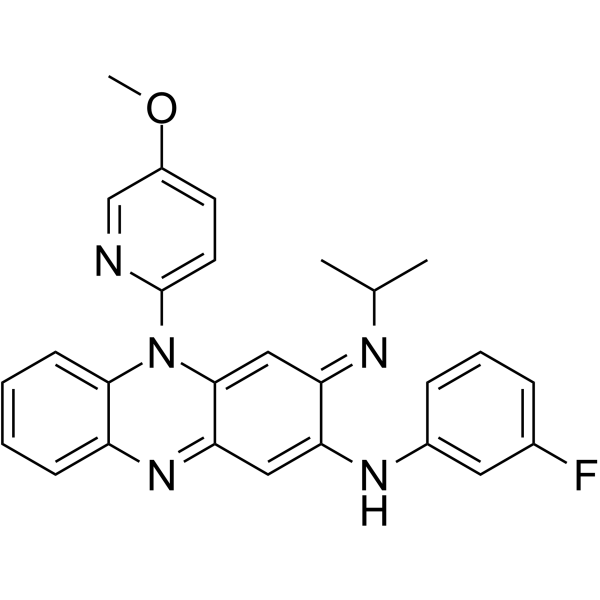
Antiviral agent 15 (Compound 15f) is a Clofazimine derivative with antiviral effects. Antiviral agent 15 inhibits both rabies virus and pseudo-typed SARS-CoV-2 with EC50 values of 1.45 μM and 14.6 μM, respectively .
|
-
-
- HY-P1088
-
|
|
PKC
|
Others
|
|
[Ser25] Protein Kinase C (19-31) is a substrate of protein kinase C (PKC) (Km: 0.3 μM). [Ser25] Protein Kinase C (19-31) is derived from the pseudo-substrate regulatory domain of PKCα (19-31) with a Serine at position 25 replacing the wild-type Alanine .
|
-
![[Ser25] Protein Kinase C (19-31)](//file.medchemexpress.com/product_pic/hy-p1088.gif)
-
- HY-P11454
-
|
|
Bacterial
|
Infection
|
|
PSM-mec peptide is a peptide toxin belonging to the phenol-soluble modulin (PSM) superfamily. PSM-mec peptide is encoded by the psm-mec gene and associated with the methicillin resistance gene element (SCCmec). PSM-mec peptide has pro-inflammatory, cytolytic functions and the role of regulating the structure of biofilms. PSM-mec peptide can be mainly used for the pathogenic mechanism and drug resistance research of canine pseudo-intermediate Staphylococcus (S. pseudintermedius) related infections and zoonotic diseases .
|
-

-
- HY-176767
-
|
|
Mas-related G-protein-coupled Receptor (MRGPR)
|
Inflammation/Immunology
|
|
MrgprX2-IN-1 (Compound 2-10) is a selective Mas-related G-protein coupled receptor X2 (MRGPRX2) antagonist. MrgprX2-IN-1 blocks IgE-independent immune responses by inhibiting MRGPRX2-mediated mast cell degranulation and release of inflammatory mediators. MrgprX2-IN-1 is promising for research of pseudo-allergic reactions, chronic pruritus, and inflammatory diseases .
|
-

-
- HY-176768
-
|
|
Mas-related G-protein-coupled Receptor (MRGPR)
|
Inflammation/Immunology
|
|
MrgprX2-IN-2 (Compound example 12) is a selective Mas-related G-protein coupled receptor X2 (MRGPRX2) antagonist. MrgprX2-IN-2 blocks IgE-independent immune responses by inhibiting MRGPRX2-mediated mast cell degranulation and release of inflammatory mediators. MrgprX2-IN-2 is promising for research of pseudo-allergic reactions, chronic pruritus, and inflammatory diseases .
|
-

-
- HY-135698
-
|
M-CAM
|
Opioid Receptor
|
Neurological Disease
|
|
Methocinnamox (M-CAM) a selective and long-acting μ-opioid receptor (MOR) antagonist with a Ki of 0.6 nM. Methocinnamox binds to the orthosteric site of the MOR in a pseudo-irreversible, non-covalent manner, resulting in prolonged receptor blockade that persists until new receptors are synthesized. Methocinnamox acts as a reversible antagonist at both the kappa-opioid receptor (KOR) (Ki = 4.9 nM) and delta-opioid receptor (DOR) (Ki = 2.2 nM), and it exhibits no intrinsic agonist activity at these receptors. Methocinnamox can be used to reverse and prevent opioid overdose and addiction .
|
-

-
- HY-12694R
-
|
R-108512 (Standard)
|
5-HT Receptor
Apoptosis
Autophagy
Reference Standards
|
Metabolic Disease
Cancer
|
|
Prucalopride (succinate) (Standard) is the analytical standard of Prucalopride (succinate). This product is intended for research and analytical applications. Prucalopride succinate is an orally active, selective and specific 5-HT 4 receptor agonist (high affinity), with pKis of 8.6 and 8.1 for human 5-HT4a/4b receptors, respectively. Prucalopride succinate improves intestinal motility by promoting regeneration of the intestinal nervous system in rats. Prucalopride succinate also shows anticancer activity by blocking of the PI3K/AKT/mTor signaling pathway. Prucalopride succinate can be used in studies of chronic constipation, pseudo-intestinal obstruction and cancer .
|
-

-
- HY-163037
-
-
-
- HY-P1371
-
|
KKWKMRRNQFWIKIQRC CSVEIWD*
|
PKC
|
Others
|
|
Pseudo RACK1, a peptide, is a PKC agonist with homologous sequences of PKC. Pseudo RACK1 interacts selectively with β-PKC at an autoregulatory site (RACK-binding site) and activates it in the absence of PKC activators, following inducing PKC-mediated histone phosphorylation .
|
-

-
- HY-174500
-
|
|
mRNA
|
Others
|
|
eSpCas9 mRNA (N1-Me-Pseudo UTP) can express SpCas9 protein with higher specificity.
|
-

-
- HY-125571
-
|
|
HIV Protease
|
Infection
|
|
A 74704 is a pseudo C2-symmetric inhibitor of HIV-1 protease and its diester analog .
|
-

-
- HY-152232
-
|
|
Cholinesterase (ChE)
|
Cancer
|
|
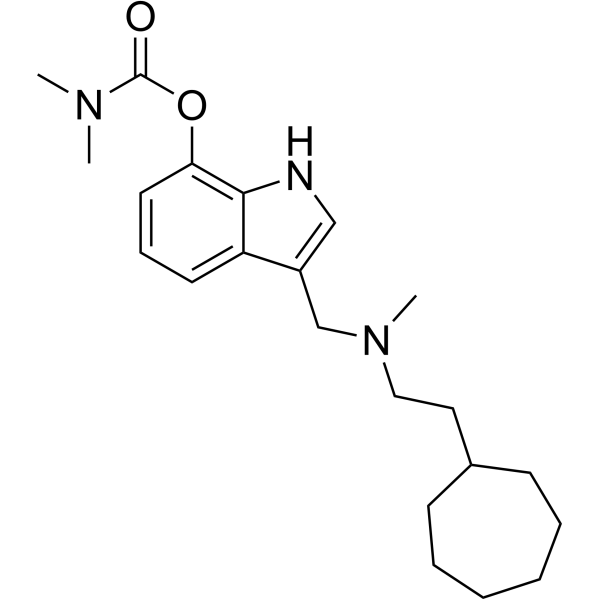
BChE-IN-15 (Compound 6) is a pseudo-irreversible and covalent BChE inhibitor with an IC50 of 1.76 nM against hBChE .
|
-
-
- HY-131616
-
|
|
Reactive Oxygen Species (ROS)
|
Inflammation/Immunology
|
|
Ethyl α-eleostearate is isolated from the ethanolic extract of Pseudo-nitzschia australis (PAEE). The PAEE of Pseudomonas australis has anti-neuroinflammatory effects, inhibiting intracellular ROS as well as pro-inflammatory mediators and cytokines .
|
-

-
- HY-P1746A
-
|
PKC (19-31) TFA
|
PKC
|
Inflammation/Immunology
|
|
Protein Kinase C (19-31) TFA, a peptide inhibitor of protein kinase C (PKC), derived from the pseudo-substrate regulatory domain of PKCa (residues 19-31), is used as protein kinase C substrate peptide for testing the protein kinase C activity .
|
-

-
- HY-14152
-
|
|
5-HT Receptor
|
Cancer
|
|
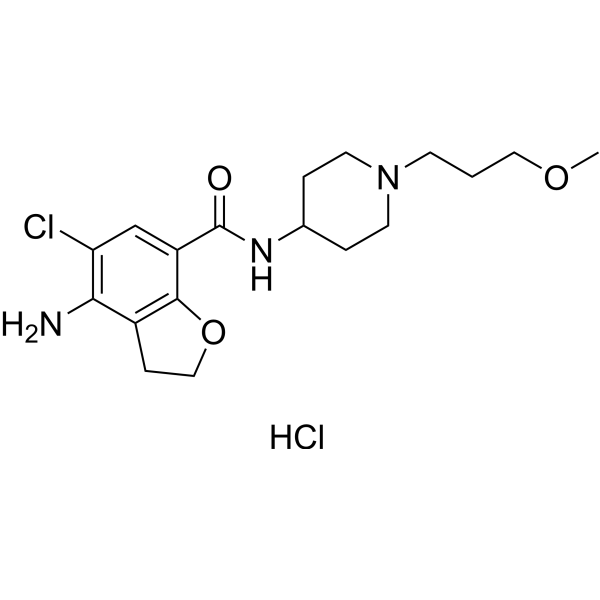
Prucalopride hydrochloride is an orally active, selective and specific 5-HT4 receptor agonist (high affinity), with pKis of 8.6 and 8.1 for human 5-HT4a/4b receptors, respectively. Prucalopride hydrochloride improves intestinal motility by promoting regeneration of the intestinal nervous system in rats. Prucalopride hydrochloride also shows anticancer activity by blocking of the PI3K/AKT/mTor signaling pathway. Prucalopride hydrochloride can be used in studies of chronic constipation, pseudo-intestinal obstruction and cancer .
|
-
-
- HY-14151R
-
|
|
Reference Standards
5-HT Receptor
Apoptosis
Autophagy
|
Neurological Disease
Cancer
|
|
Prucalopride (Standard) is the analytical standard of Prucalopride. This product is intended for research and analytical applications. Prucalopride is an orally active, selective and specific 5-HT 4 receptor agonist (high affinity), with pKis of 8.6 and 8.1 for human 5-HT4a/4b receptors, respectively. Prucalopride improves intestinal motility by promoting regeneration of the intestinal nervous system in rats. Prucalopride also shows anticancer activity by blocking of the PI3K/AKT/mTor signaling pathway. Prucalopride can be used in studies of chronic constipation, pseudo-intestinal obstruction and cancer .
|
-

-
- HY-202321
-
-

-
- HY-181891
-
-

-
- HY-101564R
-
|
JNJ-64619178 (Standard)
|
Histone Methyltransferase
Reference Standards
|
Cancer
|
|
Onametostat (Standard) is the analytical standard of Onametostat (HY-101564). This product is intended for research and analytical applications. Onametostat (JNJ-64619178) is a selective, orally active and pseudo-irreversible protein arginine methyltransferase 5 (PRMT5) inhibitor with an IC50 of 0.14 nM. Onametostat has potent activity in lung cancer .
|
-

-
- HY-P11691
-
|
|
Biochemical Assay Reagents
|
Others
|
|
Fmoc-PNA-D (tetraBoc)-OH is an Fmoc/Boc-protected diaminopurine peptide nucleic acid (PNA) monomer suitable for standard Fmoc solid-phase synthesis. Fmoc-PNA-D (tetraBoc)-OH carries Boc-protected exocyclic amino groups and can be incorporated into pseudo-complementary PNA oligomers for applications in antigenic peptide nucleic acid and DNA nanotechnology research .
|
-

-
- HY-150359
-
|
Beta-galactosidase mRNA (N1-Methylpseudo-UTP)
|
mRNA
|
Others
|
|
β-galactosidase mRNA (N1-Methylpseudo-UTP) encodes β-galactosidase, a protein product of the bacterial LacZ gene. β-galactosidase catalyzes the conversion of β-galactosides into monosaccharides which could be used as a common marker to assess transfection efficiency. The incorporation of N1-Methyl-pseudo-UTP can reduce the immunogenicity of the resulting mRNA.
|
-

-
- HY-181865
-
|
|
Cholinesterase (ChE)
Drug Intermediate
|
Neurological Disease
|
|
BuChE-IN-22 is a pseudo-irreversible butyrylcholinesterase (BuChE) inhibitor, with IC50 values of 4 nM and 157 nM against hBuChE and hAChE, respectively. It also acts as a prodrug of 7-hydroxysertraline. BuChE-IN-22 releases 7-hydroxysertraline during BuChE inhibition. BuChE-IN-22 completely reverses Aβ25-35-induced short-term and long-term memory impairments in a mouse model of Alzheimer's disease. BuChE-IN-22 can be used in research related to Alzheimer's disease .
|
-

| Cat. No. |
Product Name |
Type |
-
- HY-112582C
-
|
1-Methylpseudouridine-5′-triphosphate trisodium; N1-Me-pseudo UTP trisodium; N1-Methyl-pseudo-UTP trisodium
|
Biochemical Assay Reagents
|
|
N1-Methylpseudouridine-5′-triphosphate (1-Methylpseudouridine-5′-triphosphate) trisodium solution (100 mM) is a nucleobase-modified nucleotide. N1-Methylpseudouridine-5′-triphosphate (1-Methylpseudouridine-5′-triphosphate) trisodium solution (100 mM) is used for synthesizing mRNA with reduced immunogenicity and improved stability .
|
-
- HY-141567A
-
|
pseudo-UTP trisodium solution (100 mM)
|
Biochemical Assay Reagents
|
|
Pseudouridine 5'-triphosphate (Pseudo-UTP) trisodium solution (100 mM) is a modified ribonucleoside triphosphate and uracil base-modified UTP derivative. Pseudouridine 5'-triphosphate trisodium solution (100 mM) enhances translational properties and stability of mRNA, reduces innate immune responses in mammalian cells, and inhibits signal-dependent transcription termination of vaccinia virus early gene transcription while supporting transcription elongation. Pseudouridine 5'-triphosphate trisodium solution (100 mM) can be used for the research of vaccinia virus infection .
|
-
- HY-141567
-
|
pseudo-UTP
|
Biochemical Assay Reagents
|
|
Pseudouridine 5'-triphosphate (Pseudo-UTP) is a modified ribonucleoside triphosphate and uracil base-modified UTP derivative. Pseudouridine 5'-triphosphate enhances translational properties and stability of mRNA, reduces innate immune responses in mammalian cells, and inhibits signal-dependent transcription termination of vaccinia virus early gene transcription while supporting transcription elongation. Pseudouridine 5'-triphosphate can be used for the research of vaccinia virus infection .
|
| Cat. No. |
Product Name |
Target |
Research Area |
-
- HY-P1746
-
|
PKC (19-31)
|
PKC
|
Inflammation/Immunology
|
|
Protein Kinase C (19-31), a peptide inhibitor of protein kinase C (PKC), derived from the pseudo-substrate regulatory domain of PKCa (residues 19-31), is used as protein kinase C substrate peptide for testing the protein kinase C activity .
|
-
- HY-P1088
-
|
|
PKC
|
Others
|
|
[Ser25] Protein Kinase C (19-31) is a substrate of protein kinase C (PKC) (Km: 0.3 μM). [Ser25] Protein Kinase C (19-31) is derived from the pseudo-substrate regulatory domain of PKCα (19-31) with a Serine at position 25 replacing the wild-type Alanine .
|
-
- HY-P11454
-
|
|
Bacterial
|
Infection
|
|
PSM-mec peptide is a peptide toxin belonging to the phenol-soluble modulin (PSM) superfamily. PSM-mec peptide is encoded by the psm-mec gene and associated with the methicillin resistance gene element (SCCmec). PSM-mec peptide has pro-inflammatory, cytolytic functions and the role of regulating the structure of biofilms. PSM-mec peptide can be mainly used for the pathogenic mechanism and drug resistance research of canine pseudo-intermediate Staphylococcus (S. pseudintermedius) related infections and zoonotic diseases .
|
-
- HY-P1371
-
|
KKWKMRRNQFWIKIQRC CSVEIWD*
|
PKC
|
Others
|
|
Pseudo RACK1, a peptide, is a PKC agonist with homologous sequences of PKC. Pseudo RACK1 interacts selectively with β-PKC at an autoregulatory site (RACK-binding site) and activates it in the absence of PKC activators, following inducing PKC-mediated histone phosphorylation .
|
-
- HY-P1746A
-
|
PKC (19-31) TFA
|
PKC
|
Inflammation/Immunology
|
|
Protein Kinase C (19-31) TFA, a peptide inhibitor of protein kinase C (PKC), derived from the pseudo-substrate regulatory domain of PKCa (residues 19-31), is used as protein kinase C substrate peptide for testing the protein kinase C activity .
|
-
- HY-P11691
-
|
|
Biochemical Assay Reagents
|
Others
|
|
Fmoc-PNA-D (tetraBoc)-OH is an Fmoc/Boc-protected diaminopurine peptide nucleic acid (PNA) monomer suitable for standard Fmoc solid-phase synthesis. Fmoc-PNA-D (tetraBoc)-OH carries Boc-protected exocyclic amino groups and can be incorporated into pseudo-complementary PNA oligomers for applications in antigenic peptide nucleic acid and DNA nanotechnology research .
|
| Cat. No. |
Product Name |
Category |
Target |
Chemical Structure |
| Cat. No. |
Compare |
Product Name |
Application |
Reactivity |
Image |
Compare Products
|
| Products |
|
| Cat. No. |
|
| Host |
|
| Reactivity |
|
| Application |
|
Dilution
Ratio |
|
| Molecular Weight |
|
| Conjugation |
|
| Clonality |
|
| Immunogen |
|
| Appearance |
|
| Isotype |
|
| Gene ID |
|
| SwissProt ID |
|
| Purity |
|
| Formulation |
|
| Free Sample |
Yes
No
|
| Size |
* This product has been "discontinued".
Optimized version of product available:
|
| Cat. No. |
Product Name |
|
Classification |
-
- HY-151657
-
|
|
|
Azide
|
|
Spermine(N3BBB) is a tri-Boc-protected azido-spermine reagent used for multi-functionalization of pseudo-glycodendrimers via click reaction .
|
| Cat. No. |
Product Name |
|
Classification |
-
- HY-153079
-
|
|
|
mRNA
|
|
eGFP mRNA (N1-Me-Pseudo UTP) will express green fluorescent protein, originally isolated from the jellyfish, Aequorea victoria. The eGFP is a commonly used direct detection reporter in mammalian cell culture, yielding bright green fluorescence. The substitution with N1-Me-Pseudo UTP (m1Ψ) improves protein expression and reduces innate immune response.
|
-
- HY-153083
-
|
|
|
mRNA
Antigens
|
|
COVID-19 Spike Protein mRNA (N1-Me-Pseudo UTP) is an mRNA encoding the SARS-CoV-2 spike protein with enhanced performance via chemical modification. COVID-19 Spike Protein mRNA (N1-Me-Pseudo UTP) replaces natural uridine (UTP) with N1-Me-Pseudo UTP, which effectively reduces immunogenicity and improves stability and translation efficiency. The 3' UTR of COVID-19 Spike Protein mRNA (N1-Me-Pseudo UTP) optimizes AU-rich elements through HuR anchor sites, exhibiting higher translation efficiency. COVID-19 Spike Protein mRNA is widely used in COVID-19-related scientific research and vaccine development .
|
-
- HY-153080
-
|
|
|
mRNA
|
|
Firefly Luciferase mRNA (N1-Me-Pseudo UTP) is a modified form of firefly luciferase mRNA, which is N1-methylated pseudo uridine (N1-Me-Pseudo UTP). Firefly Luciferase mRNA (N1-Me-Pseudo UTP) is a commonly used reporter molecule in biomedical and mRNA research and its core function is to rapidly and quantitatively monitor the expression and delivery efficiency of mRNA through the emission of light signals .
|
-
- HY-141567A
-
|
pseudo-UTP trisodium solution (100 mM)
|
|
Nucleotide Analogs
|
|
Pseudouridine 5'-triphosphate (Pseudo-UTP) trisodium solution (100 mM) is a modified ribonucleoside triphosphate and uracil base-modified UTP derivative. Pseudouridine 5'-triphosphate trisodium solution (100 mM) enhances translational properties and stability of mRNA, reduces innate immune responses in mammalian cells, and inhibits signal-dependent transcription termination of vaccinia virus early gene transcription while supporting transcription elongation. Pseudouridine 5'-triphosphate trisodium solution (100 mM) can be used for the research of vaccinia virus infection .
|
-
- HY-171493
-
|
|
|
mRNA
|
|
mCherry mRNA(N1-Me-Pseudo UTP) is a reporter mRNA encoding a red fluorescent protein, suitable for gene expression analysis, cell viability assays, and in vivo imaging. mCherry, derived from mushroom coral, is a widely used red fluorescent protein tracer in biotechnology applications.
|
-
- HY-141567
-
|
pseudo-UTP
|
|
Nucleotide Analogs
|
|
Pseudouridine 5'-triphosphate (Pseudo-UTP) is a modified ribonucleoside triphosphate and uracil base-modified UTP derivative. Pseudouridine 5'-triphosphate enhances translational properties and stability of mRNA, reduces innate immune responses in mammalian cells, and inhibits signal-dependent transcription termination of vaccinia virus early gene transcription while supporting transcription elongation. Pseudouridine 5'-triphosphate can be used for the research of vaccinia virus infection .
|
-
- HY-174500
-
|
|
|
mRNA
Gene Editing
|
|
eSpCas9 mRNA (N1-Me-Pseudo UTP) can express SpCas9 protein with higher specificity.
|
-
- HY-202321
-
|
|
|
Phosphoramidites
Uracil
|
|
Pseudo-u-2ome-evp-pom phosphoramidite is a phosphoramidite that can be used in the synthesis of oligonucleotides.
|
-
- HY-150359
-
|
Beta-galactosidase mRNA (N1-Methylpseudo-UTP)
|
|
mRNA
Reporter Genes
|
|
β-galactosidase mRNA (N1-Methylpseudo-UTP) encodes β-galactosidase, a protein product of the bacterial LacZ gene. β-galactosidase catalyzes the conversion of β-galactosides into monosaccharides which could be used as a common marker to assess transfection efficiency. The incorporation of N1-Methyl-pseudo-UTP can reduce the immunogenicity of the resulting mRNA.
|
Your information is safe with us. * Required Fields.
Inquiry Information
- Product Name:
- Cat. No.:
- Quantity:
- MCE Japan Authorized Agent:





![[Ser25] Protein Kinase C (19-31)](http://file.medchemexpress.com/product_pic/hy-p1088.gif)








