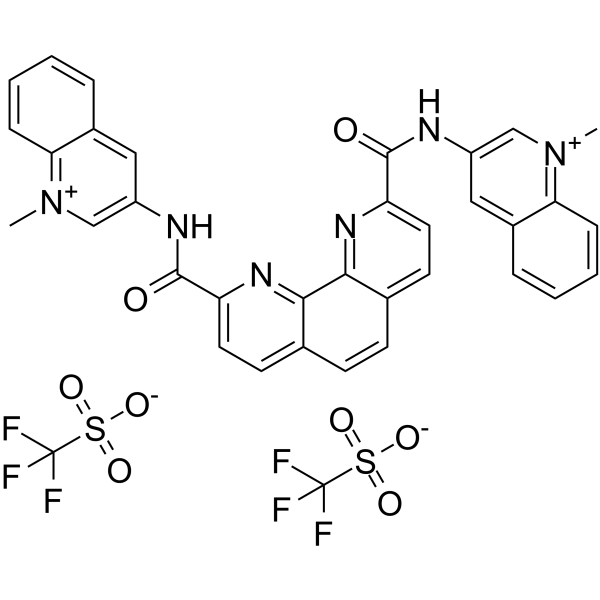
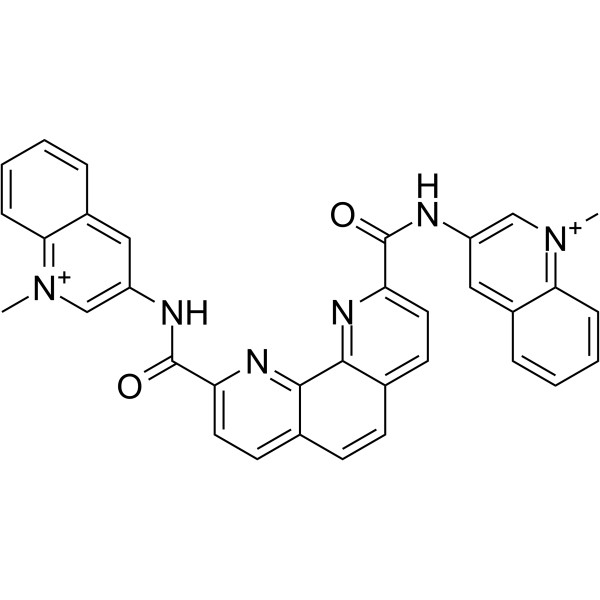
Phen-DC3 Trifluoromethanesulfonate is a G-quadruplex (G4) specific ligand which can inhibit FANCJ and DinG helicases with IC50s of 65±6 and 50±10 nM, respectively.
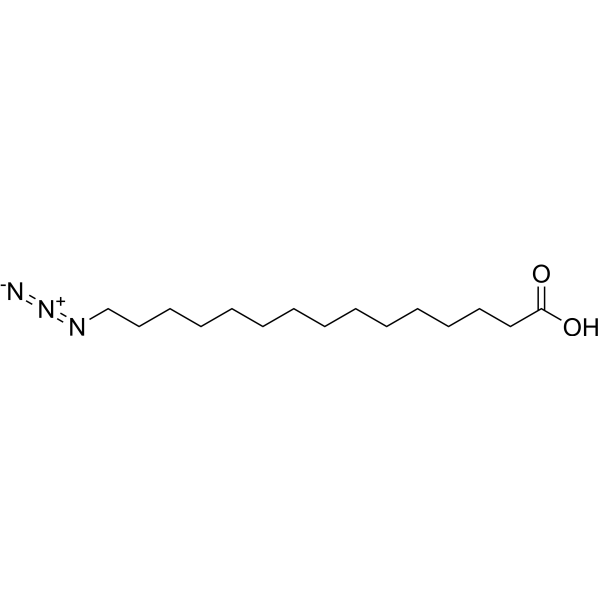
15-Azido-pentadecanoic acid is a click chemistry reagent containing an azide group. Azido Palmitic Acid can be used to identify and characterize post-translationally palmitylated proteins with using a simple and robust two-step labeling and detection technique . 15-Azido-pentadecanoic acid is a click chemistry reagent, it contains an Azide group and can undergo copper-catalyzed azide-alkyne cycloaddition reaction (CuAAc) with molecules containing Alkyne groups. It can also undergo strain-promoted alkyne-azide cycloaddition (SPAAC) reactions with molecules containing DBCO or BCN groups.
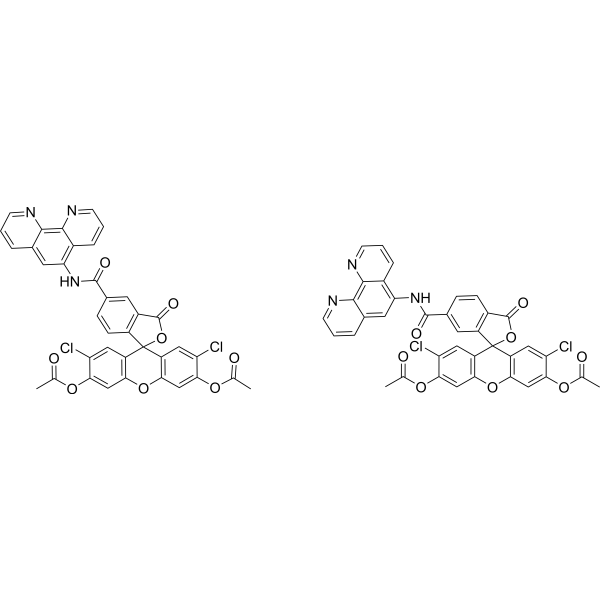
Phen green SK (PGSK) diacetate (PGSK diacetate (5/6-mixture)) is a metal ion-sensitive fluorescent probe that can penetrate cell membranes. Phen green SK (PGSK) diacetate can react with a variety of metal ions, including Fe 2+, Cd 2+, Co 2+, Ni 2+, Zn 2+, etc. Phen green SK (PGSK) diacetate chelates Fe 2+, resulting in fluorescence quenching, which can be restored when a membrane-permeable chelator is added, thereby reflecting the changes in the intracellular chelatable iron pool. The excitation/emission maxima of Phen green SK diacetate are 507/532 nm, respectively .
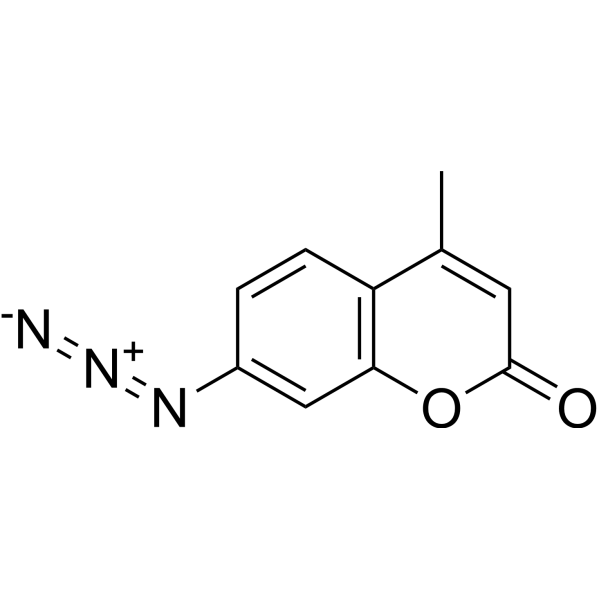
7-Azido-4-methylcoumarin is a selective coumarin-based fluorescent probe for hydrogen sulfide (H2S). In the presence of H2S, the aromatic azido group of 7-Azido-4-methylcoumarin is selectively reduced to produce the fluorescently active 7-amino-4-methylcoumarin (AMC). 7-Azido-4-methylcoumarin binds to the coumarin/phenol-binding site of BSA, the aglycone-binding site of UGT1A6, and the substrate-binding site of SULT1A1, respectively. 7-Azido-4-methylcoumarin retains its fluorescent properties after covalent binding, acts as a fluorescent H2S probe, and does not react with cysteine, homocysteine or glutathione (Ex/Em = 340/445 nm) .
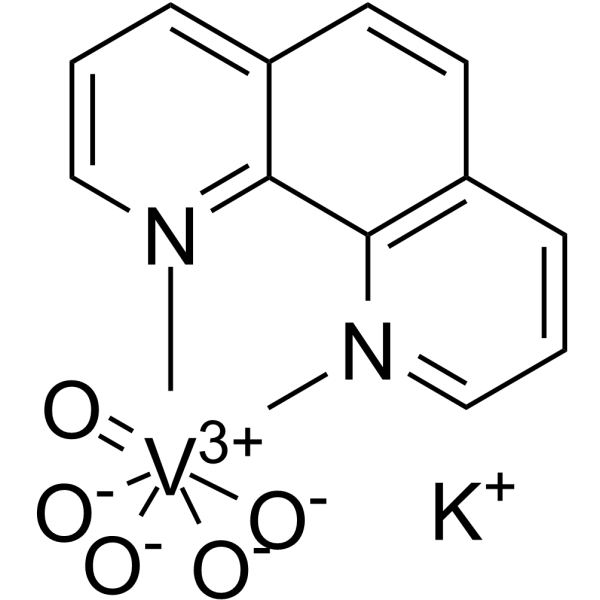
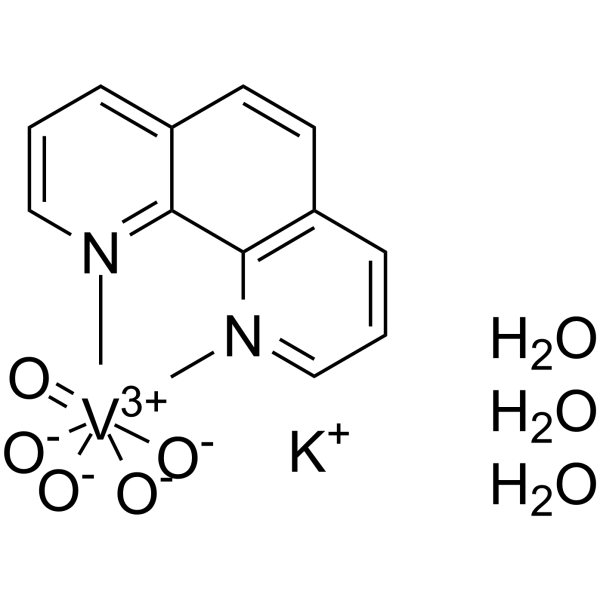
bpV(phen), a insulin-mimetic agent, is a potent protein tyrosine phosphatase (PTP) and PTEN inhibitor with IC50s of 38 nM, 343 nM and 920 nM for PTEN, PTP-β and PTP-1B, respectively. bpV(phen) inhibits proliferation of the protozoan parasite Leishmania in vitro. bpV(phen) strongly induces the secretion of a large number of chemokines and pro-inflammatory cytokines, and it activates a Th1-type pathway (IL-12, IFNγ). bpV(phen) can also induce cell apoptosis, and has anti-angiogenic and anti-tumor activity .
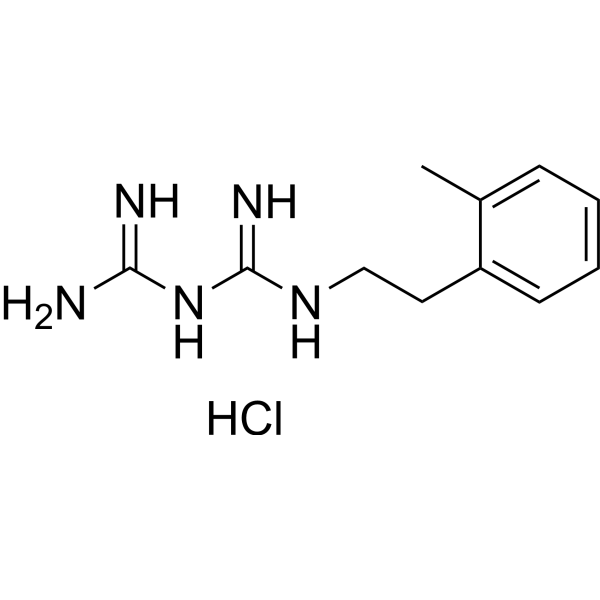
IM176OUT05 (2-Me-Phen hydrochloride), a biguanide, is a mitochondrial OXPHOS inhibitor. IM176OUT0 inhibits mitochondrial electron transport chain (ETC) activity with an IC50 of 3.2 μM. IM176OUT05 activates stem cell metabolism, promotes hair regrowth and increases stemness induction and maintenance during the pluripotent stem cell generation process .
3-Azido-7-hydroxycoumarin is a click chemistry reagent containing an azido group. Under Cu (II) catalysis, it undergoes azide-alkyne cycloaddition (CuAAC) click reaction with 3-butyn-1-ol and emits a fluorescent signal .
BpV(phen) trihydrate, a insulin-mimetic agent, is a potent protein tyrosine phosphatase (PTP) and PTEN inhibitor with IC50s of 38 nM, 343 nM and 920 nM for PTEN, PTP-β and PTP-1B, respectively. BpV(phen) trihydrate inhibits proliferation of the protozoan parasite Leishmania in vitro. bpV(phen) trihydrate strongly induces the secretion of a large number of chemokines and pro-inflammatory cytokines, and it activates a Th1-type pathway (IL-12, IFNγ). BpV(phen) trihydrate can also induce cell apoptosis, and has anti-angiogenic and anti-tumor activity .
((6-Fluoro-4-(4,4,5,5-tetramethyl-1,3,2-dioxaborolan-2-yl)-5-((triisopropylsilyl)ethynyl)naphthalen-2-yl)oxy)triisopropylsilane is a drug intermediate for synthesis of various active compounds.
(S)-3-(4-(4-((14-Azido-3,6,9,12-tetraoxatetradecyl)oxy)naphthalen-1-yl)phenyl)-3-(2-(4-((4-methylpyridin-2-yl)amino)butanamido)acetamido)propanoic acid compound trifluoroacetate is a drug intermediate for synthesis of various active compounds.
2-(Naphthalen-2-yl)acetic acid (2-Naphthylacetic acid) is a plant growth regulator that can improve the quality and yield of crops such as bean sprouts. In addition, 2-(Naphthalen-2-yl)acetic acid can be used as a probe to study the distribution of amino acid conjugation mechanisms in different species .
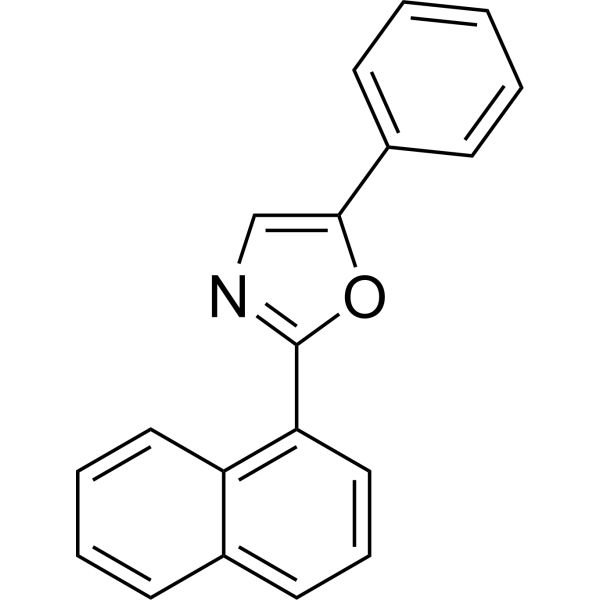
2-(Naphthalen-1-yl)-5-phenyloxazole (α-NPO) is an organic fluorescent dye. 2-(Naphthalen-1-yl)-5-phenyloxazole has a nitrogen atom in its structure that can interfere with the nitrogen content from the amination step .
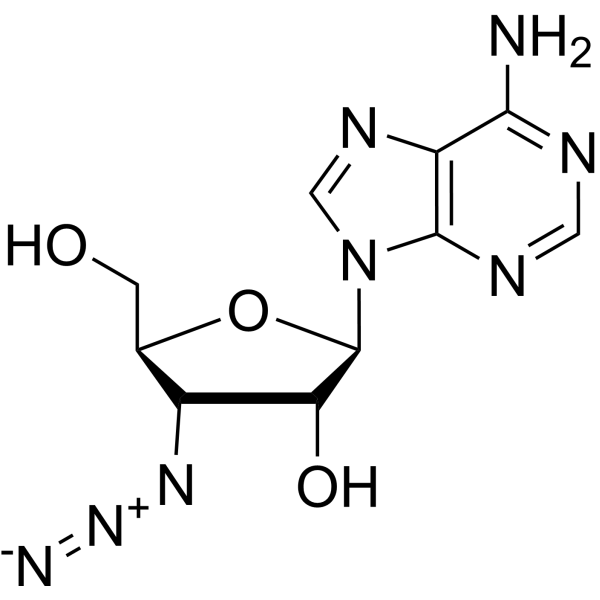
3'-Azido-3'-deoxyadenosine is a purine nucleoside analog. 3'-Azido-3'-deoxyadenosine acts as a click chemistry reagent bearing an Azide group, which undergoes copper-catalyzed azide-alkyne cycloaddition (CuAAc) with molecules containing an Alkyne group. 3'-Azido-3'-deoxyadenosine also undergoes strain-promoted alkyne-azide cycloaddition (SPAAC) with molecules containing DBCO or BCN groups .
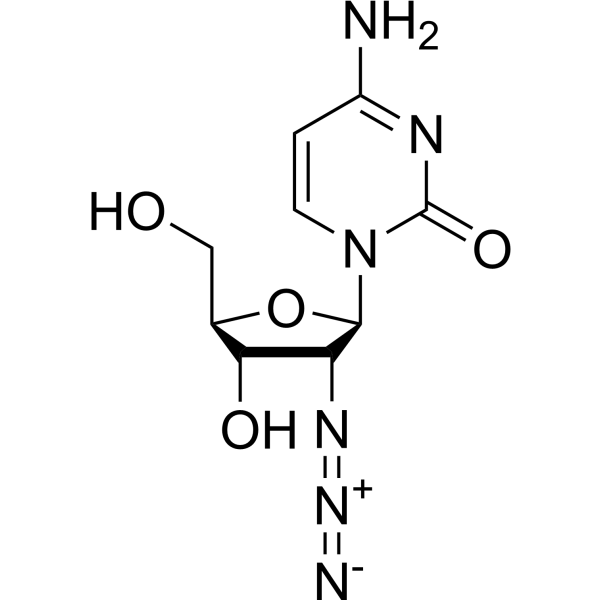
2’-Azido-2’-deoxycytidine is a purine nucleoside analogue. Purine nucleoside analogs have broad antitumor activity targeting indolent lymphoid malignancies. Anticancer mechanisms in this process rely on inhibition of DNA synthesis, induction of apoptosis, etc . 2’-Azido-2’-deoxycytidine is a click chemistry reagent, it contains an Azide group and can undergo copper-catalyzed azide-alkyne cycloaddition reaction (CuAAc) with molecules containing Alkyne groups. It can also undergo strain-promoted alkyne-azide cycloaddition (SPAAC) reactions with molecules containing DBCO or BCN groups. 2’-Azido-2’-deoxycytidine is an azidonucleoside,and it should be phosphorylated twice to become an inhibitor of the nucleotide reductase.
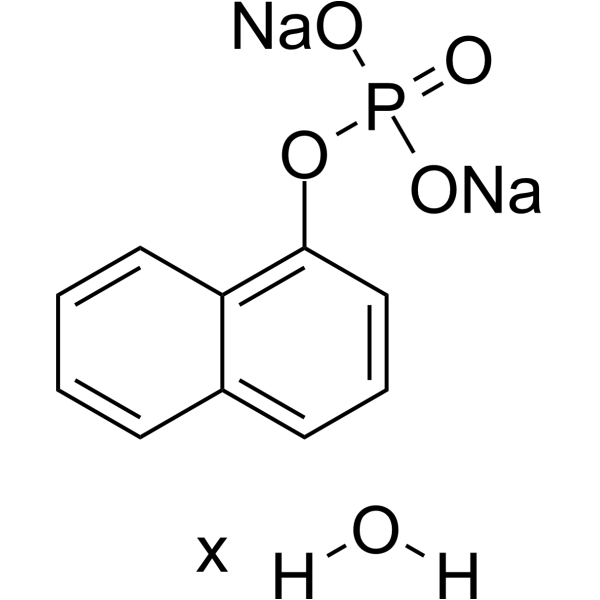
Sodium naphthalen-1-yl phosphate, hydrate is a biochemical reagent that can be used as a biological material or organic compound for life science related research.
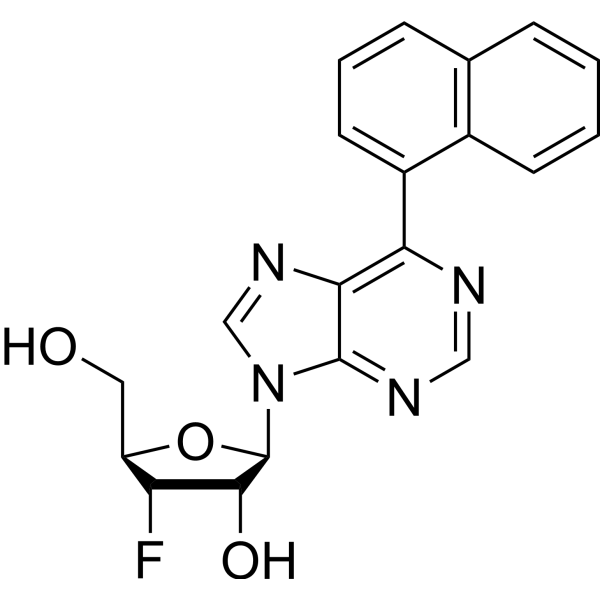
9-(3-Deoxy-3-fluoro-β-D-ribofuranosyl)-6-(naphthalen-1-yl)purine is a purine nucleoside analogue. Purine nucleoside analogs have broad antitumor activity targeting indolent lymphoid malignancies. Anticancer mechanisms in this process rely on inhibition of DNA synthesis, induction of apoptosis, etc .
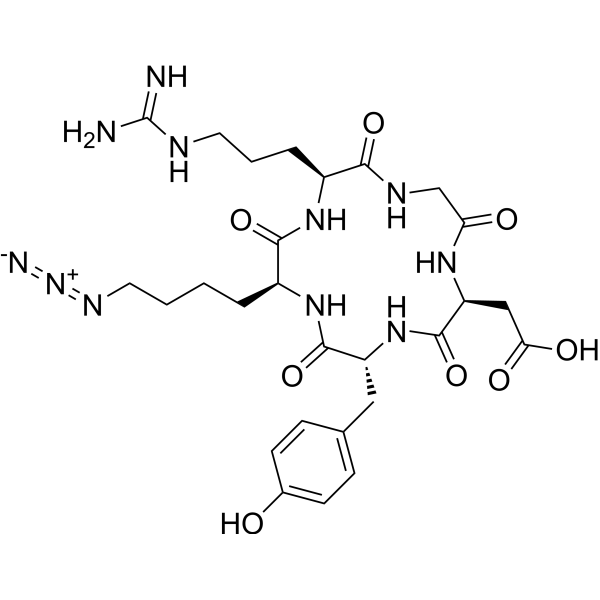
Cyclo(Arg-Gly-Asp-D-Tyr-ε-azido-Nle) (Azido-c(RGDyK)) is a polypeptide composed of arginine, glycine, aspartic acid, and tyrosine that can be used for Synthesis of [ 18F]FPyKYNE-c(RGDyK) .
1-Acetamidonaphthalene (N-(Naphthalen-1-yl)acetamide) is a degradation product of Digitoxigenin (HY-B2151). 1-Acetamidonaphthalene is weakly mutagenic to Salmonella typhimurium TA98 with metabolic activation. 1-Acetamidonaphthalene can be used for the research of bacterial infection .
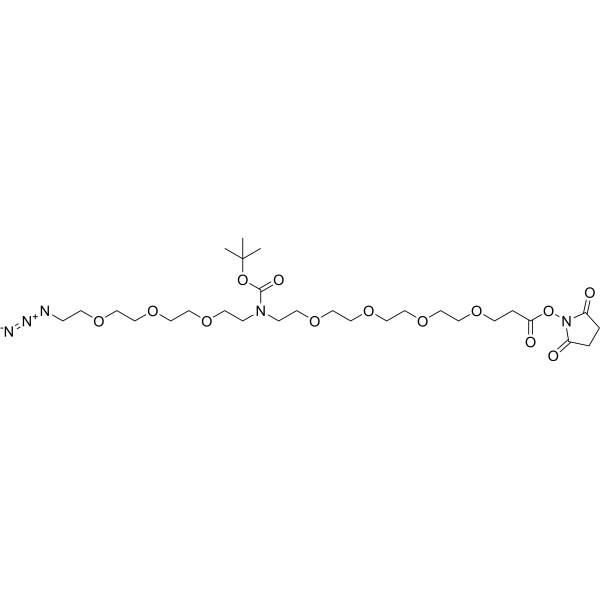
N-(Azido-PEG4)-N-Boc-PEG4-NHS ester is a PEG-based PROTAC linker with a terminal azide group. N-(Azido-PEG4)-N-Boc-PEG4-NHS ester is used in the synthesis of PROTACs N-(Azido-PEG4)-N-Boc-PEG4-NHS ester is a click chemistry reagent, it contains an Azide group and can undergo copper-catalyzed azide-alkyne cycloaddition reaction (CuAAc) with molecules containing Alkyne groups. It can also undergo strain-promoted alkyne-azide cycloaddition (SPAAC) reactions with molecules containing DBCO or BCN groups.
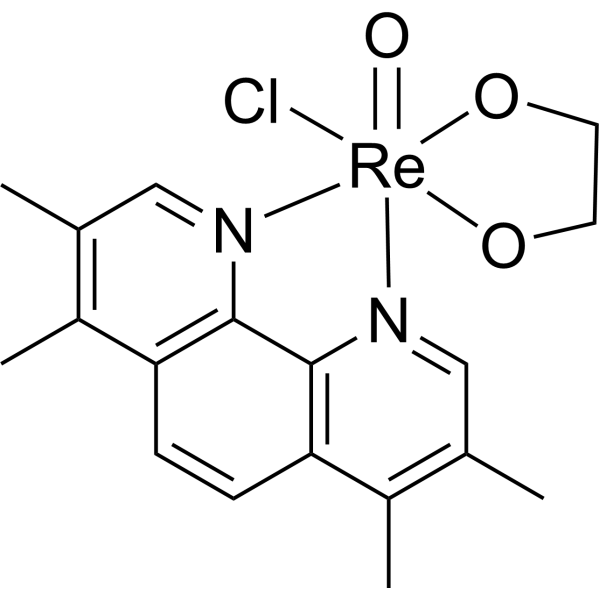
Me4Phen (compound 3) is an oxygen rhenium (V) complex that depletes mitochondrial membrane potential and upregulates intracellular reactive oxygen species (ROS), leading to endoplasmic reticulum stress-mediated necrosis of cancer cells. Me4Phen is highly lipophilic and effectively overcomes Cisplatin (HY-17394) resistance in a variety of cancer cells .
[Ru(phen)3]Cl2 is an important photocatalyst with photosensitivity and has the activity of promoting reactions in the fields of organic synthesis and photoelectrochemistry. [Ru(phen)3]Cl2 can drive chemical reactions under light conditions and shows good catalytic performance. [Ru(phen)3]Cl2's applications include photocatalytic water decomposition and synthesis of complex organic molecules.
GDP-Azido-Fucose is a chemically modified donor substrate. GDP-Azido-Fucose can be used to synthesize fluorophore-conjugated GDP-fucose. GDP-Azido-Fucose can be used to study glycosyltransferase reactions .
3′-Azido-2′,3′-dideoxy-CTP (AZddCTP) is a cytidine analog containing a 3-azido group. As a chain terminator, 3′-Azido-2′,3′-dideoxy-CTP can be incorporated into the nascent DNA chain by HIV reverse transcriptase. 3′-Azido-2′,3′-dideoxy-CTP terminates DNA synthesis due to the lack of a 3'-hydroxyl group, thereby inhibiting viral replication. 3′-Azido-2′,3′-dideoxy-CTP has IC50 values of 15.6 μM and 160.8 μM for WT HIV and AZT R HIV. 3′-Azido-2′,3′-dideoxy-CTP has antiviral activity .
3′-Azido-2′,3′-dideoxy-GTP (AZddGTP) is a selective telomerase inhibitor with a Ki value of 1.5 μM. 3′-Azido-2′,3′-dideoxy-GTP can be incorporated into the 3′-terminus of DNA by telomerase. 3′-Azido-2′,3′-dideoxy-GTP inhibits telomerase activity in HeLa cells in vitro .
[Ru(phen)2(xant)] hexafluorophosphate is an inducer of Autophagy. [Ru(phen)2(xant)] hexafluorophosphate eliminates CRC stem cells by targeting the chaperone Hsp90. [Ru(phen)2(xant)] hexafluorophosphate reduces cell migration and invasion .
[Ru(dppn)2phen](PF6)2 (compound 4) is a polypyridylruthenium compound used in photodynamic therapy (PDT). [Ru(dppn)2phen](PF6)2 is normally nontoxic under dark conditions and induces mitochondrial respiratory damage upon light exposure. [Ru(dppn)2phen](PF6)2 exhibits high levels of singlet oxygen quantum yield and phototoxicity against cancer cells .
[Ru(phen)2(HMPIP)](PF6)2 (Compound 6A) is an anti-tumor agent. [Ru(phen)2(HMPIP)](PF6)2 can inhibit the proliferation and migration of HepG2 liver cancer cells, and induce apoptosis, autophagy, cell cycle arrest and ferroptosis of HepG2 liver cancer cells. [Ru(phen)2(HMPIP)](PF6)2 exerts its anti-tumor activity by stimulating immune response to increase CD8+ T cells .
N-Methyl-1-(naphthalen-1-yl)methanamine hydrochloride (Standard) is the analytical standard of N-Methyl-1-(naphthalen-1-yl)methanamine hydrochloride. This product is intended for research and analytical applications.
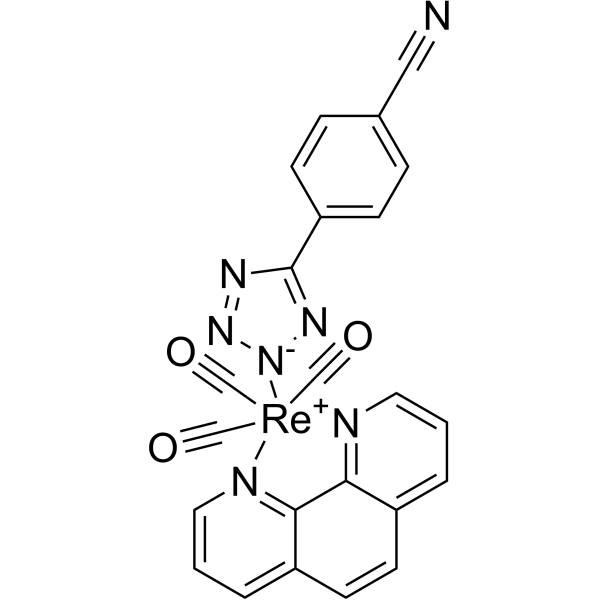
Liptracker-green (fac-[Re(CO)3(phen)L]) is a cell-permeable fluorogenic probe that localizes to polar lipids, and can be used to label lipid droplets and other high lipid-content compartments in live and fixed cells using fluorescent microscopy.
Naphthol AS-D acetate (3-(O-tolylcarbamoyl)naphthalen-2-yl acetate) is used in histological studies as a histochemical substrate for esterase localization .
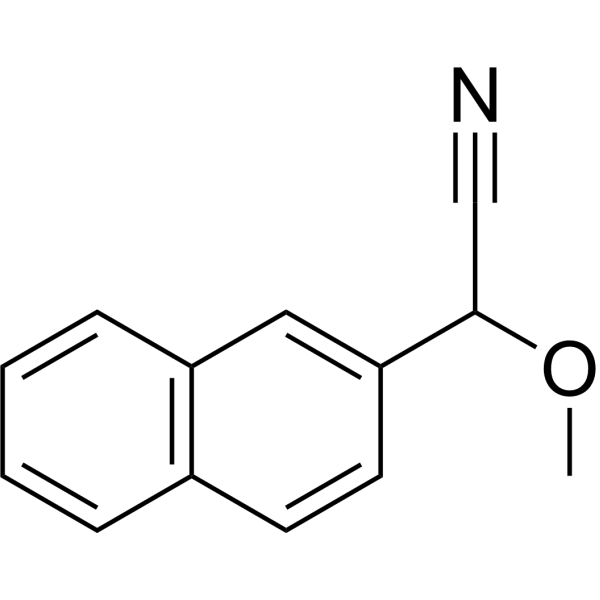
2-Methoxy-2-(naphthalen-2-yl)acetonitrile is a multifunctional dye. Dyes are important tools in biological experiments. They can help researchers observe and analyze cell structures, track biomolecules, evaluate cell functions, distinguish cell types, detect biomolecules, study tissue pathology and monitor microorganisms. Their applications range from basic scientific research to clinical A wide range of diagnostics. Dyes are also widely used in traditional fields such as textile dyeing, as well as in emerging fields such as functional textile processing, food pigments and dye-sensitized solar cells.
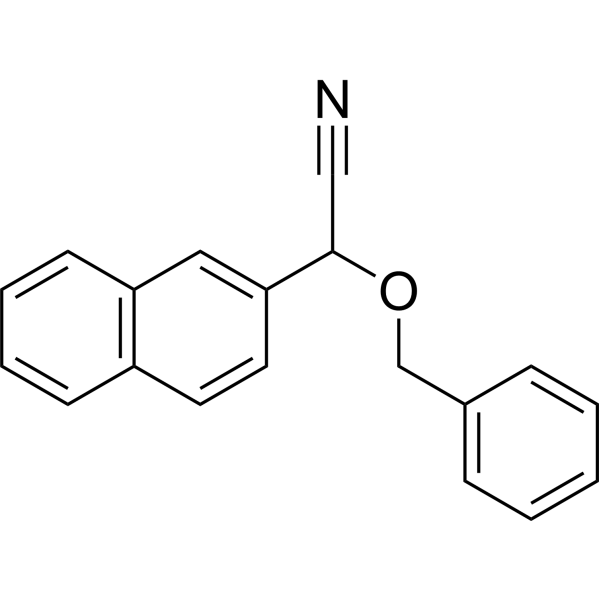
2-(Benzyloxy)-2-(naphthalen-2-yl)acetonitrile is a multifunctional dye. Dyes are important tools in biological experiments. They can help researchers observe and analyze cell structures, track biomolecules, evaluate cell functions, distinguish cell types, detect biomolecules, study tissue pathology and monitor microorganisms. Their applications range from basic scientific research to clinical A wide range of diagnostics. Dyes are also widely used in traditional fields such as textile dyeing, as well as in emerging fields such as functional textile processing, food pigments and dye-sensitized solar cells.
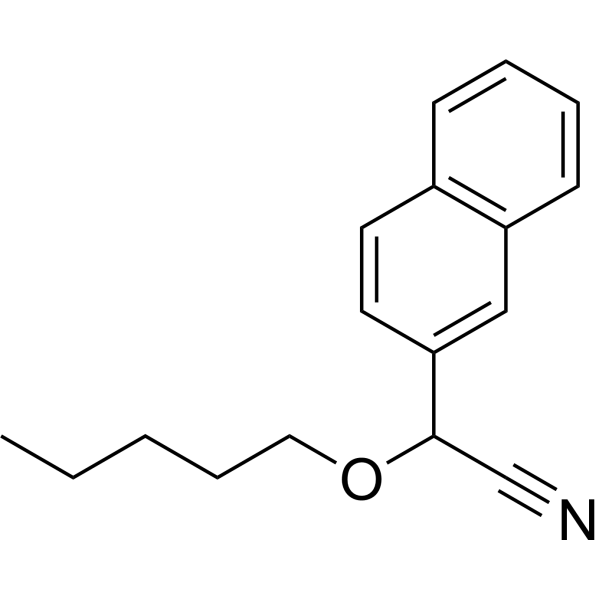
2-(Naphthalen-2-yl)-2-(pentyloxy)acetonitrile is a multifunctional dye. Dyes are important tools in biological experiments. They can help researchers observe and analyze cell structures, track biomolecules, evaluate cell functions, distinguish cell types, detect biomolecules, study tissue pathology and monitor microorganisms. Their applications range from basic scientific research to clinical A wide range of diagnostics. Dyes are also widely used in traditional fields such as textile dyeing, as well as in emerging fields such as functional textile processing, food pigments and dye-sensitized solar cells.
2-(3-(Methylamino)-1-(thiophen-2-yl)propyl)naphthalen-1-ol (Duloxetine Impurity) (Standard) is the analytical standard of 2-(3-(Methylamino)-1-(thiophen-2-yl)propyl)naphthalen-1-ol (Duloxetine Impurity). This product is intended for research and analytical applications.
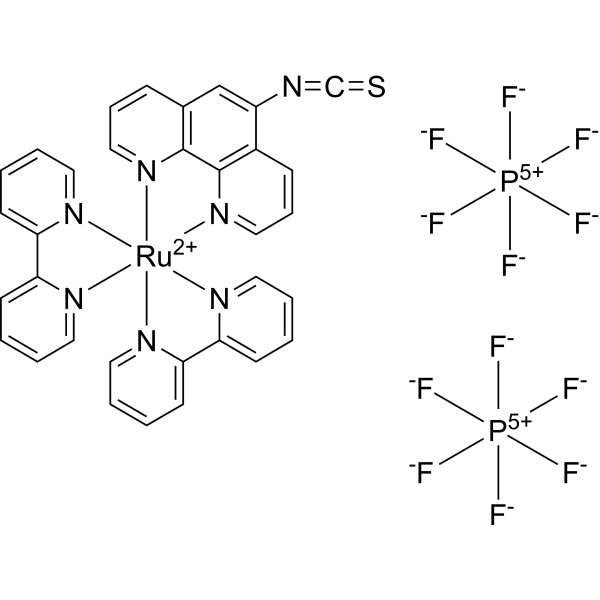
Ru(bpy)2(phen-ITC)(PF6)2 is a multifunctional dye. Dyes are important tools in biological experiments. They can help researchers observe and analyze cell structures, track biomolecules, evaluate cell functions, distinguish cell types, detect biomolecules, study tissue pathology and monitor microorganisms. Their applications range from basic scientific research to clinical A wide range of diagnostics. Dyes are also widely used in traditional fields such as textile dyeing, as well as in emerging fields such as functional textile processing, food pigments and dye-sensitized solar cells.
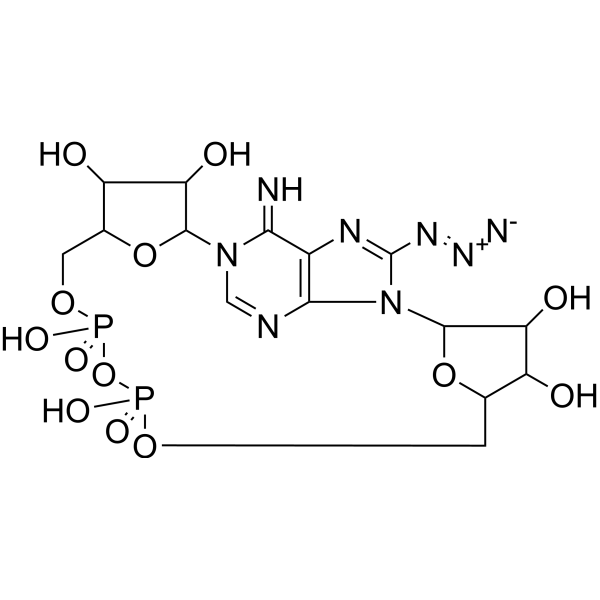
8-Azido-cADPR, with its photoactive azido group, is a potent photoaffinity probe. 8-Azido-cADPR can be used for the identification and characterization of cADPR-binding proteins . 8-Azido-cADPR is a click chemistry reagent, it contains an Azide group and can undergo copper-catalyzed azide-alkyne cycloaddition reaction (CuAAc) with molecules containing Alkyne groups. It can also undergo strain-promoted alkyne-azide cycloaddition (SPAAC) reactions with molecules containing DBCO or BCN groups.
Azido-PEG22-alcohol (Azido-PEG22-acid) is a PEG derivative that can be used for drug delivery and other research. Azido-PEG22-alcohol is a click chemistry reagent. It contains an azide group and can undergo copper-catalyzed azide-alkyne cycloaddition reaction (CuAAc) with molecules containing an alkyne group. It can also undergo ring strain driven alkyne-azide cycloaddition (SPAAC) with molecules containing DBCO or BCN groups .
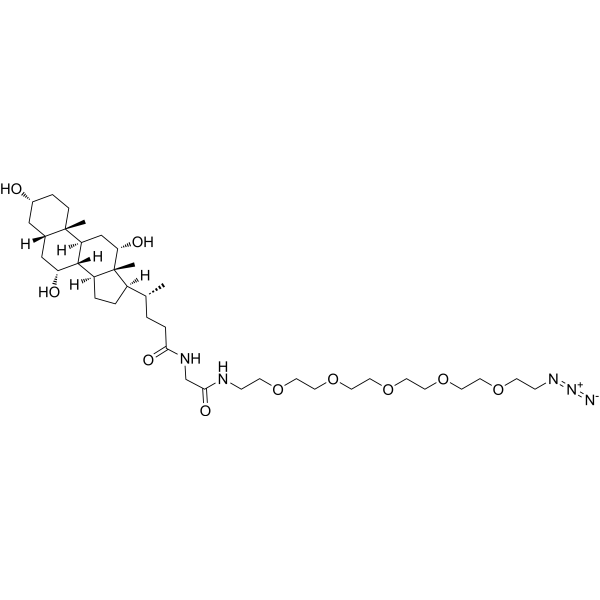
CG-PEG5-azido is a PEG-based PROTAC linker that can be used in the synthesis of PROTACs . CG-PEG5-azido is a click chemistry reagent, it contains an Azide group and can undergo copper-catalyzed azide-alkyne cycloaddition reaction (CuAAc) with molecules containing Alkyne groups. It can also undergo strain-promoted alkyne-azide cycloaddition (SPAAC) reactions with molecules containing DBCO or BCN groups.
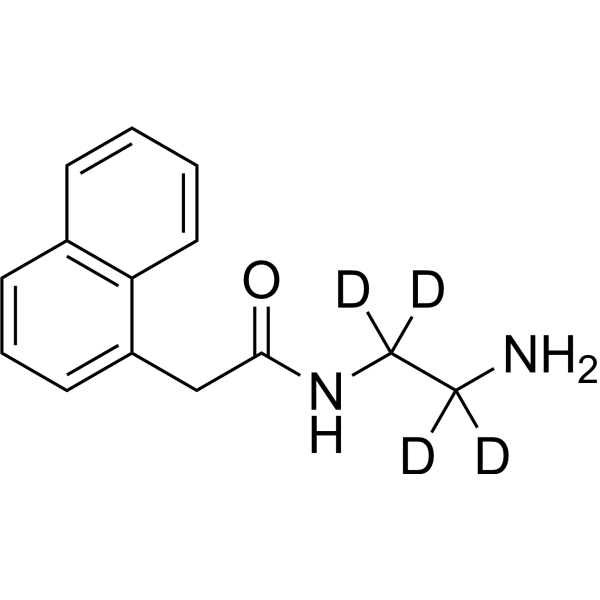
N-(2-Aminoethyl)-2-(naphthalen-1-yl)acetamide (Standard) is the analytical standard of N-(2-Aminoethyl)-2-(naphthalen-1-yl)acetamide. This product is intended for research and analytical applications.
3-(Dimethylamino)-1-(naphthalen-1-yl)propan-1-one hydrochloride (Standard) is the analytical standard of 3-(Dimethylamino)-1-(naphthalen-1-yl)propan-1-one hydrochloride. This product is intended for research and analytical applications.
(S)-N-methyl-3-(naphthalen-1-yloxy)-1-phenylpropan-1-amine hydrochloride (Standard) is the analytical standard of (S)-N-methyl-3-(naphthalen-1-yloxy)-1-phenylpropan-1-amine hydrochloride. This product is intended for research and analytical applications.
(E)-4-(Naphthalen-2-yl)but-3-en-2-one (Compound 7) is a small active molecule that can be used as building block. (E)-4-(Naphthalen-2-yl)but-3-en-2-one exhibits anti-leukemic activity, that inhibits the proliferation of human chronic myeloid leukemia cell K562 with an IC50 of 7.6 μM .
5'-Azido-5'-deoxythymidine (Compound 7), a nucleoside analogue, is a reverse transcriptase inhibitor. 5'-Azido-5'-deoxythymidine mimics nucleosides and is incorporated into the viral DNA chain to terminate chain elongation, inhibiting viral replication. 5'-Azido-5'-deoxythymidine is promising for research of retroviral infection diseases such as AIDS .
1-(Dipropylamino)-11-((tert-Butyldimethylsilyl)oxy)-5-(6-((tert-butyldimethylsilyl)oxy)hexyl)undecan-5-ol is a biochemical reagent that can be used as a biological material or organic compound for life science related research.
(R)-4-(3-(Methylamino)-1-(thiophen-2-yl)propyl)naphthalen-1-ol (Standard) is the analytical standard of (R)-4-(3-(Methylamino)-1-(thiophen-2-yl)propyl)naphthalen-1-ol. This product is intended for research and analytical applications.
(1-(((tert-Butyldiphenylsilyl)oxy)methyl)cyclopropyl)methanol-d4 is the deuterium labeled (1-(((tert-Butyldiphenylsilyl)oxy)methyl)cyclopropyl)methanol.
GDP-Azido-Fucose disodium is a chemically modified donor substrate. GDP-Azido-Fucose disodium can be used to synthesize fluorophore-conjugated GDP-fucose. GDP-Azido-Fucose can be used to study glycosyltransferase reactions .
Azido-PEG35-alcohol (Azido-PEG35-acid) is a PEG derivative that can be used for drug delivery and other research. Azido-PEG35-alcohol is a click chemistry reagent. It contains an azide group and can undergo copper-catalyzed azide-alkyne cycloaddition reaction (CuAAc) with molecules containing an alkyne group. It can also undergo ring strain driven alkyne-azide cycloaddition (SPAAC) with molecules containing DBCO or BCN groups .
Azido-PEG39-alcohol (Azido-PEG39-acid) is a PEG derivative that can be used for drug delivery and other research. Azido-PEG39-alcohol is a click chemistry reagent. It contains an azide group and can undergo copper-catalyzed azide-alkyne cycloaddition reaction (CuAAc) with molecules containing an alkyne group. It can also undergo ring strain driven alkyne-azide cycloaddition (SPAAC) with molecules containing DBCO or BCN groups .
2-(Naphthalen-1-yl)-5-phenyloxazole (α-NPO) is an organic fluorescent dye. 2-(Naphthalen-1-yl)-5-phenyloxazole has a nitrogen atom in its structure that can interfere with the nitrogen content from the amination step .
Liptracker-green (fac-[Re(CO)3(phen)L]) is a cell-permeable fluorogenic probe that localizes to polar lipids, and can be used to label lipid droplets and other high lipid-content compartments in live and fixed cells using fluorescent microscopy.
2-Methoxy-2-(naphthalen-2-yl)acetonitrile is a multifunctional dye. Dyes are important tools in biological experiments. They can help researchers observe and analyze cell structures, track biomolecules, evaluate cell functions, distinguish cell types, detect biomolecules, study tissue pathology and monitor microorganisms. Their applications range from basic scientific research to clinical A wide range of diagnostics. Dyes are also widely used in traditional fields such as textile dyeing, as well as in emerging fields such as functional textile processing, food pigments and dye-sensitized solar cells.
2-(Benzyloxy)-2-(naphthalen-2-yl)acetonitrile is a multifunctional dye. Dyes are important tools in biological experiments. They can help researchers observe and analyze cell structures, track biomolecules, evaluate cell functions, distinguish cell types, detect biomolecules, study tissue pathology and monitor microorganisms. Their applications range from basic scientific research to clinical A wide range of diagnostics. Dyes are also widely used in traditional fields such as textile dyeing, as well as in emerging fields such as functional textile processing, food pigments and dye-sensitized solar cells.
2-(Naphthalen-2-yl)-2-(pentyloxy)acetonitrile is a multifunctional dye. Dyes are important tools in biological experiments. They can help researchers observe and analyze cell structures, track biomolecules, evaluate cell functions, distinguish cell types, detect biomolecules, study tissue pathology and monitor microorganisms. Their applications range from basic scientific research to clinical A wide range of diagnostics. Dyes are also widely used in traditional fields such as textile dyeing, as well as in emerging fields such as functional textile processing, food pigments and dye-sensitized solar cells.
2-(Naphthalen-2-yl)acetic acid (2-Naphthylacetic acid) is a plant growth regulator that can improve the quality and yield of crops such as bean sprouts. In addition, 2-(Naphthalen-2-yl)acetic acid can be used as a probe to study the distribution of amino acid conjugation mechanisms in different species .
Sodium naphthalen-1-yl phosphate, hydrate is a biochemical reagent that can be used as a biological material or organic compound for life science related research.
Naphthol AS-D acetate (3-(O-tolylcarbamoyl)naphthalen-2-yl acetate) is used in histological studies as a histochemical substrate for esterase localization .
Azido-PEG22-alcohol (Azido-PEG22-acid) is a PEG derivative that can be used for drug delivery and other research. Azido-PEG22-alcohol is a click chemistry reagent. It contains an azide group and can undergo copper-catalyzed azide-alkyne cycloaddition reaction (CuAAc) with molecules containing an alkyne group. It can also undergo ring strain driven alkyne-azide cycloaddition (SPAAC) with molecules containing DBCO or BCN groups .
Azido-PEG35-alcohol (Azido-PEG35-acid) is a PEG derivative that can be used for drug delivery and other research. Azido-PEG35-alcohol is a click chemistry reagent. It contains an azide group and can undergo copper-catalyzed azide-alkyne cycloaddition reaction (CuAAc) with molecules containing an alkyne group. It can also undergo ring strain driven alkyne-azide cycloaddition (SPAAC) with molecules containing DBCO or BCN groups .
Azido-PEG39-alcohol (Azido-PEG39-acid) is a PEG derivative that can be used for drug delivery and other research. Azido-PEG39-alcohol is a click chemistry reagent. It contains an azide group and can undergo copper-catalyzed azide-alkyne cycloaddition reaction (CuAAc) with molecules containing an alkyne group. It can also undergo ring strain driven alkyne-azide cycloaddition (SPAAC) with molecules containing DBCO or BCN groups .
Cyclo(Arg-Gly-Asp-D-Tyr-ε-azido-Nle) (Azido-c(RGDyK)) is a polypeptide composed of arginine, glycine, aspartic acid, and tyrosine that can be used for Synthesis of [ 18F]FPyKYNE-c(RGDyK) .
GLP-1 and GCG are two proteins derived from the same precursor protein, which is encoded by the GCG-glucagon gene. The GCG protein is a counterregulatory hormone to insulin, playing a crucial role in glucose metabolism by increasing gluconeogenesis and reducing glycolysis to regulate blood glucose levels. GLP-1 protein, secreted by intestinal endocrine cells, promotes insulin secretion, regulates gastrointestinal motility, and inhibits the secretion of GCG protein. GLP-1/GCG protein, Human (HEK293, His), is a recombinant GLP-1/GCG protein expressed by HEK293 cells, with a His tag at the C-terminus, and is composed of 160 amino acids (R21-K180).
(1-(((tert-Butyldiphenylsilyl)oxy)methyl)cyclopropyl)methanol-d4 is the deuterium labeled (1-(((tert-Butyldiphenylsilyl)oxy)methyl)cyclopropyl)methanol.
15-Azido-pentadecanoic acid is a click chemistry reagent containing an azide group. Azido Palmitic Acid can be used to identify and characterize post-translationally palmitylated proteins with using a simple and robust two-step labeling and detection technique . 15-Azido-pentadecanoic acid is a click chemistry reagent, it contains an Azide group and can undergo copper-catalyzed azide-alkyne cycloaddition reaction (CuAAc) with molecules containing Alkyne groups. It can also undergo strain-promoted alkyne-azide cycloaddition (SPAAC) reactions with molecules containing DBCO or BCN groups.
7-Azido-4-methylcoumarin is a selective coumarin-based fluorescent probe for hydrogen sulfide (H2S). In the presence of H2S, the aromatic azido group of 7-Azido-4-methylcoumarin is selectively reduced to produce the fluorescently active 7-amino-4-methylcoumarin (AMC). 7-Azido-4-methylcoumarin binds to the coumarin/phenol-binding site of BSA, the aglycone-binding site of UGT1A6, and the substrate-binding site of SULT1A1, respectively. 7-Azido-4-methylcoumarin retains its fluorescent properties after covalent binding, acts as a fluorescent H2S probe, and does not react with cysteine, homocysteine or glutathione (Ex/Em = 340/445 nm) .
2’-Azido-2’-deoxycytidine is a purine nucleoside analogue. Purine nucleoside analogs have broad antitumor activity targeting indolent lymphoid malignancies. Anticancer mechanisms in this process rely on inhibition of DNA synthesis, induction of apoptosis, etc . 2’-Azido-2’-deoxycytidine is a click chemistry reagent, it contains an Azide group and can undergo copper-catalyzed azide-alkyne cycloaddition reaction (CuAAc) with molecules containing Alkyne groups. It can also undergo strain-promoted alkyne-azide cycloaddition (SPAAC) reactions with molecules containing DBCO or BCN groups. 2’-Azido-2’-deoxycytidine is an azidonucleoside,and it should be phosphorylated twice to become an inhibitor of the nucleotide reductase.
N-(Azido-PEG4)-N-Boc-PEG4-NHS ester is a PEG-based PROTAC linker with a terminal azide group. N-(Azido-PEG4)-N-Boc-PEG4-NHS ester is used in the synthesis of PROTACs N-(Azido-PEG4)-N-Boc-PEG4-NHS ester is a click chemistry reagent, it contains an Azide group and can undergo copper-catalyzed azide-alkyne cycloaddition reaction (CuAAc) with molecules containing Alkyne groups. It can also undergo strain-promoted alkyne-azide cycloaddition (SPAAC) reactions with molecules containing DBCO or BCN groups.
8-Azido-cADPR, with its photoactive azido group, is a potent photoaffinity probe. 8-Azido-cADPR can be used for the identification and characterization of cADPR-binding proteins . 8-Azido-cADPR is a click chemistry reagent, it contains an Azide group and can undergo copper-catalyzed azide-alkyne cycloaddition reaction (CuAAc) with molecules containing Alkyne groups. It can also undergo strain-promoted alkyne-azide cycloaddition (SPAAC) reactions with molecules containing DBCO or BCN groups.
Azido-PEG22-alcohol (Azido-PEG22-acid) is a PEG derivative that can be used for drug delivery and other research. Azido-PEG22-alcohol is a click chemistry reagent. It contains an azide group and can undergo copper-catalyzed azide-alkyne cycloaddition reaction (CuAAc) with molecules containing an alkyne group. It can also undergo ring strain driven alkyne-azide cycloaddition (SPAAC) with molecules containing DBCO or BCN groups .
CG-PEG5-azido is a PEG-based PROTAC linker that can be used in the synthesis of PROTACs . CG-PEG5-azido is a click chemistry reagent, it contains an Azide group and can undergo copper-catalyzed azide-alkyne cycloaddition reaction (CuAAc) with molecules containing Alkyne groups. It can also undergo strain-promoted alkyne-azide cycloaddition (SPAAC) reactions with molecules containing DBCO or BCN groups.
GDP-Azido-Fucose disodium is a chemically modified donor substrate. GDP-Azido-Fucose disodium can be used to synthesize fluorophore-conjugated GDP-fucose. GDP-Azido-Fucose can be used to study glycosyltransferase reactions .
Azido-PEG35-alcohol (Azido-PEG35-acid) is a PEG derivative that can be used for drug delivery and other research. Azido-PEG35-alcohol is a click chemistry reagent. It contains an azide group and can undergo copper-catalyzed azide-alkyne cycloaddition reaction (CuAAc) with molecules containing an alkyne group. It can also undergo ring strain driven alkyne-azide cycloaddition (SPAAC) with molecules containing DBCO or BCN groups .
Azido-PEG39-alcohol (Azido-PEG39-acid) is a PEG derivative that can be used for drug delivery and other research. Azido-PEG39-alcohol is a click chemistry reagent. It contains an azide group and can undergo copper-catalyzed azide-alkyne cycloaddition reaction (CuAAc) with molecules containing an alkyne group. It can also undergo ring strain driven alkyne-azide cycloaddition (SPAAC) with molecules containing DBCO or BCN groups .
3'-Azido-3'-deoxyadenosine is a purine nucleoside analog. 3'-Azido-3'-deoxyadenosine acts as a click chemistry reagent bearing an Azide group, which undergoes copper-catalyzed azide-alkyne cycloaddition (CuAAc) with molecules containing an Alkyne group. 3'-Azido-3'-deoxyadenosine also undergoes strain-promoted alkyne-azide cycloaddition (SPAAC) with molecules containing DBCO or BCN groups .
2’-Azido-2’-deoxycytidine is a purine nucleoside analogue. Purine nucleoside analogs have broad antitumor activity targeting indolent lymphoid malignancies. Anticancer mechanisms in this process rely on inhibition of DNA synthesis, induction of apoptosis, etc . 2’-Azido-2’-deoxycytidine is a click chemistry reagent, it contains an Azide group and can undergo copper-catalyzed azide-alkyne cycloaddition reaction (CuAAc) with molecules containing Alkyne groups. It can also undergo strain-promoted alkyne-azide cycloaddition (SPAAC) reactions with molecules containing DBCO or BCN groups. 2’-Azido-2’-deoxycytidine is an azidonucleoside,and it should be phosphorylated twice to become an inhibitor of the nucleotide reductase.
9-(3-Deoxy-3-fluoro-β-D-ribofuranosyl)-6-(naphthalen-1-yl)purine is a purine nucleoside analogue. Purine nucleoside analogs have broad antitumor activity targeting indolent lymphoid malignancies. Anticancer mechanisms in this process rely on inhibition of DNA synthesis, induction of apoptosis, etc .
GDP-Azido-Fucose is a chemically modified donor substrate. GDP-Azido-Fucose can be used to synthesize fluorophore-conjugated GDP-fucose. GDP-Azido-Fucose can be used to study glycosyltransferase reactions .
3′-Azido-2′,3′-dideoxy-CTP (AZddCTP) is a cytidine analog containing a 3-azido group. As a chain terminator, 3′-Azido-2′,3′-dideoxy-CTP can be incorporated into the nascent DNA chain by HIV reverse transcriptase. 3′-Azido-2′,3′-dideoxy-CTP terminates DNA synthesis due to the lack of a 3'-hydroxyl group, thereby inhibiting viral replication. 3′-Azido-2′,3′-dideoxy-CTP has IC50 values of 15.6 μM and 160.8 μM for WT HIV and AZT R HIV. 3′-Azido-2′,3′-dideoxy-CTP has antiviral activity .
3′-Azido-2′,3′-dideoxy-GTP (AZddGTP) is a selective telomerase inhibitor with a Ki value of 1.5 μM. 3′-Azido-2′,3′-dideoxy-GTP can be incorporated into the 3′-terminus of DNA by telomerase. 3′-Azido-2′,3′-dideoxy-GTP inhibits telomerase activity in HeLa cells in vitro .
GDP-Azido-Fucose disodium is a chemically modified donor substrate. GDP-Azido-Fucose disodium can be used to synthesize fluorophore-conjugated GDP-fucose. GDP-Azido-Fucose can be used to study glycosyltransferase reactions .
Inquiry Online
Your information is safe with us. * Required Fields.
Western blot analysis of extracts from THP-1(lane 2(20μg), Jurkat (lane 3(20μg) and NIH3T3(lane 4(20μg) using FOXO1A (HY-P80132) Rabbit mAb. Proteins were transferred
to a PVDF membrane and blocked with 5% non-fat milk in TBST for 2 hour at room temperature. The primary antibody (1/1000) and Loading control antibody (Beta Actin, HY-P80438, 1/10000) was
used in 5% non-fat milk in TBST at 4°C overnight. Goat Anti-Mouse/Rabbit IgG-HRP Secondary Antibody (1/10000) was used for 1 hour at room temperature.
Western blot analysis of extracts from THP-1(lane 2(20μg), Jurkat (lane 3(20μg) and NIH3T3(lane 4(20μg) using FOXO1A (HY-P80132) Rabbit mAb. Proteins were transferred
to a PVDF membrane and blocked with 5% non-fat milk in TBST for 2 hour at room temperature. The primary antibody (1/1000) and Loading control antibody (Beta Actin, HY-P80438, 1/10000) was
used in 5% non-fat milk in TBST at 4°C overnight. Goat Anti-Mouse/Rabbit IgG-HRP Secondary Antibody (1/10000) was used for 1 hour at room temperature.
Western blot analysis of extracts from THP-1(lane 2(20μg), Jurkat (lane 3(20μg) and NIH3T3(lane 4(20μg) using FOXO1A (HY-P80132) Rabbit mAb. Proteins were transferred
to a PVDF membrane and blocked with 5% non-fat milk in TBST for 2 hour at room temperature. The primary antibody (1/1000) and Loading control antibody (Beta Actin, HY-P80438, 1/10000) was
used in 5% non-fat milk in TBST at 4°C overnight. Goat Anti-Mouse/Rabbit IgG-HRP Secondary Antibody (1/10000) was used for 1 hour at room temperature.
Western blot analysis of extracts from THP-1(lane 2(20μg), Jurkat (lane 3(20μg) and NIH3T3(lane 4(20μg) using FOXO1A (HY-P80132) Rabbit mAb. Proteins were transferred
to a PVDF membrane and blocked with 5% non-fat milk in TBST for 2 hour at room temperature. The primary antibody (1/1000) and Loading control antibody (Beta Actin, HY-P80438, 1/10000) was
MedchemExpress Validation 03
Western blot analysis of extracts from THP-1(lane 2(20μg), Jurkat (lane 3(20μg) and NIH3T3(lane 4(20μg) using FOXO1A (HY-P80132) Rabbit mAb. Proteins were transferred
MedchemExpress Validation 04
Western blot analysis of extracts from THP-1(lane 2(20μg), Jurkat (lane 3(20μg) and NIH3T3(lane 4(20μg) using FOXO1A (HY-P80132) Rabbit mAb. Proteins were transferred
to a PVDF membrane and blocked with 5% non-fat milk in TBST for 2 hour at room temperature. The primary antibody (1/1000) and Loading control antibody (Beta Actin, HY-P80438, 1/10000) was
used in 5% non-fat milk in TBST at 4°C overnight. Goat Anti-Mouse/Rabbit IgG-HRP Secondary Antibody (1/10000) was used for 1 hour at room temperature.
MedchemExpress Validation
Western blot analysis of extracts from THP-1(lane 2(20μg), Jurkat (lane 3(20μg) and NIH3T3(lane 4(20μg) using FOXO1A (HY-P80132) Rabbit mAb. Proteins were transferred
to a PVDF membrane and blocked with 5% non-fat milk in TBST for 2 hour at room temperature. The primary antibody (1/1000) and Loading control antibody (Beta Actin, HY-P80438, 1/10000) was
used in 5% non-fat milk in TBST at 4°C overnight. Goat Anti-Mouse/Rabbit IgG-HRP Secondary Antibody (1/10000) was used for 1 hour at room temperature.
Western blot analysis of extracts from THP-1(lane 2(20μg), Jurkat (lane 3(20μg) and NIH3T3(lane 4(20μg) using FOXO1A (HY-P80132) Rabbit mAb. Proteins were transferred
to a PVDF membrane and blocked with 5% non-fat milk in TBST for 2 hour at room temperature. The primary antibody (1/1000) and Loading control antibody (Beta Actin, HY-P80438, 1/10000) was
used in 5% non-fat milk in TBST at 4°C overnight. Goat Anti-Mouse/Rabbit IgG-HRP Secondary Antibody (1/10000) was used for 1 hour at room temperature.
MedchemExpress Validation
Western blot analysis of extracts from THP-1(lane 2(20μg), Jurkat (lane 3(20μg) and NIH3T3(lane 4(20μg) using FOXO1A (HY-P80132) Rabbit mAb. Proteins were transferred
to a PVDF membrane and blocked with 5% non-fat milk in TBST for 2 hour at room temperature. The primary antibody (1/1000) and Loading control antibody (Beta Actin, HY-P80438, 1/10000) was
used in 5% non-fat milk in TBST at 4°C overnight. Goat Anti-Mouse/Rabbit IgG-HRP Secondary Antibody (1/10000) was used for 1 hour at room temperature.
MedchemExpress Validation
Western blot analysis of extracts from THP-1(lane 2(20μg), Jurkat (lane 3(20μg) and NIH3T3(lane 4(20μg) using FOXO1A (HY-P80132) Rabbit mAb. Proteins were transferred
to a PVDF membrane and blocked with 5% non-fat milk in TBST for 2 hour at room temperature. The primary antibody (1/1000) and Loading control antibody (Beta Actin, HY-P80438, 1/10000) was
used in 5% non-fat milk in TBST at 4°C overnight. Goat Anti-Mouse/Rabbit IgG-HRP Secondary Antibody (1/10000) was used for 1 hour at room temperature.
MedchemExpress Validation
Western blot analysis of extracts from THP-1(lane 2(20μg), Jurkat (lane 3(20μg) and NIH3T3(lane 4(20μg) using FOXO1A (HY-P80132) Rabbit mAb. Proteins were transferred
to a PVDF membrane and blocked with 5% non-fat milk in TBST for 2 hour at room temperature. The primary antibody (1/1000) and Loading control antibody (Beta Actin, HY-P80438, 1/10000) was
used in 5% non-fat milk in TBST at 4°C overnight. Goat Anti-Mouse/Rabbit IgG-HRP Secondary Antibody (1/10000) was used for 1 hour at room temperature.
MedchemExpress Validation
Western blot analysis of extracts from THP-1(lane 2(20μg), Jurkat (lane 3(20μg) and NIH3T3(lane 4(20μg) using FOXO1A (HY-P80132) Rabbit mAb. Proteins were transferred
to a PVDF membrane and blocked with 5% non-fat milk in TBST for 2 hour at room temperature. The primary antibody (1/1000) and Loading control antibody (Beta Actin, HY-P80438, 1/10000) was
used in 5% non-fat milk in TBST at 4°C overnight. Goat Anti-Mouse/Rabbit IgG-HRP Secondary Antibody (1/10000) was used for 1 hour at room temperature.
MedchemExpress Validation
Western blot analysis of extracts from THP-1(lane 2(20μg), Jurkat (lane 3(20μg) and NIH3T3(lane 4(20μg) using FOXO1A (HY-P80132) Rabbit mAb. Proteins were transferred
to a PVDF membrane and blocked with 5% non-fat milk in TBST for 2 hour at room temperature. The primary antibody (1/1000) and Loading control antibody (Beta Actin, HY-P80438, 1/10000) was
used in 5% non-fat milk in TBST at 4°C overnight. Goat Anti-Mouse/Rabbit IgG-HRP Secondary Antibody (1/10000) was used for 1 hour at room temperature.
MedchemExpress Validation
Western blot analysis of extracts from THP-1(lane 2(20μg), Jurkat (lane 3(20μg) and NIH3T3(lane 4(20μg) using FOXO1A (HY-P80132) Rabbit mAb. Proteins were transferred
to a PVDF membrane and blocked with 5% non-fat milk in TBST for 2 hour at room temperature. The primary antibody (1/1000) and Loading control antibody (Beta Actin, HY-P80438, 1/10000) was
used in 5% non-fat milk in TBST at 4°C overnight. Goat Anti-Mouse/Rabbit IgG-HRP Secondary Antibody (1/10000) was used for 1 hour at room temperature.
MedChemExpress values your privacy and your trust is important to us. We use cookies to enhance your website experience. Some cookies are necessary to run the website.
Privacy and Cookie Policy








dimethylsilane](http://file.medchemexpress.com/product_pic/hy-w108844.gif)








![[Ru(phen)3]Cl2](http://file.medchemexpress.com/product_pic/hy-w145116.gif)


![[Ru(phen)2(xant)] hexafluorophosphate](http://file.medchemexpress.com/product_pic/hy-161102.gif)
2](http://file.medchemexpress.com/product_pic/hy-157053.gif)
2](http://file.medchemexpress.com/product_pic/hy-172225.gif)

![[Ru(phen)2(4-Me-Sal)]BF4](http://file.medchemexpress.com/product_pic/hy-157464.gif)








![{3-[(tert-Butyldimethylsilyl)oxy]cyclobutyl}methanol](http://file.medchemexpress.com/product_pic/hy-w061103.gif)








