Delivery of temperature sensitive items including proteins and kits will be paused on 6/19 for the Juneteenth holiday. For urgent orders please contact customer service.
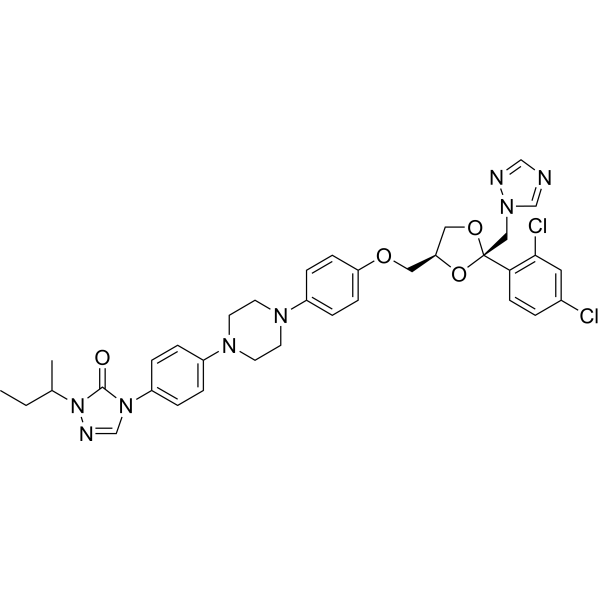
Itraconazole (R51211) is a triazole antifungal agent and a potent and orally active Hedgehog (Hh) signaling pathway antagonist with an IC50 of ~800 nM. Itraconazole potently inhibits lanosterol 14α-demethylase (cytochrome P450 enzyme), thereby inhibits the oxidative conversion of lanosterol to ergosterol. Itraconazole has anticancer and antiangiogenic effects. Itraconazole is a oxysterol-binding protein (OSBP) inhibitor .
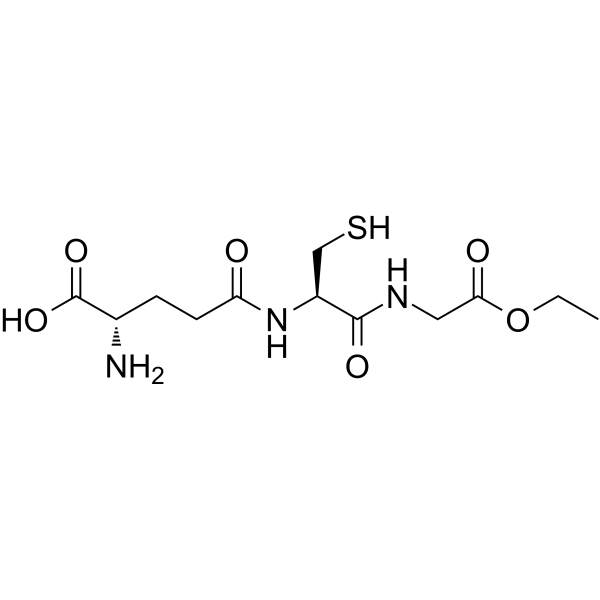
Glutathione ethyl ester is a cell-permeable GSH donor and provides an efficient supply of GSH to the oocyte. Glutathione ethyl ester shows positive effect on the in vitro production of embryos by enhancement of the antioxidative defense .
Rusfertide is a peptide mimetic of natural hepcidin, which targets and degrades ferroportin, reduces serum iron and transferrin-saturation, and thus regulates the production of red blood cells. Rusfertide ameliorates the polycythemia vera, β-thalassemia and hereditary hemochromatosis .
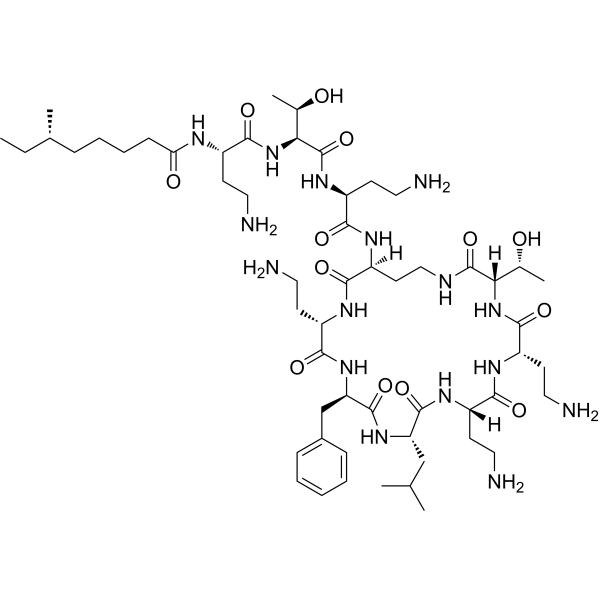
Polymyxin B1 is a potent antimicrobial lipopeptide first derived from Bacilus polymyxa. Polymyxin B1 is the major component in Polymyxin B (HY-A0248). Polymyxin B1 can induce lysis of bacterial cells through interaction with their membranes. Polymyxin B1 has the potential for multidrug-resistant Gram-negative bacterial infections treatment .
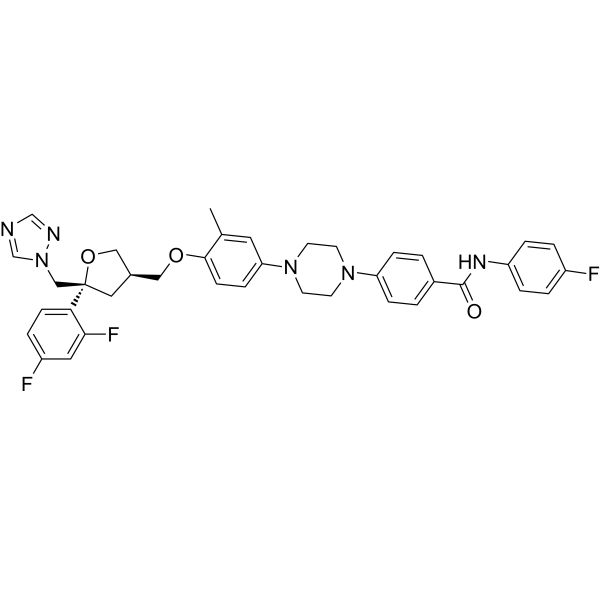
Opelconazole (PC945), a potent, long-acting antifungal triazole, possesses activity against a broad range of both azole-susceptible and azole-resistant strains of Aspergillus fumigatus. Opelconazole is also a potent, tightly binding inhibitor of A. fumigatus sterol 14α-demethylase activity, CYP51A and CYP51B, with IC50s of 0.23 μM and 0.22 μM, respectively .
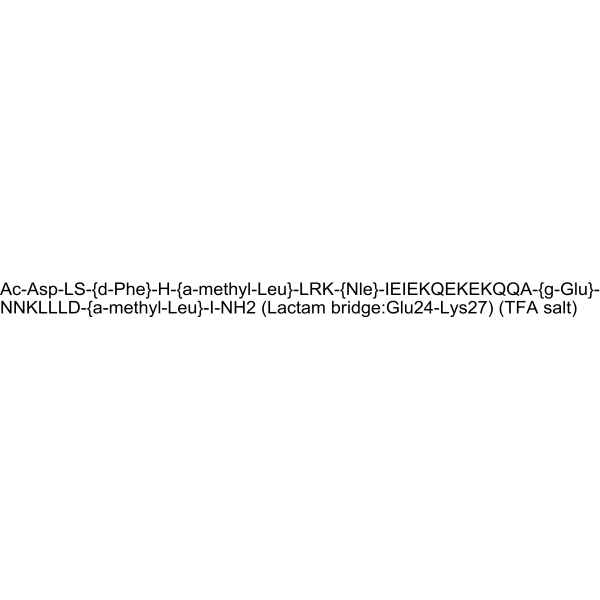
Astressin 2B TFA is a blood-brain barrier-impermeable, highly selective CRFR2 antagonist (rCRFR2, IC50=0.57 nM). Astressin 2B TFA blocks the protective effects mediated by CRFR2, thereby exacerbating indomethacin (HY-14397)-induced hemorrhagic intestinal injury in rats. Astressin 2B TFA reverses the protective effects of Urocortin 1 against intestinal hypermotility, bacterial invasion and upregulation of inflammatory mediators. Astressin 2B TFA also blocks the anxiogenic effect of Urocortin 2 and attenuates stress-induced anxiety-related behaviors. In the Clostridioides difficile toxin A (C. difficile toxin A)-mediated enteritis model, Astressin 2B TFA mimics the phenotype of CRFR2-deficient mice, significantly exacerbating intestinal epithelial damage, edema, neutrophil migration and the expression of multiple proinflammatory cytokines. Astressin 2B TFA is an important tool molecule for investigating the intestinal protective mechanisms of CRFR2 .
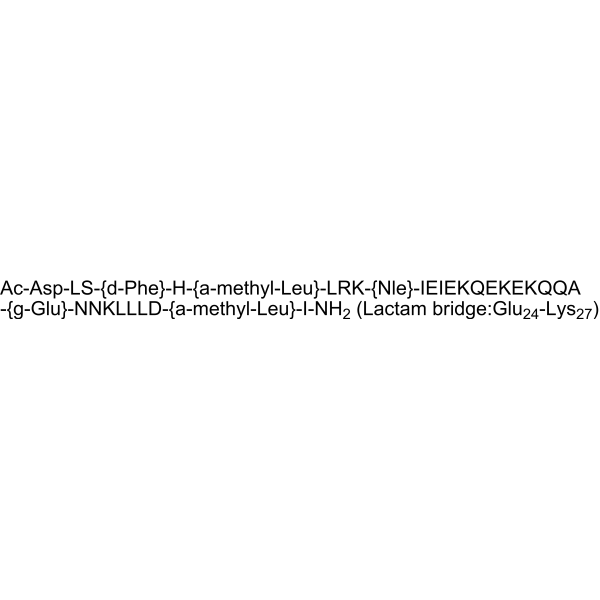
Astressin 2B is a blood-brain barrier-impermeable, highly selective CRFR2 antagonist (rCRFR2, IC50=0.57 nM). Astressin 2B blocks the protective effects mediated by CRFR2, thereby exacerbating indomethacin (HY-14397)-induced hemorrhagic intestinal injury in rats. Astressin 2B reverses the protective effects of Urocortin 1 against intestinal hypermotility, bacterial invasion and upregulation of inflammatory mediators. Astressin 2B also blocks the anxiogenic effect of Urocortin 2 and attenuates stress-induced anxiety-related behaviors. In the Clostridioides difficile toxin A (C. difficile toxin A)-mediated enteritis model, Astressin 2B mimics the phenotype of CRFR2-deficient mice, significantly exacerbating intestinal epithelial damage, edema, neutrophil migration and the expression of multiple proinflammatory cytokines. Astressin 2B is an important tool molecule for investigating the intestinal protective mechanisms of CRFR2 .
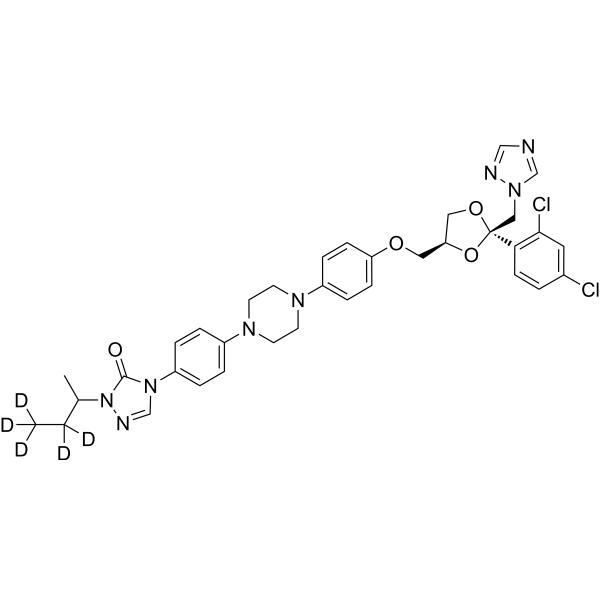
Itraconazole-d5 is the deuterium labeled Itraconazole. Itraconazole (R51211) is a triazole antifungal agent and a potent and orally active Hedgehog (Hh) signaling pathway antagonist with an IC50 of ~800 nM. Itraconazole potently inhibits lanosterol 14α-demethylase (cytochrome P450 enzyme), thereby inhibits the oxidative conversion of lanosterol to ergosterol. Itraconazole has anticancer and antiangiogenic effects .
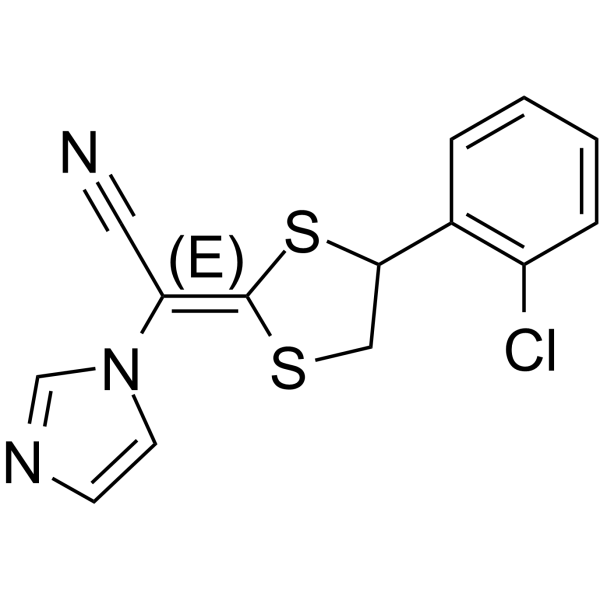
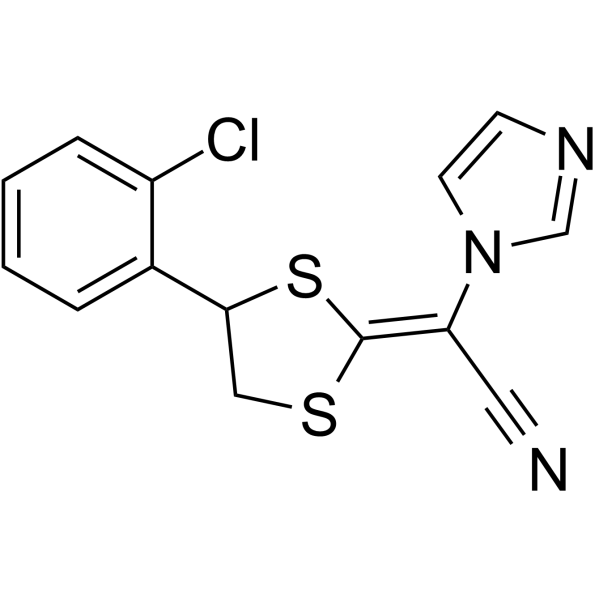
Lanoconazole is a potent and orally active imidazole antifungal agent, shows a broad spectrum of activity against fungi?in vitro?and?in vivo . Lanoconazole interferes with ergosterol biosynthesis by inhibiting sterol 14-alpha demethylase and blocking fungal membrane ergosterol biosynthesis. Lanoconazole can be used for the investigation of dermatophytosis and onychomycosis .
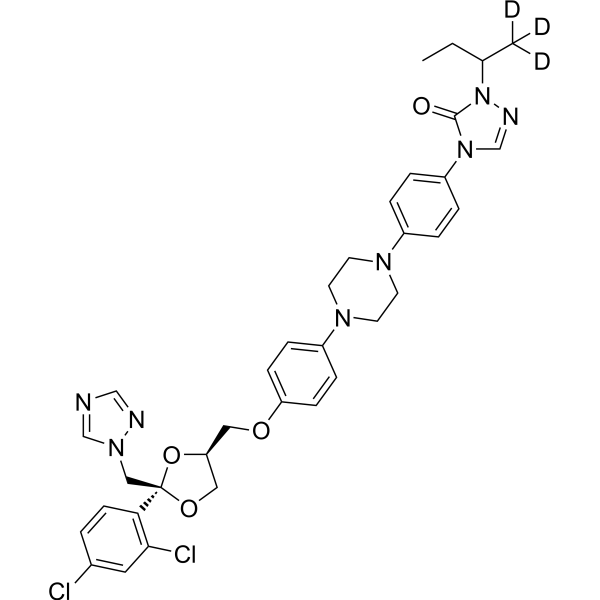
Itraconazole-d3 (R51211-d3) is the deuterium labeled Itraconazole (HY-17514) . Itraconazole (R51211) is a triazole antifungal agent and a potent and orally active Hedgehog (Hh) signaling pathway antagonist with an IC50 of ~800 nM. Itraconazole potently inhibits lanosterol 14α-demethylase (cytochrome P450 enzyme), thereby inhibits the oxidative conversion of lanosterol to ergosterol. Itraconazole has anticancer and antiangiogenic effects. Itraconazole is a oxysterol-binding protein (OSBP) inhibitor.
Itraconazole (Standard) is the analytical standard of Itraconazole. This product is intended for research and analytical applications. Itraconazole (R51211) is a triazole antifungal agent and a potent and orally active Hedgehog (Hh) signaling pathway antagonist with an IC50 of ~800 nM. Itraconazole potently inhibits lanosterol 14α-demethylase (cytochrome P450 enzyme), thereby inhibits the oxidative conversion of lanosterol to ergosterol. Itraconazole has anticancer and antiangiogenic effects. Itraconazole is a oxysterol-binding protein (OSBP) inhibitor .
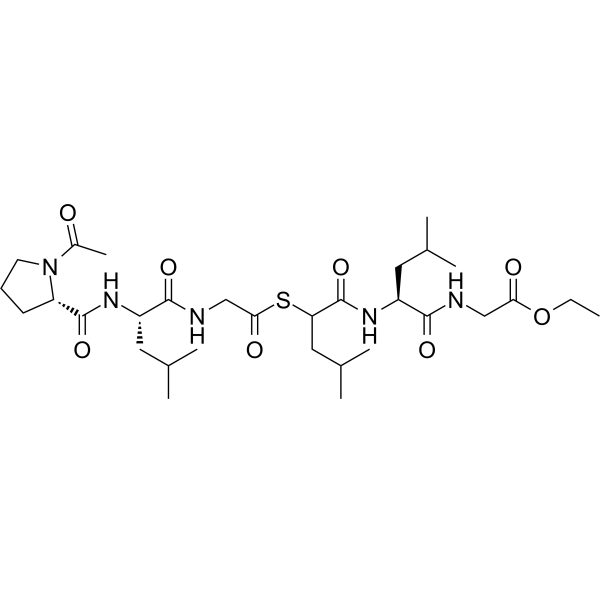
MMP-2/MMP-9 Substrate (Ac-Pro-Leu-Gly-[(S)-2-mercapto-4-methyl-pentanoyl]-Leu-Gly-OEt) is a synthetic chromogenic polypeptide substrate whose core structure mimics the cleavage sites of MMP-2 and MMP-9 (gelatinase A and B) in collagen. After being hydrolyzed by collagenase, MMP-2/MMP-9 Substrate reacts with 4,4'-dithiodipyridine or Ellman's Reagent via its thiol fragment to produce a product with ultraviolet absorption properties .
Polymyxin B1-d7 TFA is the deuterium labeled Polymyxin B1 TFA (HY-A0248A). Polymyxin B1 is a potent antimicrobial lipopeptide first derived from Bacilus polymyxa. Polymyxin B1 is the major component in Polymyxin B (HY-A0248). Polymyxin B1 can induce lysis of bacterial cells through interaction with their membranes. Polymyxin B1 has the potential for multidrug-resistant Gram-negative bacterial infections treatment .
(±)-Triadimefon-d4 is deuterium labeled Triadimefon. Triadimefon is a triazole fungicide used to control powdery mildew, rusts, and other fungal pests on grains, fruit and vegetable crops, turf, shrubs, and trees. Triadimefon inhibits lanosterol 14α-demethylase, interfering with oxidative demethylation reactions in the ergosterol biosynthesis pathway of fungi, and also blocks gibberellin biosynthesis .
Noraramtide (BHV-1100) is an antibody recruitment molecule. Noraramtide can specifically bind to CD38 molecules to recruit natural killer (NK) cells. Noraramtide enhances the ability of NK cells to kill tumor cells through antibody-dependent cellular cytotoxicity (ADCC). This mechanism allows NK cells to more effectively recognize and eliminate tumor cells while avoiding mutual killing between NK cells. Noraramtide can be used for the study of autologous cancer immunity .
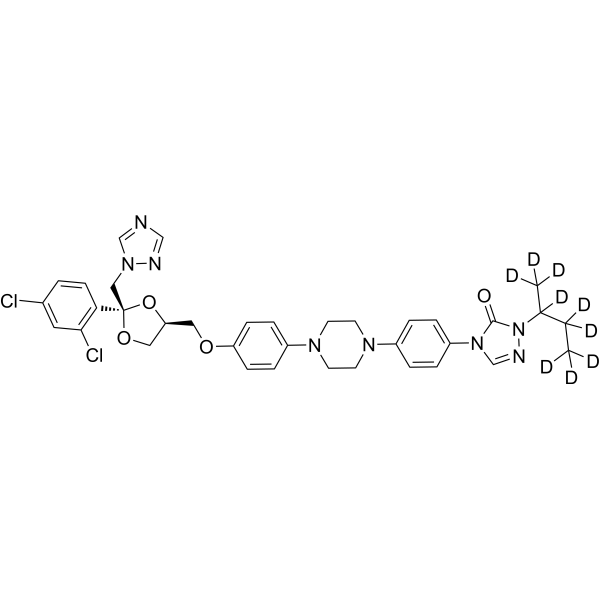
Itraconazole-d9 is the deuterium labeled Itraconazole . Itraconazole (R51211) is a triazole antifungal agent and a potent and orally active Hedgehog (Hh) signaling pathway antagonist with an IC50 of ~800 nM. Itraconazole potently inhibits lanosterol 14α-demethylase (cytochrome P450 enzyme), thereby inhibits the oxidative conversion of lanosterol to ergosterol. Itraconazole has anticancer and antiangiogenic effects. Itraconazole is a oxysterol-binding protein (OSBP) inhibitor .
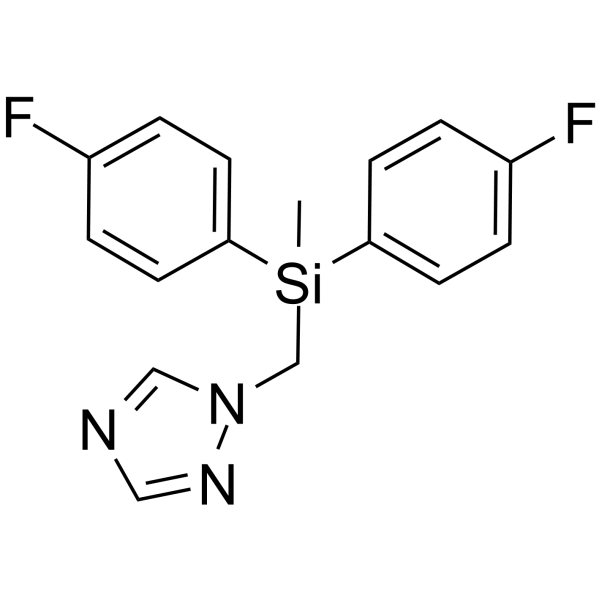
14α-Demethylase-IN-1 (compound 2e) is a 14α-demethylase inhibitor and can be used as an antifungal agent. 14α-Demethylase-IN-1 (48 h) exhibits MIC50 values of 2.47 μM, 1.23 μM, 19.70 μM, and 19.70 μM for C. albicans, C. parapsilosis, C. krusei, and C. glabrata, respectively .
(Z)-Lanoconazole is the Z configuration of Lanoconazole. Lanoconazole is a potent and orally active imidazole antifungal agent, shows a broad spectrum of activity against fungi in vitro and in vivo . Lanoconazole interferes with ergosterol biosynthesis by inhibiting sterol 14-alpha demethylase and blocking fungal membrane ergosterol biosynthesis. Lanoconazole can be used for the investigation of dermatophytosis and onychomycosis .
Azalanstat (RS-21607) is an inhibitor of heme oxygenase and lanosterol 14α-demethylase, with inhibitory activity against HO-1 (IC50 = 5.5 µM) and HO-2 (IC50 = 24.5 µM). Azalanstat reduces the maturation rate of rat oocytes, increases rat oocyte degeneration, and partially inhibits progesterone production in preovulatory follicles of rats .
14α-Demethylase/DNA Gyrase-IN-2 (Compound 6a) is a potent inhibitor of 14α-Demethylase/DNA Gyrase. 14α-Demethylase/DNA Gyrase-IN-2 has antimicrobial activities .
14α-Demethylase/DNA Gyrase-IN-1 (Compound 7c) is a potent inhibitor of 14α-Demethylase/DNA Gyrase. 14α-Demethylase/DNA Gyrase-IN-1 has antimicrobial activities .
SKF 100398 (d(CH2)5Tyr(Et)VAVP), an arginine vasopressin (AVP) analogue, is a specific antagonist of the antidiuretic effect of exogenous and endogenous AVP .
CYP51-IN-27 is a sterol 14α-demethylaseCYP51 inhibitor with an IC50 of 0.3434 μg/mL. CYP51-IN-27 exhibits antifungal activity and inhibits the production of fungal ergosterol. CYP51-IN-27 can be used for the research of infection, such as rice sheath blight .
Antibacterial agent 303 (compound 3) is an antibacterial agent exhibiting potent antibacterial activity against MDR strains, with MICs of 10 and 100 µg/mL against Pseudomonas aeruginosa MDR1 and Staphylococcus aureus MDR strains, respectively. Antibacterial agent 303 displays strong binding affinities to E. coli DNA gyrase and Candida albicans lanosterol 14α-demethylase. Antibacterial agent 303 can be used for drug-resistant infections research .
MAPI is a polypeptide irreversible 3C cysteine protease (SV3CP) inhibitor. MAPI inhibits SV3CP by covalently binding its C-terminal Michael-acceptor extension to the active site thiol of SV3CP Cys 139. MAPI is promising for research of noroviruses infection .
Antifungal agent 42 is an antifungal agent. Antifungal agent 42 has an inhibitory effect on lanosterol 14α-demethylase (CYP51) of C.alb.. Antifungal agent 42 inhibits biofilm formation .
SKF 104976 is a 3,2-carboxylic acid derivative with potent 14-alpha-demethylase (14 alpha DM) inhibitory activity. SKF 104976 inhibited 14 alpha DM activity by 50% at 2 nM in Hep G2 cell extracts. SKF 104976 inhibited the incorporation of [14C]acetate into cholesterol in intact cells at similar concentrations, accompanied by accumulation of lanosterol, and resulted in a 40-70% decrease in 3-hydroxy-3-methylglutaryl-CoA reductase (HMGR) activity. SKF 104976 did not affect the uptake and degradation of low-density lipoprotein in Hep G2 cells, indicating that HMGR and low-density lipoprotein receptor activities are not coordinately regulated under these conditions. The inhibitory effect of SKF 104976 on HMGR activity remained unchanged even when the flux of carbon units in the sterol synthesis pathway was reduced by 80%. SKF 104976 did not inhibit HMGR activity under conditions where sterol synthesis was almost completely blocked by lovastatin .
Pramiconazole is a broad-spectrum antifungal agent with oral activity. Pramiconazole has a good affinity for 14α-demethylase. Pramiconazole can be used in the study of fungal infections in the local skin, hair, nails, oral cavity, and genital mucosa .
Antifungal agent 40 is an antifungal agent which extends into the narrow hydrophobic pocket II of C.alb. CYP51. Antifungal agent 40 has an inhibitory effect on lanosterol 14α-demethylase (CYP51). Antifungal agent 40 inhibits biofilm formation .
Antifungal agent 68 (compound 10) is an antifungal agent against Candida and Cryptococcus gattii. Antifungal agent 68 inhibits fungal ergosterol biosynthesis, possibly by targeting lanosterol 14α-demethylase (CYP51). There is an interaction between the imidazole ring of antifungal agent 68 and the heme group of CYP51 .
Antifungal agent 33 (compound 4e) is a potent antifungal agent. Antifungal agent 33 exhibits remarkable antifungal activity against C. albicans, with a MIC of 16 μg/mL. Antifungal agent 33 shows potent inhibitory activity against Lanosterol 14α-demethylase (CYP51), with an IC50 of 0.19 μg/mL .
CYP51-IN-24 (Compound 22) is a Sterol 14α-Demethylase (CYP51) inhibitor. CYP51-IN-24 exhibits potent inhibitory activity against wild-type and drug-resistant fungi. CYP51-IN-24 inhibits ergosterol biosynthesis by binding to the fungal CYP51 enzyme. CYP51-IN-24 can be used in research and drug development against drug-resistant fungal infections .
Antifungal agent 137 (Compound 4S) is an antifungal agent. Antifungal agent 137 inhibits Phomopsis sp. (PS), with an EC50 of 0.15 μg/mL. Antifungal agent 137 inhibits lanosterol 14α-demethylase (CYP51), with an IC50 of 5.00 μg/mL. Antifungal agent 137 disrupts the morphology of PS mycelia, impairs cell membrane integrity, and induces an increase in intracellular ROS levels, triggering oxidative stress. Antifungal agent 137 can be used for the study of fungal infection .
Lanoconazole (Standard) is the analytical standard of Lanoconazole. This product is intended for research and analytical applications. Lanoconazole is a potent and orally active imidazole antifungal agent, shows a broad spectrum of activity against fungi in vitro and in vivo . Lanoconazole interferes with ergosterol biosynthesis by inhibiting sterol 14-alpha demethylase and blocking fungal membrane ergosterol biosynthesis. Lanoconazole can be used for the investigation of dermatophytosis and onychomycosis .
Azalanstat dihydrochloride (RS-21607 dihydrochloride) is an inhibitor of heme oxygenase and lanosterol 14α-demethylase, with inhibitory activity against HO-1 (IC50 = 5.5 µM) and HO-2 (IC50 = 24.5 µM). Azalanstat dihydrochloride reduces the maturation rate of rat oocytes, increases rat oocyte degeneration, and partially inhibits progesterone production in preovulatory follicles of rats .
Kahalalide A is an anti-mycobacterial compound with antimicrobial activity. Kahalalide A is derived from the marine mollusk Elysia rufescens. Kahalalide A has attracted extensive attention in natural product research due to its potential medicinal value .
CYP51-IN-5 is a cytochrome P450 14α-demethylase (CYP51) inhibitor and an antifungal (fungal) agent belonging to the triazole derivative class. CYP51-IN-5 is applicable to the research of Candida albicans, Cryptococcus neoformans, Candida parapsilosis, Candida tropicalis, Trichophyton rubrum, Candida krusei and Microsporum gypseum .
Antifungal agent 159 is an antifungal agent with broad-spectrum activity against phytopathogenic fungi. Antifungal agent 159 binds tightly to the active sites of exo-β-(1,3)-glucanase, topoisomerase II-DNA-nucleotide, dihydrofolate reductase, sterol 14-α demethylase and chitin synthase. Antifungal agent 159 can be used in studies related to phytopathogenic fungal infections .
Polymyxin B1-D-Leu-d7 TFA is the deuterium labeled Polymyxin B1 (HY-A0248A). Polymyxin B1 is a potent antimicrobial lipopeptide first derived from Bacilus polymyxa. Polymyxin B1 is the major component in Polymyxin B (HY-A0248). Polymyxin B1 can induce lysis of bacterial cells through interaction with their membranes. Polymyxin B1 has the potential for multidrug-resistant Gram-negative bacterial infections treatment .
CYP51-IN-32 is an antifungal agent with an IC50 of 0.331 μM against CYP51 of Candida albicans. CYP51-IN-32 releases hydrogen sulfide (H2S) and inhibits hyphal formation and biofilm development of Candida albicans. CYP51-IN-32 can be formulated into PEG-based nanovesicles. CYP51-IN-32 is applicable to the research of Candida albicans infection .
Antifungal agent 150 is an antifungal agent with activity against phytopathogenic fungi and in planta lesion suppression. Antifungal agent 150 inhibits ergosterol biosynthesis via targeted enzyme interaction. Antifungal agent 150 can be used for the research of plant diseases caused by Rhizoctonia solani, including banded leaf and sheath blight of maize .
Glutathione ethyl ester is a cell-permeable GSH donor and provides an efficient supply of GSH to the oocyte. Glutathione ethyl ester shows positive effect on the in vitro production of embryos by enhancement of the antioxidative defense .
Rusfertide is a peptide mimetic of natural hepcidin, which targets and degrades ferroportin, reduces serum iron and transferrin-saturation, and thus regulates the production of red blood cells. Rusfertide ameliorates the polycythemia vera, β-thalassemia and hereditary hemochromatosis .
Polymyxin B1 is a potent antimicrobial lipopeptide first derived from Bacilus polymyxa. Polymyxin B1 is the major component in Polymyxin B (HY-A0248). Polymyxin B1 can induce lysis of bacterial cells through interaction with their membranes. Polymyxin B1 has the potential for multidrug-resistant Gram-negative bacterial infections treatment .
Astressin 2B TFA is a blood-brain barrier-impermeable, highly selective CRFR2 antagonist (rCRFR2, IC50=0.57 nM). Astressin 2B TFA blocks the protective effects mediated by CRFR2, thereby exacerbating indomethacin (HY-14397)-induced hemorrhagic intestinal injury in rats. Astressin 2B TFA reverses the protective effects of Urocortin 1 against intestinal hypermotility, bacterial invasion and upregulation of inflammatory mediators. Astressin 2B TFA also blocks the anxiogenic effect of Urocortin 2 and attenuates stress-induced anxiety-related behaviors. In the Clostridioides difficile toxin A (C. difficile toxin A)-mediated enteritis model, Astressin 2B TFA mimics the phenotype of CRFR2-deficient mice, significantly exacerbating intestinal epithelial damage, edema, neutrophil migration and the expression of multiple proinflammatory cytokines. Astressin 2B TFA is an important tool molecule for investigating the intestinal protective mechanisms of CRFR2 .
Astressin 2B is a blood-brain barrier-impermeable, highly selective CRFR2 antagonist (rCRFR2, IC50=0.57 nM). Astressin 2B blocks the protective effects mediated by CRFR2, thereby exacerbating indomethacin (HY-14397)-induced hemorrhagic intestinal injury in rats. Astressin 2B reverses the protective effects of Urocortin 1 against intestinal hypermotility, bacterial invasion and upregulation of inflammatory mediators. Astressin 2B also blocks the anxiogenic effect of Urocortin 2 and attenuates stress-induced anxiety-related behaviors. In the Clostridioides difficile toxin A (C. difficile toxin A)-mediated enteritis model, Astressin 2B mimics the phenotype of CRFR2-deficient mice, significantly exacerbating intestinal epithelial damage, edema, neutrophil migration and the expression of multiple proinflammatory cytokines. Astressin 2B is an important tool molecule for investigating the intestinal protective mechanisms of CRFR2 .
MMP-2/MMP-9 Substrate (Ac-Pro-Leu-Gly-[(S)-2-mercapto-4-methyl-pentanoyl]-Leu-Gly-OEt) is a synthetic chromogenic polypeptide substrate whose core structure mimics the cleavage sites of MMP-2 and MMP-9 (gelatinase A and B) in collagen. After being hydrolyzed by collagenase, MMP-2/MMP-9 Substrate reacts with 4,4'-dithiodipyridine or Ellman's Reagent via its thiol fragment to produce a product with ultraviolet absorption properties .
Polymyxin B1-d7 TFA is the deuterium labeled Polymyxin B1 TFA (HY-A0248A). Polymyxin B1 is a potent antimicrobial lipopeptide first derived from Bacilus polymyxa. Polymyxin B1 is the major component in Polymyxin B (HY-A0248). Polymyxin B1 can induce lysis of bacterial cells through interaction with their membranes. Polymyxin B1 has the potential for multidrug-resistant Gram-negative bacterial infections treatment .
Noraramtide (BHV-1100) is an antibody recruitment molecule. Noraramtide can specifically bind to CD38 molecules to recruit natural killer (NK) cells. Noraramtide enhances the ability of NK cells to kill tumor cells through antibody-dependent cellular cytotoxicity (ADCC). This mechanism allows NK cells to more effectively recognize and eliminate tumor cells while avoiding mutual killing between NK cells. Noraramtide can be used for the study of autologous cancer immunity .
SKF 100398 (d(CH2)5Tyr(Et)VAVP), an arginine vasopressin (AVP) analogue, is a specific antagonist of the antidiuretic effect of exogenous and endogenous AVP .
MAPI is a polypeptide irreversible 3C cysteine protease (SV3CP) inhibitor. MAPI inhibits SV3CP by covalently binding its C-terminal Michael-acceptor extension to the active site thiol of SV3CP Cys 139. MAPI is promising for research of noroviruses infection .
N-(2-Carbamoyl-ethyl)-Val-Leu-anilide is a polypeptide that can be found by peptide screening. Peptide screening is a research tool that pools active peptides primarily by immunoassay. Peptide screening can be used for protein interaction, functional analysis, epitope screening, especially in the field of agent research and development .
Kahalalide A is an anti-mycobacterial compound with antimicrobial activity. Kahalalide A is derived from the marine mollusk Elysia rufescens. Kahalalide A has attracted extensive attention in natural product research due to its potential medicinal value .
Polymyxin B1-D-Leu-d7 TFA is the deuterium labeled Polymyxin B1 (HY-A0248A). Polymyxin B1 is a potent antimicrobial lipopeptide first derived from Bacilus polymyxa. Polymyxin B1 is the major component in Polymyxin B (HY-A0248). Polymyxin B1 can induce lysis of bacterial cells through interaction with their membranes. Polymyxin B1 has the potential for multidrug-resistant Gram-negative bacterial infections treatment .
Itraconazole (R51211) is a triazole antifungal agent and a potent and orally active Hedgehog (Hh) signaling pathway antagonist with an IC50 of ~800 nM. Itraconazole potently inhibits lanosterol 14α-demethylase (cytochrome P450 enzyme), thereby inhibits the oxidative conversion of lanosterol to ergosterol. Itraconazole has anticancer and antiangiogenic effects. Itraconazole is a oxysterol-binding protein (OSBP) inhibitor .
Polymyxin B1 is a potent antimicrobial lipopeptide first derived from Bacilus polymyxa. Polymyxin B1 is the major component in Polymyxin B (HY-A0248). Polymyxin B1 can induce lysis of bacterial cells through interaction with their membranes. Polymyxin B1 has the potential for multidrug-resistant Gram-negative bacterial infections treatment .
Itraconazole (Standard) is the analytical standard of Itraconazole. This product is intended for research and analytical applications. Itraconazole (R51211) is a triazole antifungal agent and a potent and orally active Hedgehog (Hh) signaling pathway antagonist with an IC50 of ~800 nM. Itraconazole potently inhibits lanosterol 14α-demethylase (cytochrome P450 enzyme), thereby inhibits the oxidative conversion of lanosterol to ergosterol. Itraconazole has anticancer and antiangiogenic effects. Itraconazole is a oxysterol-binding protein (OSBP) inhibitor .
Polymyxin B1-d7 TFA is the deuterium labeled Polymyxin B1 TFA (HY-A0248A). Polymyxin B1 is a potent antimicrobial lipopeptide first derived from Bacilus polymyxa. Polymyxin B1 is the major component in Polymyxin B (HY-A0248). Polymyxin B1 can induce lysis of bacterial cells through interaction with their membranes. Polymyxin B1 has the potential for multidrug-resistant Gram-negative bacterial infections treatment .
Polymyxin B1-D-Leu-d7 TFA is the deuterium labeled Polymyxin B1 (HY-A0248A). Polymyxin B1 is a potent antimicrobial lipopeptide first derived from Bacilus polymyxa. Polymyxin B1 is the major component in Polymyxin B (HY-A0248). Polymyxin B1 can induce lysis of bacterial cells through interaction with their membranes. Polymyxin B1 has the potential for multidrug-resistant Gram-negative bacterial infections treatment .
CYP51 Proteinas is a sterol 14α-demethylase that acts with an unknown physiological substrate and accepts electrons from the iron-sulfur ferredoxin Fdx. In vitro, it catalyzes the C14-demethylation of lanosterol, 24,25-dihydrolanosterol, and obtanyol, showing stereoselectivity in producing 8,14-diene. CYP51 Protein, Mycobacterium tuberculosis (sf9, His) is the recombinant CYP51 protein, expressed by Sf9 insect cells , with N-10*His labeled tag.
ERG11 Proteinas is a sterol 14α-demethylase, a key enzyme in the ergosterol biosynthetic pathway, particularly in the late pathway that occurs in the endoplasmic reticulum membrane. ERG11 catalyzes the three-step removal of the 14α-methyl group from lanosterol, releasing it as a formate, resulting in the conversion of the sterol into a key intermediate in ergosterol biosynthesis. ERG11 Protein, Saccharomyces cerevisiae (GST) is the recombinant ERG11 protein, expressed by E. coli , with N-GST labeled tag.
Itraconazole-d5 is the deuterium labeled Itraconazole. Itraconazole (R51211) is a triazole antifungal agent and a potent and orally active Hedgehog (Hh) signaling pathway antagonist with an IC50 of ~800 nM. Itraconazole potently inhibits lanosterol 14α-demethylase (cytochrome P450 enzyme), thereby inhibits the oxidative conversion of lanosterol to ergosterol. Itraconazole has anticancer and antiangiogenic effects .
Itraconazole-d3 (R51211-d3) is the deuterium labeled Itraconazole (HY-17514) . Itraconazole (R51211) is a triazole antifungal agent and a potent and orally active Hedgehog (Hh) signaling pathway antagonist with an IC50 of ~800 nM. Itraconazole potently inhibits lanosterol 14α-demethylase (cytochrome P450 enzyme), thereby inhibits the oxidative conversion of lanosterol to ergosterol. Itraconazole has anticancer and antiangiogenic effects. Itraconazole is a oxysterol-binding protein (OSBP) inhibitor.
Polymyxin B1-d7 TFA is the deuterium labeled Polymyxin B1 TFA (HY-A0248A). Polymyxin B1 is a potent antimicrobial lipopeptide first derived from Bacilus polymyxa. Polymyxin B1 is the major component in Polymyxin B (HY-A0248). Polymyxin B1 can induce lysis of bacterial cells through interaction with their membranes. Polymyxin B1 has the potential for multidrug-resistant Gram-negative bacterial infections treatment .
(±)-Triadimefon-d4 is deuterium labeled Triadimefon. Triadimefon is a triazole fungicide used to control powdery mildew, rusts, and other fungal pests on grains, fruit and vegetable crops, turf, shrubs, and trees. Triadimefon inhibits lanosterol 14α-demethylase, interfering with oxidative demethylation reactions in the ergosterol biosynthesis pathway of fungi, and also blocks gibberellin biosynthesis .
Itraconazole-d9 is the deuterium labeled Itraconazole . Itraconazole (R51211) is a triazole antifungal agent and a potent and orally active Hedgehog (Hh) signaling pathway antagonist with an IC50 of ~800 nM. Itraconazole potently inhibits lanosterol 14α-demethylase (cytochrome P450 enzyme), thereby inhibits the oxidative conversion of lanosterol to ergosterol. Itraconazole has anticancer and antiangiogenic effects. Itraconazole is a oxysterol-binding protein (OSBP) inhibitor .
Polymyxin B1-D-Leu-d7 TFA is the deuterium labeled Polymyxin B1 (HY-A0248A). Polymyxin B1 is a potent antimicrobial lipopeptide first derived from Bacilus polymyxa. Polymyxin B1 is the major component in Polymyxin B (HY-A0248). Polymyxin B1 can induce lysis of bacterial cells through interaction with their membranes. Polymyxin B1 has the potential for multidrug-resistant Gram-negative bacterial infections treatment .
Western blot analysis of extracts from THP-1(lane 2(20μg), Jurkat (lane 3(20μg) and NIH3T3(lane 4(20μg) using FOXO1A (HY-P80132) Rabbit mAb. Proteins were transferred
to a PVDF membrane and blocked with 5% non-fat milk in TBST for 2 hour at room temperature. The primary antibody (1/1000) and Loading control antibody (Beta Actin, HY-P80438, 1/10000) was
used in 5% non-fat milk in TBST at 4°C overnight. Goat Anti-Mouse/Rabbit IgG-HRP Secondary Antibody (1/10000) was used for 1 hour at room temperature.
Western blot analysis of extracts from THP-1(lane 2(20μg), Jurkat (lane 3(20μg) and NIH3T3(lane 4(20μg) using FOXO1A (HY-P80132) Rabbit mAb. Proteins were transferred
to a PVDF membrane and blocked with 5% non-fat milk in TBST for 2 hour at room temperature. The primary antibody (1/1000) and Loading control antibody (Beta Actin, HY-P80438, 1/10000) was
used in 5% non-fat milk in TBST at 4°C overnight. Goat Anti-Mouse/Rabbit IgG-HRP Secondary Antibody (1/10000) was used for 1 hour at room temperature.
Western blot analysis of extracts from THP-1(lane 2(20μg), Jurkat (lane 3(20μg) and NIH3T3(lane 4(20μg) using FOXO1A (HY-P80132) Rabbit mAb. Proteins were transferred
to a PVDF membrane and blocked with 5% non-fat milk in TBST for 2 hour at room temperature. The primary antibody (1/1000) and Loading control antibody (Beta Actin, HY-P80438, 1/10000) was
used in 5% non-fat milk in TBST at 4°C overnight. Goat Anti-Mouse/Rabbit IgG-HRP Secondary Antibody (1/10000) was used for 1 hour at room temperature.
Western blot analysis of extracts from THP-1(lane 2(20μg), Jurkat (lane 3(20μg) and NIH3T3(lane 4(20μg) using FOXO1A (HY-P80132) Rabbit mAb. Proteins were transferred
to a PVDF membrane and blocked with 5% non-fat milk in TBST for 2 hour at room temperature. The primary antibody (1/1000) and Loading control antibody (Beta Actin, HY-P80438, 1/10000) was
MedchemExpress Validation 03
Western blot analysis of extracts from THP-1(lane 2(20μg), Jurkat (lane 3(20μg) and NIH3T3(lane 4(20μg) using FOXO1A (HY-P80132) Rabbit mAb. Proteins were transferred
MedchemExpress Validation 04
Western blot analysis of extracts from THP-1(lane 2(20μg), Jurkat (lane 3(20μg) and NIH3T3(lane 4(20μg) using FOXO1A (HY-P80132) Rabbit mAb. Proteins were transferred
to a PVDF membrane and blocked with 5% non-fat milk in TBST for 2 hour at room temperature. The primary antibody (1/1000) and Loading control antibody (Beta Actin, HY-P80438, 1/10000) was
used in 5% non-fat milk in TBST at 4°C overnight. Goat Anti-Mouse/Rabbit IgG-HRP Secondary Antibody (1/10000) was used for 1 hour at room temperature.
MedchemExpress Validation
Western blot analysis of extracts from THP-1(lane 2(20μg), Jurkat (lane 3(20μg) and NIH3T3(lane 4(20μg) using FOXO1A (HY-P80132) Rabbit mAb. Proteins were transferred
to a PVDF membrane and blocked with 5% non-fat milk in TBST for 2 hour at room temperature. The primary antibody (1/1000) and Loading control antibody (Beta Actin, HY-P80438, 1/10000) was
used in 5% non-fat milk in TBST at 4°C overnight. Goat Anti-Mouse/Rabbit IgG-HRP Secondary Antibody (1/10000) was used for 1 hour at room temperature.
Western blot analysis of extracts from THP-1(lane 2(20μg), Jurkat (lane 3(20μg) and NIH3T3(lane 4(20μg) using FOXO1A (HY-P80132) Rabbit mAb. Proteins were transferred
to a PVDF membrane and blocked with 5% non-fat milk in TBST for 2 hour at room temperature. The primary antibody (1/1000) and Loading control antibody (Beta Actin, HY-P80438, 1/10000) was
used in 5% non-fat milk in TBST at 4°C overnight. Goat Anti-Mouse/Rabbit IgG-HRP Secondary Antibody (1/10000) was used for 1 hour at room temperature.
MedchemExpress Validation
Western blot analysis of extracts from THP-1(lane 2(20μg), Jurkat (lane 3(20μg) and NIH3T3(lane 4(20μg) using FOXO1A (HY-P80132) Rabbit mAb. Proteins were transferred
to a PVDF membrane and blocked with 5% non-fat milk in TBST for 2 hour at room temperature. The primary antibody (1/1000) and Loading control antibody (Beta Actin, HY-P80438, 1/10000) was
used in 5% non-fat milk in TBST at 4°C overnight. Goat Anti-Mouse/Rabbit IgG-HRP Secondary Antibody (1/10000) was used for 1 hour at room temperature.
MedchemExpress Validation
Western blot analysis of extracts from THP-1(lane 2(20μg), Jurkat (lane 3(20μg) and NIH3T3(lane 4(20μg) using FOXO1A (HY-P80132) Rabbit mAb. Proteins were transferred
to a PVDF membrane and blocked with 5% non-fat milk in TBST for 2 hour at room temperature. The primary antibody (1/1000) and Loading control antibody (Beta Actin, HY-P80438, 1/10000) was
used in 5% non-fat milk in TBST at 4°C overnight. Goat Anti-Mouse/Rabbit IgG-HRP Secondary Antibody (1/10000) was used for 1 hour at room temperature.
MedchemExpress Validation
Western blot analysis of extracts from THP-1(lane 2(20μg), Jurkat (lane 3(20μg) and NIH3T3(lane 4(20μg) using FOXO1A (HY-P80132) Rabbit mAb. Proteins were transferred
to a PVDF membrane and blocked with 5% non-fat milk in TBST for 2 hour at room temperature. The primary antibody (1/1000) and Loading control antibody (Beta Actin, HY-P80438, 1/10000) was
used in 5% non-fat milk in TBST at 4°C overnight. Goat Anti-Mouse/Rabbit IgG-HRP Secondary Antibody (1/10000) was used for 1 hour at room temperature.
MedchemExpress Validation
Western blot analysis of extracts from THP-1(lane 2(20μg), Jurkat (lane 3(20μg) and NIH3T3(lane 4(20μg) using FOXO1A (HY-P80132) Rabbit mAb. Proteins were transferred
to a PVDF membrane and blocked with 5% non-fat milk in TBST for 2 hour at room temperature. The primary antibody (1/1000) and Loading control antibody (Beta Actin, HY-P80438, 1/10000) was
used in 5% non-fat milk in TBST at 4°C overnight. Goat Anti-Mouse/Rabbit IgG-HRP Secondary Antibody (1/10000) was used for 1 hour at room temperature.
MedchemExpress Validation
Western blot analysis of extracts from THP-1(lane 2(20μg), Jurkat (lane 3(20μg) and NIH3T3(lane 4(20μg) using FOXO1A (HY-P80132) Rabbit mAb. Proteins were transferred
to a PVDF membrane and blocked with 5% non-fat milk in TBST for 2 hour at room temperature. The primary antibody (1/1000) and Loading control antibody (Beta Actin, HY-P80438, 1/10000) was
used in 5% non-fat milk in TBST at 4°C overnight. Goat Anti-Mouse/Rabbit IgG-HRP Secondary Antibody (1/10000) was used for 1 hour at room temperature.
MedchemExpress Validation
Western blot analysis of extracts from THP-1(lane 2(20μg), Jurkat (lane 3(20μg) and NIH3T3(lane 4(20μg) using FOXO1A (HY-P80132) Rabbit mAb. Proteins were transferred
to a PVDF membrane and blocked with 5% non-fat milk in TBST for 2 hour at room temperature. The primary antibody (1/1000) and Loading control antibody (Beta Actin, HY-P80438, 1/10000) was
used in 5% non-fat milk in TBST at 4°C overnight. Goat Anti-Mouse/Rabbit IgG-HRP Secondary Antibody (1/10000) was used for 1 hour at room temperature.
MedChemExpress values your privacy and your trust is important to us. We use cookies to enhance your website experience. Some cookies are necessary to run the website.
Privacy and Cookie Policy

