1. Search Result
Search Result
Results for "

Anti-Leukemia

" in MedChemExpress (MCE) Product Catalog:

45

阻害剤およびアゴニスト

1

ペプチド

7

天然物

1

同位体標識化合物

製品番号 製品名 Target 研究分野 構造式
  • HY-13765
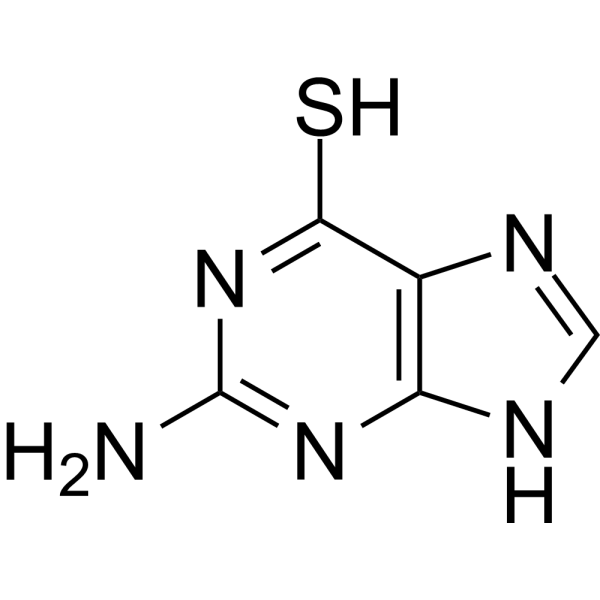
    6-Thioguanine
    10+ Cited Publications

    Thioguanine; 2-Amino-6-purinethiol

    SARS-CoV Deubiquitinase DNA Methyltransferase Autophagy Apoptosis Endogenous Metabolite Infection Inflammation/Immunology Cancer
    6-Thioguanine (Thioguanine; 2-Amino-6-purinethiol) is an anti-leukemia and immunosuppressant agent, acts as an inhibitor of SARS and MERS coronavirus papain-like proteases (PLpros) and also potently inhibits USP2 activity, with IC50s of 25 μM and 40 μM for Plpros and recombinant human USP2, respectively.
    6-Thioguanine
  • HY-30272
    Monobenzone
    1 Publications Verification

    Hapten Cancer
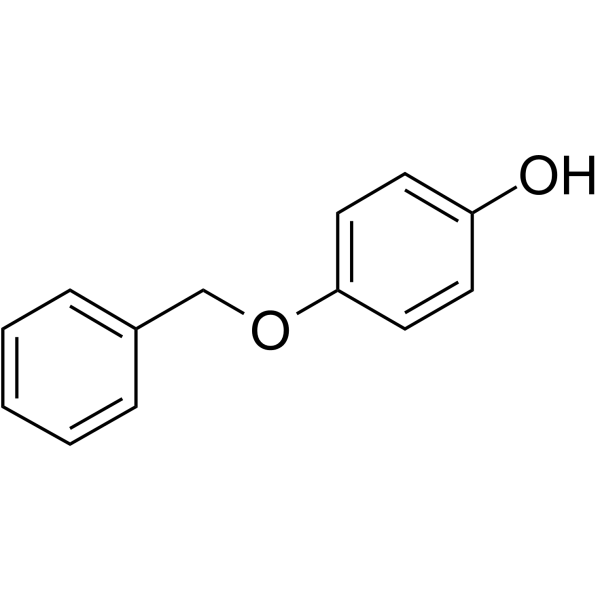
    Monobenzone is a potent skin depigmenting agent. Monobenzone induces depigmentation and exhibits good potential for vitiligo research. Monobenzone is a potent inhibitor of RNR (Ribonucleotide reductase) enzyme activity by targeting RRM2 (a regulatory small subunit M2 of RNR) protein, and thus has significant anti-leukemia efficacy in vitro and in vivo. Monobenzone inhibits acute myeloid leukemia (AML) cells proliferation and DNA synthesis, induces cell cycle arrest, and Apoptosis .
    Monobenzone
  • HY-114162
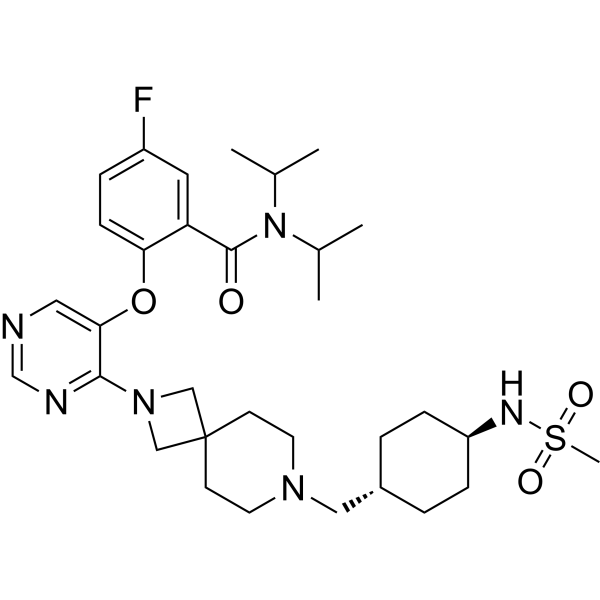
    VTP50469
    10+ Cited Publications

    SNDX-50469

    Epigenetic Reader Domain Apoptosis Cancer
    VTP50469 is a potent, highly selective and orally active Menin-MLL interaction inhibitor with a Ki of 104 pM. VTP50469 has potently anti-leukemia activity .
    VTP50469
  • HY-16273A
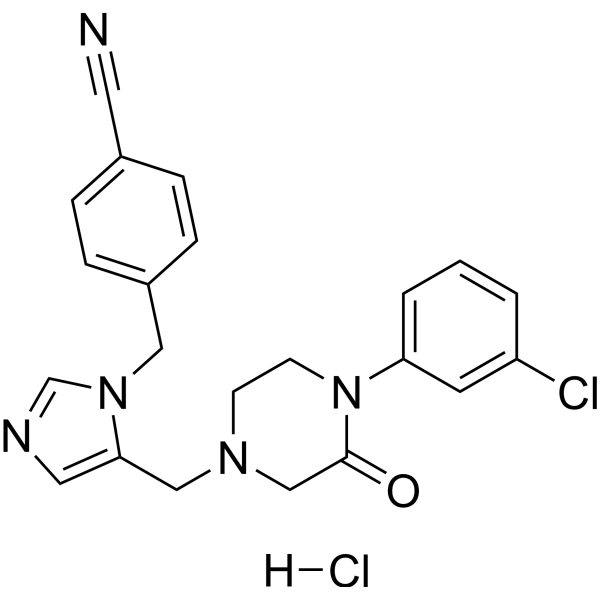
    L-778123 hydrochloride
    5 Publications Verification

    Farnesyl Transferase Cancer
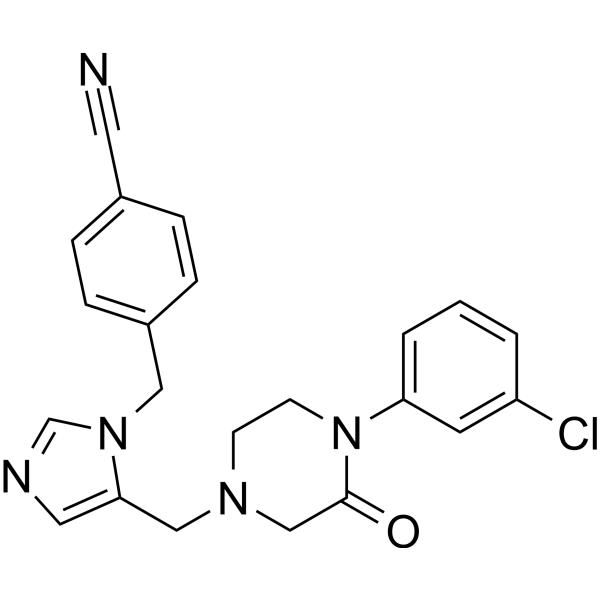
    L-778123 hydrochloride is a dual inhibitor of FPTase and GGPTase-I, with IC50 values of 2 nM and 98 nM respectively.
    L-778123 hydrochloride
  • HY-16273
    L-778123
    5 Publications Verification

    Farnesyl Transferase Cancer
    L-778123 is a dual FPTase and GGPTase-I inhibitor, with IC50s of 2 nM and 98 nM respectively .
    L-778123
  • HY-N0840
    Bruceantin
    2 Publications Verification

    (-)-BruceAntin; NCI165563; NSC165563

    c-Myc Caspase Mitochondrial Metabolism Apoptosis Parasite Infection Cancer
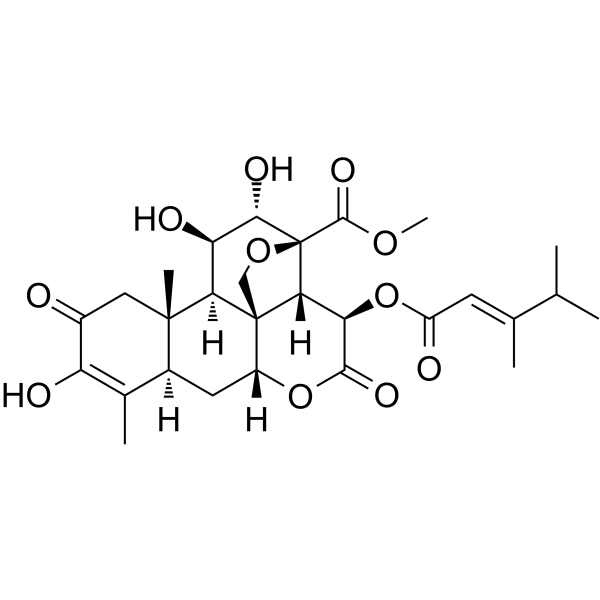
    Bruceantin ((-)-Bruceantin) is a quassinoid found in B. javanica. Bruceantin activates caspase signaling pathway, causes the mitochondrial dysfunction, inhibits cell proliferation, induces cell differentiation and apoptosis. Bruceantin exhibits anti-leukemia and antiprotozoal activities .
    Bruceantin
  • HY-111380
    EHT 1610
    2 Publications Verification

    DYRK Neurological Disease
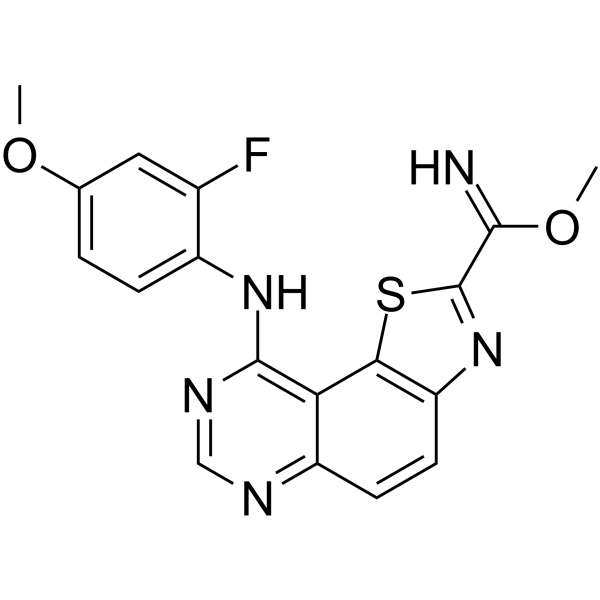
    EHT 1610 is a potent inhibitor of DYRK, with IC50s of 0.36 nM (DYRK1A), 0.59 nM (DYRK1B), respectively. EHT 1610 exhibits antileukemia effect, regulates cell cycle and induces cell apoptosis - .
    EHT 1610
  • HY-150109

    HDAC Apoptosis Cancer
    Purinostat mesylate is a selective inhibitor of HDAC. Purinostat mesylate inhibits class I and class IIb HDACs with IC50s from 0.81 to 11.5 nM. Purinostat mesylate induces apoptosis and affects cell cycle of LAMA84 and 188 BL-2 cells, and shows potently anti-leukemia effects in vivo. Purinostat mesylate can be used for the research of lymphoblastic leukemia .
    Purinostat mesylate
  • HY-114162A
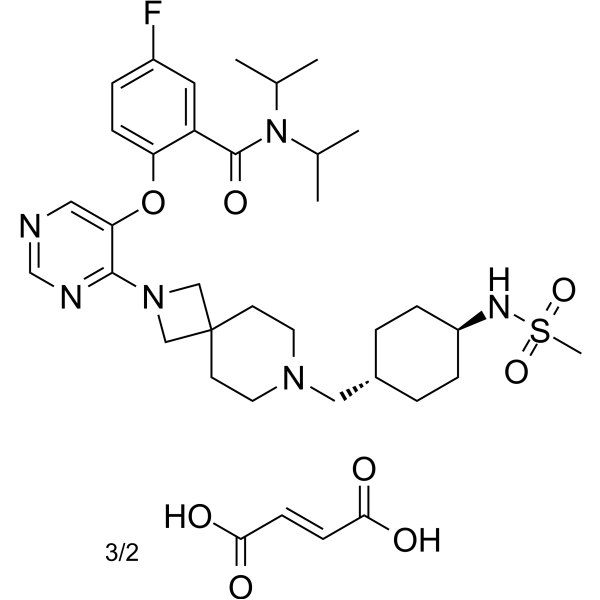
    VTP50469 fumarate
    10+ Cited Publications

    SNDX-50469 fumarate

    Epigenetic Reader Domain Apoptosis Cancer
    VTP50469 fumarate is a potent, highly selective and orally active Menin-MLL interaction inhibitor with a Ki of 104 pM. VTP50469 fumarate has potently anti-leukemia activity .
    VTP50469 fumarate
  • HY-158341

    HIF/HIF Prolyl-Hydroxylase Apoptosis Cancer
    IOX5 is a selective prolyl hydroxylase (PHD) inhibitor with an IC50 of 0.19 μM for PHD2. IOX5 stabilizes HIF-1α in acute myeloid leukemia (AML) cells, inhibits cell proliferation and induces apoptosis. IOX5 has anti-leukemia activity .
    IOX5
  • HY-147868

    Epigenetic Reader Domain Apoptosis Cancer
    DC-CPin711 is a potent and selective inhibitor of CREB-binding protein (CBP) bromodomain with an IC50 of 0.0626 μM. DC-CPin711 arrests cell cycle at G1 phase and induces apoptosis .
    DC-CPin711
  • HY-13765R

    Thioguanine (Standard); 2-Amino-6-purinethiol (Standard)

    Reference Standards SARS-CoV Deubiquitinase DNA Methyltransferase Autophagy Apoptosis Endogenous Metabolite Infection Inflammation/Immunology Cancer
    6-Thioguanine (Standard) is the analytical standard of 6-Thioguanine. This product is intended for research and analytical applications. 6-Thioguanine (Thioguanine; 2-Amino-6-purinethiol) is an anti-leukemia and immunosuppressant agent, acts as an inhibitor of SARS and MERS coronavirus papain-like proteases (PLpros) and also potently inhibits USP2 activity, with IC50s of 25 μM and 40 μM for Plpros and recombinant human USP2, respectively.
    6-Thioguanine (Standard)
  • HY-168936

    PROTACs Epigenetic Reader Domain Apoptosis Cancer
    DP-15 is the degrader for GSPT1 and BRD4 with DC50s of 5.25 nM and 0.48 nM. DP-15 exhibits anti-proliferative activity of AML cells and NHL cells with an IC50 of nanomolar levels, arrests the cell cycle at G1 phase, and induces apoptosis in MOLM13. DP-15 exhibits anti-leukemia activity in MOLM-13 xenograft mouse models . (Pink: ligand for target protein JQ-1 carboxylic acid (HY-78695); Black: linker (HY-W262798); Blue: ligand for E3 ligase Cereblon Thalidomide-5-OH (HY-23095))
    DP-15
  • HY-W011156

    Amino Acid Derivatives Others
    Mpa(Trt) is a 3-mercaptopropionic acid derivative containing a trityl protecting group (Trt) and can be used to synthesize compounds with anti-leukemia activity .
    Mpa(Trt)
  • HY-178155

    DNA/RNA Synthesis Autophagy Cancer
    AP232 is a selective U2AF1-UHM Inhibitor with an IC50 of 7.96 μM. AP232 exhibits 2.8-24-fold selectivity against other UHM-containing proteins. AP232 exerts anti-leukemia activity and shows higher activities in cell lines carrying splicing factor mutations. AP232 can induce leukemia cells G2/M and G1 arrest, impair lysosome acidification, and inhibit autophagy. AP232 can be used for the research of cancer, such as Leukemia .
    AP232
  • HY-159646A

    Casein Kinase Cancer
    (R,R)-BMS-986397 is a CK1α degrader (DC50 between 0.1-0.5 pM). (R,R)-BMS-986397 can be used in anti-leukemia research .
    (R,R)-BMS-986397
  • HY-139193

    DNA/RNA Synthesis Cancer
    TH1760 is an inhibitor of NUDIX-type 15 (NUDT15) with an IC50 value of 25 nM. TH1760 sensitizes cells to 6-thioguanine by enhancing the accumulation of 6-thio- (d) GTP in nucleic acids. TH1760 enhances the anti-leukemia effect of thiopurine .
    TH1760
  • HY-114162R

    SNDX-50469 (Standard)

    Reference Standards Epigenetic Reader Domain Apoptosis Cancer
    VTP50469 (Standard) is the analytical standard of VTP50469. This product is intended for research and analytical applications. VTP50469 is a potent, highly selective and orally active Menin-MLL interaction inhibitor with a Ki of 104 pM. VTP50469 has potently anti-leukemia activity .
    VTP50469 (Standard)
  • HY-124069

    Epigenetic Reader Domain Cancer
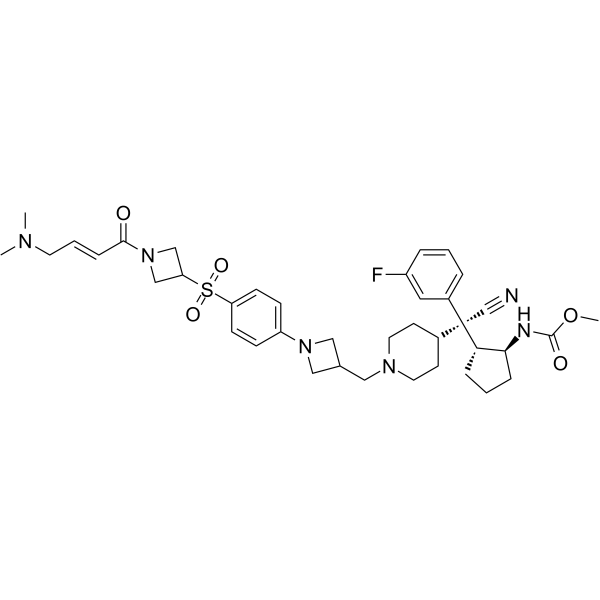
    M-525 is a first-in-class, highly potent, irreversible and covalent menin-MLL protein-protein interaction inhibitor. M-525 binds to menin with an IC50 of 3 nM and achieves low nanomolar potencies in cell growth inhibition and in suppression of MLL regulated gene expression in MLL leukemia cells. Anti-leukemia activity .
    M-525
  • HY-178155A

    DNA/RNA Synthesis Autophagy Cancer
    AP232 dihydrochloride is a selective U2AF1-UHM Inhibitor with an IC50 of 7.96 μM. AP232 dihydrochloride exhibits 2.8-24-fold selectivity against other UHM-containing proteins. AP232 dihydrochloride exerts anti-leukemia activity and shows higher activities in cell lines carrying splicing factor mutations. AP232 dihydrochloride can induce leukemia cells G2/M and G1 arrest, impair lysosome acidification, and inhibit autophagy. AP232 dihydrochloride can be used for the research of cancer, such as Leukemia .
    AP232 dihydrochloride
  • HY-16273B

    Farnesyl Transferase Cancer
    L-778123 dihydrochloride is a dual FPTase and GGPTase-I inhibitor, with IC50s of 2 nM and 98 nM, respectively .
    L-778123 dihydrochloride
  • HY-172364

    Polo-like Kinase (PLK) Cancer
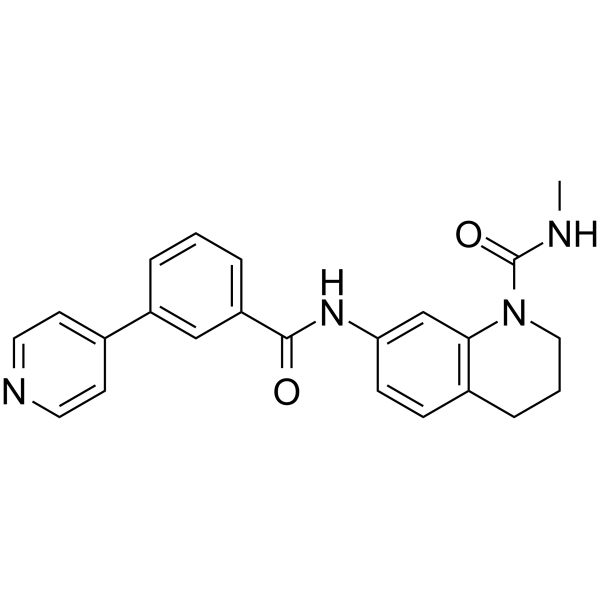
    PLK1-IN-12 is a highly selective and orally active PLK1 inhibitor with an IC50 of 20 nM. PLK1-IN-12 shows more selective for PLK1 than PLK2 (IC50: >10000 nM) and PLK3 (IC50: 3953 nM). PLK1-IN-12 exhibits anticancer potency across a broad spectrum of cell lines. PLK1-IN-12 can be used in anti-leukemia research .
    PLK1-IN-12
  • HY-W077242

    DNA/RNA Synthesis Cancer
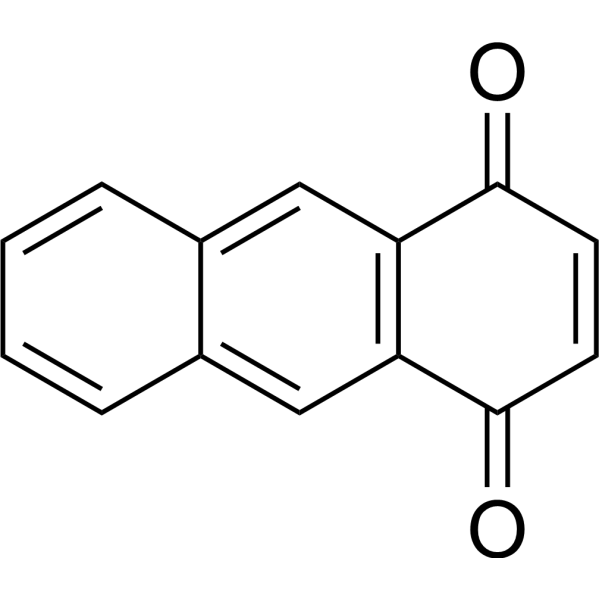
    1,4-Anthraquinone is a potent anticancer agent. 1,4-Anthraquinone blocks nucleoside transport, inhibits macromolecule synthesis, induces DNA fragmentation, and decreases the growth and viability of cancer cells. 1,4-Anthraquinone can be used to research anti-leukemia .
    1,4-Anthraquinone
  • HY-175261

    CDK Wee1 Checkpoint Kinase (Chk) Cancer
    DHI1 is an anti-leukemia agent with high selectivity for Jurkat (IC50 = 21.83 μM) and HL-60 (IC50 = 19.14 μM) leukemia cells and has low toxicity to non-cancerous cells. DHI1 can induce G2/M phase cell arrest in Jurkat and HL-60 leukemia cells, as well as S phase arrest in HL-60 cells, and has significant effects on cell cycle signaling molecules Wee1, cyclin B1, cdc2 on Tyr15, and Chk1. DHI1 inhibits the migration and invasion of Jurkat and HL-60 cells by disrupting cytoskeletal actin filaments. DHI1 can be used to study hematological malignancies .
    DHI1
  • HY-122359A

    rel-L-Centchroman; Ormeloxifene

    Estrogen Receptor/ERR Apoptosis Reactive Oxygen Species (ROS) Cancer
    rel-Levormeloxifene (rel-L-Centchroman) is the relative configuration of Levormeloxifene (HY-122359). rel-Levormeloxifene is a selective estrogen receptor modulator (SERM). rel-Levormeloxifene inhibits proliferation of leukemia cells with IC50 about 7 μM, arrests cell cycle at G0/G1 phase, and induces apoptosis. rel-Levormeloxifene induces differentation of myelogenesis leukemia, and enhances ROS production in K562 cells .
    rel-Levormeloxifene
  • HY-N1112

    Others Cancer
    Uncargenin C is a triterpenoid, which can be isolated from Uncaria rhychophyllo Miq. Jacks. The intermediate of Uncargenin C has anti-leukemia activity, but not itself .
    Uncargenin C
  • HY-170323

    Apoptosis Cancer
    4-TM.P binds to the minor groove of DNA, inhibits proliferation of cancer cell K562 with an IC50 of 25 µM, arrests the cell cycle at G0/G1 phase, and induces apoptosis in cell K562. 4-TM.P can be used in anti-leukemia research .
    4-TM.P
  • HY-168860

    Bacterial Infection Cancer
    Antituberculosis agent-13 (Compound 11) inhibits Mycobacterium tuberculosis, that inhibits Mtb wildtype and mutated strains with IC50 of 4-62.5 nM. Antituberculosis agent-13 exhibits anti-leukemia activity that inhibits MOLM-13 with IC50 of 3.8 μM .
    Antituberculosis agent-13
  • HY-149805

    Apoptosis Cancer
    Anticancer agent 110 is an anticancer agent with in vitro anticancer activity and excellent anti-leukemia potency. Anticancer agent 110 is highly cytotoxic to K-562 lineage chronic myelogenous leukemia cells at nanomolar concentrations. Anticancer agent 110 causes DNA damage and leads to apoptosis .
    Anticancer agent 110
  • HY-N14586

    Others Cancer
    Roridin J is a macrocyclic trichothecene and has anti-leukemia effect in mice .
    Roridin J
  • HY-N14720

    Antibiotic Bacterial Infection Cancer
    Demethylolivomycin A is an antitumor antibiotic. Demethylolivomycin A has anti-Gram-positive bacteria and anti-leukemia P388 activity .
    Demethylolivomycin A
  • HY-163725

    Dihydrofolate reductase (DHFR) Cancer
    DHFR-IN-18 (compound 19D) is a DHFR inhibitor. DHFR-IN-18 can be used in anti-leukemia research .
    DHFR-IN-18
  • HY-161798

    Others Cancer
    Orpinolide is a withanolide analog that has anti-leukemia properties. It disrupts the internal balance of the Golgi apparatus, which is related to signaling through inositol 4-phosphate at the interface of the endoplasmic reticulum and Golgi membrane .
    Orpinolide
  • HY-168083

    Histone Methyltransferase Cancer
    Dot1L-IN-9 (Compound 12) is a DOT1L inhibitor (IC50: 125 nM). Dot1L-IN-9 reduces H3K79 dimethylation. Dot1L-IN-9 can be used for anti-leukemia research .
    Dot1L-IN-9
  • HY-161516

    HDAC Cancer
    HDAC6-IN-42 (compound 2b) is an HDAC6 inhibitor (IC50=0.009 μM). HDAC6-IN-42 shows significant anti-leukemia activity and synergistic effect with Decitabine (HY-A0004). HDAC6-IN-42 can be used for the AML research .
    HDAC6-IN-42
  • HY-149539

    FLT3 RET Cancer
    PLM-101 is an orally available anticancer agent targeting FLT3 and RET with inhibitory activity against acute myeloid leukemia cells. PLM-101 inhibits RET, thereby inducing autophagic degradation of FLT3; and it inhibits the PI3K and Ras/ERK pathways, resulting in anti-leukemia activity. PLM-101 has anti-tumor efficacy in a mouse MV4-11 flank xenograft model (dose: 3, 10 mg/kg; po) and an allogeneic xenograft mouse model (dose: 40 mg/kg; po) .
    PLM-101
  • HY-141844

    HDAC Cancer
    HDAC/BET-IN-1 displays submicromolar inhibitory activity against HDAC1 and 6 (IC50 = 0.163 μM and 0.067 μM), and BRD4 (Ki = 0.076 μM), and possess potent antileukemia activity.
    HDAC/BET-IN-1
  • HY-119827

    F 860191

    Topoisomerase Cancer
    Moflomycin (F 860191) is a compound with strong anti-leukemic activity and low mutagenicity. Moflomycin has an antiproliferative effect on the leukemic cell line HL60 in vitro (IC50=2.9 nM) . Moflomycin enhances topoisomerase II-induced DNA breaks and free radical production .
    Moflomycin
  • HY-154971

    Apoptosis Cancer
    Ara-SH is a Cytarabine mercaptopropionic acid-substituted derivative. Ara-SH is used as the trigger to fabricate a smart Cytarabine and Venetoclax-coloaded nanoparticle (AV-NP) through self-assembly. Ara-SH exhibits remarkable synergistic antileukemia effects in vitro and in vivo .
    Ara-SH
  • HY-162462

    Apoptosis Cancer
    Antitumor agent-151 (7k) is a significant HsClpP agonist and an antileukemia drug candidate. Antitumor agent-151 (7k) exhibits remarkably enhanced proteolytic activity of HsClpP (EC50 = 0.79 μM) and antitumor activity in vitro (IC50 = 0.038 μM). Antitumor agent-151 (7k) induces apoptosis .
    Antitumor agent-151
  • HY-168073

    EGFR VEGFR Apoptosis Microtubule/Tubulin Cancer
    EGFR/VEGFR2-IN-1 (Compound 10e) is a VEGFR-2 and EGFR inhibitor (IC50: 0.26 and 0.14 μM respectively). EGFR/VEGFR2-IN-1 inhibits tubulin polymerization with an IC50 of 40.9 μM. EGFR/VEGFR2-IN-1 induces apoptosis. EGFR/VEGFR2-IN-1 can be used for research of antileukemia and antilymphoma .
    EGFR/VEGFR2-IN-1
  • HY-W653745

    Thioguanine-13C2,15N; 2-Amino-6-purinethiol-13C2,15N

    Isotope-Labeled Compounds Others
    6-Thioguanine-13C2,15N (Thioguanine-13C2,15N) is the 13C and 15N labeled 6-Thioguanine (HY-13765). 6-Thioguanine is an anti-leukemia and immunosuppressant agent, acts as an inhibitor of SARS and MERS coronavirus papain-like proteases (PLpros) and also potently inhibits USP2 activity, with IC50s of 25 μM and 40 μM for Plpros and recombinant human USP2, respectively.
    6-Thioguanine-13C2,15N
  • HY-180782

    DNA/RNA Synthesis Reactive Oxygen Species (ROS) Caspase Apoptosis Cancer
    Triphenyltin(IV) diisopropyl dithiocarbamate (Compound OC2) is an anti-leukemia agent. Triphenyltin(IV) diisopropyl dithiocarbamate exhibits extremely strong cytotoxicity towards Jurkat cells, with an IC₅₀ value of 0.1 μM. Triphenyltin(IV) diisopropyl dithiocarbamate causes DNA damage, which subsequently leads to mitochondrial dysfunction, a large amount of ROS production, and ultimately results in the activation of the mitochondrial apoptosis pathway (involving the activation of Caspase-9/-3) and the G0/G1 phase cell cycle arrest, all of which jointly lead to the death of leukemia cells .
    Triphenyltin(IV) diisopropyl dithiocarbamate
  • HY-179497

    FLT3 VEGFR Akt STAT ERK Apoptosis Cancer
    FLT3-IN-37 (Compound 6z) is a potent inhibitor of FLT3-ITD, with IC50 values of 1.5 and 3.4 nM for FLT3-ITD and TEL-VEGFR2, respectively. FLT3-IN-37 exhibits high selectivity for wild-type FLT3 (WT) and c-Kit. FLT3-IN-37 inhibits FLT3 phosphorylation and downregulates the expression of p-Akt, p-STAT5, and p-ERK. FLT3-IN-37 exerts anti-leukemia effects by blocking the cell cycle and inducing apoptosis (apoptosis). FLT3-IN-37 can be used for research on acute myeloid leukemia (AML) .
    FLT3-IN-37
  • HY-N2423B

    (E/Z)-Allyl-glucosinolate free base; (E/Z)-2-Propenyl-glucosinolate free base

    NF-κB p38 MAPK Apoptosis Cardiovascular Disease Infection Inflammation/Immunology Cancer
    (E/Z)-Sinigrin ((E/Z)-Allyl-glucosinolate; (E/Z)-2-Propenyl-glucosinolate) free base is an orally active aliphatic thioglucoside anti-leukemia compound. Allyl isothiocyanate, produced by the hydrolysis of (E/Z)-sinigrin free base by myrosinase, has an IC50 of 2.71 μM against HL60 leukemia cells. The hydrolysis products of (E/Z)-sinigrin free base can further activate apoptosis pathways, inhibit NF-κB and MAPK signaling pathways, and induce phase II metabolic enzyme activity, thus exhibiting anti-cancer, anti-inflammatory, antibacterial, antioxidant, and wound healing activities. (E/Z)-Sinigrin free base can be used in research on cancer, inflammation-related diseases (such as atherosclerosis), and infectious diseases. (E/Z)-Sinigrin free base can be naturally extracted from the seeds of Brassica nigra, Brassica juncea, and other Brassicaceae plants such as broccoli and Brussels sprouts. Methyl pechueloate is a guaiane-type sesquiterpene ester compound and a potential precursor of xerantholide. It is useful in the structural elucidation and biosynthetic pathway studies of sesquiterpenoids. Methyl pechueloate can be naturally extracted from the aerial parts of Pechuel-Loeschea leibnitziae (Kuntze) O. Hoffm .
    (E/Z)-Sinigrin free base

オンラインお問い合わせ

入力情報は安全に管理されます. 必須入力項目.

タイトル


国或いは地域 *

お名前 *


組纖名 *

デパートメント *


メールアドレス *


製品名 *

製品番号


カスタマ需要量 *

電話番号 *


必ず会社名を記載ください。個人への返信は行いません。

備考

バルクお問い合わせ

Inquiry Information

製品名:
製品番号:
数量:
MCE 日本正規代理店:

