



Hapten
Hapten, also known as incomplete antigen, refers to simple small molecule antigen that only has immune response specificity but no immunogenicity, such as certain polysaccharides, lipids, and drugs. Haptens are small molecules that elicit an immune response only when attached to a large carrier such as a protein; the carrier may be one that also does not elicit an immune response by itself. Attaching of haptens to a carrier molecule lead to a complete antigen. Haptens have been used to study allergic contact dermatitis (ACD) and the mechanisms of inflammatory bowel disease (IBD) to induce autoimmune-like responses.
-
Hapten Produits associés (28)
Produits associés (28)

- 1
- 2
-
Monobenzone
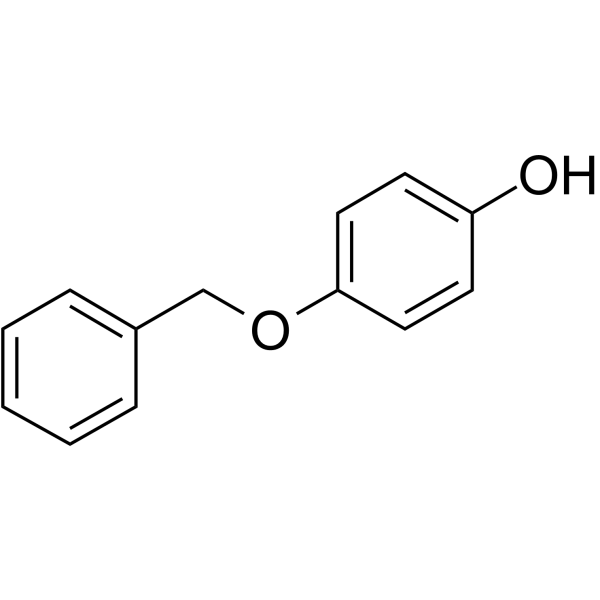 0 ImagesMonobenzone is a potent skin depigmenting agent. Monobenzone induces depigmentation and exhibits good potential for vitiligo research. Monobenzone is a potent inhibitor of RNR (Ribonucleotide reductase) enzyme activity by targeting RRM2 (a regulatory small subunit M2 of RNR) protein, and thus has significant anti-leukemia efficacy in vitro and in vivo. Monobenzone inhibits acute myeloid leukemia (AML) cells proliferation and DNA synthesis, induces cell cycle arrest, and Apoptosis .
-
J10-1
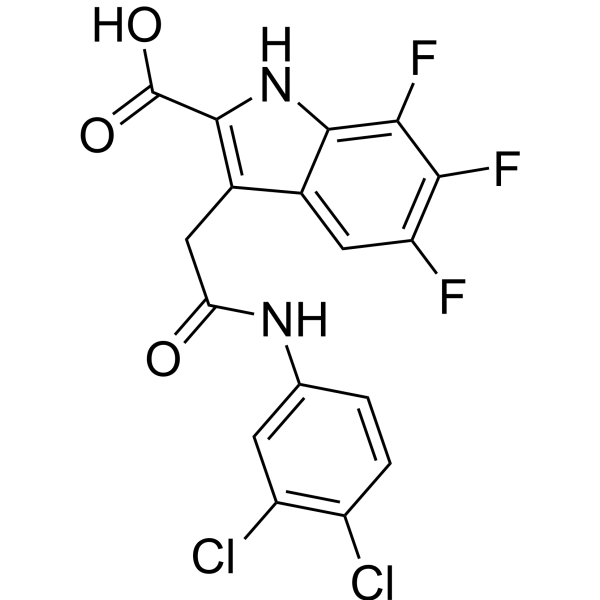 0 ImagesJ10-1 is a hapten small molecule. J10-1 accelerates peptide exchange in MHC class II molecules in an HLA-DM-independent manner, and its effect is not affected by the polymorphism of the P1 pocket of MHC class II molecules. J10-1 enhances the processes of peptide dissociation, peptide binding and peptide association of MHC class II molecules on the surface of B cells. J10-1 can be used for research on immunoregulation.
-
di-DTPA-LTL
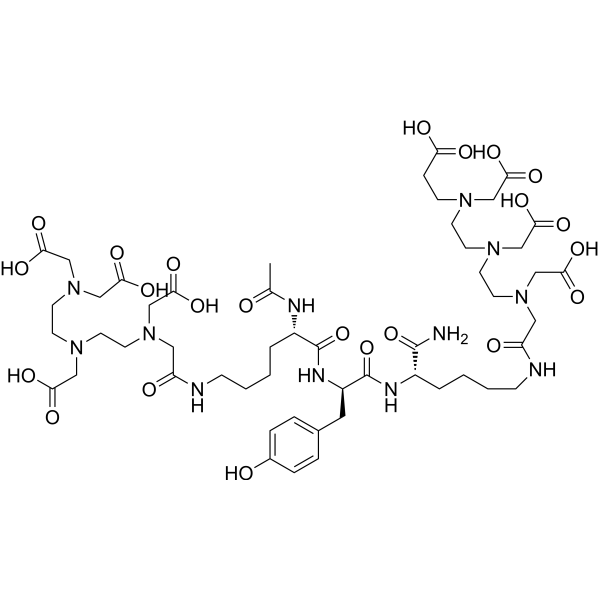 0 ImagesCat. No.: HY-155446di-DTPA-LTL is a bivalent hapten based on tyrosine-containing polypeptide design. di-DTPA-LTL has good hydrophilia and biological distribution. di-DTPA-LTL is labeled with 111In (indium) and 131I (iodine). di-DTPA-LTL achieves tumor radioimmunoimaging in primary colorectal cancer patients with CEA by injecting a fixed low dose (5 mg) of bispecific antibody (anti-CEA x, anti-DTPA) and di-DTPA antigen peptide (labeled 111In) into the patients.
-
di-DTPA TL
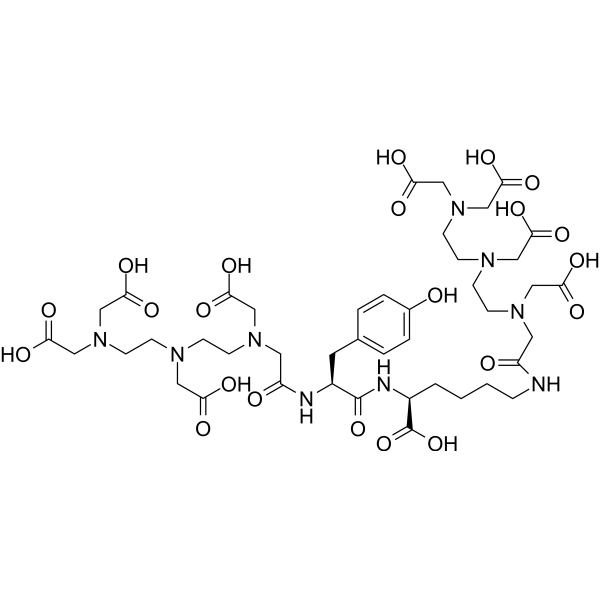 0 ImagesCat. No.: HY-155445CAS No.: 136687-39-3di-DTPA TL is a hydrophilic bivalent DTPA hapten that can be used for tumor research.
-
IMP 241
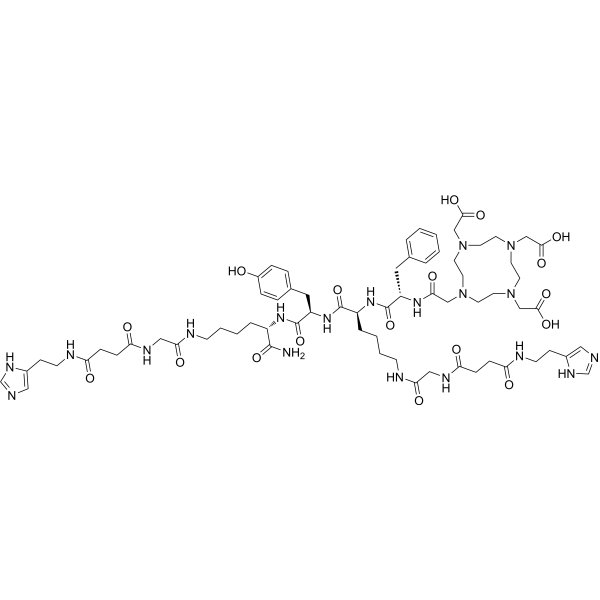 0 ImagesCat. No.: HY-155469CAS No.: 391267-27-9IMP 241 is a di-HSG bivalent hapten.
-
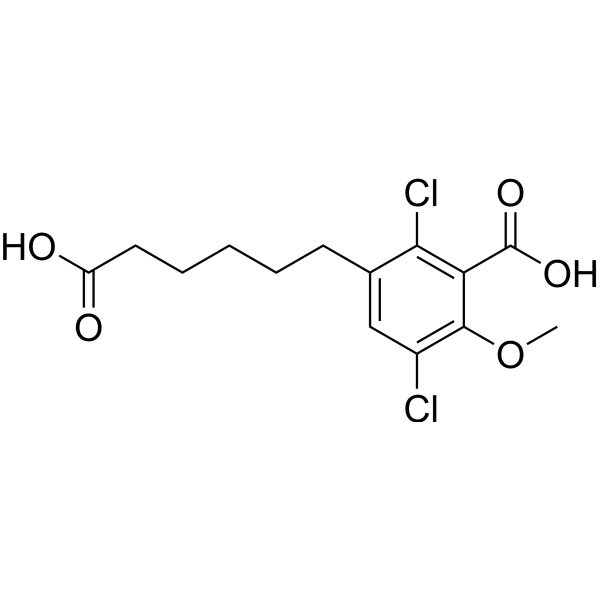
TETS-Methyl benzoate
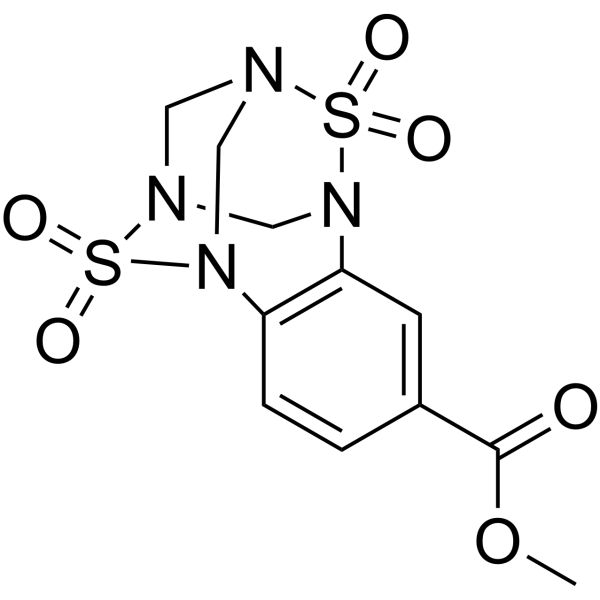 0 ImagesCat. No.: HY-161005CAS No.: 2107375-54-0TETS-Methyl benzoate(compound 2j) is a haptendirectly conjugated to the carrier protein via carboxylic acid function using the standard activated ester method.
-
Ursodeoxycholic acid 7-N-acetylglucosaminide
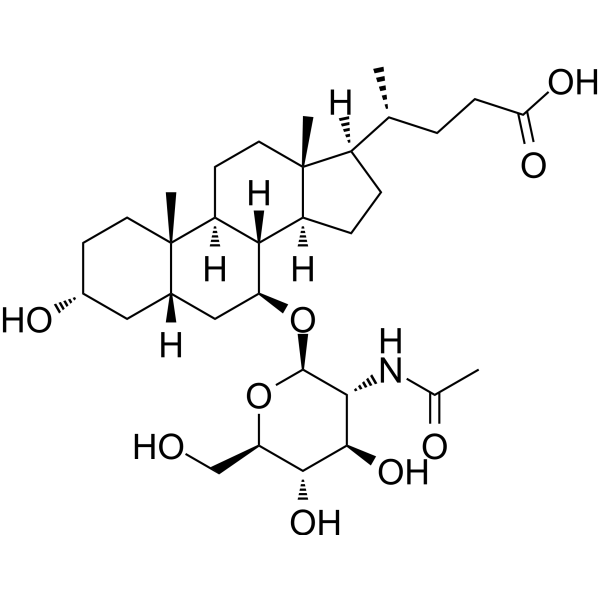 0 ImagesCat. No.: HY-149754CAS No.: 145624-10-8Ursodeoxycholic acid 7-N-acetylglucosaminide is an immunizing and heterologous hapten.
-
Dicamba 1-azidopropane
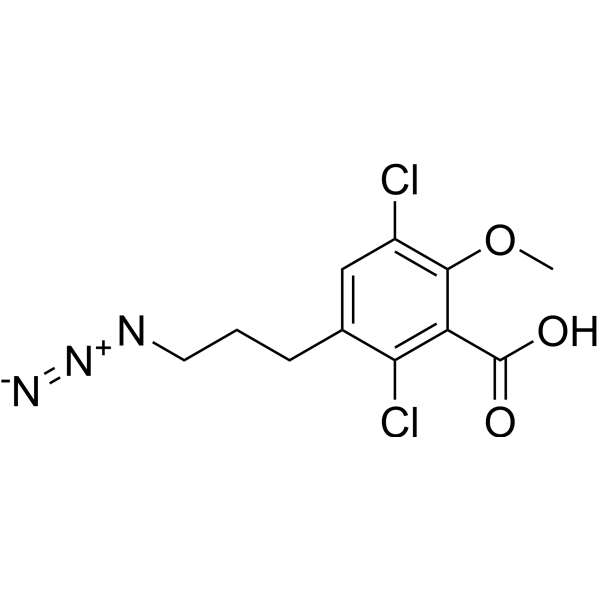 0 ImagesCat. No.: HY-163014CAS No.: 2892008-32-9Dicamba 1-azidopropane (DCn) is an immunizing and heterologous hapten. Dicamba 1-azidopropane can be used to generate monoclonal antibodies specific of Dicamba.
-
AG3.0
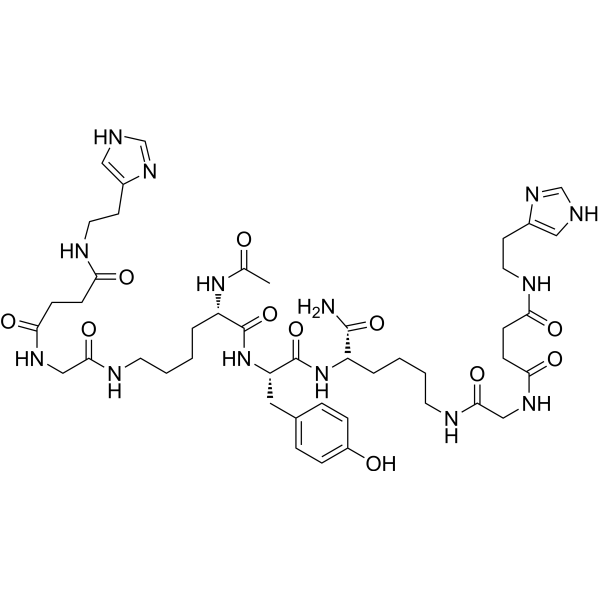 0 ImagesCat. No.: HY-155447CAS No.: 136687-43-9AG3.0 is a symmetric di-HSG bivalent hapten. AG3.0 can be used for the research of pretargeted radioimmunotherapy.
-
Photolumazine I
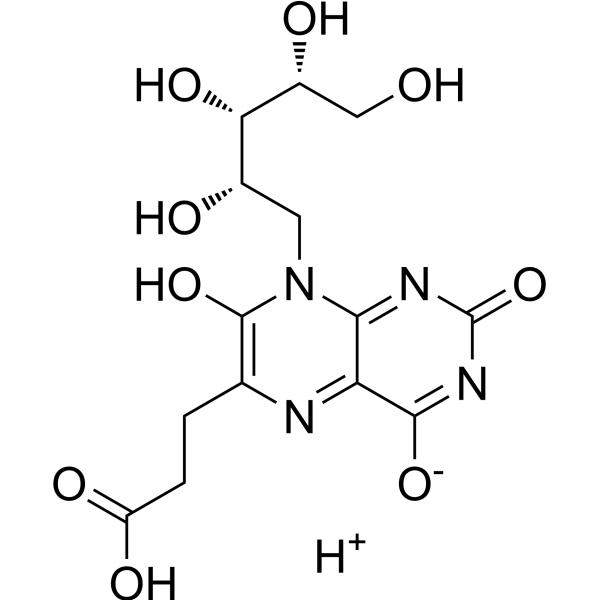 0 ImagesCat. No.: HY-157282CAS No.: 29161-67-9Synonyms: PLIPhotolumazine I(PLI) is a vitamin B-based hapten.Photolumazine Icanactivates Mucosal-associated Invariant T clones.
-
Methylthiomcresol-succinaldehydic acid
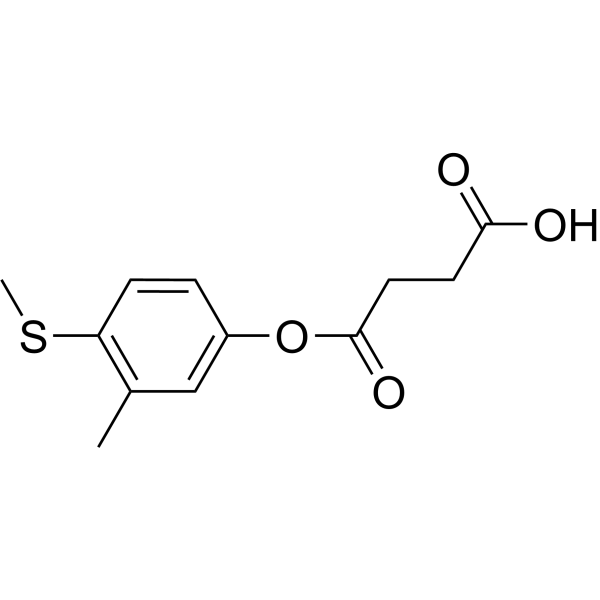 0 ImagesCat. No.: HY-149753CAS No.: 848486-57-7Methylthiomcresol-succinaldehydic acid is a fenthion hapten that can be used for immunoreagent production (protein conjugates and polyclonal antibodies).
-
(±)-Bupropion-(CH2)3-OH hydrochloride
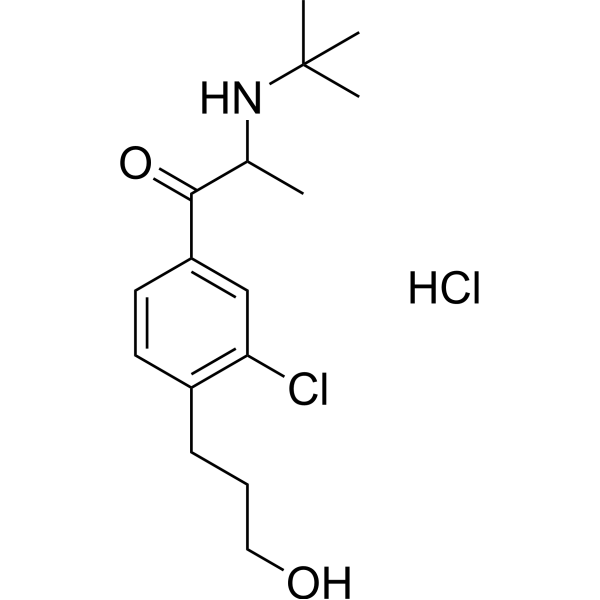 0 ImagesCat. No.: HY-155495CAS No.: 80762-38-5(±)-Bupropion-(CH2)3-OH hydrochloride (compound 3) is a hapten useful in the radioimmunoassay of Bupropion (HY-B0403).
-
Methyl isonicotinate-(CH2)2-COOH
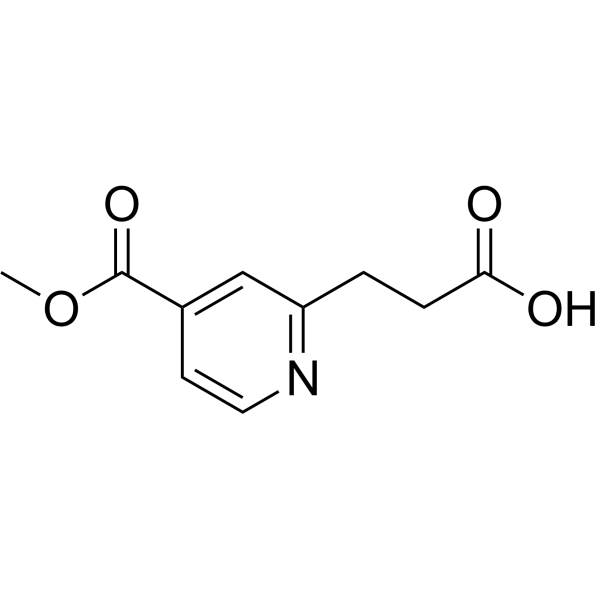 0 ImagesCat. No.: HY-157262CAS No.: 2710224-09-0
-
Dicamba-5-hydroxypentanoic acid
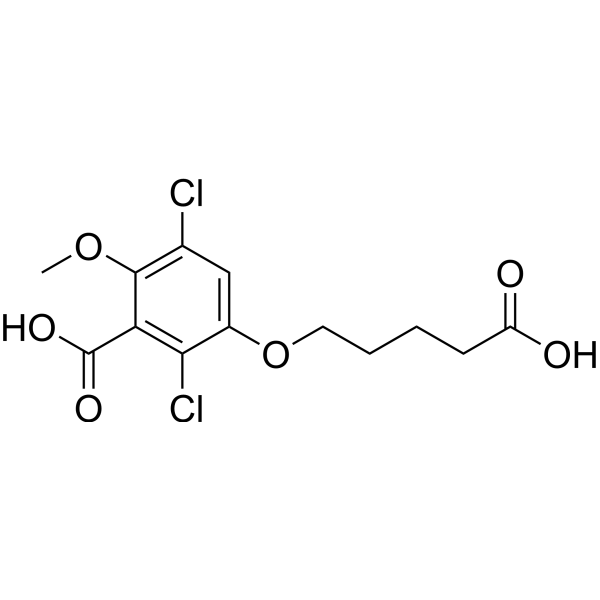 0 ImagesCat. No.: HY-163013CAS No.: 2892008-29-4Dicamba-5-hydroxypentanoic acid (DCo), synthesized from commercially available 5-hydroxy-dicamba, is an immunizing and heterologous hapten. Dicamba-5-hydroxypentanoic acid (DCo) is chemoselectively activated using one equivalent of DSC (N,N- disuccinimidyl carbonate).
-
Atrazine-acetic acid
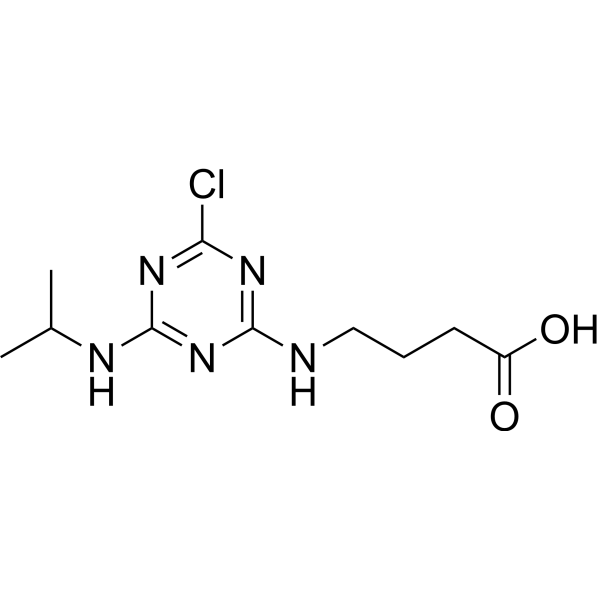 0 ImagesCat. No.: HY-163023CAS No.: 193889-80-4Atrazine-acetic acid is an immunizing and heterologous hapten.
-
Methylthiomcresol-C1-benzoic acid
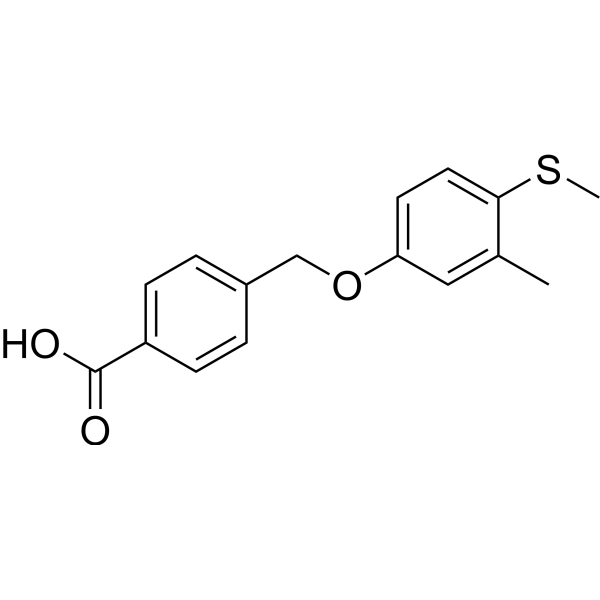 0 ImagesCat. No.: HY-149752CAS No.: 848486-56-6Methylthiomcresol-C1-benzoic acid is a fenthion hapten that can be used for immunoreagent production (protein conjugates and polyclonal antibodies).
- 1
- 2



