



1. Search Result
Search Result
Results for "

Antimigratory

" in MedChemExpress (MCE) Product Catalog:

30

Inhibitors & Agonists

3

Biochemical Assay Reagents

4

Peptides

7

Natural
Products

1

Isotope-Labeled Compounds

2

Oligonucleotides

Cat. No. Product Name Target Research Areas Chemical Structure
  • HY-112151
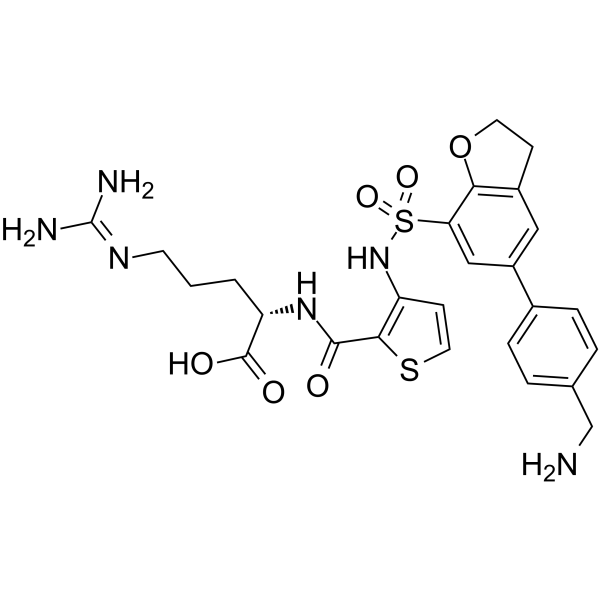
    EG01377
    5 Publications Verification

    Complement System Cancer
    EG01377 is a potent, bioavailable and selective inhibitor of neuropilin-1 (NRP1), with a Kd of 1.32 μM, and IC50s of both 609 nM for NRP1-a1 and NRP1-b1. EG01377 has antiangiogenic, antimigratory, and antitumor effects .
    EG01377
  • HY-N0060B
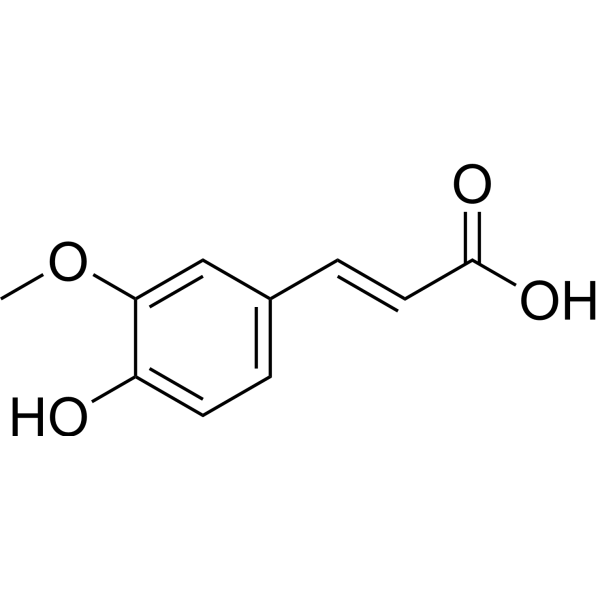
    (E)-Ferulic acid
    1 Publications Verification

    (E)-Coniferic acid

    β-catenin Bcl-2 Family Ferroptosis Endogenous Metabolite Cancer
    (E)-Ferulic acid is an isomer of ferulic acid, an aromatic compound abundant in plant cell walls. (E)-Ferulic acid causes phosphorylation of β-catenin (β-catenin), leading to proteasome degradation, increasing the expression of pro-apoptotic factor Bax and reducing pro-apoptotic factor Expression of the survival factor survivin. (E)-Ferulic acid can effectively remove reactive oxygen species (ROS) and inhibit lipid peroxidation. (E)-Ferulic acid exerts antiproliferative and antimigratory effects in the human lung cancer cell line H1299.
    (E)-Ferulic acid
  • HY-W015551

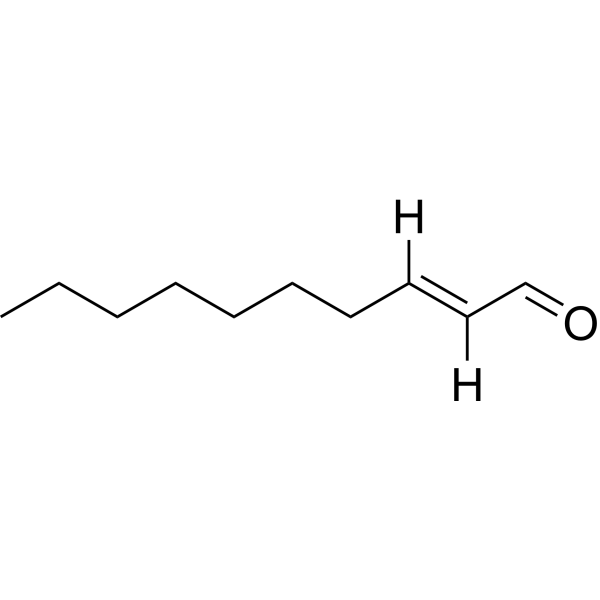
    (E)-Dec-2-enal

    Bacterial Reactive Oxygen Species (ROS) Infection
    trans-2-Decenal ((E)-Dec-2-enal) acts as a urease inhibitor and antibacterial agent against Helicobacter pylori, with an IC50 of 9.484 μg/mL against Helicobacter pylori urease. trans-2-Decenal reduces the urease activity of Helicobacter pylori, and possesses antibacterial, bactericidal, anti-biofilm and anti-migratory activities. It alters the morphology of Helicobacter pylori, induces bacterial rupture, inhibits biofilm formation, reduces the number of mature biofilms and impairs the migratory capacity of Helicobacter pylori. trans-2-Decenal disrupts the cell wall integrity of Phytophthora capsici, damages membrane integrity and permeability, triggers intracellular reactive oxygen species (ROS) accumulation, decreases glutathione levels and disrupts the mitochondrial membrane potential of Phytophthora capsici. trans-2-Decenal is applicable to studies related to Helicobacter pylori and plant diseases induced by and Phytophthora capsici .
    trans-2-Decenal
  • HY-142118
    Trabedersen
    1 Publications Verification

    AP 12009

    TGF-beta/Smad Cancer
    Trabedersen (AP 12009) is an orally active synthetic antisense phosphorothioate oligodeoxynucleotide that selectively targets human TGFβ2 mRNA. Trabedersen blocks TGFβ2 protein production, enters the nucleus without a transfection vector, and exerts dose-dependent antitumor effects. By reversing TGFβ2-induced immunosuppression and enhancing immune cytotoxicity, Trabedersen exhibits significant antiproliferative, antimigratory, and antimetastatic activities, with favorable safety profiles. Trabedersen is widely used in research related to various solid tumors, including anaplastic astrocytoma, glioblastoma, colorectal tumor, and melanoma .
    Trabedersen
  • HY-112151A
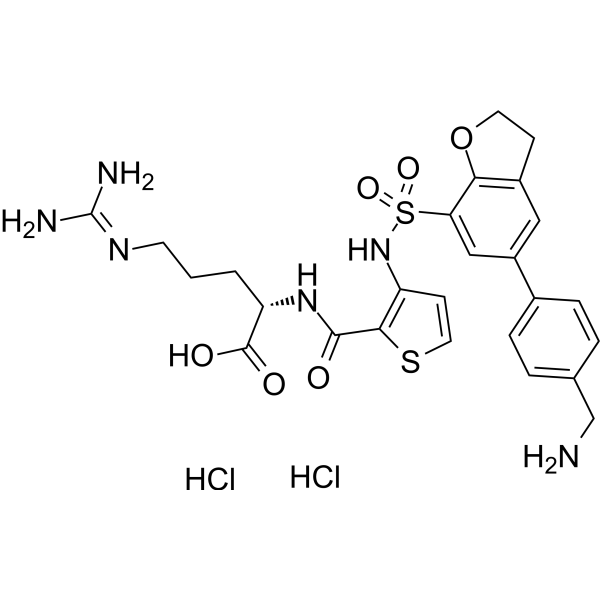
    EG01377 dihydrochloride
    5 Publications Verification

    Complement System Cancer
    EG01377 dihydrochloride is a potent, bioavailable and selective inhibitor of neuropilin-1 (NRP1), with a Kd of 1.32 μM, and IC50s of 609 nM for both NRP1-a1 and NRP1-b1. EG01377 dihydrochloride has antiangiogenic, antimigratory, and antitumor effects .
    EG01377 dihydrochloride
  • HY-115625

    Progesterone Receptor Apoptosis Glycosyltransferase Cancer
    AG-205 is a progesterone receptor membrane component 1 (PGRMC1) antagonist and CGT inhibitor, with an IC50 of 50 μM against rat CGT. AG-205 exhibits antimitotic, antimigratory and anti-invasive activities. AG-205 increases the expression of genes encoding cholesterol biosynthesis pathway or steroidogenic enzymes. AG-205 promotes the regulation of cell cycle by apoptosis and reduces the migratory and invasive capacities of ovarian and breast cancer cells. AG-205 can be used in research related to renal cancer and breast cancer .
    AG-205
  • HY-121418

    c-Myc Cancer
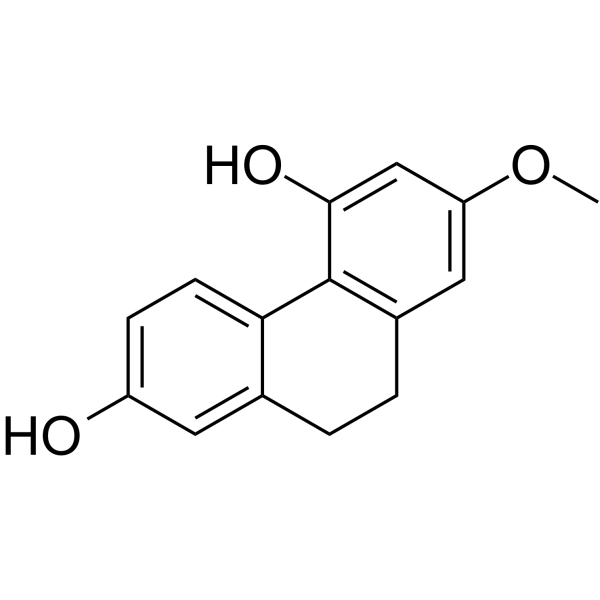
    Lusianthridin, a pure compound from Dendrobium venustum, have an anti-migratory effect. Lusianthridin enhances c-Myc degradation through the inhibition of Src-STAT3 signaling .
    Lusianthridin
  • HY-112345

    FGFR PDGFR EGFR Src Cancer
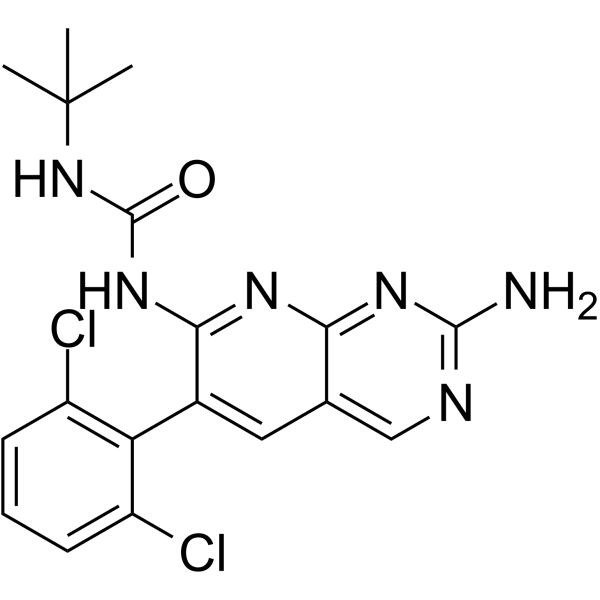
    PD-089828 is an ATP competitive inhibitor of FGFR-1, PDGFR-β and EGFR (IC50s=0.15, 1.76, and 5.47 µM, respectively) and a noncompetitive inhibitor of c-Src tyrosine kinase (IC50=0.18 µM). PD-089828 also inhibits MAPK with an IC50 of 7.1 µM. PD-089828 inhibits PDGF-, EGF- and bFGF-mediated tyrosine kinase receptor autophosphorylation in vitro. PD-089828 has a long-lasting cellular activity .
    PD-089828
  • HY-147187

    STAT Apoptosis Bcl-2 Family Survivin Cancer
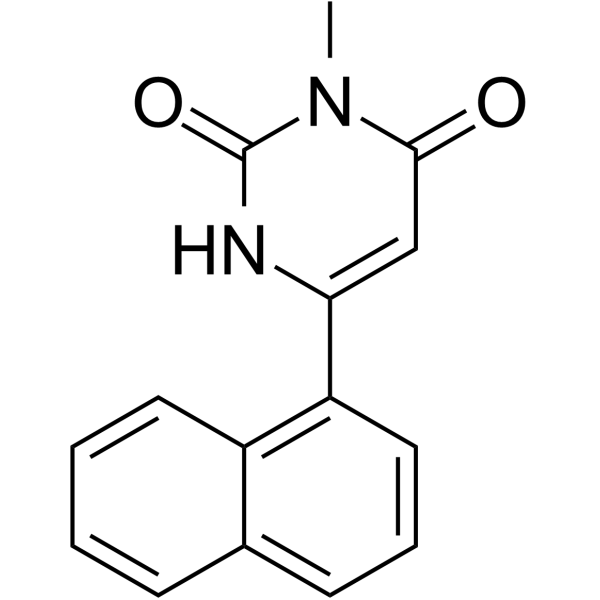
    MNK8 is a potent STAT3 (signal transducer and activator of transcription 3) inhibitor. MNK8 inhibits STAT3 activation and reduced its DNA binding ability. MNK8 shows good growth inhibition against hepatocellular carcinoma (HCC) cells. MNK8 induces apoptosis in HCC cells. MNK8 reduces prosurvival proteins expression and migration/invasion of HCC cells .
    MNK8
  • HY-142118A
    Trabedersen sodium
    1 Publications Verification

    AP 12009 sodium

    TGF-beta/Smad Cancer
    Trabedersen (AP 12009) sodium is an orally active synthetic antisense phosphorothioate oligodeoxynucleotide that selectively targets human TGFβ2 mRNA. Trabedersen sodium blocks TGFβ2 protein production, enters the nucleus without a transfection vector, and exerts dose-dependent antitumor effects. By reversing TGFβ2-induced immunosuppression and enhancing immune cytotoxicity, Trabedersen sodium exhibits significant antiproliferative, antimigratory, and antimetastatic activities, with favorable safety profiles. Trabedersen sodium is widely used in research related to various solid tumors, including anaplastic astrocytoma, glioblastoma, colorectal tumor, and melanoma .
    Trabedersen sodium
  • HY-125900

    NCA

    Others Cancer
    Neocarzilin A (NCA) reduces BST-2 levels via lysosomal degradation. Neocarzilin A has antimigratory and antiproliferative effects on cancer cells. Neocarzilin A inhibits cancer cell migration via irreversible binding to the synaptic vesicle membrane protein VAT-1 .
    Neocarzilin A
  • HY-174247

    PROTACs PAK Cadherin Cancer
    CPS-021 is a selective PAK4 PROTAC degrader with a DC50 of 50 nM. CPS-021 has potent antimigratory and invasive activity and significantly suppresses the invasion and metastasis of tumor cells in A549-luc lung metastasis mice model . Pink: PAK4 ligand (HY-174822); Blue: CRBN ligase ligand (HY-10984); Black: linker
    CPS-021
  • HY-150791

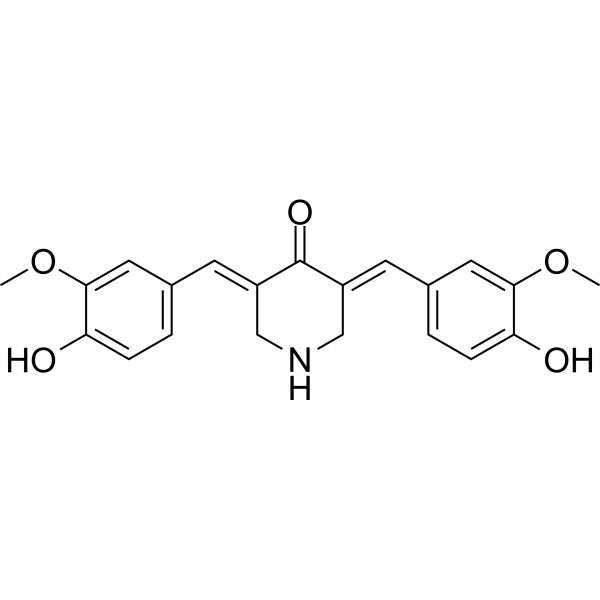
    Reactive Oxygen Species (ROS) DNA/RNA Synthesis Cancer
    FLDP-5 is a blood-brain barrier (BBB) penetrant curcuminoid analogues. FLDP-5 can induce production of ROS (Reactive Oxygen Species), DNA damage and cell cycle S phase arrest. FLDP-5 exhibits highly potent tumour-suppressive effects with anti-proliferative and anti-migratory activities on LN-18 cells .
    FLDP-5
  • HY-175656

    LIM Kinase (LIMK) Neurological Disease Cancer
    MDI-117740 is a dual LIMK1/2 inhibitor. MDI-117740 shows effective cellular target engagement with LIMK1 (pIC50 = 6.73) and LIMK2 (pIC50 = 7.18) in HEK293 cells. MDI-117740 exerts significant anti-migratory activity in MDA-MB-231 cells. MDI-117740 can be used for the study of cancers and neurodegenerative disorders .
    MDI-117740
  • HY-N0060BR

    (E)-Coniferic acid (Standard)

    Reference Standards β-catenin Bcl-2 Family Ferroptosis Endogenous Metabolite Cancer
    (E)-Ferulic acid (Standard) is the analytical standard of (E)-Ferulic acid. This product is intended for research and analytical applications. (E)-Ferulic acid is an isomer of ferulic acid, an aromatic compound abundant in plant cell walls. (E)-Ferulic acid causes phosphorylation of β-catenin (β-catenin), leading to proteasome degradation, increasing the expression of pro-apoptotic factor Bax and reducing pro-apoptotic factor Expression of the survival factor survivin. (E)-Ferulic acid can effectively remove reactive oxygen species (ROS) and inhibit lipid peroxidation. (E)-Ferulic acid exerts antiproliferative and antimigratory effects in the human lung cancer cell line H1299.
    (E)-Ferulic acid (Standard)
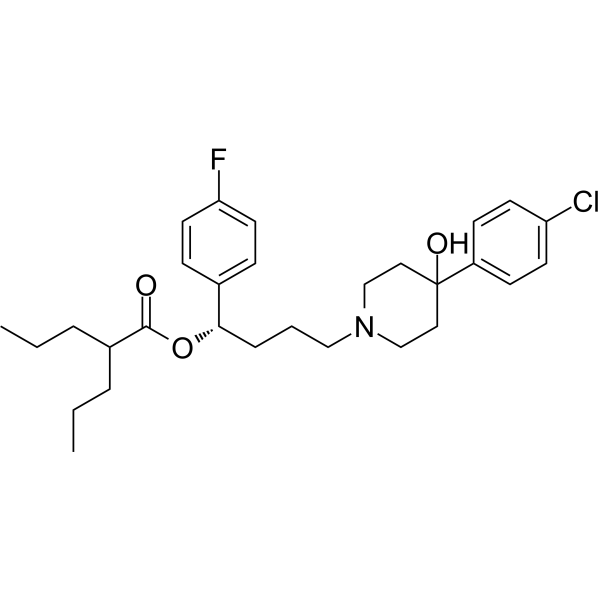
  • HY-115722

    Drug Metabolite Cancer
    (S)-(-)-MRJF22 is haloperidol metabolite II valproate ester. (S)-(-)-MRJF22 exhibits the high antimigratory effects in endothelial and tumor cells. (S)-(-)-MRJF22 is a potential multifunctional agent against uveal melanoma .
    (S)-(-)-MRJF22
  • HY-172136

    HDAC Cancer
    LSQ-28 is an orally active HDAC3 inhibitor with an IC50 of 42 nM, and exhibits potent anticancer, antiproliferative, antimigratory, anti-invasive, and antiwound healing activities. LSQ-28 can be utilized in cancer research .
    LSQ-28
  • HY-159060

    MMP Interleukin Related Biochemical Assay Reagents Inflammation/Immunology Cancer
    Coriolus Versicolor Extract is a biological response modifier (BRM) with anti-cancer and anti-migratory properties. Coriolus Versicolor Extract can also inhibit the expression of tumorigenic factors associated with inflammation and can be used in cancer research .
    Coriolus Versicolor Extract
  • HY-168597

    FGFR Apoptosis VEGFR Cancer
    FGFR1/VEGFR2-IN-3 (Compound 8m) is a dual inhibitor of FGFR1/VEGFR2. FGFR1/VEGFR2-IN-3 exhibits anti-proliferative and anti-migratory activities against cancer cells, and is capable of inducing cell apoptosis .
    FGFR1/VEGFR2-IN-3
  • HY-173139

    YAP Cancer
    TEAD-IN-19 (Compound 1l) is a transcriptional inhibitor of TEAD, exhibiting inhibition rates of 38.5%, 36.2%, 57.8%, and 71.3% against TEAD1, TEAD2, TEAD3, and TEAD4, respectively, at a concentration of 10 μM. TEAD-IN-19 shows potent anti-proliferative and anti-migratory activities in prostate cancer cell lines and significantly reduces the expression of TEAD-regulated downstream genes. TEAD-IN-19 holds promise for research in the field of cancer therapy .
    TEAD-IN-19
  • HY-W015551R

    (E)-Dec-2-enal (Standard)

    Biochemical Assay Reagents Reference Standards Infection
    trans-2-Decenal ((E)-Dec-2-enal)) Standard is the analytical standard of trans-2-Decenal (HY-W015551). This product is intended for research and analytical applications. trans-2-Decenal ((E)-Dec-2-enal) acts as a urease inhibitor and antibacterial agent against Helicobacter pylori, with an IC50 of 9.484 μg/mL against Helicobacter pylori urease. trans-2-Decenal reduces the urease activity of Helicobacter pylori, and possesses antibacterial, bactericidal, anti-biofilm and anti-migratory activities. It alters the morphology of Helicobacter pylori, induces bacterial rupture, inhibits biofilm formation, reduces the number of mature biofilms and impairs the migratory capacity of Helicobacter pylori. trans-2-Decenal disrupts the cell wall integrity of Phytophthora capsici, damages membrane integrity and permeability, triggers intracellular reactive oxygen species (ROS) accumulation, decreases glutathione levels and disrupts the mitochondrial membrane potential of Phytophthora capsici. trans-2-Decenal is applicable to studies related to Helicobacter pylori and plant diseases induced by and Phytophthora capsici.
    trans-2-Decenal (Standard)
  • HY-W015551S

    (E)-Dec-2-enal-d2

    Biochemical Assay Reagents Isotope-Labeled Compounds Infection
    trans-2-Decenal-d2 ((E)-Dec-2-enal-d2) is deuterated labeled trans-2-Decenal (HY-W015551). trans-2-Decenal ((E)-Dec-2-enal) acts as a urease inhibitor and antibacterial agent against Helicobacter pylori, with an IC50 of 9.484 μg/mL against Helicobacter pylori urease. trans-2-Decenal reduces the urease activity of Helicobacter pylori, and possesses antibacterial, bactericidal, anti-biofilm and anti-migratory activities. It alters the morphology of Helicobacter pylori, induces bacterial rupture, inhibits biofilm formation, reduces the number of mature biofilms and impairs the migratory capacity of Helicobacter pylori. trans-2-Decenal disrupts the cell wall integrity of Phytophthora capsici, damages membrane integrity and permeability, triggers intracellular reactive oxygen species (ROS) accumulation, decreases glutathione levels and disrupts the mitochondrial membrane potential of Phytophthora capsici. trans-2-Decenal is applicable to studies related to Helicobacter pylori and plant diseases induced by and Phytophthora capsici .
    trans-2-Decenal-d2
  • HY-138969

    10,11-EDP-EA; 10,11-EDP epoxide; 10,11-Epoxy docosapentaenoic ethanolamide

    Drug Derivative Others
    (±)10(11)-EDP ethanolamide (10,11-EDP-EA) (compound C) is an ω-3 endocannabinoid epoxide derivative with antiangiogenic, antitumor and anti-migratory properties in osteosarcoma models.
    (±)10(11)-EDP ethanolamide
  • HY-124221

    Endogenous Metabolite Cancer
    Radamide is an inhibitor of Grp94 with anti-migratory activity. Radamide is used to inhibit Grp94-related diseases such as glaucoma, cancer metastasis, and multiple myeloma. Radamide exhibits selective inhibitory activity by acting on the specific structure of Grp94. Radamide derivatives show better potency and selectivity in improved structure-activity relationship studies .
    Radamide
  • HY-172750

    17(R,S)-Benzo-RvD1

    Drug Derivative Inflammation/Immunology
    17(R,S)-Benzo-resolvin D1 (17(R,S)-Benzo-RvD1) is a Resolvin D1 (HY-125527) analogue with pro-resolving and anti-migratory activity. 17(R,S)-Benzo-resolvin D1 attenuates neointimal hyperplasia in a rat model of acute vascular injury .
    17(R,S)-Benzo-resolvin D1
  • HY-183310

    EGFR Apoptosis DNA/RNA Synthesis Cancer
    EGFR-IN-210 is a EGFR kinase inhibitor with an IC50 of 0.198 μM. EGFR-IN-210 induces antiproliferative, pro-apoptotic, G0/G1 cell cycle arrest, DNA synthesis inhibition and anti-migratory effects in cancer cells. EGFR-IN-210 can be used for the research of various cancers including colorectal cancer .
    EGFR-IN-210
  • HY-185208

    Antibody-Drug Conjugates (ADCs) VEGFR Apoptosis Cancer
    Bevacizumab vedotin is an antibody-drug conjugate (ADC). Bevacizumab vedotin blocks the VEGF/VEGFR pathway to exert anti-angiogenic effects. Bevacizumab vedotin exhibits anti-proliferative effects on cancer cells, promotes cancer cell apoptosis (Apoptosis), induces cancer cell cycle arrest, and possesses anti-migratory activity against breast cancer cells. Bevacizumab vedotin can be used in research related to glioma, hepatocellular carcinoma, and breast cancer .
    Bevacizumab vedotin
  • HY-183258

    TGF-β Receptor Neurological Disease Cancer
    TGFβ1-IN-5 is a TGF-β1 inhibitor with blood-brain barrier permeability. TGFβ1-IN-5 reduces extracellular TGF-β1 levels in glioblastoma cells. TGFβ1-IN-5 exerts antiproliferative, antimigratory and clonogenic inhibitory effects in glioblastoma cells while maintaining the viability of non-cancerous cells. TGFβ1-IN-5 can be used for the research of glioblastoma .
    TGFβ1-IN-5
  • HY-N16719

    Kallikrein ERK Cadherin β-catenin Cancer
    Picrasidine J is a selective inhibitor targeting the KLK-10 protease and the ERK signaling pathway. Picrasidine J inhibits epithelial-mesenchymal transition (EMT) by upregulating E-Cadherin and ZO-1 and downregulating β-catenin and Snail, while simultaneously reducing KLK-10 expression and inhibiting ERK phosphorylation, thereby exhibiting significant anti-migratory and anti-invasive activity. Picrasidine J can inhibit the metastasis of head and neck squamous cell carcinoma (HNSCC) and is primarily used in anti-metastasis research for head and neck tumors .
    Picrasidine J
  • HY-181254

    PARP NAMPT DNA/RNA Synthesis Apoptosis Cancer
    PARP1/NAMPT-IN-1 is a potent and dual PARP1 and NAMPT inhibitor with IC50 values of 1.2 nM and 6.7 nM, respectively. PARP1/NAMPT-IN-1 can disrupt the homologous recombination repair (HRR) pathway, leading to the accumulation of DNA double-strand breaks (DSBs), inducing cell cycle arrest and apoptosis, and also has antimigratory effects. PARP1/NAMPT-IN-1 exhibits excellent antitumor effects in a breast cancer xenograft model. PARP1/NAMPT-IN-1 can be used for the study of triple-negative breast cancer (TNBC) .
    PARP1/NAMPT-IN-1

Inquiry Online

Your information is safe with us. * Required Fields.

Salutation


Country or Region *

Applicant Name *


Organization Name *

Department *


Email Address *


Product Name *

Cat. No.


Requested quantity *

Phone Number *


Remarks

Inquiry Online

Inquiry Information

Product Name:
Cat. No.:
Quantity:
MCE Japan Authorized Agent:

