Search Result
Results for "
Aromatase+Inhibitors
" in MedChemExpress (MCE) Product Catalog:
2
Biochemical Assay Reagents
7
Isotope-Labeled Compounds
| Cat. No. |
Product Name |
Target |
Research Areas |
Chemical Structure |
-
- HY-13632
-
Exemestane
Maximum Cited Publications
7 Publications Verification
FCE 24304; EXE
|
Cytochrome P450
|
Endocrinology
Cancer
|
|
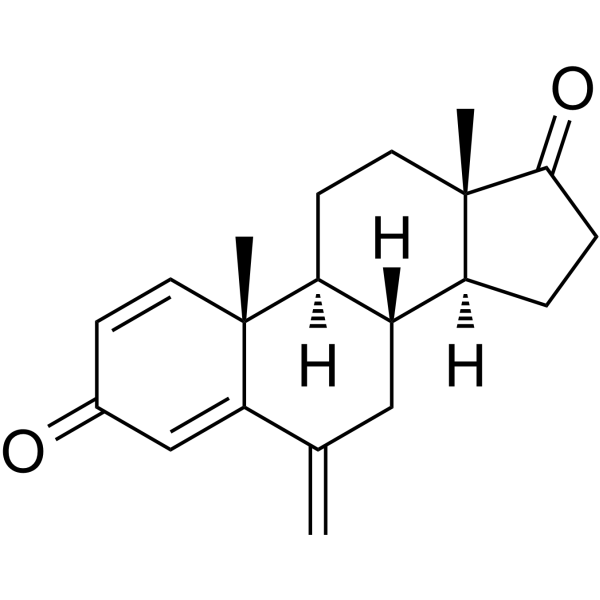
Exemestane (FCE 24304) is a selective, irreversible and orally active steroidal aromatase inhibitor with IC50s of 30 nM and 40 nM for human placental and rat ovarian aromatase, respectively. Exemestane can be used for hormone-dependent breast cancer research .
|
-
-
- HY-14274
-
|
ZD1033
|
Cytochrome P450
|
Cancer
|
|
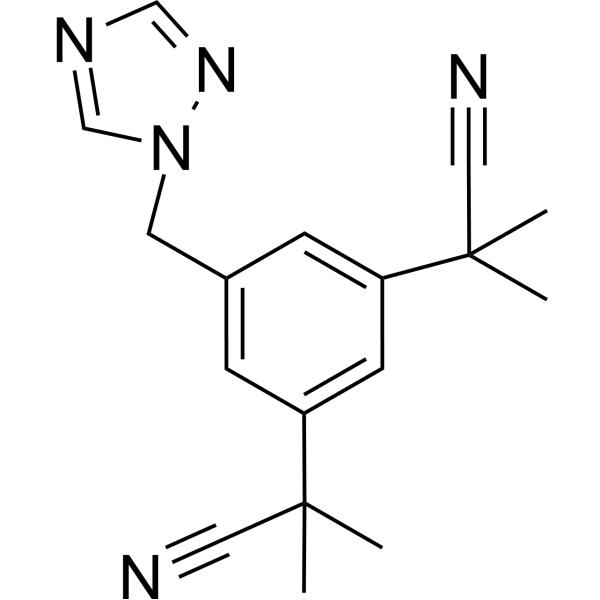
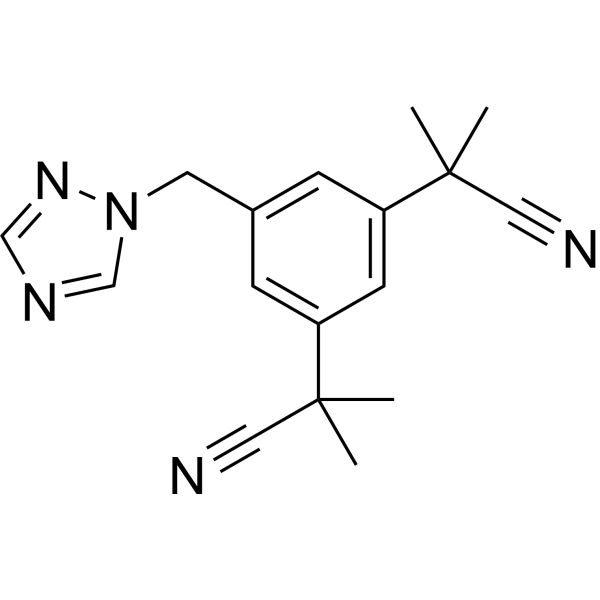
Anastrozole is a potent, highly selective aromatase inhibitor, which inhibits human placental aromatase with an IC50 of 15 nM.
|
-
-
- HY-B0845
-
-
-
- HY-113986
-
|
(R)-Fadrozole; (R)-CGS 16949A free base; FAD286
|
Cytochrome P450
|
Cardiovascular Disease
|
|
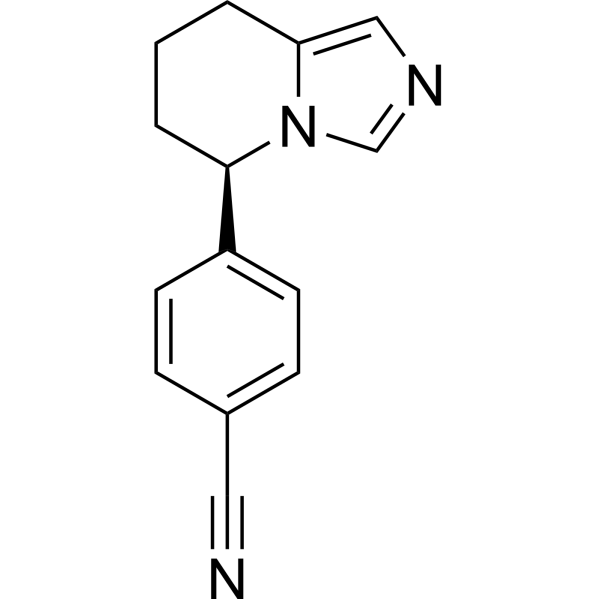
Dexfadrostat ((R)-Fadrozole) is an orally active and selective aromatase inhibitor, with human aromatase IC50 values of 6.4 nM. Dexfadrostat suppresses estrogen synthesis, reduces circulating estradiol levels and suppresses aldosterone production. Dexfadrostat can be used for the research of breast cancer, primary aldosteronism, and hypertension .
|
-
-
- HY-N8487
-
|
|
Cytochrome P450
|
Neurological Disease
Inflammation/Immunology
Cancer
|
|
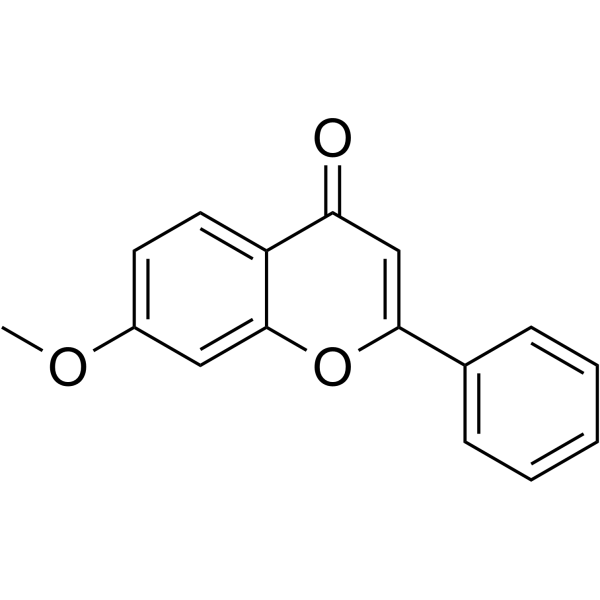
7-Methoxyflavone is a flavonoid compound that can be isolated from Zornia brasiliensis. 7-Methoxyflavone can bind to human serum albumin and is an aromatase inhibitor. 7-Methoxyflavone has peripheral analgesic and certain antitumor activities. 7-Methoxyflavone is effective against chemical pain but has no significant effect on thermal pain .
|
-
-
- HY-14274R
-
|
ZD1033 (Standard)
|
Cytochrome P450
Reference Standards
|
Cancer
|
|
Anastrozole (Standard) is the analytical standard of Anastrozole. This product is intended for research and analytical applications. Anastrozole is a potent, highly selective aromatase inhibitor, which inhibits human placental aromatase with an IC50 of 15 nM.
|
-
-
- HY-148430
-
|
|
Cytochrome P450
|
Cancer
|
|
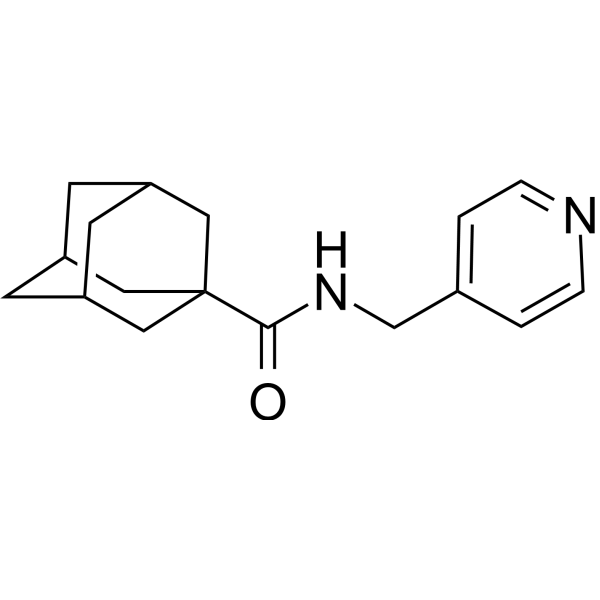
4-Pyridylmethyl adamantanecarboxamide (Compound 11) is an Aromatase inhibitor with an IC50 of 1.5 μM against hAromatase. 4-Pyridylmethyl adamantanecarboxamide inhibits the C17,20-lyase activity of testicular cytochrome P45017α with an IC50 of 1600 nM, and also inhibits the 17α-hydroxylase activity of this enzyme with an IC50 of 7700 nM. 4-Pyridylmethyl adamantanecarboxamide can be used in the research of prostate cancer .
|
-
-
- HY-W010062
-
|
|
Drug Derivative
Cytochrome P450
Estrogen Receptor/ERR
|
Metabolic Disease
Cancer
|
|
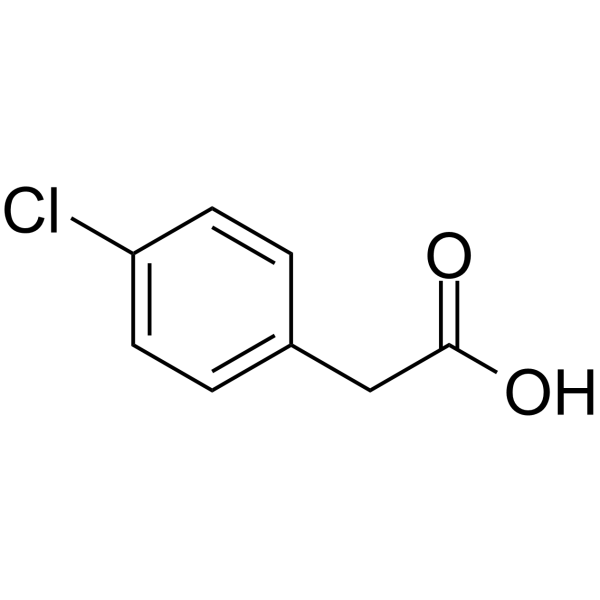
4-Chlorophenylacetic acid is a halogenated phenylacetic acid derivative. 4-Chlorophenylacetic acid is a potent aromatase inhibitor and antagonizes estrogen signaling. 4-Chlorophenylacetic acid can provide carbon and energy for Pseudomonas sp. strain CBS3. 4-Chlorophenylacetic acid is effective against estrogen-induced mammary tumorigenesis .
|
-
-
- HY-105184
-
|
|
Cytochrome P450
|
Endocrinology
|
|
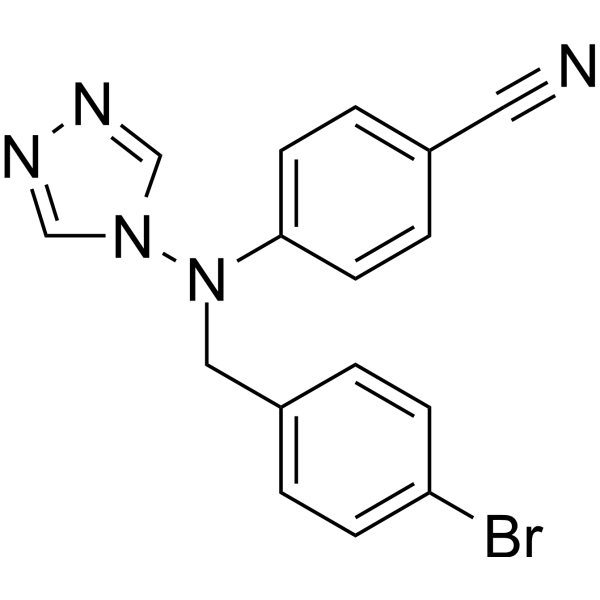
YM511 is a highly specific non-steroidal aromatase inhibitor. YM511 inhibits aromatase activities in microsomes from rat ovary and human placenta competitively (IC50s of 0.4 and 0.12 nM, respectively). YM511 slightly inhibits production of other steroid hormones. YM511 has the potential for suppressing estrogen-dependent action research without affecting serum levels of other steroid hormones .
|
-
-
- HY-W007664
-
|
|
Drug Intermediate
Cytochrome P450
|
Cancer
|
|
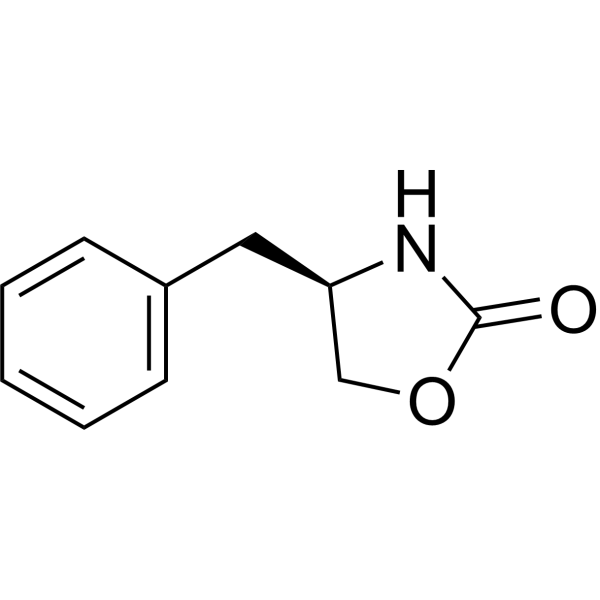
(R)-4-Benzyl-2-oxazolidinone is an oxazolidinone-type auxiliary that enables highly stereoselective asymmetric alkylation reactions. (R)-4-Benzyl-2-oxazolidinone is applied in the total synthesis of natural products and pharmaceutical preparations. Especially in pharmaceutical research and development, (R)-4-Benzyl-2-oxazolidinone not only serves as a key precursor for the synthesis of aromatase inhibitors, but also can be used in studies related to estrogen-dependent breast cancer .
|
-
-
- HY-W392925
-
|
d-Aminoglutethimide
|
Cytochrome P450
|
Cancer
|
|
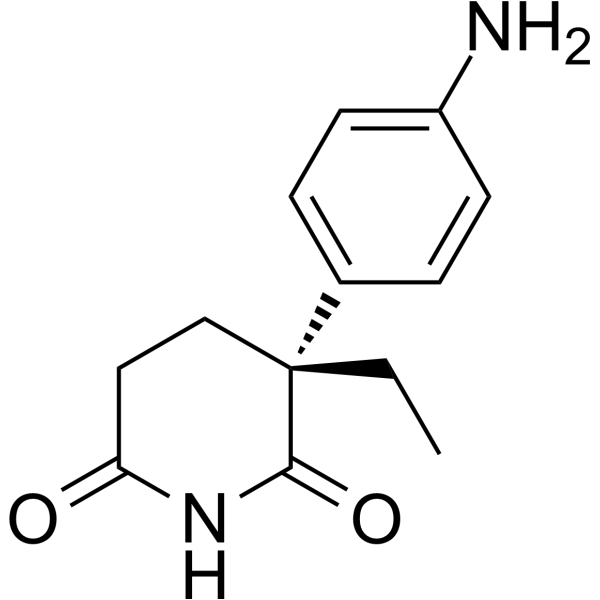
(R)-(+)-Aminoglutethimide is a potent and orally active aromatase inhibitor. (R)-(+)-Aminoglutethimide has the potential for the research of breast cancer .
|
-
-
- HY-14274S
-
|
ZD1033-d12
|
Isotope-Labeled Compounds
Cytochrome P450
|
Cancer
|
|
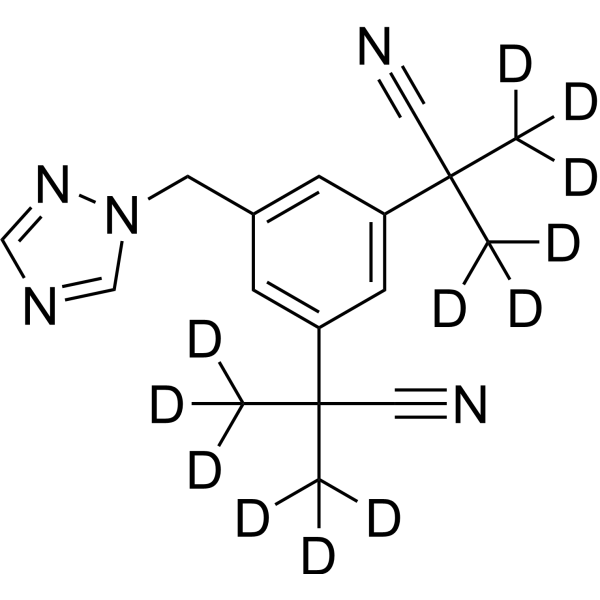
Anastrozole-d12 is the deuterium labeled Anastrozole. Anastrozole is a potent, highly selective aromatase inhibitor, which inhibits human placental aromatase with an IC50 of 15 nM .
|
-
-
- HY-14247B
-
|
CGS 16949A hemihydrate; (Rac)-FAD286 hydrochloride hemihydrate
|
Cytochrome P450
|
Endocrinology
Cancer
|
|
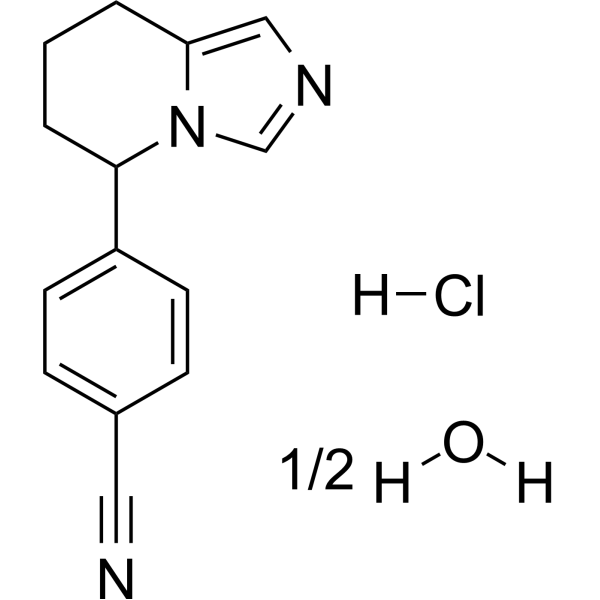
Fadrozole hydrochloride hemihydrate is an orally active, potent, selective and nonsteroidal aromatase inhibitor, with an IC50 of 6.4 nM. Fadrozole hydrochloride hemihydrate inhibits the production of estrogen and progesterone, with IC50 values of 0.03 and 120 μM. Fadrozole hydrochloride hemihydrate shows prevention of spontaneous tumours. Fadrozole hydrochloride hemihydrate can be used for the research of estrogen-dependent disease and cancer .
|
-
-
- HY-13632R
-
|
FCE 24304(Standard); EXE (Standard)
|
Cytochrome P450
Reference Standards
|
Endocrinology
Cancer
|
|
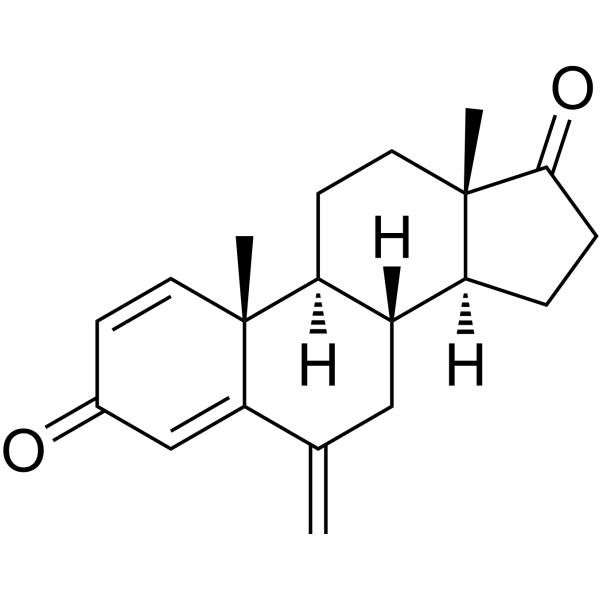
Exemestane (Standard) is the analytical standard of Exemestane. This product is intended for research and analytical applications. Exemestane (FCE 24304) is a selective, irreversible and orally active steroidal aromatase inhibitor with IC50s of 30 nM and 40 nM for human placental and rat ovarian aromatase, respectively. Exemestane can be used for hormone-dependent breast cancer research .
|
-
-
- HY-N16402
-
|
|
Cytochrome P450
Endogenous Metabolite
|
Cancer
|
|
Aspergillusidone D (Compound 1), a brominated depsidone, is a Aromatase inhibitor with an IC50 of 0.8 μM. Aspergillusidone D can be isolated from fungus Aspergillus unguis cultured in KBr medium. Aspergillusidone D has potent cytotoxicity against cancers cells, such as MOLT-3 cells. Aspergillusidone D can be used for cancers like breast cancer research .
|
-

-
- HY-137931
-
|
|
Cytochrome P450
|
Cancer
|
|
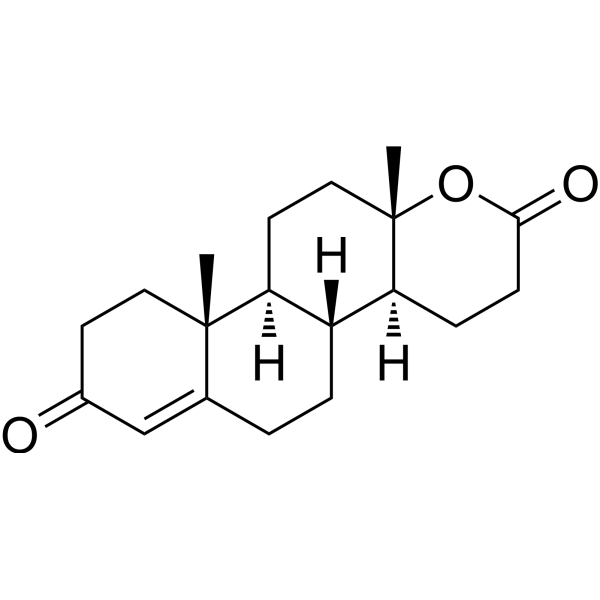
Testololactone is an aromatase inhibitor. Testololactone can be used for research of breast carcinoma .
|
-
-
- HY-179450
-
|
|
Cytochrome P450
|
Cancer
|
|
Aromatase-IN-7 (compound 75) is a potent and selective aromatase inhibitor (IC50 = 5.78 nM), exhibiting potency comparable to Letrozole (HY-14248). Aromatase-IN-7 exhibits potent aromatase inhibition both in vitro and in vivo. Aromatase-IN-7 can be used for hormone-dependent breast cancer (HDBC) research .
|
-

-
- HY-136092
-
|
|
Cytochrome P450
|
Neurological Disease
Endocrinology
|
|
Androsta-1,4,6-triene-3,17-dione is a lipophilic and specific aromatase inhibitor with a Ki of 0.18 μM. Androsta-1,4,6-triene-3,17-dione inhibits estrogen biosynthesis and shows antifertility effects. Androsta-1,4,6-triene-3,17-dione induces impairment of spatial memory .
|
-

-
- HY-U00176
-
-
-
- HY-105375
-
|
|
Cytochrome P450
|
Cancer
|
|
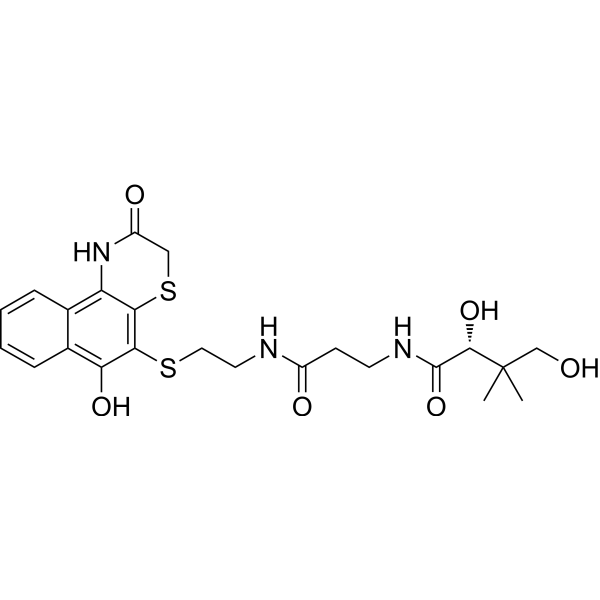
FR 901537 is a potent and competitive aromatase inhibitor. FR 901537, a novel naphthol derivative, has the potential for breast cancer research .
|
-
-
- HY-159741
-
|
FCE 24928
|
Cytochrome P450
|
Cancer
|
|
Minamestane (FCE 24928) is a selective and competitive aromatase inhibitor with an IC50 value of 45.7 nM. Minamestane is promising for research of postmenopausal breast cancer .
|
-

-
- HY-19599A
-
|
(Rac)-R83842
|
Cytochrome P450
Drug Isomer
|
Others
|
|
(Rac)-Vorozole ((Rac)-R83842) is a racemate of Vorozole. Vorozole (HY-19599) is a potent and selective, orally active non-steroidal aromatase inhibitor .
|
-

-
- HY-167737
-
|
|
Cytochrome P450
|
Cancer
|
|
(-)-Vorozole is an orally active non-steroidal aromatase inhibitor with potent and selective properties. (-)-Vorozole demonstrates antitumor activity in in vivo experiments. (-)-Vorozole is utilized in the study of breast cancer.
|
-

-
- HY-123247
-
|
|
Cytochrome P450
|
Endocrinology
|
|
LY113174 is an orally active aromatase inhibitor (IC50 = 24 nM). LY113174 blocks testosterone induced increase in uterine weight in rat, and inhibits ovarian estrogen biosynthesis .
|
-

-
- HY-19599
-
|
(+)-Vorozole; R83842
|
Cytochrome P450
|
Cancer
|
|
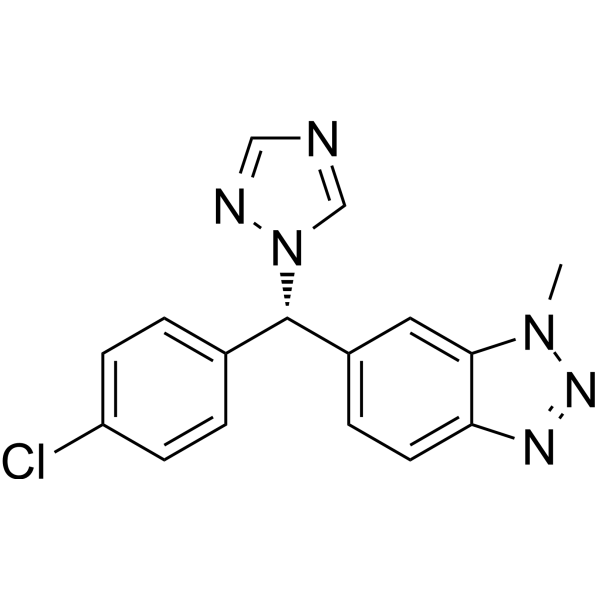
Vorozole is a potent and selective, orally active non-steroidal aromatase inhibitor . Vorozole shows antitumor activity in vivo. Vorozole has the potential for the research of mammary cancer .
|
-
-
- HY-113986B
-
|
(S)-Fadrozole; (S)-CGS 16949A free base; (S)-FAD286
|
Cytochrome P450
|
Inflammation/Immunology
Endocrinology
Cancer
|
|
(S)-Dexfadrostat ((S)-Fadrozole) is an aromatase inhibitor with an IC50 of 4.6 nM in human placental microsomes in vitro. (S)-Dexfadrostat can be used in the study of estrogen-dependent breast cancer, gynecomastia, and systemic lupus erythematosus .
|
-

-
- HY-N3246
-
|
|
NO Synthase
|
Inflammation/Immunology
|
|
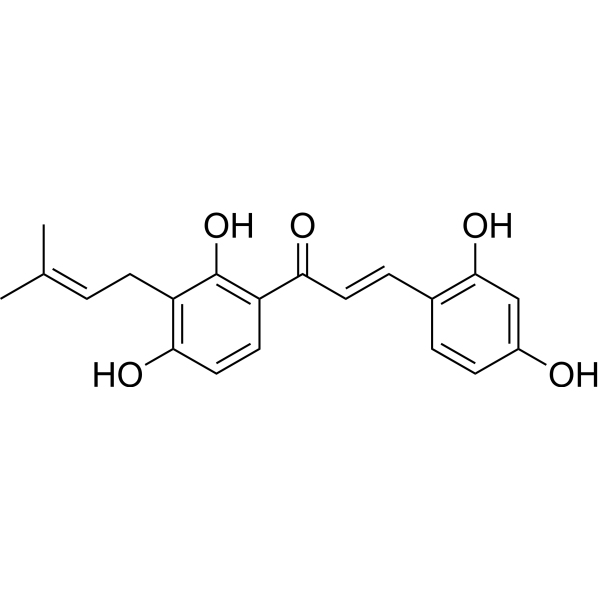
Morachalcone A is a naturally-occurring aromatase inhibitor (IC50=4.6 mM). Morachalcone A is also a plants metabolite with potential anti-inflammatory and anticancer activity. Morachalcone A inhibits Lipopolysaccharide (HY-D1056)-induced nitric oxide production .
|
-
-
- HY-13632S
-
|
FCE 24304-d2; EXE-d2
|
Isotope-Labeled Compounds
Cytochrome P450
|
Endocrinology
Cancer
|
|
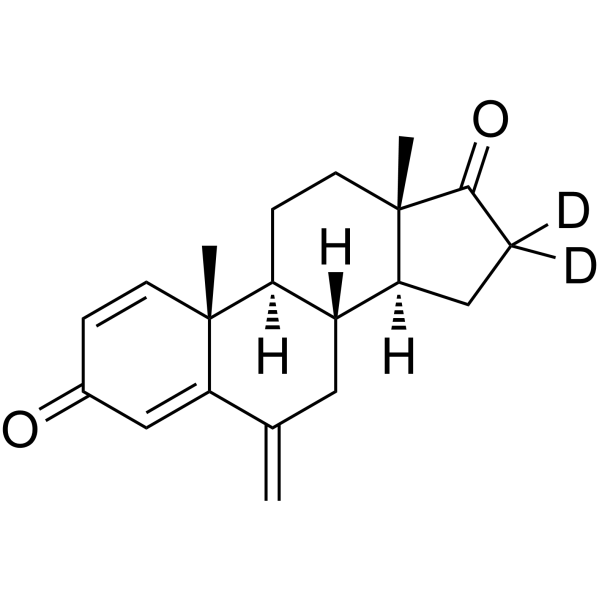
Exemestane-d2 is the deuterium labeled Exemestane. Exemestane (FCE 24304) is a selective, irreversible and orally active steroidal aromatase inhibitor with IC50s of 30 nM and 40 nM for human placental and rat ovarian aromatase, respectively. Exemestane can be used for hormone-dependent breast cancer research .
|
-
-
- HY-162105
-
|
|
Cytochrome P450
|
Endocrinology
Cancer
|
|
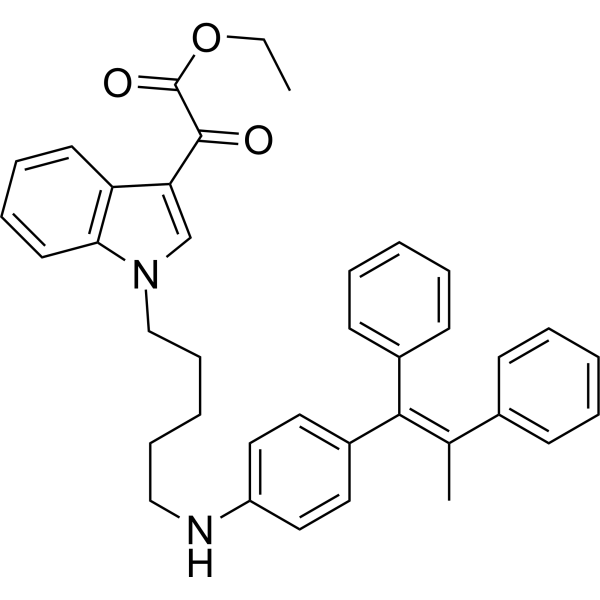
Aromatase-IN-3 (compound 7d) is an aromatase inhibitor with an IC50 of 54 nM. Through suppressing the conversion of androstenedione to oestrogen caused by aromatase, Aromatase-IN-3 exerts an appreciable tumor growth inhibitory activities against breast cancer cell lines, suggesting its usage for ER+ cancer research .
|
-
-
- HY-13632S2
-
|
FCE 24304-d3; EXE-d3
|
Isotope-Labeled Compounds
Cytochrome P450
|
Endocrinology
Cancer
|
|
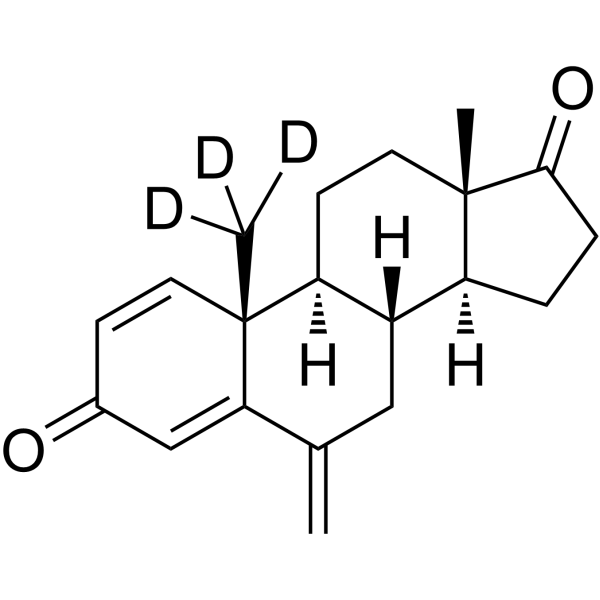
Exemestane-d3 is the deuterium labeled Exemestane. Exemestane (FCE 24304) is a selective, irreversible and orally active steroidal aromatase inhibitor with IC50s of 30 nM and 40 nM for human placental and rat ovarian aromatase, respectively. Exemestane can be used for hormone-dependent breast cancer research .
|
-
-
- HY-118178
-
|
|
Cytochrome P450
Monoamine Oxidase
|
Cardiovascular Disease
|
|
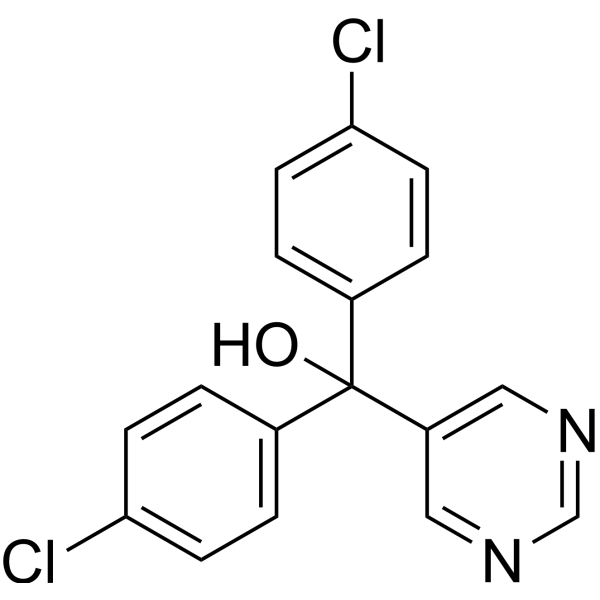
LY43578 is an orally active aromatase inhibitor. LY43578 inhibits P-450-dependent p-nitroanisole O-demethylation and ethylmorphine N-demethylation in hepatic microsomes isolated from rat, with the IC50 of 0.3 and 5 μΜ, respectively. LY43578 can be used for neurological disorder study .
|
-
-
- HY-118407
-
|
|
Cytochrome P450
Monoamine Oxidase
|
Neurological Disease
|
|
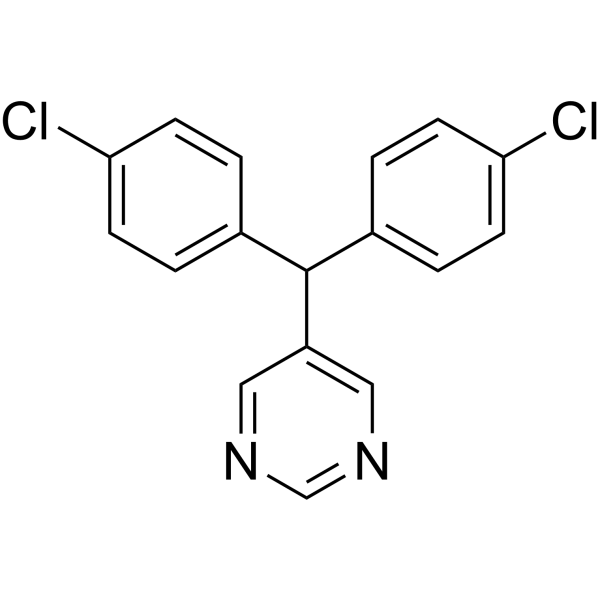
LY56110 is an orally active aromatase inhibitor. LY56110 inhibits P-450-dependent p-nitroanisole O-demethylation and ethylmorphine N-demethylation in hepatic microsomes isolated from rat, with the IC50 of 2.5 and 11 μΜ, respectively. LY56110 can be used for neurological disorder study .
|
-
-
- HY-13632S1
-
|
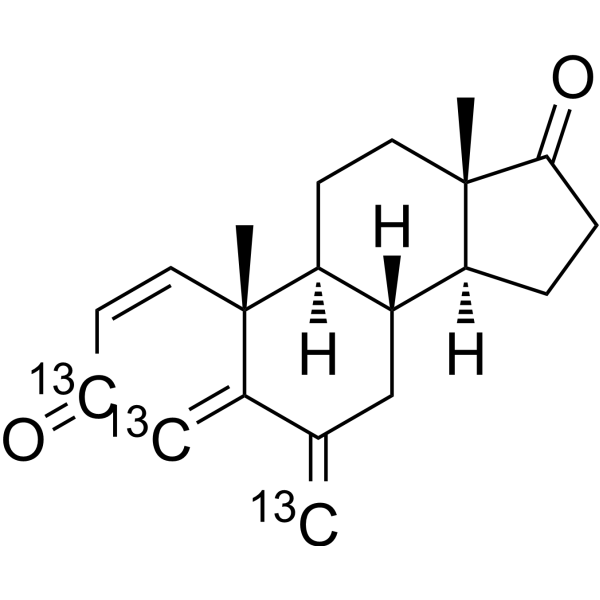
FCE 24304-13C3; EXE-13C3
|
Isotope-Labeled Compounds
Cytochrome P450
|
Endocrinology
Cancer
|
|
Exemestane- 13C3 is the 13C-labeled Exemestane. Exemestane (FCE 24304) is a selective, irreversible and orally active steroidal aromatase inhibitor with IC50s of 30 nM and 40 nM for human placental and rat ovarian aromatase, respectively. Exemestane can be used for hormone-dependent breast cancer research .
|
-
-
- HY-W699238
-
|
|
Biochemical Assay Reagents
|
|
|
S-(-)-Aminoglutethimide D-tartrate is an aromatase inhibitor with activity that blocks adrenal steroidogenesis. S-(-)-Aminoglutethimide D-tartrate can be used to inhibit steroid-related diseases. S-(-)-Aminoglutethimide D-tartrate is often used clinically to control certain types of cancer. S-(-)-Aminoglutethimide D-tartrate effectively reduces testosterone and estrogen levels through an enzyme inhibition mechanism.
|
-

-
- HY-13632S6
-
|
FCE 24304-d4; EXE-d4
|
Isotope-Labeled Compounds
Cytochrome P450
|
Endocrinology
Cancer
|
|
Exemestane-d4 (FCE 24304-d4) is deuterium labeled Exemestane. Exemestane (FCE 24304) is a selective, irreversible and orally active steroidal aromatase inhibitor with IC50s of 30 nM and 40 nM for human placental and rat ovarian aromatase, respectively. Exemestane can be used for hormone-dependent breast cancer research .
|
-

-
- HY-13632S5
-
|
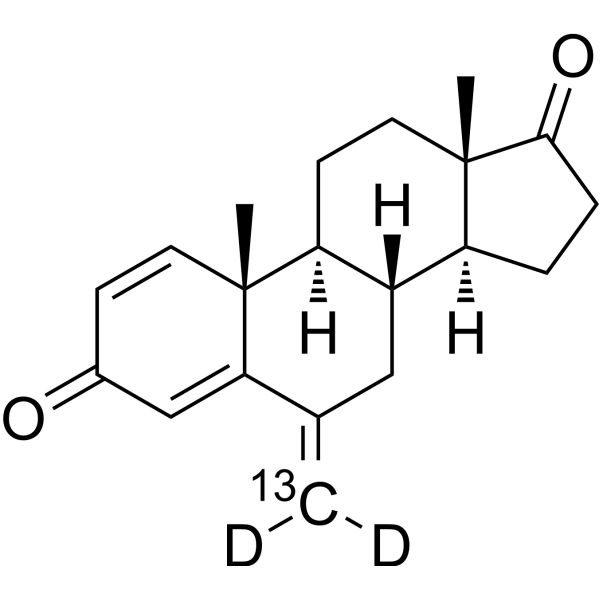
FCE 24304-13C,d2; EXE-13C,d2
|
Cytochrome P450
Isotope-Labeled Compounds
|
Endocrinology
Cancer
|
|
Exemestane- 13C,d2 is 13C and deuterated labeled Exemestane (HY-13632). Exemestane (FCE 24304) is a selective, irreversible and orally active steroidal aromatase inhibitor with IC50s of 30 nM and 40 nM for human placental and rat ovarian aromatase, respectively. Exemestane can be used for hormone-dependent breast cancer research .
|
-
-
- HY-B0845R
-
|
BTS 40542 (Standard)
|
Reference Standards
Fungal
Estrogen Receptor/ERR
Androgen Receptor
Aryl Hydrocarbon Receptor
|
Infection
Endocrinology
|
|
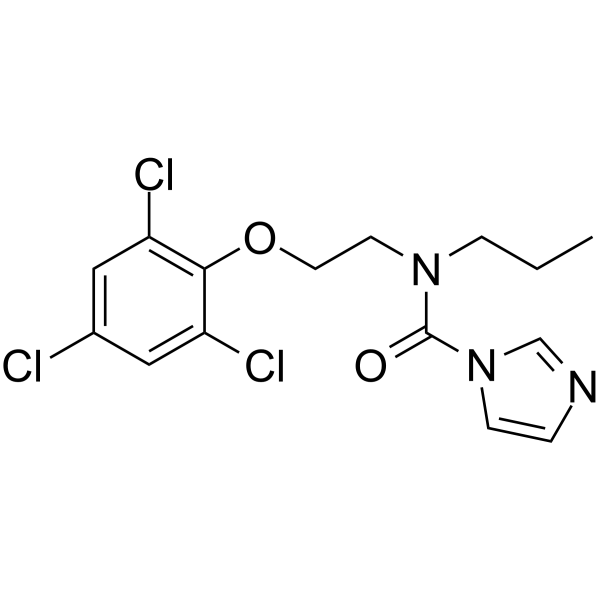
Prochloraz (Standard) is the analytical standard of Prochloraz. This product is intended for research and analytical applications. Prochloraz is an imidazole antifungal. Prochloraz is as an estrogen receptor (ER) and androgen receptor (AR) antagonist and an aromatase inhibitor with IC50 values of 25 μM, 4 μM and 0.3 μM, respectively. Prochloraz is able to activate the aryl hydrocarbon receptor (AhR) having an EC50 of 1 μM .
|
-

-
- HY-W010062R
-
|
|
Reference Standards
Cytochrome P450
Estrogen Receptor/ERR
Drug Derivative
|
Metabolic Disease
Cancer
|
|
4-Chlorophenylacetic acid (Standard) is the analytical standard of 4-Chlorophenylacetic acid. This product is intended for research and analytical applications. 4-Chlorophenylacetic acid is a halogenated phenylacetic acid derivative. 4-Chlorophenylacetic acid is a potent aromatase inhibitor and antagonizes estrogen signaling. 4-Chlorophenylacetic acid can provide carbon and energy for Pseudomonas sp. strain CBS3. 4-Chlorophenylacetic acid is effective against estrogen-induced mammary tumorigenesis .
|
-

-
- HY-W716464
-
-

-
- HY-138089
-
|
|
Androgen Receptor
Estrogen Receptor/ERR
LDLR
|
Metabolic Disease
Cancer
|
|
17β-Hydroxy exemestane (17-H-EXE) is the primary active metabolite of Exemestane (HY-13632). 17β-Hydroxy exemestane is an aromatase inhibitor (IC50 = 69 nM) and an androgen receptor (AR) agonist (IC50 = 39.6 nM) that is selective for AR over estrogen receptor α (ERα; IC50 = 21.2 μM). 17β-Hydroxy exemestane stimulates growth of AR- and ERα-positive MCF-7 (EC50= 2.7 μM) and T47D breast cancer cells (EC50s = 0.43 and 1500 nM for AR- and ER-mediated growth, respectively) and inhibits proliferation of testosterone-treated aromatase-overexpressing MCF-7 cells. 17β-Hydroxy exemestane inhibits increases in serum cholesterol and LDL levels and prevents decreases in bone mineral density in the lumbar vertebrae and femur, as well as femoral bending strength and compressive strength of the fifth lumbar vertebrae in ovariectomized rats .
|
-

-
- HY-106750
-
|
|
Cytochrome P450
|
Cancer
|
|
Rogletimide is an aromatase inhibitor. Rogletimide can be studied in research on cancer .
|
-

-
- HY-W141312
-
-

-
- HY-W393057
-
|
|
Cytochrome P450
|
Cancer
|
|
(S)-Aminoglutethimide is an aromatase inhibitor. (S)-Aminoglutethimide has an IC50 value of 23.15 μM for rat ovarian microsomal aromatase. (S)-Aminoglutethimide can be used in the research of diseases such as breast cancer .
|
-

-
- HY-109062
-
|
BGS-649
|
Cytochrome P450
|
Others
|
|
CGP 47645 is a long-acting nonsteroidal aromatase inhibitor. CGP 47645 can significantly affect testicular function. CGP 47645 can be used to study the physiological role of estrogen in regulating testicular function .
|
-

-
- HY-182708
-
|
|
Cytochrome P450
|
Metabolic Disease
|
|
CGS 18320B is a human placental microsomal aromatase inhibitor with a Ki of 0.16 nM. CGS 18320B interacts reversibly with the enzyme's active site to block estrogen biosynthesis from androstenedione. CGS 18320B can be used for the research of aromatase inhibition and estrogen biosynthesis regulation .
|
-

-
- HY-182498
-
|
|
Cytochrome P450
Estrogen Receptor/ERR
|
Cancer
|
|
(Z)-Norendoxifen is an aromatase inhibitor and estrogen receptor modulator. The IC50 value of (Z)-Norendoxifen against aromatase is 102 nM. The EC50 values of (Z)-Norendoxifen for ER-α and ER-β are 27.0 nM and 35.2 nM, respectively. (Z)-Norendoxifen can be used in breast cancer research .
|
-

-
- HY-113986C
-
|
(R)-Fadrozole hydrochloride; (R)-CGS 16949A; FAD286 hydrochloride
|
Cytochrome P450
|
Cardiovascular Disease
Cancer
|
|
Dexfadrostat ((R)-Fadrozole) hydrochloride is an orally active and selective aromatase inhibitor, with human aromatase IC50 values of 6.4 nM. Dexfadrostat hydrochloride suppresses estrogen synthesis, reduces circulating estradiol levels and suppresses aldosterone production. Dexfadrostat hydrochloride can be used for the research of breast cancer, primary aldosteronism, and hypertension .
|
-

-
- HY-123278
-
|
|
Cytochrome P450
Histamine Receptor
|
Neurological Disease
|
|
FUB 349 (Compound 8) is a selective Aromatase inhibitor with an IC50 of 12 μM. FUB 349 is also a H3 receptor antagonist with Kis of 12 and 2.1 nM for rH3R and hH3R, respectively. FUB 349 can be used for neurological diseases such as cognitive impairment research .
|
-

-
- HY-180535
-
|
|
Cytochrome P450
|
Cancer
|
|
Aromatase-IN-8 is a selective Aromatase inhibitor against an IC50 of 0.05 µM. Aromatase-IN-8 exhibits selective antiproliferative effects against estrogen receptor-positive breast cancer cell lines, while showing no toxicity toward non-tumoral cells. Aromatase-IN-8 suppresses estrogen active, increases testosterone levels, and downregulates estrogen receptor expression and phosphorylation. Aromatase-IN-8 can be used for triple negative breast cancer research .
|
-

-
- HY-123500
-
|
|
Cytochrome P450
|
Cancer
|
|
CGP-45688 is an orally active non-steroidal aromatase inhibitor with an ED50 of 30-100 μg/kg. CGP-45688 can reduce the level of estrogen in the body, thereby inhibiting the growth of estrogen-dependent tumors. CGP-45688 inhibits the growth of estrogen-dependent breast tumors in rat models. CGP-45688 disrupts the ovarian cycle and inhibits the weight of the uterus. CGP-45688 can be used for the study of breast cancer .
|
-

- HY-N8487R
-
|
|
Reference Standards
Cytochrome P450
|
Neurological Disease
Inflammation/Immunology
Cancer
|
|
7-Methoxyflavone (Standard) is the analytical standard of 7-Methoxyflavone (HY-N8487). This product is intended for research and analytical applications. 7-Methoxyflavone is a flavonoid compound that can be isolated from Zornia brasiliensis. 7-Methoxyflavone can bind to human serum albumin and is an aromatase inhibitor. 7-Methoxyflavone has peripheral analgesic and certain antitumor activities. 7-Methoxyflavone is effective against chemical pain but has no significant effect on thermal pain .
|
-

- HY-170508
-
|
|
Cytochrome P450
|
Endocrinology
|
|
Aromatase-IN-4 (Compound 6a) is an aromatase (Aromatase) inhibitor. Aromatase-IN-4 exhibits anticancer activity, with GI50 values of 2.95 μM, 3.35 μM, 2.27 μM, 8.46 nM, and 1.56 μM against the MDAMB-231, MCF-7, A-549, NCI-H23, and A-498 cell lines, respectively . Aromatase-IN-4 effectively blocks aromatase-dependent estrogen production .
|
-

- HY-105184R
-
|
|
Cytochrome P450
Reference Standards
|
Endocrinology
|
|
YM511 (Standard) is the analytical standard of YM511 (HY-105184). This product is intended for research and analytical applications. YM511 is a highly specific non-steroidal aromatase inhibitor. YM511 inhibits aromatase activities in microsomes from rat ovary and human placenta competitively (IC50s of 0.4 and 0.12 nM, respectively). YM511 slightly inhibits production of other steroid hormones. YM511 has the potential for suppressing estrogen-dependent action research without affecting serum levels of other steroid hormones .
|
-

| Cat. No. |
Product Name |
Type |
-
- HY-W007664
-
|
|
Biochemical Assay Reagents
|
|
(R)-4-Benzyl-2-oxazolidinone is an oxazolidinone-type auxiliary that enables highly stereoselective asymmetric alkylation reactions. (R)-4-Benzyl-2-oxazolidinone is applied in the total synthesis of natural products and pharmaceutical preparations. Especially in pharmaceutical research and development, (R)-4-Benzyl-2-oxazolidinone not only serves as a key precursor for the synthesis of aromatase inhibitors, but also can be used in studies related to estrogen-dependent breast cancer .
|
-
- HY-W699238
-
|
|
Biochemical Assay Reagents
|
|
S-(-)-Aminoglutethimide D-tartrate is an aromatase inhibitor with activity that blocks adrenal steroidogenesis. S-(-)-Aminoglutethimide D-tartrate can be used to inhibit steroid-related diseases. S-(-)-Aminoglutethimide D-tartrate is often used clinically to control certain types of cancer. S-(-)-Aminoglutethimide D-tartrate effectively reduces testosterone and estrogen levels through an enzyme inhibition mechanism.
|
| Cat. No. |
Product Name |
Category |
Target |
Chemical Structure |
| Cat. No. |
Product Name |
Chemical Structure |
-
- HY-14274S
-
|
|
|
Anastrozole-d12 is the deuterium labeled Anastrozole. Anastrozole is a potent, highly selective aromatase inhibitor, which inhibits human placental aromatase with an IC50 of 15 nM .
|
-
-
- HY-13632S
-
|
|
|
Exemestane-d2 is the deuterium labeled Exemestane. Exemestane (FCE 24304) is a selective, irreversible and orally active steroidal aromatase inhibitor with IC50s of 30 nM and 40 nM for human placental and rat ovarian aromatase, respectively. Exemestane can be used for hormone-dependent breast cancer research .
|
-
-
- HY-13632S2
-
|
|
|
Exemestane-d3 is the deuterium labeled Exemestane. Exemestane (FCE 24304) is a selective, irreversible and orally active steroidal aromatase inhibitor with IC50s of 30 nM and 40 nM for human placental and rat ovarian aromatase, respectively. Exemestane can be used for hormone-dependent breast cancer research .
|
-
-
- HY-13632S1
-
|
|
|
Exemestane- 13C3 is the 13C-labeled Exemestane. Exemestane (FCE 24304) is a selective, irreversible and orally active steroidal aromatase inhibitor with IC50s of 30 nM and 40 nM for human placental and rat ovarian aromatase, respectively. Exemestane can be used for hormone-dependent breast cancer research .
|
-
-
- HY-13632S6
-
|
|
|
Exemestane-d4 (FCE 24304-d4) is deuterium labeled Exemestane. Exemestane (FCE 24304) is a selective, irreversible and orally active steroidal aromatase inhibitor with IC50s of 30 nM and 40 nM for human placental and rat ovarian aromatase, respectively. Exemestane can be used for hormone-dependent breast cancer research .
|
-
-
- HY-13632S5
-
|
|
|
Exemestane- 13C,d2 is 13C and deuterated labeled Exemestane (HY-13632). Exemestane (FCE 24304) is a selective, irreversible and orally active steroidal aromatase inhibitor with IC50s of 30 nM and 40 nM for human placental and rat ovarian aromatase, respectively. Exemestane can be used for hormone-dependent breast cancer research .
|
-
-
- HY-W716464
-
|
|
|
Prochloraz-d7 (BTS 40542-d7) is the deuterium labeled Prochloraz (HY-B0845). Prochloraz is an imidazole antifungal. Prochloraz is as an estrogen receptor (ER) and androgen receptor (AR) antagonist and an aromatase inhibitor with IC50 values of 25 μM, 4 μM and 0.3 μM, respectively. Prochloraz is able to activate the aryl hydrocarbon receptor (AhR) having an EC50 of 1 μM .
|
-
Your information is safe with us. * Required Fields.
Inquiry Information
- Product Name:
- Cat. No.:
- Quantity:
- MCE Japan Authorized Agent:








