



Exemestane
Based on 7 publication(s) in Google Scholar
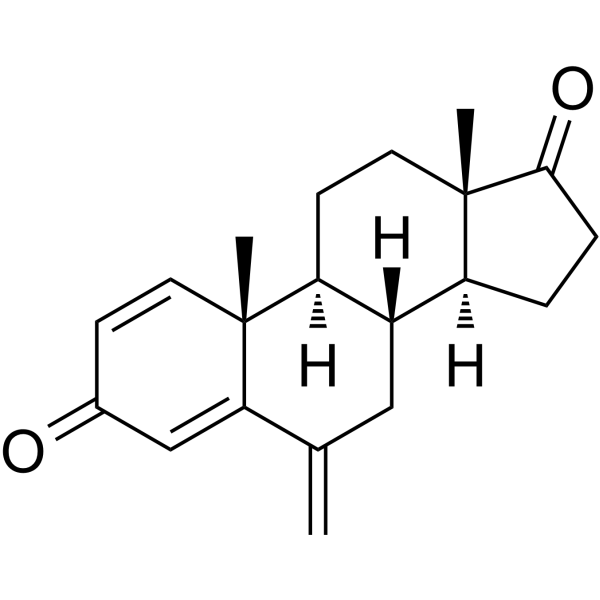
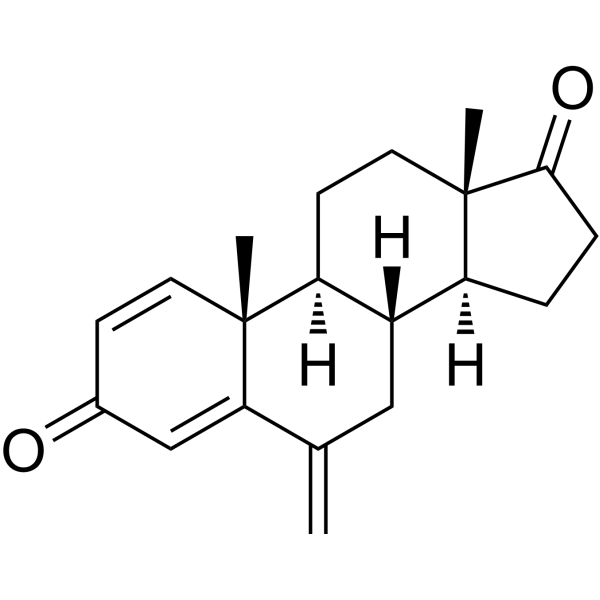
Exemestane (FCE 24304) is a selective, irreversible and orally active steroidal aromatase inhibitor with IC50s of 30 nM and 40 nM for human placental and rat ovarian aromatase, respectively. Exemestane can be used for hormone-dependent breast cancer research.
For research use only. We do not sell to patients.
- Purity : 99.97%
- CAS No.: 107868-30-4
- Formula: C20H24O2
- Molecular Weight:296.40
-
Storage:Powder -20°C, 3 years , 4°C, 2 years ; In solvent -80°C, 2 years , -20°C, 1 year

To place orders, for customer services and technical support, please contact: MedChemExpress USA
Tel: 609-228-6898 E-mail: [email protected] [email protected]


-
 Biological Activity
-
Chemical Information
-
Solvent & Solubility
- Protocols
- Purity & Documentation
- References
-
 Help & FAQs


-
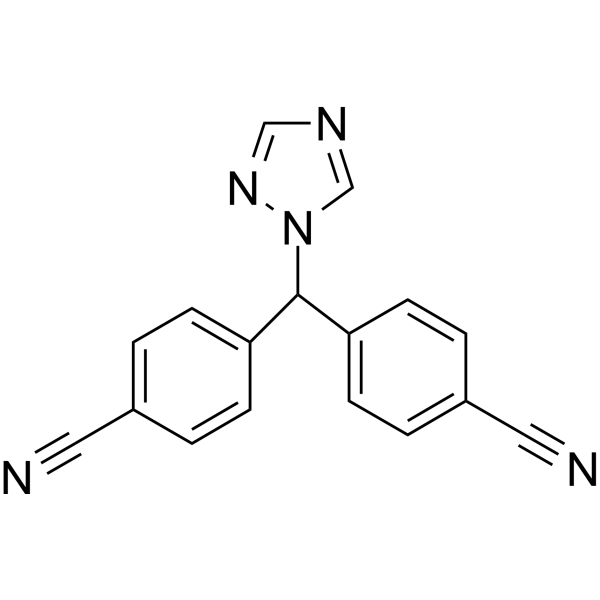
HY-14248
LetrozoleAromatase Inhibitor -
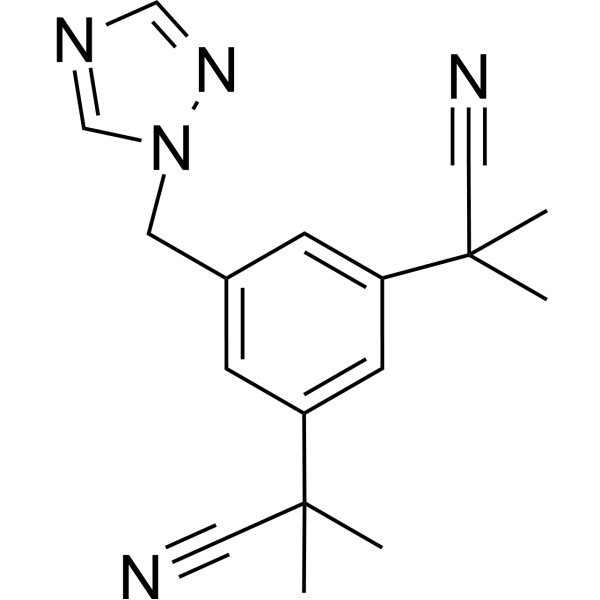
HY-14274
AnastrozoleAromatase Inhibitor -
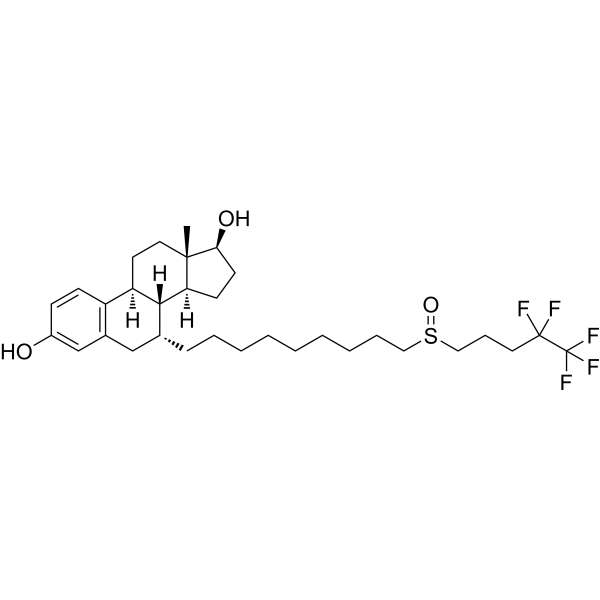
HY-13636
FulvestrantEstrogen Receptor Antagonist -
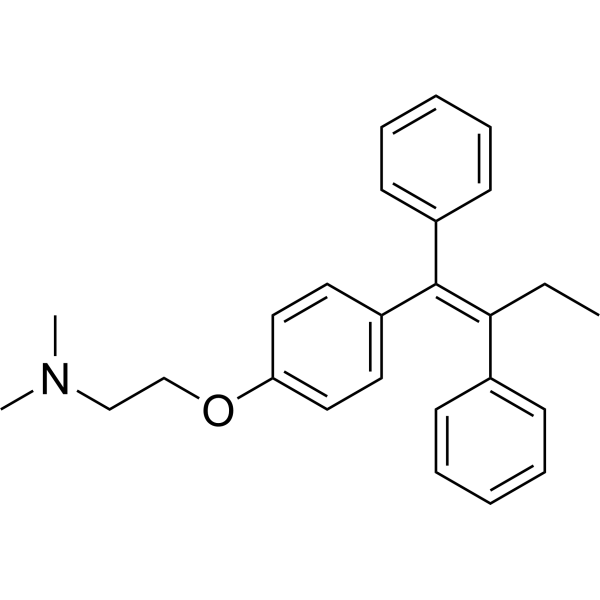
HY-13757A
TamoxifenEstrogen Receptor Modulator -
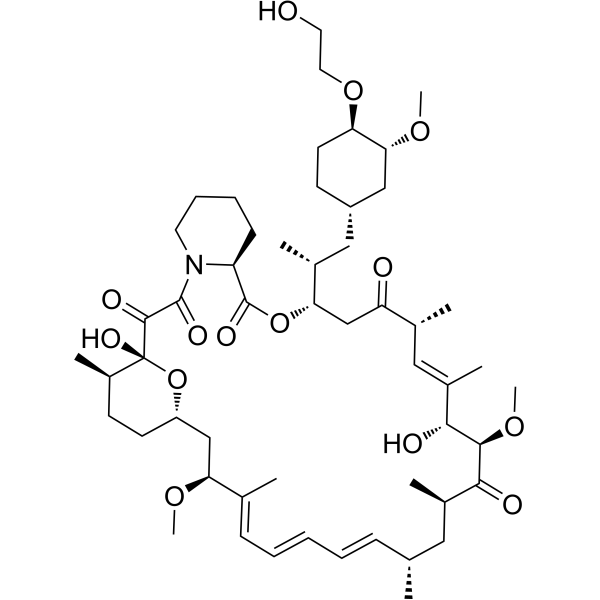
HY-10218
EverolimusmTORC Inhibitor -
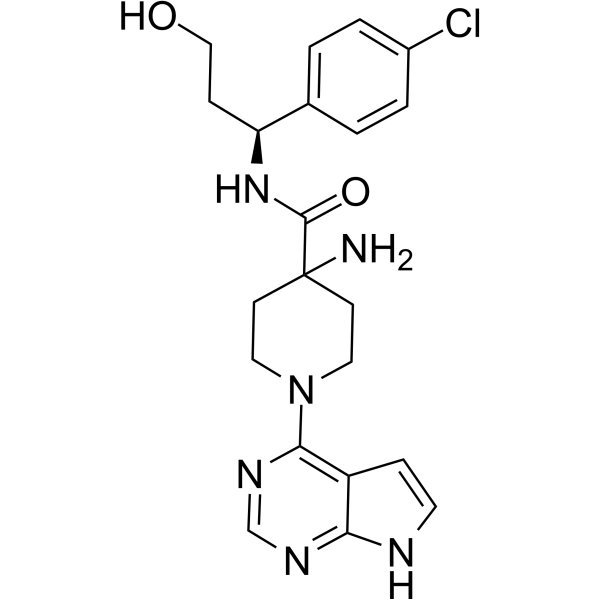
HY-15431
CapivasertibAkt Inhibitor -
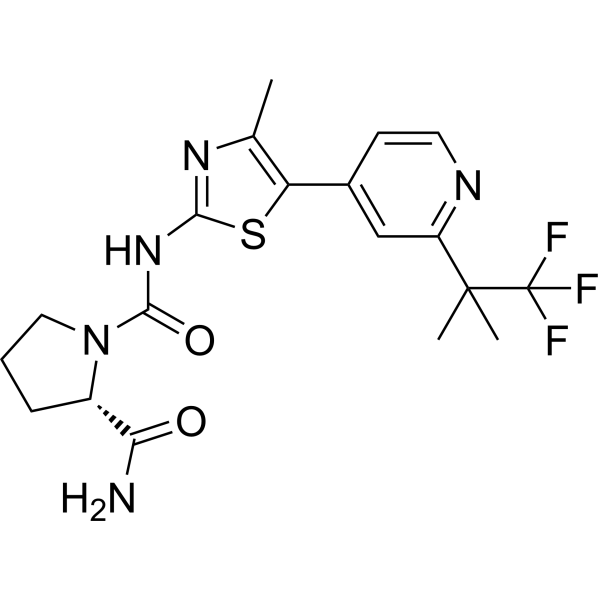
HY-15244
AlpelisibPI3Kα Inhibitor -
HY-13632R
Exemestane (Standard) -
HY-10999
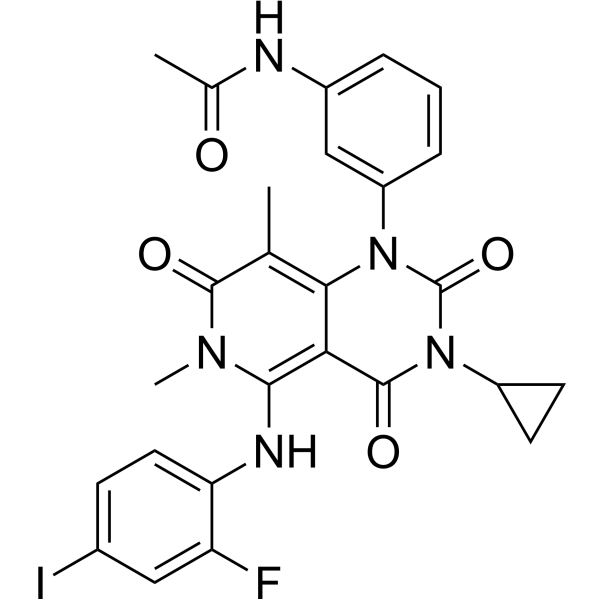
TrametinibMEK Inhibitor -
HY-10162
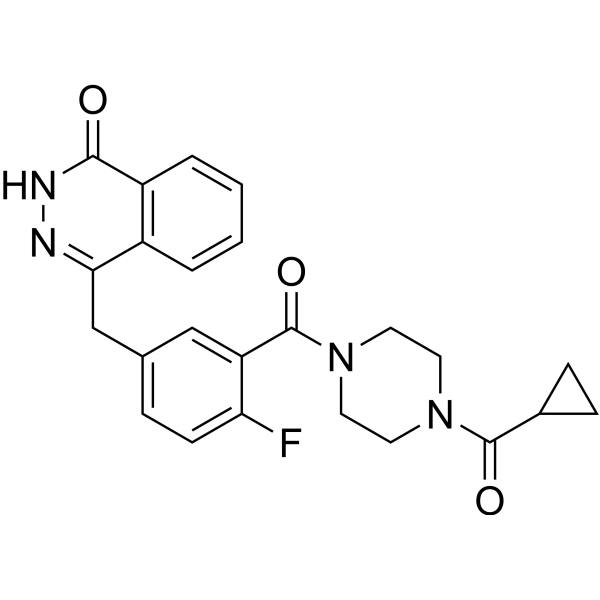
OlaparibPARP Inhibitor -
HY-14274R
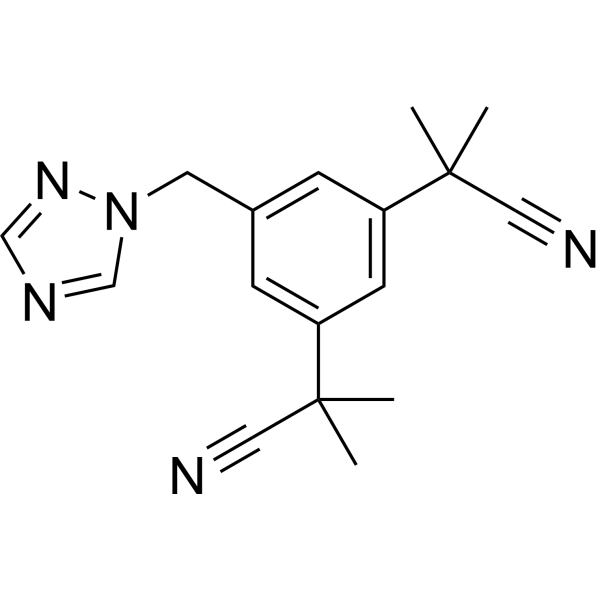
Anastrozole (Standard)Aromatase Inhibitor -
HY-B0015
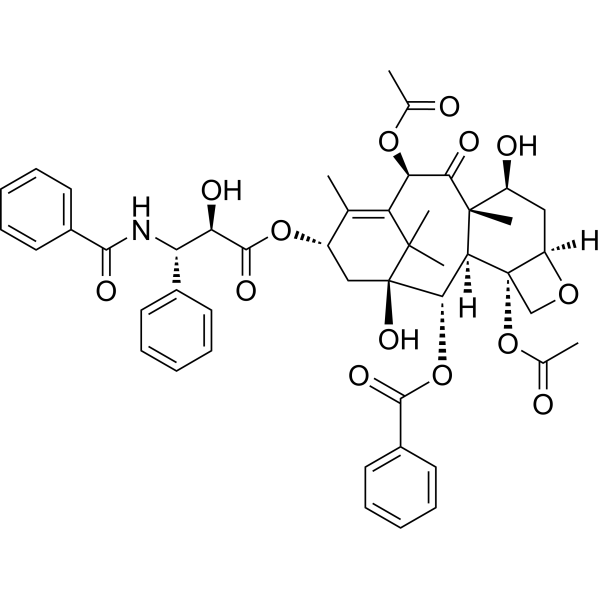
PaclitaxelAntitumor Agent
Publications Citing Use of MedChemExpress (MCE) Exemestane
More- ACS Cent Sci. 2026 Mar 25;12(4):497-523. [Abstract]
- Cell Rep Methods. 2023 Oct 23;3(10):100599. [Abstract]
- Mol Oncol. 2025 Jul 13. [Abstract]
- Chem Res Toxicol. 2024 May 20;37(5):804-813. [Abstract]
- J Pharm Biomed Anal. 2023 Sep 20:234:115583. [Abstract]
- J Pharm Biomed Anal. 2021 Feb 20:195:113870. [Abstract]
- Res Sq. 2026 Jan 9.
 Customer Validation & Images

-
Cell Proliferation/Viability Assay
-
Cell Imaging/Staining
-
Flow Cytometry
-
WB
-
Cell Imaging/Staining


Biological Activity
Description
IC50 & Target
|
Aromatase |
Cellular Effect
|
Cell Line

|
Type | Value | Description | References |
|---|---|---|---|---|
| MCF7 | IC50 |
0.9 μM
Compound: 1, Exemestane
|
Inhibition of human placental microsome aromatase expressed in human MCF7 cells using [1beta-3H] androstenedione as substrate after 1 hr by liquid scintillation counting
Inhibition of human placental microsome aromatase expressed in human MCF7 cells using [1beta-3H] androstenedione as substrate after 1 hr by liquid scintillation counting
|
[PMID: 25277066] |
In Vitro
Exemestane (EXE; 1-1000 nM; 72 hours; hFOB, Saos-2 cells<) treatment significantly increases the number of the cells[2].
?
Exemestane (72 hours) increases alkaline phosphatase activity in hFOB and Saos-2 cells and induces the expression of MYBL2, OSTM1, HOXD11, ADCYAP1R1, and glypican 2 in hFOB cells[2].
?
Exemestane competitively inhibits and time-dependently inactivates of human placental aromatase with Ki of 4.3 nM. Exemestane displaces [3H]5α-dihydrotestosterone from rat prostate androgen receptor with IC50 of 0.9 μM[1].
MedChemExpress (MCE) has not independently confirmed the accuracy of these methods. They are for reference only.
-
Cell Line:hFOB, Saos-2 cells
-
Concentration:1 nM, 10 nM, 100 nM, 1000 nM
-
Incubation Time:72 hours
-
Result:Induced cell proliferation.
In Vivo
? Exemestane (20 mg/kg/day s.c.) induces 26% complete (CR) and 18% partial (PR) tumor regressions in rats with 7,12-dimethylbenzanthracene (DMBA)-induced mammary tumors[4].
MedChemExpress (MCE) has not independently confirmed the accuracy of these methods. They are for reference only.
-
Animal Model:Female Sprague Dawley rats (10-month-old) bearing ovariectomy [3]
-
Dosage:20 mg/kg, 50 mg/kg, or 100 mg/kg
-
Administration:Intramuscular injection; once weekly; for 16 weeks
-
Result:Significantly increased the lumbar vertebral and femoral BMD, bending strength of the femur, compressive strength of the fifth lumbar vertebra, and trabecular bone volume.
Clinical Trial
| NCT Number | Sponsor | Condition | Start Date |
Phase
|
|---|---|---|---|---|
| NCT01329991 | 2011-05 | PHASE1 |


Chemical Information
-
CAS No. 107868-30-4
-
Appearance Solid
-
Molecular Weight 296.40
-
Formula C20H24O2
-
Color White to off-white
-
SMILES
C[C@]1([C@](CC2)([H])[C@]3([H])CC(C4=CC(C=C[C@]4(C)[C@@]3([H])CC1)=O)=C)C2=O
-
Synonyms
FCE 24304; EXE
-
Shipping
Room temperature in continental US; may vary elsewhere.
-
Storage
Powder -20°C 3 years 4°C 2 years In solvent -80°C 2 years -20°C 1 year


Publications (7)
-
Journal Impact Factor
-
Most Recent
-
ACS Cent Sci
An Epigenetic Switch for Sex-Specific Brain Resilience in Stroke: Targeting HDAC2 to Amplify Endogenous Oxytocin Signaling. [Abstract]2026 Mar 25;12(4):497-523. PMID: 42038487 -
Cell Rep Methods
RECOVER identifies synergistic drug combinations in vitro through sequential model optimization. [Abstract]2023 Oct 23;3(10):100599. PMID: 37797618 -
Mol Oncol
Olaparib synergy screen reveals Exemestane induces replication stress in triple-negative breast cancer. [Abstract]2025 Jul 13. PMID: 40652528
Exemestane purchased from MedChemExpress. Usage Cited in: Mol Oncol. 2025 Jul 13. [Abstract]
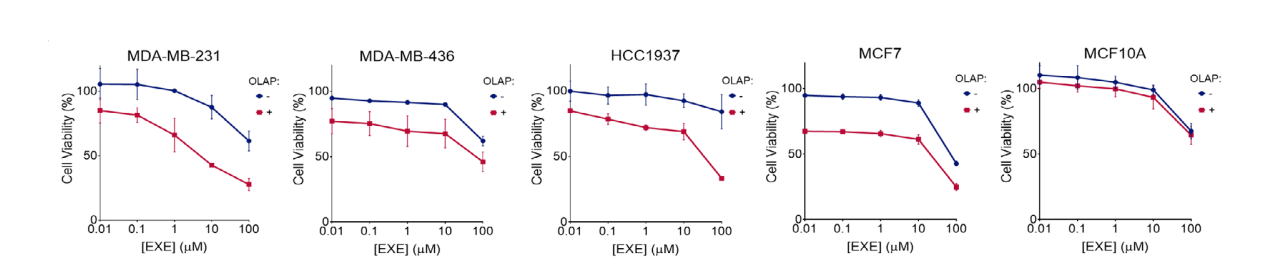
Cell viability of MDA‐MB‐231 TNBC, MDA‐MB‐436 TNBC, HCC1937 TNBC, MCF7 ER‐positive breast cancer, and MCF10A normal breast cells following 24 h treatment with concentration gradients of Exemestane, with and without 10 μm Olaparib, as determined by MTT assay.
Exemestane purchased from MedChemExpress. Usage Cited in: Mol Oncol. 2025 Jul 13. [Abstract]
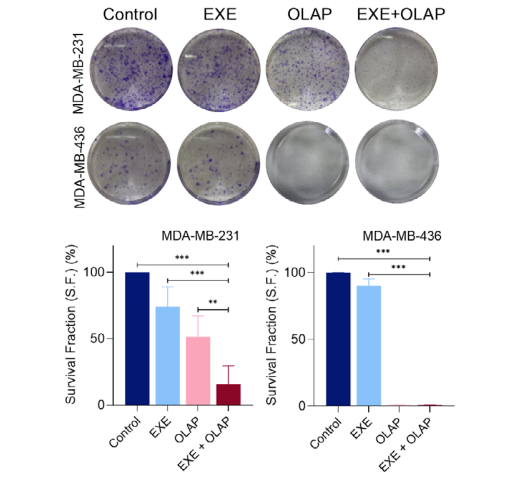
Clonogenic survival assay of MDA‐MB‐231, MDA‐MB‐436 cells treated with Exemestane (EXE, 25 μm) and Olaparib (OLAP, 10 μm) alone or in combination (24 h treatment).
Exemestane purchased from MedChemExpress. Usage Cited in: Mol Oncol. 2025 Jul 13. [Abstract]
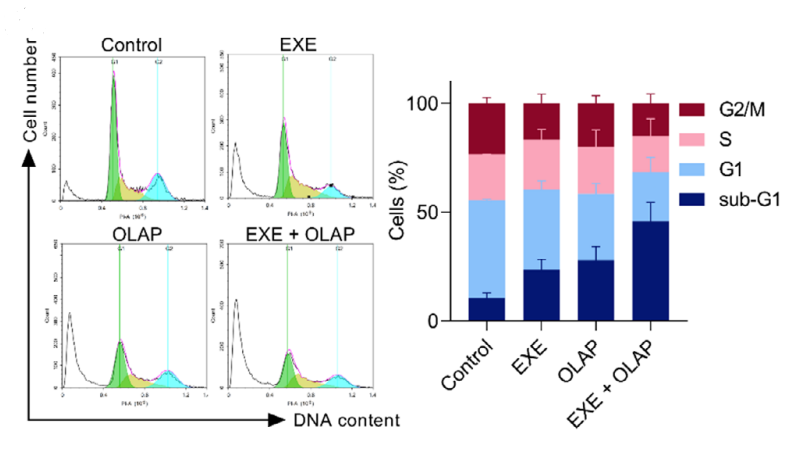
Cell cycle distribution of MDA‐MB‐231 cells treated with Exemestane (25 μm) and Olaparib (10 μm) alone or in combination, 72 h treatment, as determined by PI staining and flow cytometry.
Exemestane purchased from MedChemExpress. Usage Cited in: Mol Oncol. 2025 Jul 13. [Abstract]
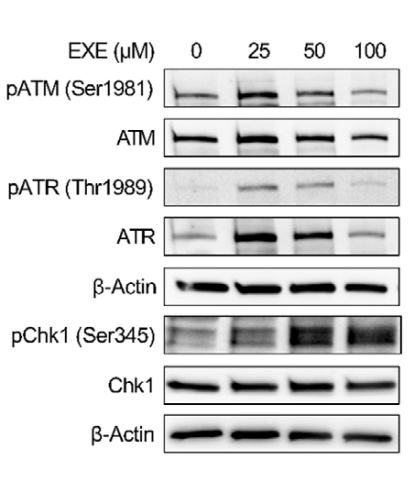
Western blot analysis of DDR activation following Exemestane treatment (25, 50 and 100 μm) for 3 h.
Exemestane purchased from MedChemExpress. Usage Cited in: Mol Oncol. 2025 Jul 13. [Abstract]
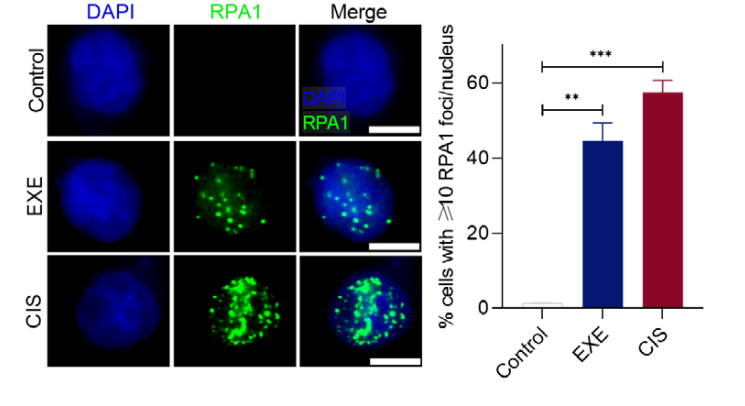
RPA1 foci (green) formation in MDA‐MB‐231 cells nuclei following treatment with Exemestane (50 μm, 24 h). Cisplatin (CIS, 50 μm, 24 h) was employed as a positive control. Nuclear staining by DAPI (blue) also included.
-
Chem Res Toxicol
Psoralen and Isopsoralen, Two Estrogen -Like Natural Products from Psoraleae Fructus, Induced Cholestasis via Activation of ERK1/2. [Abstract]2024 May 20;37(5):804-813. PMID: 38646980 -
J Pharm Biomed Anal
A hydrophobic deep eutectic solvent-based vortex-assisted liquid-liquid microextraction applied for doping control of aromatase inhibitors from equine urine. [Abstract]2023 Sep 20:234:115583. PMID: 37494867 -
J Pharm Biomed Anal
Screening method of mildronate and over 300 doping agents by reversed-phase liquid chromatography-high resolution mass spectrometry. [Abstract]2021 Feb 20:195:113870. PMID: 33453569 -


Solvent & Solubility
In Vitro:
DMSO : ≥ 54 mg/mL (182.19 mM; Hygroscopic DMSO has a significant impact on the solubility of product, please use newly opened DMSO)
* "≥" means soluble, but saturation unknown.
Please refer to the solubility information to select the appropriate solvent. Once prepared, please aliquot and store the solution to prevent product inactivation from repeated freeze-thaw cycles.
Storage method and period of stock solution: -80°C, 2 years; -20°C, 1 year. When stored at -80°C, please use it within 2 years. When stored at -20°C, please use it within 1 year.
Please refer to the solubility information to select the appropriate solvent. Once prepared, please aliquot and store the solution to prevent product inactivation from repeated freeze-thaw cycles.
Storage method and period of stock solution: -80°C, 2 years; -20°C, 1 year. When stored at -80°C, please use it within 2 years. When stored at -20°C, please use it within 1 year.
Concentration (start) × Volume (start) = Concentration (final) × Volume (final)
In Vivo:
Select the appropriate dissolution method based on your experimental animal and administration route.
- For the following dissolution methods, please ensure to first prepare a clear stock solution using an In Vitro approach and then sequentially add co-solvents:
- To ensure reliable experimental results, the clarified stock solution can be appropriately stored based on storage conditions. As for the working solution for In Vivo experiments, it is recommended to prepare freshly and use it on the same day.
- The percentages shown for the solvents indicate their volumetric ratio in the final prepared solution. If precipitation or phase separation occurs during preparation, heat and/or sonication can be used to aid dissolution.
Add each solvent one by one: 10% DMSO 40% PEG300 5% Tween-80 45% Saline
Solubility: ≥ 2.5 mg/mL (8.43 mM); Clear solution
This protocol yields a clear solution of ≥ 2.5 mg/mL (saturation unknown).
Taking 1 mL working solution as an example, add 100 μL DMSO stock solution (25.0 mg/mL) to 400 μL PEG300, and mix evenly; then add 50 μL Tween-80 and mix evenly; then add 450 μL Saline to adjust the volume to 1 mL.
Preparation of Saline: Dissolve 0.9 g sodium chloride in ddH₂O and dilute to 100 mL to obtain a clear Saline solution.
Add each solvent one by one: 10% DMSO 90% (20% SBE-β-CD in Saline)
Solubility: ≥ 2.5 mg/mL (8.43 mM); Clear solution
This protocol yields a clear solution of ≥ 2.5 mg/mL (saturation unknown).
Taking 1 mL working solution as an example, add 100 μL DMSO stock solution (25.0 mg/mL) to 900 μL 20% SBE-β-CD in Saline, and mix evenly.
Preparation of 20% SBE-β-CD in Saline (4°C, storage for one week): 2 g SBE-β-CD powder is dissolved in 10 mL Saline, completely dissolve until clear.
In Vivo Dissolution Calculator
Please enter the basic information of animal experiments:
-
-
-
-
Recommended: Prepare an additional quantity of animals to account for potential losses during experiments.
Please enter your animal formula composition:
-
%DMSO +
Recommended: Keep the proportion of DMSO in working solution below 2% if your animal is weak.
-
%+
-
+%Tween-80 + +
-
%Saline +
The co-solvents required include: DMSO, . All of co-solvents are available by MedChemExpress (MCE). , Tween 80. All of co-solvents are available by MedChemExpress (MCE).
Working solution concentration: 0.22 mg/mL
Method for preparing stock solution: mg drug dissolved in μL DMSO. Stock solution concentration: mg/mL.
1. Take μL DMSO stock solution;
2. Add μL .
μL , mix evenly;
3. Then add μL Tween 80, mix evenly;
4. Then add μL
Please ensure that the stock solution in the first step is dissolved to a clear state, and add co-solvents in sequence. You can use ultrasonic heating (ultrasonic cleaner, recommended frequency 20-40 kHz), vortexing, etc. to assist dissolution.


Purity & Documentation
-
Data Sheet (285 KB)
-
SDS (419 KB)
- English - EN (419 KB)
- Français - FR (419 KB)
- Deutsch - DE (419 KB)
- Norwegian - NO (419 KB)
- Español - ES (419 KB)
- Swedish - SV (419 KB)
- Italian - IT (419 KB)
- Korean - KR (419 KB)
- Portuguese - PT (419 KB)
-
Handling Instructions (2659 KB)
References
[1]. Di Salle, E., et al., Novel aromatase and 5 alpha-reductase inhibitors. J Steroid Biochem Mol Biol, 1994. 49(4-6): p. 289-94. [Content Brief]
[2]. Miki, Y, et al. Effects of aromatase inhibitors on human osteoblast and osteoblast-like cells: a possible androgenic bone protective effects induced by exemestane. Bone. 2004 Sep 1;10(17):5717-23. [Content Brief]
[3]. Goss, P.E., et al., Effects of the steroidal aromatase inhibitor exemestane and the nonsteroidal aromatase inhibitor letrozole on bone and lipid metabolism in ovariectomized rats. Clin Cancer Res, 2004. 10(17): p. 5717-23. [Content Brief]
[4]. Zaccheo, T., D. Giudici, and E. Di Salle, Inhibitory effect of combined treatment with the aromatase inhibitor exemestane and tamoxifen on DMBA-induced mammary tumors in rats. J Steroid Biochem Mol Biol, 1993. 44(4-6): p. 677-80. [Content Brief]


Complete Stock Solution Preparation Table
Please refer to the solubility information to select the appropriate solvent. Once prepared, please aliquot and store the solution to prevent product inactivation from repeated freeze-thaw cycles.
Storage method and period of stock solution: -80°C, 2 years; -20°C, 1 year. When stored at -80°C, please use it within 2 years. When stored at -20°C, please use it within 1 year.
| Optional Solvent | Concentration Solvent Mass | 1 mg | 5 mg | 10 mg | 25 mg |
|---|---|---|---|---|---|
| DMSO | 1 mM | 3.3738 mL | 16.8691 mL | 33.7382 mL | 84.3455 mL |
| 5 mM | 0.6748 mL | 3.3738 mL | 6.7476 mL | 16.8691 mL | |
| 10 mM | 0.3374 mL | 1.6869 mL | 3.3738 mL | 8.4345 mL | |
| 15 mM | 0.2249 mL | 1.1246 mL | 2.2492 mL | 5.6230 mL | |
| 20 mM | 0.1687 mL | 0.8435 mL | 1.6869 mL | 4.2173 mL | |
| 25 mM | 0.1350 mL | 0.6748 mL | 1.3495 mL | 3.3738 mL | |
| 30 mM | 0.1125 mL | 0.5623 mL | 1.1246 mL | 2.8115 mL | |
| 40 mM | 0.0843 mL | 0.4217 mL | 0.8435 mL | 2.1086 mL | |
| 50 mM | 0.0675 mL | 0.3374 mL | 0.6748 mL | 1.6869 mL | |
| 60 mM | 0.0562 mL | 0.2812 mL | 0.5623 mL | 1.4058 mL | |
| 80 mM | 0.0422 mL | 0.2109 mL | 0.4217 mL | 1.0543 mL | |
| 100 mM | 0.0337 mL | 0.1687 mL | 0.3374 mL | 0.8435 mL |


Exemestane Related Classifications
HY-13632 Related Classifications
 Powered by Bioz