Search Result
Results for "
Candida species
" in MedChemExpress (MCE) Product Catalog:
6
Biochemical Assay Reagents
3
Isotope-Labeled Compounds
| Cat. No. |
Product Name |
Target |
Research Areas |
Chemical Structure |
-
- HY-126389
-
|
|
Environmental Pollutants
Endogenous Metabolite
Fungal
NF-κB
Biochemical Assay Reagents
|
Infection
Inflammation/Immunology
|
|
Chitin, from crab carapace (powder),biomedical research grade is a long-chain polymer of N-acetylglucosamine with β-(1-4) linkages. Chitin, from crab carapace (powder),biomedical research grade is found in the exoskeleton of crabs. Chitin, from crab carapace (powder),biomedical research grade inhibits the activation of NF-κB p65, alters the translocation of NF-κB p65 to the nucleus, and interacts with the cell wall of Candida species. Chitin, from crab carapace (powder),biomedical research grade exerts antifungal and anti-inflammatory effects. Chitin, from crab carapace (powder),biomedical research grade can be used in the research of gastric ulcer and candidiasis .
|
-
-
- HY-N0538
-
|
Xylite
|
Environmental Pollutants
Endogenous Metabolite
Bacterial
Autophagy
Atg7
Atg8/LC3
|
Metabolic Disease
Cancer
|
|
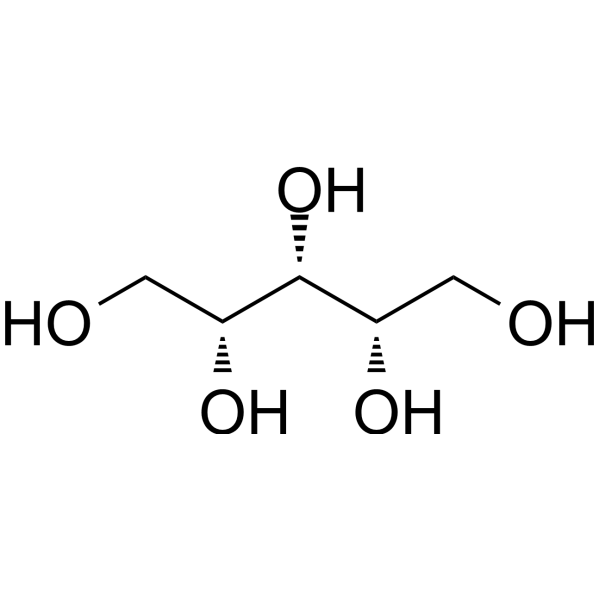
Xylitol can be classified as a polyol and sugar alcohol, exhibiting inhibitory activity on cancer cell proliferation. It induces autophagy (Autophagy) and cell death in A549 cells by activating the autophagy signaling pathway, as evidenced by the increased expression of LC3-II and Atg5-Atg12 upon Xylitol treatment. Additionally, Xylitol inhibits acetaldehyde production by Candida species, thereby reducing their carcinogenic potential. In vivo, Xylitol induces alterations in the gut microbiota of mice, which may enhance cholesterol accumulation and upregulate hepatic ChREBP, while also slowing tumor growth in the B16F10 melanoma C57BL/6 mouse model .
|
-
-
- HY-15660
-
|
KP-103
|
Fungal
|
Infection
|
|
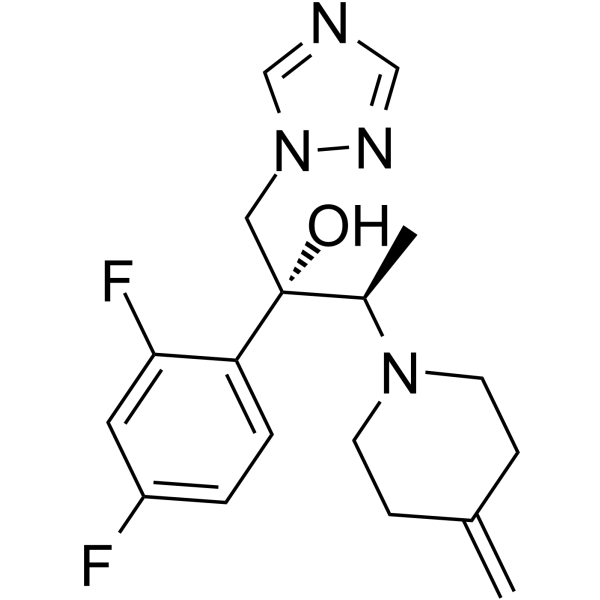
Efinaconazole (KP-103) is a triazole antifungal agent and againsts T. mentagrophytes SM-110 and C. albicans ATCC 10231 with MICs of 0.0039 μg/mL and 0.00098 μg/mL, respectively . Efinaconazole has a potent in vitro activity against fungal pathogens including dermatophytes, Candida and Malassezia species .
|
-
-
- HY-126389B
-
|
|
Endogenous Metabolite
NF-κB
Fungal
|
Infection
Inflammation/Immunology
|
|
Chitin, from shrimp shells (chitinase substrate) serves as a substrate for chitinase. Chitin, from shrimp shells (chitinase substrate) is a long-chain polymer of N-acetylglucosamine with β-(1-4) linkages. Chitin, from shrimp shells (chitinase substrate) is found in the exoskeleton of crabs. Chitin, from shrimp shells (chitinase substrate) inhibits the activation of NF-κB p65, alters the translocation of NF-κB p65 to the nucleus, and interacts with the cell wall of Candida species. Chitin, from shrimp shells (chitinase substrate) exerts antifungal and anti-inflammatory effects. Chitin, from shrimp shells (chitinase substrate) can be used in the research of gastric ulcer and candidiasis .
|
-
-
- HY-W047709
-
|
THEED; THEEN
|
Biochemical Assay Reagents
Bacterial
Fungal
|
Infection
Cancer
|
|
N,N,N',N'-Tetrakis(2-hydroxyethyl)ethylenediamine (THEED; THEEN) is a tetrapodal pentadentate chelating ligand that functions as a chelator to form stable complexes with metal ions. N,N,N',N'-Tetrakis(2-hydroxyethyl)ethylenediamine serves as a versatile building block for organic synthesis, a reagent for metal extraction, and an auxiliary for catalytic reactions. N,N,N',N'-Tetrakis(2-hydroxyethyl)ethylenediamine-derived metal complexes exhibit antibacterial, antifungal, and anticancer activities. N,N,N',N'-Tetrakis(2-hydroxyethyl)ethylenediamine and its metal complexes can be used for research related to breast cancer, leukemia, various bacterial and fungal infections .
|
-
-
- HY-114220
-
|
|
Fungal
|
Infection
|
|
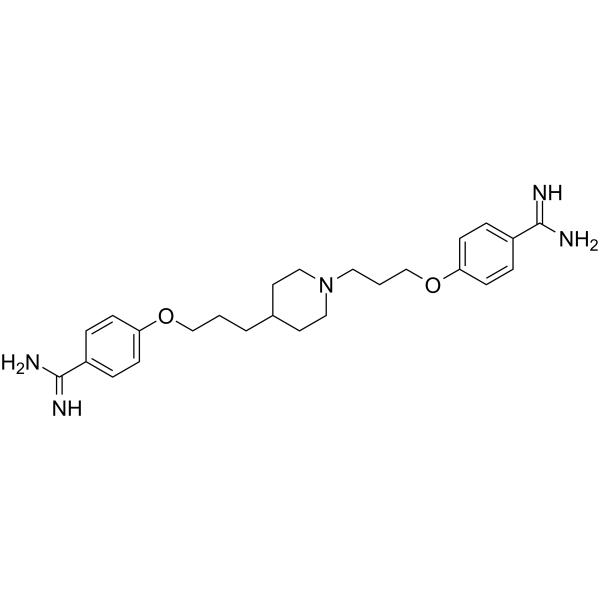
T-2307, an arylamidine, has antifungal activities in vitro and in vivo. T-2307 exhibits broad-spectrum activity against clinically significant pathogens, including Candida species (MIC range, 0.00025 to 0.0078 μg/ml), Cryptococcus neoformans (MIC range, 0.0039 to 0.0625 μg/ml), and Aspergillus species (MIC range, 0.0156 to 4 μg/mL) .
|
-
-
- HY-12538
-
-
-
- HY-Y0248
-
|
trans,trans-Farnesol; (2E,6E)-Farnesol
|
Fungal
|
Infection
|
|
(E,E)-Farnesol (trans,trans-Farnesol) is a quorum-sensing molecule of Candida species. (E,E)-Farnesol can inhibit the growth, metabolism and biofilm formation of various Candida species, and affect their morphology and invasiveness .
|
-
-
- HY-124701
-
|
|
Fungal
|
Infection
|
|
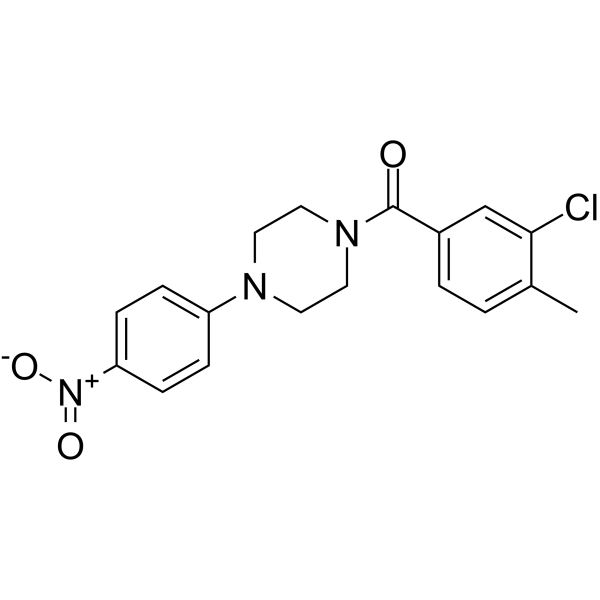
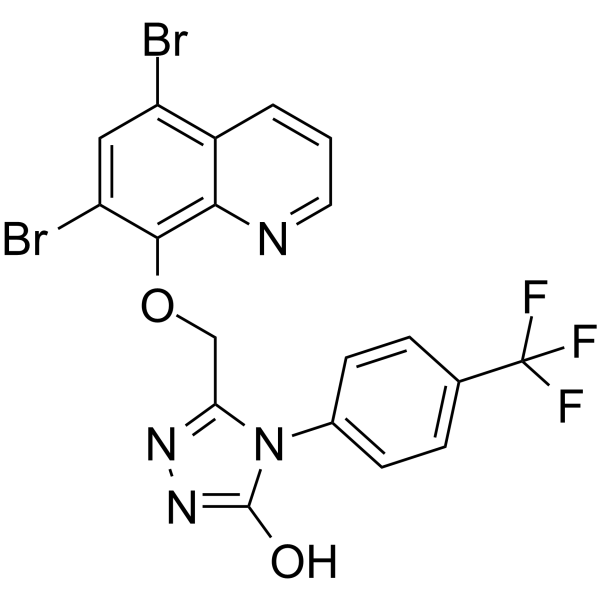
Filastatin is a long-lasting inhibitor of Candida albicans filamentation. Filastatin inhibits adhesion by multiple pathogenic Candida species with an IC50 of ~3 μM in the GFP-based adhesion assay. Filastatin inhibits fungal adhesion to polystyrene and human cells, the yeast-to-hyphal morphological transition, induction of the hyphal-specific HWP1 promoter. Filastatin has potent antifungal effect .
|
-
-
- HY-126389C
-
|
|
Endogenous Metabolite
NF-κB
Fungal
|
Infection
Inflammation/Immunology
|
|
Chitin, from crab carapace is a long-chain polymer of N-acetylglucosamine with β-(1-4) linkages. Chitin, from crab carapace is found in the exoskeleton of crabs. Chitin, from crab carapace inhibits the activation of NF-κB p65, alters the translocation of NF-κB p65 to the nucleus, and interacts with the cell wall of Candida species. Chitin, from crab carapace exerts antifungal and anti-inflammatory effects. Chitin, from crab carapace can be used in the research of gastric ulcer and candidiasis .
|
-
-
- HY-N3968
-
|
GTN; (R)-(+)-Goniothalamin
|
Apoptosis
Insecticide
Bacterial
Fungal
Reactive Oxygen Species (ROS)
|
Infection
Inflammation/Immunology
Cancer
|
|
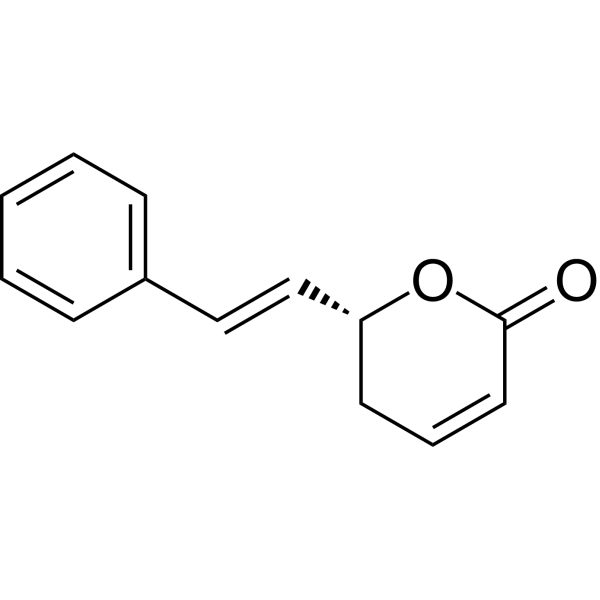
Goniothalamin (GTN) is a styryl lactone. Goniothalamin exhibits insecticidal, anti-tumor and antibacterial activities. Goniothalamin induces cell cycle arrest and apoptosis in tumor cells. Goniothalamin acts as a larvicide against Culex quinquefasciatus larvae and as a cytotoxin against brine shrimp larvae. Goniothalamin functions as an antibacterial agent against Gram-positive and Gram-negative bacteria, and also acts as an antifungal agent against pathogens including Candida albicans, Trichophyton rubrum and Trichophyton mentagrophytes. Goniothalamin is applicable to research related to breast cancer, lymphatic filariasis, bacterial infections and fungal infections .
|
-
-
- HY-Y0248AS
-
|
trans,trans-Farnesol-d6; (2E,6E)-Farnesol-d6
|
Isotope-Labeled Compounds
Fungal
|
Infection
|
|
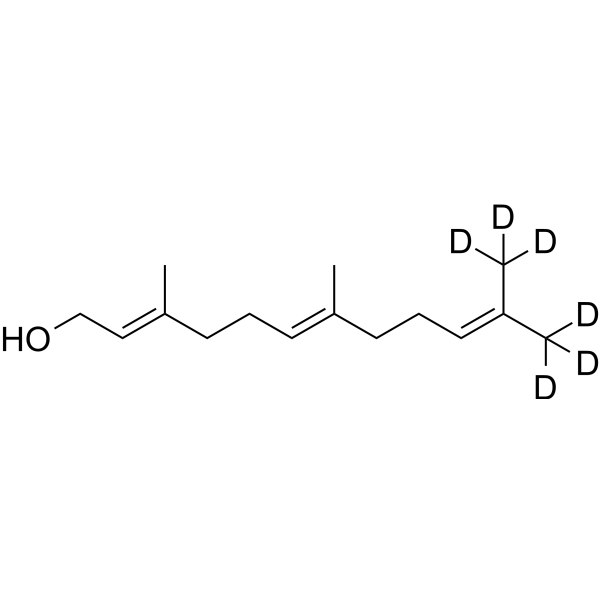
(E,E)-Farnesol-d6 (trans,trans-Farnesol-d6) is deuterium labeled (E,E)-Farnesol (HY-Y0248). (E,E)-Farnesol (trans,trans-Farnesol) is a quorum-sensing molecule of Candida species. (E,E)-Farnesol can inhibit the growth, metabolism and biofilm formation of various Candida species, and affect their morphology and invasiveness .
|
-
-
- HY-15660S
-
|
KP-103-d4
|
Isotope-Labeled Compounds
Fungal
|
Infection
|
|
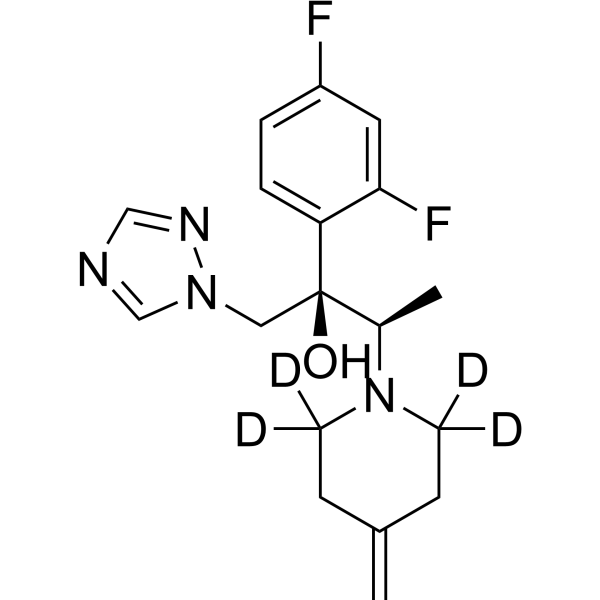
Efinaconazole-d4 is the deuterium labeled Efinaconazole. Efinaconazole (KP-103) is a triazole antifungal agent and againsts T. mentagrophytes SM-110 and C. albicans ATCC 10231 with MICs of 0.0039 μg/mL and 0.00098 μg/mL, respectively . Efinaconazole has a potent in vitro activity against fungal pathogens including dermatophytes, Candida and Malassezia species .
|
-
-
- HY-N10113
-
|
Muconomycin B
|
Apoptosis
Arenavirus
Fungal
Antibiotic
Reactive Oxygen Species (ROS)
|
Infection
Cancer
|
|
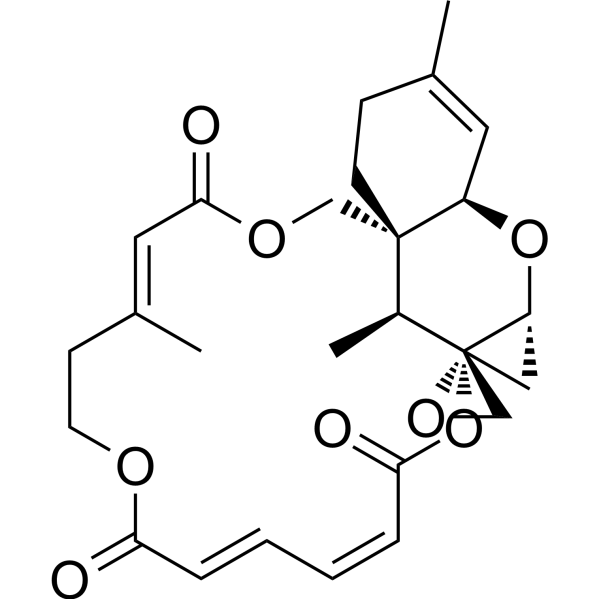
Verrucarin J (Muconomycin B) is a metabolite of the Myrothecium fungus family. Verrucarin J generates reactive oxygen species (ROS) and induces apoptosis of cancer cell lines, such as A549, HCT 116 and SW-620 cells. Verrucarin J shows activities against Candida albicans and Mucor miehei. Verrucarin J inhibits arenavirus Junin (JUNV) yield with an IC50 of 1.2 ng/mL .
|
-
-
- HY-126389A
-
|
|
Endogenous Metabolite
NF-κB
Fungal
|
Infection
Inflammation/Immunology
|
|
Chitin, from shrimp shells (powder) is a long-chain polymer of N-acetylglucosamine with β-(1-4) linkages. Chitin, from shrimp shells (powder) is found in the exoskeleton of crabs. Chitin, from shrimp shells (powder) inhibits the activation of NF-κB p65, alters the translocation of NF-κB p65 to the nucleus, and interacts with the cell wall of Candida species. Chitin, from shrimp shells (powder) exerts antifungal and anti-inflammatory effects. Chitin, from shrimp shells (powder) can be used in the research of gastric ulcer and candidiasis .
|
-
-
- HY-111357
-
|
|
Fungal
|
Infection
|
|
Antifungal agent 2 is a broad-spectrum fungal inhibitor which inhibits growth of pertinent species of Candida, Cryptococcus, and Aspergillus at a concentration as low as 0.5 μg/mL.
|
-
-
- HY-180521
-
|
|
Fungal
|
Infection
Cancer
|
|
Piroctone is a potent hydroxypyridone antimicrobial agent that shows remarkable activity against fungi including Candida species. Piroctone inhibits hyphal induction of Candida albicans. Piroctone can efficiently chelate intracellular iron to induce relevant cytotoxicity in neuroblastoma cells. Piroctone can be used for antimicrobial and neuroblastoma research .
|
-
-
- HY-156090
-
|
|
Mitochondrial Metabolism
Fungal
|
Infection
|
|
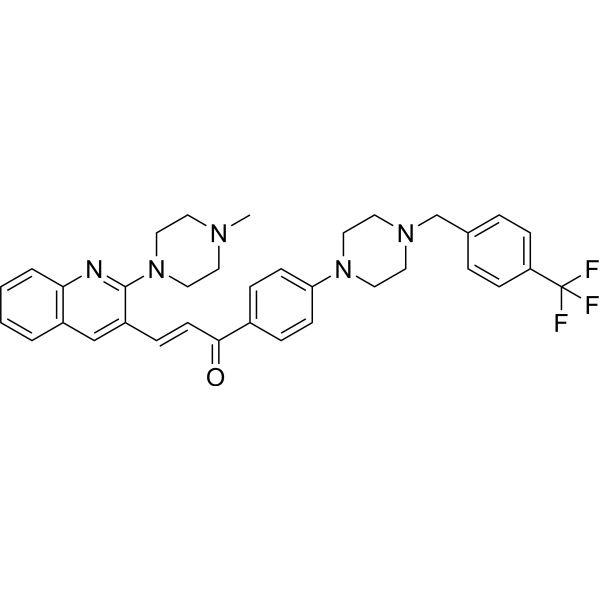
PK-10 is a synergistic antibacterial agent of Fluconazole (HY-B0101) and has strong antifungal activity against a variety of Fluconazole-resistant Candida albicans strains. PK-10 combined with Fluconazole can inhibit hyphae formation and induce the accumulation of reactive oxygen species. It further causes damage to mitochondrial membrane potential, reduces intracellular ATP content, and leads to mitochondrial dysfunction .
|
-
-
- HY-141829
-
|
|
Bacterial
|
Infection
|
|
Antibacterial agent 27 is a potent antibacterial compound against Candida species .
|
-
-
- HY-Y0248R
-
|
trans,trans-Farnesol (Standard); (2E,6E)-Farnesol (Standard)
|
Reference Standards
Fungal
|
Infection
|
|
(E,E)-Farnesol (Standard) (trans,trans-Farnesol (Standard)) is the analytical standard of (E,E)-Farnesol (HY-Y0248). This product is intended for research and analytical applications. (E,E)-Farnesol (trans,trans-Farnesol) is a quorum-sensing molecule of Candida species. (E,E)-Farnesol can inhibit the growth, metabolism and biofilm formation of various Candida species, and affect their morphology and invasiveness .
|
-
-
- HY-106997
-
|
BAY 10-8888; PLD 118
|
Fungal
|
Infection
|
|
Icofungipen is an orally active antifungal agent. Icofungipen is the representative of beta amino acids, is toxic against Candida species. Icofungipen protects infected mice survival from C. albicans infection .
|
-
-
- HY-P10916
-
|
|
Drug Metabolite
Fungal
|
Infection
|
|
Micafungin metabolite M1 is an active metabolite of Micafungin (HY-17579), which is metabolized by arylsulfatase and exhibits antifungal activity. Micafungin metabolite M1 can be used for research on deep fungal infections caused by Candida and Aspergillus species .
|
-
-
- HY-117166
-
|
K-F-224
|
Bacterial
|
Infection
|
|
Naftoxate is an ester compound containing aminomethylsulfate, and its ammonium salt analog can inhibit free thiols to chemically weaken the reactive oxygen species (ROS)-sensitive anaerobic bacterium Trichomonas vaginalis and inhibit common pathogens causing vaginal infections: Candida albicans and Staphylococcus aureus .
|
-
-
- HY-19377
-
|
|
Fungal
Cytochrome P450
|
Infection
|
|
SS-750 is an orally active Triazole derivative and antifungal agent. SS-750 binds to fungal cytochrome P450. SS-750 shows antifungal activities against Candida species and C. neoformans strains tested. SS750 shows MIC90 values of 0.25, 1, and 2 μg/mL against Candida parapsilosis, C. krusei, and C. glabrata, respectively. SS-750 improves systemic and pulmonary candidiasis caused by C. albicans .
|
-
-
- HY-146024
-
|
|
Fungal
|
Infection
|
|
Antifungal agent 28 (compound 18) is a potent and selective antifungal agent. Antifungal agent 28 inhibits pathogenic strains of C. albicans and non-albicans species including fluconazole-resistant strains. Antifungal agent 28 inhibits Cryptococcus and Aspergillus strains. Antifungal agent 28 disrupts mature Candida biofilm .
|
-
-
- HY-155545
-
|
|
Fungal
|
Infection
|
|
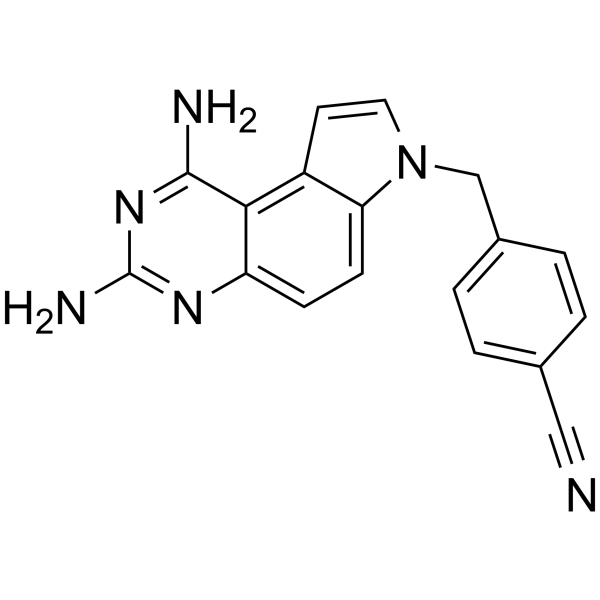
Antifungal agent 60 (compound 16) is an inhibitor of ergosterol biosynthesis with broad-spectrum antifungal activity. Antifungal agent 60 inhibits 7 human pathogenic fungal species, 2 fluconazole-resistant C. albicans isolates and 2 multi-drug resistant Candida auris isolates. Antifungal agent 60 is a click chemistry reagent, it contains an Alkyne group and can undergo copper-catalyzed azide-alkyne cycloaddition (CuAAc) with molecules containing Azide groups.
|
-
-
- HY-12538R
-
|
Rutamine (Standard)
|
Reference Standards
Apoptosis
Autophagy
Fungal
Parasite
Reactive Oxygen Species (ROS)
Interleukin Related
JAK
STAT
|
Infection
Inflammation/Immunology
Cancer
|
|
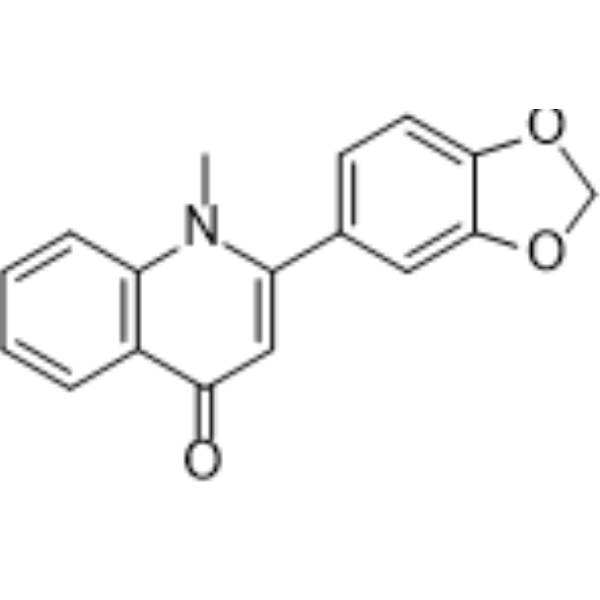
Graveoline (Standard) is the analytical standard of Graveoline (HY-12538). This product is intended for research and analytical applications. Graveoline (Rutamine) is an orally active alkaloid with various activities such as antifungal, antiparasitic, anti-inflammatory, and antitumor effects. Graveoline can induce tumor cell apoptosis and autophagy through a reactive oxygen species-mediated pathway. Graveoline has an MIC of 500 μg/mL for Candida albicans. Graveoline can be used in the research of various diseases such as tumors and liver injury .
|
-
-
- HY-W768347
-
|
Xylite-13C5
|
Isotope-Labeled Compounds
Bacterial
Autophagy
Endogenous Metabolite
Atg8/LC3
Atg7
|
Cancer
|
|
Xylitol- 13C5 (Xylite- 13C5) is the 13C-labeled Xylitol (HY-N0538). Xylitol can be classified as a polyol and sugar alcohol, exhibiting inhibitory activity on cancer cell proliferation. It induces autophagy (Autophagy) and cell death in A549 cells by activating the autophagy signaling pathway, as evidenced by the increased expression of LC3-II and Atg5-Atg12 upon Xylitol treatment. Additionally, Xylitol inhibits acetaldehyde production by Candida species, thereby reducing their carcinogenic potential. In vivo, Xylitol induces alterations in the gut microbiota of mice, which may enhance cholesterol accumulation and upregulate hepatic ChREBP, while also slowing tumor growth in the B16F10 melanoma C57BL/6 mouse model .
|
-
-
- HY-P11121
-
|
|
Bacterial
|
Infection
|
|
Myxinidin is an antimicrobial peptide. Myxinidin exhibits the ability to inhibit and eradicate biofilms formed by Pseudomonas aeruginosa and various Candida species. Myxinidin can be used for the study of infection .
|
-
-
- HY-125459
-
|
|
Fungal
|
Infection
|
|
L-705589 is a semi-synthetic penicillin-type antifungal agent. L-705589 exerts its antifungal effect by inhibiting the 1,3-β-D-glucan synthase in the fungal cell wall. L-705589 exhibits potent bactericidal activity against various Candida species (such as Candida albicans, Candida glabrata, Candida krusei, etc.) (MFC: 0.06 - 8 μg/mL), but has relatively weak activity against Cryptococcus neoformans (MFC: 32 - 64 μg/mL). L-705589 remains active against drug-resistant Candida strains and is not prone to inducing drug resistance. L-705589 significantly improves survival rates in the model of minor invasive aspergillosis .
|
-
-
- HY-W142206
-
|
|
Fungal
|
Infection
|
|
Cyclopent-4-ene-1,3-dione is a potent antifungal inhibitor of chitin synthesis. Cyclopent-4-ene-1,3-dione is potently antifungal against human pathogenic Candida species (IC50 = 1-2 μM). Cyclopent-4-ene-1,3-dione is detected in feijoa cultivars with high antifungal bioactivity. Cyclopent-4-ene-1,3-dione can be used for the research of fungal infections .
|
-
-
- HY-124900
-
|
|
Fungal
|
Infection
Cancer
|
|
Tylophorinicine is an anti-leukemic and anti-fungal agent. Tylophorinicine exhibits minimum inhibitory concentrations (MIC) in the range of 2-4 mg/mL for TdnH and 0.6-2.5 mg/mL for TnnH against Candida species. Tylophorinicine is a phenanthroindolizidine alkaloid from tylophora asthamatica and pergulatia pallid. Tylophorinicine inhibits thymidylate synthase by pergularinine .
|
-
-
- HY-N8255
-
|
|
Fungal
|
Infection
Cancer
|
|
Puupehenone is a cytotoxic and antifungal agent present in various marine sponge species. Puupehenone exerts cytotoxic activity against leukemia, lung cancer, colon cancer and breast cancer cells, and inhibits the growth of Candida albicans. Puupehenone can be used in research related to cancers such as leukemia, lung cancer, colon cancer and breast cancer .
|
-
-
- HY-N18878
-
|
|
Bacterial
Endogenous Metabolite
Parasite
|
Infection
|
|
Ambigol C is an ambigol, Antibacterial agent and Antimalarial agent. Ambigol C is isolated from Fischerella ambigua 108b. Ambigol C exhibits selective antibacterial activity against Gram-positive Staphylococcus aureus strains (including MRSA) with MIC values of 0.98-3.91 μg/mL. Ambigol C also shows potent antibacterial activity against B. megaterium, and possesses weak antimalarial and trypanocidal effects. Ambigol C can be used in the research of bacterial infections, plasmodial infections and trypanosomal infections .
|
-
| Cat. No. |
Product Name |
Type |
-
- HY-126389
-
|
|
Biochemical Assay Reagents
|
|
Chitin, from crab carapace (powder),biomedical research grade is a long-chain polymer of N-acetylglucosamine with β-(1-4) linkages. Chitin, from crab carapace (powder),biomedical research grade is found in the exoskeleton of crabs. Chitin, from crab carapace (powder),biomedical research grade inhibits the activation of NF-κB p65, alters the translocation of NF-κB p65 to the nucleus, and interacts with the cell wall of Candida species. Chitin, from crab carapace (powder),biomedical research grade exerts antifungal and anti-inflammatory effects. Chitin, from crab carapace (powder),biomedical research grade can be used in the research of gastric ulcer and candidiasis .
|
-
- HY-126389B
-
|
|
Biochemical Assay Reagents
|
|
Chitin, from shrimp shells (chitinase substrate) serves as a substrate for chitinase. Chitin, from shrimp shells (chitinase substrate) is a long-chain polymer of N-acetylglucosamine with β-(1-4) linkages. Chitin, from shrimp shells (chitinase substrate) is found in the exoskeleton of crabs. Chitin, from shrimp shells (chitinase substrate) inhibits the activation of NF-κB p65, alters the translocation of NF-κB p65 to the nucleus, and interacts with the cell wall of Candida species. Chitin, from shrimp shells (chitinase substrate) exerts antifungal and anti-inflammatory effects. Chitin, from shrimp shells (chitinase substrate) can be used in the research of gastric ulcer and candidiasis .
|
-
- HY-Y0248
-
|
trans,trans-Farnesol; (2E,6E)-Farnesol
|
Biochemical Assay Reagents
|
|
(E,E)-Farnesol (trans,trans-Farnesol) is a quorum-sensing molecule of Candida species. (E,E)-Farnesol can inhibit the growth, metabolism and biofilm formation of various Candida species, and affect their morphology and invasiveness .
|
-
- HY-126389C
-
|
|
Biochemical Assay Reagents
|
|
Chitin, from crab carapace is a long-chain polymer of N-acetylglucosamine with β-(1-4) linkages. Chitin, from crab carapace is found in the exoskeleton of crabs. Chitin, from crab carapace inhibits the activation of NF-κB p65, alters the translocation of NF-κB p65 to the nucleus, and interacts with the cell wall of Candida species. Chitin, from crab carapace exerts antifungal and anti-inflammatory effects. Chitin, from crab carapace can be used in the research of gastric ulcer and candidiasis .
|
-
- HY-126389A
-
|
|
Biochemical Assay Reagents
|
|
Chitin, from shrimp shells (powder) is a long-chain polymer of N-acetylglucosamine with β-(1-4) linkages. Chitin, from shrimp shells (powder) is found in the exoskeleton of crabs. Chitin, from shrimp shells (powder) inhibits the activation of NF-κB p65, alters the translocation of NF-κB p65 to the nucleus, and interacts with the cell wall of Candida species. Chitin, from shrimp shells (powder) exerts antifungal and anti-inflammatory effects. Chitin, from shrimp shells (powder) can be used in the research of gastric ulcer and candidiasis .
|
-
- HY-Y0248R
-
|
trans,trans-Farnesol (Standard); (2E,6E)-Farnesol (Standard)
|
Biochemical Assay Reagents
|
|
(E,E)-Farnesol (Standard) (trans,trans-Farnesol (Standard)) is the analytical standard of (E,E)-Farnesol (HY-Y0248). This product is intended for research and analytical applications. (E,E)-Farnesol (trans,trans-Farnesol) is a quorum-sensing molecule of Candida species. (E,E)-Farnesol can inhibit the growth, metabolism and biofilm formation of various Candida species, and affect their morphology and invasiveness .
|
| Cat. No. |
Product Name |
Target |
Research Area |
-
- HY-P10916
-
|
|
Drug Metabolite
Fungal
|
Infection
|
|
Micafungin metabolite M1 is an active metabolite of Micafungin (HY-17579), which is metabolized by arylsulfatase and exhibits antifungal activity. Micafungin metabolite M1 can be used for research on deep fungal infections caused by Candida and Aspergillus species .
|
-
- HY-P11121
-
|
|
Bacterial
|
Infection
|
|
Myxinidin is an antimicrobial peptide. Myxinidin exhibits the ability to inhibit and eradicate biofilms formed by Pseudomonas aeruginosa and various Candida species. Myxinidin can be used for the study of infection .
|
| Cat. No. |
Product Name |
Category |
Target |
Chemical Structure |
| Cat. No. |
Product Name |
Chemical Structure |
-
- HY-Y0248AS
-
|
|
|
(E,E)-Farnesol-d6 (trans,trans-Farnesol-d6) is deuterium labeled (E,E)-Farnesol (HY-Y0248). (E,E)-Farnesol (trans,trans-Farnesol) is a quorum-sensing molecule of Candida species. (E,E)-Farnesol can inhibit the growth, metabolism and biofilm formation of various Candida species, and affect their morphology and invasiveness .
|
-
-
- HY-15660S
-
|
|
|
Efinaconazole-d4 is the deuterium labeled Efinaconazole. Efinaconazole (KP-103) is a triazole antifungal agent and againsts T. mentagrophytes SM-110 and C. albicans ATCC 10231 with MICs of 0.0039 μg/mL and 0.00098 μg/mL, respectively . Efinaconazole has a potent in vitro activity against fungal pathogens including dermatophytes, Candida and Malassezia species .
|
-
-
- HY-W768347
-
|
|
|
Xylitol- 13C5 (Xylite- 13C5) is the 13C-labeled Xylitol (HY-N0538). Xylitol can be classified as a polyol and sugar alcohol, exhibiting inhibitory activity on cancer cell proliferation. It induces autophagy (Autophagy) and cell death in A549 cells by activating the autophagy signaling pathway, as evidenced by the increased expression of LC3-II and Atg5-Atg12 upon Xylitol treatment. Additionally, Xylitol inhibits acetaldehyde production by Candida species, thereby reducing their carcinogenic potential. In vivo, Xylitol induces alterations in the gut microbiota of mice, which may enhance cholesterol accumulation and upregulate hepatic ChREBP, while also slowing tumor growth in the B16F10 melanoma C57BL/6 mouse model .
|
-
| Cat. No. |
Product Name |
|
Classification |
-
- HY-N0538
-
|
Xylite
|
|
Fillers
|
|
Xylitol can be classified as a polyol and sugar alcohol, exhibiting inhibitory activity on cancer cell proliferation. It induces autophagy (Autophagy) and cell death in A549 cells by activating the autophagy signaling pathway, as evidenced by the increased expression of LC3-II and Atg5-Atg12 upon Xylitol treatment. Additionally, Xylitol inhibits acetaldehyde production by Candida species, thereby reducing their carcinogenic potential. In vivo, Xylitol induces alterations in the gut microbiota of mice, which may enhance cholesterol accumulation and upregulate hepatic ChREBP, while also slowing tumor growth in the B16F10 melanoma C57BL/6 mouse model .
|
Your information is safe with us. * Required Fields.
Inquiry Information
- Product Name:
- Cat. No.:
- Quantity:
- MCE Japan Authorized Agent:

