Search Result
Results for "
Cardiac myocytes
" in MedChemExpress (MCE) Product Catalog:
| Cat. No. |
Product Name |
Target |
Research Areas |
Chemical Structure |
-
- HY-B1906
-
|
Agrept; Agrimycin; Streptomycin A
|
Environmental Pollutants
Antibiotic
Bacterial
|
Infection
Neurological Disease
|
|
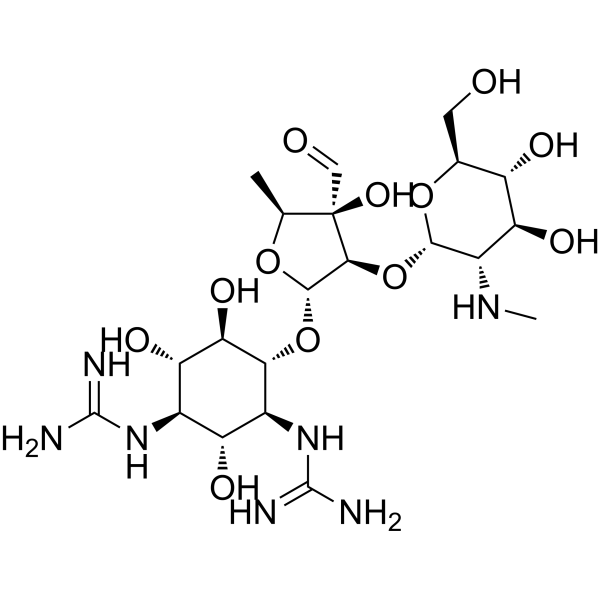
Streptomycin (Agrept) is an effective antibiotic against M. tuberculosis, is used for the research of tuberculosis (TB). Streptomycin also is a bacteriocidal agent that can be used for the research of a number of bacterial infections. Streptomycin can bind strongly to nucleic acids, interferes and blocks protein synthesis while permitting continued RNA and DNA synthesis. Streptomycin, as a common antibiotic used in culture media, also is a blocker of stretch-activated and mechanosensitive ion channels in neurons and cardiac myocytes .
|
-
-
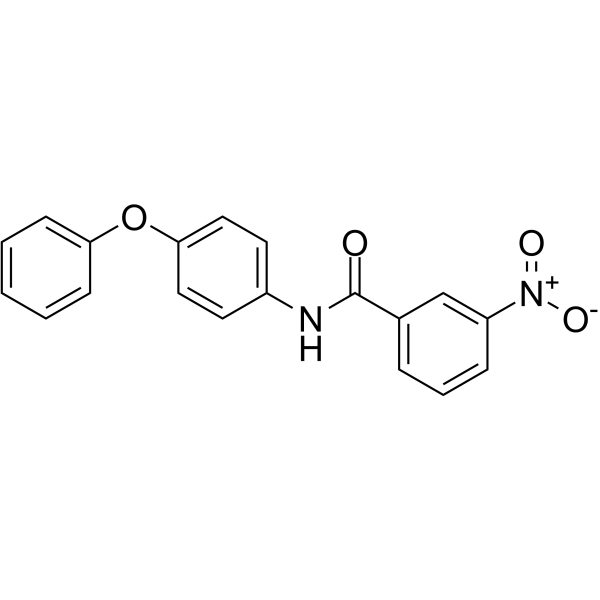
- HY-111536
-
-
-
- HY-12593
-
|
|
Sodium Channel
|
Cardiovascular Disease
|
|
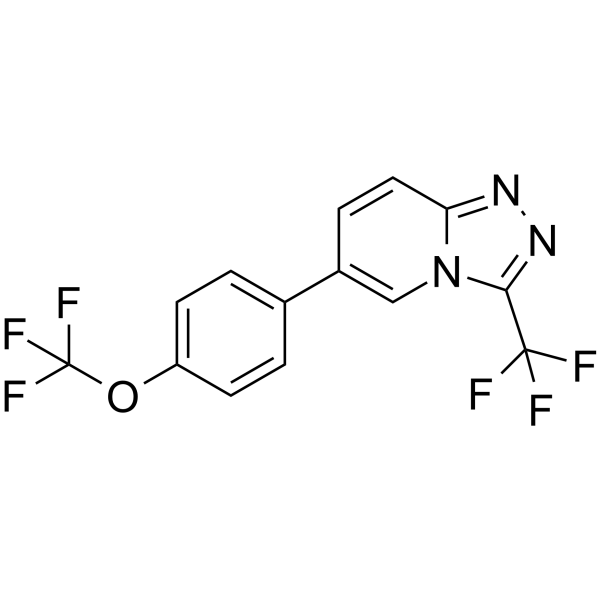
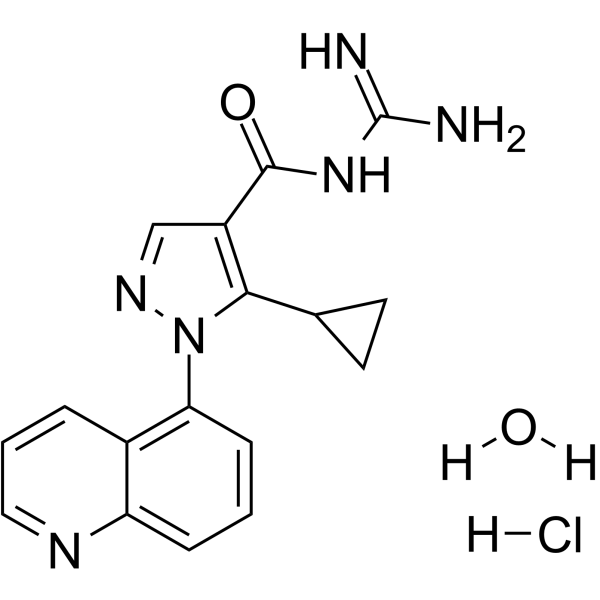
GS967 (GS-458967) is a potent, and selective inhibitor of cardiac late sodium current (late INa ) with IC50 values of 0.13 and 0.21 μM for ventricular myocytes and isolated hearts, respectively.
|
-
-
- HY-16734A
-
|
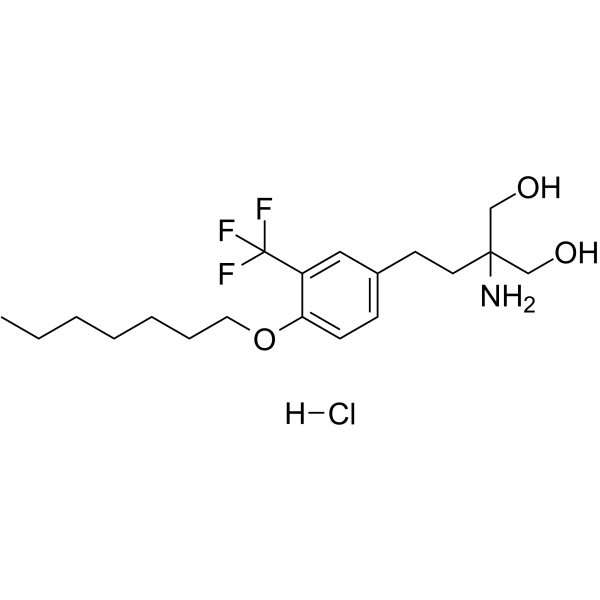
MT-1303 hydrochloride
|
LPL Receptor
|
Cardiovascular Disease
Inflammation/Immunology
|
|
Amiselimod (MT-1303) hydrochloride is converted to its active metabolite Amiselimod phosphate by sphingosine kinases in vivo. Amiselimod hydrochloride is an orally active and high selectivity sphingosine 1-phosphate receptor-1 (S1P1) agonist, designed to reduce the bradycardia effects associated with fingolimod and other S1P receptor modulators. Amiselimod hydrochloride inhibits chronic colitis via inhibiting infiltration of colitogenic Th1 and Th17 cells into the colon. Amiselimod hydrochloride inhibits lupus nephritis by reducing the infiltration of autoreactive T cells into the kidneys. Amiselimod hydrochloride is promising for research of autoimmune diseases .
|
-
-
- HY-12724
-
|
|
Adrenergic Receptor
Parasite
|
Cardiovascular Disease
Cancer
|
|
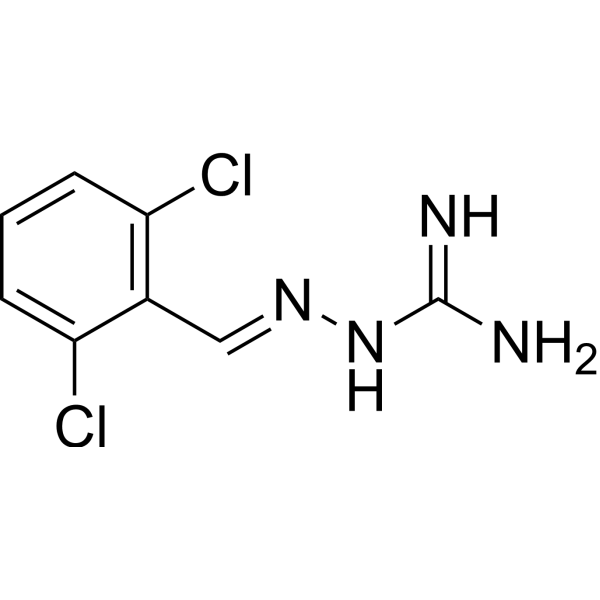
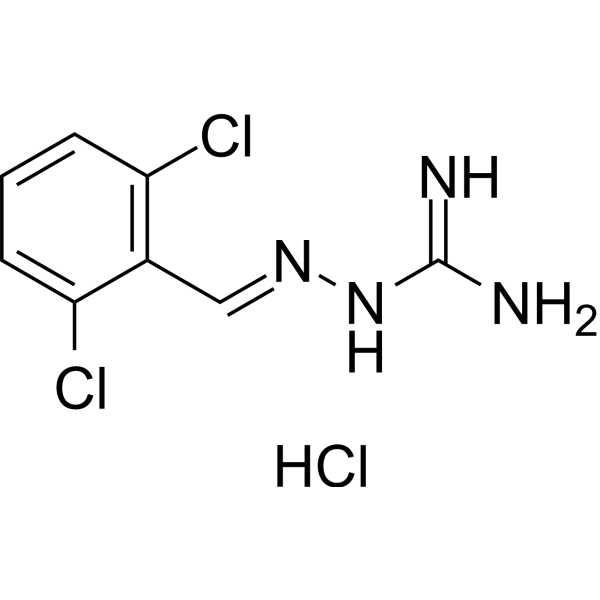
Guanabenz is an orally active α-2-adrenoceptor agonist. Guanabenz has antihypertensive effect and antiparasitic activity. Guanabenz interferes ER stress-signalling and has protective effects in cardiac myocytes. Guanabenz also is used for the research of high blood pressure .
|
-
-
- HY-12724A
-
|
|
Parasite
Adrenergic Receptor
|
Cardiovascular Disease
Cancer
|
|
Guanabenz hydrochloride is an orally active α-2-adrenoceptor agonist. Guanabenz hydrochloride has antihypertensive effect and antiparasitic activity. Guanabenz hydrochloride interferes ER stress-signalling and has protective effects in cardiac myocytes. Guanabenz hydrochloride also is used for the research of high blood pressure .
|
-
-
- HY-113447
-
|
|
Endogenous Metabolite
|
Cardiovascular Disease
Metabolic Disease
|
|
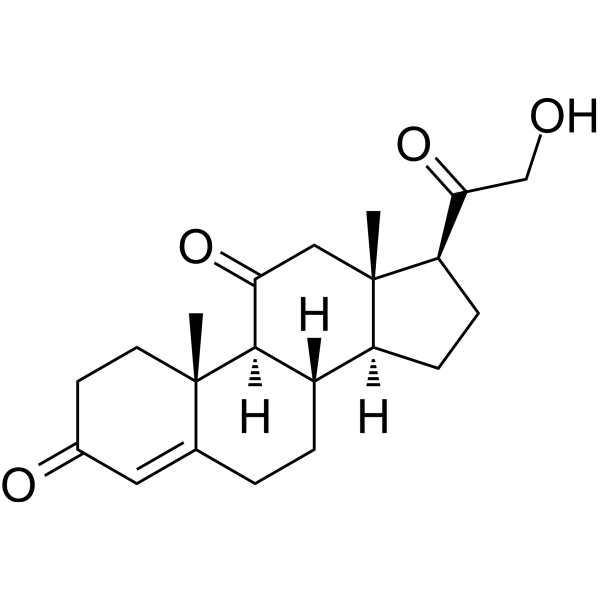
11-Dehydrocorticosterone is a endogenous corticosteroid. 11-Dehydrocorticosterone can be a source of transcriptionally active glucocorticoid in cardiac myocytes and fibroblasts. 11-Dehydrocorticosterone can increase SGK mRNA expression in cardiac fibroblast .
|
-
-
- HY-122620
-
|
Hetrombopag (tautomerism); SHR-8735 (tautomerism)
|
Thrombopoietin Receptor
STAT
PI3K
ERK
Apoptosis
CDK
|
Cardiovascular Disease
Inflammation/Immunology
|
|
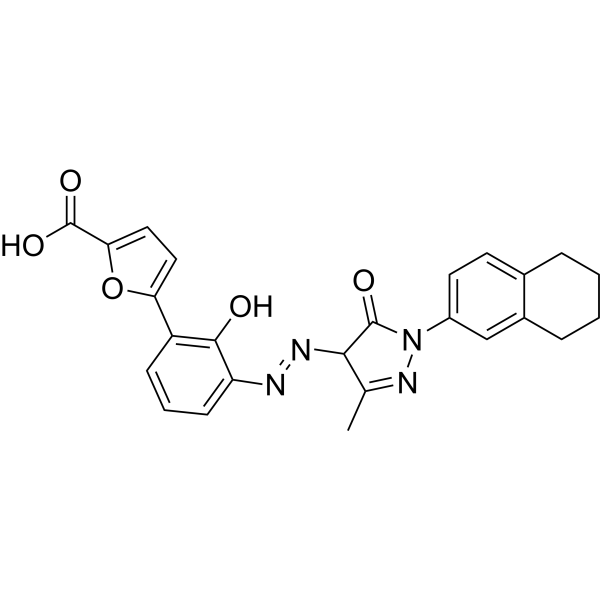
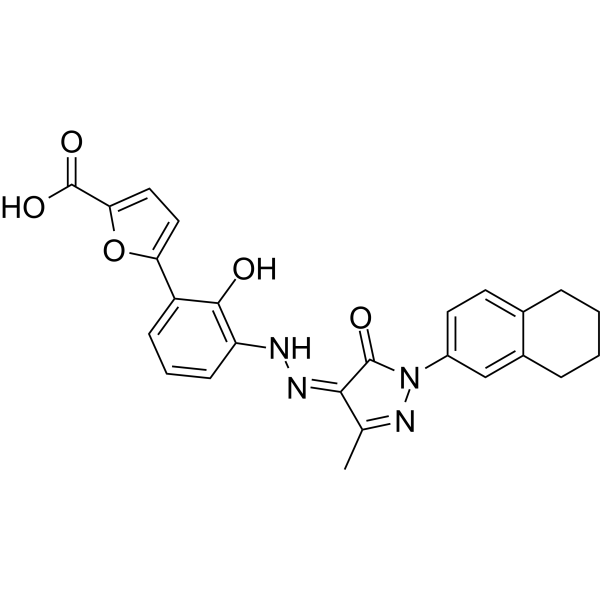
Rafutrombopag (tautomerism) (Hetrombopag) is an orally active nonpeptide thrombopoietin receptor (TPOR/MPL) agonist. Rafutrombopag can chelate iron and alleviate iron overload while promoting haematopoiesis. Rafutrombopag specifically stimulates proliferation and differentiation of human TPOR‐expressing cells, including 32D‐ MPL and human hematopoietic stem cells through stimulation of STAT, PI3K and ERK signalling pathways. Rafutrombopag effectively up-regulates G1-phase-related proteins, including p-RB, Cyclin D1 and CDK4/6, normalizes progression of the cell cycle, and prevents apoptosis by modulating BCL-XL/BAK expression in 32D-MPL cells. Rafutrombopag protects cardiomyocyte survival from oxidative stress damage as an enhancer of stem cells. Rafutrombopag can be used for the study of immune thrombocytopenia and oxidative stress-related cardiovascular disease .
|
-
-
- HY-A0079
-
|
Amethocaine
|
Sodium Channel
Calcium Channel
|
Neurological Disease
|
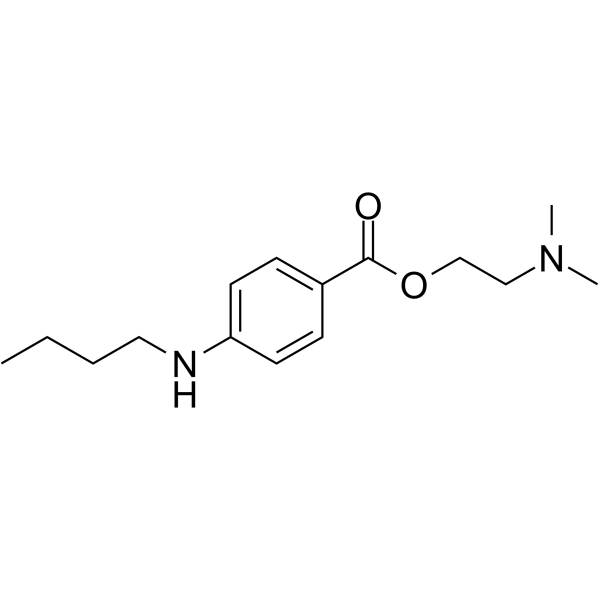
Tetracaine (Amethocaine) is a sodium channel inhibitor and ryanodine receptor (RyR) inhibitor. Tetracaine blocks sodium conduction across nerve cell membranes, preventing rapid sodium ion influx and depolarization. Tetracaine exhibits biphasic effects on spontaneous sarcoplasmic reticulum Ca 2+ release in Ca 2+-overloaded ventricular myocytes, and increases sarcoplasmic reticulum Ca 2+ load. Tetracaine can be used in research related to eye diseases .
|
-
-
- HY-108591
-
|
R-L3
|
Potassium Channel
|
Cardiovascular Disease
|
|
L-364,373 (R-L3) is a voltage-gated Kv7.1 (KCNQ1)/mink channels activator. L-364,373 activates Iks (slow delayed rectifier potassium current) and shortens action potential duration in guinea pig cardiac myocytes, and suppresses early afterdepolarizations in rabbit ventricular myocytes .
|
-
-
- HY-124702
-
|
|
Potassium Channel
|
Cardiovascular Disease
|
|
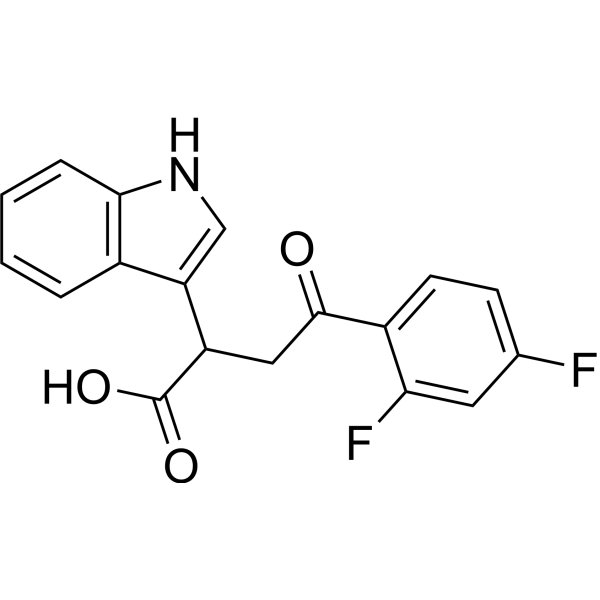
ICA-105574 is a potent and efficacious hERG channel activator. The primary mechanism by which ICA-105574 potentiates hERG channel activity is by removing hERG channel inactivation. ICA-105574 steeply potentiates current amplitudes more than 10-fold with an EC50 value of 0.5 +/- 0.1 μM and a Hill slope (n(H)) of 3.3 +/- 0.2. ICA-105574 can prevent arrhythmias induced by cardiac delayed repolarization. ICA-105574 shortens action potential duration in ventricular myocytes concentration-dependently .
|
-
-
- HY-N1508
-
|
|
MMP
Apoptosis
Autophagy
NF-κB
TNF Receptor
COX
Toll-like Receptor (TLR)
SOD
ASK1
JNK
|
Cardiovascular Disease
Inflammation/Immunology
Endocrinology
Cancer
|
|
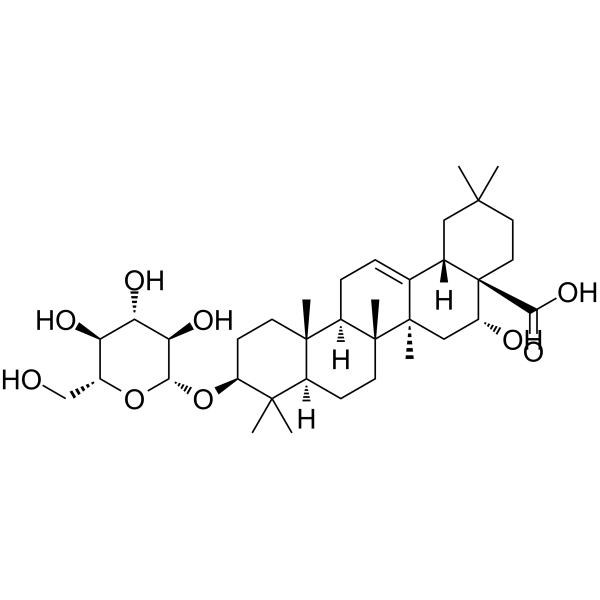
Ecliptasaponin A is an orally active pentacyclic triterpenoid saponin. Ecliptasaponin A exerts anti-tumor activity by activating ASK1/JNK pathway, inducing apoptosis and autophagy in lung cancer cells. Ecliptasaponin A exerts anti-inflammatory/anti-fibrotic effects and protects the cardiovascular system by inhibiting the HMGB1/TLR4/NF-κB pathway, and the expression of COX-2 and MMP-9. Ecliptasaponin A can enhance SOD activity, reduce MDA levels, and alleviate oxidative stress damage. Ecliptasaponin A exerts chondroprotective effects by inhibiting the expression of MMP13 and regulating inflammatory factors. Ecliptasaponin A improves ovarian function and regulates sex hormones by upregulating the expression of ESR1 receptors .
|
-
-
- HY-145589
-
|
Hetrombopag; SHR-8735
|
Thrombopoietin Receptor
STAT
PI3K
ERK
Apoptosis
CDK
|
Cardiovascular Disease
Inflammation/Immunology
Cancer
|
|
Rafutrombopag (Hetrombopag) is an orally active nonpeptide thrombopoietin receptor (TPOR/MPL) agonist. Rafutrombopag can chelate iron and alleviate iron overload while promoting haematopoiesis. Rafutrombopag specifically stimulates proliferation and differentiation of human TPOR-expressing cells, including 32D-MPL and human hematopoietic stem cells through stimulation of STAT, PI3K and ERK signalling pathways. Rafutrombopag effectively up-regulates G1-phase-related proteins, including p-RB, Cyclin D1 and CDK4/6, normalizes progression of the cell cycle, and prevents apoptosis by modulating BCL-XL/BAK expression in 32D-MPL cells. Rafutrombopag protects cardiomyocyte survival from oxidative stress damage as an enhancer of stem cells. Rafutrombopag can be used for the study of immune thrombocytopenia and oxidative stress-related cardiovascular disease .
|
-
-
- HY-B1906R
-
|
Agrept (Standard); Agrimycin (Standard); Streptomycin A (Standard)
|
Reference Standards
Antibiotic
Bacterial
|
Infection
Neurological Disease
|
|
Streptomycin (Standard) is the analytical standard of Streptomycin. This product is intended for research and analytical applications. Streptomycin (Agrept) is an effective antibiotic against M. tuberculosis, is used for the research of tuberculosis (TB). Streptomycin also is a bacteriocidal agent that can be used for the research of a number of bacterial infections. Streptomycin can bind strongly to nucleic acids, interferes and blocks protein synthesis while permitting continued RNA and DNA synthesis. Streptomycin, as a common antibiotic used in culture media, also is a blocker of stretch-activated and mechanosensitive ion channels in neurons and cardiac myocytes .
|
-
-
- HY-159108
-
|
|
c-Fms
|
Cardiovascular Disease
|
|
AZ683 is a potent and selective 3-amido-4-anilinoquinoline CSF1R inhibitor. AZ683 has high affinity for CSF1R (Ki=8 nM; IC50=6 nM). AZ683 has good oral bioavailability. [ 11C]AZ683 can be used as a positron emission tomography (PET) radiotracer for colony stimulating factor 1 receptor (CSF1R) .
|
-
-
- HY-A0236
-
|
|
Sodium Channel
Potassium Channel
Calcium Channel
Calmodulin
|
Cardiovascular Disease
|
|
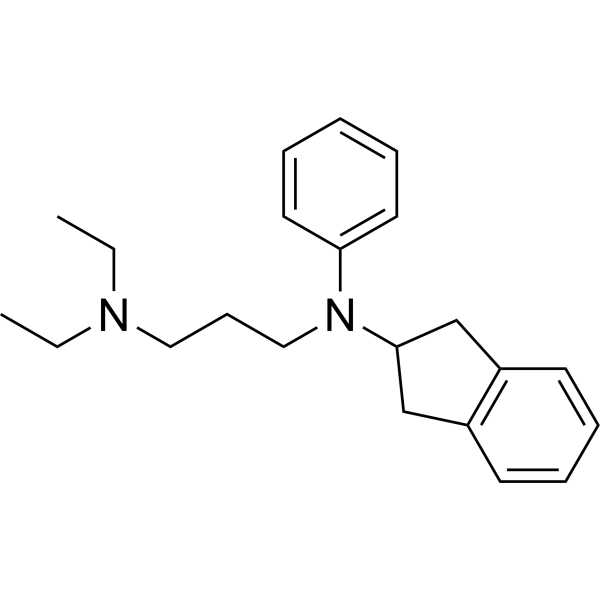
Aprindine is an Ib-class anti-arrhythmic agent. Aprindine mainly exerts its effect by blocking sodium channels (INa), thereby reducing the excitability and conduction velocity of cardiac muscle cells. Aprindine significantly inhibits delayed potassium currents, which helps to prolong the atrial effective refractory period (AERP) and inhibit the occurrence of atrial fibrillation. Aprindine can also regulate intracellular calcium ion concentration by inhibiting Na +/Ca 2+ exchange current (INCX), thereby further stabilizing cardiac electrical activity. Aprindine can be used for the study of atrial fibrillation (AF) and ventricular arrhythmias .
|
-
-
- HY-134299
-
|
8-(4-Chlorophenylthio)-cAMP-AM
|
Ras
PKA
|
Cardiovascular Disease
Metabolic Disease
Cancer
|
|
8-CPT-cAMP-AM (8-(4-Chlorophenylthio)-cAMP-AM) is an Epac/PKA activator. 8-CPT-cAMP-AM potentiates glucose-dependent first- and second-phase insulin secretion, induces β-cell depolarization, modulates intracellular calcium via influx and ryanodine-sensitive store mobilization, and facilitates calcium-induced calcium release resistant to PKA inhibition. 8-CPT-cAMP-AM can be used for the research of cardiac hypertrophy, diabetic cardiomyopathy, and melanoma .
|
-
-
- HY-119378
-
|
CX 295
|
Proteasome
Apoptosis
|
Infection
Cardiovascular Disease
Neurological Disease
Inflammation/Immunology
|
|
AK 295 (CX 295) is a selective calpain inhibitor. AK 295 can inhibit apoptosis through a calpain-dependent pathway. AK 295 shows potent neuroprotective effect. AK 295 can inhibit the activity of the cysteine protease calpain and reduce myocardial injury. AK 295 can be used for the researches of infection, inflammation, cardiovascular and neurological disease, such as stroke and viral myocarditis .
|
-
-
- HY-A0236A
-
|
|
Sodium Channel
Potassium Channel
Calcium Channel
Calmodulin
|
Cardiovascular Disease
|
|
Aprindine hydrochloride is an Ib-class anti-arrhythmic agent. Aprindine hydrochloride mainly exerts its effect by blocking sodium channels (INa), thereby reducing the excitability and conduction velocity of cardiac muscle cells. Aprindine hydrochloride significantly inhibits delayed potassium currents, which helps to prolong the atrial effective refractory period (AERP) and inhibit the occurrence of atrial fibrillation. Aprindine hydrochloride can also regulate intracellular calcium ion concentration by inhibiting Na +/Ca 2+ exchange current (INCX), thereby further stabilizing cardiac electrical activity. Aprindine hydrochloride can be used for the study of atrial fibrillation (AF) and ventricular arrhythmias .
|
-
-
- HY-110067
-
-
-
- HY-P2496
-
|
|
Endothelin Receptor
Fluorescent Dye
NF-κB
COX
Prostaglandin Receptor
Apoptosis
TNF Receptor
Interleukin Related
MMP
|
Cardiovascular Disease
Inflammation/Immunology
Cancer
|
|
Endothelin 1 (swine, human), Alexa Fluor 488-labeled is an Endothelin-1 conjugated with Alexa Fluor 488 (HY-D1304). Endothelin-1 is an endogenous vasoconstrictor and agonist of ETA/ETB receptor. Endothelin 1 (swine, human) exerts effects including promoting mitosis, angiogenesis, tumor invasion and metastasis, and inhibiting apoptosis. Endothelin 1 (swine, human) induces inflammation and oxidative stress by activating the NF-κB pathway. Endothelin 1 (swine, human), Alexa Fluor 488-labeled is specifically designed for fluorescence imaging, flow cytometry or receptor localization studies, and can be used in research related to sepsis, atherosclerosis, systemic inflammatory response syndrome, cancer and congestive heart failure .
|
-
-
- HY-P3054
-
|
|
Ribosomal S6 Kinase (RSK)
|
Cardiovascular Disease
|
|
S6 peptide is a potentially important lamin kinase. S6 peptide is involved in the process of cardiac hypertrophy induced by mechanical loading. S6 peptide can be activated by many kinds of growth factors .
|
-
-
- HY-179277
-
|
|
Adenosine Receptor
|
Cardiovascular Disease
|
|
MIPS3526 is a potent and selective A2B adenosine receptor (A2BR) agonist with a pEC50 of 10.17 (EC50 of 58 pM). MIPS3526 shows highly receptor subtype selective versus the A1R, A2AR, and A3R. MIPS3526 ameliorates angiotensin II stimulating effects in both cardiac myocytes and fibroblasts. MIPS3526 can be used for the study of cardiovascular disease including heart failure where cardiac remodeling is a major driver .
|
-
-
- HY-A0113
-
|
Ro 31-3113
|
Angiotensin-converting Enzyme (ACE)
|
Cardiovascular Disease
|
|
Cilazaprilat is an inhibitor of angiotensin-converting enzyme (ACE; IC50=0.7 nM for the rat enzyme) and an active metabolite of Cilazapril (HY-A0043). It decreases creatine kinase release in primary neonatal rat cardiac myocytes in an in vitro model of ischemia-reperfusion injury induced by hypoxia and reoxygenation when used at a concentration of 10 μM.3 Intra-arterial administration of cilazaprilat (3 μg/kg per minute) increases coronary blood flow and fractional shortening in a dog model of coronary hypoperfusion-induced myocardial ischemia.
|
-
-
- HY-16734
-
|
MT-1303
|
LPL Receptor
|
Cardiovascular Disease
Inflammation/Immunology
|
|
Amiselimod (MT-1303) is converted to its active metabolite Amiselimod phosphate by sphingosine kinases in vivo. Amiselimod is an orally active and high selectivity sphingosine 1-phosphate receptor-1 (S1P1) agonist, designed to reduce the bradycardia effects associated with fingolimod and other S1P receptor modulators. Amiselimod inhibits chronic colitis via inhibiting infiltration of colitogenic Th1 and Th17 cells into the colon. Amiselimod inhibits lupus nephritis by reducing the infiltration of autoreactive T cells into the kidneys. Amiselimodis promising for research of autoimmune diseases .
|
-
-
- HY-12773A
-
|
GPV-129 hydrochloride
|
Drug Metabolite
|
Cardiovascular Disease
|
|
5-Hydroxy Propafenone (hydrochloride) is an inhibitor of cardiac myocyte repolarizing currents. 5-Hydroxy Propafenone is an active metabolite of propafenone. 5-Hydroxy Propafenone (hydrochloride) inhibits transient outward potassium current (Ito) in isolated human arterial myocytes with an IC50 of 1.5 μM. 5-Hydroxy Propafenone (hydrochloride) is potent Ito inhibitor in neonatal rat ventricular myocytes .
|
-
-
- HY-P1428A
-
|
|
Neuropeptide Y Receptor
|
Cardiovascular Disease
|
|
RFRP-1(human) TFA is a potent endogenous NPFF receptor agonist (EC50 values are 0.0011 and 29 nM for NPFF2 and NPFF1, respectively). Attenuates contractile function of isolated rat and rabbit cardiac myocytes. Reduces heart rate, stroke volume, ejection fraction and cardiac output, and increases plasma prolactin levels in rats.
|
-
-
- HY-126763
-
|
|
Phosphodiesterase (PDE)
Calcium Channel
|
Others
|
|
ATI22-107 is a dual-pharmacophore compound designed to simultaneously inhibit cardiac phosphodiesterase (PDE-III) and L-type calcium channels (LTCC), with activity that has specific effects on calcium cycling and contractility in cat ventricular myocytes and trabeculae.
|
-
-
- HY-P5772
-
|
|
Sodium Channel
|
Neurological Disease
|
|
Jingzhaotoxin-II, a 32 amino acid residues including two acidic and two basic residues, is a neurotoxin. Jingzhaotoxin-II inhibits voltage-gated sodium channels (VGSC) that significantly slows rapid inactivation of TTX-resistant (TTX-R) VGSC on cardiac myocytes with the IC50 of 0.26 μM .
|
-
-
- HY-12593R
-
|
|
Sodium Channel
|
Cardiovascular Disease
|
|
GS967 (Standard) is the analytical standard of GS967. This product is intended for research and analytical applications. GS967 (GS-458967) is a potent, and selective inhibitor of cardiac late sodium current (late INa ) with IC50 values of 0.13 and 0.21 μM for ventricular myocytes and isolated hearts, respectively.
|
-
-
- HY-107372D
-
|
UTP tetrasodium; Uridine 5'-triphosphate tetrasodium
|
Biochemical Assay Reagents
|
Cardiovascular Disease
|
|
Uridine triphosphate (tetrasodium) (UTP (tetrasodium)) is released during cardiac ischemia. Uridine triphosphate (tetrasodium) belongs to a family of extracellular nucleotide signaling molecules. Uridine triphosphate (tetrasodium) can stimulate vasodilation, automaticity in ventricular myocytes and release tussue-quantitative activator (t-PA). Uridine triphosphate (tetrasodium)-induced t-PA release can dissolve the thrombus in myocardial infarction .
|
-
-
- HY-12724AR
-
|
|
Parasite
Adrenergic Receptor
Reference Standards
|
Cardiovascular Disease
Cancer
|
|
Guanabenz (hydrochloride) (Standard) is the analytical standard of Guanabenz (hydrochloride). This product is intended for research and analytical applications. Guanabenz hydrochloride is an orally active α-2-adrenoceptor agonist. Guanabenz hydrochloride has antihypertensive effect and antiparasitic activity. Guanabenz hydrochloride interferes ER stress-signalling and has protective effects in cardiac myocytes. Guanabenz hydrochloride also is used for the research of high blood pressure .
|
-
-
- HY-106761
-
|
|
Calcium Channel
|
Cardiovascular Disease
Others
|
|
Oxodipine, a dihydropyridine-type calcium antagonist, inhibits KCl-induced aortic contraction in rabbits and reduces cardiac force in less potent rat ventricular test-paper contractions. In rat cultured neonatal ventricular myocytes, Oxodipine reduces L-type Ca currents (I) with an IC50 of 0.24 μM, and against T-type Ca currents (I) with an IC50 of 0.41 μM. Oxodipine causes constipation in mice and gingival hyperplasia in dogs .
|
-
-
- HY-107813R
-
|
BAY 41-6551 sulfate (Standard)
|
Reference Standards
Bacterial
Antibiotic
|
Infection
Cancer
|
|
Streptomycin (Standard) is the analytical standard of Streptomycin. This product is intended for research and analytical applications. Streptomycin (Agrept) is an effective antibiotic against M. tuberculosis, is used for the research of tuberculosis (TB). Streptomycin also is a bacteriocidal agent that can be used for the research of a number of bacterial infections. Streptomycin can bind strongly to nucleic acids, interferes and blocks protein synthesis while permitting continued RNA and DNA synthesis. Streptomycin, as a common antibiotic used in culture media, also is a blocker of stretch-activated and mechanosensitive ion channels in neurons and cardiac myocytes .
|
-
-
- HY-121183
-
|
RP 52891
|
Potassium Channel
|
Cardiovascular Disease
|
|
Aprikalim (RP 52891), a potassium channel opener (KCO), activates ATP-sensitive K+ (KATP) channels in guinea pig ventricular myocytes. Using patch-clamp techniques, it was found that aprikalim enhances KATP channel activity more effectively in Mg-NDP solution compared to standard solutions. In Mg-NDP solution, aprikalim reduced the sensitivity of KATP channels to ATP, increasing the concentration of ATP required to inhibit channel activity by half (K1) from 56 μM to 180 μM. However, this effect diminished over time. Aprikalim's ability to activate KATP channels in Mg-NDP solution suggests potential therapeutic implications in modulating cardiac excitability and may relate to changes in channel protein enzymatic activity under experimental conditions .
|
-
-
- HY-164295A
-
|
|
Drug Derivative
|
Cardiovascular Disease
Neurological Disease
|
|
U-78517 dihydrochloride, a Trolox (HY-101445) analog, is a potent antioxidant. U-78517 dihydrochloride inhibits DCVC (HY-19717)-induced lipid peroxidation, scavenges DPPH, oxygen- and nitrogen-based free radicals. U-78517 dihydrochloride attenuates hypoxic injury in iaolated cardiac myocytes. U-78517 dihydrochloride can be used for the research of hypoxic injury, cerebral ischemia, and cardiovascular disease .
|
-
-
- HY-108591R
-
|
R-L3 (Standard)
|
Reference Standards
Potassium Channel
|
Cardiovascular Disease
|
|
L-364,373 (Standard) is the analytical standard of L-364,373 (HY-108591). This product is intended for research and analytical applications. L-364,373 (R-L3) is a voltage-gated Kv7.1 (KCNQ1)/mink channels activator. L-364,373 activates Iks (slow delayed rectifier potassium current) and shortens action potential duration in guinea pig cardiac myocytes, and suppresses early afterdepolarizations in rabbit ventricular myocytes .
|
-
-
- HY-174479
-
|
|
mRNA
|
Cardiovascular Disease
|
|
Mouse Mef2c mRNA encodes the mouse myocyte enhancer factor 2C (Mef2c) protein, a transcription activator which binds specifically to the MEF2 element present in the regulatory regions of many muscle-specific genes. Mef2c controls cardiac morphogenesis and myogenesis, and is also involved in vascular development, neurogenesis and the development of cortical architecture.
|
-
-
- HY-182642
-
|
|
P2X Receptor
Nucleoside Antimetabolite/Analog
|
Cardiovascular Disease
|
|
MRS2339 is a ribose-modified nucleotide and a nucleotidase-resistant P2 receptor agonist. MRS2339 activates P2X4R. MRS2339 induces ionic currents via P2X receptors, reduces cardiomyocyte cross-sectional area and heart weight/body weight ratio, lacks vasodilatory activity, and extends the lifespan of mice with cardiomyopathy. MRS2339 can be used in research related to heart failure and cardiomyopathy .
|
-
-
- HY-B1778C
-
|
Suxamethonium iodide
|
nAChR
mAChR
|
Neurological Disease
|
|
Succinylcholine iodide is a depolarizing neuromuscular blocker with rapid onset and short duration of action. Succinylcholine iodide also acts as an agonist of the Acetylcholine receptor. Succinylcholine iodide is used for emergency airway management .
|
-
-
- HY-182599
-
|
|
Calcium Channel
mAChR
|
Neurological Disease
|
|
RCC-36 hydrochloride is an L-type calcium channel inhibitor and competitive muscarinic receptor antagonist. RCC-36 hydrochloride inhibits L-type calcium currents in voltage- and concentration-dependent fashion with no effect on cardiac K + currents. RCC-36 hydrochloride suppresses maximum acetylcholine-induced contractile responses, inhibits detrusor muscle contractions induced by potassium chloride, calcium chloride, and electric field stimulation, including atropine-resistant contractions. RCC-36 hydrochloride can be used for the research of urinary frequency, urinary incontinence, and bladder overactivity .
|
-
| Cat. No. |
Product Name |
Target |
Research Area |
-
- HY-P2496
-
|
|
Endothelin Receptor
Fluorescent Dye
NF-κB
COX
Prostaglandin Receptor
Apoptosis
TNF Receptor
Interleukin Related
MMP
|
Cardiovascular Disease
Inflammation/Immunology
Cancer
|
|
Endothelin 1 (swine, human), Alexa Fluor 488-labeled is an Endothelin-1 conjugated with Alexa Fluor 488 (HY-D1304). Endothelin-1 is an endogenous vasoconstrictor and agonist of ETA/ETB receptor. Endothelin 1 (swine, human) exerts effects including promoting mitosis, angiogenesis, tumor invasion and metastasis, and inhibiting apoptosis. Endothelin 1 (swine, human) induces inflammation and oxidative stress by activating the NF-κB pathway. Endothelin 1 (swine, human), Alexa Fluor 488-labeled is specifically designed for fluorescence imaging, flow cytometry or receptor localization studies, and can be used in research related to sepsis, atherosclerosis, systemic inflammatory response syndrome, cancer and congestive heart failure .
|
-
- HY-P3054
-
|
|
Ribosomal S6 Kinase (RSK)
|
Cardiovascular Disease
|
|
S6 peptide is a potentially important lamin kinase. S6 peptide is involved in the process of cardiac hypertrophy induced by mechanical loading. S6 peptide can be activated by many kinds of growth factors .
|
-
- HY-P1428A
-
|
|
Neuropeptide Y Receptor
|
Cardiovascular Disease
|
|
RFRP-1(human) TFA is a potent endogenous NPFF receptor agonist (EC50 values are 0.0011 and 29 nM for NPFF2 and NPFF1, respectively). Attenuates contractile function of isolated rat and rabbit cardiac myocytes. Reduces heart rate, stroke volume, ejection fraction and cardiac output, and increases plasma prolactin levels in rats.
|
-
- HY-P5772
-
|
|
Sodium Channel
|
Neurological Disease
|
|
Jingzhaotoxin-II, a 32 amino acid residues including two acidic and two basic residues, is a neurotoxin. Jingzhaotoxin-II inhibits voltage-gated sodium channels (VGSC) that significantly slows rapid inactivation of TTX-resistant (TTX-R) VGSC on cardiac myocytes with the IC50 of 0.26 μM .
|
| Cat. No. |
Product Name |
Category |
Target |
Chemical Structure |
-
- HY-B1906
-
|
Agrept; Agrimycin; Streptomycin A
|
Microorganisms
Source Classification
|
Environmental Pollutants
Antibiotic
Bacterial
|
|
Streptomycin (Agrept) is an effective antibiotic against M. tuberculosis, is used for the research of tuberculosis (TB). Streptomycin also is a bacteriocidal agent that can be used for the research of a number of bacterial infections. Streptomycin can bind strongly to nucleic acids, interferes and blocks protein synthesis while permitting continued RNA and DNA synthesis. Streptomycin, as a common antibiotic used in culture media, also is a blocker of stretch-activated and mechanosensitive ion channels in neurons and cardiac myocytes .
|
-
-
- HY-113447
-
-
-
- HY-N1508
-
-
-
- HY-B1906R
-
|
Agrept (Standard); Agrimycin (Standard); Streptomycin A (Standard)
|
Microorganisms
Source Classification
|
Reference Standards
Antibiotic
Bacterial
|
|
Streptomycin (Standard) is the analytical standard of Streptomycin. This product is intended for research and analytical applications. Streptomycin (Agrept) is an effective antibiotic against M. tuberculosis, is used for the research of tuberculosis (TB). Streptomycin also is a bacteriocidal agent that can be used for the research of a number of bacterial infections. Streptomycin can bind strongly to nucleic acids, interferes and blocks protein synthesis while permitting continued RNA and DNA synthesis. Streptomycin, as a common antibiotic used in culture media, also is a blocker of stretch-activated and mechanosensitive ion channels in neurons and cardiac myocytes .
|
-
| Cat. No. |
Product Name |
|
Classification |
-
- HY-174479
-
|
|
|
mRNA
Transcription Factors
|
|
Mouse Mef2c mRNA encodes the mouse myocyte enhancer factor 2C (Mef2c) protein, a transcription activator which binds specifically to the MEF2 element present in the regulatory regions of many muscle-specific genes. Mef2c controls cardiac morphogenesis and myogenesis, and is also involved in vascular development, neurogenesis and the development of cortical architecture.
|
Your information is safe with us. * Required Fields.
Inquiry Information
- Product Name:
- Cat. No.:
- Quantity:
- MCE Japan Authorized Agent:

