1. Search Result
Search Result
Results for "

DNA+damage+repair

" in MedChemExpress (MCE) Product Catalog:

50

Inhibitors & Agonists

4

Screening Libraries

3

Natural
Products

1

Isotope-Labeled Compounds

Cat. No. Product Name Target Research Areas Chemical Structure
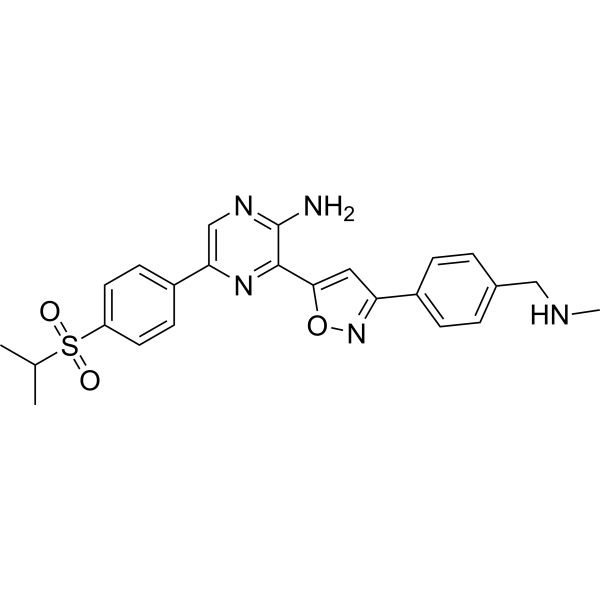
  • HY-13902
    Berzosertib
    Maximum Cited Publications
    24 Publications Verification

    VE-822; VX-970; M6620

    ATM/ATR Apoptosis STING Caspase Infection Metabolic Disease Cancer
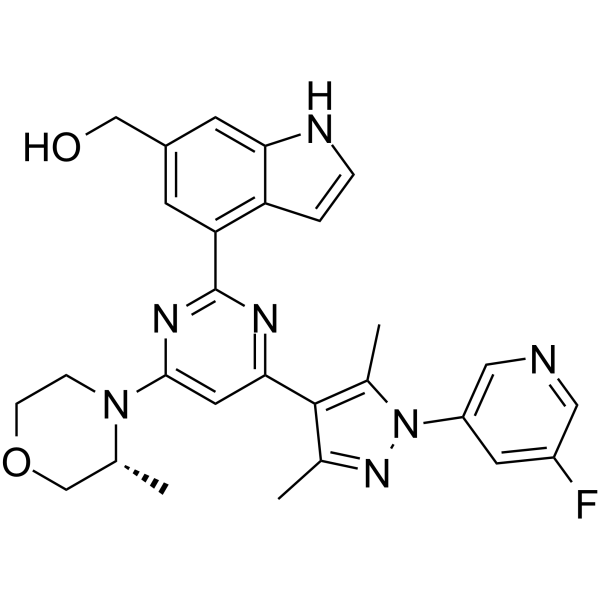
    Berzosertib (VE-822) is an orally active, CNS-penetrant, and selective ATR kinase inhibitor. Berzosertib blocks ATR kinase activity, abrogates G2/M cell cycle checkpoint, impairs DNA damage repair. Berzosertib induces apoptosis, inhibnits conlony migration, inhibits cell proliferation, and activates cGAS-STING axes in cancer cells. Berzosertib can be used for the research of cancers, such as head and neck squamous cell carcinoma, and colorectal cancer .
    Berzosertib
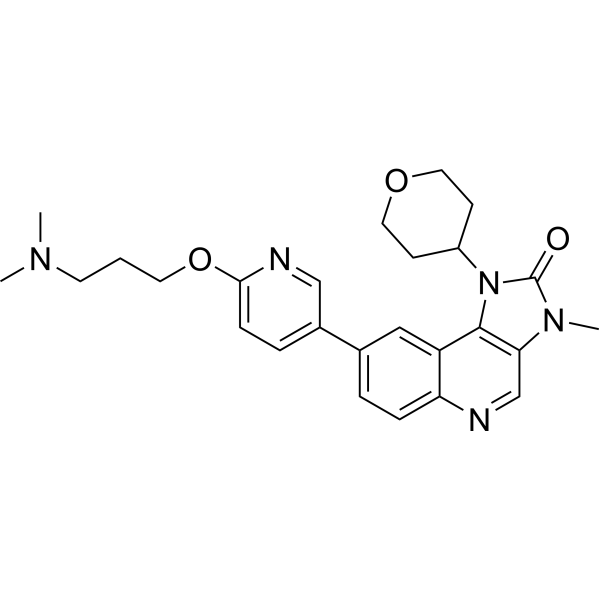
  • HY-100016
    AZD0156
    10+ Cited Publications

    ATM/ATR Apoptosis Cancer
    AZD0156 is a potent, selective and orally active ATM inhibitor with an IC50 of 0.58 nM. AZD0156 inhibits the ATM-mediated signaling, prevents DNA damage checkpoint activation, disrupts DNA damage repair, and induces tumor cell apoptosis .
    AZD0156
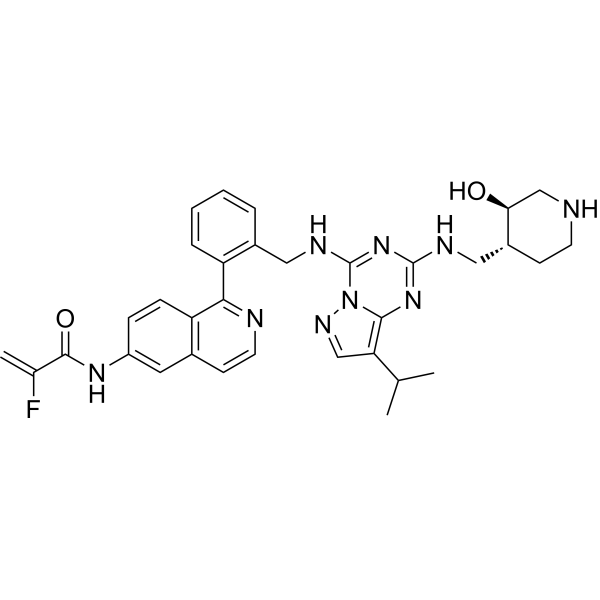
  • HY-153278

    CDK7-IN-21

    CDK DNA/RNA Synthesis c-Myc Early 2 Factor (E2F) Topoisomerase Cancer
    Q901 (CDK7-IN-21) is a selective and potent CDK7 inhibitor with an IC50 of 10 nM. Q901 disrupts MYC and E2FDNA damage repair pathways. Q901 stabilizes TOP1-DPCs and sensitizes tumor to TOP1 inhibitors by suppressing RNAPII transition from initiation to elongation. Q901 can inhibit tumor growth and significantly enhances tumor growth inhibition combined with TOP1 inhibitors. Q901 can be used for the research of cancer, such as colon cancer and lung cancer .
    Q901
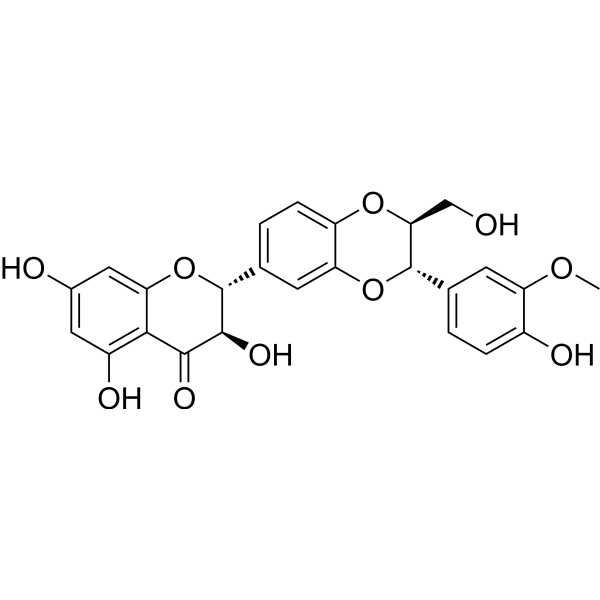
  • HY-N7046

    Silibinin B

    Amyloid-β Apoptosis JNK p38 MAPK Neurological Disease Cancer
    Silybin B (Silibinin B) is an orally active amyloid-β aggregation inhibitor and ATR pathway activator that can cross the blood-brain barrier. Silybin B inhibits Aβ fibril formation and promotes amorphous aggregate formation, while activating the ATR-mediated DNA damage repair pathway and inhibiting JNK/p38 MAPK signaling. Silybin B can reduce Cisplatin (HY-17394)-induced neuronal DNA damage and apoptosis. Silybin B has anti-oxidative stress, cell cycle regulation and neuroprotective activities. Silybin B is mainly used in the study of Alzheimer's disease and Cisplatin chemotherapy-related neurotoxicity .
    Silybin B
  • HY-10206
    Amuvatinib
    5+ Cited Publications

    MP470; HPK 56

    c-Kit PDGFR RAD51 FLT3 c-Met/HGFR RET Apoptosis Cancer
    Amuvatinib (MP470) is an orally bioavailable multi-targeted tyrosine kinase inhibitor with potent activity against mutant c-Kit, PDGFRα, Flt3, c-Met and c-Ret. Amuvatinib (MP470) is also a DNA repair suppressor through suppression of DNA repair protein RAD51, thereby disrupting DNA damage repair . Antineoplastic activity .
    Amuvatinib
  • HY-108708

    PARP Cancer
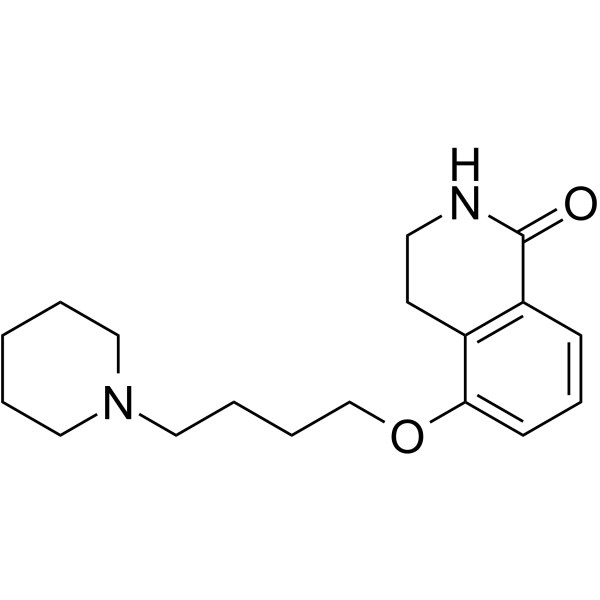
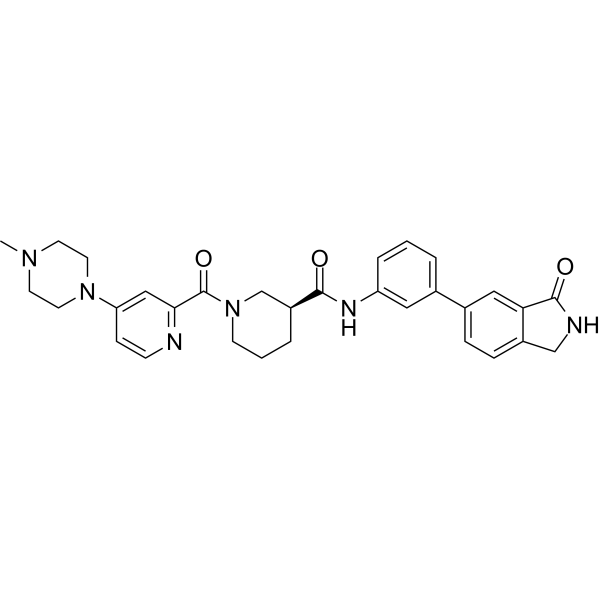
    GeA-69 is a selective, allosteric inhibitor of poly-adenosine-diphosphate-ribose polymerase 14 (PARP14) targeting macrodomain 2 (MD2), with a Kd value of 2.1 μM. GeA-69 involves in DNA damage repair mechanisms and prevents recruitment of PARP14 MD2 to sites of laser-induced DNA damage .
    GeA-69
  • HY-114869
    DPQ
    3 Publications Verification

    PARP Neurological Disease Cancer
    DPQ is a selective PARP-1 inhibitor that blocks PARP-1-mediated DNA damage repair and NAD +/ATP consumption, thereby inhibiting excessive inflammatory responses. DPQ inhibits NF-κB pathway activation, reduces the expression of pro-inflammatory factors (such as TNF-α, IL-6) and oxidative stress. DPQ can be used in inflammation-related studies of acute lung injury, myocardial infarction, and neurodegenerative diseases .
    DPQ
  • HY-152147

    PROTACs HDAC Apoptosis DNA/RNA Synthesis Cancer
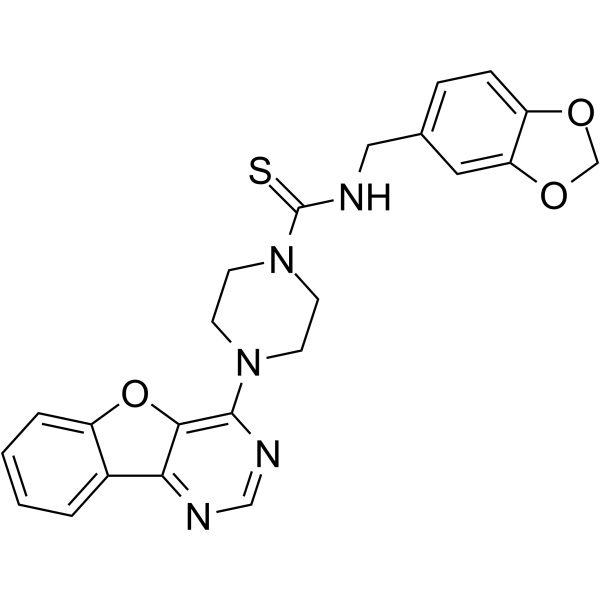
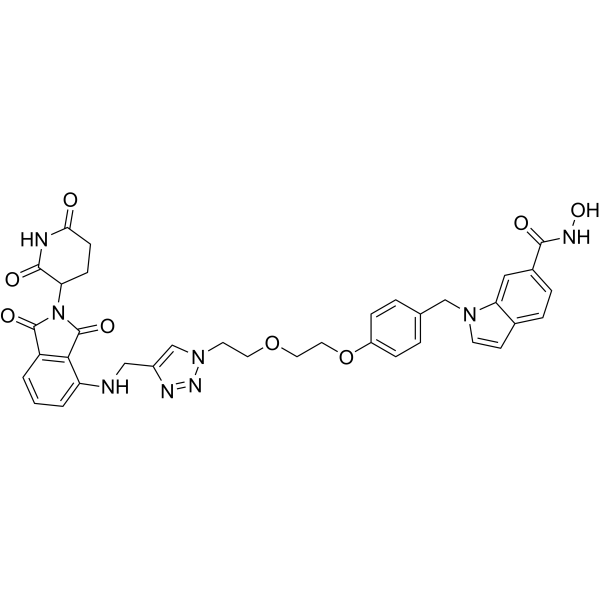
    SZUH280 is a potent and selective PROTAC HDAC8 degrader with a DC50 of 0.58 μM in A549 cells. SZUH280 induces cancer cell apoptosis. SZUH280 hampers DNA damage repair in cancer cells, promoting cellular radiosensitization .
    SZUH280
  • HY-156257
    UNC9512
    1 Publications Verification

    DNA/RNA Synthesis Cancer
    UNC9512 is a selective 53BP1 inhibitor with an IC50 of 0.46 μM, and a Kd values of 0.17 μM. UNC9512 binds 53BP1 and its tandem Tudor domain, disrupts histone H4 interaction, and inhibits 53BP1 activity. UNC9512 can be used as a probe for DNA damage repair and Gene editing .
    UNC9512
  • HY-133531

    Poly(ADP-ribose) Glycohydrolase (PARG) Cancer
    PDD00017272 is an inhibitor of poly(ADP-ribose) glycohydrolase (PARG) (EC50=4.8 nM) and an activator of PARP1/2. PDD00017272 inhibits its activity of hydrolyzing poly(ADP-ribose) (pADPr), resulting in the accumulation of pADPr on chromatin, interfering with DNA damage repair and replication processes, and inducing PARP1/2-dependent cytotoxicity. PDD00017272 can be used in cancer models with DNA repair defects (such as BRCA mutations) or resistance to PARP inhibitors. PDD00017272 has a PARG expression level-correlated inhibitory potency with EC50 of 9.2 nM (PARG cells), the tumor cells with lower PARG expression are more sensitive .
    PDD00017272
  • HY-139621

    DNA Alkylator/Crosslinker Cancer
    Colibactin 742 is a covalently binding DNA-damaging agent targeting DNA, with an IC50 of 5.2 μM against human cervical cancer cells (HeLa). Colibactin 742 covalently binds to DNA, forming interstrand crosslinks (ICLs), activating the Fanconi anemia DNA repair pathway, inducing γH2AX and FANCD2 foci formation and cell cycle arrest, while exacerbating mismatch repair deficiency (MMRd)-related mutations. Colibactin 742 can mimic the genotoxicity of natural Colibactin while avoiding its instability, and is mainly used in colorectal cancer (CRC) related research, including microbial tumorigenesis mechanisms, DNA damage repair pathways, and mutation signature analysis .
    Colibactin 742
  • HY-138084

    Separase Mitosis Cancer
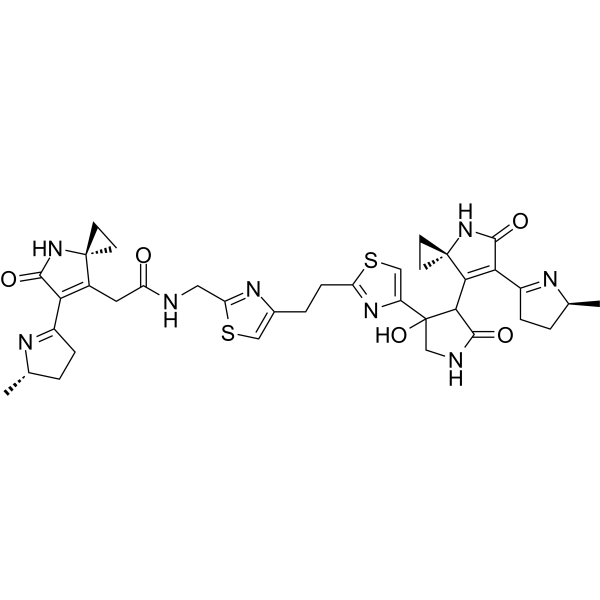
    SIC5-6 is a potent Separase inhibitor. Separase, a large cysteine protease, involves in chromosome segregation during mitosis and meiosis, DNA damage repair, centrosome disengagement and duplication, spindle stabilization and elongation. Separase is highly overexpressed in many solid cancers, serves as an attractive chemotherapeutic target .
    SIC5-6
  • HY-156027

    Sirtuin HDAC Akt mTOR Ribosomal S6 Kinase (RSK) ERK Neurological Disease Inflammation/Immunology Endocrinology Cancer
    SIRT6-IN-3 (compound 8a) is a selective inhibitor of SIRT6 (IC50=7.49 μM). SIRT6-IN-3 inhibits pancreatic ductal adenocarcinoma (PDAC) cells proliferation and induces apoptosis. SIRT6-IN-3 increases the sensitivity of cancer cells to gemcitabine (HY-17026) via blocking the DNA damage repair pathway. SIRT6-IN-3 is used in pancreatic cancer research .
    SIRT6-IN-3
  • HY-115531

    DNA/RNA Synthesis Cancer
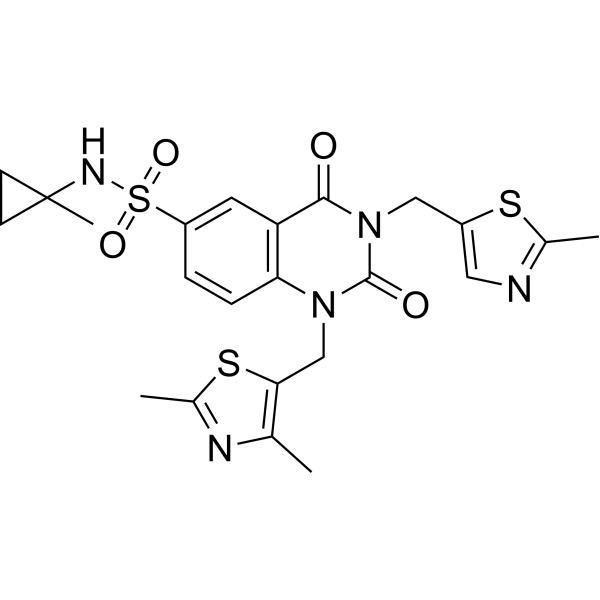
    UNC-2170 is a functionally active, fragment-like ligand for 53BP1 (IC50=29 µM; Kd=22 µM). UNC-2170 shows at least 17-fold selectivity for 53BP1 as compared to nine other methyl-lysine (Kme) reader proteins. 53BP1 is a Kme binding protein that plays a central role in DNA Damage Repair (DDR) pathways and is recruited to sites of double-strand breaks (DSB) .
    UNC-2170
  • HY-159124

    Sirtuin Cancer
    YZL-51N is a selective SIRT7 inhibitor with IC50 value of 12.71 μM. YZL-51N disrupts SIRT7 enzyme activity by occupying the NAD + binding pocket, thereby weakening DNA damage repair and inhibiting cancer cell survival. YZL-51N possesses anti-tumor activity and can be used in cancer research .
    YZL-51N
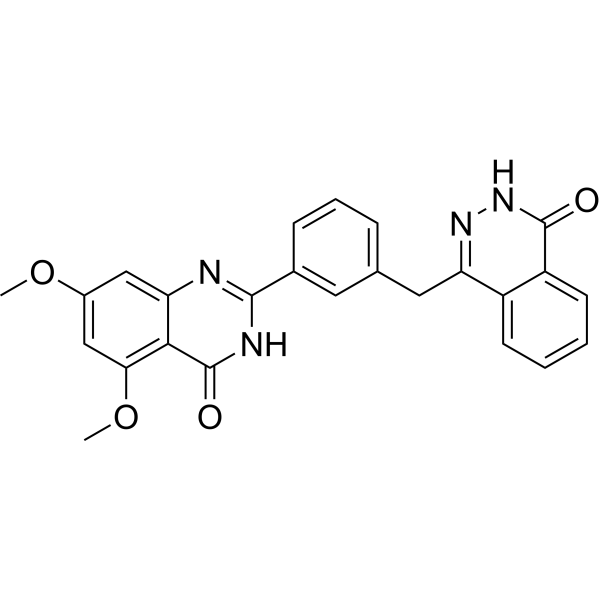
  • HY-144874

    PARP Neurological Disease Cancer
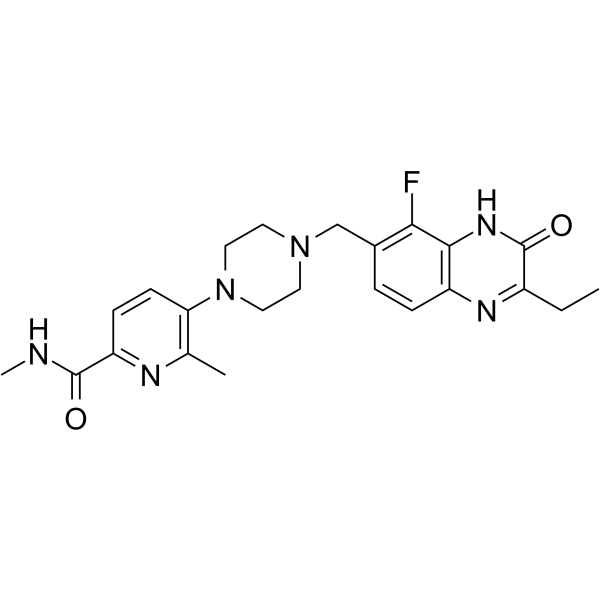
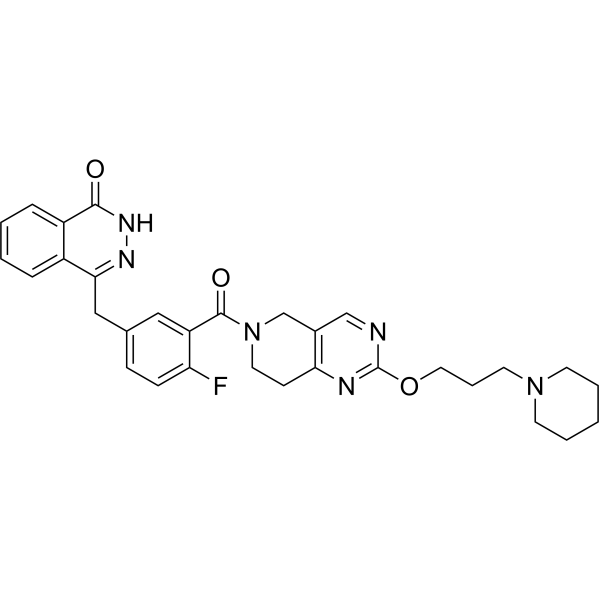
    AZ3391 is a potent inhibitor of PARP. AZ3391 is a quinoxaline derivative. PARP family of enzymes play an important role in a number of cellular processes, such as replication, recombination, chromatin remodeling, and DNA damage repair. AZ3391 has the potential for the research of diseases and conditions occurring in tissues in the central nervous system, such as the brain and spinal cord (extracted from patent WO2021260092A1, compound 23) .
    AZ3391
  • HY-139678

    FLAP Opioid Receptor Apoptosis STING Neurological Disease Cancer
    SC13 is an orally active, selective Flap structure-specific endonuclease 1 (FEN1) inhibitor and mu opioid receptor (MOR) activator. SC13 impairs DNA damage repair and induces apoptosis in cancer cells. SC13 activates cGAS-STING signaling, increases chemokine secretion, and promotes CAR-T cell infiltration at solid tumour sites. SC13 can be used for the research of solid tumours and pain .
    SC13
  • HY-162384

    Histone Methyltransferase Cancer
    EPIC-0628 is an inhibitor of the HOTAIR-EZH2 interaction and promotes ATF3 expression. The long noncoding RNA HOTAIR has been found to regulate glioblastoma (GBM) progression and mediate DNA damage repair (DDR) by interacting with the catalytic subunit EZH2 of PRC2. EPIC-0628 also inhibits the ATF3-p38-E2F1 DDR pathway to inhibit the HR pathway and upregulates CDKN1A (p21) expression, causing cell cycle arrest. EPIC-0628 also synergizes with Temozolomide (TMZ) (HY-17364) to enhance its in vivo potency .
    EPIC-0628
  • HY-W338346

    Drug Derivative Interleukin Related TNF Receptor Polo-like Kinase (PLK) Inflammation/Immunology Cancer
    Salicylate choline is an orally active derivative of Aspirin (acetylsalicylic acid) (HY-14654). Salicylate choline significantly reduces IL-1β, IL-6, TNF-α and IL-10 levels in cells. Salicylate choline enhances the anti-tumor activity of the CRM1 inhibitor Selinexor (KPT-330) (HY-17536) through inducing S-phase cell cycle arrest and impairing DNA damage repair. Salicylate choline combined with Selinexor demonstrates excellent anti-tumor efficacy in mice xenograft model harboring JeKo-1 cells. Salicylate choline can be used for the study of rheumatic diseases, inflammation and cancer .
    Salicylate choline
  • HY-10206A

    MP470 hydrochloride; HPK 56 hydrochloride

    c-Kit PDGFR RAD51 FLT3 c-Met/HGFR RET Cancer
    Amuvatinib hydrochloride (MP470 hydrochloride) is an orally bioavailable multi-targeted tyrosine kinase inhibitor with potent activity against mutant c-Kit, PDGFRα, Flt3, c-Met and c-Ret. Amuvatinib hydrochloride (MP470 hydrochloride) is also a DNA repair suppressor through suppression of DNA repair protein RAD51, thereby disrupting DNA damage repair . Antineoplastic activity .
    Amuvatinib hydrochloride
  • HY-153278A

    CDK7-IN-21 TFA

    CDK DNA/RNA Synthesis c-Myc Early 2 Factor (E2F) Topoisomerase Cancer
    Q901 (CDK7-IN-21) TFA is a selective and potent CDK7 inhibitor with an IC50 of 10 nM. Q901 TFA disrupts MYC and E2FDNA damage repair pathways. Q901 TFA stabilizes TOP1-DPCs and sensitizes tumor to TOP1 inhibitors by suppressing RNAPII transition from initiation to elongation. Q901 TFA can inhibit tumor growth and significantly enhances tumor growth inhibition combined with TOP1 inhibitors. Q901 TFA can be used for the research of cancer, such as colon cancer and lung cancer .
    Q901 TFA
  • HY-142671

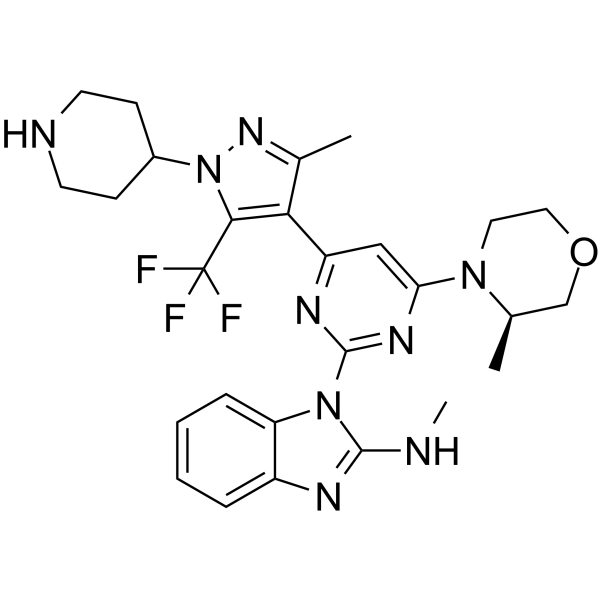
    ATM/ATR Cancer
    ATR-IN-5 is a potent inhibitor of ATR. ATR is a class of protein kinases involved in genome stability and DNA damage repair, and is a member of the PIKK family. ATR-IN-5 has the potential for the research of ATR kinase-mediated diseases such as proliferative diseases and cancer (extracted from patent CN112047938A, compound D24) .
    ATR-IN-5
  • HY-142672

    ATM/ATR Cancer
    ATR-IN-6 is a potent inhibitor of ATR. ATR is a class of protein kinases involved in genome stability and DNA damage repair, and is a member of the PIKK family. ATR-IN-6 has the potential for the research of ATR kinase-mediated diseases such as proliferative diseases and cancer (extracted from patent WO2021233376A1, compound A22) .
    ATR-IN-6
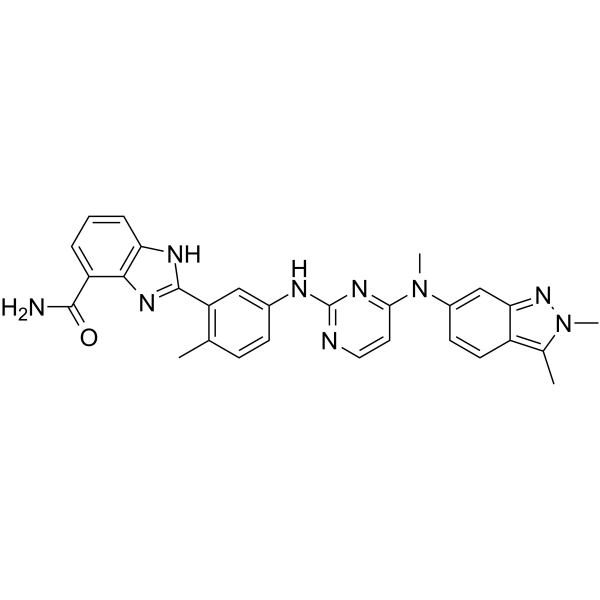
  • HY-178468

    PARP Cancer
    PARP1-IN-47 (Compound 35) is a highly selective PARP1 inhibitor (IC50 <100 nM). PARP1-IN-47 blocks poly(ADP-ribosyl)ation and disrupts DNA damage repair pathways to induce tumor cell apoptosis. PARP1-IN-47 is promising for research of solid tumors and hematological malignancies .
    PARP1-IN-47
  • HY-149398

    Apoptosis PARP CDK Cancer
    PARP-1/2-IN-2-IN-1 (Compound 12e) is a PARP1/2/CDK12 inhibitor (IC50: 34, 30 and 285 nM respectively). PARP-1/2-IN-2 inhibits DNA damage repair, promotes cell cycle arrest and apoptosis. PARP-1/2-IN-2 inhibits the growth of TNBC cells and TNBC xenograft tumor .
    PARP-1/2-IN-2
  • HY-10206R

    MP470 (Standard); HPK 56 (Standard)

    Reference Standards c-Kit PDGFR RAD51 FLT3 c-Met/HGFR RET Apoptosis Cancer
    Amuvatinib (Standard) is the analytical standard of Amuvatinib. This product is intended for research and analytical applications. Amuvatinib (MP470) is an orally bioavailable multi-targeted tyrosine kinase inhibitor with potent activity against mutant c-Kit, PDGFRα, Flt3, c-Met and c-Ret. Amuvatinib (MP470) is also a DNA repair suppressor through suppression of DNA repair protein RAD51, thereby disrupting DNA damage repair . Antineoplastic activity .
    Amuvatinib (Standard)
  • HY-171786

    CDK Cancer
    CDK12-IN-8 (Compound Cpd143) is an orally active and highly selective inhibitor of cyclin-dependent kinase 12 (CDK12). CDK12-IN-8 inhibits CDK12-mediated phosphorylation of the C-terminal domain (CTD) serine 2 of RNA polymerase II, interfering with gene transcription elongation and DNA damage repair pathways. CDK12-IN-8 is promising for research of cancers with high CDK12 expression such as small cell lung cancer and triple-negative breast cancer .
    CDK12-IN-8
  • HY-118897

    DNA/RNA Synthesis Cancer
    UNC-2170 maleate is the maleate salt form of UNC-2170 (HY-115531). UNC-2170 maleate is a selective inhibitor for the methyl-lysine binding protein 53BP1, with IC50 of 29 µM and Kd of 22 µM. UNC-2170 maleate shows at least 17-fold selectivity for 53BP1 as compared to nine other methyl-lysine (Kme) reader proteins. 53BP1 is a Kme binding protein that plays a central role in DNA Damage Repair (DDR) pathways and is recruited to sites of double-strand breaks (DSB) .
    UNC-2170 maleate
  • HY-141876

    Histone Methyltransferase Notch PI3K Akt Bcl-2 Family DNA/RNA Synthesis Cancer
    PRT543 is an orally active selective PRMT5 inhibitor. PRT543 reduces intracellular symmetric dimethylarginine (sDMA) levels, downregulates the expression of genes related to DNA damage repair and DNA replication pathways, and induces abnormal alternative splicing. PRT543 inhibits the MYB, NOTCH1 and PI3K/AKT signaling pathways, promotes nuclear translocation of FOXO1, upregulates the pro-apoptotic protein BAX, and enhances cellular sensitivity to BCL-2 inhibition. PRT543 disrupts the normal RNA splicing process and exerts a synthetic lethal effect on myeloid tumor cells carrying splicing factor mutations. PRT543 can be used in research related to various cancers including breast cancer, ovarian cancer and acute myeloid leukemia .
    PRT543
  • HY-179272

    Wee1 HDAC Apoptosis Cancer
    Wee1/HDAC-IN-1 is a dual Wee1/HDAC inhibitor with an IC50 of 1.2 nM for Wee1 and IC50 values of 196 nM for HDAC1, 156 nM for HDAC3, and 55 nM for HDAC6. Wee1/HDAC-IN-1 exhibits strong antiproliferative activity against MV4-11 cells with an IC50 of 0.076 μM. Wee1/HDAC-IN-1 selectively binds to Wee1 and HDACs. Wee1/HDAC-IN-1 interferes with DNA damage repair pathways and induces apoptosis in MV4-11 cells. Wee1/HDAC-IN-1 Wee1/HDAC-IN-1 can be used for the research of acute myeloid leukemia (AML) .
    Wee1/HDAC-IN-1
  • HY-155595

    DNA/RNA Synthesis Others
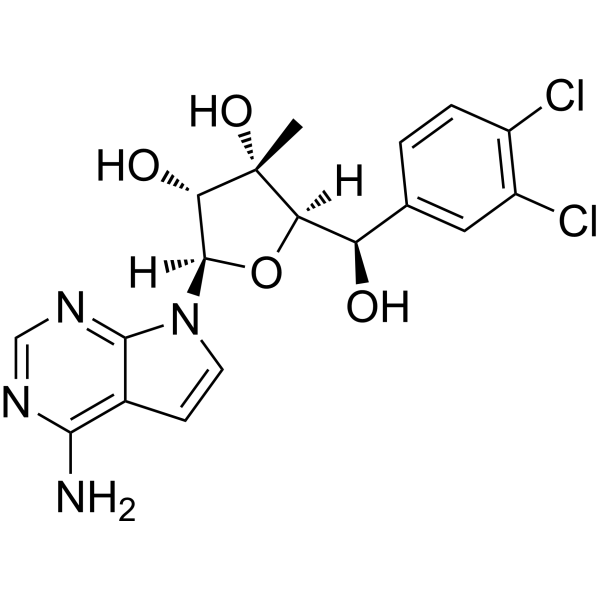
    SNM1A-IN-1 (compound 11a) is an inhibtor of SNM1A (a DNA damage repair enzyme with cytotoxicity) .
    SNM1A-IN-1
  • HY-P2926

    DNA/RNA Synthesis Neurological Disease Cancer
    Formamidopyrimidine-DNA glycosylase is a selective DNA repair enzyme. Formamidopyrimidine-DNA glycosylase is promising for research of DNA damage repair and the and oxidative stress-related diseases (e.g., cancer, neurodegenerative diseases) .
    Formamidopyrimidine-DNA glycosidase
  • HY-155038

    PARP CDK Cancer
    Antitumor agent-104 (Compound 9) is an antitumor agent by inhibiting DNA damage repair in tumors. Antitumor agent-104 inhibits PARP1 enzymatic activity and the PAR protein level. Antitumor agent-104 also inhibits the expression of CDK12 .
    Antitumor agent-104
  • HY-155348

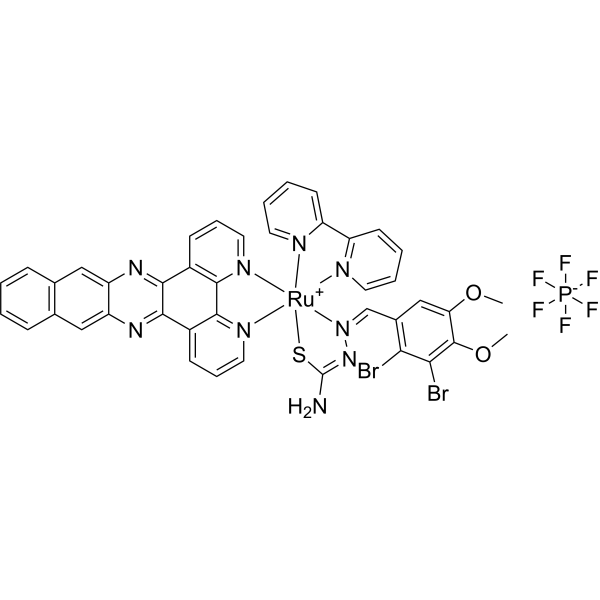
    PARP Cancer
    Ru3 is a poly(ADP-ribose) polymerase 1 inhibitor. Ru3 induces apoptosisin MCF-7 cells by multiple modes, inclusive of inducing DNA damage, suppressing DNA damage repair, disturbing cell cycle distribution, decreasing the mitochondrial membrane potential, and increasing the intracellular reactive oxygen species levels .
    Ru3
  • HY-129727

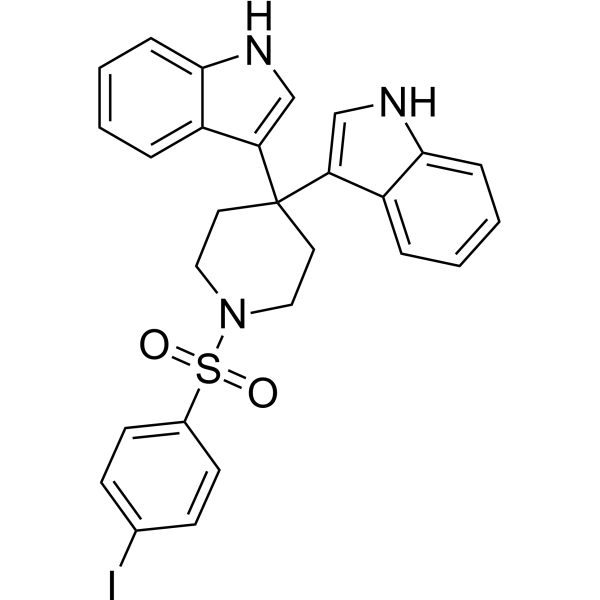
    DNA/RNA Synthesis Reactive Oxygen Species (ROS) Mitosis Others
    (E)-MS0019266 is a potent inhibitor of DNA damage repair. (E)-MS0019266 inhibits ribonucleotide reductase by generating reactive oxygen species. (E)-MS0019266 also reduces expression of genes related to cell cycle arrest and mitosis, including polo-like kinase 1, kinesin family member 20a, cyclin B1 and aurora kinase A. (E)-MS0019266 is promising for research of inhibitors of ribonucleotide reductase and polo-like kinase 1 .
    (E)-MS0019266
  • HY-W424851

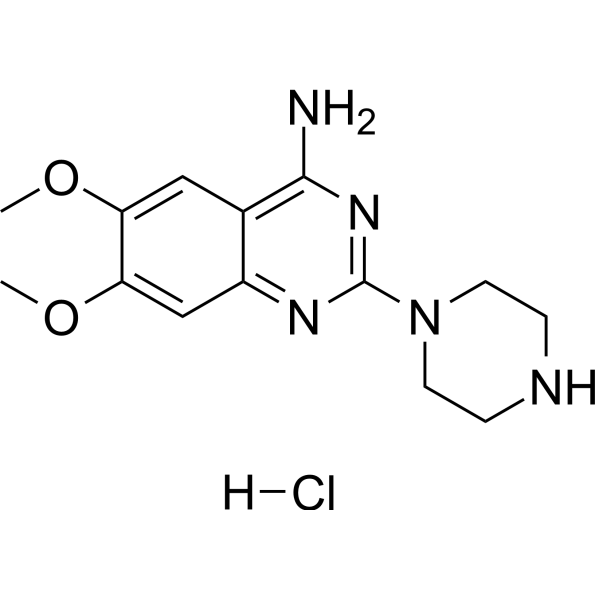
    6,7-Dimethoxy-2-(1-piperazinyl)-4-quinazolinamine hydrochloride

    PARP Infection Inflammation/Immunology
    DPQ hydrochloride is a blood-brain barrier permeable and selective PARP-1 inhibitor that blocks PARP-1-mediated DNA damage repair and NAD +/ATP consumption, thereby inhibiting excessive inflammatory responses. DPQ hydrochloride inhibits NF-κB pathway activation, reduces the expression of pro-inflammatory factors (such as TNF-α, IL-6) and oxidative stress. DPQ hydrochloride can be used in inflammation-related studies of acute lung injury, myocardial infarction, and neurodegenerative diseases .
    DPQ hydrochloride
  • HY-155965

    VEGFR PARP Apoptosis Cancer
    VEGFR/PARP-IN-1 (Compound 14b) is a VEGFR/PARP dual inhibitor (IC50s: 191 nM and 60.9 nM respectively). VEGFR/PARP-IN-1 inhibits DNA damage repair, induces cell apoptosis, and arrests cell in the G2/M phase. VEGFR/PARP-IN-1 has good antiproliferative efficacy against BRCA wild-type breast cancer cells (IC50: 4.1 and 3.5 μM for MDA-MB-231 and MCF-7 cells). VEGFR/PARP-IN-1 is an antitumor and anti-metastasis agent .
    VEGFR/PARP-IN-1
  • HY-150613

    Epigenetic Reader Domain PARP Apoptosis Cancer
    PARP1/BRD4-IN-2 is a potent and selective PARP1 and BRD4 inhibitor with IC50 values of 197 nM and 238 nM, respectively. PARP1/BRD4-IN-2 inhibits DNA damage repair, arrests G0/G1 transition and induces apoptosis. PARP1/BRD4-IN-2 has anti-tumor activity in MDA-MB-468 xenograft mouse model. PARP1/BRD4-IN-2 can be used for researching triple-negative breast cancer (TNBC) .
    PARP1/BRD4-IN-2
  • HY-174447

    PARP Cancer
    ADP-ribose/PARP-IN-1 (Compound Ex.16) is a conjugated compound. ADP-ribose/PARP-IN-1 contains disease targeting moieties, PARP inhibitor moieties, cleavable linkers, chelators. ADP-ribose/PARP-IN-1 targets specific targets through the disease targeting moiety and selectively delivers PARP inhibitors to tumor cells. The cleavable linker of ADP-ribose/PARP-IN-1 releases the PARP inhibitor under appropriate conditions, inhibiting PARP to prevent DNA damage repair, while the radionuclide carried by the chelator exerts a killing effect. ADP-ribose/PARP-IN-1 can be used in the research of prostate cancer .
    ADP-ribose/PARP-IN-1
  • HY-170921

    Deubiquitinase Cancer
    USP1-IN-11 (compound 38-P2) is a selective, reversible, and noncompetitive USP1 (Ubiquitin-specific protease 1) inhibitor. USP1-IN-11 activates the DDR (DNA damage repair) pathway, induces cell cycle arrest and cell Apoptosis, and inhibits cell survival. USP1-IN-11 enhances the sensitivity of Olaparib (HY-10162)-resistant cells to Olaparib (HY-10162) and shows a synergetic effect with Andrographolide (HY-N0191) in BRCA-proficient cancer cells. USP1-IN-11 displays significant, dose-dependent antitumor efficacy in the MDA-MB-436 xenograft model .
    USP1-IN-11
  • HY-N7046R

    Silibinin B (Standard)

    Reference Standards JNK Amyloid-β p38 MAPK Apoptosis Neurological Disease Cancer
    Silybin (Silibinin B) (Standard) is the analytical standard of Silybin B (HY-N7046). This product is intended for research and analytical applications. Silybin B (Silibinin B) is an orally active amyloid-β aggregation inhibitor and ATR pathway activator, that can cross the blood-brain barrier. Silybin B inhibits Aβ fibril formation and promotes amorphous aggregate formation, while activating the ATR-mediated DNA damage repair pathway and inhibiting JNK/p38 MAPK signaling. Silybin B can reduce Cisplatin (HY-17394)-induced neuronal DNA damage and apoptosis. Silybin B has anti-oxidative stress, cell cycle regulation and neuroprotective activities. Silybin B is mainly used in the study of Alzheimer's disease and Cisplatin chemotherapy-related neurotoxicity .
    Silybin B (Standard)
  • HY-N7046S

    Silibinin B-d3

    Isotope-Labeled Compounds Amyloid-β Apoptosis JNK p38 MAPK Neurological Disease Cancer
    Silybin B-d3 (Silibinin B-d3) is a deuterated Silybin B (HY-N7046). Silybin B (Silibinin B) is an orally active amyloid-β aggregation inhibitor and ATR pathway activator, that can cross the blood-brain barrier. Silybin B inhibits Aβ fibril formation and promotes amorphous aggregate formation, while activating the ATR-mediated DNA damage repair pathway and inhibiting JNK/p38 MAPK signaling. Silybin B can reduce Cisplatin (HY-17394)-induced neuronal DNA damage and apoptosis. Silybin B has anti-oxidative stress, cell cycle regulation and neuroprotective activities. Silybin B is mainly used in the study of Alzheimer's disease and Cisplatin chemotherapy-related neurotoxicity .
    Silybin B-d3
  • HY-185455

    FLAP Others
    FEN1-IN-9 is a selective flap endonuclease 1 (FEN1) inhibitor with an IC50 of 37.9 μM. FEN1-IN-9 can be used for the research of DNA damage repair .
    FEN1-IN-9
  • HY-100016R

    ATM/ATR Reference Standards Apoptosis Cancer
    AZD0156 (Standard) is the analytical standard of AZD0156 (HY-100016). This product is intended for research and analytical applications. AZD0156 is a potent, selective and orally active ATM inhibitor with an IC50 of 0.58 nM. AZD0156 inhibits the ATM-mediated signaling, prevents DNA damage checkpoint activation, disrupts DNA damage repair, and induces tumor cell apoptosis .
    AZD0156 (Standard)
  • HY-181651

    PROTACs RAD51 DNA/RNA Synthesis Apoptosis IKZF Family Cancer
    SZU305 is a RAD51 PROTAC degrader, with DC50 values of 307.45 nM and 84.19 nM in SK-HEP-1 and Huh-7 cells, respectively. SZU305 inhibits DNA damage repair, induces cell cycle arrest and apoptosis. SZU305 moderately reduces the protein levels of IKZF1 and IKZF3 at high concentrations. SZU305 can be used in studies related to hepatocellular carcinoma .
    SZU305
  • HY-13902A
    Berzosertib hydrochloride
    Maximum Cited Publications
    24 Publications Verification

    VE-822 hydrochloride; VX-970 hydrochloride; M6620 hydrochloride

    ATM/ATR Apoptosis STING Caspase Neurological Disease Cancer
    Berzosertib (VE-822) hydrochloride is an orally active, CNS-penetrant, and selective ATR kinase inhibitor. Berzosertib hydrochloride blocks ATR kinase activity, abrogates G2/M cell cycle checkpoint, impairs DNA damage repair. Berzosertib hydrochloride induces apoptosis, inhibnits conlony migration, inhibits cell proliferation, and activates cGAS-STING axes in cancer cells. Berzosertib hydrochloride can be used for the research of cancers, such as head and neck squamous cell carcinoma, and colorectal cancer .
    Berzosertib hydrochloride
  • HY-181459

    PARP DNA/RNA Synthesis Reactive Oxygen Species (ROS) Apoptosis Cancer
    PARP1-IN-55 is a potent and selective PARP1 inhibitor with an IC50 value of 0.019 μM. PARP1-IN-55 exhibits anti-proliferative selective activity against MCF-7 breast cancer cells (IC50 = 3.6 μM). PARP1-IN-55 inhibits the PARP1-mediated DNA damage repair pathway, induces ROS accumulation, disrupts mitochondrial membrane potential, induced apoptosis and suppresses cancer cell migration, invasion, and colony formation. PARP1-IN-55 can be used for the study of breast cancer .
    PARP1-IN-55
  • HY-181627

    MNK DNA/RNA Synthesis Interleukin Related Eukaryotic Initiation Factor (eIF) Cancer
    ETC-501 is a blood-brain barrier-permeable, orally active, and selective MNK1/MNK2 inhibitor, with an IC50 of 0.033 μM against MNK1 and 0.111 μM against MNK2. ETC-501 inhibits glioblastoma cell proliferation, impairs DNA damage repair function, delays cell cycle progression, and suppresses ribosome biogenesis. ETC-501 enhances Temozolomide (HY-17364)-induced cellular senescence, attenuates the senescence-associated secretory phenotype, and increases cellular sensitivity to Navitoclax (HY-10087). ETC-501 is applicable to research related to glioblastoma .
    ETC-501
  • HY-186045

    Histone Methyltransferase Apoptosis DNA/RNA Synthesis ATP-binding cassette (ABC) transporters Cancer
    SKLB06489 is a selective and orally active inhibitor of type I PRMT enzymes, with IC50 values of 64.55 nM (PRMT1), 4.21 nM (PRMT6), and 51.27 nM (PRMT8). SKLB06489 inhibits cell proliferation, colony formation, DNA replication, and DNA damage repair in cancer cells. SKLB06489 induces G0/G1-phase cell cycle arrest and apoptosis in cancer cells. SKLB06489 enhances intracellular cholesterol efflux via ABCA1 and ABCG1 upregulation, disrupts cholesterol metabolic homeostasis, and suppresses tumor growth in subcutaneous xenograft models. SKLB06489 can be used for the research of triple-negative breast cancer (TNBC) .
    SKLB06489
  • HY-N15249

    Isovalerylspiramycin I; Shengjimycin E

    Topoisomerase DNA/RNA Synthesis Checkpoint Kinase (Chk) Apoptosis Bacterial Infection Cancer
    4"-Isovalerylspiramycin I (Isovalerylspiramycin I) is a topoisomerase 1 (TOP1) inhibitor and an antitumor agent. 4"-Isovalerylspiramycin I directly binds to TOP1, suppresses DNA replication, and induces DNA damage. 4"-Isovalerylspiramycin I downregulates phosphorylated CHEK1 and the ATR/CHEK1 DNA damage repair pathway, blocks DNA repair, and augments DNA damage. 4"-Isovalerylspiramycin I suppresses proliferation, migration, and invasion of osteosarcoma cells. 4"-Isovalerylspiramycin I induces apoptosis and cell cycle arrest in osteosarcoma cells. 4"-Isovalerylspiramycin I exerts antibacterial activity against methicillin-resistant Staphylococcus aureus. 4"-Isovalerylspiramycin I can be used for the research of osteosarcoma, upper respiratory bacterial infections, and methicillin-resistant Staphylococcus aureus infection .
    4

Inquiry Online

Your information is safe with us. * Required Fields.

Salutation


Country or Region *

Applicant Name *


Organization Name *

Department *


Email Address *


Product Name *

Cat. No.


Requested quantity *

Phone Number *


Remarks

Inquiry Online

Inquiry Information

Product Name:
Cat. No.:
Quantity:
MCE Japan Authorized Agent: