1. Search Result
Search Result
Results for "

DTPA-BSA (Gd)

" in MedChemExpress (MCE) Product Catalog:

62

Inhibitors & Agonists

2

Fluorescent Dyes

1

Biochemical Assay Reagents

5

Peptides

15

Inhibitory Antibodies

3

Natural
Products

9

Recombinant Proteins

13

Isotope-Labeled Compounds

4

Antibodies

3

Oligonucleotides

Cat. No. Product Name Target Research Areas Chemical Structure
  • HY-P9933

    APN-311; Ch14.18; MAb-14.18

    Apoptosis PERK mTOR Cancer
    Dinutuximab (APN-311) is a chimeric human-mouse anti-GD2 monoclonal antibody. Dinutuximab can bind to GD2 on the cell surface, triggering antibody-dependent cell-mediated cytotoxicity and complement-dependent cytotoxicity, and promoting tumor regression. Dinutuximab can inhibit the growth, invasion, and migration and induce apoptosis of tumor cells. Dinutuximab can be used in the research of tumors such as neuroblastoma and breast cancer .
    Dinutuximab
  • HY-P991202

    TSH Receptor PKA Metabolic Disease Inflammation/Immunology
    Anti-TSHR Antibody (M22) is a selective agonist targeting TSHR (thyroid-stimulating hormone receptor), acting through competitive binding to the extracellular domain of TSHR. Anti-TSHR Antibody (M22) can mimic the biological effects of thyroid-stimulating hormone (TSH), activating downstream cAMP-PKA and other signaling pathways. Anti-TSHR Antibody (M22) can stimulate the proliferation of thyroid follicular epithelial cells and human umbilical vein endothelial cells (HUVECs), promote angiogenesis and tube formation, cell migration, and also upregulate the expression of angiogenesis-related proteins such as PROX1. Anti-TSHR Antibody (M22) can be used in research areas such as the mechanisms of goiter formation in Graves' disease (GD), angiogenesis regulation, and TSHR antagonist screening .
    Anti-TSHR Antibody (M22)
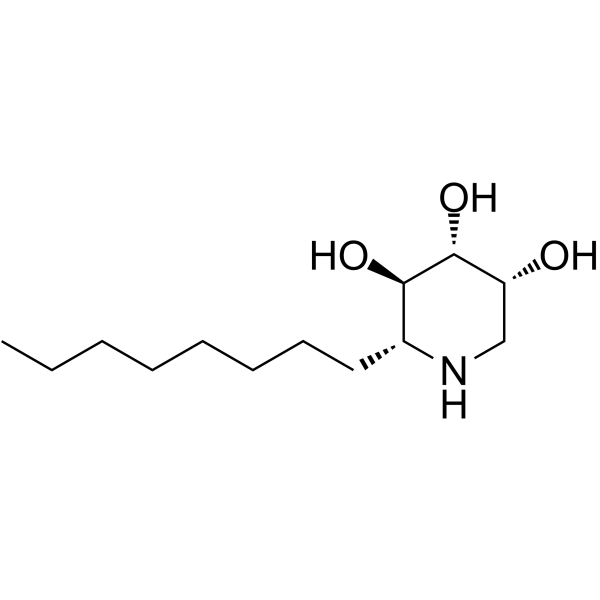
  • HY-147976

    Glycosidase Neurological Disease Metabolic Disease
    Glucocerebrosidase-IN-1 (compound 11a) is a potent and selective GCase (glucocerebrosidase) inhibitor, with an IC50 of 29.3 μM and a Ki of 18.5 μM. Glucocerebrosidase-IN-1 can be used for the research of Gaucher disease (GD) and Parkinson’s disease (PD) .
    Glucocerebrosidase-IN-1
  • HY-165740

    Disialoganglioside GD2

    Apoptosis Cancer
    Ganglioside GD2 (Disialoganglioside GD2) is a tumor-associated antigen. Ganglioside GD2 shows limited expression in normal tissues but is overexpressed in multiple tumor types, and thus can serve as a target in cancer. Ganglioside GD2 is associated with tumor development and malignant phenotypes, and its mechanism of action relies on enhancing cell proliferation, motility, migration, adhesion and invasion, with specific effects depending on the tumor type .
    Ganglioside GD2
  • HY-164569

    Radionuclide-Drug Conjugates (RDCs) Cancer
    NH2 DOTA-GA is a DOTA-based metal chelator that can be used to prepare radionuclide drug conjugates (RDCs) whose carboxylic acid groups can complex metal ions, for example, NH2 DOTA-GA complexes Gd(III) ions.
    NH2 DOTA-GA
  • HY-158109

    Antibody-Drug Conjugates (ADCs) CD2 Topoisomerase Cancer
    M3554 is an anti-GD2 antibody-drug conjugate (ADC) based on the humanized anti-GD2 antibody. M3554 consists of the humanized monoclonal antibody hu14.18 (K322A) (HY-P991040) linked to a topoisomerase 1 inhibitor Exatecan (HY-13631) via a cleavable β-glucuronide linker. M3554 can be used for the study of neuroblastoma, osteosarcoma or glioma .
    M3554
  • HY-P99757

    Hu3F8-BSAb

    CD2 CD3 Cancer
    Nivatrotamab (Hu3F8-BsAb) is a humanized anti-GD2/CD3 bispecific antibody. Nivatrotamab is a CD3- and GD2-specific bsAb-based T-cell engager. Nivatrotamab can be used in research of neuroblastoma .
    Nivatrotamab
  • HY-153213

    TSH Receptor Metabolic Disease
    Org 274179-0 is a potent and allosteric antagonist of thyroid-stimulating hormone (TSH) receptor, with an IC50 of nanomolar concentration. Org 274179-0 completely inhibits TSH (and TSI)-mediated TSH receptor activation with little effect on the potency of TSH. Org 274179-0 can be used for the research of Graves' disease (GD) .
    Org 274179-0
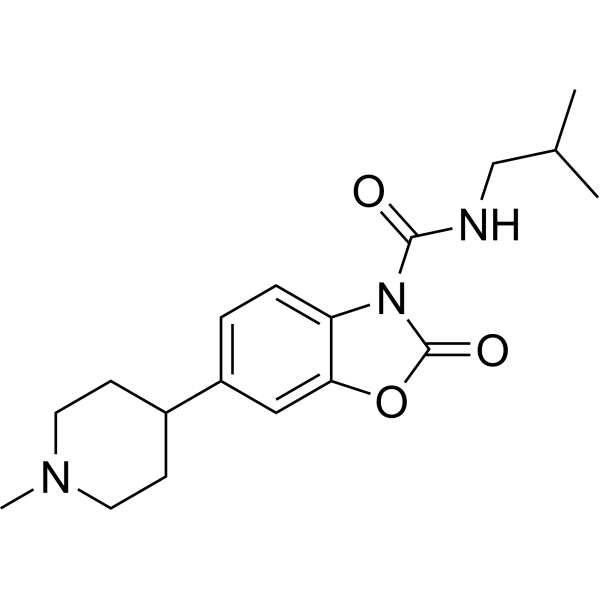
  • HY-141866
    Acid Ceramidase-IN-1
    1 Publications Verification

    Ceramidase Neurological Disease
    Acid Ceramidase-IN-1 is orally active and blood-brain barrier penetrant acid ceramidase (AC, ASAH-1) inhibitor (hAC IC50=0.166 μM). Acid Ceramidase-IN-1 reduces AC activity, accumulates ceramide species (Cer (d18:0/16:0), Cer (d18:1/16:0)), and decreases sphingosine levels. Acid Ceramidase-IN-1 can be used for the study of severe neurological lysosomal storage diseases (LSDs) such as Gaucher’s disease (GD) and Krabbe’s disease (KD) .
    Acid Ceramidase-IN-1
  • HY-W747597

    Disialoganglioside GD1b; Ganglioside C1; Ganglioside G2

    Endogenous Metabolite Cancer
    Ganglioside GD1b Disodium Salt (Bovine Brain) (Disialoganglioside GD1b; Ganglioside C1) is an acidic glycosphingolipid containing two sialic acid residues linked to an internal galactose unit. Ganglioside GD1b Disodium Salt tightly packs with cholesterol to form lipid microdomains that modulate intracellular and intercellular signaling events. Concentrations of Ganglioside GD1b Disodium Salt (Bovine Brain) in the human brain increase with age and are positively correlated with pilocytic astrocytoma tumor grade. Ganglioside GD1b Disodium Salt has been detected in various other gliomas, including primitive neuroectodermal tumors, glioblastomas, and anaplastic astrocytomas.
    Ganglioside GD1b Disodium Salt (Bovine Brain)
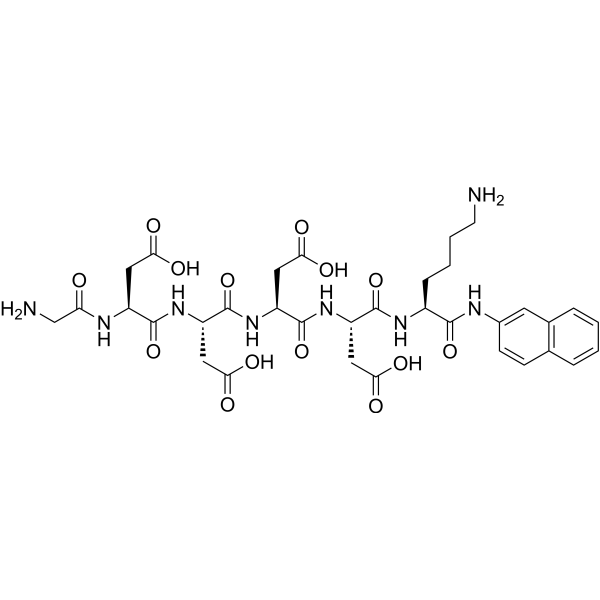
  • HY-P2660

    GD4K-na

    Enteropeptidase Others
    Gly-Asp-Asp-Asp-Asp-Lys-β-naphthylamide (GD4K-na) is a substrate for human enteropeptidase (Km: 0.16 mM) .
    Gly-Asp-Asp-Asp-Asp-Lys-β-naphthylamide
  • HY-E70057
    alpha-2,8-Sialyltransferase (CstII)
    1 Publications Verification

    ST8Sia VI; GD3 synthase

    Endogenous Metabolite Metabolic Disease
    alpha-2,8-Sialyltransferase (CstII) (ST8Sia VI) is a member of alpha2,8-sialyltransferase (ST8Sia) family, is often used in biochemical studies. alpha-2,8-Sialyltransferase (CstII) catalyzes elongation of the α2,8-linked oligo/polysialic acid chain on the Sia residue transferred .
    alpha-2,8-Sialyltransferase (CstII)
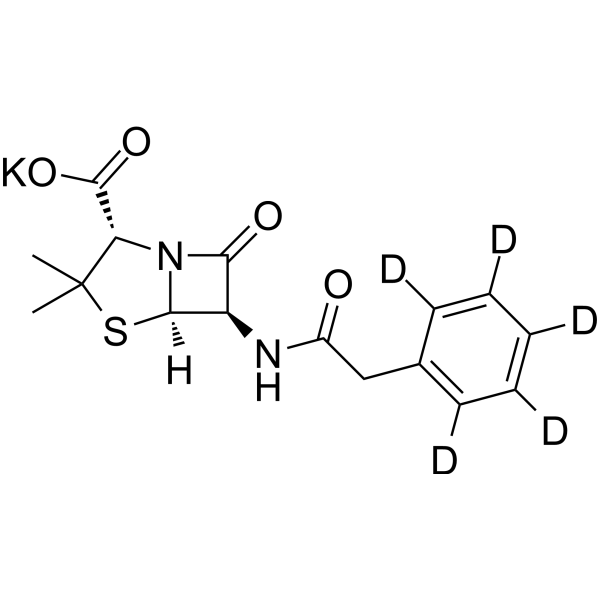
  • HY-17591S

    Benzylpenicillin-d5 potassium

    Isotope-Labeled Compounds Bacterial Antibiotic Infection
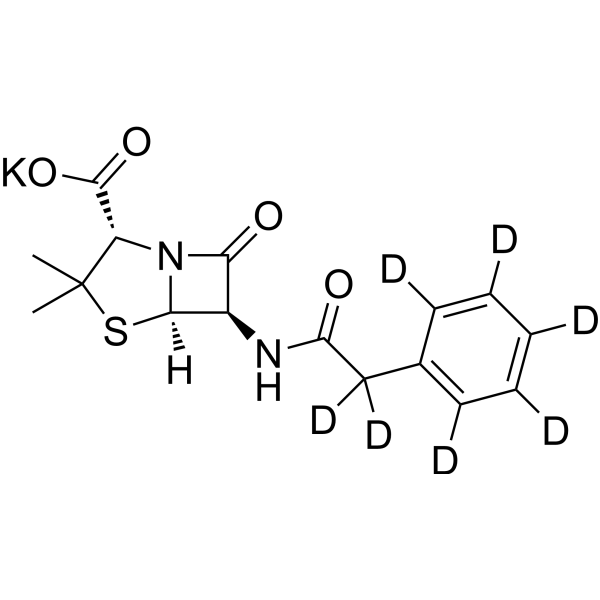
    Penicillin G-d5 (potassium) is the deuterium labeled Penicillin G potassium. Penicillin G potassium is a fast-acting antibiotic; used to treat bacterial infections that affect the blood, heart, lungs, joints, and genital areas .
    Penicillin G-d5 potassium
  • HY-116392E

    Glucosylceramide Synthase (GCS) Apoptosis Neurological Disease Metabolic Disease Cancer
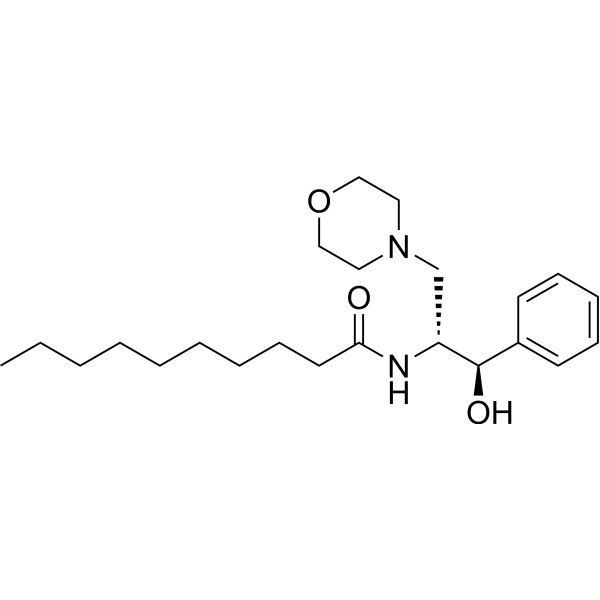
    D-threo-PDMP is a potent glucoceramide synthase (GCS) inhibitor, which reduces the glycosphingolipids (such as GM3 and GD3) on the cell surface by inhibiting glycosylation, reduces the total length of the axon plexus and the number of axon branch points, and inhibits neurite growth. D-threo-PDMP inhibits the synthesis of GM3, thereby reducing the adhesion ability of B16 melanoma cells and mimicking the pathological effects of hyperglycemia/TGF-β1. D-threo-PDMP inhibits the synthesis of GD3, thereby protecting liver cells from apoptosis induced by TNF-α. D-threo-PDMP can be used to study diseases related to targeted glycosphingolipid metabolism .
    D-threo-PDMP
  • HY-116392F

    Glucosylceramide Synthase (GCS) Neurological Disease Metabolic Disease Cancer
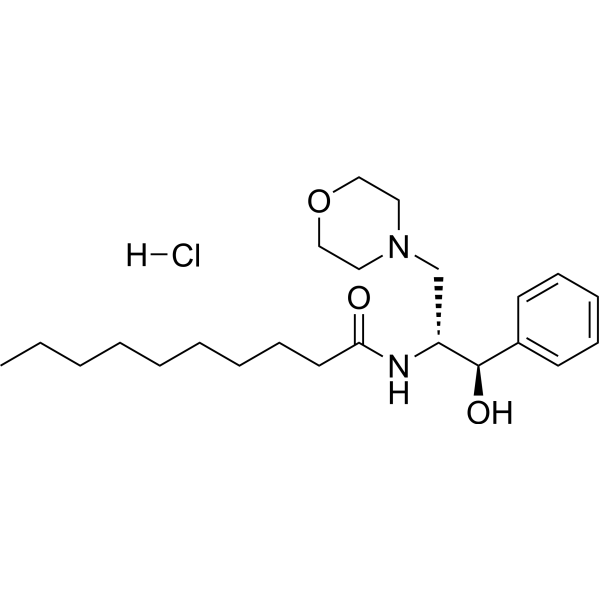
    D-threo-PDMP hydrochloride is a potent glucoceramide synthase (GCS) inhibitor, which reduces the glycosphingolipids (such as GM3 and GD3) on the cell surface by inhibiting glycosylation, reduces the total length of the axon plexus and the number of axon branch points, and inhibits neurite growth. D-threo-PDMP hydrochloride inhibits the synthesis of GM3, thereby reducing the adhesion ability of B16 melanoma cells and mimicking the pathological effects of hyperglycemia/TGF-β1. D-threo-PDMP hydrochloride inhibits the synthesis of GD3, thereby protecting liver cells from apoptosis induced by TNF-α. D-threo-PDMP hydrochloride can be used to study diseases related to targeted glycosphingolipid metabolism .
    D-threo-PDMP hydrochloride
  • HY-172699

    Liposome LDLR Cancer
    DSPE-PEG2000-ANG is a conjugate of DSPE-PEG2000-MAL and Angiopep-2. Angiopep-2 is a peptide ligand that targets LRP-1. DSPE-PEG2000-ANG is used to synthesize gadolinium-boron bifunctionalized lipid nanoparticles BPA-F&DOTA-Gd@LIPO-ANG with blood-brain barrier and glioma targeting properties .
    DSPE-PEG2000-ANG
  • HY-B2119

    Tauroglycocholic acid sodium salt

    Biochemical Assay Reagents Metabolic Disease
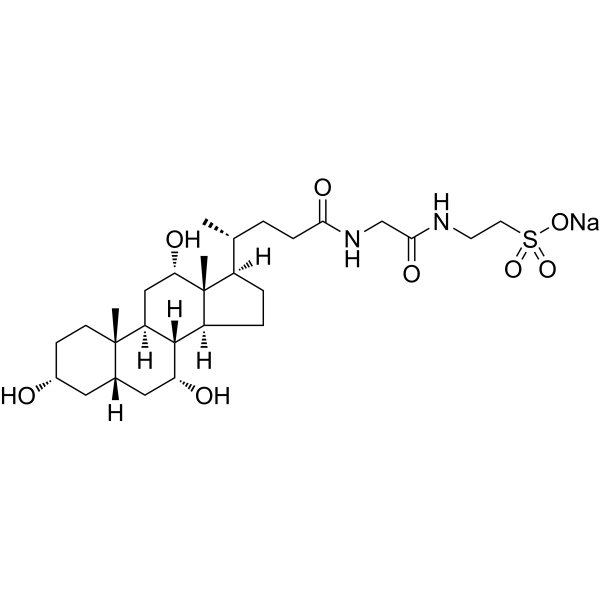
    Sodium tauroglycocholate (Tauroglycocholic acid sodium salt) is a multifunctional surfactant and penetration enhancer that can serve as a cholegraphic contrast agent. In organic solvents, Sodium tauroglycocholate embeds and stabilizes invertase by forming reverse micelles, and prolongs its active lifespan. In terms of transdermal absorption, Sodium tauroglycocholate effectively regulates the flux of aminophylline through snake slough by binding to keratin filaments, disrupting keratinocytes and altering lipid components of the stratum corneum. It exhibits rapid penetration characteristics without lag time at a concentration of 100 μg/mL. Sodium tauroglycocholate does not interfere with the hepatic uptake of Gd-EOB-DTPA by the bile acid transport system in rat hepatocytes .
    Sodium tauroglycocholate
  • HY-131139A

    Apoptosis Neurological Disease Cancer
    Ganglioside GD3 diammonium is an acidic glycosphingolipid. Ganglioside GD3 diammonium inhibits the proliferation of cancer cells, affects the opening of the mitochondrial permeability transition pore (PTPC), induces apoptosis and activates caspase family. Ganglioside GD3 diammonium can be used in research about cancer and neurodegenerative diseases .
    Ganglioside GD3 diammonium
  • HY-141569

    Toll-like Receptor (TLR) Inflammation/Immunology
    Ganglioside GD1a modulates toxic and inflammatory effects of E. coli lipopolysaccharide by preventing TLR4 translocation into lipid rafts. Ganglioside GD1a significantly reduces the effect of LPS on the decrease of cell survival and on stimulation of reactive oxygen species production .
    Ganglioside GD1a
  • HY-N7139S1

    Benzylpenicillin-d7 potassium salt

    Antibiotic Bacterial Isotope-Labeled Compounds Others
    Penicillin G-d7 (potassium) is the deuterium labeled Penicillin G potassium salt .
    Penicillin G-d7 potassium salt
  • HY-151240

    Endogenous Metabolite Neurological Disease
    Galactosylceramide (GalC) is a galactosylceramide that has been implicated in many physiological and pathological phenomena. For example, important lysosomal storage disorders such as Gaucher disease (GD) and neurodegenerative diseases are characterized by GlcCer accumulation.
    Galactosylceramide
  • HY-P2022

    Radionuclide-Drug Conjugates (RDCs) Cancer
    Pentetreotide is a diethylenetriaminopentaacetic (DTPA) conjugate of Octreotide (HY-P0036). Pentetreotide is a somatostatin analog that, when labeled with 111In, can be used for nuclear medicine imaging. Somatostatin receptor scintigraphy with Pentetreotide is effective in visualizing neuroendocrine tumors, and its metastasis .
    Pentetreotide
  • HY-157343A

    Apoptosis Mitochondrial Metabolism Caspase Neurological Disease Cancer
    GD3 Ganglioside sodium is an Apoptosis inducer and biomarker for mouse neural stem cells. GD3 Ganglioside sodium expresses in neural stem cells and the subventricular zone of the adult mouse brain. GD3 Ganglioside sodium targets the mitochondrial permeability transition pore complex, induces pore opening, dissipates mitochondrial transmembrane potential, triggers Mitochondrial swelling, releases pro-apoptotic factors, and activates Caspase-9. GD3 Ganglioside sodium is applicable to research related to glioblastoma .
    GD3 Ganglioside sodium
  • HY-157343

    Apoptosis Mitochondrial Metabolism Caspase Neurological Disease Cancer
    GD3 Ganglioside is an Apoptosis inducer and a biomarker for mouse neural stem cells. GD3 Ganglioside expresses in neural stem cells and the subventricular zone of the adult mouse brain. GD3 Ganglioside targets the mitochondrial permeability transition pore complex, induces pore opening, dissipates mitochondrial transmembrane potential, triggers Mitochondrial swelling, releases pro-apoptotic factors, and activates Caspase-9. GD3 Ganglioside is applicable to research related to glioblastoma .
    GD3 Ganglioside
  • HY-157343B

    Apoptosis Mitochondrial Metabolism Caspase Neurological Disease Cancer
    GD3 Ganglioside ammonium is an Apoptosis inducer and biomarker for mouse neural stem cells. GD3 Ganglioside ammonium expresses in neural stem cells and the subventricular zone of the adult mouse brain. GD3 Ganglioside ammonium targets the mitochondrial permeability transition pore complex, induces pore opening, dissipates mitochondrial transmembrane potential, triggers Mitochondrial swelling, releases pro-apoptotic factors, and activates Caspase-9. GD3 Ganglioside ammonium is applicable to research related to glioblastoma .
    GD3 Ganglioside ammonium
  • HY-167595S

    Isotope-Labeled Compounds Others
    C18:0-d7 GD3 Ceramide (d18:1/18:0-d7) is deuterium labeled C18:0 GD3 Ceramide (d18:1/18:0) .
    C18:0-d7 GD3 Ceramide (d18:1/18:0-d7)
  • HY-157335

    Biochemical Assay Reagents Others
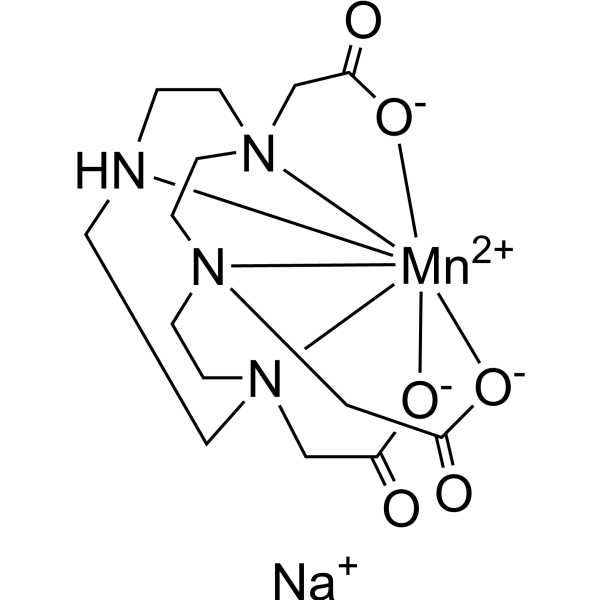
    Mn(II)-DO3A sodium is a Mn(II) complex and a potential alternative to Gd-based MRI contrast agents .
    Mn(II)-DO3A sodium
  • HY-110363

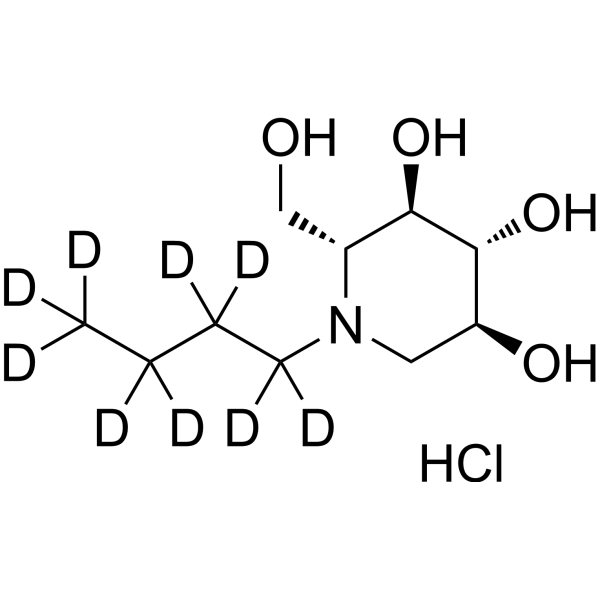
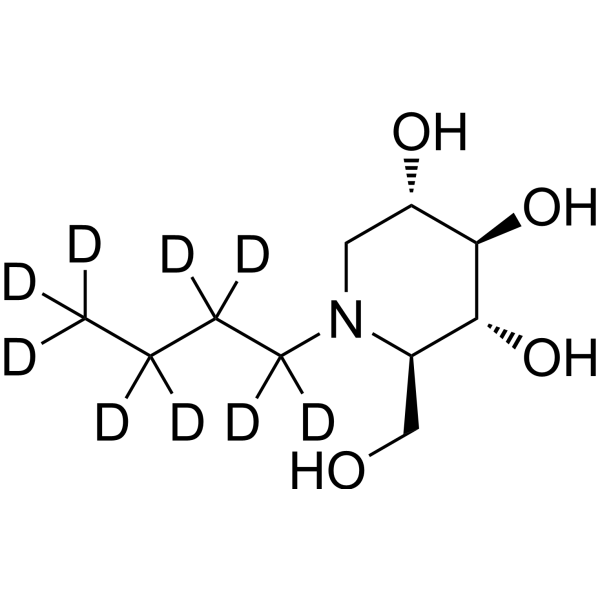
    N-Butyldeoxynojirimycin-d9 hydrochloride; NB-DNJ-d9 hydrochloride; OGT 918-d9 hydrochloride

    Isotope-Labeled Compounds Glucosylceramide Synthase (GCS) Neurological Disease
    Miglustat-d9 hydrochloride is the deuterium labeled Miglustat hydrochloride. Miglustat hydrochloride is an inhibitor of glucosylceramide synthase, primarily to treat Type I Gaucher disease (GD1) .
    Miglustat-d9 hydrochloride
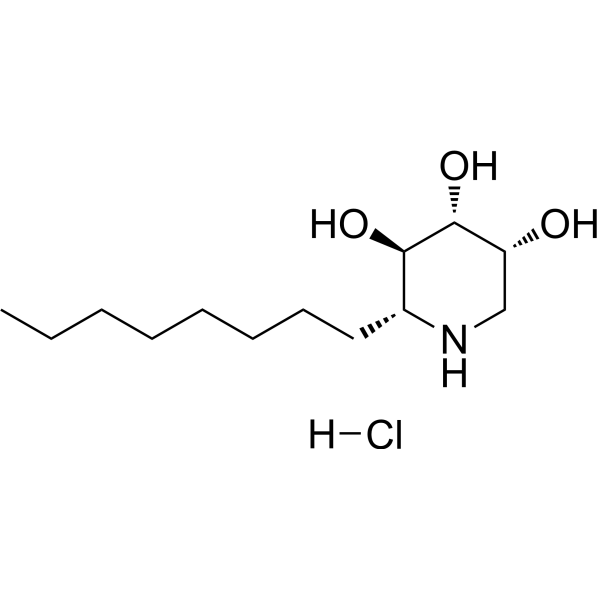
  • HY-147976A

    Glycosidase Neurological Disease
    Glucocerebrosidase-IN-1 (compound 11a) hydrochloride is a potent and selective GCase (glucocerebrosidase) inhibitor, with an IC50 of 29.3 μM and a Ki of 18.5 μM. Glucocerebrosidase-IN-1 hydrochloride can be used for the research of Gaucher disease (GD) and Parkinson’s disease (PD) .
    Glucocerebrosidase-IN-1 hydrochloride
  • HY-131139

    Apoptosis Neurological Disease Cancer
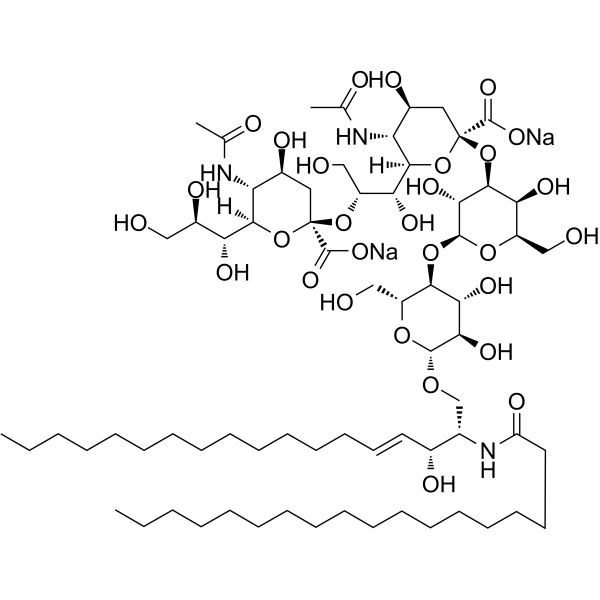
    Ganglioside GD3 disodium salt is an acidic glycosphingolipid. Ganglioside GD3 disodium salt inhibits the proliferation of cancer cells, affects the opening of the mitochondrial permeability transition pore (PTPC), induces apoptosis and activates caspase family. Ganglioside GD3 disodium salt can be used in research about cancer and neurodegenerative diseases .
    Ganglioside GD3 disodium salt
  • HY-N16333

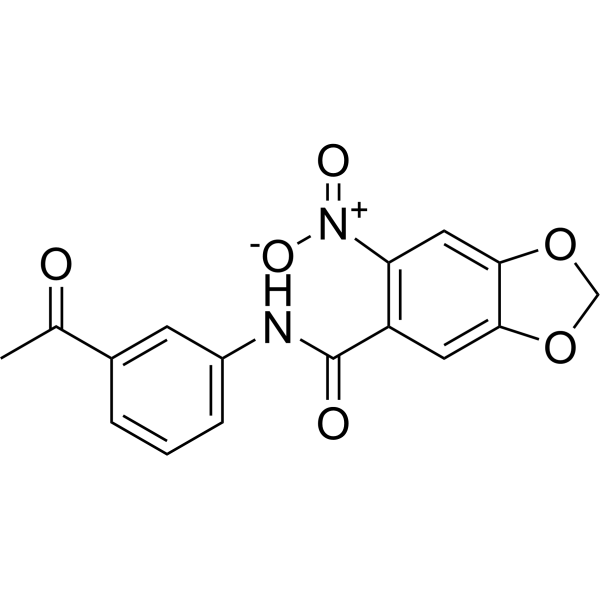
    Biochemical Assay Reagents Others
    C18:0 GD2 Ceramide (d18:1/18:0) is a ganglioside .
    C18:0 GD2 Ceramide (d18:1/18:0)
  • HY-167596S

    Isotope-Labeled Compounds Others
    C18:0-d7 GD2 Ceramide (d18:1/18:0-d7) is deuterium labeled C18:0 GD2 Ceramide (d18:1/18:0) .
    C18:0-d7 GD2 Ceramide (d18:1/18:0-d7)
  • HY-162941

    ADC Linker Cancer
    GD-9501-TFA is an auristatin S-based ADC linker with effective off-target toxicity characteristics, which can be used for the preparation of antibody-drug conjugates (ADCs) .
    SGD-9501-TFA
  • HY-P10012

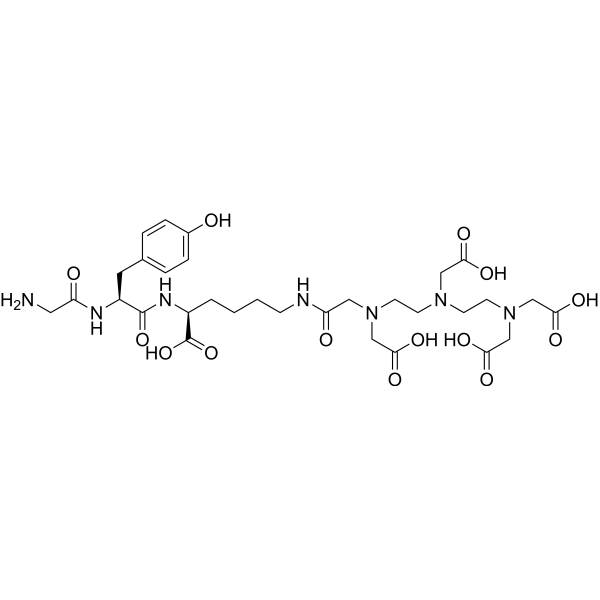
    GYK-DTPA

    Biochemical Assay Reagents Radionuclide-Drug Conjugates (RDCs) Cancer
    Pendetide is a chelating agent, can be conjugated with Indium (111In) Capromab for further diagnostic use. Capromab pendetide is a FDA-approved imaging agent for the detection of soft tissue metastases in prostate carcinoma . Pendetide can be used for the synthesis/research of Radionuclide-Drug Conjugates (RDCs).
    Pendetide
  • HY-17020S

    N-Butyldeoxynojirimycin-d9; NB-DNJ-d9; OGT 918-d9

    Isotope-Labeled Compounds Glucosylceramide Synthase (GCS) Neurological Disease
    Miglustat-d9 is the deuterium labeled Miglustat. Miglustat (N-Butyldeoxynojirimycin) is an inhibitor of glucosylceramide synthase, primarily to treat Type I Gaucher disease (GD1) .
    Miglustat-d9
  • HY-P991668

    ADC Antibody Cancer
    PF-06688992 Antibody is an antibody targeting GD3. PF-06688992 Antibody can be used for the synthesis of the antibody-drug conjugate PF-06688992 (HY-P991668) .
    PF-06688992 Antibody
  • HY-174252

    DNA/RNA Synthesis HSV Infection
    HSV-1/HSV-2-IN-3 inhibits the herpes-simplex-virus (HSV) helicase-primase complex, blocking the coordinated DNA-unwinding and primer-synthesis steps required for viral genome replication. HSV-1/HSV-2-IN-3 exhibits an EC50 of 7.0 nM against HSV-2 in a gD-immunofluorescence cell assay containing 2 % FBS and 57.5 nM when 10 % human serum is present. HSV-1/HSV-2-IN-3 achieves an EC50 of 1.1 nM in a qPCR replication assay. HSV-1/HSV-2-IN-3 shows strong selectivity over human carbonic-anhydrase off-targets (IC50 ≈ 2.9 µM for hCA II and > 35 µM for hCA I). HSV-1/HSV-2-IN-3 can be studied in anti-HSV research .
    HSV-1/HSV-2-IN-3
  • HY-166325A

    Biochemical Assay Reagents Metabolic Disease
    Ganglioside GD3-d3 ammonium is the deuterium labeled Ganglioside GD3 ammonium. Ganglioside GD3 ammonium is an ester product.
    Ganglioside GD3-d3 ammonium
  • HY-166117

    Biochemical Assay Reagents Metabolic Disease
    N-Hexanoyl-biotin-disialoganglioside GD3 is an ester product.
    N-Hexanoyl-biotin-disialoganglioside GD3
  • HY-N15811

    Biochemical Assay Reagents Others
    GD2 Sphingosine (d18:1) is a sphingolipid.
    GD2 Sphingosine (d18:1)
  • HY-E70049

    GM2/GD2 synthase

    Others Neurological Disease
    beta-1,4-N-Acetylgalactosaminyltransferase (CgtA) (GM2/GD2 synthase) is a key enzyme which catalyzes the conversion of GM3, GD3 and lactosylceramide (LacCer) to GM2, GD2 and asialo-GM2 (GA2), respectively. beta-1,4-N-Acetylgalactosaminyltransferase (CgtA) is a key enzyme to control the synthesis of brain-enriched complex gangliosides .
    beta-1,4-N-Acetylgalactosaminyltransferase (CgtA)
  • HY-167597S

    Isotope-Labeled Compounds Others
    C18:0-d7 GD1b Ceramide (d18:1/18:0-d7) is deuterium labeled C18:0 GD1b Ceramide (d18:1/18:0) .
    C18:0-d7 GD1b Ceramide (d18:1/18:0-d7)
  • HY-157679

    Endogenous Metabolite Cardiovascular Disease
    1-O-Hexadecyl-2-eicosapentaenoyl-SN-glycero-3-phosphocholine is a phospholipid present in blood plasma and blood cells .
    1-O-Hexadecyl-2-eicosapentaenoyl-SN-glycero-3-phosphocholine
  • HY-119987S

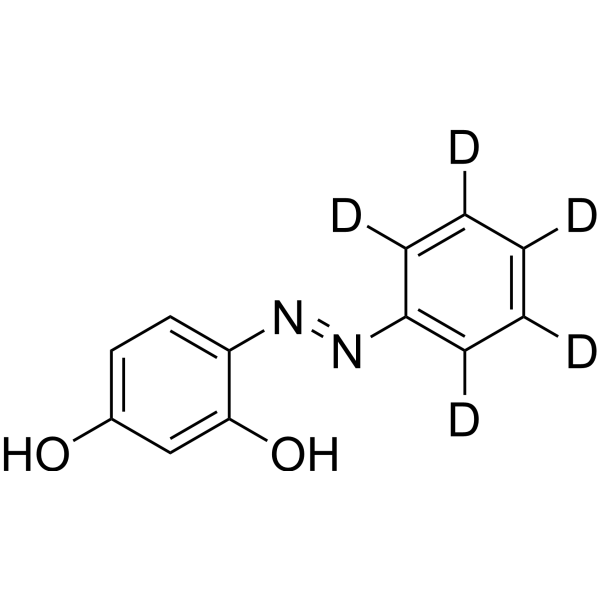
    SOG-d5

    Isotope-Labeled Compounds Others
    Sudan Orange G-d5 (SOG-d5) is the deuterated labeled Sudan Orange G (HY-119987) .
    Sudan Orange G-d5
  • HY-P99743

    Biochemical Assay Reagents Cancer
    Mitumomab is an anti-idiotypic mouse IgG2b monoclonal antibody that mimics the ganglioside GD3. Mitumomab can be used for the research of small-cell lung carcinoma .
    Mitumomab
  • HY-118634S

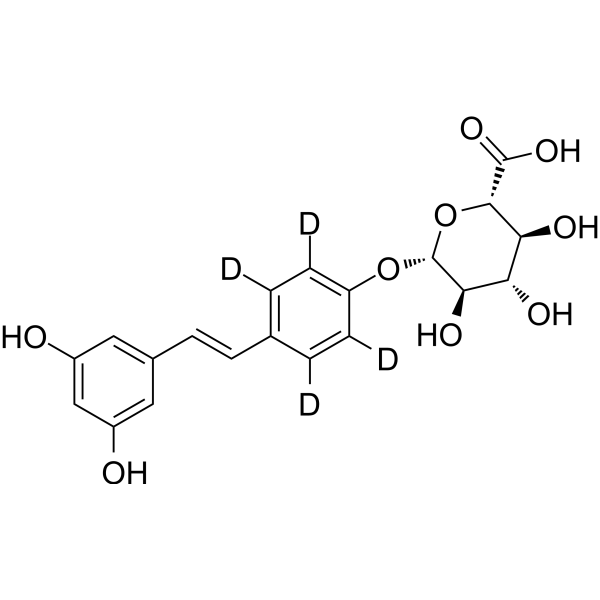
    R-4G-d4

    Isotope-Labeled Compounds Others
    trans-Resveratrol-4'-O-D-Glucuronide-d4 (R-4G-d4) is deuterium labeled trans-Resveratrol-4'-O-D-Glucuronide.
    trans-Resveratrol-4'-O-D-Glucuronide-d4
  • HY-174418

    Biochemical Assay Reagents Neurological Disease Inflammation/Immunology Cancer
    NM600 is an alkylphosphocholine mimetic RPT agent. NM600 demonstrates an antitumor activity against a second GD2+ neuroblastoma xenograft model with SY5Y cells. NM600 can enhance suboptimal CAR T cell efficacy against solid tumors. NM600 can be studied in research for neuroblastoma .
    NM600
  • HY-164981

    Drug Intermediate Cancer
    p-SCN-Bn-DOTA(tBu)4 is the derivative of DOTA (HY-W053583). p-SCN-Bn-DOTA(tBu)4 is the component of the Gd(III)-DOTA-IAC, which is a targeted magnetic resonance imaging (MRI) contrast agent for αvβ3 integrin receptor .
    p-SCN-Bn-DOTA(tBu)4
  • HY-163332

    Glycosidase Dipeptidyl Peptidase Glutathione Peroxidase Cardiovascular Disease
    MPO-IN-6 (compound ADC) is an electrophile with good antioxidant and anti-inflammatory properties. MPO-IN-6 is a myeloperoxidase (MPO), dipeptidyl peptidase-4 (DPP-4), and α-glucosidase (α-GD) inhibitor with IC50s of 10 μM, 31.02 μM, and 46.05 μM, respectively. MPO-IN-6 is a potential cardiovascular preventive agent .
    MPO-IN-6
  • HY-171908

    GD3 Sphingosine (d18:1)

    Biochemical Assay Reagents Cancer
    GD3βSph (GD3 Sphingosine (d18:1)) is a form of ganglioside GD3 without the fatty acyl group. GD3βSph can be studied in ganglioside cancer research .
    GD3βSph

Inquiry Online

Your information is safe with us. * Required Fields.

Salutation


Country or Region *

Applicant Name *


Organization Name *

Department *


Email Address *


Product Name *

Cat. No.


Requested quantity *

Phone Number *


Remarks

Inquiry Online

Inquiry Information

Product Name:
Cat. No.:
Quantity:
MCE Japan Authorized Agent: