

From 11:00 pm to 12:00 pm EST ( 8:00 pm to 9:00 pm PST ) on January 6th, the website will be under maintenance. We are sorry for the inconvenience. Please arrange your schedule properly.
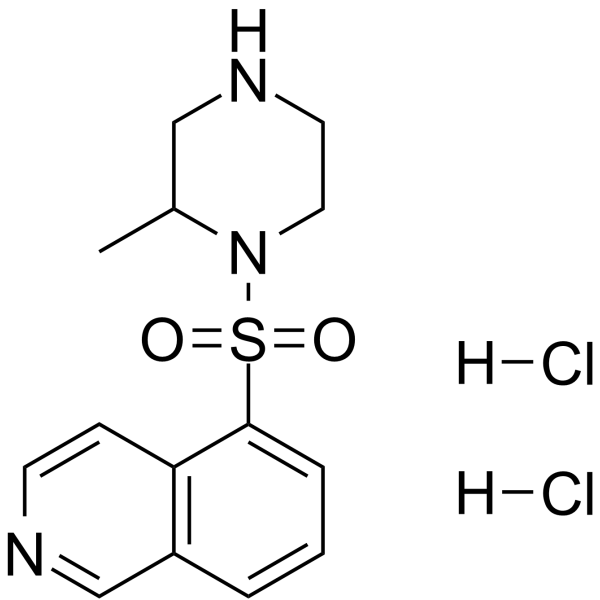
Protein kinase inhibitor H-7 dihydrochloride is a potent PKC (protein kinase C) inhibitor. At 100 μM, Protein kinase inhibitor H-7 dihydrochloride completely inhibits both TPA (skin tumour promoter, 12-O-tetradecanoylphorbol-13-acetate) and phospholipase C-induced ODC (ornithine decarboxylase) .
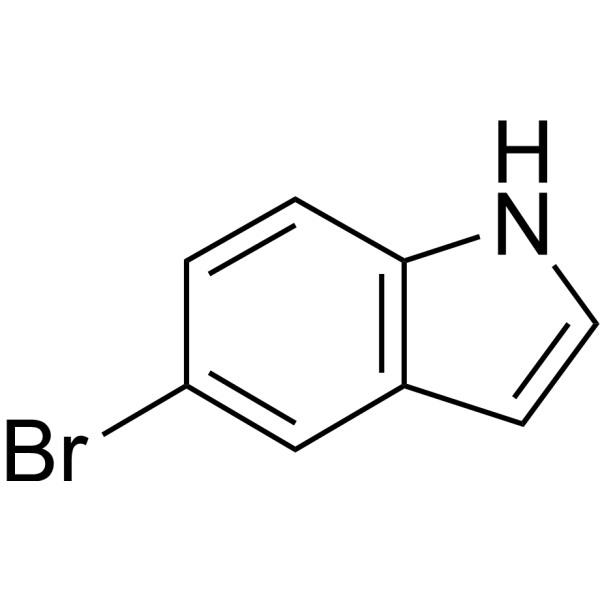
5-Bromoindole is an antibacterial agent with a MIC of 200 μg/mL. 5-Bromoindole inhibits biofilm and curli formation, reduces swarming motility and swimming motility. 5-Bromoindole can be used for the research of enterohemorrhagic escherichia coli o157:h7 infection .
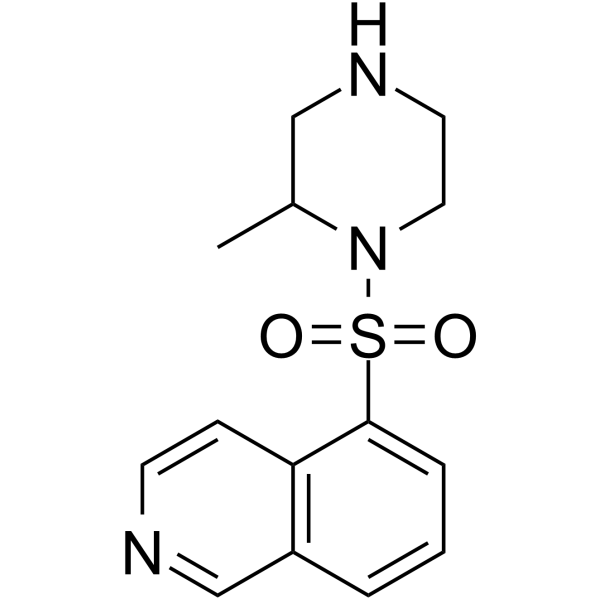
Protein kinase inhibitor H-7 is a potent inhibitor of protein kinase C (PKC) and cyclic nucleotide dependent protein kinase, with a Ki of 6 μM for PKC .
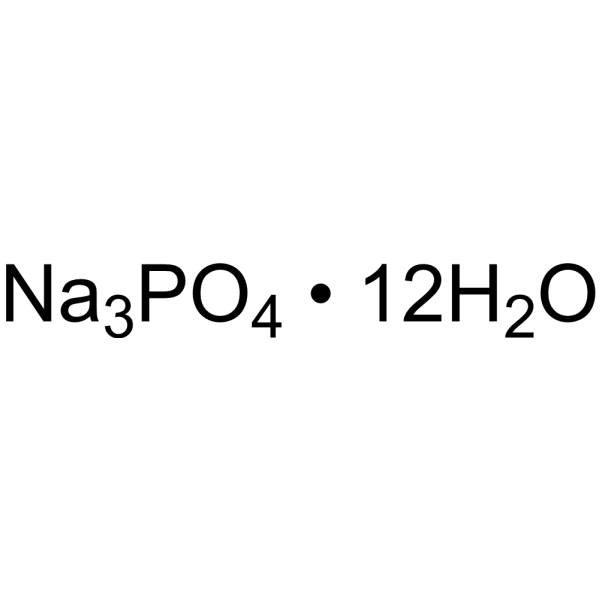
Trisodium phosphate dodecahydrate is an Antibacterial agent. Trisodium phosphate dodecahydrate reduces the counts of Escherichia coliO157:H7 and Salmonella typhimurium attached to the surfaces of beef fat and fascia. Trisodium phosphate dodecahydrate modulates the growth parameters of Listeria monocytogenes in vitro: low concentrations shorten the lag phase and increase the maximum growth rate, while high concentrations prolong the lag phase and decrease the maximum growth rate. Trisodium phosphate dodecahydrate is used in poultry processing .
CGP60474, a highly potent anti-endotoxemic agent, is a potent cyclin-dependent kinase (CDK) inhibitor (IC50 values are 26, 3, 4, 216, 10, 200 and 13 nM for CDK1/B, CDK2/E, CDK2/A, CDK4/D, CDK5/p25, CDK7/H and CDK9/T, respectively). CGP60474 is a selective and ATP-competitive PKC inhibitor .
Dalotuzumab (MK-0646) is a recombinant humanized monoclonal antibody (IgG1 type) targeting IGF-1R. Dalotuzumab acts by inhibiting IGF-1- and IGF-2-mediated tumor cell proliferation, IGF-1R autophosphorylation, and Akt phosphorylation. Dalotuzumab also induces apoptosis and cycle arrest. Dalotuzumab in combination with other anticancer agents such as statins can enhance the antitumor activity of Dalotuzumab in vitro and in vivo .
Ocrelizumab (Ocrevus) is a humanized anti-CD20 monoclonal antibody. Ocrelizumab can induce B cell depletion and inhibit multiple sclerosis lesions in mice through antibody dependent cytotoxicity (ADCC) .
VIS-410 is an antibody inhibitor targeting the stem region of hemagglutinin (HA). VIS-410 inhibits influenza virus replication by blocking HA-mediated membrane fusion. VIS-410 exhibits broad-spectrum neutralization against influenza A viruses with group 1 and group 2 hemagglutinins, including subtypes such as H1N1, H3N2, H5N1, and H7N9 (H5N1 IC50 = 1.5 μg/mL). VIS-410 is applicable to research related to influenza A virus infection .
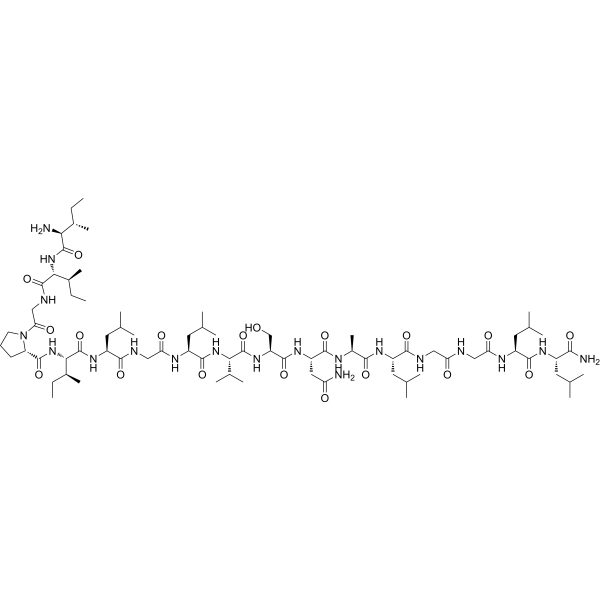
Bombinin H7 is an antimicrobial peptide derived from skin secretions of Bombina. Bombinin H7 is active against Bacillus megaterium Bm11 with a lethal concentration of 25.2 μM .
Protein kinase inhibitor H-7 (Standard) is the analytical standard of Protein kinase inhibitor H-7. This product is intended for research and analytical applications. Protein kinase inhibitor H-7 is a potent inhibitor of protein kinase C (PKC) and cyclic nucleotide dependent protein kinase, with a Ki of 6 μM for PKC .
Protein kinase inhibitor H-7 (dihydrochloride) (Standard) is the analytical standard of Protein kinase inhibitor H-7 (dihydrochloride). This product is intended for research and analytical applications. Protein kinase inhibitor H-7 dihydrochloride is a potent PKC (protein kinase C) inhibitor. At 100 μM, Protein kinase inhibitor H-7 dihydrochloride completely inhibits both TPA (skin tumour promoter, 12-O-tetradecanoylphorbol-13-acetate) and phospholipase C-induced ODC (ornithine decarboxylase) .
Trisodium phosphate dodecahydrate, 98% is an Antibacterial agent. Trisodium phosphate dodecahydrate, 98% reduces the counts of Escherichia coliO157:H7 and Salmonella typhimurium attached to the surfaces of beef fat and fascia. Trisodium phosphate dodecahydrate, 98% modulates the growth parameters of Listeria monocytogenes in vitro: low concentrations shorten the lag phase and increase the maximum growth rate, while high concentrations prolong the lag phase and decrease the maximum growth rate. Trisodium phosphate dodecahydrate, 98% is used in poultry processing .
Iso-H7 dihydrochloride is an inhibitor of protein kinase with IC50 values of 22 and 34 μM to PKC and PKA respectively. Iso-H7 dihydrochloride has negative control of PKA on satellite cell myogenesis .
Anti-Monkey/Human CD20 Antibody (2H7) is a mouse-derived IgG2b κ type antibody inhibitor, targeting to monkey/human CD20. Anti-Monkey/Human CD20 Antibody (2H7) specifically depletes B cells. Anti-Monkey/Human CD20 Antibody (2H7) can be used for the researches of inflammation and metabolic disease, such as diabetes and experimental autoimmune encephalomyelitis .
KT2 is a cationic amphipathic antibacterial peptide. KT2 can completely kill cells of E. coliO157:H7. KT2 has potent anti-biofilm activity and prevents biofilm formation of E. coliO157:H7. KT2 significantly binds to bacterial surface LPS and interacts with the lipids of liposomes with great penetration capability into bacterial cells, followed by bond to DNA and other cytoplasmic membrane .
AHU1 is a compound that inhibits the expression of Shiga toxin type 2 in Escherichia coli O157:H7, demonstrating a dose-dependent reduction in toxin activity by interfering with the SOS response through its effects on RecA.
H111-H7 is a WW domain containing E3 ubiquitin 27 protein ligase 2 (WWP2) inhibitor with a KD of 717 nM. H111-H7 inhibits WWP2 expression, restores the succinate dehydrogenase complex subunit C (SDHC) level, and defers the acute kidney injury (AKI)-to-chronic kidney disease (CKD) transition in unilateral kidney ischemia–reperfusion (UIR) mice. H111-H7 can be used for AKI-to-CKD transition research .
Anti-B7-H7 Antibody is a monoclonal antibody targeting HHLA2. It can be used in ELISA, FACS, and functional assays. For isotype controls of Anti-B7-H7 Antibody, please refer to Human IgG1 kappa, Isotype Control (HY-P99001).
ML395 is a potent and selective allosteric inhibitor of phospholipase D2 with antiviral activity. The cellular PLD1 IC50 value of ML395 exceeds 30,000 nM, while its cellular PLD2 IC50 value is 360 nM. ML395 shows excellent pharmacokinetic characteristics in vitro and physiochemical properties superior to other reported phospholipase inhibitors. ML395 shows interesting antiviral activity in cell-based assays against multiple influenza virus strains (H1, H3, H5, and H7) .
PP7 is a potent PB1-PB2 interaction inhibitor with an IC50 of 8.6 μM, and their inhibition against viral polymerase activity (IC50=9.5 μM). PP7 shows antiviral activities against influenza A virus (IAV), including A(H1N1)pdm09 (EC50=1.4 μM), A(H7N9) and A(H9N2) subtypes .
P9R is an antiviral peptide. P9R has broad-spectrum antiviral activities against the coronaviruses (SARS-CoV-2, MERS-CoV and SARS-CoV), A(H1N1)pdm09, A(H7N9) virus, and rhinovirus. P9R directly binds to viruses and inhibits virus-host endosomal acidification. P9R significantly protects mice from A(H1N1)pdm09 infection without generating drug-resistant virus. P9R can be used for pH-dependent respiratory viruses research .
Anti-MSLN/Mesothelin (h7D9.v3) is a human monoclonal antibody (mAb) targeting MSLN. Anti-MSLN/Mesothelin (h7D9.v3) can be used in ovarian cancer, mesothelioma, and pancreatic cancer research .
ZC3H7B Human Pre-designed siRNA Set A contains three designed siRNAs for ZC3H7B gene (Human), as well as a negative control, a positive control, and a FAM-labeled negative control.
Perosamine is a dideoxysugar that can be isolated from the O-antigens of Gram-negative bacteria, including Vibrio cholerae O1 and Escherichia coli O157:H7 .
α-Glucosidase-IN-77 (Compound H7) is a non-competitive inhibitor for α-glucosidase with an IC50 of 1.25 μM. α-Glucosidase-IN-77 lowers blood glucose levels, improves glucose tolerance, regulates intestinal microbiota, and exhibits hepatoprotective effect in mouse type 2 diabetes model .
Diacetamide is shown to form a variety of new compounds with a general formula [M(C4H7O2N)3](ClO4)2, where M = Mn(II), Fe(II), Co(II), Ni(II), or Zn(II). Diacetamide ligands can be used in uranium extraction from wastewater. Diacetamide can be used for amidase synthesis .
HDAC8-IN-7 (H7E), a HDAC8 inhibitor, exerts retinoprotective effects against glaucomatous injury via ameliorating aberrant Müller glia activation and oxidative stress. HDAC8-IN-7 alleviates functional and structural defects within the inner retina .
21H7 is a selective inhibitor of the Wnt/b-catenin pathway. 21H7 markedly inhibits the growth of HFs. 21H7 potently decreases growth of breast and colon cancer cells .
Anti-Flu A (H7N9) HA/Hemagglutinin Antibody (m826) is a humanized monoclonal antibody targeting H7N9. Anti-Flu A (H7N9) HA/Hemagglutinin Antibody (m826) induces antibody-dependent cellular cytotoxicity (ADCC) against cells expressing H7N9 HA. Anti-Flu A (H7N9) HA/Hemagglutinin Antibody (m826) is applicable to studies related to H7N9 avian influenza virus infection .
Anti-CXCR3 Antibody (5H7) is a mouse monoclonal antibody produced using CXCR3 as the antigen. The recommended isotype control is human IgG1 kappa (HY-P99001).
8-Bromo-7-(but-2-yn-1-yl)-3-methyl-1H-purine-2,6(3H,7H)-dione (Standard) is the analytical standard of 8-Bromo-7-(but-2-yn-1-yl)-3-methyl-1H-purine-2,6(3H,7H)-dione. This product is intended for research and analytical applications.
3,3'-(1,3,5,7-Tetraoxopyrrolo[3,4-f]isoindole-2,6(1H,3H,5H,7H)-diyl)dibenzoic acid (3,3'-(1,3,5,7-Tetraoxo-5,7-dihydropyrrolo[3,4-f]isoindole-2,6(1H,3H)-diyl)dibenzoic acid) is a metal-organic framework (MOF).
HBM1020 is a fully human monoclonal antibody targeting B7H7. HBM1020 binds to B7H7 and enhances the anti-tumor response of T cells. HBM1020 can be used in research related to advanced solid tumors .
PB2-IN-2 is an orally active PB2 inhibitor with RNA-dependent RNA Polymerase (RNP) IC50 = 0.2 nM, LRA (Ligand Receptor Assay) EC50 = 0.8 nM, Cytopathic Effect (CPE) EC50 = 0.1 nM. PB2-IN-2 exhibits broad-spectrum, nanomolar antiviral potency against a panel of influenza A strains (including H1N1pdm09, Lyon/1337/2007/H1N1, Tex12-Like/H3N2, PR/8/34/H1N1, WSN/1933/H1N1, rPR8(H1N1)/H7N9 with EC50 = 1.5, 3.6, 3.7, 13.8, 2.9 and 9.8 nM and all the CC50 values > 2 μM. PB2-IN-2 possesses an excellent pharmacokinetic profile and metabolic stability. PB2-IN-2 can be used for anti-influenza research .
Furin-IN-3 (Compound 9) is a potent and selective proprotein convertase furin inhibitor with a Ki of 12.4 nM. Furin-IN-3 shows a Ki of 278 nM for PC7. Furin-IN-3 shows a significant antiviral effect on the Furin-dependent H7N7influenza A virus strain SC35M. Furin-IN-3 can inhibit the cleavage and activation of the viral hemagglutinin (HA), prevent the fusion of the viral membrane with the host cell membrane, and thereby inhibit viral replication and proliferation. Furin-IN-3 can be used for the research of infection, such as influenza virus infection .
6,7-Dihydrothieno[3,2-c]pyridin-4(5H)-one (Standard) is the analytical standard of 6,7-Dihydrothieno[3,2-c]pyridin-4(5H)-one. This product is intended for research and analytical applications.
Trisodium phosphate dodecahydrate, 98% is an Antibacterial agent. Trisodium phosphate dodecahydrate, 98% reduces the counts of Escherichia coliO157:H7 and Salmonella typhimurium attached to the surfaces of beef fat and fascia. Trisodium phosphate dodecahydrate, 98% modulates the growth parameters of Listeria monocytogenes in vitro: low concentrations shorten the lag phase and increase the maximum growth rate, while high concentrations prolong the lag phase and decrease the maximum growth rate. Trisodium phosphate dodecahydrate, 98% is used in poultry processing .
Bombinin H7 is an antimicrobial peptide derived from skin secretions of Bombina. Bombinin H7 is active against Bacillus megaterium Bm11 with a lethal concentration of 25.2 μM .
KT2 is a cationic amphipathic antibacterial peptide. KT2 can completely kill cells of E. coliO157:H7. KT2 has potent anti-biofilm activity and prevents biofilm formation of E. coliO157:H7. KT2 significantly binds to bacterial surface LPS and interacts with the lipids of liposomes with great penetration capability into bacterial cells, followed by bond to DNA and other cytoplasmic membrane .
P9R is an antiviral peptide. P9R has broad-spectrum antiviral activities against the coronaviruses (SARS-CoV-2, MERS-CoV and SARS-CoV), A(H1N1)pdm09, A(H7N9) virus, and rhinovirus. P9R directly binds to viruses and inhibits virus-host endosomal acidification. P9R significantly protects mice from A(H1N1)pdm09 infection without generating drug-resistant virus. P9R can be used for pH-dependent respiratory viruses research .
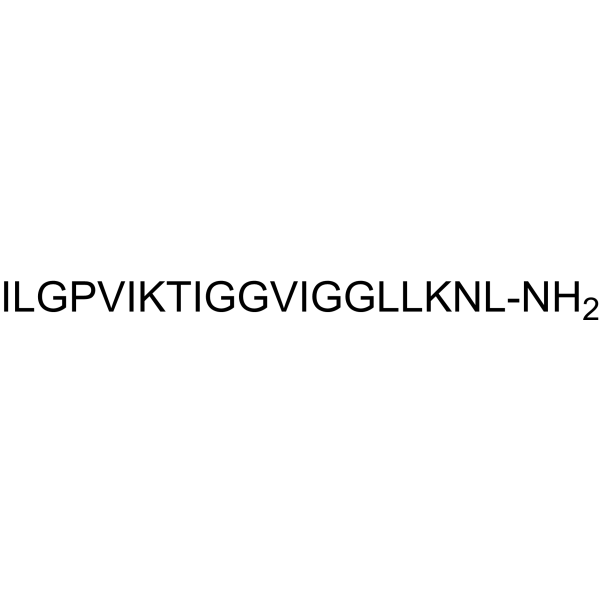
OVA-Q4H7 Peptide (SIIQFEHL, OVA (257-264) Variant) is a biological active peptide. (Q4H7 Peptide (SIIQFEHL) is a variant of the agonist ovalbumin (OVA) peptide (257-264), SIINFEKL, the strongest positive selecting ligand.)
Dalotuzumab (MK-0646) is a recombinant humanized monoclonal antibody (IgG1 type) targeting IGF-1R. Dalotuzumab acts by inhibiting IGF-1- and IGF-2-mediated tumor cell proliferation, IGF-1R autophosphorylation, and Akt phosphorylation. Dalotuzumab also induces apoptosis and cycle arrest. Dalotuzumab in combination with other anticancer agents such as statins can enhance the antitumor activity of Dalotuzumab in vitro and in vivo .
Ocrelizumab (Ocrevus) is a humanized anti-CD20 monoclonal antibody. Ocrelizumab can induce B cell depletion and inhibit multiple sclerosis lesions in mice through antibody dependent cytotoxicity (ADCC) .
VIS-410 is an antibody inhibitor targeting the stem region of hemagglutinin (HA). VIS-410 inhibits influenza virus replication by blocking HA-mediated membrane fusion. VIS-410 exhibits broad-spectrum neutralization against influenza A viruses with group 1 and group 2 hemagglutinins, including subtypes such as H1N1, H3N2, H5N1, and H7N9 (H5N1 IC50 = 1.5 μg/mL). VIS-410 is applicable to research related to influenza A virus infection .
Anti-Monkey/Human CD20 Antibody (2H7) is a mouse-derived IgG2b κ type antibody inhibitor, targeting to monkey/human CD20. Anti-Monkey/Human CD20 Antibody (2H7) specifically depletes B cells. Anti-Monkey/Human CD20 Antibody (2H7) can be used for the researches of inflammation and metabolic disease, such as diabetes and experimental autoimmune encephalomyelitis .
Anti-B7-H7 Antibody is a monoclonal antibody targeting HHLA2. It can be used in ELISA, FACS, and functional assays. For isotype controls of Anti-B7-H7 Antibody, please refer to Human IgG1 kappa, Isotype Control (HY-P99001).
Anti-MSLN/Mesothelin (h7D9.v3) is a human monoclonal antibody (mAb) targeting MSLN. Anti-MSLN/Mesothelin (h7D9.v3) can be used in ovarian cancer, mesothelioma, and pancreatic cancer research .
Anti-Flu A (H7N9) HA/Hemagglutinin Antibody (m826) is a humanized monoclonal antibody targeting H7N9. Anti-Flu A (H7N9) HA/Hemagglutinin Antibody (m826) induces antibody-dependent cellular cytotoxicity (ADCC) against cells expressing H7N9 HA. Anti-Flu A (H7N9) HA/Hemagglutinin Antibody (m826) is applicable to studies related to H7N9 avian influenza virus infection .
Anti-CXCR3 Antibody (5H7) is a mouse monoclonal antibody produced using CXCR3 as the antigen. The recommended isotype control is human IgG1 kappa (HY-P99001).
HBM1020 is a fully human monoclonal antibody targeting B7H7. HBM1020 binds to B7H7 and enhances the anti-tumor response of T cells. HBM1020 can be used in research related to advanced solid tumors .
Perosamine is a dideoxysugar that can be isolated from the O-antigens of Gram-negative bacteria, including Vibrio cholerae O1 and Escherichia coli O157:H7 .
NA/Neuraminidase Protein is a receptor-destroying enzyme that cleaves terminal sialic acids from cellular receptors, potentially facilitating viral invasion of the upper airways by targeting sialic acid moieties on airway epithelial cell mucin. NA plays a pivotal role in viral propagation by catalyzing the removal of terminal sialic acid residues from both viral and cellular glycoconjugates. Moreover, the sialidase activity in late endosome/lysosome traffic appears to enhance virus replication. NA/Neuraminidase Protein, H7N9 (EPI439509, HEK293) is the recombinant Virus-derived NA/Neuraminidase protein, expressed by HEK293 , with tag free. It originates from cell lysates collected after expressing a DNA sequence encoding the Influenza A virus neuraminidase.
NA/Neuraminidase Protein is a receptor-destroying enzyme that cleaves terminal sialic acids from cellular receptors, potentially facilitating viral invasion of the upper airways by targeting sialic acid moieties on airway epithelial cell mucin. NA plays a pivotal role in viral propagation by catalyzing the removal of terminal sialic acid residues from both viral and cellular glycoconjugates. Moreover, the sialidase activity in late endosome/lysosome traffic appears to enhance virus replication. NA/Neuraminidase Protein, H7N9 (EPI439509, HEK293, His) is the recombinant Virus-derived NA/Neuraminidase protein, expressed by HEK293 , with N-His labeled tag.
NA/Neuraminidase Protein is a receptor-destroying enzyme that cleaves terminal sialic acids from cellular receptors, potentially facilitating viral invasion of the upper airways by targeting sialic acid moieties on airway epithelial cell mucin. NA plays a pivotal role in viral propagation by catalyzing the removal of terminal sialic acid residues from both viral and cellular glycoconjugates. Moreover, the sialidase activity in late endosome/lysosome traffic appears to enhance virus replication. NA/Neuraminidase Protein, H7N9 (EPI439487, HEK293, His) is the recombinant Virus-derived NA/Neuraminidase protein, expressed by HEK293 , with N-His labeled tag.
NA/Neuraminidase Protein is a receptor-destroying enzyme that cleaves terminal sialic acids from cellular receptors, potentially facilitating viral invasion of the upper airways by targeting sialic acid moieties on airway epithelial cell mucin.NA plays a pivotal role in viral propagation by catalyzing the removal of terminal sialic acid residues from both viral and cellular glycoconjugates.Moreover, the sialidase activity in late endosome/lysosome traffic appears to enhance virus replication.NA/Neuraminidase Protein, H7N7 (AAR11367, HEK293) is the recombinant Virus-derived NA/Neuraminidase protein, expressed by HEK293 , with tag free. It originates from cell lysates collected after expressing a DNA sequence encoding the Influenza A virus neuraminidase.
The hemagglutinin HA1 protein is essential for attachment of virions to host cells by binding to sialic acid-containing receptors, inducing virion internalization via clathrin-dependent or clathrin- and caveolin-independent pathways.As a class I viral fusion protein, HA1 determines host range restriction and virulence, mediating fusion between the virion membrane and the endosomal membrane.HA/Hemagglutinin Protein, H7N7 (AAR02640, sf9, His) is the recombinant Virus-derived HA/Hemagglutinin protein, expressed by Sf9 insect cells , with C-His labeled tag.
The hemagglutinin (HA) protein attaches viral particles to host cells by binding to sialic acid-containing receptors and induces viral particle internalization through clathrin-dependent endocytosis. HA also promotes an alternative clathrin- and caveolin-independent pathway for some virions. HA/Hemagglutinin Protein, H7N9 (AGI60301, sf9, His) is the recombinant Virus-derived HA/Hemagglutinin protein, expressed by Sf9 insect cells , with C-His labeled tag.
The hemagglutinin (HA) protein attaches viral particles to host cells by binding to sialic acid-containing receptors and induces viral particle internalization through clathrin-dependent endocytosis. HA also promotes an alternative clathrin- and caveolin-independent pathway for some virions. HA/Hemagglutinin Protein, H7N9 (EPI443034, sf9, His) is the recombinant Virus-derived HA/Hemagglutinin protein, expressed by Sf9 insect cells , with C-His labeled tag.
The hemagglutinin (HA) protein attaches viral particles to host cells by binding to sialic acid-containing receptors and induces viral particle internalization through clathrin-dependent endocytosis. HA also promotes an alternative clathrin- and caveolin-independent pathway for some virions. HA/Hemagglutinin Protein, H7N9 (EPI439507, sf9, His) is the recombinant Virus-derived HA/Hemagglutinin protein, expressed by Sf9 insect cells , with C-His labeled tag.
The hemagglutinin (HA) protein attaches viral particles to host cells by binding to sialic acid-containing receptors and induces viral particle internalization through clathrin-dependent endocytosis. HA also promotes an alternative clathrin- and caveolin-independent pathway for some virions. HA/Hemagglutinin Protein, H7N9 (EPI439507, HEK293, His) is the recombinant Virus-derived HA/Hemagglutinin protein, expressed by HEK293 , with C-His labeled tag.
The hemagglutinin (HA) protein attaches viral particles to host cells by binding to sialic acid-containing receptors and induces viral particle internalization through clathrin-dependent endocytosis. HA also promotes an alternative clathrin- and caveolin-independent pathway for some virions. HA/Hemagglutinin Protein, H7N9 (AGI60301, HEK293, His) is the recombinant Virus-derived HA/Hemagglutinin protein, expressed by HEK293 , with C-His labeled tag.
NA/Neuraminidase Protein is a receptor-destroying enzyme that cleaves terminal sialic acids from cellular receptors, potentially facilitating viral invasion of the upper airways by targeting sialic acid moieties on airway epithelial cell mucin. NA plays a pivotal role in viral propagation by catalyzing the removal of terminal sialic acid residues from both viral and cellular glycoconjugates. Moreover, the sialidase activity in late endosome/lysosome traffic appears to enhance virus replication. NA/Neuraminidase Protein, H7N9 (Biotinylated, EPI439509, HEK293, His) is the recombinant Virus-derived NA/Neuraminidase protein, expressed by HEK293 , with N-His labeled tag.
The hemagglutinin HA1 protein is essential for attachment of virions to host cells by binding to sialic acid-containing receptors, inducing virion internalization via clathrin-dependent or clathrin- and caveolin-independent pathways.As a class I viral fusion protein, HA1 determines host range restriction and virulence, mediating fusion between the virion membrane and the endosomal membrane.HA/Hemagglutinin Protein, H7N7 (AAR02639, sf9, His) is the recombinant Virus-derived HA/Hemagglutinin protein, expressed by Sf9 insect cells , with C-His labeled tag.
Avian influenza virus (AIV) belongs to the genus Orthomyxovirus and contains eight single-stranded negative-sense RNA segments (PB2, PB1, PA, HA, NP, NA, M, and NS). The haemagglutinin (HA) protein presents as a homotrimer in which each monomer consists of two di-sulfide-linked HA1 and HA2 subunits after the cleavage of the HA0 precursor. The HA protein, which is responsible for receptor binding and membrane fusion, plays a key role in the influenza virus entry pathway. HA/Hemagglutinin Protein, H7N3 (CAF33017, sf9, His) is the recombinant Virus-derived HA/Hemagglutinin protein, expressed by Sf9 insect cells , with C-His labeled tag.
Avian influenza virus (AIV) belongs to the genus Orthomyxovirus and contains eight single-stranded negative-sense RNA segments (PB2, PB1, PA, HA, NP, NA, M, and NS). The haemagglutinin (HA) protein presents as a homotrimer in which each monomer consists of two di-sulfide-linked HA1 and HA2 subunits after the cleavage of the HA0 precursor. The HA protein, which is responsible for receptor binding and membrane fusion, plays a key role in the influenza virus entry pathway. HA/Hemagglutinin Protein, H7N8 (ACR59554, sf9, His) is the recombinant Virus-derived HA/Hemagglutinin protein, expressed by Sf9 insect cells , with C-His labeled tag.
Nucleoprotein/NP is critical in the influenza virus life cycle, encapsulating the negative-strand viral RNA to form a ribonucleoprotein (RNP) template. The nuclear localization signal of NP guides RNP into the host cell nucleus through α/β import. Nucleocapsid/NP Protein, H7N9 (R4NE06, sf9, His) is the recombinant Virus-derived Nucleocapsid/NP protein, expressed by Sf9 insect cells , with C-His labeled tag.
NA/Neuraminidase Protein is a receptor-destroying enzyme that cleaves terminal sialic acids from cellular receptors, potentially facilitating viral invasion of the upper airways by targeting sialic acid moieties on airway epithelial cell mucin.NA plays a pivotal role in viral propagation by catalyzing the removal of terminal sialic acid residues from both viral and cellular glycoconjugates.Moreover, the sialidase activity in late endosome/lysosome traffic appears to enhance virus replication.NA/Neuraminidase Protein, H7N7 (AAR11367, HEK293, His) is the recombinant Virus-derived NA/Neuraminidase protein, expressed by HEK293 , with N-His labeled tag.
The hemagglutinin HA1 protein is essential for attachment of virions to host cells by binding to sialic acid-containing receptors, inducing virion internalization via clathrin-dependent or clathrin- and caveolin-independent pathways.As a class I viral fusion protein, HA1 determines host range restriction and virulence, mediating fusion between the virion membrane and the endosomal membrane.HA1/Hemagglutinin Protein, H7N7 (AAR02640, HEK293, His) is the recombinant Virus-derived HA1/Hemagglutinin protein, expressed by HEK293 , with C-His labeled tag.
The hemagglutinin (HA) protein attaches viral particles to host cells by binding to sialic acid-containing receptors and induces viral particle internalization through clathrin-dependent endocytosis.HA also promotes an alternative clathrin- and caveolin-independent pathway for some virions.HA/Hemagglutinin Protein, H7N7 (ACL12085, sf9, His) is the recombinant Virus-derived HA/Hemagglutinin protein, expressed by Sf9 insect cells , with C-His labeled tag.
The hemagglutinin (HA) protein attaches viral particles to host cells by binding to sialic acid-containing receptors and induces viral particle internalization through clathrin-dependent endocytosis. HA also promotes an alternative clathrin- and caveolin-independent pathway for some virions. HA/Hemagglutinin Protein, H7N9 (EPI440701, sf9, His) is the recombinant Virus-derived HA/Hemagglutinin protein, expressed by Sf9 insect cells , with C-His labeled tag.
The hemagglutinin (HA) protein attaches viral particles to host cells by binding to sialic acid-containing receptors and induces viral particle internalization through clathrin-dependent endocytosis. HA also promotes an alternative clathrin- and caveolin-independent pathway for some virions. HA/Hemagglutinin Protein, H7N9 (EPI440701, HEK293, His) is the recombinant Virus-derived HA/Hemagglutinin protein, expressed by HEK293 , with C-His labeled tag.
The hemagglutinin HA1 protein is essential for attachment of virions to host cells by binding to sialic acid-containing receptors, inducing virion internalization via clathrin-dependent or clathrin- and caveolin-independent pathways. As a class I viral fusion protein, HA1 determines host range restriction and virulence, mediating fusion between the virion membrane and the endosomal membrane. HA1/Hemagglutinin Protein, H7N8 (EPI182113, HEK293, His) is the recombinant Virus-derived HA1/Hemagglutinin protein, expressed by HEK293 , with C-His labeled tag.
The hemagglutinin HA1 protein is essential for attachment of virions to host cells by binding to sialic acid-containing receptors, inducing virion internalization via clathrin-dependent or clathrin- and caveolin-independent pathways.As a class I viral fusion protein, HA1 determines host range restriction and virulence, mediating fusion between the virion membrane and the endosomal membrane.HA1/Hemagglutinin Protein, H7N7 (AAR02639, HEK293, His) is the recombinant Virus-derived HA1/Hemagglutinin protein, expressed by HEK293 , with C-His labeled tag.
The hemagglutinin HA1 protein is essential for attachment of virions to host cells by binding to sialic acid-containing receptors, inducing virion internalization via clathrin-dependent or clathrin- and caveolin-independent pathways.As a class I viral fusion protein, HA1 determines host range restriction and virulence, mediating fusion between the virion membrane and the endosomal membrane.HA1/Hemagglutinin Protein, H7N1 (CAD38286, HEK293, His) is the recombinant Virus-derived HA1/Hemagglutinin protein, expressed by HEK293 , with C-His labeled tag.
The hemagglutinin HA1 protein is essential for attachment of virions to host cells by binding to sialic acid-containing receptors, inducing virion internalization via clathrin-dependent or clathrin- and caveolin-independent pathways.As a class I viral fusion protein, HA1 determines host range restriction and virulence, mediating fusion between the virion membrane and the endosomal membrane.HA/Hemagglutinin Protein, H7N2 (ACS68445, sf9, His) is the recombinant Virus-derived HA/Hemagglutinin protein, expressed by Sf9 insect cells , with C-His labeled tag.
Avian influenza virus (AIV) belongs to the genus Orthomyxovirus and contains eight single-stranded negative-sense RNA segments (PB2, PB1, PA, HA, NP, NA, M, and NS). The haemagglutinin (HA) protein presents as a homotrimer in which each monomer consists of two di-sulfide-linked HA1 and HA2 subunits after the cleavage of the HA0 precursor. The HA protein, which is responsible for receptor binding and membrane fusion, plays a key role in the influenza virus entry pathway. HA1/Hemagglutinin Protein, H7N3 (CAF33017, HEK293, His) is the recombinant Virus-derived HA1/Hemagglutinin protein, expressed by HEK293 , with C-His labeled tag.
Nucleocapsid protein in many coronaviruses is highly conserved, immunogenic, and abundantly expressed during infection. Nucleocapsid/NP Protein, H7N9 (AHZ59787, sf9, His) is the recombinant Virus-derived Nucleocapsid/NP protein, expressed by Sf9 insect cells , with C-His labeled tag.
The hemagglutinin (HA) protein attaches viral particles to host cells by binding to sialic acid-containing receptors and induces viral particle internalization through clathrin-dependent endocytosis. HA also promotes an alternative clathrin- and caveolin-independent pathway for some virions. HA/Hemagglutinin Protein, H7N9 (AHA11500, HEK293, His) is the recombinant Virus-derived HA/Hemagglutinin protein, expressed by HEK293 , with C-His labeled tag.
The hemagglutinin (HA) protein attaches viral particles to host cells by binding to sialic acid-containing receptors and induces viral particle internalization through clathrin-dependent endocytosis. HA also promotes an alternative clathrin- and caveolin-independent pathway for some virions. HA/Hemagglutinin Protein, H7N9 (AGJ51953, HEK293, His) is the recombinant Virus-derived HA/Hemagglutinin protein, expressed by HEK293 , with C-His labeled tag.
The hemagglutinin (HA) protein attaches viral particles to host cells by binding to sialic acid-containing receptors and induces viral particle internalization through clathrin-dependent endocytosis. HA also promotes an alternative clathrin- and caveolin-independent pathway for some virions. HA/Hemagglutinin Protein, H7N9 (AGI60301, HA1, HEK293, His) is the recombinant Virus-derived HA/Hemagglutinin protein, expressed by HEK293 , with C-His labeled tag.
The hemagglutinin HA1 protein is essential for attachment of virions to host cells by binding to sialic acid-containing receptors, inducing virion internalization via clathrin-dependent or clathrin- and caveolin-independent pathways.As a class I viral fusion protein, HA1 determines host range restriction and virulence, mediating fusion between the virion membrane and the endosomal membrane.HA1/Hemagglutinin Protein, H7N3 (ACA25329, HEK293, His) is the recombinant Virus-derived HA1/Hemagglutinin protein, expressed by HEK293 , with C-His labeled tag.
The hemagglutinin HA1 protein is essential for attachment of virions to host cells by binding to sialic acid-containing receptors, inducing virion internalization via clathrin-dependent or clathrin- and caveolin-independent pathways.As a class I viral fusion protein, HA1 determines host range restriction and virulence, mediating fusion between the virion membrane and the endosomal membrane.HA1/Hemagglutinin Protein, H7N2 (ACS68445, HEK293, His) is the recombinant Virus-derived HA1/Hemagglutinin protein, expressed by HEK293 , with C-His labeled tag.
The hemagglutinin (HA) protein attaches viral particles to host cells by binding to sialic acid-containing receptors and induces viral particle internalization through clathrin-dependent endocytosis. HA also promotes an alternative clathrin- and caveolin-independent pathway for some virions. HA/Hemagglutinin Protein, H7N9 (EPI440701, HA1, sf9, His) is the recombinant Virus-derived HA/Hemagglutinin protein, expressed by Sf9 insect cells , with C-His labeled tag.
The hemagglutinin (HA) protein attaches viral particles to host cells by binding to sialic acid-containing receptors and induces viral particle internalization through clathrin-dependent endocytosis. HA also promotes an alternative clathrin- and caveolin-independent pathway for some virions. HA/Hemagglutinin Protein, H7N9 (EPI440701, HA1, HEK293, His) is the recombinant Virus-derived HA/Hemagglutinin protein, expressed by HEK293 , with C-His labeled tag.
Matrix protein 1/M1 Protein is pivotal in virus replication, spanning entry, uncoating, assembly, and budding. Binding to ribonucleocapsids inhibits viral transcription, and interaction with NEP aids nuclear export. M1 forms a shell on the inner virion membrane, binding the RNP. During entry, M1 dissociates from the RNP, allowing nuclear transport for transcription. M1 influences virion shape, determining infectivity, with filamentous virions crucial for cell-to-cell spread and spherical virions for aerosol-based transmission. Matrix protein 1/M1 Protein, H7N9 (EPI439506, His) is the recombinant Virus-derived Matrix protein 1/M1 protein, expressed by E. coli , with C-His labeled tag.
HHLA2 protein, a key immune regulator, interacts with TMIGD2, providing crucial costimulation for T-cells during TCR-mediated activation. This interaction amplifies T-cell proliferation and cytokine production through an AKT-dependent signaling cascade, revealing HHLA2's role in enhancing T-cell responses and immune modulation. HHLA2 Protein, Cynomolgus (HEK293, His) is the recombinant cynomolgus-derived HHLA2 protein, expressed by HEK293 , with C-His labeled tag. The total length of HHLA2 Protein, Cynomolgus (HEK293, His) is 325 a.a., with molecular weight of 60-70 kDa.
HHLA2 protein, a key immune regulator, interacts with TMIGD2, providing crucial costimulation for T-cells during TCR-mediated activation. This interaction amplifies T-cell proliferation and cytokine production through an AKT-dependent signaling cascade, revealing HHLA2's role in enhancing T-cell responses and immune modulation. HHLA2 Protein, Human (Biotinylated, HEK293, Fc-Avi) is the recombinant human-derived HHLA2 protein, expressed by HEK293 , with C-Avi, C-hFc labeled tag.
Trisodium phosphate dodecahydrate is an Antibacterial agent. Trisodium phosphate dodecahydrate reduces the counts of Escherichia coliO157:H7 and Salmonella typhimurium attached to the surfaces of beef fat and fascia. Trisodium phosphate dodecahydrate modulates the growth parameters of Listeria monocytogenes in vitro: low concentrations shorten the lag phase and increase the maximum growth rate, while high concentrations prolong the lag phase and decrease the maximum growth rate. Trisodium phosphate dodecahydrate is used in poultry processing .
ZC3H7B Human Pre-designed siRNA Set A contains three designed siRNAs for ZC3H7B gene (Human), as well as a negative control, a positive control, and a FAM-labeled negative control.
Inquiry Online
Your information is safe with us. * Required Fields.
Western blot analysis of extracts from THP-1(lane 2(20μg), Jurkat (lane 3(20μg) and NIH3T3(lane 4(20μg) using FOXO1A (HY-P80132) Rabbit mAb. Proteins were transferred
to a PVDF membrane and blocked with 5% non-fat milk in TBST for 2 hour at room temperature. The primary antibody (1/1000) and Loading control antibody (Beta Actin, HY-P80438, 1/10000) was
used in 5% non-fat milk in TBST at 4°C overnight. Goat Anti-Mouse/Rabbit IgG-HRP Secondary Antibody (1/10000) was used for 1 hour at room temperature.
Western blot analysis of extracts from THP-1(lane 2(20μg), Jurkat (lane 3(20μg) and NIH3T3(lane 4(20μg) using FOXO1A (HY-P80132) Rabbit mAb. Proteins were transferred
to a PVDF membrane and blocked with 5% non-fat milk in TBST for 2 hour at room temperature. The primary antibody (1/1000) and Loading control antibody (Beta Actin, HY-P80438, 1/10000) was
used in 5% non-fat milk in TBST at 4°C overnight. Goat Anti-Mouse/Rabbit IgG-HRP Secondary Antibody (1/10000) was used for 1 hour at room temperature.
Western blot analysis of extracts from THP-1(lane 2(20μg), Jurkat (lane 3(20μg) and NIH3T3(lane 4(20μg) using FOXO1A (HY-P80132) Rabbit mAb. Proteins were transferred
to a PVDF membrane and blocked with 5% non-fat milk in TBST for 2 hour at room temperature. The primary antibody (1/1000) and Loading control antibody (Beta Actin, HY-P80438, 1/10000) was
used in 5% non-fat milk in TBST at 4°C overnight. Goat Anti-Mouse/Rabbit IgG-HRP Secondary Antibody (1/10000) was used for 1 hour at room temperature.
Western blot analysis of extracts from THP-1(lane 2(20μg), Jurkat (lane 3(20μg) and NIH3T3(lane 4(20μg) using FOXO1A (HY-P80132) Rabbit mAb. Proteins were transferred
to a PVDF membrane and blocked with 5% non-fat milk in TBST for 2 hour at room temperature. The primary antibody (1/1000) and Loading control antibody (Beta Actin, HY-P80438, 1/10000) was
MedchemExpress Validation 03
Western blot analysis of extracts from THP-1(lane 2(20μg), Jurkat (lane 3(20μg) and NIH3T3(lane 4(20μg) using FOXO1A (HY-P80132) Rabbit mAb. Proteins were transferred
MedchemExpress Validation 04
Western blot analysis of extracts from THP-1(lane 2(20μg), Jurkat (lane 3(20μg) and NIH3T3(lane 4(20μg) using FOXO1A (HY-P80132) Rabbit mAb. Proteins were transferred
to a PVDF membrane and blocked with 5% non-fat milk in TBST for 2 hour at room temperature. The primary antibody (1/1000) and Loading control antibody (Beta Actin, HY-P80438, 1/10000) was
used in 5% non-fat milk in TBST at 4°C overnight. Goat Anti-Mouse/Rabbit IgG-HRP Secondary Antibody (1/10000) was used for 1 hour at room temperature.
MedchemExpress Validation
Western blot analysis of extracts from THP-1(lane 2(20μg), Jurkat (lane 3(20μg) and NIH3T3(lane 4(20μg) using FOXO1A (HY-P80132) Rabbit mAb. Proteins were transferred
to a PVDF membrane and blocked with 5% non-fat milk in TBST for 2 hour at room temperature. The primary antibody (1/1000) and Loading control antibody (Beta Actin, HY-P80438, 1/10000) was
used in 5% non-fat milk in TBST at 4°C overnight. Goat Anti-Mouse/Rabbit IgG-HRP Secondary Antibody (1/10000) was used for 1 hour at room temperature.
Western blot analysis of extracts from THP-1(lane 2(20μg), Jurkat (lane 3(20μg) and NIH3T3(lane 4(20μg) using FOXO1A (HY-P80132) Rabbit mAb. Proteins were transferred
to a PVDF membrane and blocked with 5% non-fat milk in TBST for 2 hour at room temperature. The primary antibody (1/1000) and Loading control antibody (Beta Actin, HY-P80438, 1/10000) was
used in 5% non-fat milk in TBST at 4°C overnight. Goat Anti-Mouse/Rabbit IgG-HRP Secondary Antibody (1/10000) was used for 1 hour at room temperature.
MedchemExpress Validation
Western blot analysis of extracts from THP-1(lane 2(20μg), Jurkat (lane 3(20μg) and NIH3T3(lane 4(20μg) using FOXO1A (HY-P80132) Rabbit mAb. Proteins were transferred
to a PVDF membrane and blocked with 5% non-fat milk in TBST for 2 hour at room temperature. The primary antibody (1/1000) and Loading control antibody (Beta Actin, HY-P80438, 1/10000) was
used in 5% non-fat milk in TBST at 4°C overnight. Goat Anti-Mouse/Rabbit IgG-HRP Secondary Antibody (1/10000) was used for 1 hour at room temperature.
MedchemExpress Validation
Western blot analysis of extracts from THP-1(lane 2(20μg), Jurkat (lane 3(20μg) and NIH3T3(lane 4(20μg) using FOXO1A (HY-P80132) Rabbit mAb. Proteins were transferred
to a PVDF membrane and blocked with 5% non-fat milk in TBST for 2 hour at room temperature. The primary antibody (1/1000) and Loading control antibody (Beta Actin, HY-P80438, 1/10000) was
used in 5% non-fat milk in TBST at 4°C overnight. Goat Anti-Mouse/Rabbit IgG-HRP Secondary Antibody (1/10000) was used for 1 hour at room temperature.
MedchemExpress Validation
Western blot analysis of extracts from THP-1(lane 2(20μg), Jurkat (lane 3(20μg) and NIH3T3(lane 4(20μg) using FOXO1A (HY-P80132) Rabbit mAb. Proteins were transferred
to a PVDF membrane and blocked with 5% non-fat milk in TBST for 2 hour at room temperature. The primary antibody (1/1000) and Loading control antibody (Beta Actin, HY-P80438, 1/10000) was
used in 5% non-fat milk in TBST at 4°C overnight. Goat Anti-Mouse/Rabbit IgG-HRP Secondary Antibody (1/10000) was used for 1 hour at room temperature.
MedchemExpress Validation
Western blot analysis of extracts from THP-1(lane 2(20μg), Jurkat (lane 3(20μg) and NIH3T3(lane 4(20μg) using FOXO1A (HY-P80132) Rabbit mAb. Proteins were transferred
to a PVDF membrane and blocked with 5% non-fat milk in TBST for 2 hour at room temperature. The primary antibody (1/1000) and Loading control antibody (Beta Actin, HY-P80438, 1/10000) was
used in 5% non-fat milk in TBST at 4°C overnight. Goat Anti-Mouse/Rabbit IgG-HRP Secondary Antibody (1/10000) was used for 1 hour at room temperature.
MedchemExpress Validation
Western blot analysis of extracts from THP-1(lane 2(20μg), Jurkat (lane 3(20μg) and NIH3T3(lane 4(20μg) using FOXO1A (HY-P80132) Rabbit mAb. Proteins were transferred
to a PVDF membrane and blocked with 5% non-fat milk in TBST for 2 hour at room temperature. The primary antibody (1/1000) and Loading control antibody (Beta Actin, HY-P80438, 1/10000) was
used in 5% non-fat milk in TBST at 4°C overnight. Goat Anti-Mouse/Rabbit IgG-HRP Secondary Antibody (1/10000) was used for 1 hour at room temperature.
MedchemExpress Validation
Western blot analysis of extracts from THP-1(lane 2(20μg), Jurkat (lane 3(20μg) and NIH3T3(lane 4(20μg) using FOXO1A (HY-P80132) Rabbit mAb. Proteins were transferred
to a PVDF membrane and blocked with 5% non-fat milk in TBST for 2 hour at room temperature. The primary antibody (1/1000) and Loading control antibody (Beta Actin, HY-P80438, 1/10000) was
used in 5% non-fat milk in TBST at 4°C overnight. Goat Anti-Mouse/Rabbit IgG-HRP Secondary Antibody (1/10000) was used for 1 hour at room temperature.
MedChemExpress values your privacy and your trust is important to us. We use cookies to enhance your website experience. Some cookies are necessary to run the website.
Privacy and Cookie Policy

