Search Result
Results for "
HIV+replication
" in MedChemExpress (MCE) Product Catalog:
1
Biochemical Assay Reagents
2
Isotope-Labeled Compounds
| Cat. No. |
Product Name |
Target |
Research Areas |
Chemical Structure |
-
- HY-W037893
-
|
Methyl piperazine-2-carboxylate dihydrochloride; METTL3 activator-1
|
METTL3
HIV
|
Infection
Neurological Disease
|
|
CHMA1004 (Methyl piperazine-2-carboxylate; METTL3 activator-1) dihydrochloride is a METTL3/METTL14/WTAP methyltransferase complex activator. CHMA1004 dihydrochloride exhibits neuroprotective and anxiolytic potential by enhancing m 6A methylation modification of RNA. CHMA1004 dihydrochloride promotes HIV replication in an infection context. CHMA1004 dihydrochloride can be used in studies related to anxiety disorders and HIV-1 infection .
|
-

-
- HY-B0439
-
|
Sulphadoxine
|
Parasite
HIV
Antibiotic
Endogenous Metabolite
|
Infection
|
|
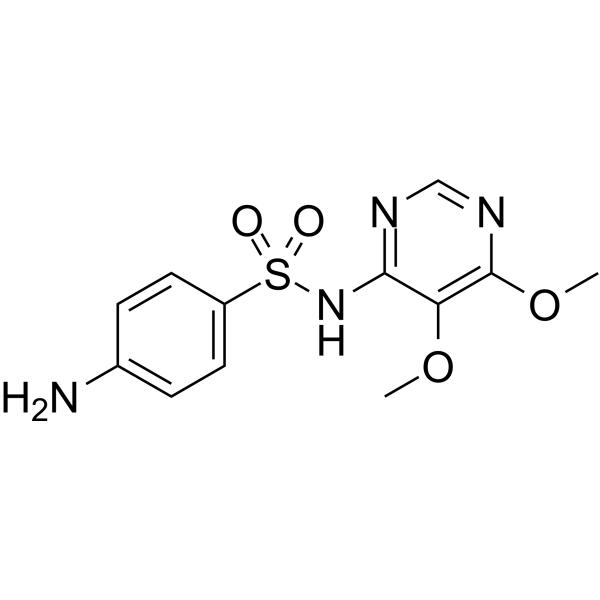
Sulfadoxine(Sulphadoxine) is a long acting sulfonamide that is used, usually in combination with other agents, for respiratory, urinary tract and malarial infections. Sulfadoxine inhibits HIV replication in peripheral blood mononuclear cells.
|
-
-
- HY-W013441
-
|
|
HIV
|
Infection
|
|
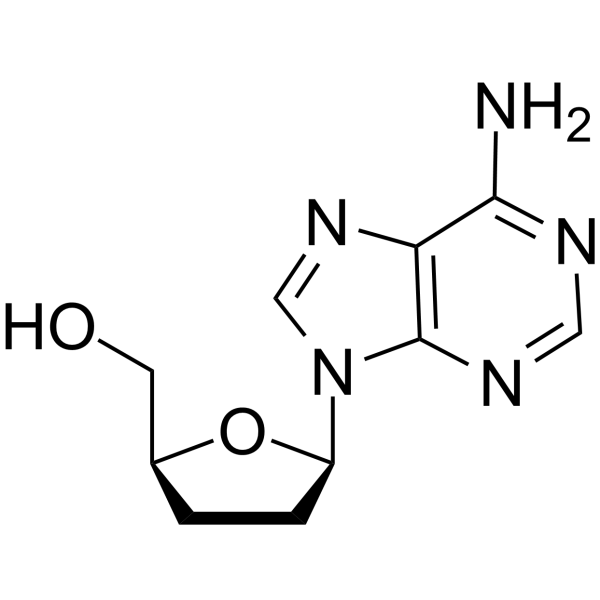
2',3'-Dideoxyadenosine is an inhibitor of HIV replication . Antiretroviral activity . Antiviral efficacy .
|
-
-
- HY-N7543
-
|
|
HIV
Endothelin Receptor
|
Infection
Metabolic Disease
|
|
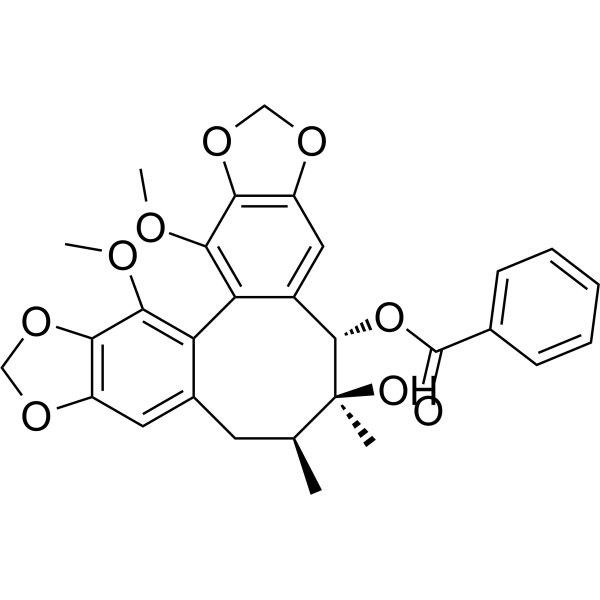
Schisantherin D is a lignan. Schisantherin D can be isolated from Kadsura interior. Schisantherin D downregulates the expression of ETBR and inhibits the secretion of ECM and ET-1. Schisantherin D alleviates EtOH + ET-1-induced hepatocyte cytotoxicity. Schisantherin D potently inhibits HIV replication in cells .
|
-
-
- HY-120427
-
|
NSC 658586
|
CCR
CXCR
HIV
HSV
|
Infection
Inflammation/Immunology
|
|
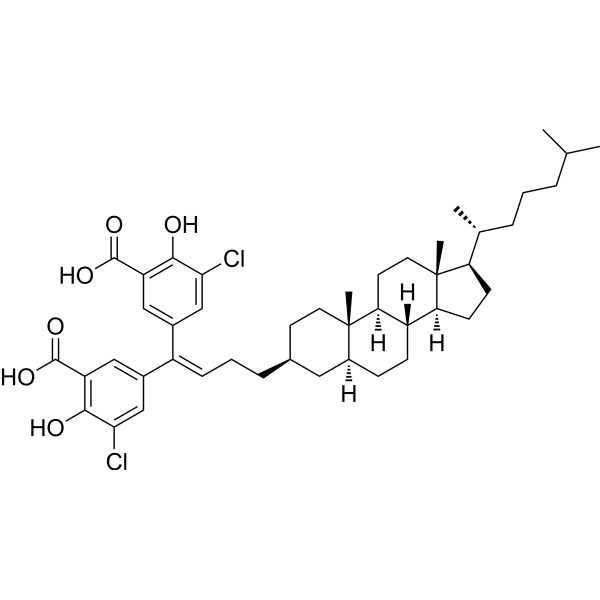
Cosalane (NSC 658586) is a CCR7 (IC50 = 2.43 μM) and CXCR2 antagonist (IC50 = 0.66 μM). Cosalane is an inhibitor of HIV replication with a wide range of activity against HIV-1 isolates, HIV-2, Rauscher murine leukemia virus, HSV-1, HSV-2 and human cytomegalovirus. Cosalane inhibits both attachment of gp120 to CD4. Cosalane inhibits human and murine CCR7 in response to both CCL19 and CCL21 agonists. Cosalane can be studied in research for HIV or attenuating acute graft-versus-host disease (aGVHD) in allogeneic hematopoietic stem cell transplantation (HSCT) .
|
-
-
- HY-137697D
-
|
|
HIV
DNA/RNA Synthesis
Nucleoside Antimetabolite/Analog
Drug Metabolite
HIV Protease
|
Infection
|
|
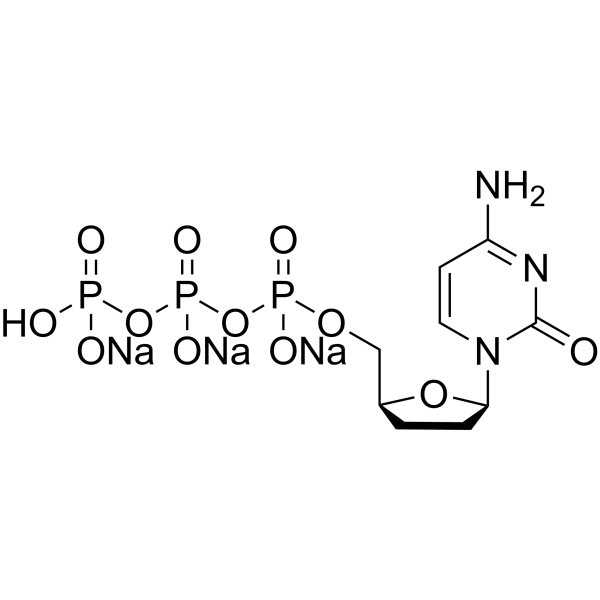
ddCTP trilithium solution (100 mM) is a chain-terminating dideoxynucleotide. ddCTP trilithium is a type of chain-terminating deoxynucleotide. ddCTP trilithium can be incorporated into the extension primer chain that lacks the 3'-hydroxyl group, thereby terminating primer extension, viral genome replication, and DNA synthesis. ddCTP trilithium can distinguish almost identical RNA through distinguishable extension products in primer extension inhibition experiments. ddCTP trilithium is the active metabolite of Zalcitabine (HY-17392), which can competitively inhibit HIV reverse transcriptase, terminate the synthesis of viral DNA chains, and thereby inhibit HIV replication .
|
-
-
- HY-106850
-
|
AzdU; AzddU; CS-87
|
HIV
|
Infection
|
|
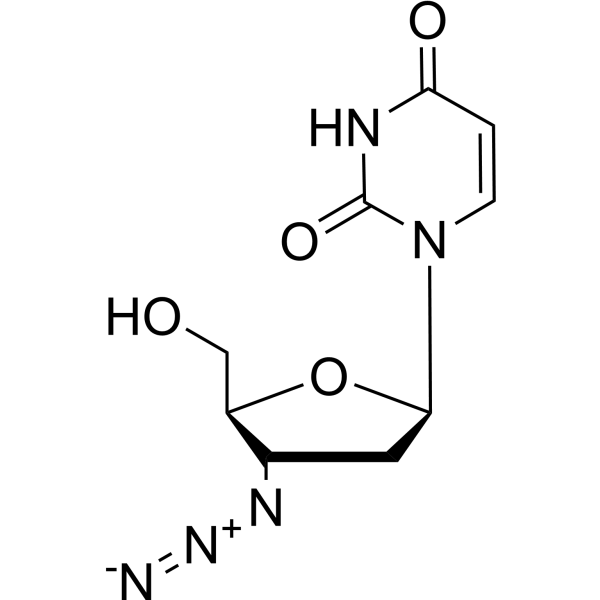
3′-Azido-2′,3′-dideoxyuridine (AzdU) is a nucleoside analog of Zidovudine (HY-17413). 3′-Azido-2′,3′-dideoxyuridine is a potent inhibitor of human immunodeficiency virus (HIV) replication in human peripheral blood mononuclear cells (PBMC) with limited toxicity for human bone marrow cells (BMC) . 3′-Azido-2′,3′-dideoxyuridine is a click chemistry reagent, it contains an Azide group and can undergo copper-catalyzed azide-alkyne cycloaddition reaction (CuAAc) with molecules containing Alkyne groups. It can also undergo strain-promoted alkyne-azide cycloaddition (SPAAC) reactions with molecules containing DBCO or BCN groups.
|
-
-
- HY-137697
-
|
|
Nucleoside Antimetabolite/Analog
DNA/RNA Synthesis
HIV Protease
HIV
Drug Metabolite
|
Infection
|
|
ddCTP is a type of chain-terminating deoxynucleotide. ddCTP can be incorporated into the extension primer chain that lacks the 3'-hydroxyl group, thereby terminating primer extension, viral genome replication, and DNA synthesis. ddCTP can distinguish almost identical RNA through distinguishable extension products in primer extension inhibition experiments. ddCTP is the active metabolite of Zalcitabine (HY-17392), which can competitively inhibit HIV reverse transcriptase, terminate the synthesis of viral DNA chains, and thereby inhibit HIV replication .
|
-

-
- HY-134851
-
|
|
HIV
|
Infection
|
|
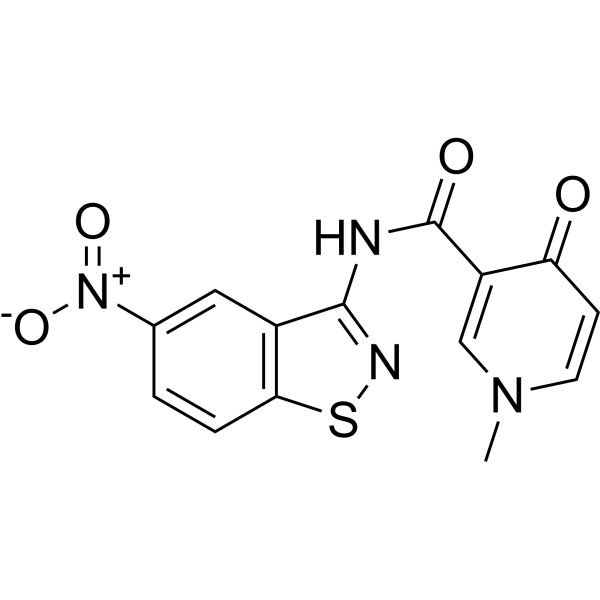
HIV-1 inhibitor-6 (compound 9), a diheteroarylamide-based compound, is a potent HIV-1 pre-mRNA alternative splicing inhibitor. HIV-1 inhibitor-6 blocks HIV replication. HIV-1 inhibitor-6 is active against wild-type HIV-1IIIB (subtype B, X4-tropic) and HIV-1 97USSN54 (subtype A, R5-tropic) with EC50s of 0.6 μM and 0.9 μM, respectively. HIV-1 inhibitor-6 inhibits HIV strains resistant to agents targeting HIV reverse transcriptase, protease, integrase, and coreceptor CCR5 with EC50s ranging from 0.9 to 1.5 μM .
|
-
-
- HY-106382
-
|
|
HIV
CMV
|
Infection
Cancer
|
|
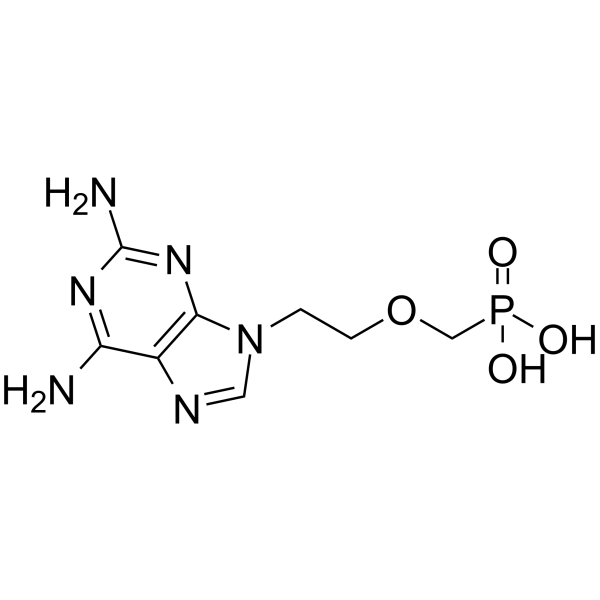
PMEDAP is a potent inhibitor of human immunodeficiency virus (HIV) replication. PMEDAP has anti-murine cytomegalovirus (MCMV) activity. PMEDAP is a very potent inhibitor of Moloney murine sarcoma virus (MSV)-induced tumor formation and associated mortality .
|
-
-
- HY-100261
-
-
-
- HY-N9340
-
|
|
HIV
|
Infection
|
|
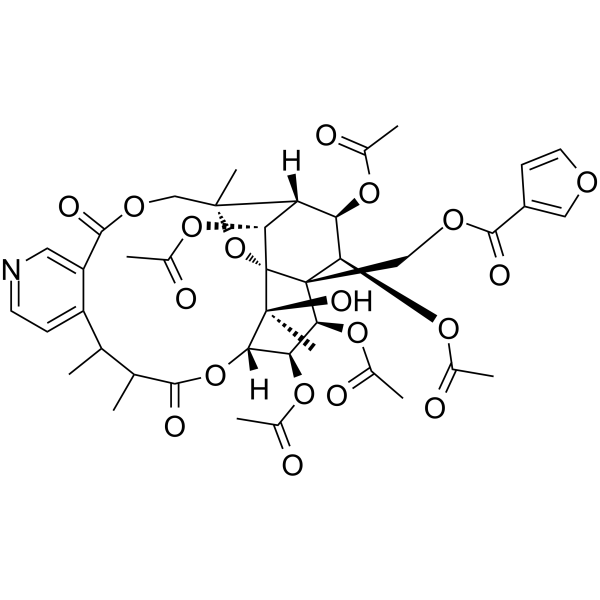
Hypoglaunine D is an analogue of Triptonine B and acts as an anti-HIV compound. Hypoglaunine D inhibits HIV replication in H9 lymphocytes with an EC50 value of 22 μg/ml .
|
-
-
- HY-N12125
-
|
|
Others
|
Infection
|
|
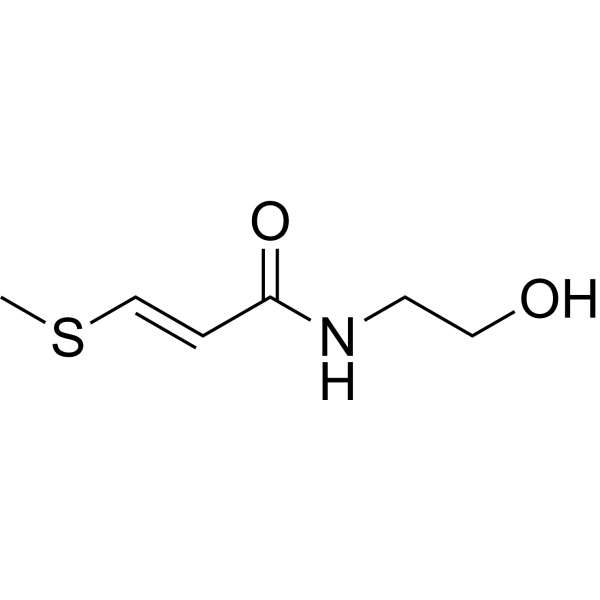
Entadamide A (compound 1) is a tryptophan derivative. Entadamide A prevents tryptophan depletion by inhibiting indoleamine 2, 3-dioxygenase (IDO), thereby inhibiting HIV replication. Entadamide A can be used in drug and neuropsychiatric studies of redesivir [1].
|
-
-
- HY-B0439S1
-
|
Sulphadoxine d3
|
Parasite
Antibiotic
|
Infection
|
|
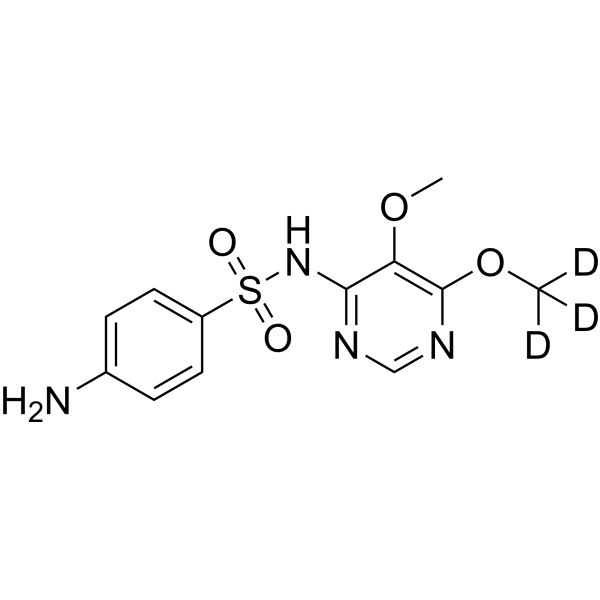
Sulfadoxine-d3 is a deuterium labeled Sulfadoxine (HY-B0439). Sulfadoxine is a sulfonamide that is used, usually in combination with Pyrimethamine(HY-18062), for multidrug-resistant Plasmodium falciparum and P. vivax inhibition. Unlike PYR, Sulfadoxine has no impact on HIV replication or MT-2 cell cycle progression. But also Sulfadoxine exhibits suppression on respiratory, and urinary tract infections .
|
-
-
- HY-N8361
-
|
|
HIV
Apoptosis
|
Infection
Cancer
|
|
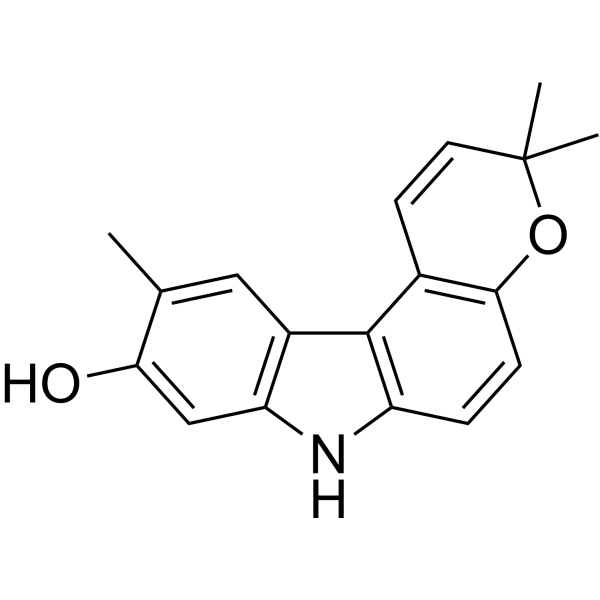
Glycoborinine, a natural carbazole alkaloid, can be isolated from Glycosmis pentaphylla. Glycoborinine induces HepG2 cell apoptosis through mitochondrial pathway. Glycoborinine also inhibits HIV replication in cells .
|
-
-
- HY-178201
-
|
|
HIV
Pyroptosis
|
Infection
|
|
JLJ648 is a Gag-Pol dimerizer with antiviral activity. JLJ648 can inhibit HIV replication and induce infected cell pyroptosis. JLJ648 can be used for the research of infection, such as HIV (human immunodeficiency virus) .
|
-

-
- HY-W105741
-
|
|
HIV
|
Infection
|
|
12-Bromododecanoic acid is a bromo fatty acid. 12-Bromododecanoic acid can be used in the synthesis of clickable forms of myristic acid. 12-Bromododecanoic acid inhibits HIV replication in CEM-SS T cells (EC50 = 38 µM) .
|
-

-
- HY-B0439R
-
|
Sulphadoxine (Standard)
|
Reference Standards
Parasite
HIV
Antibiotic
Endogenous Metabolite
|
Infection
|
|
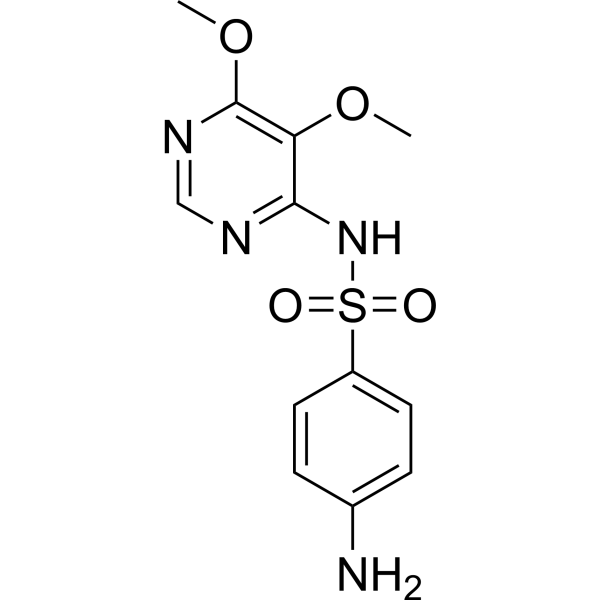
Sulfadoxine (Standard) is the analytical standard of Sulfadoxine. This product is intended for research and analytical applications. Sulfadoxine(Sulphadoxine) is a long acting sulfonamide that is used, usually in combination with other agents, for respiratory, urinary tract and malarial infections. Sulfadoxine inhibits HIV replication in peripheral blood mononuclear cells.
|
-
-
- HY-16658C
-
|
Z-VA-DL-D(OH)-FMK
|
Caspase
|
Infection
|
|
Z-VA-DL-D-FMK (Z-VA-DL-D(OH)-FMK) is an inhibitor for caspase . Z-VA-DL-D-FMK binds irreversibly to caspases, increases the sensitivity of TNF-α, and activates HIV replication in infected T cell ACH-2 .
|
-

-
- HY-139158
-
|
|
HIV
|
Infection
|
|
Ainuovirine is a second-generation non-nucleoside reverse transcriptase inhibitor (NNRTI). Ainuovirine inhibits HIV replication by non-competitively binding to HIV reverse transcriptase and blocking the reverse transcription process of viral RNA. Ainuovirine can be used for human immunodeficiency virus (HIV) type 1 infection .
|
-

-
- HY-W125425
-
|
Methyl piperazine-2-carboxylate; METTL3 activator-1 free base
|
METTL3
HIV
|
Infection
Neurological Disease
|
|
CHMA1004 (Methyl piperazine-2-carboxylate; METTL3 activator-1 free base) is a METTL3/METTL14/WTAP methyltransferase complex activator . CHMA1004 exhibits neuroprotective and anxiolytic potential by enhancing m 6A methylation modification of RNA. CHMA1004 promotes HIV replication in an infection context. CHMA1004 can be used in studies related to anxiety disorders and HIV-1 infection .
|
-

-
- HY-15350
-
|
LY 300046 hydrochloride
|
Reverse Transcriptase
|
Others
|
|
Trovirdine hydrochloride, a phenethylthiazolylthiourea (PETT) derivative, is an HIV reverse transcriptase (RT) non-nucleoside inhibitor (NNI). A novel computer model of the RT/NNI binding pocket revealed spatial gaps around Trovirdine hydrochloride's pyridyl ring. Docking studies suggested that replacing this planar ring with a nonplanar piperidinyl or piperazinyl ring could better occupy the binding pocket, enhancing anti-HIV activity. Synthesized heterocyclic compounds based on this modification demonstrated greater potency than Trovirdine hydrochloride, effectively inhibiting HIV replication at nanomolar concentrations without cytotoxicity in infected peripheral blood mononuclear cells .
|
-

-
- HY-N3700
-
|
Rutaceline
|
Bacterial
HIV
TNF Receptor
Interleukin Related
|
Infection
Inflammation/Immunology
|
|
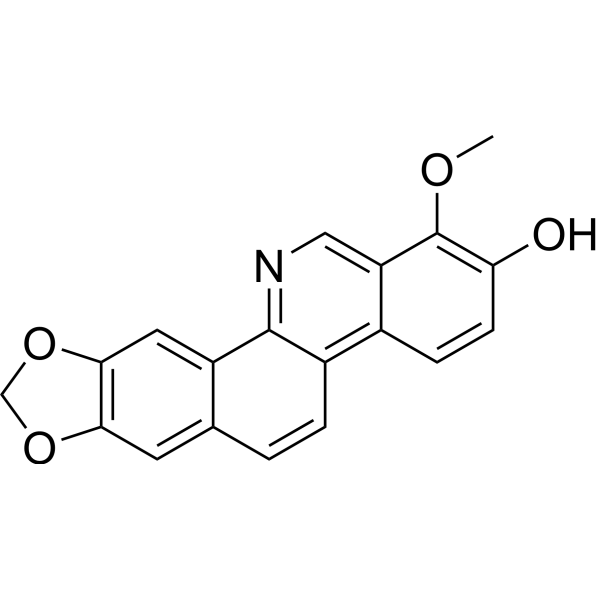
Decarine (Rutaceline) is a benzophenanthridine alkaloid found in Zanthoxylum species. Decarinewith shows anti-inflammatory, antimycobacterial, and anti-HIV activity. Decarine inhibits NO, TNF-α, IL-1β, IL-6, and IL-8 production in inflammatory cell models. Decarine inhibits growth of Mycobacterium tuberculosis strains, reduces intracellular Mycobacterium tuberculosis survival, and shows low cytotoxicity toward human macrophages. Decarine inhibits HIV replication in acutely infected lymphocytes. Decarine can be used for the researches of inflammation, tuberculosis, and HIV infection .
|
-
-
- HY-137697B
-
|
|
HIV
DNA/RNA Synthesis
Nucleoside Antimetabolite/Analog
Drug Metabolite
HIV Protease
|
Infection
|
|
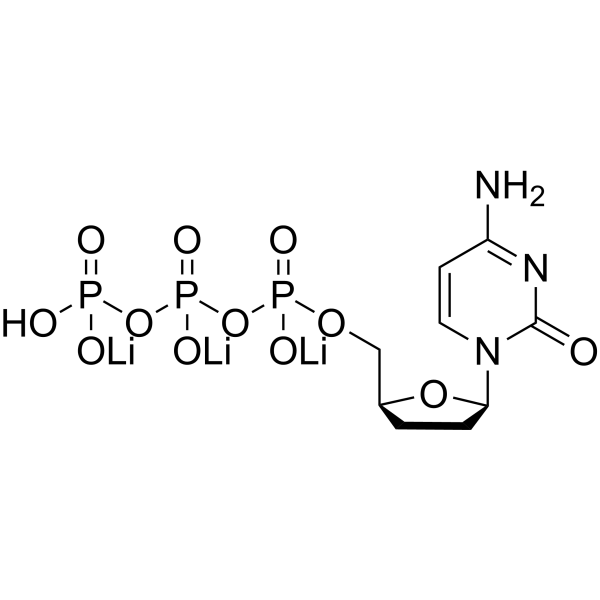
ddCTP trilithium is a type of chain-terminating deoxynucleotide. ddCTP trilithium can be incorporated into the extension primer chain that lacks the 3'-hydroxyl group, thereby terminating primer extension, viral genome replication, and DNA synthesis. ddCTP trilithium can distinguish almost identical RNA through distinguishable extension products in primer extension inhibition experiments. ddCTP trilithium is the active metabolite of Zalcitabine (HY-17392), which can competitively inhibit HIV reverse transcriptase, terminate the synthesis of viral DNA chains, and thereby inhibit HIV replication .
|
-
-
- HY-121718
-
|
|
HIV
|
Infection
|
|
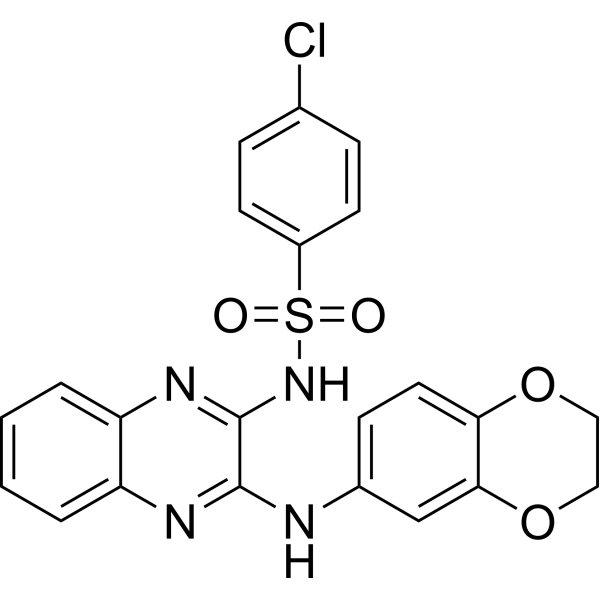
DQBS can bind to HIV-1 nef protein, and inhibits Nef-dependent HIV replication .
|
-
-
- HY-N8368
-
|
|
HIV
|
Infection
|
|
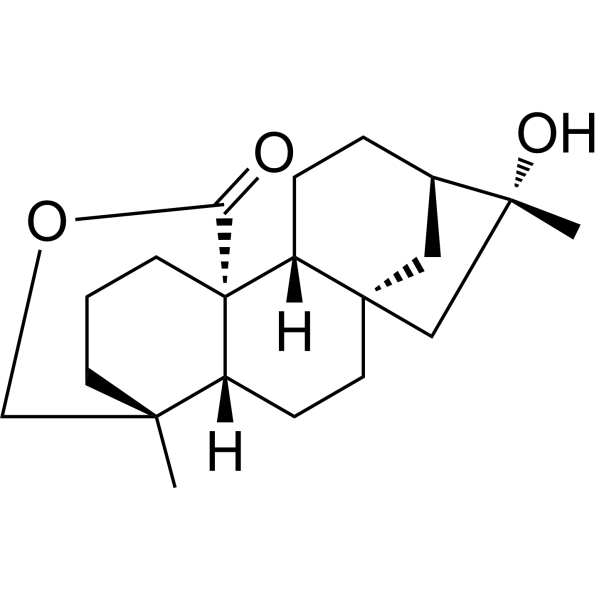
Neotripterifordin is a inhibitor of HIV. Neotripterifordin has anti-HIV replication activity in H9 lymphocyte cells with an EC50 of 25 nM .
|
-
-
- HY-N12082
-
|
|
HIV
|
Infection
|
|
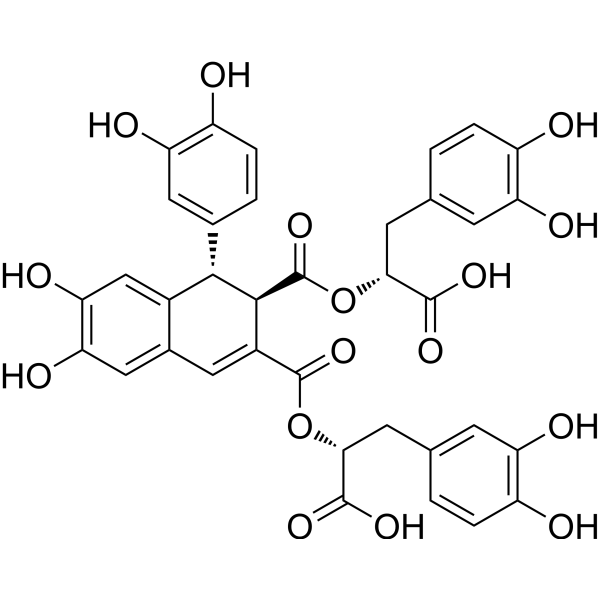
HIV-IN-8 (Compound 9) is a HIV inhibitor. HIV-IN-8 inhibits HIV replication with an EC50 of 13 μg/mL .
|
-
-
- HY-107142
-
|
|
HIV
|
Infection
|
|
RM-5038 is a thiazolide antivirus agent. RM-5038 can induce innate immunity and reduce HIV replication .
|
-

-
- HY-W714002
-
|
|
HIV
Bacterial
|
Infection
|
|
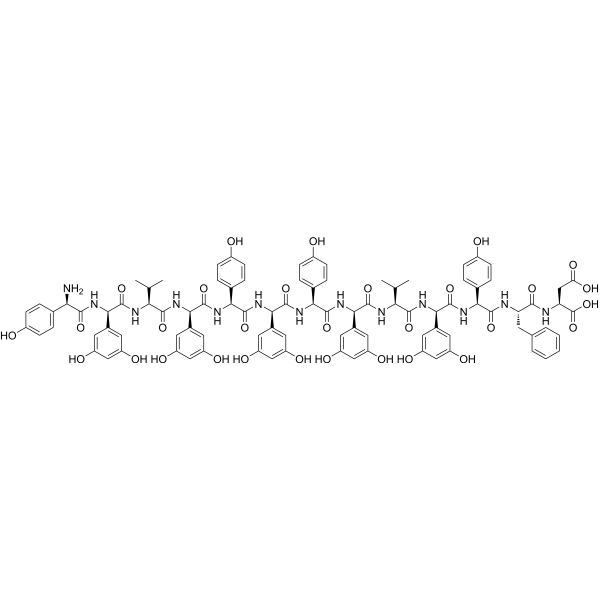
Feglymycin is a HIV replication inhibitor. Feglymycin is also an antibiotic peptide that has antibacterial activity (MIC: 32-64 μg/mL for Staphylococcus aureus) .
|
-
-
- HY-N6080
-
|
|
HIV
|
Infection
|
|
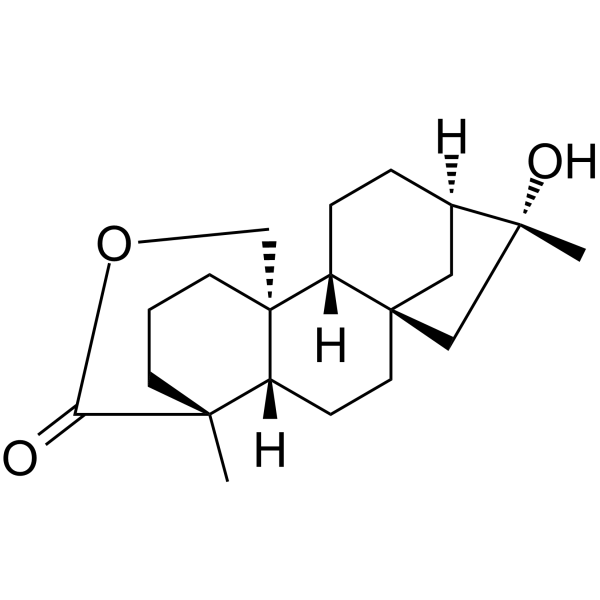
Tripterifordin possesses significant anti-HIV replication activities in H9 lymphocyte cells with an EC50 value of 3100 nM, respectively .
|
-
-
- HY-N3511
-
|
|
HIV
|
Infection
|
|
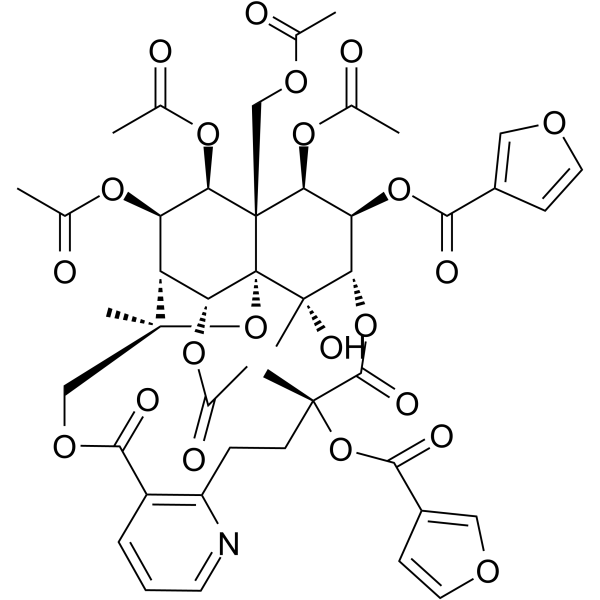
Triptonine B, a sesquiterpene pyridine alkaloid, inhibits HIV replication in H9 lymphocytes with an EC50 value of <0.10 μg/mL .
|
-
-
- HY-127078
-
|
|
HIV
|
Others
|
|
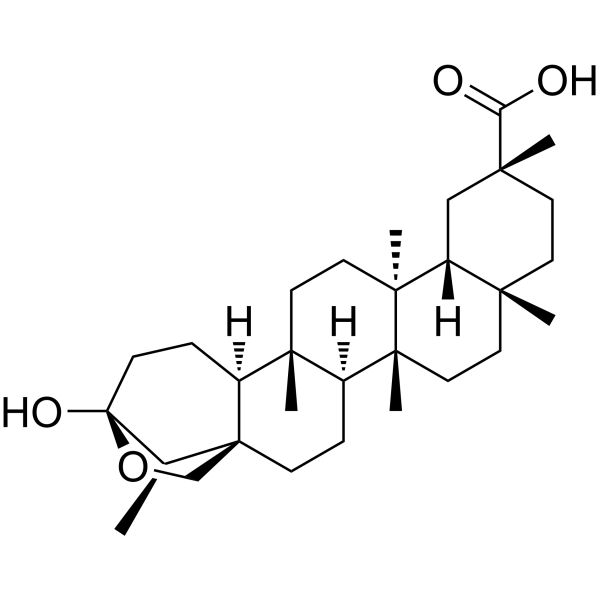
Salaspermic acid is a new triterpene acid isolated from Salacia macrosperma Wight. Salaspermic acid is an inhibitor of HIV reverse transcriptase and HIV replication in H9 lymphocyte cells .
|
-
-
- HY-122786
-
|
|
Antibiotic
HIV
|
Infection
|
|
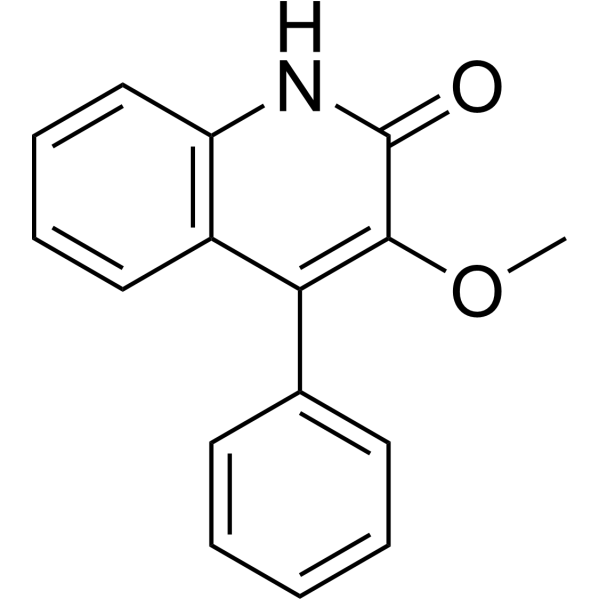
3-O-Methylviridicatin is an indole alkaloid. 3-O-Methylviridicatin inhibits TNF-alpha induced HIV replication with an IC50 of 2.5 μM .
|
-
-
- HY-174634
-
|
|
mRNA
|
Inflammation/Immunology
|
|
Human IL16 mRNA encodes the human interleukin 16 (IL16) protein, a pleiotropic cytokine that functions as a chemoattractant, a modulator of T cell activation, and an inhibitor of HIV replication.
|
-

-
- HY-117434
-
|
|
HIV
|
Infection
|
|
Suberosol, a C31 lanostane-type triterpene, is an anti-HIV drug. Suberosol shows anti-HIV replication activity in H9 lymphocyte cells with an EC50 of 3 μg/mL .
|
-

-
- HY-N6849
-
|
|
HIV
|
Infection
Metabolic Disease
|
|
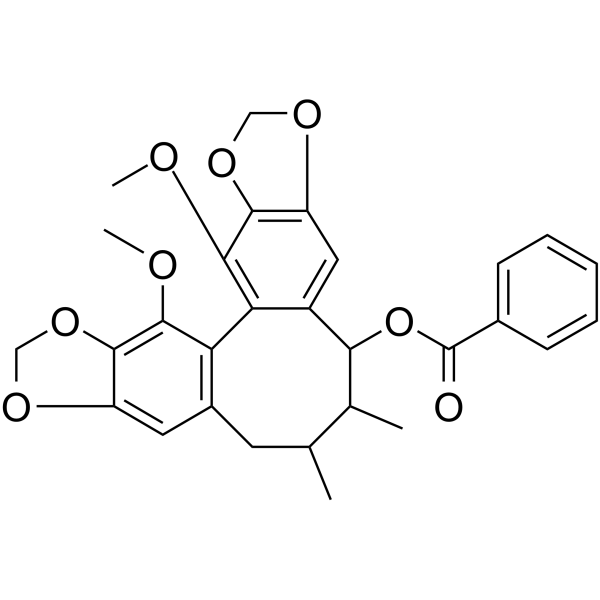
Interiotherin A is a lignan with a dibenzocyclooctadiene skeleton isolated from Kadsura interior. Interiotherin A inhibits HIV replication to exhibit anti-HIV activity, it has a role as a metabolite and an anti-HIV agent .
|
-
-
- HY-134180
-
|
|
HIV
|
Infection
|
|
rel-Carbovir monophosphate is the -enantiomer of 2',3'-dideoxy-2',3'-didehydroguanosine and a carbocyclic analog of carbovir (CBV). Carbovir is an inhibitor of HIV replication that specifically inhibits the integration of proribonucleotides into DNA .
|
-

-
- HY-B0439S
-
|
Sulphadoxine-d4
|
Parasite
HIV
Antibiotic
Endogenous Metabolite
|
Infection
|
|
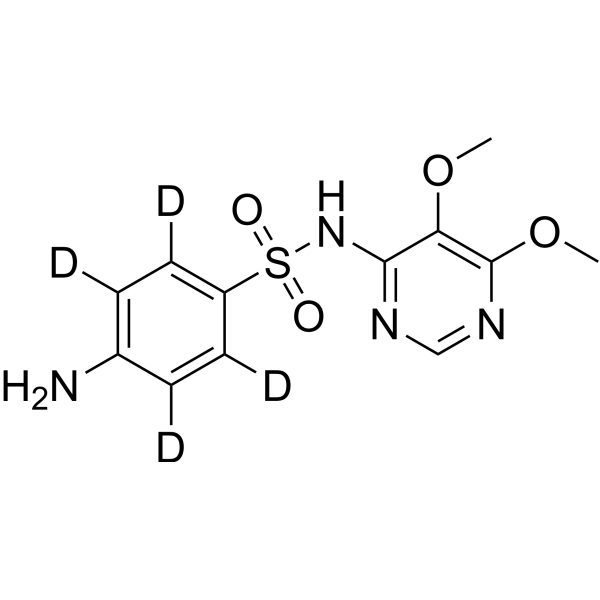
Sulfadoxine-d4 is the deuterium labeled Sulfadoxine. Sulfadoxine(Sulphadoxine) is a long acting sulfonamide that is used, usually in combination with other agents, for respiratory, urinary tract and malarial infections. Sulfadoxine inhibits HIV replication in peripheral blood mononuclear cells.
|
-
-
- HY-W013441R
-
|
|
Reference Standards
HIV
|
Infection
|
|
2',3'-Dideoxyadenosine (Standard) is the analytical standard of 2',3'-Dideoxyadenosine. This product is intended for research and analytical applications. 2',3'-Dideoxyadenosine is an inhibitor of HIV replication . Antiretroviral activity . Antiviral efficacy .
|
-

-
- HY-115828
-
|
|
HIV
|
Infection
|
|
APA-APA-MPO dihydrochloride is an inhibitor of PCAF bromodomain/Tat-AcK50 interaction with reduced cytotoxic activity. APA-APA-MPO dihydrochloride can effectively inhibit the binding of PCAF to Tat-AcK50, showing its potential in HIV/AIDS inhibitory strategies. APA-APA-MPO dihydrochloride can be used in studies that hinder HIV replication .
|
-

-
- HY-115829
-
|
|
HIV
|
Infection
|
|
APA-H-MPO hydrochloride is an inhibitor of PCAF bromodomain/Tat-AcK50 interaction with potential for anti-HIV/AIDS. APA-H-MPO hydrochloride can effectively inhibit the binding of PCAF bromodomain to Tat-AcK50. APA-H-MPO hydrochloride showed low cytotoxicity in preliminary cell studies. APA-H-MPO hydrochloride is considered a potential candidate for a promising inhibitory strategy targeting the host cell protein PCAF BRD to block HIV replication .
|
-

-
- HY-116240
-
|
ddEtUrd
|
HIV
|
Infection
|
|
2′,3′-Dideoxy-5-ethyluridine (ddEtUrd) is an antiretroviral compound with weak anti-HIV activity. The 3'-substituted derivatives of 2′,3′-Dideoxy-5-ethyluridine did not show significant antiviral effects. 2′,3′-Dideoxy-5-ethyluridine was less potent in inhibiting HIV replication in human MT4 lymphocytes. Although phosphorylation induced by 2′,3′-Dideoxy-5-ethyluridine is essential for antiviral activity, there is no strong correlation between its affinity for human dThd kinase or dCyd kinase .
|
-

-
- HY-106942
-
|
|
HIV
Virus Protease
|
Infection
|
|
CGP 53437 is an orally active HIV-1 protease inhibitor, with a Ki of 0.2 nM. CGP 53437 delays the onset of HIV replication .
|
-

-
- HY-19493
-
|
|
Reverse Transcriptase
HIV
|
Infection
|
|
Niglizin is a noncompetitive inhibitor of reverse transcriptase. Niglizin can effectively suppress the HIV replication and shows synergetic effect companied with Zidovudine (HY-17413). Niglizin can be used for the research of HIV infection .
|
-

-
- HY-N17557
-
|
Schizarin D
|
HBV
HIV
|
Infection
|
|
Schizanrin D (Schizarin D) is a C18 Dibenzocyclooctadiene lignin. Schizanrin D can be derived from dried stems of Kadsura matsudai. Schizanrin D inhibits HBeAg production. Schizanrin D is inactive in vitro against HIV replication .
|
-

-
- HY-106382R
-
|
|
Reference Standards
HIV
CMV
|
Infection
Cancer
|
|
PMEDAP (Standard) is the analytical standard of PMEDAP (HY-106382). This product is intended for research and analytical applications. PMEDAP is a potent inhibitor of human immunodeficiency virus (HIV) replication. PMEDAP has anti-murine cytomegalovirus (MCMV) activity. PMEDAP is a very potent inhibitor of Moloney murine sarcoma virus (MSV)-induced tumor formation and associated mortality .
|
-

-
- HY-137697A
-
|
|
Drug Metabolite
HIV
Nucleoside Antimetabolite/Analog
HIV Protease
DNA/RNA Synthesis
|
Infection
|
|
ddCTP tetrasodium is a type of chain-terminating deoxynucleotide. ddCTP tetrasodium can be incorporated into the extension primer chain that lacks the 3'-hydroxyl group, thereby terminating primer extension, viral genome replication, and DNA synthesis. ddCTP tetrasodium can distinguish almost identical RNA through distinguishable extension products in primer extension inhibition experiments. ddCTP tetrasodium is the active metabolite of Zalcitabine (HY-17392), which can competitively inhibit HIV reverse transcriptase, terminate the synthesis of viral DNA chains, and thereby inhibit HIV replication .
|
-

-
- HY-182277
-
|
|
HIV Integrase
HIV
|
Infection
|
|
GSK-1264 is an HIV-1 integrase inhibitor. GSK-1264 binds to a site spanning the HIV-1 integrase catalytic core domain and C-terminal domain, mediates formation of an open polymer of HIV-1 integrase dimers via inhibitor-bridged contacts between adjacent dimers. GSK-1264 disrupts late-stage HIV replication by interfering with viral particle assembly. GSK-1264 stimulates inappropriate polymerization of HIV-1 integrase. GSK-1264 can be used for the research of HIV infection .
|
-

| Cat. No. |
Product Name |
Type |
-
- HY-137697
-
|
|
Biochemical Assay Reagents
|
|
ddCTP is a type of chain-terminating deoxynucleotide. ddCTP can be incorporated into the extension primer chain that lacks the 3'-hydroxyl group, thereby terminating primer extension, viral genome replication, and DNA synthesis. ddCTP can distinguish almost identical RNA through distinguishable extension products in primer extension inhibition experiments. ddCTP is the active metabolite of Zalcitabine (HY-17392), which can competitively inhibit HIV reverse transcriptase, terminate the synthesis of viral DNA chains, and thereby inhibit HIV replication .
|
| Cat. No. |
Product Name |
Target |
Research Area |
-
- HY-W714002
-
|
|
HIV
Bacterial
|
Infection
|
|
Feglymycin is a HIV replication inhibitor. Feglymycin is also an antibiotic peptide that has antibacterial activity (MIC: 32-64 μg/mL for Staphylococcus aureus) .
|
| Cat. No. |
Product Name |
Category |
Target |
Chemical Structure |
-
- HY-B0439
-
-
-
- HY-N7543
-
-
-
- HY-N9340
-
-
-
- HY-N12125
-
-
-
- HY-N8361
-
-
-
- HY-B0439R
-
-
-
- HY-N3700
-
|
Rutaceline
|
Structural Classification
Alkaloids
Rutaceae
Plants
Isoquinoline Alkaloids
Zanthoxylum simulans Hance
Source Classification
|
Bacterial
HIV
TNF Receptor
Interleukin Related
|
|
Decarine (Rutaceline) is a benzophenanthridine alkaloid found in Zanthoxylum species. Decarinewith shows anti-inflammatory, antimycobacterial, and anti-HIV activity. Decarine inhibits NO, TNF-α, IL-1β, IL-6, and IL-8 production in inflammatory cell models. Decarine inhibits growth of Mycobacterium tuberculosis strains, reduces intracellular Mycobacterium tuberculosis survival, and shows low cytotoxicity toward human macrophages. Decarine inhibits HIV replication in acutely infected lymphocytes. Decarine can be used for the researches of inflammation, tuberculosis, and HIV infection .
|
-
-
- HY-N8368
-
-
-
- HY-N12082
-
-
-
- HY-N6080
-
-
-
- HY-N3511
-
-
-
- HY-127078
-
-
-
- HY-N6849
-
-
-
- HY-N17557
-
-
| Cat. No. |
Product Name |
Chemical Structure |
-
- HY-B0439S1
-
|
|
|
Sulfadoxine-d3 is a deuterium labeled Sulfadoxine (HY-B0439). Sulfadoxine is a sulfonamide that is used, usually in combination with Pyrimethamine(HY-18062), for multidrug-resistant Plasmodium falciparum and P. vivax inhibition. Unlike PYR, Sulfadoxine has no impact on HIV replication or MT-2 cell cycle progression. But also Sulfadoxine exhibits suppression on respiratory, and urinary tract infections .
|
-
-
- HY-B0439S
-
|
|
|
Sulfadoxine-d4 is the deuterium labeled Sulfadoxine. Sulfadoxine(Sulphadoxine) is a long acting sulfonamide that is used, usually in combination with other agents, for respiratory, urinary tract and malarial infections. Sulfadoxine inhibits HIV replication in peripheral blood mononuclear cells.
|
-
| Cat. No. |
Product Name |
|
Classification |
-
- HY-106850
-
|
AzdU; AzddU; CS-87
|
|
Azide
|
|
3′-Azido-2′,3′-dideoxyuridine (AzdU) is a nucleoside analog of Zidovudine (HY-17413). 3′-Azido-2′,3′-dideoxyuridine is a potent inhibitor of human immunodeficiency virus (HIV) replication in human peripheral blood mononuclear cells (PBMC) with limited toxicity for human bone marrow cells (BMC) . 3′-Azido-2′,3′-dideoxyuridine is a click chemistry reagent, it contains an Azide group and can undergo copper-catalyzed azide-alkyne cycloaddition reaction (CuAAc) with molecules containing Alkyne groups. It can also undergo strain-promoted alkyne-azide cycloaddition (SPAAC) reactions with molecules containing DBCO or BCN groups.
|
| Cat. No. |
Product Name |
|
Classification |
-
- HY-137697D
-
|
|
|
Nucleotide Analogs
|
|
ddCTP trilithium solution (100 mM) is a chain-terminating dideoxynucleotide. ddCTP trilithium is a type of chain-terminating deoxynucleotide. ddCTP trilithium can be incorporated into the extension primer chain that lacks the 3'-hydroxyl group, thereby terminating primer extension, viral genome replication, and DNA synthesis. ddCTP trilithium can distinguish almost identical RNA through distinguishable extension products in primer extension inhibition experiments. ddCTP trilithium is the active metabolite of Zalcitabine (HY-17392), which can competitively inhibit HIV reverse transcriptase, terminate the synthesis of viral DNA chains, and thereby inhibit HIV replication .
|
-
- HY-137697
-
|
|
|
Nucleotide Analogs
|
|
ddCTP is a type of chain-terminating deoxynucleotide. ddCTP can be incorporated into the extension primer chain that lacks the 3'-hydroxyl group, thereby terminating primer extension, viral genome replication, and DNA synthesis. ddCTP can distinguish almost identical RNA through distinguishable extension products in primer extension inhibition experiments. ddCTP is the active metabolite of Zalcitabine (HY-17392), which can competitively inhibit HIV reverse transcriptase, terminate the synthesis of viral DNA chains, and thereby inhibit HIV replication .
|
-
- HY-174634
-
|
|
|
mRNA
Interleukin & Receptors
|
|
Human IL16 mRNA encodes the human interleukin 16 (IL16) protein, a pleiotropic cytokine that functions as a chemoattractant, a modulator of T cell activation, and an inhibitor of HIV replication.
|
Your information is safe with us. * Required Fields.
Inquiry Information
- Product Name:
- Cat. No.:
- Quantity:
- MCE Japan Authorized Agent:








