Search Result
Results for "
Homologous recombination
" in MedChemExpress (MCE) Product Catalog:
| Cat. No. |
Product Name |
Target |
Research Areas |
Chemical Structure |
-
- HY-114778
-
|
SHR3162; Fuzuloparib
|
PARP
|
Cancer
|
|
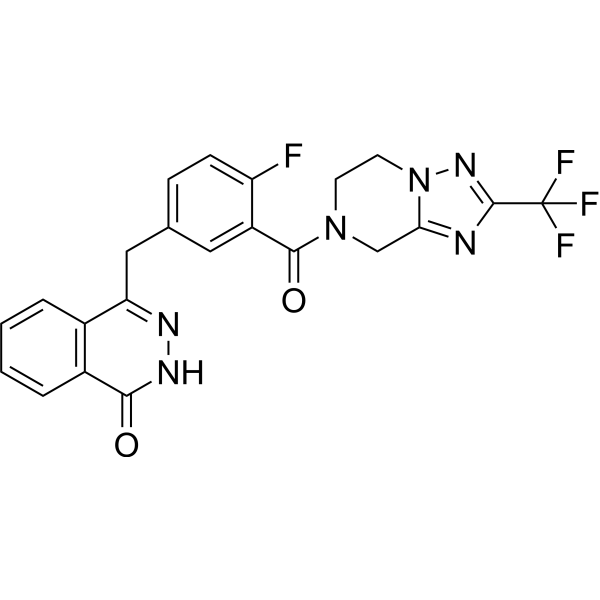
Fluzoparib (SHR3162) is a potent and orally active PARP1 inhibitor (IC50=1.46±0.72 nM, a cell-free enzymatic assay) with superior antitumor activity. Fluzoparib selectively inhibits the proliferation of homologous recombination repair (HR)-deficient cells, and sensitizes both HR-deficient and HR-proficient cells to cytotoxic agents. Fluzoparib exhibits good pharmacokinetic properties in vivo and can be used for BRCA1/2-mutant relapsed ovarian cancer research .
|
-
-
- HY-19793
-
|
|
RAD51
|
Cancer
|
|
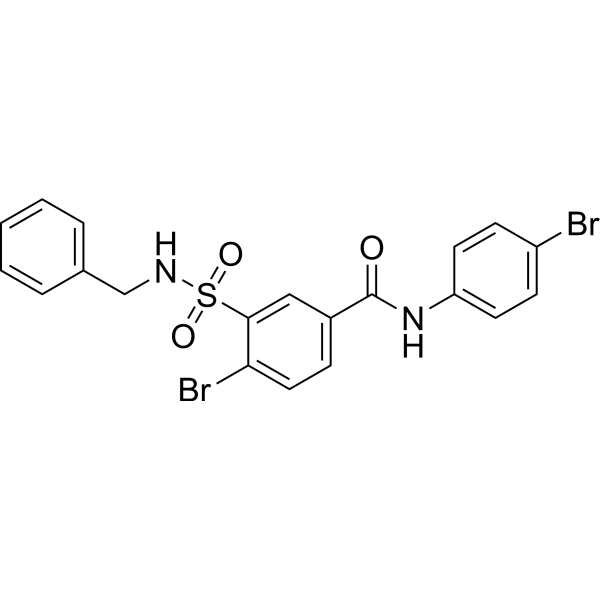
RS-1 is a RAD51 activator. RS-1 enhances the homologous recombination activity of human RAD51 by promoting the formation of active presynaptic filaments .
|
-
-
- HY-145804
-
|
AZD-9574
|
PPAR
|
Neurological Disease
Cancer
|
|
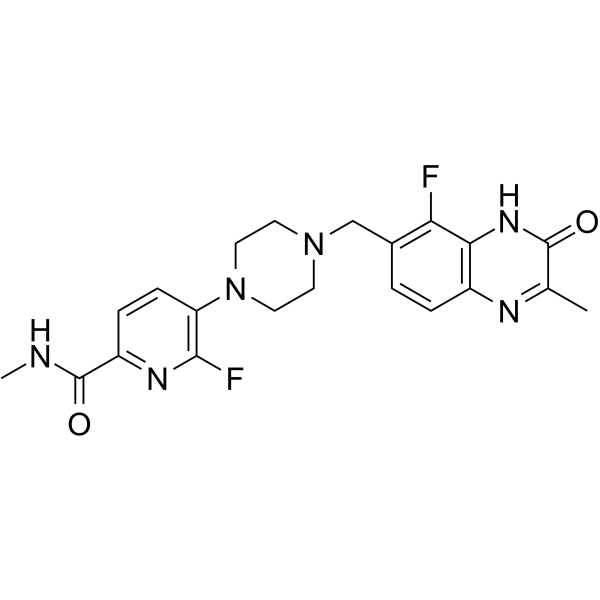
AZD-9574 is a potent and brain penetrant PARP1 inhibitor and shows >8000-fold selectivity for PARP1 compared to PARP2/3/5a/6. AZD-9574 acts by selectively inhibiting and trapping PARP1 at the sites of SSBs. AZD-9574 is an anti-cancer agent and can be used for HRD +?breast cancer and advanced solid malignancies research .
|
-
-
- HY-15317
-
RI-1
Maximum Cited Publications
7 Publications Verification
|
RAD51
|
Cancer
|
|
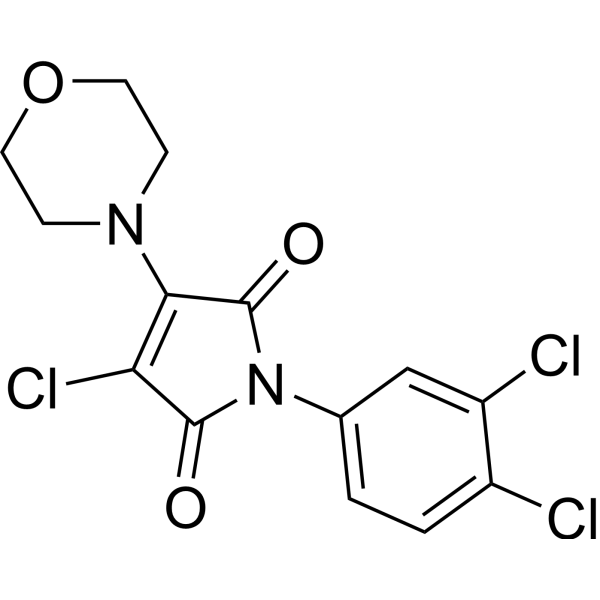
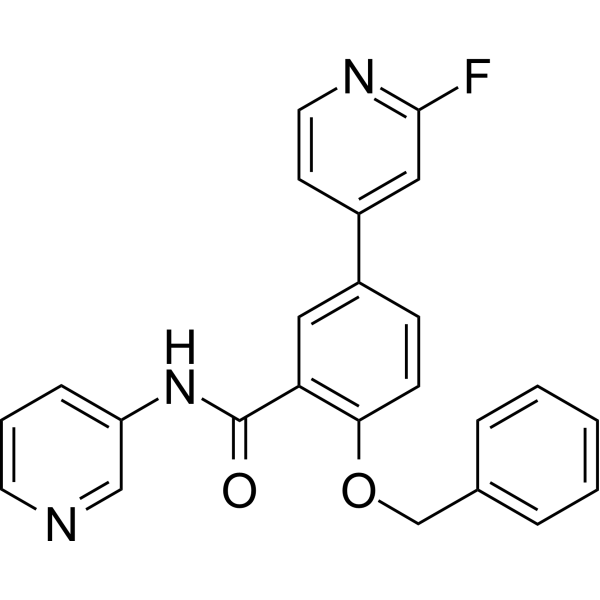
RI-1 is a RAD51 inhibitor, with IC50s ranging from 5 to 30 μM. RI-1 binds covalently to the surface of RAD51 protein at cysteine 319. RI-1 inactivates RAD51 by directly binding to a protein surface that serves as an interface between protein subunits in RAD51 filaments. RI-1 can disrupt homologous recombination in human cells .
|
-
-
- HY-13237
-
-
-
- HY-116770
-
PFM01
5 Publications Verification
|
Endonuclease
|
Cancer
|
|
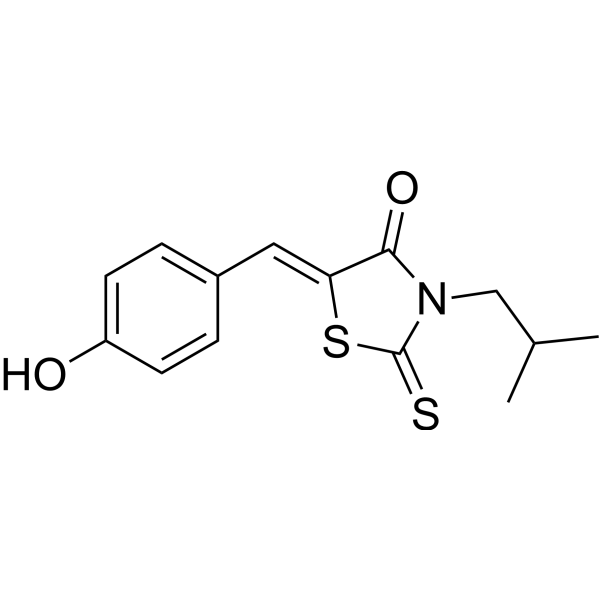
PFM01, N-alkylated Mirin derivative, is a MRE11 endonuclease inhibitor. PFM01 can regulate double-strand break repair (DSBR) by nonhomologous end-joining (NHEJ) versus homologous recombination (HR) .
|
-
-
- HY-150147
-
CAM833
1 Publications Verification
|
RAD51
Apoptosis
|
Cancer
|
|
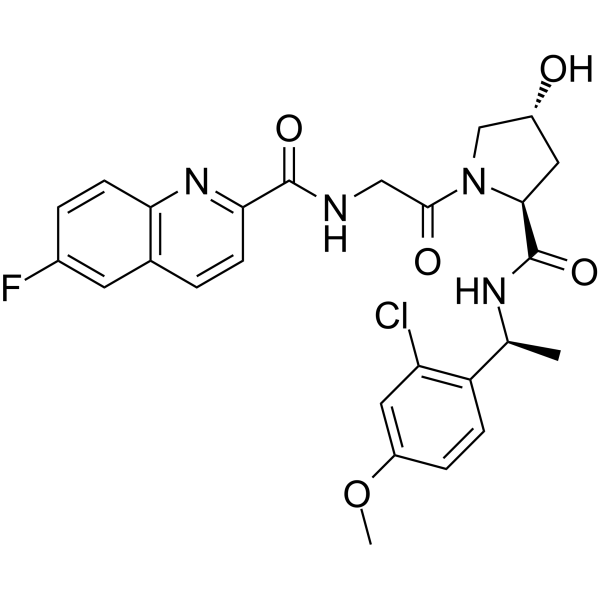
CAM833 is a potent orthosteric inhibitor of the interaction between BRCA2 and RAD51 with a Kd of 366 nM against the ChimRAD51 protein. CAM833 also inhibits RAD51 oligomerization. CAM833 increases the progression of G2/M-arrested cells into apoptosis .
|
-
-
- HY-171689
-
|
AZD 8205; P-Sam
|
Antibody-Drug Conjugates (ADCs)
Topoisomerase
|
Cancer
|
|
Puxitatug samrotecan (AZD 8205) is a B7-H4-directed antibody-drug conjugate (ADC) bearing a Topoisomerase I inhibitor (TOP1i) payload. Puxitatug samrotecan improves HR +/HER2 - breast cancer .
|
-

-
- HY-148183
-
|
|
RAD51
|
Cancer
|
|
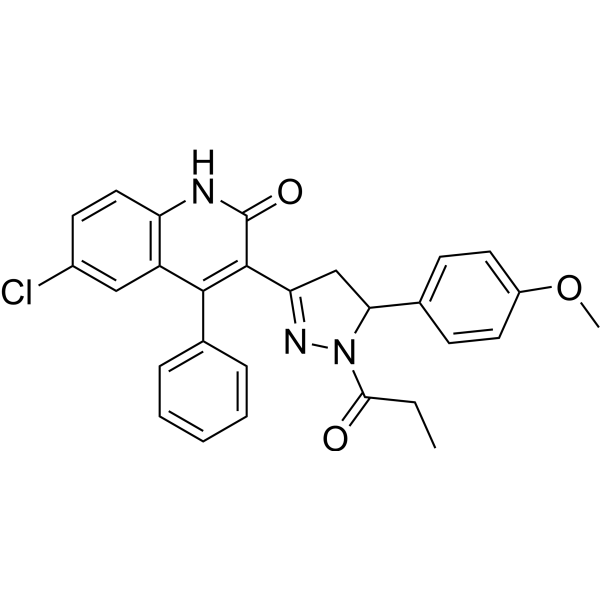
Homologous recombination-IN-1 is a novel RAD51-BRCA2 protein-protein interaction inhibitor (EC50=19 μM). Homologous recombination-IN-1 can interfere with homologous recombination .
|
-
-
- HY-16904
-
RI-2
1 Publications Verification
|
RAD51
|
Cancer
|
|
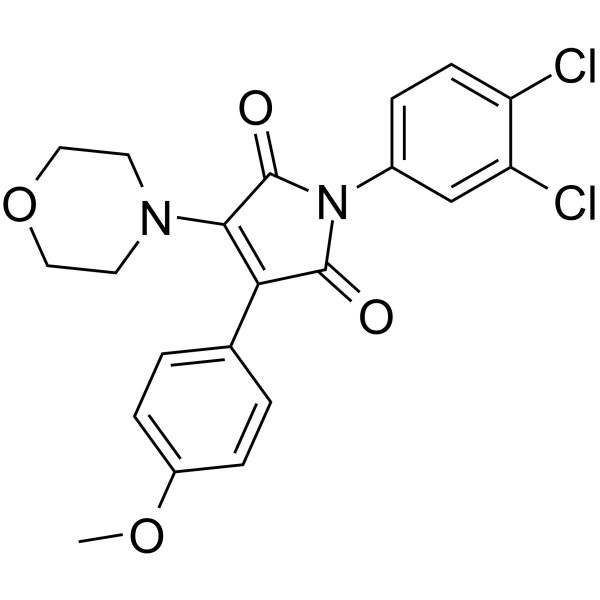
RI-2 is a reversible RAD51 inhibitor, with an IC50 of 44.17 μM, and specifically inhibits homologous recombination repair in human cells.
|
-
-
- HY-120836
-
AOH1160
1 Publications Verification
|
DNA/RNA Synthesis
Apoptosis
|
Cancer
|
|
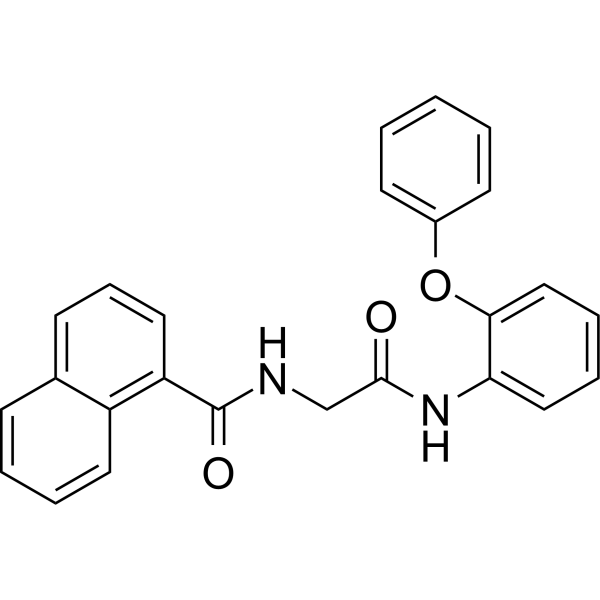
AOH1160 is a potent oral small molecule proliferating cell nuclear antigen (PCNA) inhibitor that interferes with DNA replication, blocks homologous recombination-mediated DNA repair, leads to cell cycle arrest and induces apoptosis .
|
-
-
- HY-160700
-
|
|
Deubiquitinase
JNK
|
Cancer
|
|
TNG348 is an orally available allosteric inhibitor of the ubiquitin-specific protease USP1. TNG348 specifically and efficiently inhibits the activity of USP1, inhibiting its deubiquitination of proliferative PCNA and FANCD2, thereby disrupting the DNA repair process. TNG348 has inhibitory activity against breast and ovarian cancers carrying BRCA1/2 mutations and other homologous recombination defects (HRD) .
|
-

-
- HY-113064
-
|
|
Endogenous Metabolite
|
Cancer
|
|
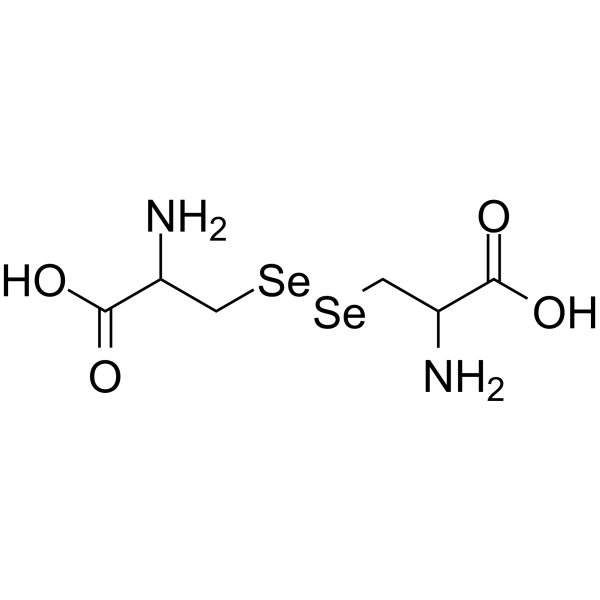
Selenocystine is a broad-spectrum anti-cancer agent. Selenocystine induces DNA damage in HepG2 cells, particularly in the form of DNA double strand breaks (DSBs). Selenocystine exhibits great promise as a therapeutic or adjuvant agent targeting DNA repair for cancer treatment .
|
-
-
- HY-161430
-
|
|
DNA/RNA Synthesis
Apoptosis
PARP
|
Cancer
|
|
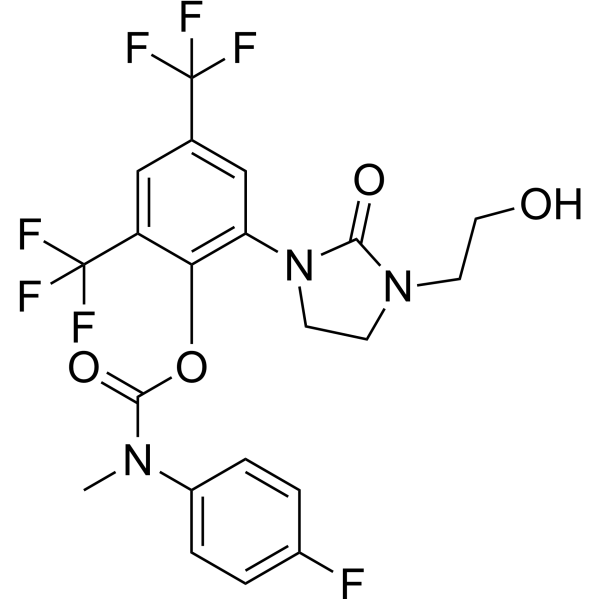
RTx-161 is a DNA polymerase θ inhibitor with an IC50 of 4.1 nM. RTx-161 induces DNA damage, PARP cleavage, apoptosis, and selectively kills homologous recombination-deficient (HRD) cells. RTx-161 acts synergistically with PARP inhibitors to suppress PARP inhibitor resistance in cancer cells. RTx-161 can be used for the research of BRCA G12C mutant cancer and HR-deficient cancers .
|
-
-
- HY-145685
-
|
|
DNA/RNA Synthesis
|
Cancer
|
|
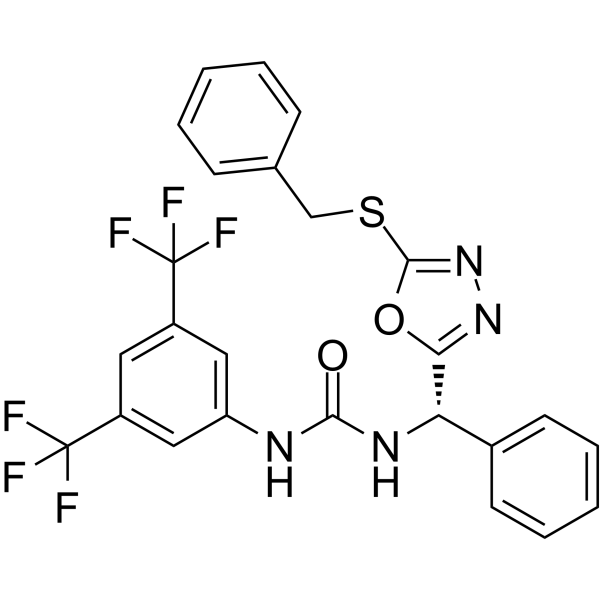
RECQL5-IN-1 (Compound 4a) acts as an orally effective RECQL5 inhibitor (targeting both enzymatic and nonenzymatic domain). RECQL5-IN-1 is a potent inhibitor of RECQL5 helicase activity (IC50=46.3 nM), stabilizes the interaction between RECQL5-RAD51 proteins, causes RAD51 aggregation and homologous recombination repair (HRR) inhibition, thereby exhibiting selective cytotoxicity in RECQL5-expressing cancer cells .
|
-
-
- HY-126972A
-
|
|
RAD51
|
Cancer
|
|
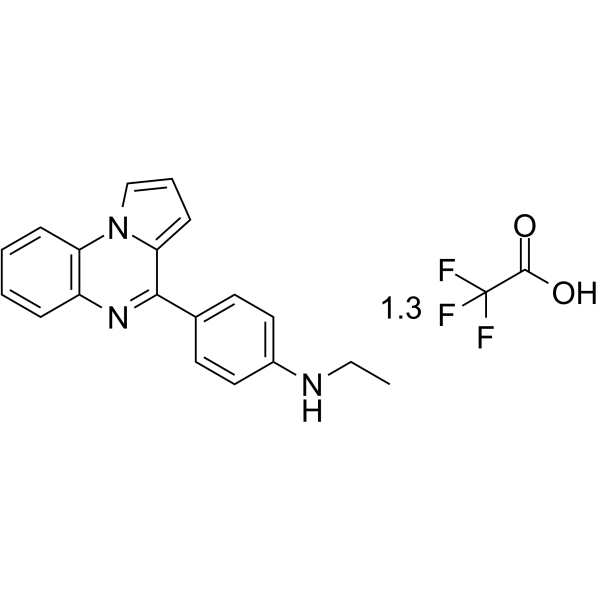
RI(dl)-2 TFA is a potent and selective RAD51-mediated D-loop formation inhibitor with an IC50 of 11.1 μM. RI(dl)-2 TFA does not influence RAD51 binding to ssDNA and inhibits homologous recombination (HR) activity in human cells (IC50 of 3.0 μM) .
|
-
-
- HY-161431
-
|
|
DNA/RNA Synthesis
|
Cancer
|
|
RTx-152 traps Polθ on DNA and is an allosteric Polθ-pol inhibitor (IC50: 6.2 nM). RTx-152 selectively kills HR-deficient cancer cells, and suppresses PARP inhibitor resistance in multiple genetic backgrounds, including homologous recombination (HR)-proficient cells. RTx-152 selectively kills BRCA2-null cells .
|
-

-
- HY-115552
-
|
|
PARP
|
Cancer
|
|
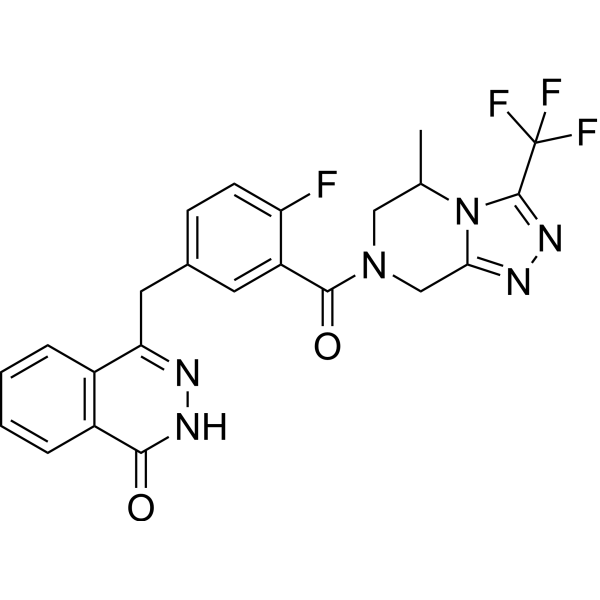
Simmiparib is a highly potent and orally active PARP1 and PARP2 inhibitor with IC50 values of 1.75 nM and 0.22 nM, respectively. Simmiparib has more potent PARP1/2 inhibition than its parent Olaparib (HY-10162). Simmiparib induces DNA double-strand breaks (DSB) accumulation and G2/M arrest in homologous recombination repair (HR)-deficient cells, thereby inducing apoptosis. Simmiparib exhibits remarkable anticancer activities in cells and nude mice bearing xenografts .
|
-
-
- HY-151799
-
|
|
p62
E1/E2/E3 Enzyme
Apoptosis
|
Cancer
|
|
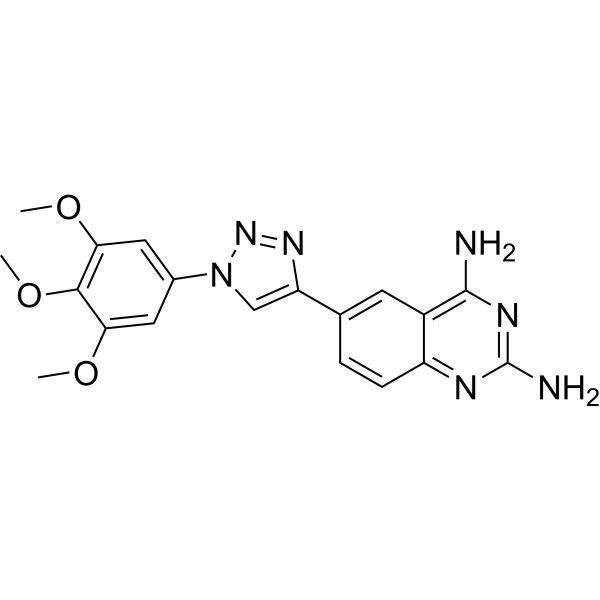
P62-RNF168 agonist-1 (compound 5a) is a low cytotoxicity P62-RNF168 agonist that enhances the interaction between P62 and RNF168. P62-RNF168 agonist-1 induces a reduction in H2A ubiquitination mediated by RNF168 and impairs homologous recombination-mediated DNA repair. P62-RNF168 agonist-1 also inhibits the growth of xenograft tumors in mice in a dose-dependent manner .
|
-
-
- HY-158346
-
|
|
DNA/RNA Synthesis
|
Cancer
|
|
RP-2119 is an orally bioactive Polymerase Theta (Polθ) inhibitor, with an IC50 of 0.7 nM against human Polθ ATPase. RP-2119 reduces Polθ activity and exerts antiproliferative effects in BRCA2-deficient cancer cells. RP-2119 exhibits antitumor activity in BRCA2-deficient cancer cell xenograft mouse models . RP-2119 can be used for the research of cancer and homologous recombination-deficient cancers, including brca1/brca2-mutant cancers and shld2-mutant cancers .
|
-

-
- HY-162384
-
|
|
Histone Methyltransferase
|
Cancer
|
|
EPIC-0628 is an inhibitor of the HOTAIR-EZH2 interaction and promotes ATF3 expression. The long noncoding RNA HOTAIR has been found to regulate glioblastoma (GBM) progression and mediate DNA damage repair (DDR) by interacting with the catalytic subunit EZH2 of PRC2. EPIC-0628 also inhibits the ATF3-p38-E2F1 DDR pathway to inhibit the HR pathway and upregulates CDKN1A (p21) expression, causing cell cycle arrest. EPIC-0628 also synergizes with Temozolomide (TMZ) (HY-17364) to enhance its in vivo potency .
|
-

-
- HY-173345
-
|
|
RAD51
|
Cancer
|
|
BRCA2-RAD51-IN-2 (compound S-35d) is a BRCA2-RAD51 inhibitor and inhibits homologous recombination repair in combination with 10 µM olaparib (HY-10162) .
|
-

-
- HY-122583
-
|
|
RAD51
|
Cancer
|
|
D-G23 is a selective RAD52 inhibitor. D-G23 disrupts RAD52-mediated DNA repair pathways and suppresses the growth of BRCA1- and BRCA2-deficient cancer cells. D-G23 is promising for research of homologous recombination-related cancers, such as hereditary breast cancer and ovarian cancer caused by BRCA1/2 mutations .
|
-

-
- HY-175812
-
|
|
Endonuclease
|
Cancer
|
|
MU876 (Compound 32) is a MUS81 inhibitor with an IC50 of 0.5 μM. MU876 effectively inhibits MUS81-dependent homologous recombination (HR) and break-induced replication (BIR) pathways. MU876 sensitizes cancer cells to DNA-damaging agents, such as Cisplatin (HY-17394), through impairing their ability to repair DNA lesions. MU876 can be used for cancers chemotherapy research .
|
-

-
- HY-142924
-
|
|
ATM/ATR
|
Cancer
|
|
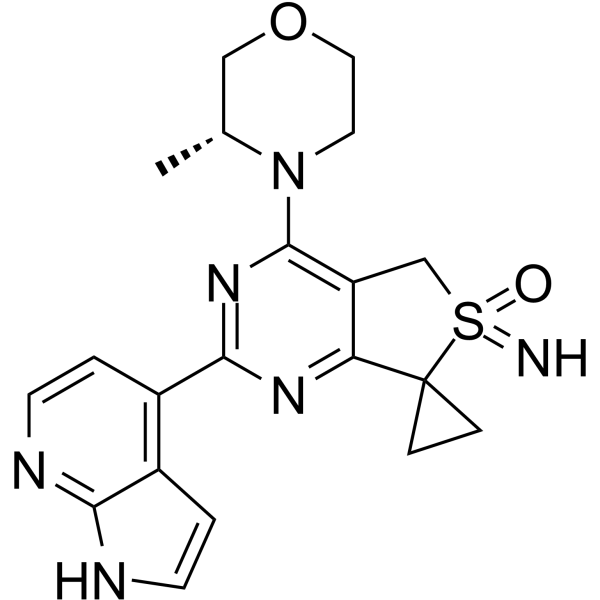
ATR-IN-8 is a potent inhibitor of ATR. ATR is a key enzyme in the homologous recombination repair pathway and belongs to the PIKK family. ATR-IN-8 has the potential for the research of cancer diseases (extracted from patent WO2021143821A1, compound 3) .
|
-
-
- HY-151939
-
|
|
DNA/RNA Synthesis
Apoptosis
|
Cancer
|
|
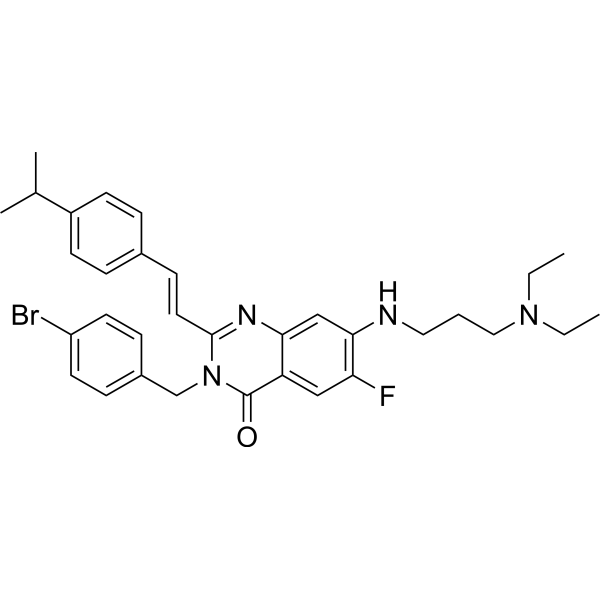
BLM-IN-2 is a Bloom's Syndrome Protein (BLM) inhibitor with an IC50 value of 0.8 μM. BLM-IN-2 effectively suppresses the proliferation, invasion, cell cycle arrest and apoptosis of CRC cells. BLM-IN-2 can be used for the reserarch of colorectal cancer (CRC) .
|
-
-
- HY-175482
-
|
|
PARP
|
Neurological Disease
Cancer
|
|
PARP1-IN-43 (Compound 5350) is a blood-brain barrier (BBB) permeable PARP1 inhibitor, with an IC50 of 5 nM. PARP1-IN-43 can be used for the study of homologous recombination (HR)-deficient central nerve system (CNS) cancers .
|
-

-
- HY-124846
-
|
|
Bcl-2 Family
|
Cancer
|
|
MI-223 is a Mcl-1 regulator (Kd = 160 nM). MI-223 binds to the BH1 domain, blocking Mcl-1-stimulated homologous recombination DNA repair, thus sensitizing cancer cells to DNA replication agents. MI-223 can be used in research on cancers such as lung cancer .
|
-

-
- HY-178021
-
|
|
HDAC
DNA/RNA Synthesis
Apoptosis
RAD51
Caspase
|
Cancer
|
|
HDAC1-IN-11 (Compound 6) is a HDAC1 inhibitor with an IC50 of 106.6 nM. HDAC1-IN-11 inhibits the expression of Sp1 and RAD51, thereby inducing Caspase-dependent apoptosis. HDAC1-IN-11 has antitumor activity and sensitizes Etoposide (HY-13629) and Gemcitabine (HY-17026), promoting synergistic death of NSCLC cells through the inhibition of homologous recombination and non-homologous end joining (NHEJ) pathways involved in DNA DSB repair. HDAC1-IN-11 can be used for chemotherapy of cancers like NSCLC research .
|
-

-
- HY-178022
-
|
|
HDAC
Apoptosis
Caspase
RAD51
DNA/RNA Synthesis
|
Cancer
|
|
HDAC6-IN-63 (Compound 7) is an orally active HDAC6 inhibitor with an IC50 of 145 nM. HDAC6-IN-63 inhibits the expression of Sp1 and RAD51, thereby inducing Caspase-dependent apoptosis. HDAC6-IN-63 has antitumor activity and sensitizes Etoposide (HY-13629) and Gemcitabine (HY-17026), promoting synergistic death of NSCLC cells through the inhibition of homologous recombination and non-homologous end joining (NHEJ) pathways involved in DNA DSB repair. HDAC6-IN-63 can be used for chemotherapy of cancers like NSCLC research .
|
-

-
- HY-P4161
-
|
|
DNA/RNA Synthesis
|
Cancer
|
|
KWWCRW is a Holliday linker inhibitory peptide with anticancer activity. KWWCRW inhibits homologous recombination repair (HDR) during DNA repair by binding to the reactive Holliday linker intermediate and preventing its degradation, and inhibits site-specific recombination by bacteriophage in vitro .
|
-

-
- HY-175466
-
|
|
PARP
DNA/RNA Synthesis
Apoptosis
|
Cancer
|
|
BER-IN-1 is a base excision repair (BER) inhibtor, targeting DNA abasic sites. BER-IN-1 cleaves abasic sites via β- and β,δ-elimination mechanisms, disrupts the base excision repair (BER) pathway and leads to DNA double-strand breaks (DSBs). BER-IN-1 can enhance the effectiveness of the PARP inhibitor Olaparib (HY-10162) in homologous recombination (HR)-proficient cancer cells (MDA-MB-231, HeLa, and SKOV3). BER-IN-1 induces an S-phase arrest and apoptosis companied with Olaparib (HY-10162). BER-IN-1 can be used for the research of cancer, such as breast, cervical and ovarian cancer .
|
-

-
- HY-146194
-
|
|
Reactive Oxygen Species (ROS)
|
Cancer
|
|
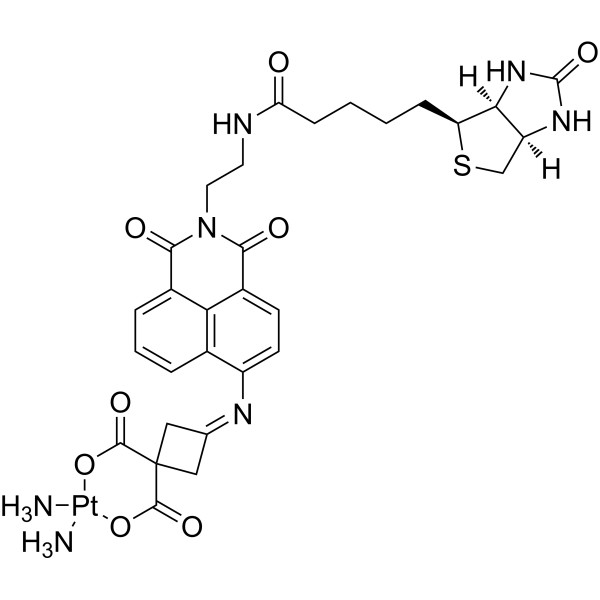
NHEJ inhibitor-1 (Compound C2) is a trifunctional Pt(II) complex, alleviates the non-homologous end connection (NHEJ)/homologous recombination (HR)-related double strand breaks (DSBs) repairs to evade Cisplatin-resistance in non-small cell lung cancer (NSCLC). NHEJ inhibitor-1 inhibits the damage repair proteins Ku70 and Rad51 to make tumors re-sensitive to Cisplatin. NHEJ inhibitor-1 also induces ROS generation and MMP deduction .
|
-
-
- HY-120750
-
|
|
Endogenous Metabolite
|
Cancer
|
|
A 62176 hydrochloride is a compound that targets DNA topoisomerase II and has the activity of inhibiting purine synthesis in cancer cells. A 62176 hydrochloride interferes with c-MYC mRNA expression by interacting with G-quadruplex. The main mechanism of action of A 62176 hydrochloride is by displacing nucleosomes from the quadruplex of non-template strand rDNA, resulting in rapid redistribution of nucleosomes. The application potential of A 62176 hydrochloride is that it causes DNA damage and relies on BRCA1/2-mediated homologous recombination and DNA-PK-mediated non-homologous end-joining pathways to repair the damage .
|
-

-
- HY-157212
-
|
|
Apoptosis
PARP
Proteasome
|
Cancer
|
|
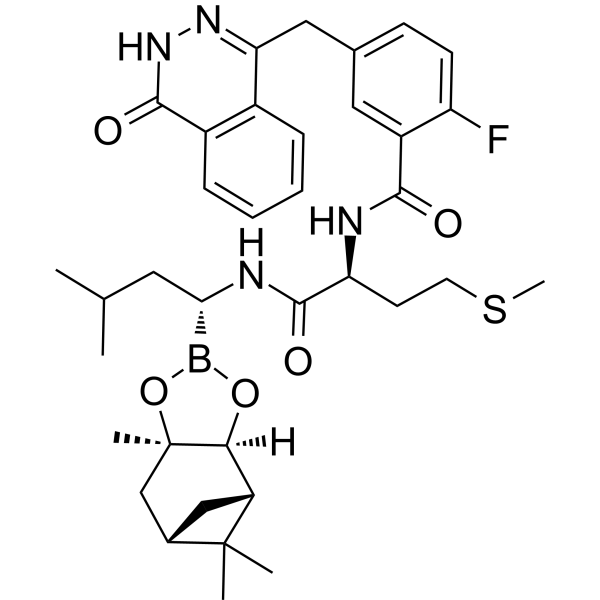
PARP-1/Proteasome-IN-1 (compound 42i) is a dual PARP-1 and proteasome inhibitor with significant inhibitory effects on breast cancer. PARP-1/Proteasome-IN-1 can downregulate the expression of BRCA1 and RAD51 to inhibit homologous recombination repair function and induce apoptosis .
|
-
-
- HY-126972
-
|
|
RAD51
|
Cancer
|
|
RI(dl)-2 blocks RAD51’s D-loop activity in biochemical systems with an IC50 value of 11.1 µM and inhibits homologous recombination (HR) activity with an IC50 value of 3.0 µM. RI(dl)-2 inhibits HR-mediated repair of DNA double strand breaks and sensitizes different cancer cell lines .
|
-

-
- HY-185459
-
|
|
PARP
Epigenetic Reader Domain
|
Cancer
|
|
PCIP-1 is a PARP2 inhibitor. PCIP-1 recruits BET proteins to PARP2 to inhibit DNA repair, acts via event-driven pharmacology, and does not inhibit PARP-catalyzed PARylation. PCIP-1 inhibits DNA repair, thereby inducing synthetic lethality in homologous recombination-deficient cancer cells and increasing the sensitivity of PARP1-knockout cells. PCIP-1 can be used in the research of homologous recombination-deficient cancers, T-cell acute lymphoblastic leukemia, and BRCA-mutant cancers .
|
-

-
- HY-179413
-
|
|
DNA/RNA Synthesis
|
Cancer
|
|
Polθ-IN-9 is an orally active Polθ polymerase inhibitor (IC50 = 9.6 nM, Kd = 47.5 nM). Polθ-IN-9 shows remarkable selectivity with no inhibitory activity against other human DNA polymerases, including Pol α, Pol ε, Pol γ, Pol λ, and Pol μ. Polθ-IN-9 exhibits strong antiproliferative activity in DLD1 BRCA2 KO cells (IC50 = 2.9 μM), and high sensitivity to MDA-MB-436 cells (IC50 = 4.9 μM). Polθ-IN-9 increases DNA damage accumulation, induces γH2AX levels, and inhibits tumor growth in combination with Olaparib (HY-10162), in the MDA-MB-436 xenograft model. Polθ-IN-9 can be used for the research of homologous recombination (HR)-deficient cancers such as breast cancer .
|
-

-
- HY-182322
-
|
|
DNA/RNA Synthesis
|
Cancer
|
|
POLQ-IN-1 is a DNA polymerase θ (POLQ) inhibitor with a pIC50 of 8.2. POLQ-IN-1 inhibits the proliferation of homologous recombination-deficient cells. POLQ-IN-1 is used for the research of homologous recombination-deficient tumors .
|
-

-
- HY-181561
-
|
|
RAD51
|
Cancer
|
|
BRCA2-RAD51-IN-3 is a RAD51-BRCA2 protein-protein interaction inhibitor with an EC50 of 29.35 μM and a Kd of 75.14 μM. BRCA2-RAD51-IN-3 blocks RAD51-BRCA2 binding, impairs homologous recombination in cancer cells, and induces synthetic lethality. BRCA2-RAD51-IN-3 acts in human pancreatic cancer cells and shows no activity in normal pancreatic cells. BRCA2-RAD51-IN-3 can be used for the research of pancreatic cancer .
|
-

-
- HY-181254
-
|
|
PARP
NAMPT
DNA/RNA Synthesis
Apoptosis
|
Cancer
|
|
PARP1/NAMPT-IN-1 is a potent and dual PARP1 and NAMPT inhibitor with IC50 values of 1.2 nM and 6.7 nM, respectively. PARP1/NAMPT-IN-1 can disrupt the homologous recombination repair (HRR) pathway, leading to the accumulation of DNA double-strand breaks (DSBs), inducing cell cycle arrest and apoptosis, and also has antimigratory effects. PARP1/NAMPT-IN-1 exhibits excellent antitumor effects in a breast cancer xenograft model. PARP1/NAMPT-IN-1 can be used for the study of triple-negative breast cancer (TNBC) .
|
-

-
- HY-181026
-
|
|
DNA/RNA Synthesis
|
Cancer
|
|
RP-4029 is a selective, covalent hPolθ inhibitor (IC50s: 0.013 nM for hPolθ; 6.6 nM for mPolθ). RP-4029 can be used in the research of homologous recombination (HR)-deficient cancers .
|
-

-
- HY-181694
-
|
|
Topoisomerase
HDAC
Apoptosis
Kinesin
RAD51
|
Cancer
|
|
SeSA-HCPT is an orally active dual-target inhibitor integrating Topo I and HDAC inhibition. SeSA-HCPT induces potent DNA damage, apoptosis, S-phase arrest in prostate cancer cells. SeSA-HCPT inhibits cancer cells proliferation and migration. SeSA-HCPT impairs homologous recombination by suppressing KIF4A-RAD51 signaling. SeSA-HCPT markedly inhibits CRPC tumor growth with minimal systemic toxicity .
|
-

-
- HY-183630
-
|
|
DNA/RNA Synthesis
|
Cancer
|
|
AZD4956 is a potent and selective DNA polymerase theta (POLQ) inhibitor. AZD4956 exhibits an IC50 value of less than 3 μmol/L against POLQ and 3.4 μmol/L against MMEJ. AZD4956 suppresses the MMEJ pathway and enhances the activity of DNA-damaging agents in HRR-deficient cellular contexts. AZD4956 shows antitumor activity in BRCA1/2-mutated triple-negative breast cancer and prostate cancer models. AZD4956 can be used for the study of homologous recombination-deficient tumors .
|
-

-
- HY-180573
-
|
|
Arf Family GTPase
|
Cancer
|
|
ART5537 is a selective EXO1 inhibitor with a IC50 of 3.4 nM and a Kd of 6.8 nM. ART5537 exerts cellular homologous recombination (HR) inhibition with EC50 of 7.2 nM in HAP1 parental cells. ART5537 shows >200-fold selectivity over a panel of the wider nuclease superfamily. ART5537 exerts biological effects that are exclusively driven by EXO1 inhibition. ART5537 demonstrates sensitization to ionizing radiation and synergy with Olaparib (HY-10162). ART5537 can be used for research in breast cancer and colorectal adenocarcinoma .
|
-

-
- HY-181651
-
|
|
PROTACs
RAD51
DNA/RNA Synthesis
Apoptosis
IKZF Family
|
Cancer
|
|
SZU305 is a RAD51 PROTAC degrader, with DC50 values of 307.45 nM and 84.19 nM in SK-HEP-1 and Huh-7 cells, respectively. SZU305 inhibits DNA damage repair, induces cell cycle arrest and apoptosis. SZU305 moderately reduces the protein levels of IKZF1 and IKZF3 at high concentrations. SZU305 can be used in studies related to hepatocellular carcinoma .
|
-

-
- HY-181840
-
|
|
Endonuclease
|
Cancer
|
|
MU262 is a MUS81 inhibitor with an IC50 value of 0.87 μM. MU262 directly inhibits the catalytic activity of MUS81 without interfering with DNA binding, induces genomic instability in tumor cells, and specifically inhibits the HR/BIR repair pathway. The combination of MU262 with Cisplatin (HY-17394) significantly enhances the chemotherapeutic killing effect. MU262 serves as a chemical biology tool for studying MUS81 function, and also acts as a lead compound for the development of anticancer therapies that exploit DNA repair defects in cancer cells .
|
-

-
- HY-183488
-
|
RRRRRRRRRCCLGIPEQEY
|
Apoptosis
PARP
|
Cancer
|
|
R9-caPep (RRRRRRRRRCCLGIPEQEY) is a cell-penetrating peptide derived from proliferating cell nuclear antigen (PCNA). R9-caPep selectively blocks the interactions between PCNA and FEN1, as well as between PCNA and LIGI, while preserving the binding of POLD3 to PCNA. R9-caPep interferes with DNA synthesis and homologous recombination-mediated double-strand DNA break repair, inducing S-phase arrest, DNA damage accumulation, and apoptosis. R9-caPep inhibits the growth of tumor volume and weight of neuroblastoma in nude mice . R9-caPep can be used in research related to neuroblastoma and triple-negative breast cancer .
|
-

| Cat. No. |
Product Name |
Target |
Research Area |
-
- HY-113064
-
|
|
Endogenous Metabolite
|
Cancer
|
|
Selenocystine is a broad-spectrum anti-cancer agent. Selenocystine induces DNA damage in HepG2 cells, particularly in the form of DNA double strand breaks (DSBs). Selenocystine exhibits great promise as a therapeutic or adjuvant agent targeting DNA repair for cancer treatment .
|
-
- HY-P4161
-
|
|
DNA/RNA Synthesis
|
Cancer
|
|
KWWCRW is a Holliday linker inhibitory peptide with anticancer activity. KWWCRW inhibits homologous recombination repair (HDR) during DNA repair by binding to the reactive Holliday linker intermediate and preventing its degradation, and inhibits site-specific recombination by bacteriophage in vitro .
|
-
- HY-183488
-
|
RRRRRRRRRCCLGIPEQEY
|
Apoptosis
PARP
|
Cancer
|
|
R9-caPep (RRRRRRRRRCCLGIPEQEY) is a cell-penetrating peptide derived from proliferating cell nuclear antigen (PCNA). R9-caPep selectively blocks the interactions between PCNA and FEN1, as well as between PCNA and LIGI, while preserving the binding of POLD3 to PCNA. R9-caPep interferes with DNA synthesis and homologous recombination-mediated double-strand DNA break repair, inducing S-phase arrest, DNA damage accumulation, and apoptosis. R9-caPep inhibits the growth of tumor volume and weight of neuroblastoma in nude mice . R9-caPep can be used in research related to neuroblastoma and triple-negative breast cancer .
|
| Cat. No. |
Product Name |
Category |
Target |
Chemical Structure |
Your information is safe with us. * Required Fields.
Inquiry Information
- Product Name:
- Cat. No.:
- Quantity:
- MCE Japan Authorized Agent:








