1. Search Result
Search Result
Results for "

Hypoxic cancer

" in MedChemExpress (MCE) Product Catalog:

36

Inhibitors & Agonists

2

Screening Libraries

2

Peptides

6

Natural
Products

1

Isotope-Labeled Compounds

1

Click Chemistry

Targets Recommended:
Cat. No. 상품명 Target 연구분야 Chemical Structure
  • HY-B0239
    Chloramphenicol
    15+ Cited Publications

    Antibiotic Bacterial HIF/HIF Prolyl-Hydroxylase VEGFR Autophagy Apoptosis Beclin1 JNK Akt MMP Infection Cancer
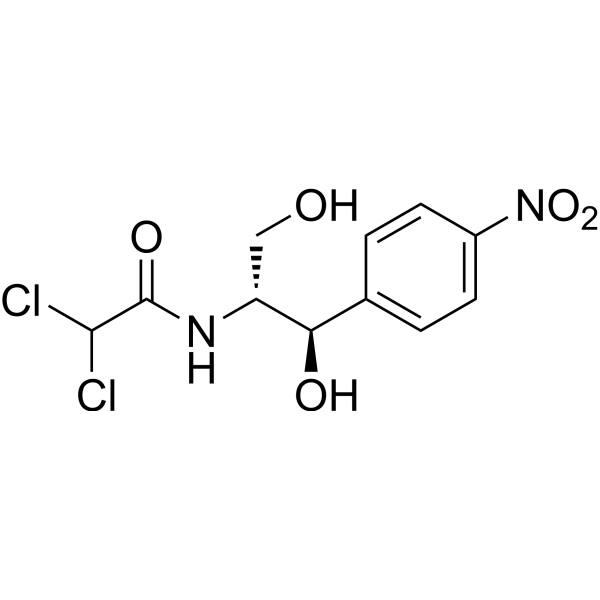
    Chloramphenicol is an orally active, potent and broad-spectrum antibiotic. Chloramphenicol shows antibacterial activity. Chloramphenicol represses the oxygen-labile transcription factor and hypoxia inducible factor-1 alpha (HIF-1α) in hypoxic A549 and H1299 cells. Chloramphenicol suppresses the mRNA levels of vascular endothelial growth factor (VEGF) and glucose transporter 1, eventually decreasing VEGF release. Chloramphenicol can be used for anaerobic infections and lung cancer research .
    Chloramphenicol
  • HY-B1247
    Protoporphyrin IX
    20+ Cited Publications

    PPIX

    Endogenous Metabolite Others
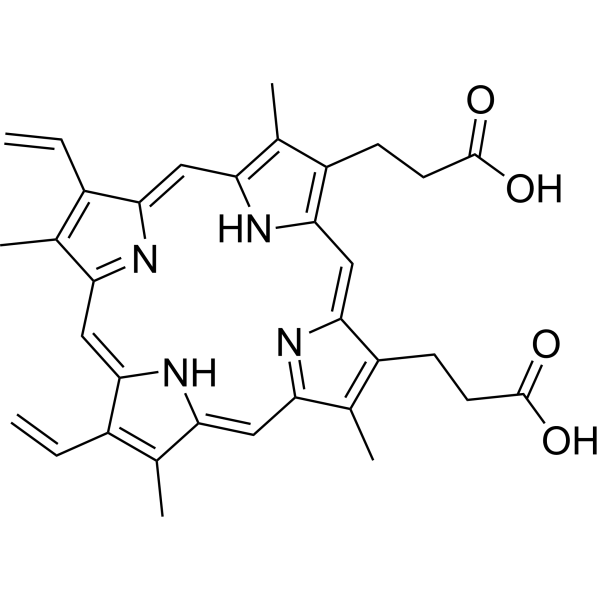
    Protoporphyrin IX is a final intermediate in the heme biosynthetic pathway, which acts as a radiation sensitizer enhancing ROS generation even in a hypoxic state and inducing DNA damage. Protoporphyrin IX also acts as a photo sensitizer undergoing photobleaching that occurs through direct degradation by light irradiation. Protoporphyrin IX is formed and accumulated following 5-aminolevulinic acid (5-ALA) (HY-W000450) administration in the tumor cells of rats. Protoporphyrin IX causes selective improvement of basal cell carcinoma when activated red fluorescence of a peak wavelength at 405 nm. Protoporphyrin IX is promising for research of sonodynamic and photodynamic agents for a wide range of cancers, such as bladder cancer and nodular basal cell carcinoma .
    Protoporphyrin IX
  • HY-B1060
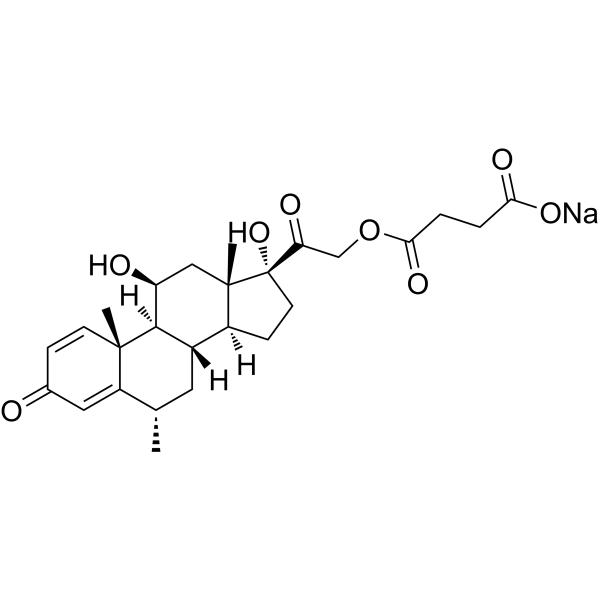
    Methylprednisolone succinate sodium
    2 Publications Verification

    Methylprednisolone hydrogen succinate sodium

    Glucocorticoid Receptor Infection Neurological Disease Inflammation/Immunology Cancer
    Methylprednisolone succinate (Methylprednisolone hydrogen succinate) sodium is a prodrug of Methylprednisolone (HY-B0260) and glucocorticoid with immunosuppressant and anti-inflammatory activity. Methylprednisolone succinate sodium binds cytosolic glucocorticoid receptors, translocates to nuclei, and modulates target gene transcription. Methylprednisolone succinate sodium alters Bax, Bcl-2, occludin, and ZO-1 expression; attenuates TLR4/NF-κB signaling; suppresses proinflammatory cytokine production and immune cell activation. Methylprednisolone succinate sodium can be used for the research of intracranial haemorrhage, rheumatoid arthritis, multiple sclerosis, preterminal cancer, inflammatory conditions, shock, immediate-type hypersensitivity, acute myocardial ischemia, hypoxic heart muscle damage, and traumatic spinal cord injury .
    Methylprednisolone succinate sodium
  • HY-119264

    Molecular Glues Ras Apoptosis HIF/HIF Prolyl-Hydroxylase Cancer
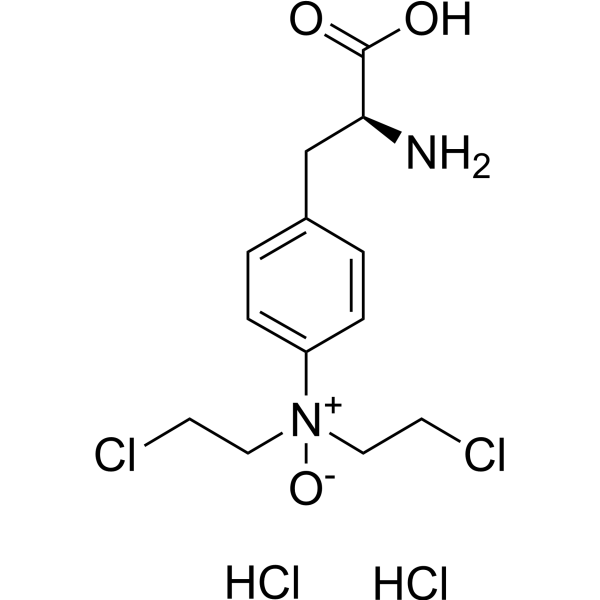
    PRLX-93936 is a molecular Glues that binds to and reprograms the TRIM21 ubiquitin ligase to degrade nuclear pore complexes. PRLX-93936 binds to TRIM21, forms a ternary complex with TRIM21 and NUP98, and mediates the ubiquitination and proteasomal degradation of NUP98 and other nuclear pore complex proteins. PRLX-93936 induces the loss of short-lived cytoplasmic mRNA transcripts, triggers cancer cell apoptosis (Apoptosis), and inhibits the activated Ras pathway. PRLX-93936 inhibits HIF-1 under hypoxic conditions (IC50 = 0.09 μM in cell-based reporter gene assay). PRLX-93936 suppresses tumor growth in mouse models and improves survival rates in mouse models of multiple myeloma. PRLX-93936 is applicable to research related to pancreatic cancer and multiple myeloma .
    PRLX-93936
  • HY-B1900
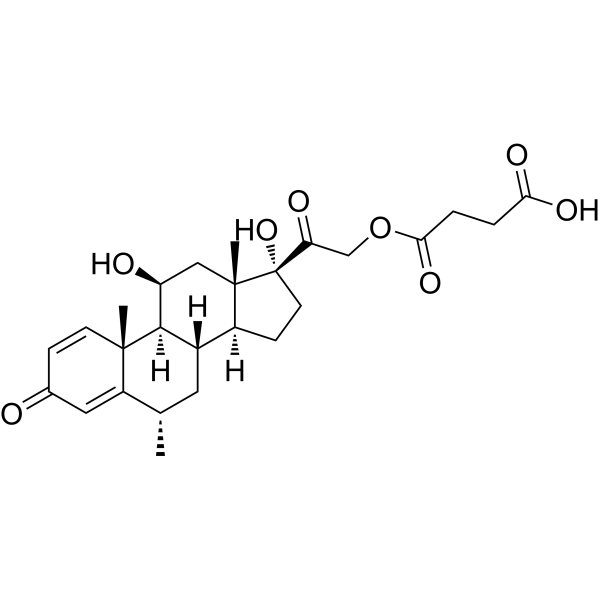
    Methylprednisolone succinate
    2 Publications Verification

    Methylprednisolone hydrogen succinate

    Glucocorticoid Receptor Bacterial Toll-like Receptor (TLR) NF-κB Infection Neurological Disease Metabolic Disease Inflammation/Immunology Cancer
    Methylprednisolone succinate (Methylprednisolone hydrogen succinate) is a prodrug of Methylprednisolone (HY-B0260) and glucocorticoid with immunosuppressant and anti-inflammatory activity. Methylprednisolone succinate binds cytosolic glucocorticoid receptors, translocates to nuclei, and modulates target gene transcription. Methylprednisolone succinate alters Bax, Bcl-2, occludin, and ZO-1 expression; attenuates TLR4/NF-κB signaling; suppresses proinflammatory cytokine production and immune cell activation. Methylprednisolone succinate can be used for the research of intracranial haemorrhage, rheumatoid arthritis, multiple sclerosis, preterminal cancer, inflammatory conditions, shock, immediate-type hypersensitivity, acute myocardial ischemia, hypoxic heart muscle damage, and traumatic spinal cord injury .
    Methylprednisolone succinate
  • HY-121970

    Phosphoglycerate Dehydrogenase (PHGDH) Reactive Oxygen Species (ROS) HIF/HIF Prolyl-Hydroxylase Metabolic Disease
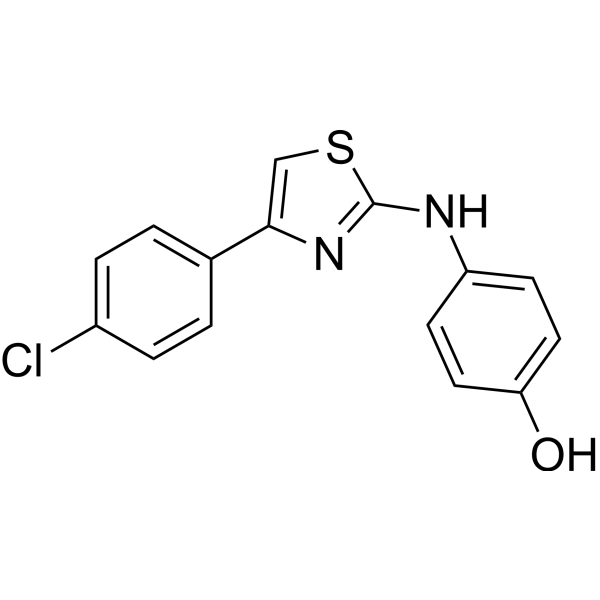
    iGP-1 is a cell-permeable, selective mixed inhibitor of mitochondrial sn-glycerol-3-phosphate dehydrogenase (mGPDH), with IC50s of 6.3 μM and 13.6 μM for rat mGPDH activity and H2O2 production, respectively. iGP-1 specifically blocks the mitochondrial component of the glycerophosphate shuttle without affecting cytosolic GPDH. iGP-1 not only inhibits cell proliferation and glutaminolysis, and enhances glycolysis, but also significantly alters key cellular physiological processes such as apoptosis, ROS production, HIF-1α stability and mitochondrial membrane potential. iGP-1 remains active in neutrophil cultures under both normoxic and hypoxic conditions, and serves as an ideal probe for glycerol-3-phosphate metabolic mechanisms. iGP-1 has been applied to studies on prostate cancer and related metabolic pathways .
    iGP-1
  • HY-16349
    Nimorazole
    1 Publications Verification

    K-1900

    Parasite Antibiotic Infection Cancer
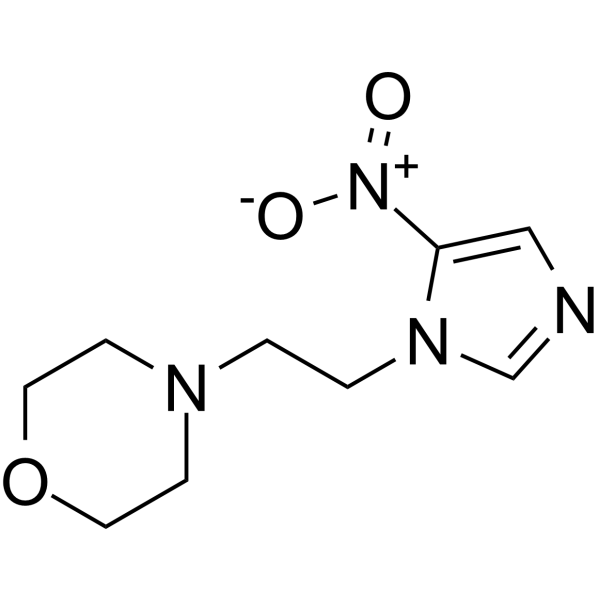
    Nimorazole (K-1900), a 2-nitroimidazole, is a hypoxic cell-radiation sensitizer. Nimorazole has anti-infective and anti-protozoal against trichomoniasis. Nimorazole has the potential for head and neck cancer .
    Nimorazole
  • HY-119264A

    Molecular Glues Apoptosis Ras HIF/HIF Prolyl-Hydroxylase Cancer
    PRLX-93936 dihydrochloride is a molecular Glues that binds to and reprograms the TRIM21 ubiquitin ligase to degrade nuclear pore complexes. PRLX-93936 dihydrochloride binds to TRIM21, forms a ternary complex with TRIM21 and NUP98, and mediates the ubiquitination and proteasomal degradation of NUP98 and other nuclear pore complex proteins. PRLX-93936 dihydrochloride induces the loss of short-lived cytoplasmic mRNA transcripts, triggers cancer cell apoptosis (Apoptosis), and inhibits the activated Ras pathway. PRLX-93936 dihydrochloride inhibits HIF-1 under hypoxic conditions (IC50 = 0.09 μM in cell-based reporter gene assay). PRLX-93936 dihydrochloride suppresses tumor growth in mouse models and improves survival rates in mouse models of multiple myeloma. PRLX-93936 dihydrochloride is applicable to research related to pancreatic cancer and multiple myeloma .
    PRLX-93936 dihydrochloride
  • HY-P1435

    NADPH Oxidase Cardiovascular Disease Cancer
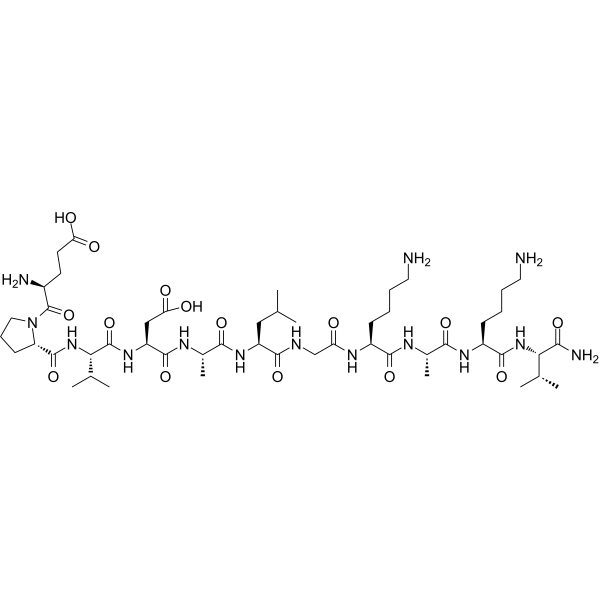
    NoxA1ds is a potent and highly selective NADPH oxidase 1 (NOX1) inhibitor (IC50=20 nM). NoxA1ds inhibits NOX1-derived O 2- production in HT-29 human colon cancer cells. NoxA1ds attenuates VEGF-induced human pulmonary artery endothelial cell migration under hypoxic conditions in vitro. NoxA1ds can be used in the study of hypertension, atherosclerosis and tumors .
    NoxA1ds
  • HY-B0239R

    Reference Standards Antibiotic Bacterial HIF/HIF Prolyl-Hydroxylase VEGFR Autophagy Apoptosis Beclin1 JNK Akt MMP Infection Cancer
    Chloramphenicol (Standard) is the analytical standard of Chloramphenicol. This product is intended for research and analytical applications. Chloramphenicol is an orally active, potent and broad-spectrum antibiotic. Chloramphenicol shows antibacterial activity. Chloramphenicol represses the oxygen-labile transcription factor and hypoxia inducible factor-1 alpha (HIF-1α) in hypoxic A549 and H1299 cells. Chloramphenicol suppresses the mRNA levels of vascular endothelial growth factor (VEGF) and glucose transporter 1, eventually decreasing VEGF release. Chloramphenicol can be used for anaerobic infections and lung cancer research .
    Chloramphenicol (Standard)
  • HY-B1247R

    PPIX (Standard)

    Reference Standards Endogenous Metabolite Others
    Protoporphyrin IX (Standard) is the analytical standard of Protoporphyrin IX. This product is intended for research and analytical applications. Protoporphyrin IX is a final intermediate in the heme biosynthetic pathway, which acts as a radiation sensitizer enhancing ROS generation even in a hypoxic state and inducing DNA damage. Protoporphyrin IX also acts as a photo sensitizer undergoing photobleaching that occurs through direct degradation by light irradiation. Protoporphyrin IX is formed and accumulated following 5-aminolevulinic acid (5-ALA) (HY-W000450) administration in the tumor cells of rats. Protoporphyrin IX causes selective improvement of basal cell carcinoma when activated red fluorescence of a peak wavelength at 405 nm. Protoporphyrin IX is promising for research of sonodynamic and photodynamic agents for a wide range of cancers, such as bladder cancer and nodular basal cell carcinoma .
    Protoporphyrin IX (Standard)
  • HY-116972

    SR 2508

    Biochemical Assay Reagents Cancer
    Etanidazole (SR 2508), a 2-nitroimidazole compound, is a hypoxic radiosensitizer used in cancer diagnosis and chemotherapy research .
    Etanidazole
  • HY-N13009

    Raf HIF/HIF Prolyl-Hydroxylase ERK MEK Reactive Oxygen Species (ROS) Apoptosis Caspase Cancer
    MO-2097 is a RAF-1/HIF-1α inhibitor. MO-2097 induces RAF-1 destabilization, leading to a reduction in EMT-associated transcription factors and mesenchymal markers. MO-2097 inhibits HIF-1a protein expression mediated by hnRNPA2B1 under hypoxic and mimetic hypoxia. MO-2097 induces mitochondrial ROS, which leads to apoptosis in cells. MO-2097 effectively suppresses colorectal cancer metastasis by inhibiting the RAF/MEK/ERK signaling pathway. MO-2097 attenuates tumor growth in a xenograft HCT116 cell mouse model. MO-2097 can be used for the study of colorectal cancer .
    MO-2097
  • HY-B1900R
    Methylprednisolone succinate (Standard)
    1 Publications Verification

    Methylprednisolone hydrogen succinate (Standard)

    Reference Standards Glucocorticoid Receptor Bacterial Toll-like Receptor (TLR) NF-κB Metabolic Disease Inflammation/Immunology Cancer
    Methylprednisolone succinate (Standard) is the analytical standard of Methylprednisolone succinate (HY-B1900). This product is intended for research and analytical applications. Methylprednisolone succinate (Methylprednisolone hydrogen succinate) is a prodrug of Methylprednisolone (HY-B0260) and glucocorticoid with immunosuppressant and anti-inflammatory activity. Methylprednisolone succinate binds cytosolic glucocorticoid receptors, translocates to nuclei, and modulates target gene transcription. Methylprednisolone succinate alters Bax, Bcl-2, occludin, and ZO-1 expression; attenuates TLR4/NF-κB signaling; suppresses proinflammatory cytokine production and immune cell activation. Methylprednisolone succinate can be used for the research of intracranial haemorrhage, rheumatoid arthritis, multiple sclerosis, preterminal cancer, inflammatory conditions, shock, immediate-type hypersensitivity, acute myocardial ischemia, hypoxic heart muscle damage, and traumatic spinal cord injury .
    Methylprednisolone succinate (Standard)
  • HY-160267

    HIV DNA/RNA Synthesis Infection Neurological Disease Cancer
    iPAF1C is a inhibitor of the polymerase-associated factor 1 complex (PAF1C) with specific targeting to the PAF1 binding groove of CTR9 (a key subunit of PAF1C). iPAF1C disrupts PAF1C assembly by interfering with the PAF1-CTR9 interaction. iPAF1C selectively impairs BRD4-mediated recruitment of PAF1 to chromatin at hypoxia-responsive genes and inhibits RNA polymerase II (RNAPII) pause release. iPAF1C increases the population of HIV-1 NL4.3 Nef-IRES-GFP infected primary human CD4 +T cells in a dose-dependent manner. PAF1C can be used for the study of infection and diseases associated with abnormal hypoxic adaptation (e.g., cancers, neurological disorders) .
    iPAF1C
  • HY-B1247A
    Protoporphyrin IX disodium
    Maximum Cited Publications
    22 Publications Verification

    PPIX disodium

    Endogenous Metabolite Cancer
    Protoporphyrin IX disodium is a final intermediate in the heme biosynthetic pathway, which acts as a radiation sensitizer enhancing ROS generation even in a hypoxic state and inducing DNA damage. Protoporphyrin IX disodium also acts as a photo sensitizer undergoing photobleaching that occurs through direct degradation by light irradiation. Protoporphyrin IX disodium is formed and accumulated following 5-aminolevulinic acid (5-ALA) (HY-W000450) administration in the tumor cells of rats. Protoporphyrin IX disodium causes selective improvement of basal cell carcinoma when activated red fluorescence of a peak wavelength at 405 nm. Protoporphyrin IX disodium is promising for research of sonodynamic and photodynamic agents for a wide range of cancers, such as bladder cancer and nodular basal cell carcinoma .
    Protoporphyrin IX disodium
  • HY-170779

    FAP Cancer
    DOTA-NI-FAPI-04 is a FAP inhibitor (IC50 = 7.44 nM). By integrating FAP targeting with hypoxia-sensitive groups (nitroimidazole), DOTA-NI-FAPI-04 significantly enhances tumor uptake and retention capabilities. DOTA-NI-FAPI-04 chelates metallic isotopes (such as 68Ga and 177Lu) through DOTA to produce radioactive probes ([68Ga]Ga/DOTA-NI-FAPI-04 and [177Lu]Lu/DOTA-NI-FAPI-04), which can be used for research in tumor diagnostics and therapeutic agents. DOTA-NI-FAPI-04 holds dual targeting potential in the fields of cancer imaging, tumor microenvironment analysis, and radionuclide therapy, particularly suitable for scenarios where the tumor stroma and hypoxic regions synergistically interact .
    DOTA-NI-FAPI-04
  • HY-139409

    Hexokinase Glucose-6-Phosphate Isomerase (GPI) Cancer
    2-Deoxy-D-glucose 6-phosphate disodium is an ATP-competitive and 2-deoxy-D-glucose non-competitive Hexokinase inhibitor, with a Ki value of 1.45 mM against bovine heart hexokinase. 2-Deoxy-D-glucose 6-phosphate disodium exerts ATP-competitive and 2-deoxy-D-glucose non-competitive inhibitory effects on bovine heart hexokinase. 2-DG inhibits glycolysis via the generation and intracellular accumulation of 2-Deoxy-D-glucose 6-phosphate disodium, thereby inhibiting the functions of hexokinase and Glucose-6-phosphate isomerase, and inducing cell death. 2-Deoxy-D-glucose 6-phosphate disodium can be used in cancer-related research .
    2-Deoxy-D-glucose 6-phosphate
  • HY-161838

    ATM/ATR Cancer
    ICT10336 is a hypoxia-responsive prodrug of ATR inhibitor, AZD6738 (HY-19323). ICT10336 is hypoxia-activated and specifically releases AZD6738 only in hypoxic conditions in vitro. This can inhibit ATR activation (T1989 and S428 phosphorylation) and subsequently abrogate HIF1a-mediated adaptation of hypoxic cancers cells, thus selectively inducing cell death in 2D and 3D cancer models. ICT10336 is a metabolic substrate of CYPOR activity.
    ICT10336
  • HY-16151

    Autophagy NO Synthase Inflammation/Immunology Cancer
    CR-3294 is an autophagy inducer in hypoxic cells. CR-3294 is an inducible enzyme nitric oxide synthase (iNOS) inhibitor. CR-3294 inhibits both the DNA binding of HIF-1alpha and VEGF mRNA synthesis. CR-3294 can be used for the study of breast cancer and inflammatory bowel disease (IBD), such as Crohn’s disease, ulcerative colitis .
    CR-3294
  • HY-B0239S2

    JNK Apoptosis VEGFR MMP Bacterial Akt Autophagy HIF/HIF Prolyl-Hydroxylase Antibiotic Beclin1 Cancer
    Threo-Chloramphenicol-d6 is the deuterium labeled Chloramphenicol . Chloramphenicol is an orally active, potent and broad-spectrum antibiotic. Chloramphenicol shows antibacterial activity. Chloramphenicol represses the oxygen-labile transcription factor and hypoxia inducible factor-1 alpha (HIF-1α) in hypoxic A549 and H1299 cells. Chloramphenicol suppresses the mRNA levels of vascular endothelial growth factor (VEGF) and glucose transporter 1, eventually decreasing VEGF release. Chloramphenicol can be used for anaerobic infections and lung cancer research .
    Threo-Chloramphenicol-d6
  • HY-155003

    Fluorescent Dye Cancer
    TPEQM-DMA is a NIR-II photosensitizer. TPEQM-DMA accumulates in cancerous mitochondria, and inhibits cancer cell growth. TPEQM-DMA has potent type-I phototherapeutic efficacy to overcome the intrinsic pitfalls of PDT in combating hypoxic tumors .
    TPEQM-DMA
  • HY-125575

    Carbonic Anhydrase Cancer
    FC11409B is an ureido-sulfamate carbonic anhydrase IX (CAIX) inhibitor. FC11409B inhibits proliferation and migration of breast cancer cell lines in both hypoxic (0.5% O2) and normoxic conditions (21% O2). FC11409B also inhibits 3D spheroid of breast cancer subtypes invasion. FC11409B is promising for research of breast and ovarian cancers .
    FC11409B
  • HY-16349R

    K-1900 (Standard)

    Reference Standards Parasite Antibiotic Infection Cancer
    Nimorazole (Standard) is the analytical standard of Nimorazole. This product is intended for research and analytical applications. Nimorazole (K-1900), a 2-nitroimidazole, is a hypoxic cell-radiation sensitizer. Nimorazole has anti-infective and anti-protozoal against trichomoniasis. Nimorazole has the potential for head and neck cancer .
    Nimorazole (Standard)
  • HY-175638

    Carbonic Anhydrase Apoptosis Bcl-2 Family CDK Cancer
    Carbonic anhydrase-IN-35 is a selective carbonic anhydrase (CA) inhibitor. Carbonic anhydrase-IN-35 potently inhibits tumor-associated hCA IX (Ki = 0.6 nM) and hCA XII (Ki = 2.2 nM). Carbonic anhydrase-IN-35 induces apoptosis in MCF-7 cells by elevating Bax, reducing Bcl-2, and downregulating CDK4/6. Carbonic anhydrase-IN-35 exhibits potent cytotoxicity against MCF-7 (IC50 = 0.3975 μM normoxic/0.6575 μM hypoxic), MCF-7-ADR (IC50> = 0.3975 μM normoxic/4.488 μM hypoxic), MDA-MB-231, and 4T1 breast cancer cells. Carbonic anhydrase-IN-35 can be used for the study of breast cancer .
    Carbonic anhydrase-IN-35
  • HY-P1435A

    NADPH Oxidase Cardiovascular Disease Cancer
    NoxA1ds TFA is a potent and highly selective NADPH oxidase 1 (NOX1) inhibitor (IC50=20 nM). NoxA1ds TFA inhibits NOX1-derived O 2- production in HT-29 human colon cancer cells. NoxA1ds TFA attenuates VEGF-induced human pulmonary artery endothelial cell migration under hypoxic conditions in vitro. NoxA1ds TFA can be used in the study of hypertension, atherosclerosis and tumors .
    NoxA1ds TFA
  • HY-178475

    Carbonic Anhydrase Glutathione Peroxidase Ferroptosis Cancer
    CA IX/GPX4-IN-1 (Compound 22abcb) is a dual targeted inhibitor of CA IX and GPX4 activity. CA IX/GPX4-IN-1 can effectively kill SUM159PT cells (IC50 = 416 nM) by inducing iron death under hypoxic conditions. CA IX/GPX4-IN-1 has an IC50 of 663 nM to CA IX in SUM159PT-CAIX-FL cells. CA IX/GPX4-IN-1 can significantly inhibit tumor growth and can be reversed by ferroptosis inhibitors. CA IX/GPX4-IN-1 can be used for research on breast cancer and other cancers .
    CA IX/GPX4-IN-1
  • HY-W014394R

    TRP Channel Reference Standards Parasite Cardiovascular Disease
    Protoporphyrin IX (Standard) is the analytical standard of Protoporphyrin IX. This product is intended for research and analytical applications. Protoporphyrin IX is a final intermediate in the heme biosynthetic pathway, which acts as a radiation sensitizer enhancing ROS generation even in a hypoxic state and inducing DNA damage. Protoporphyrin IX also acts as a photo sensitizer undergoing photobleaching that occurs through direct degradation by light irradiation. Protoporphyrin IX is formed and accumulated following 5-aminolevulinic acid (5-ALA) (HY-W000450) administration in the tumor cells of rats. Protoporphyrin IX causes selective improvement of basal cell carcinoma when activated red fluorescence of a peak wavelength at 405 nm. Protoporphyrin IX is promising for research of sonodynamic and photodynamic agents for a wide range of cancers, such as bladder cancer and nodular basal cell carcinoma .
    Vanillyl butyl ether (Standard)
  • HY-119270

    Biochemical Assay Reagents Cancer
    PD 130908 is an orally active hypoxic cell radiosensitizer with potent radiosensitizing activity. PD 130908 can be utilized in cancer research .
    PD 130908
  • HY-175163

    Photosensitizer Cancer
    TPAPyN is a nitroreductase(NTR)-responsive type I photosensitizer. TPAPyN facilitates the imaging of hypoxic cancer cells and image-guided photodynamic therapy (PDT). TPAPyN does not emit fluorescence in the aqueous environment, but restores when NTR cleaves the nitrofuran quencher with aggregation-induced emission. TPAPyN can be used as a fluorescent probe for specific imaging of hypoxic cancer .
    TPAPyN
  • HY-183570

    Photosensitizer Reactive Oxygen Species (ROS) Cancer
    Antitumor photosensitizer-11 is a type-I carbazole/benzindolium photosensitizer with antitumor activity. Antitumor photosensitizer-11 induces ROS generation via a type-I pathway, forming superoxide anions and hydroxyl radicals. Antitumor photosensitizer-11 triggers immunogenic cell death in cancer cells via enhanced oxidative stress. Antitumor photosensitizer-11 exhibits antiproliferative activity in normoxic and hypoxic environments, inhibits breast cancer tumor growth in vivo, and promotes dendritic cell maturation and T cell infiltration. Antitumor photosensitizer-11 can be used for the research of cancer, such as breast cancer .
    Antitumor photosensitizer-11
  • HY-16964

    Lactate Dehydrogenase Cancer
    LDHA-IN-1 (Compound 1j) is a selective, competitive LDH-A inhibitor, with Ki values of 8.9 μM (NADH assay) and 4.7 μM (Pyruvate assay) against hLDH-A. LDHA-IN-1 inhibits cancer cell proliferation under hypoxic conditions. LDHA-IN-1 can be used in the research of ovarian cancer, colorectal cancer, mesothelioma and pancreatic cancer .
    LDHA-IN-1
  • HY-W585945

    Reactive Oxygen Species (ROS) Inflammation/Immunology
    Mono N-Desmethyl Disperse Polyester Dark Blue is a bioreductive agent that is activated under hypoxic conditions. Once inside a cell, it is reduced to its active form, which generates reactive oxygen species that can damage cellular components, including DNA. This damage can lead to cell death, particularly in hypoxic cancer cells that are already under stress. It has also been shown to inhibit the activity of hypoxia-inducible factor 1 (HIF-1) , which is a key regulator of the cellular response to hypoxia.
    Mono N-desmethyl disperse polyester dark blue
  • HY-160833

    Carbonic Anhydrase Cancer
    hCAIX/XII-IN-12 (Compound 6) is a potent and highly selective dual inhibitor of hCA IX and hCA XII, with Ki values of 8.2 and 5.6 nM respectively. hCAIX/XII-IN-12 exhibits significant anti-proliferative activity against colon cancer cells, and this activity remains effective under hypoxic conditions. hCAIX/XII-IN-12 can be used for research on colon cancer .
    hCAIX/XII-IN-12
  • HY-181350

    Carbonic Anhydrase NAMPT Apoptosis Reactive Oxygen Species (ROS) ERK Akt DNA/RNA Synthesis Mitochondrial Metabolism Cancer
    CAIX/XII/NAMPT-IN-1 is a triple inhibitor of carbonic anhydrase IX/XII and nicotinamide phosphoribosyltransferase (NAMPT) with a hCA IX Ki of 78.1 nM, hCA XII Ki of 64.4 nM, and hNAMPT IC50 of 168 nM. CAIX/XII/NAMPT-IN-1 induces apoptosis, ROS accumulation, suppresses ERK/AKT signaling, inhibits DNA synthesis, and causes mitochondrial dysfunction. CAIX/XII/NAMPT-IN-1 exerts antiproliferative effects against multiple cancer cells under normoxic and hypoxic conditions. CAIX/XII/NAMPT-IN-1 can be used for the research of cancer, such as renal carcinoma, glioblastoma and colorectal cancer .
    CAIX/XII/NAMPT-IN-1
  • HY-179034

    Carbonic Anhydrase c-Met/HGFR Apoptosis Cancer
    CAIX/XII-IN-16 (Compound 5d) is a selective inhibitor of CA IX/XII and c-Met. CAIX/XII-IN-16‘s Ki values for hCA IX, hCA XII and CA I are 10.6, 31.8 and 2361 nM respectively, and its IC50 value for c-Met is 0.49 μM. CAIX/XII-IN-16 exhibits significantly enhanced cytotoxicity against colon cancer cells under hypoxic conditions. CAIX/XII-IN-16 causes cell cycle arrest and induces apoptosis (apoptosis). CAIX/XII-IN-16 significantly enhances the efficacy of Oxaliplatin (HY-17371) and 5-Fluorouracil (HY-90006). CAIX/XII-IN-16 can be used for studies on chemotherapy resistance related to hypoxia .
    CAIX/XII-IN-16

온라인 문의

Your information is safe with us. * Required Fields.

호칭


Country or Region *

고객명 *


회사명 *

Department *


메일주소 *


상품명 *

Cat. No.


Requested quantity *

전화번호 *


비고

온라인 문의

Inquiry Information

상품명:
Cat. No.:
수량:
MCE Japan Authorized Agent:

