Search Result
Results for "
IL-2 signaling
" in MedChemExpress (MCE) Product Catalog:
2
Isotope-Labeled Compounds
| Cat. No. |
상품명 |
Target |
연구분야 |
Chemical Structure |
-
- HY-13756
-
-
-
- HY-100754
-
|
PF-06651600
|
JAK
Interleukin Related
STAT
|
Inflammation/Immunology
|
|
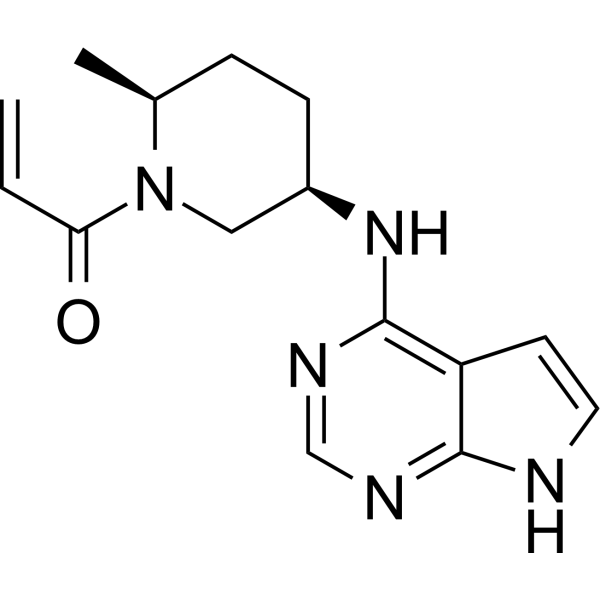
Ritlecitinib (PF-06651600) is a highly selective, orally active, irreversible covalent JAK3 inhibitor (IC50=33 nM) without inhibitory activity towards JAK1, JAK2, and TYK2 (IC50 >10 μ M). Ritlecitinib rapidly inactivates the JAK3 kinase, and blocks signaling and downstream STAT phosphorylation mediated by common gamma chain cytokines such as IL-2 and IL-15. Ritlecitinib can inhibit Th1/Th17 cell differentiation and function, and effectively suppress preclinical animal models such as alopecia areata, adjuvant-induced arthritis (AIA), and experimental autoimmune encephalomyelitis (EAE) .
|
-
-
- HY-126370A
-
|
|
Endogenous Metabolite
YAP
Apoptosis
Interleukin Related
STAT
ERK
Ras
|
Cancer
|
|
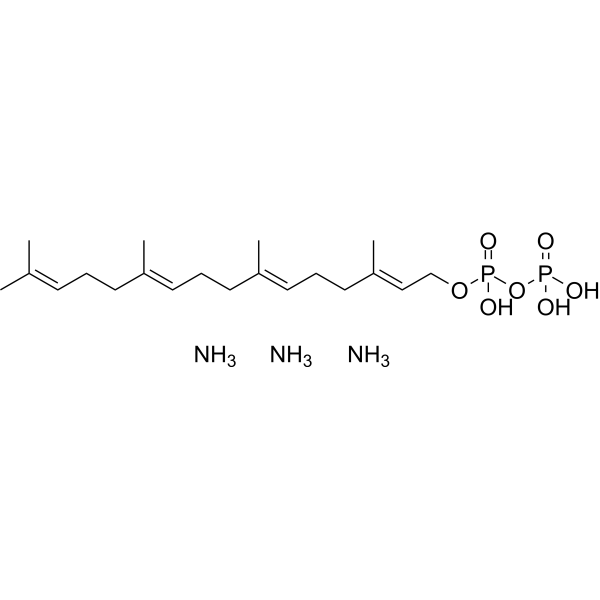
Geranylgeranyl pyrophosphate triammonium is a type of isoprenoid metabolic intermediate, mainly synthesized through the mevalonate pathway. Geranylgeranyl pyrophosphate triammonium is a key precursor in various biological synthesis processes, especially as a necessary substrate for post-translational modification of proteins - geranylgeranyl phosphorylation. Geranylgeranyl pyrophosphate triammonium regulates various cellular processes and disease progression through protein geranylgeranyl phosphorylation, such as activating the YAP signaling pathway, promoting cell proliferation and inhibiting apoptosis; promoting IL-2 production and STAT5 phosphorylation; and influencing metabolic homeostasis and cancer, etc .
|
-
-
- HY-13756A
-
|
FK506 monohydrate; Fujimycin monohydrate; FR900506 monohydrate
|
Phosphatase
FKBP
Autophagy
Bacterial
Antibiotic
|
Infection
Inflammation/Immunology
Cancer
|
|
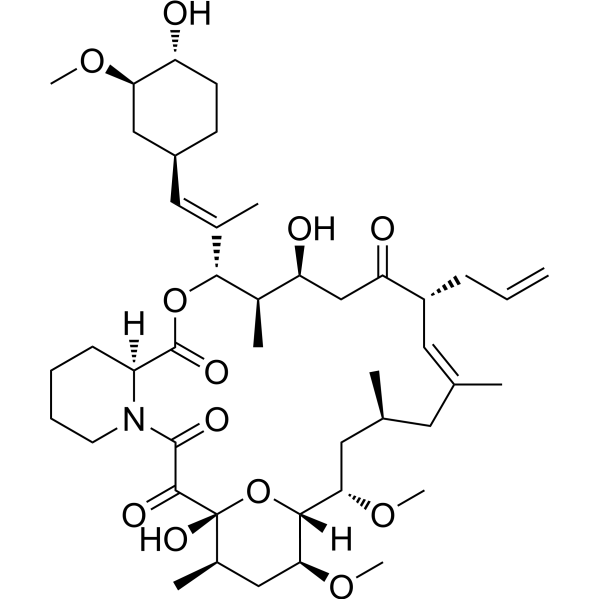
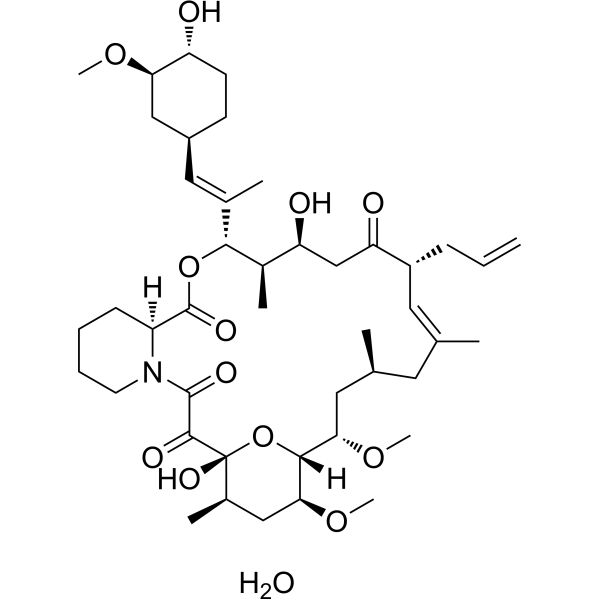
Tacrolimus monohydrate (FK506 monohydrate), a macrocyclic lactone, binds to FK506 binding protein (FKBP) to form a complex and inhibits calcineurin phosphatase, which inhibits T-lymphocyte signal transduction and IL-2 transcription. Immunosuppressive properties .
|
-
-
- HY-13756S
-
|
FK506-13C,d2; Fujimycin-13C,d2; FR900506-13C,d2
|
Phosphatase
FKBP
Bacterial
Autophagy
Antibiotic
|
Infection
Inflammation/Immunology
Cancer
|
|
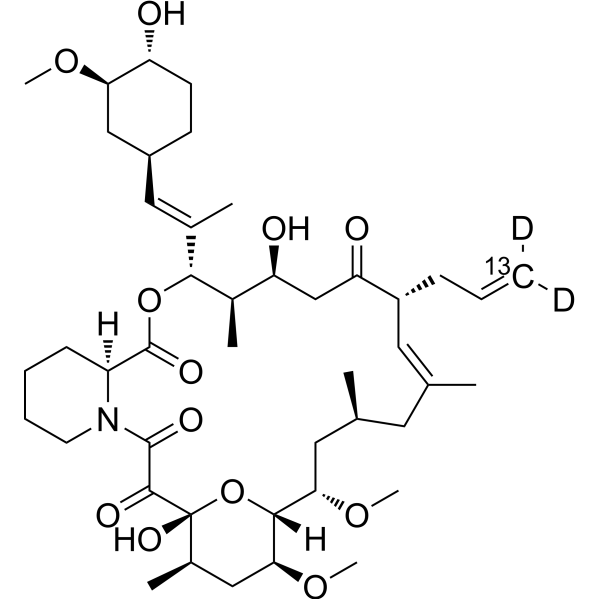
Tacrolimus- 13C,d2 is a 13C-labeled and deuterium labeled Tacrolimus. Tacrolimus (FK506), a macrocyclic lactone, binds to FK506 binding protein (FKBP) to form a complex. Tacrolimus inhibits calcineurin phosphatase, which inhibits T-lymphocyte signal transduction and IL-2 transcription. Immunosuppressive properties .
|
-
-
- HY-136339
-
|
|
E1/E2/E3 Enzyme
Interleukin Related
|
Inflammation/Immunology
Cancer
|
|
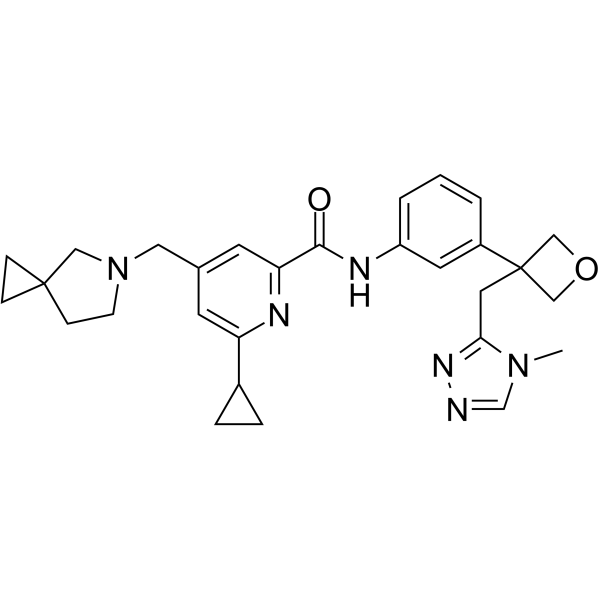
Cbl-b-IN-1 (Example 519) is an inhibitor of Cbl-b, with an IC50 of less than 100 nM. Cbl-b-IN-1 can promote the secretion of cytokines such as IL-2, IFN-γ, and TNF-α, facilitate T cell activation, and enhance the TCR signaling pathway. Cbl-b-IN-1 can be used in research on immunomodulation .
|
-
-
- HY-100754C
-
|
PF-06651600 tosylate
|
JAK
Interleukin Related
STAT
|
Inflammation/Immunology
|
|
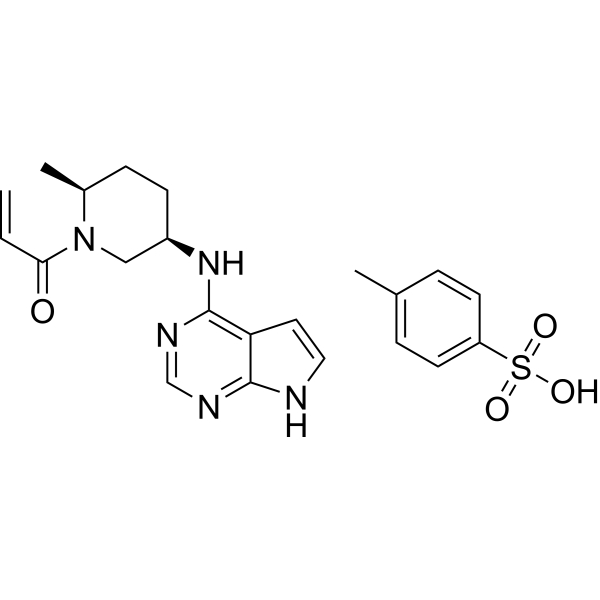
Ritlecitinib (PF-06651600) tosylate is a highly selective, orally active, irreversible covalent JAK3 inhibitor (IC50=33 nM) without inhibitory activity towards JAK1, JAK2, and TYK2 (IC50 >10 μ M). Ritlecitinib tosylate rapidly inactivates the JAK3 kinase, and blocks signaling and downstream STAT phosphorylation mediated by common gamma chain cytokines such as IL-2 and IL-15. Ritlecitinib tosylate can inhibit Th1/Th17 cell differentiation and function, and effectively suppress preclinical animal models such as alopecia areata, adjuvant-induced arthritis (AIA), and experimental autoimmune encephalomyelitis (EAE) .
|
-
-
- HY-126370
-
|
|
Endogenous Metabolite
YAP
Apoptosis
Interleukin Related
STAT
ERK
Ras
|
Cancer
|
|
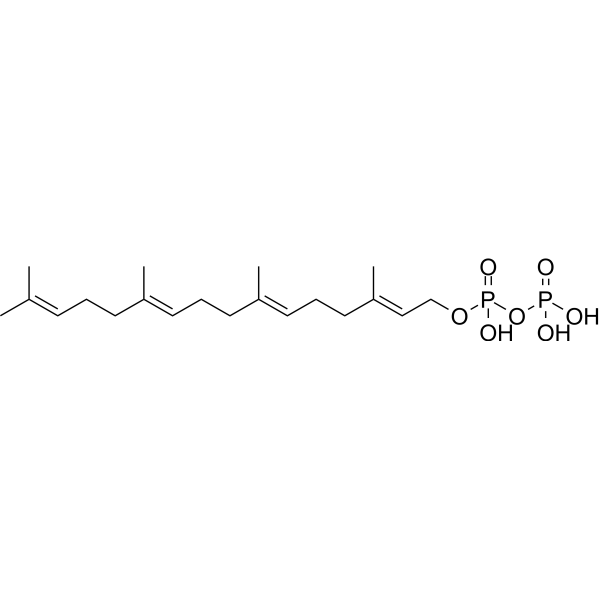
Geranylgeranyl pyrophosphate is a type of isoprenoid metabolic intermediate, mainly synthesized through the mevalonate pathway. Geranylgeranyl pyrophosphate is a key precursor in various biological synthesis processes, especially as a necessary substrate for post-translational modification of proteins - geranylgeranyl phosphorylation. Geranylgeranyl pyrophosphate regulates various cellular processes and disease progression through protein geranylgeranyl phosphorylation, such as activating the YAP signaling pathway, promoting cell proliferation and inhibiting apoptosis; promoting IL-2 production and STAT5 phosphorylation; and influencing metabolic homeostasis and cancer, etc .
|
-
-
- HY-13756R
-
|
FK506 (Standard); Fujimycin (Standard); FR900506 (Standard)
|
Reference Standards
Phosphatase
FKBP
Bacterial
Autophagy
Antibiotic
|
Infection
Inflammation/Immunology
Cancer
|
|
Tacrolimus (Standard) is the analytical standard of Tacrolimus. This product is intended for research and analytical applications. Tacrolimus (FK506), a macrocyclic lactone, binds to FK506 binding protein (FKBP) to form a complex. Tacrolimus inhibits calcineurin phosphatase, which inhibits T-lymphocyte signal transduction and IL-2 transcription. Immunosuppressive properties .
|
-

-
- HY-155978A
-
|
|
Tyrosinase
ERK
Interleukin Related
IFNAR
|
Inflammation/Immunology
|
|
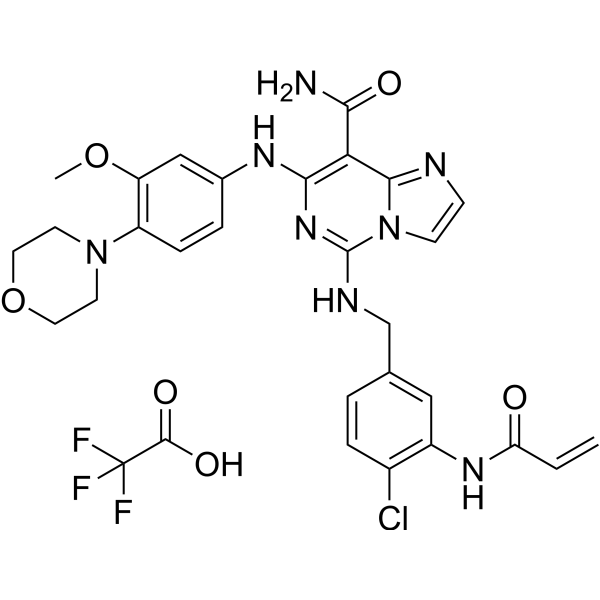
RDN2150 TFA is a ZAP-70 inhibitor with an IC50 of 14.6 nM, and it exhibits selectivity for Syk over other kinases. RDN2150 TFA inhibits signal transduction and activation of T cells/CAR-T cells, reduces the phosphorylation level of Erk1/2, suppresses the induction of CD69 and IL-2, and downregulates phosphotyrosine signaling pathways including hnRNP sites in T cells. RDN2150 TFA can be used for psoriasis-related research .
|
-
-
- HY-P991740
-
|
|
PD-1/PD-L1
Interleukin Related
|
Cancer
|
|
IBI-363 is a PD-1/IL-2 bispecific antibody with functions of blocking the PD-1/PD-L1 pathway and activating the IL-2 pathway. The IL-2 arm of IBI-363 retains affinity for IL-2Rα but attenuates binding ability to IL-2Rβ and IL-2Rγ to reduce toxicity. The PD-1 binding arm of IBI-363 enables PD-1 blockade and selective delivery of IL-2. IBI-363 can be used in cancer research, such as non-small cell lung cancer .
|
-

-
- HY-P991201
-
|
|
Interleukin Related
|
Inflammation/Immunology
|
|
REGN-7257 is a humanized monoclonal antibody targeting IL2RG. REGN-7257 blocks the signal transduction induced by common gamma chain (γc) cytokines via the IL2RG chain of the γc cytokine receptor complex. REGN-7257 is applicable for research on immune-mediated diseases and T cell-mediated diseases . Its corresponding isotype control is Human IgG4 kappa, Isotype Control (HY-P99003).
|
-

-
- HY-13756S2
-
-

-
- HY-149056
-
|
|
MAP4K
Interleukin Related
|
Cancer
|
|
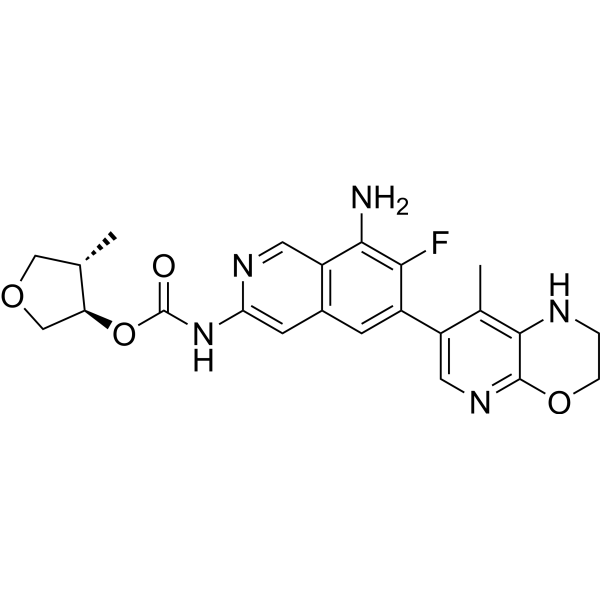
GNE-6893 is an orally active, selective HPK1 inhibitor with a Ki < 0.02 nM. GNE-6893 enhances T cell receptor signaling in primary human T cells. GNE-6893 increases IL2 production in stimulated primary human T cells. GNE-6893 can be used for the research of chronic refractory cancers .
|
-
-
- HY-P1453A
-
|
|
STAT
|
Cancer
|
|
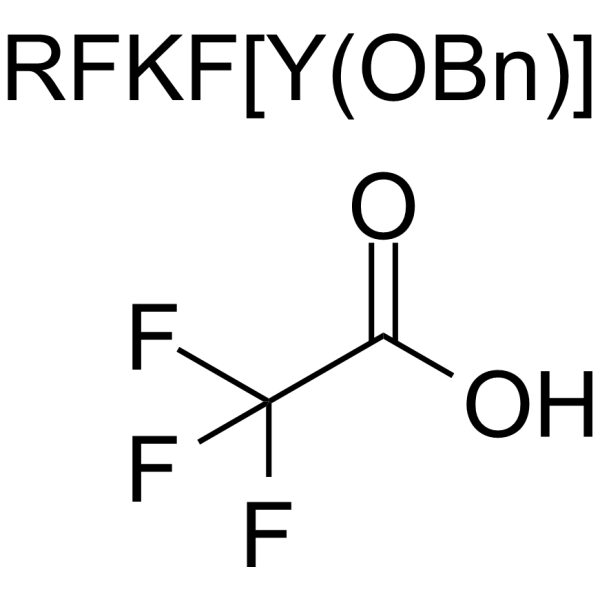
CMD178 TFA is a lead peptide that consistently reduced the expression of Foxp3 and STAT5 induced by IL-2/s IL-2Rα signaling and inhibits Treg cell development .
|
-
-
- HY-155978
-
|
|
Tyrosinase
IFNAR
ERK
Interleukin Related
|
Inflammation/Immunology
|
|
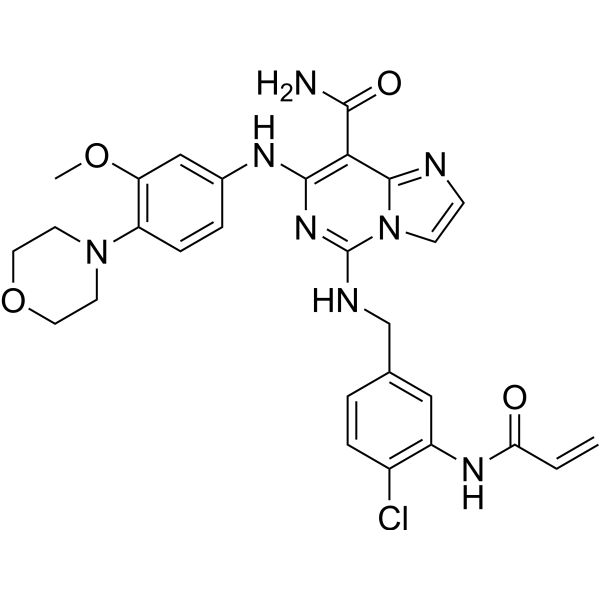
RDN2150 is a ZAP-70 inhibitor with an IC50 of 14.6 nM, and it exhibits selectivity for Syk over other kinases. RDN2150 inhibits signal transduction and activation of T cells/CAR-T cells, reduces the phosphorylation level of Erk1/2, suppresses the induction of CD69 and IL-2, and downregulates phosphotyrosine signaling pathways including hnRNP sites in T cells. RDN2150 can be used for psoriasis-related research .
|
-
-
- HY-P10994
-
|
Eps8(327-335)
|
EGFR
IFNAR
Interleukin Related
TNF Receptor
Complement System
Apoptosis
|
Inflammation/Immunology
Cancer
|
|
Eps8 peptide 327 is an HLA-A*2402-restricted peptide antigen derived from Eps8 protein. Eps8 peptide 327 has potent antitumor activity with significant cytotoxicity. Eps8 peptide 327 effectively inhibits cancer cells proliferation, induces apoptosis and disrupts EGFR signal pathway by inhibiting downstream signals (such as IL-2, TNF-α and IFN-γ) expression and the Eps8/EGFR interaction. Eps8 peptide 327 significantly inhibits tumor growth in HT-29 xenograft mcie models .
|
-

-
- HY-P1409A
-
|
|
Potassium Channel
|
Inflammation/Immunology
|
|
ADWX 1 TFA is a new peptide inhibitor that is potent and selective for Kv1.3 with an IC50 value of 1.89 pM. ADWX 1 inhibits Kv1.3 channel activity specifically to inhibit both the initial calcium signaling and NF-κB activation. ADWX 1 TFA ameliorates the disease in rats of experimental autoimmune encephalomyelitis (EAE) models. ADWX 1 TFA can be used to study T cell-mediated autoimmune diseases .
|
-

-
- HY-13644
-
|
15-Deoxyspergualin
|
Others
|
Others
|
|
Gusperimus is a fully synthetic racemate that has a novel mechanism of action by binding to the intracellular heat shock protein hsp70 and interfering with intracellular signal transduction. This mechanism of action can enhance the effect of immunosuppressive therapy. Gusperimus can inhibit the differentiation of T cells into cytotoxic T cells, reduce the expression of IL-2 receptors on CD4 and CD8 cells, and inhibit IFN-γ-induced B cell maturation. In addition, when used with cyclosporine, tacrolimus or mycophenolate mofetil, Gusperimus can enhance the immunosuppressive effect and prevent allogeneic transplant rejection.
|
-

-
- HY-100754A
-
|
PF-06651600 malonate
|
JAK
Interleukin Related
STAT
|
Inflammation/Immunology
|
|
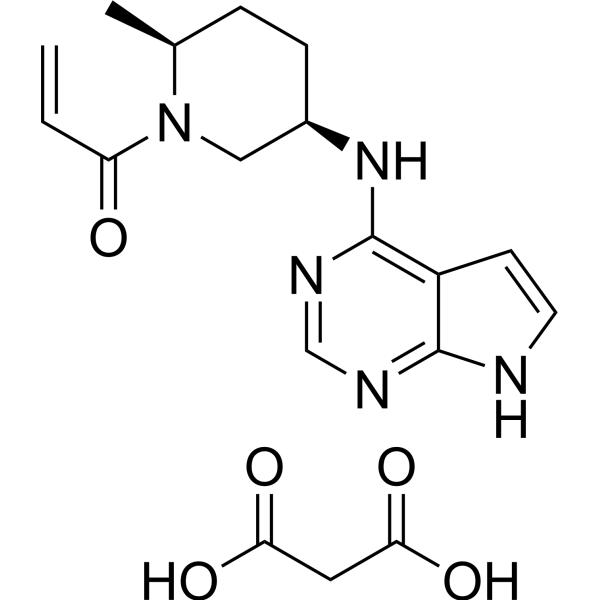
Ritlecitinib (PF-06651600) malonate is a highly selective, orally active, irreversible covalent JAK3 inhibitor (IC50=33 nM) without inhibitory activity towards JAK1, JAK2, and TYK2 (IC50 >10 μ M). Ritlecitinib malonate rapidly inactivates the JAK3 kinase, and blocks signaling and downstream STAT phosphorylation mediated by common gamma chain cytokines such as IL-2 and IL-15. Ritlecitinib malonate can inhibit Th1/Th17 cell differentiation and function, and effectively suppress preclinical animal models such as alopecia areata, adjuvant-induced arthritis (AIA), and experimental autoimmune encephalomyelitis (EAE) .
|
-
-
- HY-168963
-
|
|
PROTACs
Btk
Itk
p38 MAPK
|
Inflammation/Immunology
Cancer
|
|
PROTAC BTK Degrader-13 (Compound 25) is the PROTAC degrader for BTK with a DC50 of 0.27 μM. PROTAC BTK Degrader-13 inhibits the activity of BTK with an IC50 of 0.44 μM, inhibits IL-2-induced T cell kinase (ITK) with an IC50 of 2.16 μM. PROTAC BTK Degrader-13 inhibits p38 MAPK signaling pathway, block the activation of the BCR (B cell receptor) signaling pathway . (Pink: ligand for target protein BTK ligand 15 (HY-168965); Black: linker (HY-Y0524); Blue: ligand for E3 ligase cereblon (HY-103596))
|
-

-
- HY-145675A
-
|
|
Interleukin Related
|
Inflammation/Immunology
|
|
(R)-TCB2 is the R-enantiomer of TCB2. TCB2 is a potent anti-human interleukin-2 antibody, facilitates heterodimeric IL-2 receptor signaling and improves anti-tumor immunity .
|
-

-
- HY-173311
-
|
|
E1/E2/E3 Enzyme
Interleukin Related
|
Inflammation/Immunology
Cancer
|
|
Cbl-b-IN-28 (Compound B2) is an orally active Cbl-b inhibitor. Cbl-b-IN-28 promotes the secretion of cytokines such as IL-2 and enhances the function of immune cells by regulating the phosphorylation levels of key proteins in the T-cell receptor signaling pathway. Cbl-b-IN-28 can be used in research in the field of cancer immunology .
|
-

-
- HY-P10995
-
|
|
EGFR
IFNAR
Interleukin Related
TNF Receptor
Complement System
Apoptosis
|
Inflammation/Immunology
Cancer
|
|
TAT-327 is cell-penetrating peptide. TAT-327 selectively inserts into cancer cell membranes and shows potent antitumor activity. TAT-327 effectively inhibits cancer cells proliferation, induces apoptosis and disrupts EGFR signal pathway by inhibiting downstream signals (such as IL-2, TNF-α and IFN-γ) expression and the Eps8/EGFR interaction. TAT-327 significantly inhibits tumor growth in HT-29 xenograft mcie models .
|
-

-
- HY-P5870
-
|
|
Potassium Channel
|
Inflammation/Immunology
|
|
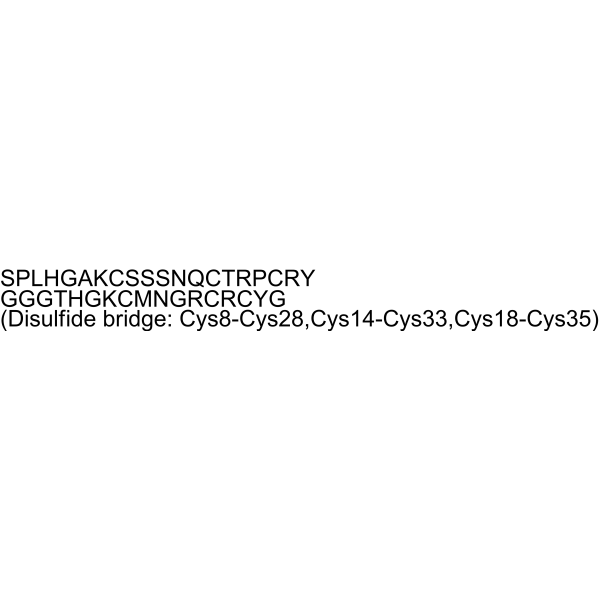
KTX-Sp2 is a potassium channel toxin. KTX-Sp2 effectively blocks three types of exogenous voltage-gated potassium channels: Kv1.1, Kv1.2 and Kv1.3. Ktx-Sp2 inhibits endogenous Kv1.3 and suppresses Ca 2+ signaling in Jurkat T cells. Ktx-Sp2 inhibits IL-2 secretion from activated Jurkat T cells .
|
-
-
- HY-P1453
-
|
|
STAT
|
Cancer
|
|
CMD178 is a lead peptide that consistently reduced the expression of Foxp3 and STAT5 induced by IL-2/s IL-2Rα signaling and inhibits Treg cell development .
|
-

-
- HY-182238
-
|
|
MAP4K
Interleukin Related
|
Cancer
|
|
HPK1-IN-69 is an orally active HPK1 inhibitor with an IC50 of 1.7 nM. HPK1-IN-69 inhibits the HPK1-mediated TCR signaling pathway, reduces the phosphorylation level of SLP76, and promotes the release of IL-2. HPK1-IN-69 exhibits in vivo anti-tumor activity in mouse models. HPK1-IN-69 can be used for the research of colorectal cancer and MC38 syngeneic tumors .
|
-

-
- HY-P992161
-
|
|
Interleukin Related
PD-1/PD-L1
|
Inflammation/Immunology
Cancer
|
|
REGN-10597, composed of an anti-huPD-1-targeting antibody and IL2Ra-IL2 moiety, is a PD-1-dependent IL-2 agonist. REGN-10597 binds PD-1 to deliver masked native IL-2 to PD-1+ T cells, engaging trimeric IL-2 receptors to activate downstream signaling. REGN-10597 can be used for the research on melanoma, prostate cancer, colorectal cancer, and ovarian cancer .
|
-

-
- HY-P991999
-
|
|
FGFR
IFNAR
Interleukin Related
|
Cancer
|
|
OM-RCA-01 is an anti-FGFR1 monoclonal antibody with a Kd of 1.59 nM for human FGFR1. OM-RCA-01 inhibits the phosphorylation of FGFR1, blocks FGF-mediated signaling pathways, and suppresses the proliferation of downstream tumor cells. OM-RCA-01 delays tumor growth in lung cancer and renal cancer xenograft models expressing FGFR1. When combined with Nivolumab, OM-RCA-01 enhances the release of IFN-γ and IL-2. OM-RCA-01 is applicable for the research of lung cancer and renal cell carcinoma .
|
-

-
- HY-100754R
-
|
PF-06651600 (Standard)
|
JAK
Reference Standards
Interleukin Related
STAT
|
Inflammation/Immunology
|
|
Ritlecitinib (Standard) is the analytical standard of Ritlecitinib (HY-100754). This product is intended for research and analytical applications. Ritlecitinib (PF-06651600) is a highly selective, orally active, irreversible covalent JAK3 inhibitor (IC50=33 nM) without inhibitory activity towards JAK1, JAK2, and TYK2 (IC50 >10 μ M). Ritlecitinib rapidly inactivates the JAK3 kinase, and blocks signaling and downstream STAT phosphorylation mediated by common gamma chain cytokines such as IL-2 and IL-15. Ritlecitinib can inhibit Th1/Th17 cell differentiation and function, and effectively suppress preclinical animal models such as alopecia areata, adjuvant-induced arthritis (AIA), and experimental autoimmune encephalomyelitis (EAE) .
|
-

-
- HY-100754CR
-
|
PF-06651600 tosylate (Standard)
|
JAK
Reference Standards
Interleukin Related
STAT
|
Inflammation/Immunology
|
|
Ritlecitinib (tosylate) (Standard) is the analytical standard of Ritlecitinib (tosylate) (HY-100754C). This product is intended for research and analytical applications. Ritlecitinib (PF-06651600) tosylate is a highly selective, orally active, irreversible covalent JAK3 inhibitor (IC50=33 nM) without inhibitory activity towards JAK1, JAK2, and TYK2 (IC50 >10 μ M). Ritlecitinib tosylate rapidly inactivates the JAK3 kinase, and blocks signaling and downstream STAT phosphorylation mediated by common gamma chain cytokines such as IL-2 and IL-15. Ritlecitinib tosylate can inhibit Th1/Th17 cell differentiation and function, and effectively suppress preclinical animal models such as alopecia areata, adjuvant-induced arthritis (AIA), and experimental autoimmune encephalomyelitis (EAE) .
|
-

-
- HY-181924
-
|
|
MAP4K
Interleukin Related
|
Inflammation/Immunology
Cancer
|
|
HPK1-IN-68 (Compound 39) is a HPK1 inhibitor with an IC50 of 2.8 nM. HPK1-IN-68 blocks HPK1 signaling, inhibits HPK1-mediated phosphorylation of SLP76, and promotes the production of the IL-2 cytokine. HPK1-IN-68 antagonizes the immunosuppressive effect mediated by PGE2. HPK1-IN-68 enhances the infiltration of CD3 +/CD8 + T cells into tumor tissues. HPK1-IN-68 exerts T cell-dependent antitumor efficacy in a mouse colon cancer model. HPK1-IN-68 exhibits significant synergistic antitumor effects when used in combination with anti-PD-1. HPK1-IN-68 is applicable to research related to colon cancer .
|
-

-
- HY-P992401
-
|
|
EGFR
CD3
PI3K
Akt
p38 MAPK
Caspase
Apoptosis
IFNAR
TNF Receptor
Interleukin Related
|
Cancer
|
|
M802 is an anti-HER2/CD3 bispecific antibody, with a Kd of 0.578 nM for human HER2 and a Kd of 71.2 nM for human CD3. M802 inhibits the PI3K/AKT and MAPK signaling pathways, suppresses tumor cell proliferation, activates caspase-3, and promotes tumor cell apoptosis (apoptosis). M802 recruits and activates CD3-positive immune cells, mediates cytotoxicity against HER2-positive tumor cells, and induces immune cells to secrete IFN-γ, TNF-α, IL-2 and IL-6. M802 exhibits anti-tumor efficacy in mice with gastric cancer xenografts. M802 can be used in research related to HER2-positive breast cancer, HER2-positive gastric cancer and other cancers. The recommended isotype control is human IgG1 kappa (HY-P99001) .
|
-

| Cat. No. |
상품명 |
Target |
Research Area |
-
- HY-P1453A
-
|
|
STAT
|
Cancer
|
|
CMD178 TFA is a lead peptide that consistently reduced the expression of Foxp3 and STAT5 induced by IL-2/s IL-2Rα signaling and inhibits Treg cell development .
|
-
- HY-P10994
-
|
Eps8(327-335)
|
EGFR
IFNAR
Interleukin Related
TNF Receptor
Complement System
Apoptosis
|
Inflammation/Immunology
Cancer
|
|
Eps8 peptide 327 is an HLA-A*2402-restricted peptide antigen derived from Eps8 protein. Eps8 peptide 327 has potent antitumor activity with significant cytotoxicity. Eps8 peptide 327 effectively inhibits cancer cells proliferation, induces apoptosis and disrupts EGFR signal pathway by inhibiting downstream signals (such as IL-2, TNF-α and IFN-γ) expression and the Eps8/EGFR interaction. Eps8 peptide 327 significantly inhibits tumor growth in HT-29 xenograft mcie models .
|
-
- HY-P1409A
-
|
|
Potassium Channel
|
Inflammation/Immunology
|
|
ADWX 1 TFA is a new peptide inhibitor that is potent and selective for Kv1.3 with an IC50 value of 1.89 pM. ADWX 1 inhibits Kv1.3 channel activity specifically to inhibit both the initial calcium signaling and NF-κB activation. ADWX 1 TFA ameliorates the disease in rats of experimental autoimmune encephalomyelitis (EAE) models. ADWX 1 TFA can be used to study T cell-mediated autoimmune diseases .
|
-
- HY-P10995
-
|
|
EGFR
IFNAR
Interleukin Related
TNF Receptor
Complement System
Apoptosis
|
Inflammation/Immunology
Cancer
|
|
TAT-327 is cell-penetrating peptide. TAT-327 selectively inserts into cancer cell membranes and shows potent antitumor activity. TAT-327 effectively inhibits cancer cells proliferation, induces apoptosis and disrupts EGFR signal pathway by inhibiting downstream signals (such as IL-2, TNF-α and IFN-γ) expression and the Eps8/EGFR interaction. TAT-327 significantly inhibits tumor growth in HT-29 xenograft mcie models .
|
-
- HY-P5870
-
|
|
Potassium Channel
|
Inflammation/Immunology
|
|
KTX-Sp2 is a potassium channel toxin. KTX-Sp2 effectively blocks three types of exogenous voltage-gated potassium channels: Kv1.1, Kv1.2 and Kv1.3. Ktx-Sp2 inhibits endogenous Kv1.3 and suppresses Ca 2+ signaling in Jurkat T cells. Ktx-Sp2 inhibits IL-2 secretion from activated Jurkat T cells .
|
-
- HY-P1453
-
|
|
STAT
|
Cancer
|
|
CMD178 is a lead peptide that consistently reduced the expression of Foxp3 and STAT5 induced by IL-2/s IL-2Rα signaling and inhibits Treg cell development .
|
| Cat. No. |
상품명 |
Target |
Research Area |
Image |
-
- HY-P991740
-
|
|
PD-1/PD-L1
Interleukin Related
|
Cancer
|
|
IBI-363 is a PD-1/IL-2 bispecific antibody with functions of blocking the PD-1/PD-L1 pathway and activating the IL-2 pathway. The IL-2 arm of IBI-363 retains affinity for IL-2Rα but attenuates binding ability to IL-2Rβ and IL-2Rγ to reduce toxicity. The PD-1 binding arm of IBI-363 enables PD-1 blockade and selective delivery of IL-2. IBI-363 can be used in cancer research, such as non-small cell lung cancer .
|
-

(5)
-
- HY-P991201
-
|
|
Interleukin Related
|
Inflammation/Immunology
|
|
REGN-7257 is a humanized monoclonal antibody targeting IL2RG. REGN-7257 blocks the signal transduction induced by common gamma chain (γc) cytokines via the IL2RG chain of the γc cytokine receptor complex. REGN-7257 is applicable for research on immune-mediated diseases and T cell-mediated diseases . Its corresponding isotype control is Human IgG4 kappa, Isotype Control (HY-P99003).
|
-
(5)
-
- HY-P992161
-
|
|
Interleukin Related
PD-1/PD-L1
|
Inflammation/Immunology
Cancer
|
|
REGN-10597, composed of an anti-huPD-1-targeting antibody and IL2Ra-IL2 moiety, is a PD-1-dependent IL-2 agonist. REGN-10597 binds PD-1 to deliver masked native IL-2 to PD-1+ T cells, engaging trimeric IL-2 receptors to activate downstream signaling. REGN-10597 can be used for the research on melanoma, prostate cancer, colorectal cancer, and ovarian cancer .
|
-
(5)
-
- HY-P991999
-
|
|
FGFR
IFNAR
Interleukin Related
|
Cancer
|
|
OM-RCA-01 is an anti-FGFR1 monoclonal antibody with a Kd of 1.59 nM for human FGFR1. OM-RCA-01 inhibits the phosphorylation of FGFR1, blocks FGF-mediated signaling pathways, and suppresses the proliferation of downstream tumor cells. OM-RCA-01 delays tumor growth in lung cancer and renal cancer xenograft models expressing FGFR1. When combined with Nivolumab, OM-RCA-01 enhances the release of IFN-γ and IL-2. OM-RCA-01 is applicable for the research of lung cancer and renal cell carcinoma .
|
-
(5)
-
- HY-P992401
-
|
|
EGFR
CD3
PI3K
Akt
p38 MAPK
Caspase
Apoptosis
IFNAR
TNF Receptor
Interleukin Related
|
Cancer
|
|
M802 is an anti-HER2/CD3 bispecific antibody, with a Kd of 0.578 nM for human HER2 and a Kd of 71.2 nM for human CD3. M802 inhibits the PI3K/AKT and MAPK signaling pathways, suppresses tumor cell proliferation, activates caspase-3, and promotes tumor cell apoptosis (apoptosis). M802 recruits and activates CD3-positive immune cells, mediates cytotoxicity against HER2-positive tumor cells, and induces immune cells to secrete IFN-γ, TNF-α, IL-2 and IL-6. M802 exhibits anti-tumor efficacy in mice with gastric cancer xenografts. M802 can be used in research related to HER2-positive breast cancer, HER2-positive gastric cancer and other cancers. The recommended isotype control is human IgG1 kappa (HY-P99001) .
|
-
(5)
| Cat. No. |
상품명 |
Category |
Target |
Chemical Structure |
| Cat. No. |
상품명 |
Chemical Structure |
-
- HY-13756S
-
1 Publications Verification
|
|
Tacrolimus- 13C,d2 is a 13C-labeled and deuterium labeled Tacrolimus. Tacrolimus (FK506), a macrocyclic lactone, binds to FK506 binding protein (FKBP) to form a complex. Tacrolimus inhibits calcineurin phosphatase, which inhibits T-lymphocyte signal transduction and IL-2 transcription. Immunosuppressive properties .
|
-
-
- HY-13756S2
-
|
|
|
Tacrolimus-d3 (FK506-d3) is deuterium labeled Tacrolimus. Tacrolimus (FK506), a macrocyclic lactone, binds to FK506 binding protein (FKBP) to form a complex. Tacrolimus inhibits calcineurin phosphatase, which inhibits T-lymphocyte signal transduction and IL-2 transcription. Immunosuppressive properties .
|
-
Your information is safe with us. * Required Fields.
Inquiry Information
- 상품명:
- Cat. No.:
- 수량:
- MCE Japan Authorized Agent:








