Search Result
Results for "
KCa channels
" in MedChemExpress (MCE) Product Catalog:
5
Isotope-Labeled Compounds
| Cat. No. |
Product Name |
Target |
Research Areas |
Chemical Structure |
-
- HY-18723
-
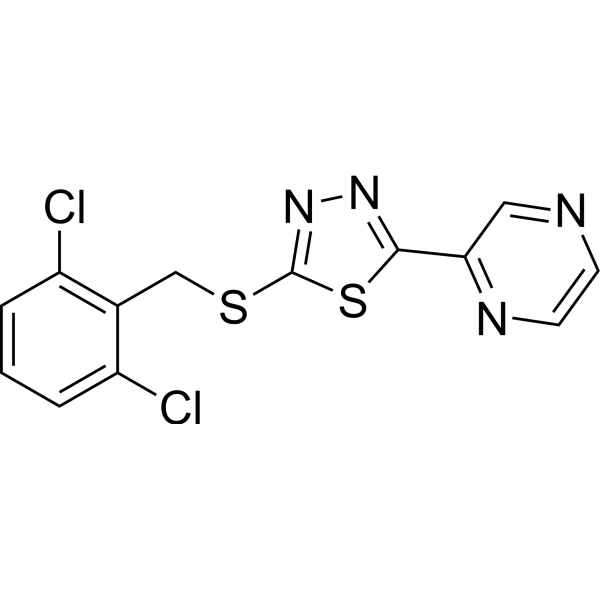
Yoda 1
Maximum Cited Publications
100 Publications Verification
|
Piezo Channel
Akt
ERK
Potassium Channel
|
Cardiovascular Disease
|
|
Yoda 1 is a potent and selective Piezo1 agonist. Yoda 1 activates purified Piezo1 channels. Yoda 1 potently inhibits macropinocytosis induced by epidermal growth factor (EGF). Yoda 1 enhances Ca 2+ influx followed by activation of the calcium-activated potassium channel KCa3.1 and inhibition of Rac1 activation .
|
-
-
- HY-D0143
-
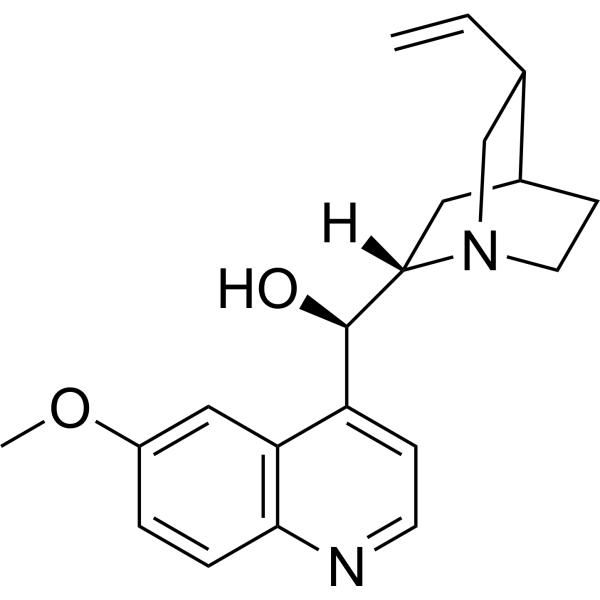
Quinine
Maximum Cited Publications
7 Publications Verification
|
Flavivirus
Dengue Virus
Parasite
Potassium Channel
|
Infection
|
|
Quinine is an alkaloid derived from the bark of the cinchona tree, acts as an anti-malaria agent. Quinine is a potassium channel inhibitor that inhibits WT mouse Slo3 (KCa5.1) channel currents evoked by voltage pulses to +100 mV with an IC50 of 169 μM .
|
-
-
- HY-B0252
-
|
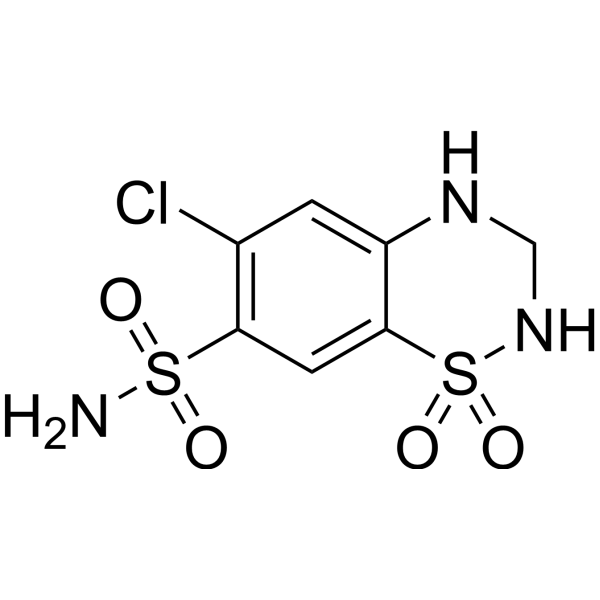
HCTZ
|
TGF-beta/Smad
Potassium Channel
|
Cardiovascular Disease
Metabolic Disease
Cancer
|
|
Hydrochlorothiazide (HCTZ), an orally active diuretic agent of the thiazide class, inhibits transforming TGF-β/Smad signaling pathway. Hydrochlorothiazide has direct vascular relaxant effects via opening of the calcium-activated potassium (KCA) channel. Hydrochlorothiazide improves cardiac function, reduces fibrosis and has antihypertensive effect .
|
-
-
- HY-B0433A
-
|
|
Flavivirus
Dengue Virus
Parasite
Potassium Channel
|
Infection
|
|
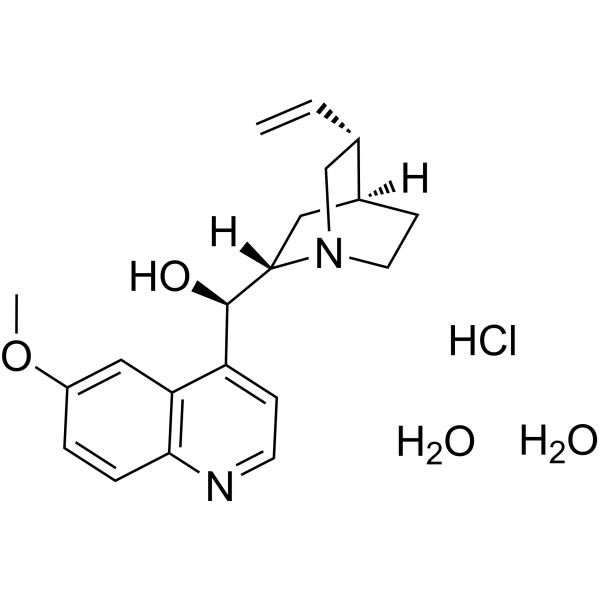
Quinine hydrochloride dihydrate (Qualaquin) is an orally active and can be used in anti-malarial studies. Quinine hydrochloride dihydrate is a potassium channel inhibitor that inhibits WT mouse Slo3 (KCa5.1) channel currents evoked by voltage pulses to +100 mV with an IC50 of 169 μM .
|
-
-
- HY-50694
-
|
ICA-17043
|
Potassium Channel
|
Others
|
|
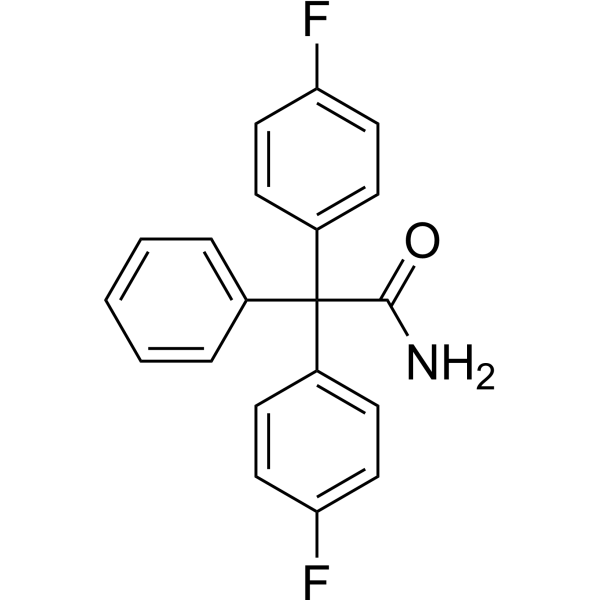
Senicapoc (ICA-17043) is a potent and selective Gardos channel (Ca 2+-activated K + channel; KCa3.1) blocker with an IC50 of 11 nM. Senicapoc blocks Ca 2+-induced rubidium flux from human RBCs with an IC50 value of 11 nM and inhibits RBC dehydration with IC50 of 30 nM .
|
-
-
- HY-13103
-
|
|
Potassium Channel
|
Others
|
|
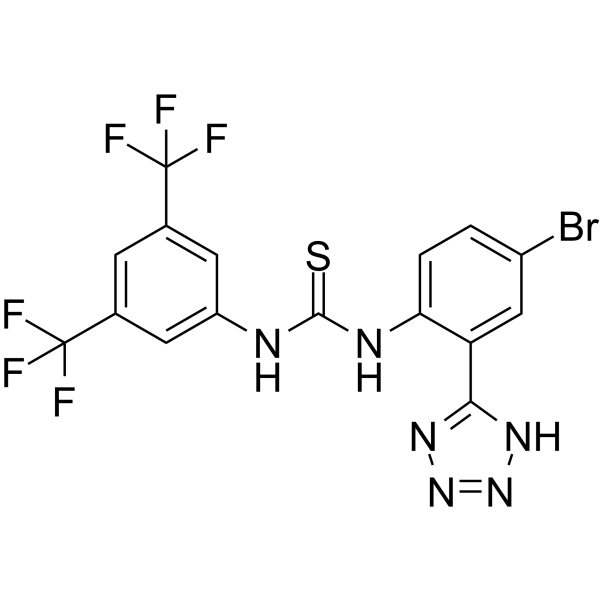
NS 11021 is a potent and specific Ca 2+-activated big-conductance K + Channels (KCa1.1 channels) activator. NS 11021 at concentrations above 0.3 μM activates KCa1.1 in a concentration-dependent manner by parallelshifting the channel activation curves to more negative potentials .
|
-
-
- HY-P4121
-
|
|
Potassium Channel
|
Inflammation/Immunology
Cancer
|
|
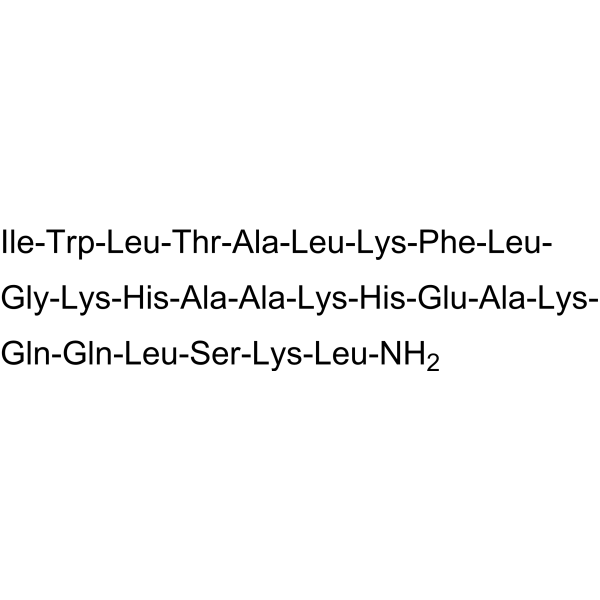
L17E is an attenuated cationic amphiphilic lytic (ACAL) peptide that can be used to deliver a variety of macromolecules, including proteins, antibodies, and DNA nanostructures. L17E inserts and cleaves the membrane structure through electrostatic interaction, enabling intracellular escape. The efficiency of L17E-mediated delivery is strongly correlated with the expression level of KCNN4 (the gene encoding the calcium-activated potassium channel KCa3.1). L17E also promotes the cellular uptake of macromolecules by inducing micropinocytosis. L17E can be further optimized and improved through dimerization strategies and in combination with other delivery systems, such as nuclear localization signal peptides and cell membrane-coated nanoparticles .
|
-
-
- HY-111655
-
SKA-31
4 Publications Verification
|
Potassium Channel
|
Cardiovascular Disease
|
|
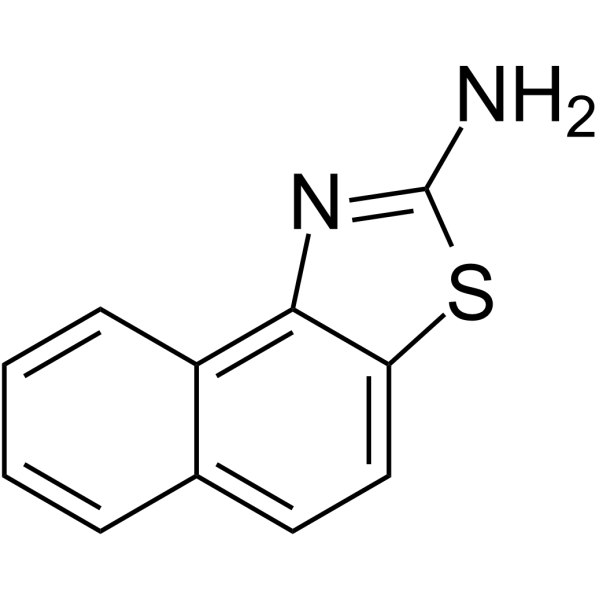
SKA-31 is a potent potassium channel activator with EC50s of 260 nM, 1.9 μM, 2.9 μM, and 2.9 μM for KCa3.1, KCa2.2, KCa2.1 and KCa2.3, respectively. SKA-31 potentiates endothelium-derived hyperpolarizing factor response and lowers blood pressure .
|
-
-
- HY-W010668
-
|
|
Flavivirus
Dengue Virus
Parasite
Potassium Channel
|
Others
|
|
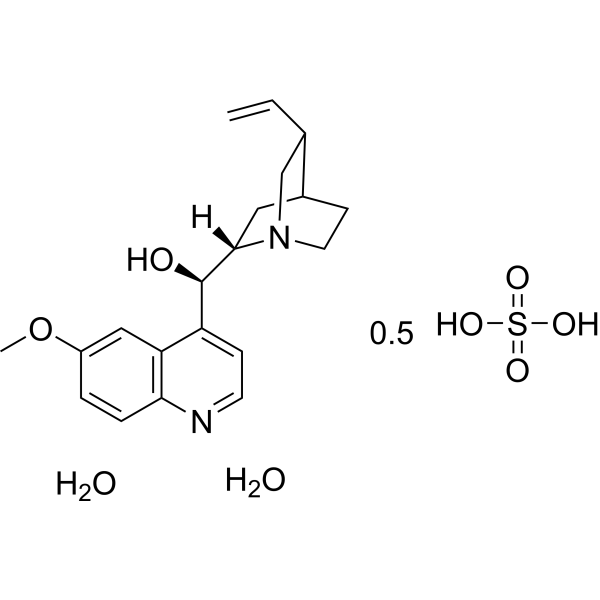
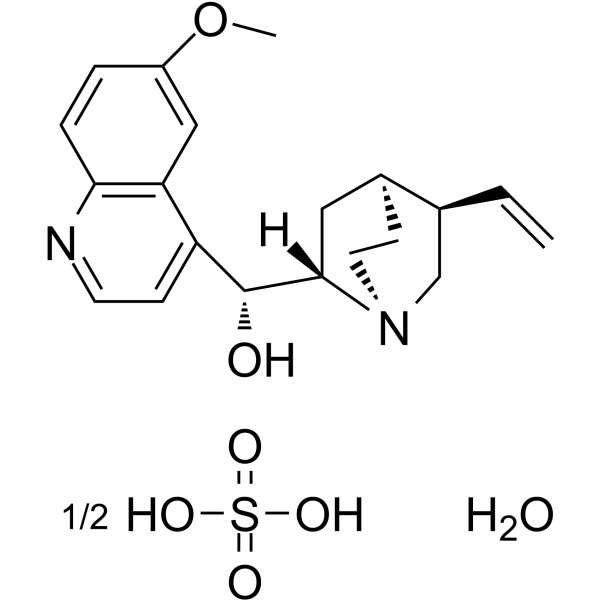
Quinine sulfate hydrate (2:1:4) is an orally active alkaloid extracted from cinchona bark and can be used in anti-malarial studies. Quinine sulfate hydrate (2:1:4) is a potassium channel inhibitor that inhibits WT mouse Slo3 (KCa5.1) channel currents evoked by voltage pulses to +100 mV with an IC50 of 169 μM .
|
-
-
- HY-157557
-
-
-
- HY-101422
-
|
|
Potassium Channel
|
Inflammation/Immunology
|
|
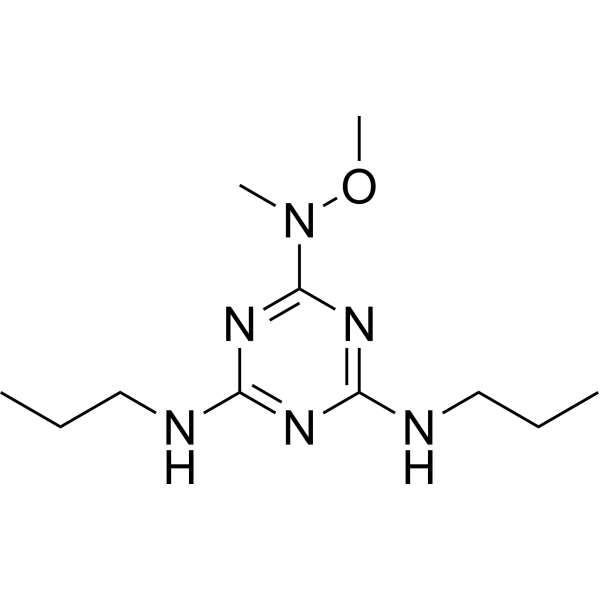
GAL-021 is a potent BKCa-channel blocker. GAL-021 inhibits KCa1.1 in GH3 cells. GAL-021 is a novel breathing control modulator that is based on selective modification of the almitrine pharmacophore. GAL-021 increases minute ventilation in rats and non-human primates .
|
-
-
- HY-110153
-
|
|
Potassium Channel
|
Neurological Disease
|
|
NS19504 is a Ca 2+-activated K + channel (BK channel, KCa1.1 channel) activator (EC50=11.0 μM) with relaxing effect on bladder smooth muscle spontaneous phasic contractions .
|
-
-
- HY-D0143B
-
|
|
Parasite
Potassium Channel
|
Infection
|
|
Quinine hemisulfate hydrate, an alkaloid derived from the bark of the cinchona tree, acts as an anti-malaria agent. Quinine hemisulfate hydrate is a potassium channel inhibitor that inhibits WT mouse Slo3 (KCa5.1) channel currents evoked by voltage pulses to +100 mV, with an IC50 of 169 μM .
|
-
-
- HY-B0252S1
-
|
HCTZ-13C,d2
|
Isotope-Labeled Compounds
TGF-beta/Smad
Potassium Channel
|
Cardiovascular Disease
Metabolic Disease
|
|
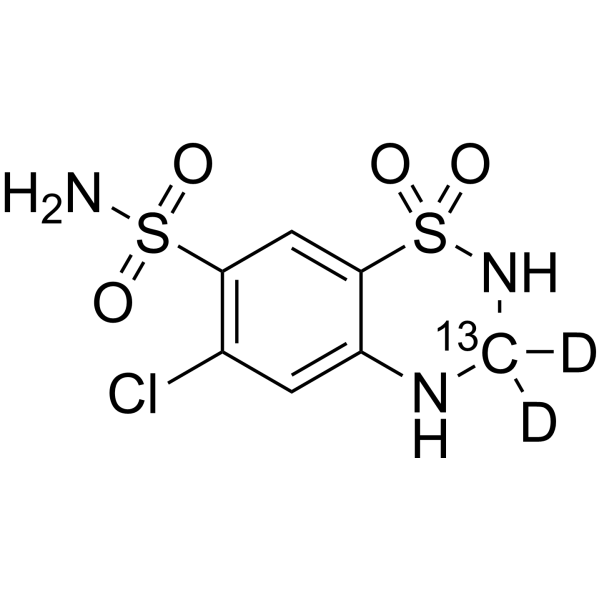
Hydrochlorothiazid- 13C,d2 is the 13C- and deuterium labeled Hydrochlorothiazide. Hydrochlorothiazide (HCTZ), an orally active diuretic agent of the thiazide class, inhibits transforming TGF-β/Smad signaling pathway. Hydrochlorothiazide has direct vascular relaxant effects via opening of the calcium-activated potassium (KCA) channel. Hydrochlorothiazide improves cardiac function, reduces fibrosis and has antihypertensive effect .
|
-
-
- HY-B0252R
-
|
HCTZ (Standard)
|
Reference Standards
TGF-beta/Smad
Potassium Channel
|
Cardiovascular Disease
Metabolic Disease
Cancer
|
|
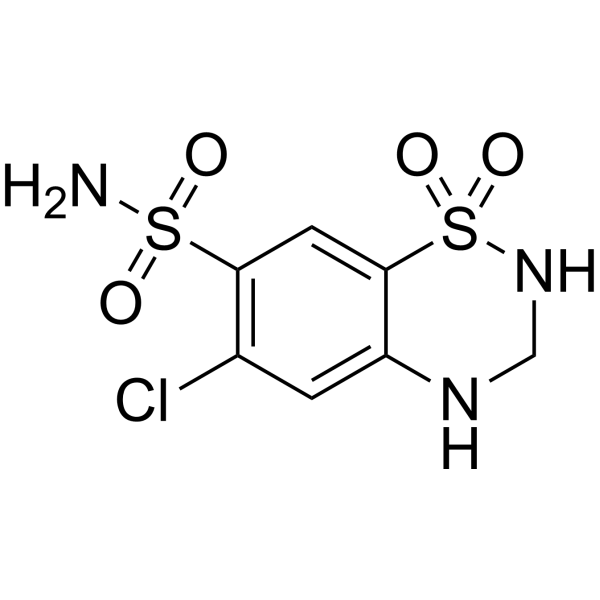
Hydrochlorothiazide (Standard) is the analytical standard of Hydrochlorothiazide. This product is intended for research and analytical applications. Hydrochlorothiazide (HCTZ), an orally active diuretic agent of the thiazide class, inhibits transforming TGF-β/Smad signaling pathway. Hydrochlorothiazide has direct vascular relaxant effects via opening of the calcium-activated potassium (KCA) channel. Hydrochlorothiazide improves cardiac function, reduces fibrosis and has antihypertensive effect .
|
-
-
- HY-D0143A
-
|
|
Flavivirus
Dengue Virus
Parasite
Potassium Channel
|
Infection
|
|
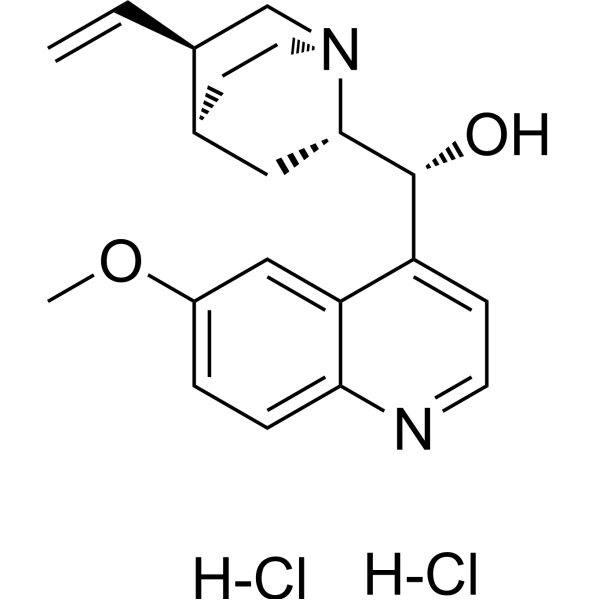
Quinine dihydrochloride is an orally active alkaloid extracted from cinchona bark and can be used in anti-malarial studies. Quinine dihydrochloride is a potassium channel inhibitor that inhibits WT mouse Slo3 (KCa5.1) channel currents evoked by voltage pulses to +100 mV with an IC50 of 169 μM .
|
-
-
- HY-B0252S
-
|
HCTZ-d2
|
TGF-beta/Smad
Potassium Channel
|
Cardiovascular Disease
Metabolic Disease
|
|
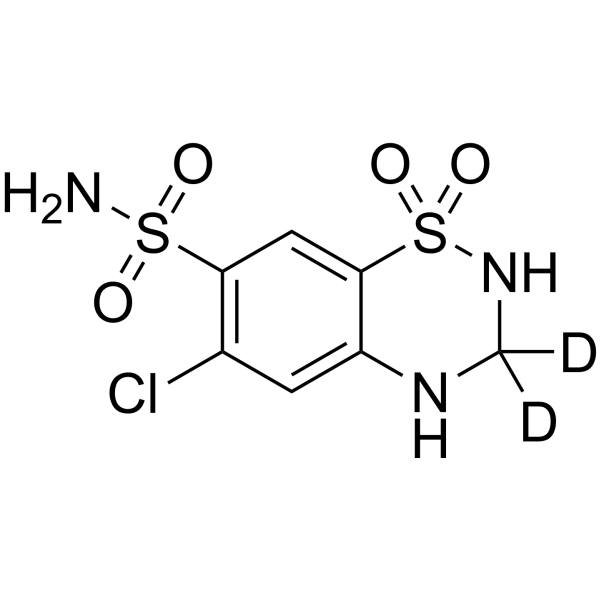
Hydrochlorothiazid-d2 is the deuterium labeled Hydrochlorothiazide. Hydrochlorothiazide (HCTZ), an orally active diuretic agent of the thiazide class, inhibits transforming TGF-β/Smad signaling pathway. Hydrochlorothiazide has direct vascular relaxant effects via opening of the calcium-activated potassium (KCA) channel. Hydrochlorothiazide improves cardiac function, reduces fibrosis and has antihypertensive effect .
|
-
-
- HY-15707
-
NS6180
1 Publications Verification
|
Potassium Channel
|
Inflammation/Immunology
|
|
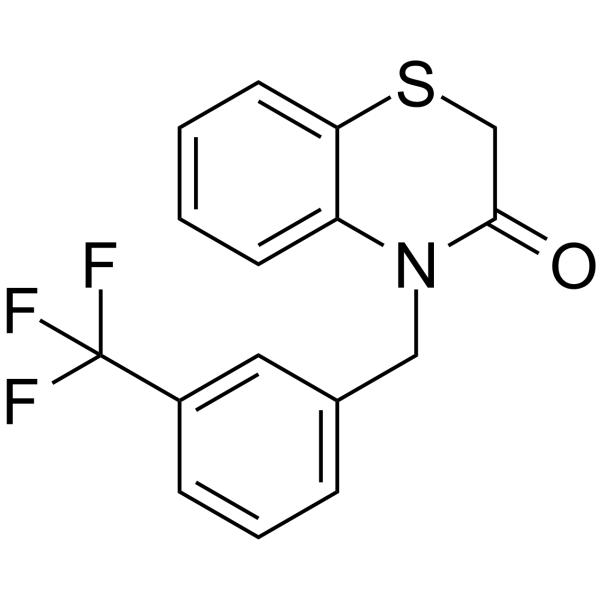
NS6180 is a new orally active KCa3.1 channel inhibitor. NS6180 inhibits cloned human KCa3.1 channels with an IC50value of 9 nM. NS6180 can be used for the research of inflammatory bowel disease (IBD) .
|
-
-
- HY-B0433B
-
|
|
Flavivirus
Dengue Virus
Parasite
Potassium Channel
|
Infection
|
|
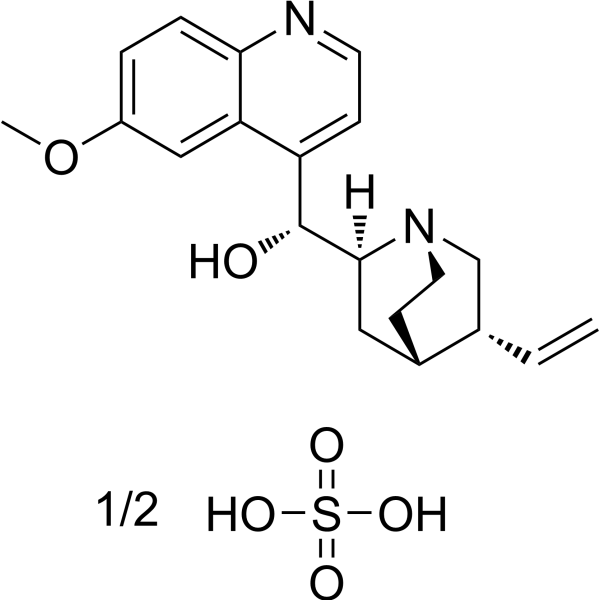
Quinine hemisulfate is an orally active alkaloid extracted from cinchona bark and can be used in anti-malarial studies. Quinine hemisulfate is a potassium channel inhibitor that inhibits WT mouse Slo3 (KCa5.1) channel currents evoked by voltage pulses to +100 mV with an IC50 of 169 μM .
|
-
-
- HY-B0252S3
-
|
HCTZ-15N2,13C,d2
|
Potassium Channel
TGF-beta/Smad
Isotope-Labeled Compounds
|
Cardiovascular Disease
Metabolic Disease
Cancer
|
|
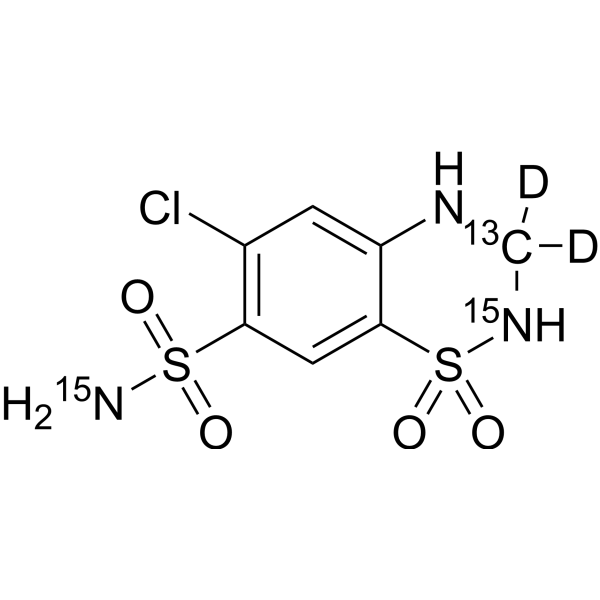
Hydrochlorothiazide- 15N2, 13C,d2 is 15N and deuterated labeled Hydrochlorothiazide (HY-B0252). Hydrochlorothiazide (HCTZ), an orally active diuretic agent of the thiazide class, inhibits transforming TGF-β/Smad signaling pathway. Hydrochlorothiazide has direct vascular relaxant effects via opening of the calcium-activated potassium (KCA) channel. Hydrochlorothiazide improves cardiac function, reduces fibrosis and has antihypertensive effect .
|
-
-
- HY-121516
-
|
|
Potassium Channel
|
Others
|
|
CM-TPMF is a K(Ca)2 channel modulator with selective activation and inhibition of K(Ca)2.1 subtypes. CM-TPMF can act on K(Ca)2.1 channels as an activator or inhibitor, and its activity is affected by the stereochemical structure. It can be used to study the physiological or pathophysiological effects of K(Ca)2.1 channels.
|
-

-
- HY-103308
-
|
|
Potassium Channel
|
Neurological Disease
|
|
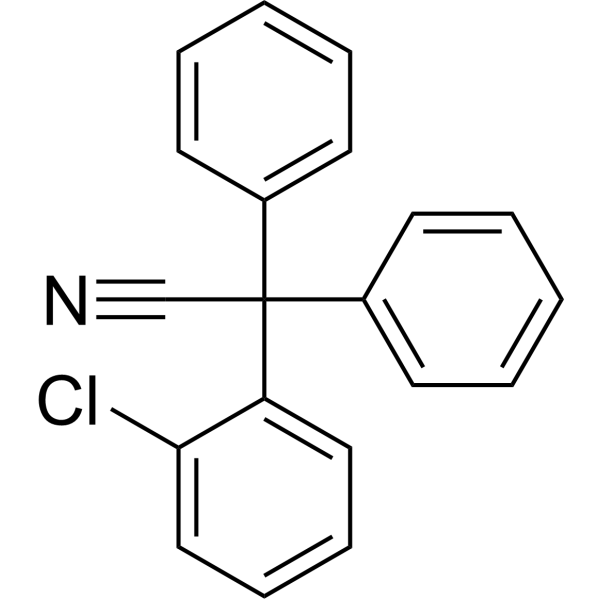
TRAM-39 is a selective blocker of intermediate conductance Ca2+-activated K+ (IKCa) channels. TRAM-39 inhibits KCa3.1 channel with an IC50 value of 60 nM. TRAM-39 can be used for the research of ataxia, epilepsy, memory disorders, schizophrenia and Parkinson’s disease .
|
-
-
- HY-D0143R
-
|
|
Dengue Virus
Flavivirus
Reference Standards
Parasite
Potassium Channel
|
Infection
|
|
Quinine (Standard) is the analytical standard of Quinine. This product is intended for research and analytical applications. Quinine is an alkaloid derived from the bark of the cinchona tree, acts as an anti-malaria agent. Quinine is a potassium channel inhibitor that inhibits WT mouse Slo3 (KCa5.1) channel currents evoked by voltage pulses to +100 mV with an IC50 of 169 μM .
|
-

-
- HY-W010668R
-
|
|
Flavivirus
Dengue Virus
Reference Standards
Parasite
Potassium Channel
|
Others
|
|
Quinine (sulfate hydrate) (Standard) is the analytical standard of Quinine (sulfate hydrate). This product is intended for research and analytical applications. Quinine sulfate hydrate (2:1:4) is an orally active alkaloid extracted from cinchona bark and can be used in anti-malarial studies. Quinine sulfate hydrate (2:1:4) is a potassium channel inhibitor that inhibits WT mouse Slo3 (KCa5.1) channel currents evoked by voltage pulses to +100?mV with an IC50 of 169 μM .
|
-

-
- HY-146173
-
|
|
Potassium Channel
Calcium Channel
|
Cardiovascular Disease
|
|
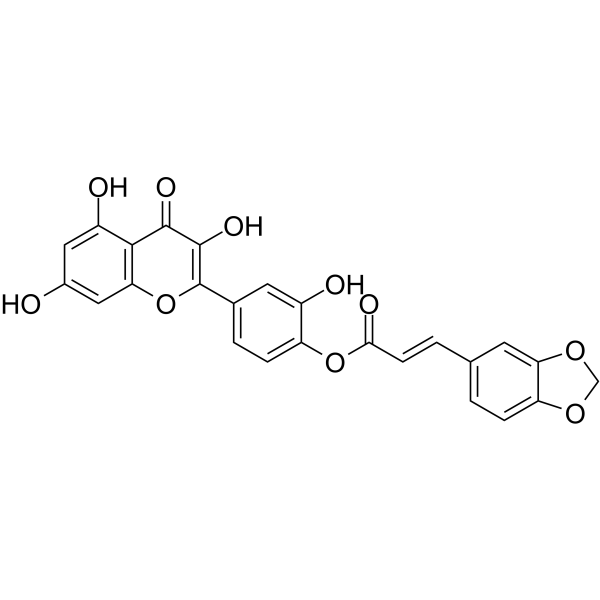
KCa1.1 channel activator-1 (compound 1E), a Quercetin hybrid derivative, is a selective vascular KCa1.1 channel channel stimulator. KCa1.1 channel activator-1 also displays CaV1.2 channel blocking activity. KCa1.1 channel activator-1 exhibits weak myorelaxant activity .
|
-
-
- HY-142723
-
|
|
Potassium Channel
|
Neurological Disease
|
|
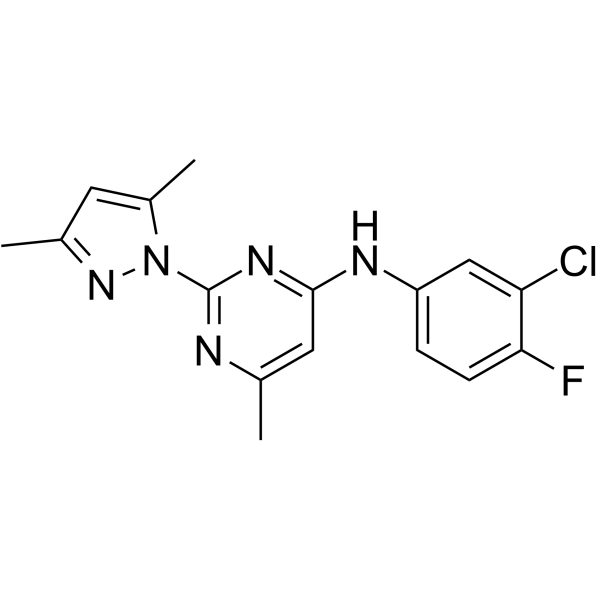
KCa2 channel modulator 1 (compound 2o) is a potent subtype-selective positive modulator of KCa2 channel. KCa2 channel modulator 1 potentiates human KCa2.3 channels with an EC50 value of 0.19 μM and 0.99 μM on the rat KCa2.2 channel subtype .
|
-
-
- HY-146174
-
|
|
Potassium Channel
|
Cardiovascular Disease
|
|
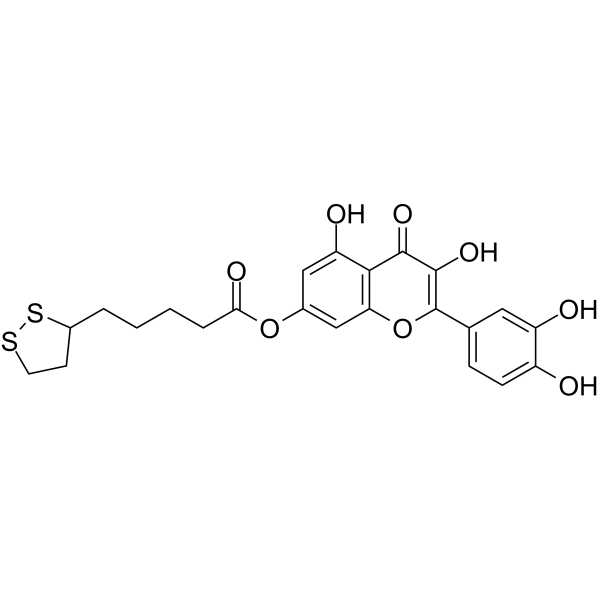
KCa1.1 channel activator-2 (compound 3F), a Quercetin hybrid derivative, is a selective vascular KCa1.1 channel stimulator. KCa1.1 channel activator-2 exhibits potent myorelaxant activity .
|
-
-
- HY-142735
-
|
|
Potassium Channel
|
Neurological Disease
|
|
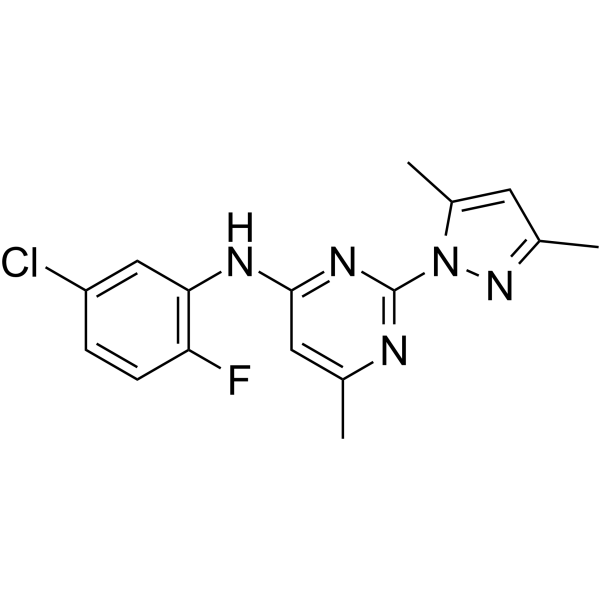
KCa2 channel modulator 2 (compound 2q) is a potent subtype-selective positive modulator of KCa2 channel. KCa2 channel modulator 2 exhibits similar potency on the rat KCa2.2a and human KCa2.3 channel subtypes, with EC50s of 0.64 μM and 0.60 μM, respectively
|
-
-
- HY-P1424
-
|
|
Potassium Channel
|
Neurological Disease
|
|
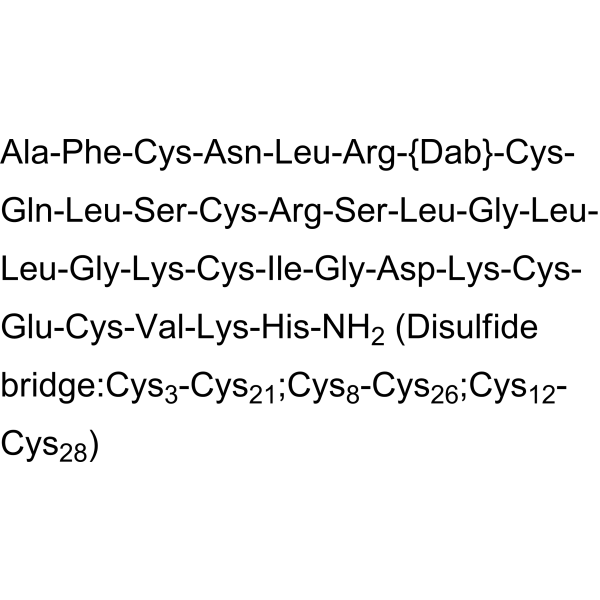
Lei-Dab7 is a potent and selective SK2 (KCa2.2) channels blocker with a Kd of 3.8 nM. Lei-Dab7 shows low or no activity on KCa1, KCa3, Kv and Kir2.1 channels .
|
-
-
- HY-120355A
-
|
|
Potassium Channel
|
Cardiovascular Disease
|
|
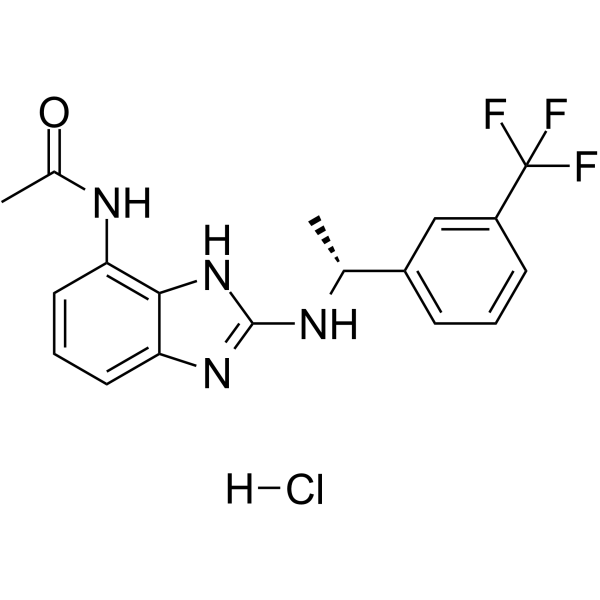
AP14145 hydrochloride is a potent KCa2 (SK) channel negative allosteric modulator with an IC50 of 1.1 μM for KCa2.2 (SK2) and KCa2.3 (SK3) channels. AP14145 hydrochloride inhibition strongly depends on two amino acids, S508 and A533 in the channel. AP14145 hydrochloride prolonged atrial effective refractory period (AERP) in rats and demonstrates antiarrhythmic effects in a Vernakalant-resistant porcine model of atrial fibrillation (AF) .
|
-
-
- HY-120355
-
|
|
Potassium Channel
|
Cardiovascular Disease
|
|
AP14145 is an inhibitor for small conductance calcium-activated potassium channel, inhibits KCa2.2 channel and KCa channel with IC50 of 1.1 μM and 1.1 μM. AP14145 prolongs atrial effective refractory period (AERP) in rats, causes the conversion of atrial fibrillation to sinus rhythum in porcine left ventricular dysfunction models, and exhibits antiarrhythmic effect .
|
-

-
- HY-128126
-
-

-
- HY-P1424A
-
|
|
Potassium Channel
|
Neurological Disease
|
|
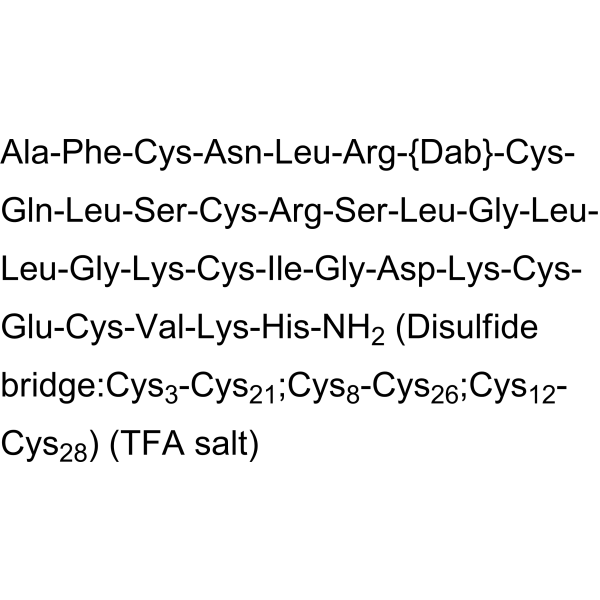
Lei-Dab7 TFA is a high affinity, selective KCa2.2 (SK2) channel blocker (Kd=3.8 nM). Lei-Dab7 TFA exhibits >200-fold selectivity for KCa2.2 over KCa2.1, KCa2.3, KCa3.1, Kv and Kir2.1. Lei-Dab7 TFA increases theta-burst responses and increases LTP in rat hippocampal slices in vitro.
|
-
-
- HY-111655R
-
|
|
Potassium Channel
|
Cardiovascular Disease
|
|
SKA-31 (Standard) is the analytical standard of SKA-31. This product is intended for research and analytical applications. SKA-31 is a potent potassium channel activator with EC50s of 260 nM, 1.9 μM, 2.9 μM, and 2.9 μM for KCa3.1, KCa2.2, KCa2.1 and KCa2.3, respectively. SKA-31 potentiates endothelium-derived hyperpolarizing factor response and lowers blood pressure .
|
-

-
- HY-118689
-
|
|
Potassium Channel
|
Cardiovascular Disease
Neurological Disease
Inflammation/Immunology
|
|
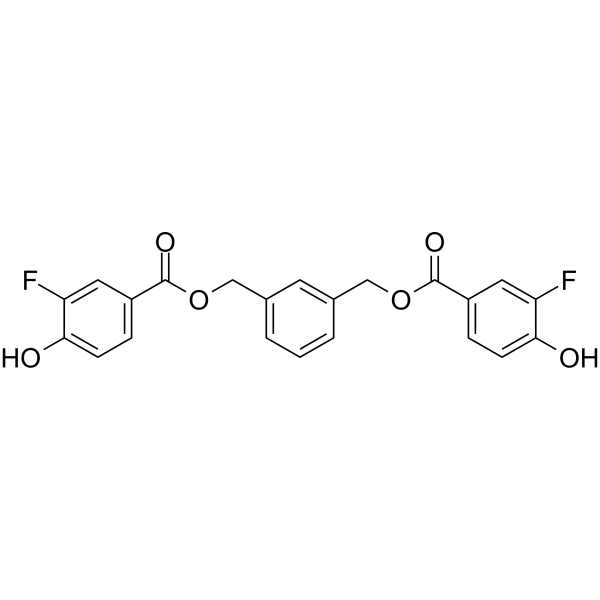
RA-2 is a negative-gating modulator of KCa2/3 channels with an IC50 of 17 nM. RA-2 inhibits bradykinin-induced endothelium-derived hyperpolarization (EDH)-type relaxation in U46619-precontracted rings. RA-2 can help to define the physiologic and pathomechanistic roles of KCa2/3 in the vasculature, central nervous system, and during inflammation .
|
-
-
- HY-W740048
-
-

-
- HY-B0433AR
-
|
|
Dengue Virus
Flavivirus
Reference Standards
Parasite
Potassium Channel
|
Infection
|
|
Quinine (hydrochloride dihydrate) (Standard) is the analytical standard of Quinine (hydrochloride dihydrate). This product is intended for research and analytical applications. Quinine hydrochloride dihydrate (Qualaquin) is an orally active and can be used in anti-malarial studies. Quinine hydrochloride dihydrate is a potassium channel inhibitor that inhibits WT mouse Slo3 (KCa5.1) channel currents evoked by voltage pulses to +100?mV with an IC50 of 169 μM .
|
-

-
- HY-D0143AR
-
|
|
Flavivirus
Dengue Virus
Reference Standards
Parasite
Potassium Channel
|
Infection
|
|
Quinine (dihydrochloride) (Standard) is the analytical standard of Quinine (dihydrochloride). This product is intended for research and analytical applications. Quinine dihydrochloride is an orally active alkaloid extracted from cinchona bark and can be used in anti-malarial studies. Quinine dihydrochloride is a potassium channel inhibitor that inhibits WT mouse Slo3 (KCa5.1) channel currents evoked by voltage pulses to +100?mV with an IC50 of 169 μM .
|
-

-
- HY-50694R
-
|
ICA-17043 (Standard)
|
Potassium Channel
Reference Standards
|
Others
|
|
Senicapoc (Standard) is the analytical standard of Senicapoc. This product is intended for research and analytical applications. Senicapoc (ICA-17043) is a potent and selective Gardos channel (Ca2+-activated K+ channel; KCa3.1) blocker with an IC50 of 11 nM. Senicapoc blocks Ca2+-induced rubidium flux from human RBCs with an IC50 value of 11 nM and inhibits RBC dehydration with IC50 of 30 nM .
|
-

-
- HY-120514
-
|
|
TRP Channel
Potassium Channel
|
Cardiovascular Disease
|
|
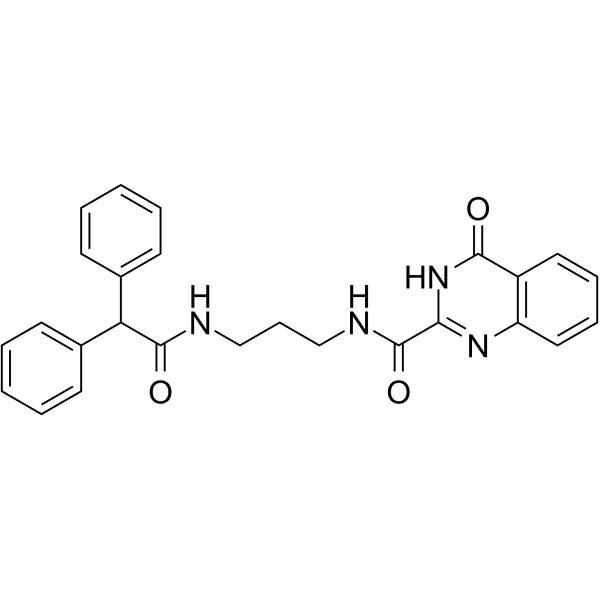
JNc-440 is a potent antihypertensive agent. JNc-440 can enhance the interaction of TRPV4 and Ca 2+-activated potassium channel 3 (KCa2.3) in endothelial cells. JNc-440 can also enhance vasodilation, and exerted antihypertensive effects in mice .
|
-
-
- HY-P3316
-
|
|
Potassium Channel
|
Neurological Disease
Inflammation/Immunology
|
|
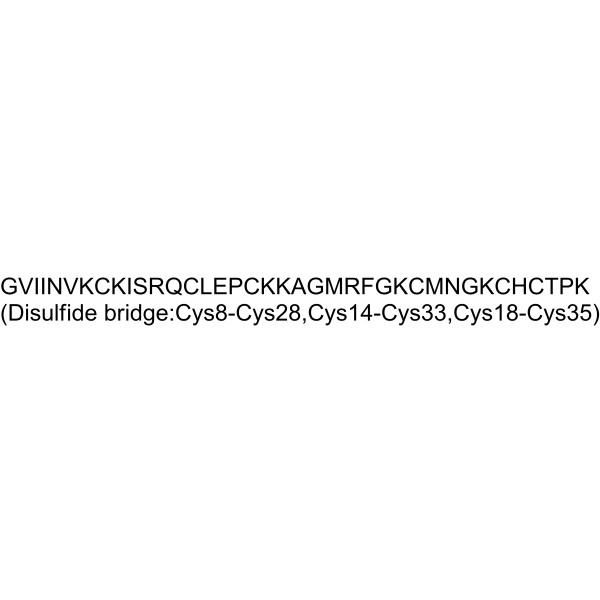
OSK-1 is a potent Kv channel blocker with IC50s of of 0.6 nM, 5.4 nM, 0.014 nM for Kv1.1, Kv1.2 and Kv1.3, respectively. OSK1 is a moderate blocker of Ca 2+-activated KCa3.1 channel with an IC50 of 225 nM. OSK-1 belongs to α-KTx3 toxins and is used as a immunosuppressive agent .
|
-
-
- HY-117651R
-
|
|
Reference Standards
Acyltransferase
|
Cancer
|
|
Quinine (sulfate hydrate) (Standard) is the analytical standard of Quinine (sulfate hydrate). This product is intended for research and analytical applications. Quinine sulfate hydrate (2:1:4) is an orally active alkaloid extracted from cinchona bark and can be used in anti-malarial studies. Quinine sulfate hydrate (2:1:4) is a potassium channel inhibitor that inhibits WT mouse Slo3 (KCa5.1) channel currents evoked by voltage pulses to +100?mV with an IC50 of 169 μM .
|
-

-
- HY-101422A
-
|
|
Potassium Channel
|
Inflammation/Immunology
|
|
GAL-021 sulfate is a potent BKCa-channel blocker. GAL-021 sulfate inhibits KCa1.1 in GH3 cells. GAL-021 sulfate is a novel breathing control modulator that is based on selective modification of the almitrine pharmacophore. GAL-021 sulfate increases minute ventilation in rats and non-human primates .
|
-
-
- HY-P3064
-
|
Leiurotoxin I
|
Potassium Channel
|
Neurological Disease
|
|
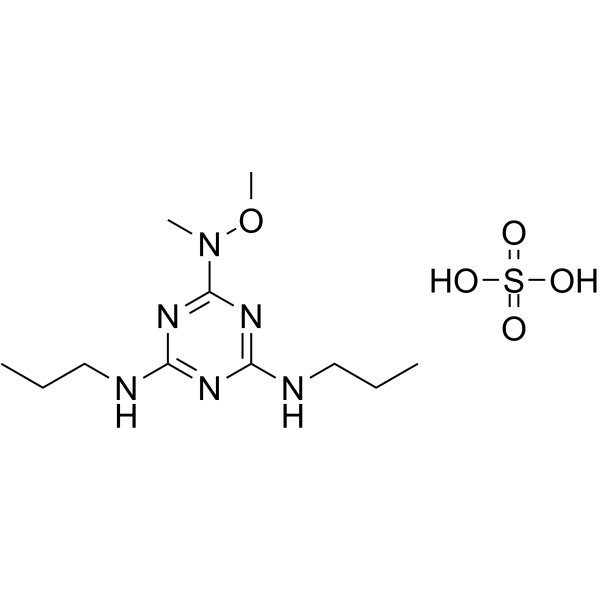
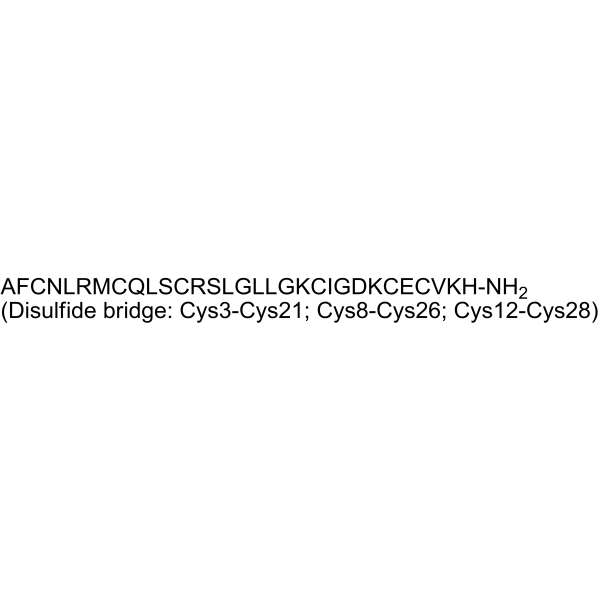
Scyllatoxin (Leiurotoxin I) is a peptide toxin, it can be isolated from the venom of the scorpion (Leiurus quinquestriatus hebraeus). Scyllatoxin is a blocker of small-conductance KCa (SK) channel. Scyllatoxin enhances both norepinephrine (NE) and epinephrine (Epi) release in vivo .
|
-
-
- HY-B0252S2
-
|
HCTZ-13C6
|
TGF-beta/Smad
Potassium Channel
|
Metabolic Disease
|
|
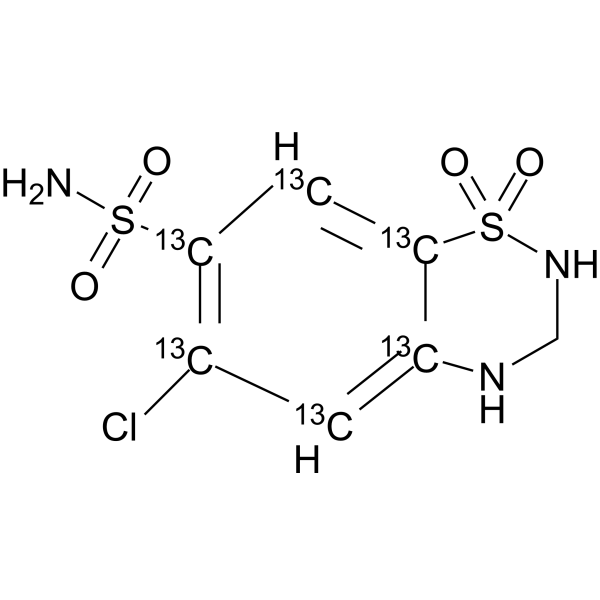
Hydrochlorothiazide- 13C6 is the 13C labeled Hydrochlorothiazide . Hydrochlorothiazide (HCTZ), an orally active diuretic agent of the thiazide class, inhibits transforming TGF-β/Smad signaling pathway. Hydrochlorothiazide has direct vascular relaxant effects via opening of the calcium-activated potassium (KCA) channel. Hydrochlorothiazide improves cardiac function, reduces fibrosis and has antihypertensive effect .
|
-
-
- HY-181755
-
|
|
NO Synthase
|
Inflammation/Immunology
|
|
Phenylaminojuglone AJ-2 is a nitric oxide synthase inhibitor that interacts with soluble guanylate cyclase, β-adrenergic receptor, CaV1.2 calcium channel, KV channel and KCa channel. Phenylaminojuglone AJ-2 blocks extracellular Ca 2+ influx, regulates the activity of the NO?sGC?cGMP signaling pathway, and inhibits pharmacologic and electromechanical contractions of smooth muscle. Phenylaminojuglone AJ-2 is applicable to studies related to intestinal spasm .
|
-

-
- HY-103308R
-
|
|
Reference Standards
Potassium Channel
|
Neurological Disease
|
|
TRAM-39 (Standard) is the analytical standard of TRAM-39 (HY-103308). This product is intended for research and analytical applications. TRAM-39 is a selective blocker of intermediate conductance Ca2+-activated K+ (IKCa) channels. TRAM-39 inhibits KCa3.1 channel with an IC50 value of 60 nM. TRAM-39 can be used for the research of ataxia, epilepsy, memory disorders, schizophrenia and Parkinson’s disease .
|
-

-
- HY-101422R
-
|
|
Potassium Channel
Reference Standards
|
Inflammation/Immunology
|
|
GAL-021 (Standard) is the analytical standard of GAL-021 (HY-101422). This product is intended for research and analytical applications. GAL-021 is a potent BKCa-channel blocker. GAL-021 inhibits KCa1.1 in GH3 cells. GAL-021 is a novel breathing control modulator that is based on selective modification of the almitrine pharmacophore. GAL-021 increases minute ventilation in rats and non-human primates .
|
-

-
- HY-101360R
-
|
1-Ethyl-2-benzimidazolinone (Standard)
|
Potassium Channel
Reference Standards
|
Cardiovascular Disease
Neurological Disease
Cancer
|
|
1-EBIO (1-Ethyl-2-benzimidazolinone) (Standard) is the analytical standard of 1-EBIO (HY-101360). This product is intended for research and analytical applications. 1-EBIO is an activator of Ca 2+ sensitive K + channels wirh an EC50 of 136 μM for KCa3.1. 1-EBIO induces Cl - secretion, K + conductance, membrane hyperpolarization, and afterhyperpolarisation currents. 1-EBIO reduces epileptiform activity, seizure incidence, and rescues cells from Ionomycin (HY-13434)-induced death .
|
-

| Cat. No. |
Product Name |
Target |
Research Area |
-
- HY-P4121
-
|
|
Potassium Channel
|
Inflammation/Immunology
Cancer
|
|
L17E is an attenuated cationic amphiphilic lytic (ACAL) peptide that can be used to deliver a variety of macromolecules, including proteins, antibodies, and DNA nanostructures. L17E inserts and cleaves the membrane structure through electrostatic interaction, enabling intracellular escape. The efficiency of L17E-mediated delivery is strongly correlated with the expression level of KCNN4 (the gene encoding the calcium-activated potassium channel KCa3.1). L17E also promotes the cellular uptake of macromolecules by inducing micropinocytosis. L17E can be further optimized and improved through dimerization strategies and in combination with other delivery systems, such as nuclear localization signal peptides and cell membrane-coated nanoparticles .
|
-
- HY-P1424
-
|
|
Potassium Channel
|
Neurological Disease
|
|
Lei-Dab7 is a potent and selective SK2 (KCa2.2) channels blocker with a Kd of 3.8 nM. Lei-Dab7 shows low or no activity on KCa1, KCa3, Kv and Kir2.1 channels .
|
-
- HY-P1424A
-
|
|
Potassium Channel
|
Neurological Disease
|
|
Lei-Dab7 TFA is a high affinity, selective KCa2.2 (SK2) channel blocker (Kd=3.8 nM). Lei-Dab7 TFA exhibits >200-fold selectivity for KCa2.2 over KCa2.1, KCa2.3, KCa3.1, Kv and Kir2.1. Lei-Dab7 TFA increases theta-burst responses and increases LTP in rat hippocampal slices in vitro.
|
-
- HY-P3316
-
|
|
Potassium Channel
|
Neurological Disease
Inflammation/Immunology
|
|
OSK-1 is a potent Kv channel blocker with IC50s of of 0.6 nM, 5.4 nM, 0.014 nM for Kv1.1, Kv1.2 and Kv1.3, respectively. OSK1 is a moderate blocker of Ca 2+-activated KCa3.1 channel with an IC50 of 225 nM. OSK-1 belongs to α-KTx3 toxins and is used as a immunosuppressive agent .
|
-
- HY-P3064
-
|
Leiurotoxin I
|
Potassium Channel
|
Neurological Disease
|
|
Scyllatoxin (Leiurotoxin I) is a peptide toxin, it can be isolated from the venom of the scorpion (Leiurus quinquestriatus hebraeus). Scyllatoxin is a blocker of small-conductance KCa (SK) channel. Scyllatoxin enhances both norepinephrine (NE) and epinephrine (Epi) release in vivo .
|
| Cat. No. |
Product Name |
Category |
Target |
Chemical Structure |
| Cat. No. |
Product Name |
Chemical Structure |
-
- HY-B0252S1
-
|
|
|
Hydrochlorothiazid- 13C,d2 is the 13C- and deuterium labeled Hydrochlorothiazide. Hydrochlorothiazide (HCTZ), an orally active diuretic agent of the thiazide class, inhibits transforming TGF-β/Smad signaling pathway. Hydrochlorothiazide has direct vascular relaxant effects via opening of the calcium-activated potassium (KCA) channel. Hydrochlorothiazide improves cardiac function, reduces fibrosis and has antihypertensive effect .
|
-
-
- HY-B0252S
-
|
|
|
Hydrochlorothiazid-d2 is the deuterium labeled Hydrochlorothiazide. Hydrochlorothiazide (HCTZ), an orally active diuretic agent of the thiazide class, inhibits transforming TGF-β/Smad signaling pathway. Hydrochlorothiazide has direct vascular relaxant effects via opening of the calcium-activated potassium (KCA) channel. Hydrochlorothiazide improves cardiac function, reduces fibrosis and has antihypertensive effect .
|
-
-
- HY-B0252S3
-
|
|
|
Hydrochlorothiazide- 15N2, 13C,d2 is 15N and deuterated labeled Hydrochlorothiazide (HY-B0252). Hydrochlorothiazide (HCTZ), an orally active diuretic agent of the thiazide class, inhibits transforming TGF-β/Smad signaling pathway. Hydrochlorothiazide has direct vascular relaxant effects via opening of the calcium-activated potassium (KCA) channel. Hydrochlorothiazide improves cardiac function, reduces fibrosis and has antihypertensive effect .
|
-
-
- HY-W740048
-
|
|
|
Quinine-d3 is the deuterium labeled Quinine (HY-D0143). Quinine is an alkaloid derived from the bark of the cinchona tree, acts as an anti-malaria agent. Quinine is a potassium channel inhibitor that inhibits WT mouse Slo3 (KCa5.1) channel currents evoked by voltage pulses to +100?mV with an IC50 of 169 μM .
|
-
-
- HY-B0252S2
-
|
|
|
Hydrochlorothiazide- 13C6 is the 13C labeled Hydrochlorothiazide . Hydrochlorothiazide (HCTZ), an orally active diuretic agent of the thiazide class, inhibits transforming TGF-β/Smad signaling pathway. Hydrochlorothiazide has direct vascular relaxant effects via opening of the calcium-activated potassium (KCA) channel. Hydrochlorothiazide improves cardiac function, reduces fibrosis and has antihypertensive effect .
|
-
Your information is safe with us. * Required Fields.
Inquiry Information
- Product Name:
- Cat. No.:
- Quantity:
- MCE Japan Authorized Agent:








