



TRAM-39 (Standard)
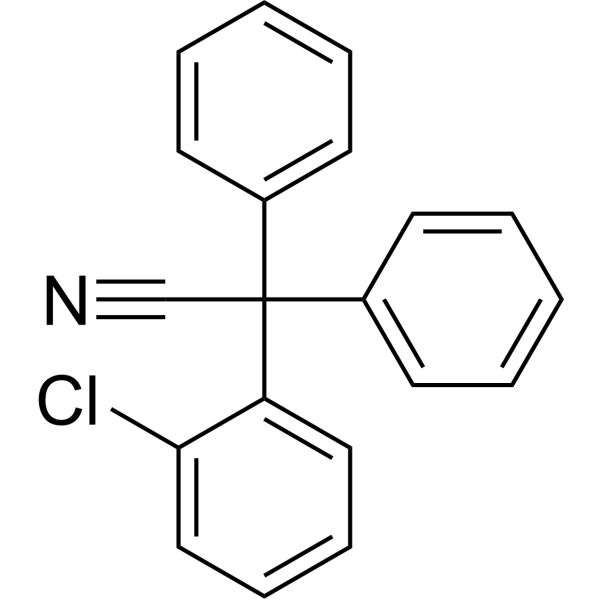
TRAM-39 (Standard) is the analytical standard of TRAM-39 (HY-103308). This product is intended for research and analytical applications. TRAM-39 is a selective blocker of intermediate conductance Ca2+-activated K+ (IKCa) channels. TRAM-39 inhibits KCa3.1 channel with an IC50 value of 60 nM. TRAM-39 can be used for the research of ataxia, epilepsy, memory disorders, schizophrenia and Parkinson’s disease.
For research use only. We do not sell to patients.
- CAS No.: 197525-99-8
- Formula: C20H14ClN
- Molecular Weight:303.78
-
Storage:
Please store the product under the recommended conditions in the Certificate of Analysis.


To place orders, for customer services and technical support, please contact: MedChemExpress USA
Tel: 609-228-6898 E-mail: [email protected] [email protected]


-
 Product Information
-
Chemical Information
- Purity & Documentation
-
 Help & FAQs


-
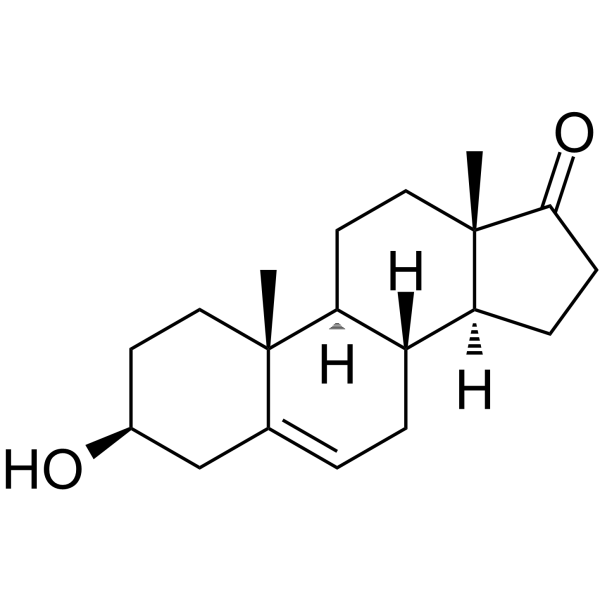
HY-14650
DHEASteroid Hormone -
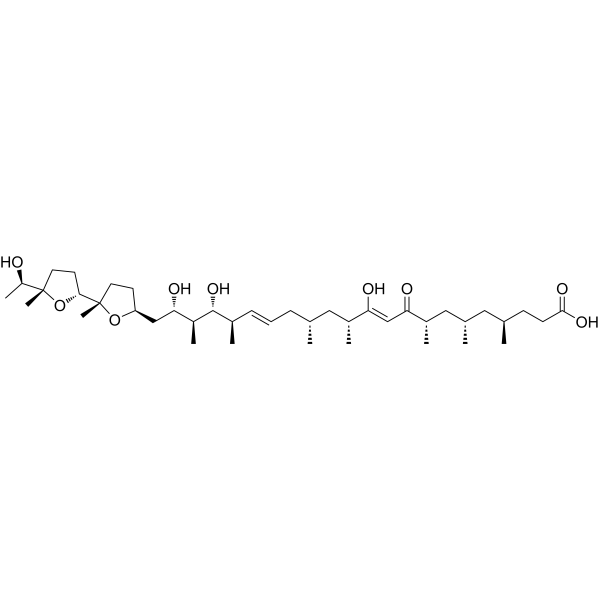
HY-13434
IonomycinCalcium Ionophore -
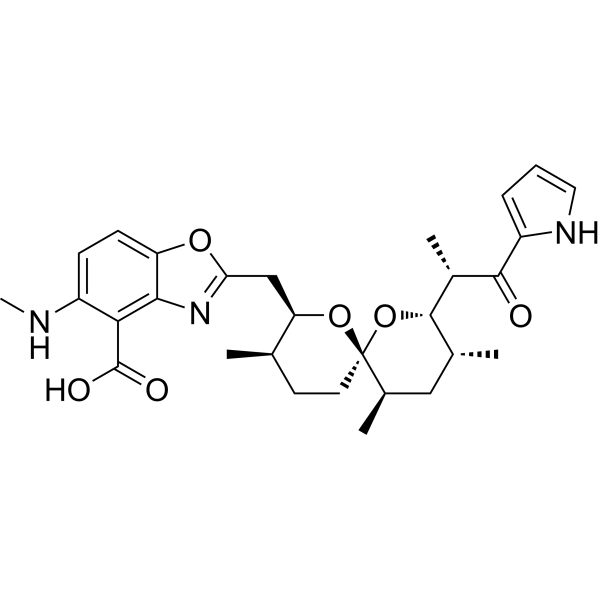
HY-N6687
CalcimycinCation Ionophore -
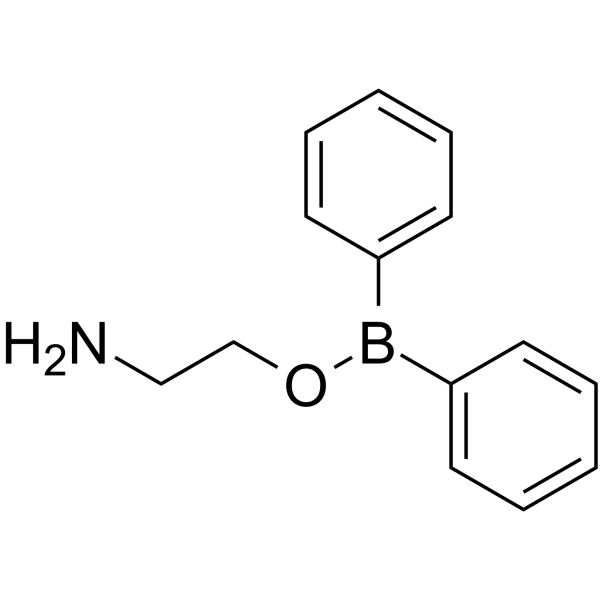
HY-W009724
2-Aminoethyl diphenylborinateIP3R Inhibitor -
HY-103308
TRAM-39IKCa Blocker -
HY-13434A
Ionomycin calciumCalcium Ionophore -
HY-B0317
AmlodipineCalcium Channel Blocker -
HY-A0064
Verapamil hydrochlorideCalcium Channel Blocker -
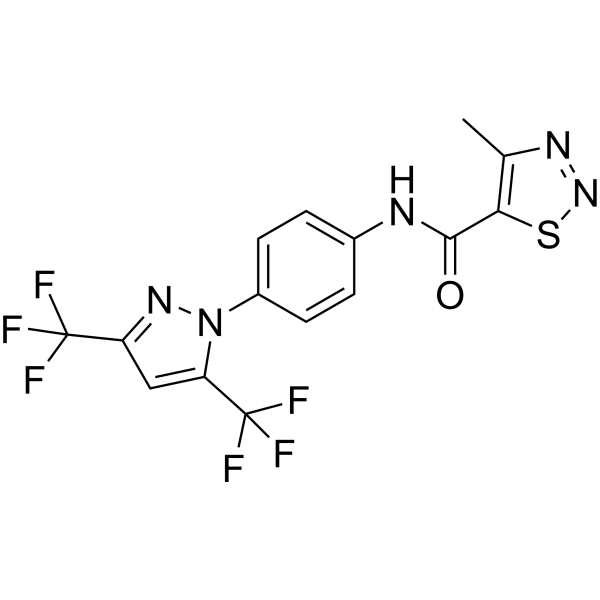
HY-100831
YM-58483CRAC Channel/SOCE Blocker -
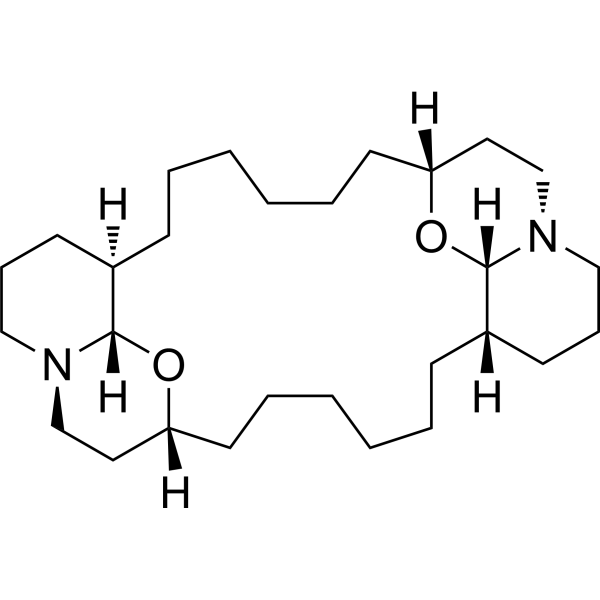
HY-103312
Xestospongin CIP3R Inhibitor -
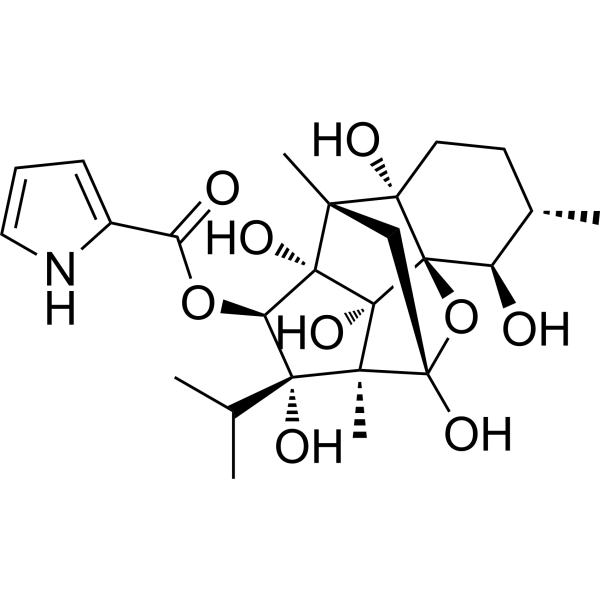
HY-103306
RyanodineRyanodine Receptor Modulator -
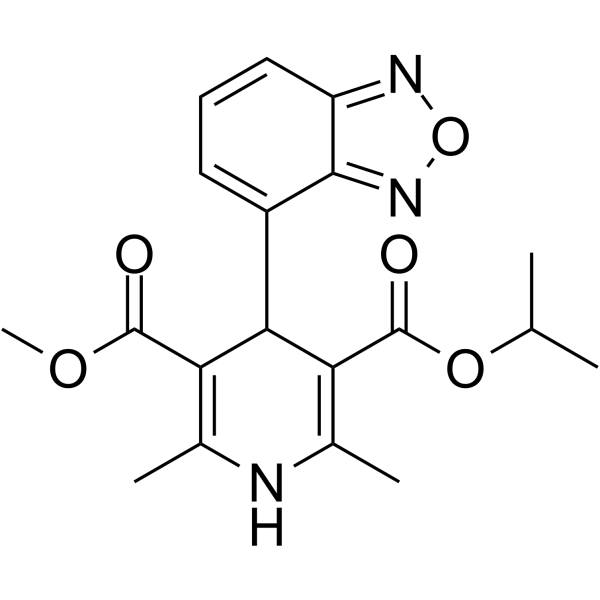
HY-B0233
IsradipineL-type Calcium Channel Blocker


Product Information
Information
Application
The compound is the grade of analytical standard, which is the reference standard supplied assay. It is commonly used in qualitative, quantitative and methodological research experiments in HPLC, GC and MS.


Chemical Information
-
CAS No. 197525-99-8
-
Molecular Weight 303.78
-
Formula C20H14ClN
-
SMILES
N#CC(C1=CC=CC=C1)(C2=CC=CC=C2)C3=CC=CC=C3Cl
-
Shipping
Room temperature in continental US; may vary elsewhere.
-
Storage
Please store the product under the recommended conditions in the Certificate of Analysis.


Purity & Documentation
References
[1]. Davies PJ, et al. Different types of potassium channels underlie the long afterhyperpolarization in guinea-pig sympathetic and enteric neurons. Auton Neurosci. 2006 Jan 30;124(1-2):26-30. [Content Brief]
[2]. Burnham MP, et al. Impaired small-conductance Ca2+-activated K+ channel-dependent EDHF responses in Type II diabetic ZDF rats. Br J Pharmacol. 2006 Jun;148(4):434-41. [Content Brief]
[3]. Ayabe T, et al. Modulation of mouse Paneth cell alpha-defensin secretion by mIKCa1, a Ca2+-activated, intermediate conductance potassium channel. J Biol Chem. 2002 Feb 1;277(5):3793-800. [Content Brief]
[4]. Wulff H, et al. Modulators of small- and intermediate-conductance calcium-activated potassium channels and their therapeutic indications. Curr Med Chem. 2007;14(13):1437-57. [Content Brief]

Calculators
Concentration (start) × Volume (start) = Concentration (final) × Volume (final)


TRAM-39 (Standard) Related Classifications
HY-103308R Related Classifications
 Powered by Bioz