Search Result
Results for "
NAM
" in MedChemExpress (MCE) Product Catalog:
| Cat. No. |
상품명 |
Target |
연구분야 |
Chemical Structure |
-
- HY-19996
-
AH-7614
Maximum Cited Publications
6 Publications Verification
|
Free Fatty Acid Receptor
|
Metabolic Disease
|
|
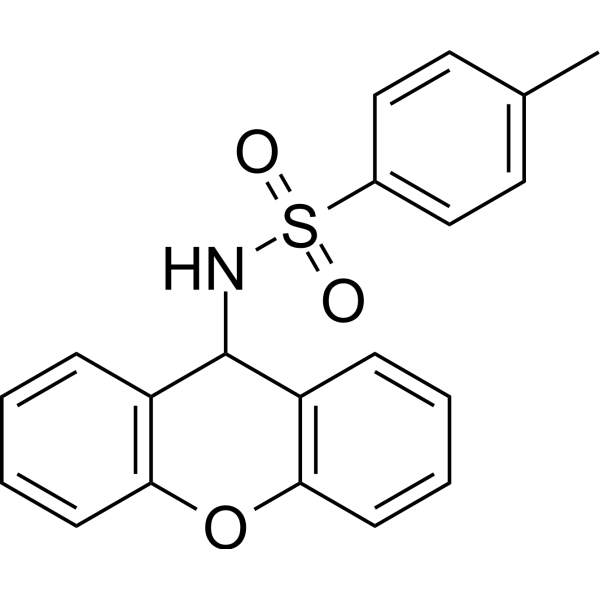
AH-7614 is a potent and selective FFA4 (GPR120) antagonist, with pIC50s of 7.1, 8.1, and 8.1 for human, mouse, and rat FFA4, respectively. AH-7614 has selectivity for FFA4 over FFA1 (pIC50<4.6). AH-7614 is able to block effects of both the polyunsaturated ω-6 fatty acid linoleic acid and the synthetic FFA4 agonist .
|
-
-
- HY-16716
-
|
RG1662; RO5186582
|
GABA Receptor
|
Neurological Disease
|
|
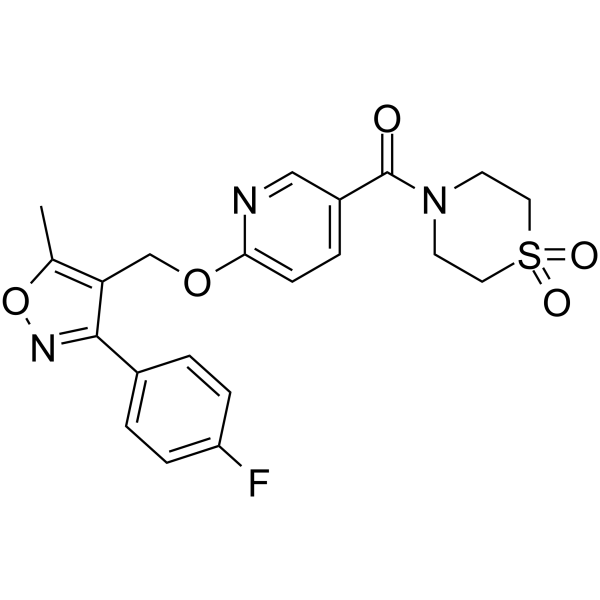
Basmisanil (RG1662) is a highly selective orally active α subunit-containing GABAA receptors (GABAAα5) negative allosteric modulator (NAMs). Basmisanil can inhibit GABAA-α5 with a Ki value of 5 nM and IC50 value of 8 nM, respectively. Basmisanil can be used for the research of multiple cognitive and psychiatric disorders .
|
-
-
- HY-124622
-
|
|
GCGR
|
Metabolic Disease
|
|
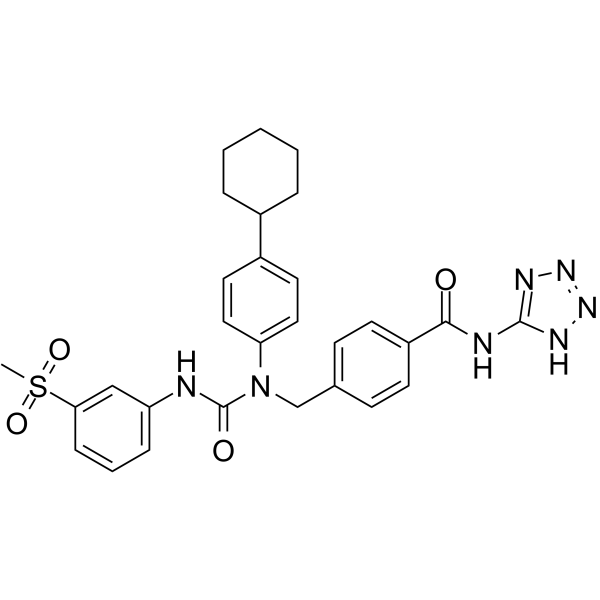
NNC-0640 is an effective negative allosteric modulator (NAM) of the human glucagon receptor (GCGR), with an IC50 value of 69.2 nM. NNC-0640 holds potential for research in the field of diabetes .
|
-
-
- HY-172236
-
|
BNC210; IW-2143
|
nAChR
|
Neurological Disease
|
|
Soclenicant (BNC210) is an orally active α7 nAChR negative alteration modulator (NAM) with no apparent side effects. Soclenicant exhibits acute anxiolytic activity in rodent models of anxiety. Soclenicant inhibits rat and human α7 nAChR currents (in stably transfected cell lines) induced by acetylcholine, nicotine, choline, and the a7-specific agonist PNU-282987 (HY-12560A) with IC50 values in the range of 1.2 to 3 μM. Soclenicant can be used in studies of anxiety, trauma, and stressor-related disorders .
|
-

-
- HY-108710
-
|
|
mGluR
|
Neurological Disease
|
|
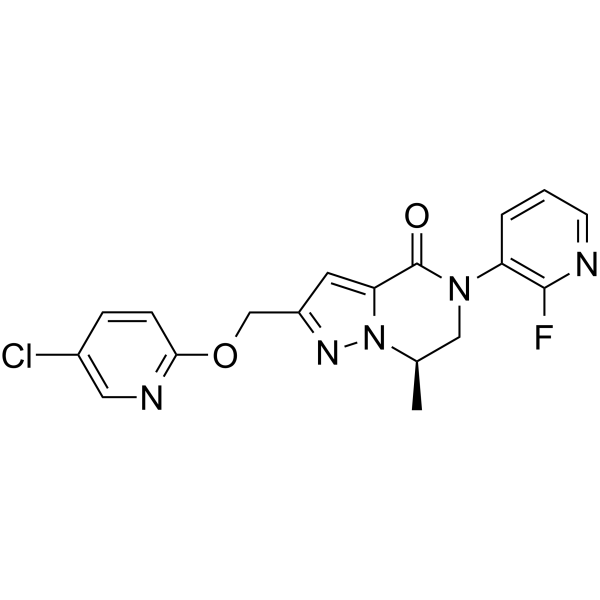
VU0650786 is a potent and selective CNS penetrant negative allosteric modulator of metabotropic glutamate receptor subtype 3 (mGlu3 NAM), with an IC50 of 392 nM. VU0650786 has antidepressant and anxiolytic activity in rodents .
|
-
-
- HY-14859
-
|
ADX48621
|
mGluR
|
Neurological Disease
|
|
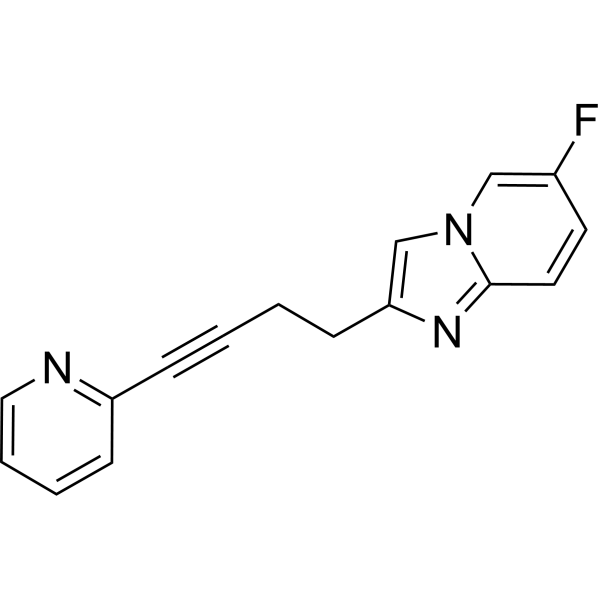
Dipraglurant (ADX48621) is a potent, selective, orally active and brain penetrant mGluR5 negative allosteric modulator (NAM), with an IC50 of 21 nM. Dipraglurant can reduce Levodopa-induced dyskinesia (LID) in vivo . Dipraglurant is a click chemistry reagent, it contains an Alkyne group and can undergo copper-catalyzed azide-alkyne cycloaddition (CuAAc) with molecules containing Azide groups.
|
-
-
- HY-116553
-
|
|
Wnt
β-catenin
|
Cancer
|
|
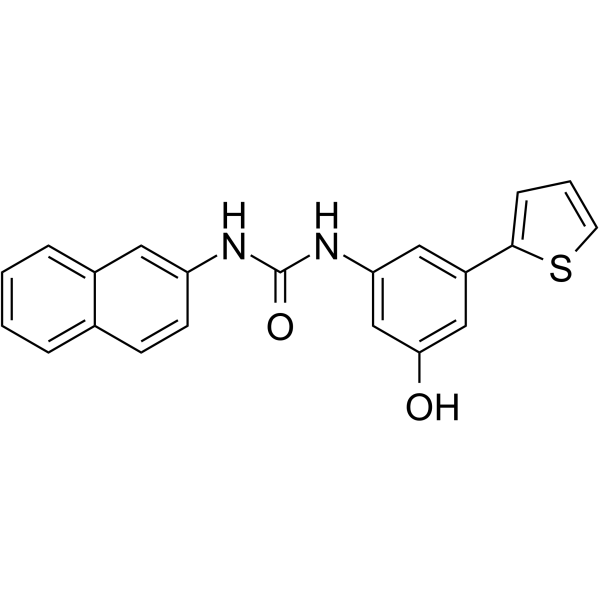
FzM1 is a negative allosteric modulator (NAM) of Frizzled receptor FZD4. FzM1 reduces WNT5A-dependent WNT responsive element (WRE) activity (log EC50inh=?6.2). FzM1 binds to an allosteric binding site located in intracellular loop 3 (ICL3) of FZD4 and alters the conformation of the receptor, ultimately inhibiting the WNT/β-catenin cascade .
|
-
-
- HY-157573
-
|
|
Bacterial
|
Infection
|
|
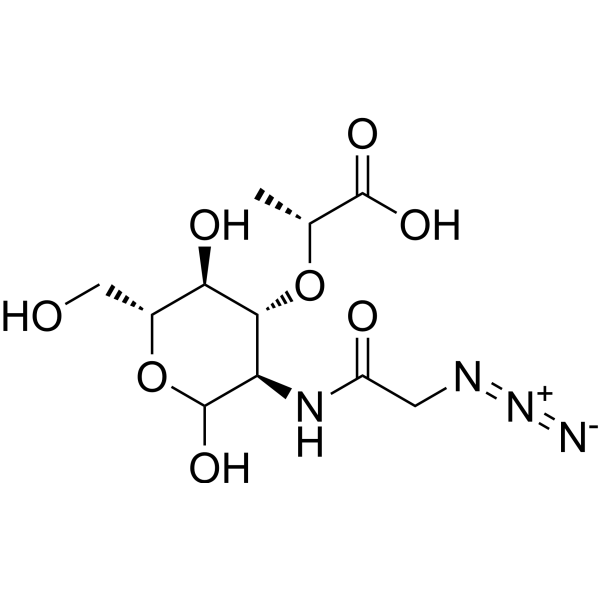
N-Acetylmuramic acid-azide (Compound 2) is a derivative of N-acetylaminoacetic acid (NAM) in bacterial peptidoglycan. Incorporated into bacterial peptidoglycan during biosynthesis .
|
-
-
- HY-110278
-
|
|
mGluR
|
Neurological Disease
|
|
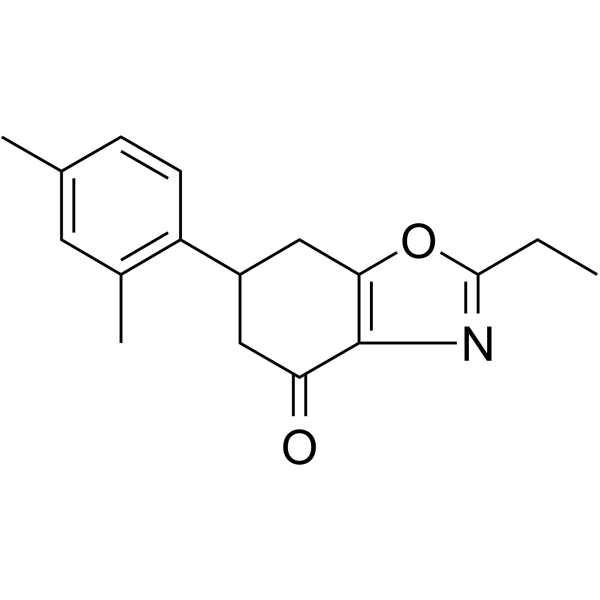
ADX71743 is a highly selective, noncompetitive and brain-penetrant metabotropic glutamate receptor 7 negative allosteric modulator (mGlu7 NAM). ADX71743 can cross the blood-brain barrier (BBB) and possesses anxiolytic activity. .
|
-
-
- HY-117959
-
|
|
LPL Receptor
|
Inflammation/Immunology
|
|
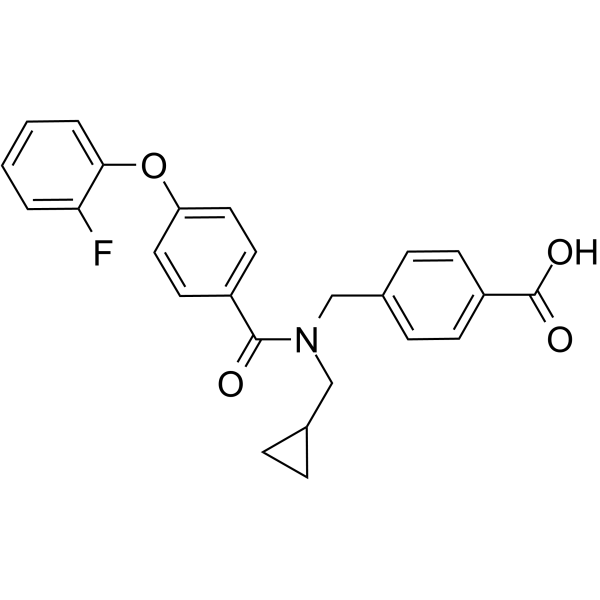
TAK-615 is a negative allosteric modulator (NAM) of the LPA1 receptor for the research of pulmonary fibrosis. TAK-615 binds the LPA1 receptor with high affinity (Kd high affinity of 1.7 nM and Kd low affinity of 14.5 nM) .
|
-
-
- HY-12567
-
|
VU0483253
|
mAChR
|
Neurological Disease
|
|
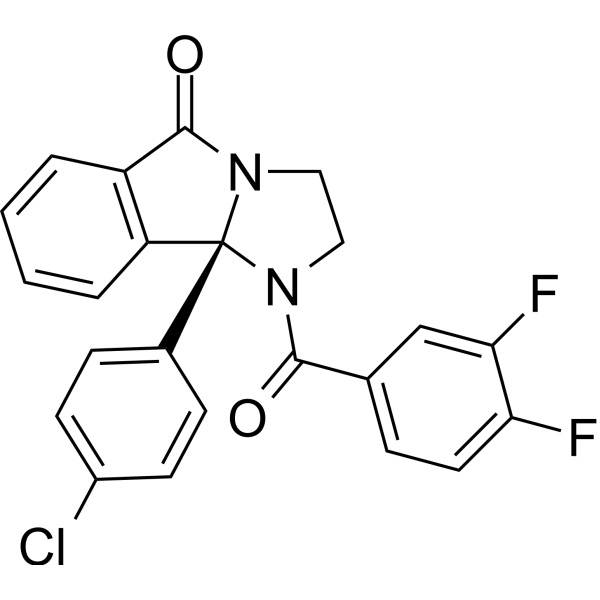
ML375 (VU0483253) is a potent, highly selective, brain-penetrant and orally active M5 mAChR negative allosteric modulator (NAM) with IC50s of 300 nM and 790 nM for human and rat M5, respectively. ML375 is inactive at human and rat M1-M4 .
|
-
-
- HY-W062697
-
|
HTL0014242
|
mGluR
|
Neurological Disease
|
|
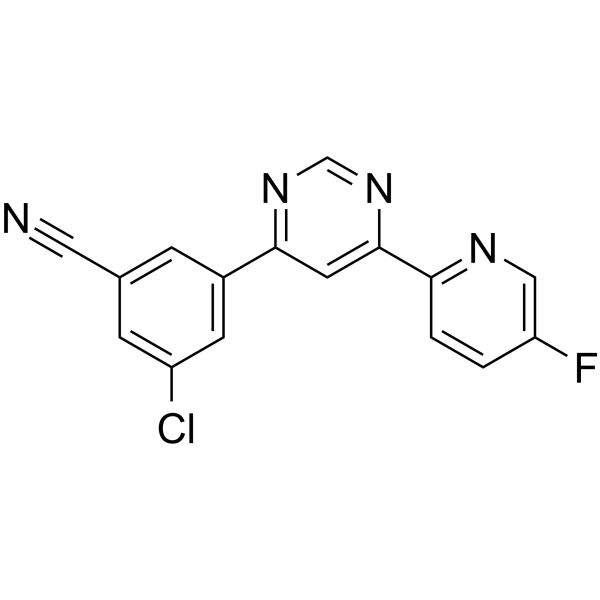
HTL14242 (HTL0014242) is an advanced and orally active mGlu5 NAM with a pKi and a pIC50 of 9.3 and 9.2, respectively . HTL14242 can be used for the research of parkinson’s disease .
|
-
-
- HY-178121
-
|
|
iGluR
|
Neurological Disease
Inflammation/Immunology
|
|
JNJ-78911118 is a potent, brain-penetrant, selective GluN2A antagonist (IC50 = 44 nM). JNJ-78911118 shows >200-fold selectivity against GluN1/2B, 2C and 2D receptors. JNJ-78911118 functions as a negative allosteric modulator (NAM) by insurmountably suppressing glutamate efficacy and reducing glycine potency at GluN1/2A receptors. JNJ-78911118 produces profound pharmacodynamic effects in vivo. JNJ-78911118 can be used for depression research .
|
-

-
- HY-129946
-
-
-
- HY-16766
-
|
RO4995819
|
mGluR
|
Neurological Disease
|
|
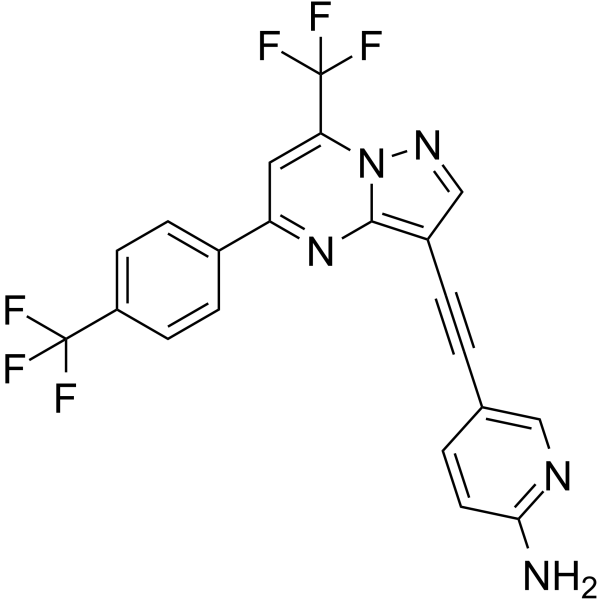
Decoglurant (RO4995819) is a negative allosteric modulator of mGluR2 and mGluR3. Decoglurant is developed as an antidepressant .
|
-
-
- HY-176487
-
-

-
- HY-145585
-
|
MIJ-821
|
iGluR
|
Neurological Disease
|
|
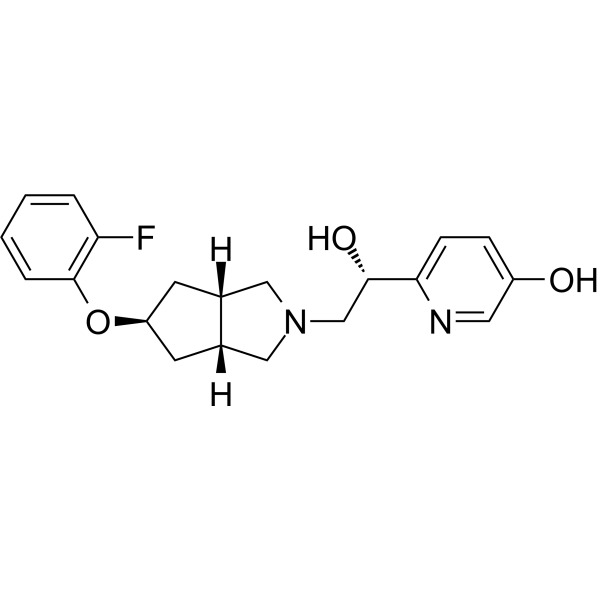
Onfasprodil (MIJ-821) is a selective intravenous NMDA receptor NR2B subunit negative allosteric modulator (NAM). Onfasprodil inhibits the activity of NR2B-NMDA receptors. Onfasprodil has a rapid antidepressant effect. Onfasprodil can be used for the research of treatment-resistant depression (TRD) .
|
-
-
- HY-114403
-
|
|
mGluR
|
Neurological Disease
|
|
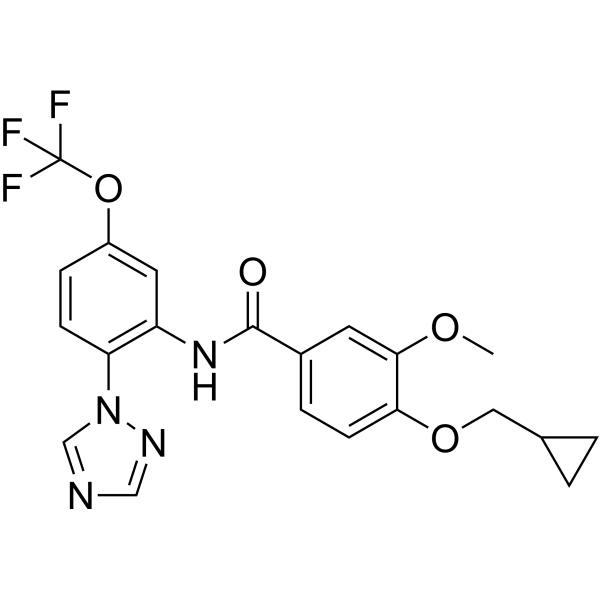
VU6012962 is an orally bioavailable and CNS-penetrant metabotropic glutamate receptor 7 negative allosteric modulator (mGlu7 NAM) with an IC50 of 347 nM .
|
-
-
- HY-101281
-
|
|
mAChR
|
Neurological Disease
|
|
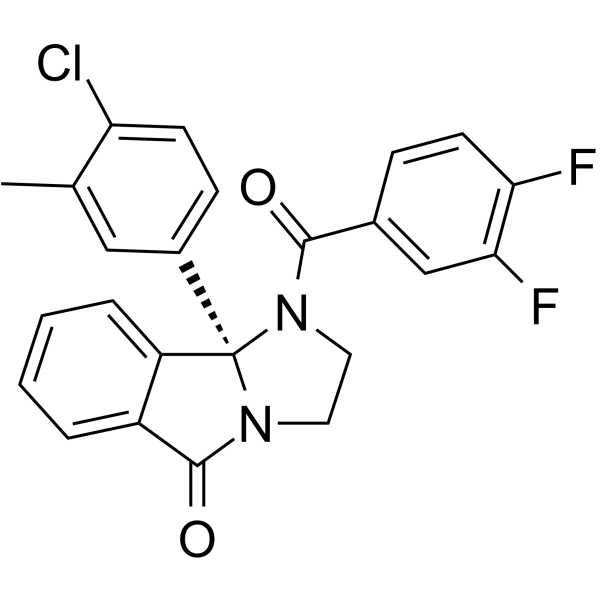
VU 6008667 is a selective negative allosteric modulator of M5 NAM with IC50s of 1.2 μM and 1.6 μM for human M5 and rat M5, respectively. High CNS penetration .
|
-
-
- HY-164764
-
|
|
Estrogen Receptor/ERR
|
Endocrinology
|
|
ADX61623 is a potent follicle stimulating hormone (FSH) receptor (FSHR) negative allosteric modulator (NAM). ADX61623 shows luteinizing hormone receptor (LH-R) activity and is not active on thyroid-stimulating hormone (TSH) receptors. ADX61623 can be used for the study of estrogen dependent disease .
|
-

-
- HY-163174
-
|
|
Amine N-methyltransferase
|
Cardiovascular Disease
Neurological Disease
Metabolic Disease
Cancer
|
|
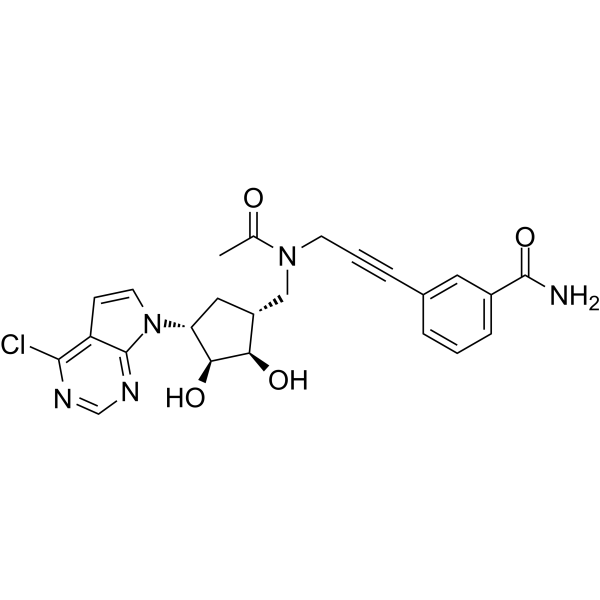
II399 is a potent, selective NNMT bisubstrate inhibitor containing an unconventional SAM mimic, with a Ki of 5.9 nM. II399 exhibits an explicit pattern of competitive inhibition for NAM. II399 occupies both the substrate and cofactor binding pockets. II399 has the potential for the research of cancers, metabolic, cardiovascular, and neurodegenerative diseases .
|
-
-
- HY-129636
-
|
(E)-GABAB receptor antagonist 1
|
GABA Receptor
ERK
|
Neurological Disease
|
|
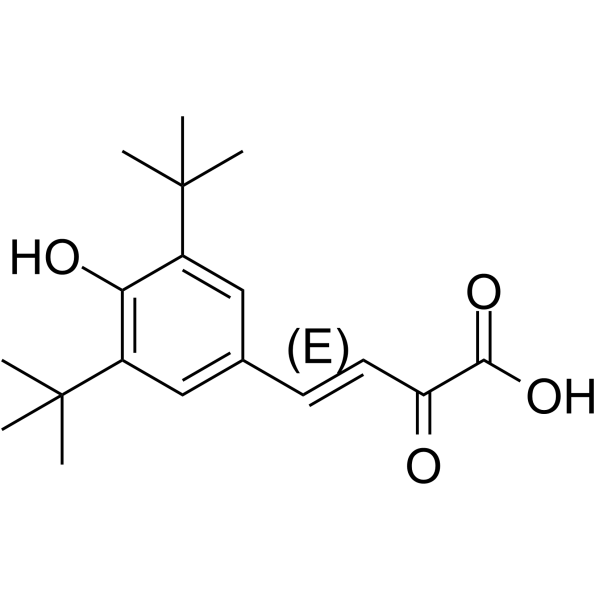
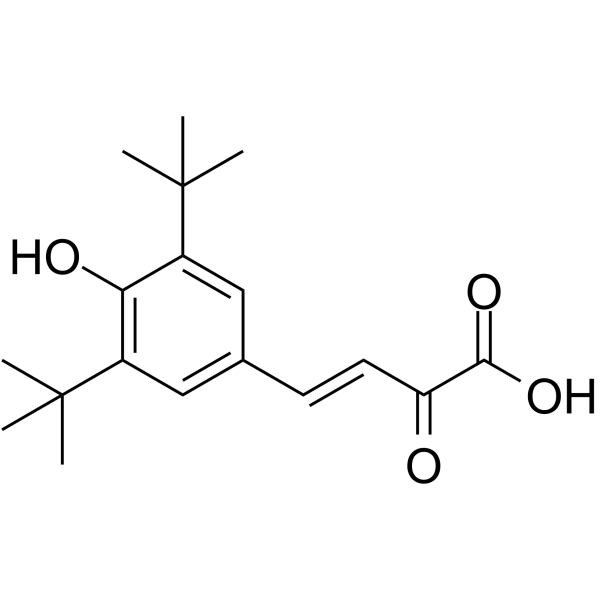
CLH304a (compound 14) is a specific and noncompetitive GABAB receptor negative allosteric modulator (NAM). CLH304a decreases GABA-induced IP3 production with an IC50 of 37.9 μM. CLH304a has no effect on other GPCR Class C members such as mGluR1, mGluR2, and mGluR5. CLH304a acts on the heptahelical domain of GB2 subunits and non-competitively inhibits the effect of agonists with inverse agonist properties. CLH304a inhibits Baclofen (HY-B0007)-induced ERK1/2 phosphorylation in HEK293 cells overexpressing GABAB receptor .
|
-
-
- HY-19623
-
|
|
mGluR
|
Neurological Disease
|
|
VU0092273 is a potent mGlu5 positive allosteric modulator (PAM) that also binds to the MPEP site, with an EC50 of 0.27 μM .
|
-

-
- HY-101281A
-
|
|
mAChR
|
Neurological Disease
|
|
(Rac)-VU 6008667 is a selective negative allosteric modulator of muscarinic acetylcholine receptor subtype 5 (M5 NAM) (IC50=1.8 μM, pIC50= 5.75), has high CNS penetration .
|
-

-
- HY-107509
-
|
|
mGluR
|
Neurological Disease
|
|
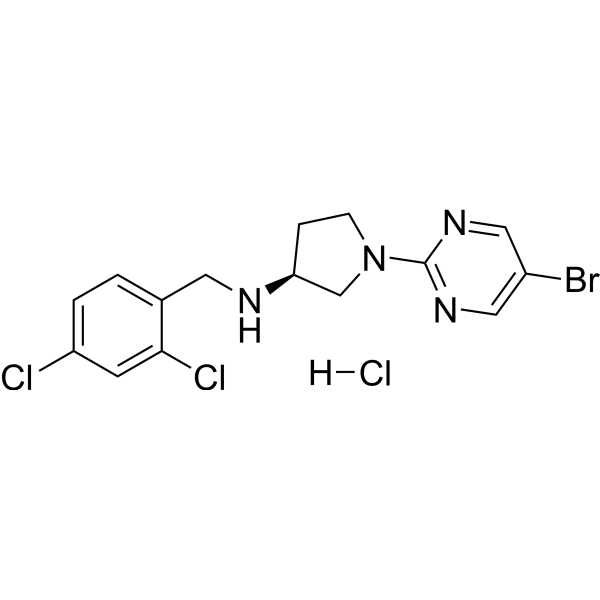
LY2389575 hydrochloride is a selective and noncompetitive mGlu3 negative allosteric modulator (NAM), with an IC50 value of 190 nM. LY2389575 hydrochloride induces an increase in Mrc1 levels. LY2389575 hydrochloride also independently amplifies Amyloid beta (Aβ) toxicity and can be used in study of Alzheimer's disease .
|
-
-
- HY-103118
-
|
|
5-HT Receptor
Apoptosis
|
Neurological Disease
Cancer
|
|
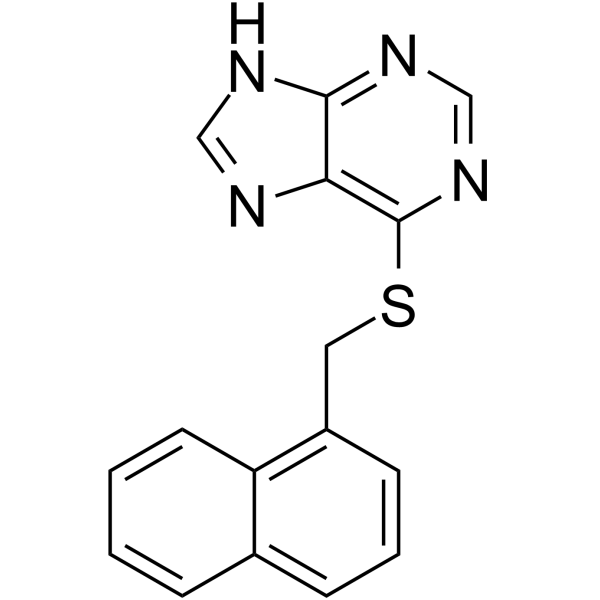
PU02, a derivative of 6-MP (HY-13677), is a negative allosteric modulator (NAM) of 5-HT3 receptor, with IC50 values of 0.36 and 0.73 μM in HEK293 cells transfected with human 5-HT3A and 5-HT3AB receptors respectively .
|
-
-
- HY-103574
-
|
ADX-10059 hydrochloride
|
mGluR
|
Neurological Disease
|
|
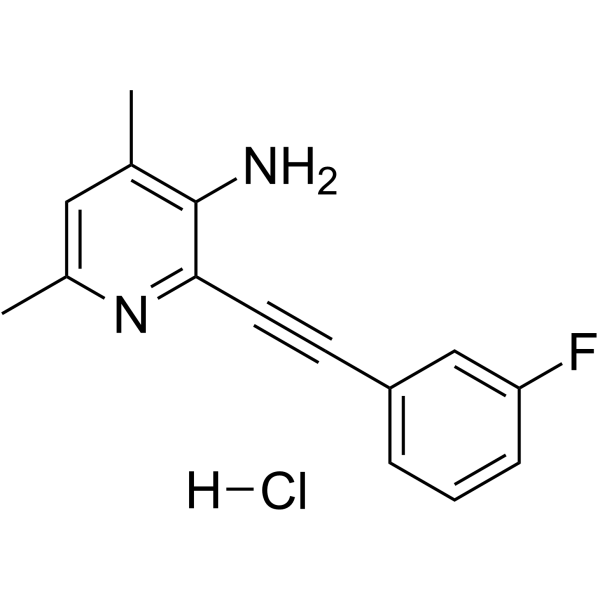
Raseglurant hydrochloride is a negative allosteric modulator of mGluR5. Raseglurant hydrochloride can be used in study migraine .
|
-
-
- HY-W565924
-
|
|
mGluR
ERK
|
Neurological Disease
|
|
STX107 is a metabotropic glutamate 5 (mGlu5) receptor negative allosteric modulator (NAM) with a pKi of 8.32. STX107 inhibits glutamate-induced Ca 2+ mobilization, IP1 accumulation, and ERK1/2 phosphorylation. STX107 also inhibits glutamate-induced mGlu5 internalization .
|
-

-
- HY-124393
-
|
|
mGluR
|
Neurological Disease
|
|
GRN-529 is a negative allosteric modulator (NAM) for mGluR5. GRN-259 modulates sleep-wake activity, and exhibits anxiolytic efficacy in rats .
|
-

-
- HY-110180
-
|
|
mGluR
|
Neurological Disease
|
|
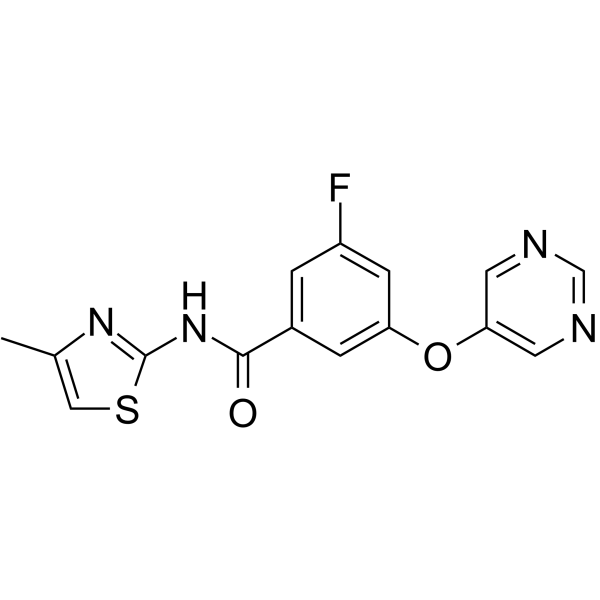
VU0409106 is a potent and selective mGlu5 negative allosteric modulator (NAM) with an IC50 of 24 nM. VU0409106 shows anxiolytic effects in rat models in a concentration-dependent manner. VU0409106 also penetrates the blood-brain barrier (BBB) .
|
-
-
- HY-103575
-
|
|
mGluR
|
Neurological Disease
|
|
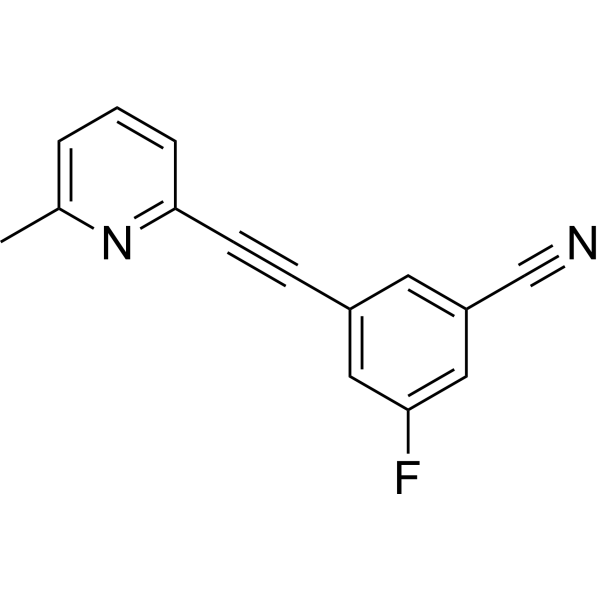
MFZ 10-7 is a highly potent and selective mGluR5 NAM (negative allosteric modulator), with a Ki of 0.67 nM for rat mGluR5 . MFZ 10-7 is a click chemistry reagent, it contains an Alkyne group and can undergo copper-catalyzed azide-alkyne cycloaddition (CuAAc) with molecules containing Azide groups.
|
-
-
- HY-114863
-
|
THCCC
|
mGluR
|
Neurological Disease
|
|
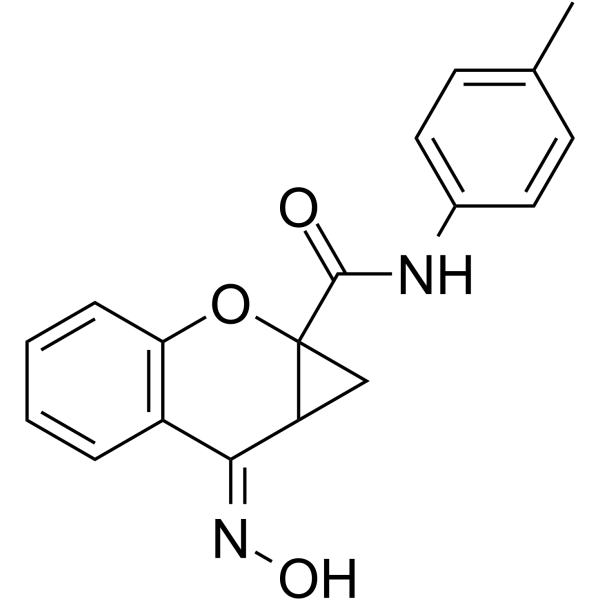
PHCCC(4Me) (THCCC), a PHCCC analog, is a dual mGluR2 (IC50 of 1.5 μM) negative allosteric modulator and mGluR3 (EC50 of 8.9 μM) positive allosteric modulator .
|
-
-
- HY-P11088
-
|
|
Transmembrane Glycoprotein
Radionuclide-Drug Conjugates (RDCs)
|
Inflammation/Immunology
|
|
VCAM1 binding peptide is a VCAM1 binder with internalization activity. VCAM1 binding peptide can be labeled with 5-FAM. VCAM1 binding peptide serves as a component of biosensing systems for visualizing in vitro VCAM1 endocytic pathways. VCAM1 binding peptide forms the research and development basis for MacroP and NAMP, PET radiotracers targeting VCAM1. VCAM1 binding peptide is applicable to studies related to atherosclerosis .
|
-

-
- HY-176122
-
|
|
mGluR
|
Neurological Disease
|
|
VU6024945 is an orally active negative allosteric modulator of metabotropic glutamate receptor subtype 5 (mGlu5 NAM) with an IC50 value of 110 nM. VU6024945 can be used in the research of anti-anxiety, anti-depression and Parkinson's disease and other neurological diseases .
|
-

-
- HY-RS13865
-
|
|
Small Interfering RNA (siRNA)
|
Others
|
|
STAC3 Human Pre-designed siRNA Set A contains three designed siRNAs for STAC3 gene (Human), as well as a negative control, a positive control, and a FAM-labeled negative control.
|
-
STAC3 Human Pre-designed siRNA Set A
STAC3 Human Pre-designed siRNA Set A
-
- HY-129636A
-
|
GABAB receptor antagonist 1
|
GABA Receptor
ERK
|
Neurological Disease
|
|
(E/Z)-CLH304a (GABAB receptor antagonist 1) is a mixture of (E)-CLH304a and (Z)-CLH304a. (E)-CLH304a (CLH304a; HY-129636) is a specific and noncompetitive GABAB receptor negative allosteric modulator (NAM). CLH304a inhibits Baclofen (HY-B0007)-induced ERK1/2 phosphorylation in HEK293 cells overexpressing GABAB receptors .
|
-
-
- HY-101281B
-
|
|
mAChR
|
Neurological Disease
|
|
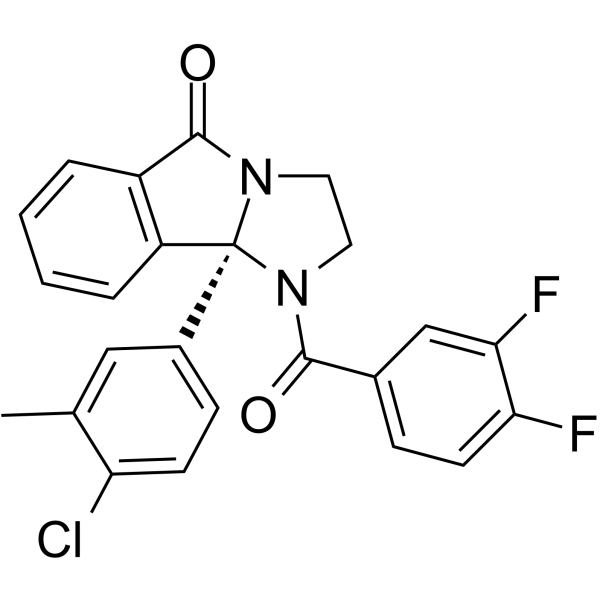
(R)-VU 6008667, the less active (R)-enantiomer to VU 6008667, is devoid of M5 NAM activity (IC50>10 μM) .
|
-
-
- HY-147559
-
|
|
Cannabinoid Receptor
|
Others
|
|
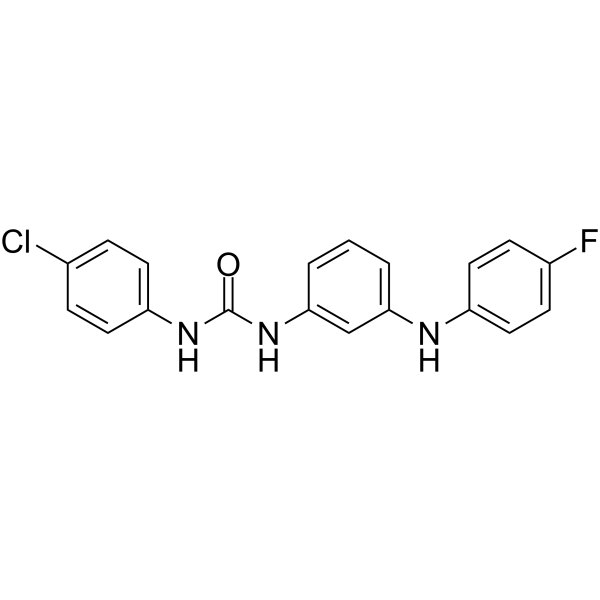
CB1R Allosteric modulator 2 (compound 18) is a potent CB1R allosteric modulator. CB1R Allosteric modulator 2 shows negatively affects the functional activity of orthosteric ligands (NAM) at CB1Rs .
|
-
-
- HY-147558
-
|
|
Cannabinoid Receptor
|
Others
|
|
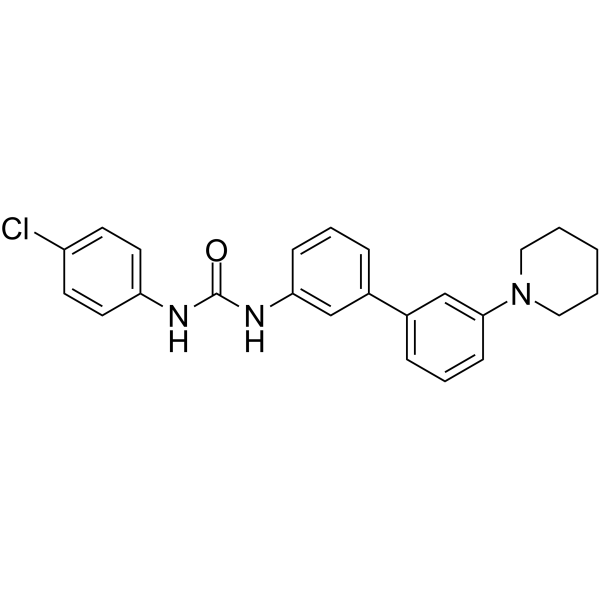
CB1R Allosteric modulator 1 (compound 11) is a potent CB1R allosteric modulator. CB1R Allosteric modulator 1 shows negatively affects the functional activity of orthosteric ligands (NAM) at CB1Rs .
|
-
-
- HY-120527
-
|
|
mGluR
|
Neurological Disease
|
|
VU0463841 is a potent, selective and brain-penetrant mGlu5 negative allosteric modulator (NAM) with an IC50 of 13 nM. VU0463841 is ineffective against mGlu1-4 and mGlu7-8. VU0463841 has the potential for the Cocaine addiction research .
|
-

-
- HY-147657
-
|
|
GABA Receptor
|
Neurological Disease
|
|
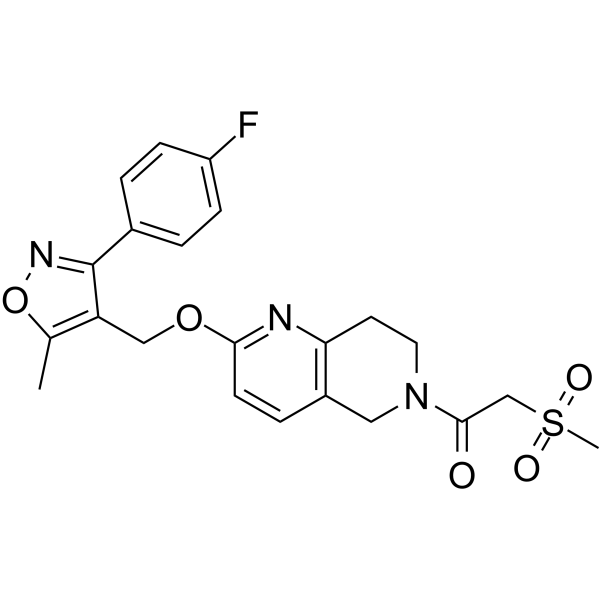
GABAA receptor modulator-2 (Compound 20) is selective, orally active α5-GABAAR negative allosteric modulator (NAM) with a Ki of 4.1 nM. GABAA receptor modulator-2 shows high-metabolic stability and good CNS safety .
|
-
-
- HY-103575A
-
|
|
mGluR
|
Neurological Disease
|
|
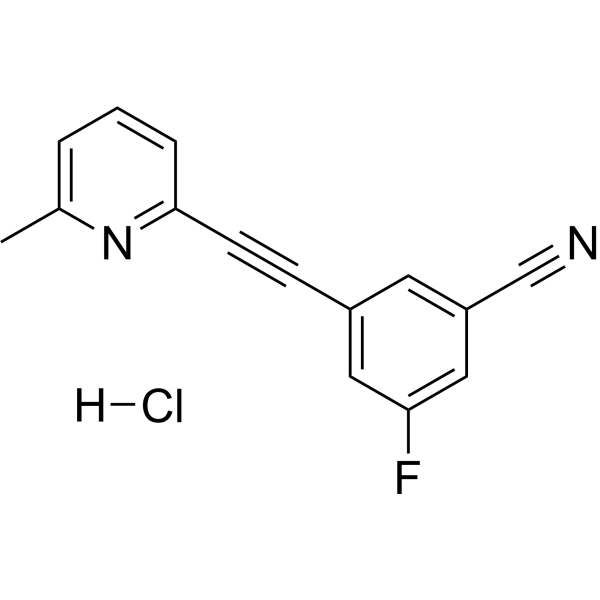
MFZ 10-7 hydrochloride is a highly potent and selective mGluR5 NAM (negative allosteric modulator), with a Ki of 0.67 nM for rat mGluR5 . MFZ 10-7 (hydrochloride) is a click chemistry reagent, it contains an Alkyne group and can undergo copper-catalyzed azide-alkyne cycloaddition (CuAAc) with molecules containing Azide groups.
|
-
-
- HY-129274
-
|
|
mGluR
|
Neurological Disease
|
|
RO4988546 is a negative allosteric modulator (NAM) that targets metabotropic glutamate receptors 2 and 3 (mGlu2, mGlu3). RO4988546 can reduce the binding of [ 3h]-LY354740 at the positive binding site, while affecting the receptor's G protein coupling and intracellular signaling. RO4988546 can be used in the development of antidepressants and cognitive enhancers .
|
-

-
- HY-157998
-
|
|
mGluR
Src
|
Others
|
|
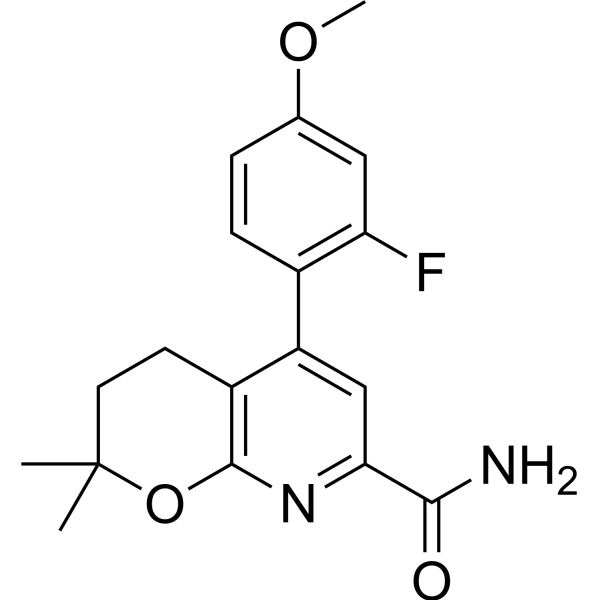
mG2N001 is a negative allosteric modulator (NAM) (IC50: 93 nM) of the metabotropic glutamate receptor mGluR2 and binds to mGluR2 as an antagonist (Ki: 63 nM). mG2N001 is microparticle- and plasma-stable, and its radioisotope [11C]mG2N001 can be used in PET imaging. [11C]mG2N001 has good brain heterogeneity and brain penetration, and can selectively accumulate in mGluR2-rich regions, producing high-contrast brain images .
|
-
-
- HY-108710R
-
|
|
Reference Standards
mGluR
|
Neurological Disease
|
|
VU0650786 (Standard) is the analytical standard of VU0650786 (HY-108710). This product is intended for research and analytical applications. VU0650786 is a potent and selective CNS penetrant negative allosteric modulator of metabotropic glutamate receptor subtype 3 (mGlu3 NAM), with an IC50 of 392 nM. VU0650786 has antidepressant and anxiolytic activity in rodents .
|
-

-
- HY-101281BR
-
|
|
mAChR
Reference Standards
|
Neurological Disease
|
|
(R)-VU 6008667 (Standard) is the analytical standard of (R)-VU 6008667 (HY-101281B). This product is intended for research and analytical applications. (R)-VU 6008667, the less active (R)-enantiomer to VU 6008667, is devoid of M5 NAM activity (IC50>10 μM) .
|
-

-
- HY-101281R
-
|
|
mAChR
Reference Standards
|
Neurological Disease
|
|
VU 6008667 (Standard) is the analytical standard of VU 6008667 (HY-101281). This product is intended for research and analytical applications. VU 6008667 is a selective negative allosteric modulator of M5 NAM with IC50s of 1.2 μM and 1.6 μM for human M5 and rat M5, respectively. High CNS penetration .
|
-

-
- HY-186178
-
|
|
CD38
|
Metabolic Disease
Inflammation/Immunology
|
|
CD38-IN-6 is an orally active CD38 inhibitor. CD38-IN-6 regulates NAD + metabolite levels in the liver of aged obese mice by increasing NAD + and NMN levels, and decreasing NAM and ADPR levels. CD38-IN-6 alleviates inflammatory responses in mice. CD38-IN-6 can be used for research related to obesity and inflammation .
|
-

-
- HY-107509R
-
|
|
Reference Standards
mGluR
|
Neurological Disease
|
|
LY2389575 hydrochloride (Standard) is the analytical standard of LY2389575 (hydrochloride) (HY-107509). This product is intended for research and analytical applications. LY2389575 hydrochloride is a selective and noncompetitive mGlu3 negative allosteric modulator (NAM), with an IC50 value of 190 nM. LY2389575 hydrochloride induces an increase in Mrc1 levels. LY2389575 hydrochloride also independently amplifies Amyloid beta (Aβ) toxicity and can be used in study of Alzheimer's disease .
|
-

-
- HY-103575R
-
|
|
Reference Standards
mGluR
|
Neurological Disease
|
|
MFZ 10-7 (Standard) is the analytical standard of MFZ 10-7 (HY-103575). This product is intended for research and analytical applications. MFZ 10-7 is a highly potent and selective mGluR5 NAM (negative allosteric modulator), with a Ki of 0.67 nM for rat mGluR5 . MFZ 10-7 is a click chemistry reagent, it contains an Alkyne group and can undergo copper-catalyzed azide-alkyne cycloaddition (CuAAc) with molecules containing Azide groups.
|
-

- HY-103574R
-
|
ADX-10059 hydrochloride (Standard)
|
mGluR
Reference Standards
|
Neurological Disease
|
|
Raseglurant hydrochloride (Standard) is the analytical standard of Raseglurant hydrochloride (HY-103574). This product is intended for research and analytical applications. Raseglurant hydrochloride is a negative allosteric modulator of mGluR5. Raseglurant hydrochloride can be used in study migraine .
|
-

-
-
HY-L170
-
|
|
250 compounds
|
|
An emerging drug design method is based on the secondary binding site effect, where small molecule drugs are designed to bind to secondary binding sites on target biomolecules rather than primary orthomorphic sites. Successful potential drugs (known as allosteric modulators) will be able to bind to allosteric sites and remotely alter (or modify) the conformation of the main orthosteric binding sites of biological targets. Allosteric modulators (AMs) are ligands of proteins that act through binding sites different from natural (orthosteric) ligand sites. AMs are relatively small, more lipophilic, and more rigid compounds. The binding efficacy of AMs with their targets is often slightly lower. AMs are divided into positive AMs (PAMs) and negative AMs (NAMs). AMs are ideal drug targets because they can fine-tune receptor activity while preserving the spatial and temporal signal transduction characteristics of endogenous ligands, resulting in fewer targeted side effects, improved subtype selectivity, and better promotion of biased signal transduction than normal ligands.
MCE designs a unique collection of 250 small allosteric modulators. It is a good tool to be used for research on metabolize, cancer and other diseases.
|
| Cat. No. |
상품명 |
Target |
Research Area |
-
- HY-P11088
-
|
|
Transmembrane Glycoprotein
Radionuclide-Drug Conjugates (RDCs)
|
Inflammation/Immunology
|
|
VCAM1 binding peptide is a VCAM1 binder with internalization activity. VCAM1 binding peptide can be labeled with 5-FAM. VCAM1 binding peptide serves as a component of biosensing systems for visualizing in vitro VCAM1 endocytic pathways. VCAM1 binding peptide forms the research and development basis for MacroP and NAMP, PET radiotracers targeting VCAM1. VCAM1 binding peptide is applicable to studies related to atherosclerosis .
|
| Cat. No. |
상품명 |
|
Classification |
-
- HY-157573
-
|
|
|
Azide
|
|
N-Acetylmuramic acid-azide (Compound 2) is a derivative of N-acetylaminoacetic acid (NAM) in bacterial peptidoglycan. Incorporated into bacterial peptidoglycan during biosynthesis .
|
| Cat. No. |
상품명 |
|
Classification |
-
- HY-RS13865
-
|
|
|
siRNAs
Human Pre-designed siRNA Sets
|
|
STAC3 Human Pre-designed siRNA Set A contains three designed siRNAs for STAC3 gene (Human), as well as a negative control, a positive control, and a FAM-labeled negative control.
|
Your information is safe with us. * Required Fields.
Inquiry Information
- 상품명:
- Cat. No.:
- 수량:
- MCE Japan Authorized Agent:








