1. Search Result
Search Result
Results for "

PDE+inhibitor

" in MedChemExpress (MCE) Product Catalog:

56

Inhibitors & Agonists

1

Fluorescent Dyes

2

Biochemical Assay Reagents

12

Natural
Products

11

Isotope-Labeled Compounds

1

GMP Molecules

Cat. No. Product Name Target Research Areas Chemical Structure
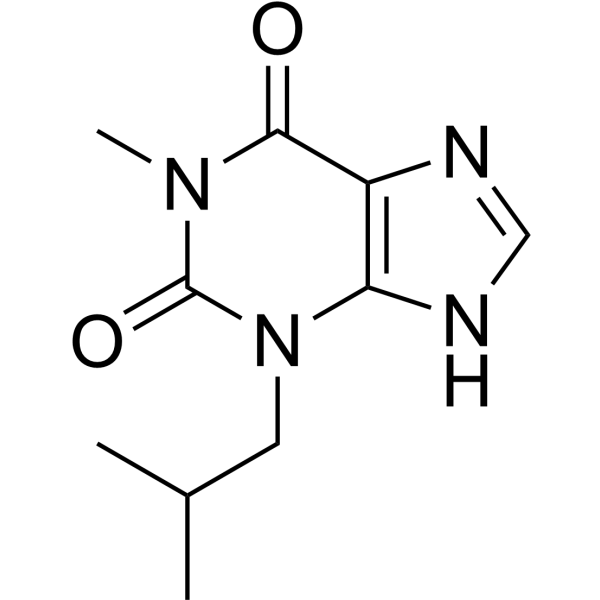
  • HY-12318
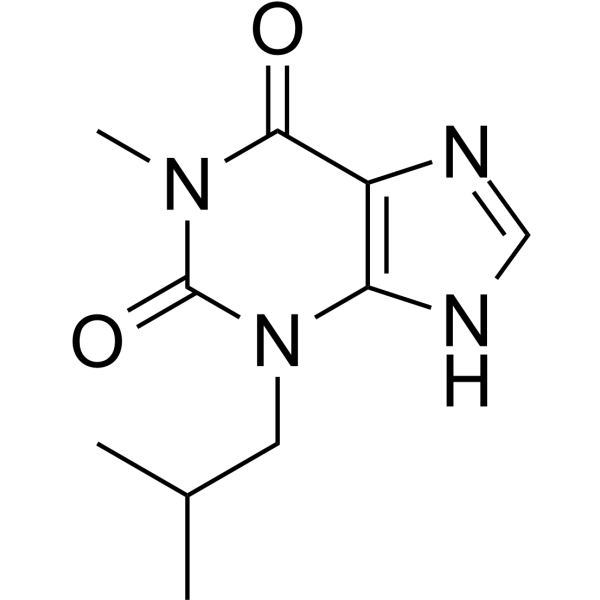
    IBMX
    Maximum Cited Publications
    69 Publications Verification

    3-Isobutyl-1-methylxanthine; Isobutylmethylxanthine

    Phosphodiesterase (PDE) Inflammation/Immunology
    IBMX is a broad-spectrum phosphodiesterase (PDE) inhibitor, with IC50s of 6.5, 26.3 and 31.7 μM for PDE3, PDE4 and PDE5, respectively.
    IBMX
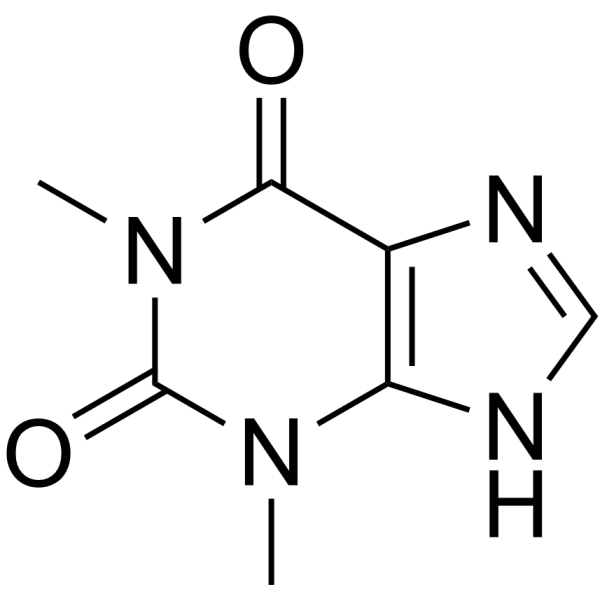
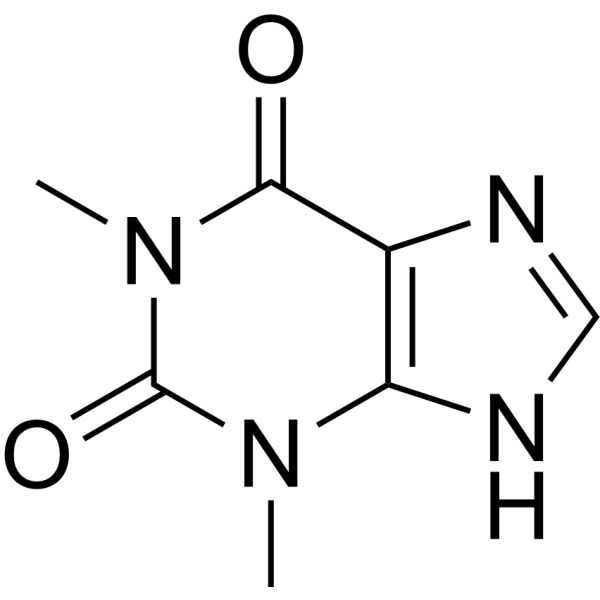
  • HY-B0809
    Theophylline
    Maximum Cited Publications
    12 Publications Verification

    1,3-Dimethylxanthine; Theo-24

    Phosphodiesterase (PDE) Adenosine Receptor HDAC Apoptosis Interleukin Related TNF Receptor Endogenous Metabolite Infection Neurological Disease Inflammation/Immunology Cancer
    Theophylline (1,3-Dimethylxanthine) is a potent phosphodiesterase (PDE) inhibitor, adenosine receptor antagonist, and histone deacetylase (HDAC) activator. Theophylline (1,3-Dimethylxanthine) inhibits PDE3 activity to relax airway smooth muscle. Theophylline (1,3-Dimethylxanthine) has anti-inflammatory activity by increase IL-10 and inhibit NF-κB into the nucleus. Theophylline (1,3-Dimethylxanthine) induces apoptosis. Theophylline (1,3-Dimethylxanthine) can be used for asthma and chronic obstructive pulmonary disease (COPD) research .
    Theophylline
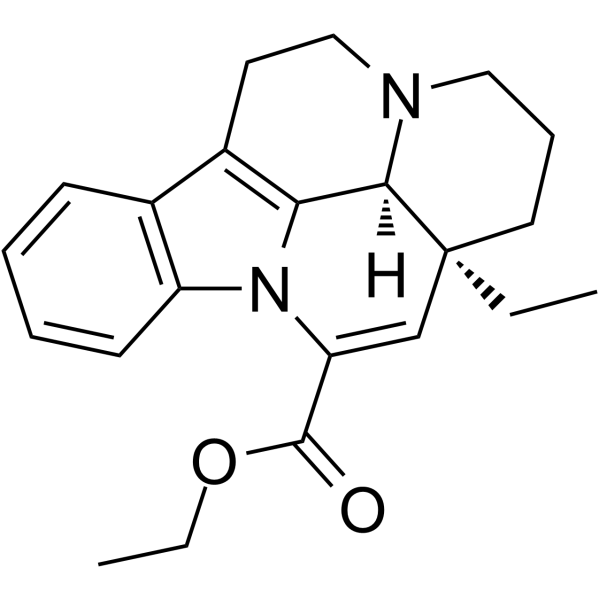
  • HY-13295
    Vinpocetine
    5+ Cited Publications

    Ethyl apovincaminate

    Sodium Channel IKK Phosphodiesterase (PDE) Cardiovascular Disease Neurological Disease Inflammation/Immunology Cancer
    Vinpocetine (Ethyl apovincaminate) is a derivative of the alkaloid Vincamine that blocks voltage-gated Na + channels. The IC50 value of Vinpocetine on direct IKK inhibition in the cell-free system is 17.17 μM. Vinpocetine is a phosphodiesterase (PDE) inhibitor and inhibits NF-κB-dependent inflammatory responses by directly targeting IκB kinase complex (IKK), and has been widely used for the treatment of cerebrovascular disorders .
    Vinpocetine
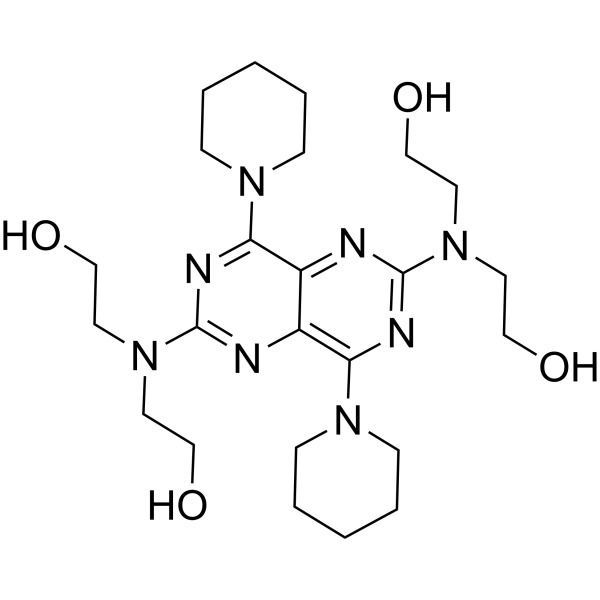
  • HY-B0312
    Dipyridamole
    10+ Cited Publications

    Phosphodiesterase (PDE) Apoptosis Cardiovascular Disease Cancer
    Dipyridamole is an orally active phosphodiesterase (PDE) inhibitor. Dipyridamole also is an antiplatelet agent used in secondary prophylaxis against stroke. Dipyridamole can induce cancer cell-specific apoptosis .
    Dipyridamole
  • HY-B0715
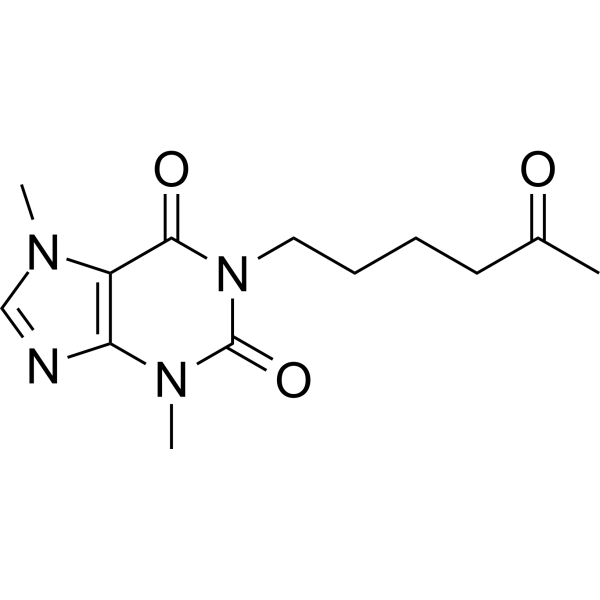
    Pentoxifylline
    10+ Cited Publications

    BL-191; PTX; Oxpentifylline

    Phosphodiesterase (PDE) Autophagy HIV Cardiovascular Disease Cancer
    Pentoxifylline (BL-191), a haemorheological agent, is an orally active non-selective phosphodiesterase (PDE) inhibitor, with immune modulation, anti-inflammatory, hemorheological, anti-fibrinolytic and anti-proliferation effects. Pentoxifylline can be used for the research of peripheral vascular disease, cerebrovascular disease and a number of other conditions involving a defective regional microcirculation .
    Pentoxifylline
  • HY-B0763
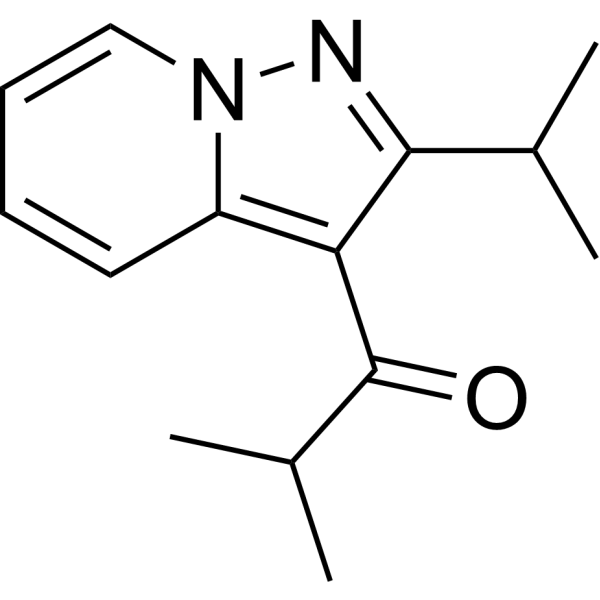
    Ibudilast
    5+ Cited Publications

    KC-404; AV-411; MN-166

    Phosphodiesterase (PDE) Inflammation/Immunology Cancer
    Ibudilast (KC-404; AV-411; MN-166) is a cyclic AMP phosphodiesterase (PDE) inhibitor. Ibudilast has platelet anti-aggregatory effects. Ibudilast can be used for the research of asthma for its inhibitory effects on tracheal smooth muscle contractility. Ibudilast may be a useful neuroprotective and anti-dementia agent counteracting neurotoxicity in activated microglia .
    Ibudilast
  • HY-16558
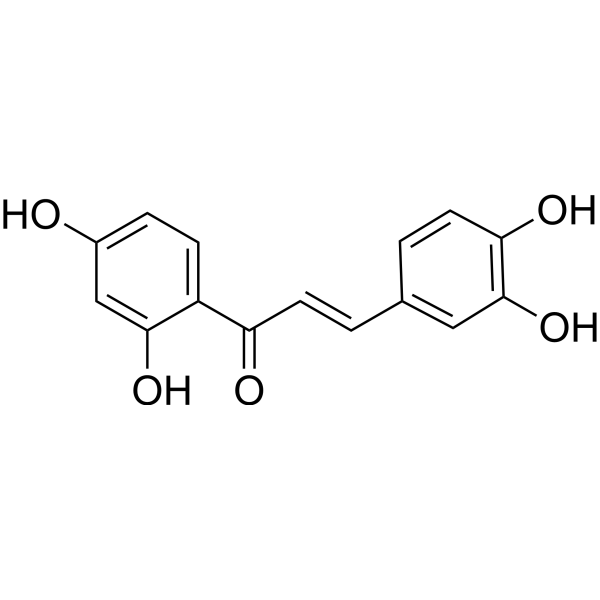
    Butein
    5+ Cited Publications

    2’,3,4,4’-tetrahydroxy Chalcone

    EGFR Autophagy Apoptosis Phosphodiesterase (PDE) Cancer
    Butein is a cAMP-specific PDE inhibitor with an IC50 of 10.4 μM for PDE4 . Butein is a specific protein tyrosine kinase inhibitor with IC50s of 16 and 65 μM for EGFR and p60 c-src in HepG2 cells . Butein sensitizes HeLa cells to Cisplatin through AKT and ERK/p38 MAPK pathways by targeting FoxO3a . Butein is a SIRT1 activator (STAC).
    Butein
  • HY-B0140
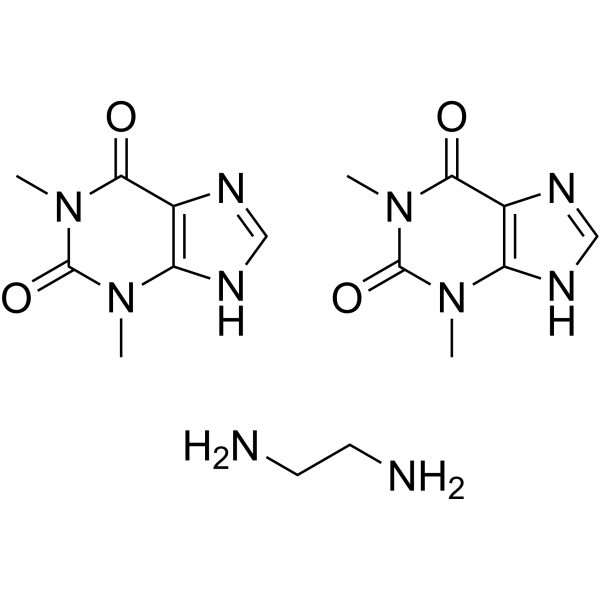
    Aminophylline
    Maximum Cited Publications
    12 Publications Verification

    Phosphodiesterase (PDE) Adenosine Receptor Inflammation/Immunology Cancer
    Aminophylline is a competitive and non-selective phosphodiesterase (PDE) inhibitor. Aminophylline is a competitive adenosine receptor antagonist. Aminophylline has apulmonary vasodilator action as well as a bronchodilator action and has the potential for asthma research .
    Aminophylline
  • HY-12318G

    3-Isobutyl-1-methylxanthine; Isobutylmethylxanthine

    Phosphodiesterase (PDE) Inflammation/Immunology
    IBMX (3-Isobutyl-1-methylxanthine) (GMP) is IBMX (HY-12318) produced by using GMP guidelines. GMP small molecules works appropriately as an auxiliary reagent for cell therapy manufacture. IBMX is a broad-spectrum phosphodiesterase (PDE) inhibitor .
    IBMX
  • HY-135490

    Adrenergic Receptor Phosphodiesterase (PDE) Inflammation/Immunology
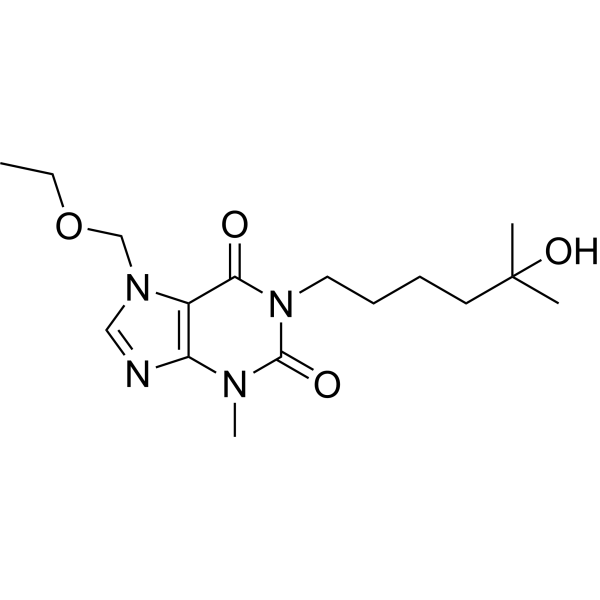
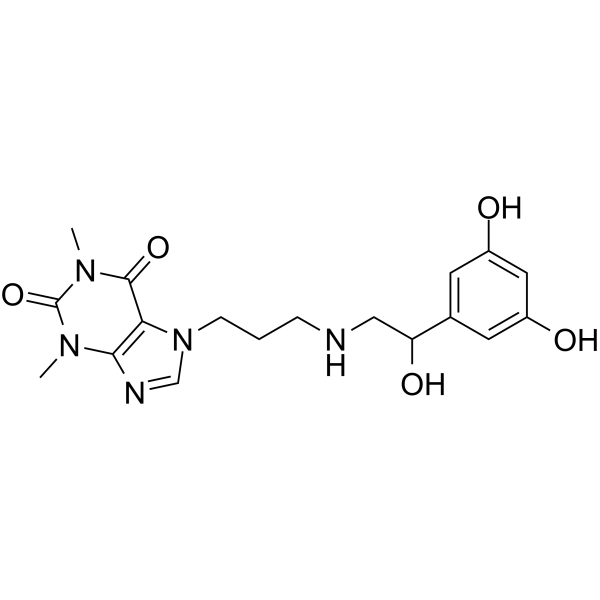
    Reproterol is a selective β2-adrenoceptor agonist and cAMP phosphodiesterase (PDE) inhibitor. Reproterol inhibits adenylate cyclase-induced phosphodiesterase activity. Reproterol inhibits histamine release from mast cells. Reproterol is applicable to research related to asthma .
    Reproterol
  • HY-18740A

    HL 725

    Phosphodiesterase (PDE) Neurological Disease Metabolic Disease Cancer
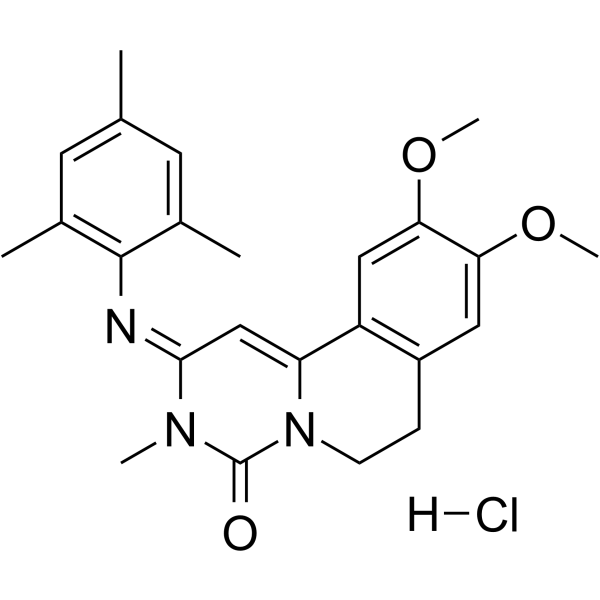
    Trequinsin hydrochloride (HL 725) is a PDE inhibitor, CatSper channel activator, and sperm potassium channel modulator. Trequinsin hydrochloride targets PDE3 with an IC50 of <1 nM. Trequinsin hydrochloride enhances currents and elevates intracellular calcium and cGMP levels via direct activation of the CatSper channel, while inhibiting the outward current conductance of sperm potassium channels. Without inducing premature acrosome reaction, Trequinsin hydrochloride significantly enhances sperm hyperactivated motility, forward motility, and the ability to penetrate viscous media. Trequinsin hydrochloride exerts age-specific positive inotropic and positive lusitropic effects on rabbit ventricular papillary muscles. Trequinsin hydrochloride has been used in studies on the mechanisms underlying male infertility (e.g., asthenozoospermia) .
    Trequinsin hydrochloride
  • HY-B0809A
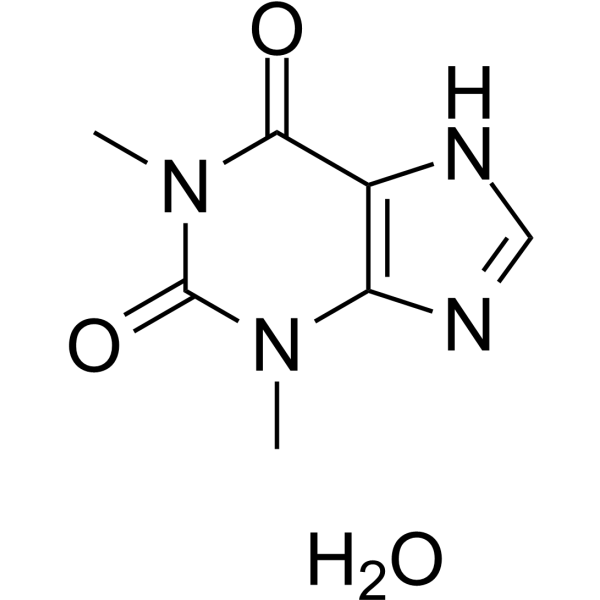
    Theophylline monohydrate
    5+ Cited Publications

    1,3-Dimethylxanthine monohydrate; Theo-24 monohydrate

    Phosphodiesterase (PDE) Adenosine Receptor HDAC Apoptosis Interleukin Related TNF Receptor Cancer
    Theophylline (1,3-Dimethylxanthine) monohydrate is a potent phosphodiesterase (PDE) inhibitor, adenosine receptor antagonist, and histone deacetylase (HDAC) activator. Theophylline (1,3-Dimethylxanthine) monohydrate inhibits PDE3 activity to relax airway smooth muscle. Theophylline (1,3-Dimethylxanthine) monohydrate has anti-inflammatory activity by increase IL-10 and inhibit NF-κB into the nucleus. Theophylline (1,3-Dimethylxanthine) monohydrate induces apoptosis. Theophylline (1,3-Dimethylxanthine) monohydrate can be used for asthma and chronic obstructive pulmonary disease (COPD) research .
    Theophylline monohydrate
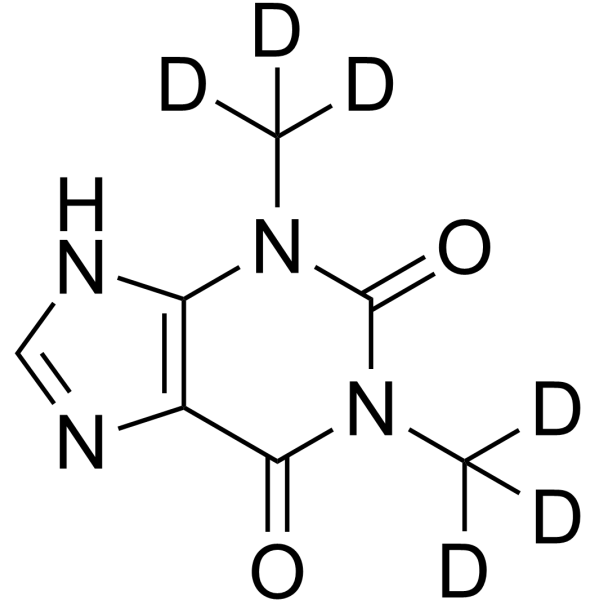
  • HY-B0809S

    1,3-Dimethylxanthine-d6; Theo-24-d6

    Adenosine Receptor Phosphodiesterase (PDE) Autophagy Endogenous Metabolite Cancer
    Theophylline-d6 is the deuterium labeled Theophylline. Theophylline is a nonselective phosphodiesterase (PDE) inhibitor, adenosine receptor blocker, and histone deacetylase (HDAC) activator.
    Theophylline-d6
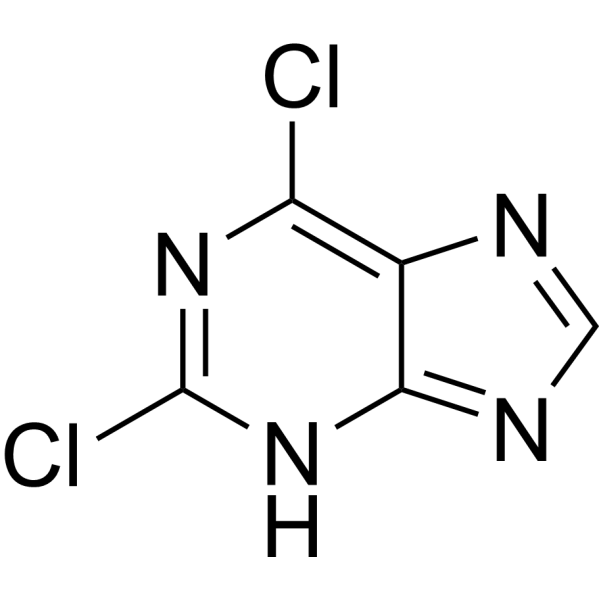
  • HY-W007367

    Drug Intermediate Others
    2,6-Dichloropurine is a pharmaceutical intermediate. 2,6-Dichloropurine can be used to synthesize various PDE inhibitors, human A3 adenosine receptor (AR) antagonists, and CDK inhibitors .
    2,6-Dichloropurine
  • HY-12318R

    3-Isobutyl-1-methylxanthine (Standard); Isobutylmethylxanthine (Standard)

    Reference Standards Phosphodiesterase (PDE) Inflammation/Immunology
    IBMX (Standard) is the analytical standard of IBMX. This product is intended for research and analytical applications. IBMX is a broad-spectrum phosphodiesterase (PDE) inhibitor, with IC50s of 6.5, 26.3 and 31.7 μM for PDE3, PDE4 and PDE5, respectively.
    IBMX (Standard)
  • HY-B0809R
    Theophylline (Standard)
    5+ Cited Publications

    1,3-Dimethylxanthine(Standard); Theo-24 (Standard)

    Reference Standards Phosphodiesterase (PDE) Adenosine Receptor HDAC Apoptosis Interleukin Related TNF Receptor Endogenous Metabolite Cancer
    Theophylline (Standard) is the analytical standard of Theophylline. This product is intended for research and analytical applications. Theophylline (1,3-Dimethylxanthine) is a potent phosphodiesterase (PDE) inhibitor, adenosine receptor antagonist, and histone deacetylase (HDAC) activator. Theophylline (1,3-Dimethylxanthine) inhibits PDE3 activity to relax airway smooth muscle. Theophylline (1,3-Dimethylxanthine) has anti-inflammatory activity by increase IL-10 and inhibit NF-κB into the nucleus. Theophylline (1,3-Dimethylxanthine) induces apoptosis. Theophylline (1,3-Dimethylxanthine) can be used for asthma and chronic obstructive pulmonary disease (COPD) research .
    Theophylline (Standard)
  • HY-100615

    R80122

    Phosphodiesterase (PDE) Cardiovascular Disease
    Revizinone is a novel selective phosphodiesterase (PDE) inhibitor with IC50 values on this enzyme to 0.036 microM.
    Revizinone
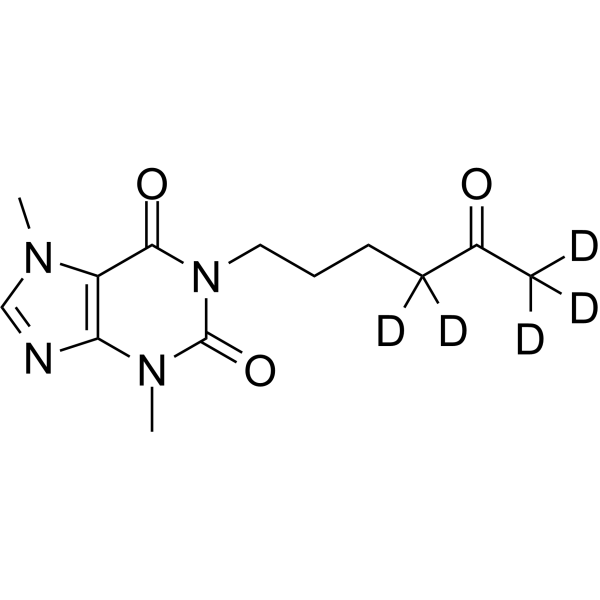
  • HY-B0715S2

    BL-191-d5; PTX-d5; Oxpentifylline-d5

    Phosphodiesterase (PDE) Autophagy HIV Cardiovascular Disease Cancer
    Pentoxifylline-d5 is the deuterium labeled Pentoxifylline. Pentoxifylline (BL-191), a haemorheological agent, is an orally active non-selective phosphodiesterase (PDE) inhibitor, with immune modulation, anti-inflammatory, hemorheological, anti-fibrinolytic and anti-proliferation effects. Pentoxifylline can be used for the research of peripheral vascular disease, cerebrovascular disease and a number of other conditions involving a defective regional microcirculation .
    Pentoxifylline-d5
  • HY-13295R

    Ethyl apovincaminate (Standard)

    Reference Standards Sodium Channel IKK Phosphodiesterase (PDE) Cardiovascular Disease Neurological Disease Inflammation/Immunology Cancer
    Vinpocetine (Standard) is the analytical standard of Vinpocetine. This product is intended for research and analytical applications. Vinpocetine (Ethyl apovincaminate) is a derivative of the alkaloid Vincamine that blocks voltage-gated Na + channels. The IC50 value of Vinpocetine on direct IKK inhibition in the cell-free system is 17.17 μM. Vinpocetine is a phosphodiesterase (PDE) inhibitor and inhibits NF-κB-dependent inflammatory responses by directly targeting IκB kinase complex (IKK), and has been widely used for the treatment of cerebrovascular disorders .
    Vinpocetine (Standard)
  • HY-107909

    1,3-Dimethylxanthine sodium glycinate; Theo-24 sodium glycinate

    Adenosine Receptor HDAC Apoptosis Interleukin Related TNF Receptor Cancer
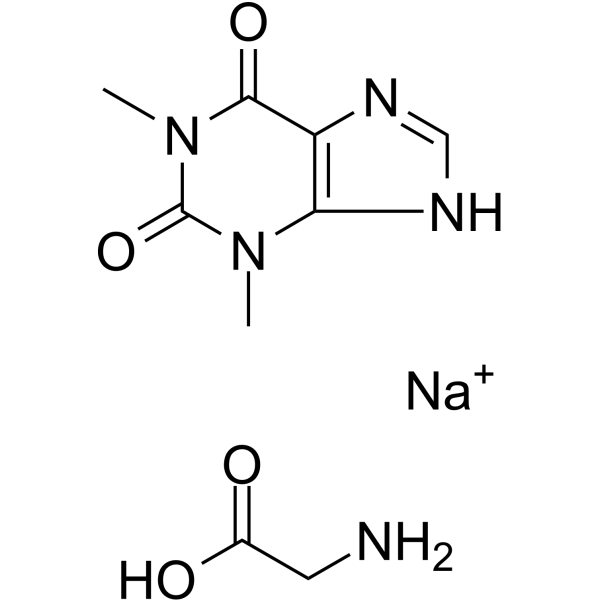
    Theophylline (1,3-Dimethylxanthine) sodium glycinate is a potent phosphodiesterase (PDE) inhibitor, adenosine receptor antagonist, and histone deacetylase (HDAC) activator. Theophylline sodium glycinate inhibits PDE3 activity to relax airway smooth muscle. Theophylline sodium glycinate has anti-inflammatory activity by increase IL-10 and inhibit NF-κB into the nucleus. Theophylline sodium glycinate induces apoptosis. Theophylline sodium glycinate can be used for asthma and chronic obstructive pulmonary disease (COPD) research .
    Theophylline sodium glycinate
  • HY-70069
    GSK256066 Trifluoroacetate
    1 Publications Verification

    Phosphodiesterase (PDE) Inflammation/Immunology
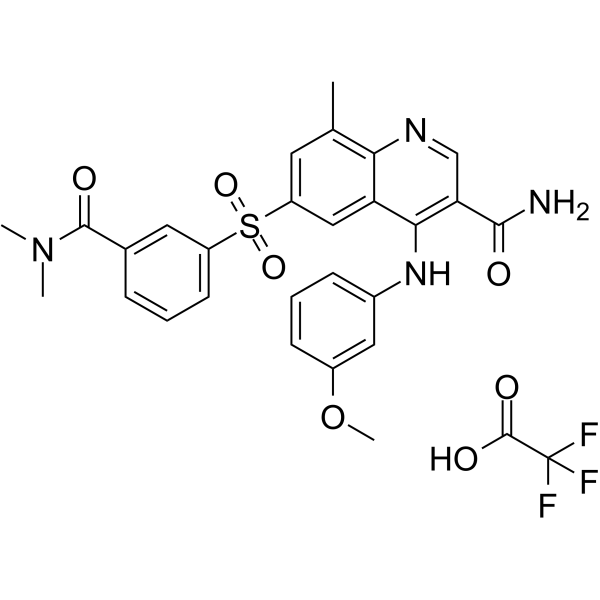
    GSK256066 Trifluoroacetate is a selective and high-affinity phosphodiesterase 4 (PDE) inhibitor, with an IC50 of 3.2 pM for PDE4B. GSK256066 Trifluoroacetate is developed for the research of chronic obstructive pulmonary disease .
    GSK256066 Trifluoroacetate
  • HY-B0715S

    BL-191-d6; PTX-d6; Oxpentifylline-d6

    Phosphodiesterase (PDE) Autophagy HIV Cardiovascular Disease Cancer
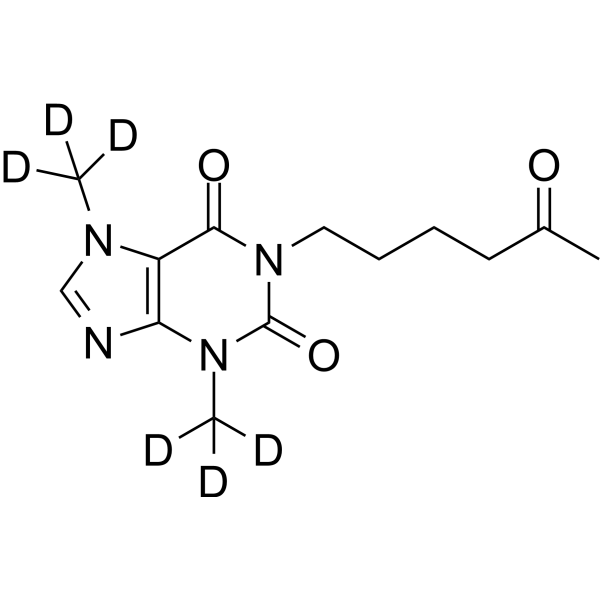
    Pentoxifylline-d6 is the deuterium labeled Pentoxifylline. Pentoxifylline (BL-191), a haemorheological agent, is an orally active non-selective phosphodiesterase (PDE) inhibitor, with immune modulation, anti-inflammatory, hemorheological, anti-fibrinolytic and anti-proliferation effects. Pentoxifylline can be used for the research of peripheral vascular disease, cerebrovascular disease and a number of other conditions involving a defective regional microcirculation .
    Pentoxifylline-d6
  • HY-B0715R

    BL-191 (Standard); PTX (Standard); Oxpentifylline (Standard)

    HIV Autophagy Phosphodiesterase (PDE) Reference Standards Cardiovascular Disease Cancer
    Pentoxifylline (Standard) is the analytical standard of Pentoxifylline. This product is intended for research and analytical applications. Pentoxifylline (BL-191), a haemorheological agent, is an orally active non-selective phosphodiesterase (PDE) inhibitor, with immune modulation, anti-inflammatory, hemorheological, anti-fibrinolytic and anti-proliferation effects. Pentoxifylline can be used for the research of peripheral vascular disease, cerebrovascular disease and a number of other conditions involving a defective regional microcirculation .
    Pentoxifylline (Standard)
  • HY-16558R

    2’,3,4,4’-tetrahydroxy Chalcone (Standard)

    Reference Standards EGFR Autophagy Apoptosis Phosphodiesterase (PDE) Cancer
    Butein (Standard) is the analytical standard of Butein. This product is intended for research and analytical applications. Butein is a cAMP-specific PDE inhibitor with an IC50 of 10.4 μM for PDE4 . Butein is a specific protein tyrosine kinase inhibitor with IC50s of 16 and 65 μM for EGFR and p60c-src in HepG2 cells . Butein sensitizes HeLa cells to Cisplatin through AKT and ERK/p38 MAPK pathways by targeting FoxO3a . Butein is a SIRT1 activator (STAC).
    Butein (Standard)
  • HY-153733

    Phosphodiesterase (PDE) Cancer
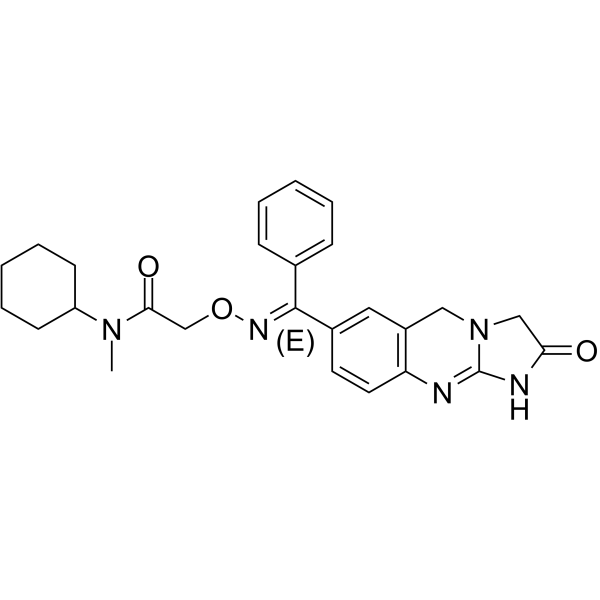
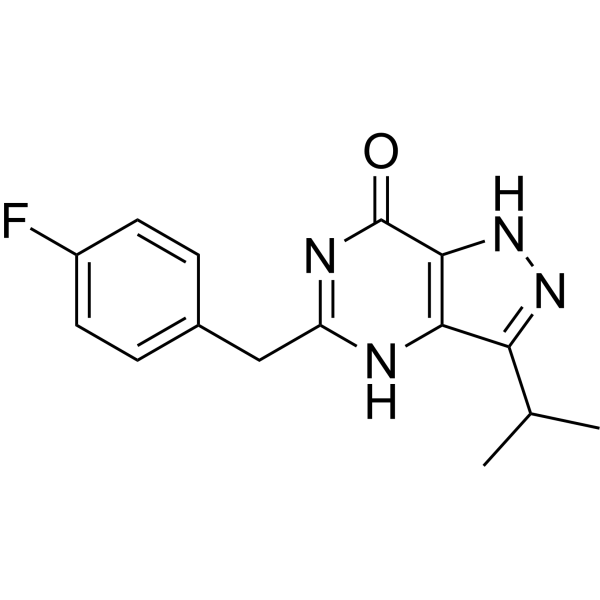
    PDE5-IN-8 (compund 2) is a PDEs inhibitor .
    PDE5-IN-8
  • HY-135632

    Phosphodiesterase (PDE) Cancer
    Hydroxychlorodenafil (compound 40) is a phosphodiesterase (PDE) inhibitor. Hydroxychlorodenafil can be used in cancer research .
    Hydroxychlorodenafil
  • HY-W171611

    Phosphodiesterase (PDE) Neurological Disease
    PDE-IN-3 (compound 23) is a phosphodiesterase (PDE) inhibitor with an IC50 of 260 μM .
    PDE-IN-3
  • HY-101661

    Phosphodiesterase (PDE) Cardiovascular Disease
    Win 58237 is a cyclic nucleotide phosphodiesterase (PDE) inhibitor, with Ki of 170 nM for PDE V, possessing vasorelaxant activity.
    Win 58237
  • HY-126206

    MJ-1988

    Phosphodiesterase (PDE) Cardiovascular Disease
    Quazodine is a Phosphodiesterase (PDE) inhibitor. Quazodine can be used in vascular smooth muscle related research .
    Quazodine
  • HY-109992

    Phosphodiesterase (PDE) Cardiovascular Disease
    LY 186126 a Indolidan analog, is a phosphodiesterase (PDE) inhibitor. LY 186126 binds to cardiac sarcoplasmic reticulum PDE with high affinity, with a Kd of 5.6 nM .
    LY 186126
  • HY-129474

    Phosphodiesterase (PDE) Cardiovascular Disease
    MP 518 is a PDE inhibitor with antihypertensive properties. MP 518 can inhibit cAMP degradation, causing an increase in ICa, and can also antagonize β-adrenergic stimulation, exerting vasodilation .
    MP 518
  • HY-125738

    Phosphodiesterase (PDE) Neurological Disease Inflammation/Immunology
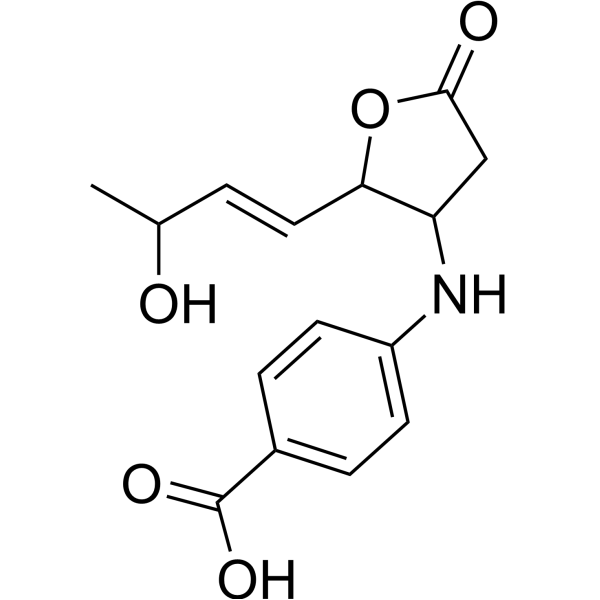
    Obscurolide A1 is a Phosphodiesterase (PDE) inhibitor (IC50=8 mM) that can be obtained from Streptomyces viridochromogenes culture. Obscurolide A1 has the potential to study neurological and inflammatory diseases .
    Obscurolide A1
  • HY-149782

    Phosphodiesterase (PDE) Parasite Infection
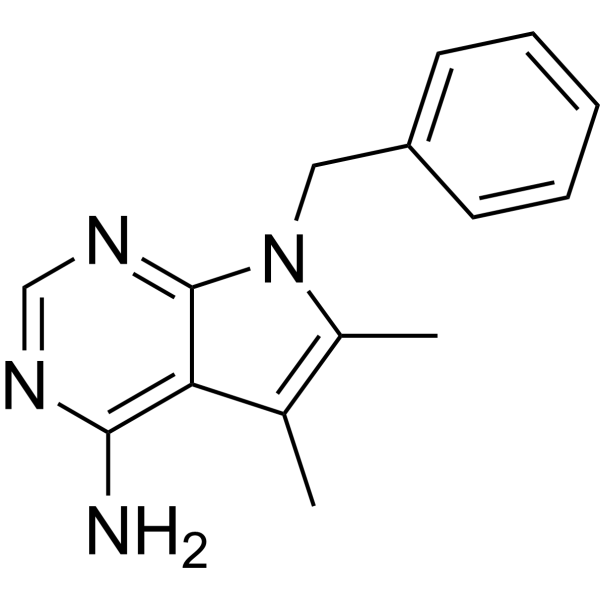
    Phosphodiesterase-IN-1 (Compound 7) is a phosphodiesterase (PDE) inhibitor with anti-Plasmodium activity. Phosphodiesterase-IN-1 has antiproliferative activity against P. falciparum (strain 3D7) with an IC50 value of 0.64 μM .
    Phosphodiesterase-IN-1
  • HY-134937

    Phosphodiesterase (PDE) Neurological Disease Inflammation/Immunology
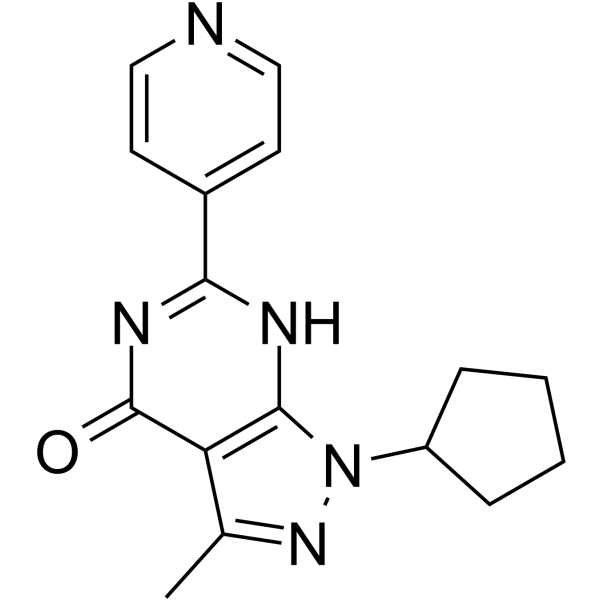
    BC8-15 is a PDE inhibitor with IC50 values of 0.28, 0.22, and 6.46 µM for inhibiting PDE8A, PDE4A, and PDE7A, respectively. BC8-15 can enhance steroidogenesis in mouse Leydig cells .
    BC8-15
  • HY-B0312R

    Reference Standards Phosphodiesterase (PDE) Apoptosis Cardiovascular Disease Cancer
    Dipyridamole (Standard) is the analytical standard of Dipyridamole. This product is intended for research and analytical applications. Dipyridamole is an orally active phosphodiesterase (PDE) inhibitor. Dipyridamole also is an antiplatelet agent used in secondary prophylaxis against stroke. Dipyridamole can induce cancer cell-specific apoptosis .
    Dipyridamole (Standard)
  • HY-B0140R

    Reference Standards Phosphodiesterase (PDE) Adenosine Receptor Inflammation/Immunology Cancer
    Aminophylline (Standard) is the analytical standard of Aminophylline. This product is intended for research and analytical applications. Aminophylline is a competitive and non-selective phosphodiesterase (PDE) inhibitor. Aminophylline is a competitive adenosine receptor antagonist. Aminophylline has apulmonary vasodilator action as well as a bronchodilator action and has the potential for asthma research .
    Aminophylline (Standard)
  • HY-W759997

    Isotope-Labeled Compounds Phosphodiesterase (PDE) Adrenergic Receptor Inflammation/Immunology
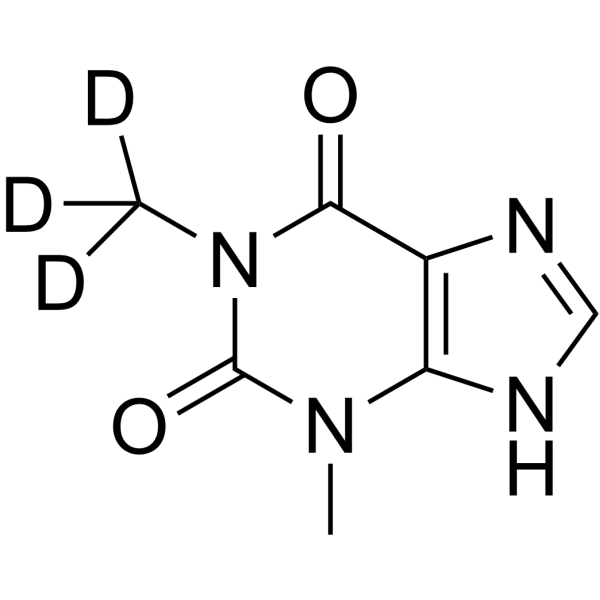
    Reproterol-d3 is the deuterium labeled Reproterol (HY-135490). Reproterol is a dual acting β2-adrenoceptor agonist and PDE inhibitor. The theophylline constituent of Reproterol inhibits phosphodiesterase activity induced by adenylyl cyclase. Reproterol has the potential for asthma research .
    Reproterol-d3
  • HY-160864

    HWA 448

    Phosphodiesterase (PDE) Cancer
    Torbafylline is a PDE inhibitor. Torbafylline mitigates protein breakdown in rat skeletal muscle following burns by activating the PDE4/cAMP/EPAC/PI3K/Akt signaling pathway. Torbafylline suppresses the increased ubiquitin-proteasome-dependent protein degradation observed in the skeletal muscles of rats susceptible to cancer and sepsis .
    Torbafylline
  • HY-19089

    Phosphodiesterase (PDE) Cardiovascular Disease
    DPN-205-734 is an orally administered cGMP-PDE inhibitor. DPN-205-734 exhibits positive inotropic effects in various animal cardiomyocytes. DPN-205-734 reduces blood pressure and total peripheral resistance in multiple animal models, demonstrating a debulking effect. DPN-205-734 can be used in research on cardiovascular and cerebrovascular diseases such as heart failure .
    DPN-205-734
  • HY-B0763S1

    Isotope-Labeled Compounds Phosphodiesterase (PDE) Inflammation/Immunology Cancer
    Ibudilast-d7 is the deuterium labeled Ibudilast. Ibudilast (KC-404; AV-411; MN-166) is a cyclic AMP phosphodiesterase (PDE) inhibitor. Ibudilast has platelet anti-aggregatory effects. Ibudilast can be used for the research of asthma for its inhibitory effects on tracheal smooth muscle contractility. Ibudilast may be a useful neuroprotective and anti-dementia agent counteracting neurotoxicity in activated microglia .
    Ibudilast-d7
  • HY-B0763R

    KC-404 (Standard); AV-411 (Standard); MN-166 (Standard)

    Reference Standards Phosphodiesterase (PDE) Inflammation/Immunology Cancer
    Ibudilast (Standard) is the analytical standard of Ibudilast. This product is intended for research and analytical applications. Ibudilast (KC-404; AV-411; MN-166) is a cyclic AMP phosphodiesterase (PDE) inhibitor. Ibudilast has platelet anti-aggregatory effects. Ibudilast can be used for the research of asthma for its inhibitory effects on tracheal smooth muscle contractility. Ibudilast may be a useful neuroprotective and anti-dementia agent counteracting neurotoxicity in activated microglia .
    Ibudilast (Standard)
  • HY-B0763S

    Isotope-Labeled Compounds Phosphodiesterase (PDE) Inflammation/Immunology Cancer
    Ibudilast-d3 (KC-404-d3) is the deuterium labeled Ibudilast. Ibudilast (KC-404) is a cyclic AMP phosphodiesterase (PDE) inhibitor. Ibudilast has platelet anti-aggregatory effects. Ibudilast can be used for the research of asthma for its inhibitory effects on tracheal smooth muscle contractility. Ibudilast may be a useful neuroprotective and anti-dementia agent counteracting neurotoxicity in activated microglia .
    Ibudilast-d3
  • HY-B0715S3

    BL-191-d3; PTX-d3; Oxpentifylline-d3

    Isotope-Labeled Compounds Autophagy Phosphodiesterase (PDE) HIV Cardiovascular Disease Cancer
    Pentoxifylline-d3 (BL-191-d3) is deuterium labeled Pentoxifylline. Pentoxifylline (BL-191), a haemorheological agent, is an orally active non-selective phosphodiesterase (PDE) inhibitor, with immune modulation, anti-inflammatory, hemorheological, anti-fibrinolytic and anti-proliferation effects. Pentoxifylline can be used for the research of peripheral vascular disease, cerebrovascular disease and a number of other conditions involving a defective regional microcirculation .
    Pentoxifylline-d3
  • HY-B0763S2

    KC-404-d7-1; AV-411-d7-1; MN-166-d7-1

    Phosphodiesterase (PDE) Inflammation/Immunology
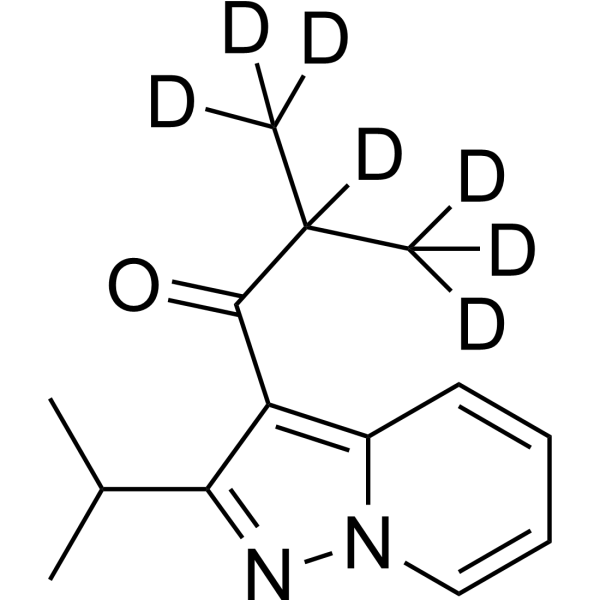
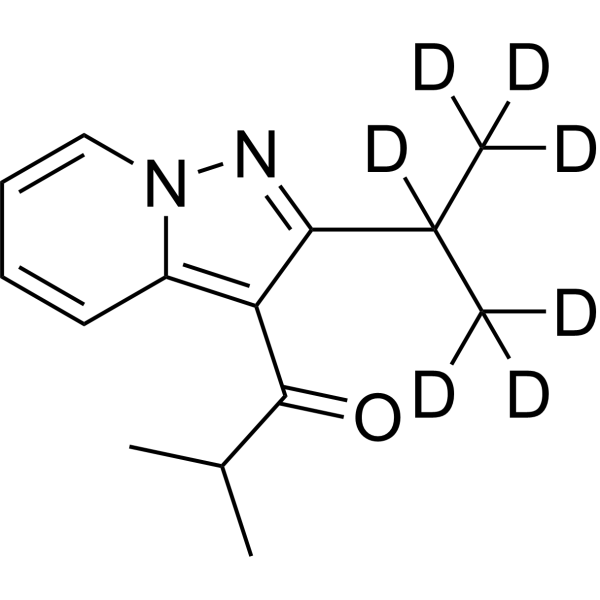
    Ibudilast-d7-1 is the deuterium labeled Ibudilast . Ibudilast (KC-404;AV-411;MN-166) is a cyclic AMP phosphodiesterase (PDE) inhibitor. Ibudilast has platelet anti-aggregatory effects. Ibudilast can be used for the research of asthma for its inhibitory effects on tracheal smooth muscle contractility. Ibudilast may be a useful neuroprotective and anti-dementia agent counteracting neurotoxicity in activated microglia .
    Ibudilast-d7-1
  • HY-13295S

    Isotope-Labeled Compounds Sodium Channel IKK Phosphodiesterase (PDE) Cardiovascular Disease Neurological Disease Inflammation/Immunology Cancer
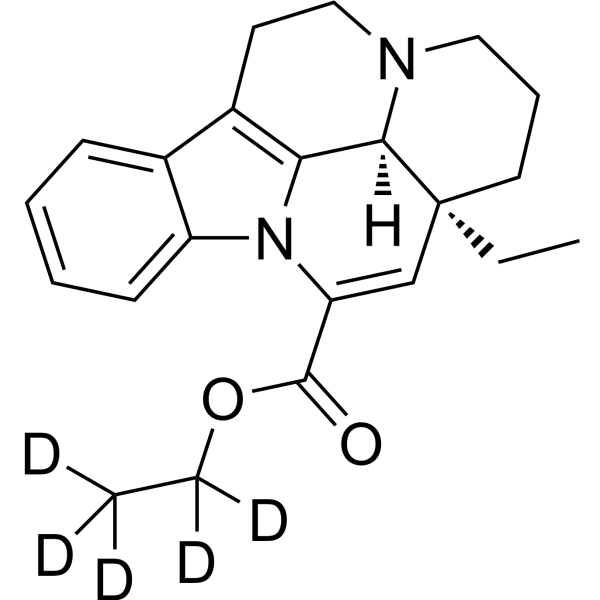
    Vinpocetine-d5 is the deuterium labeled Vinpocetine. Vinpocetine (Ethyl apovincaminate) is a derivative of the alkaloid Vincamine that blocks voltage-gated Na+ channels. The IC50 value of Vinpocetine on direct IKK inhibition in the cell-free system is 17.17 μM. Vinpocetine is a phosphodiesterase (PDE) inhibitor and inhibits NF-κB-dependent inflammatory responses by directly targeting IκB kinase complex (IKK), and has been widely used for the treatment of cerebrovascular disorders .
    Vinpocetine-d5
  • HY-130054

    Lysine theophyllinate

    Phosphodiesterase (PDE) Adenosine Receptor HDAC Apoptosis Interleukin Related TNF Receptor Inflammation/Immunology
    Theophylline L-lysine (Lysine theophyllinate) is a soluble derivative of Theophylline (HY-B0809). Theophylline L-lysine is a potent phosphodiesterase (PDE) inhibitor, adenosine receptor antagonist, and histone deacetylase (HDAC) activator. Theophylline L-lysine inhibits PDE3 activity to relax airway smooth muscle. Theophylline L-lysine has anti-inflammatory activity by increasing IL-10 and inhibiting NF-κB into the nucleus. Theophylline L-lysine induces apoptosis. Theophylline L-lysine can be used for asthma and chronic obstructive pulmonary disease (COPD) research .
    Theophylline L-lysine
  • HY-B0809B

    1,3-Dimethylxanthine sodium acetate; Theo-24 sodium acetate

    Endogenous Metabolite Phosphodiesterase (PDE) Adenosine Receptor HDAC Apoptosis Interleukin Related TNF Receptor Cancer
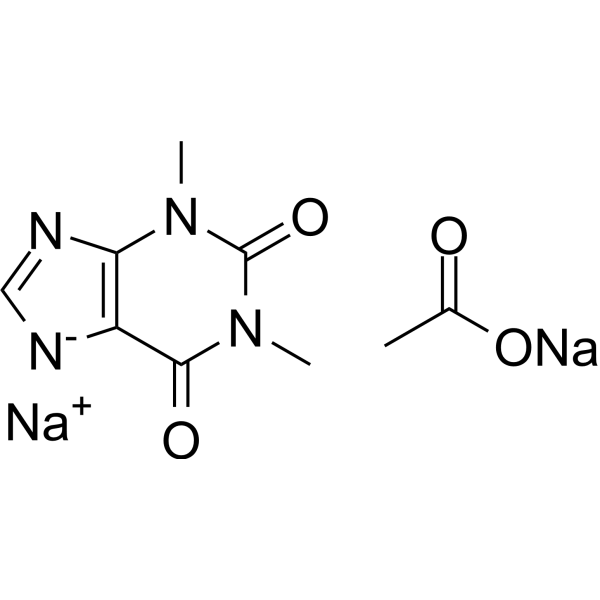
    Theophylline (1,3-Dimethylxanthine) sodium acetate is a potent phosphodiesterase (PDE) inhibitor, adenosine receptor antagonist, and histone deacetylase (HDAC) activator. Theophylline (1,3-Dimethylxanthine) sodium acetate inhibits PDE3 activity to relax airway smooth muscle. Theophylline (1,3-Dimethylxanthine) sodium acetate has anti-inflammatory activity by increase IL-10 and inhibit NF-κB into the nucleus. Theophylline (1,3-Dimethylxanthine) sodium acetate induces apoptosis. Theophylline (1,3-Dimethylxanthine) sodium acetate can be used for asthma and chronic obstructive pulmonary disease (COPD) research .
    Theophylline sodium acetate
  • HY-B0809S1

    1,3-Dimethylxanthine-d3; Theo-24-d3

    Endogenous Metabolite Adenosine Receptor HDAC TNF Receptor Interleukin Related Phosphodiesterase (PDE) Apoptosis Isotope-Labeled Compounds Cancer
    Theophylline-d3 is deuterated labeled Theophylline (HY-B0809). Theophylline (1,3-Dimethylxanthine) is a potent phosphodiesterase (PDE) inhibitor, adenosine receptor antagonist, and histone deacetylase (HDAC) activator. Theophylline (1,3-Dimethylxanthine) inhibits PDE3 activity to relax airway smooth muscle. Theophylline (1,3-Dimethylxanthine) has anti-inflammatory activity by increase IL-10 and inhibit NF-κB into the nucleus. Theophylline (1,3-Dimethylxanthine) induces apoptosis. Theophylline (1,3-Dimethylxanthine) can be used for asthma and chronic obstructive pulmonary disease (COPD) research .
    Theophylline-d3
  • HY-143683S

    1,3-Dimethylxanthine-13C2,d6; Theo-24-13C2,d6

    Isotope-Labeled Compounds Phosphodiesterase (PDE) Interleukin Related Adenosine Receptor Apoptosis HDAC TNF Receptor Endogenous Metabolite Cancer
    Theophylline- 13C2,d6 (1,3-Dimethylxanthine- 13C2,d6) is the deuterium labeled and 13C-labeled Theophylline (HY-B0809). Theophylline (1,3-Dimethylxanthine) is a potent phosphodiesterase (PDE) inhibitor, adenosine receptor antagonist, and histone deacetylase (HDAC) activator. Theophylline (1,3-Dimethylxanthine) inhibits PDE3 activity to relax airway smooth muscle. Theophylline (1,3-Dimethylxanthine) has anti-inflammatory activity by increase IL-10 and inhibit NF-κB into the nucleus. Theophylline (1,3-Dimethylxanthine) induces apoptosis. Theophylline (1,3-Dimethylxanthine) can be used for asthma and chronic obstructive pulmonary disease (COPD) research .
    Theophylline-13C2,d6
  • HY-W988549

    MDL-257

    Phosphodiesterase (PDE) Inflammation/Immunology
    Zindotrine (MDL-257) is an orally active bronchodilator. Zindotrine is a cGMP phosphodiesterase (PDE) inhibitor. Zindotrine can counteract bronchospasm caused by histamine. Zindotrine can be used to study reversible airflow obstruction, such as asthma .
    Zindotrine

Inquiry Online

Your information is safe with us. * Required Fields.

Salutation


Country or Region *

Applicant Name *


Organization Name *

Department *


Email Address *


Product Name *

Cat. No.


Requested quantity *

Phone Number *


Remarks

Inquiry Online

Inquiry Information

Product Name:
Cat. No.:
Quantity:
MCE Japan Authorized Agent: