



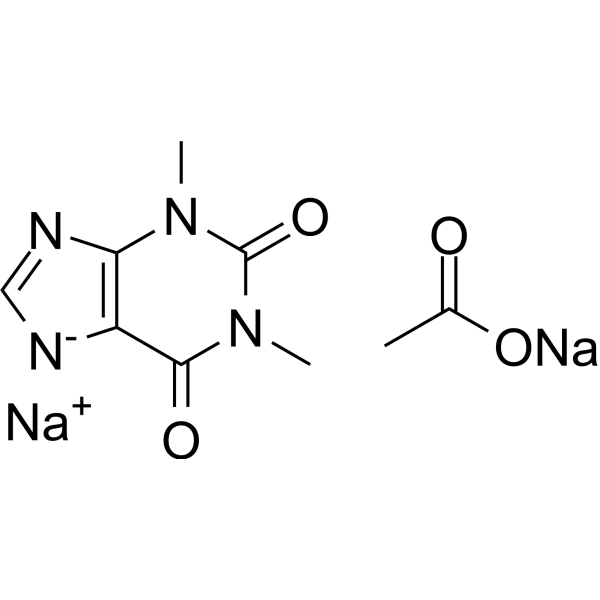
Theophylline sodium acetate
Theophylline (1,3-Dimethylxanthine) sodium acetate is a potent phosphodiesterase (PDE) inhibitor, adenosine receptor antagonist, and histone deacetylase (HDAC) activator. Theophylline (1,3-Dimethylxanthine) sodium acetate inhibits PDE3 activity to relax airway smooth muscle. Theophylline (1,3-Dimethylxanthine) sodium acetate has anti-inflammatory activity by increase IL-10 and inhibit NF-κB into the nucleus. Theophylline (1,3-Dimethylxanthine) sodium acetate induces apoptosis. Theophylline (1,3-Dimethylxanthine) sodium acetate can be used for asthma and chronic obstructive pulmonary disease (COPD) research.
Nur für Forschungszwecke. Wir verkaufen nicht an Patienten.
- CAS. Nr.: 8002-89-9
- Formel: C9H10N4Na2O4
- Molecular Weight:284.18
-
Speicherung:
Please store the product under the recommended conditions in the Certificate of Analysis.

To place orders, for customer services and technical support, please contact: MedChemExpress USA
Tel: 609-228-6898 E-mail: [email protected] [email protected]


-
 Biologische Aktivität
-
Chemical Information
- Protokoll
- Reinheit & Dokumentation
- Verweise
-
 Help & FAQs


-
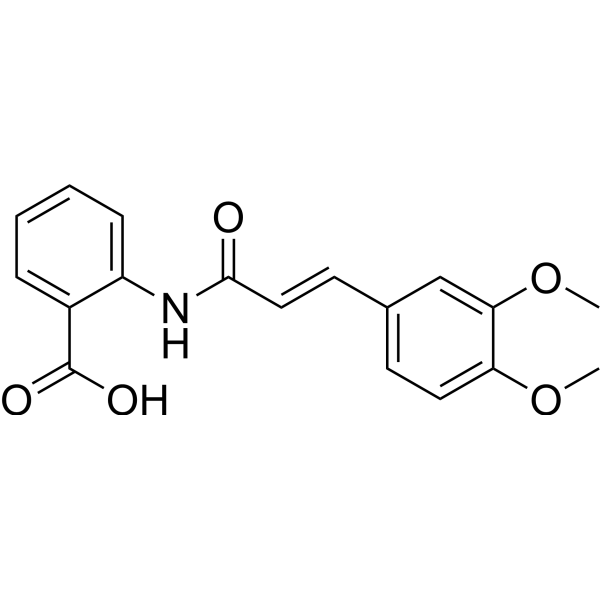
HY-B0195
TranilastAnti-allergic Agent -
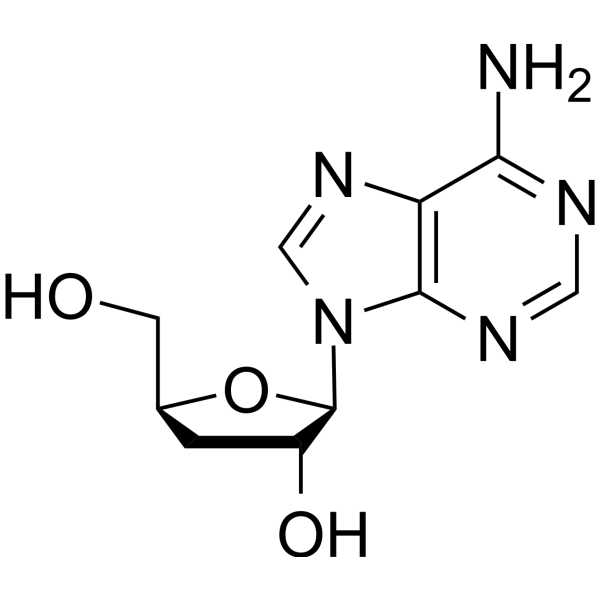
HY-N0262
CordycepinBacterial Inhibitor -
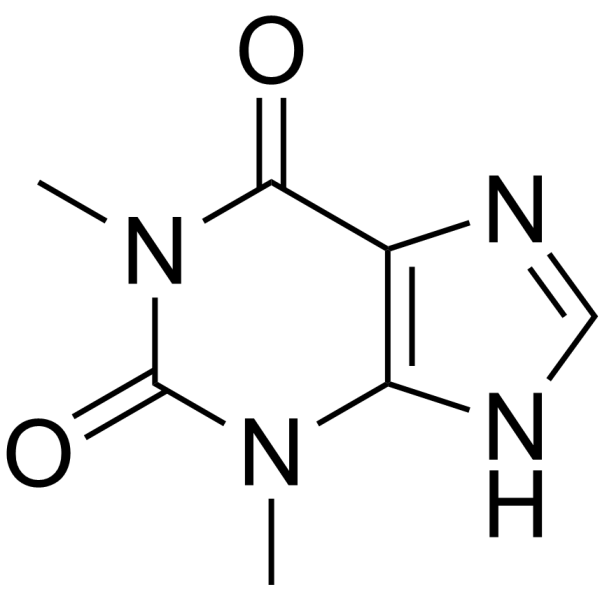
HY-B0809
TheophyllinePDE Inhibitor -
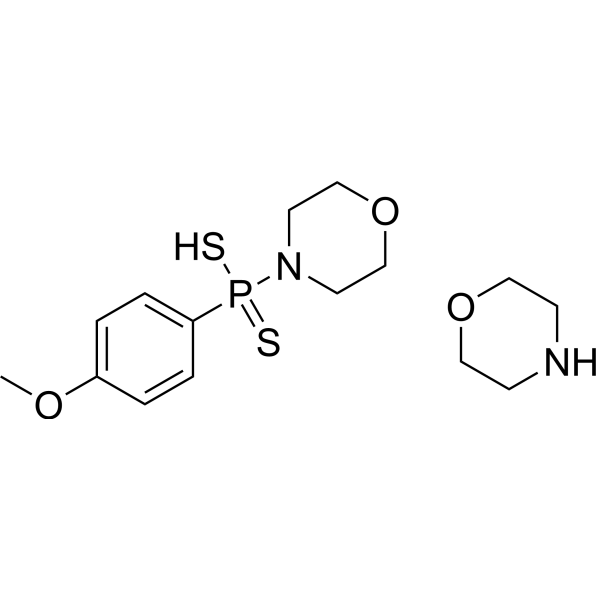
HY-107632
GYY4137H2S Donor -
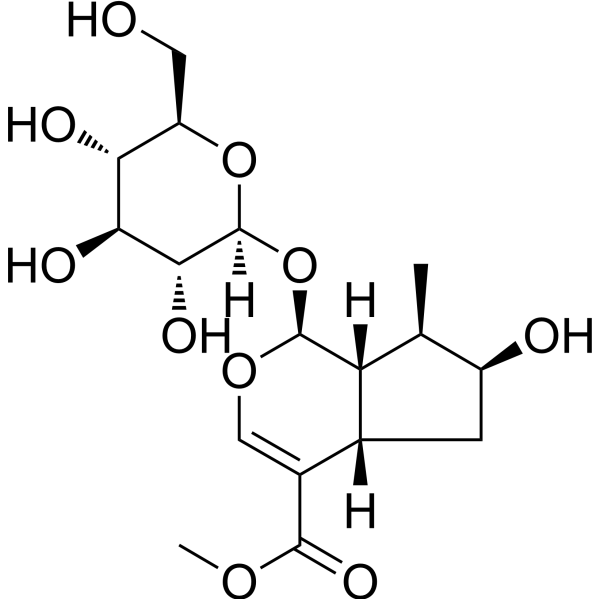
HY-N0512
LoganinIiridoid Glycoside -
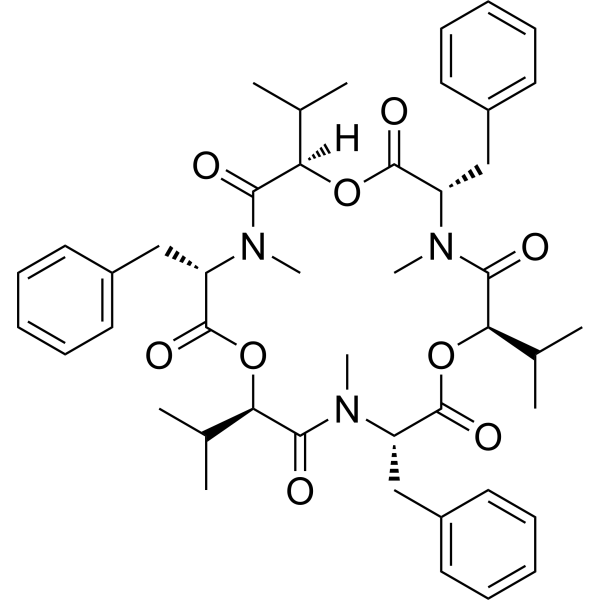
HY-N6739
BeauvericinAnticancer Fungal Mycotoxin -
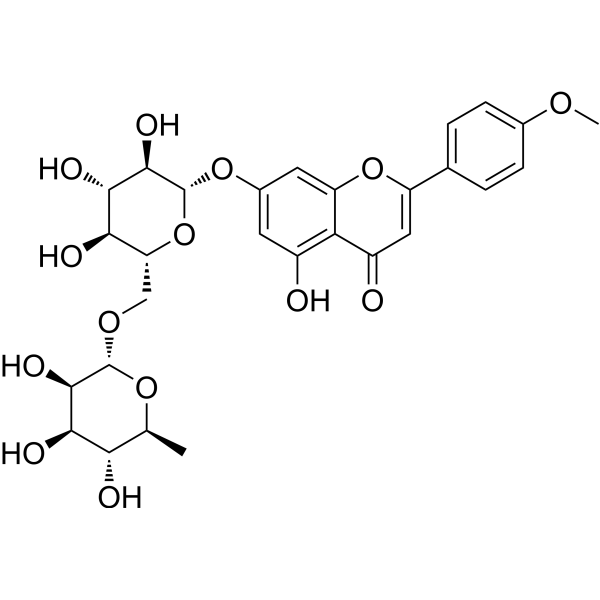
HY-N0528
LinarinAChE Inhibitor -
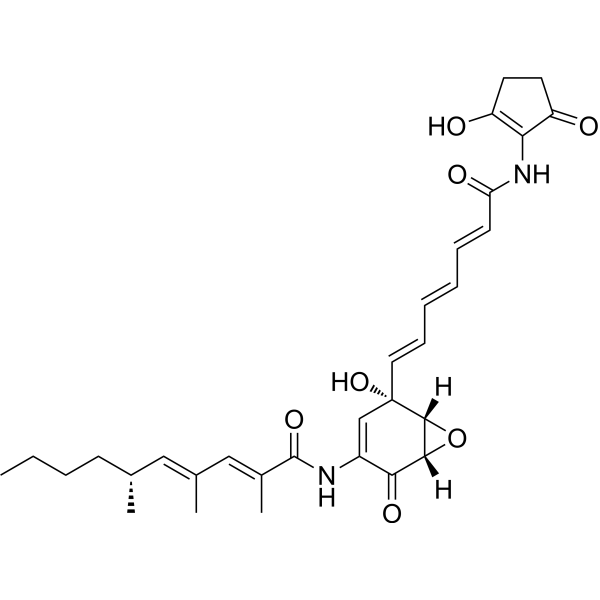
HY-N6796
Manumycin AAntibiotic, TrxR-1 Inhibitor -
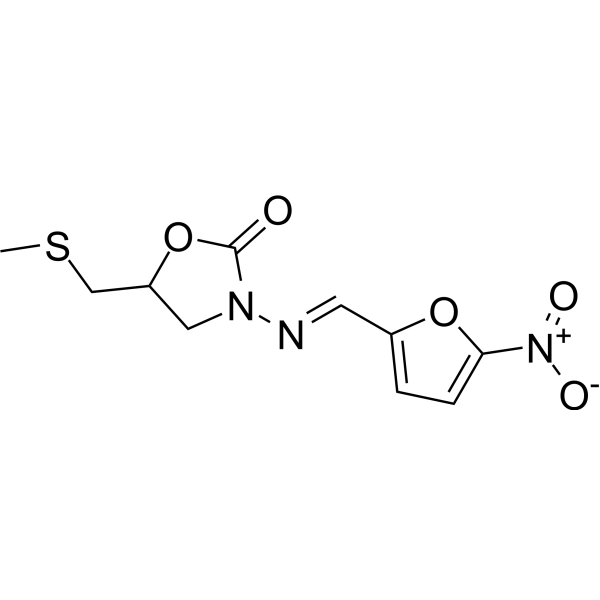
HY-A0059
NifuratelBroad-Spectrum Antibiotic -
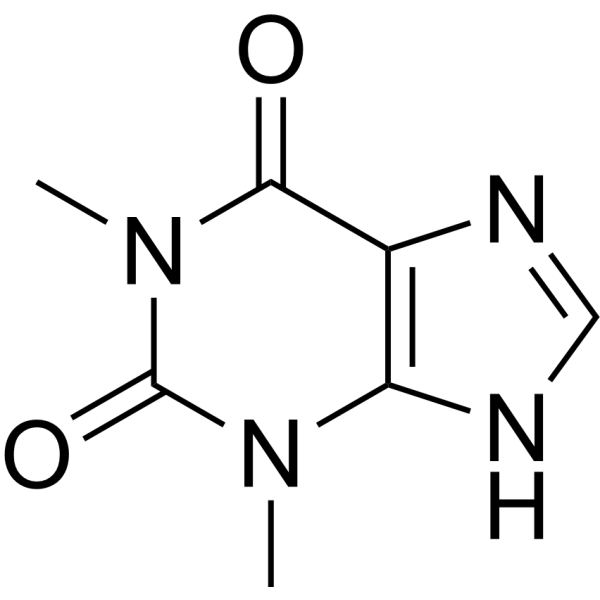
HY-B0809R
Theophylline (Standard) -
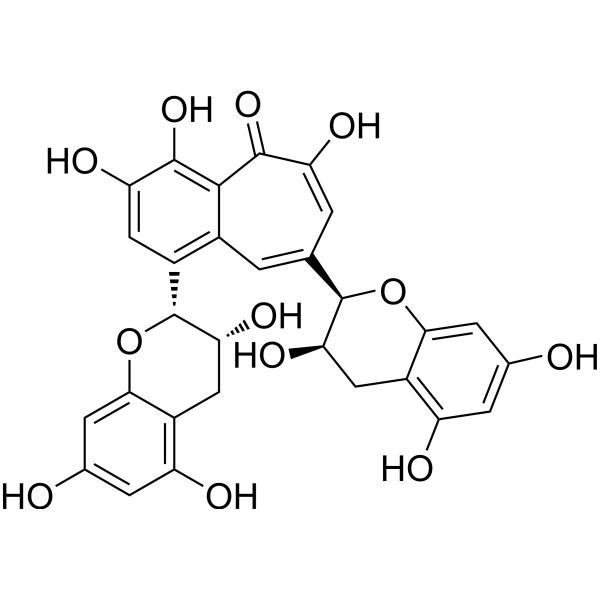
HY-N0243
TheaflavinEndogenous Metabolite
Alle Endogenous Metabolite Isoform-spezifische Produkte anzeigen
MoreAlle Adenosine Receptor Isoform-spezifische Produkte anzeigen
MoreAlle TNF Receptor Isoform-spezifische Produkte anzeigen
More

Biologische Aktivität
Beschreibung
IC50 & Target
|
IL-10 |
IL-6 |
PDE3 |
Human Endogenous Metabolite |
In Vitro
Theophylline (1,3-Dimethylxanthine) sodium acetate (1-1000 µM) inhibits cAMP hydrolysis by PDE in homogenates of bronchial tissue to relax human bronchus and pulmonary arteries[1].
Theophylline (1,3-Dimethylxanthine) sodium acetate (10 µg/mL; 24 h; eosinophils) induces apoptosis through a reduction in the antiapoptotic protein Bcl-2[2].
Theophylline (1,3-Dimethylxanthine) sodium acetate (0-500 µM; 2 h; A549 cells) inhibits NF-κB activation, I kappa B alpha (I-κBα) degradation and decreases the level of IL-6 in a concentration-dependent manner[3].
Theophylline (1,3-Dimethylxanthine) sodium acetate (0-1000 µM; 30 min; A549 cells) induces histone deacetylase activity to decrease inflammatory gene expression[4].
MedChemExpress (MCE) has not independently confirmed the accuracy of these methods. They are for reference only.
-
Cell Line:A549 cells
-
Concentration:0, 20, 100 and 500 µM
-
Incubation Time:2 hours
-
Result:Decreased the expression of NF-κB p65 and I-κBα degradation in a concentration-dependent manner.
-
Cell Line:Eosinophils
-
Concentration:10 µg/mL
-
Incubation Time:24 hours
-
Result:Decreased the expression of Bcl-2.
In Vivo
MedChemExpress (MCE) has not independently confirmed the accuracy of these methods. They are for reference only.
-
Animal Model:Male Swiss mice[1]
-
Dosage:100 mg/kg
-
Administration:Intraperitoneal injection; daily, for 9 days
-
Result:Increased IL-6 and IL-10 levels and inhibited TNF-α and NO.


Chemical Information
-
CAS. Nr. 8002-89-9
-
Molecular Weight 284.18
-
Formel C9H10N4Na2O4
-
SMILES
CC(O[Na])=O.O=C(N1C)N(C)C2=C([N-]C=N2)C1=O.[Na+]
-
Synonyms
1,3-Dimethylxanthine sodium acetate; Theo-24 sodium acetate
-
Structure Classification
-
Initial Source
-
Versand
Room temperature in continental US; may vary elsewhere.
-
Speicherung
Please store the product under the recommended conditions in the Certificate of Analysis.


Reinheit & Dokumentation
Verweise
[1]. Rabe KF, et, al. Theophylline and selective PDE inhibitors as bronchodilators and smooth muscle relaxants. Eur Respir J. 1995 Apr;8(4):637-42. [Content Brief]
[2]. Chung IY, et, al. The downregulation of Bcl-2 expression is necessary for theophylline-induced apoptosis of eosinophil. Cell Immunol. 2000 Aug 1;203(2):95-102. [Content Brief]
[3]. Ichiyama T, et, al. Theophylline inhibits NF-kappa B activation and I kappa B alpha degradation in human pulmonary epithelial cells. Naunyn Schmiedebergs Arch Pharmacol. 2001 Dec;364(6):558-61. [Content Brief]
[4]. Ito K, et, al, Adcock IM, Barnes PJ. A molecular mechanism of action of theophylline: Induction of histone deacetylase activity to decrease inflammatory gene expression. Proc Natl Acad Sci U S A. 2002 Jun 25;99(13):8921-6. [Content Brief]
[5]. Barnes PJ. Theophylline. Am J Respir Crit Care Med. 2013 Oct 15;188(8):901-6. [Content Brief]

Calculators
Konzentration (Stammlösung) × Volumen (Stammlösung) = Konzentration (Ziellösung) × Volumen (Ziellösung)


Theophylline sodium acetate Related Classifications
HY-B0809B Related Classifications
 Powered by Bioz
Keywords