



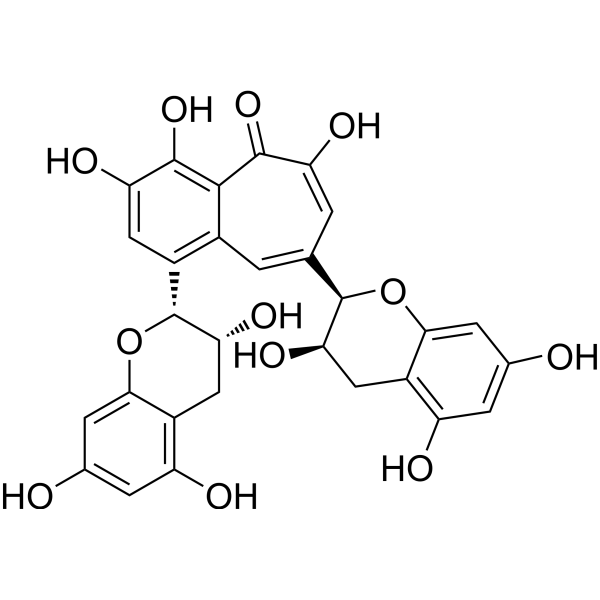
Theaflavin
Based on 7 publication(s) in Google Scholar
Theaflavin is a suitable natural inhibitor against influenza A (H1N1) neuraminidase.
Nos produits utilisent uniquement pour la recherche. Nous ne vendons pas aux patients.
- Pureté : 99.60%
- CAS No.: 4670-05-7
- Formule: C29H24O12
- Masse moléculaire:564.49
-
Stockage:Powder -20°C, 3 years , 4°C, 2 years ; In solvent -80°C, 6 months , -20°C, 1 month

To place orders, for customer services and technical support, please contact: MedChemExpress USA
Tel: 609-228-6898 E-mail: [email protected] [email protected]


-
 Activité biologique
-
Chemical Information
-
Solvant et solubilité
- Pureté et documentation
- Références
-
 Help & FAQs


-
HY-N1992
Theaflavin 3,3'-digallateVirus Protease Inhibitor -
HY-N0162
LuteolinNrf2 Inhibitor -
HY-N0245
Theaflavin-3-gallateAnticancer Agent -
HY-N0529
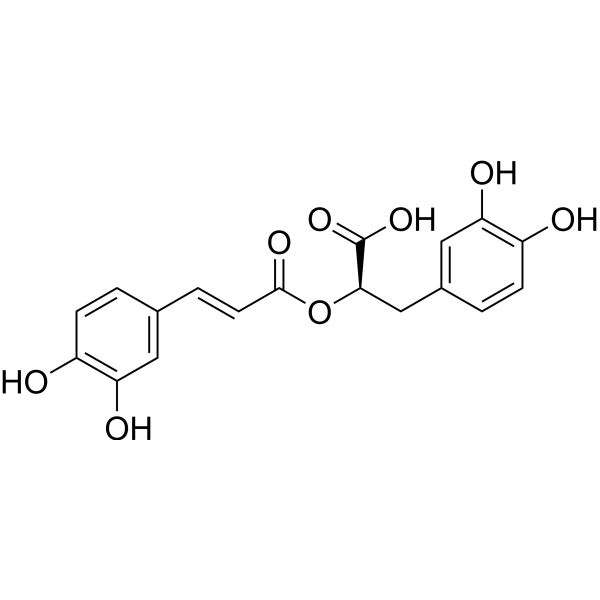
Rosmarinic acidAnti-Inflammatory Agent -
HY-N0244
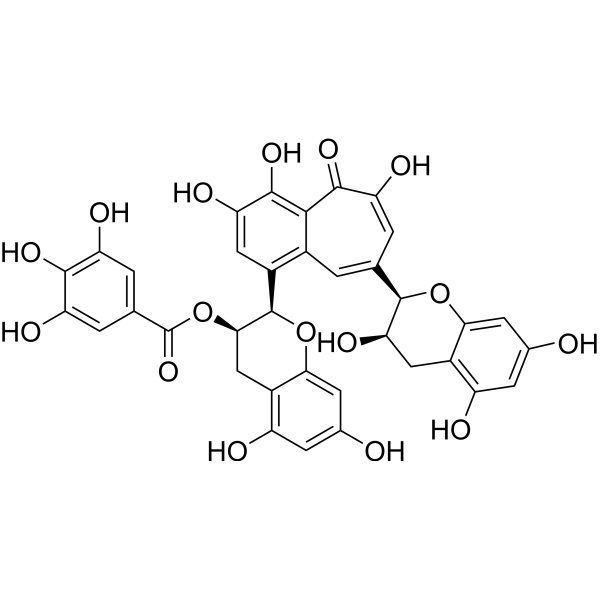
Theaflavin-3'-gallateAnticancer Agent -
HY-B0183
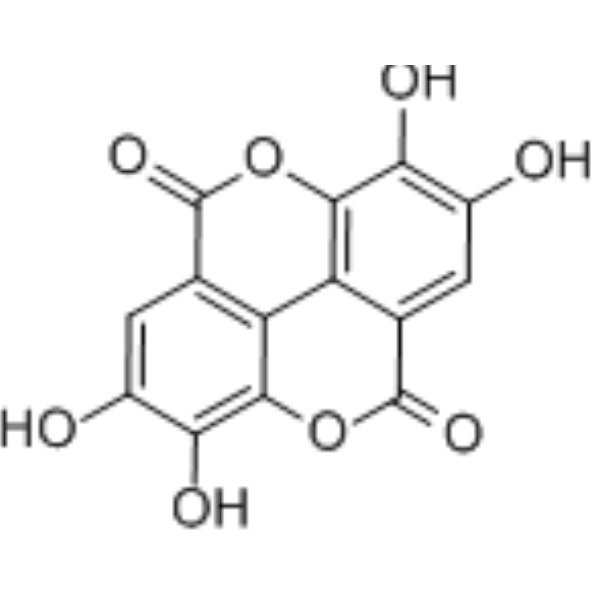
Ellagic acidSHP2 Inhibitor -
HY-18085
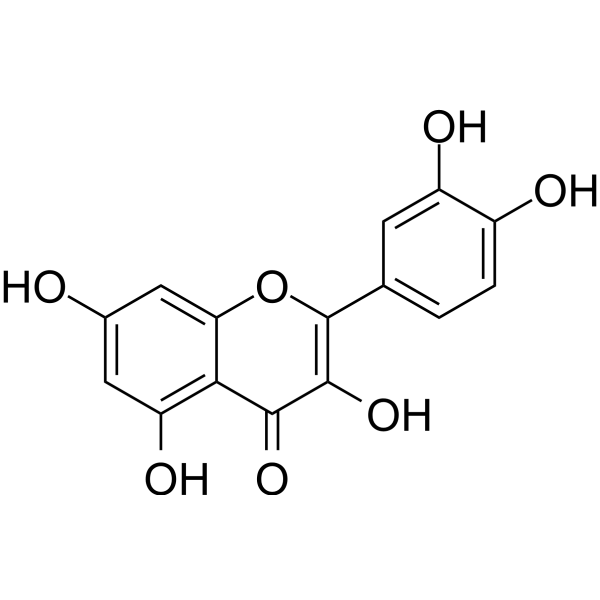
QuercetinFlavonoid Antioxidant -
HY-N0101
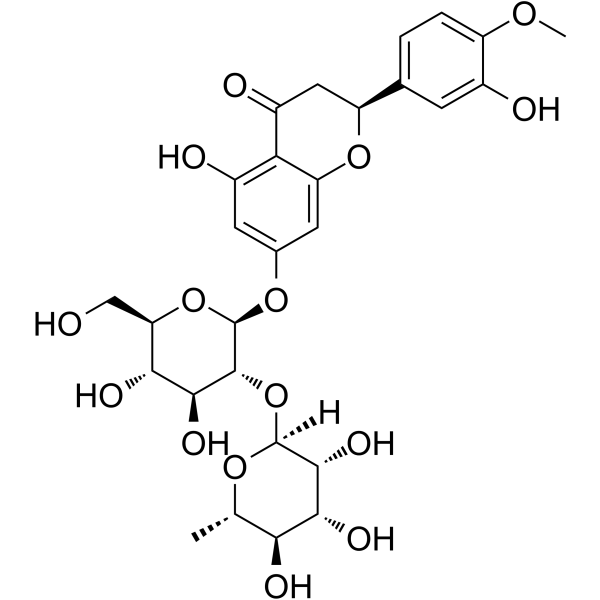
NeohesperidinWnt/β-Catenin Activator -
HY-13653
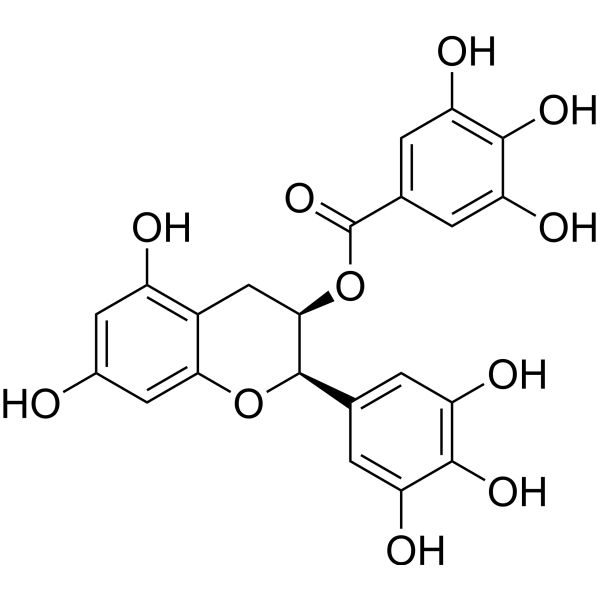
(-)-Epigallocatechin GallateAnticancer Agent -
HY-15337
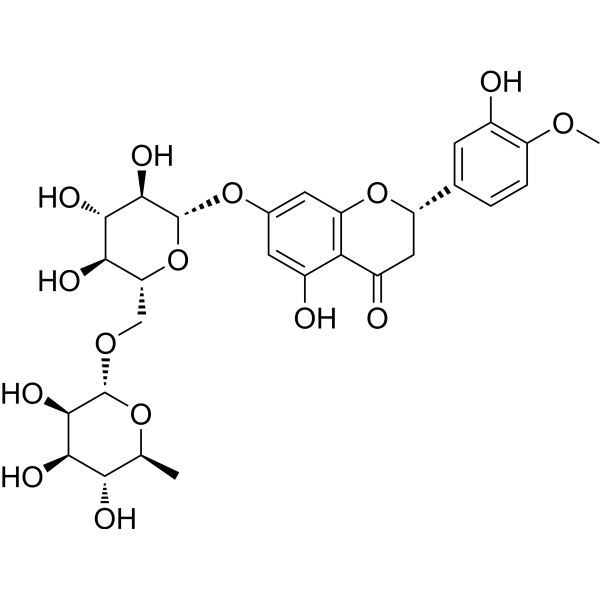
HesperidinAntioxidant -

HY-10201
SorafenibMultikinase Inhibitor -
HY-10450
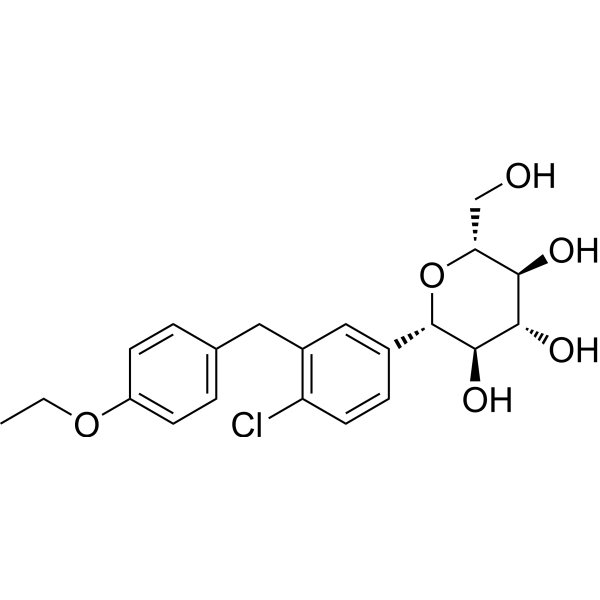
DapagliflozinSGLT2 Inhibitor
Publications Citing Use of MedChemExpress (MCE) Theaflavin
More- Acta Pharm Sin B. 2021 Jan;11(1):143-155. [Abstract]
- Int J Biol Sci. 2021 Mar 2;17(4):1050-1060. [Abstract]
- Phytomedicine. 2026 Sep:159:158502.
- Anal Chem. 2025 Dec 19. [Abstract]
- Biochem Pharmacol. 2025 Dec;242(Pt 4):117387. [Abstract]
- ACS Omega. 2024 May 17;9(22):23984-23997. [Abstract]
- Vet Microbiol. 2026 May:316:110992. [Abstract]
 Customer Validation & Images

-
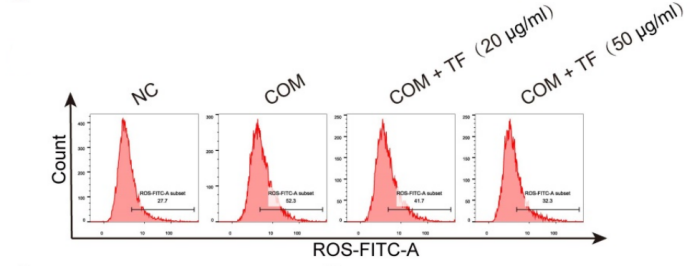
Flow Cytometry
-
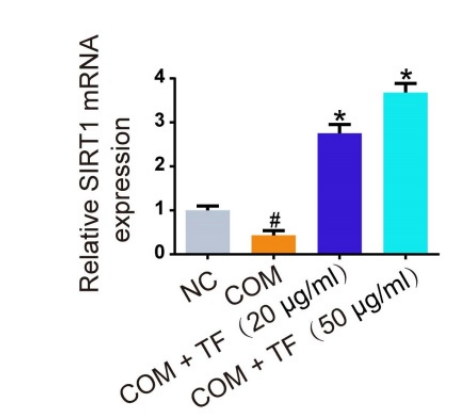
RT-PCR
-
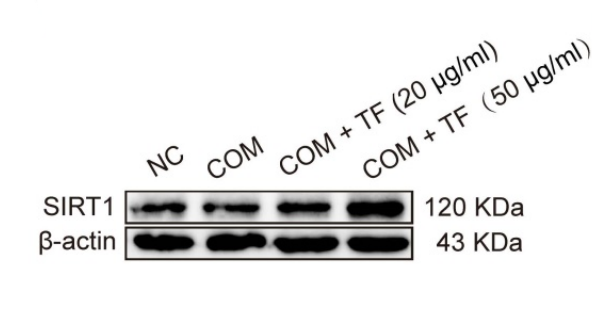
WB
-
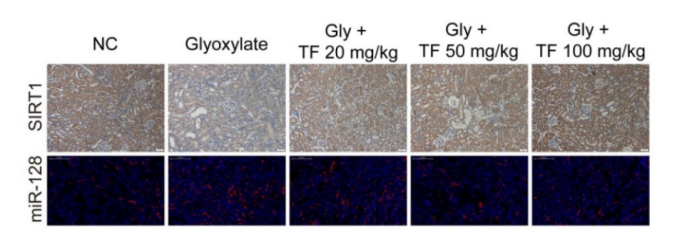
IHC
Voir tous les produits spécifiques à Isoform Endogenous Metabolite
More

Activité biologique
Description
IC50 & Target
Influenza A (H1N1) virus[1]
Cellular Effect
|
Cell Line

|
Type | Value | Description | References |
|---|---|---|---|---|
| H9 | IC50 |
48 μg/mL
Compound: 36
|
Inhibition of uninfected H9 lymphocytic cell growth
Inhibition of uninfected H9 lymphocytic cell growth
|
10.1016/0960-894X(96)00095-9 |
In Vitro
Theaflavin, found in green tea, is observed to inhibit H1N1 NA proteins strongly supported by lowest docking energy. Theaflavin is a plant product traditionally used for treatment of influenza infection. Green tea is particularly rich in polyphenolic compounds like Theaflavin. Theaflavin derivatives have shown pronounced antiviral activity. Theaflavin is found to interact with the amino acid residues like Arg118, Asp151, Asp 152, Arg193, Asp199, Asn344, and Arg430 of NA by forming hydrogen bonds[1].
MedChemExpress (MCE) has not independently confirmed the accuracy of these methods. They are for reference only.


Chemical Information
-
CAS No. 4670-05-7
-
Appearance Solid
-
Masse moléculaire 564.49
-
Formule C29H24O12
-
Color Brown to reddish brown
-
SMILES
O=C1C(O)=CC([C@@H]2[C@H](O)CC3=C(O)C=C(O)C=C3O2)=CC4=C([C@@H]5[C@H](O)CC6=C(O)C=C(O)C=C6O5)C=C(O)C(O)=C41
-
Structure Classification
-
Initial Source
-
Livraison
Room temperature in continental US; may vary elsewhere.
-
Stockage
Powder -20°C 3 years 4°C 2 years In solvent -80°C 6 months -20°C 1 month


Publications (7)
-
Journal Impact Factor
-
Most Recent
-
Acta Pharm Sin B
Chrysin serves as a novel inhibitor of DGK α/FAK interaction to suppress the malignancy of esophageal squamous cell carcinoma (ESCC). [Abstract]2021 Jan;11(1):143-155. PMID: 33532186 -
Int J Biol Sci
Theaflavin protects against oxalate calcium-induced kidney oxidative stress injury via upregulation of SIRT1. [Abstract]2021 Mar 2;17(4):1050-1060. PMID: 33867828
Theaflavin purchased from MedChemExpress. Usage Cited in: Int J Biol Sci. 2021 Mar 2;17(4):1050-1060. [Abstract]
Cellular ROS production in HK-2 cells was measured by flow cytometry with Theaflavin (TF) (20, 50 μg/mL) treatment.
Theaflavin purchased from MedChemExpress. Usage Cited in: Int J Biol Sci. 2021 Mar 2;17(4):1050-1060. [Abstract]
Cellular ROS production in HK-2 cells was measured by qRT-PCR with Theaflavin (TF) (20, 50 μg/mL) treatment.
Theaflavin purchased from MedChemExpress. Usage Cited in: Int J Biol Sci. 2021 Mar 2;17(4):1050-1060. [Abstract]
Analyses of SIRT1 expression in HK-2 cells incubated with COM crystals with or without Theaflavin (TF) (20, 50 μg/mL) treatment.
Theaflavin purchased from MedChemExpress. Usage Cited in: Int J Biol Sci. 2021 Mar 2;17(4):1050-1060. [Abstract]
IHC was used to analyze SIRT1 expression, and FISH to detect miR-128 expression in renal tissues treated with Theaflavin (TF) (20, 50, 100 mg/kg, i.g.).
-
-
Anal Chem
Noninvasive Dynamic Cell Viability Monitoring Based on Diffraction Height Fingerprint Spectra. [Abstract]2025 Dec 19. PMID: 41417584 -
Biochem Pharmacol
Theaflavin reduces Achilles tendon heterotopic ossification in mice through the TGF-β/Smad signaling pathway. [Abstract]2025 Dec;242(Pt 4):117387. PMID: 41047029 -
ACS Omega
Systematic Studies on the Anti-SARS-CoV-2 Mechanisms of Tea Polyphenol-Related Natural Products. [Abstract]2024 May 17;9(22):23984-23997. PMID: 38854515 -
Vet Microbiol
The Chinese medicine monomer Schisandrin C inhibits PRRSV infection by regulating the OGT-PI3K/AKT/mTOR signaling pathway. [Abstract]2026 May:316:110992. PMID: 41865607


Solvant et solubilité
In Vitro:
DMSO : 50 mg/mL (88.58 mM; Need ultrasonic; Hygroscopic DMSO has a significant impact on the solubility of product, please use newly opened DMSO)
H2O : 2 mg/mL (3.54 mM; Need ultrasonic and warming)
Please refer to the solubility information to select the appropriate solvent. Once prepared, please aliquot and store the solution to prevent product inactivation from repeated freeze-thaw cycles.
Storage method and period of stock solution: -80°C, 6 months; -20°C, 1 month. When stored at -80°C, please use it within 6 months. When stored at -20°C, please use it within 1 month.
* Note: If you choose water as the stock solution, please dilute it to the working solution, then filter and sterilize it with a 0.22 μm filter before use.
Please refer to the solubility information to select the appropriate solvent. Once prepared, please aliquot and store the solution to prevent product inactivation from repeated freeze-thaw cycles.
Storage method and period of stock solution: -80°C, 6 months; -20°C, 1 month. When stored at -80°C, please use it within 6 months. When stored at -20°C, please use it within 1 month.
* Note: If you choose water as the stock solution, please dilute it to the working solution, then filter and sterilize it with a 0.22 μm filter before use.
Concentration (start) × Volume (start) = Concentration (final) × Volume (final)
In Vivo:
Select the appropriate dissolution method based on your experimental animal and administration route.
- For the following dissolution methods, please ensure to first prepare a clear stock solution using an In Vitro approach and then sequentially add co-solvents:
- To ensure reliable experimental results, the clarified stock solution can be appropriately stored based on storage conditions. As for the working solution for In Vivo experiments, it is recommended to prepare freshly and use it on the same day.
- The percentages shown for the solvents indicate their volumetric ratio in the final prepared solution. If precipitation or phase separation occurs during preparation, heat and/or sonication can be used to aid dissolution.
Add each solvent one by one: 10% DMSO 40% PEG300 5% Tween-80 45% Saline
Solubility: 3 mg/mL (5.31 mM); Clear solution; Need ultrasonic
This protocol yields a clear solution of 3 mg/mL.
Taking 1 mL working solution as an example, add 100 μL DMSO stock solution (30.0 mg/mL) to 400 μL PEG300, and mix evenly; then add 50 μL Tween-80 and mix evenly; then add 450 μL Saline to adjust the volume to 1 mL.
Preparation of Saline: Dissolve 0.9 g sodium chloride in ddH₂O and dilute to 100 mL to obtain a clear Saline solution.
Add each solvent one by one: 10% DMSO 90% (20% SBE-β-CD in Saline)
Solubility: 3 mg/mL (5.31 mM); Clear solution; Need ultrasonic
This protocol yields a clear solution of 3 mg/mL.
Taking 1 mL working solution as an example, add 100 μL DMSO stock solution (30.0 mg/mL) to 900 μL 20% SBE-β-CD in Saline, and mix evenly.
Preparation of 20% SBE-β-CD in Saline (4°C, storage for one week): 2 g SBE-β-CD powder is dissolved in 10 mL Saline, completely dissolve until clear.
In Vivo Dissolution Calculator
Please enter the basic information of animal experiments:
-
-
-
-
Recommended: Prepare an additional quantity of animals to account for potential losses during experiments.
Please enter your animal formula composition:
-
%DMSO +
Recommended: Keep the proportion of DMSO in working solution below 2% if your animal is weak.
-
%+
-
+%Tween-80 + +
-
%Saline +
The co-solvents required include: DMSO, . All of co-solvents are available by MedChemExpress (MCE). , Tween 80. All of co-solvents are available by MedChemExpress (MCE).
Working solution concentration: 0.22 mg/mL
Method for preparing stock solution: mg drug dissolved in μL DMSO. Stock solution concentration: mg/mL.
1. Take μL DMSO stock solution;
2. Add μL .
μL , mix evenly;
3. Then add μL Tween 80, mix evenly;
4. Then add μL
Please ensure that the stock solution in the first step is dissolved to a clear state, and add co-solvents in sequence. You can use ultrasonic heating (ultrasonic cleaner, recommended frequency 20-40 kHz), vortexing, etc. to assist dissolution.


Pureté et documentation
-
Fiche technique (280 KB)
-
SDS (396 KB)
- English - EN (396 KB)
- Français - FR (396 KB)
- Deutsch - DE (396 KB)
- Norwegian - NO (396 KB)
- Español - ES (396 KB)
- Swedish - SV (396 KB)
- Italian - IT (396 KB)
- Korean - KR (396 KB)
- Portuguese - PT (396 KB)
-
Instruction de manipulation (2659 KB)
Références


Complete Stock Solution Preparation Table
Please refer to the solubility information to select the appropriate solvent. Once prepared, please aliquot and store the solution to prevent product inactivation from repeated freeze-thaw cycles.
Storage method and period of stock solution: -80°C, 6 months; -20°C, 1 month. When stored at -80°C, please use it within 6 months. When stored at -20°C, please use it within 1 month.
| Optional Solvent | Concentration Solvent Mass | 1 mg | 5 mg | 10 mg | 25 mg |
|---|---|---|---|---|---|
| H2O / DMSO | 1 mM | 1.7715 mL | 8.8576 mL | 17.7151 mL | 44.2878 mL |
| DMSO | 5 mM | 0.3543 mL | 1.7715 mL | 3.5430 mL | 8.8576 mL |
| 10 mM | 0.1772 mL | 0.8858 mL | 1.7715 mL | 4.4288 mL | |
| 15 mM | 0.1181 mL | 0.5905 mL | 1.1810 mL | 2.9525 mL | |
| 20 mM | 0.0886 mL | 0.4429 mL | 0.8858 mL | 2.2144 mL | |
| 25 mM | 0.0709 mL | 0.3543 mL | 0.7086 mL | 1.7715 mL | |
| 30 mM | 0.0591 mL | 0.2953 mL | 0.5905 mL | 1.4763 mL | |
| 40 mM | 0.0443 mL | 0.2214 mL | 0.4429 mL | 1.1072 mL | |
| 50 mM | 0.0354 mL | 0.1772 mL | 0.3543 mL | 0.8858 mL | |
| 60 mM | 0.0295 mL | 0.1476 mL | 0.2953 mL | 0.7381 mL | |
| 80 mM | 0.0221 mL | 0.1107 mL | 0.2214 mL | 0.5536 mL |
* Note: If you choose water as the stock solution, please dilute it to the working solution, then filter and sterilize it with a 0.22 μm filter before use.


Theaflavin Related Classifications
HY-N0243 Related Classifications
 Powered by Bioz