



Dipyridamole
Based on 12 publication(s) in Google Scholar
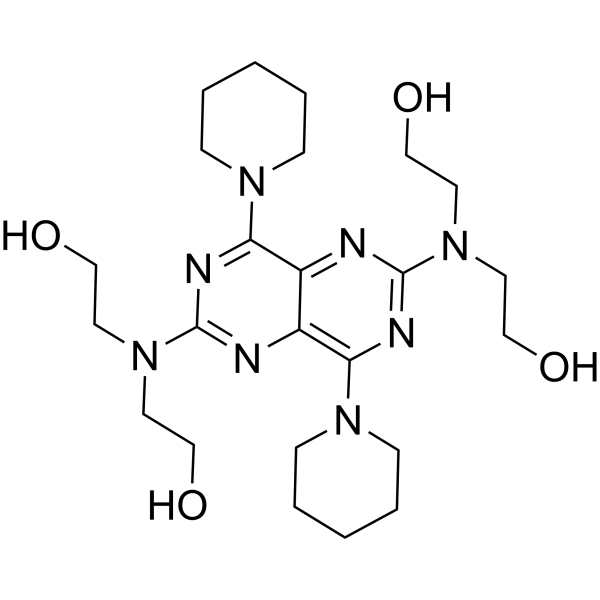
Dipyridamole is an orally active phosphodiesterase (PDE) inhibitor. Dipyridamole also is an antiplatelet agent used in secondary prophylaxis against stroke. Dipyridamole can induce cancer cell-specific apoptosis.
For research use only. We do not sell to patients.
- Purity : 99.93%
- CAS No.: 58-32-2
- Formula: C24H40N8O4
- Molecular Weight:504.63
-
Storage:
4°C, protect from light
* In solvent : -80°C, 1 year; -20°C, 6 months (protect from light)

To place orders, for customer services and technical support, please contact: MedChemExpress USA
Tel: 609-228-6898 E-mail: [email protected] [email protected]


-
 Biological Activity
-
Chemical Information
-
Solvent & Solubility
- Protocols
- Purity & Documentation
- References
-
 Help & FAQs


-
HY-B0589
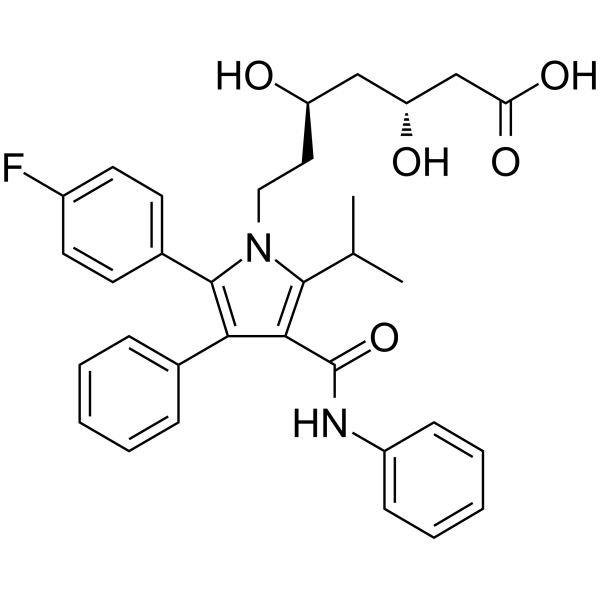
AtorvastatinHMG-CoA Reductase Inhibitor -
HY-W010936
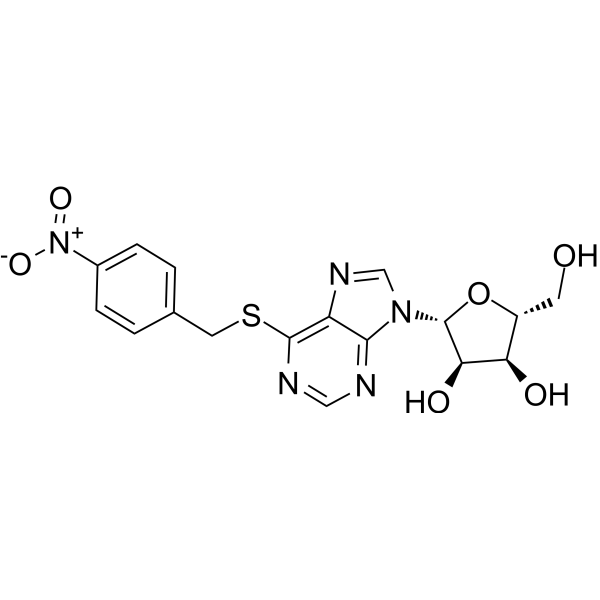
NitrobenzylthioinosineENT1 Transporter Inhibitor -
HY-90009A
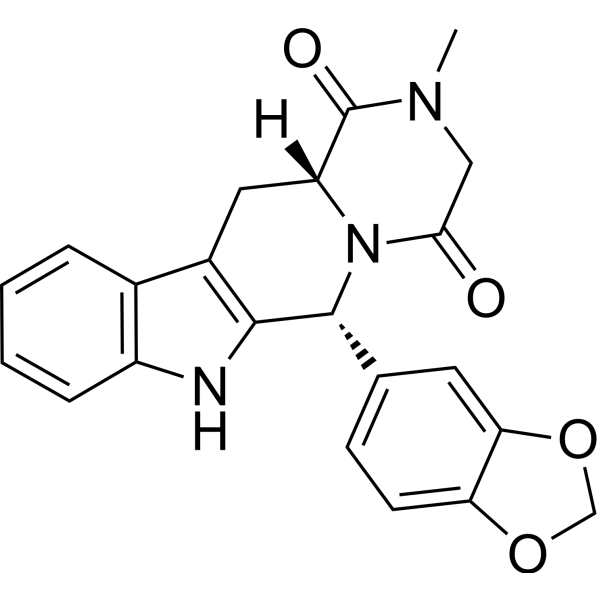
TadalafilPDE5 Inhibitor -
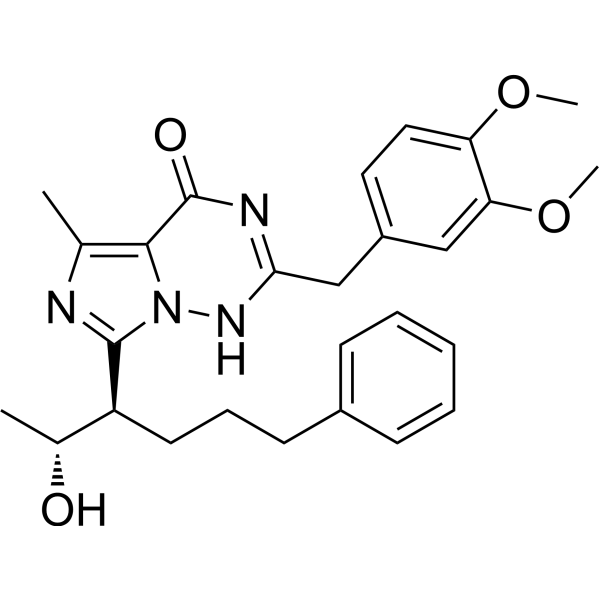
HY-14992
Bay 60-7550PDE2 Inhibitor -
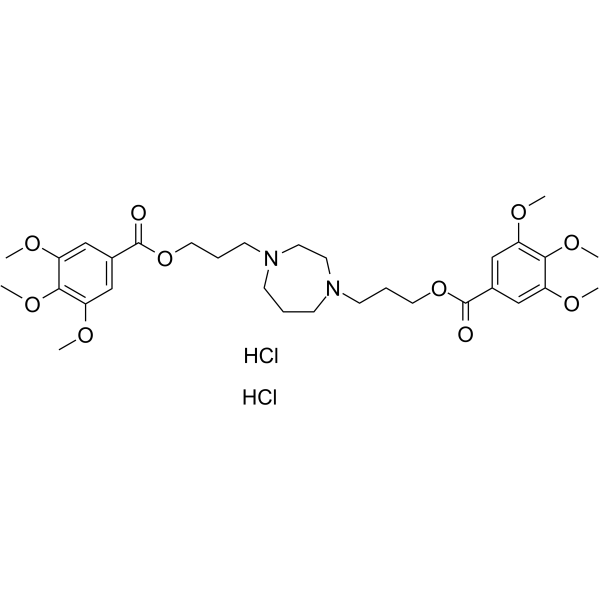
HY-100957
Dilazep dihydrochlorideAdenosine Uptake Inhibitor -
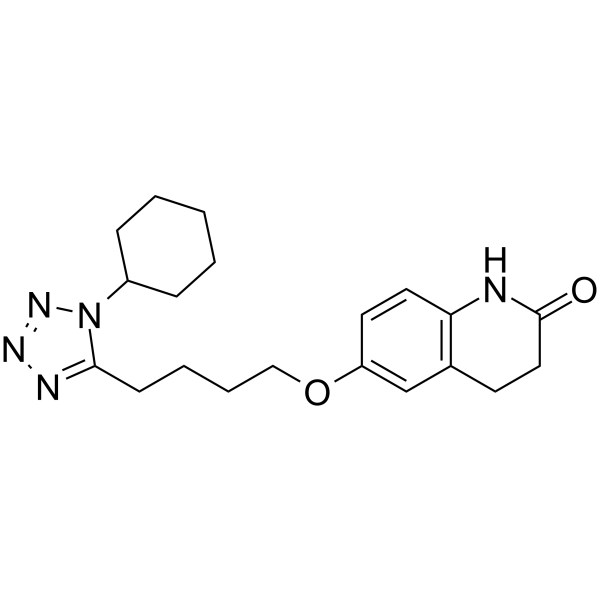
HY-17464
CilostazolPDE3 Inhibitor -
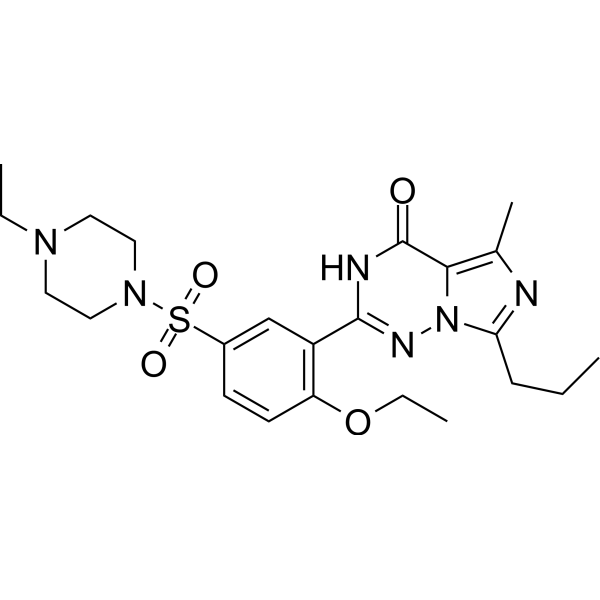
HY-B0442
VardenafilPDE5 Inhibitor -
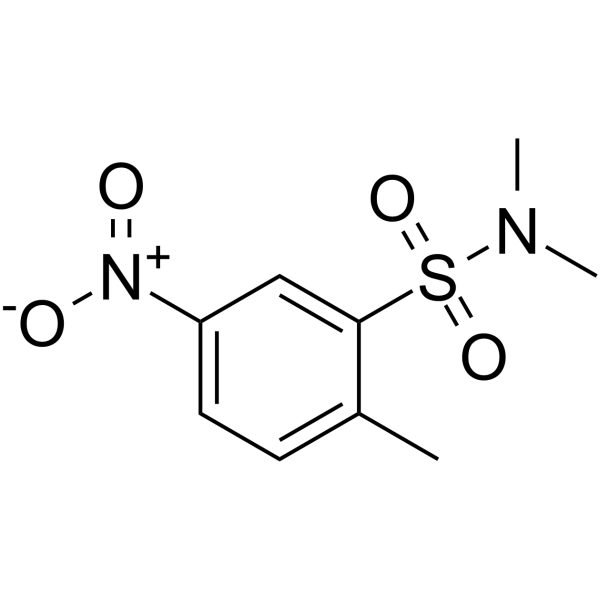
HY-109586
BRL-50481PDE Inhibitor -
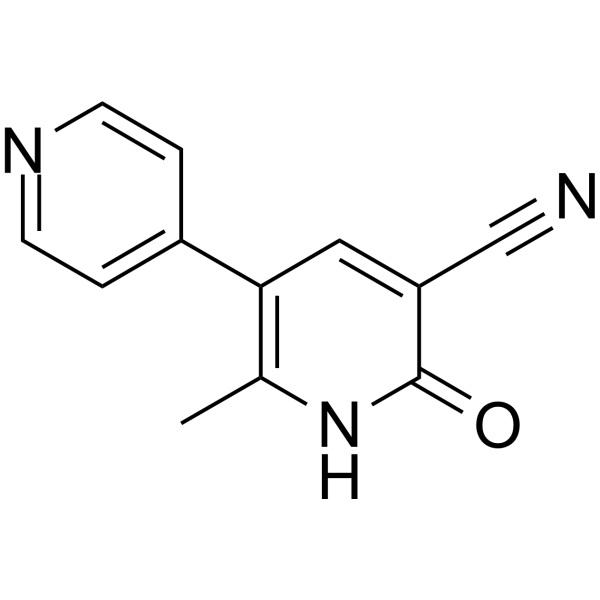
HY-14252
Milrinone -
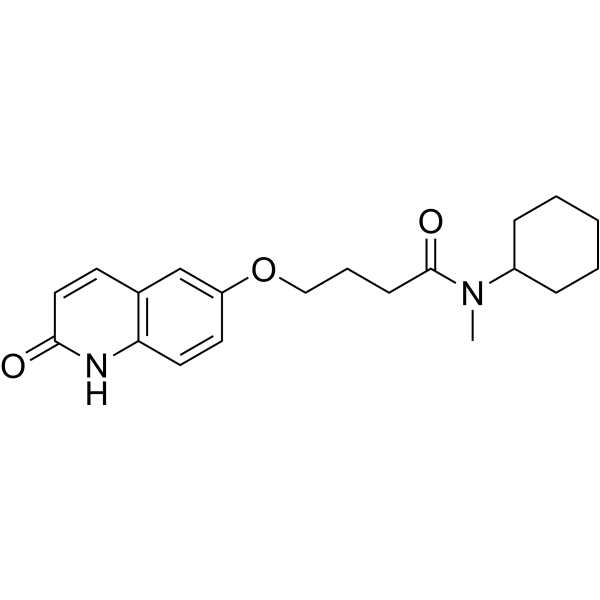
HY-101312
CilostamidePDE3 Inhibitor -
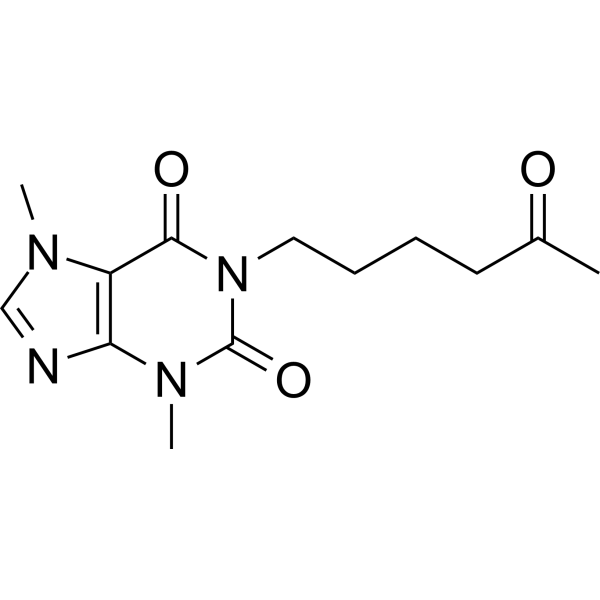
HY-B0715
PentoxifyllinePDE Inhibitor -

HY-Y1891
Tween 80
Publications Citing Use of MedChemExpress (MCE) Dipyridamole
More- Signal Transduct Target Ther. 2025 Dec 15;10(1):406. [Abstract]
- Nat Cancer. 2022 Aug;3(8):945-960. [Abstract]
- Phytomedicine. 2026 Apr:153:157903. [Abstract]
- Cell Mol Gastroenterol Hepatol. 2025;19(10):101539. [Abstract]
- Invest Ophthalmol Vis Sci. 2025 Dec 1;66(15):16. [Abstract]
- Mediators Inflamm. 2024 May 2:2024:7524314. [Abstract]
- Mediators Inflamm. 2023 Jul 19:2023:6623329. [Abstract]
- Res Sq. 2026 Jun 15.
- bioRxiv. 2026 Jan 27.
- SSRN. 2025 Dec 1.
- Chemrxiv. 2025 Nov 17.
- Research Square Preprint. 2024 Apr 9.
 Customer Validation & Images

-
Flow Cytometry
-
Histological Imaging/Staining
-
In Vivo Efficacy Study
-
Flow Cytometry
-
Cell Proliferation/Viability Assay


Biological Activity
Description
IC50 & Target
PDE
Cellular Effect
|
Cell Line

|
Type | Value | Description | References |
|---|---|---|---|---|
| COR-L23 | IC50 |
15 nM
Compound: 3, DP
|
Inhibition of ENT-mediated [3H]thymidine incorporation in human COR-L23 cells by liquid scintillation counting
Inhibition of ENT-mediated [3H]thymidine incorporation in human COR-L23 cells by liquid scintillation counting
|
[PMID: 21366300] |
| HEK293 | IC50 |
2 μM
Compound: Dipyridamole
|
TP_TRANSPORTER: inhibition of 9-(2-phosphonomethoxyethyl)adenine(PMEA) efflux (PMEA: 1 uM) in MRP4-expressing HEK293 cells
TP_TRANSPORTER: inhibition of 9-(2-phosphonomethoxyethyl)adenine(PMEA) efflux (PMEA: 1 uM) in MRP4-expressing HEK293 cells
|
[PMID: 12695538] |
| HEK293 | IC50 |
30 μM
Compound: Dipyridamole
|
TP_TRANSPORTER: inhibition of 9-(2-phosphonomethoxyethyl)adenine(PMEA) efflux (PMEA: 1 uM) in MRP5-expressing HEK293 cells
TP_TRANSPORTER: inhibition of 9-(2-phosphonomethoxyethyl)adenine(PMEA) efflux (PMEA: 1 uM) in MRP5-expressing HEK293 cells
|
[PMID: 12695538] |
| K562 | IC50 |
144.8 nM
Compound: Dipyridamole
|
Inhibition of ENT1 in human K562 cells by flow cytometric assay
Inhibition of ENT1 in human K562 cells by flow cytometric assay
|
[PMID: 17636949] |
| L1210 | IC50 |
0.34 μM
Compound: DP
|
Inhibition of [3H]thymidine uptake in L1210 cells
Inhibition of [3H]thymidine uptake in L1210 cells
|
[PMID: 15369395] |
| NIH-3T3-G185 | IC50 |
22.7 μM
Compound: Dipyridamole
|
TP_TRANSPORTER: inhibition of Daunorubicin efflux in NIH-3T3-G185 cells
TP_TRANSPORTER: inhibition of Daunorubicin efflux in NIH-3T3-G185 cells
|
[PMID: 11716514] |
| NIH-3T3-G185 | IC50 |
23.7 μM
Compound: Dipyridamole
|
TP_TRANSPORTER: inhibition of LDS-751 efflux in NIH-3T3-G185 cells
TP_TRANSPORTER: inhibition of LDS-751 efflux in NIH-3T3-G185 cells
|
[PMID: 11716514] |
| NIH-3T3-G185 | IC50 |
34.3 μM
Compound: Dipyridamole
|
TP_TRANSPORTER: inhibition of Rhodamine 123 efflux in NIH-3T3-G185 cells
TP_TRANSPORTER: inhibition of Rhodamine 123 efflux in NIH-3T3-G185 cells
|
[PMID: 11716514] |
| Sf21 | IC50 |
72 μM
Compound: 3
|
Inhibition of His-tagged catalytic domain Trypanosoma brucei brucei PDEB1 expressed in baculovirus infected insect Sf21 cells
Inhibition of His-tagged catalytic domain Trypanosoma brucei brucei PDEB1 expressed in baculovirus infected insect Sf21 cells
|
[PMID: 22023548] |
| U2OS | IC50 |
8.1 nM
Compound: 3108
|
Inhibition of the equilibrative nucleoside transporter (ENT1, SLC29A1) as assessed by GPCR-mediated changes in cell morphology using the impedance-based transporter activity through receptor activation (TRACT) assay
Inhibition of the equilibrative nucleoside transporter (ENT1, SLC29A1) as assessed by GPCR-mediated changes in cell morphology using the impedance-based transporter activity through receptor activation (TRACT) assay
|
[PMID: 31551431] |
| U2OS | IC50 |
8.1 nM
Compound: 3108
|
Inhibition of the equilibrative nucleoside transporter (ENT1, SLC29A1) as assessed by GPCR-mediated changes in cell morphology using the impedance-based transporter activity through receptor activation (TRACT) assay (PubChem AID: 1745861)
Inhibition of the equilibrative nucleoside transporter (ENT1, SLC29A1) as assessed by GPCR-mediated changes in cell morphology using the impedance-based transporter activity through receptor activation (TRACT) assay (PubChem AID: 1745861)
|
[PMID: 31551431] |
In Vitro
Dipyridamole (5 μM; 15 min) results in a 2.5-fold increase in intracellular cAMP levels in OCI-AML-3 cells[2]. Dipyridamole (5 μM; 48 h) with the statin combination induces apoptosis in primary AML cells[2]. Dipyridamole (5 μM; 48 h) possesse cAMP/PKA-independent activity against statininduced SREBP2 activation[2].
MedChemExpress (MCE) has not independently confirmed the accuracy of these methods. They are for reference only.
-
Cell Line:AML (OCI-AML-2, OCI-AML-3) cell line
-
Concentration:5 μM
-
Incubation Time:48 h
-
Result:Induced apoptosis with the combination of fluvastatin and dipyridamole, cilostazol, forskolin, or dbcAMP in OCI-AML-2 and OCI-AML-3 cells.
-
Cell Line:LP1 cell line
-
Concentration:5 μM
-
Incubation Time:16 h
-
Result:Increased the sensibility of cancer cells to statin-induced apoptosis.
In Vivo
MedChemExpress (MCE) has not independently confirmed the accuracy of these methods. They are for reference only.
-
Animal Model:C57BL/6-LLC tumor-bearing mice models[3]
-
Dosage:10 mg/kg
-
Administration:Oral gavage; 10 mg/kg; once daily for 18 days
-
Result:Mitigated tumor growth in tumor-bearing mice.
Clinical Trial
| NCT Number | Sponsor | Condition | Start Date |
Phase
|
|---|---|---|---|---|
| NCT01329991 | Plexxikon| | 2011-05 | PHASE1 |


Chemical Information
-
CAS No. 58-32-2
-
Appearance Solid
-
Molecular Weight 504.63
-
Formula C24H40N8O4
-
Color Light yellow to yellow
-
SMILES
OCCN(CCO)C1=NC(N2CCCCC2)=C(N=C(N(CCO)CCO)N=C3N4CCCCC4)C3=N1
-
Shipping
Room temperature in continental US; may vary elsewhere.
-
Storage
4°C, protect from light
* In solvent : -80°C, 1 year; -20°C, 6 months (protect from light)


Publications (12)
-
Journal Impact Factor
-
Most Recent
-
Signal Transduct Target Ther
Selective depletion of tumor-associated SAMHD1 enhances chemotherapeutic efficacy and antitumor immune responses. [Abstract]2025 Dec 15;10(1):406. PMID: 41392286 -
Nat Cancer
Cancer-associated fibroblasts employ NUFIP1-dependent autophagy to secrete nucleosides and support pancreatic tumor growth. [Abstract]2022 Aug;3(8):945-960. PMID: 35982178 -
Phytomedicine
Mulberroside A inhibits NLRP6 to prevent alveolar macrophage efferocytosis and lung-derived SAA3-platelet transport in high fructose-induced hippocampal inflammation. [Abstract]2026 Apr:153:157903. PMID: 41655552 -
Cell Mol Gastroenterol Hepatol
2025;19(10):101539. PMID: 40409684
Dipyridamole purchased from MedChemExpress. Usage Cited in: Cell Mol Gastroenterol Hepatol. 2025;19(10):101539. [Abstract]
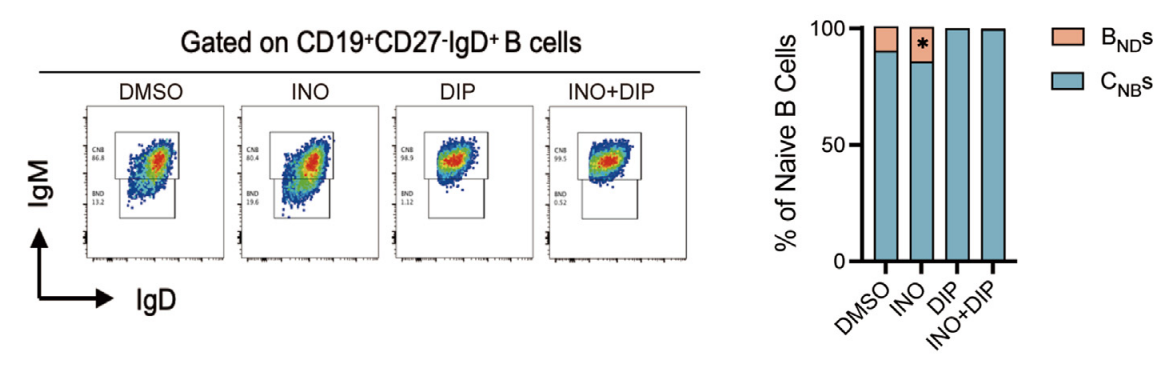
Representative flow cytometry plots and quantification of the percentage of BNDs and CNBs in naïve B cells treated with Dipyridamole (1 mM; 3 d) or vehicle, in the presence and absence of inosine (250 mM). Dipyridamole nearly reversed the effects of inosine, including the increased frequency of BNDs.
Dipyridamole purchased from MedChemExpress. Usage Cited in: Cell Mol Gastroenterol Hepatol. 2025;19(10):101539. [Abstract]
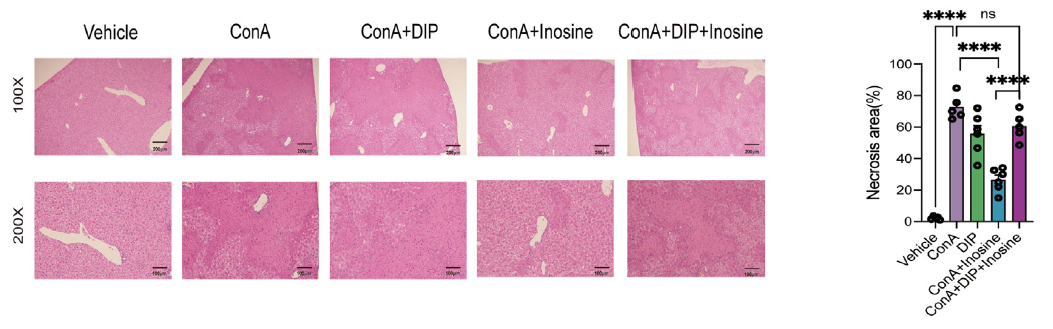
Mice were injected with ConA (10 mg/kg), inosine (300 mg/kg), or a combination of both, with or without Dipyridamole (1 mg/kg; i.p.; 30 minutes before inosine administration). Representative images of H&E-stained liver sections were obtained. Dipyridamole reversed the substantial reduction in the area of hepatic necrosis in inosine-treated mice.
-
Invest Ophthalmol Vis Sci
Effect of Dipyridamole on Experimental Autoimmune Uveitis: Reprogrammed Immune Cell Landscape and Reduced Th17 Pathogenicity. [Abstract]2025 Dec 1;66(15):16. PMID: 41334959
Dipyridamole purchased from MedChemExpress. Usage Cited in: Invest Ophthalmol Vis Sci. 2025 Dec 1;66(15):16. [Abstract]
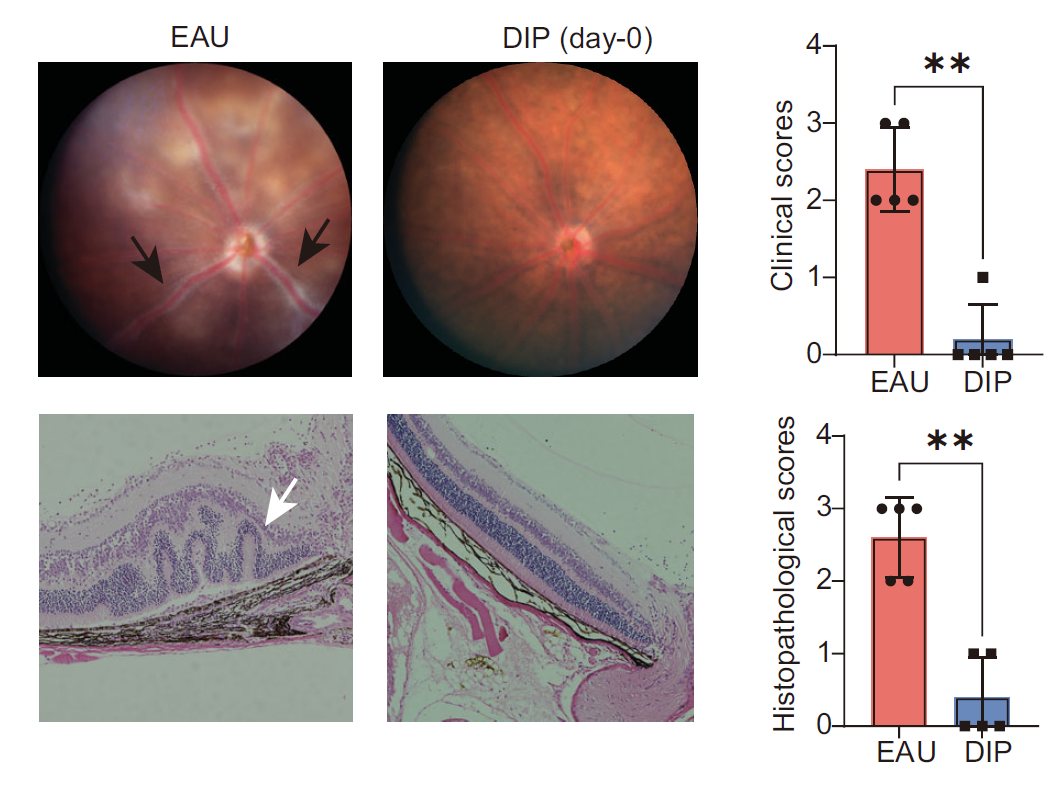
The representative fundus examination images and hematoxylin and eosin-stained images on day 14 after immunization in EAU and preventative Dipyridamole (DIP) (300 mg/kg/day; p.o.; 6 d) groups, with the black arrows indicating inflammatory exudation and linear lesions and the white arrows highlighting retinal folding. Preventative Dipyridamole (DIP) significantly attenuated chorioretinal lesions, infiltrations, and vasculitis.
Dipyridamole purchased from MedChemExpress. Usage Cited in: Invest Ophthalmol Vis Sci. 2025 Dec 1;66(15):16. [Abstract]
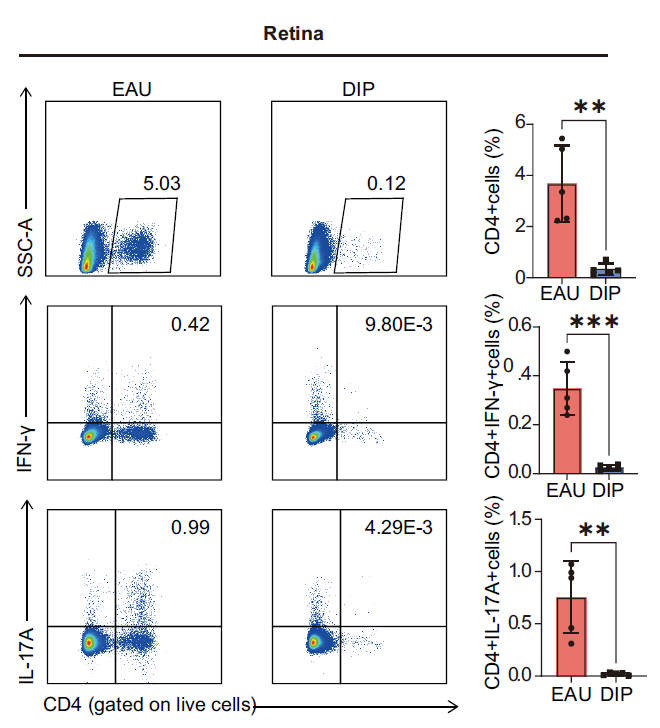
The flow cytometry dot plots and column charts showing the percentage of CD4+ cells, CD4+IFN-γ+ and CD4+IL-17A+ cells in the live cells in retinal tissues from the EAU and preventative Dipyridamole (DIP) (300 mg/kg/day; p.o.; 6 d) groups.
Dipyridamole purchased from MedChemExpress. Usage Cited in: Invest Ophthalmol Vis Sci. 2025 Dec 1;66(15):16. [Abstract]
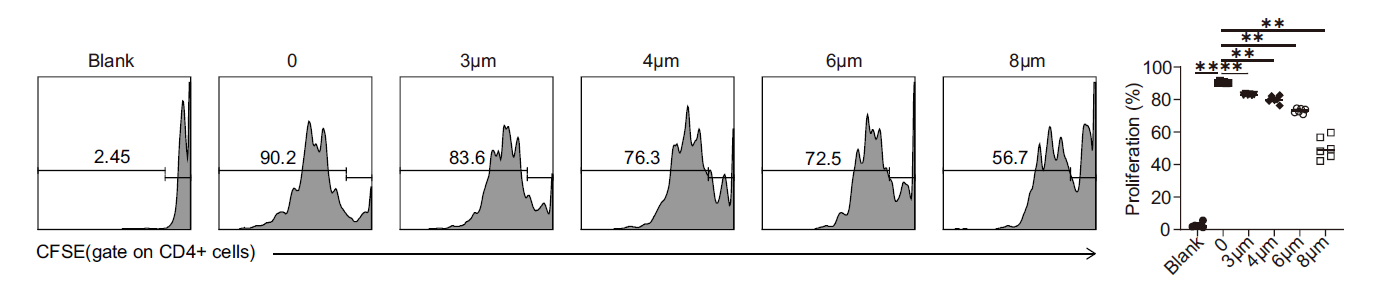
Histograms of the Carboxy fluorescein succinimidyl ester fluorescence intensity and scatter plot showed the proliferation of T cells cultured in different Dipyridamole (DIP) (3-4 μM; 72 h) concentrations. Dipyridamole (DIP) dosedependently suppressed CD4+ T-cell proliferation.
-
Mediators Inflamm
Sorbitol Destroyed Intestinal Microfold Cells (M Cells) Development through Inhibition of PDE4-Mediated RANKL Expression. [Abstract]2024 May 2:2024:7524314. PMID: 38725539 -
Mediators Inflamm
Vitronectin Destroyed Intestinal Epithelial Cell Differentiation through Activation of PDE4-Mediated Ferroptosis in Inflammatory Bowel Disease. [Abstract]2023 Jul 19:2023:6623329. PMID: 37501933 -
-
-
-
-


Solvent & Solubility
In Vitro:
DMSO : ≥ 50 mg/mL (99.08 mM; Hygroscopic DMSO has a significant impact on the solubility of product, please use newly opened DMSO)
H2O : < 0.1 mg/mL (insoluble)
* "≥" means soluble, but saturation unknown.
Please refer to the solubility information to select the appropriate solvent. Once prepared, please aliquot and store the solution to prevent product inactivation from repeated freeze-thaw cycles.
Storage method and period of stock solution: -80°C, 1 year; -20°C, 6 months (protect from light). When stored at -80°C, please use it within 1 year. When stored at -20°C, please use it within 6 months.
Please refer to the solubility information to select the appropriate solvent. Once prepared, please aliquot and store the solution to prevent product inactivation from repeated freeze-thaw cycles.
Storage method and period of stock solution: -80°C, 1 year; -20°C, 6 months (protect from light). When stored at -80°C, please use it within 1 year. When stored at -20°C, please use it within 6 months.
Concentration (start) × Volume (start) = Concentration (final) × Volume (final)
In Vivo:
Select the appropriate dissolution method based on your experimental animal and administration route.
- For the following dissolution methods, please ensure to first prepare a clear stock solution using an In Vitro approach and then sequentially add co-solvents:
- To ensure reliable experimental results, the clarified stock solution can be appropriately stored based on storage conditions. As for the working solution for In Vivo experiments, it is recommended to prepare freshly and use it on the same day.
- The percentages shown for the solvents indicate their volumetric ratio in the final prepared solution. If precipitation or phase separation occurs during preparation, heat and/or sonication can be used to aid dissolution.
Add each solvent one by one: 10% DMSO 40% PEG300 5% Tween-80 45% Saline
Solubility: ≥ 2.5 mg/mL (4.95 mM); Clear solution
This protocol yields a clear solution of ≥ 2.5 mg/mL (saturation unknown).
Taking 1 mL working solution as an example, add 100 μL DMSO stock solution (25.0 mg/mL) to 400 μL PEG300, and mix evenly; then add 50 μL Tween-80 and mix evenly; then add 450 μL Saline to adjust the volume to 1 mL.
Preparation of Saline: Dissolve 0.9 g sodium chloride in ddH₂O and dilute to 100 mL to obtain a clear Saline solution.
Add each solvent one by one: 10% DMSO 90% (20% SBE-β-CD in Saline)
Solubility: ≥ 2.5 mg/mL (4.95 mM); Clear solution
This protocol yields a clear solution of ≥ 2.5 mg/mL (saturation unknown).
Taking 1 mL working solution as an example, add 100 μL DMSO stock solution (25.0 mg/mL) to 900 μL 20% SBE-β-CD in Saline, and mix evenly.
Preparation of 20% SBE-β-CD in Saline (4°C, storage for one week): 2 g SBE-β-CD powder is dissolved in 10 mL Saline, completely dissolve until clear.
In Vivo Dissolution Calculator
Please enter the basic information of animal experiments:
-
-
-
-
Recommended: Prepare an additional quantity of animals to account for potential losses during experiments.
Please enter your animal formula composition:
-
%DMSO +
Recommended: Keep the proportion of DMSO in working solution below 2% if your animal is weak.
-
%+
-
+%Tween-80 + +
-
%Saline +
The co-solvents required include: DMSO, . All of co-solvents are available by MedChemExpress (MCE). , Tween 80. All of co-solvents are available by MedChemExpress (MCE).
Working solution concentration: 0.22 mg/mL
Method for preparing stock solution: mg drug dissolved in μL DMSO. Stock solution concentration: mg/mL. * In solvent : -80°C, 1 year; -20°C, 6 months (protect from light)
1. Take μL DMSO stock solution;
2. Add μL .
μL , mix evenly;
3. Then add μL Tween 80, mix evenly;
4. Then add μL
Please ensure that the stock solution in the first step is dissolved to a clear state, and add co-solvents in sequence. You can use ultrasonic heating (ultrasonic cleaner, recommended frequency 20-40 kHz), vortexing, etc. to assist dissolution.


Purity & Documentation
-
Data Sheet (283 KB)
-
SDS (396 KB)
- English - EN (396 KB)
- Français - FR (396 KB)
- Deutsch - DE (396 KB)
- Norwegian - NO (396 KB)
- Español - ES (396 KB)
- Swedish - SV (396 KB)
- Italian - IT (396 KB)
- Korean - KR (396 KB)
- Portuguese - PT (396 KB)
-
Handling Instructions (2659 KB)
References
[1]. Kerndt CC, Nagalli S. Dipyridamole. 2021 Nov 25. In: StatPearls [Internet]. Treasure Island (FL): StatPearls Publishing; 2022 Jan–. PMID: 32119342. [Content Brief]
[2]. Longo, Joseph, etal. Cyclic AMP-hydrolyzing phosphodiesterase inhibitors potentiate statin-induced cancer cell death. Molecular oncology vol. 14,10 (2020): 2533-2545 [Content Brief]
[3]. Wang, Jiaan-Der, etal. Exosomal HMGB1 Promoted Cancer Malignancy. Cancers vol. 13,4 877. 19 Feb. 2021. [Content Brief]


Complete Stock Solution Preparation Table
Please refer to the solubility information to select the appropriate solvent. Once prepared, please aliquot and store the solution to prevent product inactivation from repeated freeze-thaw cycles.
Storage method and period of stock solution: -80°C, 1 year; -20°C, 6 months (protect from light). When stored at -80°C, please use it within 1 year. When stored at -20°C, please use it within 6 months.
| Optional Solvent | Concentration Solvent Mass | 1 mg | 5 mg | 10 mg | 25 mg |
|---|---|---|---|---|---|
| DMSO | 1 mM | 1.9816 mL | 9.9082 mL | 19.8165 mL | 49.5412 mL |
| 5 mM | 0.3963 mL | 1.9816 mL | 3.9633 mL | 9.9082 mL | |
| 10 mM | 0.1982 mL | 0.9908 mL | 1.9816 mL | 4.9541 mL | |
| 15 mM | 0.1321 mL | 0.6605 mL | 1.3211 mL | 3.3027 mL | |
| 20 mM | 0.0991 mL | 0.4954 mL | 0.9908 mL | 2.4771 mL | |
| 25 mM | 0.0793 mL | 0.3963 mL | 0.7927 mL | 1.9816 mL | |
| 30 mM | 0.0661 mL | 0.3303 mL | 0.6605 mL | 1.6514 mL | |
| 40 mM | 0.0495 mL | 0.2477 mL | 0.4954 mL | 1.2385 mL | |
| 50 mM | 0.0396 mL | 0.1982 mL | 0.3963 mL | 0.9908 mL | |
| 60 mM | 0.0330 mL | 0.1651 mL | 0.3303 mL | 0.8257 mL | |
| 80 mM | 0.0248 mL | 0.1239 mL | 0.2477 mL | 0.6193 mL |


Dipyridamole Related Classifications
HY-B0312 Related Classifications
 Powered by Bioz