Search Result
Results for "
PPARα+agonist
" in MedChemExpress (MCE) Product Catalog:
1
Biochemical Assay Reagents
8
Isotope-Labeled Compounds
| Cat. No. |
Product Name |
Target |
Research Areas |
Chemical Structure |
-
- HY-17356
-
Fenofibrate
Maximum Cited Publications
33 Publications Verification
|
PPAR
Cytochrome P450
Autophagy
|
Cardiovascular Disease
Cancer
|
|
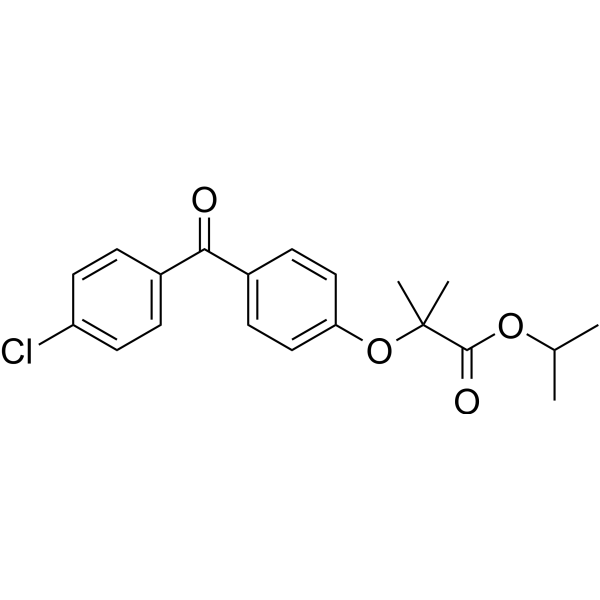
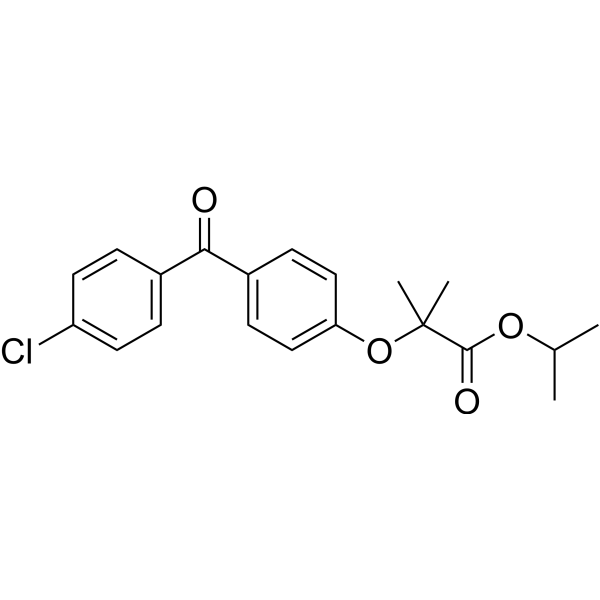
Fenofibrate is a selective PPARα agonist with an EC50 of 30 μM. Fenofibrate also inhibits human cytochrome P450 isoforms, with IC50s of 0.2, 0.7, 9.7, 4.8 and 142.1 μM for CYP2C19, CYP2B6, CYP2C9, CYP2C8, and CYP3A4, respectively.
|
-
-
- HY-13861
-
|
|
PPAR
|
Cardiovascular Disease
|
|
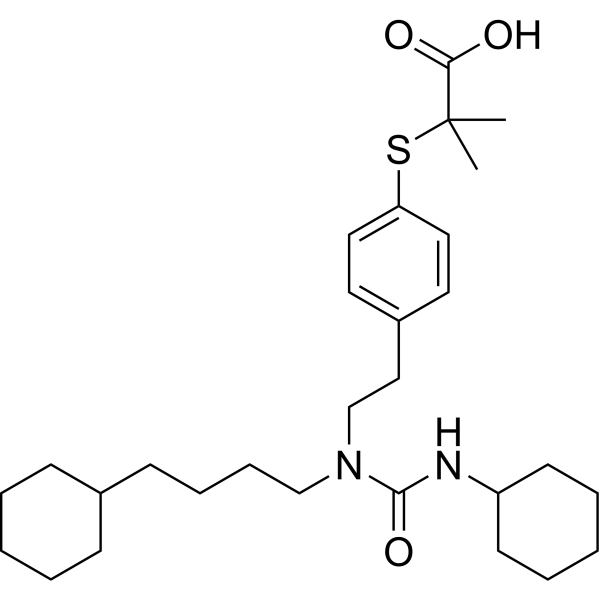
GW7647 is a potent PPARα agonist, with EC50s of 6 nM, 1.1 μM, and 6.2 μM for human PPARα, PPARγ and PPARδ, respectively.
|
-
-
- HY-17618
-
-
-
- HY-107542
-
-
-
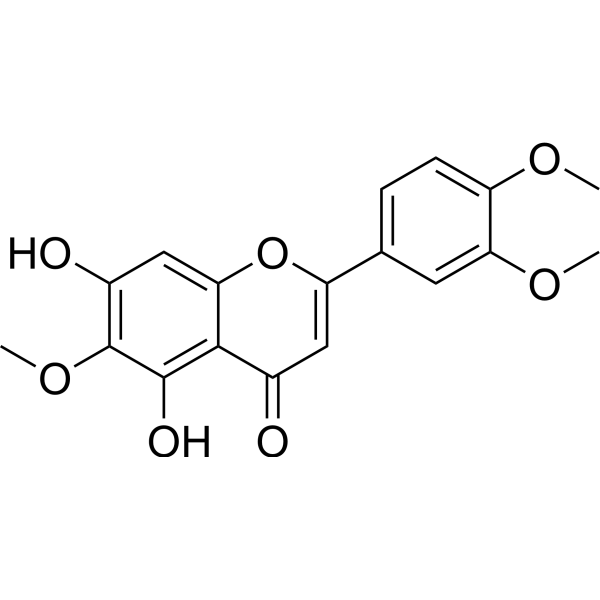
- HY-N0783
-
-
-
- HY-N1990
-
|
|
PPAR
Sirtuin
Keap1-Nrf2
Toll-like Receptor (TLR)
NF-κB
Reactive Oxygen Species (ROS)
NOD-like Receptor (NLR)
Apoptosis
Pyroptosis
Autophagy
|
Cardiovascular Disease
Neurological Disease
Metabolic Disease
Inflammation/Immunology
|
|
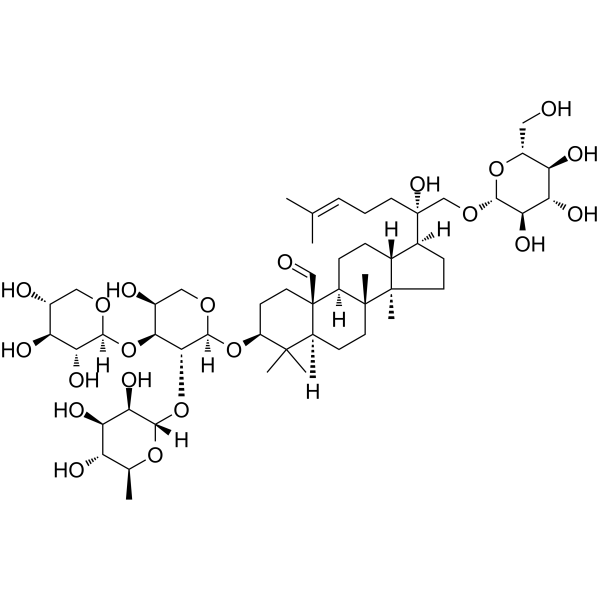
Gypenoside XLIX is a multifunctional bioactive compound that can be isolated from Gynostemma pentaphyllum, with a Ka value of 1.58 μM for its binding to SIRT1. Gypenoside XLIX acts as a PPAR-α agonist. It inhibits the activation of TLR4-mediated NF-κB signaling pathway by activating the Sirt1/Nrf2 signaling pathway, reduces ROS accumulation, and alleviates hepatic inflammatory injury in mice with sepsis-induced liver disease. Gypenoside XLIX targets SIRT1 to block YAP-NLRP3 activation and improve sepsis-induced cardiomyopathy. Gypenoside XLIX inhibits apoptosis (Apoptosis), pyroptosis (Pyroptosis), autophagy (Autophagy), lipid peroxidation, pro-inflammatory cytokines and anti-inflammatory cytokines. Gypenoside XLIX alleviates sepsis-induced splenic injury by inhibiting inflammation and oxidative stress, and mitigates sepsis-associated encephalopathy by targeting PPAR-α. Gypenoside XLIX prevents acute kidney injury by inhibiting IGFBP7/IGF1R-mediated programmed cell death and inflammation. Gypenoside XLIX inhibits the expression and activity of vascular cell adhesion molecule-1 in cytokine-induced human endothelial cells. Gypenoside XLIX is applicable to research related to acute liver injury, lung injury, cardiomyopathy, acute splenic injury, sepsis-associated encephalopathy, acute kidney injury, atherosclerosis and chronic inflammation .
|
-
-
- HY-W081067
-
|
HFPO-DA
|
PPAR
|
Infection
|
|
Perfluoro (2-methyl-3-oxahexanoic) acid (HFPO-DA) is an orally active PPARα agonist with an EC50 of 2.1 μM for human PPARα. Perfluoro (2-methyl-3-oxahexanoic) acid induces peroxisome proliferation and increases the levels of proinflammatory mediators. It impairs intestinal barrier function and disrupts cecal flora balance. Perfluoro (2-methyl-3-oxahexanoic) acid is applicable to research related to developmental toxicity, hepatotoxicity and intestinal toxicity .
|
-

-
- HY-B1415
-
|
Chlorofibrinic acid
|
PPAR
Bacterial
SOD
|
Infection
Metabolic Disease
Cancer
|
|
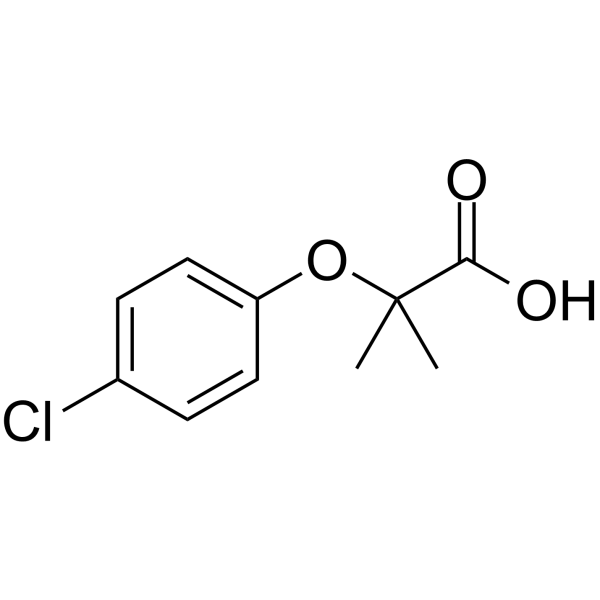
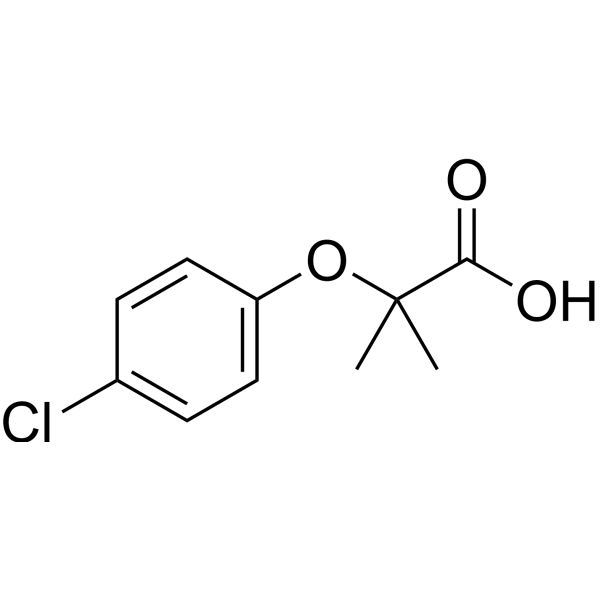
Clofibric acid (Chlorofibrinic acid) is an orally active PPARα agonist. Clofibric acid inhibits the fimbriation of Escherichia coli. Clofibric acid increases SOD activity. Clofibric acid lowers blood lipids and prevents experimental pyelonephritis. Clofibric acid has anticancer activity against ovarian cancer. Clofibric acid is also a herbicide. Clofibric acid is used in ovarian cancer, liver cancer, obesity, and urinary tract infection research .
|
-
-
- HY-10678
-
|
|
PPAR
|
Cardiovascular Disease
|
|
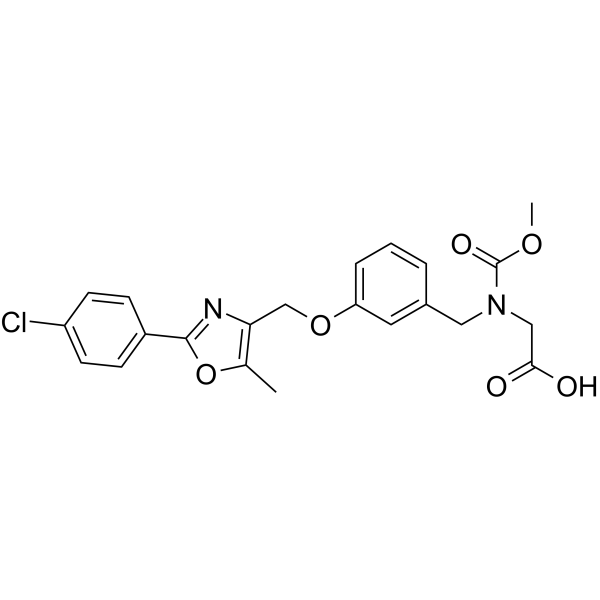
BMS-687453 is a potent and selective PPARα agonist, with an EC50 and IC50 of 10 nM and 260 nM for human PPARα and 4100 nM and >15000 nM for PPARγ in PPAR-GAL4 transactivation assays.
|
-
-
- HY-50665
-
|
LY-674
|
PPAR
|
Metabolic Disease
|
|
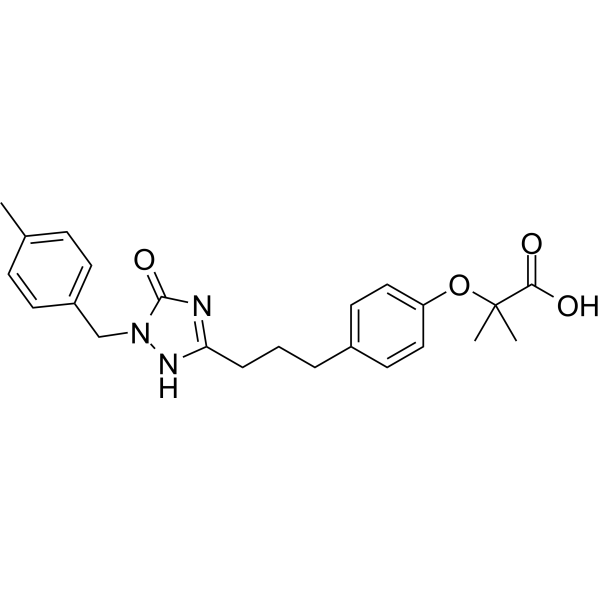
LY518674 is a potent, selective PPARα agonist, with an EC50 of 42 nM for human PPARα. LY518674 reduces triglycerides in and increased HDL-C and is used for the treatment of atherosclerosis .
|
-
-
- HY-W128156
-
|
10-HSA
|
PPAR
|
Inflammation/Immunology
|
|
10-Hydroxystearic acid (10-HSA) is a PPARα agonist. 10-Hydroxystearic acid stimulates collagen synthesis. 10-Hydroxystearic acid is an anti-aging agent and reduces the appearance of pores and hyperpigmented lesions .
|
-

-
- HY-106278
-
|
|
PPAR
|
Metabolic Disease
|
|
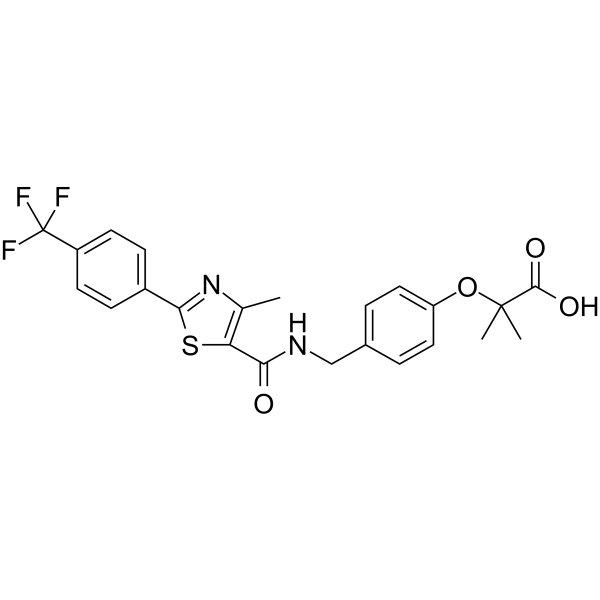
GW 590735 is a potent and selective PPARα agonist. GW 590735 showsEC50=4 nM on PPARα and at least 500-fold selectivity versus PPARδ and PPARγ. GW 590735 can be used for the research of dyslipidemia .
|
-
-
- HY-17356S
-
-
-
- HY-107542S
-
-
-
- HY-107542S2
-
-
-
- HY-129683
-
|
|
PPAR
|
Metabolic Disease
|
|
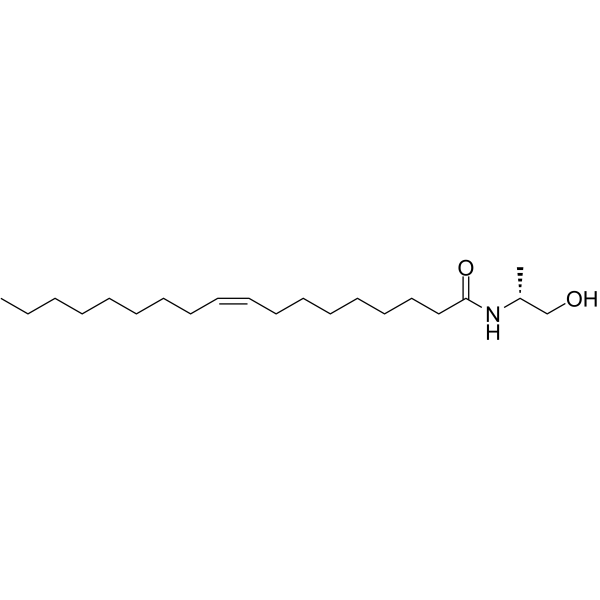
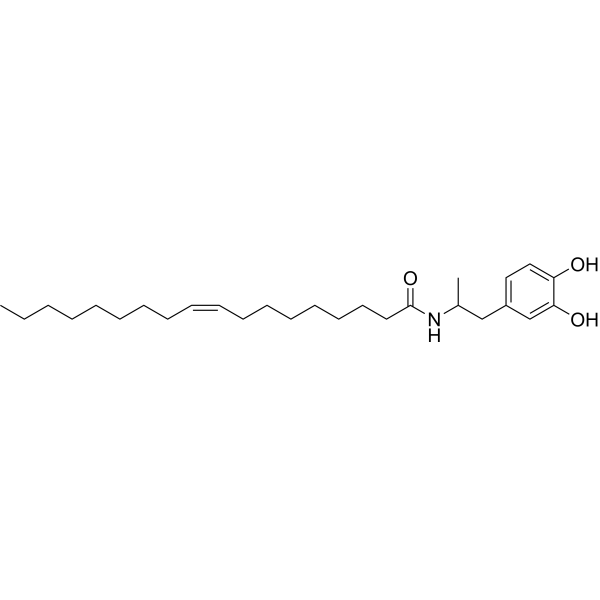
AM3102 is an oleoylethanolamide (OEA) analog. AM3102 is an endogenous high-affinity PPAR-alpha agonist. AM3102 resists enzymatic hydrolysis, activates PPAR-alpha with high potency in vitro, and persistently reduces feeding when administered in vivo either parenterally or orally .
|
-
-
- HY-108571
-
|
|
PPAR
|
Cardiovascular Disease
Metabolic Disease
|
|
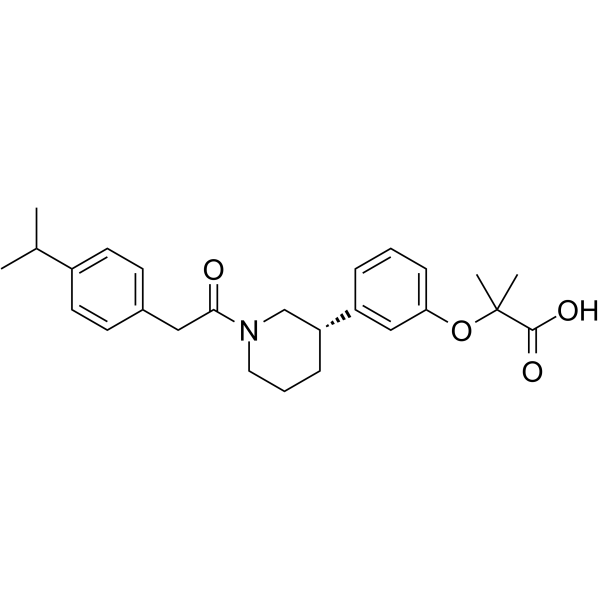
CP-775146 is a selective PPARα agonist (Ki of 24.5 nM) that binds strongly to the PPARα ligand. CP-775146 has no observable affinity for PPARβ and PPARγ.CP-775146 shows hypolipidemic activity. CP-775146 efficiently alleviates obesity-induced liver damage, prevents lipid accumulation by activating the liver fatty acid β-oxidation pathway .
|
-
-
- HY-17356R
-
|
|
Reference Standards
PPAR
Cytochrome P450
Autophagy
|
Cardiovascular Disease
Cancer
|
|
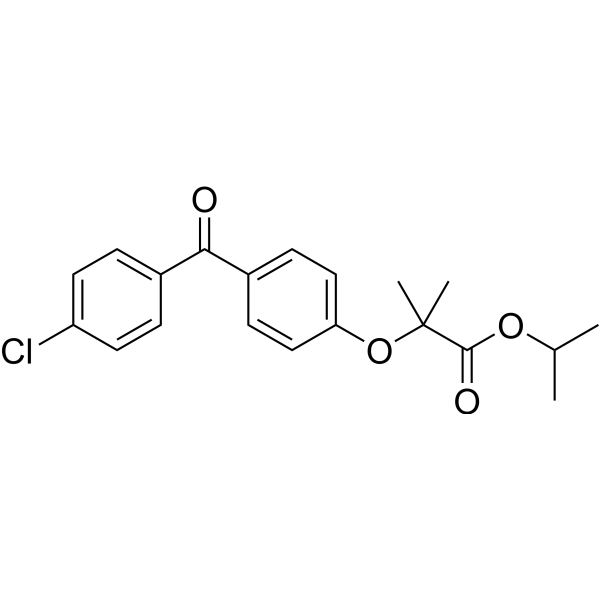
Fenofibrate (Standard) is the analytical standard of Fenofibrate. This product is intended for research and analytical applications. Fenofibrate is a selective PPARα agonist with an EC50 of 30 μM. Fenofibrate also inhibits human cytochrome P450 isoforms, with IC50s of 0.2, 0.7, 9.7, 4.8 and 142.1 μM for CYP2C19, CYP2B6, CYP2C9, CYP2C8, and CYP3A4, respectively.
|
-
-
- HY-139177
-
|
|
PPAR
|
Cardiovascular Disease
|
|
PPARα agonist 2 (compound 4u) is a potent and selective PPARα agonist with an EC50 of 37 nM. PPARα agonist 2 exhibits >2,700-fold selectivity for PPARα over other PPAR isoforms. PPARα agonist 2 has the potential for retinal disorders research .
|
-

-
- HY-17618S
-
-
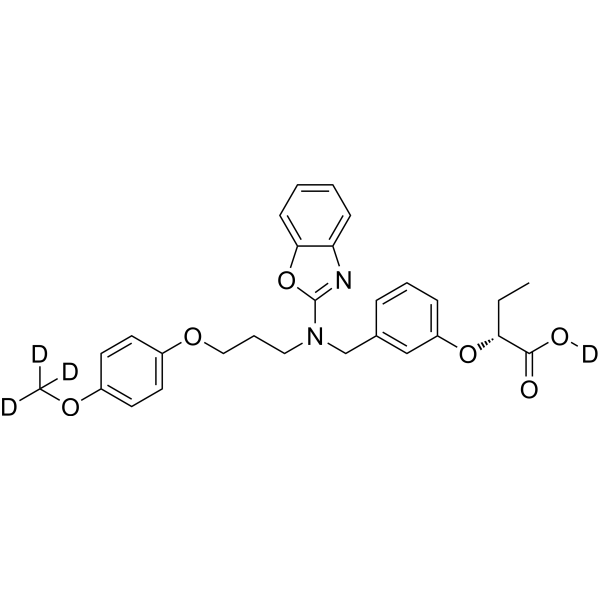
-
- HY-107542R
-
|
N-Oleoylethanolamide (Standard); Oleamide MEA (Standard); Oleic acid monoethanolamide (Standard)
|
Reference Standards
Endogenous Metabolite
PPAR
|
Cardiovascular Disease
Metabolic Disease
|
|
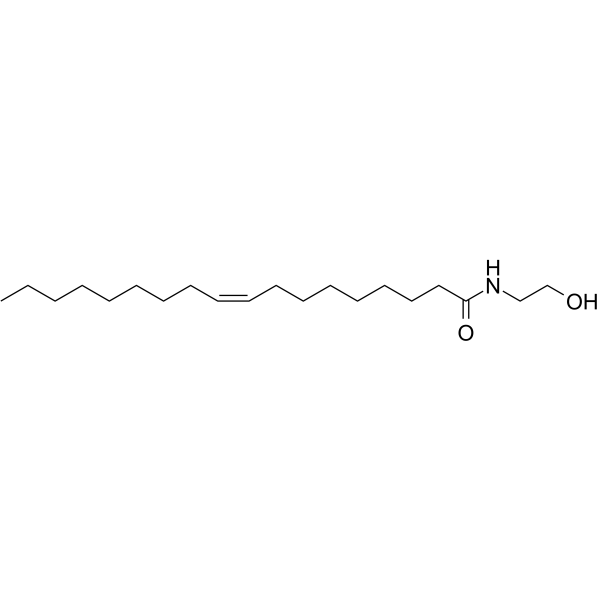
Oleoylethanolamide (Standard) is the analytical standard of Oleoylethanolamide. This product is intended for research and analytical applications. Oleoylethanolamide is a high affinity endogenous PPAR-α agonist, which plays an important role in the treatment of obesity and arteriosclerosis.
|
-

-
- HY-113820
-
|
|
PPAR
|
Metabolic Disease
|
|
AZD4619 is an orally active, selective peroxisome proliferator-activated receptor α (PPARα) agonist. AZD4619 increases alanine aminotransferase 1 (ALT1) protein expression in a dose-dependent manner in human, but not in rat primary hepatocytes. AZD4619 is a lipid-lowering drug .
|
-

-
- HY-N9768
-
|
9-oxo-ODA
|
Fungal
PPAR
|
Infection
|
|
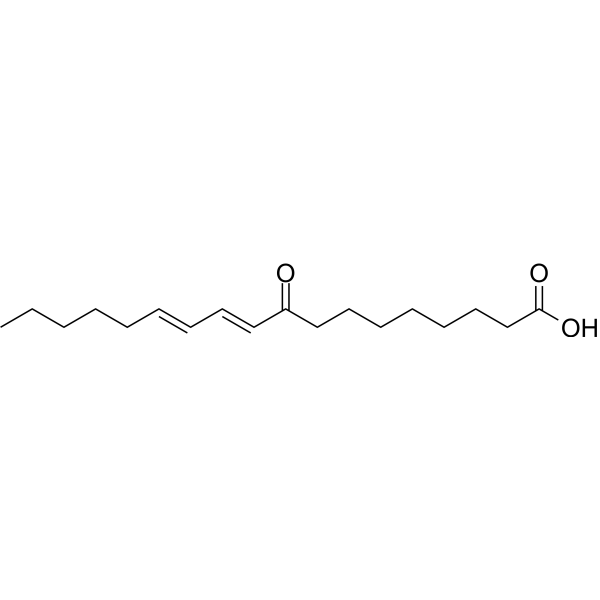
(10E,12E)-9-Oxo-10,12-octadecadienoic acid (9-oxo-ODA) is a PPARα agonist that can be isolated from the basidiomycete Gomphus floccosus. (10E,12E)-9-Oxo-10,12-octadecadienoic acid enhances fatty acid oxidation through PPARα activation, thereby inhibiting triglyceride accumulation. (10E,12E)-9-Oxo-10,12-octadecadienoic acid also has antifungal (Fungal) activity .
|
-
-
- HY-176971
-
-

-
- HY-159146
-
-

-
- HY-163862
-
-

-
- HY-173217
-
|
|
PPAR
Phosphatase
|
Cardiovascular Disease
Metabolic Disease
|
|
PPARα agonist 5 is an orally available, selective partial agonist of PPARα (EC50: 3 nM). PPARα agonist 5 reduces lipid accumulation and upregulates key PPARα target genes, exerting anti-fatty liver effects. PPARα agonist 5 also exhibits significant hypolipidemic and hypoglycemic effects through partial PPARγ agonist activity and mild inhibition of protein tyrosine phosphatase 1B (PTP1B) (IC50: 79.1 μM). PPARα agonist 5 has a good safety profile and can be used in the study of type 2 diabetes with dyslipidemia .
|
-

-
- HY-146733
-
-
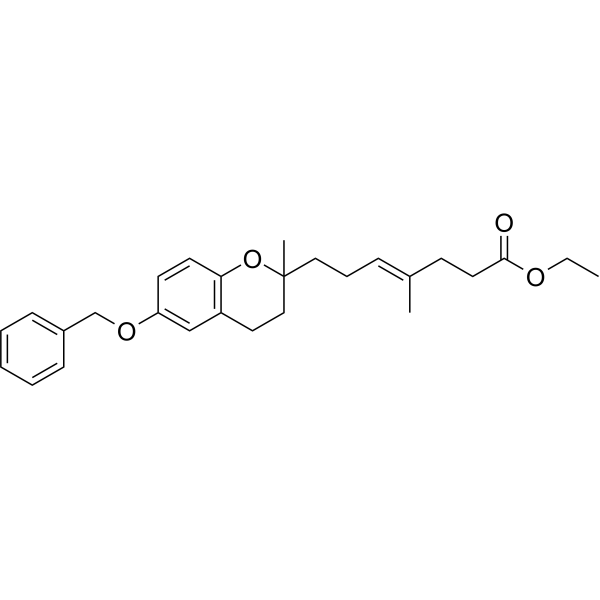
-
- HY-U00014
-
|
|
PPAR
|
Metabolic Disease
|
|
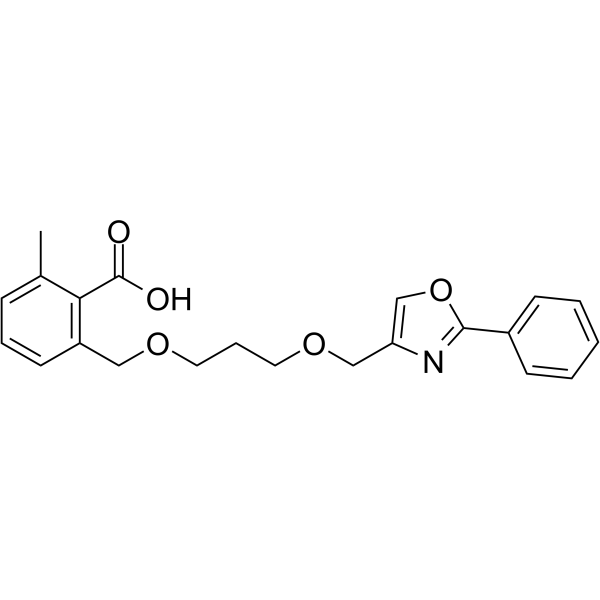
AVE-8134 is a potent PPARα agonist, with EC50 values of 100 and 3000 nM for human and rodent PPARα receptor, respectively.
|
-
-
- HY-N6807S
-
-
-
- HY-156977
-
|
|
PPAR
|
Cardiovascular Disease
|
|
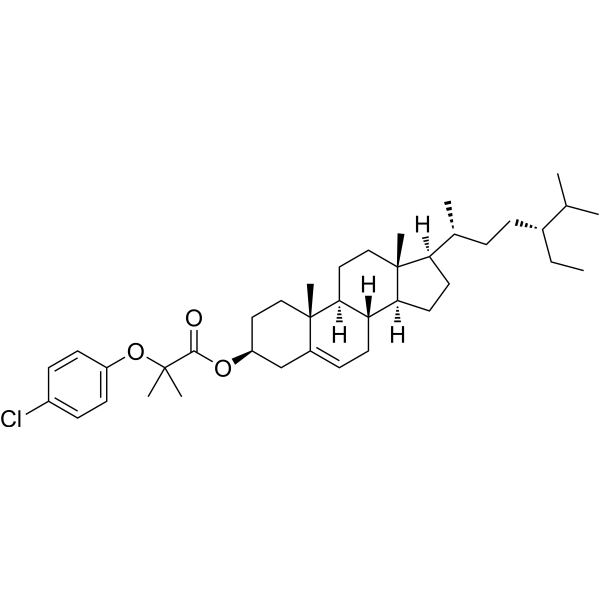
Sitofibrate is a Clofibrate (HY-B0287) derivative. Sitofibrate is aperoxisome proliferator activated receptor-α (PPAR-α) agonist. Sitofibrate is an antihyperlipidemic agent .
|
-
-
- HY-117196
-
-
-
- HY-N0783R
-
-
-
- HY-107054
-
|
ETC-1001
|
PPAR
|
Cardiovascular Disease
|
|
ESP-31015 (ETC-1001) is an orally active and non-fibrate based PPARα agonists. ESP-31015 demonstrates significant lipid-regulating effects in the obese Zucker rat model. ESP-31015 can be used in cardiovascular disease research .
|
-

-
- HY-19425
-
|
|
PPAR
|
Metabolic Disease
|
|
NS-220 is an orally active PPARα agonist with high subtype selectivity, with EC50 values of 1.9×10 -8 M, 9.6×10 -6 M and >10 -4 M for PPARα, PPAR γ and PPARδ, respectively. NS-220 is used in the research for hyperlipidemia or metabolic disorders in type-2 diabetes .
|
-

-
- HY-17356G
-
|
|
Cytochrome P450
PPAR
Autophagy
|
Cardiovascular Disease
|
|
Fenofibrate (GMP) is Fenofibrate (HY-17356) produced by using GMP guidelines. GMP small molecules work appropriately as an auxiliary reagent for cell therapy manufacture. Fenofibrate is a selective PPARα agonist with an EC50 of 30 μM. Fenofibrate also inhibits human cytochrome P450 isoforms, with IC50s of 0.2, 0.7, 9.7, 4.8 and 142.1 μM for CYP2C19, CYP2B6, CYP2C9, CYP2C8, and CYP3A4, respectively.
|
-
-
- HY-17618R
-
|
(R)-K-13675 (Standard)
|
Reference Standards
PPAR
|
Inflammation/Immunology
|
|
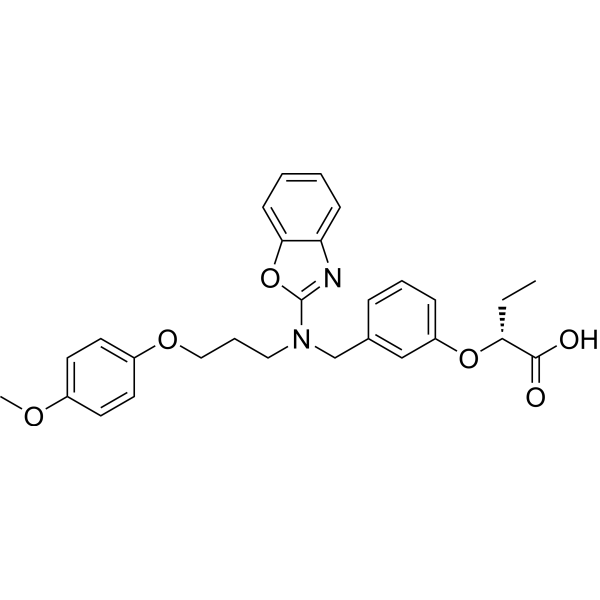
Pemafibrate (Standard) is the analytical standard of Pemafibrate. This product is intended for research and analytical applications. Pemafibrate is a highly selective PPARα agonist, with an EC50 of 1 nM.
|
-

-
- HY-117131
-
-

-
- HY-114700
-
|
|
PPAR
|
Metabolic Disease
Inflammation/Immunology
|
|
ZINC08438472 is a potent and selective peroxisome proliferator activated receptors-α (PPAR-α) agonist with an EC50 value of 12.1 nM. ZINC08438472 is promising for research of diabetes, hyperlipidaemia and inflammatory disorders .
|
-

-
- HY-106027
-
|
RO 31-3948
|
PPAR
|
Metabolic Disease
Inflammation/Immunology
|
|
Romazarit (RO 31-3948) is an anti-inflammatory agent with antirheumatic effect. Romazarit exhibits PPARα agonist activity. Romazarit (30 mg/kg) inhibits the development of hindpaw inflammation in an adjuvant arthritis model .
|
-

-
- HY-19418
-
|
|
PPAR
|
Others
|
|
KRP-101 is a compound that regulates the expression of genes related to lipid metabolism. It is a PPARα agonist that can highly sensitively regulate the expression of genes such as apolipoprotein A-IV, which may be related to lowering serum triglycerides and increasing HDL.
|
-

-
- HY-13861R
-
|
|
PPAR
|
Cardiovascular Disease
|
|
GW7647 (Standard) is the analytical standard of GW7647. This product is intended for research and analytical applications. GW7647 is a potent PPARα agonist, with EC50s of 6 nM, 1.1 μM, and 6.2 μM for human PPARα, PPARγ and PPARδ, respectively.
|
-

-
- HY-116699
-
|
|
PPAR
|
Neurological Disease
Metabolic Disease
Inflammation/Immunology
|
|
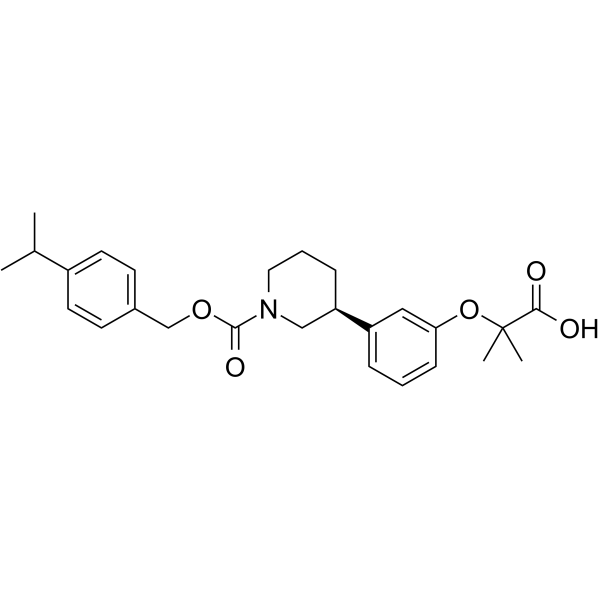
CP-868388 free base is a potent, selective and orally active PPARα agonist with a Ki value of 10.8 nM. CP-868388 free base has little or no affinity for PPARβ (Ki of 3.47 μM) and PPARγ. CP-868388 free base has hypolipidemic and anti-inflammatory actions .
|
-
-
- HY-120943
-
|
BM 17.0744
|
PPAR
|
Metabolic Disease
|
|
K-111 (BM-170744) is an oral active PPAR alpha agonist. K-111 show efficacy in improving insulin resistance, reducing body weight, and ameliorating atherogenic dyslipidemia. K-111 can be used for study of type 2 diabetes, dyslipidaemia, obesity and the metabolic syndrome .
|
-

-
- HY-165393
-
|
N-(9E)-9-Octadecen-1-ylsulfamide
|
PPAR
|
Metabolic Disease
|
|
Elaidyl-sulfamide (N-(9E)-9-Octadecen-1-ylsulfamide) is a PPARα agonist. Elaidyl-sulfamide reduces body weight gain and food intake and reduces circulating cholesterol levels and increases both glucose and insulin levels. Elaidyl-sulfamide has the potential for the research of complicated obesity .
|
-

-
- HY-139230
-
|
|
Cannabinoid Receptor
PPAR
|
Metabolic Disease
|
|
OLHHA is a dual CB1 receptor antagonist and PPARα agonist. OLHHA also is a alcohol intake inhibitor with an EC50 value of 0.2 mg/kg. OLHHA reduces both hepatic lipid accumulation and circulating triglyceride levels. OLHHA shows anti-steatotic activity and has the potential for the research of non-alcoholic fatty liver disease (NAFLD) .
|
-
-
- HY-128135
-
|
|
PPAR
|
Inflammation/Immunology
|
|
MHY 553 is a PPARα agonist that is effective when taken orally. MHY 553 helps alleviate liver fat accumulation by increasing fatty acid oxidation and reducing inflammation during the aging process. MHY 553 inhibits the accumulation of triglycerides induced by liver X receptor agonists in HepG2 cells. MHY 553 significantly suppresses the expression of inflammatory mRNA in aging rats .
|
-

-
- HY-106278A
-
|
|
PPAR
|
Metabolic Disease
|
|
GW 590735 sodium is a potent and selective PPARα agonist with activity in regulating lipid metabolism. GW 590735 significantly increased high-density lipoprotein (HDL) cholesterol, decreased low-density lipoprotein (LDL) and very low-density lipoprotein (VLDL) cholesterol, and significantly reduced triglycerides. The maximum increases in HDL cholesterol for GW 590735 were 37%, 53% and 84%, respectively, compared with bezafibrate, torcetrapib and GW 590735 .
|
-

-
- HY-17356S2
-
-

-
- HY-17356S1
-
|
|
PPAR
Autophagy
Cytochrome P450
|
Cardiovascular Disease
|
|
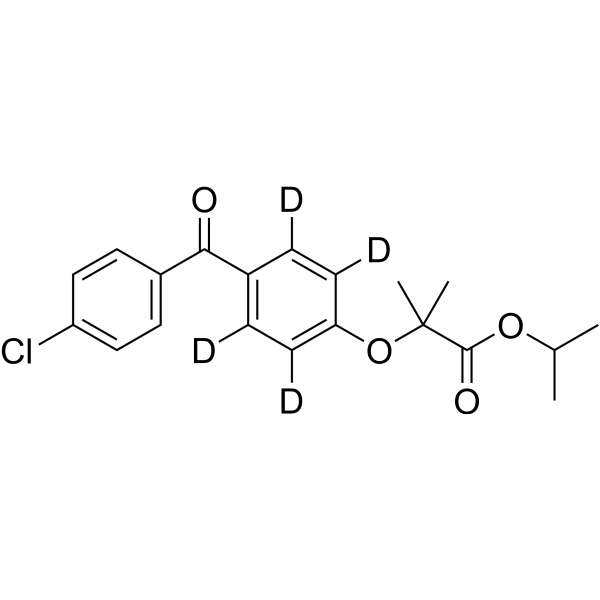
Fenofibrate-d4 is the deuterium labeled Fenofibrate . Fenofibrate is a selective PPARα agonist with an EC50 of 30 μM. Fenofibrate also inhibits human cytochrome P450 isoforms, with IC50s of 0.2, 0.7, 9.7, 4.8 and 142.1 μM for CYP2C19, CYP2B6, CYP2C9, CYP2C8, and CYP3A4, respectively .
|
-
- HY-B1415R
-
|
Chlorofibrinic acid (Standard)
|
Reference Standards
PPAR
Bacterial
SOD
|
Infection
Metabolic Disease
Cancer
|
|
Clofibric acid (Standard) is the analytical standard of Clofibric acid (HY-B1415). This product is intended for research and analytical applications. Clofibric acid (Chlorofibrinic acid) is an orally active PPARα agonist. Clofibric acid inhibits the fimbriation of Escherichia coli. Clofibric acid increases SOD activity. Clofibric acid lowers blood lipids and prevents experimental pyelonephritis. Clofibric acid has anticancer activity against ovarian cancer. Clofibric acid is also a herbicide. Clofibric acid is used in ovarian cancer, liver cancer, obesity, and urinary tract infection research .
|
-
- HY-B1415S
-
|
Chlorofibrinic acid-d4
|
Isotope-Labeled Compounds
PPAR
Bacterial
SOD
|
Infection
Metabolic Disease
Cancer
|
|
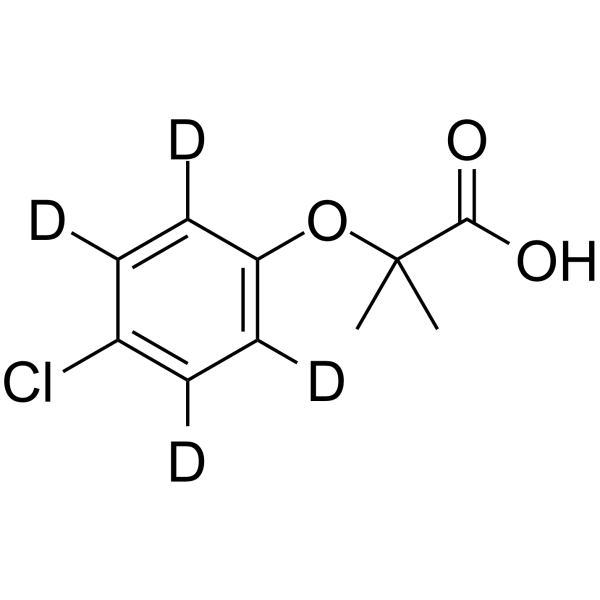
Clofibric acid-d4 is the deuterium labeled Clofibric acid (HY-B1415). Clofibric acid also is an herbicideClofibric acid (Chlorofibrinic acid) is an orally active PPARα agonist. Clofibric acid inhibits the fimbriation of Escherichia coli. Clofibric acid increases SOD activity. Clofibric acid lowers blood lipids and prevents experimental pyelonephritis. Clofibric acid has anticancer activity against ovarian cancer. Clofibric acid is also a herbicide. Clofibric acid is used in ovarian cancer, liver cancer, obesity, and urinary tract infection research .
|
-
- HY-176029
-
|
NAPE(16:0/16:0/18:1); N-Oleoyl-1,2-dipalmitoyl-3-PE
|
Drug Intermediate
|
Neurological Disease
Inflammation/Immunology
|
|
N-Oleoyl-DPPE ammonium is an N-acylphosphatidylethanolamine (NAPE). N-Oleoyl-DPPE ammonium is a biosynthetic precursor of oleoylethanolamide (OEA), an endocannabinoid derivative and peroxisome proliferator-activated receptor α (PPARα) agonist. N-Oleoyl-DPPE ammonium can be used in the study of neuroinflammation and alcohol abuse .
|
-

- HY-181894
-
-

- HY-10678R
-
|
|
Reference Standards
PPAR
|
Cardiovascular Disease
|
|
BMS-687453 (Standard) is the analytical standard of BMS-687453 (HY-10678). This product is intended for research and analytical applications. BMS-687453 is a potent and selective PPARα agonist, with an EC50 and IC50 of 10 nM and 260 nM for human PPARα and 4100 nM and >15000 nM for PPARγ in PPAR-GAL4 transactivation assays.
|
-

- HY-179591
-
|
326E
|
ATP Citrate Lyase
PPAR
|
Metabolic Disease
|
|
BGT-002 (326E) is an orally active dual ACLY inhibitor and PPARα agonist. BGT-002 reduces lipogenesis by inhibiting synthesis and promoting efflux. BGT-002 demonstrates efficacy in ameliorating metabolic dysfunction-associated steatohepatitis (MASH) and improving hyperlipidemia in vivo. BGT-002 can be used for hypercholesterolemia and MASH research .
|
-

- HY-106278R
-
|
|
Reference Standards
PPAR
|
Metabolic Disease
|
|
GW 590735 (Standard) is the analytical standard of GW 590735 (HY-106278). This product is intended for research and analytical applications. GW 590735 is a potent and selective PPARα agonist. GW 590735 showsEC50=4 nM on PPARα and at least 500-fold selectivity versus PPARδ and PPARγ. GW 590735 can be used for the research of dyslipidemia .
|
-

| Cat. No. |
Product Name |
Type |
-
- HY-17356G
-
|
|
Fluorescent Dyes
|
|
Fenofibrate (GMP) is Fenofibrate (HY-17356) produced by using GMP guidelines. GMP small molecules work appropriately as an auxiliary reagent for cell therapy manufacture. Fenofibrate is a selective PPARα agonist with an EC50 of 30 μM. Fenofibrate also inhibits human cytochrome P450 isoforms, with IC50s of 0.2, 0.7, 9.7, 4.8 and 142.1 μM for CYP2C19, CYP2B6, CYP2C9, CYP2C8, and CYP3A4, respectively.
|
| Cat. No. |
Product Name |
Type |
-
- HY-17356G
-
|
|
Biochemical Assay Reagents
|
|
Fenofibrate (GMP) is Fenofibrate (HY-17356) produced by using GMP guidelines. GMP small molecules work appropriately as an auxiliary reagent for cell therapy manufacture. Fenofibrate is a selective PPARα agonist with an EC50 of 30 μM. Fenofibrate also inhibits human cytochrome P450 isoforms, with IC50s of 0.2, 0.7, 9.7, 4.8 and 142.1 μM for CYP2C19, CYP2B6, CYP2C9, CYP2C8, and CYP3A4, respectively.
|
| Cat. No. |
Product Name |
Category |
Target |
Chemical Structure |
-
- HY-107542
-
-
-
- HY-N0783
-
-
-
- HY-N1990
-
|
|
Cardiovascular Disease
Triterpenes
Structural Classification
Classification of Application Fields
Terpenoids
Cucurbitaceae
Plants
Gynostemma pentaphyllum (Thunb.) Makino
Disease Research Fields
Source Classification
|
PPAR
Sirtuin
Keap1-Nrf2
Toll-like Receptor (TLR)
NF-κB
Reactive Oxygen Species (ROS)
NOD-like Receptor (NLR)
Apoptosis
Pyroptosis
Autophagy
|
|
Gypenoside XLIX is a multifunctional bioactive compound that can be isolated from Gynostemma pentaphyllum, with a Ka value of 1.58 μM for its binding to SIRT1. Gypenoside XLIX acts as a PPAR-α agonist. It inhibits the activation of TLR4-mediated NF-κB signaling pathway by activating the Sirt1/Nrf2 signaling pathway, reduces ROS accumulation, and alleviates hepatic inflammatory injury in mice with sepsis-induced liver disease. Gypenoside XLIX targets SIRT1 to block YAP-NLRP3 activation and improve sepsis-induced cardiomyopathy. Gypenoside XLIX inhibits apoptosis (Apoptosis), pyroptosis (Pyroptosis), autophagy (Autophagy), lipid peroxidation, pro-inflammatory cytokines and anti-inflammatory cytokines. Gypenoside XLIX alleviates sepsis-induced splenic injury by inhibiting inflammation and oxidative stress, and mitigates sepsis-associated encephalopathy by targeting PPAR-α. Gypenoside XLIX prevents acute kidney injury by inhibiting IGFBP7/IGF1R-mediated programmed cell death and inflammation. Gypenoside XLIX inhibits the expression and activity of vascular cell adhesion molecule-1 in cytokine-induced human endothelial cells. Gypenoside XLIX is applicable to research related to acute liver injury, lung injury, cardiomyopathy, acute splenic injury, sepsis-associated encephalopathy, acute kidney injury, atherosclerosis and chronic inflammation .
|
-
-
- HY-107542R
-
-
-
- HY-N9768
-
|
9-oxo-ODA
|
Microorganisms
Ketones, Aldehydes, Acids
Source Classification
|
Fungal
PPAR
|
|
(10E,12E)-9-Oxo-10,12-octadecadienoic acid (9-oxo-ODA) is a PPARα agonist that can be isolated from the basidiomycete Gomphus floccosus. (10E,12E)-9-Oxo-10,12-octadecadienoic acid enhances fatty acid oxidation through PPARα activation, thereby inhibiting triglyceride accumulation. (10E,12E)-9-Oxo-10,12-octadecadienoic acid also has antifungal (Fungal) activity .
|
-
-
- HY-N0783R
-
-
| Cat. No. |
Product Name |
Chemical Structure |
-
- HY-17356S
-
|
|
|
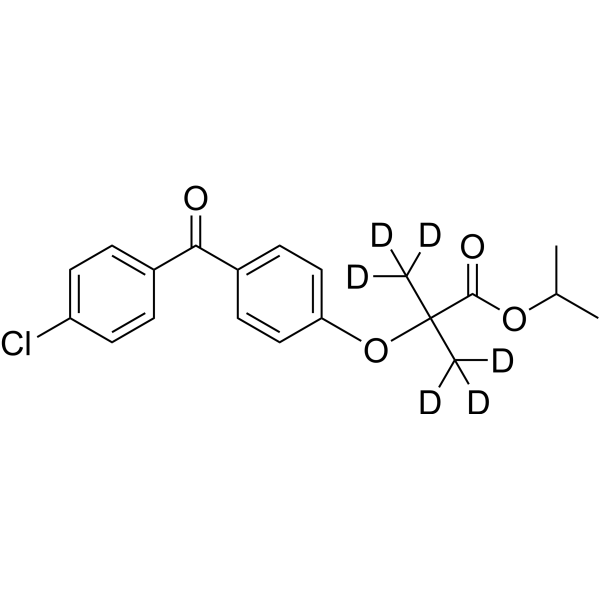
Fenofibrate-d6 is the deuterium labeled Fenofibrate. Fenofibrate is a selective PPARα agonist with an EC50 of 30 μM. Fenofibrate also inhibits human cytochrome P450 isoforms, with IC50s of 0.2, 0.7, 9.7, 4.8 and 142.1 μM for CYP2C19, CYP2B6, CYP2C9, CYP2C8, and CYP3A4, respectively.
|
-
-
- HY-107542S
-
|
|
|
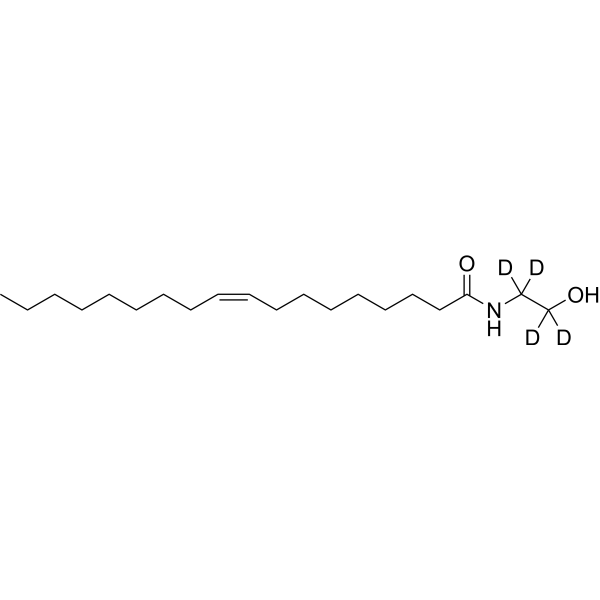
Oleoylethanolamide-d4 is the deuterium labeled Oleoylethanolamide. Oleoylethanolamide is a high affinity endogenous PPAR-α agonist, which plays an important role in the treatment of obesity and arteriosclerosis.
|
-
-
- HY-107542S2
-
|
|
|
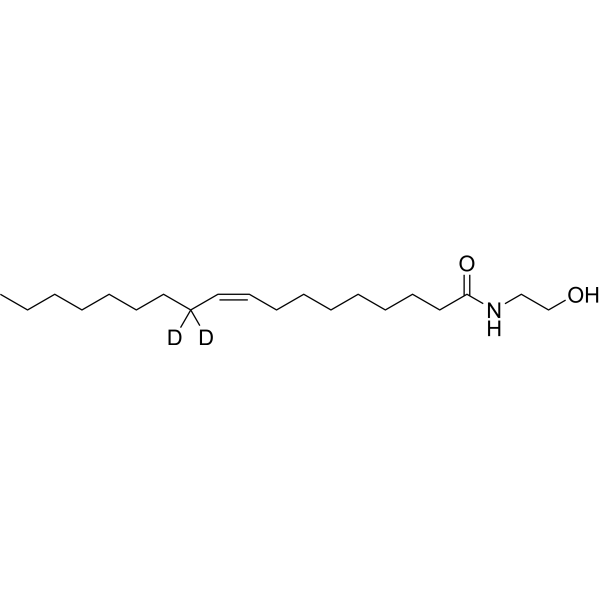
Oleoylethanolamide-d2 is the deuterium labeled Oleoylethanolamide. Oleoylethanolamide is a high affinity endogenous PPAR-α agonist, which plays an important role in the treatment of obesity and arteriosclerosis.
|
-
-
- HY-17618S
-
|
|
|
Pemafibrate-d4 is deuterated labeled Pemafibrate (HY-17618). Pemafibrate is a highly selective PPARα agonist, with an EC50 of 1 nM.
|
-
-
- HY-N6807S
-
|
|
|
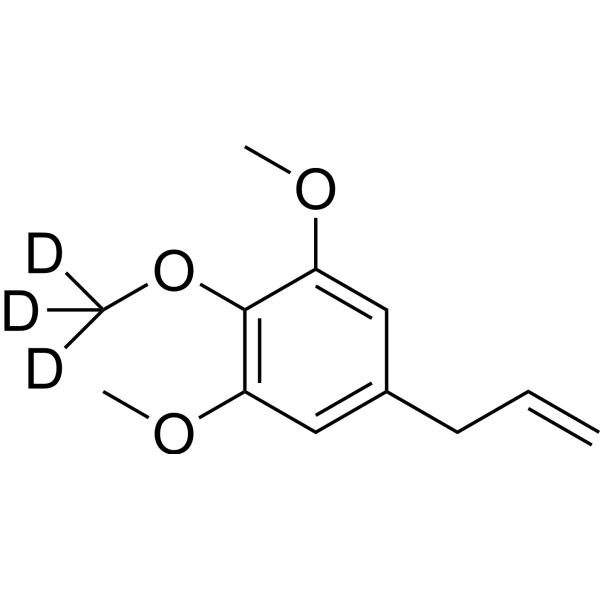
Elemicin-d3 is deuterated labeled Pemafibrate (HY-17618). Pemafibrate is a highly selective PPARα agonist, with an EC50 of 1 nM.
|
-
-
- HY-17356S2
-
|
|
|
Fenofibrate-13C6 is a deuterated labeled Fenofibrate . Fenofibrate is a selective PPARα agonist with an EC50 of 30 μM. Fenofibrate also inhibits human cytochrome P450 isoforms, with IC50s of 0.2, 0.7, 9.7, 4.8 and 142.1 μM for CYP2C19, CYP2B6, CYP2C9, CYP2C8, and CYP3A4, respectively.
|
-
-
- HY-17356S1
-
|
|
|
Fenofibrate-d4 is the deuterium labeled Fenofibrate . Fenofibrate is a selective PPARα agonist with an EC50 of 30 μM. Fenofibrate also inhibits human cytochrome P450 isoforms, with IC50s of 0.2, 0.7, 9.7, 4.8 and 142.1 μM for CYP2C19, CYP2B6, CYP2C9, CYP2C8, and CYP3A4, respectively .
|
-
-
- HY-B1415S
-
|
|
|
Clofibric acid-d4 is the deuterium labeled Clofibric acid (HY-B1415). Clofibric acid also is an herbicideClofibric acid (Chlorofibrinic acid) is an orally active PPARα agonist. Clofibric acid inhibits the fimbriation of Escherichia coli. Clofibric acid increases SOD activity. Clofibric acid lowers blood lipids and prevents experimental pyelonephritis. Clofibric acid has anticancer activity against ovarian cancer. Clofibric acid is also a herbicide. Clofibric acid is used in ovarian cancer, liver cancer, obesity, and urinary tract infection research .
|
-
| Cat. No. |
Product Name |
Target |
Research Areas |
Chemical Structure |
-
- HY-17356G
-
|
|
Cytochrome P450
PPAR
Autophagy
|
Cardiovascular Disease
|
|
Fenofibrate (GMP) is Fenofibrate (HY-17356) produced by using GMP guidelines. GMP small molecules work appropriately as an auxiliary reagent for cell therapy manufacture. Fenofibrate is a selective PPARα agonist with an EC50 of 30 μM. Fenofibrate also inhibits human cytochrome P450 isoforms, with IC50s of 0.2, 0.7, 9.7, 4.8 and 142.1 μM for CYP2C19, CYP2B6, CYP2C9, CYP2C8, and CYP3A4, respectively.
|
-
Your information is safe with us. * Required Fields.
Inquiry Information
- Product Name:
- Cat. No.:
- Quantity:
- MCE Japan Authorized Agent:








