Search Result
Results for "
Pyrimidine derivatives
" in MedChemExpress (MCE) Product Catalog:
3
Biochemical Assay Reagents
20
Isotope-Labeled Compounds
| Cat. No. |
Product Name |
Target |
Research Areas |
Chemical Structure |
-
- HY-Y1055
-
Guanine
3 Publications Verification
|
DNA/RNA Synthesis
Endogenous Metabolite
|
Infection
Neurological Disease
Cancer
|
|
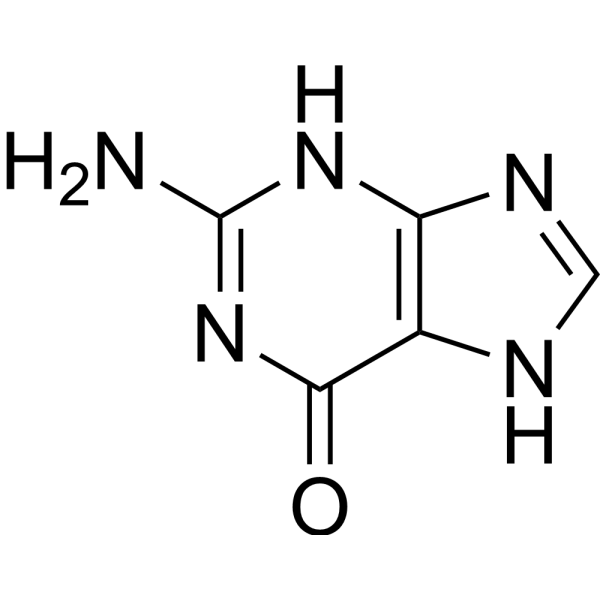
Guanine is one of the fundamental components of nucleic acids (DNA and RNA). Guanine is a purine derivative, consisting of a fused pyrimidine-imidazole ring system with conjugated double bonds. Guanine has the potential to serve as a large-capacity N pool. Guanine has cytotoxic, antinociceptive and neuroprotective effects .
|
-
-
- HY-124719
-
|
|
PI3K
mTOR
GSK-3
CDK
|
Cancer
|
|
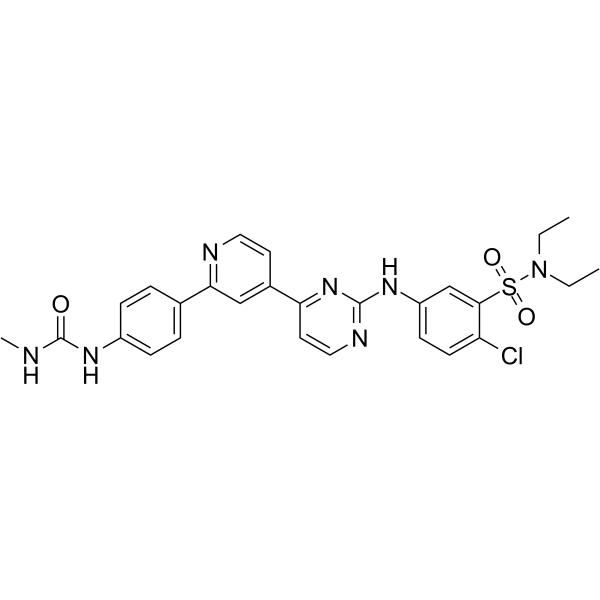
hSMG-1 inhibitor 11j, a pyrimidine derivative, is a potent and selective inhibitor of hSMG-1, with an IC50 of 0.11 nM. hSMG-1 inhibitor 11j exhibits >455-fold selectivity for hSMG-1 over mTOR (IC50=50 nM), PI3Kα/γ (IC50=92/60 nM) and CDK1/CDK2 (IC50=32/7.1 μM). hSMG-1 inhibitor 11j can be used for the research of cancer .
|
-
-
- HY-I0960
-
Uracil
4 Publications Verification
|
Endogenous Metabolite
Drug Derivative
|
Infection
Cancer
|
|
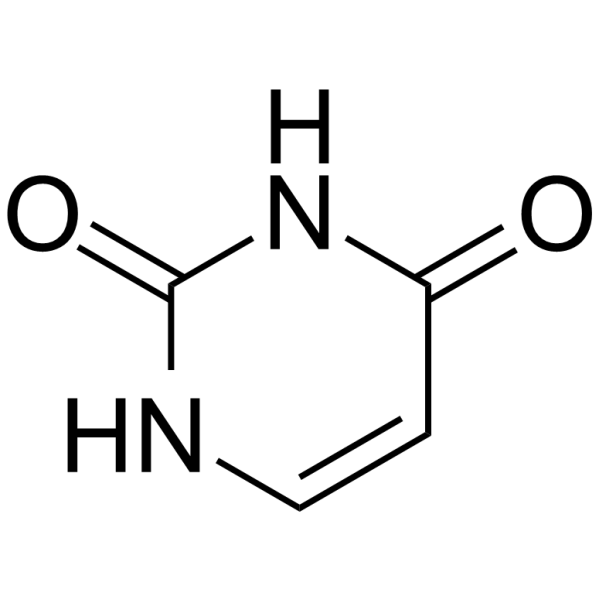
Uracil is a pyrimidine derivative and one of the four nucleobases in the nucleic acid of RNA. Uracil is a frequently occurring DNA base damage that results from the spontaneous or chemically induced deamination of cytosine and is mutagenic at the level of replication. Uracil could potentially alter transcriptional fidelity, resulting in production of mutant proteins .
|
-
-
- HY-134772
-
|
|
STAT
Cytochrome P450
|
Inflammation/Immunology
|
|
AS1810722 is an orally active and potent STAT6 inhibitor with an IC50 of 1.9 nM. AS1810722 shows a good profile of CYP3A4 inhibition. AS1810722, a derivative of fused bicyclic pyrimidine, has the potential for allergic diseases such as asthma and atopic diseases research .
|
-
-
- HY-137265
-
|
|
Flavivirus
|
Infection
|
|
Aminomethyltrioxsalen hydrochloride is a psoralen derivative and nucleic acid intercalator. Aminomethyltrioxsalen hydrochloride can penetrate intact cells and react with nucleic acid secondary structures in vivo without disrupting the tissue structure of natural nucleoproteins. Aminomethyltrioxsalen hydrochloride inactivates viruses by crosslinking nucleic acid pyrimidine residues after exposure to UV-A radiation. Aminomethyltrioxsalen hydrochloride can be used in research related to dengue virus infection .
|
-
-
- HY-Y1298
-
|
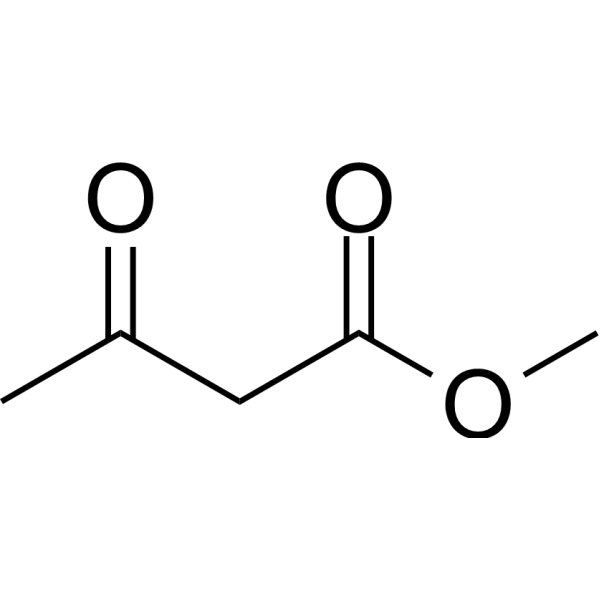
Acetoacetate methyl ester; Methyl 3-oxobutanoate; Methyl acetoacetate
|
Endogenous Metabolite
|
Metabolic Disease
Inflammation/Immunology
|
|
Methyl acetylacetate is a chemical reagent used in the synthesis of pharmaceuticals for the synthesis of α-substituted acetoacetate and cyclic compounds such as pyrazole, pyrimidine, and coumarin derivatives. Methyl acetoacetate can be used in the study of inflammatory diseases .
|
-
-
- HY-Y1055A
-
|
|
Endogenous Metabolite
DNA/RNA Synthesis
|
Infection
Neurological Disease
Cancer
|
|
Guanine hydrochloride is one of the fundamental components of nucleic acids (DNA and RNA). Guanine hydrochloride is a purine derivative, consisting of a fused pyrimidine-imidazole ring system with conjugated double bonds. Guanine hydrochloride has the potential to serve as a large-capacity N pool. Guanine hydrochloride has cytotoxic, antinociceptive and neuroprotective effects .
|
-
-
- HY-16182
-
|
|
Biochemical Assay Reagents
|
Others
|
|
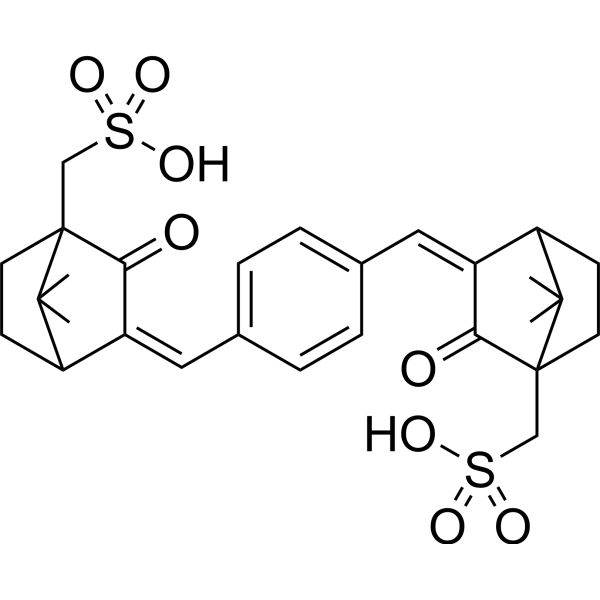
Ecamsule is a broad-spectrum UVA filter that can be used in sunscreen product. Ecamsule reduces biological damage caused by solar radiation such as pyrimidine dimer formation, p53 protein accumula-tion, or collagenase 2 expression. Ecamsule has the potential for the research of polymorphous light eruption (PMLE) .
|
-
-
- HY-Y1078
-
|
N-Dimethoxymethyl-N,N-dimethylamine
|
Biochemical Assay Reagents
|
Others
|
|
DMF-DMA (N-Dimethoxymethyl-N,N-dimethylamine) is a reagent with both condensation and alkylation functions. DMF-DMA can undergo condensation reactions with active methylene groups or amino groups to generate enamine and imino derivatives, and can also act as an alkylating agent to methylate nitrogen and oxygen atoms in heterocyclic structures. DMF-DMA is widely used in the synthesis of enaminones and dimethylamino imine intermediates, as well as in the construction of heterocyclic backbones such as pyridine, pyrimidine and pyrazole. DMF-DMA can also serve as a polar aprotic co-solvent; although DMF-DMA cannot dissolve cellulose alone, it can form an efficient cellulose dissolution system with diallylimidazolium methoxyacetate .
|
-
-
- HY-Y0519
-
|
|
Endogenous Metabolite
|
Neurological Disease
Cancer
|
|
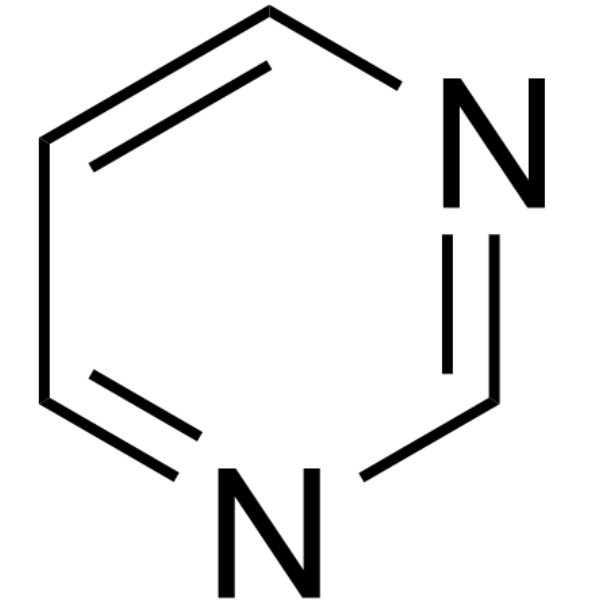
Pyrimidine is a nitrogen-containing heterocyclic compound and endogenous metabolite. Pyrimidine derivatives can be used in pancreatic cancer, triple-negative breast cancer, colon carcinoma and neuron research .
|
-
-
- HY-126061
-
|
|
Biochemical Assay Reagents
Drug Metabolite
|
Others
|
|
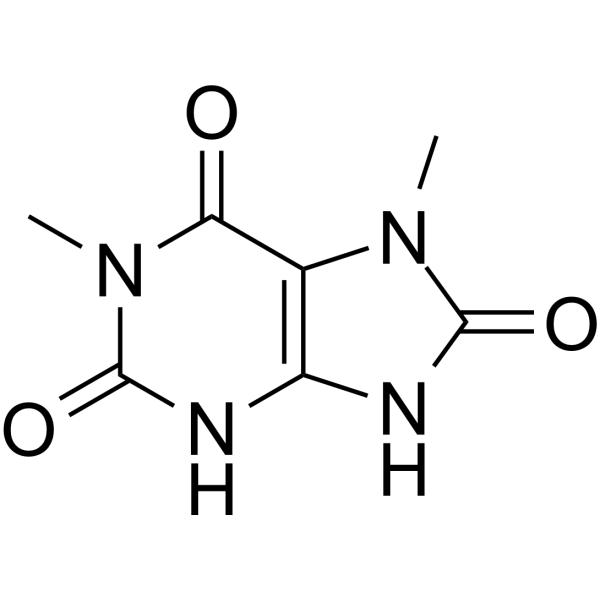
1,7-Dimethyluric acid is an N-methylated uric acid and purine derivative, as well as a caffeine metabolite. When 1,7-Dimethyluric acid is acted upon by peroxidase in the presence of H2O2, it follows the same oxidation pathway to generate a UV-absorbing intermediate, which decays via first-order kinetics. 1,7-Dimethyluric acid can adsorb onto pyrolytic graphite electrodes, but not onto glassy carbon electrodes or platinum electrodes. The N-methylation modification of its pyrimidine ring prevents ring contraction of the diol intermediate, and no NMR evidence of O-alkylation is observed during propylation under the test conditions .
|
-
-
- HY-W003486
-
|
|
Phosphodiesterase (PDE)
|
Neurological Disease
Cancer
|
|
5,7-Dichloropyrazolo[1,5-a]pyrimidine is a PDE10A inhibitor with a Ki of 24 μM. 5,7-Dichloropyrazolo[1,5-a]pyrimidine serves as a key intermediate in the synthesis of 5,7-disubstituted pyrazolo[1,5-a]pyrimidine derivatives (HIV-1 non-nucleoside reverse transcriptase inhibitors). 5,7-Dichloropyrazolo[1,5-a]pyrimidine can be used for the research of schizophrenia .
|
-
-
- HY-126297
-
|
|
c-Fms
|
Inflammation/Immunology
Cancer
|
|
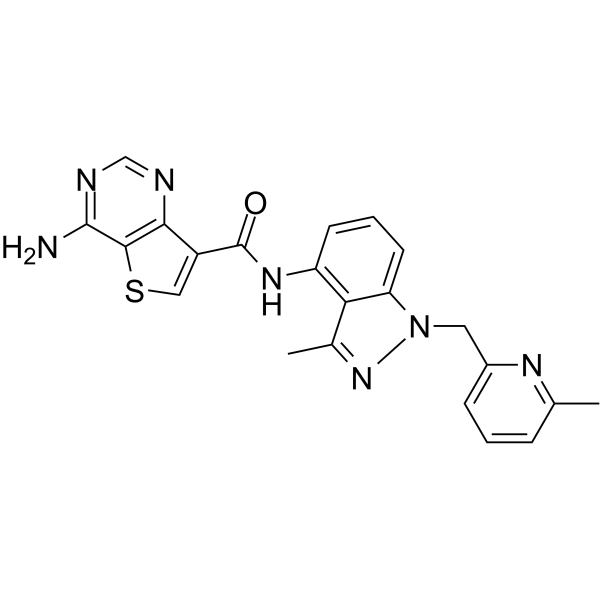
c-Fms-IN-10 is the derivative of thieno [3,2-d] pyrimidine, an kinase inhibitor of FMS (Colony stimulating factor-1 receptor, CSF-1R) with IC50 of 2 nM.
c-Fms-IN-10 has anti-tumor activity .
|
-
-
- HY-16182A
-
|
|
Biochemical Assay Reagents
|
Others
|
|
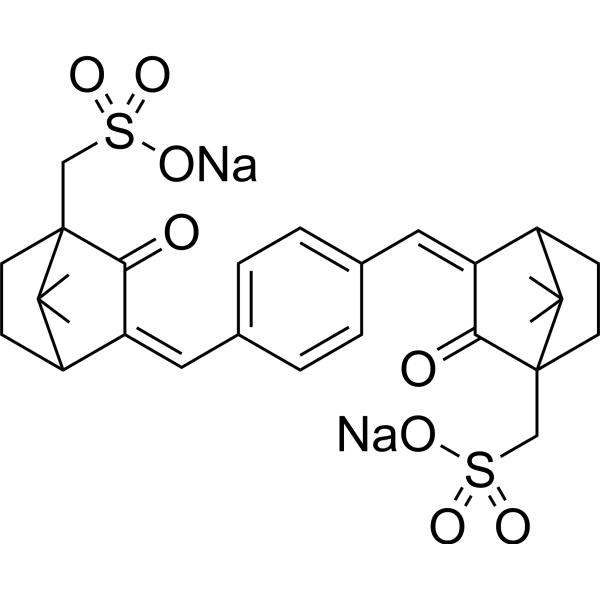
Ecamsule disodium is a broad-spectrum UVA filter that can be used in sunscreen product. Ecamsule reduces biological damage caused by solar radiation such as pyrimidine dimer formation, p53 protein accumula-tion, or collagenase 2 expression .
|
-
-
- HY-W013403
-
|
|
IFNAR
|
Infection
|
|
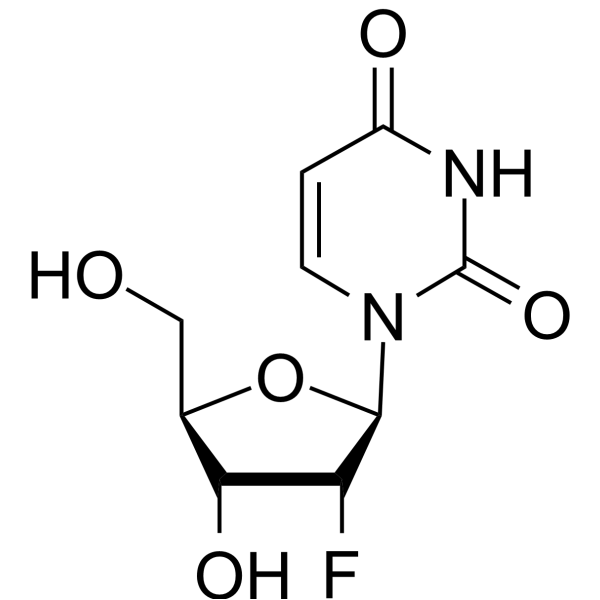
2'-Deoxy-2'-fluorouridine is a derivative of the pyrimidine nucleoside uridine. 2'-Deoxy-2'-fluorouridine is a nucleoside analog that inhibits the replication of wild-type viruses by binding to the viral RNA. Hepatitis C polyU/UC RNA strands containing 2'-Deoxy-2'-fluorouridine, bind to RIG-I but do not activate RIG-I signaling in a reporter assay using Huh7 cells. 2'-Deoxy-2'-fluorouridine also has been used as a starting material in the synthesis of respiratory syncytial virus (RSV) polymerase inhibitors. 2'-Deoxy-2'-fluorouridine can incorporate into DNA and RNA in rat and woodchuck model upon administration. 2'-Deoxy-2'-fluorouridine can be studied in anti-viral research .
|
-
-
- HY-16398
-
|
|
DNA Alkylator/Crosslinker
DNA/RNA Synthesis
|
Cancer
|
|
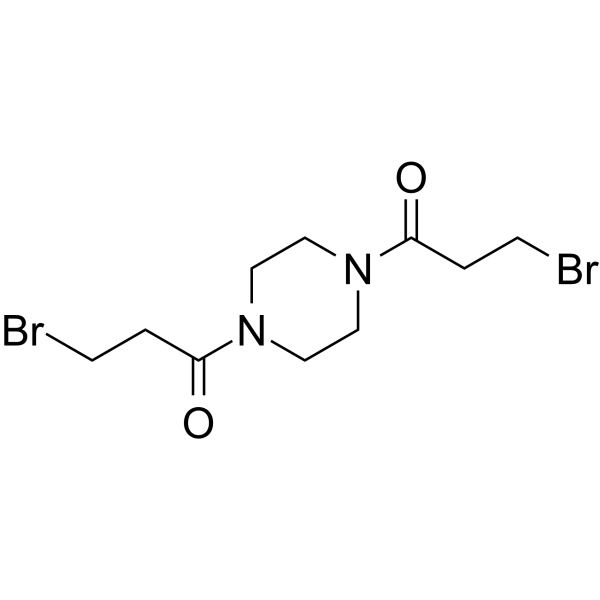
Pipobroman is a bromide derivative of piperazine and acts as an alkylating agent. Pipobroman plays its role by inhibiting DNA and RNA polymerase or by reducing pyrimidine nucleotide incorporation into DNA. Pipobroman can be used for the cancer research, including polycythemia vera, myeloproliferative neoplasm, and AML et.al .
|
-
-
- HY-I0960S4
-
|
|
Endogenous Metabolite
|
Cancer
|
|
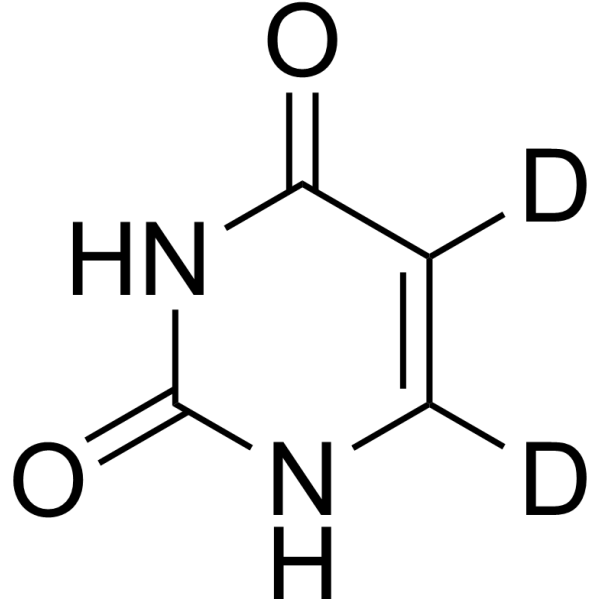
Uracil-d2 is the deuterium labeled Uracil . Uracil is a common and naturally occurring pyrimidine derivative and one of the four nucleobases in the nucleic acid of RNA .
|
-
-
- HY-Y1055S3
-
|
|
Isotope-Labeled Compounds
DNA/RNA Synthesis
Endogenous Metabolite
|
Neurological Disease
Cancer
|
|
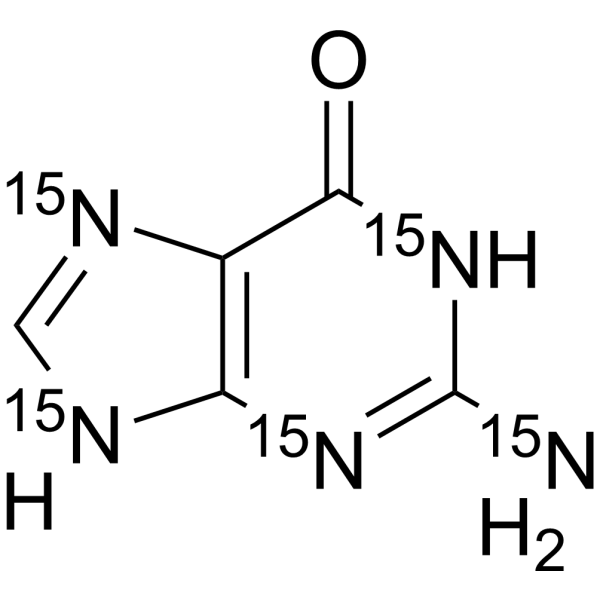
Guanine- 15N5 is 15N labeled Guanine (HY-Y1055). Guanine is one of the fundamental components of nucleic acids (DNA and RNA). Guanine is a purine derivative, consisting of a fused pyrimidine-imidazole ring system with conjugated double bonds. Guanine has the potential to serve as a large-capacity N pool. Guanine has cytotoxic, antinociceptive and neuroprotective effects .
|
-
-
- HY-Y1055S
-
|
|
DNA/RNA Synthesis
Endogenous Metabolite
|
Neurological Disease
Cancer
|
|
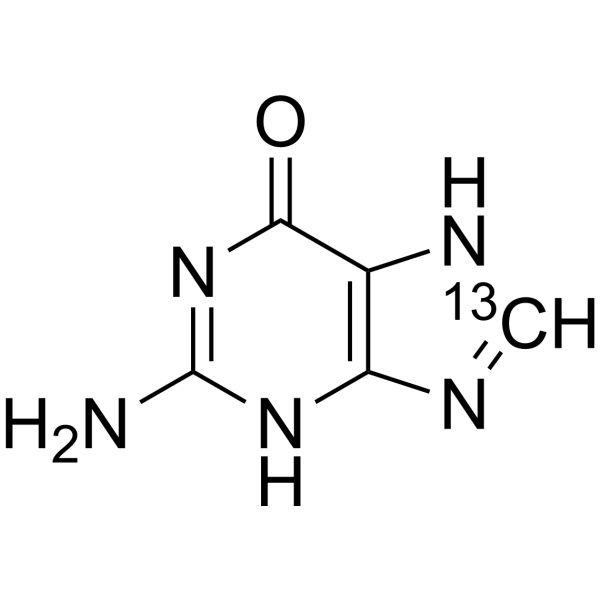
Guanine- 13C is the 13C labeled Guanine (HY-Y1055) . Guanine is one of the fundamental components of nucleic acids (DNA and RNA). Guanine is a purine derivative, consisting of a fused pyrimidine-imidazole ring system with conjugated double bonds. Guanine has the potential to serve as a large-capacity N pool. Guanine has cytotoxic, antinociceptive and neuroprotective effects .
|
-
-
- HY-Y1055R
-
|
|
Reference Standards
DNA/RNA Synthesis
Endogenous Metabolite
|
Neurological Disease
Cancer
|
|
Guanine (Standard) is the analytical standard of Guanine (HY-Y1055). This product is intended for research and analytical applications. Guanine is one of the fundamental components of nucleic acids (DNA and RNA). Guanine is a purine derivative, consisting of a fused pyrimidine-imidazole ring system with conjugated double bonds. Guanine has the potential to serve as a large-capacity N pool. Guanine has cytotoxic, antinociceptive and neuroprotective effects .
|
-
-
- HY-40181
-
|
|
Drug Intermediate
|
Infection
|
|
1-Boc-homopiperazine is a drug intermediate that can be used for the synthesis of bacterial FtsZ inhibitors .
|
-
-
- HY-42045
-
|
|
Drug Derivative
|
Others
|
|
Pyrimidine-5-boronic acid pinacol ester is a derivative of Boronic acid. Boronic acid is an intermediate commonly used in organic synthesis reactions and can be used as a key reagent in the Suzuki-Miyaura reaction. It generates organic free radicals through oxygen-mediated oxidation and exhibits potential mutagenic activity. Boronic acid is mainly used in research in the fields of drug synthesis and catalytic reactions. Pyrimidine-5-boronic acid pinacol ester serves as a building block in DNA-compatible one-pot click chemistry for synthesis of DNA-encoded libraries .
|
-
-
- HY-I0960S1
-
|
|
Endogenous Metabolite
|
Cancer
|
|
Uracil- 13C4 is the 13C labeled Uracil . Uracil is a common and naturally occurring pyrimidine derivative and one of the four nucleobases in the nucleic acid of RNA .
|
-
-
- HY-I0960R
-
|
|
Reference Standards
Endogenous Metabolite
|
Cancer
|
|
Uracil (Standard) is the analytical standard of Uracil. This product is intended for research and analytical applications. Uracil is a common and naturally occurring pyrimidine derivative and one of the four nucleobases in the nucleic acid of RNA.
|
-
-
- HY-I0960S9
-
|
|
Endogenous Metabolite
|
Cancer
|
|
Uracil-d4 is the deuterium labeled Uracil[1]. Uracil is a common and naturally occurring pyrimidine derivative and one of the four nucleobases in the nucleic acid of RNA[2].
|
-
-
- HY-Y1055S1
-
|
|
DNA/RNA Synthesis
Endogenous Metabolite
|
Neurological Disease
Cancer
|
|
Guanine- 13C, 15N2 is the 13C and 15N labeled Guanine (HY-Y1055) . Guanine is one of the fundamental components of nucleic acids (DNA and RNA). Guanine is a purine derivative, consisting of a fused pyrimidine-imidazole ring system with conjugated double bonds. Guanine has the potential to serve as a large-capacity N pool. Guanine has cytotoxic, antinociceptive and neuroprotective effects .
|
-
-
- HY-Y0519R
-
|
|
Reference Standards
Endogenous Metabolite
|
Metabolic Disease
|
|
Pyrimidine (Standard) is the analytical standard of Pyrimidine. This product is intended for research and analytical applications. Pyrimidine is a nitrogen-containing heterocyclic compound and endogenous metabolite. Pyrimidine derivatives can be used in pancreatic cancer, triple-negative breast cancer, colon carcinoma and neuron research .
|
-
-
- HY-I0960S6
-
|
|
Endogenous Metabolite
|
Cancer
|
|
Uracil-d2-1 is the deuterium labeled Uracil . Uracil is a common and naturally occurring pyrimidine derivative and one of the four nucleobases in the nucleic acid of RNA .
|
-
-
- HY-I0960S5
-
|
|
Endogenous Metabolite
|
Cancer
|
|
Uracil- 15N2 is the 15N labeled Uracil . Uracil is a common and naturally occurring pyrimidine derivative and one of the four nucleobases in the nucleic acid of RNA .
|
-
-
- HY-I0960S3
-
|
|
Endogenous Metabolite
|
Cancer
|
|
Uracil- 13C4, 15N2 is the 13C and 15N labeled Uracil . Uracil is a common and naturally occurring pyrimidine derivative and one of the four nucleobases in the nucleic acid of RNA .
|
-
-
- HY-149365
-
|
|
Salt-inducible Kinase (SIK)
|
Inflammation/Immunology
|
|
SIKs-IN-1 (compound 8h), a pyrimidine-5-carboxamide derivative, is a Salt-inducible kinases (SIKs) inhibitor. SIKs regulates the transformation of M1/M2 macrophages, involving in inflammation process. SIKs-IN-1 inhibits SIK activity, up-regulates anti-inflammatory cytokine IL-10, but down-regulates pro-inflammatory cytokine IL-12. SIKs-IN-1 shows excellent anti-inflammatory effects in a DSS-induced colitis model .
|
-
-
- HY-178728
-
|
|
PROTACs
Parasite
Dihydrofolate reductase (DHFR)
|
Infection
|
|
BION106 is a dihydrofolate reductasethymidylate synthase (DHFR-TS) PROTAC degrader. BION106 exhibits extremely strong anti-malarial activity with a Ki and toxicity of 2.68 nM and 0.2 μM against Plasmodium falciparum, and > 100 μM and 44.2 μM in mammalian cells. BION106 can be used for the study of antimalarial parasites (Blue: Idasanutlin ligand (HY-15676); Pink: DHFR-TS ligand (HY-153007); Black: Linker (HY-W021401)) .
|
-
-
- HY-I0960S
-
-
-
- HY-148832
-
|
|
Btk
|
Inflammation/Immunology
Cancer
|
|
BTK-IN-20 (compound 283) is a BTK tyrosine kinase inhibitor and a 1H-pyrazolo[3,4-d]pyrimidine derivative. BTK-IN-20 can be used for the research of cancer and inflammation .
|
-
-
- HY-164151
-
|
|
ERK
|
Cancer
|
|
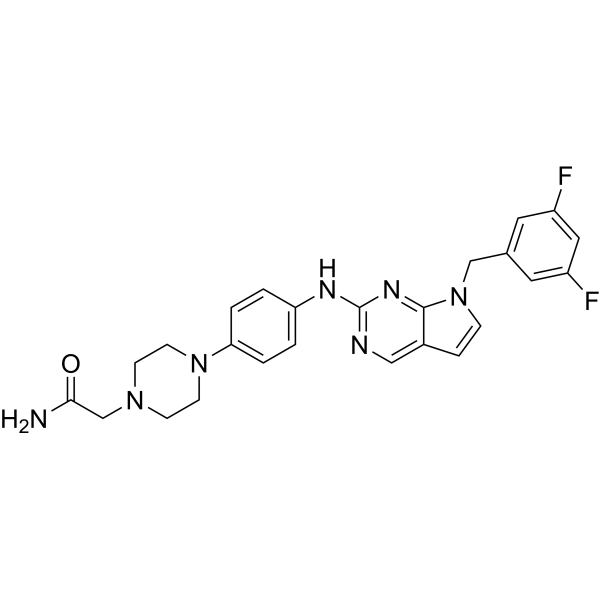
ERK-IN-8 (compound I-1) is an aniline pyrimidine derivative that acts as an ERK inhibitor. ERK-IN-8 has a strong inhibitory effect on ERK2 in vitro (IC50≤50 nM). ERK-IN-8 can be used in cancer research .
|
-
-
- HY-16182R
-
|
|
Biochemical Assay Reagents
Reference Standards
|
Others
|
|
Ecamsule (Standard) is the analytical standard of Ecamsule. This product is intended for research and analytical applications. Ecamsule is a broad-spectrum UVA filter that can be used in sunscreen product. Ecamsule reduces biological damage caused by solar radiation such as pyrimidine dimer formation, p53 protein accumula-tion, or collagenase 2 expression. Ecamsule has the potential for the research of polymorphous light eruption (PMLE) .
|
-
-
- HY-179053
-
-
-
- HY-176914
-
|
|
Ferroptosis
Myosin
|
Cardiovascular Disease
Inflammation/Immunology
|
|
Myosin-IN-3 (Compound 4-1) is a pyrimidine ketone derivative. Myosin-IN-3 exhibits significant anti ferroptotic activity (IC50 = 3.11 μM) while possessing myosin (IC50 = 3.09 μM) inhibitory activity and antioxidant activity (DPPH EC50 = 23.17 μM; MDA EC50 = 55.34 μM). Myosin-IN-3 can be used for research on heart conditions such as hypertrophic cardiomyopathy .
|
-
-
- HY-W777809
-
|
|
Isotope-Labeled Compounds
DNA/RNA Synthesis
Endogenous Metabolite
|
Cancer
|
|
Guanine- 13C2, 15N is the 13C- and 15N-labeled Guanine (HY-Y1055). Guanine is one of the fundamental components of nucleic acids (DNA and RNA). Guanine is a purine derivative, consisting of a fused pyrimidine-imidazole ring system with conjugated double bonds. Guanine has the potential to serve as a large-capacity N pool. Guanine has cytotoxic, antinociceptive and neuroprotective effects .
|
-
-
- HY-30139
-
|
|
Biochemical Assay Reagents
|
Others
|
|
4-Amino-2-chloropyrimidine is a pyrimidine derivative. 4-Amino-2-chloropyrimidine is a competitive inhibitor for AChE (Ki = 0.18 μM) and BChE (Ki = 1.324 μM). 4-Amino-2-chloropyrimidine fits in the binding pocket of 4BDS. 4-Amino-2-chloropyrimidine has high inhibitory activity on GST enzyme activity (IC50 = 0.037 μM, Ki = 0.047 μM) in vitro .
|
-
-
- HY-172003
-
-
-
- HY-W027595
-
-
-
- HY-157578
-
-
-
- HY-157583
-
|
|
COX
|
Others
|
|
COX-2-IN-39 (compound 44) is a potent inhibitor of COX-2, with the IC50 value of 0.4 nM .
|
-
-
- HY-151938
-
|
|
HIV
|
Infection
|
|
Reverse transcriptase-IN-3 is a pyrimidine-5-carboxamide derivative, acts as an inhibitor of HIV-1. Reverse transcriptase-IN-3 shows potent activity against the HIV-1 wild-type and mutant strains .
|
-
-
- HY-116150
-
|
|
Others
|
Cardiovascular Disease
|
|
Xymedon is a pyrimidine derivative with anti-atherosclerotic effects. Xymedon reducts plasma cholesterol levels and cholesterol esterification in blood vascular cells .
|
-
-
- HY-167828
-
|
|
Ras
|
Cancer
|
|
ARN25062 (compound 27) is a CDC42/RHOJ inhibitor with antitumor activity. ARN25062 is a novel trisubstituted pyrimidine derivative .
|
-
-
- HY-I0960S2
-
|
|
Endogenous Metabolite
|
Cancer
|
|
Uracil- 13C is the 13C labeled Uracil . Uracil is a common and naturally occurring pyrimidine derivative and one of the four nucleobases in the nucleic acid of RNA .
|
-
-
- HY-I0960S7
-
|
|
Endogenous Metabolite
|
Cancer
|
|
Uracil-d1 is the deuterium labeled Uracil . Uracil is a common and naturally occurring pyrimidine derivative and one of the four nucleobases in the nucleic acid of RNA .
|
-
-
- HY-W049802
-
|
|
Complement System
|
Inflammation/Immunology
|
|
N-((Allyloxy)carbonyl)-N-methyl-L-alanine is a Alanine derivative. N-((Allyloxy)carbonyl)-N-methyl-L-alanine can be used for the synthesis of inhibitors of complement factor D. Complement factor D inhibitors can be used in the research of immune system related disease .
|
-
- HY-139974
-
|
|
Cholinesterase (ChE)
|
Neurological Disease
|
|
BChE-IN-2 (compound 22) is a potent inhibitor of BChE with a Ki of 0.099 μM. BChE-IN-2 is a pyrimidine and pyridine derivative. BChE-IN-2 has the potential for the research of Alzheimer’s disease (AD) .
|
-
- HY-155761
-
|
|
Fungal
|
Infection
|
|
Antifungal agent 71 (compound 6r) is a trifluoromethyl pyrimidine derivative with antifungal activity. Antifungal agent 71 exhibits good in vitro antifungal activity against F. oxysporum, with the EC50 value of 3.61 μg/mL .
|
-
- HY-15645
-
-
- HY-145554
-
|
|
Drug Derivative
|
Others
|
|
Bafrekalant is a diazabicyclic substituted imidazo[l,2-a]pyrimidine-derivative. Bafrekalant has the potential for the research of breathing disorders, including sleep-related breathing disorders such as obstructive and central sleep apnea and snoring (extracted from patent WO2018228907A1).
|
-
- HY-16398R
-
|
|
DNA Alkylator/Crosslinker
DNA/RNA Synthesis
Reference Standards
|
Cancer
|
|
Pipobroman (Standard) is the analytical standard of Pipobroman. This product is intended for research and analytical applications. Pipobroman is a bromide derivative of piperazine and acts as an alkylating agent. Pipobroman plays its role by inhibiting DNA and RNA polymerase or by reducing pyrimidine nucleotide incorporation into DNA. Pipobroman can be used for the cancer research, including polycythemia vera, myeloproliferative neoplasm, and AML et.al .
|
-
- HY-Y1055S4
-
|
|
Isotope-Labeled Compounds
DNA/RNA Synthesis
Endogenous Metabolite
|
Neurological Disease
Cancer
|
|
Guanine- 13C5 is 13C-labeled Guanine (HY-Y1055). Guanine is one of the fundamental components of nucleic acids (DNA and RNA). Guanine is a purine derivative, consisting of a fused pyrimidine-imidazole ring system with conjugated double bonds. Guanine has the potential to serve as a large-capacity N pool. Guanine has cytotoxic, antinociceptive and neuroprotective effects .
|
-
- HY-130070
-
|
|
Potassium Channel
|
Neurological Disease
|
|
QO-40, a pyrazolo[1,5-a]pyrimidine-7(4H)-one (PPO) derivative, is a KCNQ2/KCNQ3 K + channels activator with an EC50 of 6.94 μM. QO-40 stimulated Ca 2+-activated K + current (IK(Ca)) with an EC50 value of 2.3 μM in pituitary GH3 lactotrophs .
|
-
- HY-W778114
-
|
|
Isotope-Labeled Compounds
DNA/RNA Synthesis
Endogenous Metabolite
|
Cancer
|
|
Guanine- 13C2, 15N is the 13C- and 15N-labeled Guanine (HY-Y1055). Guanine is one of the fundamental components of nucleic acids (DNA and RNA). Guanine is a purine derivative, consisting of a fused pyrimidine-imidazole ring system with conjugated double bonds. Guanine has the potential to serve as a large-capacity N pool. Guanine has cytotoxic, antinociceptive and neuroprotective effects .
|
-
- HY-175290
-
|
|
Arf Family GTPase
|
Cancer
|
|
Arf1-GEFs-IN-1 is a potent and orally active ADP-ribosylation factor 1- guanine nucleotide exchange factors (Arf1-GEFs) inhibitor with an IC50 value of 40.85 μM against CT26 cells. Arf1-GEFs-IN-1 primarily mediates tumor regression by triggering anti-tumor immune responses, rather than through direct cytotoxicity. Arf1-GEFs-IN-1 effectively promotes CCL5 expression, demonstrates excellent in vivo efficacy. Arf1-GEFs-IN-1 can be used for the study of colon cancer .
|
-
- HY-Y1055S2
-
|
|
Isotope-Labeled Compounds
DNA/RNA Synthesis
Endogenous Metabolite
|
Neurological Disease
Cancer
|
|
Guanine- 13C5, 15N5 is 13C and 15N-labeled Guanine (HY-Y1055). Guanine is one of the fundamental components of nucleic acids (DNA and RNA). Guanine is a purine derivative, consisting of a fused pyrimidine-imidazole ring system with conjugated double bonds. Guanine has the potential to serve as a large-capacity N pool. Guanine has cytotoxic, antinociceptive and neuroprotective effects .
|
-
- HY-147683
-
|
|
FGFR
|
Neurological Disease
|
|
FGFR-IN-3 (compound 6) is an orally active, potent and BBB-penetrated FGFR (fibroblast growth factor receptor) modulator. FGFR-IN-3 shows neuroprotective activity. FGFR-IN-3 can be used for neurodegenerative diseases research .
|
-
- HY-147684
-
|
|
FGFR
|
Neurological Disease
|
|
FGFR-IN-7 (compound 17) is an orally active, potent and BBB-penetrated FGFR (fibroblast growth factor receptor) modulator. FGFR-IN-7 shows neuroprotective activity. FGFR-IN-7 improves brain exposure and reduced risk of phospholidosis. FGFR-IN-7 can be used for neurodegenerative diseases research .
|
-
- HY-161269
-
|
|
EGFR
|
Cancer
|
|
EGFR-IN-101 (I-10) is a 2-phenylamino pyrimidine derivative. EGFR-IN-101 is a EGFR inhibitor. The IC50 values for EGFR L858R/T790M/C797S and Ba/F3-EGFR L858R/T790M/C797S are 33.26 and 106.4 nM, respectively. EGFR-IN-101 can be used IN the study of non-small cell lung cancer (NSCLC) .
|
-
- HY-W013403S
-
|
|
IFNAR
|
Infection
|
|
2'-Deoxy-2'-fluorouridine-d2 is the deuterium labeled 2'-Deoxy-2'-fluorouridine . 2'-Deoxy-2'-fluorouridine is a derivative of the pyrimidine nucleoside uridine. 2'-Deoxy-2'-fluorouridine is a nucleoside analog that inhibits the replication of wild-type viruses by binding to the viral RNA. Hepatitis C polyU/UC RNA strands containing 2'-Deoxy-2'-fluorouridine, bind to RIG-I but do not activate RIG-I signaling in a reporter assay using Huh7 cells. 2'-Deoxy-2'-fluorouridine also has been used as a starting material in the synthesis of respiratory syncytial virus (RSV) polymerase inhibitors. 2'-Deoxy-2'-fluorouridine can incorporate into DNA and RNA in rat and woodchuck model upon administration. 2'-Deoxy-2'-fluorouridine can be studied in anti-viral research .
|
-
- HY-I0960S8
-
|
|
Endogenous Metabolite
|
Cancer
|
|
Uracil-d1-1 is the deuterium labeled Uracil . Uracil is a common and naturally occurring pyrimidine derivative and one of the four nucleobases in the nucleic acid of RNA .
|
-
- HY-181565A
-
-
- HY-181565
-
|
|
CDK
|
Metabolic Disease
Inflammation/Immunology
Cancer
|
|
CDK7-IN-33 (formula Ⅰ) is a pyrimidine derivative and also a CDK7 kinase inhibitor. CDK7-IN-33 is applicable to the research of cancer, inflammation, cardiovascular diseases, infectious diseases, immune diseases and metabolic diseases .
|
-
- HY-Y1055S6
-
|
|
Isotope-Labeled Compounds
DNA/RNA Synthesis
Endogenous Metabolite
|
Neurological Disease
Cancer
|
|
Guanine-d5 is the deuterium labeled Guanine (HY-Y1055). Guanine is one of the fundamental components of nucleic acids (DNA and RNA). Guanine is a purine derivative, consisting of a fused pyrimidine-imidazole ring system with conjugated double bonds. Guanine has the potential to serve as a large-capacity N pool. Guanine has cytotoxic, antinociceptive and neuroprotective effects .
|
-
- HY-180790
-
|
|
Bacterial
|
Infection
|
|
Antimycobacterial agent-15 (Compound 55) is a highly selective anti-mycobacterial agent that has an MIC99 of 8 μM against Mycobacterium tuberculosis H37Rv. Antimycobacterial agent-15 exhibits significant efficacy against multidrug-resistant and extensively drug-resistant isolates. This agent can be used in the research of tuberculosis .
|
-
- HY-134058
-
|
|
Biochemical Assay Reagents
|
Others
|
|
3-Heptanol is a biotransformation product of n-heptane. 3-Heptanol can act as the building block in the synthesis of 4-(3-adamantan-1-yl-ureido)-butyric acid and cyclohexanecarboxylic acid derivatives as sEH inhibitors. 3-Heptanol can be used as a solvent to form microenvironments around single-walled carbon nanotubes. 3-Heptanol can be used in the preperation of substituted pyrimidine derivatives as C1 domain-targeted isophthalate analogs to study their binding affinities towards PKCα isoform .
|
-
- HY-134058S
-
|
Butylethylcarbinol-d4
|
Isotope-Labeled Compounds
Biochemical Assay Reagents
|
Others
|
|
3-Heptanol-d4 (Butylethylcarbinol-d4) is the deuterium labeled 3-Heptanol (HY-134058). 3-Heptanol is a biotransformation product of n-heptane. 3-Heptanol can act as the building block in the synthesis of 4-(3-adamantan-1-yl-ureido)-butyric acid and cyclohexanecarboxylic acid derivatives as sEH inhibitors. 3-Heptanol can be used as a solvent to form microenvironments around single-walled carbon nanotubes. 3-Heptanol can be used in the preperation of substituted pyrimidine derivatives as C1 domain-targeted isophthalate analogs to study their binding affinities towards PKCα isoform .
|
-
- HY-181781
-
|
|
Histone Demethylase
CD44
Apoptosis
|
Cancer
|
|
LSD1-IN-48 is a tranylcypromine-pyrimidine derivative and selective LSD1 inhibitor with a human IC50 of 7.87 nM. LSD1-IN-48 increases H3K4me1/2 histone methylation levels. LSD1-IN-48 induces apoptosis, upregulates CD86, downregulates SOX2 and CD44, inhibits proliferation in cancer cells. LSD1-IN-48 can be used for the research of acute myeloid leukemia .
|
-
| Cat. No. |
Product Name |
Type |
-
- HY-40181
-
|
|
Biochemical Assay Reagents
|
|
1-Boc-homopiperazine is a drug intermediate that can be used for the synthesis of bacterial FtsZ inhibitors .
|
-
- HY-42045
-
|
|
Biochemical Assay Reagents
|
|
Pyrimidine-5-boronic acid pinacol ester is a derivative of Boronic acid. Boronic acid is an intermediate commonly used in organic synthesis reactions and can be used as a key reagent in the Suzuki-Miyaura reaction. It generates organic free radicals through oxygen-mediated oxidation and exhibits potential mutagenic activity. Boronic acid is mainly used in research in the fields of drug synthesis and catalytic reactions. Pyrimidine-5-boronic acid pinacol ester serves as a building block in DNA-compatible one-pot click chemistry for synthesis of DNA-encoded libraries .
|
-
- HY-30139
-
|
|
Biochemical Assay Reagents
|
|
4-Amino-2-chloropyrimidine is a pyrimidine derivative. 4-Amino-2-chloropyrimidine is a competitive inhibitor for AChE (Ki = 0.18 μM) and BChE (Ki = 1.324 μM). 4-Amino-2-chloropyrimidine fits in the binding pocket of 4BDS. 4-Amino-2-chloropyrimidine has high inhibitory activity on GST enzyme activity (IC50 = 0.037 μM, Ki = 0.047 μM) in vitro .
|
| Cat. No. |
Product Name |
Target |
Research Area |
-
- HY-W049802
-
|
|
Complement System
|
Inflammation/Immunology
|
|
N-((Allyloxy)carbonyl)-N-methyl-L-alanine is a Alanine derivative. N-((Allyloxy)carbonyl)-N-methyl-L-alanine can be used for the synthesis of inhibitors of complement factor D. Complement factor D inhibitors can be used in the research of immune system related disease .
|
| Cat. No. |
Product Name |
Category |
Target |
Chemical Structure |
| Cat. No. |
Product Name |
Chemical Structure |
-
- HY-I0960S4
-
|
|
|
Uracil-d2 is the deuterium labeled Uracil . Uracil is a common and naturally occurring pyrimidine derivative and one of the four nucleobases in the nucleic acid of RNA .
|
-
-
- HY-Y1055S3
-
|
|
|
Guanine- 15N5 is 15N labeled Guanine (HY-Y1055). Guanine is one of the fundamental components of nucleic acids (DNA and RNA). Guanine is a purine derivative, consisting of a fused pyrimidine-imidazole ring system with conjugated double bonds. Guanine has the potential to serve as a large-capacity N pool. Guanine has cytotoxic, antinociceptive and neuroprotective effects .
|
-
-
- HY-Y1055S
-
|
|
|
Guanine- 13C is the 13C labeled Guanine (HY-Y1055) . Guanine is one of the fundamental components of nucleic acids (DNA and RNA). Guanine is a purine derivative, consisting of a fused pyrimidine-imidazole ring system with conjugated double bonds. Guanine has the potential to serve as a large-capacity N pool. Guanine has cytotoxic, antinociceptive and neuroprotective effects .
|
-
-
- HY-I0960S1
-
|
|
|
Uracil- 13C4 is the 13C labeled Uracil . Uracil is a common and naturally occurring pyrimidine derivative and one of the four nucleobases in the nucleic acid of RNA .
|
-
-
- HY-I0960S9
-
|
|
|
Uracil-d4 is the deuterium labeled Uracil[1]. Uracil is a common and naturally occurring pyrimidine derivative and one of the four nucleobases in the nucleic acid of RNA[2].
|
-
-
- HY-Y1055S1
-
|
|
|
Guanine- 13C, 15N2 is the 13C and 15N labeled Guanine (HY-Y1055) . Guanine is one of the fundamental components of nucleic acids (DNA and RNA). Guanine is a purine derivative, consisting of a fused pyrimidine-imidazole ring system with conjugated double bonds. Guanine has the potential to serve as a large-capacity N pool. Guanine has cytotoxic, antinociceptive and neuroprotective effects .
|
-
-
- HY-I0960S6
-
|
|
|
Uracil-d2-1 is the deuterium labeled Uracil . Uracil is a common and naturally occurring pyrimidine derivative and one of the four nucleobases in the nucleic acid of RNA .
|
-
-
- HY-I0960S5
-
|
|
|
Uracil- 15N2 is the 15N labeled Uracil . Uracil is a common and naturally occurring pyrimidine derivative and one of the four nucleobases in the nucleic acid of RNA .
|
-
-
- HY-I0960S3
-
|
|
|
Uracil- 13C4, 15N2 is the 13C and 15N labeled Uracil . Uracil is a common and naturally occurring pyrimidine derivative and one of the four nucleobases in the nucleic acid of RNA .
|
-
-
- HY-I0960S
-
|
|
|
Uracil- 13C2, 15N2 is the 13C-labeled and 15N-labeled Uracil. Uracil is a common and naturally occurring pyrimidine derivative and one of the four nucleobases in the nucleic acid of RNA.
|
-
-
- HY-W777809
-
|
|
|
Guanine- 13C2, 15N is the 13C- and 15N-labeled Guanine (HY-Y1055). Guanine is one of the fundamental components of nucleic acids (DNA and RNA). Guanine is a purine derivative, consisting of a fused pyrimidine-imidazole ring system with conjugated double bonds. Guanine has the potential to serve as a large-capacity N pool. Guanine has cytotoxic, antinociceptive and neuroprotective effects .
|
-
-
- HY-I0960S2
-
|
|
|
Uracil- 13C is the 13C labeled Uracil . Uracil is a common and naturally occurring pyrimidine derivative and one of the four nucleobases in the nucleic acid of RNA .
|
-
-
- HY-I0960S7
-
|
|
|
Uracil-d1 is the deuterium labeled Uracil . Uracil is a common and naturally occurring pyrimidine derivative and one of the four nucleobases in the nucleic acid of RNA .
|
-
-
- HY-Y1055S4
-
|
|
|
Guanine- 13C5 is 13C-labeled Guanine (HY-Y1055). Guanine is one of the fundamental components of nucleic acids (DNA and RNA). Guanine is a purine derivative, consisting of a fused pyrimidine-imidazole ring system with conjugated double bonds. Guanine has the potential to serve as a large-capacity N pool. Guanine has cytotoxic, antinociceptive and neuroprotective effects .
|
-
-
- HY-W778114
-
|
|
|
Guanine- 13C2, 15N is the 13C- and 15N-labeled Guanine (HY-Y1055). Guanine is one of the fundamental components of nucleic acids (DNA and RNA). Guanine is a purine derivative, consisting of a fused pyrimidine-imidazole ring system with conjugated double bonds. Guanine has the potential to serve as a large-capacity N pool. Guanine has cytotoxic, antinociceptive and neuroprotective effects .
|
-
-
- HY-Y1055S2
-
|
|
|
Guanine- 13C5, 15N5 is 13C and 15N-labeled Guanine (HY-Y1055). Guanine is one of the fundamental components of nucleic acids (DNA and RNA). Guanine is a purine derivative, consisting of a fused pyrimidine-imidazole ring system with conjugated double bonds. Guanine has the potential to serve as a large-capacity N pool. Guanine has cytotoxic, antinociceptive and neuroprotective effects .
|
-
-
- HY-W013403S
-
|
|
|
2'-Deoxy-2'-fluorouridine-d2 is the deuterium labeled 2'-Deoxy-2'-fluorouridine . 2'-Deoxy-2'-fluorouridine is a derivative of the pyrimidine nucleoside uridine. 2'-Deoxy-2'-fluorouridine is a nucleoside analog that inhibits the replication of wild-type viruses by binding to the viral RNA. Hepatitis C polyU/UC RNA strands containing 2'-Deoxy-2'-fluorouridine, bind to RIG-I but do not activate RIG-I signaling in a reporter assay using Huh7 cells. 2'-Deoxy-2'-fluorouridine also has been used as a starting material in the synthesis of respiratory syncytial virus (RSV) polymerase inhibitors. 2'-Deoxy-2'-fluorouridine can incorporate into DNA and RNA in rat and woodchuck model upon administration. 2'-Deoxy-2'-fluorouridine can be studied in anti-viral research .
|
-
-
- HY-I0960S8
-
|
|
|
Uracil-d1-1 is the deuterium labeled Uracil . Uracil is a common and naturally occurring pyrimidine derivative and one of the four nucleobases in the nucleic acid of RNA .
|
-
-
- HY-Y1055S6
-
|
|
|
Guanine-d5 is the deuterium labeled Guanine (HY-Y1055). Guanine is one of the fundamental components of nucleic acids (DNA and RNA). Guanine is a purine derivative, consisting of a fused pyrimidine-imidazole ring system with conjugated double bonds. Guanine has the potential to serve as a large-capacity N pool. Guanine has cytotoxic, antinociceptive and neuroprotective effects .
|
-
-
- HY-134058S
-
|
|
|
3-Heptanol-d4 (Butylethylcarbinol-d4) is the deuterium labeled 3-Heptanol (HY-134058). 3-Heptanol is a biotransformation product of n-heptane. 3-Heptanol can act as the building block in the synthesis of 4-(3-adamantan-1-yl-ureido)-butyric acid and cyclohexanecarboxylic acid derivatives as sEH inhibitors. 3-Heptanol can be used as a solvent to form microenvironments around single-walled carbon nanotubes. 3-Heptanol can be used in the preperation of substituted pyrimidine derivatives as C1 domain-targeted isophthalate analogs to study their binding affinities towards PKCα isoform .
|
-
Your information is safe with us. * Required Fields.
Inquiry Information
- Product Name:
- Cat. No.:
- Quantity:
- MCE Japan Authorized Agent: