1. Search Result
Search Result
Results for "

RIP1 inhibitor

" in MedChemExpress (MCE) Product Catalog:

37

Inhibitors & Agonists

1

Fluorescent Dyes

1

Biochemical Assay Reagents

3

Natural
Products

1

GMP Molecules

Targets Recommended:
Cat. No. Product Name Target Research Areas Chemical Structure
  • HY-16658B
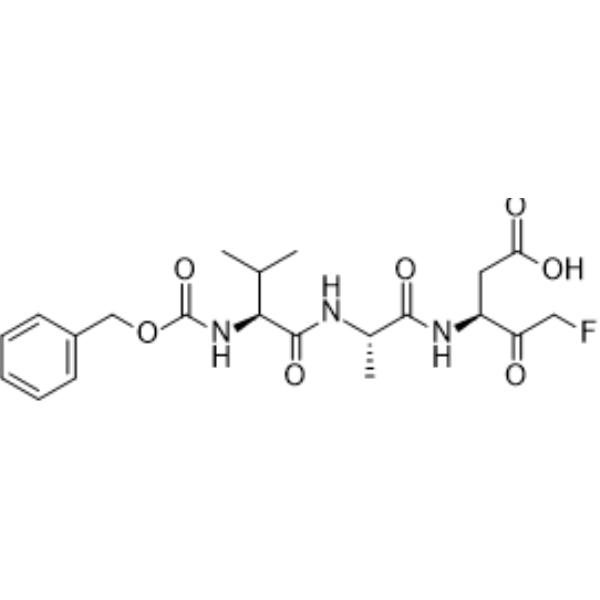
    Z-VAD-FMK
    Maximum Cited Publications
    740 Publications Verification

    Z-VAD(OH)-FMK

    Caspase Apoptosis RIP kinase Glutathione Peroxidase Reactive Oxygen Species (ROS) Inflammation/Immunology Cancer
    Z-VAD-FMK is a pan-caspase inhibitor and also an ICE-like protease inhibitor, which inhibits apoptosis by preventing the processing of CPP32 to its active form. Z-VAD-FMK sensitivity varies primarily due to differential expression of receptor-interacting protein 1 (RIP1). Z-VAD-FMK limits the cryopreservation-induced apoptosis by reducing caspase-3 activity of in vitro produced bovine embryos. Z-VAD-FMK is immunosuppressive in vitro and inhibits T cell proliferation without blocking the processing of caspase-8 and caspase-3. Z-VAD-FMK leads to a decrease in intracellular glutathione (GSH) with a concomitant increase in reactive oxygen species (ROS) levels in activated T cells. Z-VAD-FMK is due to oxidative stress via the depletion of GSH. Z-VAD-FMK can be used for the study of acute pancreatitis .
    Z-VAD-FMK
  • HY-15760
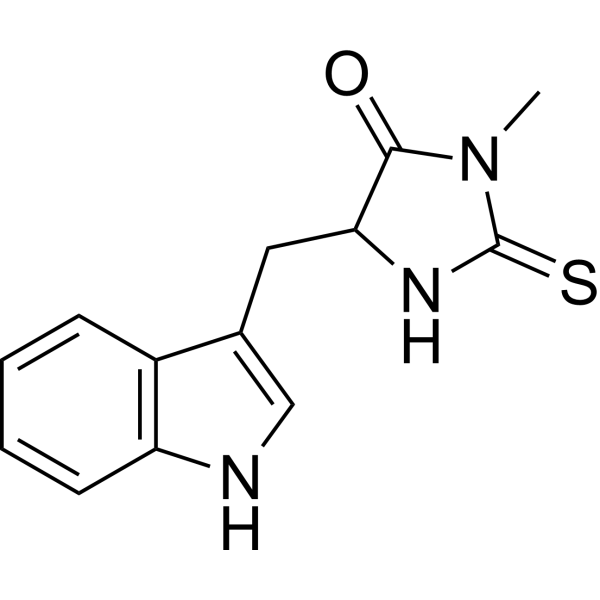
    Necrostatin-1
    505+ Cited Publications

    Nec-1

    RIP kinase Autophagy Indoleamine 2,3-Dioxygenase (IDO) Ferroptosis Necroptosis Cancer
    Necrostatin-1 (Nec-1) is a potent and cross the blood-brain barrier necroptosis inhibitor with an EC50 of 490 nM in Jurkat cells. Necrostatin-1 inhibits RIP1 kinase (EC50=182 nM). Necrostatin-1 is also an IDO inhibitor .
    Necrostatin-1
  • HY-N2166
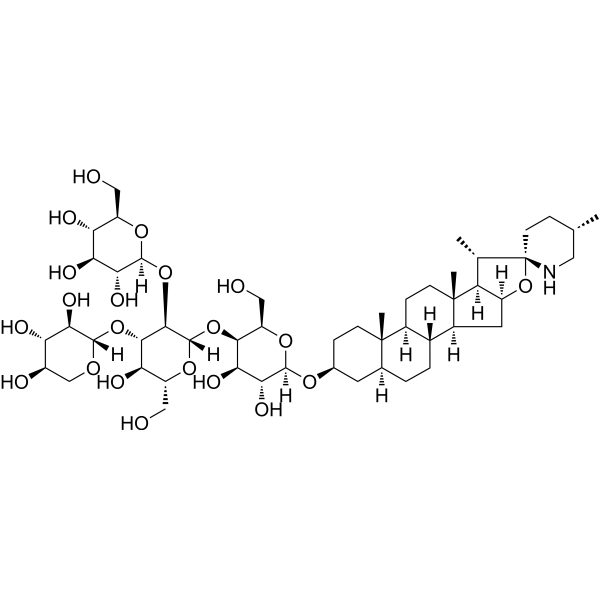
    Tomatine
    2 Publications Verification

    α-Tomatine; Lycopersicin; Tomatin

    Proteasome Apoptosis Neurological Disease
    Tomatine is a glycoalkaloid, found in the tomato plant (Lycopersicon esculentum Mill.). Tomatine elicits neurotoxicity in RIP1 kinase and caspase-independent manner. Tomatine promotes the upregulation of nuclear apoptosis inducing factor (AIF) in neuroblastoma cells. Tomatine also inhibits 20S proteasome activity .
    Tomatine
  • HY-101760
    GSK2982772
    5+ Cited Publications

    RIP kinase Infection Neurological Disease Inflammation/Immunology
    GSK2982772 is a potent, orally active and ATP competitive RIP1 kinase inhibitor with IC50 values of 16 nM and 20 nM for human and monkey RIP1, respectively .
    GSK2982772
  • HY-101032
    RIPA-56
    5+ Cited Publications

    RIP kinase Inflammation/Immunology
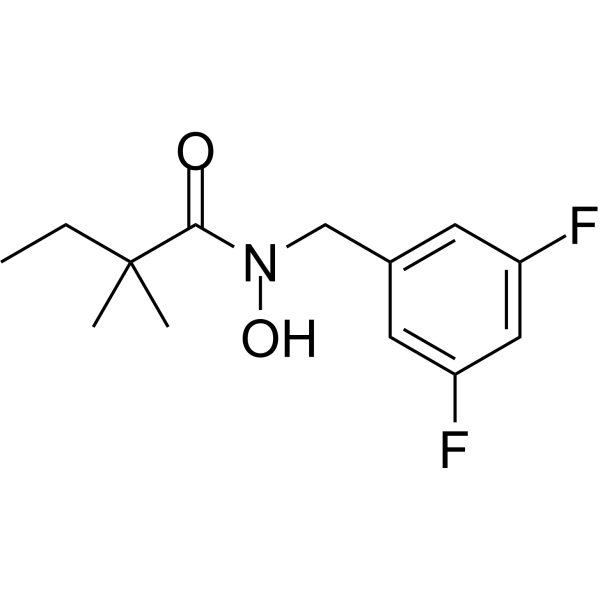
    RIPA-56 is a highly potent, selective, and metabolically stable inhibitor of receptor-interacting protein 1 (RIP1) with an IC50 of 13 nM. RIPA-56 can be used for the treatment of systemic inflammatory response syndrome .
    RIPA-56
  • HY-103028A
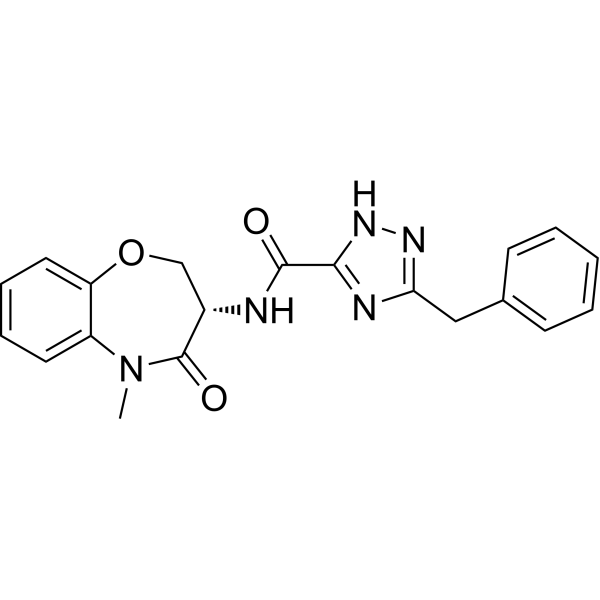
    GSK963
    1 Publications Verification

    RIP kinase Others
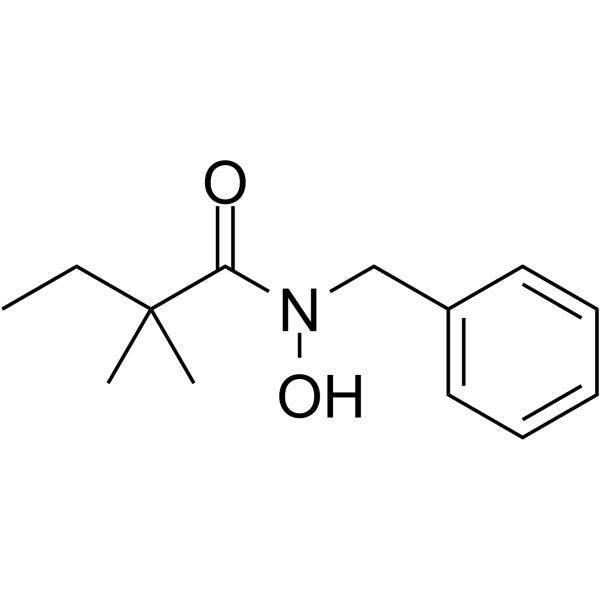
    GSK963 is a chiral, highly potent and selective inhibitor of RIP1 kinase, with an IC50 of 29 nM. GSK963 is a selective and potent inhibitor of necroptosis in murine and human cells in vitro .
    GSK963
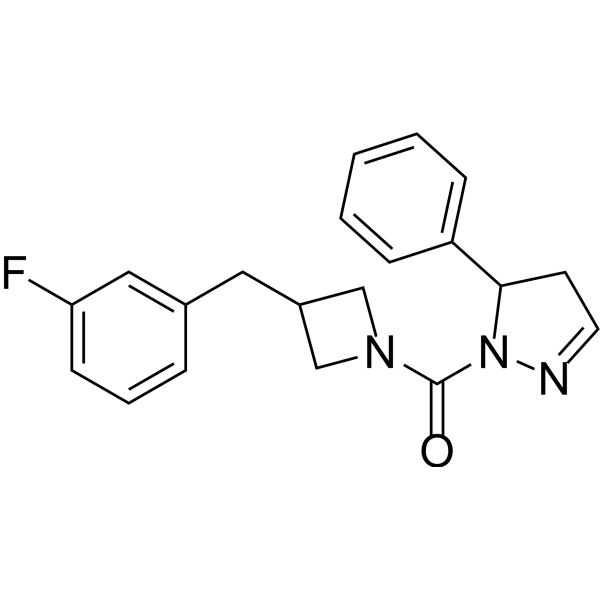
  • HY-111409

    RIP kinase Inflammation/Immunology
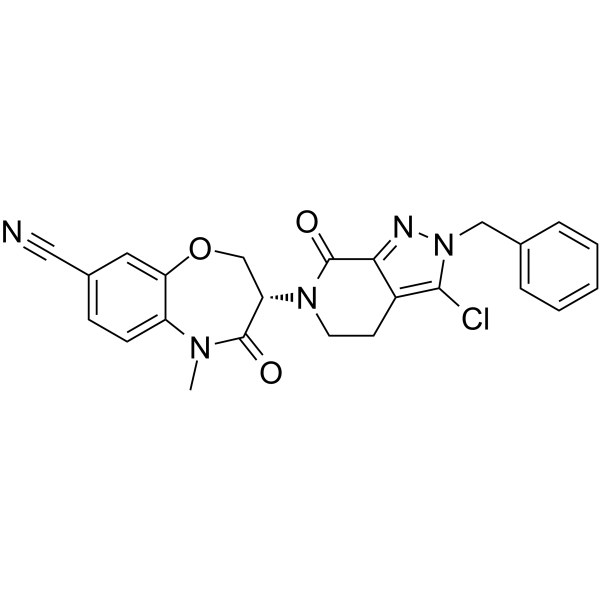
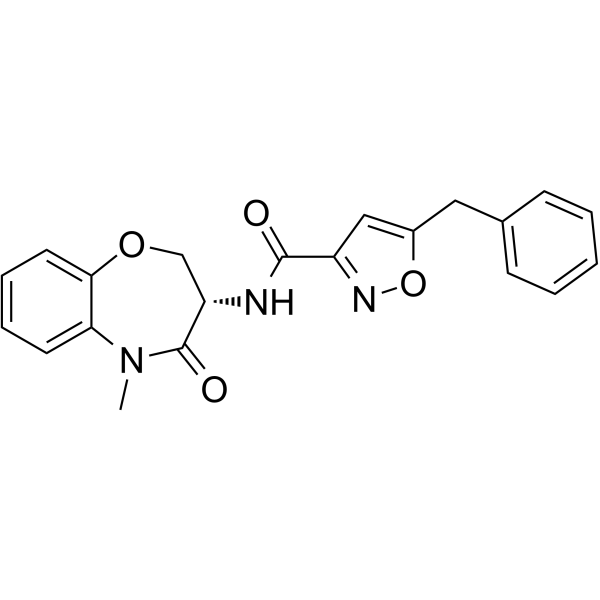
    RIP1 kinase inhibitor 1 (compound 22) is a highly potent, orally available, and brain-penetrating RIP1 kinase inhibitor (pKi=9.04) .
    RIP1 kinase inhibitor 1
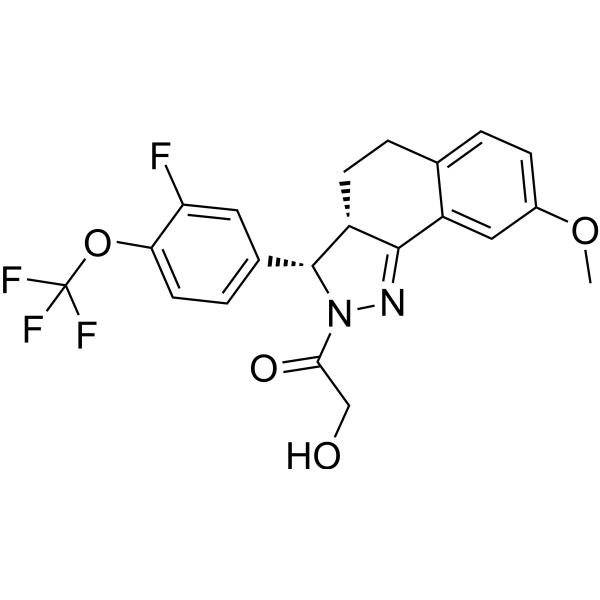
  • HY-152846

    GDC-8264

    RIP kinase Interleukin Related Cardiovascular Disease Inflammation/Immunology Endocrinology
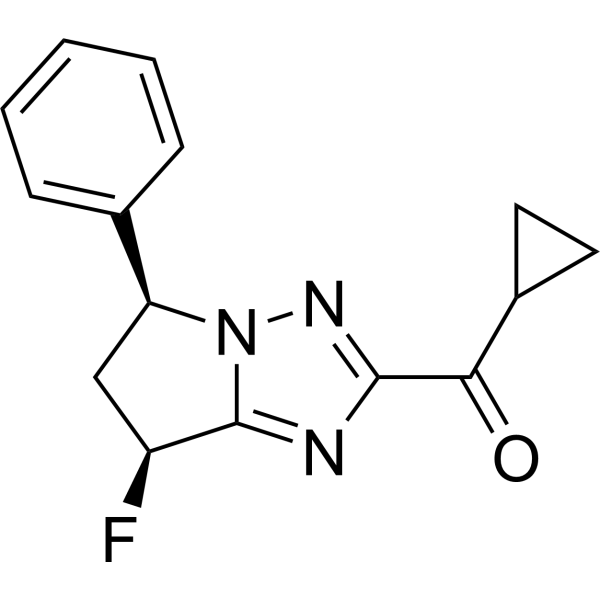
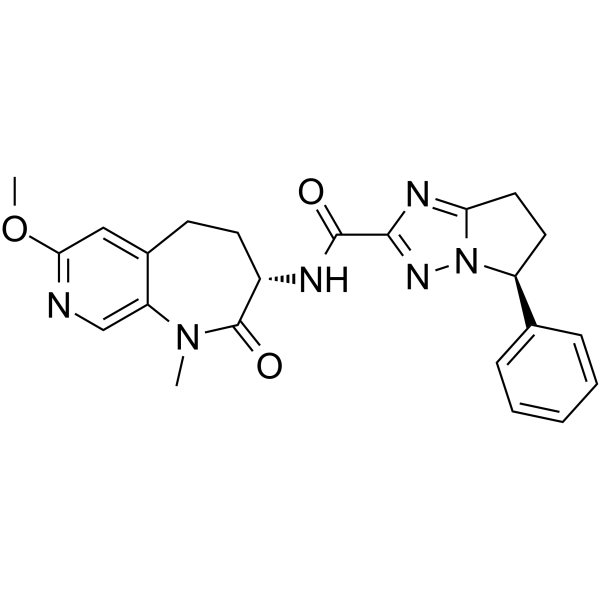
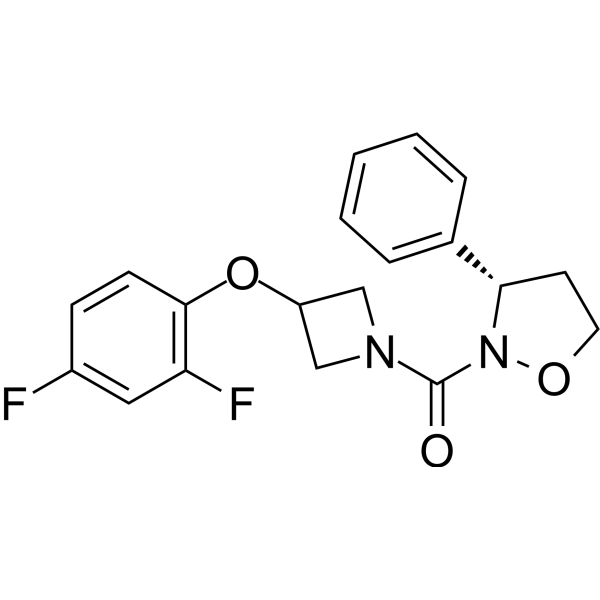
    Flizasertib (GDC-8264) is an orally active, reversible and selective RIP1 inhibitor with Ki app values of 0.00071 μM and 0.0013 μM for human and cynomolgus monkey RIP1 kinase, respectively. Flizasertib blocks RIP1 autophosphorylation but does not affect RIP1 protein stability. Flizasertib inhibits pro-inflammatory cytokines (CCL3, CCL4, and IL-1β) production. Flizasertib results in inhibition of colitis and ileitis. Flizasertib can be used in the research of cardiac surgery-associated acute kidney injury .
    Flizasertib
  • HY-111946
    GSK3145095
    1 Publications Verification

    RIP kinase Cancer
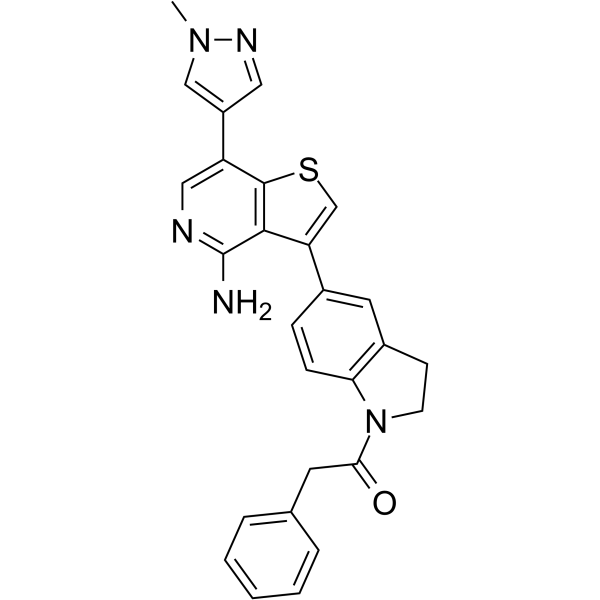
    GSK3145095 is a RIP1 kinase inhibitor with an IC50 of 6.3 nM .
    GSK3145095
  • HY-100131
    GSK481
    1 Publications Verification

    RIP kinase Inflammation/Immunology
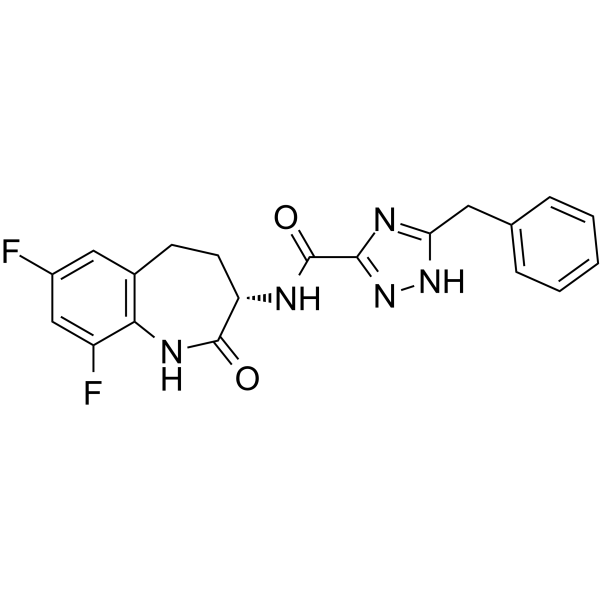
    GSK481 is a highly potent, selective, and specific receptor interacting protein 1 (RIP1) kinase inhibitor with an IC50 of 1.3 nM, which inhibits Ser 166 phosphorylation in wild-type human RIP1 (IC50=2.8 nM). GSK481 also exhibits excellent translation in the U937 cellular assay with an IC50 of 10 nM .
    GSK481
  • HY-122909
    GSK2593074A
    1 Publications Verification

    GSK'074

    RIP kinase Inflammation/Immunology
    GSK2593074A (GSK’074) is a necroptosis inhibitor with dual targeting ability to both RIP1 and RIP3 .
    GSK2593074A
  • HY-128585

    RIP kinase Inflammation/Immunology Cancer
    GNE684 is a potent inhibitor of potent receptor interacting protein 1 (RIP1), with mean Ki app values of 21 nM, 189 nM and 691 nM for human mouse and rat RIP1, respectively .
    GNE684
  • HY-124546
    Necrostatin-5
    1 Publications Verification

    Nec-5

    Necroptosis RIP kinase Neurological Disease
    Necrostatin-5 (Nec-5) is a potent necroptosis inhibitor with an EC50 value of 0.24 µM. Necrostatin-5 also is a RIP1 inhibitor. Necrostatin-5 shows cardioprotective effects .
    Necrostatin-5
  • HY-18901

    RIP kinase Inflammation/Immunology
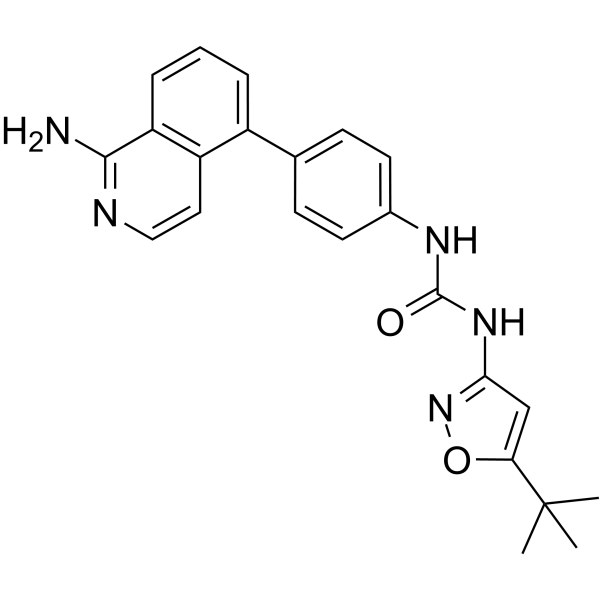
    RIPK1-IN-4 (compound 8) is a potent and selective type II kinase inhibitor of receptor interacting protein 1 (RIP1) kinase and binds to a DLG-out inactive form of RIP1 with an IC50s of 16 nM and 10 nM for RIP1 and ADP-Glo kinase .
    RIPK1-IN-4
  • HY-117200

    Nec-7

    Necroptosis Cancer
    Necrotatin-7 (Nec-7) is a potent necroptosis inhibitor with an EC50 of 10.6 μM. Necrotatin-7 does not inhibit recombinant RIP1 kinase .
    Necrostatin-7
  • HY-153435

    RIP kinase Necroptosis Cancer
    RIP1 kinase inhibitor 5 (example 1) is a potent inhibitor of RIP1, which is used as a checkpoint kinase to control tumor immunity . RIP1 kinase inhibitor 5 is similar with SIR1-365 (compound 13), which inhibits necrosis and iron death activity .
    RIP1 kinase inhibitor 5
  • HY-173185

    RIP kinase Necroptosis Inflammation/Immunology
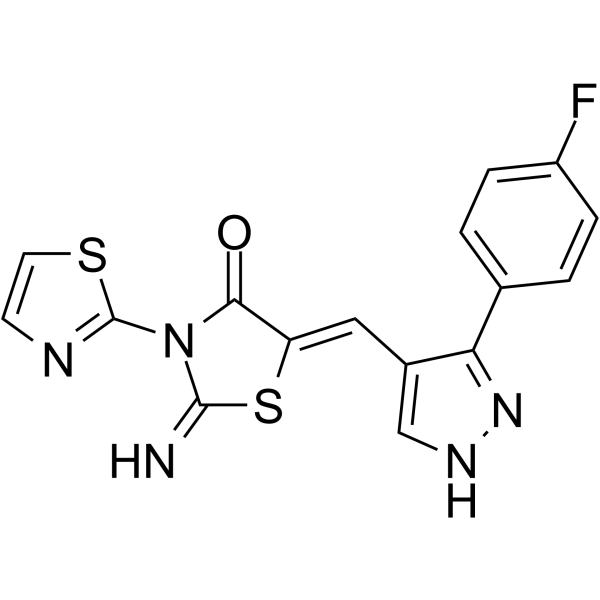
    RIP1-IN-1 is an orally active RIP1 inhibitor with strong RIP1 binding affinity (Kd: 110 nM). RIP1-IN-1 exhibits strong anti-necroptosis activity. RIP1-IN-1 effectively inhibits the formation of necrosomes by blocking the phosphorylation of RIP1, RIP3 and MLKL signaling pathways. RIP1-IN-1 inhibits necroptosis and can be used in the study of acute liver injury .
    RIP1-IN-1
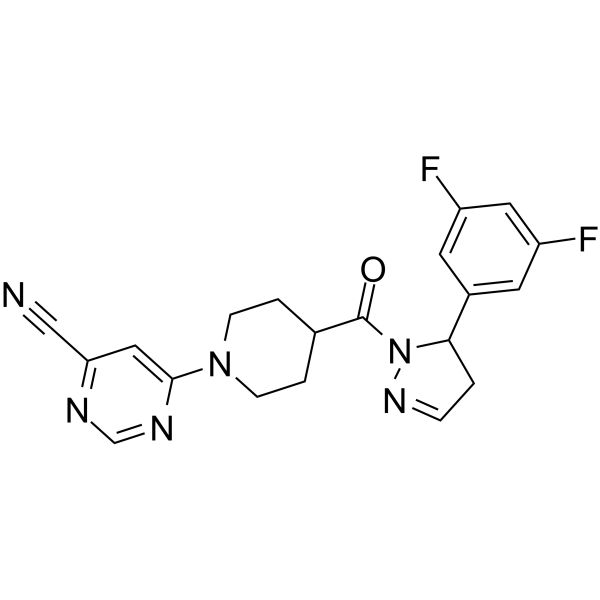
  • HY-155804

    Necroptosis RIP kinase Inflammation/Immunology
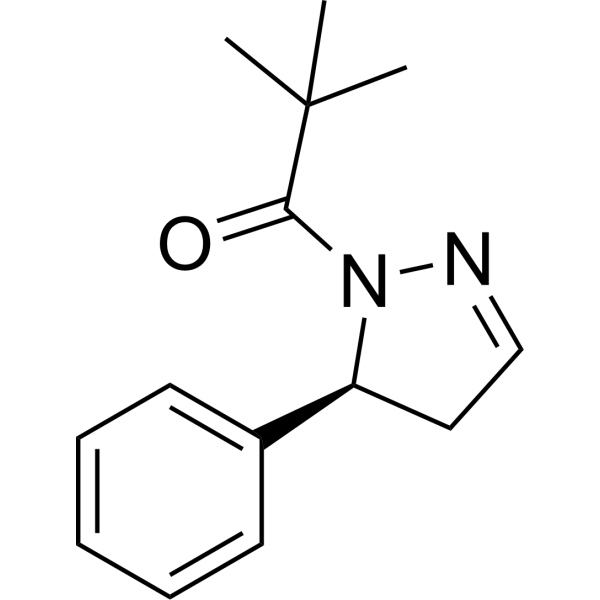
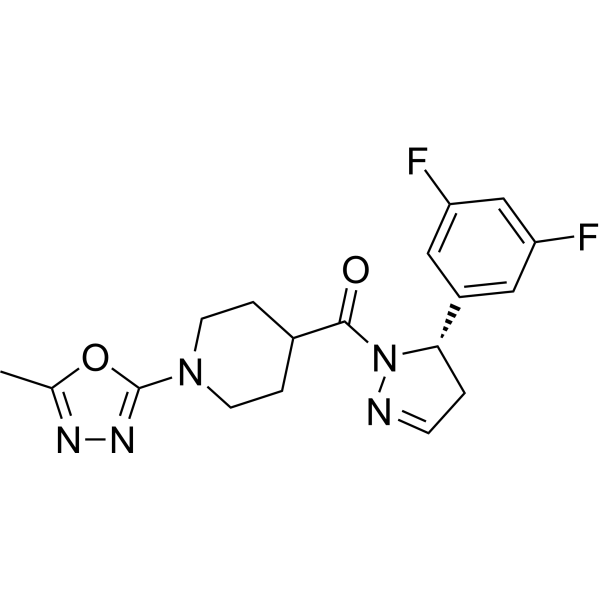
    RIP1 kinase inhibitor 8 (Compound 77) is a potent and highly selective dihydropyrazole (DHP) RIP1 kinase inhibitor with an IC50 of 20 nM. RIP1 kinase inhibitor 8 prevents necrotic cell death. RIP1 kinase inhibitor 8 shows a favorable pharmacokinetic profile in multiple species .
    RIP1 kinase inhibitor 8
  • HY-153436

    RIP kinase Cancer
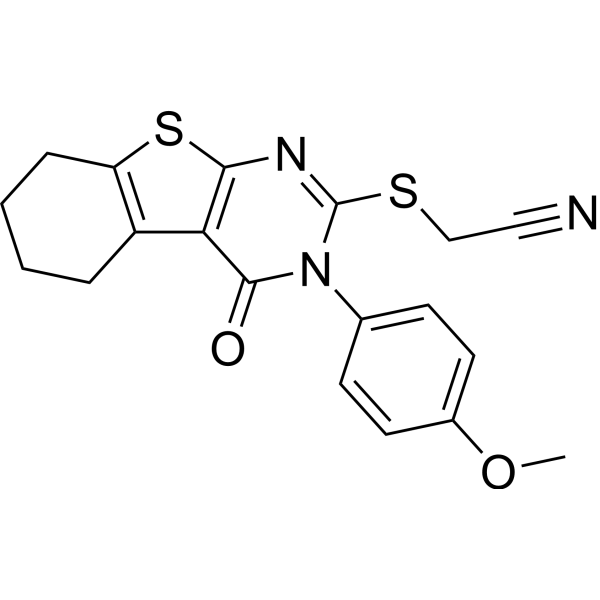
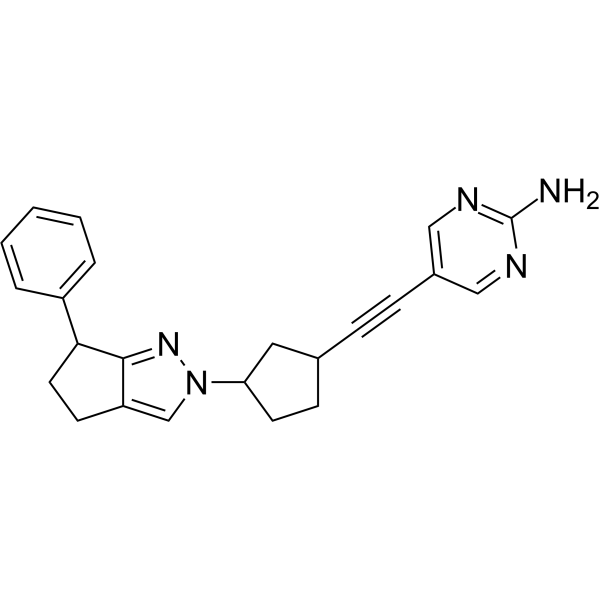
    RIP1 kinase inhibitor 6 is a potent and selective RIP1 kinase inhibitor with an IC50 of < 100 nM in human R1P1 kinase assay. RIP1 kinase inhibitor 6 is extracted from patent WO2020103884, example 80 .
    RIP1 kinase inhibitor 6
  • HY-153434

    RIP kinase Cancer
    RIP1 kinase inhibitor 4 (Example 3) is a BBB-penetrable RIP1 kinase inhibitor (EC50: <100 nM). RIP1 kinase inhibitor 4 can be used for the research of cell programming necrosis-related diseases . RIP1 kinase inhibitor 4 is a click chemistry reagent, it contains an Alkyne group and can undergo copper-catalyzed azide-alkyne cycloaddition (CuAAc) with molecules containing Azide groups.
    RIP1 kinase inhibitor 4
  • HY-163390

    RIP kinase Necroptosis Inflammation/Immunology Cancer
    RIP1 kinase inhibitor 9 (compound SY-1) is a selective RIP kinase inhibitor. RIP1 kinase inhibitor 9 effectively suppresses the central inflammatory response induced by epilepsy. RIP1 kinase inhibitor 9 inhibits Z-VAD-FMK (HY-16658B)-induced necroptosis in HT-29 cells with an EC50 of 7.04 nM .
    RIP1 kinase inhibitor 9
  • HY-18899

    RIP kinase Cancer
    Nec-3a is a Necrostatin-3 analogue. Nec-3a is a RIP1 inhibitor (IC50: 0.44 μM). Nec-3a inhibits the autophosphorylation activity of the RIP1 kinase domain .
    Nec-3a
  • HY-N2166R

    α-Tomatine (Standard); Lycopersicin (Standard); Tomatin (Standard)

    Reference Standards Proteasome Apoptosis Neurological Disease
    Tomatine is a glycoalkaloid, found in the tomato plant (Lycopersicon esculentum Mill.). Tomatine elicits neurotoxicity in RIP1 kinase and caspase-independent manner. Tomatine promotes the upregulation of nuclear apoptosis inducing factor (AIF) in neuroblastoma cells. Tomatine also inhibits 20S proteasome activity .
    Tomatine (Standard)
  • HY-15760R

    Nec-1 (Standard)

    RIP kinase Autophagy Indoleamine 2,3-Dioxygenase (IDO) Ferroptosis Reference Standards Cancer
    Necrostatin-1 (Standard) is the analytical standard of Necrostatin-1. This product is intended for research and analytical applications. Necrostatin-1 (Nec-1) is a potent and cross the blood-brain barrier necroptosis inhibitor with an EC50 of 490 nM in Jurkat cells. Necrostatin-1 inhibits RIP1 kinase (EC50=182 nM). Necrostatin-1 is also an IDO inhibitor .
    Necrostatin-1 (Standard)
  • HY-153437

    RIP kinase Cancer
    PB830 (compound 41) is a potent receptor interacting protein 1 kinase (RIP1) Inhibitor with an IC50 of <100 nM for human RIP1. PB830 has an EC50 of 1-100 nM in the cell necrosis assay .
    PB830
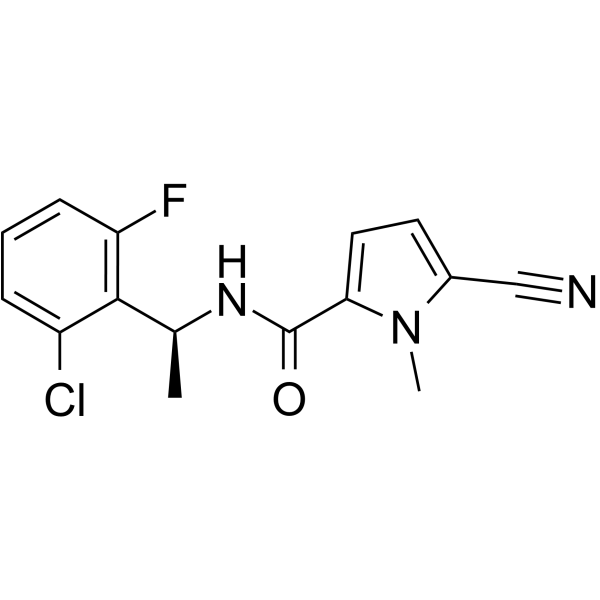
  • HY-168974

    RIP kinase Inflammation/Immunology
    Fosizensertib is the inhibitor for RIP-1 kinase and can be used in researchs of ulcerative colitis .
    Fosizensertib
  • HY-16658BG

    Caspase Apoptosis Cancer
    Z-VAD-FMK is a pan-caspase inhibitor and also an ICE-like protease inhibitor, which inhibits apoptosis by preventing the processing of CPP32 to its active form. Z-VAD-FMK sensitivity varies primarily due to differential expression of receptor-interacting protein 1 (RIP1). Z-VAD-FMK limits the cryopreservation-induced apoptosis by reducing caspase-3 activity of in vitro produced bovine embryos. Z-VAD-FMK is immunosuppressive in vitro and inhibits T cell proliferation without blocking the processing of caspase-8 and caspase-3. Z-VAD-FMK leads to a decrease in intracellular glutathione (GSH) with a concomitant increase in reactive oxygen species (ROS) levels in activated T cells. Z-VAD-FMK is due to oxidative stress via the depletion of GSH. Z-VAD-FMK can be used for the study of acute pancreatitis .
    Z-VAD-FMK
  • HY-18900

    RIP kinase Inflammation/Immunology
    Nec-4, a tricyclic derivative, is a potent receptor interacting protein 1 (RIP1) inhibitor, with an IC50 of 2.6 μM, Ki of 0.46 μM.
    Nec-4
  • HY-114492A

    RIP kinase Cancer
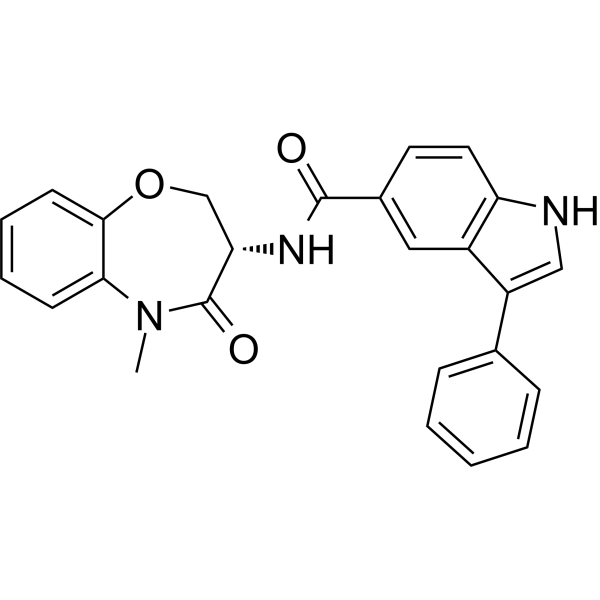
    (Rac)-GSK547 is the racemate of GSK547. GSK547 is a highly selective and potent inhibitor of receptor-interacting serine/threonine protein kinase 1 (RIP1), inhibits macrophage-mediated adaptive immune tolerance in pancreatic cancer .
    (Rac)-GSK547
  • HY-N2166A

    α-Tomatine hydrochloride; Lycopersicin hydrochloride; Tomatin hydrochloride

    Proteasome Apoptosis Neurological Disease
    Tomatine hydrochloride is a glycoalkaloid, found in the tomato plant (Lycopersicon esculentum Mill.). Tomatine hydrochloride elicits neurotoxicity in RIP1 kinase and caspase-independent manner. Tomatine hydrochloride promotes the upregulation of nuclear apoptosis inducing factor (AIF) in neuroblastoma cells. Tomatine hydrochloride also inhibits 20S proteasome activity .
    Tomatine hydrochloride
  • HY-114573

    IKK Interleukin Related TNF Receptor RIP kinase Others
    TNF-α-IN-19 is an inhibitor of TNFα that can block the interaction between TNFαRI, TRADD, and RIP1, the EC50 values for TNFα, IL-1β, and IL-1β/TNFα are 2.451, 3.792 and 1.54 μM, respectively. TNF-α-IN-19 only inhibits the degradation of IκBα when cells are stimulated by TNFα and not by IL-1β .
    TNF-α-IN-19
  • HY-N8380

    Apoptosis Autophagy PI3K Necroptosis Cardiovascular Disease Inflammation/Immunology Cancer
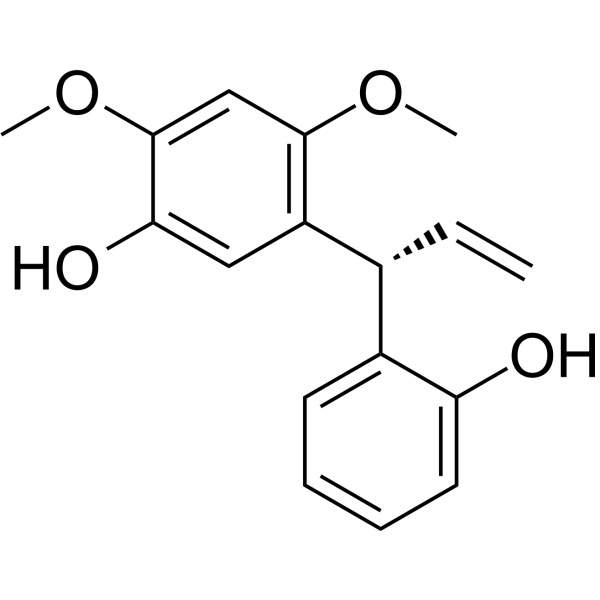
    (-)-Latifolin, a flavonoid, induces apoptotic cell death by targeting PI3K/AKT/mTOR/p70S6K signaling. (-)-Latifolin significantly inhibits the cell proliferation of oral squamous cell carcinoma (OSCC), and causes the anti-metastatic activities by effectively blocking cell migration, invasion, and adhesion via the inactivation of FAK/Src. (-)-Latifolin suppresses autophagic-related proteins and autophagosome formation. (-)-Latifolin inhibits necroptosis by dephosphorylating necroptosis-regulatory proteins (RIP1, RIP3, and MLKL). (-)-Latifolin has beneficial effects on anti-aging, anti-carcinogenic, anti-inflammatory, and cardio-protective activities .
    (-)-Latifolin
  • HY-101760R

    Reference Standards RIP kinase Inflammation/Immunology
    GSK2982772 (Standard) is the analytical standard of GSK2982772 (HY-101760). This product is intended for research and analytical applications. GSK2982772 is a potent, orally active and ATP competitive RIP1 kinase inhibitor with IC50 values of 16 nM and 20 nM for human and monkey RIP1, respectively .
    GSK2982772 (Standard)
  • HY-100131R

    RIP kinase Reference Standards Inflammation/Immunology
    GSK481 (Standard) is the analytical standard of GSK481 (HY-100131). This product is intended for research and analytical applications. GSK481 is a highly potent, selective, and specific receptor interacting protein 1 (RIP1) kinase inhibitor with an IC50 of 1.3 nM, which inhibits Ser166 phosphorylation in wild-type human RIP1 (IC50=2.8 nM). GSK481 also exhibits excellent translation in the U937 cellular assay with an IC50 of 10 nM .
    GSK481 (Standard)
  • HY-103028AR

    Reference Standards RIP kinase Others
    GSK963 (Standard) is the analytical standard of GSK963 (HY-103028A). This product is intended for research and analytical applications. GSK963 is a chiral, highly potent and selective inhibitor of RIP1 kinase, with an IC50 of 29 nM. GSK963 is a selective and potent inhibitor of necroptosis in murine and human cells in vitro .
    GSK963 (Standard)
  • HY-W319332

    Necroptosis RIP kinase JNK Infection Cardiovascular Disease Neurological Disease
    Necrostatin-21 (Compound Nec-21) is a necroptosis inhibitor with an EC50 of 0.5 μM. Necrostatin-21 has a dual inhibitory effect on the RIP1 and JNK3 kinases. Necrostatin-21 can be used for the researches of infection, cardiovascular and neurological disease, such as Alzheimer disease .
    Necrostatin-21
  • HY-101032R

    RIP kinase Reference Standards Inflammation/Immunology
    RIPA-56 (Standard) is the analytical standard of RIPA-56 (HY-101032). This product is intended for research and analytical applications. RIPA-56 is a highly potent, selective, and metabolically stable inhibitor of receptor-interacting protein 1 (RIP1) with an IC50 of 13 nM. RIPA-56 can be used for the treatment of systemic inflammatory response syndrome .
    RIPA-56 (Standard)

Inquiry Online

Your information is safe with us. * Required Fields.

Salutation


Country or Region *

Applicant Name *


Organization Name *

Department *


Email Address *


Product Name *

Cat. No.


Requested quantity *

Phone Number *


Remarks

Inquiry Online

Inquiry Information

Product Name:
Cat. No.:
Quantity:
MCE Japan Authorized Agent: