1. Search Result
Search Result
Isoforms Recommended: RXRα
Results for "

RXR-α

" in MedChemExpress (MCE) Product Catalog:

47

Inhibitors & Agonists

8

Natural
Products

4

Isotope-Labeled Compounds

Targets Recommended:
Cat. No. Product Name Target Research Areas Chemical Structure
  • HY-14171
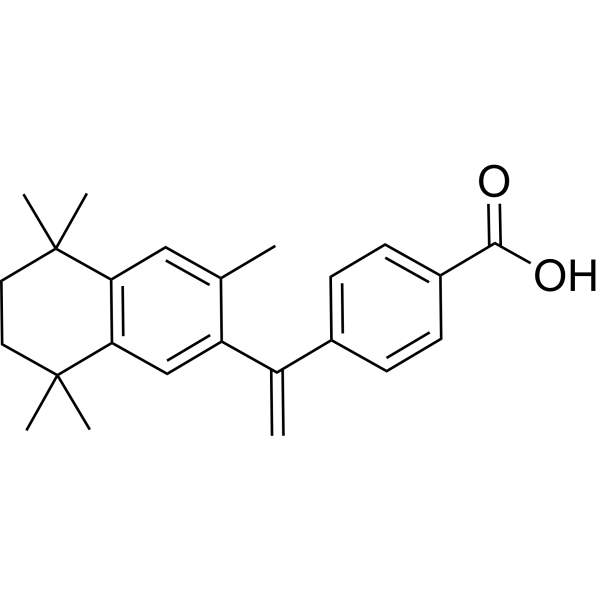
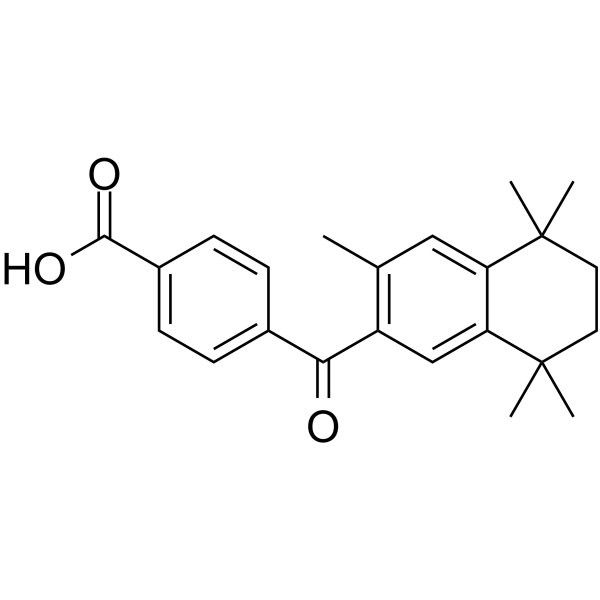
    Bexarotene
    Maximum Cited Publications
    22 Publications Verification

    LGD1069

    RAR/RXR Autophagy Cancer
    Bexarotene (LGD1069) is a high-affinity and selective retinoid X receptors (RXR) agonist with EC50s of 33, 24, 25 nM for RXRα, RXRβ, and RXRγ, respectively. Bexarotene shows limited affinity for RAR receptors (EC50 >10000 nM) . Bexarotene can be used for the research of cutaneous T-cell lymphoma.
    Bexarotene
  • HY-N0163
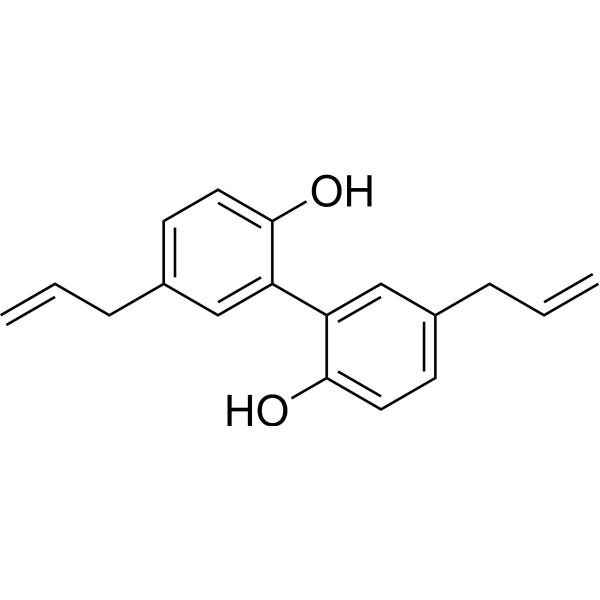
    Magnolol
    5+ Cited Publications

    RAR/RXR PPAR Autophagy Bacterial Cardiovascular Disease Neurological Disease Inflammation/Immunology Cancer
    Magnolol, a natural lignan isolated from the stem bark of Magnolia officinalis, is a dual agonist of both RXRα and PPARγ, with EC50 values of 10.4 µM and 17.7 µM, respectively.
    Magnolol
  • HY-107500
    UVI 3003
    5+ Cited Publications

    RAR/RXR Autophagy Others
    UVI 3003 is a highly selective antagonist of retinoid X receptor (RXR), and inhibits xenopus and human RXRα in Cos7 cells, with IC50s of 0.22 and 0.24 μM, respectively.
    UVI 3003
  • HY-13717

    IRX4204; NRX194204; VTP 194204

    RAR/RXR Apoptosis Inflammation/Immunology Cancer
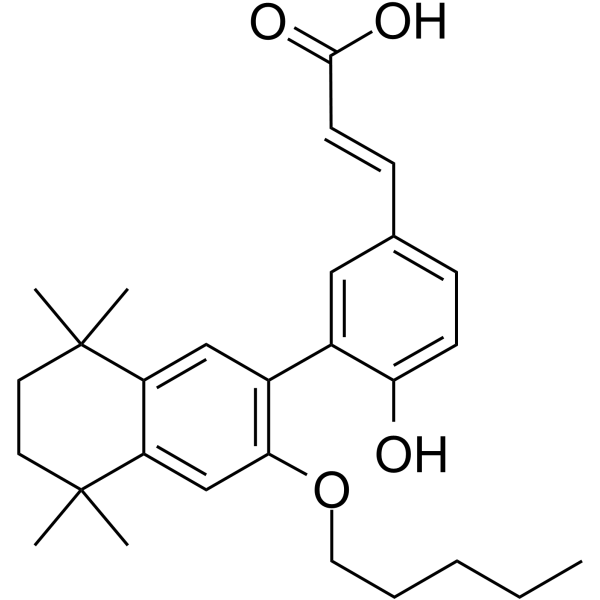
    AGN194204 (IRX4204) is an orally active and selective RXR agonist with Kd values 0.4 nM, 3.6 nM and 3.8 nM and EC50s of 0.2 nM, 0.8 nM and 0.08 nM for RXRα, RXRβ and RXRγ, respectively. AGN194204 is inactive against RAR. AGN194204 has anti-inflammatory and anticarcinogenic actions .
    AGN194204
  • HY-15340
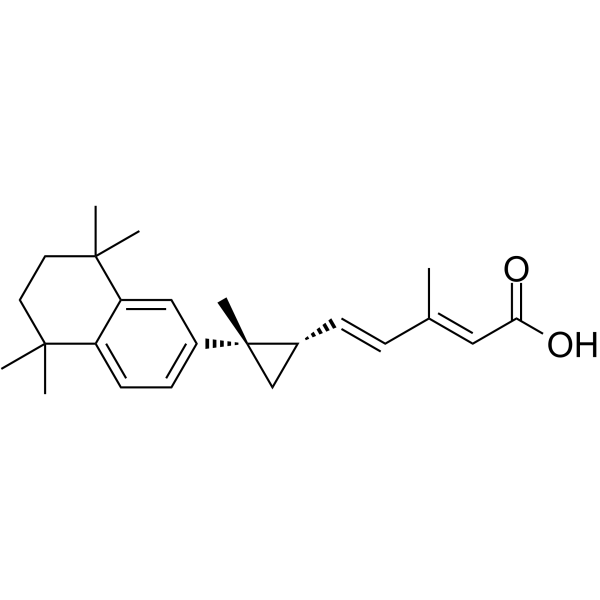
    LG100268
    5 Publications Verification

    LG268

    RAR/RXR Autophagy Metabolic Disease
    LG100268 (LG268) is a potent, selective and orally active retinoid X receptor (RXR) agonist with EC50 values of 4 nM, 3 nM, and 4 nM for RXR-α, RXR-β, and RXR-γ, respectively . LG100268 displays >1000-fold selectivity for RXR over RAR, the Ki values are 3.4 nM, 6.2 nM and 9.2 nM for RXR-α, RXR-β, and RXR-γ, respectively . LG100268 activates RXR homodimers to induce transcriptional activation. LG100268 can be used for the study of lung carcinogenesisy .
    LG100268
  • HY-10291
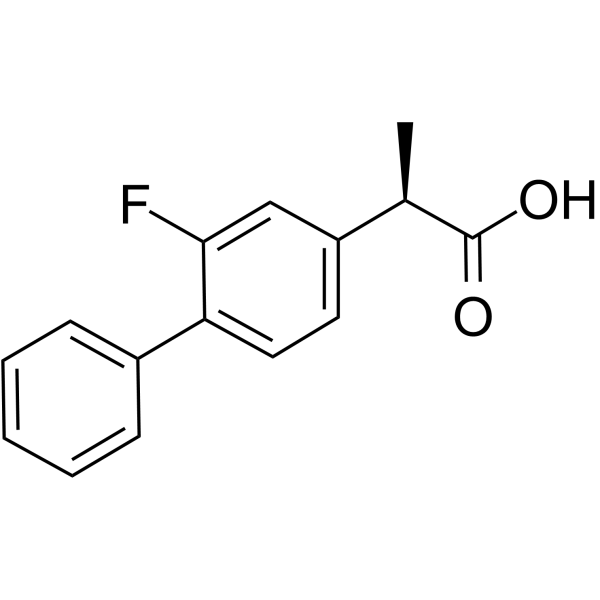
    Tarenflurbil
    4 Publications Verification

    (R)-Flurbiprofen; MPC7869

    RAR/RXR Autophagy Infection Neurological Disease Inflammation/Immunology Cancer
    Tarenflurbil ((R)-Flurbiprofen) is the R-enantiomer of the racemate NSAID Flurbiprofen, Tarenflurbil ((R)-Flurbiprofen) inhibits the binding of [ 3H]9-cis-RA to RXRα LBD with IC50 of 75 μM. Tarenflurbil can be used for Alzheimer's disease research.
    Tarenflurbil
  • HY-B2167R

    DHA (Standard); Cervonic acid (Standard)

    Reference Standards Endogenous Metabolite Neurological Disease Cancer
    Docosahexaenoic acid (Standard) is the analytical standard of Docosahexaenoic acid. This product is intended for research and analytical applications. Docosahexaenoic Acid (DHA) is an omega-3 fatty acid abundantly present brain and retina. It can be obtained directly from fish oil and maternal milk. In Vitro: Docosahexaenoic acid (DHA) is essential for the growth and functional development of the brain in infants. DHA is also required for maintenance of normal brain function in adults. The inclusion of plentiful DHA in the diet improves learning ability and memory . DHA is an essential requirement in every step of brain development like neural cell proliferation, migration, differentiation, synaptogenesis. The multiple double bonds and unique structure allow DHA to impart special membrane characteristics for effective cell signaling. Many development disorders like dyslexia, autism spectrum disorder, attention deficit hyperactivity disorder, schizophrenia etc. are causally related to decreased level of DHA . DHA is a potent RXR ligand inducing robust RXR activation already at low micro molar concentrations. The EC50 for RXRα activation by DHA is about 5-10 μM fatty acid . In Vivo: Docosahexaenoic acid administration over 10 weeks significantly reduces the number of reference memory errors, without affecting the number of working memory errors, and significantly increases the docosahexaenoic acid content and the docosahexaenoic acid/arachidonic acid ratio in both the hippocampus and the cerebral cortex . DHA treatment exerts neuroprotective actions on an experimental mouse model of PD. There is a decrease tendency in brain lipid oxidation of MPTP mice but it does not significantly .
    Docosahexaenoic acid (Standard)
  • HY-W014589
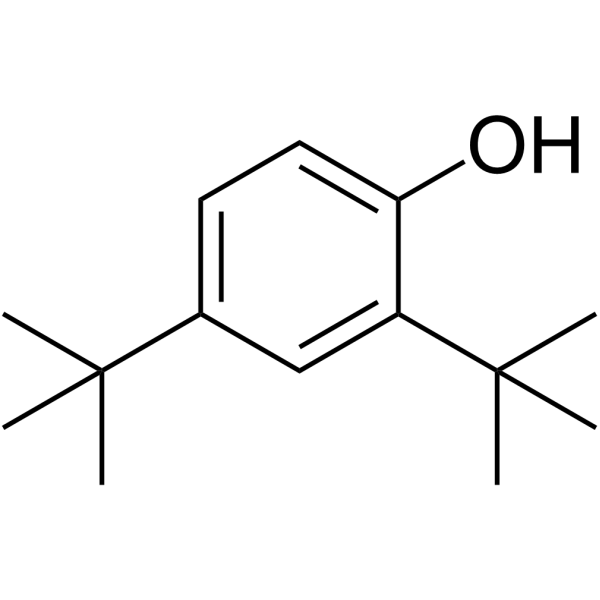
    2,4-Di-tert-butylphenol
    2 Publications Verification

    2,4-DTBP

    Endogenous Metabolite Fungal Apoptosis RAR/RXR Amyloid-β Infection Neurological Disease Inflammation/Immunology Cancer
    2,4-Di-tert-butylphenol (2,4-DTBP) is an orally active RXRα activator and a human estrogen receptor ligand with anti-inflammatory and antioxidant activities, which can induce apoptosis in tumor cells. 2,4-Di-tert-butylphenol can activate the RXRα subtype in LXRα/RXRα, PPARγ/RXRα, and hormone receptor β/RXRα. 2,4-Di-tert-butylphenol also has antiviral and antifungal activities and has the potential to inhibit -induced neurotoxicity. 2,4-Di-tert-butylphenol can be used as an intermediate in the preparation of antioxidants and UV stabilizers, and is also used in the manufacture of drugs and fragrances .
    2,4-Di-tert-butylphenol
  • HY-107436
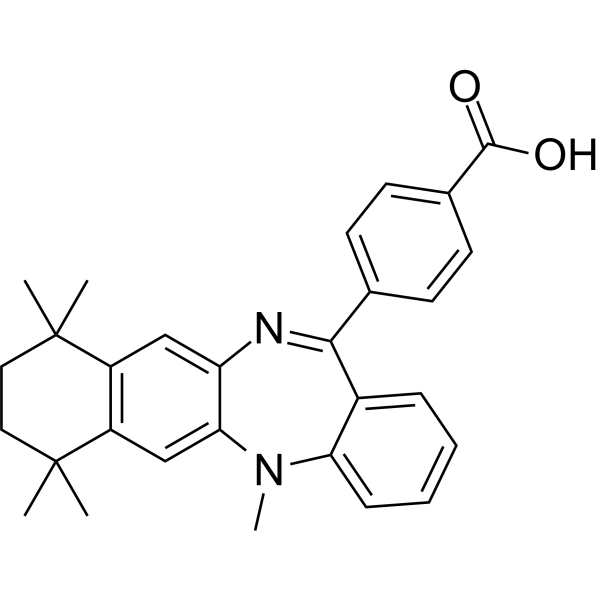
    LE135
    4 Publications Verification

    RAR/RXR TRP Channel Neurological Disease Cancer
    LE135 is a potent RAR antagonist that binds selectively to RARα (Ki of 1.4 μM) and RARβ (Ki of 220 nM), and has a higher affinity to RARβ. LE135 is highly selective over RARγ, RXRα, RXRβ and RXRγ. LE135 is also a potent TRPV1 and TRPA1 receptors activator with EC50s of 2.5 μM and 20 μM, respectively .
    LE135
  • HY-125904
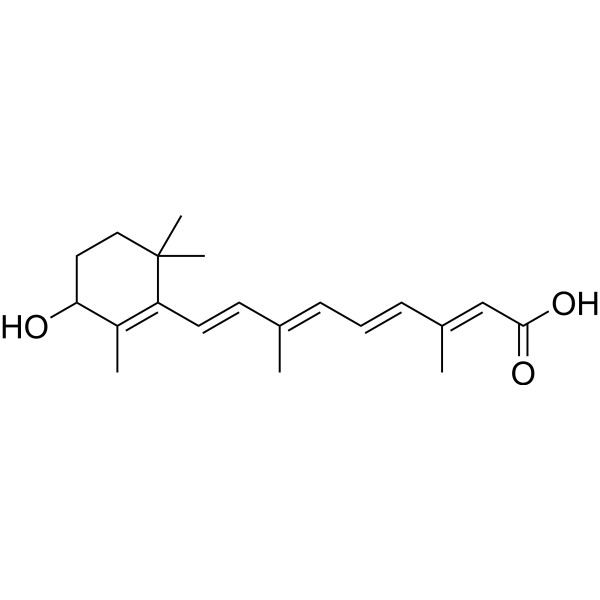
    4-Hydroxyretinoic acid
    1 Publications Verification

    RAR/RXR UGT Cytochrome P450 Apoptosis Drug Derivative Neurological Disease Inflammation/Immunology Cancer
    4-Hydroxyretinoic acid (4-HRA) is a derivative of Retinoic acid (HY-14649). 4-Hydroxyretinoic acid is formed via the catalysis of retinol by cytochrome P-450 isoenzymes. 4-Hydroxyretinoic acid also serves as a substrate for UDP-glucuronosyltransferase (s) and recombinant UGT2B7. 4-Hydroxyretinoic acid binds to the nuclear receptor RAR (Retinoic Acid Receptor), activates RAR and RXR-alpha, subsequently regulates gene expression and cell differentiation, and induces cancer cell apoptosis (Apoptosis). 4-Hydroxyretinoic acid also participates in multiple physiological processes such as immunoregulation, neuroprotection and antioxidation .
    4-Hydroxyretinoic acid
  • HY-N10361

    RAR/RXR PPAR Aldose Reductase Cancer
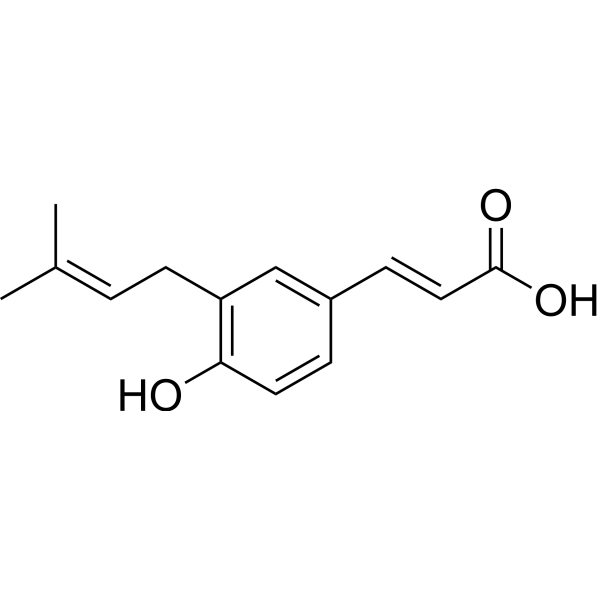
    Drupanin is an orally active and selective AKR1C3 enzyme inhibitor and an RXRα agonist with an EC50 value of 4.8 μM, which is found in green propolis. Drupanin also activates PPARγ moderately. Drupanin induces adipogenesis and elevates aP2 mRNA levels in 3T3-L1 fibroblasts Drupanin has the potential for the research of breast and prostate cancers .
    Drupanin
  • HY-U00425

    Ligands for Target Protein for PROTAC Estrogen Receptor/ERR Metabolic Disease Cancer
    PROTAC ERRα ligand 1 is a PROTAC target protein ligand. PROTAC ERRα ligand 1 is an orally active ERRα inverse agonist with IC50 values of 0.6 μM for ERRα. PROTAC ERRα ligand 1 shows no significant activity against a panel of other nuclear receptors, including ERα c, ERRγ, ERβ, PPARα, PPARγ, PPARδ, and RXRα. PROTAC ERRα ligand 1 can provide enhanced insulin sensitivity in vivo. PROTAC ERRα ligand 1 can be used for metabolic diseases research, such as type 2 diabetes and obesity .
    PROTAC ERRα ligand 1
  • HY-108530

    RAR/RXR Cancer
    MM11253 is a potent and selective RARγ antagonist with an IC50 of 44 nM. MM11253 has lower inhibition of RARα, RARβ and RXRα. MM11253 blocks the growth inhibitory effects of RARγ-selective agonists .
    MM11253
  • HY-101953
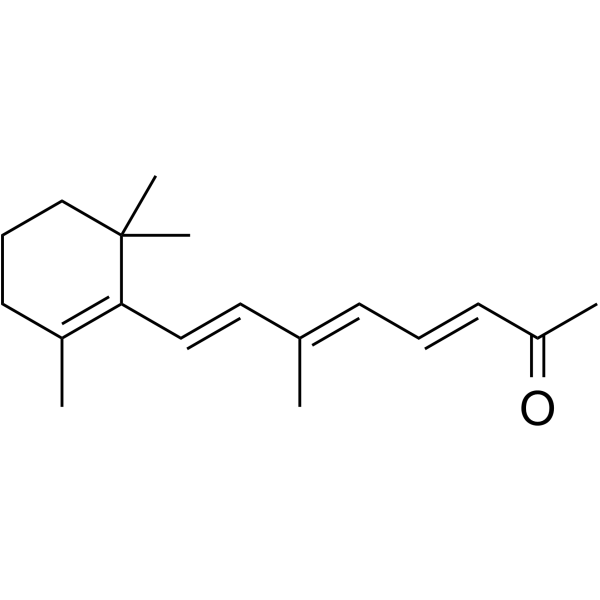
    β-Apo-13-carotenone
    1 Publications Verification

    D'Orenone

    RAR/RXR Others
    β-Apo-13-carotenone (D'Orenone) is a naturally occurring β-apocarotenoid functioned as an antagonist of RXRα.
    β-Apo-13-carotenone
  • HY-W014589R

    2,4-DTBP (Standard)

    Reference Standards Endogenous Metabolite Fungal Apoptosis RAR/RXR Amyloid-β Infection Neurological Disease Inflammation/Immunology Cancer
    2,4-Di-tert-butylphenol (Standard) is the analytical standard of 2,4-Di-tert-butylphenol (HY-W014589). This product is intended for research and analytical applications. 2,4-Di-tert-butylphenol (2,4-DTBP) is an orally active RXRα activator and a human estrogen receptor ligand with anti-inflammatory and antioxidant activities, which can induce apoptosis in tumor cells. 2,4-Di-tert-butylphenol can activate the RXRα subtype in LXRα/RXRα, PPARγ/RXRα, and hormone receptor β/RXRα. 2,4-Di-tert-butylphenol also has antiviral and antifungal activities, and has the potential to inhibit -induced neurotoxicity. 2,4-Di-tert-butylphenol can be used as an intermediate in the preparation of antioxidants and UV stabilizers, and is also used in the manufacture of pharmaceuticals and fragrances .
    2,4-Di-tert-butylphenol (Standard)
  • HY-W749327

    2,4-DTBP-d21

    Isotope-Labeled Compounds RAR/RXR Amyloid-β Fungal Apoptosis Endogenous Metabolite Infection Neurological Disease Inflammation/Immunology Cancer
    2,4-Di-tert-butylphenol-d21 (2,4-DTBP-d21) is the deuterium labeled 2,4-Di-tert-butylphenol (HY-W014589). 2,4-Di-tert-butylphenol (2,4-DTBP) is an orally active RXRα activator and a human estrogen receptor ligand with anti-inflammatory and antioxidant activities, which can induce apoptosis in tumor cells. 2,4-Di-tert-butylphenol can activate the RXRα subtype in LXRα/RXRα, PPARγ/RXRα, and hormone receptor β/RXRα. 2,4-Di-tert-butylphenol also has antiviral and antifungal activities and has the potential to inhibit Aβ-induced neurotoxicity. 2,4-Di-tert-butylphenol can be used as an intermediate in the preparation of antioxidants and UV stabilizers, and is also used in the manufacture of drugs and fragrances .
    2,4-Di-tert-butylphenol-d21
  • HY-121435

    RAR/RXR Akt Apoptosis Drug Derivative TNF Receptor Cancer
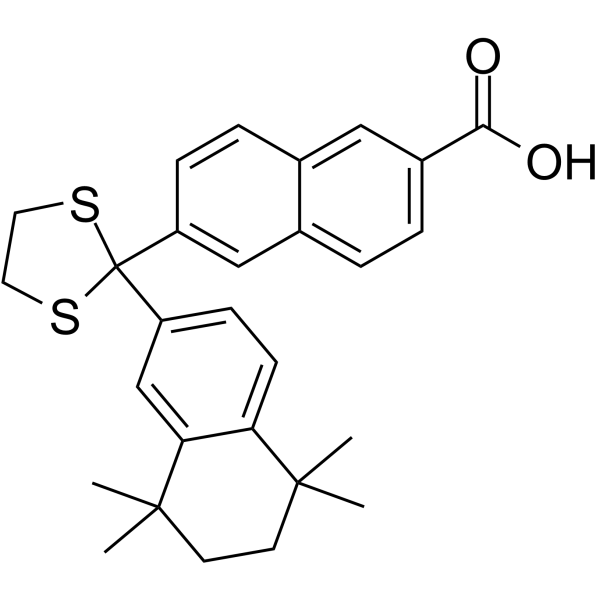
    K-8012 is a Sulindac (HY-B0008) analog and RXRα antagonist with an IC50 of 9.2 µM. K-8012 inhibits the activation of AKT. K-8012 induces Apoptosis, redirecting the TNFα signaling pathway from survival to death. K-8012 exerts anticancer activity against lung cancer, prostate cancer, and breast cancer. K-8012 can be used in research related to lung cancer, prostate cancer, breast cancer, and hepatocellular carcinoma .
    K-8012
  • HY-149085

    RAR/RXR Cancer
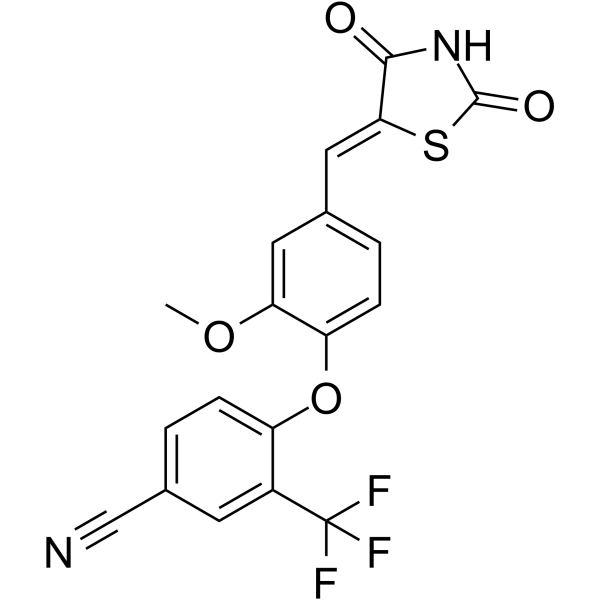
    XS-060 is a potent anticancer agent and RXRα antagonist. XS-060 significantly induces RXRα-dependent mitotic arrest by inhibiting pRXRα-PLK1 interaction. XS-060 inhibits p-RXRα interaction with PLK1 but has no effect on RXRα heterodimerization with RARγ. XS-060 inhibits the in situ interaction between p-RXRα and PLK1 at the centrosome .
    XS-060
  • HY-149086

    RAR/RXR Apoptosis PARP Bcl-2 Family Cancer
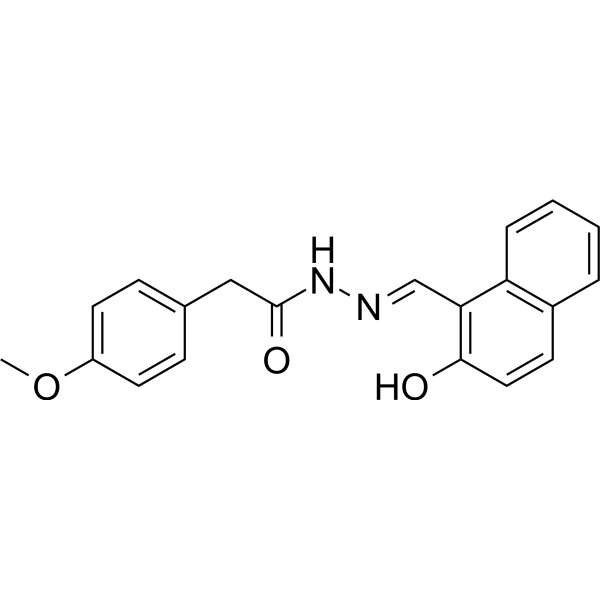
    BPA-B9 is a RXRα ligand and antagonist targeting the pRXRα-PLK1 interaction. BPA-B9 has excellent RXRα-binding affinity (KD=39.29 ± 1.12 nM). BPA-B9 inhibits the proliferation of cancer cells by inducing mitotic arrest and cell apoptosis .
    BPA-B9
  • HY-104070

    RAR/RXR Autophagy Cancer
    LG-100064 is a retinoid-X-receptor (RXR) agonist, with EC50s of 330 nM, 200 nM, and 260 nM for RXRα, RXRβ and RXRγ; LG-100064 can be used in the research of cancer.
    LG-100064
  • HY-108525

    RAR/RXR Cancer
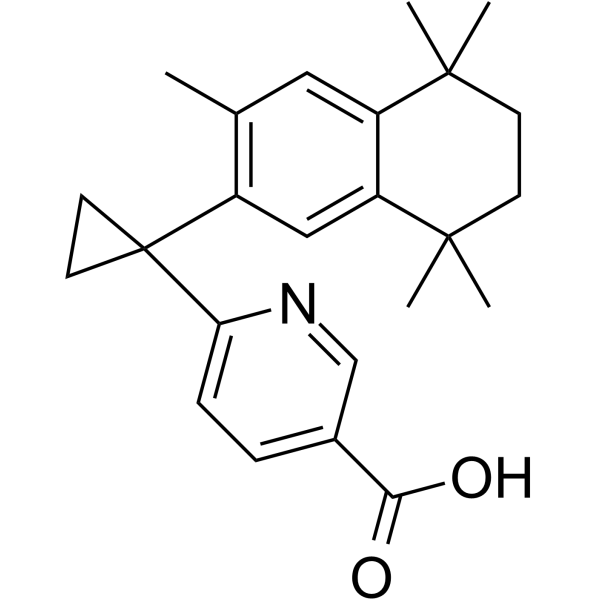
    Fluorobexarotene (compound 20) is a potent retinoid-X-receptor (RXR) agonist, with a Ki value of 12 nM and an EC50 value of 43 nM for RXRα receptor. Fluorobexarotene possesses an apparent RXR binding affinity that is 75% greater than Bexarotene .
    Fluorobexarotene
  • HY-162162

    RAR/RXR Neurological Disease Metabolic Disease Cancer
    RXR agonist 1 (Compound 33) is a highly selective RXR agonist, with EC50s of 9 nM, 18 nM, and 11 nM for RXRα, RXRβ, and RXRγ, respectively. RXR agonist 1 binds to RXR with high affinity (Kd = 0.03 μM) .
    RXR agonist 1
  • HY-138967

    Nuclear Hormone Receptor 4A/NR4A RAR/RXR Neurological Disease
    BRF110 is the selective, orally active rexinoid for Nurr1-RXRα, that selectively activates the Nurr1-RXRα heterodimer with an EC50 of 0.9 μM in SH-SY5Y. BRF110 upregulates the expression of BDNF, exhibits neuroprotective activity against MPP+ induced toxicity. BRF110 can cross blood-brain barrier .
    BRF110
  • HY-108524

    RAR/RXR Metabolic Disease Inflammation/Immunology Cancer
    LG101506 is a selective and orally active RXR modulator with a Ki of 2.7 nM for RXRα. LG101506 can be used for the research of type 2 diabetes and cancer .
    LG101506
  • HY-N0163R

    Reference Standards RAR/RXR PPAR Autophagy Bacterial Cardiovascular Disease Neurological Disease Inflammation/Immunology Cancer
    Magnolol (Standard) is the analytical standard of Magnolol. This product is intended for research and analytical applications. Magnolol, a natural lignan isolated from the stem bark of Magnolia officinalis, is a dual agonist of both RXRα and PPARγ, with EC50 values of 10.4 μM and 17.7 μM, respectively.
    Magnolol (Standard)
  • HY-15340R

    LG268 (Standard)

    RAR/RXR Autophagy Reference Standards Metabolic Disease
    LG100268 (Standard) is the analytical standard of LG100268. This product is intended for research and analytical applications. LG100268 (LG268) is a potent, selective and orally active retinoid X receptor (RXR) agonist with EC50 values of 4 nM, 3 nM, and 4 nM for RXR-α, RXR-β, and RXR-γ, respectively . LG100268 displays >1000-fold selectivity for RXR over RAR, the Ki values are 3.4 nM, 6.2 nM and 9.2 nM for RXR-α, RXR-β, and RXR-γ, respectively . LG100268 activates RXR homodimers to induce transcriptional activation. LG100268 can be used for the study of lung carcinogenesisy .
    LG100268 (Standard)
  • HY-162827

    RAR/RXR Apoptosis Cancer
    RAR/RXR agonist-1 (compound 7) is a chlorinated retinoic acid isomer, a selective RARα agonist and a partial RXRα agonist. RAR/RXR agonist-1 can activate RXRα and induce G2/M arrest and apoptosis in cancer cells .
    RAR/RXR agonist-1
  • HY-W014589S

    2,4-DTBP-d19

    Isotope-Labeled Compounds RAR/RXR Amyloid-β Fungal Apoptosis Endogenous Metabolite Infection Neurological Disease Inflammation/Immunology Cancer
    2,4-Di-tert-butylphenol-d19 (2,4-DTBP-d19) is the deuterium labeled 2,4-Di-tert-butylphenol (HY-W014589). 2,4-Di-tert-butylphenol (2,4-DTBP) is an orally active RXRα activator and a human estrogen receptor ligand with anti-inflammatory and antioxidant activities, which can induce apoptosis in tumor cells. 2,4-Di-tert-butylphenol can activate the RXRα subtype in LXRα/RXRα, PPARγ/RXRα, and hormone receptor β/RXRα. 2,4-Di-tert-butylphenol also has antiviral and antifungal activities and has the potential to inhibit Aβ-induced neurotoxicity. 2,4-Di-tert-butylphenol can be used as an intermediate in the preparation of antioxidants and UV stabilizers, and is also used in the manufacture of drugs and fragrances .
    2,4-Di-tert-butylphenol-d19
  • HY-133739

    RAR/RXR Cancer
    NBD-125 (B-12), a berberine analogue, is an RXRα activator, with an IC50 of 31.10 μM in KM12C cell .
    NBD-125
  • HY-N13361

    RAR/RXR Neurological Disease
    Elodeoidileon A is an agonist for RXRα, that interacts with RXRα-LBD protein with a dissociation constant Kd of 5.85 μM. Elodeoidileon A promotes the expression of ATP-binding cassette transporter A1 (ABCA1). Elodeoidileon A reveals the potential in Alzheimer's disease research .
    Elodeoidileon A
  • HY-121671

    RAR/RXR Neurological Disease
    TBTC is a selective agonist with the activity of improving behavioral deficits in Alzheimer's disease model mice. TBTC can effectively activate the heterodimerization of RXRα with LXRα or PPARγ. TBTC stimulates the expression of apoE, ABCA1, and ABCG1 genes and reduces Aβ content in cells and animal models .
    TBTC
  • HY-153980

    RAR/RXR COX Inflammation/Immunology
    K-80001 is an RXRα-binder and COX-1/2 inhibitor, with IC50s of with an IC50 of 82.9μM, 3.4μM, 1.2μM for RXRα, COX-1 and COX-2, respectively .
    K-80001
  • HY-10291R

    (R)-Flurbiprofen (Standard); MPC7869 (Standard)

    Reference Standards RAR/RXR Autophagy Neurological Disease Inflammation/Immunology Cancer
    Tarenflurbil (Standard) is the analytical standard of Tarenflurbil. This product is intended for research and analytical applications. Tarenflurbil ((R)-Flurbiprofen) is the R-enantiomer of the racemate NSAID Flurbiprofen, Tarenflurbil ((R)-Flurbiprofen) inhibits the binding of [3H]9-cis-RA to RXRα LBD with IC50 of 75 μM. Tarenflurbil can be used for Alzheimer's disease research.
    Tarenflurbil (Standard)
  • HY-149085A

    RAR/RXR Cancer
    (E)-XS-060 is an isomer of XS-060. XS-060 is a RXRα antagonist. XS-060 inhibits pRXRα-PLK1 interaction. XS-060 induces RXRα-dependent mitotic arrest. XS-060 exhibits good antitumor activity against breast cancer, lung adenocarcinoma, and liver cancer .
    (E)-XS-060
  • HY-14171S2

    LGD1069-13C6

    Isotope-Labeled Compounds RAR/RXR Autophagy Cancer
    Bexarotene- 13C6 (LGD1069- 13C6) is 13C labeled Bexarotene. Bexarotene (LGD1069) is a high-affinity and selective retinoid X receptors (RXR) agonist with EC50s of 33, 24, 25 nM for RXRα, RXRβ, and RXRγ, respectively. Bexarotene shows limited affinity for RAR receptors (EC50 >10000 nM) . Bexarotene can be used for the research of cutaneous T-cell lymphoma.
    Bexarotene-13C6
  • HY-14171R

    LGD1069 (Standard)

    Reference Standards RAR/RXR Autophagy Cancer
    Bexarotene (Standard) is the analytical standard of Bexarotene. This product is intended for research and analytical applications. Bexarotene (LGD1069) is a high-affinity and selective retinoid X receptors (RXR) agonist with EC50s of 33, 24, 25 nM for RXRα, RXRβ, and RXRγ, respectively. Bexarotene shows limited affinity for RAR receptors (EC50 >10000 nM) . Bexarotene can be used for the research of cutaneous T-cell lymphoma.
    Bexarotene (Standard)
  • HY-W777169

    LGD1069-13C4

    Isotope-Labeled Compounds RAR/RXR Autophagy Cancer
    Bexarotene- 13C4 (LGD1069- 13C4) is the 13C-labeled Bexarotene (HY-14171). Bexarotene (LGD1069) is a high-affinity and selective retinoid X receptors (RXR) agonist with EC50s of 33, 24, 25 nM for RXRα, RXRβ, and RXRγ, respectively. Bexarotene shows limited affinity for RAR receptors (EC50 >10000 nM) . Bexarotene can be used for the research of cutaneous T-cell lymphoma.
    Bexarotene-13C4
  • HY-N19756

    RAR/RXR Cancer
    Cochinchinone P is a retinoid X receptor-α (RXRα) inhibitor that inhibits 9-cis-retinoic acid (HY-15128)-induced transcriptional activity of RXRα in vitro. Cochinchinone P can be used in cancer research .
    Cochinchinone P
  • HY-119574

    RAR/RXR Cancer
    GW0791 (Compound 3) is an RXRα agonist with an EC50 of 5 nM. GW0791 can be used for cancer research .
    GW0791
  • HY-180182

    RAR/RXR Neurological Disease Inflammation/Immunology Cancer
    RXR agonist 3 (Compound 35) is a potent, partial RXR agonist (EC50s: 3, 3, 8 nM for RXRα, RXRβ, RXRγ, respectively). RXR agonist 3 can be used in the research of Alzheimer's disease, multiple sclerosis, and lymphoma .
    RXR agonist 3
  • HY-167262

    RAR/RXR Metabolic Disease Cancer
    AGN-191659 is an orally active RAR/RXR agonist with EC50 values of 11 nM, 23 nM, and 37 nM for RXRα, RARβ, and RARγ, respectively. AGN-191659 activates RXRα, RARβ and RARγ to induce gene transcription. AGN-191659 induces tissue transglutaminase activity, inhibits ornithine decarboxylase activity induced by tumor promoters, and suppresses chondrogenesis. AGN-191659 reverses basic fibroblast growth factor-induced endothelial cell proliferation. AGN-191659 induces hypertriglyceridemia in rat models. AGN-191659 inhibits total heparin-releasable lipase activity. AGN-191659 can be used in research related to promyelocytic leukemia and hypertriglyceridemia .
    AGN-191659
  • HY-107500R

    Reference Standards RAR/RXR Autophagy Others
    UVI 3003 (Standard) is the analytical standard of UVI 3003 (HY-107500). This product is intended for research and analytical applications. UVI 3003 is a highly selective antagonist of retinoid X receptor (RXR), and inhibits xenopus and human RXRα in Cos7 cells, with IC50s of 0.22 and 0.24 μM, respectively.
    UVI 3003 (Standard)
  • HY-101953R

    D'Orenone (Standard)

    Reference Standards RAR/RXR Others
    β-Apo-13-carotenone (Standard) is the analytical standard of β-Apo-13-carotenone (HY-101953). This product is intended for research and analytical applications. β-Apo-13-carotenone (D'Orenone) is a naturally occurring β-apocarotenoid functioned as an antagonist of RXRα.
    β-Apo-13-carotenone (Standard)
  • HY-104070R

    Reference Standards RAR/RXR Autophagy Cancer
    LG-100064 (Standard) is the analytical standard of LG-100064 (HY-104070). This product is intended for research and analytical applications. LG-100064 is a retinoid-X-receptor (RXR) agonist, with EC50s of 330 nM, 200 nM, and 260 nM for RXRα, RXRβ and RXRγ; LG-100064 can be used in the research of cancer.
    LG-100064 (Standard)
  • HY-119612

    XCT

    Nuclear Hormone Receptor 4A/NR4A RAR/RXR Neurological Disease
    XCT0135908 (XCT) is a selective Nurr1-RXRα activator with an EC50 value of 0.3 μM in human dopaminergic SH-SY5Y cells. XCT0135908 protects dopaminergic cells against the Parkinson’s disease-related toxin MPP +. XCT0135908 can be used for the research of Parkinson’s disease .
    XCT0135908
  • HY-108530R

    Reference Standards RAR/RXR Cancer
    MM11253 (Standard) is the analytical standard of MM11253 (HY-108530). This product is intended for research and analytical applications. MM11253 is a potent and selective RARγ antagonist with an IC50 of 44 nM. MM11253 has lower inhibition of RARα, RARβ and RXRα. MM11253 blocks the growth inhibitory effects of RARγ-selective agonists .
    MM11253 (Standard)
  • HY-180351

    RAR/RXR Others
    CU-6PMN is a fluorescent RXR agonist. CU-6PMN has a maximum absorption wavelength of 396 nm and an emission wavelength of 453 nm in 0.1 N NaOH aqueous solution. CU-6PMN has an EC50 value of 22 nM and a Ki value of 230 nM for human RXRα. CU-6PMN can be used in research related to the screening of RXR ligands .
    CU-6PMN

Inquiry Online

Your information is safe with us. * Required Fields.

Salutation


Country or Region *

Applicant Name *


Organization Name *

Department *


Email Address *


Product Name *

Cat. No.


Requested quantity *

Phone Number *


Remarks

Inquiry Online

Inquiry Information

Product Name:
Cat. No.:
Quantity:
MCE Japan Authorized Agent:

