1. Search Result
Search Result
Results for "

SK-Mel-28

" in MedChemExpress (MCE) Product Catalog:

27

Inhibitors & Agonists

1

Fluorescent Dyes

1

Biochemical Assay Reagents

4

Natural
Products

1

GMP Molecules

Cat. No. Product Name Target Research Areas Chemical Structure
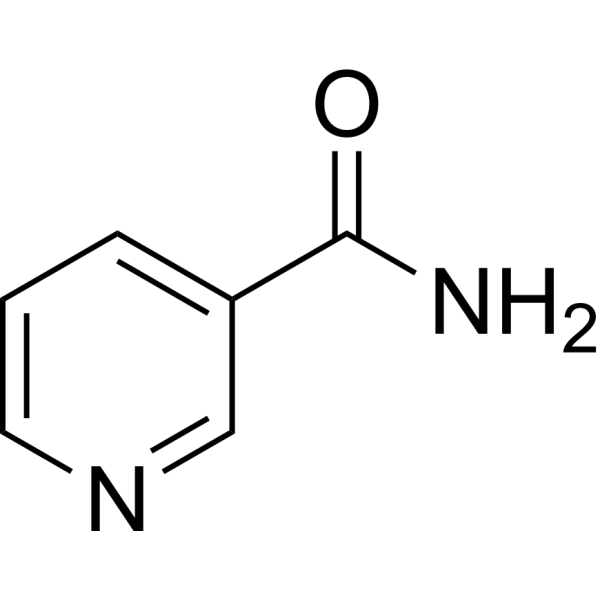
  • HY-B0150
    Nicotinamide
    85+ Cited Publications

    Niacinamide; Nicotinic acid amide

    Environmental Pollutants Endogenous Metabolite Sirtuin HBV Organoid Cancer
    Nicotinamide is a form of vitamin B3 or niacin. Nicotinamide Hydrochloride inhibits SIRT2 activity (IC50: 2 μM). Nicotinamide also inhibits SIRT1. Nicotinamide increases cellular NAD+, ATP, ROS levels. Nicotinamide inhibits tumor growth and improves survival. Nicotinamide also has anti-HBV activity .
    Nicotinamide
  • HY-14454
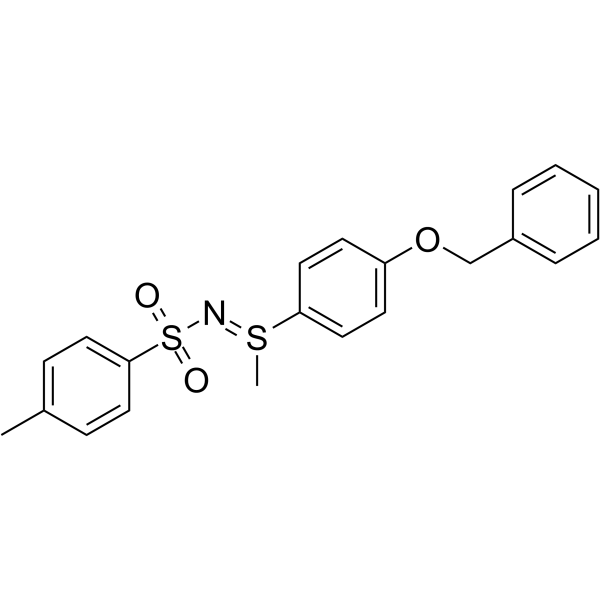
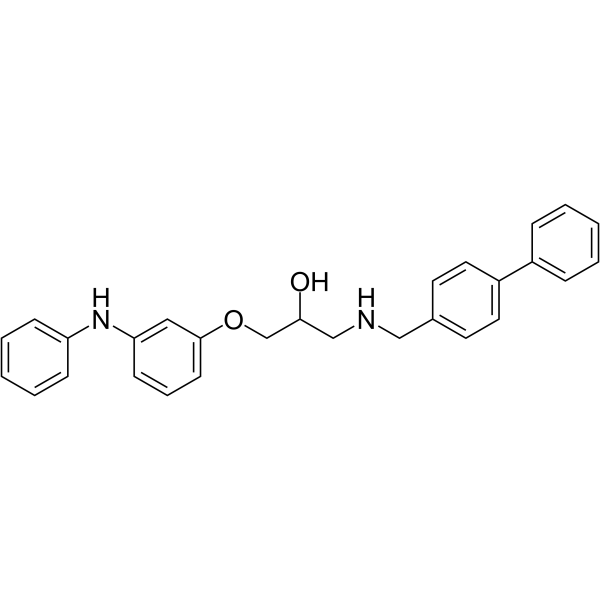
    TPh A
    2 Publications Verification

    Triphenyl Compound A

    Biochemical Assay Reagents Cancer
    TPh A (Triphenyl Compound A) is a potent inhibitor of the nuclear protein pirin and binds specifically to pirin with a Ki of 0.6 uM. TPh A disrupts the formation of the bcl3–pirin complex. TPh A can be used as a novel small molecule tool to regulate pirin in cells .
    TPh A
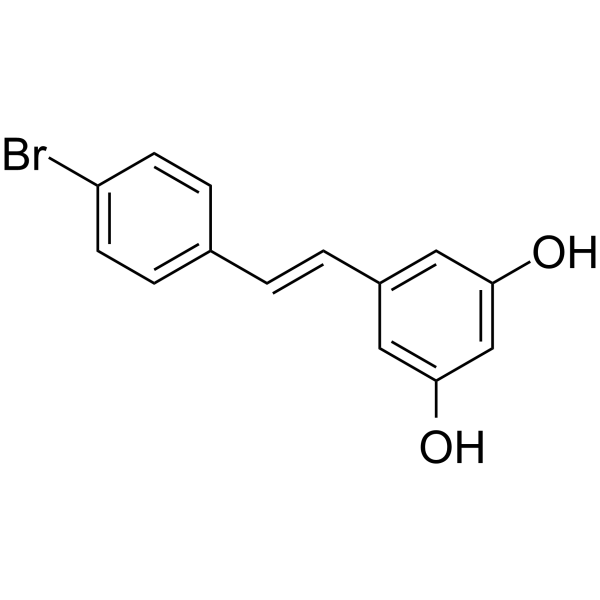
  • HY-124113

    4′‐BR

    Sirtuin Apoptosis Caspase Lactate Dehydrogenase GLUT Metabolic Disease Inflammation/Immunology Cancer
    4'-Bromo-resveratrol (4′‐BR) is a dual SIRT1/SIRT3 inhibitor with an IC50 of 0.2 mM for both targets. 4'-Bromo-resveratrol induces caspase-dependent apoptosis, induces G0/G1 cell cycle arrest, and inhiibits proliferation. 4'-Bromo-resveratrol reduces lactate production, glucose uptake, and NAD +/NADH ratio, and downregulates lactate dehydrogenase A and glucose transporter 1 (GLUT1). 4'-Bromo-resveratrol can be used for the research of melanoma .
    4'-Bromo-resveratrol
  • HY-147855
    ACA-28
    1 Publications Verification

    ERK Apoptosis Reactive Oxygen Species (ROS) Keap1-Nrf2 Cancer
    ACA-28 is a potent ERK MAPK signaling modulator. ACA-28 selectively inhibits cancer cell growth and induces apoptosis. ACA-28 can activate nuclear factor erythroid 2-related factor 2 (Nrf2) signaling via inducing ROS production. ACA-28 can be used for the research of cancer, such as melanoma .
    ACA-28
  • HY-130602

    PROTACs MEK Cancer
    MS432 is a first-in-class and highly selective PD0325901-based von Hippel-Lindau-recruiting PROTAC degrader for MEK1 and MEK2. MS432 displays good plasma exposure in mice, exhibiting DC50 values of 31 nM and 17 nM for MEK1, MEK2 in HT29 cells respectively .
    MS432
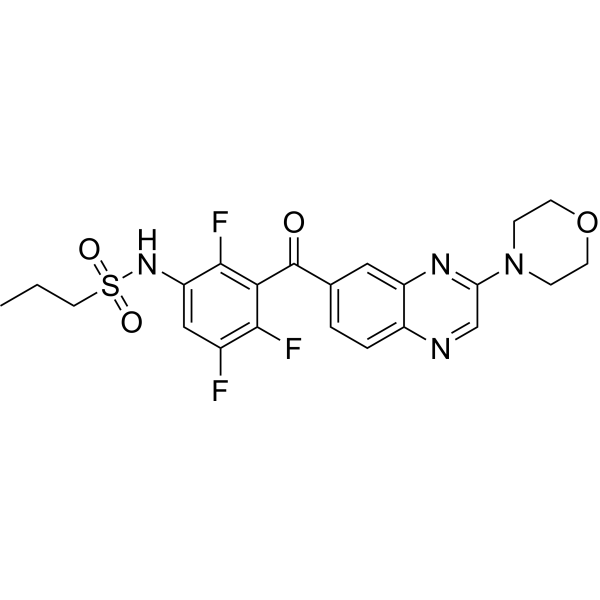
  • HY-148059

    B-Raf IN 10

    Raf Cancer
    Uplarafenib (B-Raf IN 10) (Compound C09) is a BRAF inhibitor with an IC50 between 50 and 100 nM. Uplarafenib shows antitumor activity .
    Uplarafenib
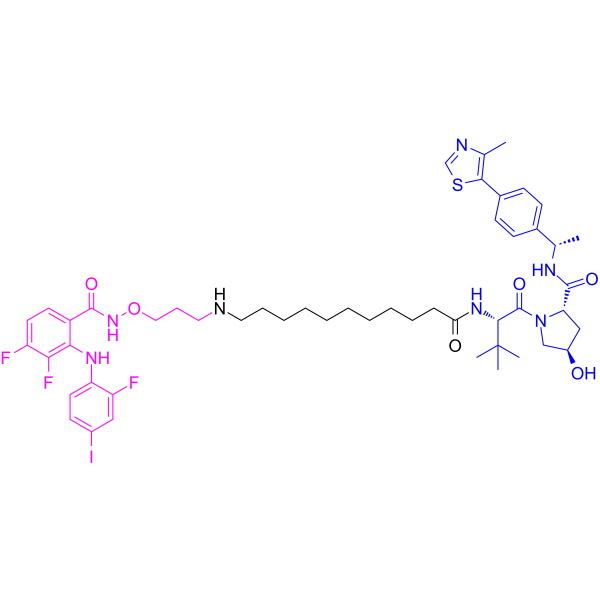
  • HY-170982

    MEK PROTACs Cancer
    MS910 is an efficient and selective MEK1/2 PROTAC degrader. MS910 exhibits effective MEK1/2 degradation ability and anti proliferative activity in various cancer cells, such as HT-29 (MEK1 DC50 = 118 nM, MEK2 DC50 = 55 nM) and SK-MEL-28 (MEK1 DC50 = 94 nM, MEK2 DC50 = 38 nM) cells. MS910 is commonly used in cancer research. (Pink: MEK1/2 Ligand (HY-10254); Blue: CRBN Ligand (HY-W087383); Black: Linker (HY-W022240))
    MS910
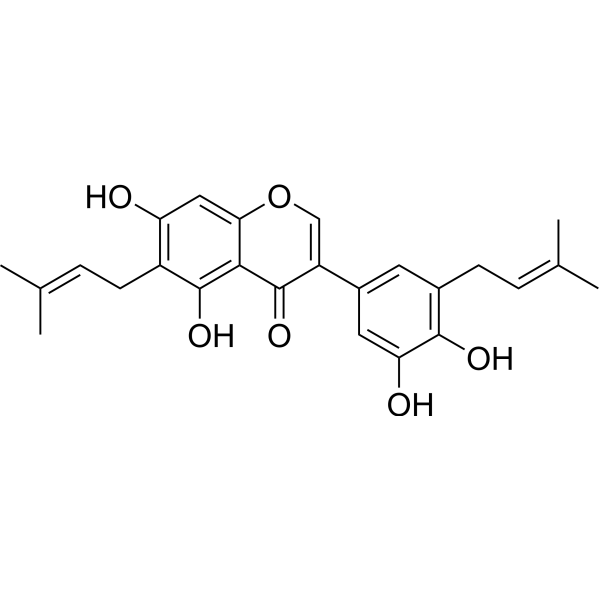
  • HY-N4006

    Apoptosis Autophagy Inflammation/Immunology Cancer
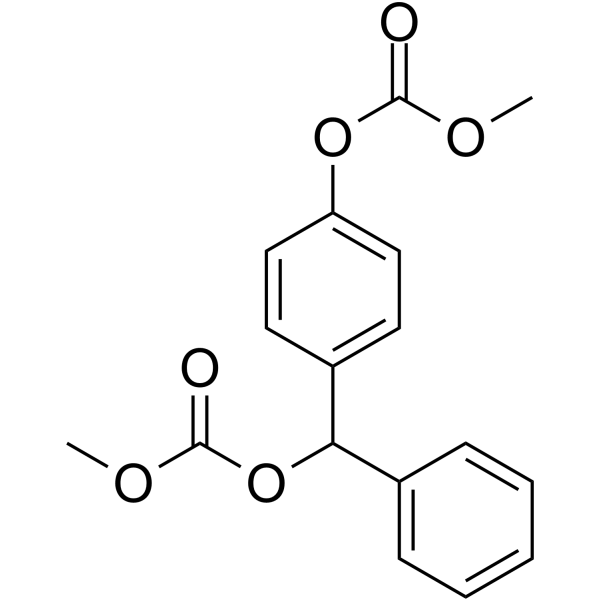
    Isoangustone A is an anticancer and anti-inflammatory agent. Isoangustone A induces cancer cells apoptosis and autophagic cell death .
    Isoangustone A
  • HY-150534

    Apoptosis Cancer
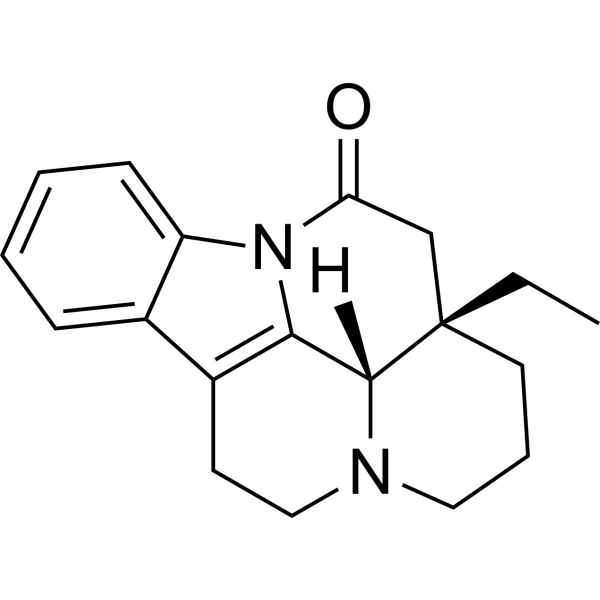
    Anti-melanoma agent 1 (Compound 5m) is an anti-melanoma agent and induces cell apoptosis .
    Anti-melanoma agent 1
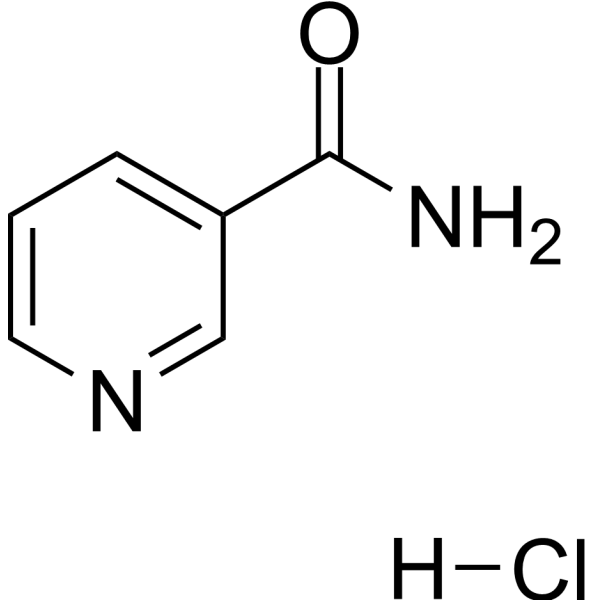
  • HY-B0150A

    Niacinamide hydrochloride; Nicotinic acid amide hydrochloride

    Sirtuin Endogenous Metabolite HBV Infection Cancer
    Nicotinamide hydrochloride is a form of vitamin B3 or niacin. Nicotinamide hydrochloride inhibits SIRT2 activity (IC50: 2 μM). Nicotinamide hydrochloride also inhibits SIRT1. Nicotinamide hydrochloride increases cellular NAD+, ATP, ROS levels. Nicotinamide hydrochloride inhibits tumor growth and improves survival. Nicotinamide hydrochloride also has anti-HBV activity .
    Nicotinamide hydrochloride
  • HY-155315

    Microtubule/Tubulin Cancer
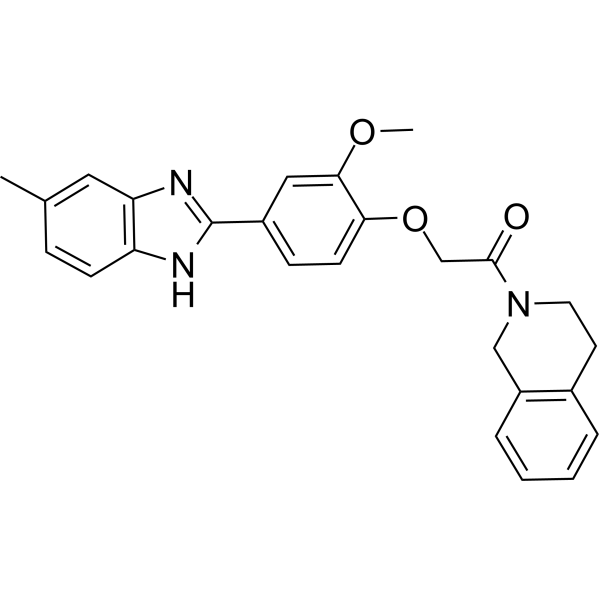
    Tubulin polymerization-IN-51(compound 7u) is a tubulin polymerization inhibitor with IC50 value of 2.55 - 17.89μM for SK-Mel-28 cells. Tubulin polymerization-IN-51 can be used for cancer research .
    Tubulin polymerization-IN-51
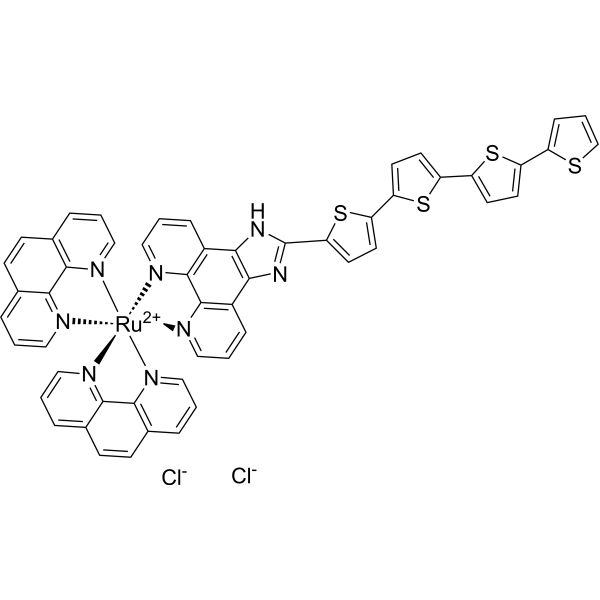
  • HY-162045

    Biochemical Assay Reagents Cancer
    Ru-4T is a phototherapy agent. Ru-4T has phototherapeutic efficacy (PI = 114,000) against melanoma cells (SK-MEL-28) under broad-band visible light (400-700 nm) with EC50 values of 740 pM .
    Ru-4T
  • HY-155314

    Microtubule/Tubulin Cancer
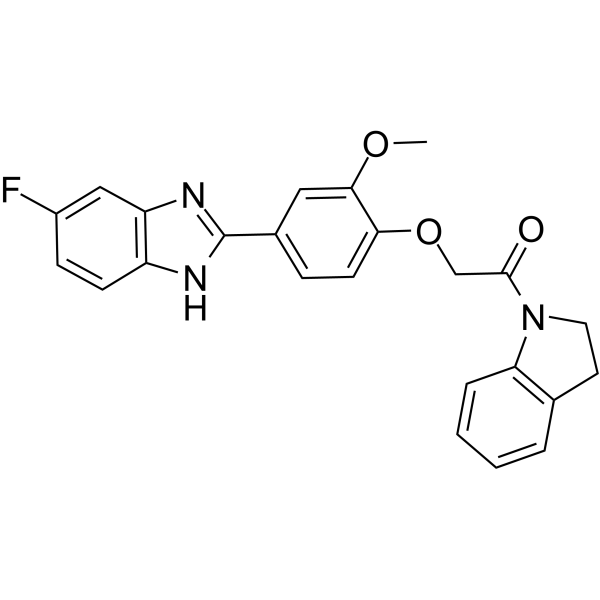
    Tubulin polymerization-IN-50 (compound 7n) is a inhibitor of tubulin polymerization, with the IC50 of 5.05 μM in SK-Mel-28 cells. Tubulin polymerization-IN-50 induces the cell cycle arrest in the G2/M phase .
    Tubulin polymerization-IN-50
  • HY-161786

    Bcl-2 Family Apoptosis Reactive Oxygen Species (ROS) Cancer
    Bcl-2-IN-20 (Compound 81) is an inhibitor for Bcl-2 with IC50 <10 μM (79.1% inhibition at 9 μM). Bcl-2-IN-20 exhibits cytotoxicity in SK-MEL-28 (IC50>10 μM), A549 (IC50=6.1 μM), HepG2 (IC50>10 μM), MCF-7 (IC50=8.9 μM), HCT116 (IC50>10 μM) and HEK-293 (IC50=14.1 μM). Bcl-2-IN-20 promotes the ROS production, induces apoptosis and DNA damage .
    Bcl-2-IN-20
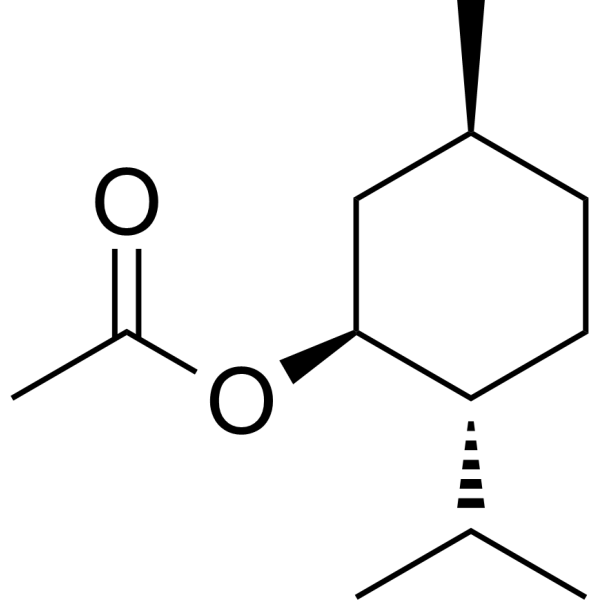
  • HY-W317408

    Biochemical Assay Reagents Others
    (+)-Menthyl acetate is a compound isolated from natural Cunila angustifolia Benth essential oil. The selectivity of (+)-Menthyl acetate is higher than that of MCF-7 cell line, IC50=34.0 μg?mL -1, and lower than that of SK-Mel-28 cell line, IC50=279.9 μg?mL -1, on A549 cell without fatal .
    (+)-Menthyl acetate
  • HY-179271

    Carbonic Anhydrase HDAC Cancer
    CA/HDAC-IN-1 (Compound 11) is a CA and HDAC inhibitor with Ki values of 7.4 nM, 31.0 nM, and 7.3 nM for hCA II, hCA IX, and hCA XII, respectively, and IC50 values of 0.21 μM and 3.60 μM for HDAC3 and HDAC8, respectively. CA/HDAC-IN-1 has anti-cancer activity against colon cancer, breast cancer, and melanoma .
    CA/HDAC-IN-1
  • HY-178336

    VD/VDR HDAC Microtubule/Tubulin Inflammation/Immunology Cancer
    AC-340 is a potent hybrid VDR agonist/HDAC inhibitor. AC-340 superinduces VDR target genes (e.g., CYP24A1) and inhibits HDAC6 (IC50 = 0.37 μM) with ~10-fold selectivity over HDAC2. AC-340 induces VDR hyperagonism by causing widespread protein hyperacetylation (e.g., tubulin and H3K9/K27), which leads to elevated H3K27 acetylation on VDR target genes. AC-340 can be used for melanoma cancer research .
    AC-340
  • HY-170590

    VEGFR Apoptosis Reactive Oxygen Species (ROS) Cancer
    VEGFR-2-IN-61 (Compound 7b) is an inhibitor for VEGFR-2 with an IC50 of 2.83 µM. VEGFR-2-IN-61 inhibits the proliferation of multi cancer cells (IC50 for MCF-7 is 2.12 μM). VEGFR-2-IN-61 inhibits the cell migration, induces oxidative stress and apoptosis in MCF-7 .
    VEGFR-2-IN-61
  • HY-145859

    Topoisomerase Apoptosis Reactive Oxygen Species (ROS) Cancer
    Topo I-IN-1 (Compound 14d) is a potent Topo I inhibitor with antitumor activity and DNA intercalative capability. Topo I-IN-1 induces cell apoptosis .
    Topo I-IN-1
  • HY-112538

    1-NP hydrochloride; 1-Naphthylpiperazine hydrochloride

    5-HT Receptor Apoptosis Inflammation/Immunology Cancer
    1-1-Naphthylpiperazine hydrochloride (1-NP hydrochloride; 1-Naphthylpiperazine hydrochloride) is a serotonergic derivative of quipazine, which is both an agonist for 5-HT1A receptor and an antagonist for 5-HT2A receptor. 1-1-Naphthylpiperazine hydrochloride induces cell apoptosis. 1-1-Naphthylpiperazine hydrochloride prevents the immunosuppression and photocarcinogenesis .
    1-(1-Naphthyl)piperazine hydrochloride
  • HY-N15636

    (-)-Coccinine

    Serotonin Transporter P-glycoprotein Neurological Disease Cancer
    Coccinine ((-)-Coccinine) is a weak inhibitor of SERT (IC50: 196.3 μM; Ki: 106.8 μM) and P-gp (IC50: 0.96 mM). Coccinine exhibits significant anti-tumor activity against various cancer cell lines, such as breast cancer (MCF7, Hs578T, MDA-MB-231), colon cancer (HCT-15), and lung cancer (A549). Coccinine can be used in the research of tumors and neurological diseases .
    Coccinine
  • HY-173153

    JNK PERK MEK NO Synthase Inflammation/Immunology Cancer
    BRAFV600E/JNK-IN-1 (Compound 14c) is an inhibitor of JNK1, JNK2, JNK3 and BRAFV600E, with IC50 values of 0.51 μM, 0.53 μM, 1.02 μM and 0.009 μM, respectively. BRAFV600E/JNK-IN-1 can inhibit the phosphorylation of MEK1/2 and ERK1/2. In addition, BRAFV600E/JNK-IN-1 can inhibit tumor cell proliferation, NO release and PGE2 production, and has anti-tumor and anti-inflammatory activities .
    BRAFV600E/JNK-IN-1
  • HY-164400

    MEK ERK Akt Apoptosis Cancer
    SIJ1777 is a GNF-7 (HY-10943) derivative, possesses potent anti-cancer effects on melanoma cells harboring BRAF class I/II/III mutations. SIJ1777 substantially inhibits the activation of MEK, ERK, and AKT. SIJ1777 remarkably induces apoptosis and significantly blocks migration, invasion, and anchorage-independent growth of melanoma cells harboring BRAF class I/II/II mutations .
    SIJ1777
  • HY-B0150G

    Niacinamide; Nicotinic acid amide

    Endogenous Metabolite Sirtuin HBV Infection Cancer
    Nicotinamide (GMP) (Niacinamide (GMP)) is the GMP level of Nicotinamide (HY-B0150). GMP guidelines are used to produce Nicotinamide (GMP). GMP small molecules works appropriately as an auxiliary reagent for cell research manufacture. Nicotinamide is a form of vitamin B3 or niacin. Nicotinamide Hydrochloride inhibits SIRT2 activity (IC50: 2 μM). Nicotinamide also inhibits SIRT1. Nicotinamide increases cellular NAD+, ATP, ROS levels. Nicotinamide inhibits tumor growth and improves survival. Nicotinamide also has anti-HBV activity .
    Nicotinamide
  • HY-W035150

    Biochemical Assay Reagents Cancer
    Chloro[1,3-bis(2,6-diisopropylphenyl)imidazol-2-ylidene]copper(I) (Compound 1) is a NHC copper complex and anticancer agent. Chloro[1,3-bis(2,6-diisopropylphenyl)imidazol-2-ylidene]copper(I) exhibits cytotoxic activity against breast cancer, lung cancer, melanoma, and glioma cells .
    Chloro[1,3-bis(2,6-diisopropylphenyl)imidazol-2-ylidene]copper(I)
  • HY-181545A

    NO Synthase IFNAR Cancer
    nNOS-IN-2 trihydrochloride is a blood-brain barrier-permeable nitric oxide synthase (nNOS) inhibitor. nNOS-IN-2 trihydrochloride exhibits Ki values of 1.7 nM and 2.3 nM against human and rat nNOS, respectively, and shows high selectivity for human eNOS and iNOS. nNOS-IN-2 trihydrochloride also effectively reduces PD-L1 expression in human melanoma cells under both basal conditions and IFN-γ exposure. nNOS-IN-2 trihydrochloride can be used for the study of melanoma and related signaling pathways .
    nNOS-IN-2 trihydrochloride
  • HY-183877

    MDM-2/p53 Apoptosis Inflammation/Immunology Cancer
    YO-2 is a plasmin inhibitor and TP53 upregulator with anti-tumor and apoptosis-inducing activities. YO-2 upregulates the expression of TP53 and the tumor-suppressive miR-103/107, downregulates LRP1, and induces cellular DNA fragmentation and caspase cascade activation. YO-2 effectively blocks the growth of melanoma. YO-2 has been widely used in studies related to melanoma and colon cancer .
    YO-2

Inquiry Online

Your information is safe with us. * Required Fields.

Salutation


Country or Region *

Applicant Name *


Organization Name *

Department *


Email Address *


Product Name *

Cat. No.


Requested quantity *

Phone Number *


Remarks

Inquiry Online

Inquiry Information

Product Name:
Cat. No.:
Quantity:
MCE Japan Authorized Agent:

