
1. Search Result
Search Result
Results for "

Small molecule peptides

" in MedChemExpress (MCE) Product Catalog:

76

Inhibitors & Agonists

7

Screening Libraries

8

Fluorescent Dye

31

Biochemical Assay Reagents

12

Peptides

2

Natural
Products

1

Isotope-Labeled Compounds

4

Oligonucleotides

2

GMP Molecules

Cat. No. Product Name Target Research Areas Chemical Structure
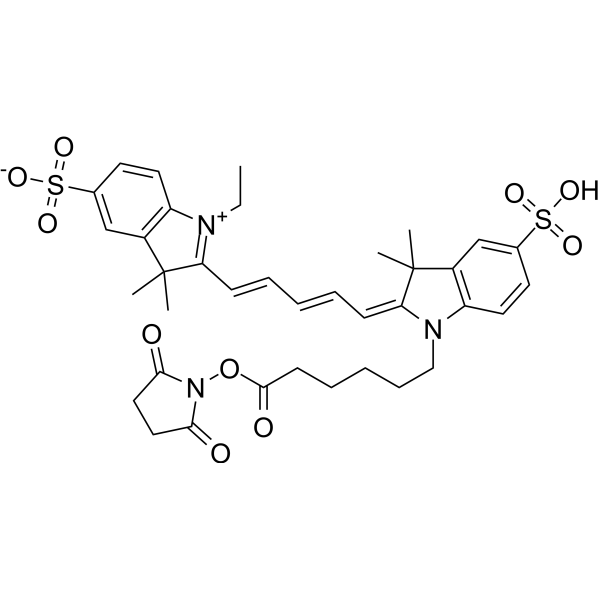
  • HY-D0819
    CY5-SE
    35+ Cited Publications

    Cy5 NHS Ester; Sulfo-Cyanine5 Succinimidyl Ester

    Fluorescent Dye Others
    Cy5-SE (Cy5 NHS Ester) is a reactive dye for the labeling of amino-groups in peptides, proteins, and oligonucleotides. This dye requires small amount of organic co-solvent (such as DMF or DMSO) to be used in labeling reaction. This reagent is ideal for very cost-efficient labeling of soluble proteins, as well as all kinds of peptides and oligonucleotides. This reagent also works well in organic solvents for small molecule labeling. Excitation (nm):649, Emission (nm): 670.
    CY5-SE
  • HY-P2962

    TG

    Biochemical Assay Reagents Infection Inflammation/Immunology
    Transglutaminase, Streptoverticillium mobaraense (TG) is an enzyme that forms cross-links between protein molecules. Transglutaminase, Streptoverticillium mobaraense attaches proteins and peptides to small molecules, polymers, surfaces, DNA and other proteins. Transglutaminase, Streptoverticillium mobaraense is widely used in food applications in the meat, fish, dairy and baking industries .
    Transglutaminase, Streptoverticillium mobaraense
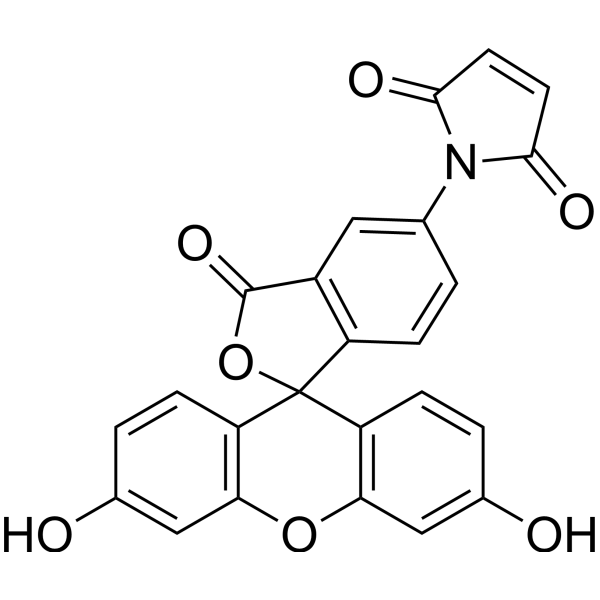
  • HY-D0098
    Fluorescein-5-maleimide
    5 Publications Verification

    N-(5-Fluoresceinyl)maleimide

    Fluorescent Dye Others
    Fluorescein-5-maleimide (N-(5-Fluoresceinyl)maleimide) is a fluorescent dye. Fluorescein-5-maleimide can be used to detect the redox state of thiols in eukaryotic cells. Fluorescein-5-maleimide can label peptides and is used to detect negatively charged nanoparticles. Fluorescein-5-maleimide can also label actin to explore its interaction with cardiac myosin-binding protein C (cMyBP-C), which helps in developing small molecule modulators for heart failure. Fluorescein-5-maleimide can screen mutant proteins that contain cysteine residues. The excitation wavelength of Fluorescein-5-maleimide is 494 nm, and the emission wavelength is 519 nm .
    Fluorescein-5-maleimide
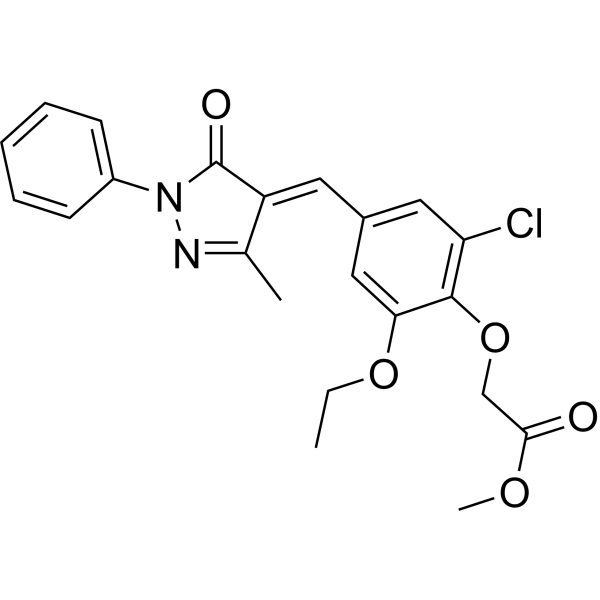
  • HY-123617

    Protease Activated Receptor (PAR) Inflammation/Immunology
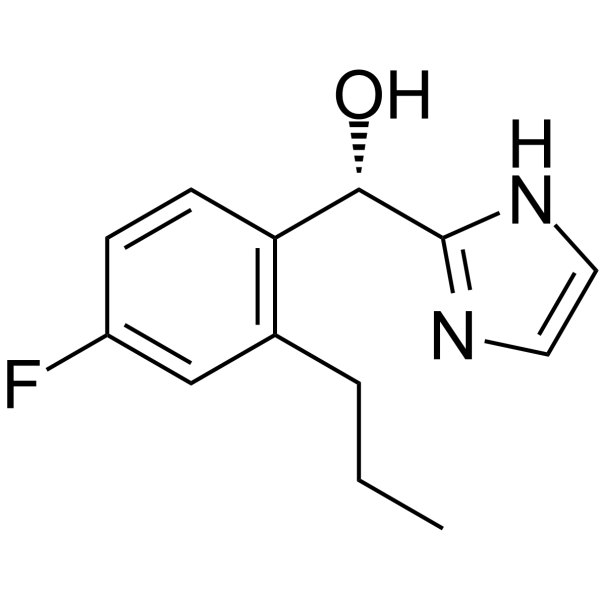
    AZ8838 is a potent, competitive, allosteric, orally active non-peptide small molecule antagonist of PAR2 with a pKi of 6.4 for hPAR2 .
    AZ8838
  • HY-D1872

    Fluorescent Dye Others
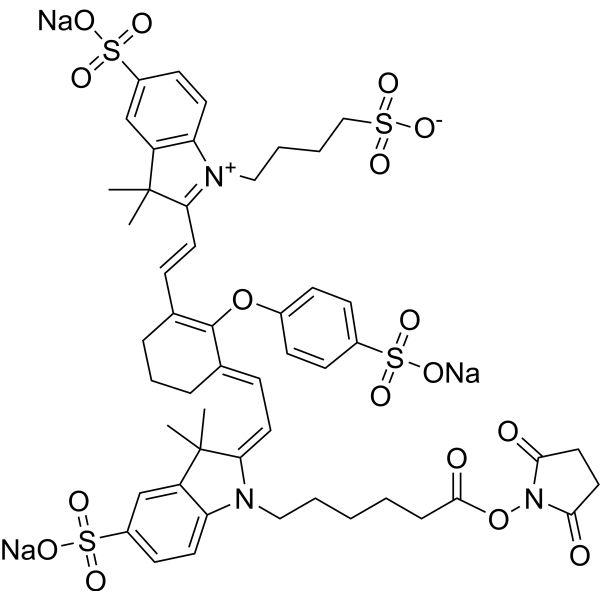
    800CW NHS ester is a near-infrared fluorescent dye active ester that can conjugate with amine-containing small molecules, antibodies, peptides, and other substances to form fluorescent conjugates. 800CW NHS ester exhibits high fluorescence quantum yield and low non-specific binding properties. 800CW NHS ester can be used in biomedical research such as microbial infection imaging, tumor imaging, and biochemical detection .
    800CW NHS ester
  • HY-13631EG

    MC-GGFG-DXD

    Drug-Linker Conjugates for ADC Cancer
    Deruxtecan (GMP) (MC-GGFG-DXD (GMP)) is Deruxtecan (HY-13631E) in GMP grade. GMP-grade small molecules can be used as auxiliary reagents in cell therapy. Deruxtecan is an ADC drug-linker conjugate composed of an DX-8951 derivative (DXd) and a maleimide-GGFG peptide linker, used for synthesizing Trastuzumab deruxtecan (HY-138298A) and Patritumab deruxtecan (HY-P99813) .
    Deruxtecan
  • HY-P10739

    Exosomes Collagen Inflammation/Immunology
    WYRGRL is a selective, high-affinity collagen type II-binding peptide with a IC50 of 140 nM. Collagen type II is the most abundant and specific structural protein in the extracellular matrix of articular cartilage. WYRGRL can precisely target small-molecule compounds such as Dexamethasone (HY-14648) and nanocarrier-engineered exosomes to cartilage, significantly enhancing their therapeutic effects on osteoarthritis .
    WYRGRL
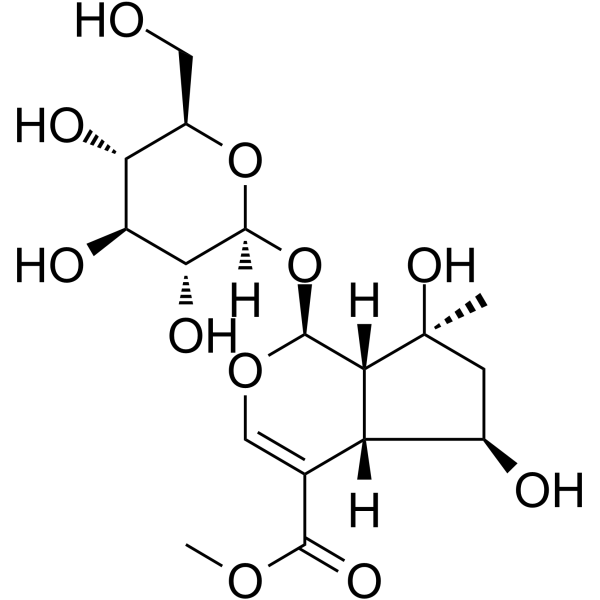
  • HY-N0630
    Shanzhiside methyl ester
    1 Publications Verification

    GCGR Neurological Disease
    Shanzhiside methy lester is isolated from lamiophlomis rotata. Shanzhiside methyl ester is a small molecule glucagon-like peptide-1 (GLP-1) receptor agonist and has the ability to induce anti-allodynic tolerance .
    Shanzhiside methyl ester
  • HY-103080

    Apelin Receptor (APJ) Cardiovascular Disease
    CMF019 is an orally active, potent and small molecule agonist at Apelin receptor (APJ) with G protein bias. CMF019 binds to APJ with pKi values of 8.58, 8.49 and 8.71 for human, rat, and mouse, respectively. CMF019 mimics the beneficial cardiovascular actions of apelin in rodents . Apelin receptor (APJ) is a G protein-coupled receptor (GPCR) activated by the endogenous peptide apelin. CMF019 is promising for research of chronic diseases, such as, pulmonary arterial hypertension .
    CMF019
  • HY-P10409

    Small humanin-like peptide 2

    Apoptosis Reactive Oxygen Species (ROS) Neurological Disease Metabolic Disease
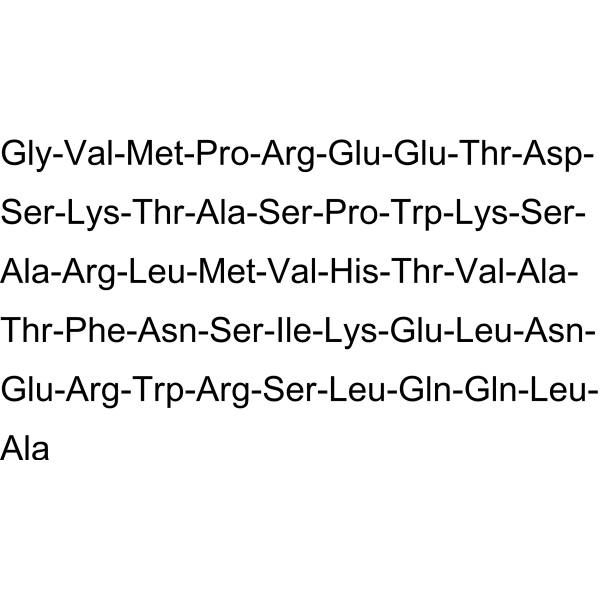
    SHLP2 (Small humanin-like peptide 2) is a small molecule peptide encoded by mitochondrial DNA, belonging to mitochondria derived peptide. SHLP2 has the activity of regulating apoptosis and inhibits cell death. SHLP2 binds to mitochondrial complex 1. SHLP2 improves mitochondrial metabolism by increasing respiration and biogenesis, reducing ROS, and decreasing mtDNA oxidation. SHLP2 also regulated energy homeostasis through the activation of hypothalamic neurons. SHLP2 can be used in the study of diseases related to mitochondrial dysfunction and anti-aging diseases, such as age-related macular degeneration and Parkinson’s disease .
    SHLP2
  • HY-16664
    SJ-172550
    2 Publications Verification

    MDM-2/p53 E1/E2/E3 Enzyme Cancer
    SJ-172550 is a small molecule inhibitor of MDMX; competes for the wild type p53 peptide binding to MDMX with an EC50 of 5 μM.
    SJ-172550
  • HY-164166

    Biochemical Assay Reagents Drug Intermediate Amino Acid Derivatives Others
    Fmoc-Sar-Sar-Sar-OH is a small molecule polypeptide composed of sarcosine residues, in which the N-terminus of the peptide chain is protected by Fmoc. Fmoc-Sar-Sar-Sar-OH can be used for peptide synthesis or synthesis of agent-peptide ligand conjugates .
    Fmoc-Sar-Sar-Sar-OH
  • HY-148263
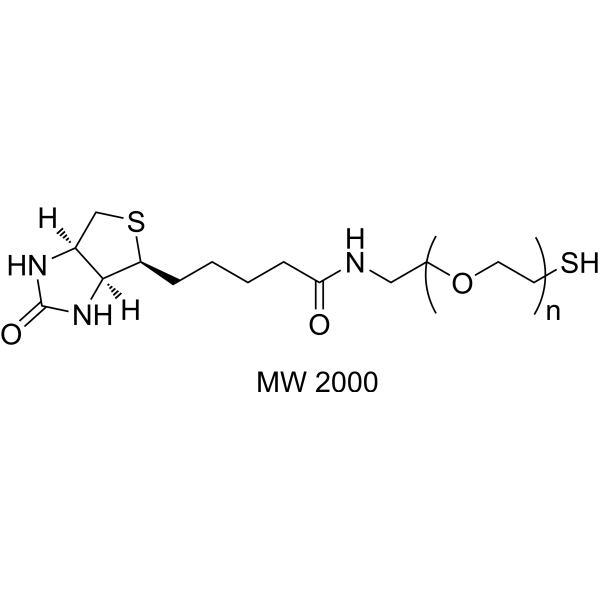
    Biotin-PEG2000-Thiol
    1 Publications Verification

    Fluorescent Dye Cancer
    Biotin-PEG2000-Thiol is an active compound. Biotin-PEG2000-Thiol is pegylated by binding to streptavidin or antibiotin with high affinity and specificity. Biotin-PEG2000-Thiol can modify biomolecules, proteins, peptides and other small molecule materials. Biotin-PEG2000-Thiol is widely used in the research of agent release and nano new materials .
    Biotin-PEG2000-Thiol
  • HY-78985

    Trimesic acid

    MOFs Biochemical Assay Reagents Others
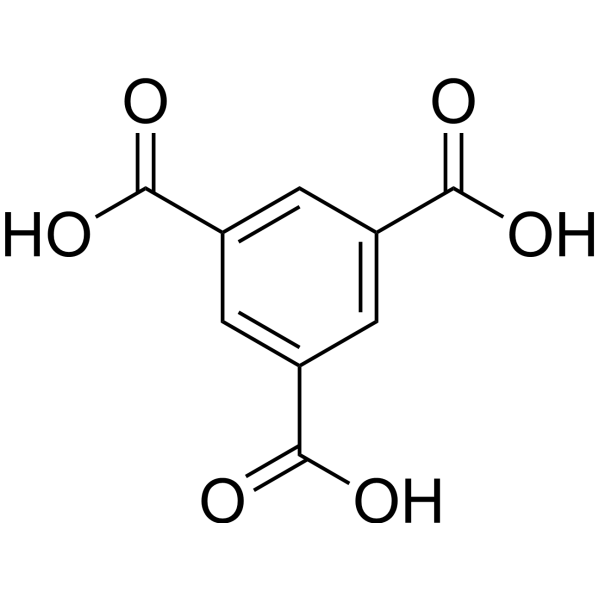
    Benzene-1,3,5-tricarboxylic acid (Trimesic acid) is a rigid planar small-molecule scaffold and crosslinker. Benzene-1,3,5-tricarboxylic acid induces bicyclic peptides to adopt a planar conformation, so as to maximize surface area and bind to the flat protein surfaces involved in protein-protein interactions. Benzene-1,3,5-tricarboxylic acid forms ionic crosslinks, hydrogen bonds and π-π bonds with chitosan, thereby constructing a hydrogel network. Benzene-1,3,5-tricarboxylic acid endows chitosan hydrogel systems with specific mechanical properties, enabling sustained release of cancer therapeutic drugs including 5-Fluorouracil (HY-90006) .
    Benzene-1,3,5-tricarboxylic acid
  • HY-P3432

    Biochemical Assay Reagents Others
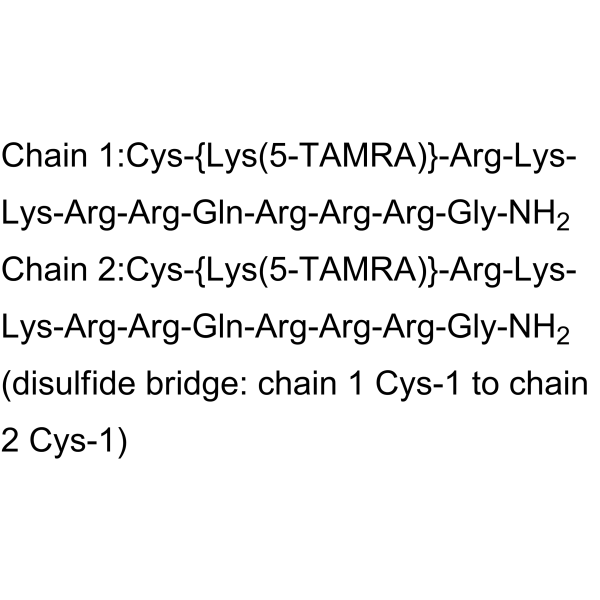
    DfTat is a dimer of the prototypical cell-penetrating peptide TAT. DfTat can deliver small molecules, peptides and proteins into live cells with a particularly high efficiency. DfTat labeled with the rhodamine can be used as a tracer for easy detection .
    DfTat
  • HY-P1805

    Calmodulin Neurological Disease
    Calmodulin Binding Peptide 1 is a high-affinity (pM) CaM-binding peptide derived from smooth muscle myosin light chain kinase (MLCK peptide). The interface of the complex formed by Calmodulin Binding Peptide 1 and Ca 2+-CaM can be specifically bound by small-molecule inhibitors, serving as a key target for selective regulation of smooth muscle contraction and development of anti-CaM drugs .
    Calmodulin Binding Peptide 1
  • HY-157269

    Hapten Inflammation/Immunology
    J10-1 is a hapten small molecule. J10-1 accelerates peptide exchange in MHC class II molecules in an HLA-DM-independent manner, and its effect is not affected by the polymorphism of the P1 pocket of MHC class II molecules. J10-1 enhances the processes of peptide dissociation, peptide binding and peptide association of MHC class II molecules on the surface of B cells. J10-1 can be used for research on immunoregulation .
    J10-1
  • HY-P1350

    Bacterial Infection
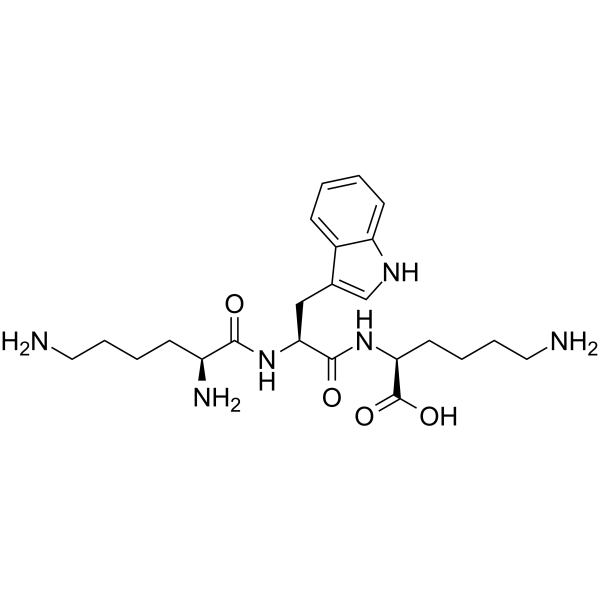
    H-Lys-Trp-Lys-OH is a small molecule peptide which displays antibacterial and antiviral activities extracted from patent CN 104072579 A, Compound AMP12.
    H-Lys-Trp-Lys-OH
  • HY-DY1063

    Fluorescent Dye Others
    Cy5-SE (Cy5 NHS Ester) (solution) is a reactive dye for the labeling of amino-groups in peptides, proteins, and oligonucleotides. This dye requires small amount of organic co-solvent (such as DMF or DMSO) to be used in labeling reaction. This reagent is ideal for very cost-efficient labeling of soluble proteins, as well as all kinds of peptides and oligonucleotides. This reagent also works well in organic solvents for small molecule labeling. Excitation (nm) :649, Emission (nm) : 670.
    Solvent and concentration: DMSO: 10 mM
    CY5-SE (solution)
  • HY-60265

    Amino Acid Derivatives Others
    Boc-D-Cyclopropylglycine is a small molecule peptide, it can be used for compounds synthesis .
    Boc-D-Cyclopropylglycine
  • HY-P3320

    PC 3

    Biochemical Assay Reagents Others
    Phytochelatin 3 (PC 3) is the small metal chelating peptide that can be used for chelating heavy metals. Phytochelatin 3 is a short metal detoxification peptide made from the sulfur-rich molecule glutathione. Phytochelatin 3 can be found in different sources including plant, fungal, algal, and bacterial species, as a detoxification mechanism in response to heavy metal exposure. Phytochelatin 3 plays an important metabolic role in plants .
    Phytochelatin 3
  • HY-P10696

    Bacterial Infection
    C16G2 is a specific targeted antimicrobial peptide (STAMP) that targets the cariogenic oral pathogen Streptococcus mutans. C16G2 specifically recognizes and disrupts the bacterial cell membrane, causing small molecule leakage and loss of membrane potential, leading to bacterial killing. C16G2 exhibits higher selectivity and efficacy against Streptococcus mutans, unlike broad-spectrum antimicrobial peptides .
    C16G2
  • HY-P11162

    FGFR Akt ERK mTOR Apoptosis Inflammation/Immunology
    FGF7p is a small molecule peptide and a potential bladder protector. FGF7p can activate downstream signaling pathways of FGFR2 in the urinary tract epithelium (pFRS2α, pAKT and pERK). FGF7p alleviates cyclophosphamide induced apoptosis and tissue damage in urinary tract epithelial cells by activating AKT and its downstream anti apoptotic targets (pBAD, pS6/mTORC1). FGF7p is commonly used in the study of inflammatory conditions .
    FGF7p
  • HY-116863

    Bacterial Infection
    KKL-40 is a small molecule inhibitor that targets the trans-transcription process and is effective against methicillin-sensitive and -resistant Staphylococcus aureus (S. aureus) as well as other Gram-positive pathogens including vancomycin-resistant Enterococcus faecium, Bacillus subtilis, and Streptococcus pyogenes. KKL-40 synergizes with the human antimicrobial peptide LL-37 to inhibit S. aureus, but does not synergize with other antibiotics such as daptomycin, kanamycin, or erythromycin. Trans-transcription is an extreme form of recoding, and KKL-40 inhibits trans-transcription but is nontoxic to HeLa cells .
    KKL-40
  • HY-13259G

    Z-Leu-Leu-Leu-al

    Proteasome Autophagy Apoptosis Cancer
    MG-132 (GMP) (Z-Leu-Leu-Leu-al (GMP)) is MG-132 (HY-13259) produced by using GMP guidelines. GMP small molecules works appropriately as an auxiliary reagent for cell therapy manufacture. MG-132 (Z-Leu-Leu-Leu-al) is a potent proteasome and calpain inhibitor with IC50s of 100 nM and 1.2 μM, respectively. MG-132 effectively blocks the proteolytic activity of the 26S proteasome complex. MG-132, a peptide aldehyde, also is an autophagy activator. MG-132 also induces apoptosis .
    MG-132
  • HY-42649

    Bacterial Neurological Disease
    NSC 14699 is a small molecule non-peptide inhibitor of botulinum neurotoxin serotype E. NSC 14699 is promising for research of therapeutic and cosmetic agents .
    NSC 14699
  • HY-E70375

    Fructosyl-peptide: oxygen oxidoreductase

    Others Others
    Fructosyl-peptide oxidase (FPOX-CE) (Fructosyl-peptide: oxygen oxidoreductase) is an enzyme that catalyzes the oxidation of glycopeptides. Fructosyl-peptide oxidase (FPOX-CE) shows high activity against small molecule glycated peptides, but no activity is detected against the glycated hexapeptide standard fVHLTPE used in the study. Fructosyl-peptide oxidase (FPOX-CE) can be used in the study of diabetes monitoring .
    Fructosyl-peptide oxidase (FPOX-CE)
  • HY-N0630R

    Reference Standards GCGR Neurological Disease
    Shanzhiside methyl ester (Standard) is the analytical standard of Shanzhiside methyl ester. This product is intended for research and analytical applications. Shanzhiside methy lester is isolated from lamiophlomis rotata. Shanzhiside methyl ester is a small molecule glucagon-like peptide-1 (GLP-1) receptor agonist and has the ability to induce anti-allodynic tolerance .
    Shanzhiside methyl ester (Standard)
  • HY-P10696A

    Bacterial Infection
    C16G2 TFA is a specific targeted antimicrobial peptide (STAMP) that targets the cariogenic oral pathogen Streptococcus mutans. C16G2 TFA specifically recognizes and disrupts the bacterial cell membrane, causing small molecule leakage and loss of membrane potential, leading to bacterial killing. C16G2 TFA exhibits higher selectivity and efficacy against Streptococcus mutans, unlike broad-spectrum antimicrobial peptides .
    C16G2 TFA
  • HY-P10979

    Neuropeptide S Receptor Neurological Disease
    Buccalin is a neuropeptide that colocalizes with small molecule cardioactive peptides in neuronal B15. When exogenously applied to the ARC neuromuscular junction, Buccalin reduces the amplitude of muscle contraction induced by motor neuron firing and acts only presynaptically. Buccalin has no effect on the rate of muscle relaxation and reduces motor neuron-induced ARC excitatory junction potentials without affecting contraction produced by direct acetylcholine action on the muscle .
    Buccalin
  • HY-176770

    GLP Receptor Metabolic Disease
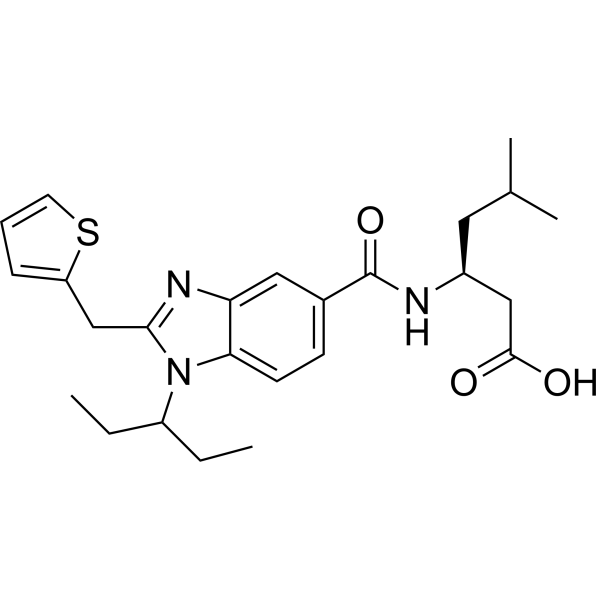
    GLP-1R agonist 34 (Compound 1) is an orally active small molecule glucagon-like peptide-1 receptor (GLP-1R) agonist. GLP-1R agonist 34 promotes insulin secretion, inhibits glucagon release, and delays gastric emptying, thereby effectively lowering blood glucose levels. GLP-1R agonist 34 is promising for research of metabolic diseases, including type 2 diabetes, obesity, and non-alcoholic steatohepatitis (NASH) .
    GLP-1R agonist 34
  • HY-W024881

    2,3,3-Trimethylindolenine-5-sulfonic acid potassium salt

    Drug Intermediate Others
    Potassium 2,3,3-trimethylindole-5-sulfonate (2,3,3-Trimethylindolenine-5-sulfonic acid potassium salt) is an indole derivative containing a sodium sulfonate group and is commonly used as a key intermediate in dye synthesis. Potassium 2,3,3-trimethylindole-5-sulfonate can be coupled to peptides, proteins, nucleic acids, RNA, DNA, carbohydrates, polymers, and small molecules via the sulfonyl substituent .
    Potassium 2,3,3-trimethylindole-5-sulfonate
  • HY-113225B

    GTP tritris

    Endogenous Metabolite Exosomes Cancer
    Guanosine triphosphate tritris (GTP tritris) serves as a vital enhancer of myogenic cell differentiation and plays a critical role in modulating miRNA-myogenic regulator factors. It also facilitates the release of exosomes enriched with guanosine and guanosine-derived molecules, and is regarded as an activated precursor for RNA synthesis. In mitochondrial function, GTP participates in the import of proteins into the matrix, which is essential for various regulated pathways, and is involved in initiating peptide synthesis through the binding of formylmethionyl-tRNA to the ribosome, as well as polypeptide chain elongation. Additionally, GTP acts as a phosphate and pyrophosphate carrier that channels chemical energy into specific biosynthetic pathways. It activates signal transducing G proteins that regulate cellular processes such as proliferation and differentiation, and its hydrolysis by small GTPases, including Ras and Rho, is integral to both proliferation and apoptosis. Furthermore, the small GTPase Rab is instrumental in vesicle docking, fusion, and formation. Beyond signal transduction, GTP is an energy-rich precursor in the enzymatic biosynthesis of DNA and RNA.
    Guanosine triphosphate tritris
  • HY-P10157

    Biochemical Assay Reagents Others
    ARF(1-22) is potentially capable of intracellular penetration to deliver small molecules, proteins, imaging agents, and pharmaceutical nanocarriers .
    ARF(1-22)
  • HY-160473A

    Microtubule/Tubulin Cancer
    TAM557 TFA is a cytotoxic tubulysin compounds, which is modified to be used for conjugation to transport vehicles that are targeting molecules, such as proteins, peptides, small molecules or polymeric carriers which can carry a targeting principle .
    TAM557 TFA
  • HY-153859

    Biochemical Assay Reagents Others
    Ser-SNAC TFA is a small-molecule substrate for NRPS C domains. As for NRPSs, refers to nonribosomal peptide synthetases, are large multidomain proteins to catalyze the formation of biologically active natural products. Ser-SNAC TFA can be used for characterizing the substrate specificity of C domain-catalyzed peptide bond formation .
    Ser-SNAC TFA
  • HY-123547

    Insulin Receptor Others
    TLK19781 is a non-peptide small molecule insulin receptor activator that increases the content of insulin-stimulated GLUT4 on the cell membrane and enhances the activity of insulin-stimulated glucose transport in cell and animal models of insulin resistance.
    TLK19781
  • HY-157171

    MHC Inflammation/Immunology
    Ac-YR-NH2 is a small molecule modulator of MHC class II antigen presentation. Ac-YR-NH2 can influence peptide binding by MHC II to influence immune response .
    Ac-YR-NH2
  • HY-110111A

    DNA/RNA Synthesis Others
    T2AA hydrochloride is a non-peptide small molecule PCNA inhibitor T2 amino alcohol (T2AA) that lacks thyroid hormone activity. T2AA hydrochloride inhibits the interaction of PCNA/PIP-box peptide (IC50=~1 μM) and the interaction of PCNA with full-length p21 protein .
    T2AA hydrochloride
  • HY-172692

    Liposome Cancer
    DSPE-PEG1000-TH is a PEG compound which composed of DSPE and a pH-responsive cell penetrating peptide (TH). TH is activated in an acidic environment (such as the tumor microenvironment) and can selectively carry small molecules, oligonucleotides, proteins, etc. into tumor cells .
    DSPE-PEG1000-TH
  • HY-172693

    Liposome Cancer
    DSPE-PEG2000-TH is a PEG compound which composed of DSPE and a pH-responsive cell penetrating peptide (TH). TH is activated in an acidic environment (such as the tumor microenvironment) and can selectively carry small molecules, oligonucleotides, proteins, etc. into tumor cells .
    DSPE-PEG2000-TH
  • HY-12976

    G Protein-coupled Receptor Kinase (GRK) Metabolic Disease
    DS-1558 is an orally active small molecule G protein-coupled receptor 40 agonist. DS-1558 not only increases the glucose-stimulated insulin secretion by glucagon like peptide-1 (GLP-1) but also potentiated the maximum insulinogenic effects of GLP-1 after an intravenous glucose injection in normal Sprague Dawley rats. DS-1558 is promising for research of type 2 diabetes .
    DS-1558
  • HY-174289

    Biochemical Assay Reagents Others
    TMTHSI succinimide NHS ester is a highly efficient cyclic alkyne click reagent. TMTHSI succinimide NHS ester has the primary activity to rapidly undergo strain-promoted cycloaddition reactions with azides. TMTHSI succinimide NHS ester is easily functionalized and can be linked to a variety of small molecules and (peptides, nucleic acids) biologics via a variety of linkers .
    TMTHSI succinimide NHS ester
  • HY-W348072

    SARS-CoV Infection
    SARS-CoV-2-IN-59 (compound E07), an imidazoline derivative, is a non-peptide small molecule inhibitor of SARS-CoV-2 that targets the main protease (Mpro) of the coronavirus. SARS-CoV-2-IN-59 has a strong interaction with residues on Mpro (Met 165, Gln 166, Met 165, His 41, Gln 189) .
    SARS-CoV-2-IN-59
  • HY-156087G

    Apoptosis Necroptosis Cancer
    Cholicamideβ (GMP) is a GMP grade of Cholicamideβ. Cholicamideβ (compound 6) is a self-assembling, small molecule, cancer vaccine adjuvant. Cholicamideβ can form virus-like particles with low cytotoxicity. Cholicamideβ, upon binding to peptide antigens, enhances antigen presentation by dendritic cells and induces antigen-specific T cells. Cholicamideβ can induce apoptosis and necrosis .
    Cholicamideβ (GMP)
  • HY-156087

    Apoptosis Necroptosis Cancer
    Cholicamideβ (GMP) is a GMP grade of Cholicamideβ. Cholicamideβ (compound 6) is a self-assembling, small molecule, cancer vaccine adjuvant. Cholicamideβ can form virus-like particles with low cytotoxicity. Cholicamideβ, upon binding to peptide antigens, enhances antigen presentation by dendritic cells and induces antigen-specific T cells. Cholicamideβ can induce apoptosis and necrosis .
    Cholicamideβ
  • HY-78985S

    Trimesic acid-d3

    Isotope-Labeled Compounds Biochemical Assay Reagents MOFs Others
    Benzene-1,3,5-tricarboxylic acid-d3 (Trimesic acid-d3) is the deuterium labeled Benzene-1,3,5-tricarboxylic acid (HY-78985). Benzene-1,3,5-tricarboxylic acid (Trimesic acid) is a rigid planar small-molecule scaffold and crosslinker. Benzene-1,3,5-tricarboxylic acid induces bicyclic peptides to adopt a planar conformation, so as to maximize surface area and bind to the flat protein surfaces involved in protein-protein interactions. Benzene-1,3,5-tricarboxylic acid forms ionic crosslinks, hydrogen bonds and π-π bonds with chitosan, thereby constructing a hydrogel network. Benzene-1,3,5-tricarboxylic acid endows chitosan hydrogel systems with specific mechanical properties, enabling sustained release of cancer therapeutic drugs including 5-Fluorouracil (HY-90006) .
    Benzene-1,3,5-tricarboxylic acid-d3
  • HY-182833A

    Biochemical Assay Reagents Others
    DPPE-PEG2000-NHS is a conjugate composed of DPPE, PEG chains, and terminal active esters (NHS). The NHS ester in DMPE-PEG2000-NHS can rapidly covalently react with molecules containing primary amines (such as proteins, peptides, and small molecules modified with amino groups) to form stable amide bonds, enabling targeted modification of liposomes/nanoparticles.
    DPPE-PEG2000-NHS
  • HY-183104D

    Biochemical Assay Reagents Others
    DSG-PEG10000-NHS is a conjugate composed of DSG, PEG chains, and terminal active esters (NHS). The NHS ester in DSG-PEG10000-NHS can rapidly covalently react with molecules containing primary amines (such as proteins, peptides, and small molecules modified with amino groups) to form stable amide bonds, enabling targeted modification of liposomes/nanoparticles.
    DSG-PEG10000-NHS
  • HY-183104

    Biochemical Assay Reagents Others
    DSG-PEG1000-NHS is a conjugate composed of DSG, PEG chains, and terminal active esters (NHS). The NHS ester in DSG-PEG1000-NHS can rapidly covalently react with molecules containing primary amines (such as proteins, peptides, and small molecules modified with amino groups) to form stable amide bonds, enabling targeted modification of liposomes/nanoparticles.
    DSG-PEG1000-NHS

Inquiry Online

Your information is safe with us. * Required Fields.

Salutation


Country or Region *

Applicant Name *


Organization Name *

Department *


Email Address *


Product Name *

Cat. No.


Requested quantity *

Phone Number *


Remarks

Inquiry Online

Inquiry Information

Product Name:
Cat. No.:
Quantity:
MCE Japan Authorized Agent:

