Search Result
Results for "
adult humans
" in MedChemExpress (MCE) Product Catalog:
| Cat. No. |
Product Name |
Target |
Research Areas |
Chemical Structure |
-
- HY-125934
-
|
|
Endogenous Metabolite
|
Cancer
|
|
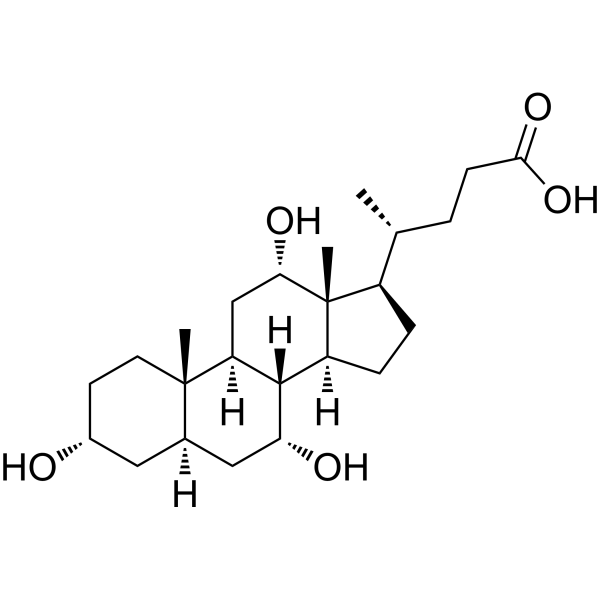
Allocholic acid is a typically fetal bile acid found in vertebrates and reappears during liver regeneration and carcinogenesis, besides it is also a conjugate acid of allocholate and an isomer of cholic acid. Allocholic acid is a potent and specific stimulant of the adult olfactory system, it has a role as a marine metabolite, a rat metabolite and a human metabolite .
|
-
-
- HY-P990043
-
|
VGL101
|
Ser/Thr Kinase
TREM receptor
|
Inflammation/Immunology
|
|
Iluzanebart is a human monoclonal IgG1 antibody and is the agonist antibody for human TREM2 (hTREM2). Iluzanebart improves the survival and function of microglia by activating the TREM2 signaling pathway to compensate for the loss of CSF1R function. Iluzanebart can be used for research of adult-onset leukoencephalopathy associated with CSF1R (colony stimulating factor 1 receptor) (CSF1R-ALSP) .
|
-

-
- HY-P0060
-
|
Tetracosactrin; ACTH(1–24)
|
CRFR
Melanocortin Receptor
|
Neurological Disease
Inflammation/Immunology
|
|
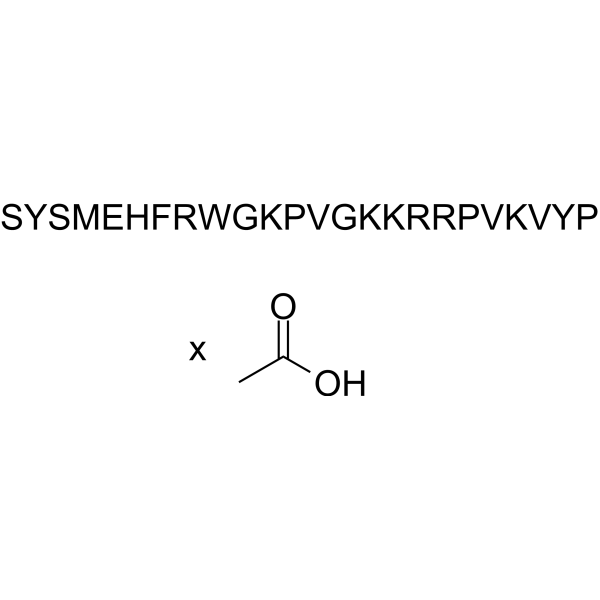
Tetracosactide (Tetracosactrin) is an analogue of adrenocorticotrophic hormone (ACTH). Tetracosactide is the agonist for melanocortin-4 receptor (MC4R) that activates human MC4R with an EC50 of 0.65 nM. Tetracosactide can stimulate the release of corticosteroids such as cortisol from the adrenal gland. Tetracosactide is currently used for the research of ulcerative colitis and Crohn's disease, juvenile/adult rheumatoid arthritis and osteoarthrosis .
|
-

-
- HY-P0060A
-
|
Tetracosactrin acetate; ACTH(1–24) acetate
|
CRFR
Melanocortin Receptor
|
Neurological Disease
Inflammation/Immunology
|
|
Tetracosactide acetate (Tetracosactrin acetate ) is the acetate salt form of Tetracosactide (HY-P0060). Tetracosactide acetate is an analogue of adrenocorticotrophic hormone (ACTH). Tetracosactide acetate is the agonist for melanocortin-4 receptor (MC4R) that activates human MC4R with an EC50 of 0.65 nM. Tetracosactide acetate can stimulate the release of corticosteroids such as cortisol from the adrenal gland. Tetracosactide acetate is currently used for the research of ulcerative colitis and Crohn's disease, juvenile/adult rheumatoid arthritis and osteoarthrosis .
|
-
-
- HY-N11424
-
|
|
Drug Metabolite
Glycosyltransferase
|
Metabolic Disease
|
|
Bilirubin diglucuronide is a bilirubin glycoside conjugate with a 1-O-acyl β-D-glucuronide structure. Bilirubin diglucuronide is the major conjugated bilirubin (HY-N0323) and predominant pigment excreted in the bile of adult humans, rats, dogs and cats. Bilirubin diglucuronide is mainly synthesized via UDP-glucuronosyltransferase-mediated transfer of glucuronic acid from UDP-glucuronic acid to bilirubin monoglucuronide, or via enzymatic disproportionation of two moles of bilirubin monoglucuronide (predominantly producing the IXα configuration). In addition, Bilirubin diglucuronide can also be synthesized from bilirubin or its monoglucuronide in a UDP-glucuronic acid-dependent manner. Pretreatment with phenobarbital significantly enhances the formation process of Bilirubin diglucuronide .
|
-

-
- HY-N10530
-
|
Difucosyllactose ; 2′,3-Difucosyllactose
|
Endogenous Metabolite
|
Inflammation/Immunology
|
|
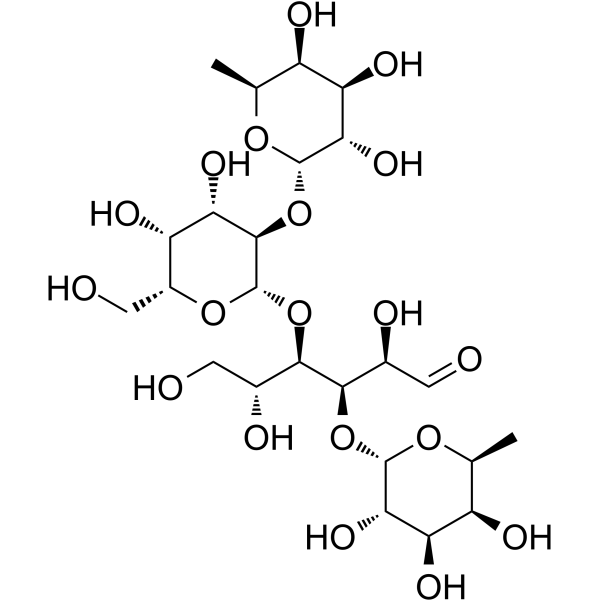
Lactodifucotetraose is a difucosylated human milk oligosaccharide. Lactodifucotetraose inhibits platelet function and the release of inflammatory factors. Lactodifucotetraose can be used for the research of *Campylobacter jejuni*-associated diarrhea and platelet-induced inflammatory processes .
|
-
-
- HY-112411
-
|
|
EGFR
ERK
PDGFR
FGFR
|
Neurological Disease
Inflammation/Immunology
|
|
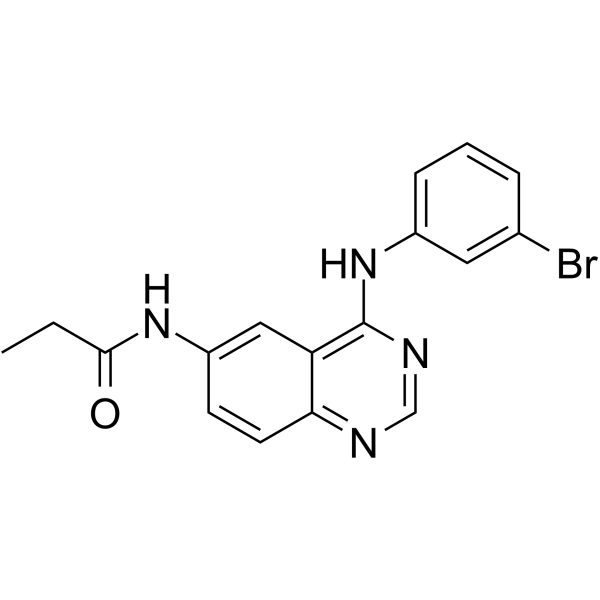
PD 174265 is a highly selective, reversible EGFR/ErbB2 tyrosine kinase inhibitor (IC50=0.45 nM) and cell differentiation inducer. By blocking receptor autophosphorylation and the downstream ERK signaling pathway (with an IC50 of 0.45 μM for full-length ERK), PD 174265 effectively inhibits tumor growth and exhibits antitumor activity without obvious toxicity in in vivo models. PD 174265 drives oligodendrocyte precursor cells to switch from a proliferative state to a differentiated state, significantly upregulates the expression of myelin proteins such as CNP, PLP and MBP, and induces neurite branching. PD 174265 shows no inhibitory effect on other kinases including insulin, PDGF and basic FGF receptors, and serves as a crucial tool molecule for investigating the treatment of human epidermoid carcinoma and the mechanism of myelin repair in multiple sclerosis .
|
-
-
- HY-W042214
-
|
Ritalinate
|
Drug Metabolite
Environmental Pollutants
|
Neurological Disease
|
|
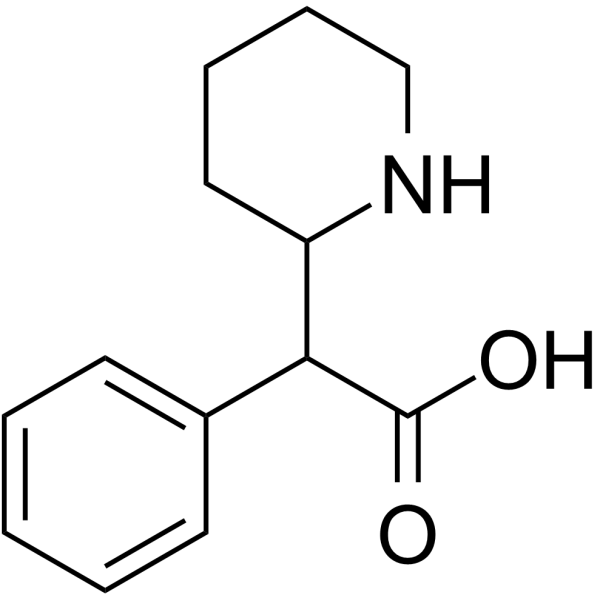
Ritalinic acid (Ritalinate) is a metabolite of Methylphenidate. Ritalinic acid has no biological activity or only extremely low biological activity. The concentration of Ritalinic acid detected in university campus sewage shows a gradual upward trend in the first semester, while no obvious periodic variation pattern related to academic stress is observed in the second semester. Ritalinic acid can be used in studies related to attention deficit disorder, narcolepsy, depression and attention deficit hyperactivity disorder .
|
-
-
- HY-P3136
-
|
TRV120055
|
Angiotensin Receptor
ERK
|
Cardiovascular Disease
|
|
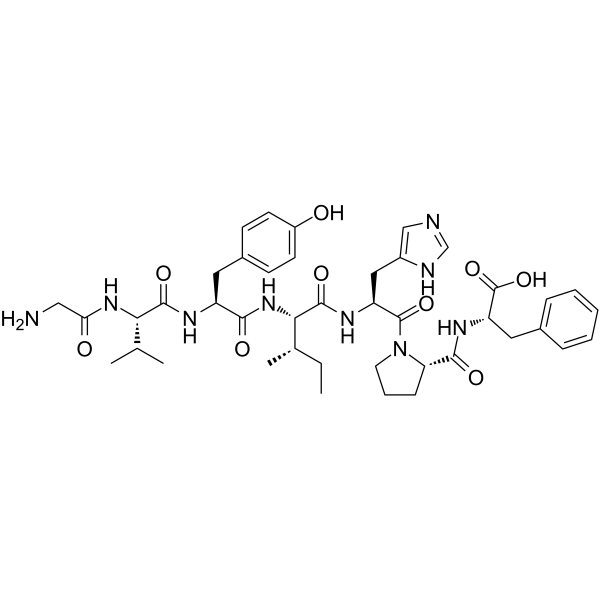
TRV055 (TRV120055) is a G protein-biased agonist of angiotensin II type 1 receptors (AT1Rs). TRV120055 induces fibroblast proliferation, overexpression of collagen I and α-SMA, and stress fibre formation in human cardiac fibroblasts. TRV055 activates AT1 receptor/Gαq-mediated signaling pathways, upregulates TGF-β1 and p-ERK1/2. TRV055 induces collagen secretion in adult rat myofibroblasts at a level comparable to Ang II. TRV055 can be used to study the role of G protein-biased signaling of AT1Rs in regulating fibrotic responses [1]
|
-
-
- HY-W012352
-
|
|
Glutathione Peroxidase
Ferroptosis
Wnt
β-catenin
Apoptosis
|
Cardiovascular Disease
Neurological Disease
|
|
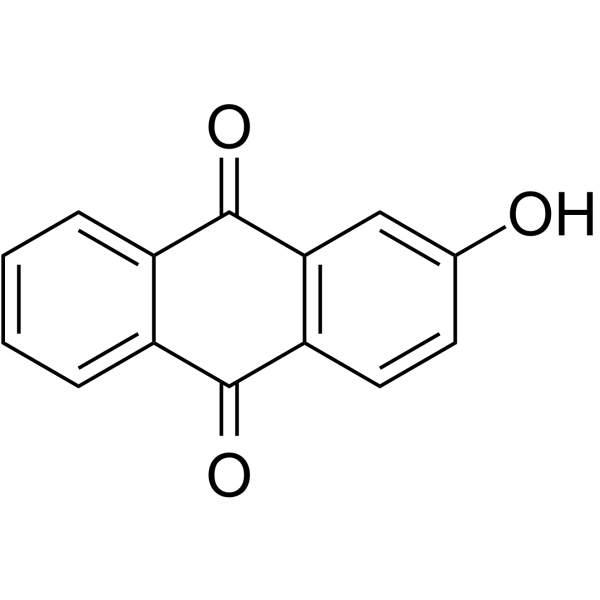
2-Hydroxyanthraquinone is a product generated by the photochemical oxidation of Anthracene (ANT) (HY-Y0299). 2-Hydroxyanthraquinone induces ferroptosis in cardiomyocytes by depleting GSH and inhibiting GPX4, leading to cardiac developmental malformations. 2-Hydroxyanthraquinone causes damage to the cerebrovascular system and blood-brain barrier in zebrafish by downregulating the Wnt/β-catenin signaling pathway, as well as inducing inflammation and neuronal apoptosis. 2-Hydroxyanthraquinone can be used in studies related to cerebrovascular diseases and cardiotoxicity .
|
-
-
- HY-P991381
-
|
PPMX-T003
|
Transferrin Receptor
Reactive Oxygen Species (ROS)
Ferroptosis
|
Cancer
|
|
JST‑TfR09 (PPMX‑T003) is a human monoclonal antibody (mAb) targeting transferrin receptor 1 (TfR1/CD71). JST‑TfR09 blocks the binding of transferrin to TfR1, inhibits TfR1 internalization, and suppresses cellular iron uptake. JST‑TfR09 triggers ferritin degradation via activating the autolysosomal system, promotes ROS production and lipid peroxidation, and ultimately induces ferroptosis. JST‑TfR09 exhibits cytotoxicity toward human erythroblasts differentiated from hematopoietic stem cells. JST-TfR09 can be used in leukemia research. Recommended isotype control: Human IgG1 lambda, Isotype Control (HY-P99992) .
|
-

-
- HY-113031
-
|
16α-Hydroxy-DHEA; 16α-OH-DHEA; 16α-hydroxy DHEA
|
Cytochrome P450
|
Endocrinology
|
|
16a-Hydroxydehydroisoandrosterone (16α-Hydroxy-DHEA) is a metabolite of the endogenous steroid hormone dehydroepiandrosterone. 16α-hydroxy Dehydroepiandrosterone is formed from dehydroepiandrosterone via 16-hydroxylation by the cytochrome P450 (CYP) isoforms CYP3A4 and CYP3A5 in adult human liver microsomes, as well as by fetal recombinant CYP3A7. It is a precursor to fetal estrogens, including estriol.
|
-

-
- HY-P3136A
-
|
TRV120055 hydrochloride
|
Angiotensin Receptor
|
Cardiovascular Disease
|
|
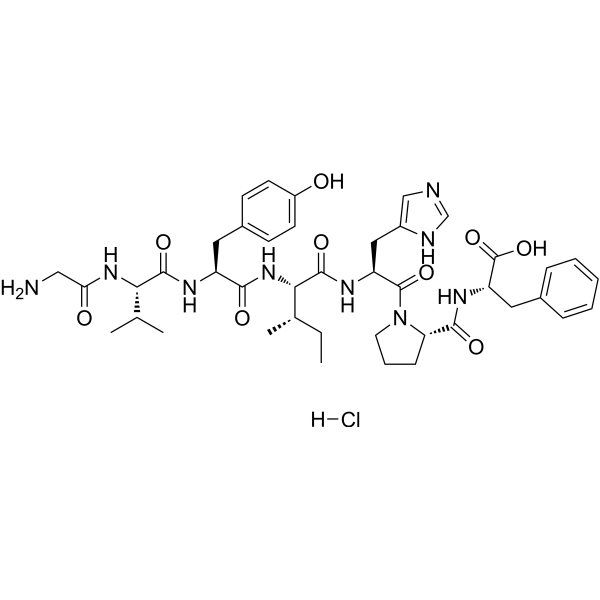
TRV055 (TRV120055) hydrochloride is a G protein-biased agonist of angiotensin II type 1 receptors (AT1Rs). TRV055 hydrochloride induces fibroblast proliferation, overexpression of collagen I and α-SMA, and stress fibre formation in human cardiac fibroblasts. RV055 hydrochloride activates AT1 receptor/Gαq-mediated signaling pathways, upregulates TGF-β1 and p-ERK1/2. RV055 hydrochloride induces collagen secretion in adult rat myofibroblasts at a level comparable to Ang II. RV055 hydrochloride can be used to study the role of G protein-biased signaling of AT1Rs in regulating fibrotic responses [1]
|
-
-
- HY-120039A
-
|
|
Elastase
|
Inflammation/Immunology
|
|
(S)-MDL-101146 is the S-isomer of MDL-101146. MDL-101146 is an orally active, competitive and reversible inhibitor against human neutrophil elastase (HNE) with a Ki value of 25 nM. MDL-101146 inhibits HNE-induced hemorrhage in hamsters. MDL-101146 is promising for research of emphysema, rheumatoid arthritis, chronic bronchitis, cystic fibrosis, adult respiratory distress syndrome and glomerulonephritis .
|
-

-
- HY-110067
-
-
-
- HY-23148
-
|
N-Methylisatin
|
Carboxylesterase (CES)
|
Others
|
|
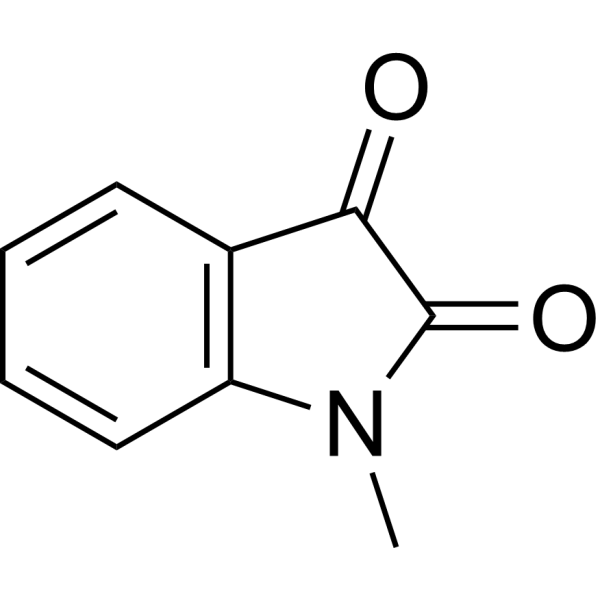
1-Methylisatin is a potent and selective CE (carboxylesterases) inhibitor, with Kis of 38.2 and 5.38 μM for hiCE and hCE1, respectively. 1-Methylisatin interacts with Hb (human adult hemoglobin) by hydrophobic binding and electrostatic attraction. 1-Methylisatin can be used in the study of regulation of agent metabolism in vivo .
|
-
-
- HY-120039
-
|
|
Elastase
|
Inflammation/Immunology
|
|
(R)-MDL-101146 is the R-isomer of MDL-101146. MDL-101146 is an orally active, competitive and reversible inhibitor against human neutrophil elastase (HNE) with a Ki value of 25 nM. MDL-101146 inhibits HNE-induced hemorrhage in hamsters. MDL-101146 is promising for research of emphysema, rheumatoid arthritis, chronic bronchitis, cystic fibrosis, adult respiratory distress syndrome and glomerulonephritis .
|
-

-
- HY-175184
-
|
|
Histone Demethylase
|
Infection
|
|
LSD1-IN-44 (Compound 19) is a LSD1 inhibitor with an IC50 of 0.02 μM for LSD1-CoREST enzymatic complex. LSD1-IN-44 has significant antischistosomal activity against transformed schistosomula (NTS) and Schistosoma mansoni adult worms while showing a delayed onset of action towards juvenile forms. LSD1-IN-44 has no significant toxicity to human cells. LSD1-IN-44 can be used for schistosomiasis research .
|
-

-
- HY-155189
-
|
|
Melanocortin Receptor
|
Others
|
|
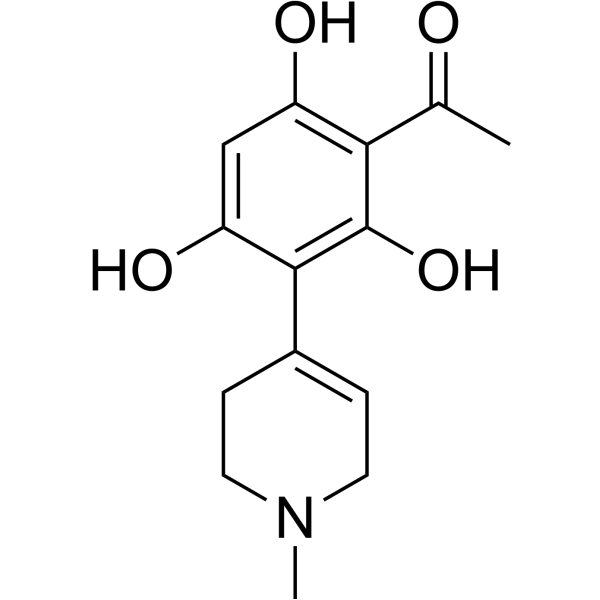
IIIM-8 is a melanogenesis inhibitor. IIIM-8 inhibits pigment production both in vitro and in vivo without incurring any cytotoxicity in Human Adult Epidermal Melanocytes (HAEM). IIIM-8 can be used for hyperpigmentation disorders research .
|
-
-
- HY-174544
-
|
|
mRNA
|
Cancer
|
|
Human POU class 5 homeobox 1 (POU5F1) mRNA encodes a transcription factor containing a POU homeodomain that plays a key role in embryonic development and stem cell pluripotency. Aberrant expression of this gene in adult tissues is associated with tumorigenesis.
|
-

-
- HY-158423
-
|
|
Mitochondrial Metabolism
Parasite
|
Infection
|
|
NPD8790 is a species selective mitochondrial respiratory complex I inhibitor with an IC50 of 2.4 µM for C. elegans complex I. NPD8790 is more selective for nematode species mitochondria than human, bovine, and mouse mitochondria. NPD8790 is an anthelmintic that kills adult soil-transmitted helminths .
|
-

-
- HY-155823
-
|
|
Cholinesterase (ChE)
|
Neurological Disease
|
|
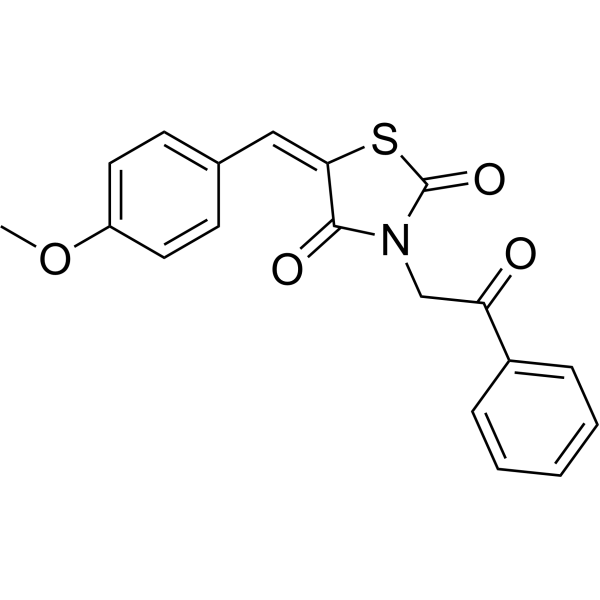
TZ4M is a 2,4-thiazolidinedione (TZD)-based anti-ADV agent with neuroprotective effects. TZ4M exhibits AChE inhibition in human plasma. TZ4M improves memory and cognitive impairment in adult rats in a scopolamine (HY-N0296)-induced Alzheimer-type model .
|
-
-
- HY-175185
-
|
|
Histone Demethylase
|
Infection
|
|
MC3935 is a LSD1 inhibitor with an IC50 of 0.52 μM for LSD1-CoREST enzymatic complex. MC3935 has significant antischistosomal activity against transformed schistosomula (NTS) and Schistosoma mansoni adult worms while showing a delayed onset of action towards juvenile forms. MC3935 has no significant toxicity to human cells. MC3935 can be used for schistosomiasis research .
|
-

-
- HY-126638
-
|
NSC 324645
|
Parasite
|
Infection
|
|
Marcfortine A is an indole alkaloid originally isolated from P. roqueforti. It has nematocidal activity against the parasitic nematode H. contortus (LD99=0.06 μg/mL) and inhibits motility of adult worms (EC50=2 μM). Marcfortine A eliminates H. contortus, T. colubriformis, and O. ostertagi from experimentally infected jirds (ED95s=0.33, 0.11, and 2.5 mg/animal, respectively). It dose-dependently inhibits nicotine-induced calcium mobilization in SH-SY5Y and TE-671 cells expressing α3 subunit-containing human nicotinic acetylcholine receptors (nAChRs) and muscle-type nAChRs, respectively.
|
-

-
- HY-182271
-
|
|
Orphan GPCR
GABA Receptor
Phosphodiesterase (PDE)
|
Metabolic Disease
|
|
GPR61 Inverse agonist 3 is a selective and brain-penetrant GPR61 inverse agonist with human IC50 of 4.0 nM, mouse IC50 of 8.8 nM, human Ki of 0.34 nM, mouse Ki of 1.1 nM. GPR61 Inverse agonist 3 disrupts GPR61-Gαs protein interactions to abolish GPR61 constitutive activity. GPR61 Inverse agonist 3 moderately inhibits GABAA chloride channel and PDE3A1 with IC50 values of 4.6 and 8.9 μM. GPR61 Inverse agonist 3 shows no functional effect on food intake in adult mice co-administered with a pan-CYP inhibitor. GPR61 Inverse agonist 3 can be used for the research of cachexia/sarcopenia .
|
-

-
- HY-E71291
-
|
|
Biochemical Assay Reagents
|
Others
|
|
β-Enolase, Human is one of the three enolase isoenzymes found in mammals. This isoenzyme, a homodimer, is found in skeletal muscle cells in the adult.
|
-

-
- HY-174677
-
|
|
mRNA
|
Cancer
|
|
Human GATA1 mRNA encodes the human GATA binding protein 1 (GATA1) which belongs to the GATA family. GATA1 plays an important role in erythroid development by regulating the switch of fetal hemoglobin to adult hemoglobin.
|
-

-
- HY-W716241
-
|
|
Drug Derivative
Drug Metabolite
|
Others
|
|
3',4'-Dihydroxytrimethoprim is a Trimethoprim (HY-B0510) derivative. 3',4'-Dihydroxytrimethoprim forms via sequential O-demethylation of Trimethoprim in human liver microsomes. 3',4'-Dihydroxytrimethoprim can be used for metabolic research .
|
-

-
- HY-W182790
-
|
LSL 60101
|
|
|
|
Garsevil (LSL 60101) is a biphasic, selective imidazoline I2 receptor (I2-IR) ligand, with a pKi of 9.03 and a Ki of 0.9 nM at the high-affinity site, and a pKi of 5.25 and a Ki of 5.6 nM at the low-affinity site. Garsevil is applicable to research related to Alzheimer's disease .
|
-

-
- HY-159978
-
|
|
Sodium Phosphate Cotransporter
|
Metabolic Disease
Inflammation/Immunology
|
|
EOS789 is an orally active sodium-dependent phosphate transporter inhibitor, with IC50 values of 6.8, 1.5, and 1.7 μM against human NaPi-IIb, PiT-1, PiT-2, respectively; and IC50 values of 3.9, 1.9, and 1.7 μM against rat NaPi-IIb, PiT-1, PiT-2, respectively. EOS789 inhibits intestinal phosphate absorption, increases fecal phosphate excretion, reduces urinary phosphate excretion, and decreases the levels of serum phosphate, FGF23, and adult parathyroid hormone. EOS789 ameliorates ectopic thoracic aortic calcification, renal injury and hyperphosphatemia, and inhibits the expression of fibrosis markers. EOS789 can be used for the research of hyperphosphatemia and chronic kidney disease-mineral and bone disorder (CKD-MBD) .
|
-

-
- HY-N18080
-
|
|
Parasite
DNA Alkylator/Crosslinker
Bacterial
|
Infection
Inflammation/Immunology
Cancer
|
|
Parthenin is a pseudoguaianolide-type sesquiterpene lactone present in Parthenium hysterophorus L. Parthenin induces chromosomal aberrations, mainly chromatid breaks, in human peripheral blood lymphocytes. Parthenin exhibits toxicity against Salmonella typhimurium and Escherichia coli strains, with reduced toxicity in the presence of a metabolic activation system (S9). Parthenin acts as an antifeedant against the 6th instar larvae of the tobacco cutworm (Spodoptera litura). Parthenin shows insecticidal activity against adult cowpea weevils (Callosobruchus maculatus). Parthenin inhibits seed germination and seedling growth of sicklepod (Cassia tora). Parthenin possesses nematicidal activity against the 2nd instar larvae of the southern root-knot nematode (Meloidogyne incognita). Parthenin serves as a research agent for studies related to cancer, malaria, amoebiasis, inflammatory diseases, and bacterial infections .
|
-

-
-
HY-L018
-
|
|
428 compounds
|
|
The transforming growth factor beta (TGF-β) signaling pathway is involved in many cellular processes in both the adult organism and the developing embryo including cell growth, cell differentiation, apoptosis, cellular homeostasis and other cellular functions. The TGF-β superfamily comprises TGF-βs, bone morphogenetic proteins (BMPs), activins and related proteins. Signaling begins with the binding of a TGF beta superfamily ligand to a TGF beta type II receptor. The type II receptor is a serine/threonine receptor kinase, which catalyzes the phosphorylation of the Type I receptor. The type I receptor then phosphorylates receptor-regulated SMADs (R-SMADs) which can now bind the coSMAD (e.g. SMAD4). R-SMAD/coSMAD complexes accumulate in the nucleus where they act as transcription factors and participate in the regulation of target gene expression. Deregulation of TGF-β signaling contributes to developmental defects and human diseases, including cancers, some bone diseases, chronic kidney disease, etc.
MCE designs a unique collection of 428 TGF-beta/Smad signaling pathway compounds. TGF-beta/Smad Compound Library acts as a useful tool for TGF-beta/Smad-related drug screening and disease research.
|
| Cat. No. |
Product Name |
Target |
Research Area |
-
- HY-P0060
-
|
Tetracosactrin; ACTH(1–24)
|
CRFR
Melanocortin Receptor
|
Neurological Disease
Inflammation/Immunology
|
|
Tetracosactide (Tetracosactrin) is an analogue of adrenocorticotrophic hormone (ACTH). Tetracosactide is the agonist for melanocortin-4 receptor (MC4R) that activates human MC4R with an EC50 of 0.65 nM. Tetracosactide can stimulate the release of corticosteroids such as cortisol from the adrenal gland. Tetracosactide is currently used for the research of ulcerative colitis and Crohn's disease, juvenile/adult rheumatoid arthritis and osteoarthrosis .
|
-
- HY-P0060A
-
|
Tetracosactrin acetate; ACTH(1–24) acetate
|
CRFR
Melanocortin Receptor
|
Neurological Disease
Inflammation/Immunology
|
|
Tetracosactide acetate (Tetracosactrin acetate ) is the acetate salt form of Tetracosactide (HY-P0060). Tetracosactide acetate is an analogue of adrenocorticotrophic hormone (ACTH). Tetracosactide acetate is the agonist for melanocortin-4 receptor (MC4R) that activates human MC4R with an EC50 of 0.65 nM. Tetracosactide acetate can stimulate the release of corticosteroids such as cortisol from the adrenal gland. Tetracosactide acetate is currently used for the research of ulcerative colitis and Crohn's disease, juvenile/adult rheumatoid arthritis and osteoarthrosis .
|
-
- HY-P3136
-
|
TRV120055
|
Angiotensin Receptor
ERK
|
Cardiovascular Disease
|
|
TRV055 (TRV120055) is a G protein-biased agonist of angiotensin II type 1 receptors (AT1Rs). TRV120055 induces fibroblast proliferation, overexpression of collagen I and α-SMA, and stress fibre formation in human cardiac fibroblasts. TRV055 activates AT1 receptor/Gαq-mediated signaling pathways, upregulates TGF-β1 and p-ERK1/2. TRV055 induces collagen secretion in adult rat myofibroblasts at a level comparable to Ang II. TRV055 can be used to study the role of G protein-biased signaling of AT1Rs in regulating fibrotic responses [1]
|
-
- HY-P3136A
-
|
TRV120055 hydrochloride
|
Angiotensin Receptor
|
Cardiovascular Disease
|
|
TRV055 (TRV120055) hydrochloride is a G protein-biased agonist of angiotensin II type 1 receptors (AT1Rs). TRV055 hydrochloride induces fibroblast proliferation, overexpression of collagen I and α-SMA, and stress fibre formation in human cardiac fibroblasts. RV055 hydrochloride activates AT1 receptor/Gαq-mediated signaling pathways, upregulates TGF-β1 and p-ERK1/2. RV055 hydrochloride induces collagen secretion in adult rat myofibroblasts at a level comparable to Ang II. RV055 hydrochloride can be used to study the role of G protein-biased signaling of AT1Rs in regulating fibrotic responses [1]
|
-
- HY-P11784
-
|
|
Peptides
|
Others
|
|
p5RHH is an acid-activated membrane-lytic peptide derived from melittin. p5RHH, as a siRNA delivery vector, initiates synchronous disassembly of nanocomplexes and endosome lysis in response to acidic pH, and triggers the release of siRNA into the cytoplasm following macropinocytosis .
|
-
- HY-K6135
-
|
|
|
MCE Human Liver Ductal (Differentiation) Organoid Kit includes a basic culture medium for Human Liver Ductal (Differentiation) organoids, as well as culture supplements, and is designed for the establishment and long-term maintenance of human liver ductal organoids (hLDs) derived from adult stem cells.
|
| Cat. No. |
Product Name |
Target |
Research Area |
Image |
-
- HY-P990043
-
|
VGL101
|
Ser/Thr Kinase
TREM receptor
|
Inflammation/Immunology
|
|
Iluzanebart is a human monoclonal IgG1 antibody and is the agonist antibody for human TREM2 (hTREM2). Iluzanebart improves the survival and function of microglia by activating the TREM2 signaling pathway to compensate for the loss of CSF1R function. Iluzanebart can be used for research of adult-onset leukoencephalopathy associated with CSF1R (colony stimulating factor 1 receptor) (CSF1R-ALSP) .
|
-

(5)
-
- HY-P991381
-
|
PPMX-T003
|
Transferrin Receptor
Reactive Oxygen Species (ROS)
Ferroptosis
|
Cancer
|
|
JST‑TfR09 (PPMX‑T003) is a human monoclonal antibody (mAb) targeting transferrin receptor 1 (TfR1/CD71). JST‑TfR09 blocks the binding of transferrin to TfR1, inhibits TfR1 internalization, and suppresses cellular iron uptake. JST‑TfR09 triggers ferritin degradation via activating the autolysosomal system, promotes ROS production and lipid peroxidation, and ultimately induces ferroptosis. JST‑TfR09 exhibits cytotoxicity toward human erythroblasts differentiated from hematopoietic stem cells. JST-TfR09 can be used in leukemia research. Recommended isotype control: Human IgG1 lambda, Isotype Control (HY-P99992) .
|
-
(5)
| Cat. No. |
Product Name |
Category |
Target |
Chemical Structure |
-
- HY-125934
-
-
-
- HY-N11424
-
|
|
Structural Classification
Natural Products
Endogenous metabolite
Source Classification
|
Drug Metabolite
Glycosyltransferase
|
|
Bilirubin diglucuronide is a bilirubin glycoside conjugate with a 1-O-acyl β-D-glucuronide structure. Bilirubin diglucuronide is the major conjugated bilirubin (HY-N0323) and predominant pigment excreted in the bile of adult humans, rats, dogs and cats. Bilirubin diglucuronide is mainly synthesized via UDP-glucuronosyltransferase-mediated transfer of glucuronic acid from UDP-glucuronic acid to bilirubin monoglucuronide, or via enzymatic disproportionation of two moles of bilirubin monoglucuronide (predominantly producing the IXα configuration). In addition, Bilirubin diglucuronide can also be synthesized from bilirubin or its monoglucuronide in a UDP-glucuronic acid-dependent manner. Pretreatment with phenobarbital significantly enhances the formation process of Bilirubin diglucuronide .
|
-
-
- HY-N10530
-
-
-
- HY-W012352
-
-
-
- HY-126638
-
|
NSC 324645
|
Human Gut Microbiota Metabolites
Microorganisms
Endogenous metabolite
Source Classification
|
Parasite
|
|
Marcfortine A is an indole alkaloid originally isolated from P. roqueforti. It has nematocidal activity against the parasitic nematode H. contortus (LD99=0.06 μg/mL) and inhibits motility of adult worms (EC50=2 μM). Marcfortine A eliminates H. contortus, T. colubriformis, and O. ostertagi from experimentally infected jirds (ED95s=0.33, 0.11, and 2.5 mg/animal, respectively). It dose-dependently inhibits nicotine-induced calcium mobilization in SH-SY5Y and TE-671 cells expressing α3 subunit-containing human nicotinic acetylcholine receptors (nAChRs) and muscle-type nAChRs, respectively.
|
-
-
- HY-N18080
-
|
|
Structural Classification
Terpenoids
Sesquiterpenes
Antheroporum pierrei Gagnep.
Plants
Compositae
Source Classification
|
Parasite
DNA Alkylator/Crosslinker
Bacterial
|
|
Parthenin is a pseudoguaianolide-type sesquiterpene lactone present in Parthenium hysterophorus L. Parthenin induces chromosomal aberrations, mainly chromatid breaks, in human peripheral blood lymphocytes. Parthenin exhibits toxicity against Salmonella typhimurium and Escherichia coli strains, with reduced toxicity in the presence of a metabolic activation system (S9). Parthenin acts as an antifeedant against the 6th instar larvae of the tobacco cutworm (Spodoptera litura). Parthenin shows insecticidal activity against adult cowpea weevils (Callosobruchus maculatus). Parthenin inhibits seed germination and seedling growth of sicklepod (Cassia tora). Parthenin possesses nematicidal activity against the 2nd instar larvae of the southern root-knot nematode (Meloidogyne incognita). Parthenin serves as a research agent for studies related to cancer, malaria, amoebiasis, inflammatory diseases, and bacterial infections .
|
-
| Cat. No. |
Product Name |
|
Classification |
-
- HY-175185
-
|
|
|
Alkynes
|
|
MC3935 is a LSD1 inhibitor with an IC50 of 0.52 μM for LSD1-CoREST enzymatic complex. MC3935 has significant antischistosomal activity against transformed schistosomula (NTS) and Schistosoma mansoni adult worms while showing a delayed onset of action towards juvenile forms. MC3935 has no significant toxicity to human cells. MC3935 can be used for schistosomiasis research .
|
| Cat. No. |
Product Name |
|
Classification |
-
- HY-174544
-
|
|
|
mRNA
Transcription Factors
|
|
Human POU class 5 homeobox 1 (POU5F1) mRNA encodes a transcription factor containing a POU homeodomain that plays a key role in embryonic development and stem cell pluripotency. Aberrant expression of this gene in adult tissues is associated with tumorigenesis.
|
-
- HY-174677
-
|
|
|
mRNA
|
|
Human GATA1 mRNA encodes the human GATA binding protein 1 (GATA1) which belongs to the GATA family. GATA1 plays an important role in erythroid development by regulating the switch of fetal hemoglobin to adult hemoglobin.
|
Your information is safe with us. * Required Fields.
Inquiry Information
- Product Name:
- Cat. No.:
- Quantity:
- MCE Japan Authorized Agent:








