
1. Search Result
Search Result
Results for "

asymmetric

" in MedChemExpress (MCE) Product Catalog:

90

Inhibitors & Agonists

3

Fluorescent Dyes

19

Biochemical Assay Reagents

1

Peptides

2

Inhibitory Antibodies

6

Natural
Products

5

Isotope-Labeled Compounds

1

Click Chemistry

8

Oligonucleotides

Cat. No. Product Name Target Research Areas Chemical Structure
  • HY-160412

    SAR-441566; TNFα activity modulator 3

    TNF Receptor Inflammation/Immunology
    Balinatunfib (SAR-441566) is an orally active inhibitor of TNFR1 signaling. By binding to the central pocket of the soluble TNFα (sTNFα) trimer, Balinatunfib stabilizes an asymmetric conformation, blocking its binding to TNFR1 (without affecting TNFR2) and thus inhibiting downstream pathways. Balinatunfib has anti-inflammatory activity, and can be used in the study of autoimmune diseases .
    Balinatunfib
  • HY-113216
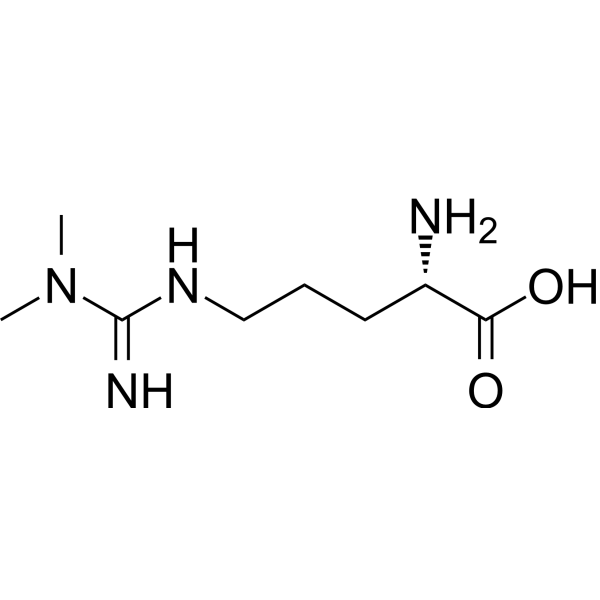
    Asymmetric dimethylarginine
    5 Publications Verification

    NG,NG-Dimethylarginine

    Endogenous Metabolite NO Synthase Cardiovascular Disease Cancer
    Asymmetric dimethylarginine is an endogenous inhibitor of nitric oxide synthase (NOS), and functions as a marker of endothelial dysfunction in a number of pathological states.
    Asymmetric dimethylarginine
  • HY-133122
    UCB-9260
    3 Publications Verification

    TNF Receptor Inflammation/Immunology Cancer
    UCB-9260, an orally active compound, inhibits TNF signaling by stabilising an asymmetric form of the trimer. UCB-9260 is selective for TNF over other superfamily members, and binds TNF with a similar Kd of 13 nM .
    UCB-9260
  • HY-D0150
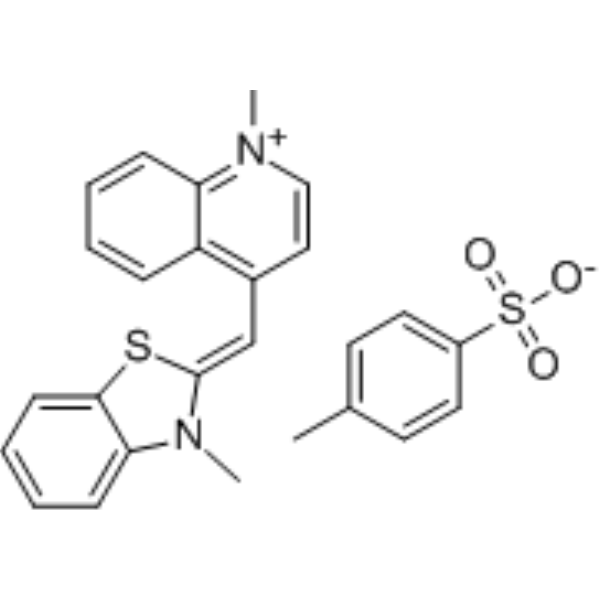
    Thiazole Orange
    1 Publications Verification

    Fluorescent Dye Others
    Thiazole Orange is an asymmetric anthocyanin dye that can be coupled with oligonucleotides (ONs) to prepare fluorescent hybridization probes. Thiazole Orange has been widely used in biomolecular detection and staining of DNA/ RNA in gels and can be used for reticulocyte analysis. Thiazole orange generates a significant fluorescence enhancement and high quantum yield when it binds with nucleic acids, especially RNA. Thiazole orange can permeate living cell membranes. Thiazole orange can use UV light for detection, but can also be detected with blue light. The excitation and emission of Thiazole orange are λex = 510 nm (488 nm and 470 nm also show strong excitation) and λem = 527 nm, respectively .
    Thiazole Orange
  • HY-N0173

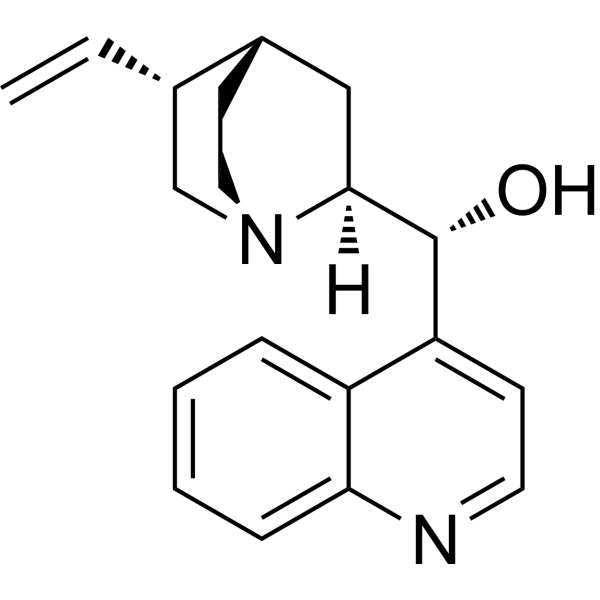
    α-Quinidine

    Serotonin Transporter Parasite Infection
    Cinchonidine (α-Quinidine) is a cinchona alkaloid found in Cinchona officinalis and Gongronema latifolium. A building block used in asymmetric synthesis in organic chemistry. Weak inhibitor of serotonin transporter (SERT) with Kis of 330, 4.2, 36, 196, 15 μM for dSERT, hSERT, hSERT I172M, hSERT S438T, hSERT Y95F, respectively. Antimalarial activities .
    Cinchonidine
  • HY-Y0232

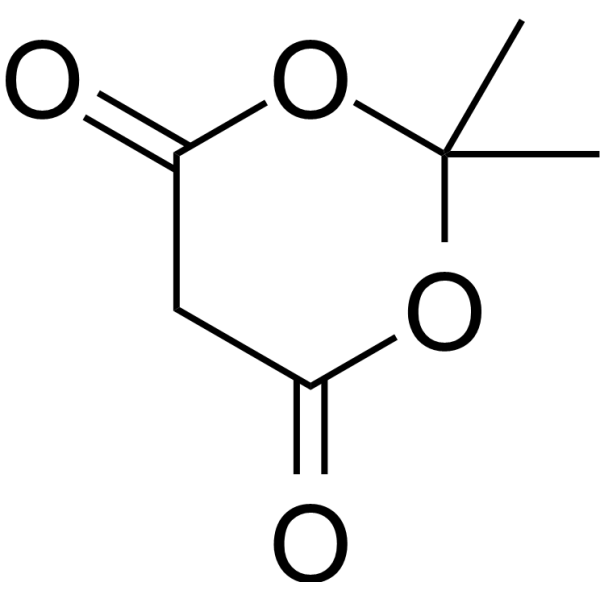
    2,2-Dimethyl-1,3-dioxane-4,6-dione

    Biochemical Assay Reagents Others
    Meldrum's acid (2,2-Dimethyl-1,3-dioxane-4,6-dione) is a nucleophilic reagent. Meldrum's acid participates in Michael addition reactions. Meldrum's acid can be used in asymmetric organocatalysis .
    Meldrum's acid
  • HY-P99430

    EM901; CC-93269

    CD3 Inflammation/Immunology Cancer
    Alnuctamab (EM901) is a bispecific T-cell engager targeting BCMA and CD3, belonging to an asymmetric two-armed humanized IgG1 antibody. Alnuctamab can simultaneously bind to BCMA expressed on the surface of myeloma cells and CD3 molecules on the surface of T cells, recruiting T cells to kill tumors. Alnuctamab is used for the research of multiple myeloma. Recommend Isotype Controls: Human IgG1 kappa, Isotype Control (HY-P99001) .
    Alnuctamab
  • HY-W018845

    Pentamethylcyclopentadienyliridium(III) chloride,dimer

    Biochemical Assay Reagents Others
    [Ir(Cp-)Cl2]2 is used as a precursor for the asymmetric transfer hydrogenation catalyst of ketones. It is a catalyst for greener amine synthesis .
    [Ir(Cp-)Cl2]2
  • HY-156454

    TNF Receptor Inflammation/Immunology
    UCB-6876 is a TNFα inhibitor. UCB-6876 specifically binds to the asymmetric crystalline form of TNF-α trimer with a KD of 22 μM. UCB-6876 is applicable to research related to autoimmune diseases (rheumatoid arthritis and Crohn's disease) .
    UCB-6876
  • HY-40228

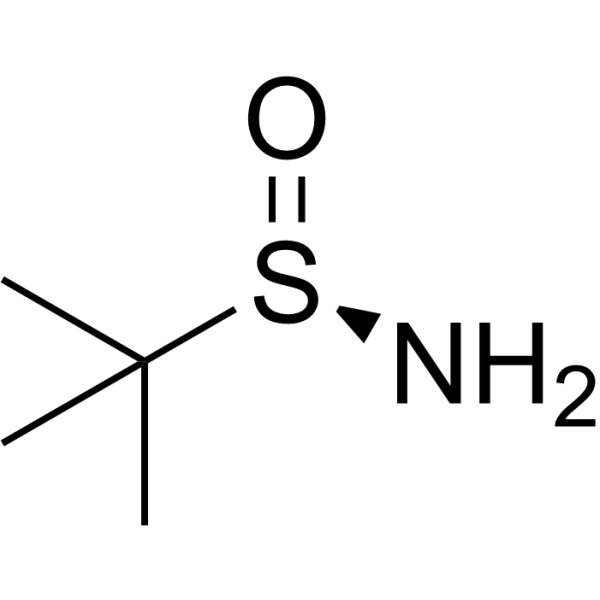
    (R)-2-Methylpropane-2-sulfinamide

    Biochemical Assay Reagents Others
    (R)-(+)-tert-Butylsulfinamide ((R)-2-Methylpropane-2-sulfinamide) is a chiral reagent commonly used in the asymmetric synthesis of compounds such as amines, amino acids, and amino alcohols. (R)-(+)-tert-Butylsulfinamide achieves stereoselective reactions by condensing with carbonyl groups to form sulfinyl imine intermediates, and after the reaction, this group can be removed under acidic conditions to obtain the target product .
    (R)-(+)-tert-Butylsulfinamide
  • HY-W127776

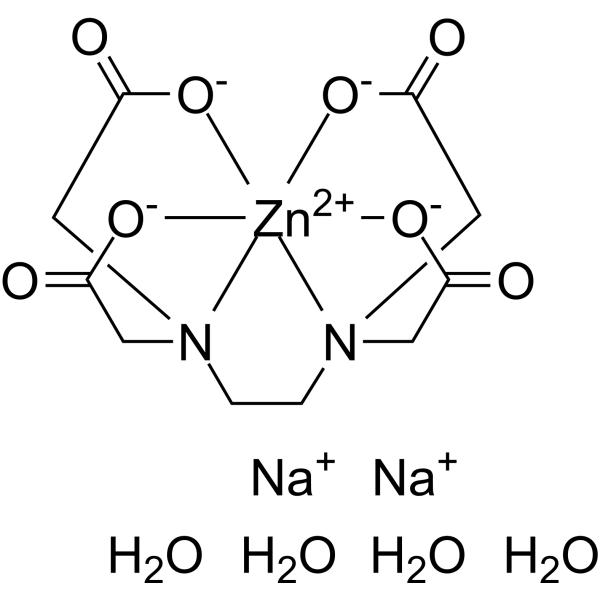
    Ethylenediaminetetraacetic acid zinc disodium tetrahydrate

    Biochemical Assay Reagents Others
    Zn(II)-EDTA (Ethylenediaminetetraacetic acid zinc) disodium tetrahydrate is a coordinating agent. Zn(II)-EDTA disodium tetrahydrate coordinates with Zn 2+ to modify its solvated structure, provides pre-synthesized EDTA-Zn complexes that release Zn 2+ to repair zinc anode defects under interfacial electric field, adsorbs onto zinc anode surface to block oxygen and water molecules, inhibits corrosion and hydrogen evolution reactions, promotes uniform Zn 2+ deposition, suppresses zinc dendrite formation, and modulates the hydrogen bonding network within the electrolyte. Zn(II)-EDTA disodium tetrahydrate acts as an electrolyte additive to enhance reversibility and stability of zinc anodes in aqueous zinc-ion batteries .
    Zn(Ⅱ)-EDTA disodium tetrahydrate
  • HY-69348

    Biochemical Assay Reagents Drug Intermediate Others
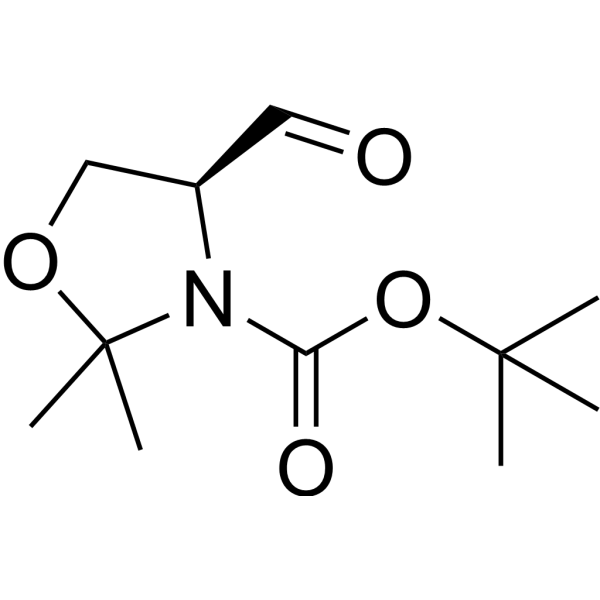
    (S)-(-)-3-Boc-2,2-dimethyloxazolidine-4-carboxaldehyde is a chiral compound. (S)-(-)-3-Boc-2,2-dimethyloxazolidine-4-carboxaldehyde is commonly used as a chiral intermediate in asymmetric synthesis and has important applications in the field of organic synthesis .
    (S)-(-)-3-Boc-2,2-dimethyloxazolidine-4-carboxaldehyde
  • HY-D0839

    TTAB; TTABr; MiTMAB

    Environmental Pollutants Biochemical Assay Reagents Others
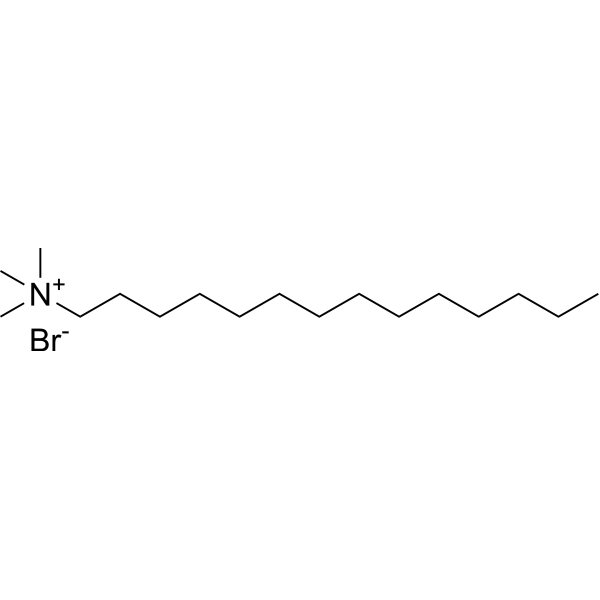
    Tetradecyltrimethylammonium bromide (TTAB; TTABr; MiTMAB), an organic building block, is a cationic surfactant with asymmetrical structure .
    Tetradecyltrimethylammonium bromide
  • HY-B2210

    DIPA; Diisopropylamine dichloroacetate

    Biochemical Assay Reagents Others
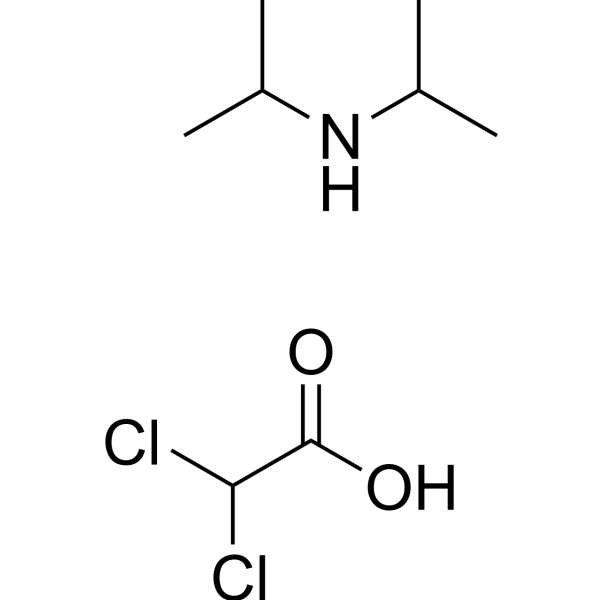
    Diisopropylammonium dichloroacetate is an organic compound commonly used as a catalyst and ligand for organic reactions. It can promote various organic chemical reactions, such as olefin addition, carbonylation reaction and asymmetric catalytic reaction, etc. In addition, the compound is also widely used in the research of some medical fields, for example, in the application of anti-tumor therapy.
    Diisopropylammonium dichloroacetate
  • HY-W002530

    Biochemical Assay Reagents Infection
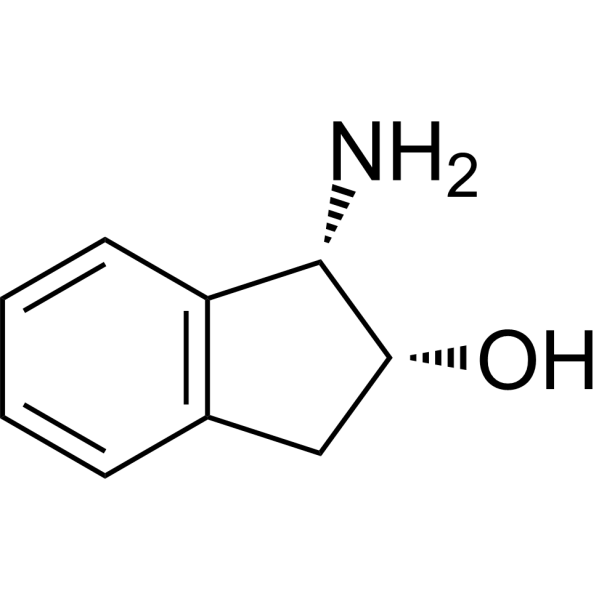
    (1S,2R)-1-Aminoindan-2-ol is a chiral resolving agent. (1S,2R)-1-Aminoindan-2-ol efficiently resolves various racemic 2-arylalkanoic acids and precisely controls the stereostructure of the products in asymmetric syntheses. (1S,2R)-1-Aminoindan-2-ol can be used in the synthesis of HIV protease inhibitors .
    (1S,2R)-1-Aminoindan-2-ol
  • HY-138053

    Ristomycin III

    Antibiotic Cardiovascular Disease Infection
    Ristocetin A sulfate (Ristomycin III) is a glycopeptide antibiotic that binds to von Willebrand factor (VWF) and bacterial cell wall components. Ristocetin A sulfate interferes with the biosynthesis of bacterial peptidoglycan by inhibiting transpeptidation. As an inducer of platelet adhesion and aggregation, Ristocetin A sulfate drives conformational changes by binding to the A1 domain of VWF, thereby activating downstream signaling pathways and promoting cytoskeletal rearrangement. Ristocetin A sulfate not only enhances platelet adhesion and spreading on immobilized VWF, but also induces the formation of asymmetric dimers with anticooperativity between platelets and plasma VWF. Ristocetin A sulfate is widely used in studies related to thromboembolic diseases and bacterial infections .
    Ristocetin A sulfate
  • HY-118773

    A22 hydrochloride

    Bacterial Infection
    MreB Perturbing Compound A22 hydrochloride (A22 hydrochloride) is a reversible MreB inhibitor and antimicrobial agent that exhibits bacteriostatic activity against Escherichia coli, with low activity against Gram-positive bacteria. MreB Perturbing Compound A22 hydrochloride rapidly and reversally delocalizes MreB from the helical/circular structures in cells, impairs MreB function, and reduces the binding of MreB to the chromosomal region proximal to the replication origin. MreB Perturbing Compound A22 hydrochloride alters the cell morphology of caulobacters to round/lemon-shaped, slows caulobacter growth, blocks their cell division, and induces the formation of spherical morphology, asymmetric division, and anucleate cells in Escherichia coli. MreB Perturbing Compound A22 hydrochloride is used for studies related to bacterial rod-shaped morphology determination, chromosome segregation, and cell division mechanisms .
    MreB Perturbing Compound A22 hydrochloride
  • HY-W019833

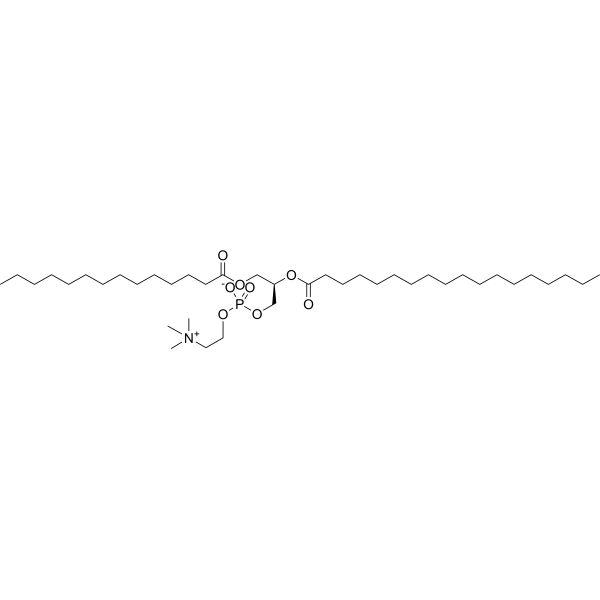
    PC(14:0/18:0); 1-Myristoyl-2-stearoyl-sn-glycero-3-phosphocholine

    Endogenous Metabolite Metabolic Disease
    MSPC is an asymmetrical phosphatidylcholine containing a myristic acid (14:0) at the sn-1 position and a stearic acid (18:0) at the sn-2 position. It can self assemble in water to form lipid bilayers. Reagent grade, for research purpose.
    MSPC
  • HY-I0259

    Fluorescent Dye Others
    8-Amino-2-naphthol is a photoactive charge transfer compounds, which can be used as fluorescent probe. 8-Amino-2-naphthol undergoes excited-state proton transfer (ESPT) to form a zwitterion under acidic conditions, where the photoacidity of its hydroxyl group is regulated by the protonation state of the amino group, enabling pH to act as an on/off switch for photoacidity. 8-Amino-2-naphthol is also utilized as chiral organocatalyst .
    8-Amino-2-naphthol
  • HY-P99674

    GEN-3009

    Transmembrane Glycoprotein Cancer
    Ivicentamab (GEN-3009) is a bispecific antibody targeting CD37 with dual epitopes. Ivicentamab carries an E430G mutation in the Fc region, which efficiently promotes IgG hexamer formation on the surface of target cells. Ivicentamab provides the parental variable regions for an H429F-engineered anti-CD37 bispecific antibody, enabling it to exert complement-dependent cytotoxicity in Daudi lymphoma cells. Ivicentamab is mainly used in lymphoma-related research .
    Ivicentamab
  • HY-113216BS

    NG,NG-Dimethylarginine-d6 dihydrochloride

    Endogenous Metabolite NO Synthase Others
    Asymmetric-dimethylarginine-d6 (dihydrochloride) is the deuterium labeled Asymmetric-dimethylarginine dihydrochloride .
    Asymmetric-dimethylarginine-d6 dihydrochloride
  • HY-W021068

    Biochemical Assay Reagents Others
    3-Maleimidobenzoic acid N-hydroxysuccinimide ester is used as asymmetric spacers .
    3-Maleimidobenzoic acid N-hydroxysuccinimide ester
  • HY-W002878

    Biochemical Assay Reagents Others
    TsDPEN (Compound 2) is a biochemical reagent. TsDPEN derivatives containing N,N,N imide chiral ligands can be applied to copper catalyzed asymmetric Kinugasa reactions .
    TsDPEN
  • HY-24312

    Biochemical Assay Reagents Others
    AD-mix-α is a mixture of organic compounds, commonly used to distinguish and identify asymmetric carbon atoms in chiral compounds. It consists of compounds containing catalytically active metals and chiral ligands. AD-mix-α is widely used in various organic synthesis reactions, such as hydrogenation, addition, and carbonylation reactions, to increase yield and reduce the formation of side reaction products. Although it has no direct application in the medical field, it plays an important role in the pharmaceutical industry and chemical research.
    AD-mix-α
  • HY-W010507

    Methyl (R)-(-)-3-hydroxybutyrate

    Biochemical Assay Reagents Others
    (R)-Methyl 3-hydroxybutanoate, (R)-Methyl 3-hydroxybutanoate is an enantiomer, from the perspective of the methyl (-CH3) group, the hydroxyl (-OH) group on the third carbon atom The group faces to the right, a colorless transparent liquid, soluble in organic solvents such as ethanol and ether, insoluble in water, (R)-Methyl 3-hydroxybutanoate is usually used to synthesize various organic compounds (including drugs, agricultural chemicals and flavoring agents) It can also be used as a chiral auxiliary in asymmetric synthetic reactions involving the formation of chemical bonds in a stereoselective manner.
    (R)-Methyl 3-hydroxybutanoate
  • HY-Y0549

    Diphenylmethane-α-carboxylic Acid

    Biochemical Assay Reagents Others
    Diphenylacetic acid (Diphenylmethane-α-carboxylic Acid) is a biochemical reagent that can be used as a biological material or organic compound for life science related research. Diphenylacetic acid can be used as a reagent in the kinetic resolution of racemic 2-hydroxy-y-butyrolactones by asymmetric esterification in the presence of pivalic anhydride and chiral acyl-transfer catalyst. Diphenylacetic acid can act as a catalyst to synthesize 2-allyl-3-oxazolin-5-one derivatives via Rh-catalyzed coupling reaction of azlactones and alkynes followed by aza-Cope rearrangement .
    Diphenylacetic acid
  • HY-W008048

    Nucleoside Antimetabolite/Analog Others
    2',3'-O-Isopropylideneadenosine is a nucleoside compound and also a Golgi-targeting moiety. 2',3'-O-Isopropylideneadenosine constitutes a furanose ribose group that undergoes cyclization at the O (2') and O (3') atoms. As a component of the fluorescent probe TPE-Ade, 2',3'-O-Isopropylideneadenosine enables specific Golgi localization for fluorescence imaging. 2',3'-O-Isopropylideneadenosine participates in the synthesis of aggregation-induced emission (AIE) fluorescent probes .
    2',3'-O-Isopropylideneadenosine
  • HY-113216B

    NG,NG-Dimethylarginine dihydrochloride

    NO Synthase Cardiovascular Disease Cancer
    Asymmetric dimethylarginine dihydrochloride is an endogenous NO synthase inhibitor that reduces NO production, which contributes to endothelial dysfunction and cardiovascular disease .
    Asymmetric dimethylarginine dihydrochloride
  • HY-142988

    1S-2M-PC

    Liposome Others
    1-Stearoyl-2-myristoyl-sn-glycero-3-PC (1S-2M-PC) belongs to the class of asymmetric phospholipids. 1-Stearoyl-2-myristoyl-sn-glycero-3-PC is abundant in biological membranes .
    1-Stearoyl-2-myristoyl-sn-glycero-3-PC
  • HY-W002502

    Hydroquinine 1,4-phthalazinediyl diether; 1,4-Bis(dihydroquinine)phthalazine

    Biochemical Assay Reagents Others
    (DHQ)2PHAL (Hydroquinine 1,4-phthalazinediyl diether; 1,4-Bis(dihydroquinine)phthalazine) can be used as a chiral ligand in asymmetric dihydroxylation reactions .
    (DHQ)2PHAL
  • HY-W015179

    Monoacetone-D-xylose

    Biochemical Assay Reagents Drug Derivative Others
    1,2-O-Isopropylidene-alpha-D-xylofuranose is a derivative of D-xylose (HY-N0537). 1,2-O-isopropylidene-α-D-xylofuranose can be used in the asymmetric alkylation of Benzaldehyde with Diethylzinc .
    1,2-O-Isopropylidene-alpha-D-xylofuranose
  • HY-159728

    PROTACs Histone Methyltransferase Apoptosis Early 2 Factor (E2F) c-Myc Cancer
    PROTAC PRMT3 degrader 1 is a selective PRMT3 PROTAC degrader with a DC50 of 2.566 μM. PROTAC PRMT3 degrader 1 forms a ternary complex with MDM2 E3 ubiquitin ligase to induce proteasomal and neddylation-dependent degradation of PRMT3. PROTAC PRMT3 degrader 1 activates intrinsic apoptosis, endoplasmic reticulum stress signaling pathways. PROTAC PRMT3 degrader 1 downregulates E2F, MYC, oxidative phosphorylation pathways. PROTAC PRMT3 degrader 1 reduces cellular asymmetric dimethylarginine (ADMA) levels. PROTAC PRMT3 degrader 1 inhibits acute leukemia cell growth. PROTAC PRMT3 degrader 1 acts with glycolysis inhibitor 2-DG to reduce ATP production, induce intrinsic apoptosis, drive synergistic antiproliferative effects. PROTAC PRMT3 degrader 1 can be used for the research of acute leukemia .
    PROTAC PRMT3 degrader 1
  • HY-W007664

    Drug Intermediate Cytochrome P450 Cancer
    (R)-4-Benzyl-2-oxazolidinone is an oxazolidinone-type auxiliary that enables highly stereoselective asymmetric alkylation reactions. (R)-4-Benzyl-2-oxazolidinone is applied in the total synthesis of natural products and pharmaceutical preparations. Especially in pharmaceutical research and development, (R)-4-Benzyl-2-oxazolidinone not only serves as a key precursor for the synthesis of aromatase inhibitors, but also can be used in studies related to estrogen-dependent breast cancer .
    (R)-4-Benzyl-2-oxazolidinone
  • HY-W021016

    (S,S)-Ph-BPE

    Biochemical Assay Reagents Others
    (+)-1,2-Bis ((2S,5S)-2,5-diphenylphospholano)ethane ((S,S)-Ph-BPE) is a chiral bisphosphine ligand and catalyst. (+)-1,2-Bis ((2S,5S)-2,5-diphenylphospholano)ethane acts as a chiral ligand in rhodium-catalyzed reductive hydroformylation of alkenyl boronic esters, enabling enantiodivergent synthesis of chiral γ-boryl alcohols. (+)-1,2-Bis ((2S,5S)-2,5-diphenylphospholano)ethane forms chiral nickel-phosphine complexes to mediate asymmetric hydrogenation of aliphatic γ- and δ-keto acids; protons promote substrate C=O bond activation and stereoselectivity control via hydrogen bonding. (+)-1,2-Bis ((2S,5S)-2,5-diphenylphospholano)ethane forms a monodentate nickel complex, which serves as the active species for asymmetric hydrogenation of aliphatic keto acids .
    (+)-1,2-Bis((2S,5S)-2,5-diphenylphospholano)ethane
  • HY-E70418

    Endogenous Metabolite Cardiovascular Disease Inflammation/Immunology
    Epoxide hydrolase is an enzyme responsible for catalyzing the reaction between epoxides and water, converting epoxide groups into diols. Epoxide hydrolase plays a key role in the metabolism of environmental pollutants and lipids, contributing to detoxification, inflammation responses, and the regulation of cardiovascular system health. Additionally, epoxide hydrolase can be used in asymmetric catalytic reactions, such as the asymmetric ring-opening of epoxides, to produce chiral drug molecules .
    Epoxide hydrolase
  • HY-160841

    DNA Stain DNA/RNA Synthesis Others
    Biotin-16-dCTP is a biotinylated deoxycytidine triphosphate that serves as an important DNA labeling substrate. Biotin-16-dCTP can be enzymatically incorporated into the 3' end of DNA probes via terminal deoxynucleotidyl transferase, forming a 1-3 nucleotide-long tail to achieve biotinylation of the probes. Biotin-16-dCTP enhances chemiluminescent detection of low-abundance targets such as specific tRNA isoacceptors through Northern blotting. Biotin-16-dCTP can also replace conventional dCTP to be integrated into single-stranded DNA generated by asymmetric polymerase chain reaction, which is applicable for bioconjugation or pull-down assays. Repeated freeze-thaw cycles of Biotin-16-dCTP should be avoided to prevent degradation of its function for probe biotinylation .
    Biotin-16-dCTP
  • HY-21170E

    Zinc(II) Triflate

    Biochemical Assay Reagents Others
    Zinc trifluoromethanesulfonate (Zinc (II) Triflate) is a Zn 2+ salt commonly used in potentiometric titration to determine the stability constants of Zn 2+-quinoline sulfonamide complexes. Aqueous solutions of Zinc trifluoromethanesulfonate form micellar structures, which result in poor desolvation kinetics of Zn 2+ and induce dendrite growth on zinc anodes, failing to support long-term cycling of zinc anodes .
    Zinc trifluoromethanesulfonate
  • HY-W440982A

    (Rac)-PC(18:0/18:1); (Rac)-2-Oleoyl-1-stearoyl-sn-glycero-3-phosphocholine

    Liposome Others
    (Rac)-SOPC ((Rac)-PC(18:0/18:1)) ((Rac)-2-Oleoyl-1-stearoyl-sn-glycero-3-phosphocholine) is the racemate of SOPC (HY-W440982). SOPC is an asymmetrical phospholipid with saturated fatty acid (stearic acid/18:0) at sn-1 position and unsaturated fatty acid (oleic acid/18:1) at sn-2 position. SOPC can stabilize the outer segment membrane of frog rods .
    (Rac)-SOPC
  • HY-113216R

    NG,NG-Dimethylarginine (Standard)

    Reference Standards Endogenous Metabolite NO Synthase Cardiovascular Disease Cancer
    Hesperetin (Standard) is the analytical standard of Hesperetin. This product is intended for research and analytical applications. Hesperetin is a natural flavanone, and acts as a potent and broad-spectrum inhibitor against human UGT activity. Hesperetin regulates apoptosis.
    Asymmetric dimethylarginine (Standard)
  • HY-D0839S2

    TTAB-d38 ; TTABr-d38 ; MiTMAB-d38

    Isotope-Labeled Compounds Others
    Tetradecyltrimethylammonium-d38 (bromide) is the deuterium labeled Tetradecyltrimethylammonium (bromide) . Tetradecyltrimethylammonium bromide, an organic building block, is a cationic surfactant with asymmetrical structure .
    Tetradecyltrimethylammonium-d38 bromide
  • HY-W017512

    Drug Intermediate Others
    2-Methylindanone is a cyclic ketone compound. 2-Methylindanone is an important substrate for evaluating the effects of Pd and Ni in asymmetric α-arylation reactions. 2-Methylindanone can also be used as a drug intermediate .
    2-Methylindanone
  • HY-W002801

    Biochemical Assay Reagents Others
    2-Benzyloxyphenylboronic acid is a biochemical reagent that can be used as a biological material or organic compound for life science related research. 2-Benzyloxyphenylboronic acid is also a substrate used in asymmetric Suzuki coupling reactions. 2-Benzyloxyphenylboronic acid can be utilized in the synthesis of other active compounds .
    2-Benzyloxyphenylboronic acid
  • HY-N0173R

    α-Quinidine (Standard)

    Reference Standards Serotonin Transporter Parasite Infection
    Cinchonidine (Standard) is the analytical standard of Cinchonidine. This product is intended for research and analytical applications. Cinchonidine (α-Quinidine) is a cinchona alkaloid found in Cinchona officinalis and Gongronema latifolium. A building block used in asymmetric synthesis in organic chemistry. Weak inhibitor of serotonin transporter (SERT) with Kis of 330, 4.2, 36, 196, 15 μM for dSERT, hSERT, hSERT I172M, hSERT S438T, hSERT Y95F, respectively. Antimalarial activities .
    Cinchonidine (Standard)
  • HY-W008033

    C-61; SYKINH-61

    Biochemical Assay Reagents Others
    (DHQD)2PHAL is a dimer that can be used as a ligand for the Sharpless asymmetric dihydroxylation reaction .
    (DHQD)2PHAL
  • HY-W440957

    PC(16:0/14:0); 1-palmitoyl-2-myristoyl-sn-glycero-3-phosphocholine

    Liposome Cancer
    PMPC is a phosphatidylcholine with asymmetrical fatty acid. Palmitic acid occupies sn-1 position while myristic acid is placed at the sn-2 position.
    PMPC
  • HY-171951

    Liposome Others
    31hP is an asymmetric A 3 lipid. 31hP can facilitate in vivo luciferase expression. 31hP can be rapidly degraded in the presence of esterase owing to two biocleavable ester bonds. 31hP can be used in the synthesis of lipid nanoparticles (LNPs) .
    31hP
  • HY-E70696

    EGFR Cancer
    EGFR is a driver of tumorigenesis. EGFR is mainly found in an auto-inhibited, dimerization-incompetent, state at the plasma membrane (PM). Ligand binding promotes receptor dimerization, which determines a series of structural rearrangements that are conveyed to the cytoplasmic domain allowing the formation of asymmetric dimers between the two juxtaposed catalytic domains. EGFR has multiple mutants. EGFR C797S/L858R Recombinant Human Active Protein Kinase is a recombinant EGFR C797S/L858R protein that can be used to study EGFR C797S/L858R-related functions .
    EGFR C797S/L858R Recombinant Human Active Protein Kinase
  • HY-179398

    Keap1-Nrf2 Cancer
    Keap1-Nrf2-IN-29 (Compound 1a), a Curcumin (HY-N0005) analog, is a Keap1 protein inhibitor. Keap1-Nrf2-IN-29 exhibits significant inhibitory activity against A549, PC-3 and MCF-7 cells. Keap1-Nrf2-IN-29 can be used for the study of prostate cancer .
    Keap1-Nrf2-IN-29
  • HY-175821

    Histone Methyltransferase Apoptosis Cancer
    PRMT1-IN-3 is a potent protein arginine methyltransferase 1 (PRMT1) inhibitor with an IC50 of 4.11 μM. PRMT1-IN-3 inhibits PRMT6 and PRMT8 with IC50s of 23.3 and 30.1 μM. PRMT1-IN-3 suppresses asymmetric dimethylarginine (ADMA) levels and histone H4R3me2a modification in triple-negative breast cancer (TNBC) cells. PRMT1-IN-3 induces cell cycle arrest, apoptosis, and inhibits migration and colony formation in MDA-MB-231 cells. PRMT1-IN-3 acts as chemotherapeutic sensitizers for Paclitaxel (HY-B0015). PRMT1-IN-3 can be used for the study of TNBC .
    PRMT1-IN-3
  • HY-113216S

    NG,NG-Dimethylarginine-d7 hydrochloride hydrate

    Isotope-Labeled Compounds Endogenous Metabolite NO Synthase Cardiovascular Disease Cancer
    Asymmetric dimethylarginine-d7 (hydrochloride hydrate) is the deuterium labeled Asymmetric dimethylarginine. Asymmetric dimethylarginine is an endogenous inhibitor of nitric oxide synthase (NOS), and functions as a marker of endothelial dysfunction in a num
    Asymmetric dimethylarginine-d7 hydrochloride hydrate

Inquiry Online

Your information is safe with us. * Required Fields.

Salutation


Country or Region *

Applicant Name *


Organization Name *

Department *


Email Address *


Product Name *

Cat. No.


Requested quantity *

Phone Number *


Remarks

Inquiry Online

Inquiry Information

Product Name:
Cat. No.:
Quantity:
MCE Japan Authorized Agent: