Search Result
Results for "
bacterial and yeast
" in MedChemExpress (MCE) Product Catalog:
3
Biochemical Assay Reagents
1
Isotope-Labeled Compounds
| Cat. No. |
Product Name |
Target |
Research Areas |
Chemical Structure |
-
- HY-A0132
-
|
N-Acetyl-2-amino-2-deoxy-D-glucose
|
Endogenous Metabolite
Drug Derivative
Drug Isomer
Interleukin Related
|
Metabolic Disease
Inflammation/Immunology
Cancer
|
|
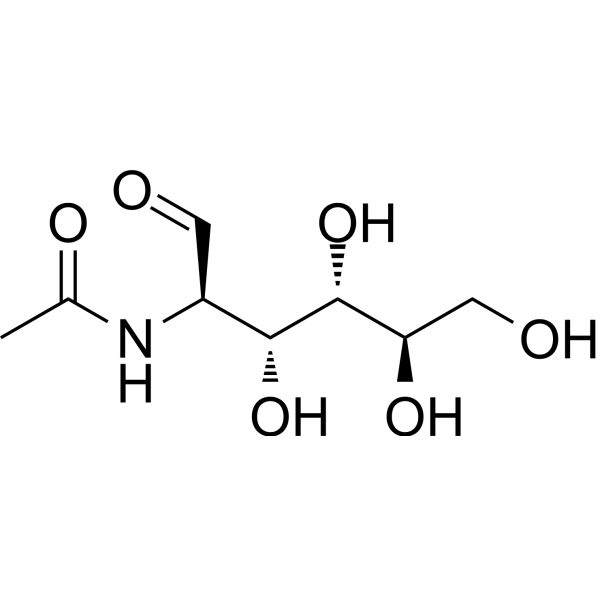
N-Acetyl-D-Glucosamine (N-Acetyl-2-amino-2-deoxy-D-glucose), the D isomer of N-acetylglucosamine, is an orally active monosaccharide derivative of glucose with anti-tumor and anti-inflammation properties. N-Acetyl-D-Glucosamine is also a bacterial metabolite, which is found in Escherichia coli. N-Acetyl-D-Glucosamine can induce yeast-mycelial conversion in Candida albicans. N-Acetyl-D-Glucosamine also enhances healing of cartilaginous injuries in rabbits .
|
-
-
- HY-N6742
-
|
Treponemycin
|
CDK
Parasite
Apoptosis
Antibiotic
|
Infection
|
|
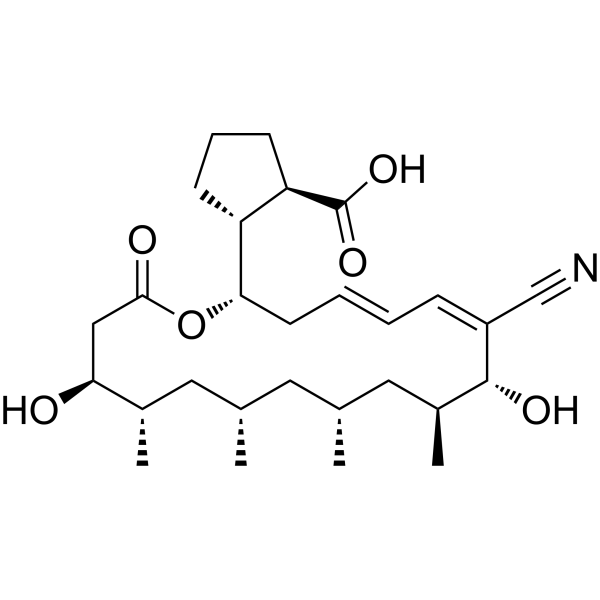
Borrelidin (Treponemycin) is a bacterial and eukaryal threonyl-tRNA synthetase inhibitor which is a nitrile-containing macrolide antibiotic isolated from Streptomyces rochei . Borrelidin is an inhibitor of Cdc28/Cln2 of the budding yeast, with an IC50 of 24 μM . Borrelidin is a potent angiogenesis inhibitor, with an IC50 of 0.8 nM. Borrelidin induces apoptosis in the tube-forming cells . Borrelidin has strong antimalarial activities, with IC50s of 1.9 nM and 1.8 nM against K1 and FCR3 strains of Plasmodium falciparum, respectively .
|
-
-
- HY-N6712
-
|
Acetopyrrothin
|
Antibiotic
Bacterial
Deubiquitinase
NOD-like Receptor (NLR)
DNA/RNA Synthesis
Pyroptosis
HMG-CoA Reductase (HMGCR)
|
Infection
Cardiovascular Disease
Cancer
|
|
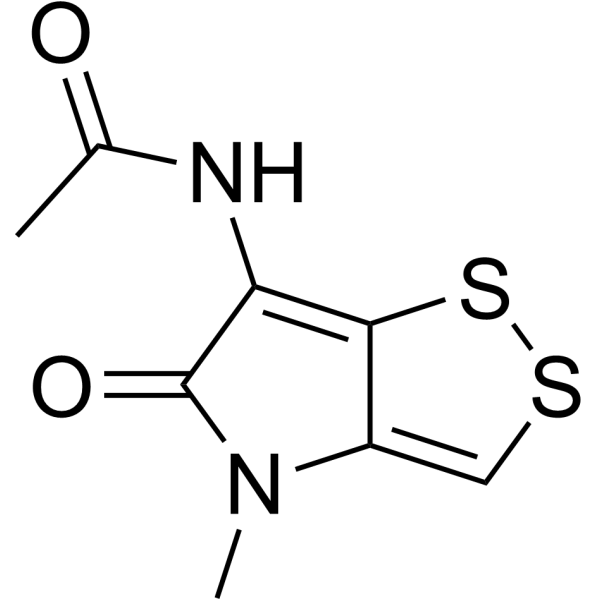
Thiolutin (Acetopyrrothin) is a sulfur-containing antibiotic, which is a potent inhibitor of bacterial and yeast RNA polymerases. Thiolutin can be produced by Streptomyces. Thiolutin inhibits AMSH (IC50 = 4 μM) and Rpn11 (IC50 = 0.53 μM). Thiolutin is a dual inhibitor of BRCC36 and the NLRP3 inflammasome, exhibiting anti-inflammatory effects. Thiolutin effectively suppresses the interaction between BRCC36 and HMGCR, leading to the inhibition of HCC growth. Thiolutin attenuates pyroptosis and NLRP3 inflammasome activation. Thiolutin markedly alleviates renal injury and inflammatory process in IgAN. Thiolutin is an anti-angiogenic compound which can ease Doxorubicin-induced cardiotoxicity (DOXIC) [1][2][3][4][5].
|
-
-
- HY-N0626
-
|
|
Environmental Pollutants
Bacterial
Endogenous Metabolite
Fungal
Antibiotic
|
Infection
Neurological Disease
Cancer
|
|
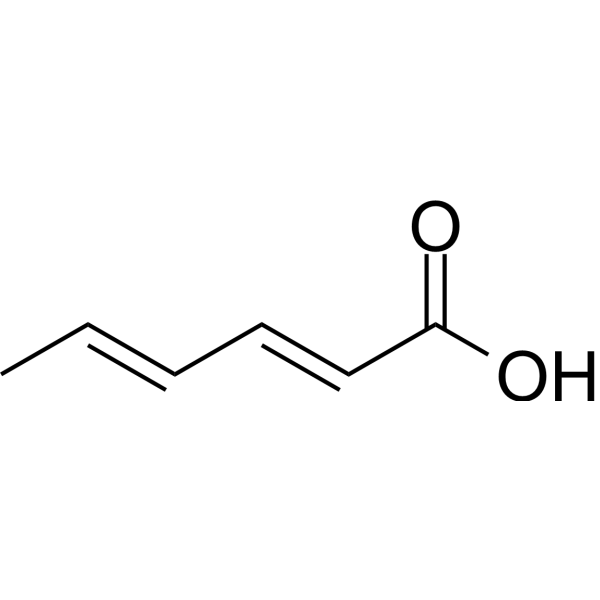
Sorbic acid is an antibacterial preservative effective against most molds, yeasts, and some bacterial species. Sorbic acid inhibits microbial growth. Sorbic acid suppresses the activity of intestinal microorganisms in zebrafish, alters the composition of intestinal flora, and reduces the levels of intestinal immune biomarkers, including IgG, IL-1β, and TNF-α. Sorbic acid can be used in research on the prevention and treatment of mold, yeast, and bacterial infections .
|
-
-
- HY-N0626A
-
|
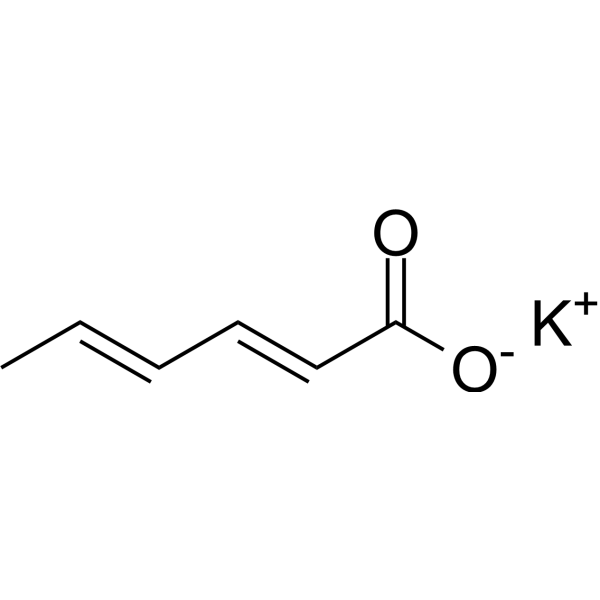
Sorbic acid potassium
|
Environmental Pollutants
Endogenous Metabolite
Antibiotic
Bacterial
Fungal
|
Infection
|
|
Potassium sorbate (Sorbic acid potassium) is an antibacterial preservative effective against most molds, yeasts, and some bacterial species. Potassium sorbate inhibits microbial growth. Potassium sorbate suppresses the activity of intestinal microorganisms in zebrafish, alters the composition of intestinal flora, and reduces the levels of intestinal immune biomarkers, including IgG, IL-1β, and TNF-α. Potassium sorbate can be used in research on the prevention and treatment of mold, yeast, and bacterial infections .
|
-
-
- HY-W250308A
-
|
Epsilon-polylysine hydrochloride (MV 2000-5000); ε-Polylysine hydrochloride (MV 2000-5000); ε-PL hydrochloride (MV 2000-5000)
|
Bacterial
Fungal
Reactive Oxygen Species (ROS)
|
Infection
|
|
ε-Poly-L-lysine (Epsilon-polylysine; ε-Polylysine) hydrochloride (MV 2000-5000) is a polycationic antibacterial agent with broad-spectrum activity against Gram-positive bacteria, Gram-negative bacteria, fungi, yeasts and specific bacteriophages. ε-Poly-L-lysine hydrochloride (MV 2000-5000) exerts bactericidal effects through mechanisms such as disrupting microbial membranes, inducing ROS production, inhibiting metabolism and spore germination. ε-Poly-L-lysine hydrochloride (MV 2000-5000) also regulates the expression of multiple key genes including sodA, oxyR and recA. ε-Poly-L-lysine hydrochloride (MV 2000-5000) exhibits properties such as low eukaryotic cytotoxicity, thermal stability and pH stability, and supports tissue regeneration and anti-tumor applications. ε-Poly-L-lysine hydrochloride (MV 2000-5000) can be applied in research fields including bacterial and fungal infections, diabetic ulcers, and methicillin-resistant Staphylococcus aureus infections .
|
-
-
- HY-W984782
-
|
|
GLUT
Bacterial
Fungal
AMPK
PPAR
Reactive Oxygen Species (ROS)
Apoptosis
SOD
|
Infection
Metabolic Disease
Cancer
|
|
Flindersine is an alkaloid with multiple activities including antibacterial, antifungal, antitumor, and antidiabetic properties. Flindersine increases the activity of antioxidant enzymes, restores the levels of renal biomarkers, and reduces blood glucose, blood lipid, and insulin levels in diabetic rats. Flindersine inhibits the growth of Gram-positive bacteria, Gram-negative bacteria, drug-resistant bacteria, as well as dermatophytes, filamentous fungi, and yeasts. Flindersine reduces the viability of cancer cells and induces apoptosis. Flindersine can be used in research related to breast cancer, type 2 diabetes, bacterial infections, and fungal infections .
|
-
-
- HY-N0626AR
-
|
Sorbic acid potassium (Standard)
|
Reference Standards
Environmental Pollutants
Bacterial
Endogenous Metabolite
Fungal
Antibiotic
|
Infection
|
|
Potassium sorbate (Standard) is the analytical standard of Potassium sorbate. This product is intended for research and analytical applications. Potassium sorbate (Sorbic acid potassium) is an antibacterial preservative effective against most molds, yeasts, and some bacterial species. Potassium sorbate inhibits microbial growth. Potassium sorbate suppresses the activity of intestinal microorganisms in zebrafish, alters the composition of intestinal flora, and reduces the levels of intestinal immune biomarkers, including IgG, IL-1β, and TNF-α. Potassium sorbate can be used in research on the prevention and treatment of mold, yeast, and bacterial infections .
|
-
-
- HY-N0626R
-
|
|
Reference Standards
Environmental Pollutants
Bacterial
Endogenous Metabolite
Fungal
Antibiotic
|
Infection
|
|
Sorbic acid (Standard) is the analytical standard of Sorbic acid (HY-N0626). This product is intended for research and analytical applications. Sorbic acid is an antibacterial preservative effective against most molds, yeasts, and some bacterial species. Sorbic acid inhibits microbial growth. Sorbic acid suppresses the activity of intestinal microorganisms in zebrafish, alters the composition of intestinal flora, and reduces the levels of intestinal immune biomarkers, including IgG, IL-1β, and TNF-α. Sorbic acid can be used in research on the prevention and treatment of mold, yeast, and bacterial infections .
|
-
-
- HY-105048A
-
|
|
Bacterial
|
Infection
|
|
Omiganan pentahydrochloride is a cationic peptide compound with a broad antibacterial profile. Omiganan pentahydrochloride is capable of inhibiting a variety of bacteria, including yeast, and is active against both gram-positive and gram-negative bacteria. Omiganan pentahydrochloride is able to interact with the bacterial cell membrane, causing the destruction of the cell membrane and the death of the bacteria. Omiganan pentahydrochloride can be used for the study of antimicrobial activity against pathogens commonly associated with catheter-associated infections, including strains with drug-resistant phenotypes .
|
-
-
- HY-119606
-
|
NSC 66577
|
Bacterial
Fungal
|
Infection
|
|
Bacimethrin (NSC 66577) is an antibacterial agent and is thiamin biosynthesis antagonist.Bacimethrin inhibits bacterial and yeast growth .
|
-
-
- HY-N15000
-
|
|
Bacterial
|
Infection
|
|
Lipomycin β has the activity of anti-Gram-positive bacterial and no activity against fungi (including yeast) .
|
-
-
- HY-N14165
-
|
|
DNA/RNA Synthesis
|
Cancer
|
|
Endusamycin can inhibit the protein and nucleic acid synthesis of Ehrlician ascites cancer cells, and has no anti-bacterial and anti-yeast effect .
|
-
-
- HY-N14409
-
|
|
Antibiotic
Fungal
|
Infection
|
|
Mycoversilin is an antibiotic. Mycoversilin has the activity of inhibiting skin fungi and phytopathogenic fungi, but has no anti-yeast and bacterial activity. Mycoversilin has a strong inhibitory effect on protein synthesis .
|
-
-
- HY-157359
-
|
|
Biochemical Assay Reagents
|
Others
|
|
Bacterial Organophosphorus Medium can be used to determine the efficiency of phosphorus bacteria in decomposing organic phosphorus in phosphorus bacteria fertilizers. Bacterial Organophosphorus Medium ingredients include glucose, ammonium sulfate, yeast extract, sodium chloride, potassium chloride, magnesium sulfate, ferrous sulfate, manganese sulfate, lecithin, calcium carbonate, agar .
|
-
-
- HY-N14506
-
|
|
Amylases
|
Others
|
|
Gibbestatin B inhibits the expression of α-amylase induced by gibberellin in De-embryoned rice and barley (IC50 is 25-50 ppm), and has no anti-bacterial, anti-yeast and anti-fungal effects at 100 ppm .
|
-
-
- HY-121365
-
|
|
Bacterial
|
Infection
|
|
Forphenicinol is an immunomodulator and a derivative of the bacterial metabolite forphenicine. It increases the phagocytosis of yeast by peritoneal macrophages isolated from thioglycolate-stimulated mice. Forphenicinol (100 μg/animal) prevents cyclophosphamide-induced suppression of delayed-type hypersensitivity (DTH), as well as enhances DTH in response to the hapten oxazolone or sheep red blood cells in mice. It enhances the bactericidal activity of macrophages against P. aeruginosa in mice when administered at a dose of 0.5 mg/kg.2 Forphenicinol (15.6-1,000 μg/animal) increases survival in a mouse model of P. aeruginosa infection. It also inhibits tumor growth in S180 sarcoma and IMC carcinoma mouse xenograft models when administered at doses ranging from 0.05 to 5 mg/kg per day.
|
-
-
- HY-A0132S14
-
|
N-Acetyl-2-amino-2-deoxy-D-glucose-d3
|
Isotope-Labeled Compounds
Endogenous Metabolite
Drug Derivative
Interleukin Related
Drug Isomer
|
Metabolic Disease
Inflammation/Immunology
Cancer
|
|
N-Acetyl-D-glucosamine-d3 (N-Acetyl-2-amino-2-deoxy-D-glucose-d3) is deuterium labeled N-Acetyl-D-glucosamine. N-Acetyl-D-Glucosamine (N-Acetyl-2-amino-2-deoxy-D-glucose), the D isomer of N-acetylglucosamine, is an orally active monosaccharide derivative of glucose with anti-tumor and anti-inflammation properties. N-Acetyl-D-Glucosamine is also a bacterial metabolite, which is found in Escherichia coli. N-Acetyl-D-Glucosamine can induce yeast-mycelial conversion in Candida albicans. N-Acetyl-D-Glucosamine also enhances healing of cartilaginous injuries in rabbits .
|
-
-
- HY-N6712R
-
|
Acetopyrrothin (Standard)
|
Reference Standards
Antibiotic
Bacterial
Deubiquitinase
NOD-like Receptor (NLR)
DNA/RNA Synthesis
Pyroptosis
HMG-CoA Reductase (HMGCR)
|
Cardiovascular Disease
Inflammation/Immunology
Cancer
|
|
Thromycin (Standard) is the analytical standard of thromycin (Acetopyrrothin) (HY-N6712). Thiolutin is a sulfur-containing antibiotic, which is a potent inhibitor of bacterial and yeast RNA polymerases. Thiolutin can be produced by Streptomyces. Thiolutin inhibits AMSH (IC50 = 4 μM) and Rpn11 (IC50 = 0.53 μM). Thiolutin is a dual inhibitor of BRCC36 and the NLRP3 inflammasome, exhibiting anti-inflammatory effects. Thiolutin effectively suppresses the interaction between BRCC36 and HMGCR, leading to the inhibition of HCC growth. Thiolutin attenuates pyroptosis and NLRP3 inflammasome activation. Thiolutin markedly alleviates renal injury and inflammatory process in IgAN. Thiolutin is an anti-angiogenic compound which can ease Doxorubicin (HY-15142A)-induced cardiotoxicity (DOXIC) [1][2][3][4][5].
|
-
-
- HY-N15042
-
|
|
Fungal
|
Infection
|
|
9-Hydroxyoudemansin A is an antibiotic. 9-Hydroxyoudemansin A has antifungal activity, has an MIC of 12.5 μg/mL against ochre-like yeast, and is resistant to fungi such as Candida albicans, Crimson Yeast, Penicillium and Streptomyces with MICs are all> 50 μg/mL. No anti-bacterial effect .
|
-
-
- HY-N19795
-
|
|
Antibiotic
Bacterial
|
Infection
|
|
Desferritriacetylfusigen is a desferrisideramine antibiotic found in Aspergillus deflectus and bacterial growth inhibitor. Desferritriacetylfusigen induces strong iron deficiency in sensitive bacteria to block growth, with activity abolished by iron (III) addition. Desferritriacetylfusigen exhibits medium-dependent bacterial growth inhibition, with no or weak activity against yeasts and fungi. can be used for research on bacterial infection .
|
-
-
- HY-E71023
-
|
|
Biochemical Assay Reagents
|
Metabolic Disease
|
|
Uridine-5'-diphosphogalactose 4-epimerase, Galactose-adapted yeast (EC 5.1.3.2) is a homodimeric epimerase found in bacterial, fungal, plant, and mammalian cells. This enzyme performs the final step in the Leloir pathway of galactose metabolism, catalyzing the reversible conversion of UDP-galactose to UDP-glucose.
|
-
-
- HY-182496
-
|
|
Antibiotic
Bacterial
|
Infection
|
|
Kanchanamycin A is a 36-membered polyol macrolide antibiotic found in Streptomyces olivaceus Tü 4018, with high activity against Pseudomonas fluorescens, weak activity against Gram-positive bacteria and filamentous fungi, and no activity against yeasts. Kanchanamycin A inhibits growth of Pseudomonas fluorescens, Botrytis cinerea, Mucor miehei, Penicillium notatum, and Staphylococcus aureus. Kanchanamycin A is commonly used in the study of bacterial infections .
|
-
-
- HY-N19757
-
|
|
Fungal
|
Infection
|
|
3-O-(2-Acetamido-2-deoxy-β-D-glucopyranosyl) echinocystic acid is an oleanane-type triterpenoid saponin. 3-O-(2-Acetamido-2-deoxy-β-D-glucopyranosyl) echinocystic acid acts as a dermatophyte growth inhibitor with a MIC range of 6.25-25 μg/mL. 3-O-(2-Acetamido-2-deoxy-β-D-glucopyranosyl) echinocystic acid can be used in the research of dermatophyte infections, bacterial infections and yeast infections .
|
-
| Cat. No. |
Product Name |
Type |
-
- HY-W250308A
-
|
Epsilon-polylysine hydrochloride (MV 2000-5000); ε-Polylysine hydrochloride (MV 2000-5000); ε-PL hydrochloride (MV 2000-5000)
|
Biochemical Assay Reagents
|
|
ε-Poly-L-lysine (Epsilon-polylysine; ε-Polylysine) hydrochloride (MV 2000-5000) is a polycationic antibacterial agent with broad-spectrum activity against Gram-positive bacteria, Gram-negative bacteria, fungi, yeasts and specific bacteriophages. ε-Poly-L-lysine hydrochloride (MV 2000-5000) exerts bactericidal effects through mechanisms such as disrupting microbial membranes, inducing ROS production, inhibiting metabolism and spore germination. ε-Poly-L-lysine hydrochloride (MV 2000-5000) also regulates the expression of multiple key genes including sodA, oxyR and recA. ε-Poly-L-lysine hydrochloride (MV 2000-5000) exhibits properties such as low eukaryotic cytotoxicity, thermal stability and pH stability, and supports tissue regeneration and anti-tumor applications. ε-Poly-L-lysine hydrochloride (MV 2000-5000) can be applied in research fields including bacterial and fungal infections, diabetic ulcers, and methicillin-resistant Staphylococcus aureus infections .
|
-
- HY-119606
-
|
NSC 66577
|
Biochemical Assay Reagents
|
|
Bacimethrin (NSC 66577) is an antibacterial agent and is thiamin biosynthesis antagonist.Bacimethrin inhibits bacterial and yeast growth .
|
-
- HY-157359
-
|
|
Biochemical Assay Reagents
|
|
Bacterial Organophosphorus Medium can be used to determine the efficiency of phosphorus bacteria in decomposing organic phosphorus in phosphorus bacteria fertilizers. Bacterial Organophosphorus Medium ingredients include glucose, ammonium sulfate, yeast extract, sodium chloride, potassium chloride, magnesium sulfate, ferrous sulfate, manganese sulfate, lecithin, calcium carbonate, agar .
|
| Cat. No. |
Product Name |
Target |
Research Area |
-
- HY-105048A
-
|
|
Bacterial
|
Infection
|
|
Omiganan pentahydrochloride is a cationic peptide compound with a broad antibacterial profile. Omiganan pentahydrochloride is capable of inhibiting a variety of bacteria, including yeast, and is active against both gram-positive and gram-negative bacteria. Omiganan pentahydrochloride is able to interact with the bacterial cell membrane, causing the destruction of the cell membrane and the death of the bacteria. Omiganan pentahydrochloride can be used for the study of antimicrobial activity against pathogens commonly associated with catheter-associated infections, including strains with drug-resistant phenotypes .
|
| Cat. No. |
Product Name |
Category |
Target |
Chemical Structure |
-
- HY-A0132
-
-
-
- HY-N6742
-
-
-
- HY-N6712
-
-
-
- HY-N0626
-
|
|
Infection
Structural Classification
other families
Preservatives
Classification of Application Fields
Ketones, Aldehydes, Acids
Plants
Endogenous metabolite
Disease Research Fields
Source Classification
Food Research
|
Environmental Pollutants
Bacterial
Endogenous Metabolite
Fungal
Antibiotic
|
|
Sorbic acid is an antibacterial preservative effective against most molds, yeasts, and some bacterial species. Sorbic acid inhibits microbial growth. Sorbic acid suppresses the activity of intestinal microorganisms in zebrafish, alters the composition of intestinal flora, and reduces the levels of intestinal immune biomarkers, including IgG, IL-1β, and TNF-α. Sorbic acid can be used in research on the prevention and treatment of mold, yeast, and bacterial infections .
|
-
-
- HY-N0626A
-
|
Sorbic acid potassium
|
Structural Classification
Classification of Application Fields
Ketones, Aldehydes, Acids
Metabolic Disease
Endogenous metabolite
Disease Research Fields
Source Classification
|
Environmental Pollutants
Endogenous Metabolite
Antibiotic
Bacterial
Fungal
|
|
Potassium sorbate (Sorbic acid potassium) is an antibacterial preservative effective against most molds, yeasts, and some bacterial species. Potassium sorbate inhibits microbial growth. Potassium sorbate suppresses the activity of intestinal microorganisms in zebrafish, alters the composition of intestinal flora, and reduces the levels of intestinal immune biomarkers, including IgG, IL-1β, and TNF-α. Potassium sorbate can be used in research on the prevention and treatment of mold, yeast, and bacterial infections .
|
-
-
- HY-W984782
-
|
|
Structural Classification
Alkaloids
Rutaceae
Quinoline Alkaloids
Plants
Haplophyllum tuberculatum (Forssk.) A.Juss.
Source Classification
|
GLUT
Bacterial
Fungal
AMPK
PPAR
Reactive Oxygen Species (ROS)
Apoptosis
SOD
|
|
Flindersine is an alkaloid with multiple activities including antibacterial, antifungal, antitumor, and antidiabetic properties. Flindersine increases the activity of antioxidant enzymes, restores the levels of renal biomarkers, and reduces blood glucose, blood lipid, and insulin levels in diabetic rats. Flindersine inhibits the growth of Gram-positive bacteria, Gram-negative bacteria, drug-resistant bacteria, as well as dermatophytes, filamentous fungi, and yeasts. Flindersine reduces the viability of cancer cells and induces apoptosis. Flindersine can be used in research related to breast cancer, type 2 diabetes, bacterial infections, and fungal infections .
|
-
-
- HY-N0626AR
-
|
Sorbic acid potassium (Standard)
|
Structural Classification
other families
Ketones, Aldehydes, Acids
Plants
Endogenous metabolite
Source Classification
|
Reference Standards
Environmental Pollutants
Bacterial
Endogenous Metabolite
Fungal
Antibiotic
|
|
Potassium sorbate (Standard) is the analytical standard of Potassium sorbate. This product is intended for research and analytical applications. Potassium sorbate (Sorbic acid potassium) is an antibacterial preservative effective against most molds, yeasts, and some bacterial species. Potassium sorbate inhibits microbial growth. Potassium sorbate suppresses the activity of intestinal microorganisms in zebrafish, alters the composition of intestinal flora, and reduces the levels of intestinal immune biomarkers, including IgG, IL-1β, and TNF-α. Potassium sorbate can be used in research on the prevention and treatment of mold, yeast, and bacterial infections .
|
-
-
- HY-N0626R
-
|
|
Structural Classification
Microorganisms
other families
Ketones, Aldehydes, Acids
Plants
Endogenous metabolite
Source Classification
|
Reference Standards
Environmental Pollutants
Bacterial
Endogenous Metabolite
Fungal
Antibiotic
|
|
Sorbic acid (Standard) is the analytical standard of Sorbic acid (HY-N0626). This product is intended for research and analytical applications. Sorbic acid is an antibacterial preservative effective against most molds, yeasts, and some bacterial species. Sorbic acid inhibits microbial growth. Sorbic acid suppresses the activity of intestinal microorganisms in zebrafish, alters the composition of intestinal flora, and reduces the levels of intestinal immune biomarkers, including IgG, IL-1β, and TNF-α. Sorbic acid can be used in research on the prevention and treatment of mold, yeast, and bacterial infections .
|
-
-
- HY-N15000
-
-
-
- HY-N14165
-
-
-
- HY-N14409
-
-
-
- HY-N14506
-
-
-
- HY-N6712R
-
-
-
- HY-N15042
-
|
|
Microorganisms
Antibiotics
Other Antibiotics
Source Classification
|
Fungal
|
|
9-Hydroxyoudemansin A is an antibiotic. 9-Hydroxyoudemansin A has antifungal activity, has an MIC of 12.5 μg/mL against ochre-like yeast, and is resistant to fungi such as Candida albicans, Crimson Yeast, Penicillium and Streptomyces with MICs are all> 50 μg/mL. No anti-bacterial effect .
|
-
-
- HY-N19795
-
|
|
Structural Classification
Microorganisms
Antibiotics
Source Classification
|
Antibiotic
Bacterial
|
|
Desferritriacetylfusigen is a desferrisideramine antibiotic found in Aspergillus deflectus and bacterial growth inhibitor. Desferritriacetylfusigen induces strong iron deficiency in sensitive bacteria to block growth, with activity abolished by iron (III) addition. Desferritriacetylfusigen exhibits medium-dependent bacterial growth inhibition, with no or weak activity against yeasts and fungi. can be used for research on bacterial infection .
|
-
-
- HY-182496
-
|
|
Structural Classification
Microorganisms
Ketones, Aldehydes, Acids
Source Classification
|
Antibiotic
Bacterial
|
|
Kanchanamycin A is a 36-membered polyol macrolide antibiotic found in Streptomyces olivaceus Tü 4018, with high activity against Pseudomonas fluorescens, weak activity against Gram-positive bacteria and filamentous fungi, and no activity against yeasts. Kanchanamycin A inhibits growth of Pseudomonas fluorescens, Botrytis cinerea, Mucor miehei, Penicillium notatum, and Staphylococcus aureus. Kanchanamycin A is commonly used in the study of bacterial infections .
|
-
-
- HY-N19757
-
-
| Cat. No. |
Product Name |
Chemical Structure |
-
- HY-A0132S14
-
|
|
|
N-Acetyl-D-glucosamine-d3 (N-Acetyl-2-amino-2-deoxy-D-glucose-d3) is deuterium labeled N-Acetyl-D-glucosamine. N-Acetyl-D-Glucosamine (N-Acetyl-2-amino-2-deoxy-D-glucose), the D isomer of N-acetylglucosamine, is an orally active monosaccharide derivative of glucose with anti-tumor and anti-inflammation properties. N-Acetyl-D-Glucosamine is also a bacterial metabolite, which is found in Escherichia coli. N-Acetyl-D-Glucosamine can induce yeast-mycelial conversion in Candida albicans. N-Acetyl-D-Glucosamine also enhances healing of cartilaginous injuries in rabbits .
|
-
| Cat. No. |
Product Name |
|
Classification |
-
- HY-N0626A
-
|
Sorbic acid potassium
|
|
Others
|
|
Potassium sorbate (Sorbic acid potassium) is an antibacterial preservative effective against most molds, yeasts, and some bacterial species. Potassium sorbate inhibits microbial growth. Potassium sorbate suppresses the activity of intestinal microorganisms in zebrafish, alters the composition of intestinal flora, and reduces the levels of intestinal immune biomarkers, including IgG, IL-1β, and TNF-α. Potassium sorbate can be used in research on the prevention and treatment of mold, yeast, and bacterial infections .
|
Your information is safe with us. * Required Fields.
Inquiry Information
- Product Name:
- Cat. No.:
- Quantity:
- MCE Japan Authorized Agent:

