1. Search Result
Search Result
Results for "

caspase cascade

" in MedChemExpress (MCE) Product Catalog:

30

阻害剤およびアゴニスト

8

天然物

5

同位体標識化合物

Targets Recommended:
製品番号 製品名 Target 研究分野 構造式
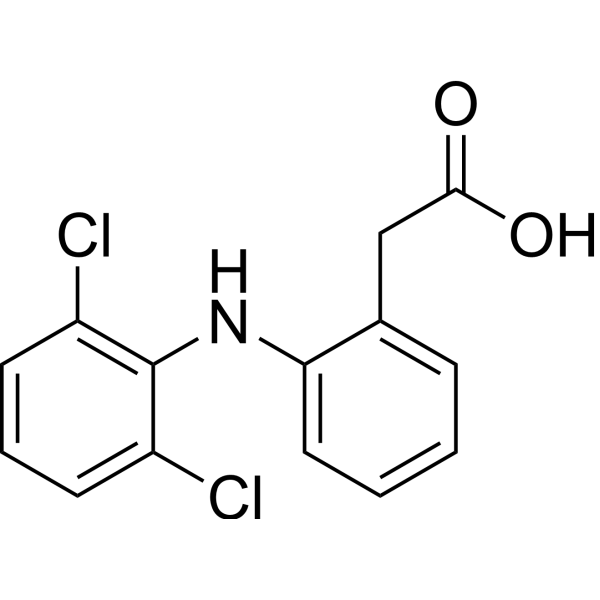
  • HY-15036
    Diclofenac
    Maximum Cited Publications
    24 Publications Verification

    COX Apoptosis Inflammation/Immunology Cancer
    Diclofenac is a potent and nonselective anti-inflammatory agent, acts as a COX inhibitor, with IC50s of 4 and 1.3 nM for human COX-1 and COX-2 in CHO cells , and 5.1 and 0.84 μM for ovine COX-1 and COX-2, respectively . Diclofenac induces apoptosis of neural stem cells (NSCs) via the activation of the caspase cascade .
    Diclofenac
  • HY-18980
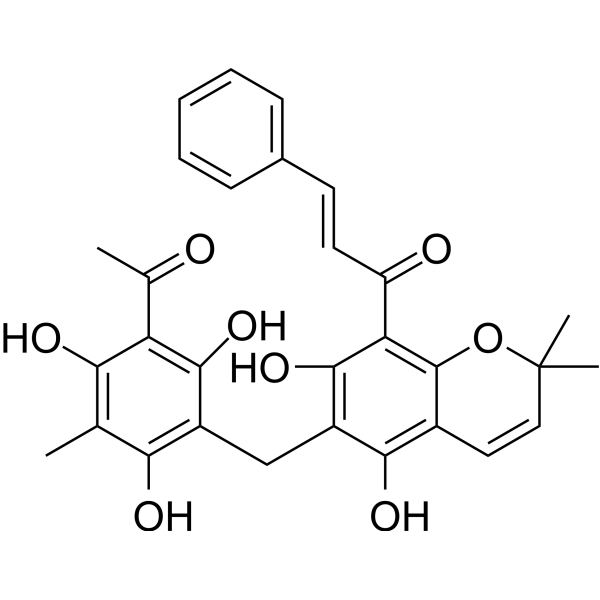
    Rottlerin
    20+ Cited Publications

    Mallotoxin; NSC 56346; NSC 94525

    PKC Autophagy Apoptosis HIV RABV Infection Cancer
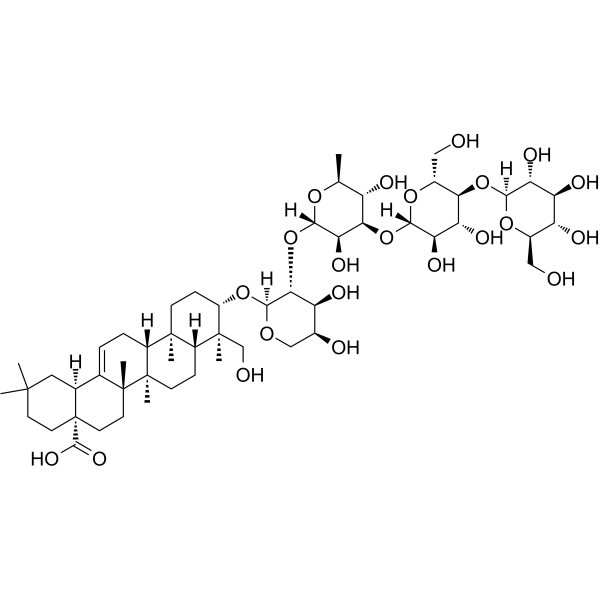
    Rottlerin, a natural product purified from Mallotus Philippinensis, is a specific PKC inhibitor, with IC50 values for PKCδ of 3-6 μM, PKCα,β,γ of 30-42 μM, PKCε,η,ζ of 80-100 μM. Rottlerin acts as a direct mitochondrial uncoupler, and stimulates autophagy by targeting a signaling cascade upstream of mTORC1. Rottlerin induces apoptosis via caspase 3 activation . Rottlerin inhibits HIV-1 integration and Rabies virus (RABV) infection .
    Rottlerin
  • HY-15038
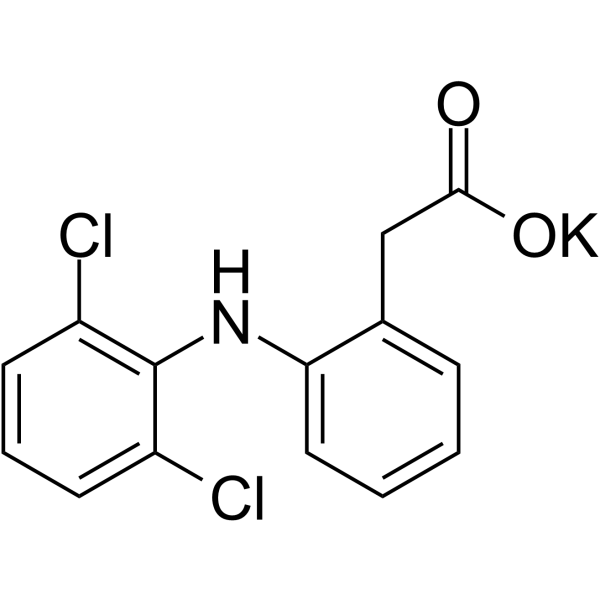
    Diclofenac potassium
    Maximum Cited Publications
    24 Publications Verification

    COX Apoptosis Inflammation/Immunology Cancer
    Diclofenac potassium is a potent and nonselective anti-inflammatory agent, acts as a COX inhibitor, with IC50s of 4 and 1.3 nM for human COX-1 and COX-2 in CHO cells , and 5.1 and 0.84 μM for ovine COX-1 and COX-2, respectively . Diclofenac potassium induces apoptosis of neural stem cells (NSCs) via the activation of the caspase cascade .
    Diclofenac potassium
  • HY-15037
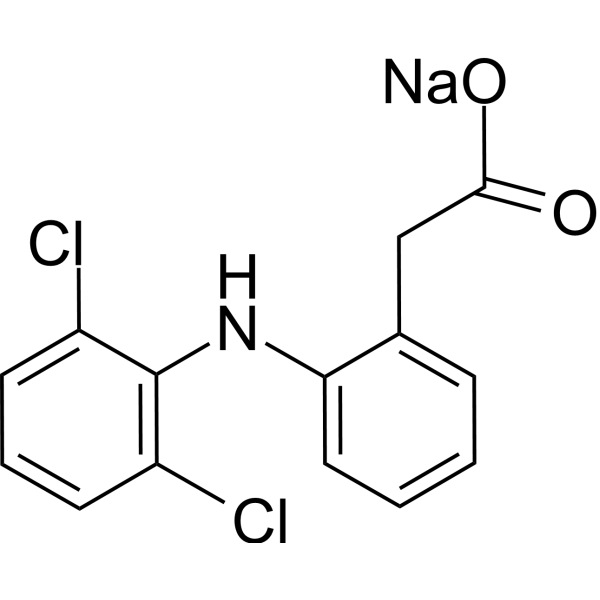
    Diclofenac Sodium
    Maximum Cited Publications
    24 Publications Verification

    GP 45840

    COX Apoptosis Inflammation/Immunology Cancer
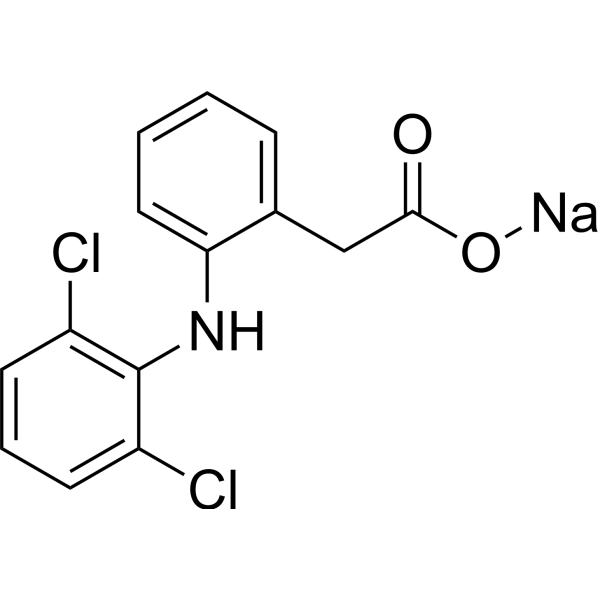
    Diclofenac Sodium (GP 45840) is a potent and nonselective anti-inflammatory agent, acts as a COX inhibitor, with IC50s of 4 and 1.3 nM for human COX-1 and COX-2 in CHO cells , and 5.1 and 0.84 μM for ovine COX-1 and COX-2, respectively . Diclofenac Sodium induces apoptosis of neural stem cells (NSCs) via the activation of the caspase cascade .
    Diclofenac Sodium
  • HY-15036A
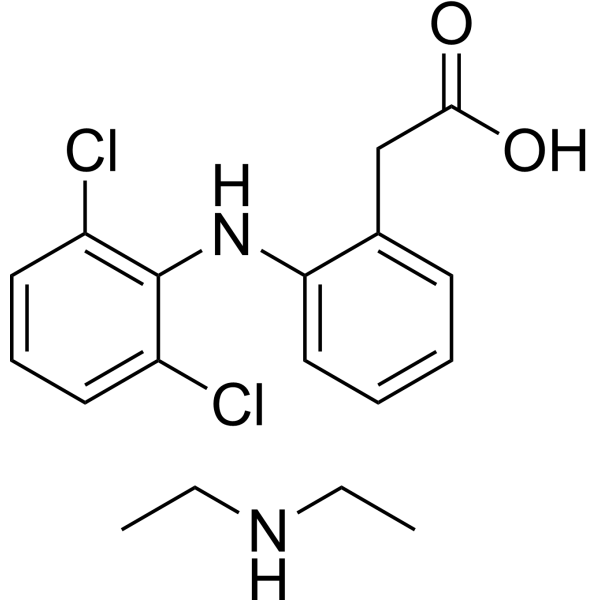
    Diclofenac diethylamine
    Maximum Cited Publications
    24 Publications Verification

    COX Apoptosis Inflammation/Immunology Cancer
    Diclofenac diethylamine is a potent and nonselective anti-inflammatory agent, acts as a COX inhibitor, with IC50s of 4 and 1.3 nM for human COX-1 and COX-2 in CHO cells , and 5.1 and 0.84 μM for ovine COX-1 and COX-2, respectively . Diclofenac diethylamine induces apoptosis of neural stem cells (NSCs) via the activation of the caspase cascade .
    Diclofenac diethylamine
  • HY-15036S

    Isotope-Labeled Compounds COX Apoptosis Inflammation/Immunology
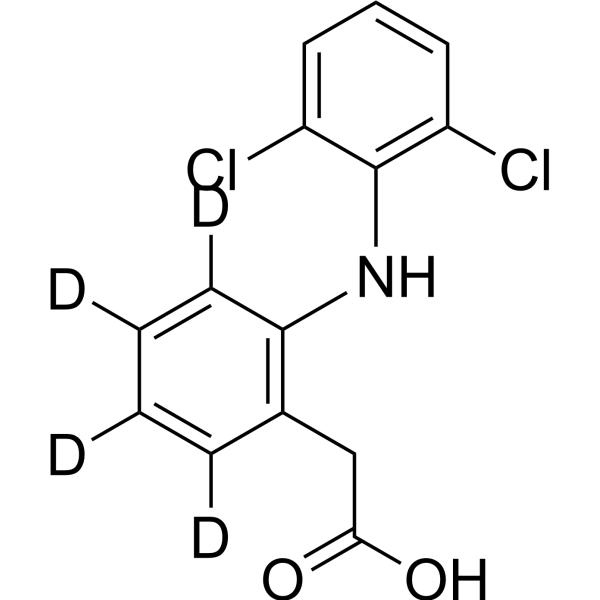
    Diclofenac-d4 is the deuterium labeled Diclofenac. Diclofenac is a potent and nonselective anti-inflammatory agent, acts as a COX inhibitor, with IC50s of 4 and 1.3 nM for human COX-1 and COX-2 in CHO cells , and 5.1 and 0.84 μM for ovine COX-1 and COX-2, respectively . Diclofenac induces apoptosis of neural stem cells (NSCs) via the activation of the caspase cascade .
    Diclofenac-d4
  • HY-N0809
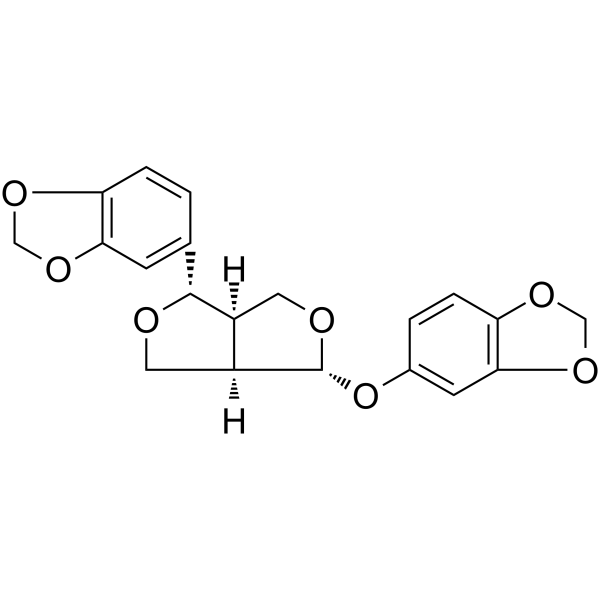
    Sesamolin
    2 Publications Verification

    p38 MAPK JNK Caspase Reactive Oxygen Species (ROS) NF-κB Neurological Disease Metabolic Disease Inflammation/Immunology
    Sesamolin, isolated from Sesamum indicum, has antioxidative activity, Sesamolin inhibits lipid peroxidation and shows neuroprotection effect. Sesamolinl potently inhibits MAPK cascades by preventing phosphorylation of JNK, p38 MAPKs, and caspase-3 but not ERK-MAPK expression. Sesamolin is orally active .
    Sesamolin
  • HY-15037R

    GP 45840 (Standard)

    Reference Standards COX Apoptosis Inflammation/Immunology Cancer
    Diclofenac (Sodium) (Standard) is the analytical standard of Diclofenac (Sodium). This product is intended for research and analytical applications. Diclofenac Sodium (GP 45840) is a potent and nonselective anti-inflammatory agent, acts as a COX inhibitor, with IC50s of 4 and 1.3 nM for human COX-1 and COX-2 in CHO cells , and 5.1 and 0.84 μM for ovine COX-1 and COX-2, respectively . Diclofenac Sodium induces apoptosis of neural stem cells (NSCs) via the activation of the caspase cascade .
    Diclofenac Sodium (Standard)
  • HY-15036R

    Reference Standards COX Apoptosis Inflammation/Immunology Cancer
    Diclofenac (Standard) is the analytical standard of Diclofenac. This product is intended for research and analytical applications. Diclofenac is a potent and nonselective anti-inflammatory agent, acts as a COX inhibitor, with IC50s of 4 and 1.3 nM for human COX-1 and COX-2 in CHO cells , and 5.1 and 0.84 μM for ovine COX-1 and COX-2, respectively . Diclofenac induces apoptosis of neural stem cells (NSCs) via the activation of the caspase cascade .
    Diclofenac (Standard)
  • HY-N8481
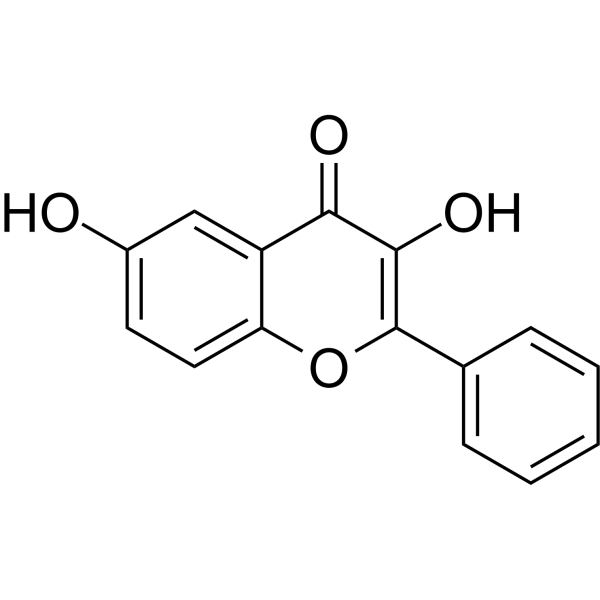
    3,6-Dihydroxyflavone
    1 Publications Verification

    3,6-DHF

    Apoptosis Cancer
    3,6-Dihydroxyflavone is an anti-cancer agent. 3,6-Dihydroxyflavone dose- and time-dependently decreases cell viability and induces apoptosis by activating caspase cascade, cleaving poly (ADP-ribose) polymerase (PARP). 3,6-Dihydroxyflavone increases intracellular oxidative stress and lipid peroxidation .
    3,6-Dihydroxyflavone
  • HY-15036S1

    Isotope-Labeled Compounds COX Apoptosis Inflammation/Immunology
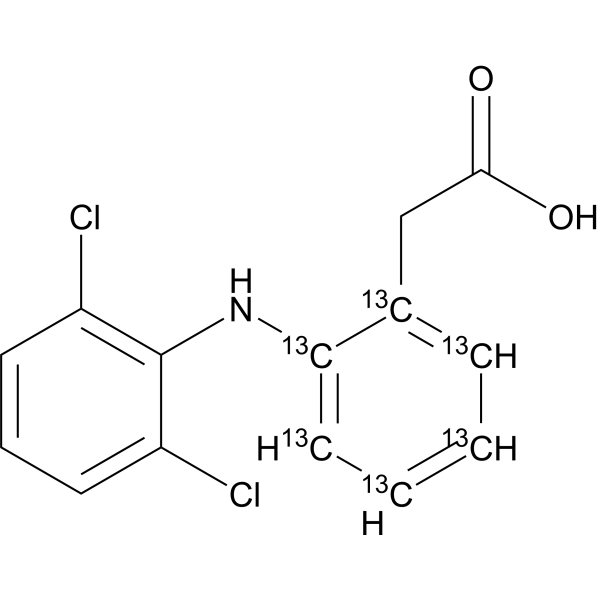
    Diclofenac- 13C6 is the 13C6 labeled Diclofenac. Diclofenac is a potent and nonselective anti-inflammatory agent, acts as a COX inhibitor, with IC50s of 4 and 1.3 nM for human COX-1 and COX-2 in CHO cells, and 5.1 and 0.84 μM for ovine COX-1 and COX-2, respectively. Diclofenac induces apoptosis of neural stem cells (NSCs) via the activation of the caspase cascade.
    Diclofenac-13C6
  • HY-15037S2

    GP 45840-13C6

    Isotope-Labeled Compounds COX Apoptosis Inflammation/Immunology
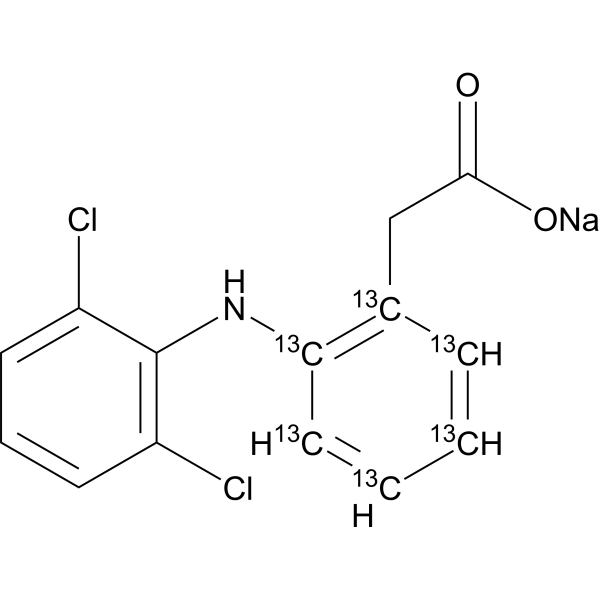
    Diclofenac- 13C6 (Sodium) is the 13C6 labeled Diclofenac (Sodium). Diclofenac Sodium (GP 45840) is a potent and nonselective anti-inflammatory agent, acts as a COX inhibitor, with IC50s of 4 and 1.3 nM for human COX-1 and COX-2 in CHO cells, and 5.1 and 0.84 μM for ovine COX-1 and COX-2, respectively. Diclofenac Sodium induces apoptosis of neural stem cells (NSCs) via the activation of the caspase cascade.
    Diclofenac-13C6 sodium
  • HY-15037S1

    COX Apoptosis Inflammation/Immunology
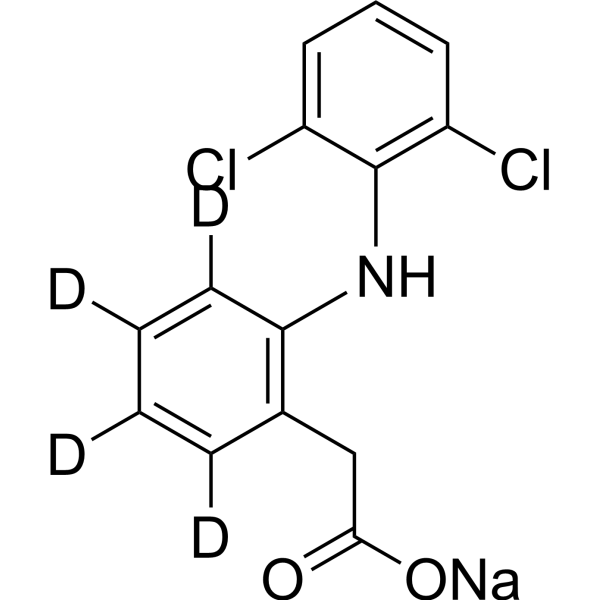
    Diclofenac-d4 (sodium) is the deuterium labeled Diclofenac sodium. Diclofenac Sodium (GP 45840) is a potent and nonselective anti-inflammatory agent, acts as a COX inhibitor, with IC50s of 4 and 1.3 nM for human COX-1 and COX-2 in CHO cells , and 5.1 and 0.84 μM for ovine COX-1 and COX-2, respectively . Diclofenac Sodium induces apoptosis of neural stem cells (NSCs) via the activation of the caspase cascade .
    Diclofenac-d4 sodium
  • HY-15038R

    Reference Standards COX Apoptosis Inflammation/Immunology Cancer
    Diclofenac (potassium) (Standard) is the analytical standard of Diclofenac (potassium). This product is intended for research and analytical applications. Diclofenac potassium is a potent and nonselective anti-inflammatory agent, acts as a COX inhibitor, with IC50s of 4 and 1.3 nM for human COX-1 and COX-2 in CHO cells , and 5.1 and 0.84 μM for ovine COX-1 and COX-2, respectively . Diclofenac potassium induces apoptosis of neural stem cells (NSCs) via the activation of the caspase cascade .
    Diclofenac potassium (Standard)
  • HY-15036AR

    Reference Standards COX Apoptosis Inflammation/Immunology Cancer
    Diclofenac (diethylamine) (Standard) is the analytical standard of Diclofenac (diethylamine). This product is intended for research and analytical applications. Diclofenac diethylamine is a potent and nonselective anti-inflammatory agent, acts as a COX inhibitor, with IC50s of 4 and 1.3 nM for human COX-1 and COX-2 in CHO cells , and 5.1 and 0.84 μM for ovine COX-1 and COX-2, respectively . Diclofenac diethylamine induces apoptosis of neural stem cells (NSCs) via the activation of the caspase cascade .
    Diclofenac diethylamine (Standard)
  • HY-W587938

    (+)-γ-Eudesmol

    Apoptosis Cancer
    γ-Eudesmol ((+)-γ-Eudesmol) is a mitochondrial-mediated apoptosis inducer. γ-Eudesmol binds mitochondrial membrane proteins, triggering depolarization of mitochondrial membrane potential and activating caspase cascades. γ-Eudesmol demonstrates cytotoxicity against multiple tumor cell lines (e.g., HepG2, B16-F10) with IC50 values ranging from 8.86-15.15 μg/mL. γ-Eudesmol is promising for research of cancers, such as hepatocellular carcinoma and melanoma .
    γ-Eudesmol
  • HY-N11784

    Apoptosis Caspase NF-κB COX IKK Inflammation/Immunology Cancer
    Triptolidenol, a traditional Chinese medicine, is an epoxy diterpene lactone that can be isolated from Tripterygium wilfordii. Triptolidenol has anti-inflammatory and anticancer activities. Triptolidenol significantly inhibits tumor cell proliferation and migration, arrests cell cycle arrest at S phase and induces apoptosis by activating the cytochrome c/caspase cascade signaling pathway. Triptolidenol disrupts NF-κB/COX-2 pathway by inhibiting IKKβ at ATP-binding sites. Triptolidenol can be used for chronic nephritis and kidney cancer like clear cell renal cell carcinoma (ccRCC) research .
    Triptolidenol
  • HY-178373

    Topoisomerase DNA/RNA Synthesis Reactive Oxygen Species (ROS) MDM-2/p53 Caspase Cancer
    Topoisomerase I-IN-18, a derivative of Thiosemicarbazide (HY-Y0032), is a Topoisomerase I inhibitor. Topoisomerase I-IN-18 can disrupt DNA synthesis and transcription. Topoisomerase I-IN-18 inhibits tumor cell proliferation by inducing S-phase cell cycle arrest. Topoisomerase I-IN-18 can enhance mitochondria-mediated apoptosis, suppress cell migration, and increase intracellular Reactive Oxygen Species (ROS) levels. Topoisomerase I-IN-18 can increase p53 protein expression, γH2AX phosphorylation, upregulate Bax expression, downregulate Bcl-2 expression, and activate the caspase cascade. Topoisomerase I-IN-18 can be used for the study of lung cancer .
    Topoisomerase I-IN-18
  • HY-117087

    Phosphatase PANoptosis Cancer
    K103 is an inhibitor discovered from the screen that is an analog of the serotonin antagonist benzazocine. K103 exhibited inhibition of SHIP homologues, labelling it a pan-SHIP1/2 inhibitor, but the molecule had no effect on another 5' inositol phosphatase, OCRL. In line with the "two PIPs hypothesis", the molecule exhibited significant anti-tumour effects against a variety of cell lines, particularly breast cancer cells. Additional studies with K103 revealed that inhibition of SHIP1/2 in multiple myeloma cells resulted in G2/M cell cycle arrest followed by extensive apoptosis via activation of the caspase cascade. K103 fits the commonly used small molecule agent property profile, but while this work was being conducted, it was discovered that K103 caused psychoactive effects in mice, which limited the utility of the molecule in vivo. Therefore, certain synthetic studies were conducted on this tryptamine to identify the features that needed to be present in the molecule to maintain pan-SHIP1/2 inhibition in order to design an inhibitor with favourable pharmacodynamic properties and an improved side effect profile.
    K103
  • HY-149918

    Microtubule/Tubulin Apoptosis Cancer
    Antiproliferative agent-23 is a microtubule-destabilizing agent (MDA) and efficiently disturbes the tubulin-microtubule system. Antiproliferative agent-23 induces apoptosis via a mitochondrion-dependent pathway by downregulating the Bcl-2 protein, upregulating Bax and Cyt c proteins, and activating the caspase cascade. Antiproliferative agent-23 initiates reactive oxygen species (ROS)-mediated endoplasmic reticulum stress in A549/CDDP cells (cisplatin resistant cancer cell line) via the PERK/ATF4/CHOP signaling pathway. Antiproliferative agent-23 has anti-tumor activity .
    Antiproliferative agent-23
  • HY-123786

    Apoptosis Caspase Cancer
    NSC745887 (compound 25) is an inhibitor that targets DNA topoisomerase cleavage, activates the caspase-8/9-caspase-3-poly (ADP-ribose) polymerase cascade, and induces apoptosis in cancer cells. NSC745887 enhances γH2AX expression and causes DNA fragmentation leading to DNA damage .
    NSC745887
  • HY-N0809R

    Reference Standards p38 MAPK JNK Caspase Reactive Oxygen Species (ROS) NF-κB Neurological Disease Metabolic Disease Inflammation/Immunology
    Sesamolin (Standard) is the analytical standard of Sesamolin. This product is intended for research and analytical applications. Sesamolin, isolated from Sesamum indicum, has antioxidative activity, Sesaminol inhibits lipid peroxidation and shows neuroprotection effect. Sesamolin potently inhibits MAPK cascades by preventing phosphorylation of JNK, p38 MAPKs, and caspase-3 but not ERK-MAPK expression .
    Sesamolin (Standard)
  • HY-N10018

    25-Anhydrocimigenol xyloside

    Caspase Cancer
    Cimiside E (25-Anhydrocimigenol xyloside) is a triterpene xyloside, Cimiside E possesses apoptotic action on gastric cancer cells, with an IC50 value of 14.58 μM. Cimiside E induces cell cycle arrest at G2/M phase, and mediates apoptosis through the induction of the caspase cascade for both the extrinsic and intrinsic pathways .
    Cimiside E
  • HY-15037S

    Isotope-Labeled Compounds COX Apoptosis Inflammation/Immunology
    Diclofenac- 13C6 (sodium heminonahydrate) is the 13C-labeled Diclofenac Sodium. Diclofenac Sodium (GP 45840) is a potent and nonselective anti-inflammatory agent, acts as a COX inhibitor, with IC50s of 4 and 1.3 nM for human COX-1 and COX-2 in CHO cells , and 5.1 and 0.84 μM for ovine COX-1 and COX-2, respectively . Diclofenac Sodium induces apoptosis of neural stem cells (NSCs) via the activation of the caspase cascade .
    Diclofenac-13C6 sodium heminonahydrate
  • HY-159891

    Microtubule/Tubulin Apoptosis Caspase Cancer
    Microtubule destabilizing agent-2 (Compound 21) is an orally active and selective antitumor compound targeting microtubule protein. Microtubule destabilizing agent-2 destabilizes microtubule proteins and inhibits microtubule polymers. Microtubule destabilizing agent-2 arrests the G0/G1 phase in human tumor cells. Microtubule destabilizing agent-2 induces Apoptosis by activating the cascade pathway of caspases. Microtubule destabilizing agent-2 has anti-inflammatory activity, as inhibiting TNF-α and IL-6 in vitro. Microtubule destabilizing agent-2 reduces tumors growth in xenograft mice .
    Microtubule destabilizing agent-2
  • HY-181746

    Bcl-2 Family Apoptosis Caspase PARP Cancer
    Bcl-2/Mcl-1-IN-5 (Compound S6) is a Bcl-2 and Mcl-1 inhibitor. Bcl-2/Mcl-1-IN-5 promotes Apoptosis, downregulates anti-apoptotic proteins Bcl-2 and Mcl-1, induces mitochondrial membrane potential depolarization, and activates the Caspase-dependent apoptotic cascade, as evidenced by Caspase-3 activation and PARP1 cleavage. Bcl-2/Mcl-1-IN-5 has anti-hepatocellular carcinoma activity .
    Bcl-2/Mcl-1-IN-5
  • HY-N17440

    Apoptosis Caspase Bcl-2 Family DNA/RNA Synthesis Bacterial Fungal Infection Inflammation/Immunology Cancer
    2-Methoxyjuglone, a naphthoquinone, is an apoptosis inducer. 2-Methoxyjuglone activates caspase-9 and caspase-3 via the mitochondrial cytochrome c-dependent intrinsic apoptosis cascade. 2-Methoxyjuglone increases pro-apoptotic Bax levels, decreases anti-apoptotic Bcl-2 levels, and promotes mitochondrial cytochrome c release. 2-Methoxyjuglone induces apoptosis morphological features, early apoptosis, S-phase and G2/M-phase cell cycle arrest, and DNA double-strand breaks. 2-Methoxyjuglone exerts activity against Gram-positive bacteria, pathogenic fungi, and phytopathogenic fungi. 2-Methoxyjuglone can be used for the research of hepatocellular carcinoma, osteosarcoma, colon adenocarcinoma, breast cancer, fungal infection, bacterial infection .
    2-Methoxyjuglone
  • HY-183791A

    Ferroptosis Apoptosis Glutathione Peroxidase ACSL Family Reactive Oxygen Species (ROS) Mitochondrial Metabolism Caspase Bcl-2 Family Cancer
    Ferroptosis/apoptosis inducer-5 (Compound 14) is an orally active inducer of Ferroptosis and Apoptosis. Ferroptosis/apoptosis inducer-5 downregulates GPX4, upregulates ACSL4, promotes ROS production, activates the Caspase cascade, induces Mitochondrial dysfunction, and alters the Bcl-2/Bax balance. Ferroptosis/apoptosis inducer-5 significantly inhibits tumor growth in a pancreatic cancer xenograft mouse model. Ferroptosis/apoptosis inducer-5 can be used for the research of pancreatic cancer .
    Ferroptosis/apoptosis inducer-5
  • HY-182009

    DNA Methyltransferase Apoptosis Caspase Mitochondrial Metabolism Cancer
    DNMT-IN-6 is a DNA methyltransferase inhibitor with activity against DNMT1, DNMT3A, and DNMT3B. DNMT-IN-6 drives demethylation, and restores TMS1 tumor suppressor gene expression. DNMT-IN-6 induces apoptosis, causes G2/M phase arrest, disrupts mitochondrial integrity, and activates the intrinsic caspase cascade (3/7/9). DNMT-IN-6 inhibits tumor growth, and improves survival in xenograft models. DNMT-IN-6 can be used for the research of cancer, such as diffuse large B-cell lymphoma .
    DNMT-IN-6
  • HY-N12531

    Reactive Oxygen Species (ROS) Mitochondrial Metabolism Mitophagy Apoptosis PI3K Akt mTOR Neurological Disease Cancer
    Molephantin is a blood-brain barrier permeable anti-glioblastoma compound. Molephantin induces ROS generation, leading to mitochondrial damage, Mitophagy flux blockage and Apoptosis induction. Molephantin can suppress the PI3K/Akt/mTOR signaling pathway. Molephantin demonstrates antitumor effects against glioblastoma .
    Molephantin

オンラインお問い合わせ

入力情報は安全に管理されます. 必須入力項目.

タイトル


国或いは地域 *

お名前 *


組纖名 *

デパートメント *


メールアドレス *


製品名 *

製品番号


カスタマ需要量 *

電話番号 *


必ず会社名を記載ください。個人への返信は行いません。

備考

バルクお問い合わせ

Inquiry Information

製品名:
製品番号:
数量:
MCE 日本正規代理店:

