1. Search Result
Search Result
Pathways Recommended: Stem Cell/Wnt Cell Cycle/DNA Damage
Results for "

cell lifespan

" in MedChemExpress (MCE) Product Catalog:

29

Inhibitors & Agonists

1

Screening Libraries

2

Biochemical Assay Reagents

4

Peptides

1

Inhibitory Antibodies

8

Natural
Products

2

Isotope-Labeled Compounds

Cat. No. Product Name Target Research Areas Chemical Structure
  • HY-N2342
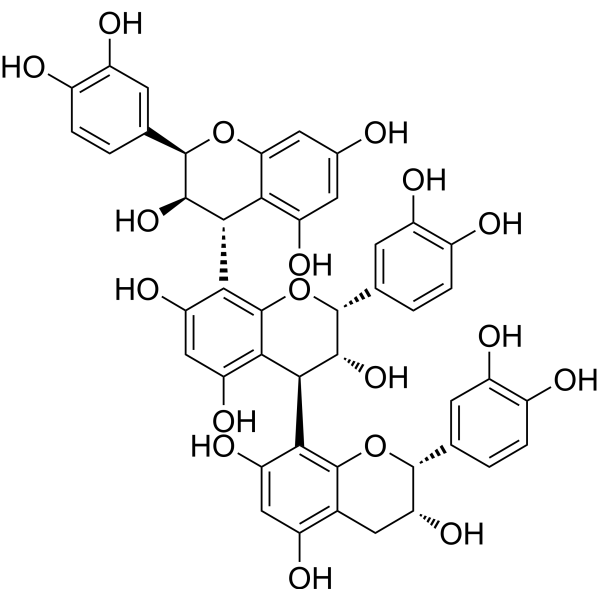
    Procyanidin C1
    Maximum Cited Publications
    7 Publications Verification

    PCC1

    Apoptosis Cancer
    Procyanidin C1 (PCC1), a natural polyphenol with oral activity, causes DNA damage, cell cycle arrest and induces apoptosis. Procyanidin C1 decreases the level of Bcl-2, but enhances BAX, caspase 3 and 9 expression in cancer cells. Procyanidin C1 shows senotherapeutic activity and increases lifespan in mice .
    Procyanidin C1
  • HY-P991488

    Interleukin Related Inflammation/Immunology
    BI-765423 is a selective monoclonal antibody inhibitor targeting IL-11. BI-765423 blocks IL-11-mediated signaling, inhibits fibroblast activation, and can extend the healthy lifespan of mammals, counteract cellular senescence in human cells, and alleviate inflammatory aging-related pathological processes. BI-765423 is primarily used in research on fibrotic diseases such as idiopathic pulmonary fibrosis (IPF) .
    BI-765423
  • HY-172371

    Hemoglobin Neurological Disease Metabolic Disease Inflammation/Immunology
    Hypoxystat is an orally active hypoxia mimetic. HypoxyStat increases Hemoglobin’s oxygen affinity, limiting oxygen offloading to the tissues and inducing local tissue hypoxia. Hypoxystat reduces Iba1 + cells. HypoxyStat causes systemic hypoxia. Hypoxystat effectively rescues hyperglycemia in mouse models of type 1 and type 2 diabetes. HypoxyStat not only extends lifespan but also rescues key neuropathological and behavioral deficits in the premier mouse model of Leigh syndrome .
    Hypoxystat
  • HY-133968
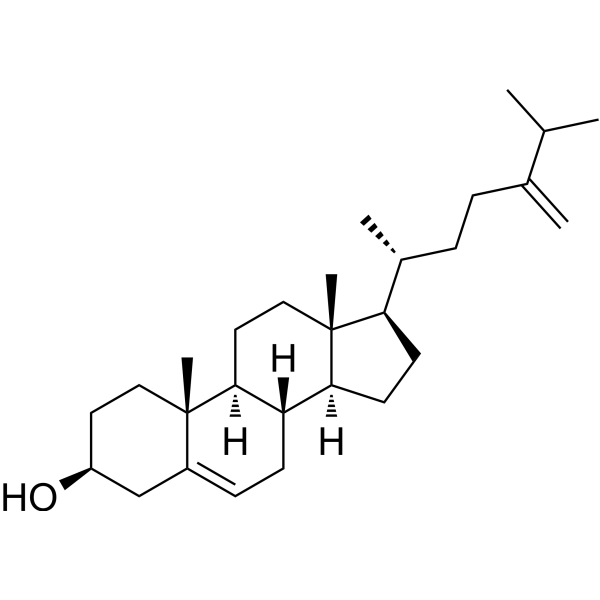
    24-Methylenecholesterol
    2 Publications Verification

    Ostreasterol

    Acyltransferase Reactive Oxygen Species (ROS) Inflammation/Immunology
    24-Methylenecholesterol (Ostreasterol) is a regulator targeting acyl-CoA cholesterol acyltransferase (ACAT) with anti-aging and neuroprotective effects. 24-Methylenecholesterol mimics the effects of nerve growth factor (NGF), can extend yeast lifespan through an anti-oxidative stress mechanism, and exhibits neuroprotective activity in PC12 cells. 24-Methylenecholesterol can reduce intracellular reactive oxygen species (ROS) and malondialdehyde (MDA) levels, activate anti-oxidative stress pathways (such as UTH1, SOD-related genes), and promote synaptic growth .
    24-Methylenecholesterol
  • HY-N0723
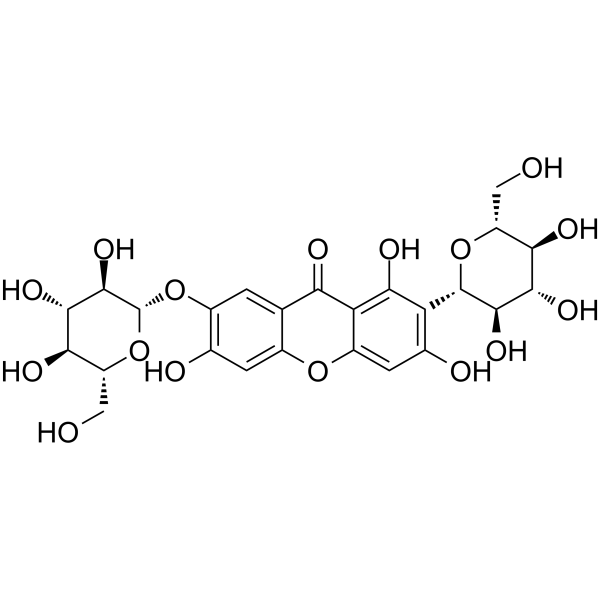
    Neomangiferin
    1 Publications Verification

    Autophagy p38 MAPK TNF Receptor Interleukin Related PPAR Metabolic Disease Inflammation/Immunology
    Neomangiferin is an orally active natural flavonoid. Neomangiferin partially ameliorates non-alcoholic fatty liver disease (NAFLD) by regulating the expression of genes related to free fatty acid uptake and lipid oxidation. Neomangiferin exerts anti-colitis effects by inhibiting Th17/Treg cell differentiation. Neomangiferin exerts anti-aging and lifespan-extending effects by targeting upregulation of bas-1, which in turn activates the autophagy, IIS and MAPK pathways. Neomangiferin has the potential to prevent aseptic loosening of prostheses after total joint arthroplasty due to its significant anti-inflammatory and osteoclastogenesis-inhibiting effects .
    Neomangiferin
  • HY-18676B

    OSU-T315 analog

    Integrin Autophagy Apoptosis Caspase PDHK Cancer
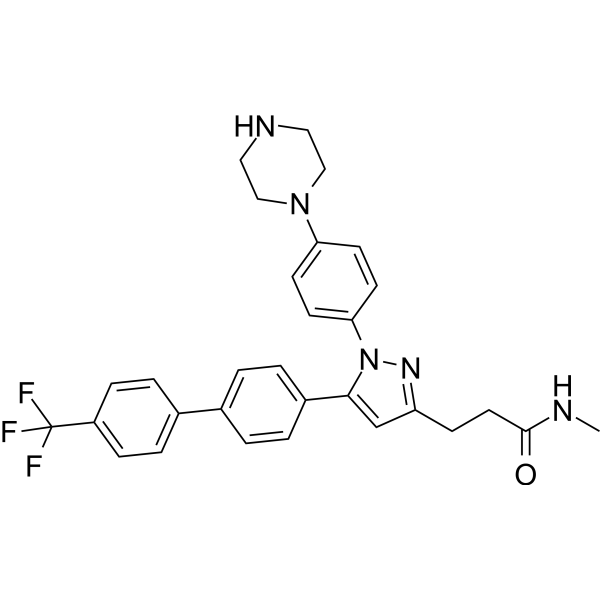
    ILK-IN-2 (OSU-T315 analog) is an oral PDK2 inhibitor and also an ILK inhibitor, with an IC50 of 0.6 μM. ILK-IN-2 induces cell autophagy and apoptosis, showing anti-tumor activity. ILK-IN-2 directly abolishes AKT activation by preventing AKT from translocating to lipid rafts, triggering Caspase-dependent apoptosis in chronic lymphocytic leukemia (CLL) and extending the lifespan in TCL1 mouse models .
    ILK-IN-2
  • HY-P10861A

    Tau Protein Neurological Disease
    RI-AG03 acetate is a proteolytically stable tau aggregation inhibitor that crosses the blood-brain barrier and exhibits oral efficacy. RI-AG03 acetate inhibits tau aggregation and promotes the formation of alternative amorphous aggregates that are non-amyloidogenic. RI-AG03 acetate mediates cellular uptake through direct membrane penetration and macropinocytosis, and its conjugation with cell-penetrating peptide sequences (CPPs) enhances the binding of cells to liposomes. RI-AG03 acetate suppresses aggregation-dependent neurodegenerative and behavioral phenotypes, and extends the lifespan of Drosophila models of tauopathy. RI-AG03 acetate can be used for research on tau-related diseases such as Alzheimer's disease .
    RI-AG03 acetate
  • HY-121811

    Lanceolatin C

    Glycosidase Phosphatase Interleukin Related TNF Receptor COX Beclin1 GLUT FAK Akt mTOR p38 MAPK Keap1-Nrf2 Apoptosis Amyloid-β Tau Protein Autophagy Neurological Disease Inflammation/Immunology Cancer
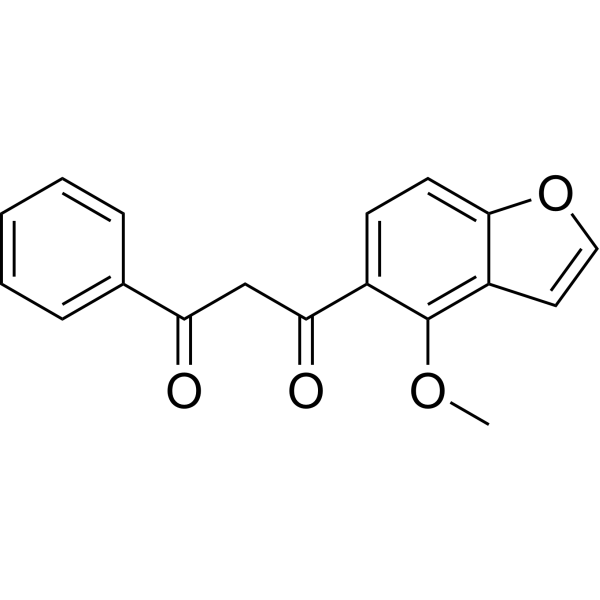
    Pongamol is an orally active flavonoid with an IC50 of 75 μM and a Ki of 58 μM against PTPase-1B, and an IC50 of 103.5 μM against intestinal α-Glycosidase. Pongamol reduces the release of IL‑1β, TNF‑α, COX‑2 and iNOS in cells, reverses the nuclear translocation of NF‑κB, and upregulates the levels of Beclin 1 and LC3 Ⅱ/LC3 Ⅰ. Pongamol promotes glucose uptake by increasing the level of GLUT4 on the surface of skeletal muscle cells. Pongamol inhibits epithelial-mesenchymal transition by suppressing the FAK/Akt-mTOR signaling pathway. Pongamol inhibits neuronal cytotoxicity, suppresses cell apoptosis and extends the lifespan of Caenorhabditis elegans by activating the MAPKs/Nrf2 signaling pathway. Pongamol exerts hypoglycemic effects in diabetic mouse models. Pongamol alleviates oxidative stress, neuroinflammation, deposition and excessive phosphorylation of Tau Protein, and restores autophagy function in Alzheimer's disease mouse models by inhibiting the Akt/mTOR signaling pathway. Pongamol is applicable to research related to Alzheimer's disease, type 2 diabetes, non-small cell lung cancer and postprandial hyperglycemia .
    Pongamol
  • HY-P11005

    Dynamin ATP Synthase Neurological Disease
    P259 is a Drp1-Mff inhibitor. P259 distinguishes physiological from pathological fission by specifically inhibiting Drp1-Mff interaction. P259 elongates cell mitochondria and disrupts mitochondrial function and motility. P259 reduces ATP levels and alters mitochondrial structure in the brain, resulting in behavioral deficits in wild-type mice and a short lifespan in Huntington's disease (HD) mice model .
    P259
  • HY-P10861

    Tau Protein Neurological Disease
    RI-AG03 is a proteolytically stable tau aggregation inhibitor that crosses the blood-brain barrier and exhibits oral efficacy. RI-AG03 inhibits tau aggregation and promotes the formation of alternative amorphous aggregates that are non-amyloidogenic. RI-AG03 mediates cellular uptake through direct membrane penetration and macropinocytosis, and its conjugation with cell-penetrating peptide sequences (CPPs) enhances the binding of cells to liposomes. RI-AG03 suppresses aggregation-dependent neurodegenerative and behavioral phenotypes, and extends the lifespan of Drosophila models of tauopathy. RI-AG03 can be used for research on tau-related diseases such as Alzheimer's disease .
    RI-AG03
  • HY-159067

    DEAE-dextran, MW 500000 hydrochloride, from bacterial (Leuconostoc mesenteroides); Diethylaminoethyl-dextran, MW 500000 hydrochloride

    Biochemical Assay Reagents Cancer
    DEAE-dextran, MW 500000 hydrochloride (DEAE-dextran, MW 500000 hydrochloride, from bacterial (Leuconostoc mesenteroides)) is a high-molecular-weight positively charged polymer that significantly enhances the uptake of viral RNA by tissue culture cells. When employed in the delivery system for "tumor immunity" RNA-splenocyte transfer, DEAE-dextran can markedly extend the lifespan of tumor-bearing animals, comparable to that of actively immunized animals. Furthermore, DEAE-dextran serves as a complexing agent for nucleic acids, forming composite particles with DNA/RNA for extensive applications in gene delivery. Additionally, DEAE-dextran can be utilized as a coating for liposomes .
    DEAE-dextran, MW 500000 hydrochloride
  • HY-124089

    Cannabinoid Receptor Metabolic Disease
    Eicosapentaenoyl ethanolamide, an omega-3 fatty acid, is one of N-acylethanolamines (NAEs). Eicosapentaenoyl ethanolamide is cannabinoid CB1/CB2 receptor agonist. Eicosapentaenoyl ethanolamide acts as a metabolic signal. Eicosapentaenoyl ethanolamide inhibits dietary restriction (DR)-induced lifespan extension in wild type animals and suppresses lifespan extension in a TOR pathway mutant .
    Eicosapentaenoyl ethanolamide
  • HY-N2342R

    PCC1 (Standard)

    Reference Standards Apoptosis Cancer
    Procyanidin C1 (Standard) is the analytical standard of Procyanidin C1. This product is intended for research and analytical applications. Procyanidin C1 (PCC1), a natural polyphenol with oral activity, causes DNA damage, cell cycle arrest and induces apoptosis. Procyanidin C1 decreases the level of Bcl-2, but enhances BAX, caspase 3 and 9 expression in cancer cells. Procyanidin C1 shows senotherapeutic activity and increases lifespan in mice .
    Procyanidin C1 (Standard)
  • HY-167711

    Mitochondrial Metabolism Metabolic Disease Inflammation/Immunology Cancer
    Sirtuin modulator 9 (Compound 214) is a sirtuin-modulating compound that may be used to increase lifespan of cells and in diseases related to aging, inflammation and cancer as well as diseases that would benefit from increased mitochondrial activity .
    Sirtuin modulator 9
  • HY-148322

    Sirtuin Infection Neurological Disease Metabolic Disease Inflammation/Immunology Cancer
    Sirtuin modulator 5 is a sirtuin modulating agent. Sirtuin modulator 5 can activate SIRT1 with a DC50 value of <50 μM. Sirtuin modulator 5 can be used for increasing the lifespan of a cell and used for the research of variety of diseases including, for example, diseases or disorders related to aging or stress, diabetes, obesity, neurodegenerative diseases, cardiovascular disease, blood clotting disorders, inflammation, cancer, and/or flushing as well as diseases or disorders that would benfit from increased mitochondrial activity .
    Sirtuin modulator 5
  • HY-Q49697

    Sirtuin Metabolic Disease Inflammation/Immunology Cancer
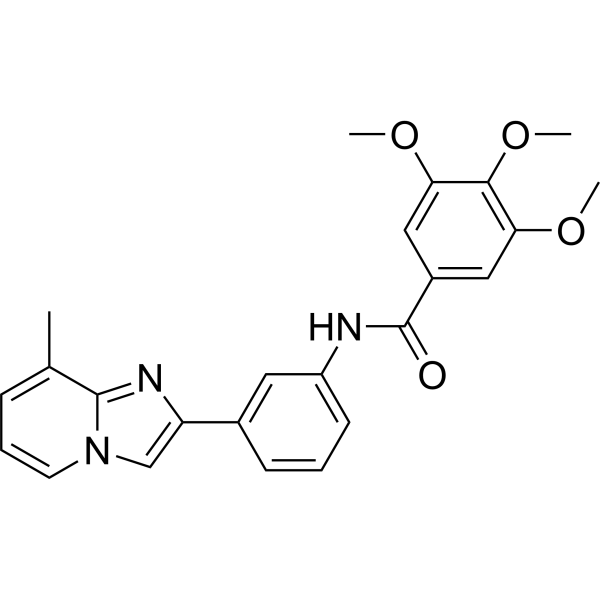
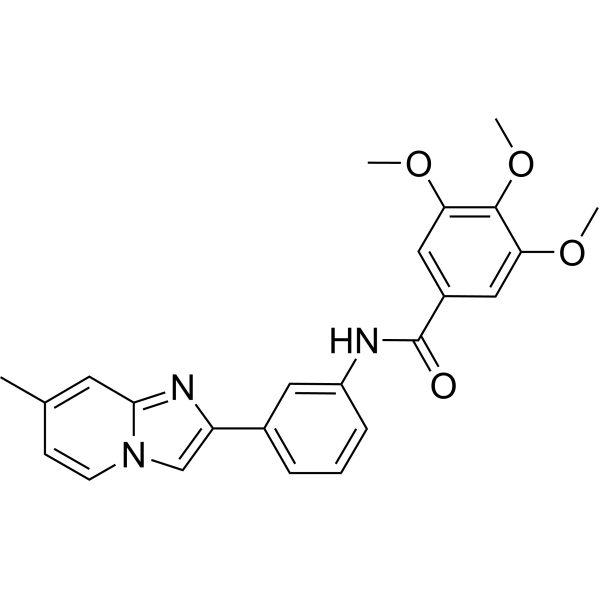
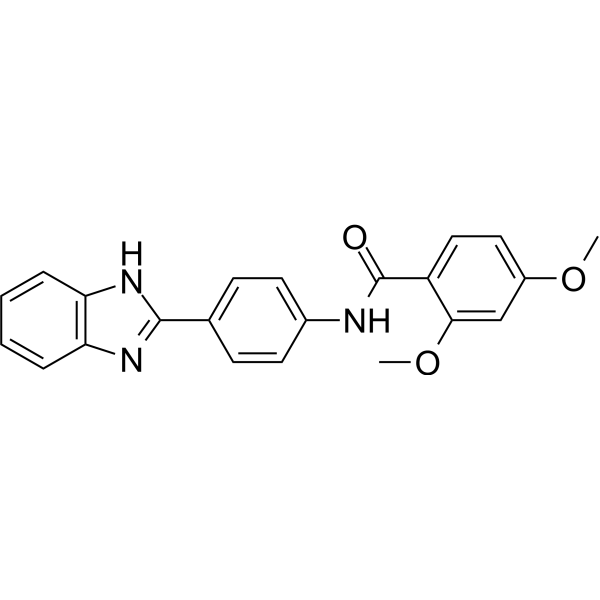
    Sirtuin modulator 3 (compound 129) is a N-phenyl benzamide derivative, acts as a sirtuin modulator .
    Sirtuin modulator 3
  • HY-169518

    Telomerase Cancer
    TERT activator-2 (Compound 1030) is a telomerase reverse transcriptase (TERT) activator that can increase the expression of TERT in cells. TERT activator-2 can be used in telomere-related cell lifespan research .
    TERT activator-2
  • HY-155988

    Sirtuin Cardiovascular Disease Neurological Disease Metabolic Disease Cancer
    Sirtuin modulator 6 (compound 262) increases the lifespan of a cell. Sirtuin modulator 6 can be used for study of diabetes, obesity, neurodegenerative diseases, cardiovascular disease, and so an extracted from patent WO2009064913A1 .
    Sirtuin modulator 6
  • HY-126617

    NSC 258308

    Others Cancer
    Duclauxin decreases proliferation of tumor cells in vitro and increases the lifespan of mice innoculated with Ehrlich ascitic tumor cells. Duclauxin (10-30 μg/mL) inhibits mitochondrial respiration of P-388 tumor cells and nucleic acid synthesis in cell culture of Ehrlich cancer, the lymphadenomas NK/LI and L 5178, and sarcoma 37. Duclauxin also inhibits growth of wheat coleoptile.
    Duclauxin
  • HY-148312

    Sirtuin Cardiovascular Disease Neurological Disease Inflammation/Immunology Cancer
    Sirtuin modulator 4 (compound 12) is a sirtuin modulator. Sirtuin modulator 4 shows inhibitory effect to SIRT1 with an EC50 value of 51-100 μM. Sirtuin modulator 4 may be used for the research of increasing the lifespan of a cell, and preventing a wide variety of diseases and disorders including, for example, diabetes, obesity, neurodegenerative diseases, cardiovascular diseases, inflammation and cancer .
    Sirtuin modulator 4
  • HY-N12887

    Mitochondrial Metabolism Others Cancer
    Mycothiazole is an inhibitor for mitochondrial electron transport chain (ETC) complex I. Mycothiazole exhibits cytotoxicity in cancer cells Huh7 (IC50 is 55.8 μM), U87 and MCF7. Mycothiazole induces apoptosis in Huh7. Mycothiazole utilizes the unfolded protein response (UPR) and heat shock response (HSR) pathway involved transcription factors ATFS-1 and HSF1, to extend the lifespan of C. elegans .
    Mycothiazole
  • HY-19242

    Antifolate Inflammation/Immunology
    MX-68 is an orally active antifolate agent. MX-68 can prolong the lifespan of MRL/lpr mice, delay the onset of proteinuria, and inhibit the elevation of serum blood urea nitrogen and cholesterol levels. MX-68 is also an anti-rheumatic agent, which exerts potent antiproliferative effects on rheumatoid arthritis-related cells and can inhibit arthritis in rats. MX-68 can be used in the research of autoimmune diseases such as autoimmune kidney disease and rheumatoid arthritis .
    MX-68
  • HY-P4610

    GLP Receptor Metabolic Disease
    H-Trp-Tyr-OH is an orally active tryptophan-tyrosine dipeptide with blood-brain barrier permeability. H-Trp-Tyr-OH exerts physiological regulatory effects by stimulating enteroendocrine cells to secrete glucagon-like peptide GLP-1. In mouse models of tauopathies, H-Trp-Tyr-OH inhibits tau phosphorylation, reduces the level of neurofibrillary tangles, increases dopamine turnover, upregulates synapsin expression, and elevates cecal short-chain fatty acid levels, thereby improving behavioral deficits and extending lifespan. H-Trp-Tyr-OH can be used in research related to impaired glucose tolerance and tauopathies .
    H-Trp-Tyr-OH
  • HY-133968S1

    Ostreasterol-13C

    Isotope-Labeled Compounds Acyltransferase Reactive Oxygen Species (ROS) Inflammation/Immunology
    24-Methylenecholesterol- 13C (Ostreasterol- 13C) is the 13C labeled 24-Methylenecholesterol (HY-133968) . 24-Methylenecholesterol (Ostreasterol) is a regulator targeting acyl-CoA cholesterol acyltransferase (ACAT) with anti-aging and neuroprotective effects. 24-Methylenecholesterol mimics the effects of nerve growth factor (NGF), can extend yeast lifespan through an anti-oxidative stress mechanism, and exhibits neuroprotective activity in PC12 cells. 24-Methylenecholesterol can reduce intracellular reactive oxygen species (ROS) and malondialdehyde (MDA) levels, activate anti-oxidative stress pathways (such as UTH1, SOD-related genes), and promote synaptic growth .
    24-Methylenecholesterol-13C
  • HY-133968R

    Ostreasterol (Standard)

    Reference Standards Acyltransferase Reactive Oxygen Species (ROS) Inflammation/Immunology
    24-Methylenecholesterol (Ostreasterol) (Standard) is the analytical standard of 24-Methylenecholesterol (HY-133968). This product is intended for research and analytical applications. 24-Methylenecholesterol (Ostreasterol) is a regulator targeting acyl-CoA cholesterol acyltransferase (ACAT) with anti-aging and neuroprotective effects. 24-Methylenecholesterol mimics the effects of nerve growth factor (NGF), can extend yeast lifespan through an anti-oxidative stress mechanism, and exhibits neuroprotective activity in PC12 cells. 24-Methylenecholesterol can reduce intracellular reactive oxygen species (ROS) and malondialdehyde (MDA) levels, activate anti-oxidative stress pathways (such as UTH1, SOD-related genes), and promote synaptic growth .
    24-Methylenecholesterol (Standard)
  • HY-N0723R

    Reference Standards Autophagy p38 MAPK TNF Receptor Interleukin Related PPAR Metabolic Disease Inflammation/Immunology
    Neomangiferin (Standard) is the analytical standard of Neomangiferin. This product is intended for research and analytical applications. Neomangiferin is an orally active natural flavonoid. Neomangiferin partially ameliorates non-alcoholic fatty liver disease (NAFLD) by regulating the expression of genes related to free fatty acid uptake and lipid oxidation. Neomangiferin exerts anti-colitis effects by inhibiting Th17/Treg cell differentiation. Neomangiferin exerts anti-aging and lifespan-extending effects by targeting upregulation of bas-1, which in turn activates the autophagy, IIS and MAPK pathways. Neomangiferin has the potential to prevent aseptic loosening of prostheses after total joint arthroplasty due to its significant anti-inflammatory and osteoclastogenesis-inhibiting effects.
    Neomangiferin (Standard)
  • HY-W720629

    Isotope-Labeled Compounds Phytohormone Aldehyde Dehydrogenase (ALDH) Others
    Cyanamide- 15N2 is the 15N-labeled Cyanamide (HY-Y0070). Cyanamide is a cell division and plant growth inhibitor, as well as an allelochemical derived from Vicia villosa. Cyanamide inhibits root growth and biomass accumulation in a dose-dependent manner by disrupting the formation of mitotic spindles and phragmoplast complexes, reducing the number of mitotic cells and blocking the cell cycle. The effects of Cyanamide are partially reversible after removal from low-concentration environments. Cyanamide is also a specific inhibitor of aldehyde dehydrogenase (ALDH). Although Cyanamide has no direct effect on tumor growth, it can significantly enhance the anti-tumor efficacy of Cyclophosphamide (HY-17420) at non-toxic doses by inhibiting the inactivation of Cyclophosphamide. Cyanamide enables Cyclophosphamide to exert equivalent therapeutic effects at lower doses, effectively inhibiting the growth of primary and metastatic tumors and prolonging the lifespan of tumor-bearing mice. Cyanamide is commonly used in studies related to ha-1 hepatoma and rls lymphosarcoma .
    Cyanamide-15N2
  • HY-181604

    Malate Dehydrogenase (MDH) Inflammation/Immunology
    MDH2-IN-2 is an orally active MDH2 inhibitor with an IC50 of 5.9 μM. MDH2-IN-2 reduces the levels of senescence markers and senescence-associated secretory phenotype (SASP) factors in mammalian cell models. MDH2-IN-2 extends the lifespan and improves the healthspan of Caenorhabditis elegans. MDH2-IN-2 alleviates tissue senescence in aged mice, inhibits SASP factors, and restores liver and kidney functions. MDH2-IN-2 is applicable for senescence-related research .
    MDH2-IN-2
  • HY-Y0070

    Phytohormone Aldehyde Dehydrogenase (ALDH) Cancer
    Cyanamide is a cell division and plant growth inhibitor, as well as an allelochemical derived from Vicia villosa. Cyanamide inhibits root growth and biomass accumulation in a dose-dependent manner by disrupting the formation of mitotic spindles and phragmoplast complexes, reducing the number of mitotic cells and blocking the cell cycle. The effects of Cyanamide are partially reversible after removal from low-concentration environments. Cyanamide is also a specific inhibitor of aldehyde dehydrogenase (ALDH). Although Cyanamide has no direct effect on tumor growth, it can significantly enhance the anti-tumor efficacy of Cyclophosphamide (HY-17420) at non-toxic doses by inhibiting the inactivation of Cyclophosphamide. Cyanamide enables Cyclophosphamide to exert equivalent therapeutic effects at lower doses, effectively inhibiting the growth of primary and metastatic tumors and prolonging the lifespan of tumor-bearing mice. Cyanamide is commonly used in studies related to ha-1 hepatoma and rls lymphosarcoma .
    Cyanamide

Inquiry Online

Your information is safe with us. * Required Fields.

Salutation


Country or Region *

Applicant Name *


Organization Name *

Department *


Email Address *


Product Name *

Cat. No.


Requested quantity *

Phone Number *


Remarks

Inquiry Online

Inquiry Information

Product Name:
Cat. No.:
Quantity:
MCE Japan Authorized Agent:

