
Search Result
Results for "
chemiluminescent
" in MedChemExpress (MCE) Product Catalog:
9
Biochemical Assay Reagents
| Cat. No. |
Product Name |
Target |
Research Areas |
Chemical Structure |
-
- HY-12591B
-
|
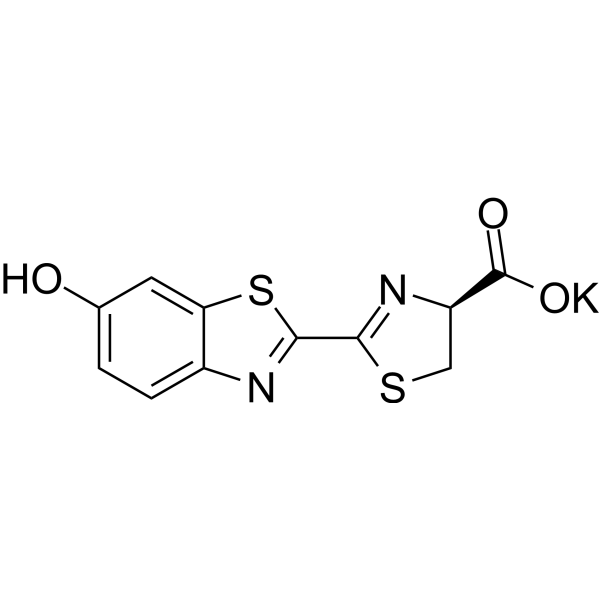
D-(-)-Luciferin potassium; Firefly luciferin potassium; Beetle Luciferin potassium
|
Fluorescent Dye
|
Others
|
|
D-luciferin potassium is the natural substrate of the enzyme luciferase (Luc) that catalyzes the production of the typical yellowgreen light of fireflies. The 560 nm chemiluminescence from this reaction peaks within seconds, with light output that is proportional to luciferase concentration when the substrate luciferin is present in excess. The luciferase (luc) gene is a popular reporter gene for research and agent screening. Chemiluminescent techniques are virtually background-free, making the luc reporter gene ideal for detecting low-level gene expression. As little as 0.02 pg of luciferase can be reliably measured in a standard scintillation counter. In addition to its role as a reporter of gene expression, luciferase is commonly used in an extremely sensitive assay for ATP . We offer the firefly luciferase (HY-P1004A), luciferin free acid (HY-12591A), as well as its water-soluble sodium salts (HY-12591) and potassium salts (HY-12591B) .
|
-
-
- HY-12591
-
|
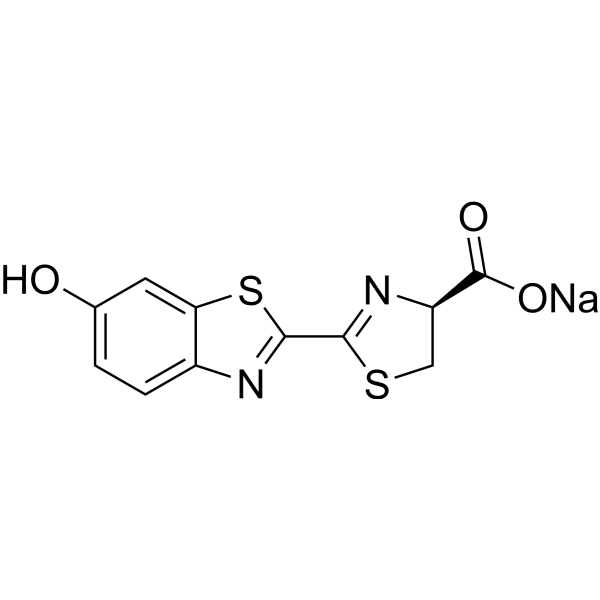
D-(-)-Luciferin sodium; Firefly luciferin sodium; Beetle Luciferin sodium
|
Fluorescent Dye
|
Others
|
|
D-luciferin sodium is the natural substrate of the enzyme luciferase (Luc) that catalyzes the production of the typical yellowgreen light of fireflies. The 560 nm chemiluminescence from this reaction peaks within seconds, with light output that is proportional to luciferase concentration when the substrate luciferin is present in excess. The luciferase (luc) gene is a popular reporter gene for research and agent screening. Chemiluminescent techniques are virtually background-free, making the luc reporter gene ideal for detecting low-level gene expression. As little as 0.02 pg of luciferase can be reliably measured in a standard scintillation counter. In addition to its role as a reporter of gene expression, luciferase is commonly used in an extremely sensitive assay for ATP . We of er the firefly luciferase (HY-P1004A), luciferin free acid (HY-12591A), as well as its water-soluble sodium salts (HY-12591) and potassium salts (HY-12591B) .
|
-
-
- HY-12591A
-
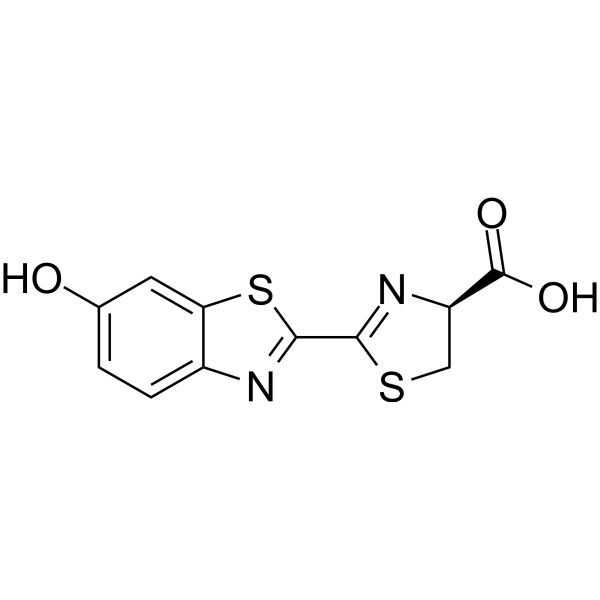
D-Luciferin
Maximum Cited Publications
110 Publications Verification
D-(-)-Luciferin; Firefly luciferin; Beetle Luciferin
|
Fluorescent Dye
|
Others
|
|
D-luciferin is the natural substrate of the enzyme luciferase (Luc) that catalyzes the production of the typical yellowgreen light of fireflies. The 560 nm chemiluminescence from this reaction peaks within seconds, with light output that is proportional to luciferase concentration when the substrate luciferin is present in excess. The luciferase (luc) gene is a popular reporter gene for research and agent screening. Chemiluminescent techniques are virtually background-free, making the luc reporter gene ideal for detecting low-level gene expression. As little as 0.02 pg of luciferase can be reliably measured in a standard scintillation counter. In addition to its role as a reporter of gene expression, luciferase is commonly used in an extremely sensitive assay for ATP . We of er the firefly luciferase (HY-P1004A), luciferin free acid (HY-12591A), as well as its water-soluble sodium salts (HY-12591) and potassium salts (HY-12591B) .
|
-
-
- HY-18743
-
|
|
Reactive Oxygen Species (ROS)
|
Cancer
|
|
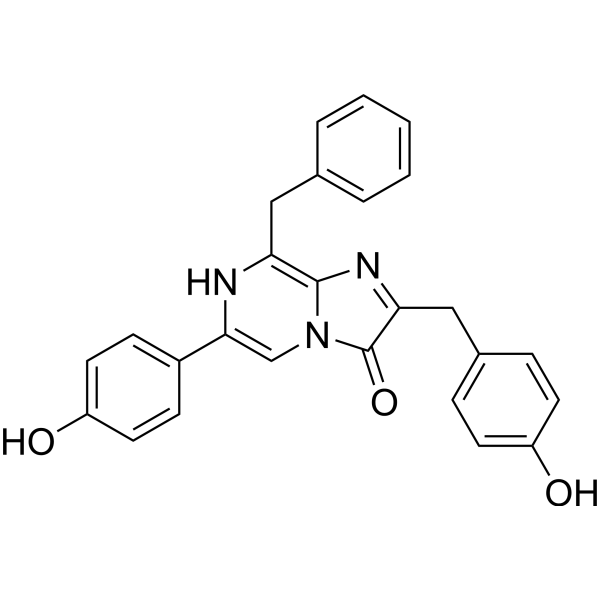
Coelenterazine is a luminescent enzyme substrate for apoaequorin and Renilla luciferase. Renilla luciferase and substrate coelenterazine has been used as the bioluminescence donor in bioluminescence resonance energy transfer (BRET) to detect protein-protein interactions. Coelenterazine is a superoxide anion-sensitive chemiluminescent probe and it can also be used in chemiluminescent detection of peroxynitrite (Ex/Em = 429/466 nm) .
|
-
-
- HY-108537
-
|
|
Reactive Oxygen Species (ROS)
|
Inflammation/Immunology
|
|
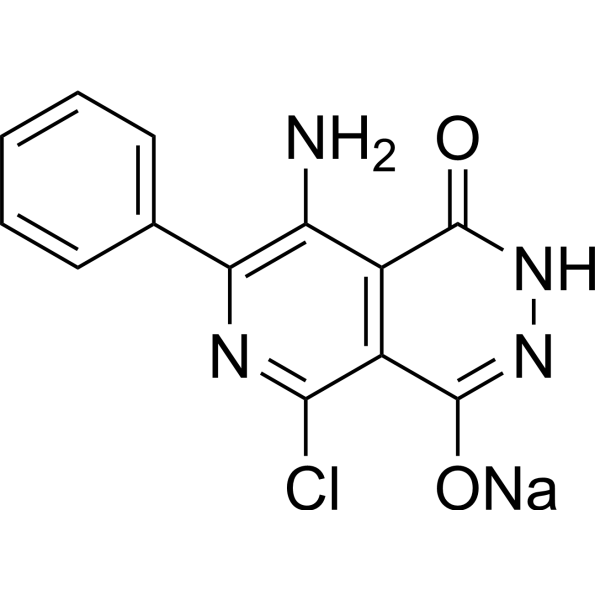
L 012 sodium salt is a luminal-based chemiluminescent probe. L 012 sodium salt can detect NADPH oxidase (Nox)-derived superoxide and nitrogen species (reactive oxygen species (ROS) and reactive nitrogen species (RNS)) .
|
-
-
- HY-15906
-
AMPPD
1 Publications Verification
Lumi-Phos Plus; Lumigen PPD; PPD
|
Phosphatase
|
Others
|
|
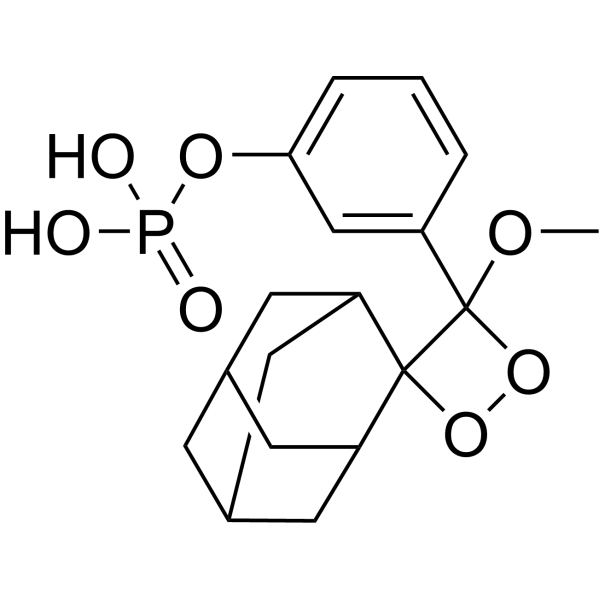
AMPPD (Lumi-Phos Plus; Lumigen PPD) is a chemiluminescent substrate for alkaline phosphatase (APase). AMPPD is hydrolyzed by APase to generate an unstable dioxetane intermediate, and the intermediate releases a chemiluminescent signal when it decomposes. The luminescent signal of AMPPD can be detected by highly sensitive equipment, thereby achieving quantitative analysis of the target molecule. AMPPD can be used in ultrasensitive enzyme-linked immunosorbent assays (such as quantitative detection of human tissue kininogen), chemiluminescent detection of proteins and nucleic acids, and other fields .
|
-
-
- HY-D0893
-
|
|
Fluorescent Dye
|
Others
|
|
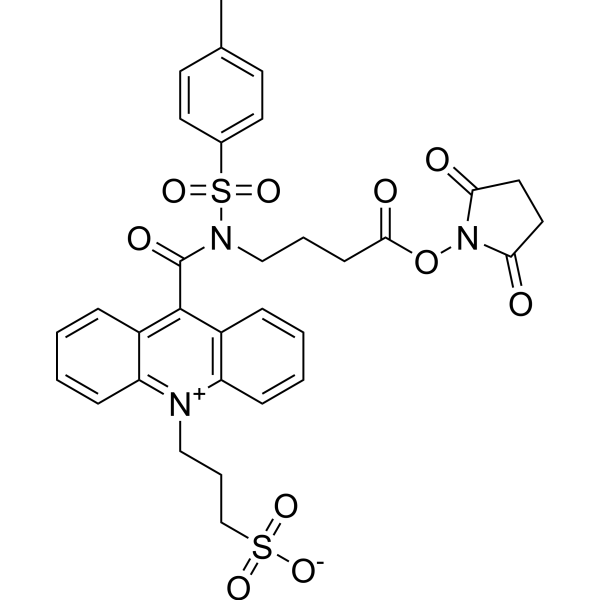
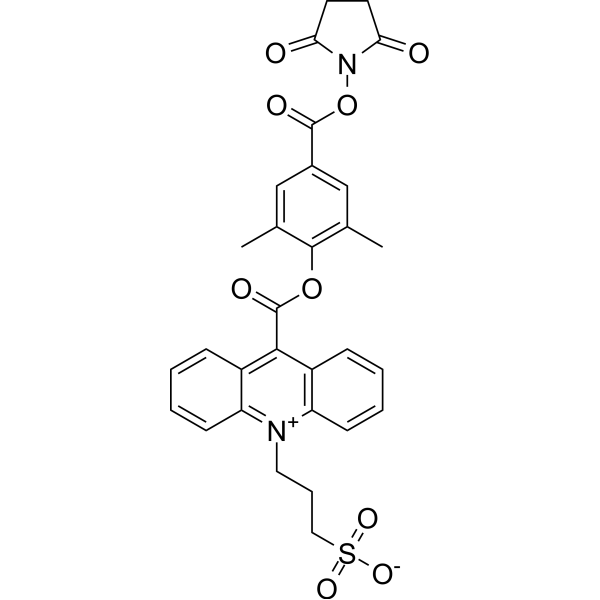
NSP-SA-NHS is an acridinium ester that can be used for chemiluminescent immunoassay. A rapid and sensitive chemiluminescent immunoassay of Bisphenol A (BPA) with NSP-SA-NHS-labeled has been developed .
|
-
-
- HY-D2468
-
|
|
Fluorescent Dye
|
Others
|
|
Sulfonylurea Receptor HRP-Streptavidin is a biotin-binding signal amplifier designed to bind tightly with biotinylated anti-TSH monoclonal antibodies, thereby constituting a key component of the signal amplification system in immunoassays. HRP-Streptavidin is formed by the covalent coupling of Horseradish Peroxidase (HRP) with Streptavidin; it combines the highly efficient catalytic activity of the enzyme with the high affinity of Streptavidin for biotin, making it a potent and sensitive tool for signal amplification. HRP-Streptavidin is suitable for use in Western Blotting, ELISA, and other detection techniques .
|
-
-
- HY-118315
-
L-012
2 Publications Verification
|
Fluorescent Dye
|
Inflammation/Immunology
|
|
L-012 is a luminal-based chemiluminescent probe. L-012 sodium salt can detect NADPH oxidase (Nox)-derived superoxide and nitrogen species (reactive oxygen species (ROS) and reactive nitrogen species (RNS)) .
|
-
-
- HY-D0892
-
|
|
Biochemical Assay Reagents
|
Cancer
|
|
NSP-DMAE-NHS is an acridinium ester-based signal amplifier that can act as a luminescent probe to effectively improve the detection performance of biosensors. NSP-DMAE-NHS preserves the biochemical activity of biomolecules during the conjugation process. NSP-DMAE-NHS has been successfully applied to label mouse anti-human PI3 monoclonal antibodies for chemiluminescent immunoassays, as well as for pre-competitive chemiluminescent immunochromatographic detection of TP53 fusion proteins. NSP-DMAE-NHS can be used in detection studies of cancer and related biomarkers .
|
-
-
- HY-W013275
-
-
-
- HY-W000357
-
|
|
Biochemical Assay Reagents
|
Others
|
|
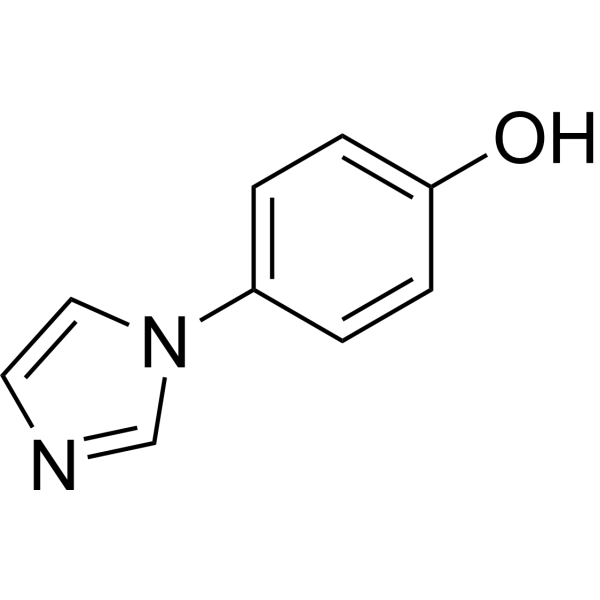
4-(Imidazol-1-yl)phenol is a highly potent signal enhancer in a horseradish peroxidase (HRP)-luminol chemiluminescence (CL) immunoassay .
|
-
-
- HY-D1208
-
-
-
- HY-W777012
-
|
|
Fluorescent Dye
|
|
|
Acridinium C2 NHS ester is a chemiluminescent label that is active for the development of protein and nucleic acid probes. Acridinium C2 NHS ester can be used in bioanalysis and diagnostics to provide highly sensitive detection solutions. Acridinium C2 NHS ester is widely used in medical research, especially in the monitoring and analysis of biomolecules.
|
-
-
- HY-112841
-
|
3-(10′-Phenothiazinyl)propane-1-sulfonate sodium; SPTZ sodium
|
Fluorescent Dye
|
Cancer
|
|
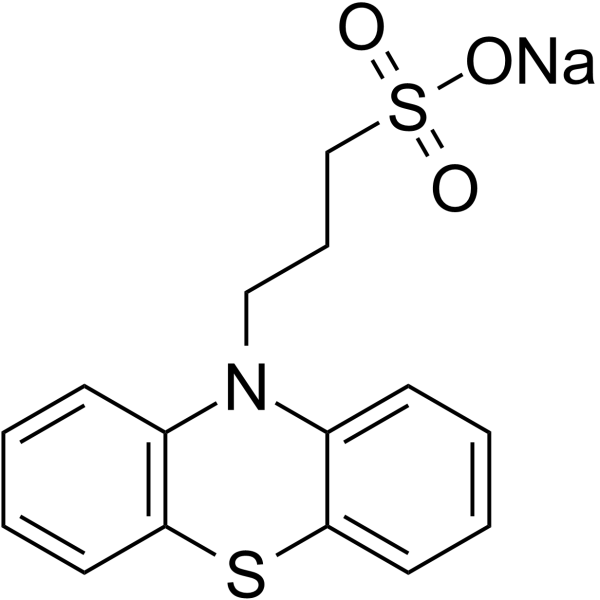
PTZ-343 is a potent enhancer of Luminol (HY-15922). PTZ-343 greatly increases the light output of the peroxidase-catalyzed luminol chemiluminescent oxidation reaction (>80%) .
|
-
-
- HY-W415108
-
|
|
Fluorescent Dye
|
Others
|
|
10-Methyl-9-(phenoxycarbonyl) acridinium trifluoromethanesulfonate is an acridinium ester that produces fluorescent 10-methyl-9-acridone upon oxidation with hydrogen peroxide, persulfate, and other oxidants under alkaline conditions. 10-Methyl-9-(phenoxycarbonyl) acridinium trifluoromethanesulfonate can be used in chemiluminescent assays, enzyme, antigen, antibody, and hormone immunoassays, and for the detection of oxidants in environmental, biological, and pharmaceutical samples .
|
-
-
- HY-W127832
-
|
|
Fluorescent Dye
|
Others
|
|
Ru(dpp)3(PF6)2 is a complex containing metallic ruthenium (Ru) and is a chemiluminescent oxygen probe. [Ru(dpp)3] 2+ is a luminescent substance that can undergo metal-to-ligand charge transfer (MLCT), and fluorescence will appear during the transfer of Ru to the ligand. At the same time, the fluorescence of Ru(dpp)3(PF6)2 is effectively quenched by molecular oxygen, so it is widely used in biosensors, environmental monitoring, and materials science. The property of Ru(dpp)3(PF6)2, which oxidizes Ru 2+ to Ru 3+, has also been used to design and construct solid-state light-emitting electrochemical cells .
|
-
-
- HY-160841
-
|
|
DNA Stain
DNA/RNA Synthesis
|
Others
|
|
Biotin-16-dCTP is a biotinylated deoxycytidine triphosphate that serves as an important DNA labeling substrate. Biotin-16-dCTP can be enzymatically incorporated into the 3' end of DNA probes via terminal deoxynucleotidyl transferase, forming a 1-3 nucleotide-long tail to achieve biotinylation of the probes. Biotin-16-dCTP enhances chemiluminescent detection of low-abundance targets such as specific tRNA isoacceptors through Northern blotting. Biotin-16-dCTP can also replace conventional dCTP to be integrated into single-stranded DNA generated by asymmetric polymerase chain reaction, which is applicable for bioconjugation or pull-down assays. Repeated freeze-thaw cycles of Biotin-16-dCTP should be avoided to prevent degradation of its function for probe biotinylation .
|
-
-
- HY-W009253
-
|
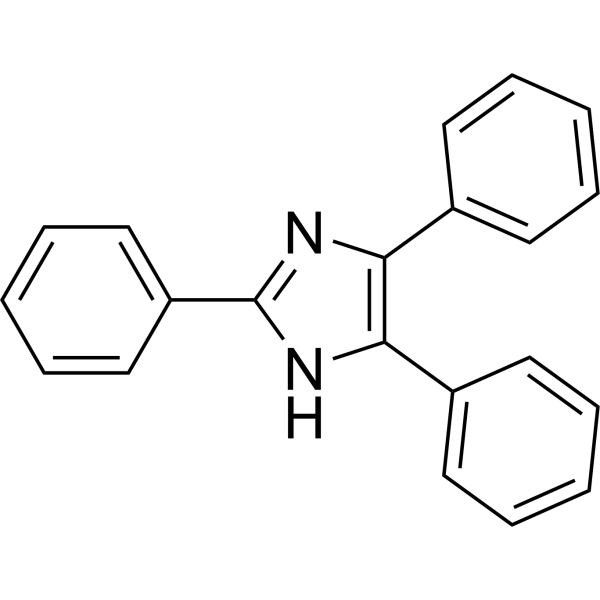
2,4,5-Triphenylimidazole
|
Fluorescent Dye
|
Others
|
|
Lophine is a traditional chemiluminescent and fluorescent probe. Lophine and its derivatives are widely applied for reactive oxygen species (ROS) detection .
|
-
-
- HY-170462
-
|
|
Biochemical Assay Reagents
|
Others
|
|
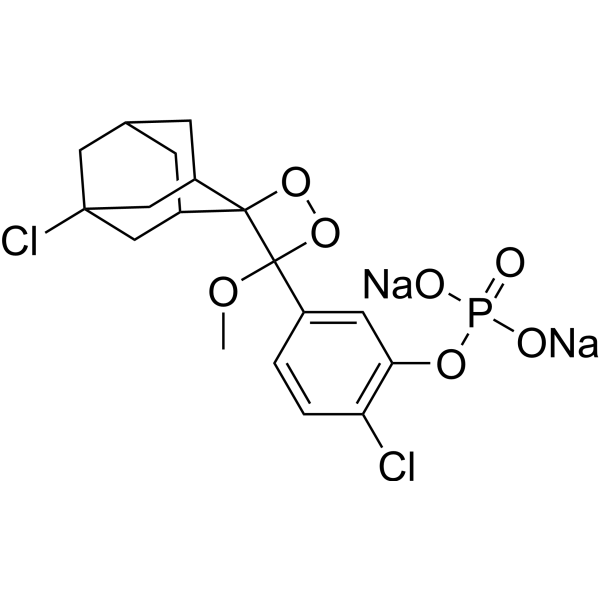
CSPD substrate is a chemiluminescent substrate of alkaline phosphatase. CSPD substrate provides the enhanced alkaline phosphatase sensitivity and a more simplified assay .
|
-
-
- HY-D1188
-
|
|
PARP
|
Cancer
|
|
PARP7-probe-1 is a chemiluminescent labeled PARP7 probe. PARP7-probe-1 is a biotinylated probe binding to the PARP7 active site. PARP7-probe-1 can be used for the research of PARP7 function .
|
-
-
- HY-76203
-
|
|
Drug Intermediate
|
Others
|
|
2-Coumaranone is a bicyclic heteroaromatic compound in which a six-membered benzene ring is annulated with a five-membered γ-butyrolactone ring. 2-Coumaranone can be used to synthesize chemiluminescent and fluorescent dyes .
|
-
-
- HY-W351759
-
|
|
Biochemical Assay Reagents
|
Others
|
|
3-Indoxyl caprylate is a chemiluminescent substrate used to detect bacterial activity, which can be used together with appropriate enzyme reactions.
|
-
-
- HY-D0891
-
|
|
Fluorescent Dye
|
Others
|
|
NSP-AS is chemiluminescent acridinium substrate II and can be used in homo geneous assays .
|
-
-
- HY-W402148
-
|
|
ROS Kinase
|
Others
|
|
10-Methyl-9-(phenoxycarbonyl)acridinium fluorosulfonate, a phenyl ester of acridinium esters, is a fluorescent dye that produces chemiluminescent under neutral conditions. 10-Methyl-9-(phenoxycarbonyl)acridinium fluorosulfonate can be used for the measurement of hydrogen peroxide .
|
-
-
- HY-W116598
-
|
|
Biochemical Assay Reagents
|
Others
|
|
5-Bromo-3-indolyl phosphate p-toluidine is an indolyl derivative that can be used as a substrate for chemiluminescent assay of alkaline phosphatase .
|
-
-
- HY-115692
-
|
|
Fluorescent Dye
|
Others
|
|
2-Coumaranone-1-L serves as a chemiluminescent probe. Under alkaline conditions and in the presence of oxygen, 2-Coumaranone-1-L is capable of undergoing chemiluminescence, which enables its application as a chemiluminescent substrate in biochemical assays. 2-Coumaranone-1-L exhibits its maximum emission wavelength at 442 nm. 2-Coumaranone-1-L is utilized in research within the realm of bioanalysis .
|
-
-
- HY-W550907
-
|
|
Biochemical Assay Reagents
|
Others
|
|
5-Bromo-4-chloro-3-indolyl-α-D-maltotrioside is an enzyme substrate with chemiluminescent properties. It is used in diagnostic assays to detect bacterial and fungal infections and other diseases.
|
-
-
- HY-149594
-
|
|
Pantetheinase
|
Metabolic Disease
|
|
CL-Pa is a chemiluminescent probe suitable for detection of urinary Vanin-1. CL-Pa can be used to detect drug-induced acute kidney injury (AKI) through urinalysis .
|
-
-
- HY-D3158
-
|
|
Fluorescent Dye
|
Cancer
|
|
LGP-CL is a chemiluminescent probe. LGP-CL can be used to evaluate elevated protease levels in both in vitro and in vivo systems, and to distinguish hepatocellular carcinoma cells from normal cells and other cancer cell lines. LGP-CL is applicable to liver cancer-related research .
|
-
-
- HY-D3064
-
|
|
Biochemical Assay Reagents
|
Others
|
|
510 Calibration probe is a chemiluminescent group that can be used as a probe for in vivo imaging studies, with an emission maximum around 520 nm .
|
-
-
- HY-D3143
-
|
|
Fluorescent Dye
|
Cancer
|
|
QM-B-CF is a sequential dual-lock chemiluminescent/fluorescent dual-mode probe designed for the specific detection of H2O2, and it can produce enhanced chemiluminescence upon photoirradiation. QM-B-CF generates chemiluminescent signals only under the conditions of H2O2 and light exposure in vitro, in cancer cells, and in tumor-bearing nude mice (Ex/Em = 514 nm/600 nm) .
|
-
-
- HY-108537R
-
|
|
Reactive Oxygen Species (ROS)
Reference Standards
|
Inflammation/Immunology
|
|
L 012 sodium salt (Standard) is the analytical standard of L 012 (sodium salt) (HY-108537). This product is intended for research and analytical applications. L 012 sodium salt is a luminal-based chemiluminescent probe. L 012 sodium salt can detect NADPH oxidase (Nox)-derived superoxide and nitrogen species (reactive oxygen species (ROS) and reactive nitrogen species (RNS)) .
|
-
-
- HY-W585926
-
|
|
Reactive Oxygen Species (ROS)
|
Others
|
|
Disperse Polyester Dark Blue is a chemical compound extensively employed in scientific research. It serves as a redox-active agent and functions as a probe for identifying reactive oxygen species (ROS) in cells and tissues. By accepting electrons from ROS and undergoing oxidation, Disperse Polyester Dark Blue demonstrates its redox activity. Consequently, a chemiluminescent signal is generated, which can be measured using a luminometer. The intensity of the signal directly correlates with the quantity of ROS detected within the sample.
|
-
| Cat. No. |
Product Name |
Type |
-
- HY-12591B
-
|
D-(-)-Luciferin potassium; Firefly luciferin potassium; Beetle Luciferin potassium
|
Fluorescent Dyes
|
|
D-luciferin potassium is the natural substrate of the enzyme luciferase (Luc) that catalyzes the production of the typical yellowgreen light of fireflies. The 560 nm chemiluminescence from this reaction peaks within seconds, with light output that is proportional to luciferase concentration when the substrate luciferin is present in excess. The luciferase (luc) gene is a popular reporter gene for research and agent screening. Chemiluminescent techniques are virtually background-free, making the luc reporter gene ideal for detecting low-level gene expression. As little as 0.02 pg of luciferase can be reliably measured in a standard scintillation counter. In addition to its role as a reporter of gene expression, luciferase is commonly used in an extremely sensitive assay for ATP . We offer the firefly luciferase (HY-P1004A), luciferin free acid (HY-12591A), as well as its water-soluble sodium salts (HY-12591) and potassium salts (HY-12591B) .
|
-
- HY-12591
-
|
D-(-)-Luciferin sodium; Firefly luciferin sodium; Beetle Luciferin sodium
|
Fluorescent Dyes
|
|
D-luciferin sodium is the natural substrate of the enzyme luciferase (Luc) that catalyzes the production of the typical yellowgreen light of fireflies. The 560 nm chemiluminescence from this reaction peaks within seconds, with light output that is proportional to luciferase concentration when the substrate luciferin is present in excess. The luciferase (luc) gene is a popular reporter gene for research and agent screening. Chemiluminescent techniques are virtually background-free, making the luc reporter gene ideal for detecting low-level gene expression. As little as 0.02 pg of luciferase can be reliably measured in a standard scintillation counter. In addition to its role as a reporter of gene expression, luciferase is commonly used in an extremely sensitive assay for ATP . We of er the firefly luciferase (HY-P1004A), luciferin free acid (HY-12591A), as well as its water-soluble sodium salts (HY-12591) and potassium salts (HY-12591B) .
|
-
- HY-12591A
-
D-Luciferin
Maximum Cited Publications
110 Publications Verification
D-(-)-Luciferin; Firefly luciferin; Beetle Luciferin
|
Fluorescent Dyes
|
|
D-luciferin is the natural substrate of the enzyme luciferase (Luc) that catalyzes the production of the typical yellowgreen light of fireflies. The 560 nm chemiluminescence from this reaction peaks within seconds, with light output that is proportional to luciferase concentration when the substrate luciferin is present in excess. The luciferase (luc) gene is a popular reporter gene for research and agent screening. Chemiluminescent techniques are virtually background-free, making the luc reporter gene ideal for detecting low-level gene expression. As little as 0.02 pg of luciferase can be reliably measured in a standard scintillation counter. In addition to its role as a reporter of gene expression, luciferase is commonly used in an extremely sensitive assay for ATP . We of er the firefly luciferase (HY-P1004A), luciferin free acid (HY-12591A), as well as its water-soluble sodium salts (HY-12591) and potassium salts (HY-12591B) .
|
-
- HY-18743
-
|
|
Fluorescent Dyes
|
|
Coelenterazine is a luminescent enzyme substrate for apoaequorin and Renilla luciferase. Renilla luciferase and substrate coelenterazine has been used as the bioluminescence donor in bioluminescence resonance energy transfer (BRET) to detect protein-protein interactions. Coelenterazine is a superoxide anion-sensitive chemiluminescent probe and it can also be used in chemiluminescent detection of peroxynitrite (Ex/Em = 429/466 nm) .
|
-
- HY-108537
-
|
|
Fluorescent Dyes
|
|
L 012 sodium salt is a luminal-based chemiluminescent probe. L 012 sodium salt can detect NADPH oxidase (Nox)-derived superoxide and nitrogen species (reactive oxygen species (ROS) and reactive nitrogen species (RNS)) .
|
-
- HY-D0893
-
|
|
Fluorescent Dyes
|
|
NSP-SA-NHS is an acridinium ester that can be used for chemiluminescent immunoassay. A rapid and sensitive chemiluminescent immunoassay of Bisphenol A (BPA) with NSP-SA-NHS-labeled has been developed .
|
-
- HY-D2468
-
|
|
Fluorescent Dyes
|
|
Sulfonylurea Receptor HRP-Streptavidin is a biotin-binding signal amplifier designed to bind tightly with biotinylated anti-TSH monoclonal antibodies, thereby constituting a key component of the signal amplification system in immunoassays. HRP-Streptavidin is formed by the covalent coupling of Horseradish Peroxidase (HRP) with Streptavidin; it combines the highly efficient catalytic activity of the enzyme with the high affinity of Streptavidin for biotin, making it a potent and sensitive tool for signal amplification. HRP-Streptavidin is suitable for use in Western Blotting, ELISA, and other detection techniques .
|
-
- HY-W013275
-
|
|
Fluorescent Dyes
|
|
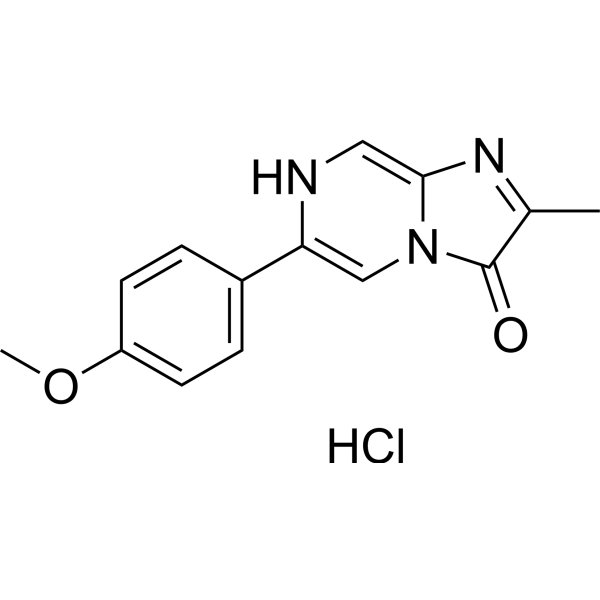
MCLA hydrochloride is a chemiluminescent reagent which can be used to quantify aqueous concentrations of superoxide.
|
-
- HY-D1208
-
|
|
Fluorescent Dyes
|
|
Alkaline phosphatase substrate is a chemiluminescent substrate for alkaline phosphatase. Alkaline phosphatase substrate can be used for enzyme-linked immunoassays .
|
-
- HY-W415108
-
|
|
Fluorescent Dyes
|
|
10-Methyl-9-(phenoxycarbonyl) acridinium trifluoromethanesulfonate is an acridinium ester that produces fluorescent 10-methyl-9-acridone upon oxidation with hydrogen peroxide, persulfate, and other oxidants under alkaline conditions. 10-Methyl-9-(phenoxycarbonyl) acridinium trifluoromethanesulfonate can be used in chemiluminescent assays, enzyme, antigen, antibody, and hormone immunoassays, and for the detection of oxidants in environmental, biological, and pharmaceutical samples .
|
-
- HY-W402148
-
|
|
Fluorescent Dyes
|
|
10-Methyl-9-(phenoxycarbonyl)acridinium fluorosulfonate, a phenyl ester of acridinium esters, is a fluorescent dye that produces chemiluminescent under neutral conditions. 10-Methyl-9-(phenoxycarbonyl)acridinium fluorosulfonate can be used for the measurement of hydrogen peroxide .
|
-
- HY-115692
-
|
|
Fluorescent Dyes
|
|
2-Coumaranone-1-L serves as a chemiluminescent probe. Under alkaline conditions and in the presence of oxygen, 2-Coumaranone-1-L is capable of undergoing chemiluminescence, which enables its application as a chemiluminescent substrate in biochemical assays. 2-Coumaranone-1-L exhibits its maximum emission wavelength at 442 nm. 2-Coumaranone-1-L is utilized in research within the realm of bioanalysis .
|
-
- HY-D3158
-
|
|
Fluorescent Dyes
|
|
LGP-CL is a chemiluminescent probe. LGP-CL can be used to evaluate elevated protease levels in both in vitro and in vivo systems, and to distinguish hepatocellular carcinoma cells from normal cells and other cancer cell lines. LGP-CL is applicable to liver cancer-related research .
|
-
- HY-D3064
-
|
|
Fluorescent Dyes
|
|
510 Calibration probe is a chemiluminescent group that can be used as a probe for in vivo imaging studies, with an emission maximum around 520 nm .
|
-
- HY-D3143
-
|
|
Fluorescent Dyes
|
|
QM-B-CF is a sequential dual-lock chemiluminescent/fluorescent dual-mode probe designed for the specific detection of H2O2, and it can produce enhanced chemiluminescence upon photoirradiation. QM-B-CF generates chemiluminescent signals only under the conditions of H2O2 and light exposure in vitro, in cancer cells, and in tumor-bearing nude mice (Ex/Em = 514 nm/600 nm) .
|
-
- HY-108537R
-
|
|
Fluorescent Dyes
|
|
L 012 sodium salt (Standard) is the analytical standard of L 012 (sodium salt) (HY-108537). This product is intended for research and analytical applications. L 012 sodium salt is a luminal-based chemiluminescent probe. L 012 sodium salt can detect NADPH oxidase (Nox)-derived superoxide and nitrogen species (reactive oxygen species (ROS) and reactive nitrogen species (RNS)) .
|
-
- HY-W585926
-
|
|
Fluorescent Dyes
|
|
Disperse Polyester Dark Blue is a chemical compound extensively employed in scientific research. It serves as a redox-active agent and functions as a probe for identifying reactive oxygen species (ROS) in cells and tissues. By accepting electrons from ROS and undergoing oxidation, Disperse Polyester Dark Blue demonstrates its redox activity. Consequently, a chemiluminescent signal is generated, which can be measured using a luminometer. The intensity of the signal directly correlates with the quantity of ROS detected within the sample.
|
| Cat. No. |
Product Name |
Type |
-
- HY-15906
-
AMPPD
1 Publications Verification
Lumi-Phos Plus; Lumigen PPD; PPD
|
Biochemical Assay Reagents
|
|
AMPPD (Lumi-Phos Plus; Lumigen PPD) is a chemiluminescent substrate for alkaline phosphatase (APase). AMPPD is hydrolyzed by APase to generate an unstable dioxetane intermediate, and the intermediate releases a chemiluminescent signal when it decomposes. The luminescent signal of AMPPD can be detected by highly sensitive equipment, thereby achieving quantitative analysis of the target molecule. AMPPD can be used in ultrasensitive enzyme-linked immunosorbent assays (such as quantitative detection of human tissue kininogen), chemiluminescent detection of proteins and nucleic acids, and other fields .
|
-
- HY-W000357
-
|
|
Biochemical Assay Reagents
|
|
4-(Imidazol-1-yl)phenol is a highly potent signal enhancer in a horseradish peroxidase (HRP)-luminol chemiluminescence (CL) immunoassay .
|
-
- HY-D1208
-
|
|
Biochemical Assay Reagents
|
|
Alkaline phosphatase substrate is a chemiluminescent substrate for alkaline phosphatase. Alkaline phosphatase substrate can be used for enzyme-linked immunoassays .
|
-
- HY-W777012
-
|
|
Biochemical Assay Reagents
|
|
Acridinium C2 NHS ester is a chemiluminescent label that is active for the development of protein and nucleic acid probes. Acridinium C2 NHS ester can be used in bioanalysis and diagnostics to provide highly sensitive detection solutions. Acridinium C2 NHS ester is widely used in medical research, especially in the monitoring and analysis of biomolecules.
|
-
- HY-W127832
-
|
|
Biochemical Assay Reagents
|
|
Ru(dpp)3(PF6)2 is a complex containing metallic ruthenium (Ru) and is a chemiluminescent oxygen probe. [Ru(dpp)3] 2+ is a luminescent substance that can undergo metal-to-ligand charge transfer (MLCT), and fluorescence will appear during the transfer of Ru to the ligand. At the same time, the fluorescence of Ru(dpp)3(PF6)2 is effectively quenched by molecular oxygen, so it is widely used in biosensors, environmental monitoring, and materials science. The property of Ru(dpp)3(PF6)2, which oxidizes Ru 2+ to Ru 3+, has also been used to design and construct solid-state light-emitting electrochemical cells .
|
-
- HY-170462
-
|
|
Biochemical Assay Reagents
|
|
CSPD substrate is a chemiluminescent substrate of alkaline phosphatase. CSPD substrate provides the enhanced alkaline phosphatase sensitivity and a more simplified assay .
|
-
- HY-W351759
-
|
|
Biochemical Assay Reagents
|
|
3-Indoxyl caprylate is a chemiluminescent substrate used to detect bacterial activity, which can be used together with appropriate enzyme reactions.
|
-
- HY-W116598
-
|
|
Biochemical Assay Reagents
|
|
5-Bromo-3-indolyl phosphate p-toluidine is an indolyl derivative that can be used as a substrate for chemiluminescent assay of alkaline phosphatase .
|
-
- HY-W550907
-
|
|
Biochemical Assay Reagents
|
|
5-Bromo-4-chloro-3-indolyl-α-D-maltotrioside is an enzyme substrate with chemiluminescent properties. It is used in diagnostic assays to detect bacterial and fungal infections and other diseases.
|
-
- HY-K1005
-
|
|
|
MCE Ultra High Sensitivity ECL Kit is an ultra-sensitive, luminol-based enhanced chemiluminescent substrate for detecting horseradish peroxidase (HRP) labeled antibodies on western blots. The 100 mL is defined as the base specification. All larger sizes correspond to incremental volumes of this base.
|
| Cat. No. |
Product Name |
Category |
Target |
Chemical Structure |
-
- HY-12591A
-
D-Luciferin
Maximum Cited Publications
110 Publications Verification
D-(-)-Luciferin; Firefly luciferin; Beetle Luciferin
|
Natural Products
Animals
Other Diseases
Disease Research Fields
Source Classification
|
Fluorescent Dye
|
|
D-luciferin is the natural substrate of the enzyme luciferase (Luc) that catalyzes the production of the typical yellowgreen light of fireflies. The 560 nm chemiluminescence from this reaction peaks within seconds, with light output that is proportional to luciferase concentration when the substrate luciferin is present in excess. The luciferase (luc) gene is a popular reporter gene for research and agent screening. Chemiluminescent techniques are virtually background-free, making the luc reporter gene ideal for detecting low-level gene expression. As little as 0.02 pg of luciferase can be reliably measured in a standard scintillation counter. In addition to its role as a reporter of gene expression, luciferase is commonly used in an extremely sensitive assay for ATP . We of er the firefly luciferase (HY-P1004A), luciferin free acid (HY-12591A), as well as its water-soluble sodium salts (HY-12591) and potassium salts (HY-12591B) .
|
-
-
- HY-18743
-
-
Your information is safe with us. * Required Fields.
Inquiry Information
- Product Name:
- Cat. No.:
- Quantity:
- MCE Japan Authorized Agent:

