1. Search Result
Search Result
Results for "

cystine

" in MedChemExpress (MCE) Product Catalog:

55

Inhibitors & Agonists

2

Fluorescent Dyes

4

Biochemical Assay Reagents

16

Peptides

15

Natural
Products

1

Recombinant Proteins

8

Isotope-Labeled Compounds

1

Antibodies

Cat. No. Product Name Target Research Areas Chemical Structure
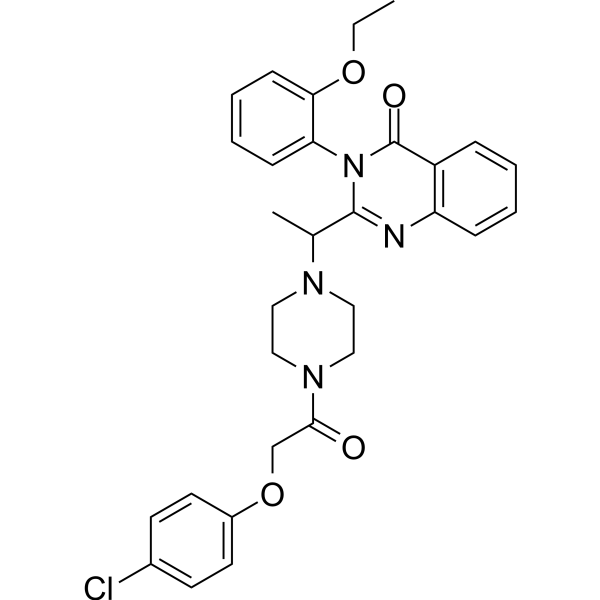
  • HY-15763
    Erastin
    Maximum Cited Publications
    805 Publications Verification

    VDAC Ferroptosis Disulfidptosis Cancer
    Erastin is a ferroptosis inducer. Erastin exhibits the mechanism of ferroptosis induction related to ROS and iron-dependent signaling. Erastin inhibits voltage-dependent anion channels (VDAC2/VDAC3) and accelerates oxidation, leading to the accumulation of endogenous reactive oxygen species. Erastin also disrupts mitochondrial permeability transition pore (mPTP) with anti-tumor activity. Furthermore, Erastin can block the uptake of cystine mediated by SLC7A11 and also spares UMRC6-EV and -C91A cells from disulfidptosis under glucose starvation .
    Erastin
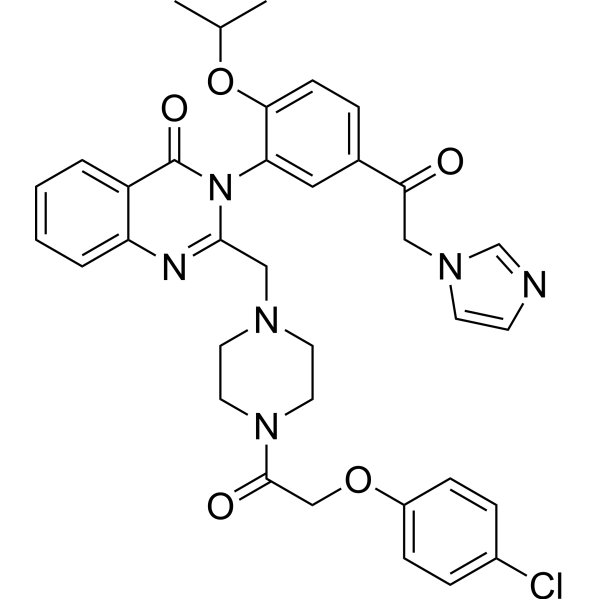
  • HY-114481
    Imidazole ketone erastin
    45+ Cited Publications

    IKE

    Ferroptosis Cancer
    Imidazole ketone erastin is a potent, selective, and metabolically stable inhibitor of the cystine-glutamate antiporter, system xc - and an activator of ferroptosis. Imidazole ketone erastin has anti-tumor activity .
    Imidazole ketone erastin
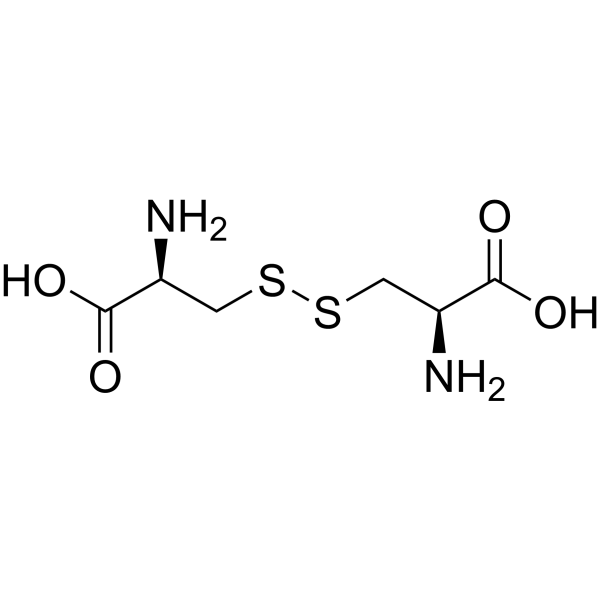
  • HY-N0394
    L-Cystine
    4 Publications Verification

    Endogenous Metabolite Ferroptosis ROS Kinase Keap1-Nrf2 Reactive Oxygen Species (ROS) Metabolic Disease Inflammation/Immunology Cancer
    L-Cystine is an orally active extracellular form of L-Cysteine (HY-Y0337), occurring in proteins of plants and animals. L-Cystine elevates Nrf2 protein expression and activates Nrf2 transcription factor. L-cystine reduces ROS generation and protects against oxidant- or Doxorubicin (HY-15142A)-induced apoptosis. L-Cystine combined with L-theanine (HY-15121) enhances the production of antigen-specific IgG by increasing glutathione (GSH) levels and T helper 2 (Th2) mediated responses in mice. L-Cystine is promising for research of cystinuria and kidney stones
    L-Cystine
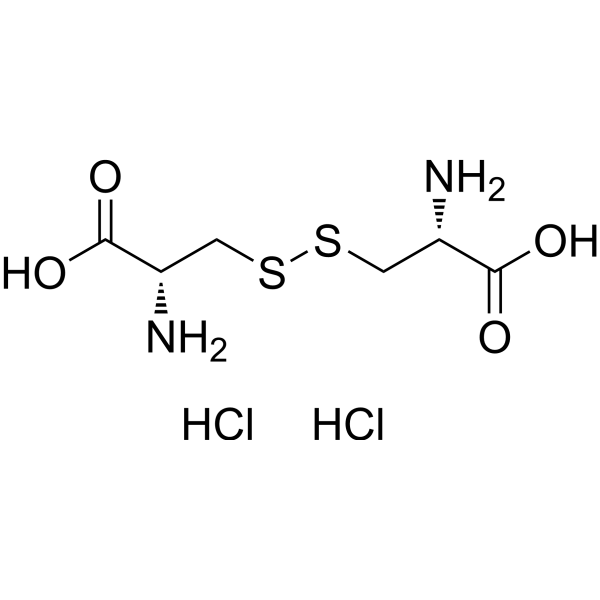
  • HY-W009203
    L-Cystine dihydrochloride
    4 Publications Verification

    Endogenous Metabolite Apoptosis Keap1-Nrf2 Reactive Oxygen Species (ROS) Ferroptosis Metabolic Disease Inflammation/Immunology Cancer
    L-Cystine dihydrochloride is the dihydrochloride salt form of L-Cystine (HY-N0394). L-Cystine dihydrochloride elevates Nrf2 protein expression and activates Nrf2 transcription factor. L-cystine dihydrochloride reduces ROS generation and protects against oxidant- or Doxorubicin (HY-15142A)-induced apoptosis. L-Cystine dihydrochloride combined with L-theanine (HY-15121) enhances the production of antigen-specific IgG by increasing glutathione (GSH) levels and T helper 2 (Th2) mediated responses in mice. L-Cystine dihydrochloride is promising for research of cystinuria and kidney stones
    L-Cystine dihydrochloride
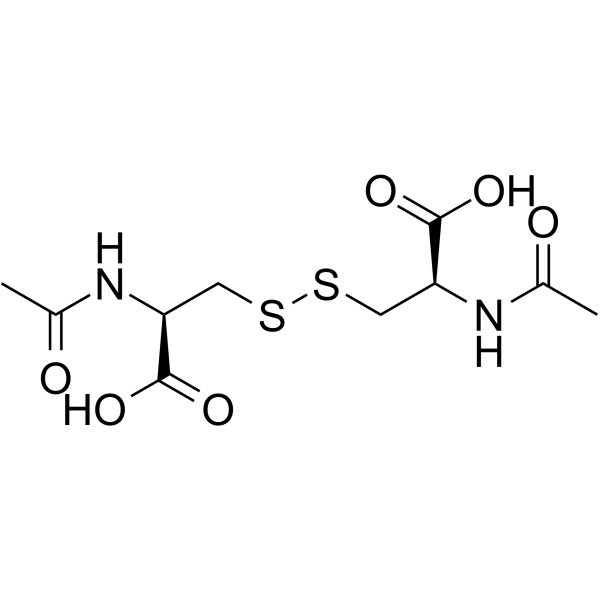
  • HY-114348

    DiNAC; (Ac-Cys-OH)2

    Amino Acid Derivatives Cardiovascular Disease
    N,N'-diacetyl-L-cystine (DiNAC) is the disulphide dimer of N-acetylcysteine with immunomodulating properties. N,N'-diacetyl-L-cystine is a potent, orally active modulator of contact sensitivity/delayed type hypersensitivity reactions in rodents. N,N'-diacetyl-L-cystine also has antiatherosclerotic effects in Watanabe-heritable hyperlipidemic rabbit (WHHL) rabbits .
    N,N'-Diacetyl-L-cystine
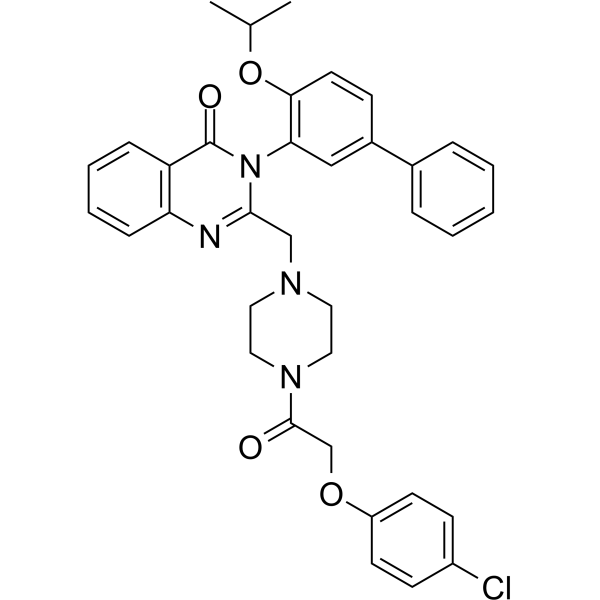
  • HY-139087
    Erastin2
    5 Publications Verification

    Ferroptosis Metabolic Disease
    Erastin2, an Erastin (HY-15763) analog, is a ferroptosis inducer and a potent, selective inhibitor of the system xc(-) cystine/glutamate transporter
    Erastin2
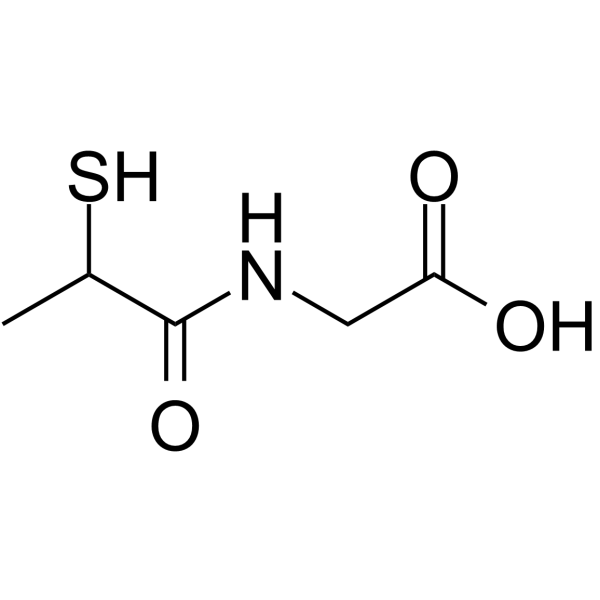
  • HY-B0373
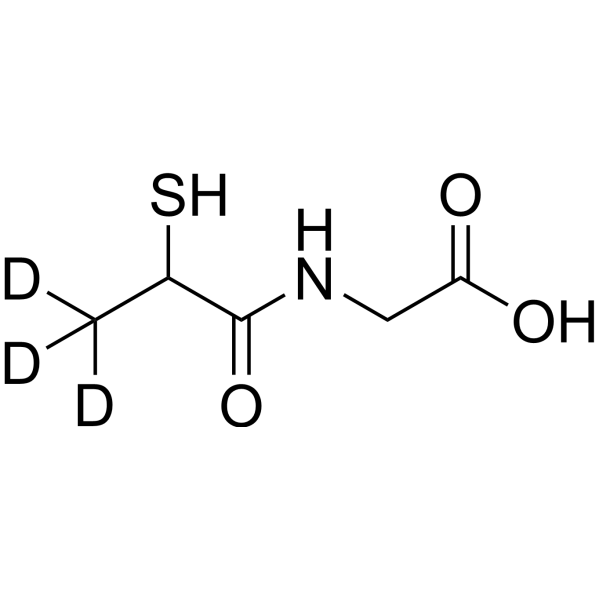
    Tiopronin
    1 Publications Verification

    Others Metabolic Disease
    Tiopronin is a diffusible antioxidant, an antidote to heavy metal poisoning and a radioprotective agent. Tiopronin can control the rate of cystine precipitation and excretion and has the potential for cystinuria, rheumatoid arthritis and hepatic disorders .
    Tiopronin
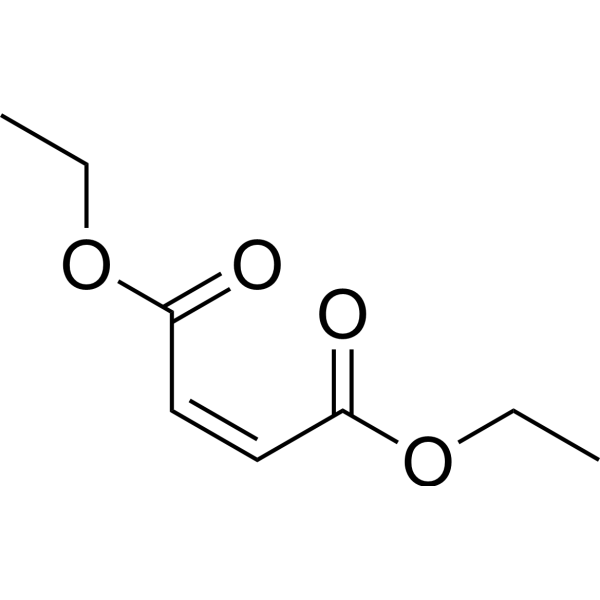
  • HY-Y1147
    Diethyl maleate
    1 Publications Verification

    Maleic acid diethyl ester

    Biochemical Assay Reagents Others
    Diethyl maleate (DEM) is an orally available, effective glutathione (GSH) depletor that crosses the blood-brain barrier. Diethyl maleate covalently binds irreversibly to GSH via glutathione S-transferase with an in vitro IC50 of 0.1-0.5 mM. Diethyl maleate selectively depletes GSH in liver, lung, and brain tissues, exacerbating oxidative stress and enhancing hyperbaric oxygen toxicity. Diethyl maleate promotes precursor amino acid uptake and in turn promotes GSH synthesis by upregulating the activity of the cystine-glutamate transporter XO -. Diethyl maleate can be used to study redox homeostasis and GSH protection mechanisms in oxidative stress-related diseases such as hyperbaric oxygen injury and metabolic diseases[1][2][3].
    Diethyl maleate
  • HY-D1605
    BODIPY FL L-Cystine
    1 Publications Verification

    Fluorescent Dye Others
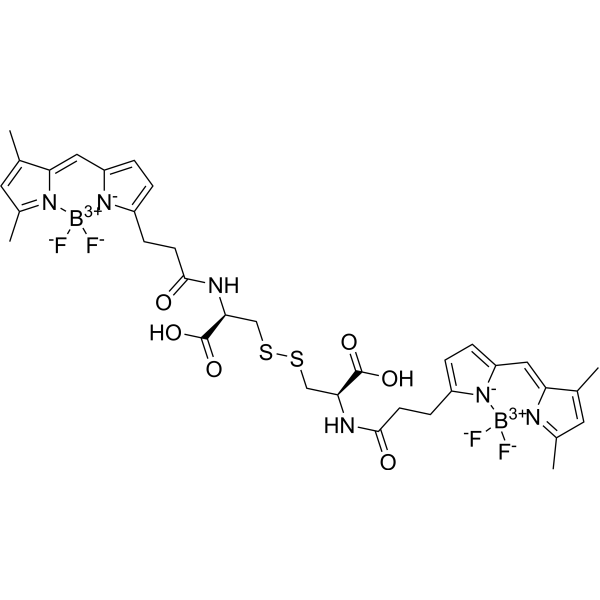
    BODIPY FL L-Cystine is a thiol-reactive, green-fluorescent dye. BODIPY FL L-Cystine can be the labeling of membrane proteins, proteins with hydrophobic binding sites, or hydrophobic ligands. (λex=504 nm, λem=511 nm) .
    BODIPY FL L-Cystine
  • HY-W008876

    Amino Acid Derivatives Drug Intermediate Biochemical Assay Reagents Others
    Fmoc-Pen(Trt)-OH is an amino acid derivative with an Fmoc protecting group that can be used to synthesize the inhibitory cystine knot (ICK) peptide ProTx-II .
    Fmoc-Pen(Trt)-OH
  • HY-W001941

    Drug Isomer Bacterial Antibiotic Others
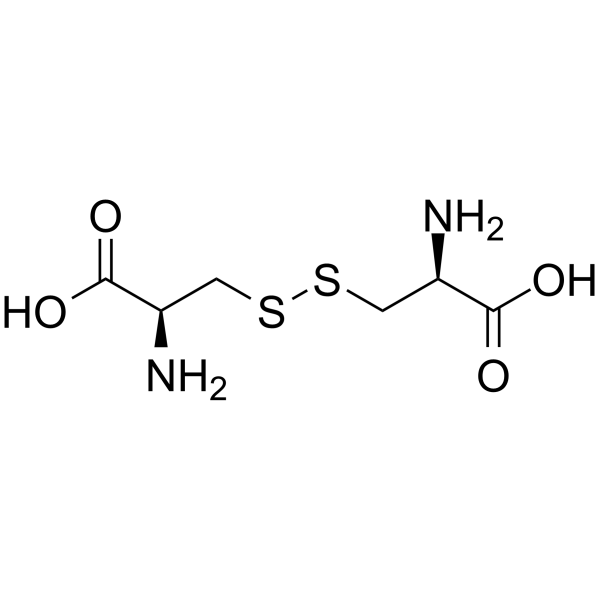
    D-Cystine is the D-enantiomer of L-Cystine. D-Cystine inhibits L-aspartate-β-semialdehyde dehydrogenase (ASADH) from Escherichia coli .
    D-Cystine
  • HY-W013940S1

    Isotope-Labeled Compounds Others
    DL-Cystine-d6 is the deuterium labeled DL-Cystine (HY-W013940). DL-Cystine is a cysteine derivative .
    DL-Cystine-d6
  • HY-N0394S1
    L-Cystine-d4
    1 Publications Verification

    Isotope-Labeled Compounds Endogenous Metabolite Ferroptosis Others
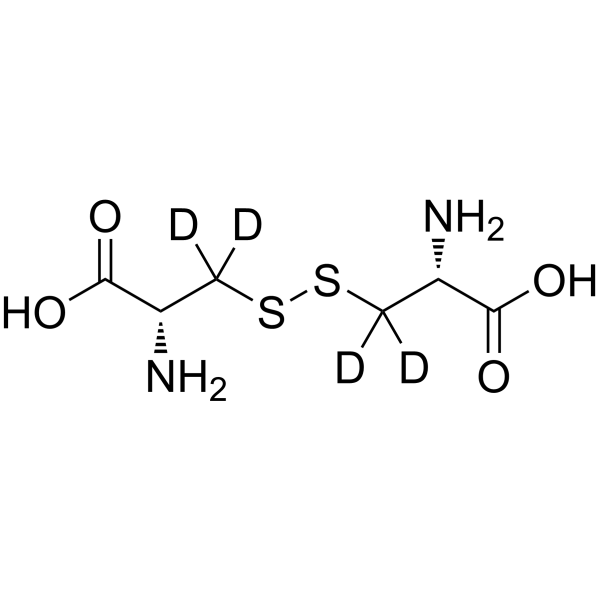
    L-Cystine-d4 is the deuterium labeled L-Cystine. L-Cystine is an amino acid and intracellular thiol, which plays a critical role in the regulation of cellular processes.
    L-Cystine-d4
  • HY-W013940

    Amino Acid Derivatives Others
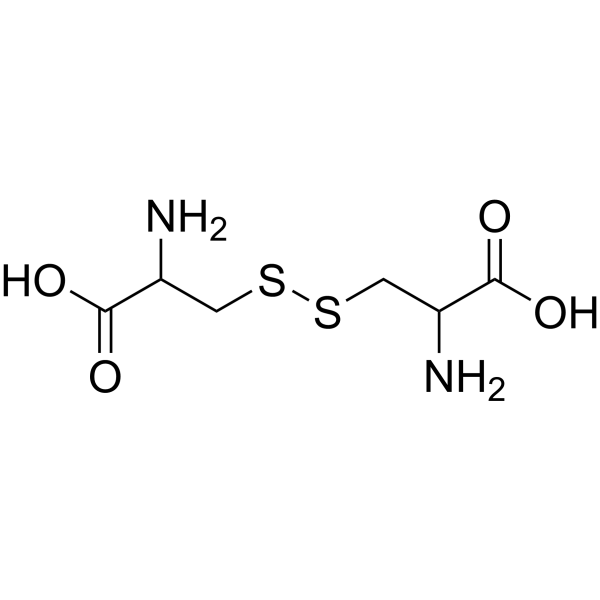
    DL-Cystine is a cysteine derivative .
    DL-Cystine
  • HY-131516

    Drug Derivative Metabolic Disease
    Tiopronin-cysteine disulfide is a soluble disulfide metabolite/derivative of Tiopronin (HY-B0373) formed by reaction of Tiopronin with cystine. Tiopronin-cysteine disulfide reduces cystine crystal formation in cystinuria. Tiopronin-cysteine disulfide can be used for the research of cystinuria .
    Tiopronin-cysteine disulfide
  • HY-W402682

    Amino acid Transporter Neurological Disease Cancer
    SXC2023 is a glutamatergic reagent and cystine-glutamate antiporter (System xc ) activator. SXC2023 can affect SLC7A11. SXC2023 is applicable to the research of colorectal cancer and trichotillomania .
    SXC2023
  • HY-45609

    Drug Derivative Metabolic Disease
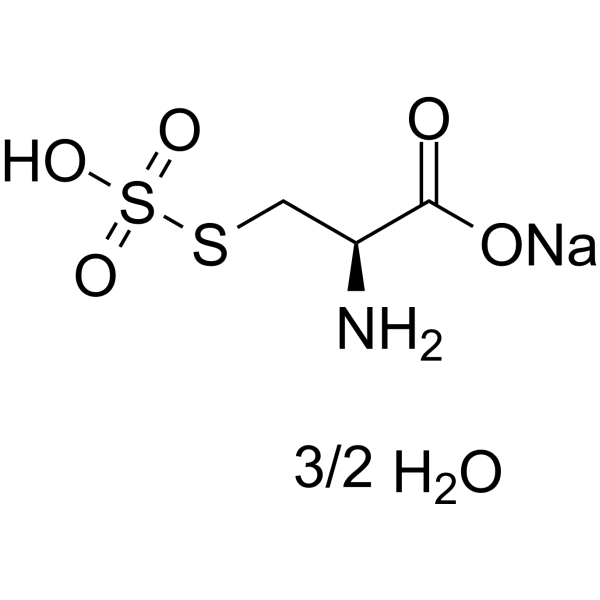
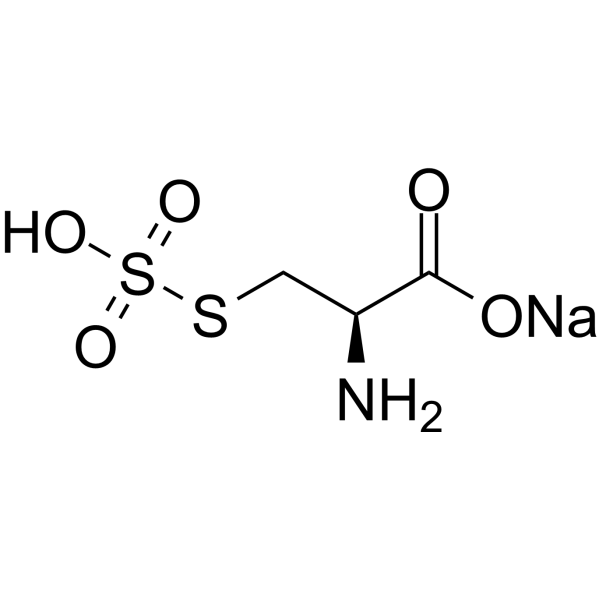
    L-Cysteine S-sulfate sodium hydrate is an S-sulfated derivative of L-cysteine (HY-Y0337). L-Cysteine S-sulfate sodium hydrate is the substrate for cystine lyase, it can be used in mass spectrometry and chromatography analyses .
    L-Cysteine S-sulfate sodium hydrate
  • HY-N0394S4
    L-Cystine-3,3'-13C2
    1 Publications Verification

    Ferroptosis Endogenous Metabolite Others
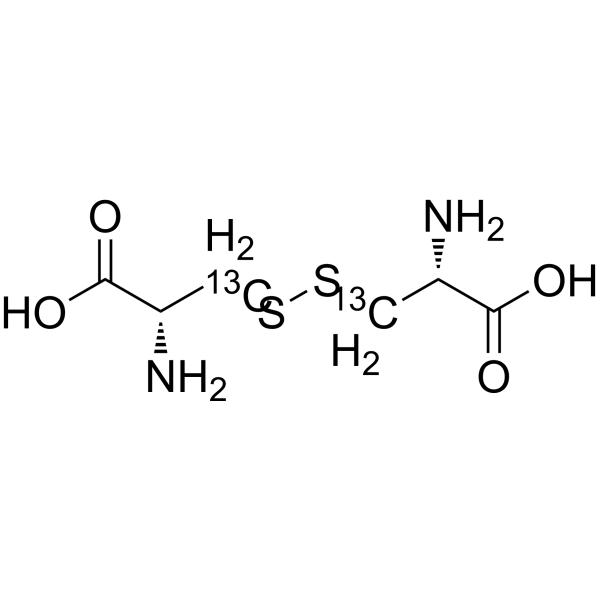
    L-Cystine-3,3'- 13C2 is the 13C labeled L-Cystine . L-Cystine is an amino acid and intracellular thiol, which plays a critical role in the regulation of cellular processes .
    L-Cystine-3,3'-13C2
  • HY-N0394R

    Reference Standards Endogenous Metabolite Ferroptosis ROS Kinase Keap1-Nrf2 Metabolic Disease Inflammation/Immunology Cancer
    L-Cystine (Standard) is the analytical standard of L-Cystine. This product is intended for research and analytical applications. L-Cystine, the extracellular form of L-Cysteine (HY-Y0337), is a nutritionally dispensable semiessential sulfur-containing amino acid, occurring in proteins of plants and animals. L-Cystine induces Nrf2 protein elevation in a Keap1 (HY-P75897)-dependent manner and activates Nrf2 transcription factor. L-cystine can elicit cytoprotection by reducing ROS generation and protecting against oxidant- or doxorubicin-induced apoptosis. The reduced reabsorption of L-Cystine in renal tubules and its poor solubility in urine are the important causes of cystine precipitation and cystine crystal formation eventually leading to kidney stones. L-Cystine combined with L-theanine (HY-15121) enhances the production of antigen-specific IgG by increasing glutathione (GSH) levels and T helper 2 (Th2) mediated responses in mice. L-Cystine is promising for research of cystinuria and cystinosis
    L-Cystine (Standard)
  • HY-W009356

    Endogenous Metabolite Ferroptosis ROS Kinase Keap1-Nrf2 Reactive Oxygen Species (ROS) Others
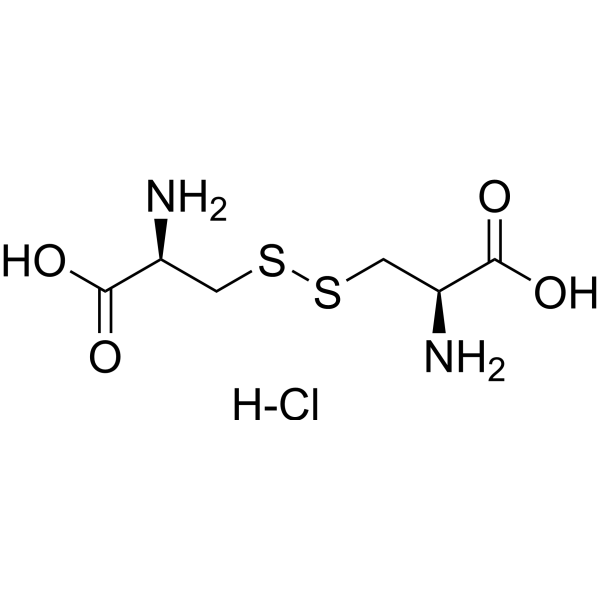
    L-Cystine hydrochloride is an orally active extracellular form of L-Cysteine (HY-Y0337), occurring in proteins of plants and animals. L-Cystine hydrochloride elevates Nrf2 protein expression and activates Nrf2 transcription factor. L-Cystine hydrochloride reduces ROS generation and protects against oxidant- or Doxorubicin (HY-15142A)-induced apoptosis. L-Cystine hydrochloride combined with L-theanine (HY-15121) enhances the production of antigen-specific IgG by increasing glutathione (GSH) levels and T helper 2 (Th2) mediated responses in mice. L-Cystine hydrochloride is promising for research of cystinuria and kidney stones
    L-Cystine hydrochloride
  • HY-N0394S2

    Endogenous Metabolite Ferroptosis Others
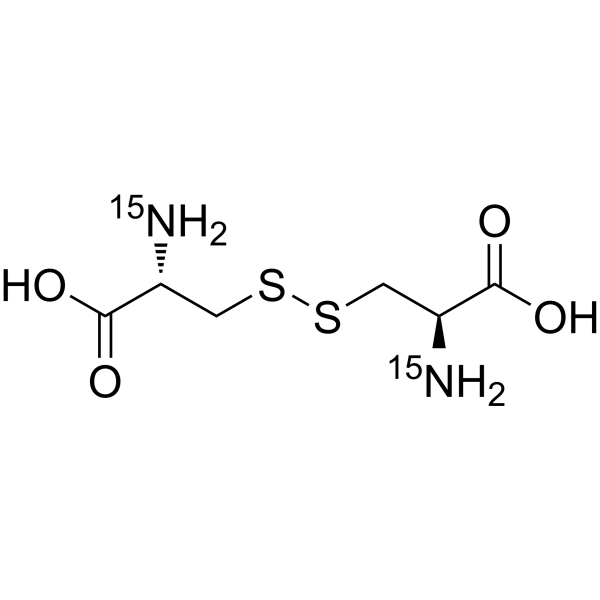
    L-Cystine- 15N2 is the 15N-labeled L-Cystine. L-Cystine is an amino acid and intracellular thiol, which plays a critical role in the regulation of cellular processes.
    L-Cystine-15N2
  • HY-113084

    Drug Derivative Metabolic Disease
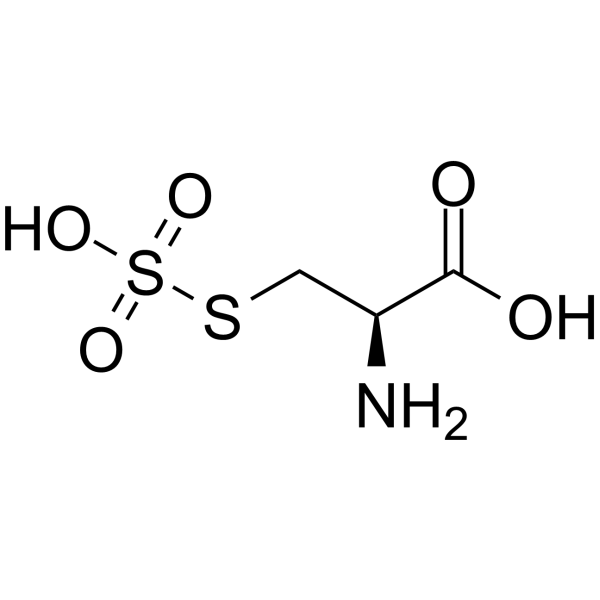
    L-Cysteine S-sulfate is an S-sulfated derivative of L-cysteine (HY-Y0337). L-Cysteine S-sulfate is the substrate for cystine lyase, it can be used in mass spectrometry and chromatography analyses .
    L-Cysteine S-sulfate
  • HY-D2062

    Fluorescent Dye Integrin Cancer
    ATTO 740 NHS ester is a near-infrared fluorescent dye and a multimodal fluorescence/photoacoustic contrast agent with excellent near-infrared emission properties and extremely high photostability. The photoacoustic signal of ATTO 740 NHS ester shows no significant decrease after continuous irradiation with a 750 nm laser for 30 min, making it suitable for in vivo fluorescence imaging and photoacoustic contrast imaging. When conjugated with the cystine knot peptide R01, ATTO 740 NHS ester enables precise detection of integrin αvβ6-positive cells and tumors in nude mouse xenograft models .
    ATTO 740 NHS ester
  • HY-124009

    Endogenous Metabolite Metabolic Disease
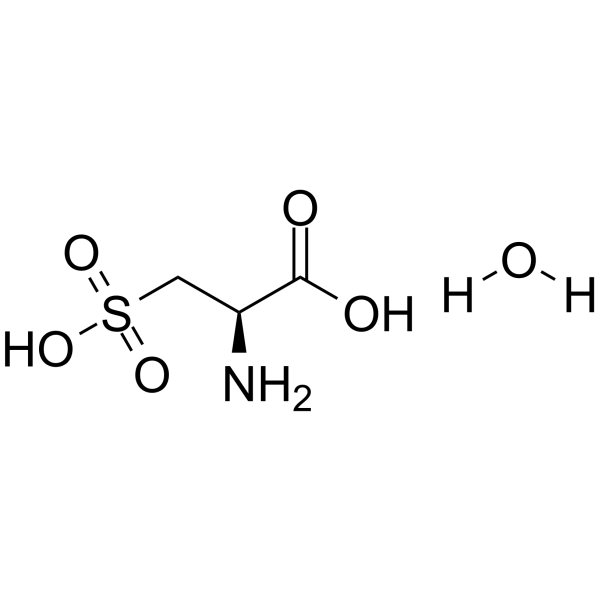
    L-Cysteic acid is the oxidation product of L-cystine. L-Cysteic acid is a substrate of GADCase/CADCaseII. L-Cysteic acid has high affinity with CADCase I (Km = 0.22 mM). L-Cysteic acid is taken up by the synaptosome through a high affinity, Na +-dependent transport system .
    L-Cysteic acid
  • HY-P5142

    ω-ACTX-Hv1; ω-Atracotoxin-HV1

    Insecticide Calcium Channel Apoptosis Necroptosis Cardiovascular Disease Neurological Disease Inflammation/Immunology
    ω-Hexatoxin-Hv1a (ω-ACTX-Hv1; ω-Atracotoxin-HV1) is an orally active insecticidal neurotoxin containing an inhibitor cystine knot motif and a selective calcium channel inhibitor. ω-Hexatoxin-Hv1a blocks L-type voltage-dependent Ca 2+ channels and reduces intracellular calcium ion concentration, thereby decreasing apoptosis, necroptosis and oxidative stress, and promoting cell recovery and energy level elevation. ω-Hexatoxin-Hv1a causes larval paralysis and death by impairing neurotransmission in the central nervous system of insects. It shows high injectable toxicity against insects of multiple orders, but exhibits weak oral toxicity. ω-Hexatoxin-Hv1a is widely applicable to studies related to ischemia-reperfusion injury, atopic dermatitis, and ischemic injury of cardiomyocytes and neurons .
    ω-Hexatoxin-Hv1a
  • HY-W013940S

    Isotope-Labeled Compounds Others
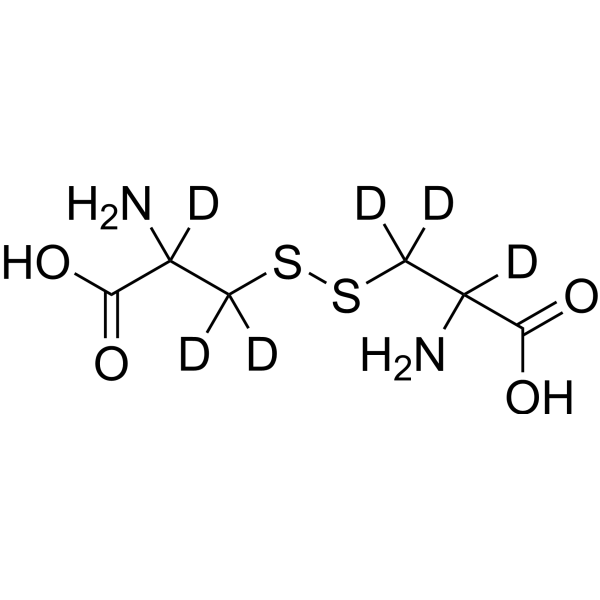
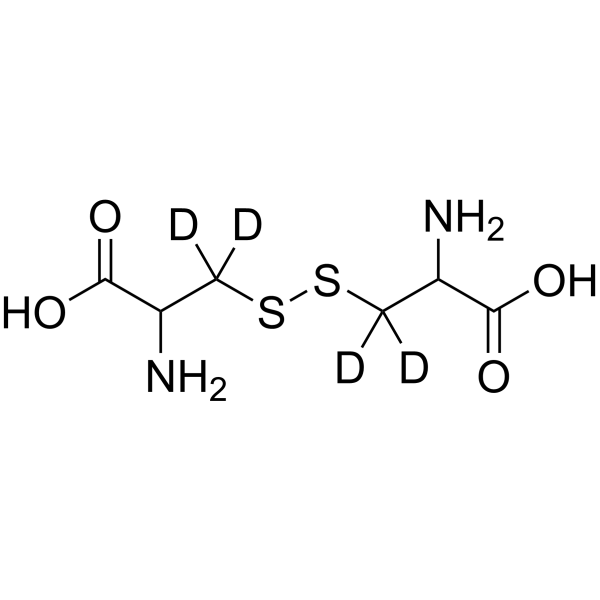
    DL-Cystine-d4 is the deuterium labeled DL-Cystine (HY-W013940). DL-Cystine is a cysteine derivative .
    DL-Cystine-d4
  • HY-W013734

    Amino Acid Derivatives Others
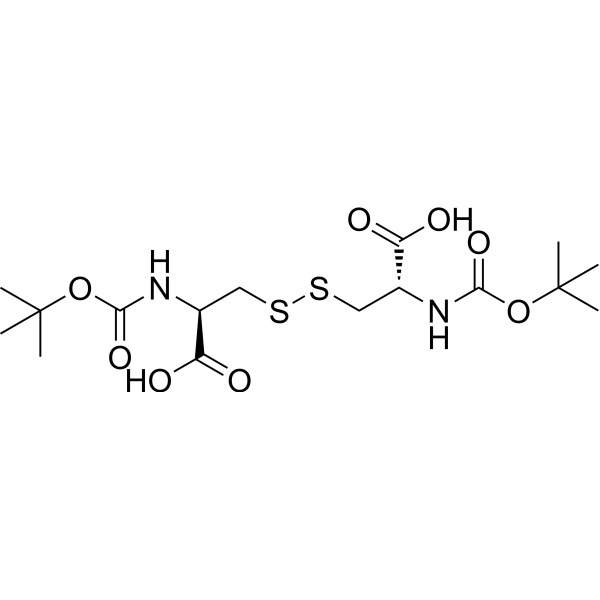
    N,N'-Di-BOC-L-cystine is a cysteine derivative .
    N,N'-Di-BOC-L-cystine
  • HY-N15156

    Endogenous Metabolite Inflammation/Immunology
    Thiotaurine is the metabolite of Cystine. Thiotaurine is a sulfur donor, which may probably modulates the activity of GAPDH, followed by the pparticipation in neutrophil activation and leukocytes energy metabolism. Thiotaurine is a potential anti-inflammatory agent and immunomodulator .
    Thiotaurine
  • HY-P5183

    Sodium Channel Neurological Disease
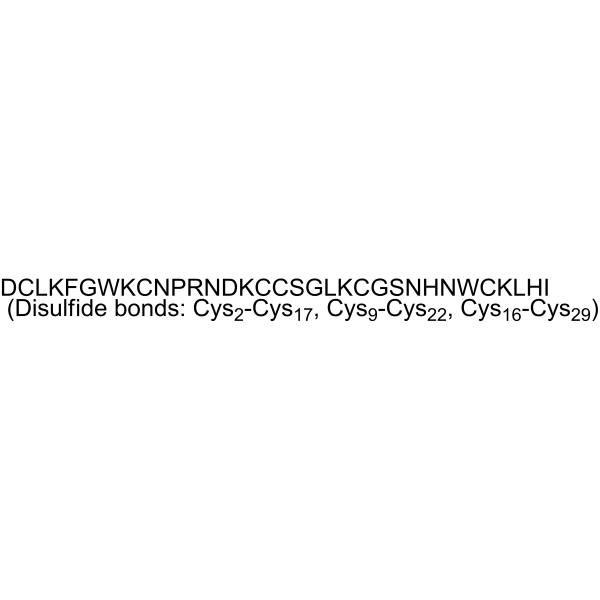
    Hm1a is a venom peptide and a selective hNaV1.1 activator with an EC50 of 7.5 nM. Hm1a enhances hNaV1.1 and hNaV1.3 channel currents via delayed inactivation. Hm1a restores action potential firing in Dravet syndrome GABAergic inhibitory interneurons, reduces interictal epileptiform discharges and whole-brain hyperexcitability, lowers seizure frequency, and rescues premature death in Dravet syndrome mice. Hm1a can be used for the research of neurological disease, such as Dravet syndrome .
    Hm1a
  • HY-44680

    Drug Intermediate Cancer
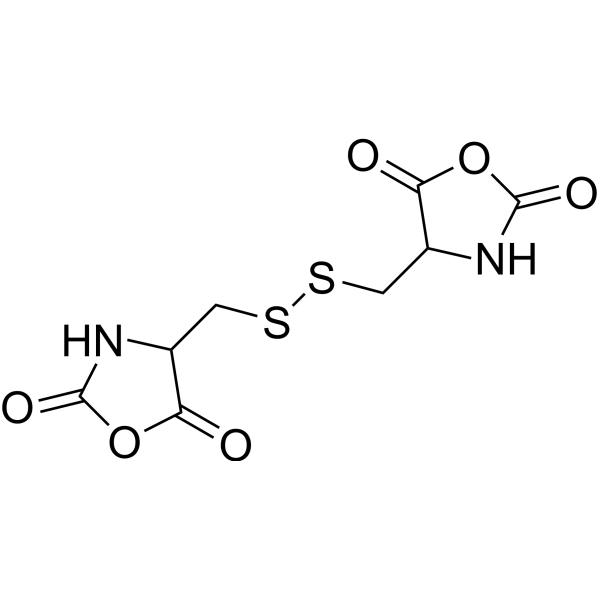
    L-Cystine N-carboxyanhydride can be used for synthesis of polyamino acid carrier for anti-tumor agent delivery .
    L-Cystine N-carboxyanhydride
  • HY-W327808

    Antibiotic Infection
    DL-Lanthionine is a distinctive amino acid and a monosulfide counterpart to cystine, playing a vital role as a component of peptide antibiotics known as lantiobiotics, which encompass well-known examples such as nisin and subtilin.
    DL-Lanthionine
  • HY-P5917A

    Vaejovis mexicanus peptide 24 TFA

    Potassium Channel Inflammation/Immunology Cancer
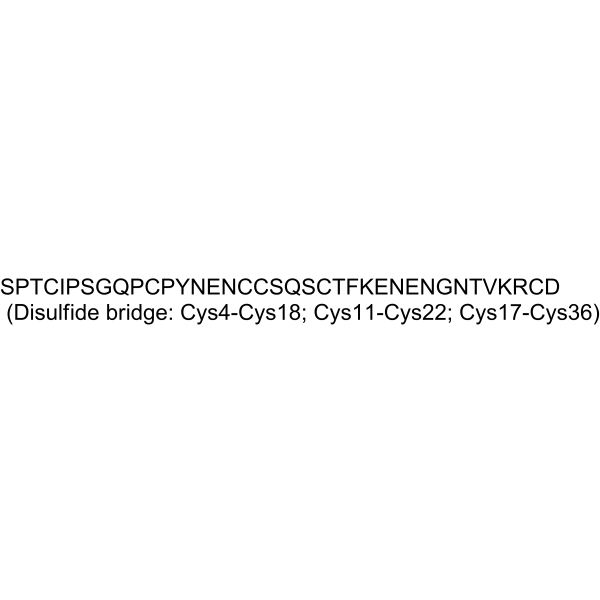
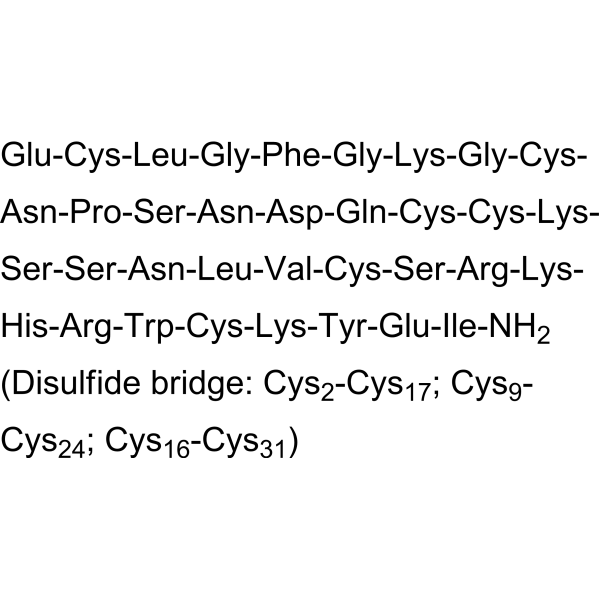
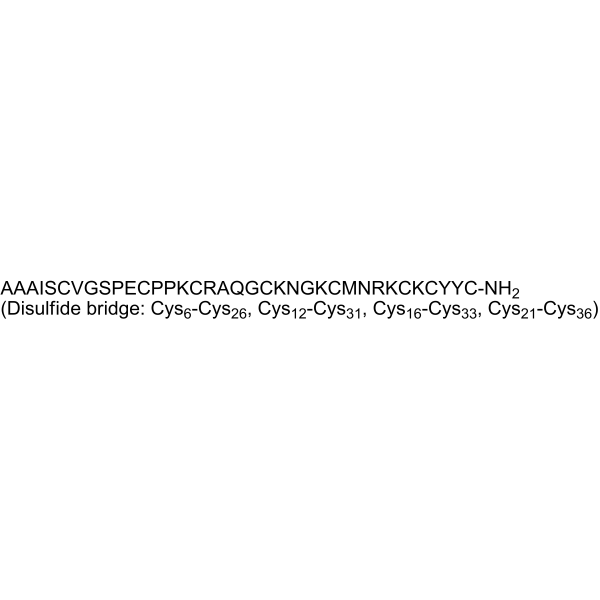
    Vm24-toxin (Vaejovis mexicanus peptide 24) TFA, a 36-residue peptide, is a potent and selective Kv1.3 blocker with a Kd of ~3 pM in lymphocytes. Vm24-toxin TFA shows >1500-fold affinity for Kv1.3 over other assayed potassium channels. Vm24-toxin TFA folds into a distorted cystine-stabilized α/β motif consisting of a single-turn α-helix and a three-stranded antiparallel β-sheet, stabilized by four disulfide bridges. Vm24-toxin TFA attenuates the CD4 + effector memory T cell response to T cell receptor (TCR) stimulation .
    Vm24-toxin TFA
  • HY-124009A

    Endogenous Metabolite Metabolic Disease
    L-Cysteic acid monohydrate is the oxidation product of L-cystine. L-Cysteic acid monohydrate is a substrate of GADCase/CADCaseII .
    L-Cysteic acid monohydrate
  • HY-W009356A

    Biochemical Assay Reagents Others
    L-Cystine monohydrochloride is an amino acid. L-Cystine is converted to L-Cysteine in the body. Moreover, L-Cystine/L-Cysteine conversion system is a channel on the cell membrane, which can maintain the internal REDOX homeostasis of E. coli .
    L-Cystine monohydrochloride
  • HY-W772717

    Endogenous Metabolite Ferroptosis Reactive Oxygen Species (ROS) Keap1-Nrf2 Apoptosis Metabolic Disease Inflammation/Immunology Cancer

    L-Cystine disodium monohydrate is an orally active extracellular form of L-Cysteine (HY-Y0337), occurring in proteins of plants and animals. L-Cystine disodium monohydrate elevates Nrf2 protein expression and activates Nrf2 transcription factor. L-Cystine disodium monohydrate reduces ROS generation and protects against oxidant- or Doxorubicin (HY-15142A)-induced apoptosis. L-Cystine disodium monohydrate combined with L-theanine (HY-15121) enhances the production of antigen-specific IgG by increasing glutathione (GSH) levels and T helper 2 (Th2) mediated responses in mice. L-Cystine disodium monohydrate is promising for research of cystinuria and kidney stones .
    L-Cystine disodium monohydrate
  • HY-114348R

    DiNAC (Standard); (Ac-Cys-OH)2 (Standard)

    Amino Acid Derivatives Reference Standards Cardiovascular Disease
    N,N'-Diacetyl-L-cystine (Standard) is the analytical standard of N,N'-Diacetyl-L-cystine. This product is intended for research and analytical applications. N,N'-diacetyl-L-cystine (DiNAC) is the disulphide dimer of N-acetylcysteine with immunomodulating properties. N,N'-diacetyl-L-cystine is a potent, orally active modulator of contact sensitivity/delayed type hypersensitivity reactions in rodents. N,N'-diacetyl-L-cystine also has antiatherosclerotic effects in Watanabe-heritable hyperlipidemic rabbit (WHHL) rabbits .
    N,N'-Diacetyl-L-cystine (Standard)
  • HY-W701625

    Isotope-Labeled Compounds Others
    N,N'-Diacetyl-L-cystine bis(tert-butyl) diester-d6 is the deuterium labeled N,N'-Diacetyl-L-cystine bis(tert-butyl) diester.
    N,N'-Diacetyl-L-cystine bis(tert-butyl) diester-d6
  • HY-100787

    Drug Derivative Metabolic Disease
    L-Cysteine S-sulfate sodium is an S-sulfated derivative of L-cysteine (HY-Y0337). L-Cysteine S-sulfate sodium is the substrate for cystine lyase, it can be used in mass spectrometry and chromatography analyses .
    L-Cysteine S-sulfate sodium
  • HY-P5793

    Sodium Channel Calcium Channel Neurological Disease
    GTx1-15 is an inhibitor cystine knot (ICK) peptide that inhibits the voltage-dependent calcium channel Cav3.1 and the voltage-dependent sodium channels Nav1.3 and Nav1.7 .
    GTx1-15
  • HY-45609R

    Reference Standards Drug Derivative Metabolic Disease
    L-Cysteine S-sulfate sodium hydrate (Standard) is the analytical standard of L-Cysteine S-sulfate sodium hydrate (HY-45609). This product is intended for research and analytical applications. L-Cysteine S-sulfate sodium hydrate is an S-sulfated derivative of L-cysteine (HY-Y0337). L-Cysteine S-sulfate sodium hydrate is the substrate for cystine lyase, it can be used in mass spectrometry and chromatography analyses .
    L-Cysteine S-sulfate sodium hydrate (Standard)
  • HY-P5184

    HNTX-IV

    Sodium Channel Neurological Disease
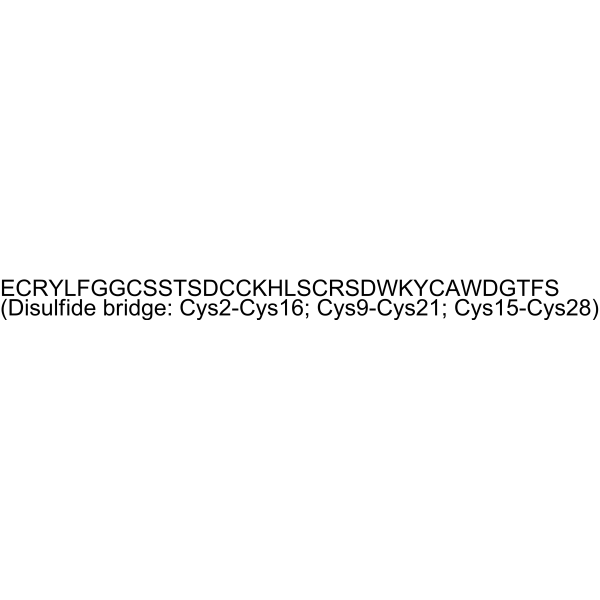
    Hainantoxin-IV is a specific antagonist of Sodium Channel, targeting to tetrodotoxin-sensitive (TTX-S) voltage-gated sodium channels. His28 and Lys32 are the key resiudes of Hainantoxin-IV for binding with target, while Hainantoxin-IV adopts an inhibitor cystine knot motif .
    Hainantoxin-IV
  • HY-161715

    Others Others
    LH708 is an orally active L-cystine crystallization inhibitor with an EC50 of 59.8 nM. LH708 can be used for Cystinuria research .
    LH708
  • HY-161716

    Others Others
    LH1753 is an orally active L-cystine crystallization inhibitor with an EC50 of 29.5 nM. LH1753 can be used for Cystinuria research .
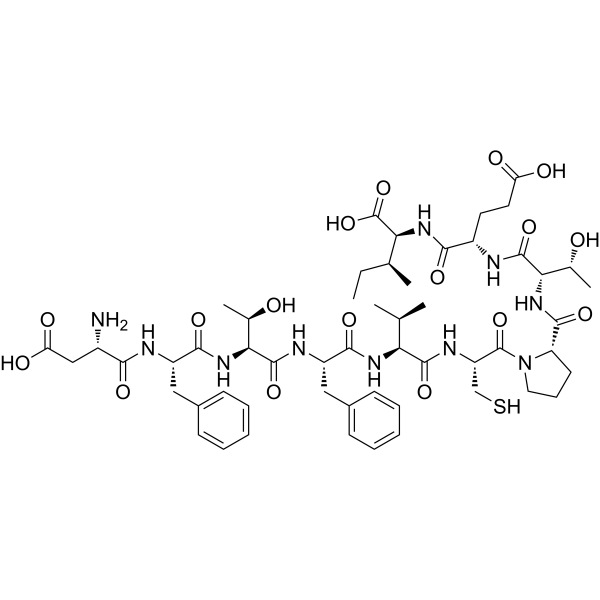
    LH1753
  • HY-P10132

    Ferroptosis Metabolic Disease
    PRDX3(103-112), human is a marker for ferroptosis. PRDX3 is hyperoxidated by mitochondrial lipid peroxides. PRDX3 inhibits cystine uptake after hyperoxidization .
    PRDX3(103-112), human
  • HY-W101954

    Biochemical Assay Reagents Others
    (Fmoc-Cys-OtBu)2 (Disulfide bond) is a cystine dipeptide which is linked through an oxidized disulfide bond. (Fmoc-Cys-OtBu)2 (disulfide bridge) can be used in the synthesis of cleavable disulfide linkers.
    (Fmoc-Cys-OtBu)2 (disulfide bridge)
  • HY-B0373S1

    Isotope-Labeled Compounds Metabolic Disease
    Tiopronin-d3 is the deuterium labeled Tiopronin. Tiopronin is a diffusible antioxidant, an antidote to heavy metal poisoning and a radioprotective agent. Tiopronin can control the rate of cystine precipitation and excretion and has the potential for cystinuria, rheumatoid arthritis and hepatic disorders .
    Tiopronin-d3
  • HY-124009R

    Reference Standards Endogenous Metabolite Others
    L-Cysteic acid (Standard) is the analytical standard of L-Cysteic acid. This product is intended for research and analytical applications. L-Cysteic acid is the oxidation product of L-cystine. L-Cysteic acid is a substrate of GADCase/CADCaseII. L-Cysteic acid has high affinity with CADCase I (Km = 0.22 mM). L-Cysteic acid is taken up by the synaptosome through a high affinity, Na +-dependent transport system .
    L-Cysteic acid (Standard)
  • HY-P5153

    μ-TRTX-Tp1a

    Sodium Channel Neurological Disease
    ProTx-III is a selective and potent inhibitor of voltage-gated sodium channel Nav1.7, with an IC50 of 2.1 nM. ProTx-III is a spider venom peptide isolated from the venom of the Peruvian green velvet tarantella. ProTx-III has a typical inhibitor cystine knot motif (ICK). ProTx-III is able to reverse the pain response. ProTx-III can be used to study diseases such as chronic pain, epilepsy, and arrhythmia .
    ProTx-III
  • HY-CE01660

    L-cystine-coenzyme A

    Biochemical Assay Reagents Metabolic Disease
    L-Cystine-CoA (L-Cystine-coenzyme A) is a coenzyme A derivative .
    L-Cystine-CoA
  • HY-W009203R

    Endogenous Metabolite Apoptosis Keap1-Nrf2 Reactive Oxygen Species (ROS) Ferroptosis Reference Standards Metabolic Disease Inflammation/Immunology Cancer
    L-Cystine (dihydrochloride) (Standard) is the analytical standard of L-Cystine (dihydrochloride) (HY-W009203). This product is intended for research and analytical applications. L-Cystine dihydrochloride is the dihydrochloride salt form of L-Cystine (HY-N0394). L-Cystine dihydrochloride elevates Nrf2 protein expression and activates Nrf2 transcription factor. L-cystine dihydrochloride reduces ROS generation and protects against oxidant- or Doxorubicin (HY-15142A)-induced apoptosis. L-Cystine dihydrochloride combined with L-theanine (HY-15121) enhances the production of antigen-specific IgG by increasing glutathione (GSH) levels and T helper 2 (Th2) mediated responses in mice. L-Cystine dihydrochloride is promising for research of cystinuria and kidney stones
    L-Cystine dihydrochloride (Standard)

Inquiry Online

Your information is safe with us. * Required Fields.

Salutation


Country or Region *

Applicant Name *


Organization Name *

Department *


Email Address *


Product Name *

Cat. No.


Requested quantity *

Phone Number *


Remarks

Inquiry Online

Inquiry Information

Product Name:
Cat. No.:
Quantity:
MCE Japan Authorized Agent: