Search Result
Results for "
diabetic+retinopathy
" in MedChemExpress (MCE) Product Catalog:
2
Biochemical Assay Reagents
2
Isotope-Labeled Compounds
| Cat. No. |
Product Name |
Target |
Research Areas |
Chemical Structure |
-
- HY-B2163
-
|
|
PPAR
Reactive Oxygen Species (ROS)
STAT
NF-κB
Apoptosis
|
Cardiovascular Disease
Metabolic Disease
Cancer
|
|
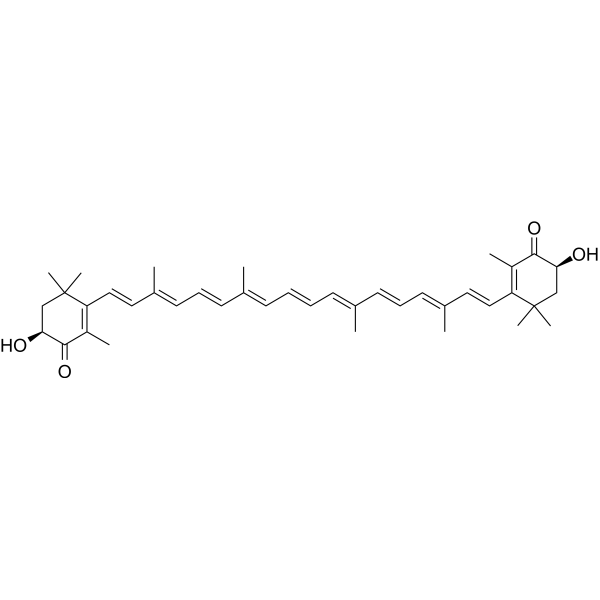
Astaxanthin, the red dietary carotenoid, is an orally effective and potent antioxidant. Astaxanthin inhibits NF-κB and down-regulates VEGF in blood glucose. Astaxanthin exerts anti-cancer cell proliferation, increases apoptosis, impairs migration and invasion by activating PPARγ and reducing the expression of STAT3. Astaxanthin also has neuroprotective and anti-inflammatory activity and can be used in studies of cancer, diabetic retinopathy, cardiovascular disease, and in the coloring of animal feed .
|
-
-
- HY-B1670A
-
|
Levisoprenaline hydrochloride; Proternol L hydrochloride
|
Caspase
TNF Receptor
|
Metabolic Disease
|
|
(-)-Isoproterenol (Levisoprenalinel) hydrochloride is the R-isomer of Isoproterenol. (-)-Isoproterenol hydrochloride can reduce the cleavage of caspase 3 and TNFα levels in retinal endothelial cells (REC). (-)-Isoproterenol hydrochloride can be used for the study of diabetic retinopathy .
|
-

-
- HY-Y0669
-
-
-
- HY-N0637
-
|
Huazhongilexone
|
Melanocortin Receptor
TRP Channel
|
Infection
Inflammation/Immunology
|
|
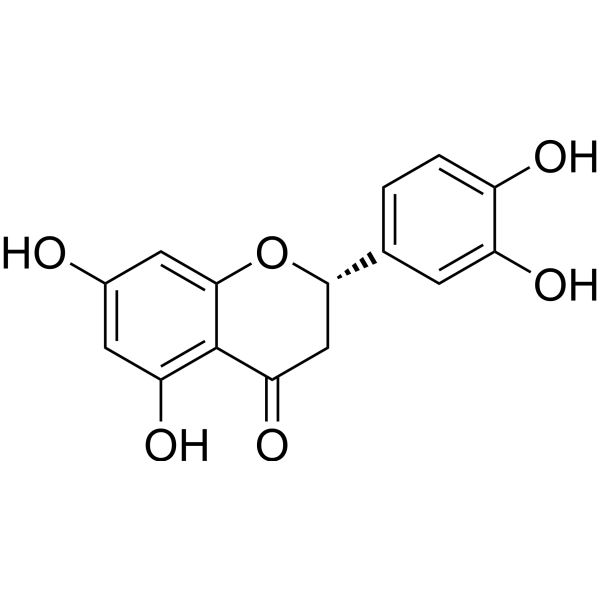
Eriodictyol ((±)-Huazhongilexone; Dihydroluteolin) is an orally active TRPV1 receptor antagonist (IC50=44-47 nM, rTRPV1) with antioxidant and anti-inflammatory activities. Eriodictyol effectively inhibits lipid peroxidation and the release of proinflammatory cytokines by specifically antagonizing the TRPV1 receptor and activating the Nrf2 signaling pathway. Eriodictyol reduces the levels of ICAM-1, VEGF, eNOS and TNF-α in the retina and maintains the integrity of the blood-retinal barrier. Eriodictyol alleviates oxidative stress-induced apoptosis and hyperalgesia, enhances the activity and cytotoxicity of immune cells (such as B lymphocytes, NK cells and macrophages), and increases the levels of antioxidant enzymes simultaneously. Eriodictyol can be used in the research of diabetic retinopathy, acute lung injury and various pain-related diseases .
|
-
-
- HY-N0637A
-
|
(±)-Huazhongilexone; Dihydroluteolin
|
Melanocortin Receptor
TRP Channel
|
Metabolic Disease
|
|
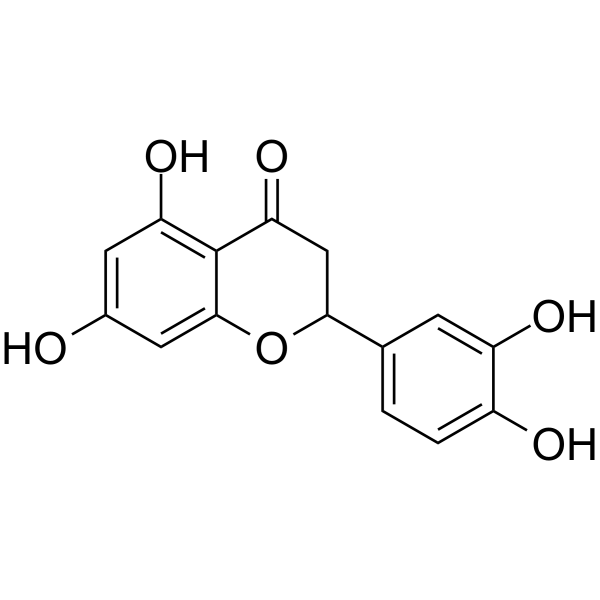
(±)-Eriodictyol ((±)-Huazhongilexone; Dihydroluteolin) is an orally active TRPV1 receptor antagonist (IC50=44-47 nM, rTRPV1) with antioxidant and anti-inflammatory activities. (±)-Eriodictyol effectively inhibits lipid peroxidation and the release of proinflammatory cytokines by specifically antagonizing the TRPV1 receptor and activating the Nrf2 signaling pathway. (±)-Eriodictyol reduces the levels of ICAM-1, VEGF, eNOS and TNF-α in the retina and maintains the integrity of the blood-retinal barrier. (±)-Eriodictyol alleviates oxidative stress-induced apoptosis and hyperalgesia, enhances the activity and cytotoxicity of immune cells (such as B lymphocytes, NK cells and macrophages), and increases the levels of antioxidant enzymes simultaneously. (±)-Eriodictyol can be used in the research of diabetic retinopathy, acute lung injury and various pain-related diseases .
|
-
-
- HY-112482
-
ABT-702
3 Publications Verification
|
Adenosine Kinase
Adenosine Receptor
|
Neurological Disease
Inflammation/Immunology
|
|
ABT-702 (Adenosine Kinase Inhibitor) is a potent, orally active, and selective adenosine kinase (AK) inhibitor with an IC50 of 1.7 nM. ABT-702 shows >1300-fold selectivity for AK over other biological targets, including cyclooxygenases-1 and -2. ABT-702 attenuates inflammation in diabetic retinopathy by increasing free adenosine levels. ABT-702 shows analgesic and anti-inflammatory effects in vivo. ABT-702 can be used for diabetic retinopathy research .
|
-

-
- HY-150069
-
|
|
Bcl-2 Family
Apoptosis
|
Metabolic Disease
|
|
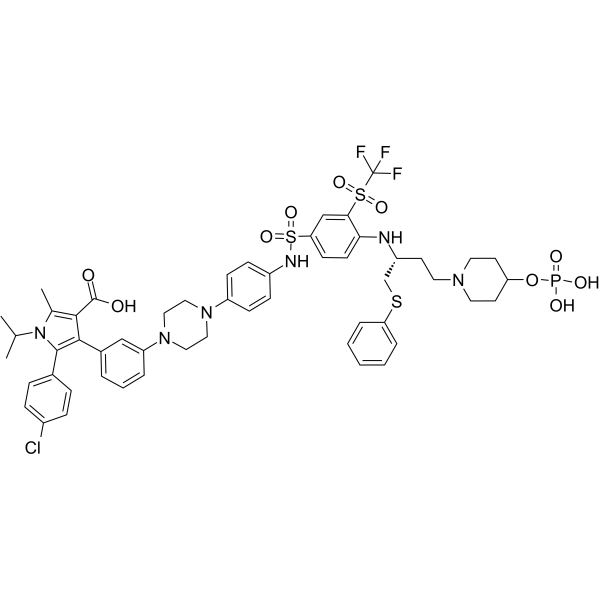
UBX1325 is an Bcl-xL inhibitor that promotes apoptosis in senescent cells. UBX1325 is a potent anti-aging agent that can be used in studies of age-related eye diseases such as diabetic macular oedema (DME), age-related macular degeneration (AMD) and diabetic retinopathy (DR) .
|
-
-
- HY-111603
-
|
|
Apoptosis
|
Metabolic Disease
Inflammation/Immunology
|
|
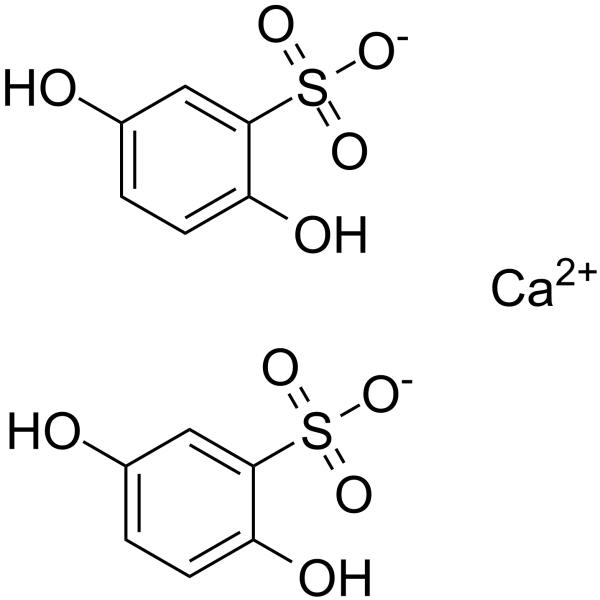
Calcium dobesilate is a vascular protector with oral activity that can clear hydroxyl free radicals, with an IC50 of 1.1 pM. Calcium dobesilate has antioxidant activity and helps to reduce oxidative stress and inflammation in the retinas of diabetic mice. Calcium dobesilate can be used to study chronic venous diseases, diabetic retinopathy, and the occurrence of hemorrhoids, among other conditions .
|
-
-
- HY-112482A
-
|
|
Adenosine Kinase
Adenosine Receptor
|
Neurological Disease
Inflammation/Immunology
|
|
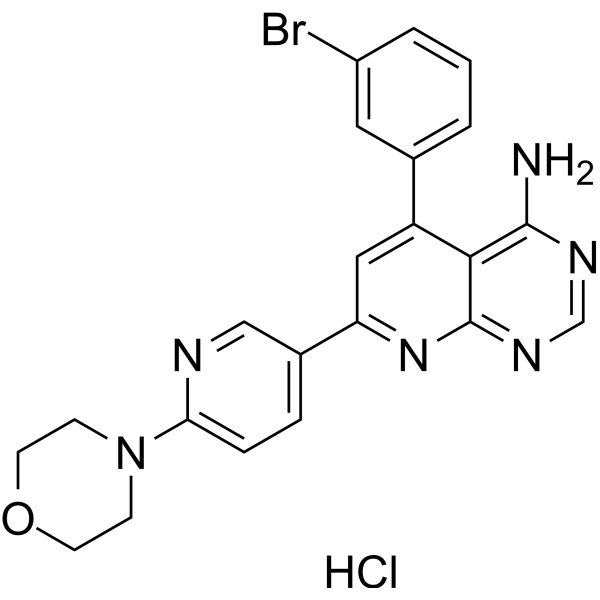
ABT-702 hydrochloride is a potent, orally active, and selective adenosine kinase (AK) inhibitor with an IC50 of 1.7 nM. ABT-702 hydrochloride shows >1300-fold selectivity for AK over other biological targets, including cyclooxygenases-1 and -2. ABT-702 hydrochloride attenuates inflammation in diabetic retinopathy by increasing free adenosine levels. ABT-702 hydrochloride shows analgesic and anti-inflammatory effects in vivo. ABT-702 hydrochloride can be used for diabetic retinopathy research .
|
-
-
- HY-N2896
-
|
|
Reactive Oxygen Species (ROS)
Apoptosis
Fungal
Bacterial
NF-κB
SOD
AMPK
mTOR
Notch
Toll-like Receptor (TLR)
Wnt
MyD88
Sirtuin
|
Infection
Neurological Disease
Inflammation/Immunology
Cancer
|
|
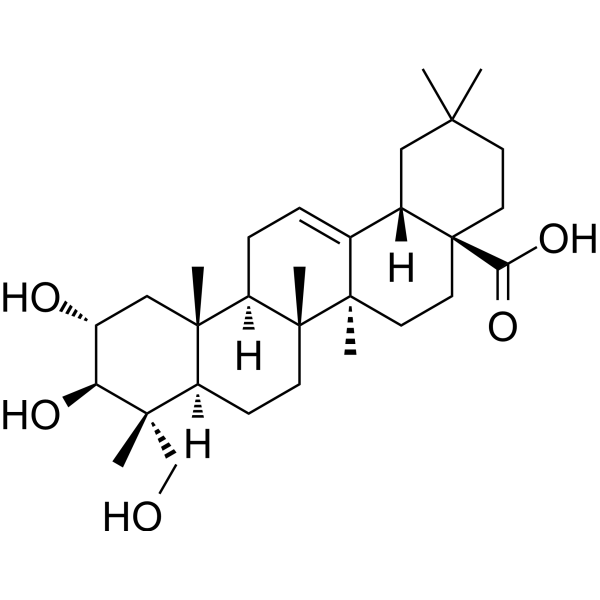
Arjunolic acid is an orally active, multifunctional bioactive compound. Arjunolic acid exhibits free radical scavenging activity, as well as fungal and bacterial activities. Arjunolic acid induces apoptosis (Apoptosis) in various cancer cells. Arjunolic acid protects hepatocytes against induced oxidative stress and apoptosis by reducing reactive oxygen species and inhibiting NF-κB activation. Arjunolic acid regulates pancreatic dysfunction in type 2 diabetic rats by blocking the activation of the TLR-4/MyD88 and canonical Wnt pathways. Arjunolic acid inhibits neuroinflammation and ameliorates depressive behaviors via the SIRT1/AMPK/Notch1 signaling pathway in microglia. Arjunolic acid improves Crohn's disease-like colitis by restoring gut microbiota composition and inhibiting TLR4 signaling. Arjunolic acid suppresses osteosarcoma progression by inhibiting Wnt3a-mediated M2 polarization of macrophages. Arjunolic acid ameliorates diabetic retinopathy via the autophagy pathway regulated by AMPK/mTOR/HO-1. Arjunolic acid is applicable to research related to type 2 diabetes, organ toxicity, depression, Crohn's disease, osteosarcoma, diabetic retinopathy, and testicular dysfunction .
|
-
-
- HY-N3677
-
|
|
OGT
Akt
mTOR
GSK-3
Reactive Oxygen Species (ROS)
Apoptosis
PARP
MDM-2/p53
|
Inflammation/Immunology
Cancer
|
|
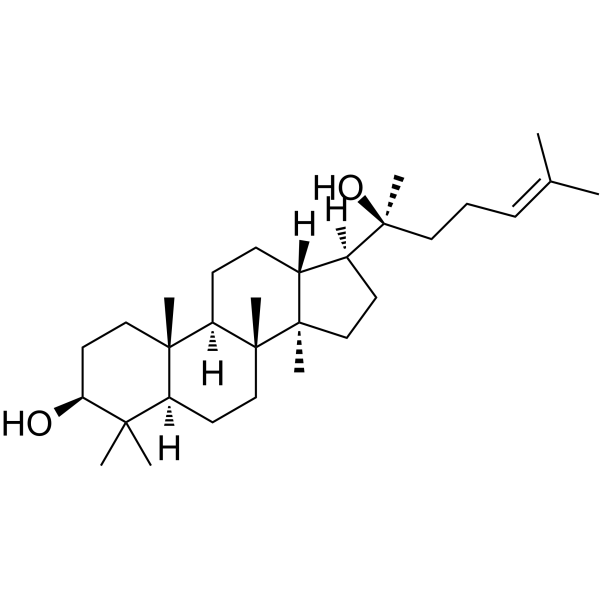
Dammarenediol II is a ginsenoside precursor . Dammarenediol II reduces the activity of O-GlcNAc transferase (OGT) and downregulates the global O-GlcNAcylation level. Dammarenediol II inhibits the phosphorylation of Akt, mTOR and GSK3β. Dammarenediol II inhibits human carboxylesterase activity, VEGF-induced ROS production, stress fiber formation and vascular endothelial cadherin disruption. Dammarenediol II promotes cell apoptosis (apoptosis), increases the levels of cleaved PARP1 and p53, and inhibits retinal microvascular leakage. Dammarenediol II can be used in studies related to liver cancer and diabetic retinopathy .
|
-
-
- HY-139170
-
|
|
ROCK
|
Metabolic Disease
|
|
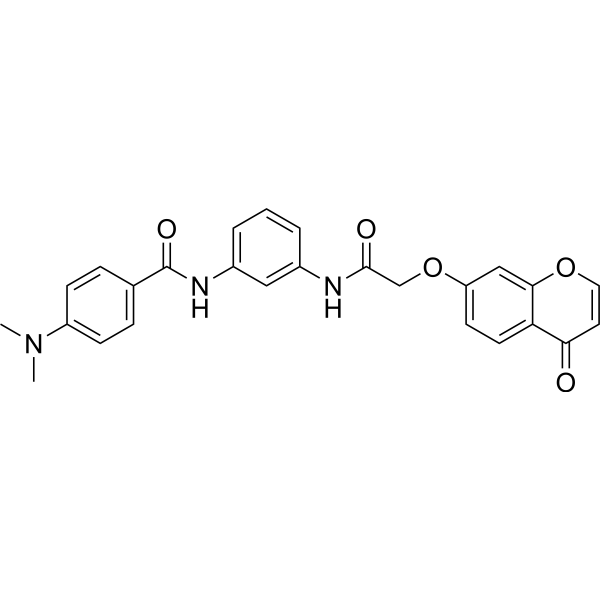
CAY10746 is a selective Rho kinase (ROCK) inhibitor. CAY10746 has inhibitory activity for ROCK I, ROCK II with IC50 values of 0.014 μM and 0.003 μM, respectively. CAY10746 can be used for the research of diabetic retinopathy (DR) .
|
-
-
- HY-Y0669S
-
|
|
Isotope-Labeled Compounds
Endogenous Metabolite
Ferroptosis
YAP
Glutathione Peroxidase
|
Infection
|
|
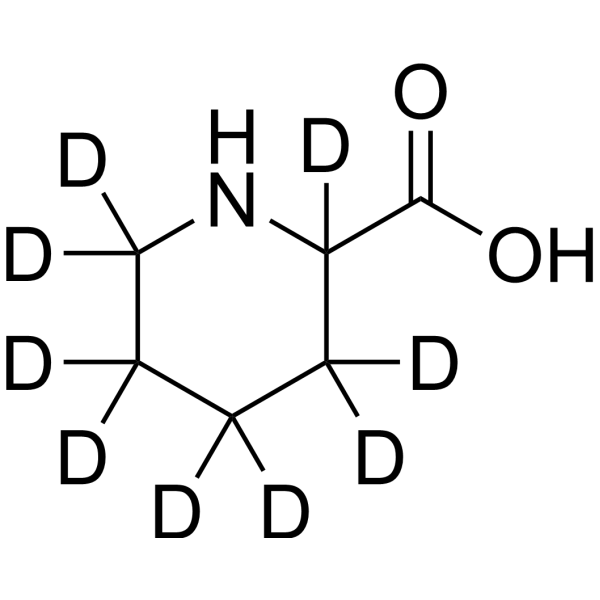
Pipecolic acid-d9 is the deuterium labeled Pipecolic acid. Pipecolic acid is a metabolite of lysine and an important precursor for many useful microbial secondary metabolites. Pipecolic acid slows ferroptosis in diabetic retinopathy by inhibiting the YAP-GPX4 signaling pathway. In addition, Pipecolic acid can be used as a diagnostic marker for pyridoxine-dependent epilepsy .
|
-
-
- HY-111603R
-
|
|
Reference Standards
Apoptosis
|
Others
|
|
Calcium dobesilate (Standard) is the analytical standard of Calcium dobesilate. This product is intended for research and analytical applications. Calcium dobesilate, a vasoprotective, is widely used in chronic venous disease, diabetic retinopathy and the symptoms of haemorrhoidal attack in many countries.
|
-

-
- HY-P3318
-
|
L-BOC2
|
Leukotriene Receptor
|
Inflammation/Immunology
|
|
Boc-Phe-Leu-Phe-Leu-Phe (Boc-FLFLF) is a N-formyl peptide receptors (FPR) inhibitor. Boc-Phe-Leu-Phe-Leu-Phe abolishes the FMLP-induced release of peptide leukotrienes. Boc-Phe-Leu-Phe-Leu-Phe inhibits the sprouting of human umbilical vein endothelial cell (HUVEC) spheroids mediated by proliferative diabetic retinopathy (PDR) vitreous and vascular endothelial growth factor (VEGF) respectively in a three-dimensional fibrin gel. Boc-Phe-Leu-Phe-Leu-Phe inhibits the anti-inflammatory and antifibrotic effects of Ac2-26 (HY-P1098). Boc-Phe-Leu-Phe-Leu-Phe can be used for the study of immunology .
|
-

-
- HY-Y0669R
-
-

-
- HY-115821
-
|
Rutascorbin
|
Others
|
Metabolic Disease
|
|
Ascorutin (Rutascorbin), a combination of ascorbic acid and rutoside, is utilized in the treatment of diabetic retinopathy.
|
-

-
- HY-B1670
-
|
Levisoprenalinel; Proternol L
|
Caspase
TNF Receptor
|
Metabolic Disease
|
|
(-)-Isoproterenol (Levisoprenalinel) is the R-isomer of Isoproterenol. (-)-Isoproterenol can reduce the cleavage of caspase 3 and TNFα levels in retinal endothelial cells (REC). (-)-Isoproterenol can be used for the study of diabetic retinopathy .
|
-

-
- HY-150052
-
|
|
Kallikrein
|
Cardiovascular Disease
Metabolic Disease
|
|
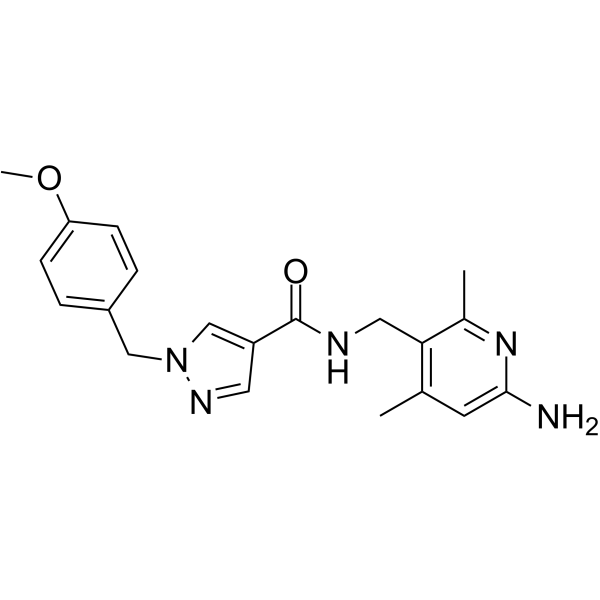
Plasma kallikrein-IN-3 is a plasma kallikrein inhibitor (IC50: 0.15 μM). Plasma kallikrein-IN-3 can be used for hereditary angioedema, diabetic macular edema, and diabetic retinopathy research .
|
-
-
- HY-N11286
-
|
TG-DHA; Meganol D
|
Others
|
Neurological Disease
Metabolic Disease
Inflammation/Immunology
|
|
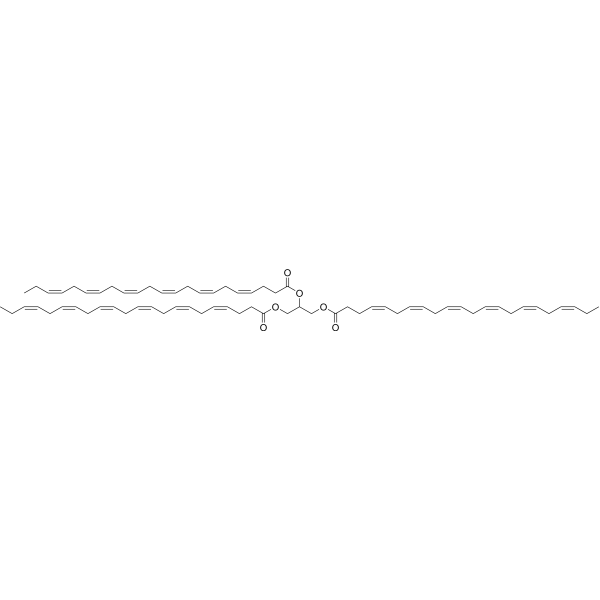
Tridocosahexaenoylglycerol (TG-DHA) is an orally active dietary supplement that improves autoimmune encephalomyelitis in mice. Tridocosahexaenoylglycerol shows beneficial effects on neurodegenerative diseases and also improves macular function in diabetic retinopathy. Tridocosahexaenoylglycerol can be used for research on neurological diseases, inflammatory immune diseases, and metabolic diseases .
|
-
-
- HY-145604
-
|
RG7774
|
Cannabinoid Receptor
|
Cardiovascular Disease
Neurological Disease
Metabolic Disease
Inflammation/Immunology
|
|
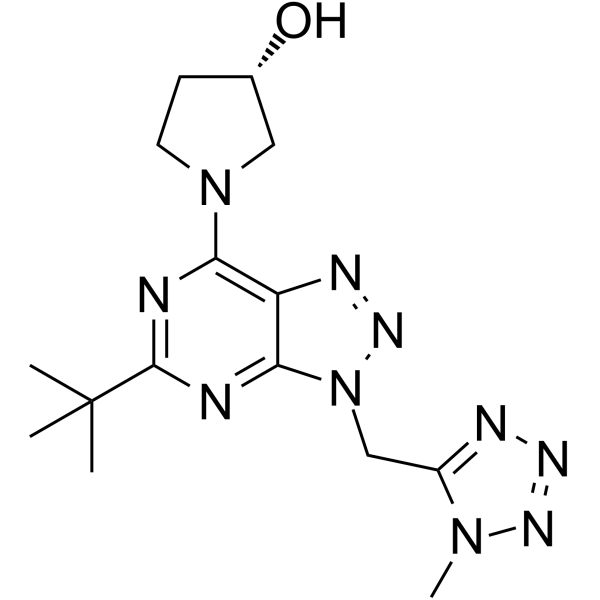
Vicasinabin (RG7774) is an orally active, selective, and full CB2R agonist, with EC50 values of 2.81 nM and 2.60 nM for human CB2R and mouse CB2R, respectively. Vicasinabin inhibits inflammation, reduces leukocyte adhesion and decreases vascular permeability by selectively activating CB2R. Vicasinabin can be used in the researches for diabetic retinopathy, uveitis and laser-induced choroidal neovascularization .
|
-
-
- HY-143476
-
|
|
Kallikrein
|
Cardiovascular Disease
Metabolic Disease
|
|
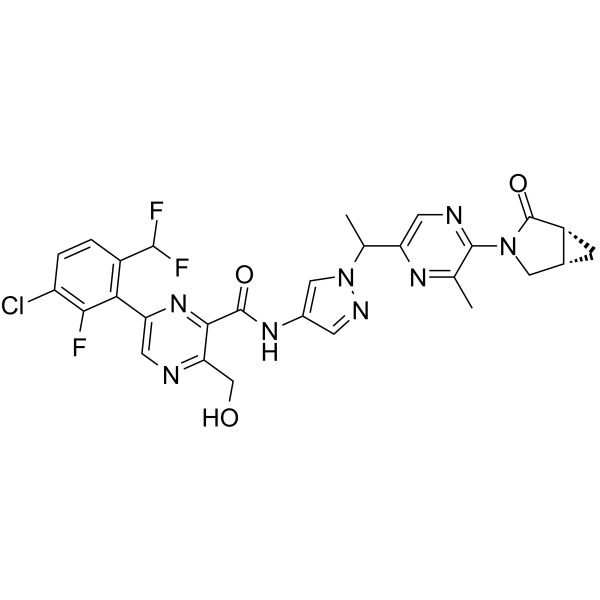
Plasma kallikrein-IN-2 (Compound 198) is a potent plasma kallikrein (PKal) inhibitor with an IC50 of 0.1 nM. Plasma kallikrein-IN-2 can be used for hereditary angioedema, diabetic macular edema, and diabetic retinopathy research .
|
-
-
- HY-129685
-
-

-
- HY-P991429
-
|
|
VEGFR
|
Metabolic Disease
|
|
THR-317 is a human monoclonal antibody (mAb) targeting PLGF. THR-317 can be used in Diabetic retinopathy research .
|
-

-
- HY-111603S
-
|
|
Isotope-Labeled Compounds
Apoptosis
|
Others
|
|
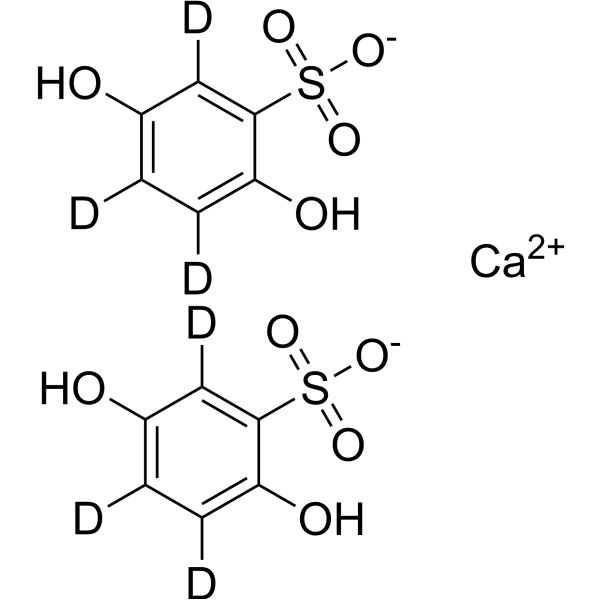
Dobesilate-d6 (calcium) is deuterium labeled Calcium dobesilate. Calcium dobesilate, a vasoprotective, is widely used in chronic venous disease, diabetic retinopathy and the symptoms of haemorrhoidal attack in many countries.
|
-
-
- HY-P991385
-
|
|
Tie
|
Neurological Disease
Metabolic Disease
|
|
UBX2050 is a human monoclonal antibody (mAb) targeting TIE2. UBX2050 can be used in Age-related macular degeneration, Diabetic macular oedema and Diabetic retinopathy research .
|
-

-
- HY-153464
-
-
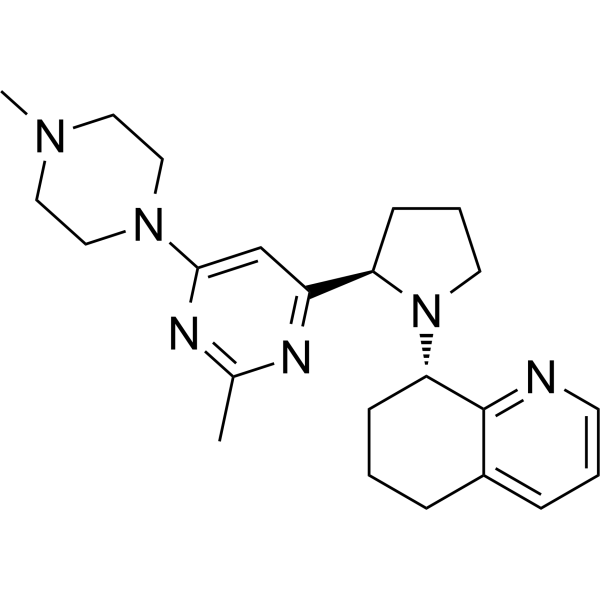
-
- HY-N0637AR
-
|
(±)-Huazhongilexone (Standard); Dihydroluteolin (Standard)
|
Reference Standards
Melanocortin Receptor
TRP Channel
|
Metabolic Disease
|
|
3-Chlorobenzoic acid (Standard) is the analytical standard of 3-Chlorobenzoic acid. This product is intended for research and analytical applications. (±)-Eriodictyol ((±)-Huazhongilexone; Dihydroluteolin) is an orally active TRPV1 receptor antagonist (IC50=44-47 nM, rTRPV1) with antioxidant and anti-inflammatory activities. (±)-Eriodictyol effectively inhibits lipid peroxidation and the release of proinflammatory cytokines by specifically antagonizing the TRPV1 receptor and activating the Nrf2 signaling pathway. (±)-Eriodictyol reduces the levels of ICAM-1, VEGF, eNOS and TNF-α in the retina and maintains the integrity of the blood-retinal barrier. (±)-Eriodictyol alleviates oxidative stress-induced apoptosis and hyperalgesia, enhances the activity and cytotoxicity of immune cells (such as B lymphocytes, NK cells and macrophages), and increases the levels of antioxidant enzymes simultaneously. (±)-Eriodictyol can be used in the research of diabetic retinopathy, acute lung injury and various pain-related diseases .
|
-

-
- HY-181798
-
|
|
Kallikrein
|
Metabolic Disease
|
|
pKal-IN-1 (compound 13) is a plasma kallikrein (pKal) inhibitor. pKal-IN-1 can be used for the research of diabetic macular edema, diabetic retinopathy .
|
-

-
- HY-P992422
-
|
|
Transmembrane Glycoprotein
|
Neurological Disease
|
|
NG004 is a fully human monoclonal antibody targeting Nogo-A. NG004 reduces retinal Nogo-A levels, blocks the binding of the Nogo-A-receptor complex, and neutralizes the Nogo-A protein. NG004 can be used in studies related to diabetic retinopathy, stroke and acute spinal cord injury .
|
-

-
- HY-133806
-
|
|
MetAP
VEGFR
|
Cardiovascular Disease
Neurological Disease
Metabolic Disease
Cancer
|
|
Fumarranol, a Fumagillin (HY-B0751) analogue, is a selective type 2 methionine aminopeptidase (MetAP2) inhibitor with a human IC50 of 3.2 μM. Fumarranol inhibits proliferation of bovine aortic endothelial cells and inhibits angiogenesis in a mouse matrigel plug model. Fumarranol can be used for the researches of cancer, diabetic retinopathy, age-related macular degeneration .
|
-

-
- HY-135435
-
|
|
VEGFR
PDGFR
FGFR
|
Neurological Disease
Metabolic Disease
Cancer
|
|
SU10944 is a selective, orally active VEGFR inhibitor, with an IC50 of 6 nM against VEGFR-1, an IC50 of 96 nM and a Ki of 21 nM against VEGFR-2. SU10944 only exhibits weak inhibitory activity against PDGFRβ (IC50 = 1 μM), SCFR (IC50 = 1.58 μM) and FGFR-1 (IC50 = 1.6 μM). SU10944 selectively inhibits VEGFR receptor downstream signaling, neovascularization, vascular permeability, VEGF-mediated tissue factor production, and induces tumor growth delay. SU10944 can be used in research related to diabetic retinopathy, exudative age-related macular degeneration or cancer .
|
-

-
- HY-P992201
-
|
CL1-R2
|
MHC
Apoptosis
IFNAR
TNF Receptor
Interleukin Related
Akt
mTOR
|
Cardiovascular Disease
Neurological Disease
Cancer
|
|
Anti-CD160 Antibody (MAT 302) (CL1-R2) is a human monoclonal antibody targeting CD160. Anti-CD160 Antibody (MAT 302) blocks the CD160-HVEM protein interaction, inhibits FGF2-mediated renal tubular vascular growth, and induces endothelial cell apoptosis. Anti-CD160 Antibody (MAT 302) targets CD160 on neovascularization to exert anti-angiogenic and vascular normalization effects, trigger the production of IFN-γ, TNF and IL-6 by NK cells, and enhance glucose metabolism of NK cells through the AKT/mTOR/s6k signaling pathway. Anti-CD160 Antibody (MAT 302) reduces vascular density, normalizes remaining tumor blood vessels, and inhibits tumor growth in melanoma-bearing mice. Anti-CD160 Antibody (MAT 302) can be used in research related to neovascularization, proliferative diabetic retinopathy, and melanoma .
|
-

| Cat. No. |
Product Name |
Type |
-
- HY-Y0669
-
|
|
Biochemical Assay Reagents
|
|
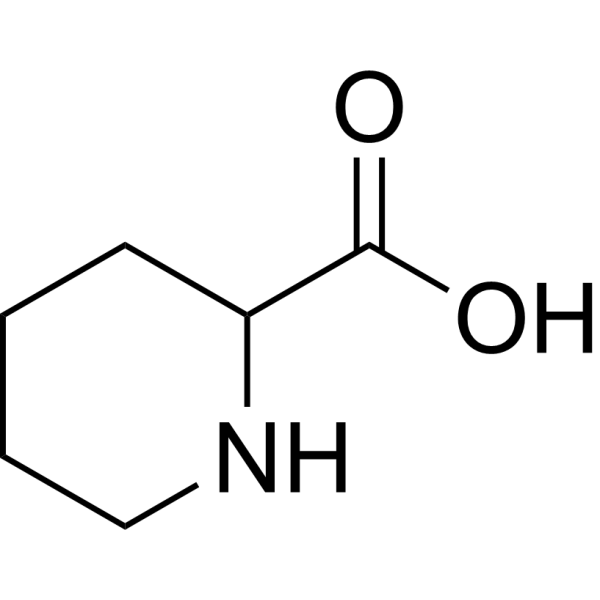
Pipecolic acid is an orally bioavailable, blood-brain barrier-permeable metabolite of lysine with antioxidant, inhibitor, and inducer activity. Pipecolic acid modulates the YAP-GPX4 signaling pathway, reduces retinal vascular tube formation, and mitigates ferroptosis. Pipecolic acid potentiates voltage-sensitive Ca 2+ channel currents and induces neuronal apoptosis. Pipecolic acid can be used for the research of diabetic retinopathy .
|
-
- HY-Y0669R
-
|
|
Biochemical Assay Reagents
|
|
Pipecolic acid (Standard) is the analytical standard of Pipecolic acid. This product is intended for research and analytical applications. Pipecolic acid is a metabolite of lysine and an important precursor for many useful microbial secondary metabolites. Pipecolic acid slows ferroptosis in diabetic retinopathy by inhibiting the YAP-GPX4 signaling pathway. In addition, Pipecolic acid can be used as a diagnostic marker for pyridoxine-dependent epilepsy .
|
| Cat. No. |
Product Name |
Target |
Research Area |
-
- HY-P3318
-
|
L-BOC2
|
Leukotriene Receptor
|
Inflammation/Immunology
|
|
Boc-Phe-Leu-Phe-Leu-Phe (Boc-FLFLF) is a N-formyl peptide receptors (FPR) inhibitor. Boc-Phe-Leu-Phe-Leu-Phe abolishes the FMLP-induced release of peptide leukotrienes. Boc-Phe-Leu-Phe-Leu-Phe inhibits the sprouting of human umbilical vein endothelial cell (HUVEC) spheroids mediated by proliferative diabetic retinopathy (PDR) vitreous and vascular endothelial growth factor (VEGF) respectively in a three-dimensional fibrin gel. Boc-Phe-Leu-Phe-Leu-Phe inhibits the anti-inflammatory and antifibrotic effects of Ac2-26 (HY-P1098). Boc-Phe-Leu-Phe-Leu-Phe can be used for the study of immunology .
|
| Cat. No. |
Product Name |
Target |
Research Area |
Image |
-
- HY-P991429
-
|
|
VEGFR
|
Metabolic Disease
|
|
THR-317 is a human monoclonal antibody (mAb) targeting PLGF. THR-317 can be used in Diabetic retinopathy research .
|
-

(5)
-
- HY-P991385
-
|
|
Tie
|
Neurological Disease
Metabolic Disease
|
|
UBX2050 is a human monoclonal antibody (mAb) targeting TIE2. UBX2050 can be used in Age-related macular degeneration, Diabetic macular oedema and Diabetic retinopathy research .
|
-
(5)
-
- HY-P992422
-
|
|
Transmembrane Glycoprotein
|
Neurological Disease
|
|
NG004 is a fully human monoclonal antibody targeting Nogo-A. NG004 reduces retinal Nogo-A levels, blocks the binding of the Nogo-A-receptor complex, and neutralizes the Nogo-A protein. NG004 can be used in studies related to diabetic retinopathy, stroke and acute spinal cord injury .
|
-
(5)
-
- HY-P992201
-
|
CL1-R2
|
MHC
Apoptosis
IFNAR
TNF Receptor
Interleukin Related
Akt
mTOR
|
Cardiovascular Disease
Neurological Disease
Cancer
|
|
Anti-CD160 Antibody (MAT 302) (CL1-R2) is a human monoclonal antibody targeting CD160. Anti-CD160 Antibody (MAT 302) blocks the CD160-HVEM protein interaction, inhibits FGF2-mediated renal tubular vascular growth, and induces endothelial cell apoptosis. Anti-CD160 Antibody (MAT 302) targets CD160 on neovascularization to exert anti-angiogenic and vascular normalization effects, trigger the production of IFN-γ, TNF and IL-6 by NK cells, and enhance glucose metabolism of NK cells through the AKT/mTOR/s6k signaling pathway. Anti-CD160 Antibody (MAT 302) reduces vascular density, normalizes remaining tumor blood vessels, and inhibits tumor growth in melanoma-bearing mice. Anti-CD160 Antibody (MAT 302) can be used in research related to neovascularization, proliferative diabetic retinopathy, and melanoma .
|
-
(5)
| Cat. No. |
Product Name |
Category |
Target |
Chemical Structure |
-
- HY-B2163
-
-
-
- HY-N0637
-
-
-
- HY-N0637A
-
|
(±)-Huazhongilexone; Dihydroluteolin
|
Structural Classification
Flavonoids
Lawsonia inermis L.
Lythraceae
Flavones
Plants
Source Classification
|
Melanocortin Receptor
TRP Channel
|
|
(±)-Eriodictyol ((±)-Huazhongilexone; Dihydroluteolin) is an orally active TRPV1 receptor antagonist (IC50=44-47 nM, rTRPV1) with antioxidant and anti-inflammatory activities. (±)-Eriodictyol effectively inhibits lipid peroxidation and the release of proinflammatory cytokines by specifically antagonizing the TRPV1 receptor and activating the Nrf2 signaling pathway. (±)-Eriodictyol reduces the levels of ICAM-1, VEGF, eNOS and TNF-α in the retina and maintains the integrity of the blood-retinal barrier. (±)-Eriodictyol alleviates oxidative stress-induced apoptosis and hyperalgesia, enhances the activity and cytotoxicity of immune cells (such as B lymphocytes, NK cells and macrophages), and increases the levels of antioxidant enzymes simultaneously. (±)-Eriodictyol can be used in the research of diabetic retinopathy, acute lung injury and various pain-related diseases .
|
-
-
- HY-N2896
-
-
-
- HY-N3677
-
-
-
- HY-N11286
-
|
TG-DHA; Meganol D
|
Structural Classification
Animals
Lipid
Source Classification
|
Others
|
|
Tridocosahexaenoylglycerol (TG-DHA) is an orally active dietary supplement that improves autoimmune encephalomyelitis in mice. Tridocosahexaenoylglycerol shows beneficial effects on neurodegenerative diseases and also improves macular function in diabetic retinopathy. Tridocosahexaenoylglycerol can be used for research on neurological diseases, inflammatory immune diseases, and metabolic diseases .
|
-
-
- HY-N0637AR
-
|
(±)-Huazhongilexone (Standard); Dihydroluteolin (Standard)
|
Structural Classification
Flavonoids
Lawsonia inermis L.
Lythraceae
Flavones
Plants
Source Classification
|
Reference Standards
Melanocortin Receptor
TRP Channel
|
|
3-Chlorobenzoic acid (Standard) is the analytical standard of 3-Chlorobenzoic acid. This product is intended for research and analytical applications. (±)-Eriodictyol ((±)-Huazhongilexone; Dihydroluteolin) is an orally active TRPV1 receptor antagonist (IC50=44-47 nM, rTRPV1) with antioxidant and anti-inflammatory activities. (±)-Eriodictyol effectively inhibits lipid peroxidation and the release of proinflammatory cytokines by specifically antagonizing the TRPV1 receptor and activating the Nrf2 signaling pathway. (±)-Eriodictyol reduces the levels of ICAM-1, VEGF, eNOS and TNF-α in the retina and maintains the integrity of the blood-retinal barrier. (±)-Eriodictyol alleviates oxidative stress-induced apoptosis and hyperalgesia, enhances the activity and cytotoxicity of immune cells (such as B lymphocytes, NK cells and macrophages), and increases the levels of antioxidant enzymes simultaneously. (±)-Eriodictyol can be used in the research of diabetic retinopathy, acute lung injury and various pain-related diseases .
|
-
| Cat. No. |
Product Name |
Chemical Structure |
-
- HY-Y0669S
-
|
|
|
Pipecolic acid-d9 is the deuterium labeled Pipecolic acid. Pipecolic acid is a metabolite of lysine and an important precursor for many useful microbial secondary metabolites. Pipecolic acid slows ferroptosis in diabetic retinopathy by inhibiting the YAP-GPX4 signaling pathway. In addition, Pipecolic acid can be used as a diagnostic marker for pyridoxine-dependent epilepsy .
|
-
-
- HY-111603S
-
|
|
|
Dobesilate-d6 (calcium) is deuterium labeled Calcium dobesilate. Calcium dobesilate, a vasoprotective, is widely used in chronic venous disease, diabetic retinopathy and the symptoms of haemorrhoidal attack in many countries.
|
-
Your information is safe with us. * Required Fields.
Inquiry Information
- Product Name:
- Cat. No.:
- Quantity:
- MCE Japan Authorized Agent:








